












The process of ventilation is the planned sequence of supplying fresh air, moving it through a space, diluting contaminants and exhausting used air. In industrial and mining applications, this process is engineered so that every step is controlled and measurable, not left to chance.
The process starts with air intake. Fresh outdoor air is drawn into the system through louvers, intake plenums or shafts. In a factory, the air may pass through filters to remove dust and insects, and through sound attenuators to reduce noise from fans. In mines, intake shafts and portals provide the entry points for fresh air, often protected with screens and doors.
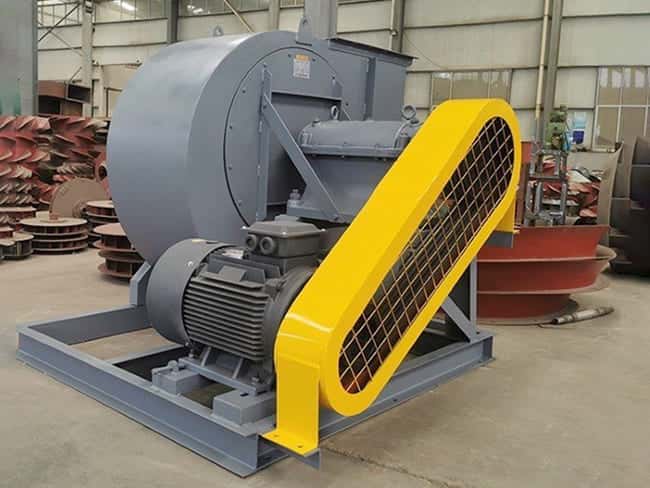
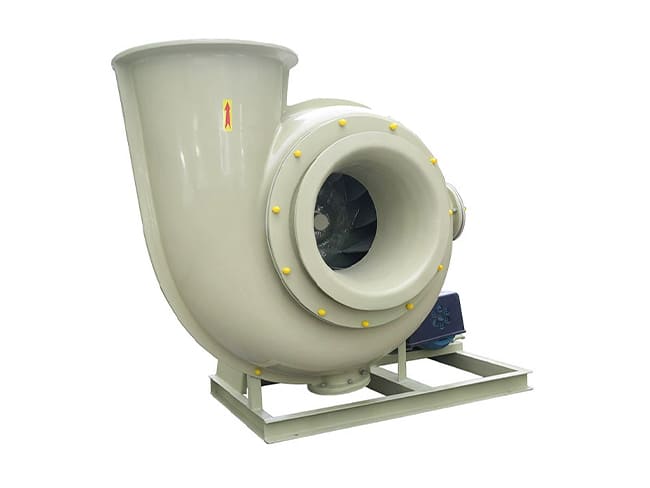
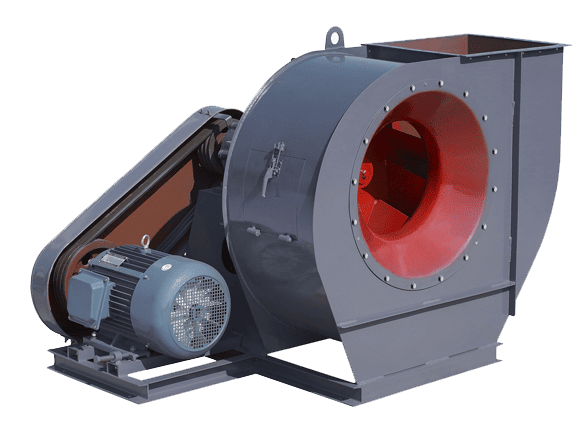
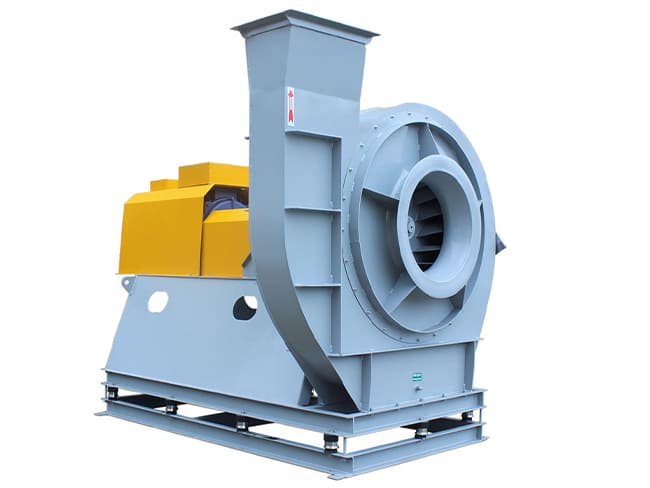
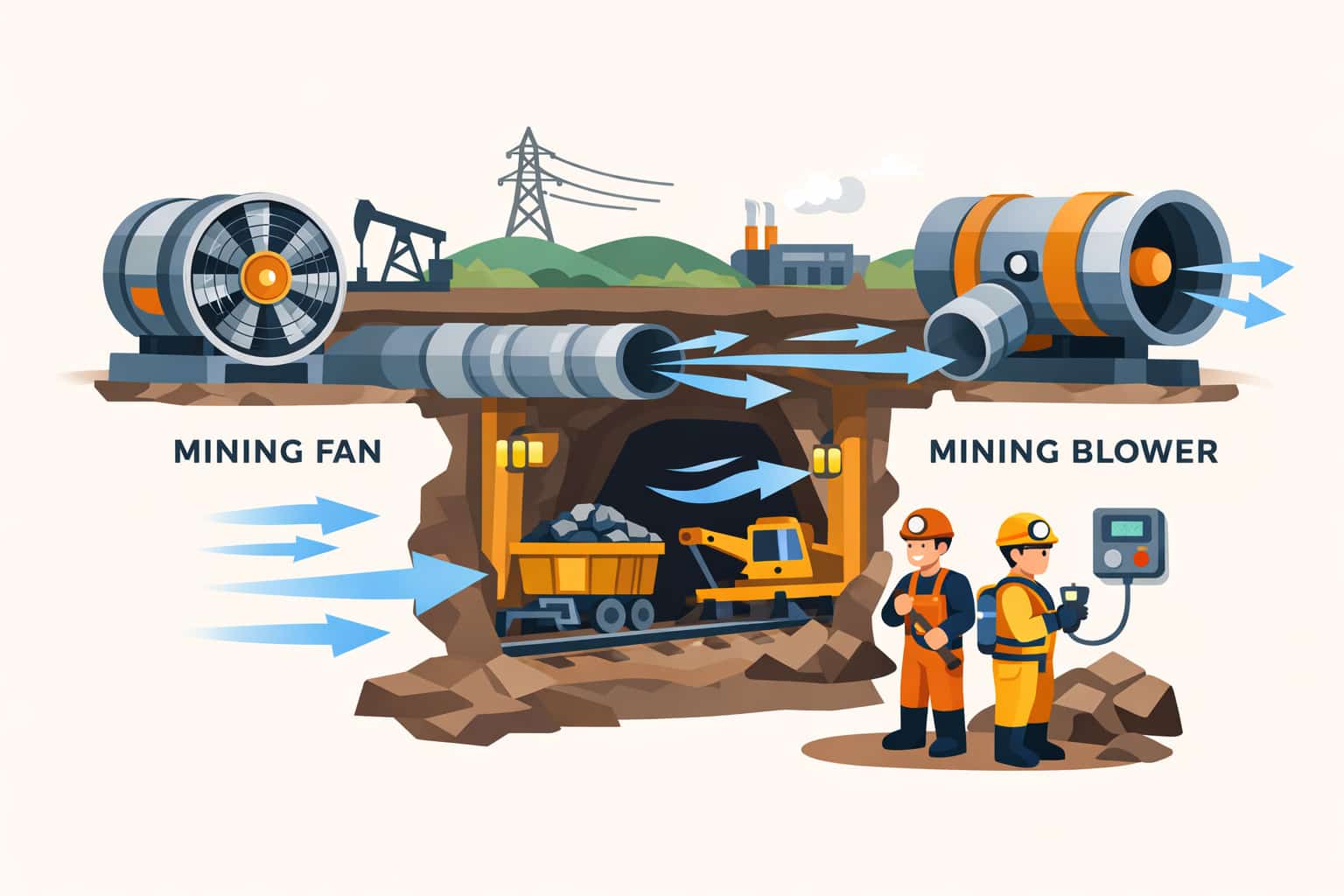
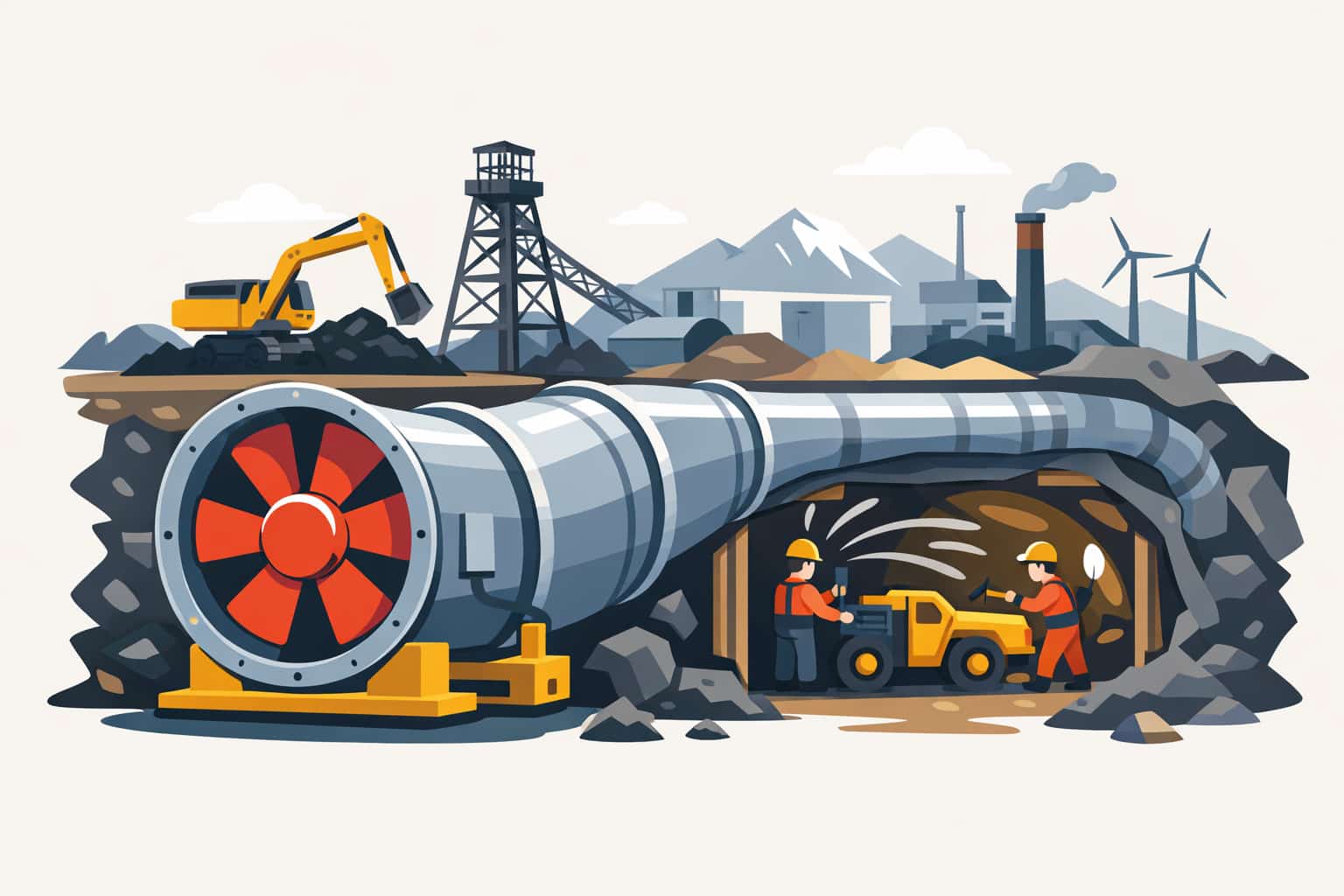
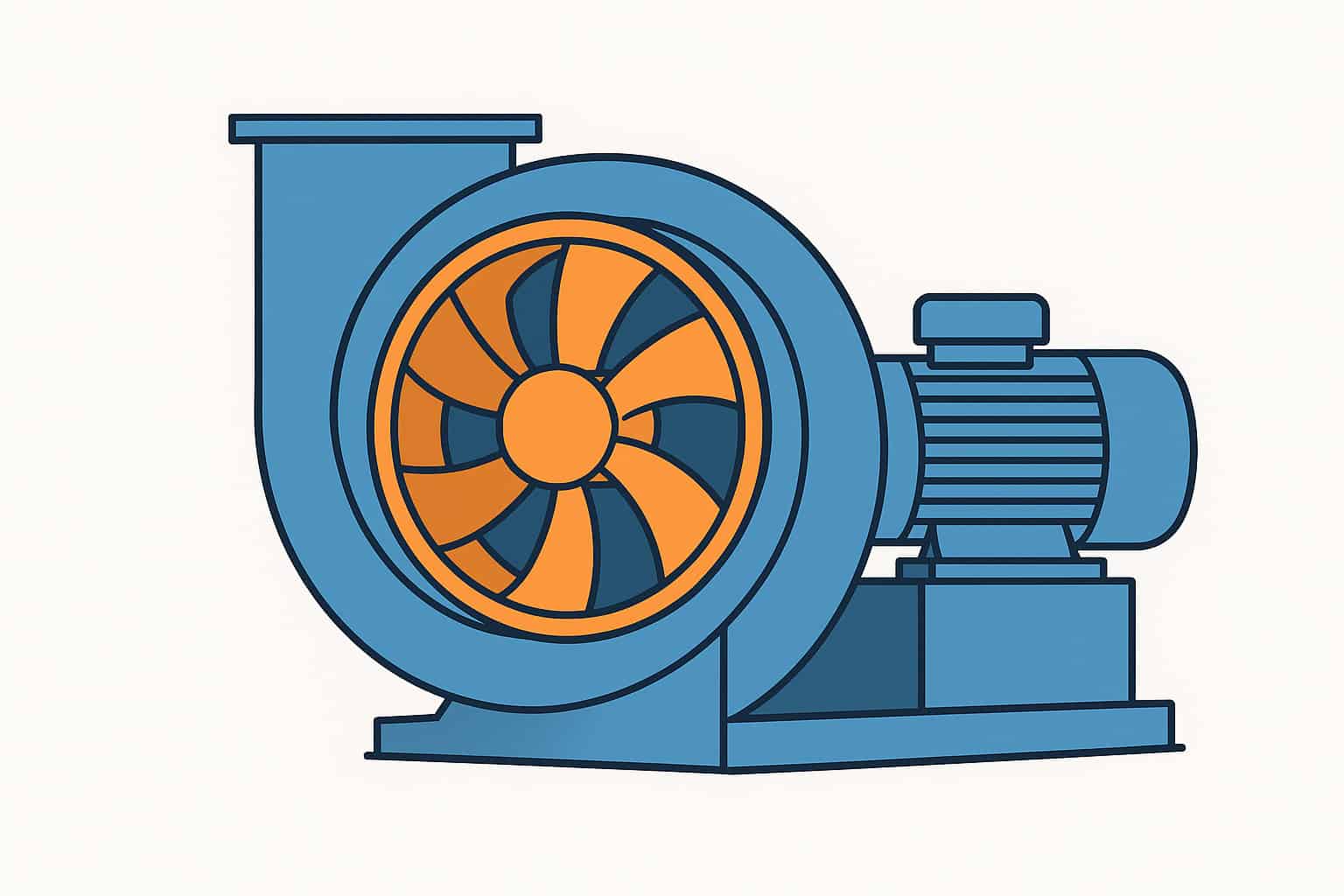
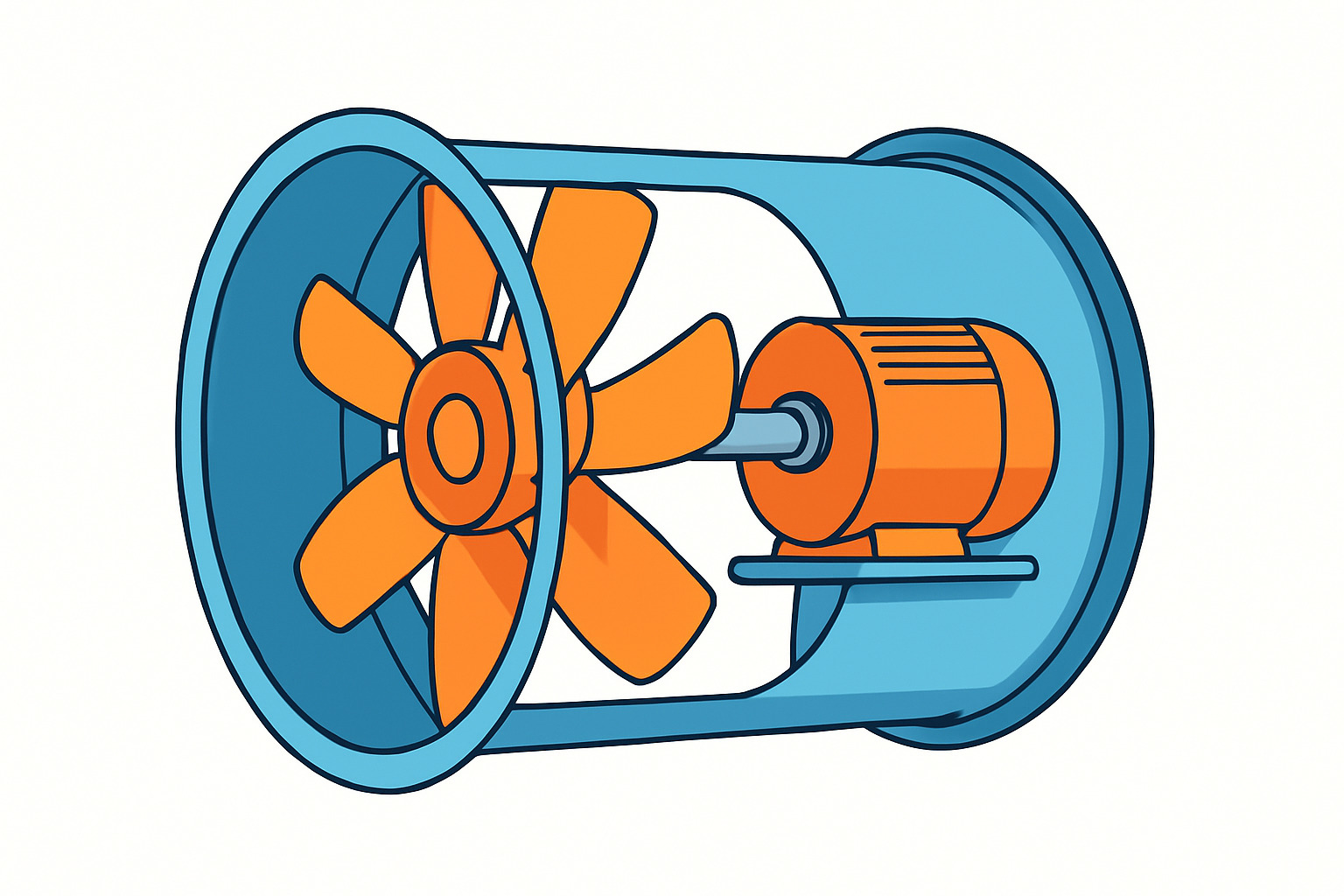
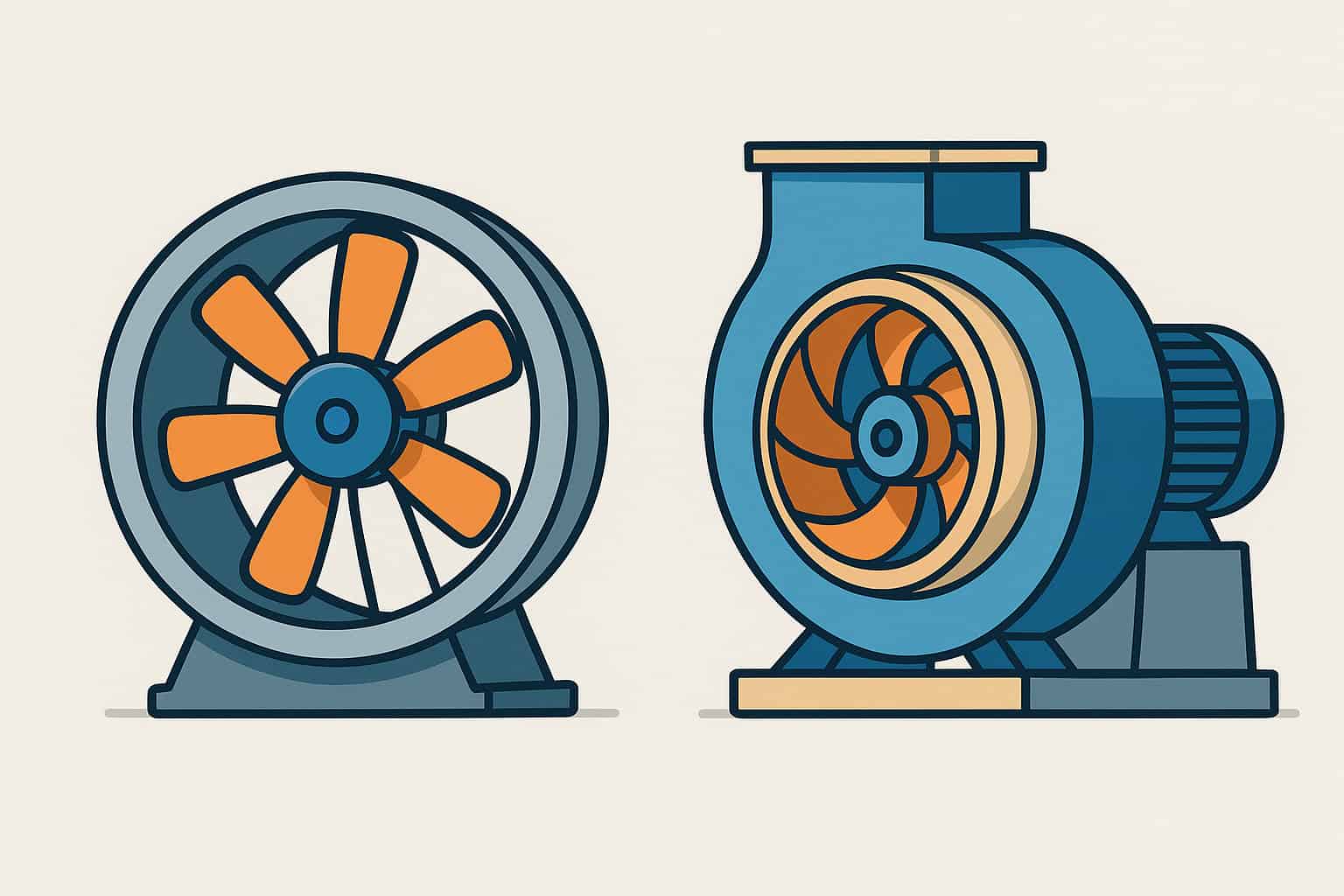
Next comes air treatment and distribution. In buildings and many industrial plants, the fresh air passes through an air handling unit where it may be heated, cooled, dehumidified or mixed with recirculated air. Supply fans then push the conditioned air into a duct system that distributes it to different zones. In underground mines, large axial or centrifugal main fans drive air along main intakes and through regulators into working districts.
As the air moves through the workspace, the ventilation process performs its core functions: oxygen supply, contaminant dilution and heat removal. Flow patterns are arranged so that air sweeps across occupied or process areas before leaving. Along the way, it picks up heat from equipment and rock surfaces, dilutes gases and vapours from processes or diesel engines, and captures dust particles. Local exhaust systems may be added to capture pollutants very close to the source, improving overall effectiveness.
The final stage is exhaust and discharge. Used air is removed via return ducts, exhaust hoods, shafts or drift networks. Exhaust fans create a slight negative pressure to pull air towards them. In factories, exhaust stacks release treated air to atmosphere at safe locations and heights. In mines, return airways lead to main return shafts, where air is discharged by main fans, often with monitoring of gas concentrations and volume flow.
Throughout the process, control and monitoring play a vital role. Dampers and regulators adjust the distribution of air between zones. Variable-frequency drives change fan speed to match actual demand. Sensors for temperature, humidity, gas and airflow provide feedback so that the system can respond to changing conditions, such as increased production, blasting events or seasonal temperature shifts.
In summary, the process of ventilation can be viewed as a loop: air is taken in, conditioned, distributed through the workspace to perform its functions, and then exhausted. Fans, ducts and control devices are the tools that shape this process so that plants and mines remain safe, compliant and energy efficient.
