
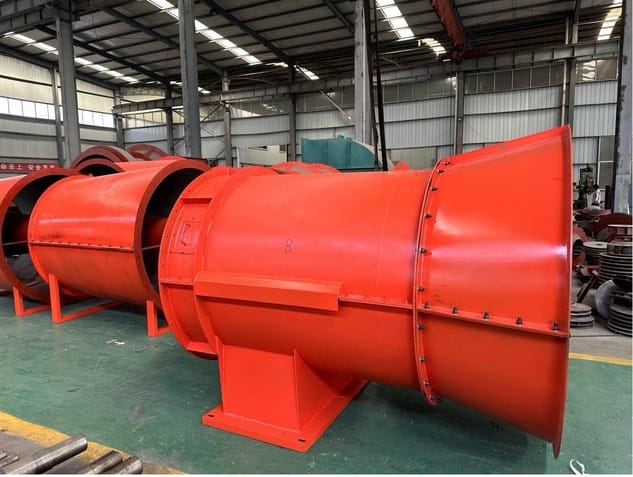
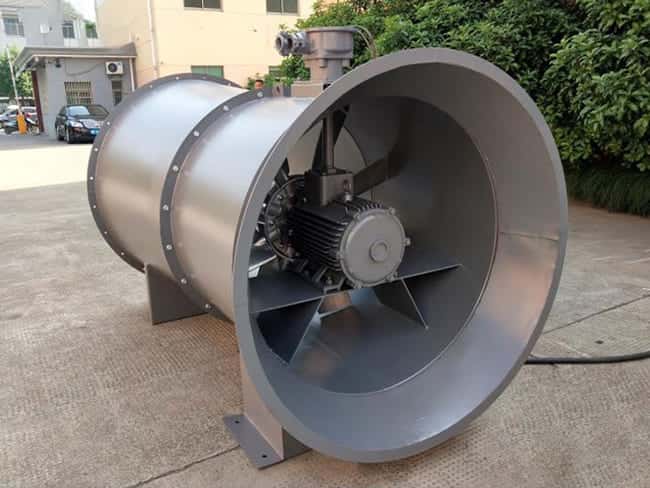
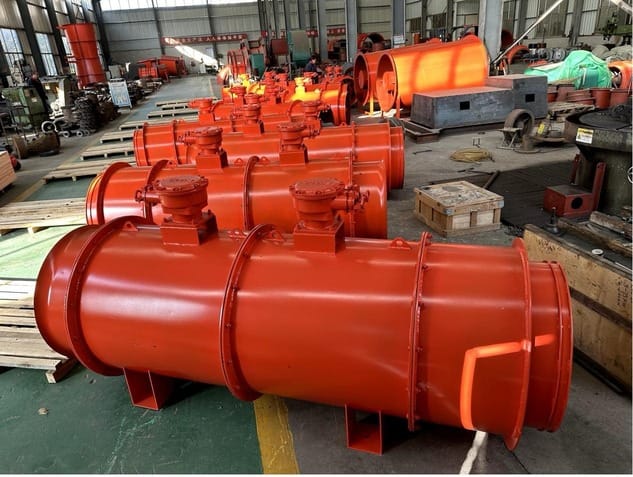
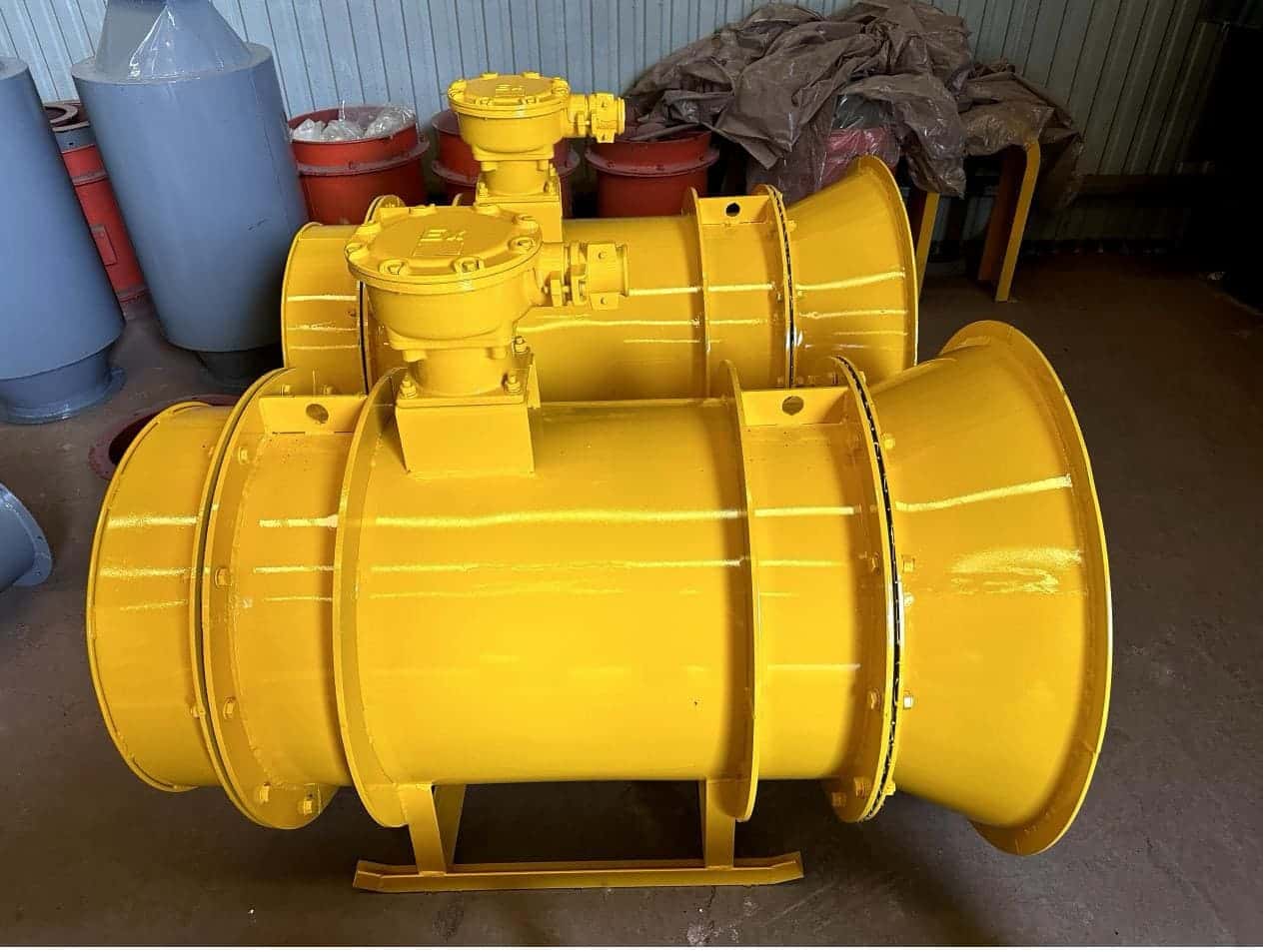
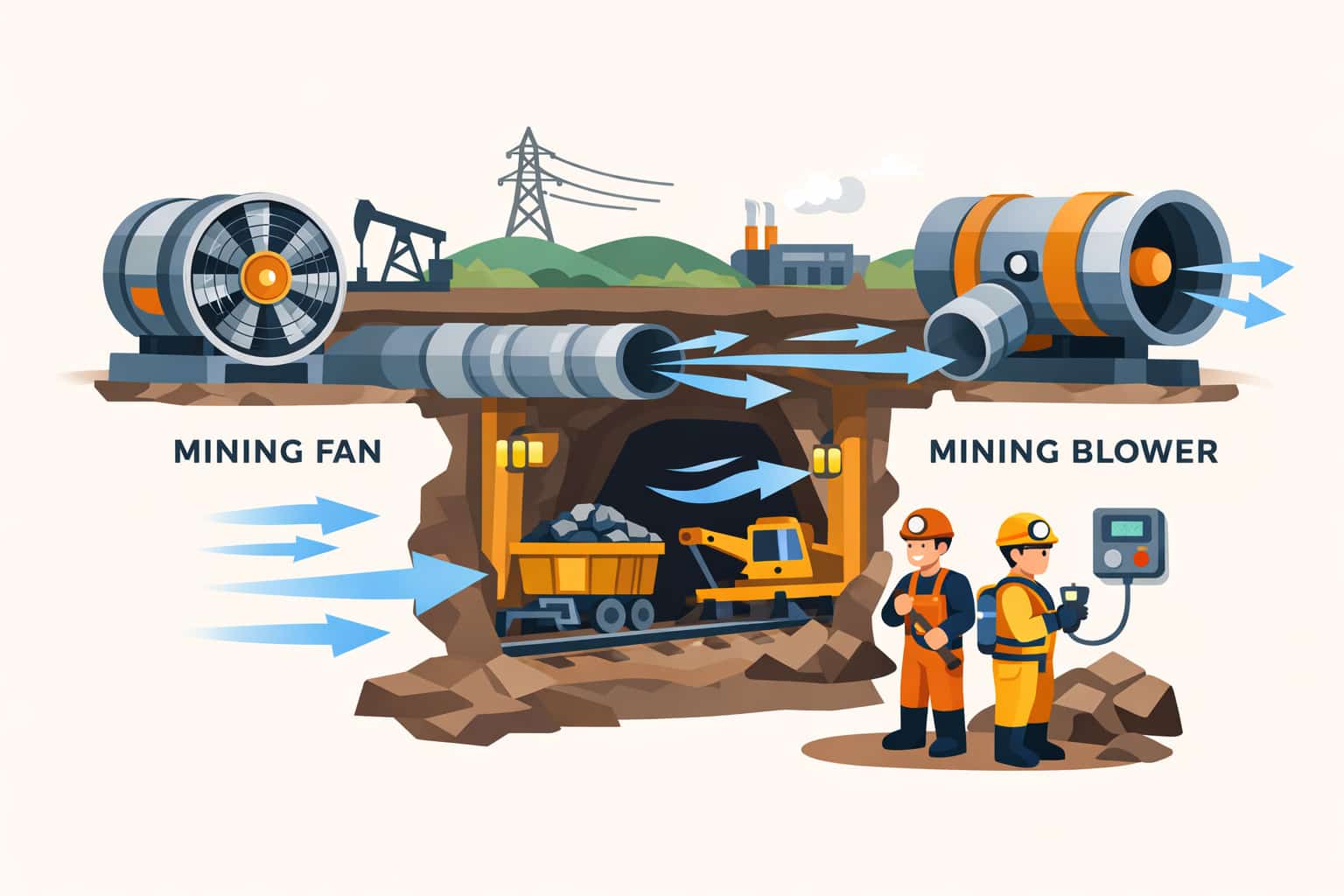
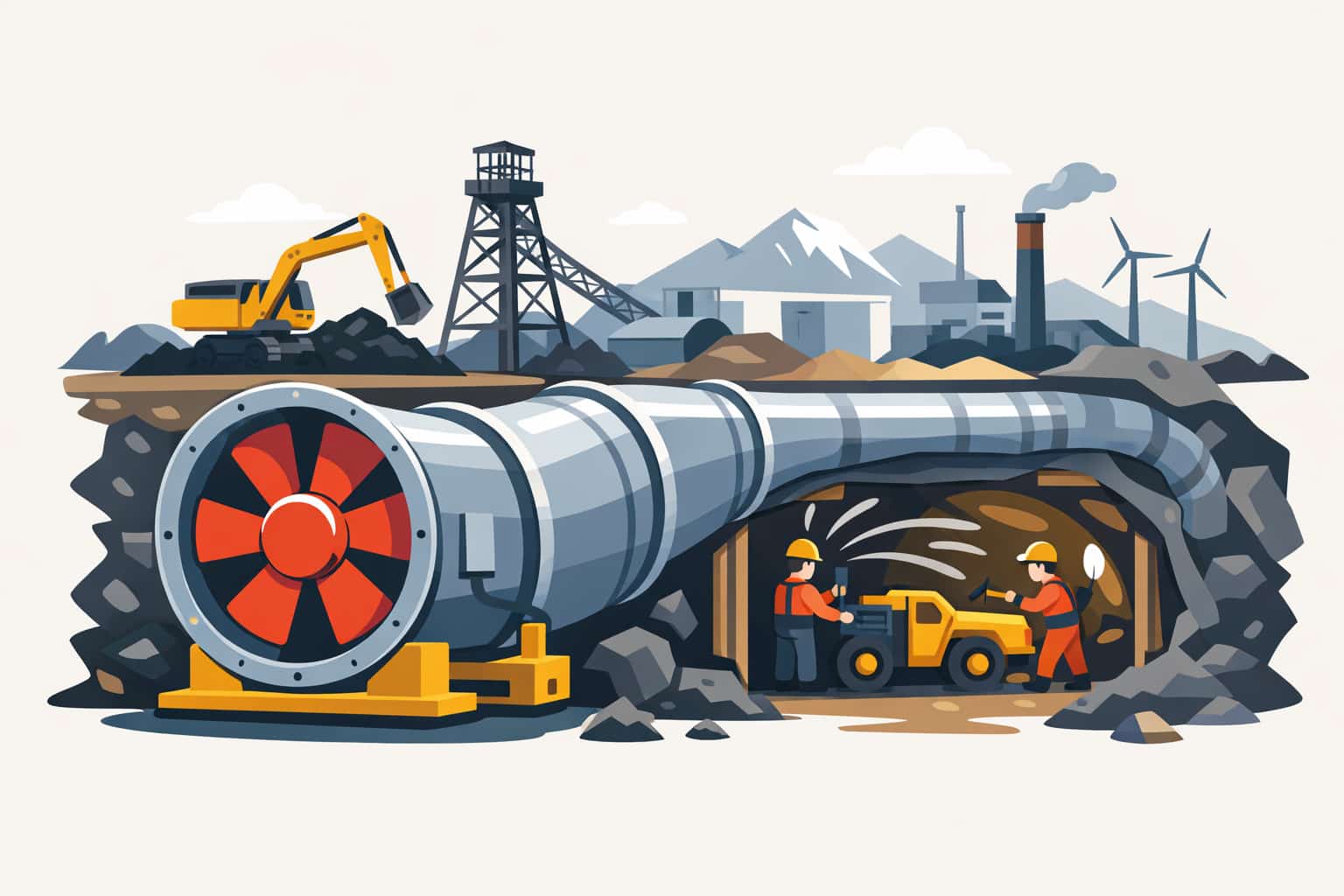

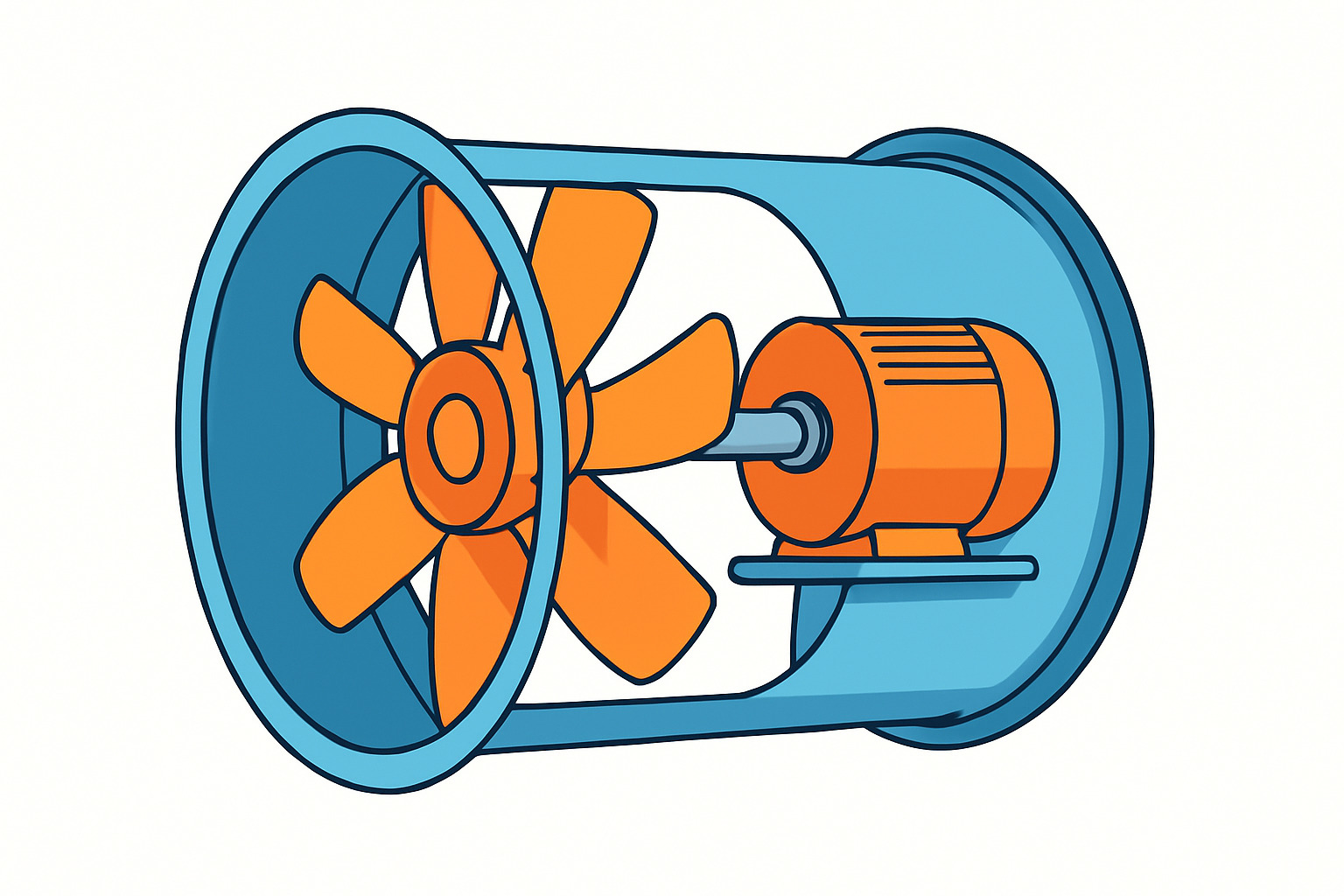
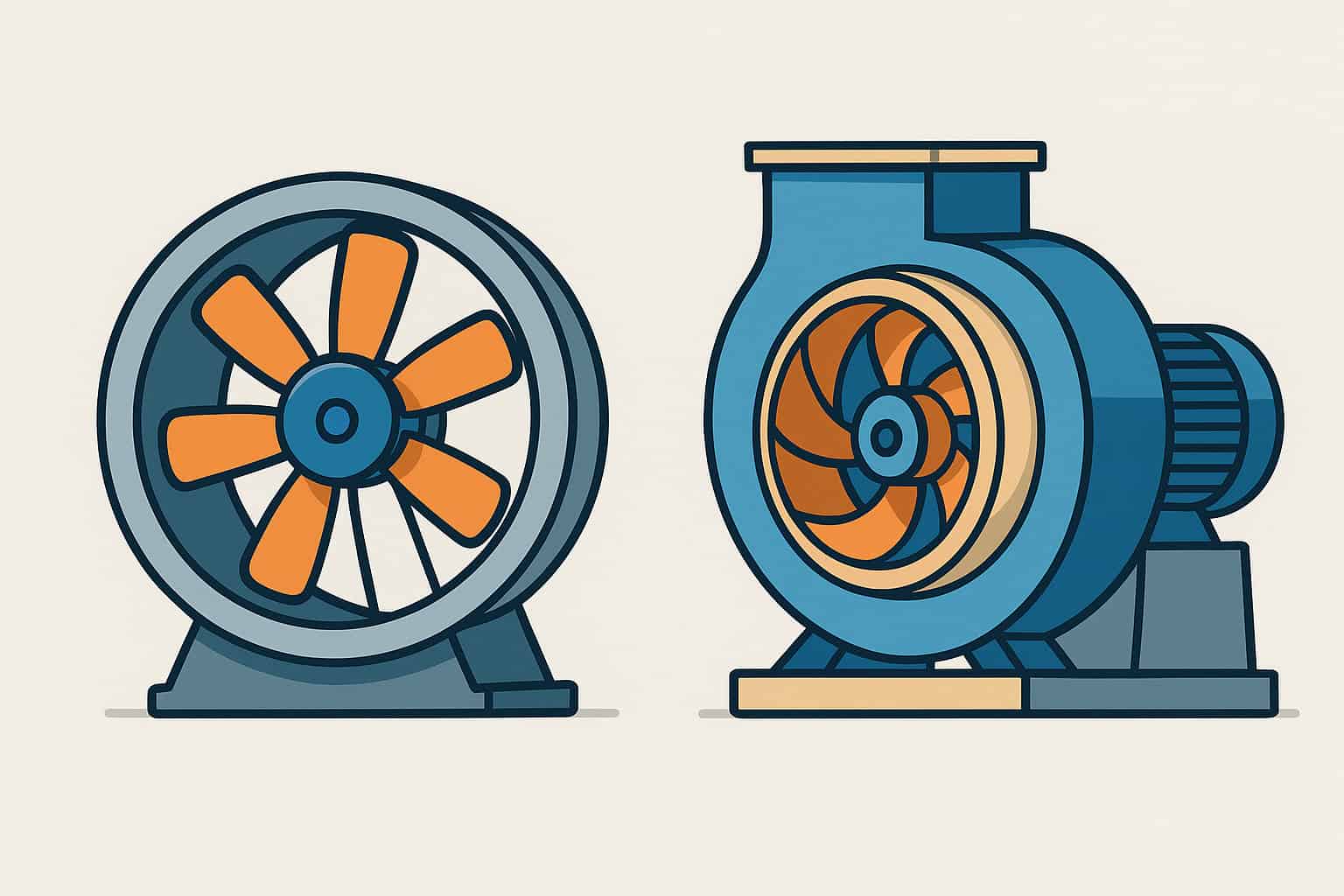
The main purpose of an air shaft is to provide a controlled pathway for air to move between underground spaces and the surface. Whether in a mine, tunnel, or large underground structure, air shafts are essential components of the ventilation system, bringing fresh air in and carrying used air out so that people and equipment can operate safely.
In underground mining, an air shaft may be designated as an intake shaft. Its purpose is to supply large volumes of clean air from the surface into the mine. That air is then distributed through intake airways to working levels, production areas, and service rooms. Alternatively, the air shaft may be a return or exhaust shaft, designed to remove air that has collected dust, gases, and heat underground. By having separate intake and exhaust shafts, ventilation engineers can maintain clear airflow patterns and prevent contaminated air from mixing back into fresh intakes.
Beyond mines, air shafts play a similar role in road and rail tunnels. They allow tunnel ventilation fans to draw in or discharge air at intermediate points along a long tunnel, improving control over exhaust gases and smoke movement. In metro systems and deep underground stations, air shafts connect platforms and tunnels to surface ventilation plants, helping to regulate temperature, remove smoke, and keep oxygen levels safe.
An important secondary purpose of air shafts is to support pressure control and airflow balance. The cross-sectional area, height, and roughness of the shaft all influence the resistance to airflow, which affects how much pressure ventilation fans must generate. Engineers use air shafts to create the desired distribution of static pressure throughout the network, directing flow toward priority zones and ensuring that regulators, doors, and auxiliary fans work as intended.
Air shafts also contribute to emergency response plans. They can provide additional escape or access routes, host emergency ventilation modes, and support smoke extraction in the event of a fire. In many designs, the shaft is equipped with fire-resistant linings, dampers, and monitored fans so that air movement can be quickly reconfigured to protect escape ways and refuges.
Finally, air shafts help manage temperature and moisture. Continuous airflow through the shaft can reduce condensation, limit ice formation in cold climates, and promote drying of damp underground spaces. When combined with cooling or heating equipment at surface, air shafts become the main conduits for delivering conditioned air to underground environments.
In summary, the purpose of an air shaft is to enable reliable, controlled movement of air between the surface and underground spaces. It supports fresh air supply, contaminated air exhaust, pressure control, emergency smoke management, and thermal regulation in mines, tunnels, and other underground facilities.