
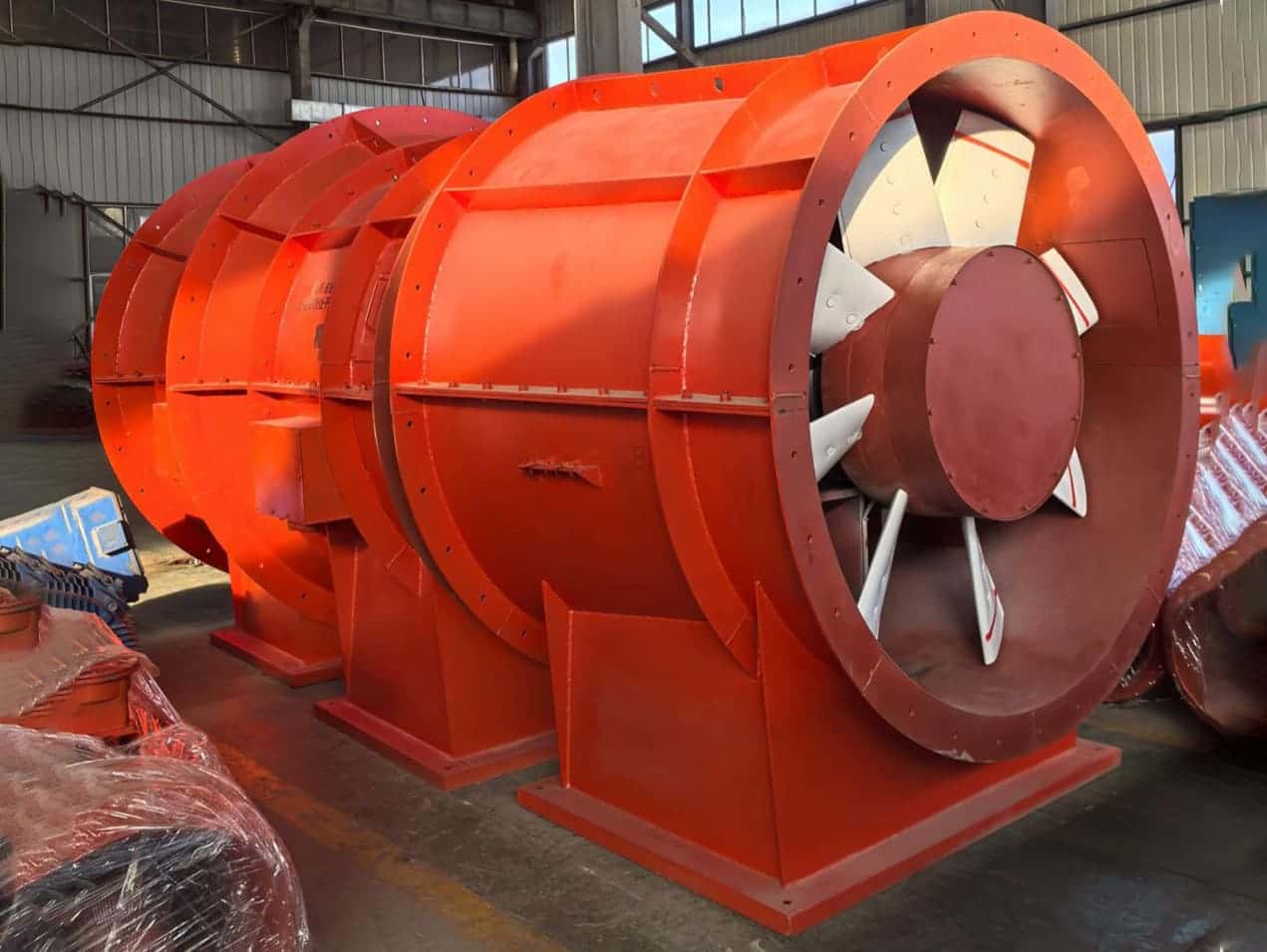
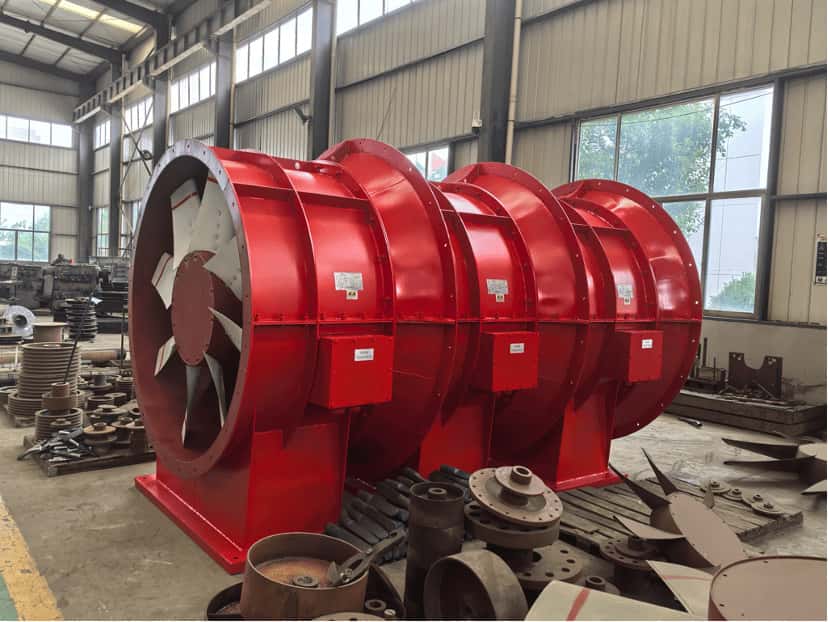
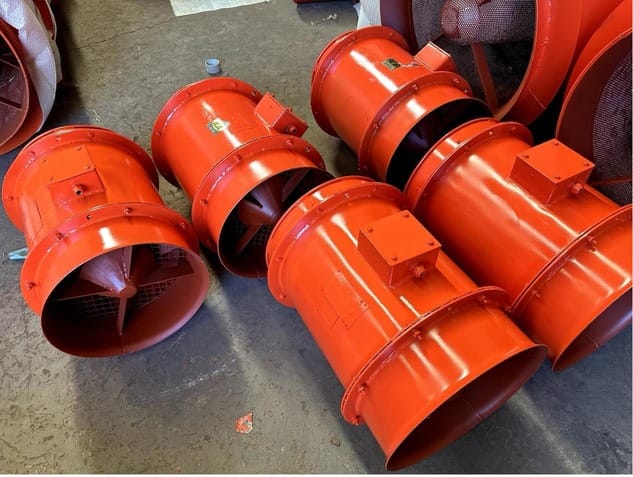
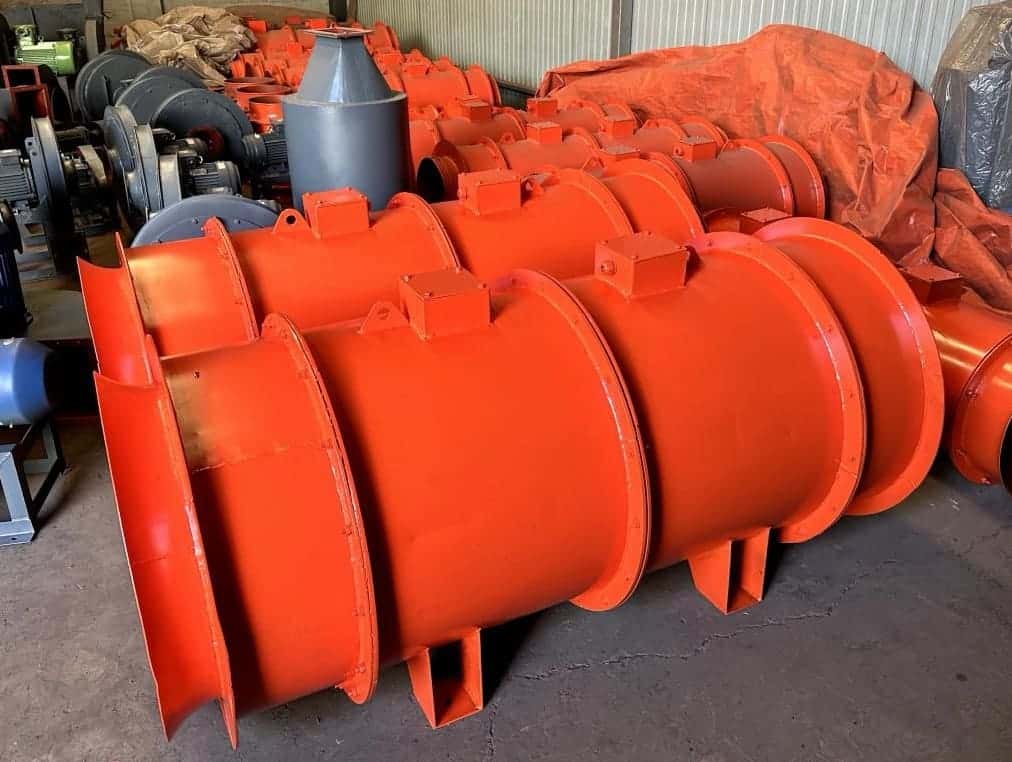
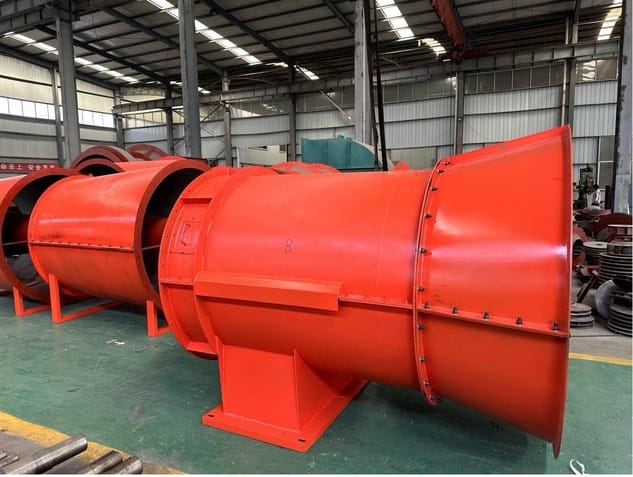
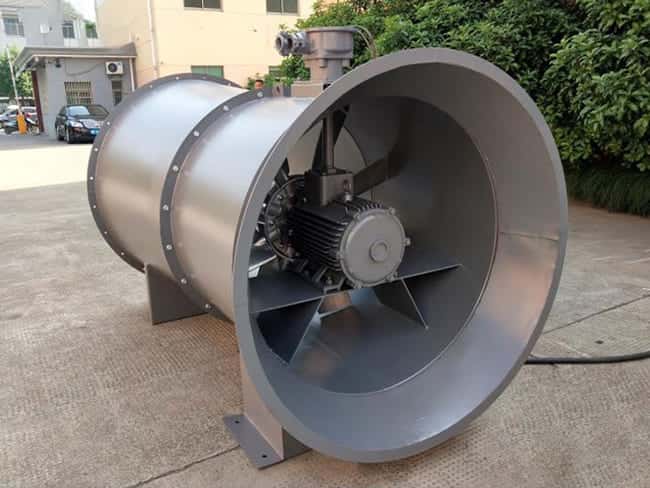
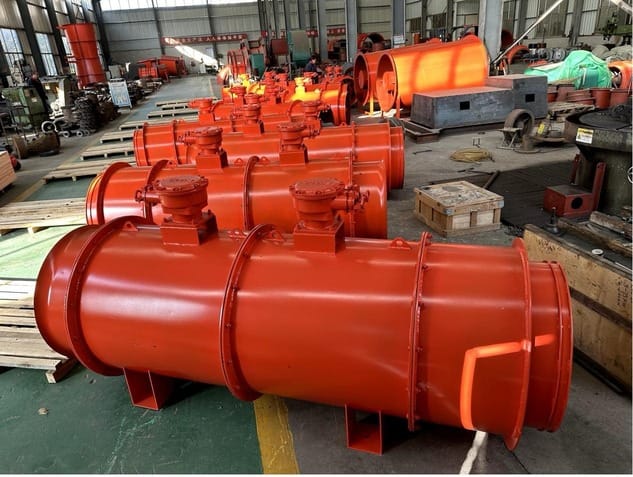
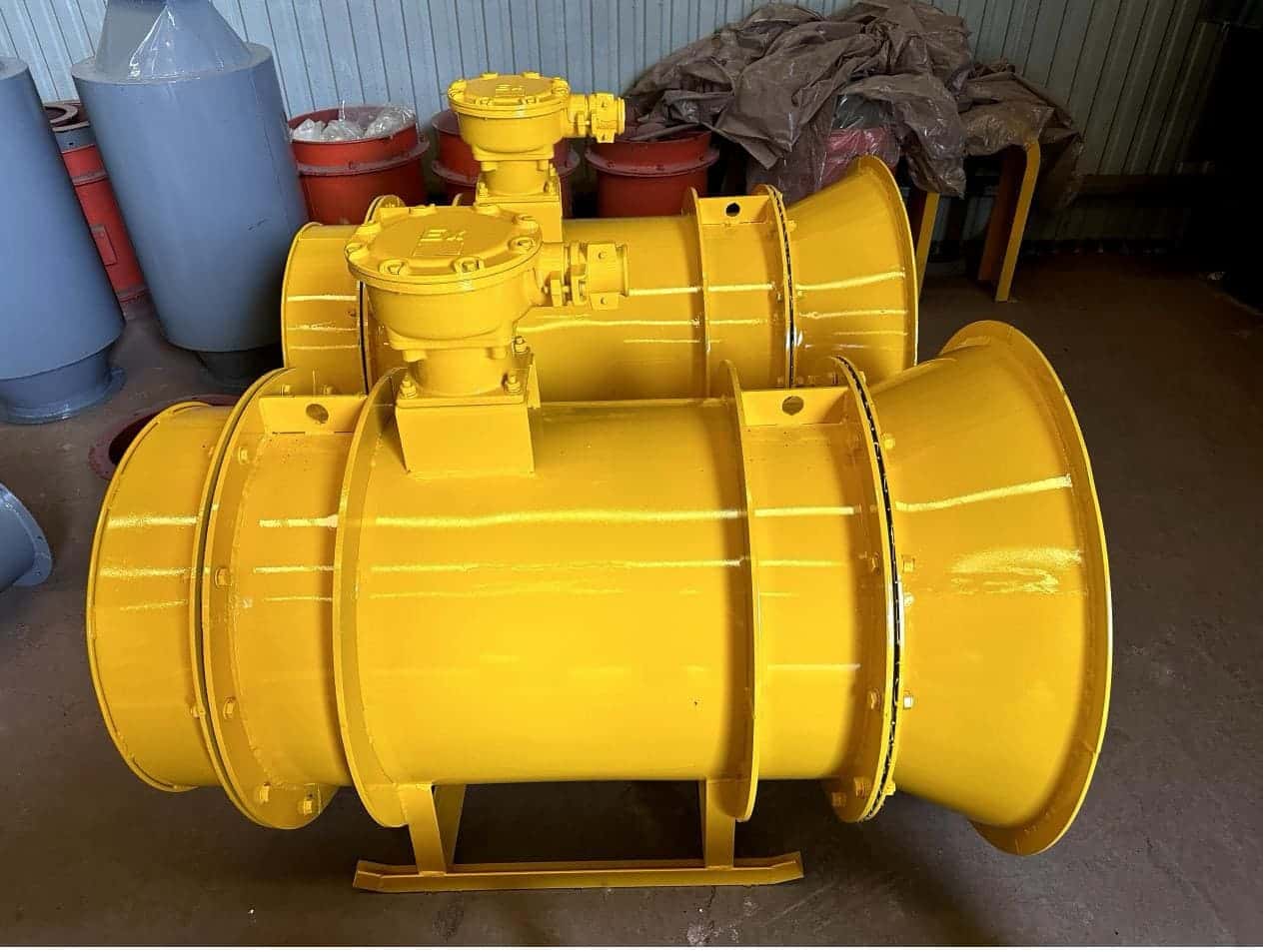
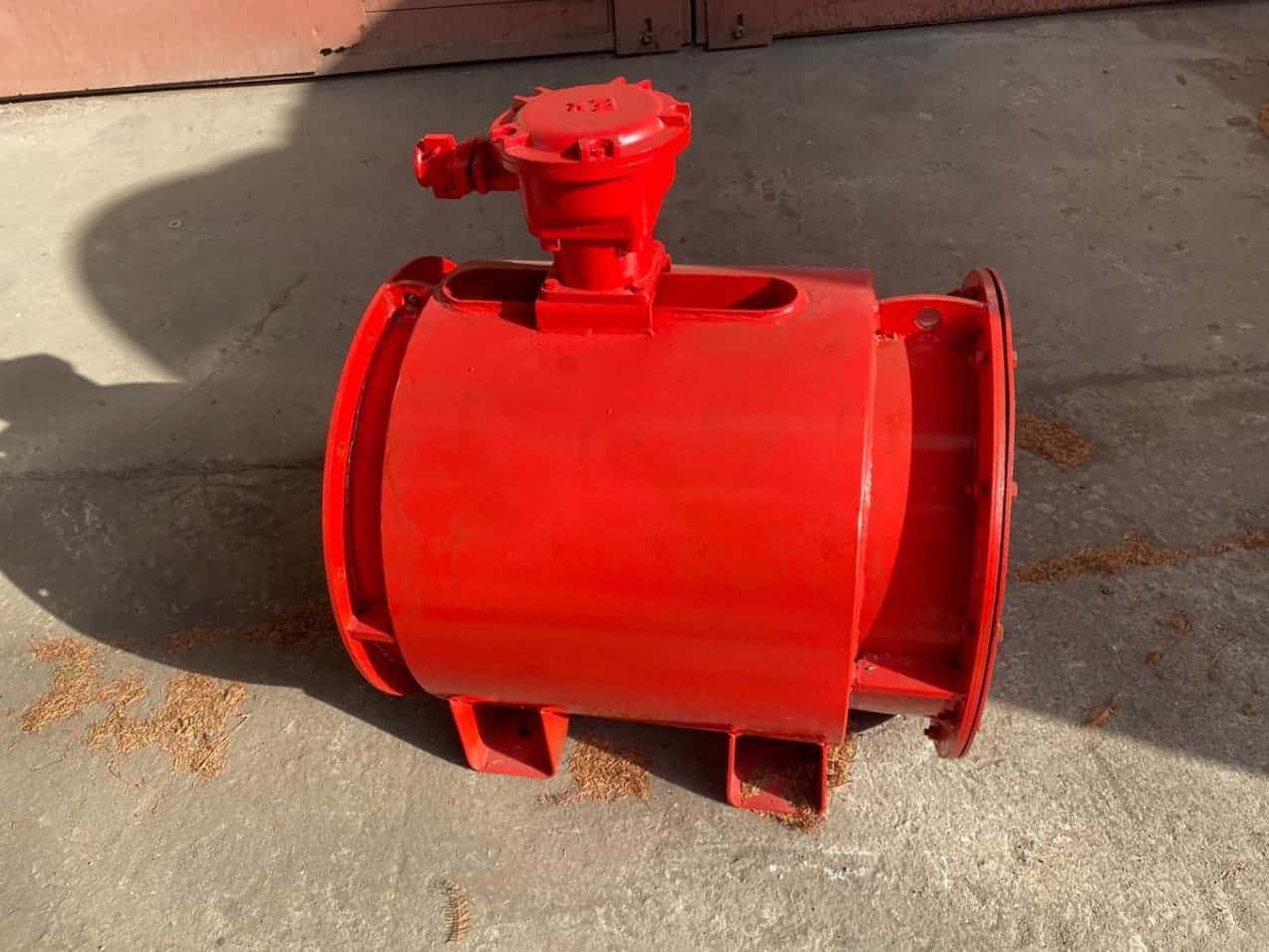
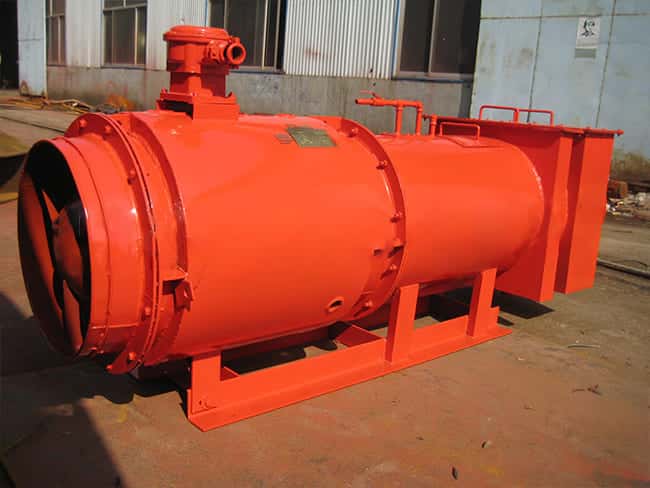
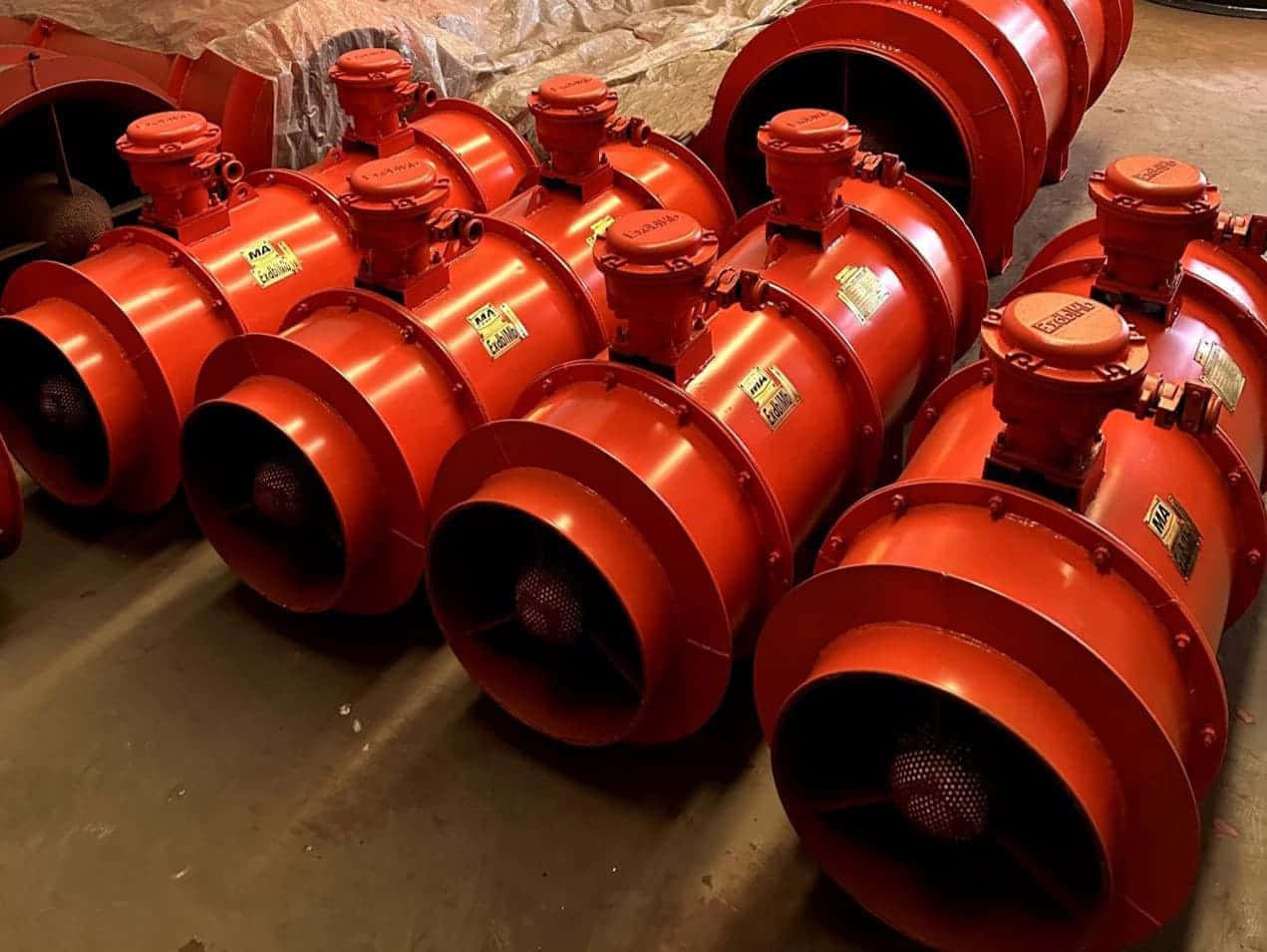
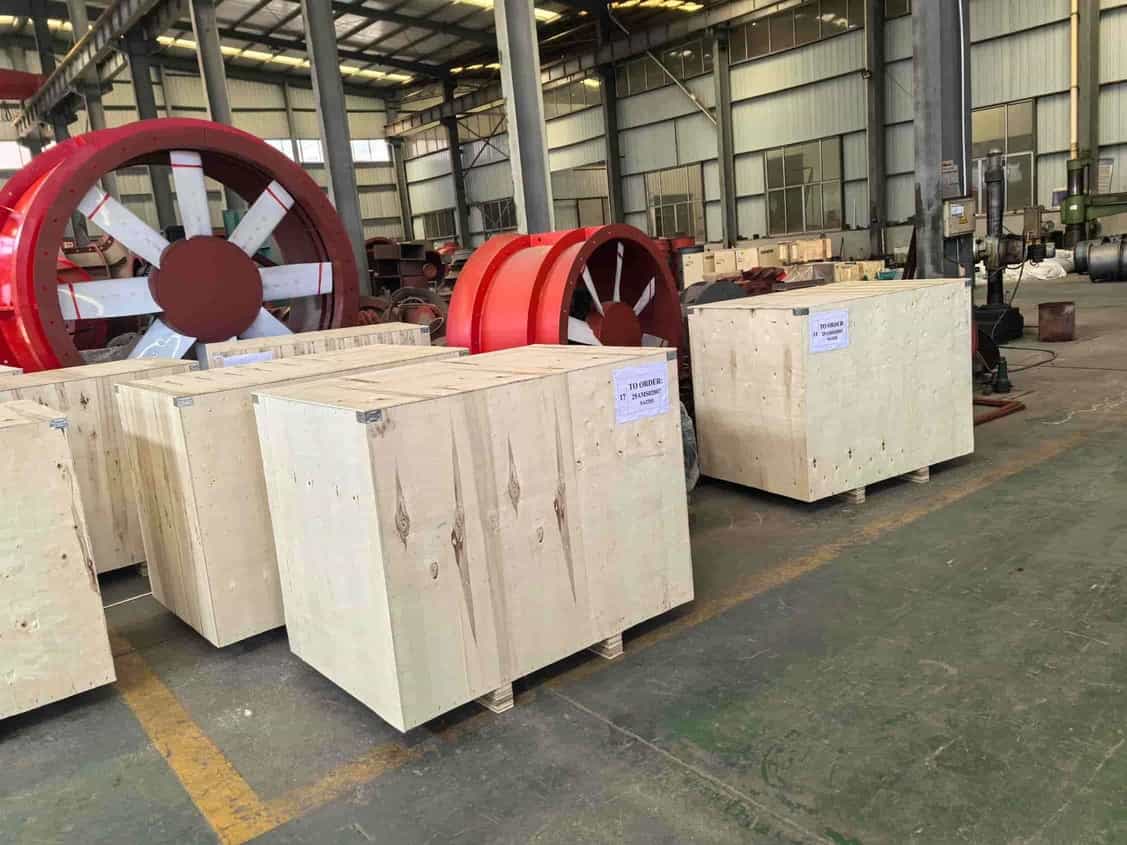
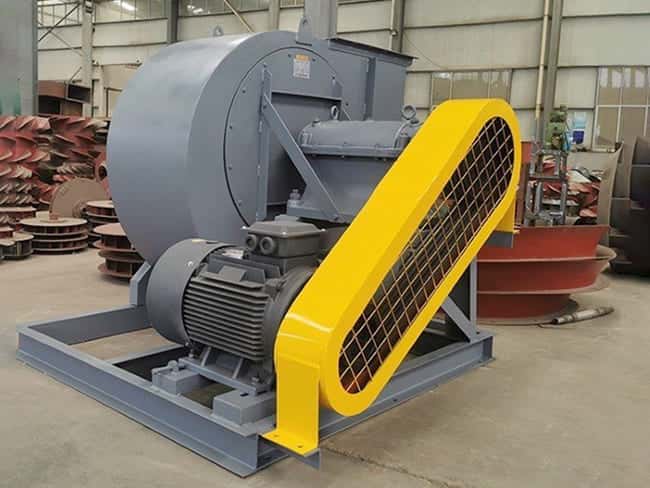
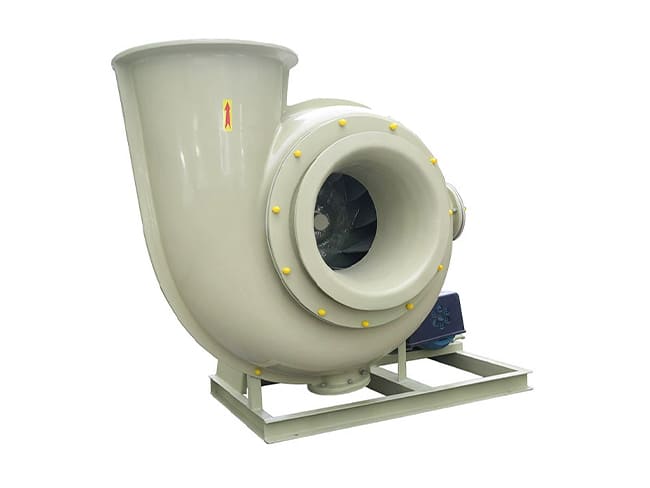
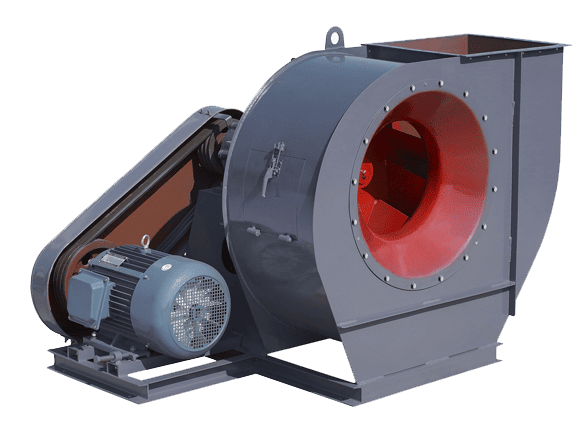
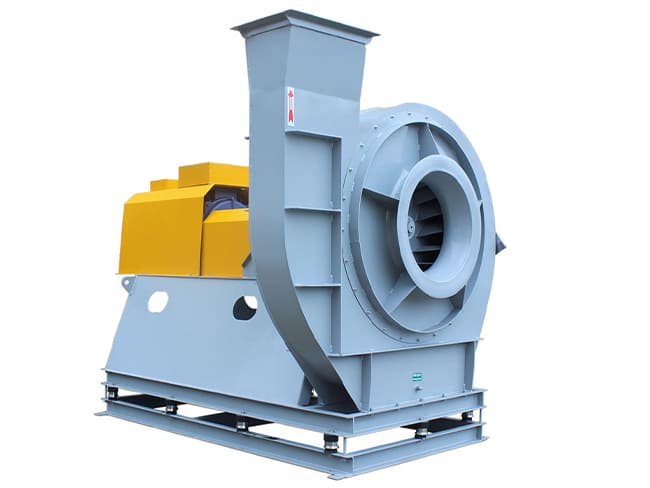
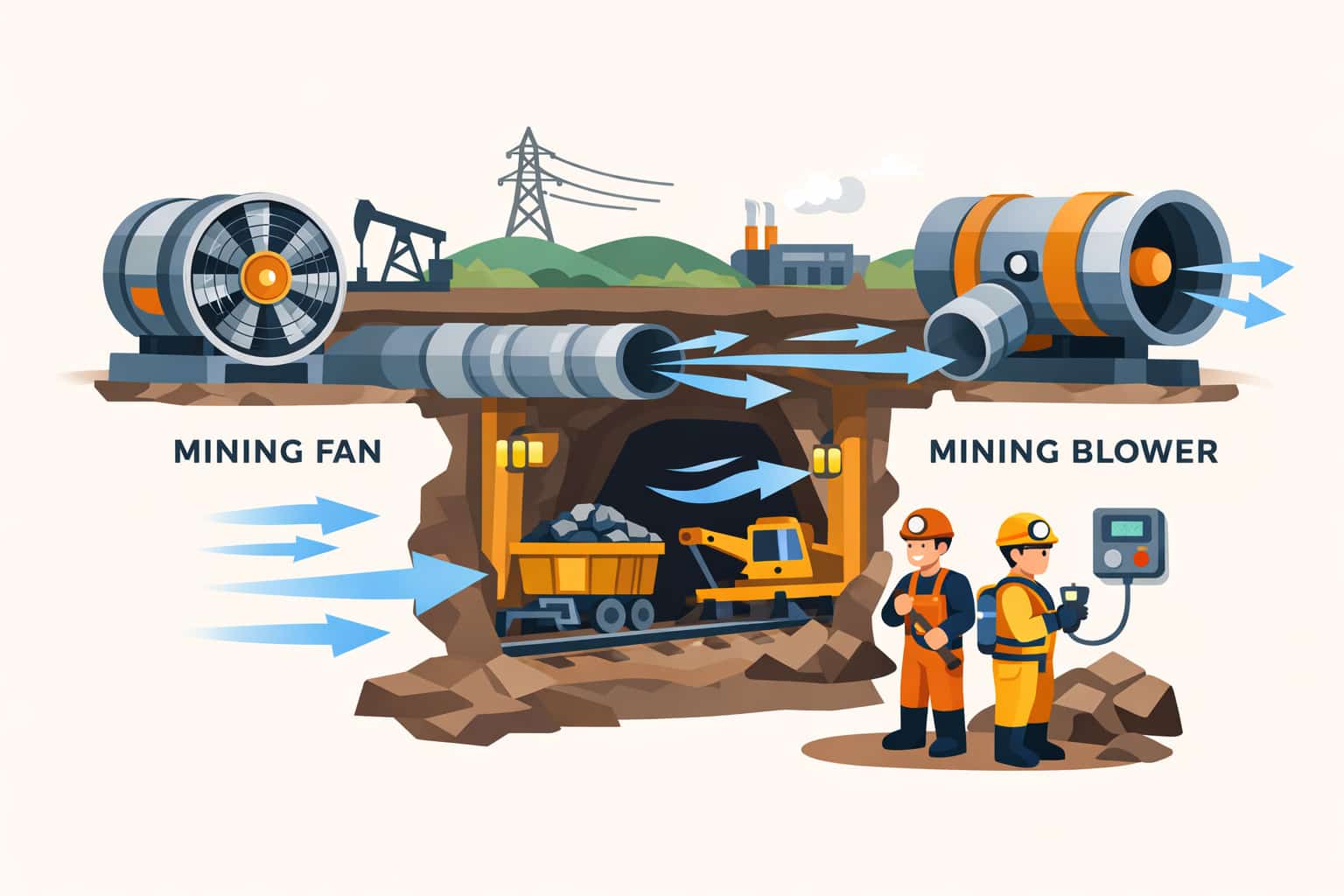
The purpose of an air blower is to deliver air at a higher pressure and often at more focused flow than a standard ventilation fan. While both fans and blowers move air, the term "blower" is usually reserved for machines that provide moderate pressure rises suitable for combustion air, pneumatic conveying, aeration, cooling and local ventilation in industrial and mining applications. Air blowers play an important role wherever air must be pushed through equipment or piping with significant resistance.
In many industrial processes, air blowers supply combustion air to small and medium furnaces, burners and dryers. These systems require air at a controlled pressure to ensure good mixing and stable flames. A blower can raise air pressure enough to overcome burner registers, mixing devices and local ductwork, delivering a steady flow even when system resistance changes. In some cases, blowers supply air to afterburners or oxidisers used for pollution control.
Air blowers are also widely used for pneumatic conveying, where powders, granules or small particles are transported through pipelines using air flow. The blower provides the pressure and volume needed to keep the material entrained and moving to silos, hoppers or process equipment. Compared with low-pressure fans, blowers can maintain flow in longer or more complex piping systems with bends, valves and elevation changes.
Another common purpose is aeration and agitation. In wastewater treatment plants, blowers inject air into tanks to provide oxygen for biological processes and to keep solids in suspension. In certain metallurgical or chemical processes, blowers supply air or oxygen-enriched air into reactors or baths to support reactions. The pressure capability of blowers allows them to overcome liquid depth and diffuser resistance while still providing the required air flow.
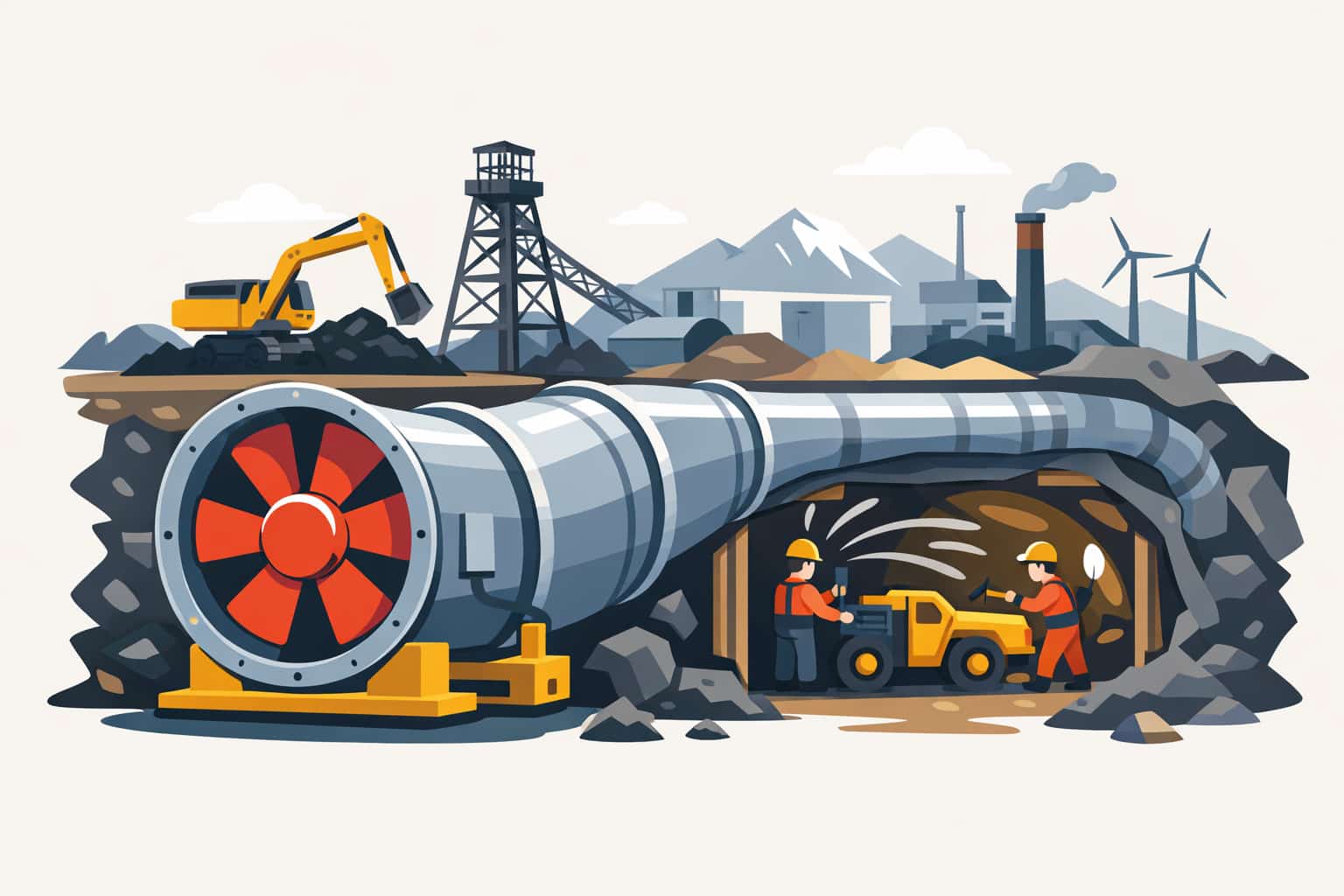
In cooling and ventilation, air blowers are used when air must be pushed through restrictive passages, such as cooling coils, finned heat exchangers, filters or narrow ducts. They can provide directed jets of air for spot cooling of equipment, electrical cabinets, drying of products on a conveyor or ventilating confined spaces. In mining, portable air blowers are often used for temporary ventilation of headings, sumps and work bays, supplying fresh air where fixed ventilation fans cannot reach easily.
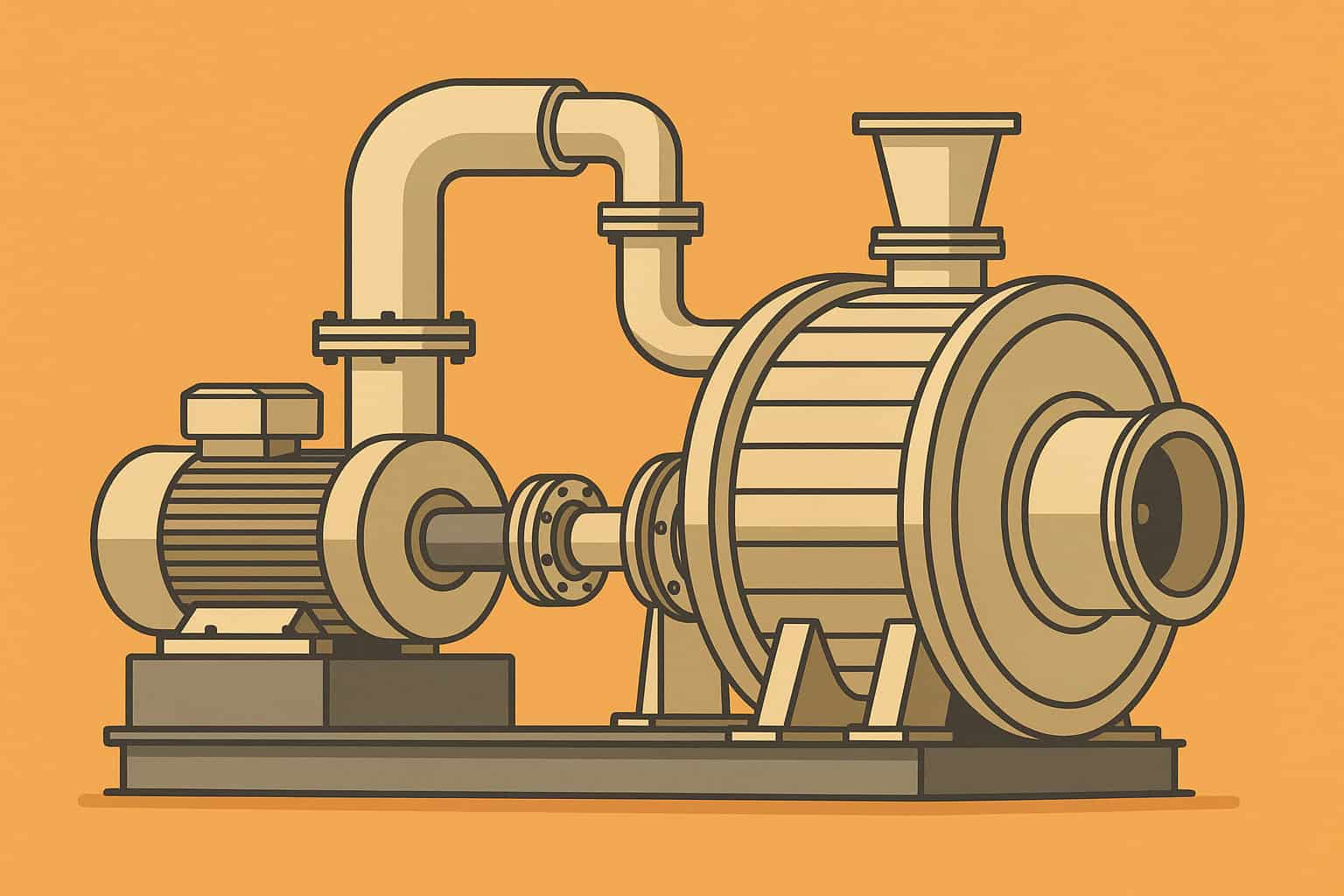
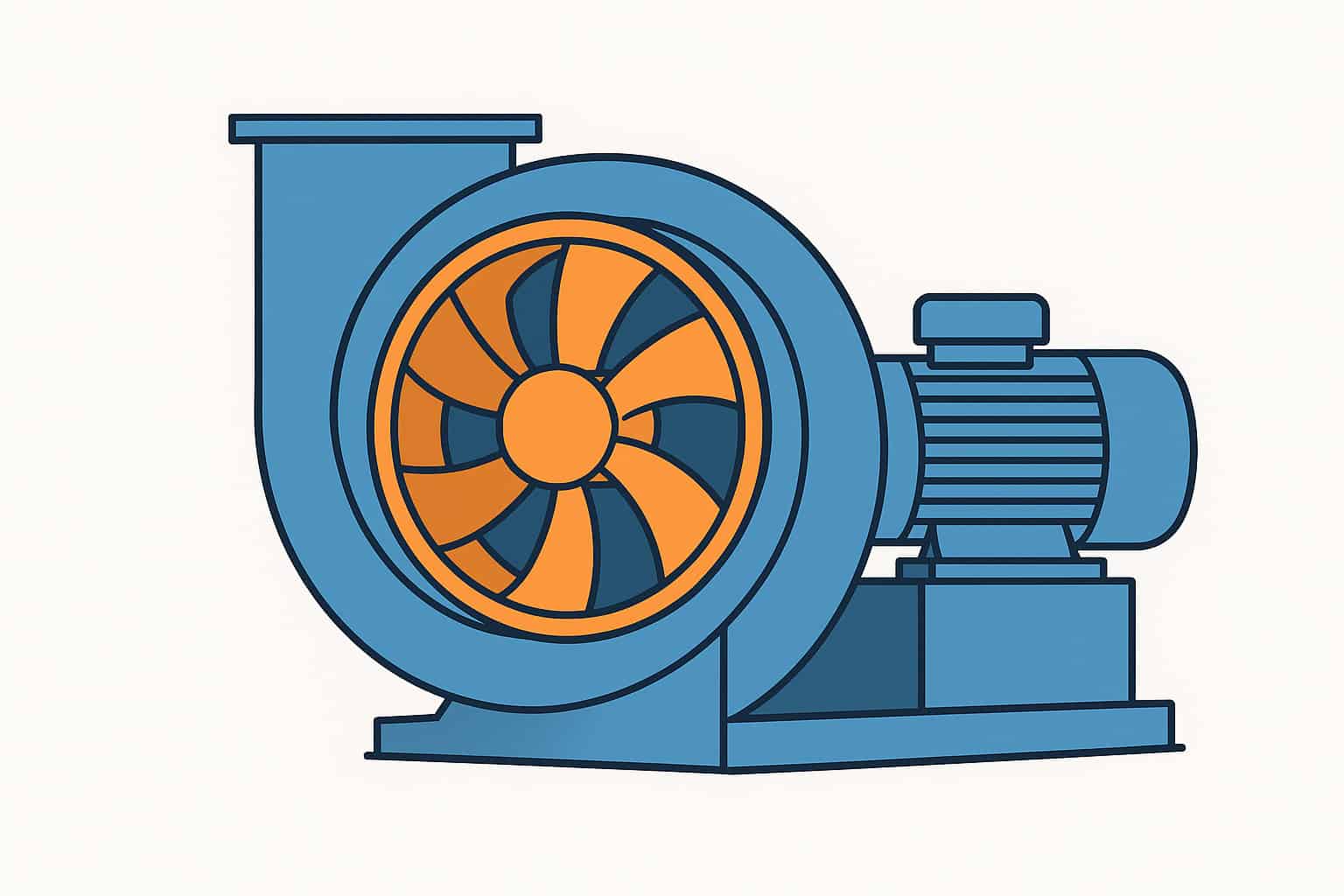
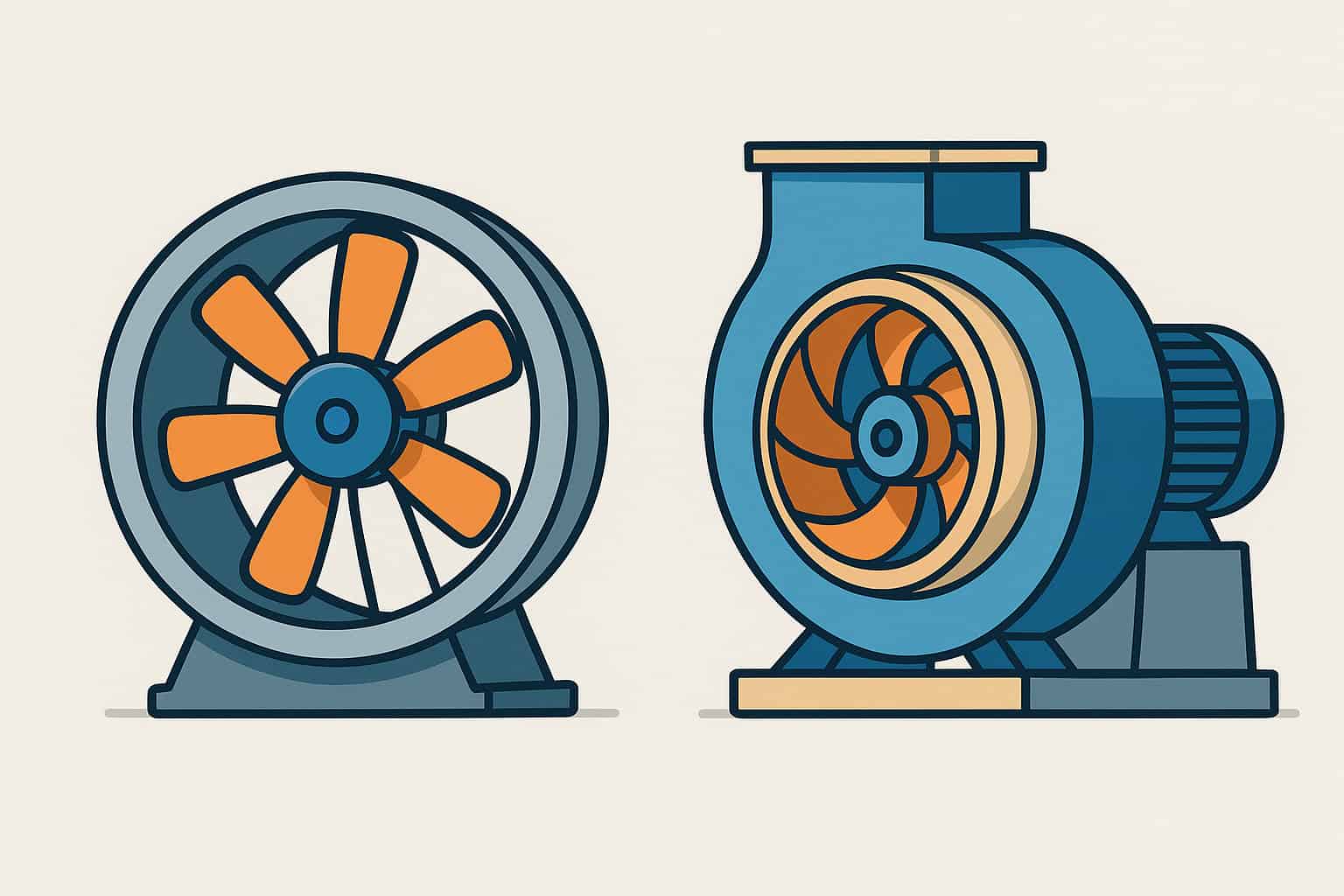
Depending on the design, blowers may be centrifugal, positive displacement (such as lobe or screw blowers) or high-speed turbo blowers. Each type has its own pressure and flow characteristics and is selected according to the needs of the process. What unites them is the purpose: to provide reliable, higher-pressure airflow so that air can be delivered through systems with more resistance than a typical low-pressure ventilation fan can handle.
In summary, the purpose of an air blower is to supply air at moderate to high pressure for combustion, conveying, aeration, cooling and local ventilation duties. It bridges the gap between simple low-pressure ventilation fans and high-pressure compressors in many industrial and mining applications.