

There is no single air flow rate that suits every building, factory or mine; recommended ventilation rates depend on how the space is used and what must be controlled. Designers look at occupancy, heat load, dust and gas generation, and applicable standards to determine a suitable airflow for each application.
For offices and light commercial spaces, many guidelines express recommended airflow in terms of airflow per person and air changes per hour (ACH). Typical values might range from 8–12 litres per second of outdoor air per person or 4–8 ACH, depending on national standards and the type of occupancy. These rates are chosen to maintain acceptable CO2 levels, odour control and general comfort. The larger the room volume and occupancy, the higher the total airflow required.
In industrial workshops and production areas, recommended airflow rates are often higher because of additional heat, fumes or dust. Here, guidelines may suggest 6–12 ACH or more, depending on the processes involved. Local exhaust ventilation may also be required to capture contaminants directly at their source. The main ventilation airflow must then be large enough to replace exhausted air and provide background dilution throughout the building.
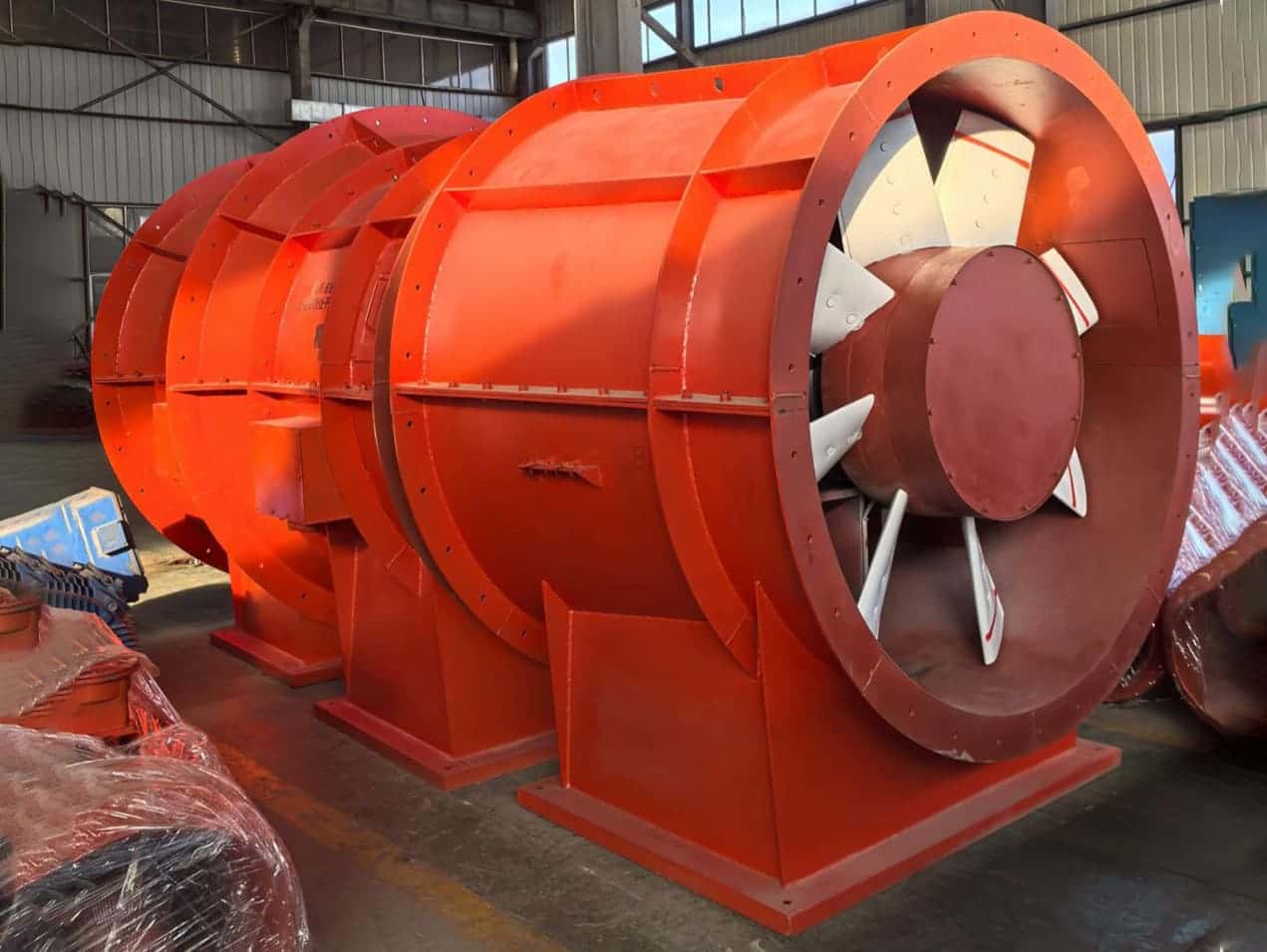
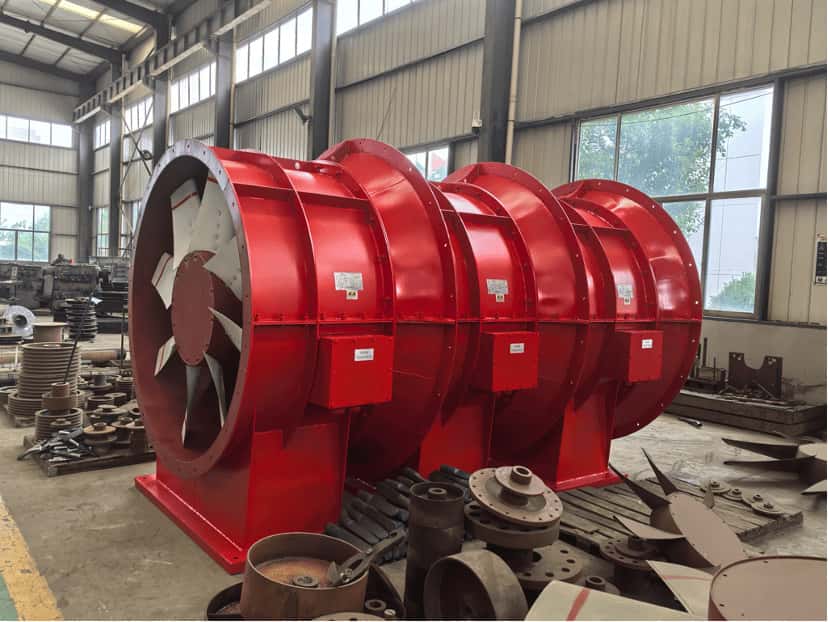
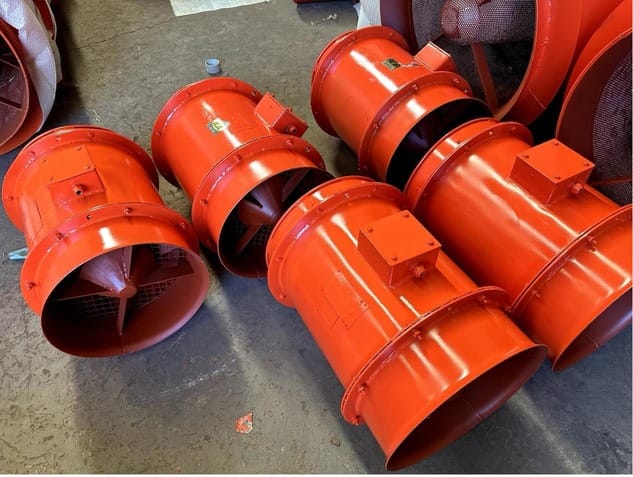
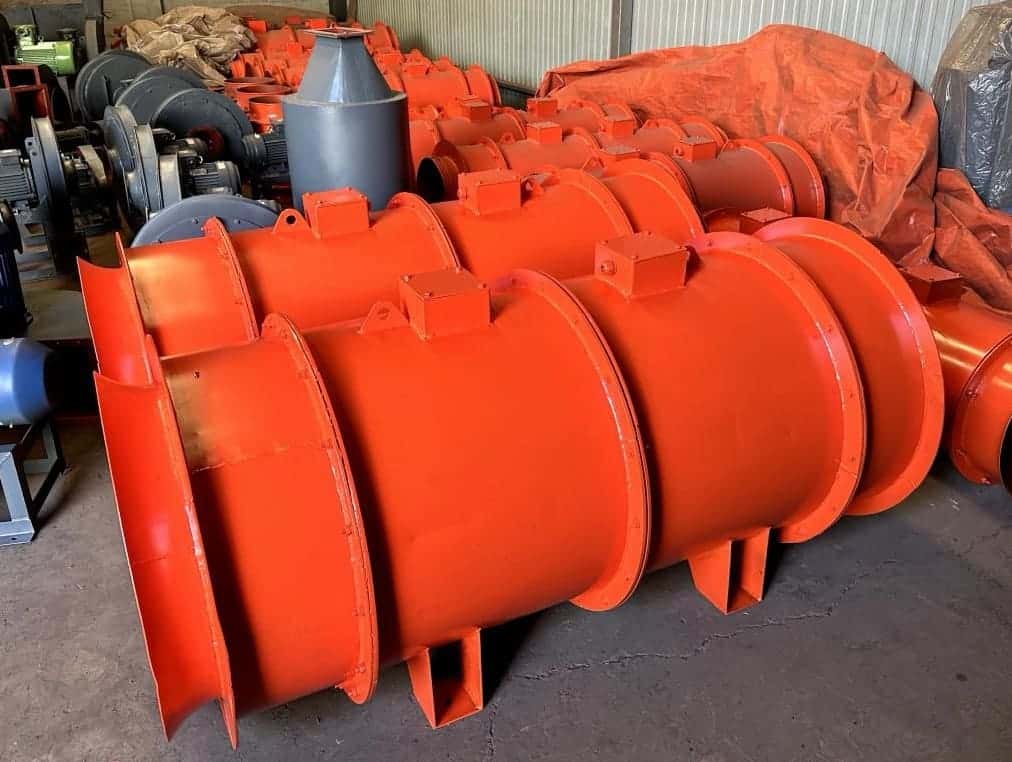
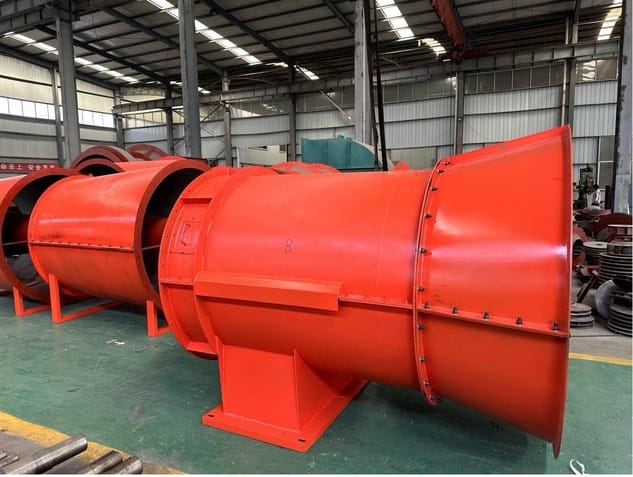
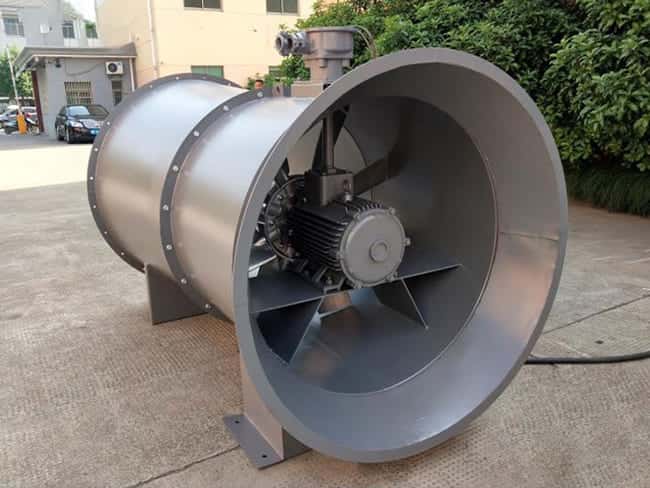
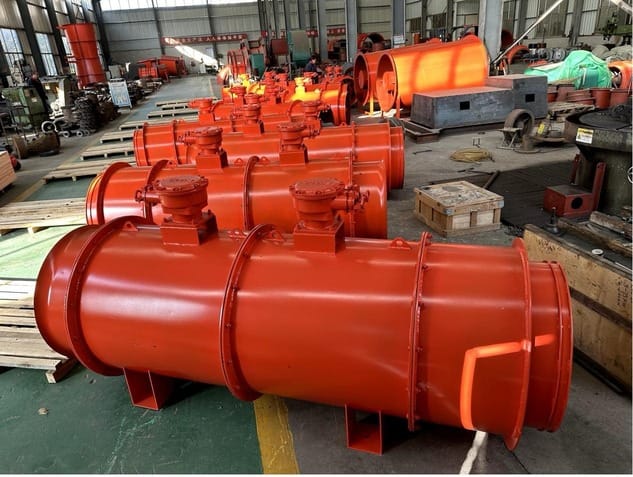
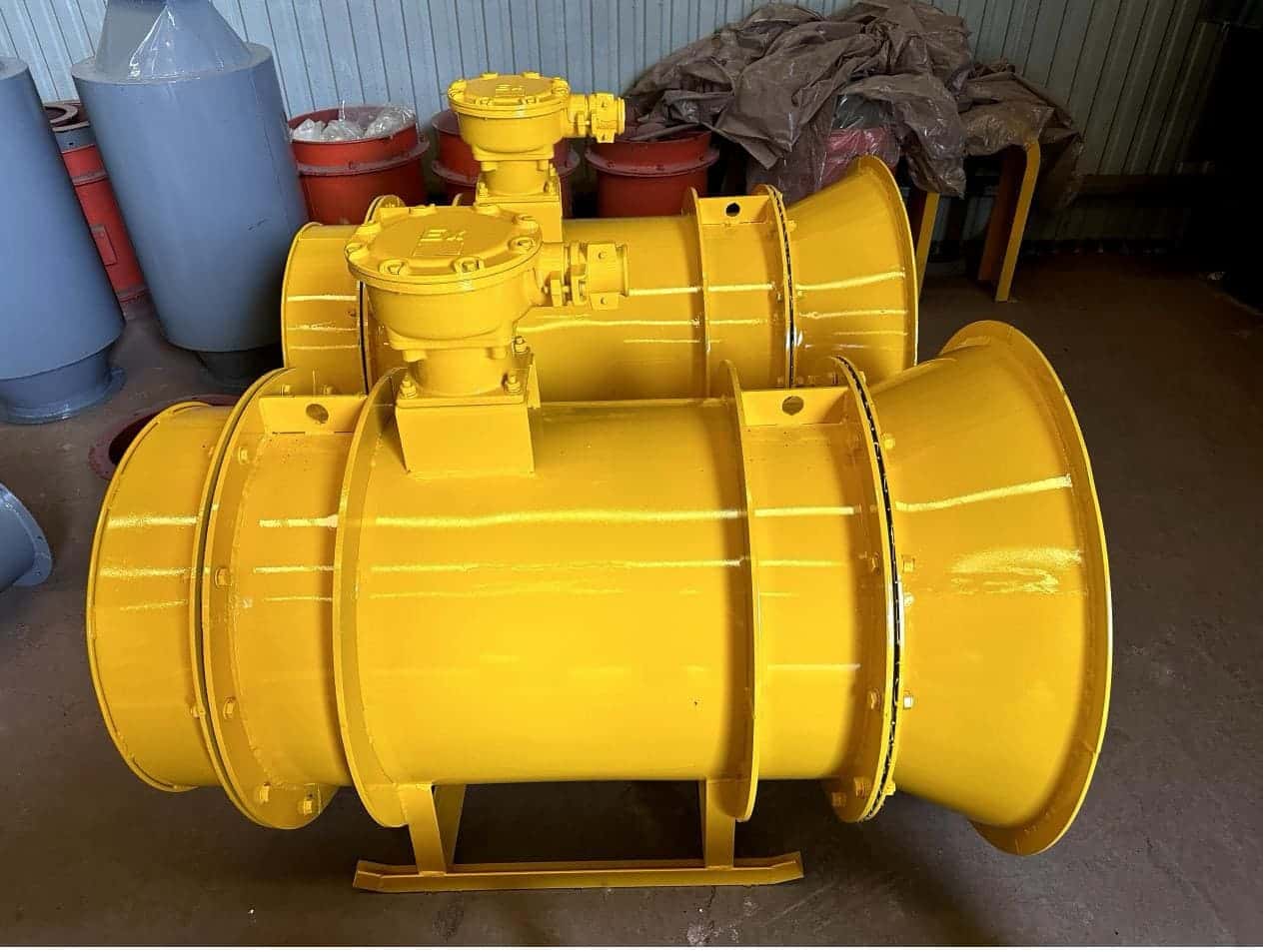
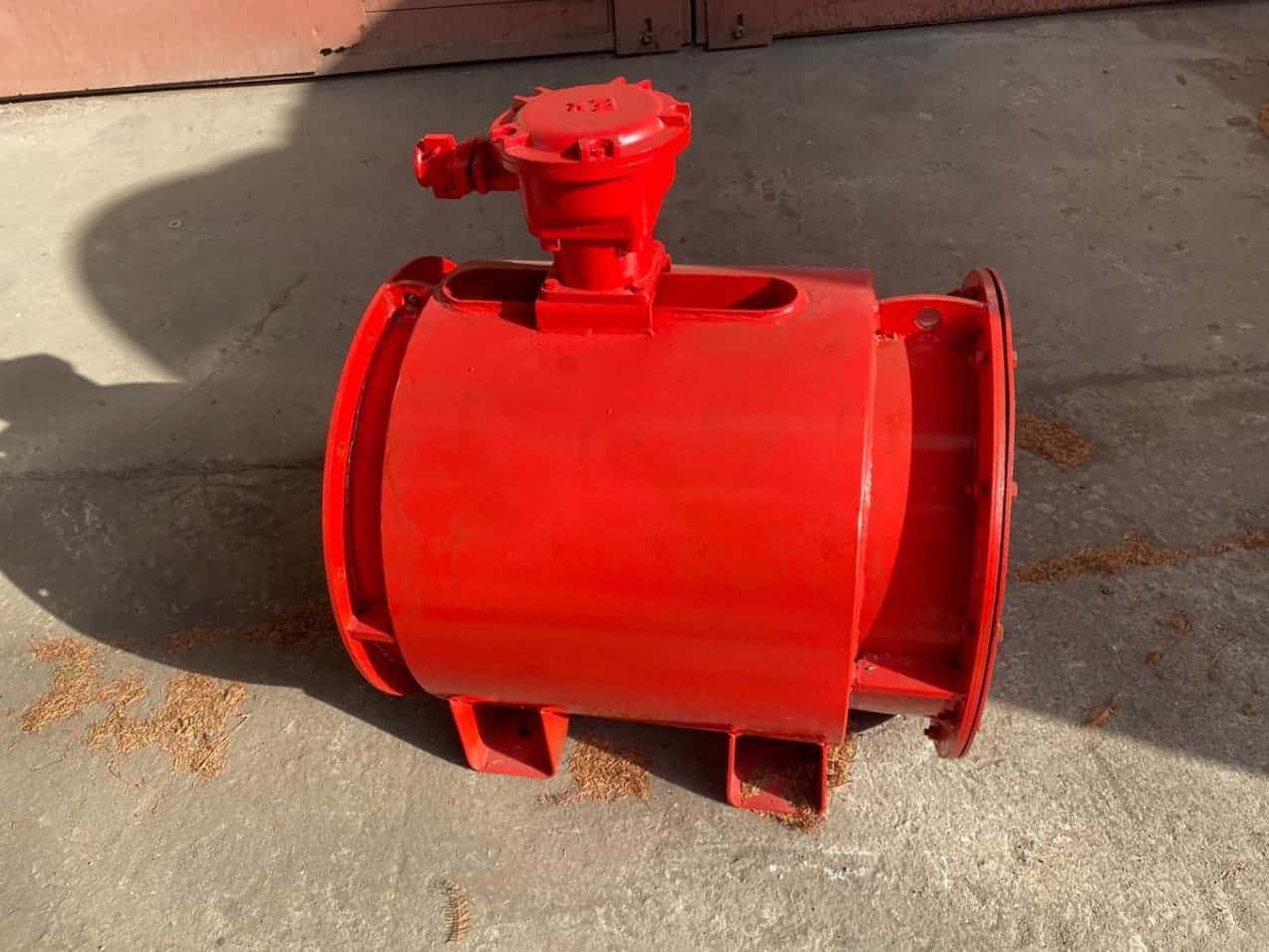
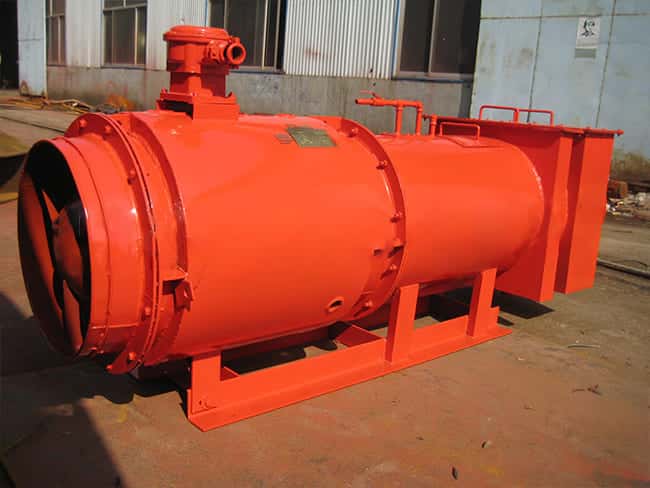
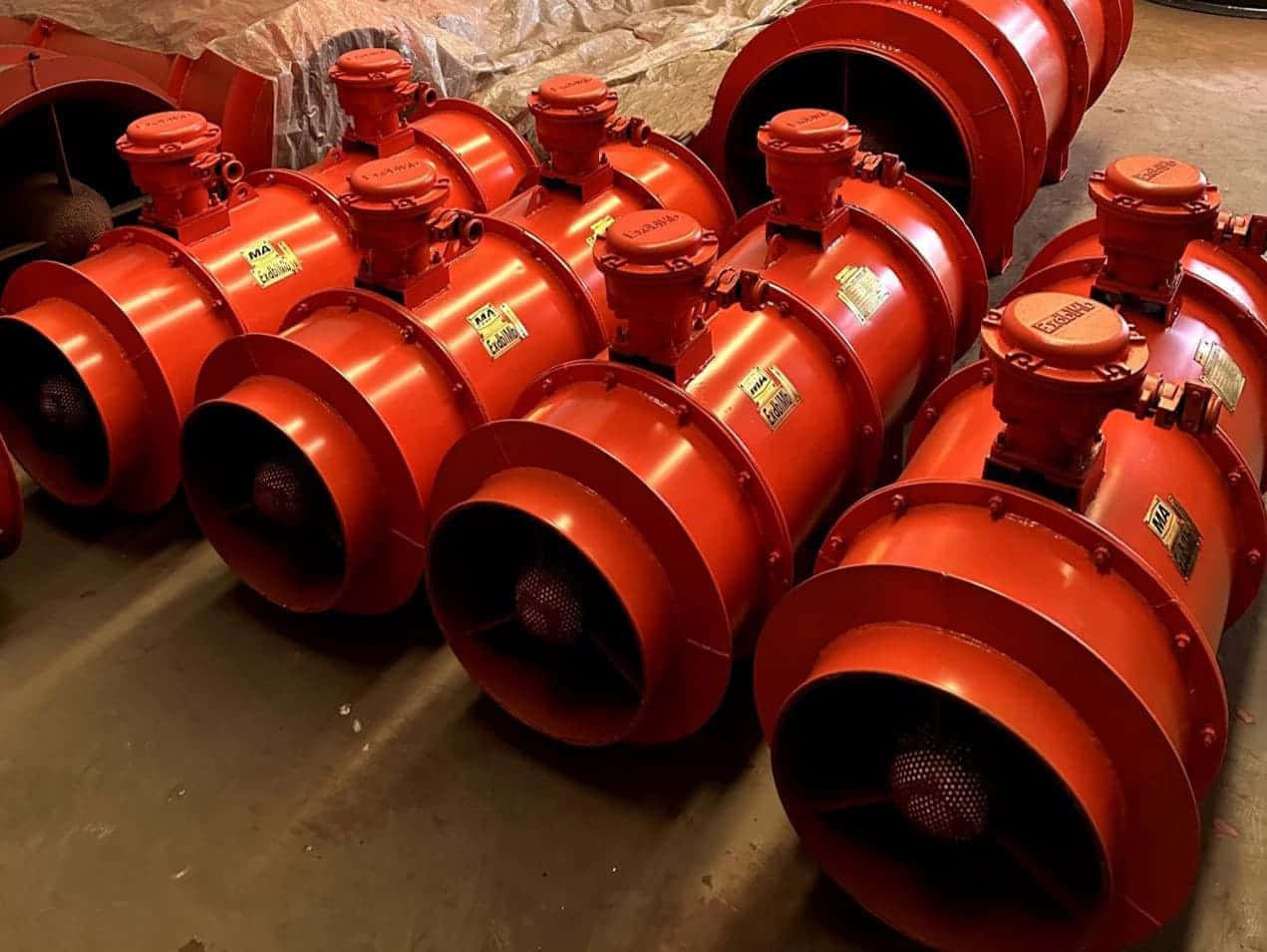
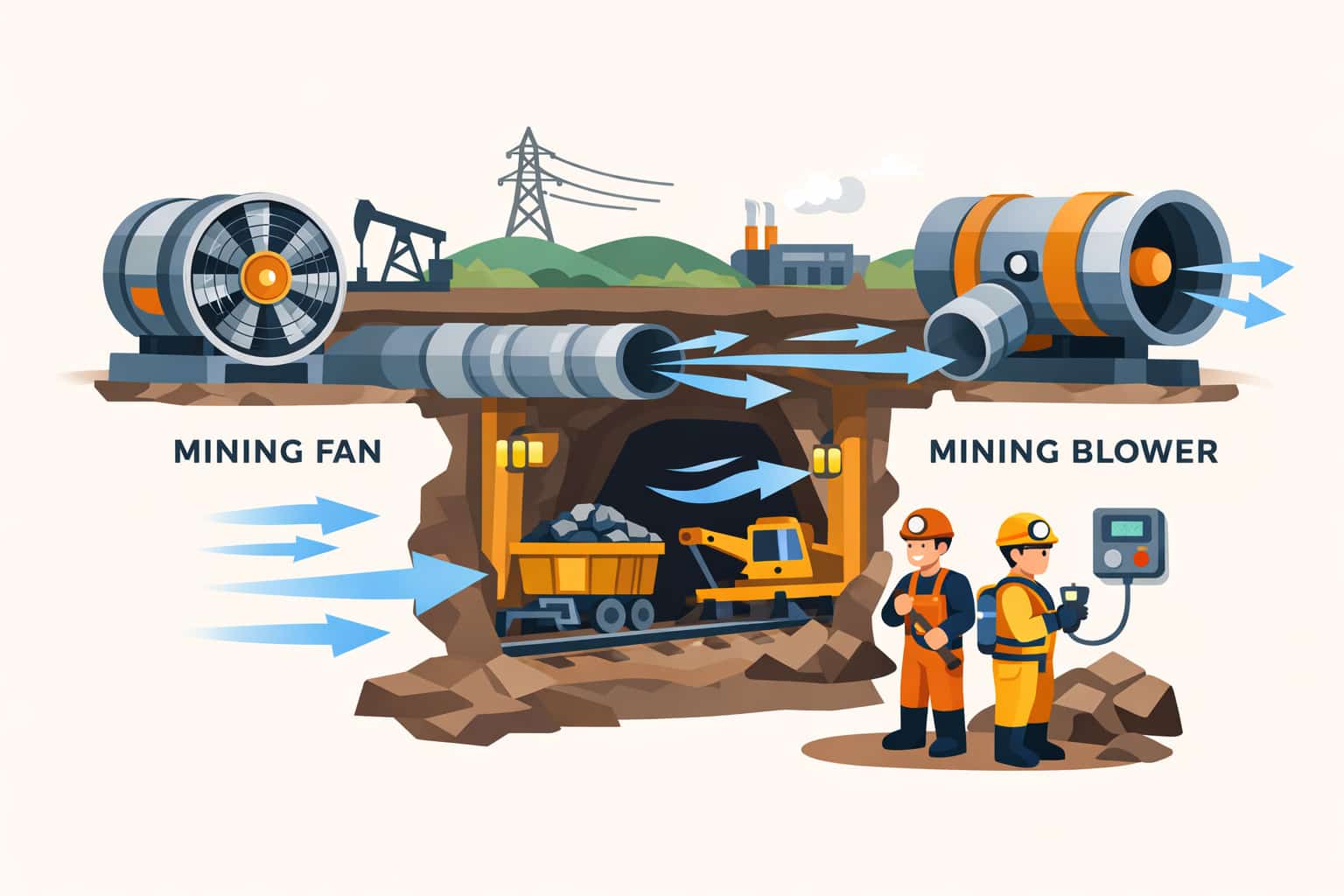
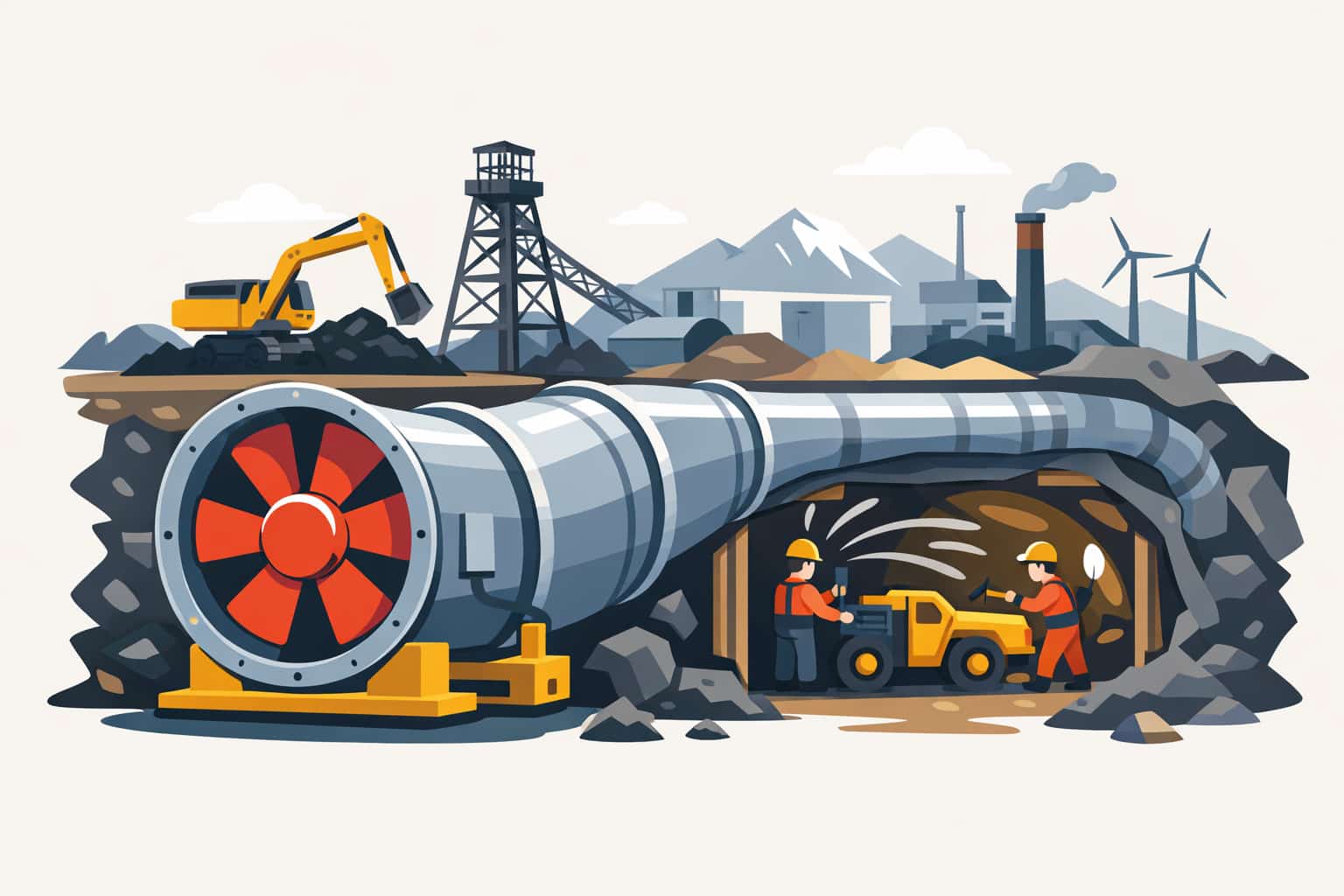
In underground mining, recommended air flow rates are defined by regulation and safety standards rather than comfort alone. Rules may specify minimum airflow per worker, per kilowatt of diesel equipment, and per mining face. For example, a heading with heavy diesel machinery may require a high minimum airflow in m3/s to dilute exhaust gases and dust. Main fans, booster fans and auxiliary duct fans are then sized so that these mandatory airflow quantities are reached at all active headings and along return airways.
For areas with specific hazards—such as chemical storage rooms, battery charging stations, welding shops or paint booths—recommended air flow rates are based on contaminant control. Standards and industry guidance documents provide minimum capture velocities and exhaust rates to keep concentrations below occupational exposure limits. The total ventilation airflow is then calculated from these source-specific requirements.
Because conditions vary widely, it is essential to consult the relevant standards and codes for your country and industry when determining recommended air flow rates. Engineers often perform calculations using air changes per hour, airflow per person, heat balance and contaminant dilution to cross-check the required ventilation rate from several angles. The final design typically uses the highest calculated airflow that is practical and energy-efficient.
In summary, recommended air flow rates for ventilation are not one fixed number; they are derived from occupancy, process loads and regulations. Using ACH, airflow per person and contaminant-based calculations together ensures that fans are sized to provide safe, healthy and efficient ventilation in industrial plants and mines.