
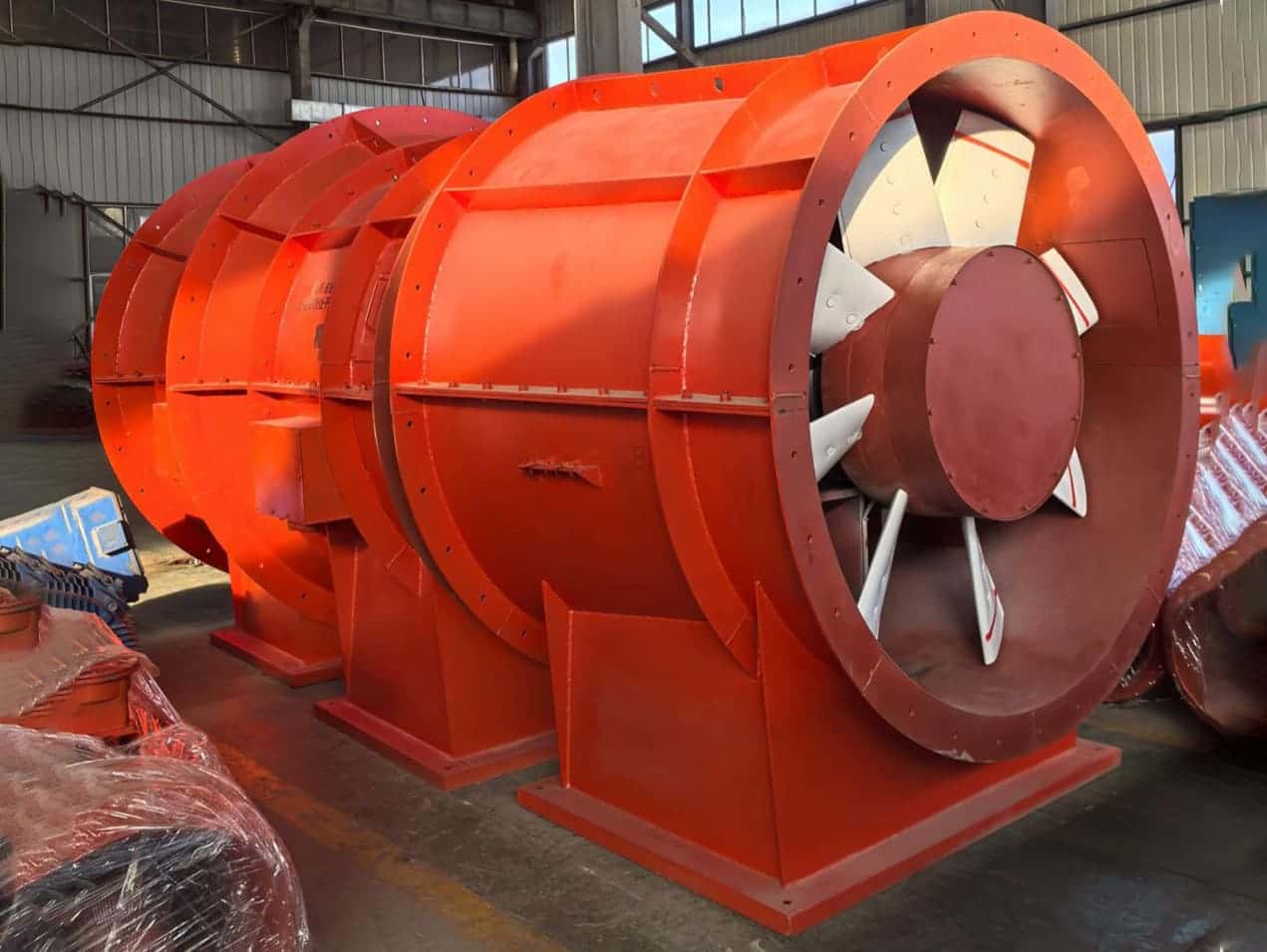
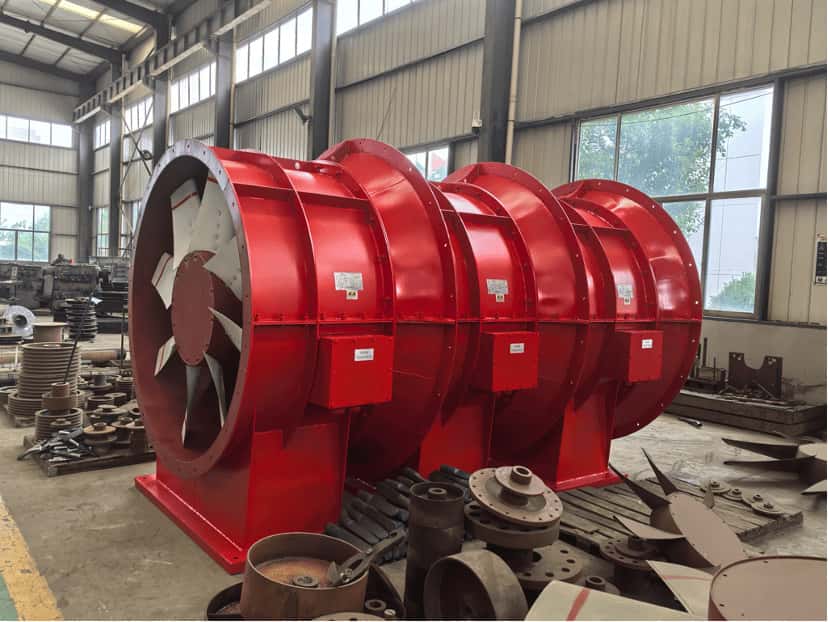
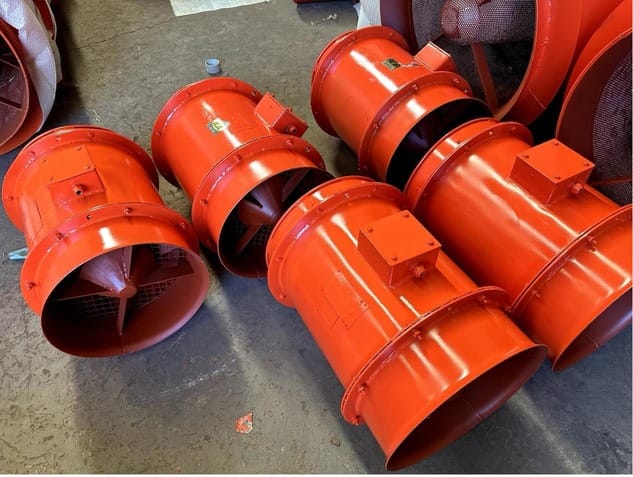
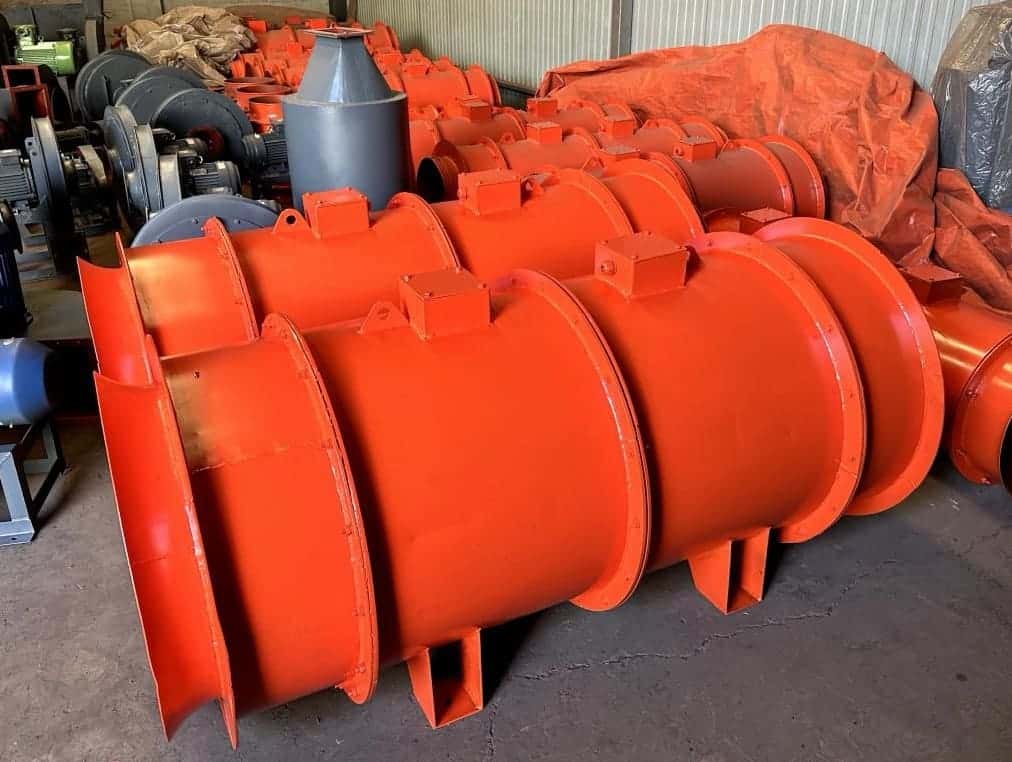
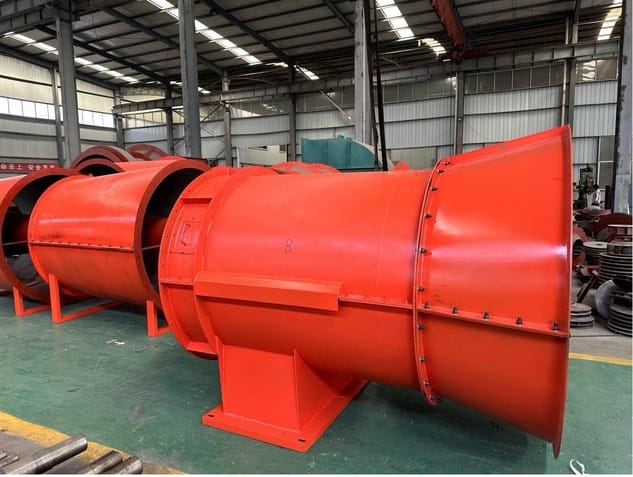
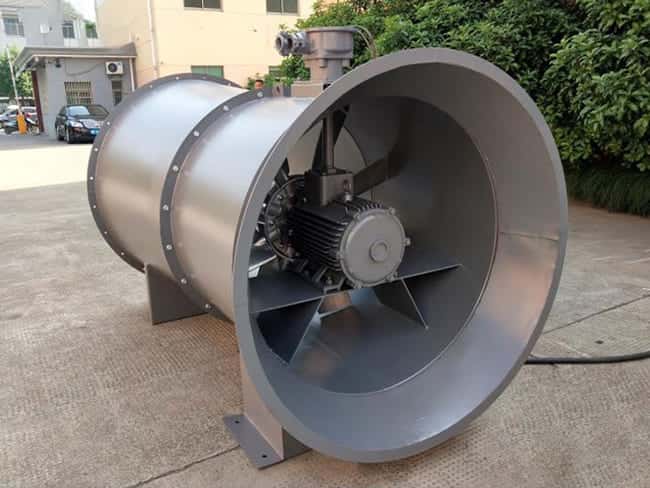
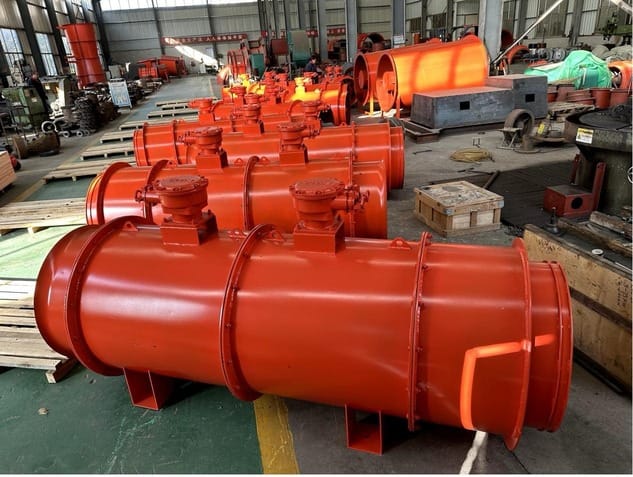
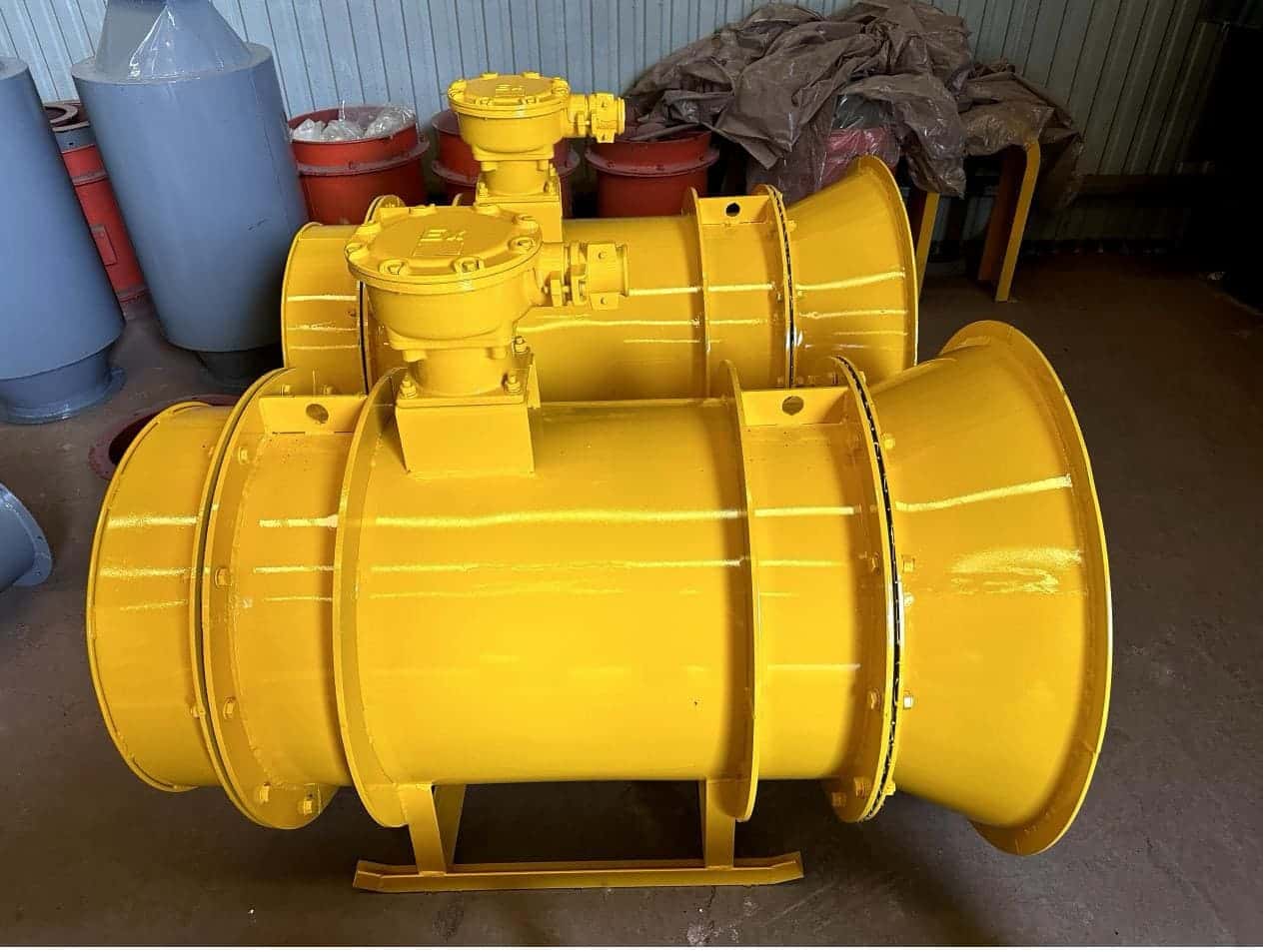
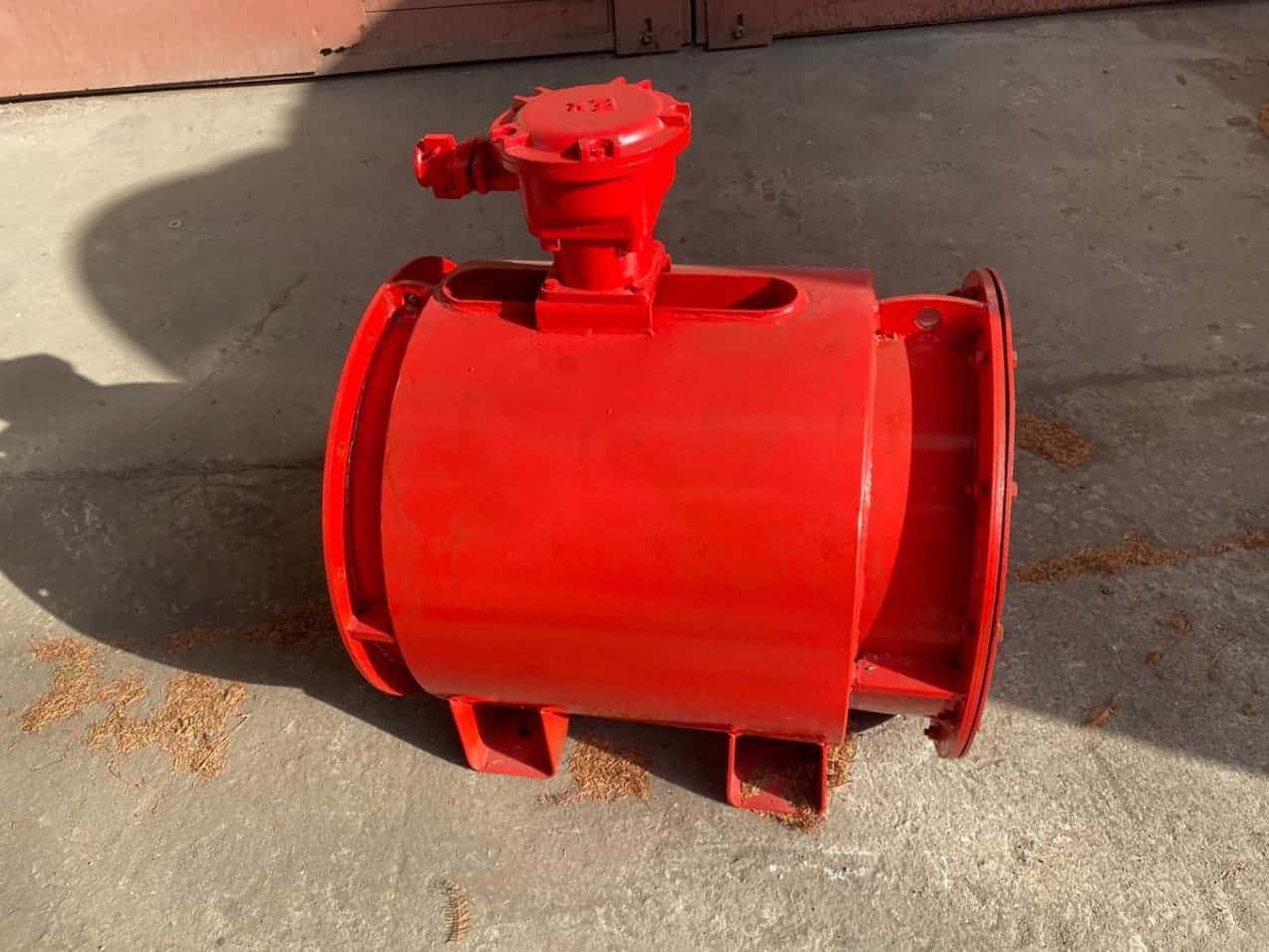
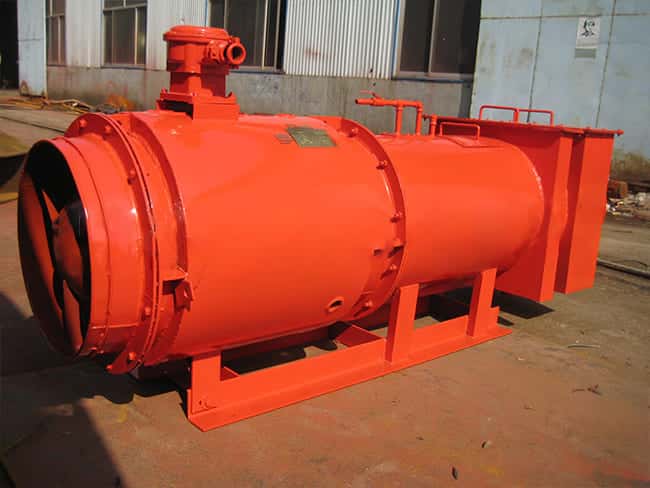
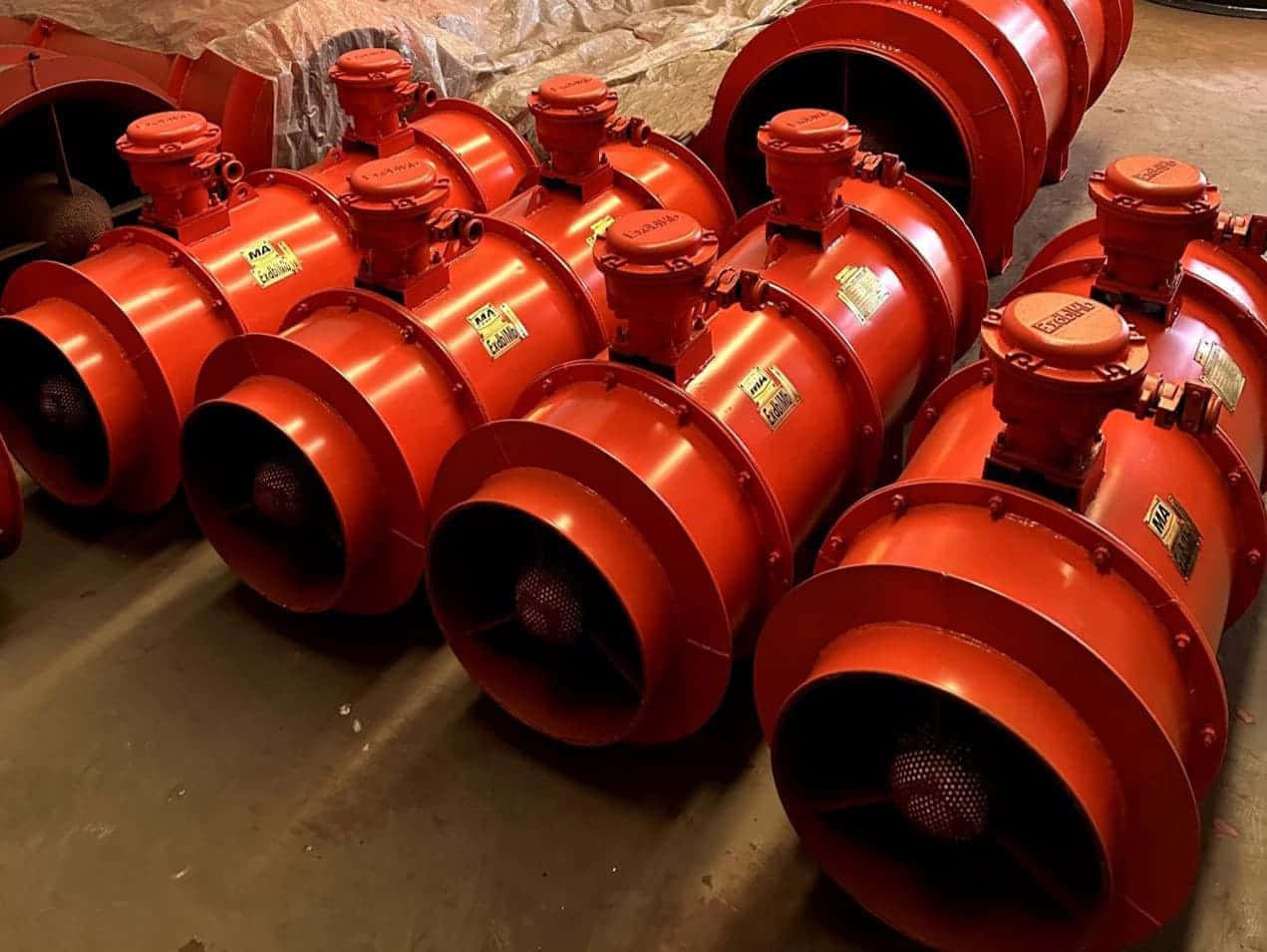

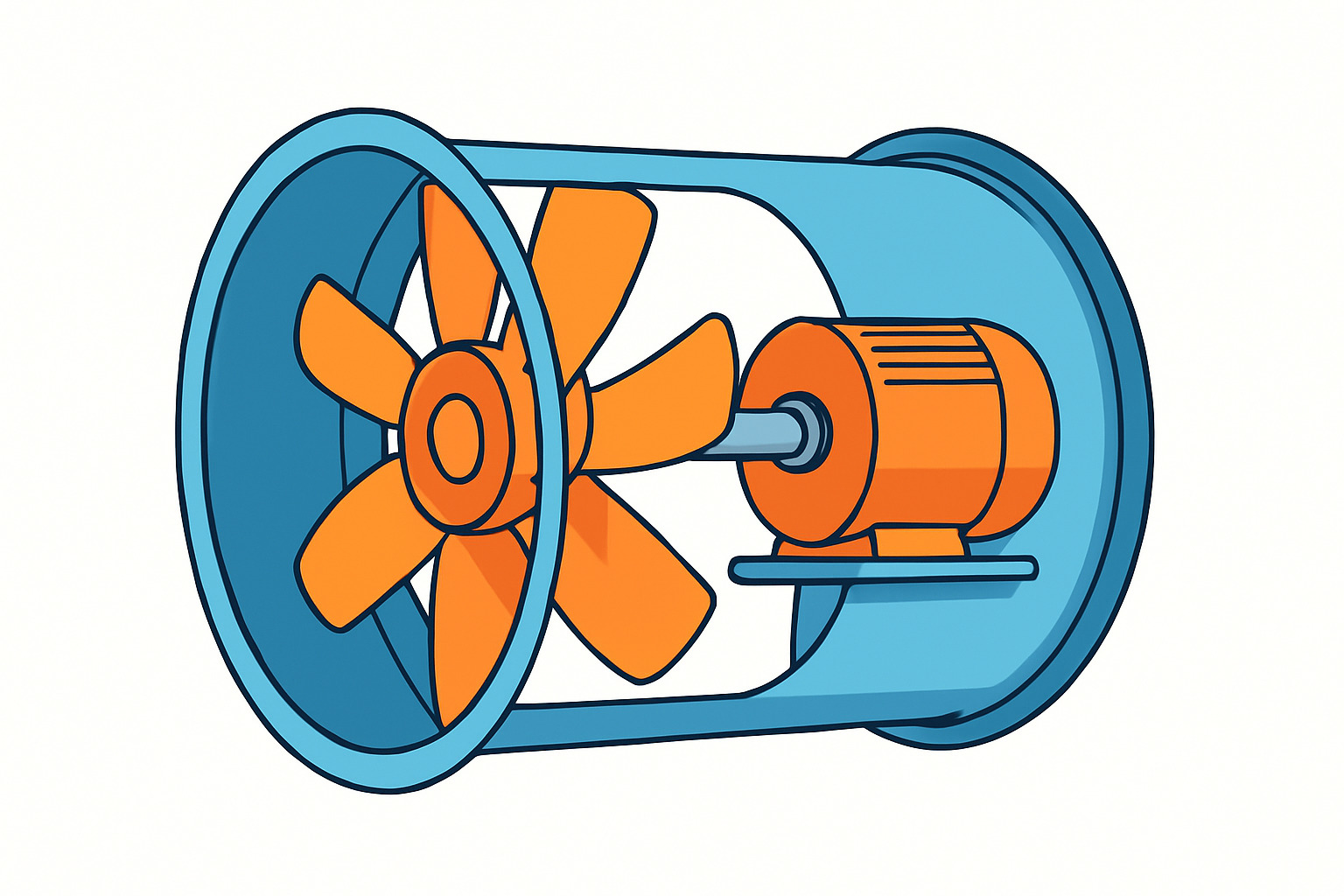
In power plants and heavy industry, engineers often ask what the seal air fan in a coal mill does and why it is so important. A coal mill, or coal pulverizer, grinds coal into fine powder for combustion in a boiler. During operation, the mill contains a mixture of coal dust, hot air and combustion gases under pressure. The seal air fan is a dedicated ventilation fan that supplies clean, pressurised air to critical sealing points around the mill to prevent this dusty, hot mixture from leaking into bearings, gearboxes and other mechanical components.
The primary function of the seal air fan is pressure sealing. The fan delivers air at a pressure slightly higher than the internal pressure of the mill. This seal air is piped to labyrinth seals and other sealing arrangements at the mill inlet, outlet, classifier, journal assemblies and sometimes the gear housing. Because the seal air pressure is higher, airflow is always from the outside into the mill, not from the mill outwards. This positive sealing prevents coal dust and hot gases from escaping through the clearances in the seals.
Without adequately sized and reliable seal air fans, fine coal dust can migrate into bearings and lubricated areas, causing contamination, accelerated wear and potential bearing failure. Hot gases from the mill can also attack seals and lubricants, increasing the risk of fire or damage. By keeping these areas flushed with clean, cool air, the seal air fan extends equipment life and reduces the likelihood of unplanned shutdowns and costly repairs.
The seal air system is also important for operational safety. Coal dust is combustible, and accumulations around hot bearings, drives or in confined spaces can increase the risk of smouldering or fires. By preventing dust leakage and keeping the sealing areas clean, the seal air fan contributes to a safer operating environment. In addition, the seal air flow helps maintain stable pressure conditions at the mill seals, which supports consistent mill performance and efficient combustion in the boiler.
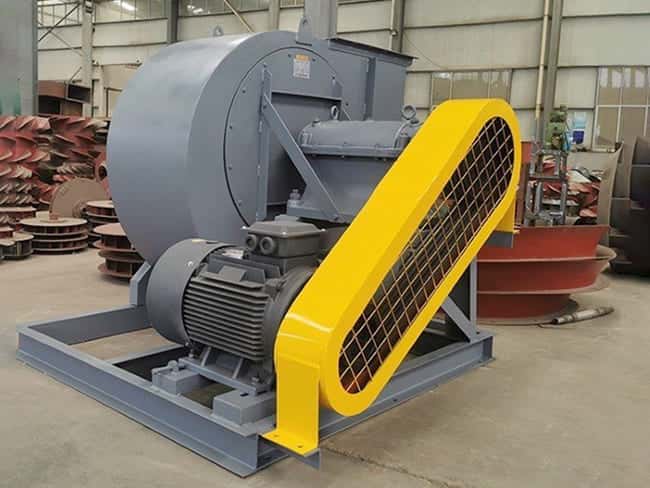
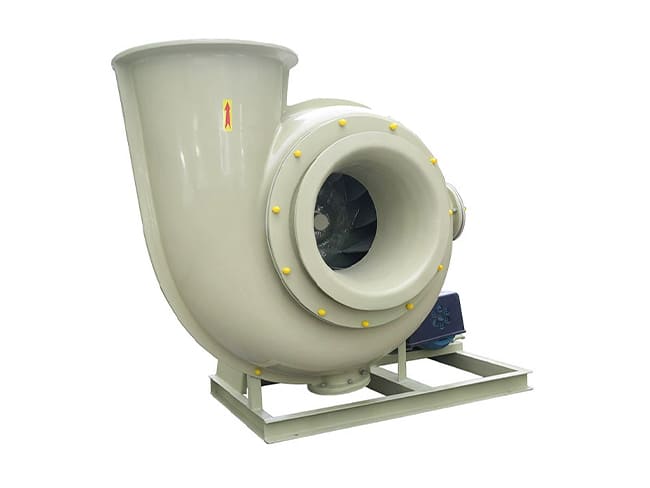
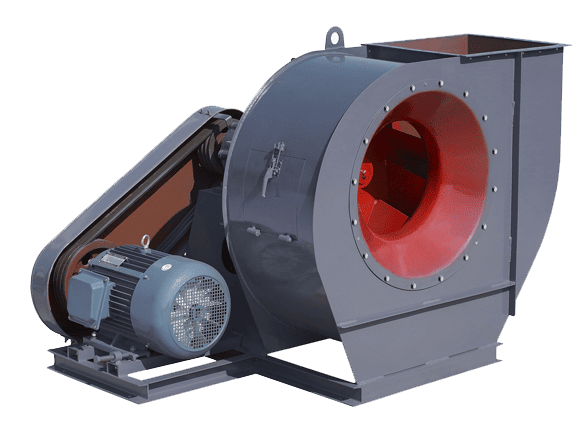
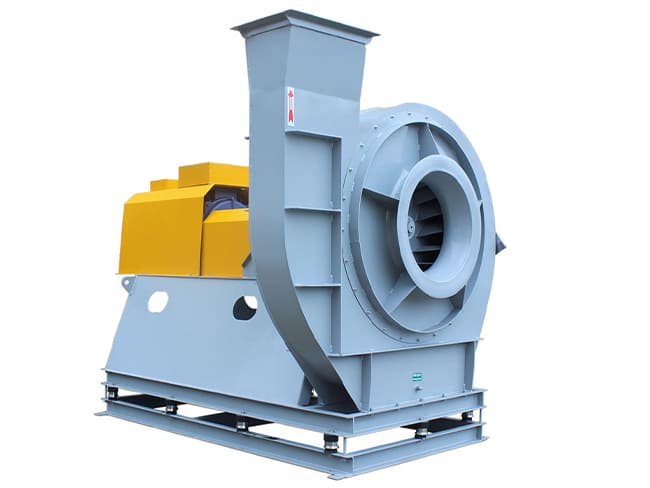
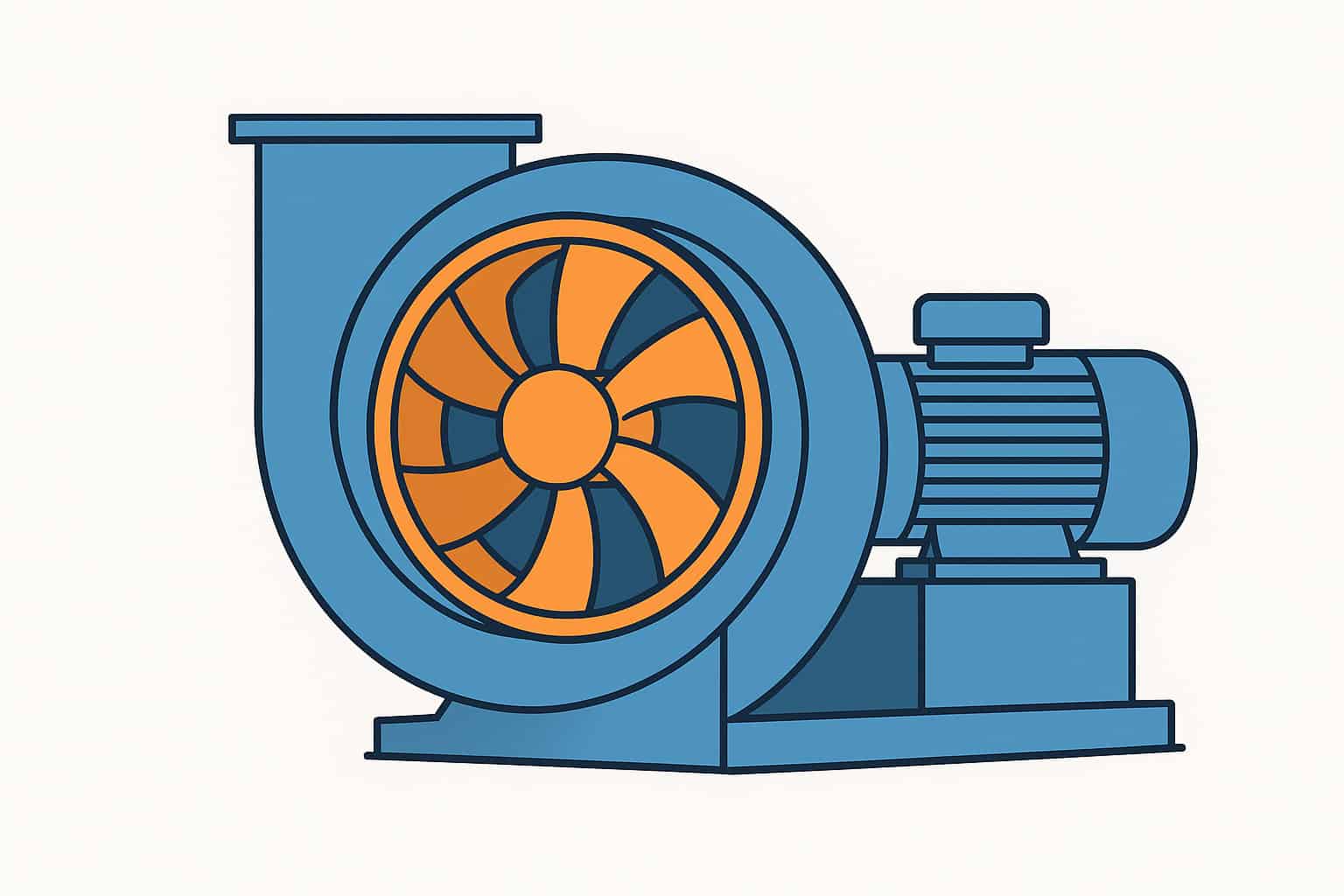
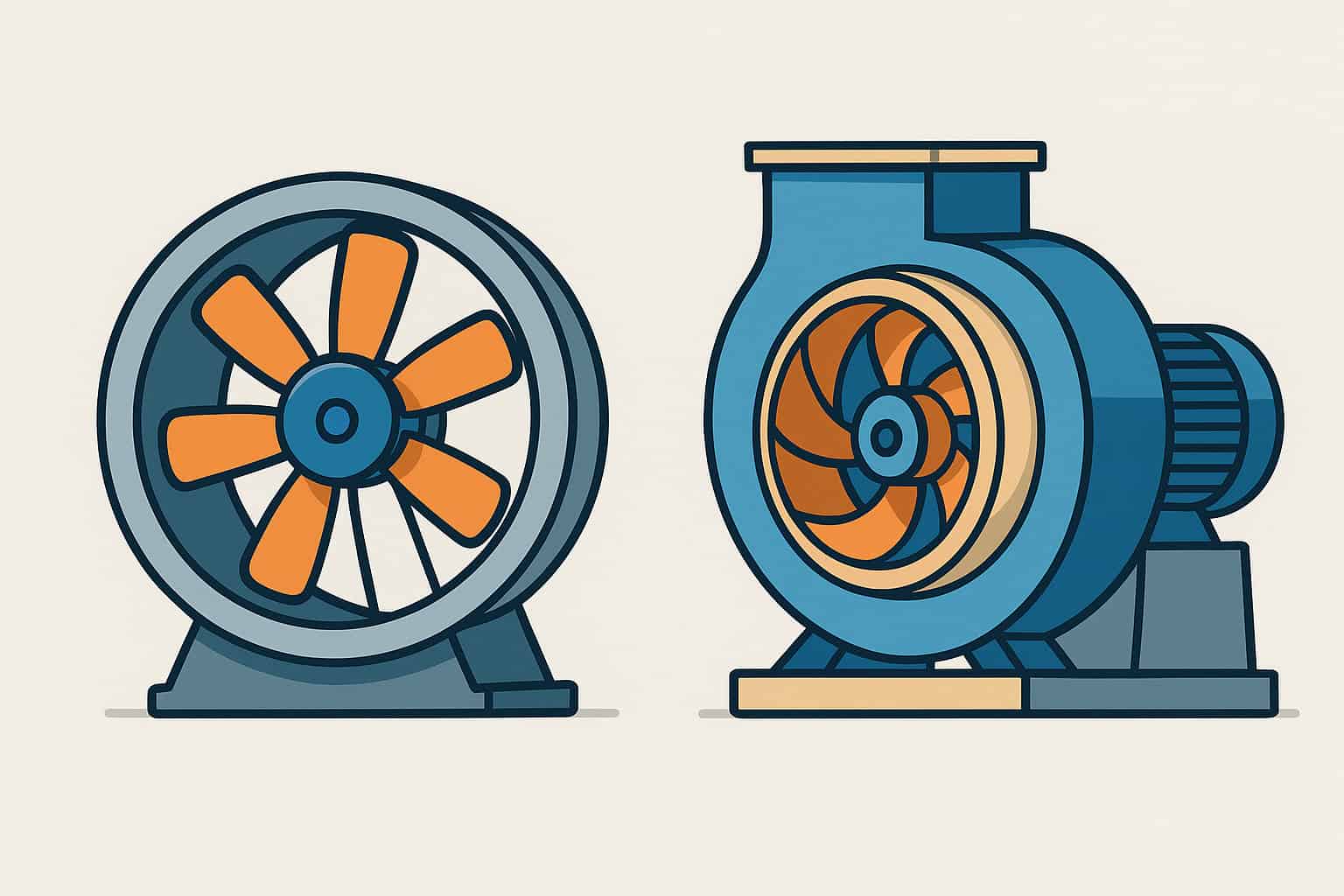
In a typical installation, the seal air fan draws air from a clean source, often downstream of a filter or air heater, and raises its pressure to the level needed for effective sealing. The fan is usually a small to medium centrifugal or axial unit compared with the main primary air or induced draft fans in the boiler system, but its role is critical. Loss of seal air pressure may require the mill to be tripped or load to be reduced until sealing can be restored.
In summary, the seal air fan in a coal mill is a specialised ventilation fan that supplies clean, pressurised air to mill seals. Its purpose is to prevent coal dust and hot gases from leaking into bearings, drives and surrounding areas, thereby improving reliability, reducing contamination and supporting safe, efficient operation of the pulverizing and combustion system.
