
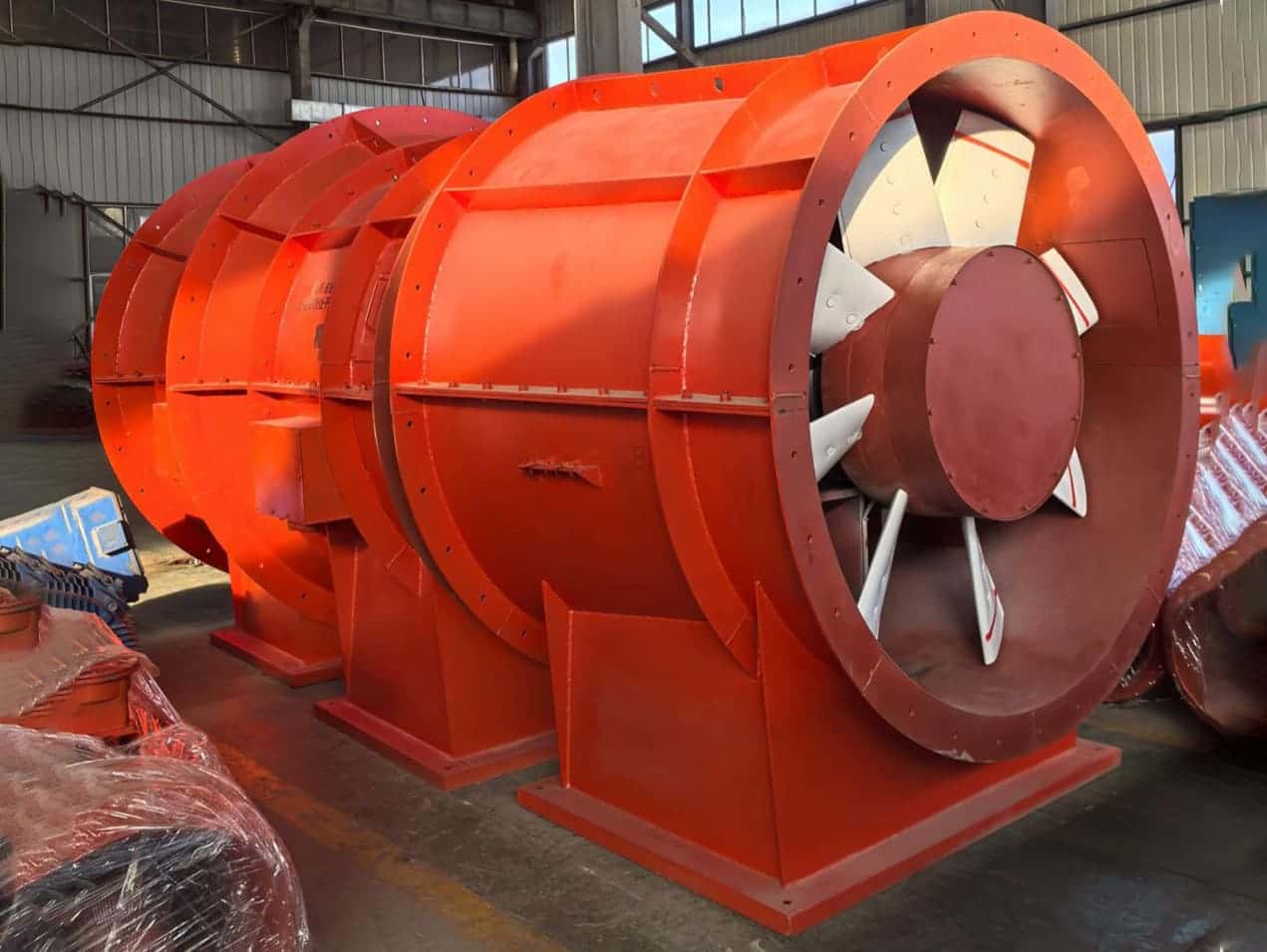
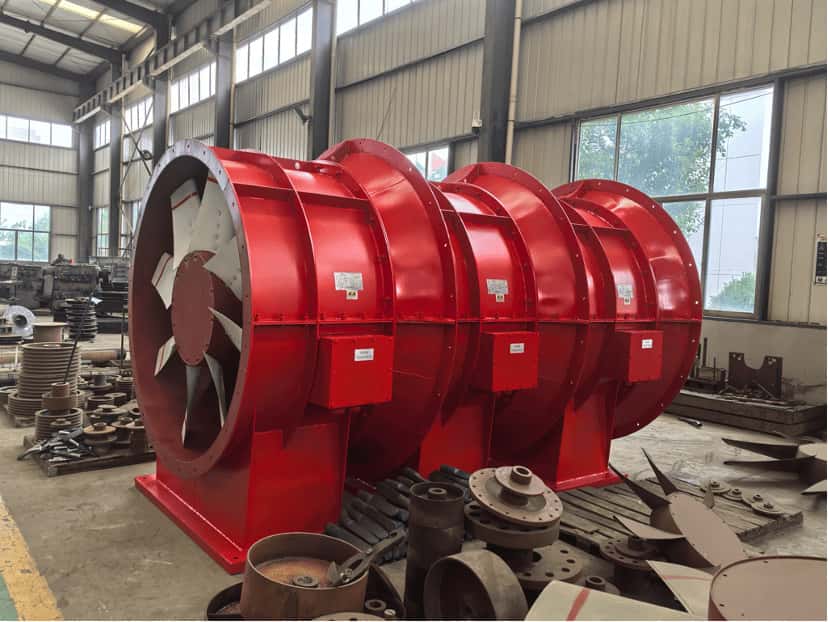
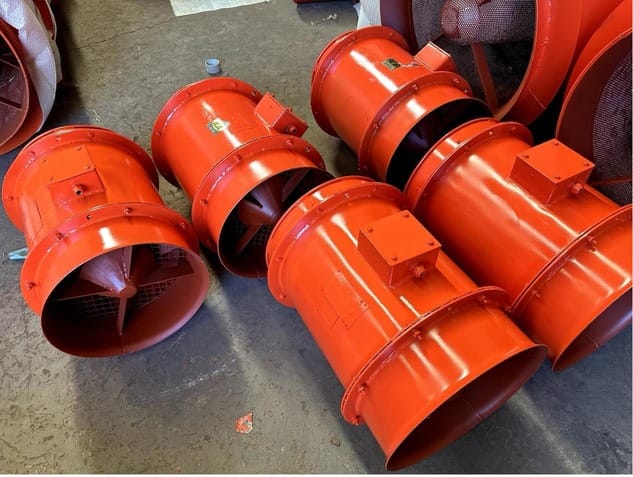
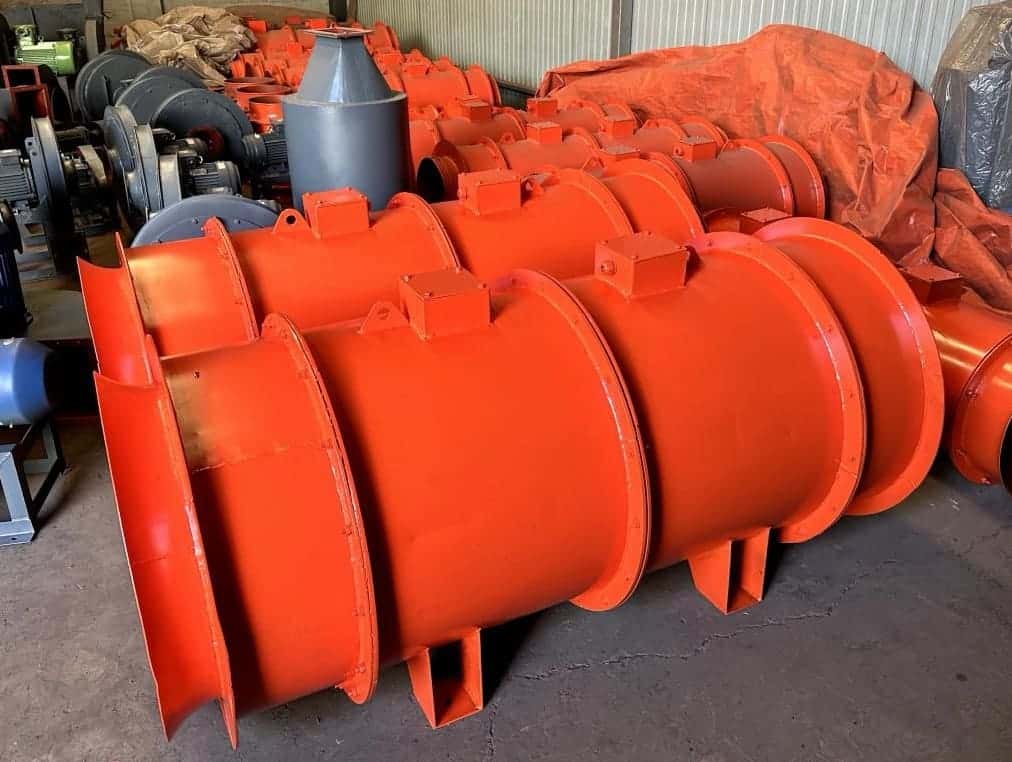
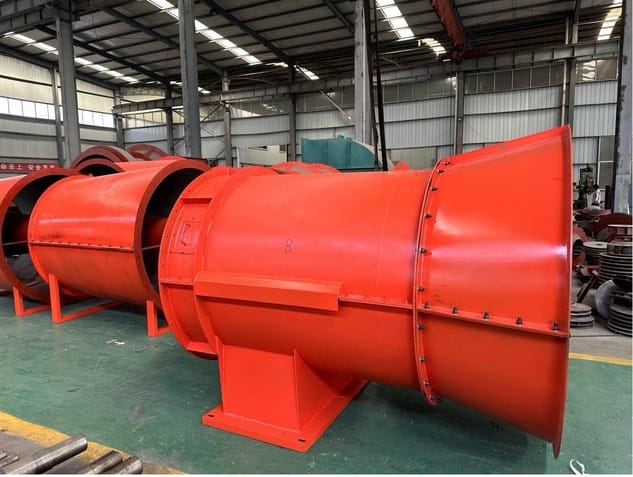
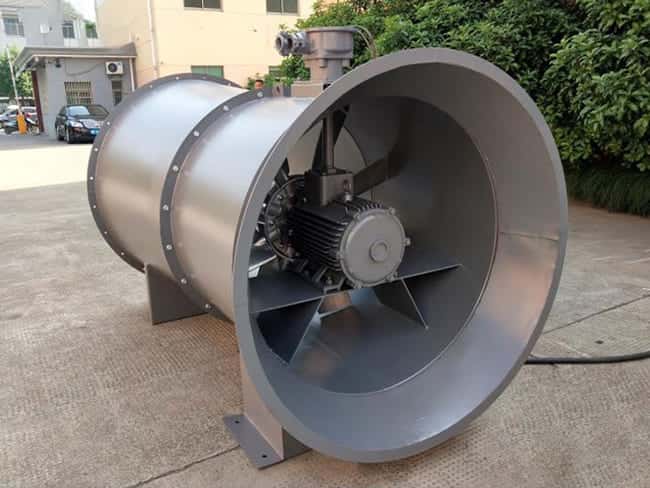
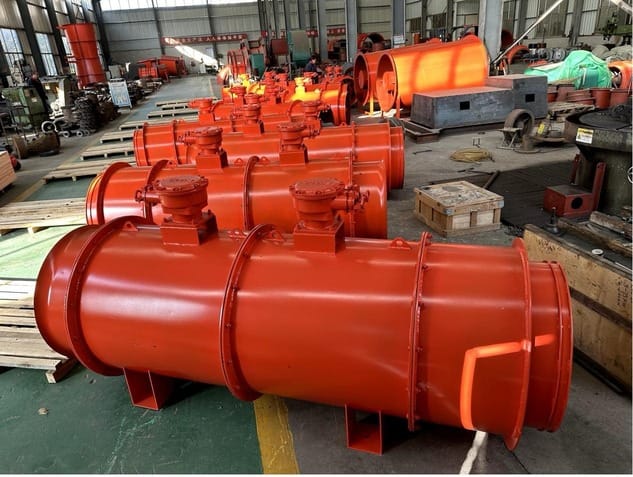
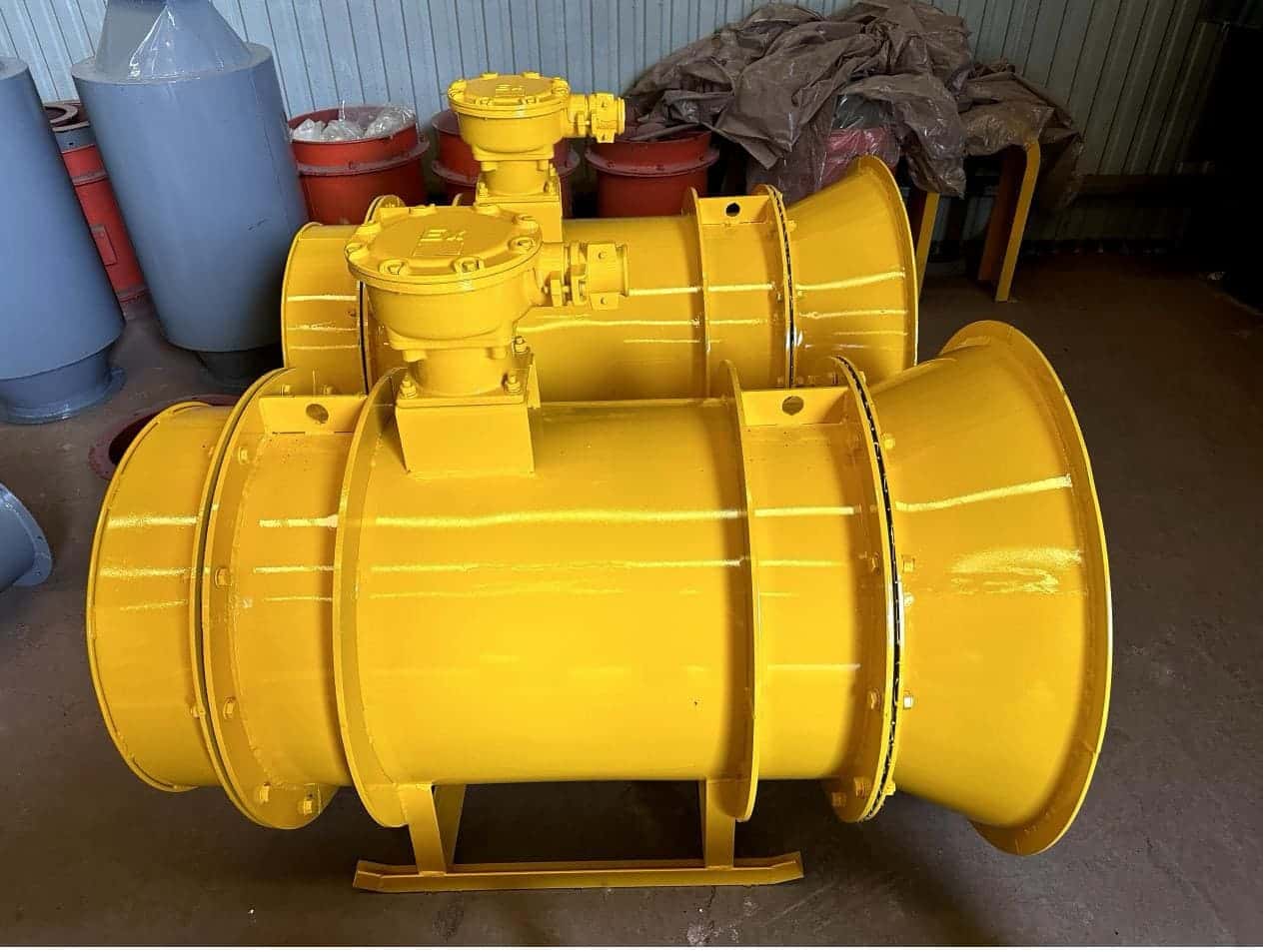
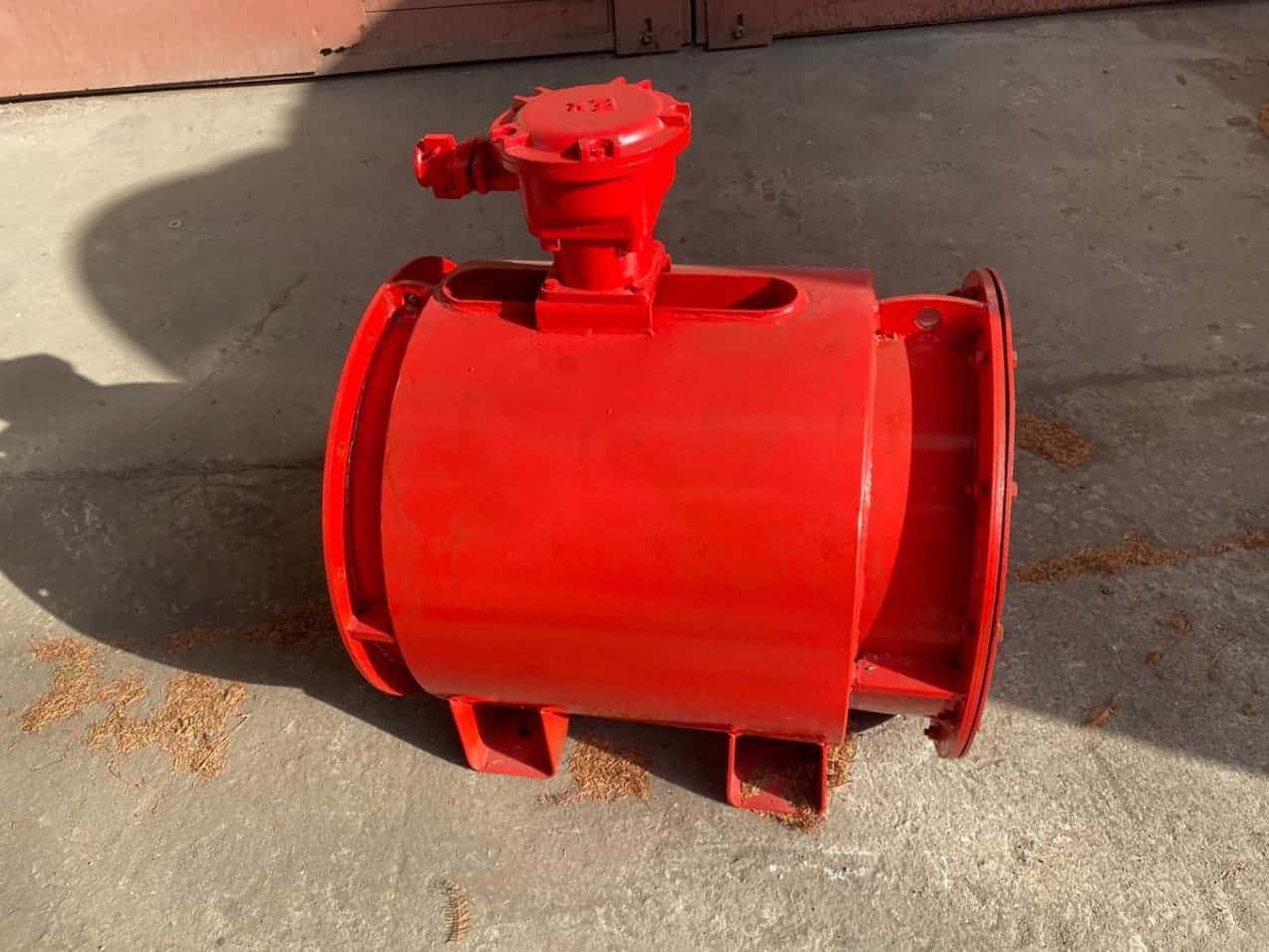
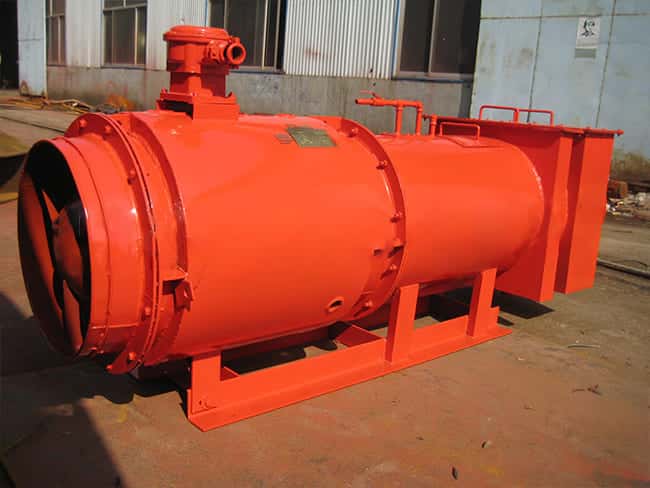
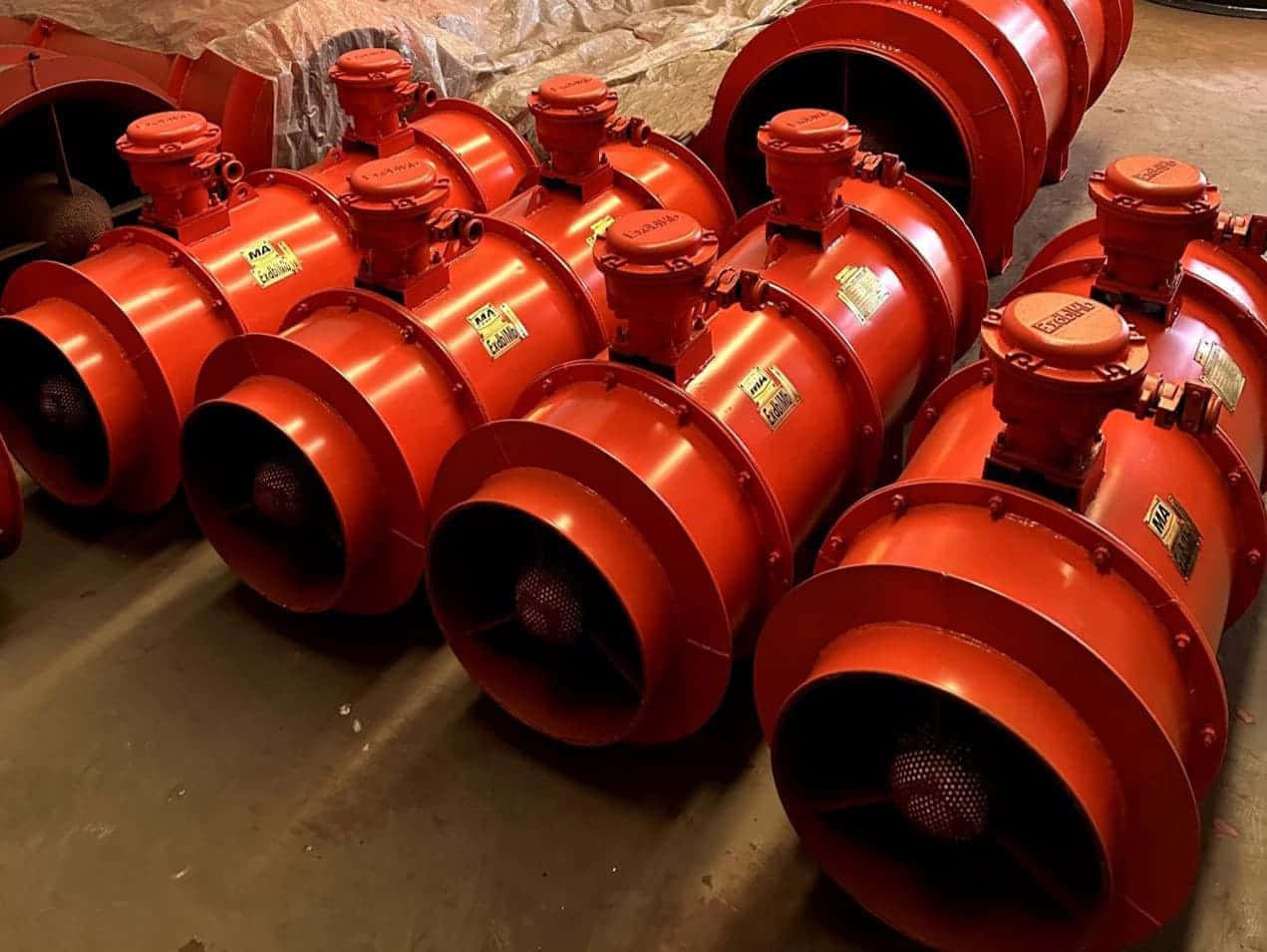
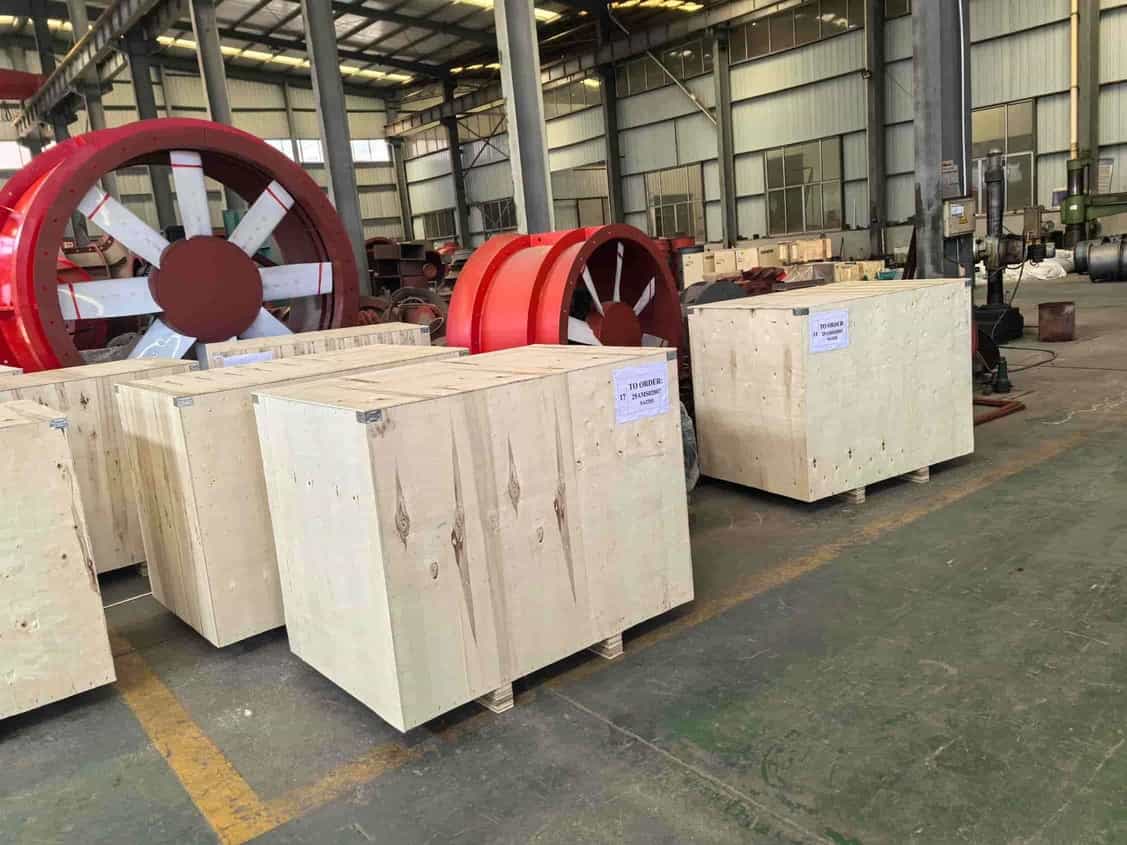
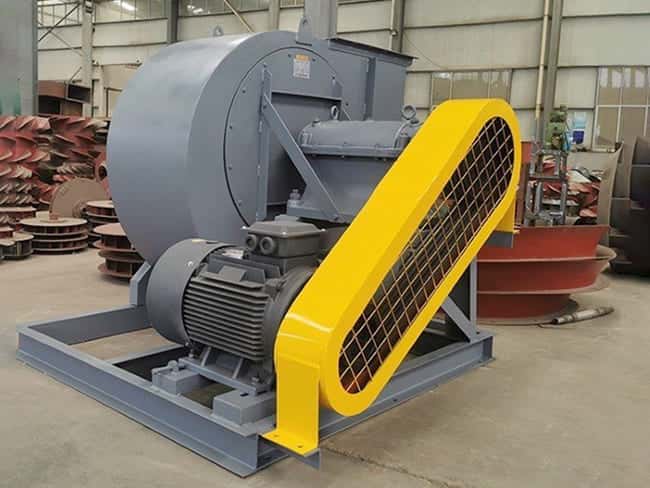
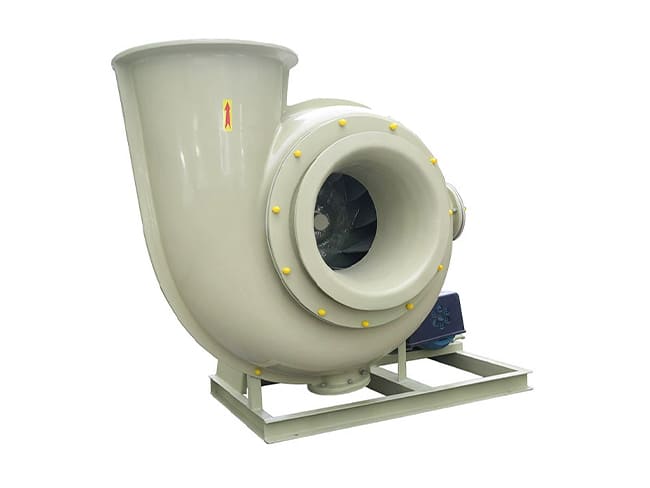
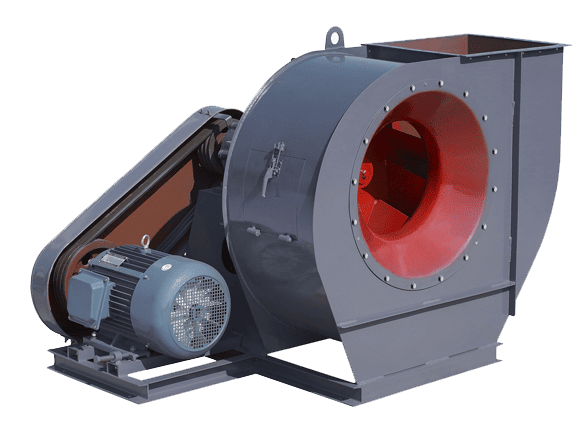
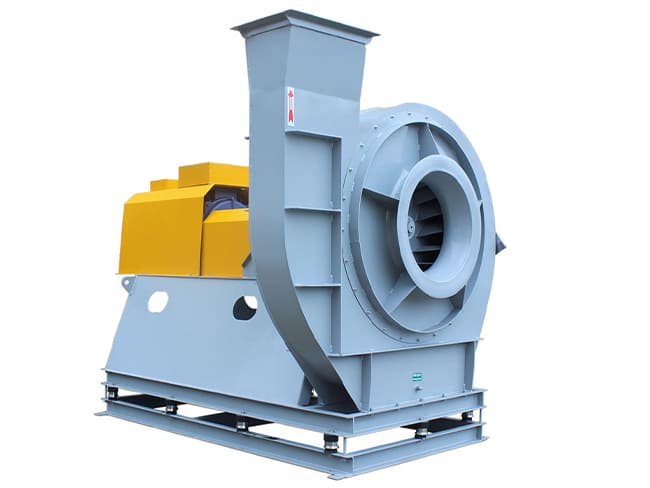
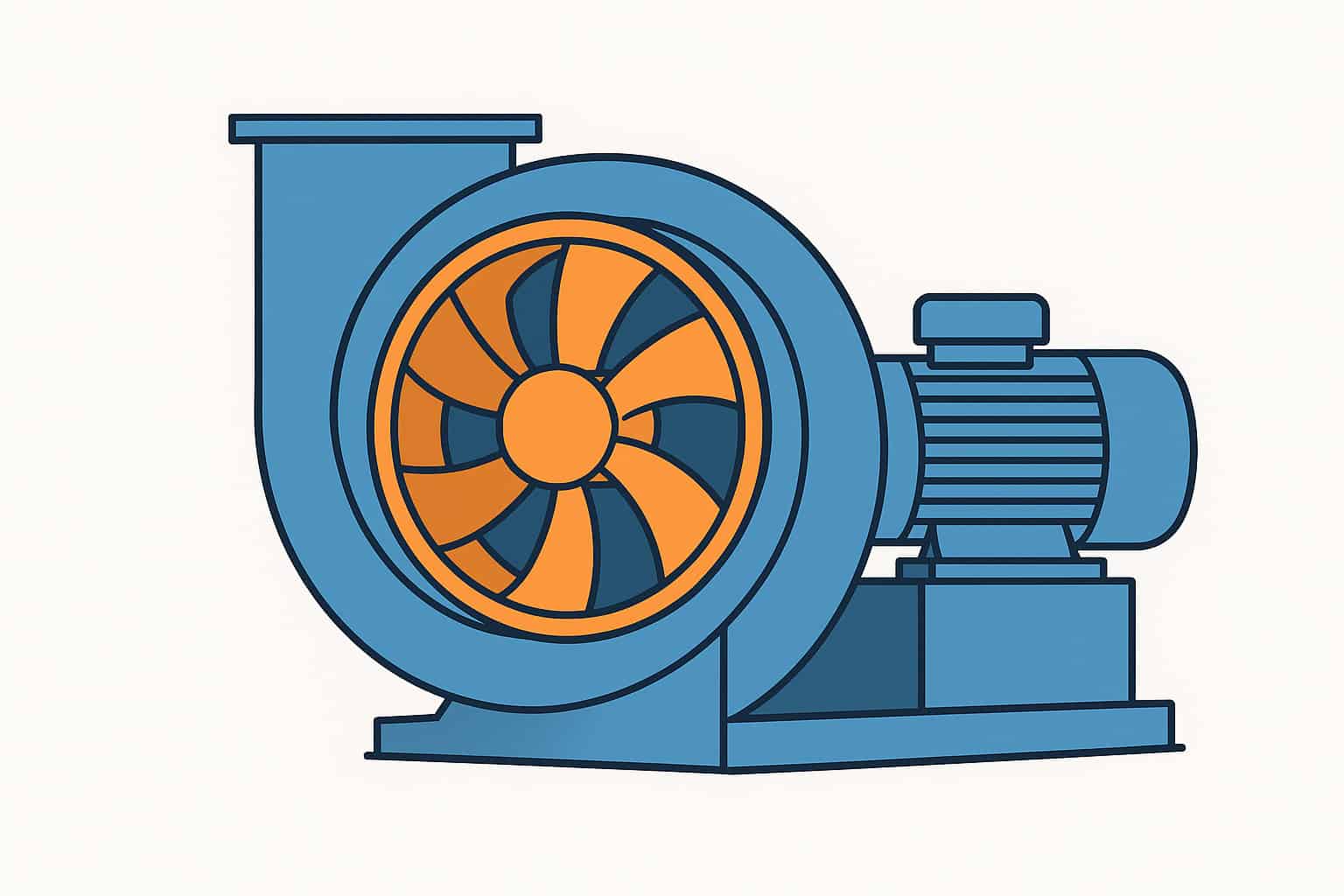
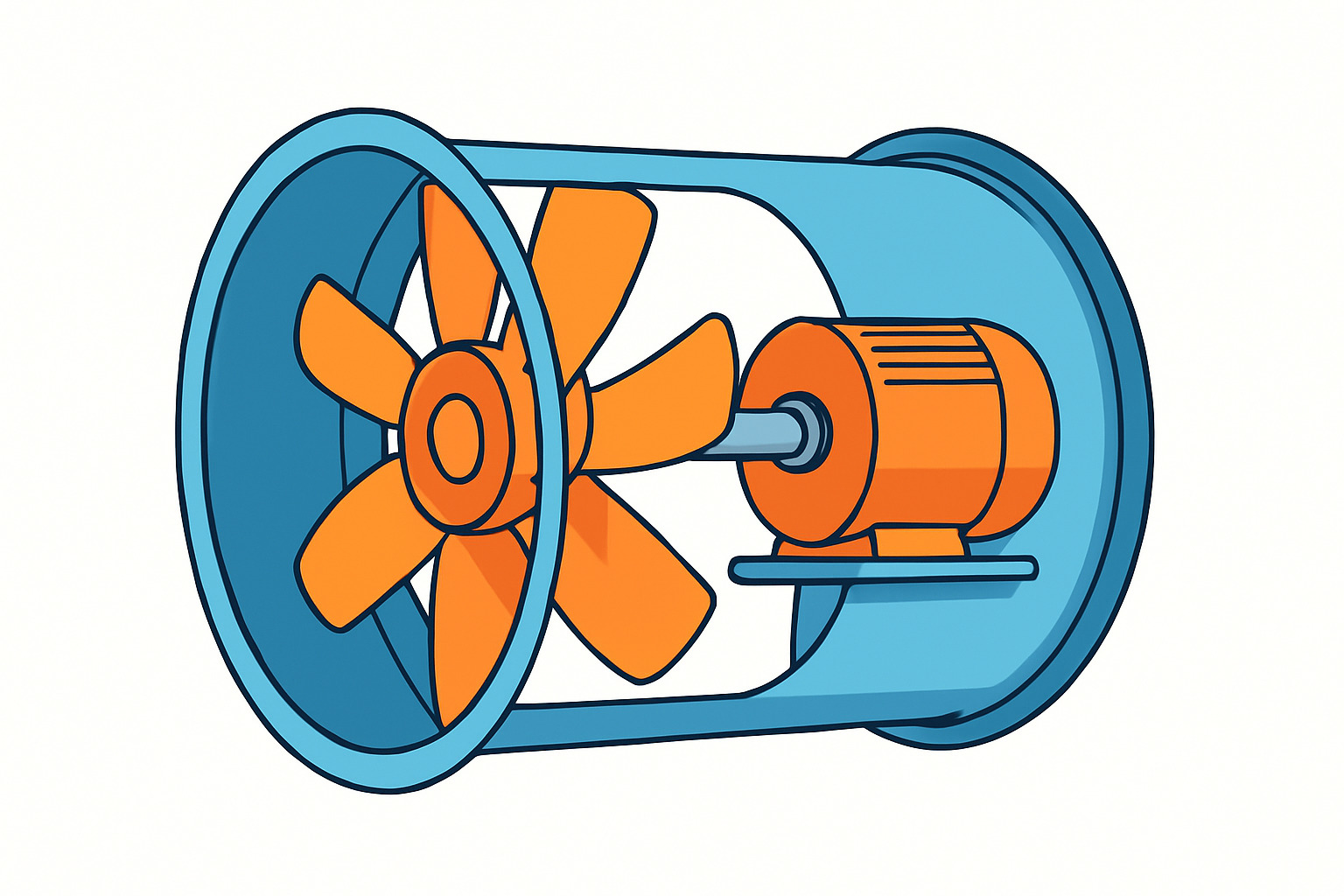
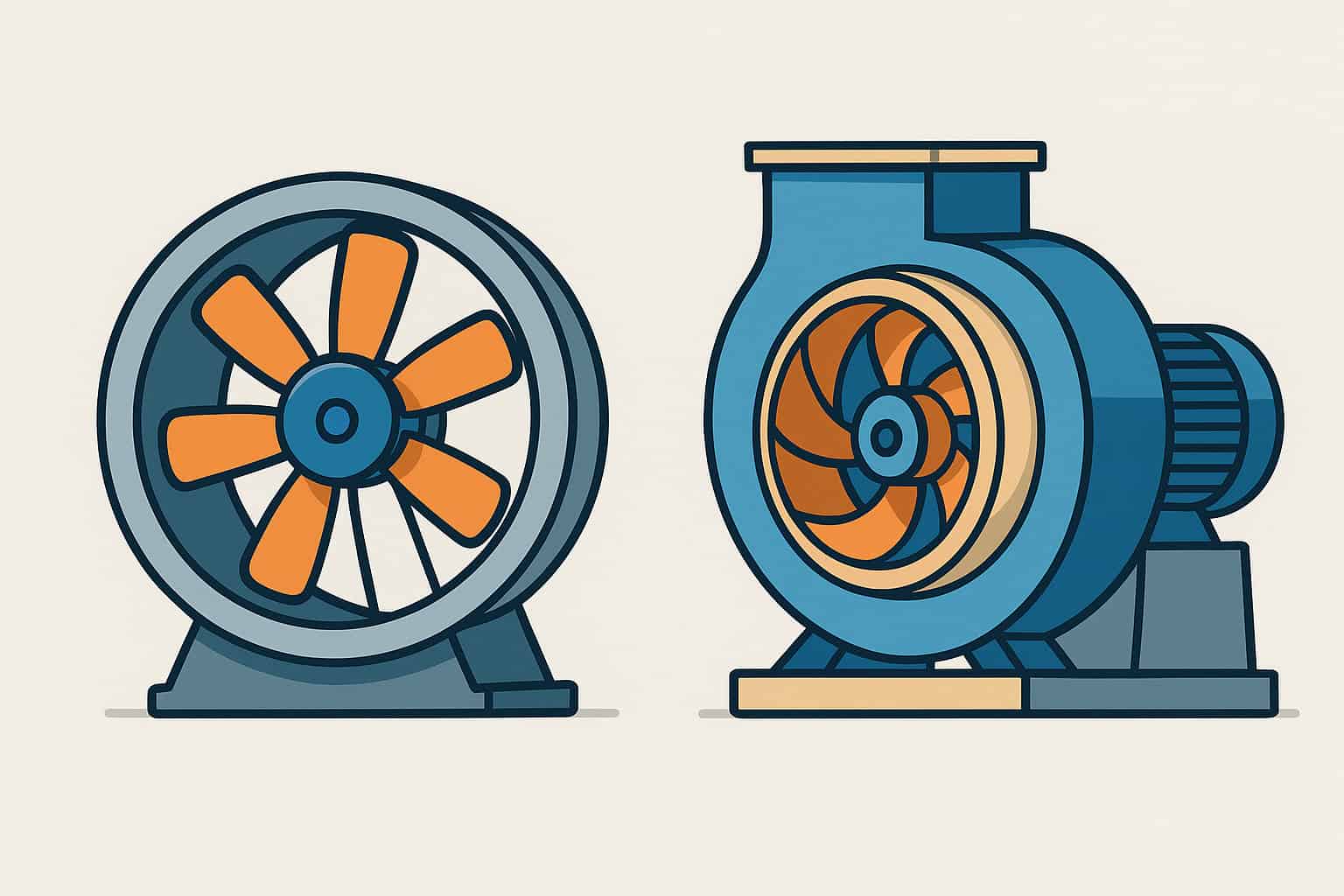
In mining and industrial ventilation, the shaft in a fan is the central rotating mechanical element that connects the driving motor to the fan impeller or rotor. It transmits torque from the motor to the blades, keeps the rotor correctly positioned between the bearings, and helps maintain precise alignment so that the fan can deliver its designed airflow and pressure. Whether the fan is axial or centrifugal, the shaft is one of the most critical components in the entire ventilation fan assembly.
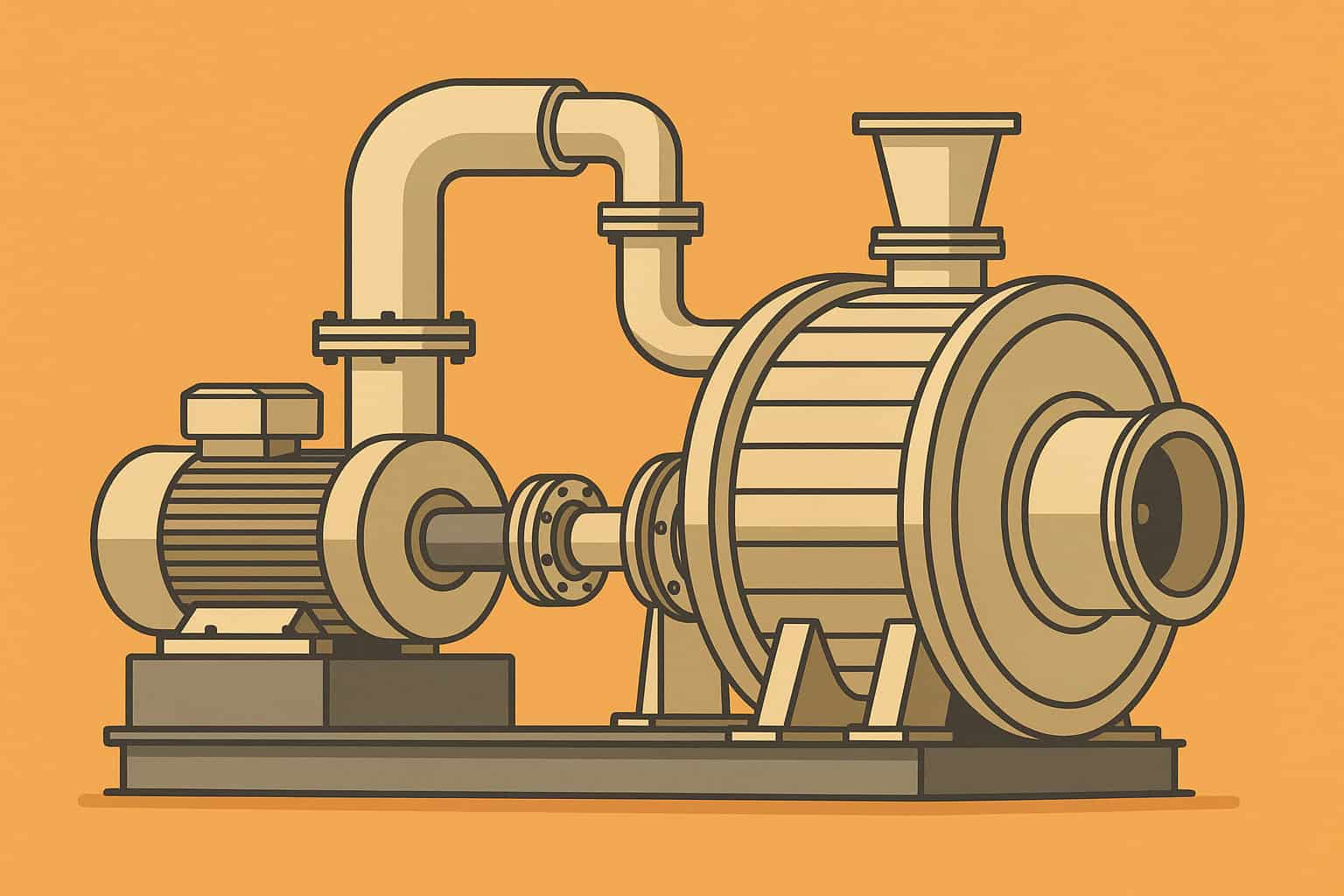
Structurally, a fan shaft is typically a machined steel bar designed to withstand bending, torsion and fatigue. On one end, the shaft connects to the motor—either directly via a coupling in a direct-drive design, or through a pulley in a belt-drive arrangement. On the other end, the shaft carries the impeller hub of a centrifugal mining fan or the blade hub of an axial fan. The shaft passes through one or more bearings that support it, control its position and allow smooth rotation at operating speed.
The shaft in a fan must be sized and designed for the mechanical loads and operating conditions. It is subjected to torque from the motor, bending from the weight of the impeller and belt tension (in belt-driven fans), and dynamic forces from unbalance and aerodynamic loads. In mining and heavy industrial fans, the shaft also has to cope with high start-up torque, possible overloads, and sometimes elevated temperatures or corrosive atmospheres. Engineers select shaft diameter, material and keyway details based on these design loads and applicable standards.
Fan shaft performance is closely linked to bearing selection and alignment. The shaft journals run inside rolling-element or sleeve bearings that carry radial and axial loads and keep the rotor centered in the casing. Proper bearing spacing, alignment and lubrication are essential to limit vibration, noise and wear. If the shaft is misaligned, bent or damaged, it can cause premature bearing failure, seal damage, rubbing between rotating and stationary parts, and loss of efficiency.
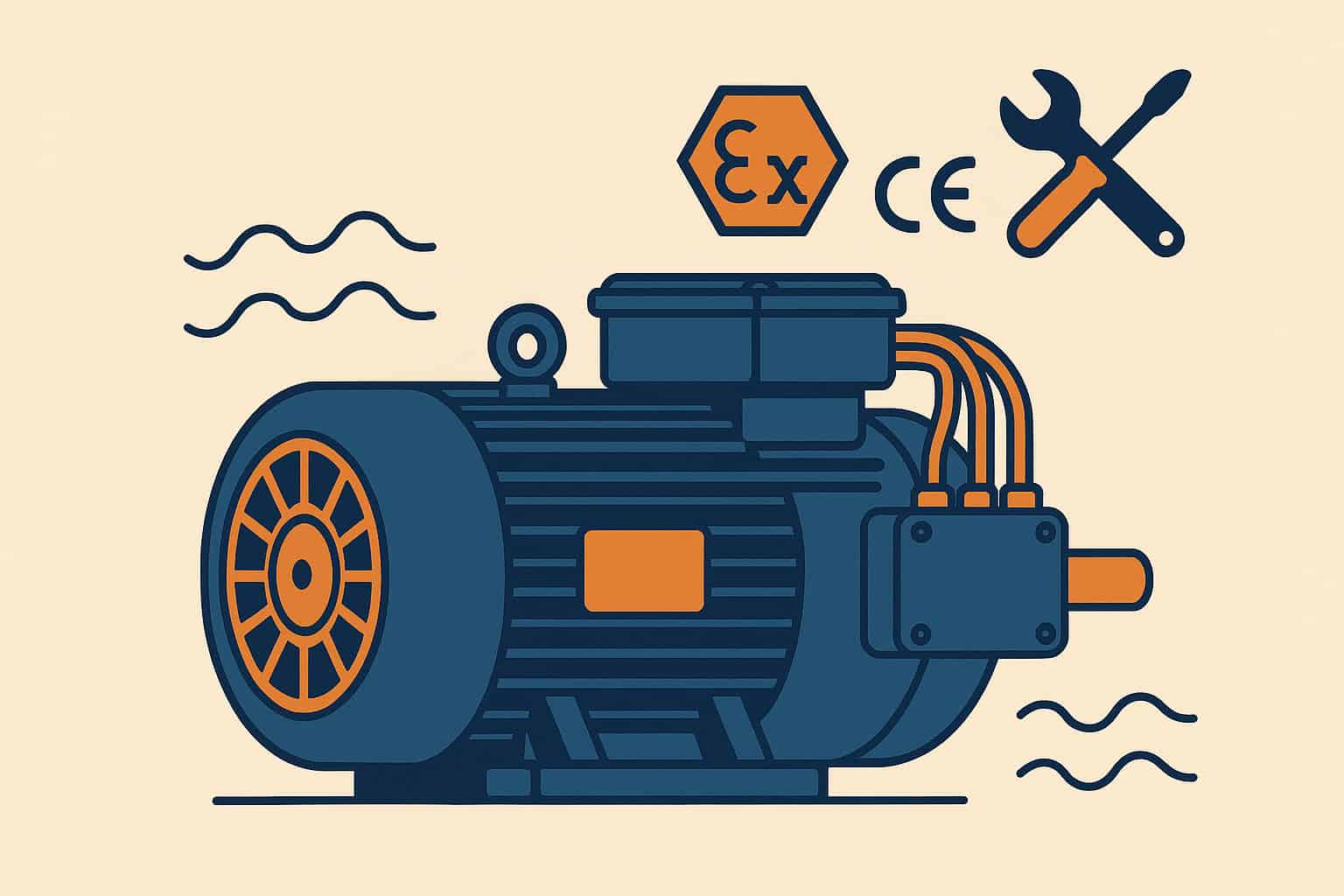
In explosion-proof mining fans or critical industrial ventilation systems, the shaft design may incorporate special sealing arrangements to prevent gas leakage along the shaft into the motor, as well as non-sparking materials or protective sleeves at potential contact points. Shaft surface finish and tolerances are controlled to ensure stable running and correct fit with bearings, couplings and impeller hubs.
From a maintenance perspective, the shaft in a fan must be periodically checked for runout, cracks and wear. Excessive vibration, unusual noise or bearing failures can be early signs of shaft problems. During overhauls, technicians may perform non-destructive testing or dimensional checks to verify that the shaft remains straight and within tolerance. If serious damage or fatigue is found, the shaft must be repaired or replaced to restore safe, efficient fan operation.
In summary, the shaft in a fan is the central rotating element that transmits power from the motor to the impeller, supports the rotor in its bearings, and maintains alignment. Its correct design, installation and maintenance are essential for reliable performance of mining and industrial ventilation fans.