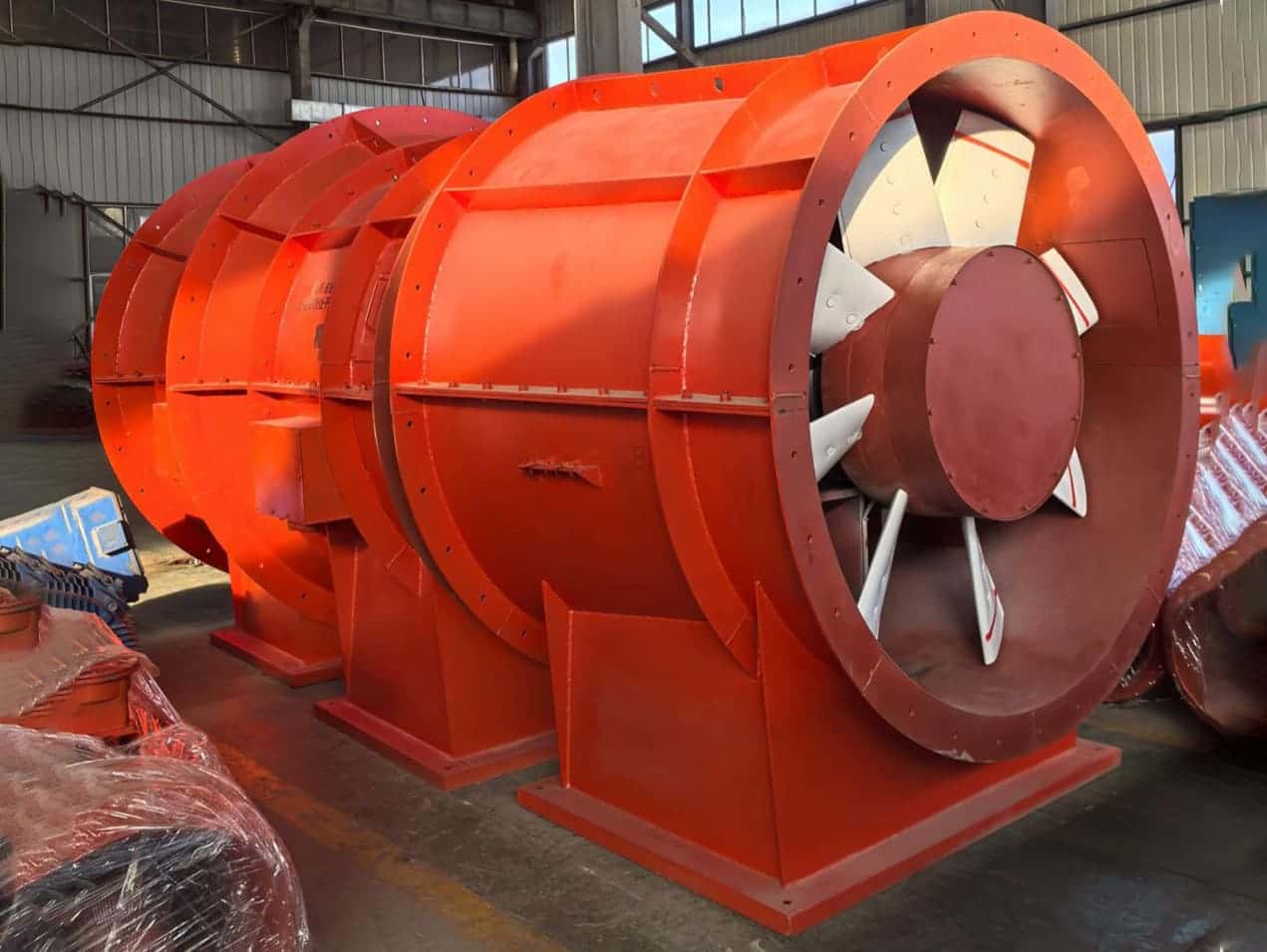
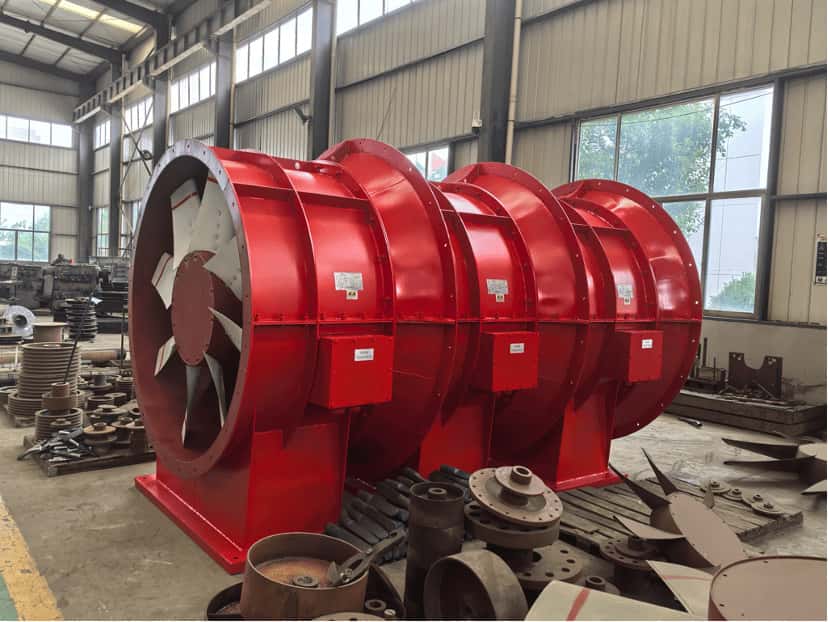
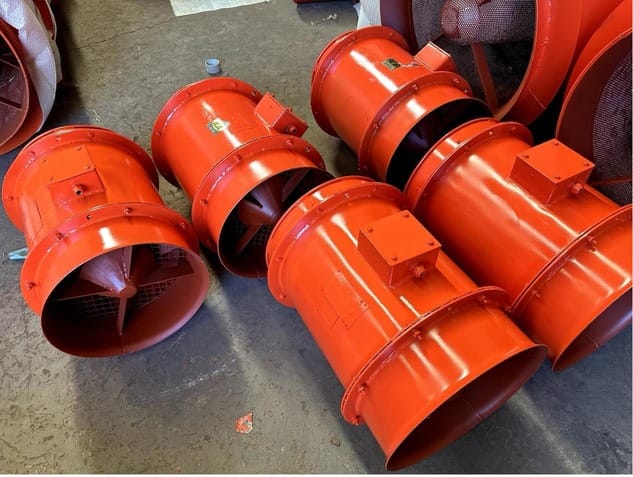
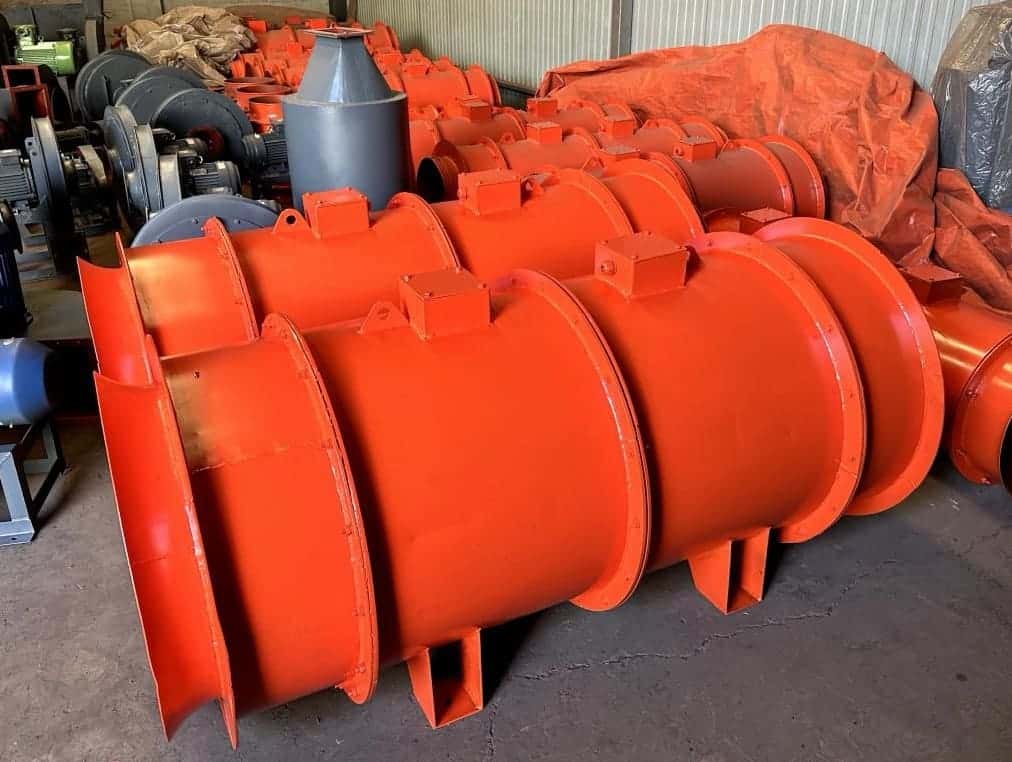
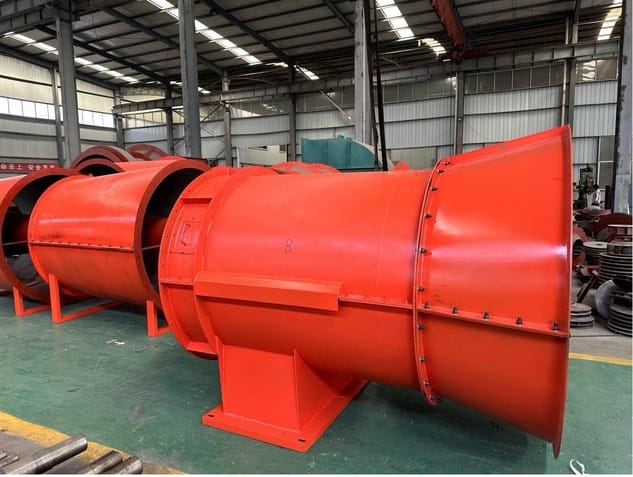
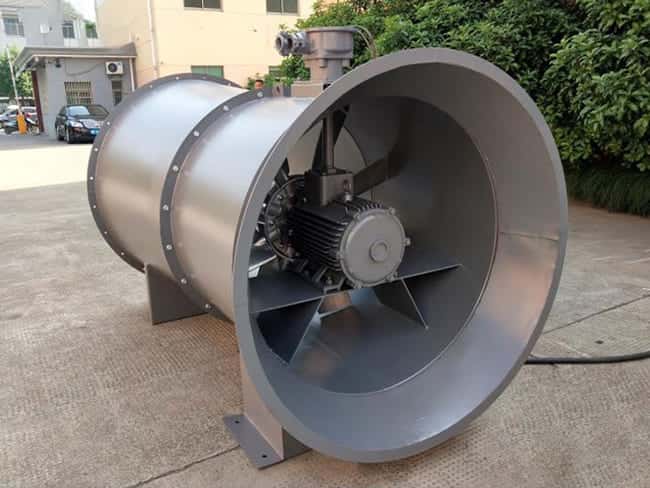
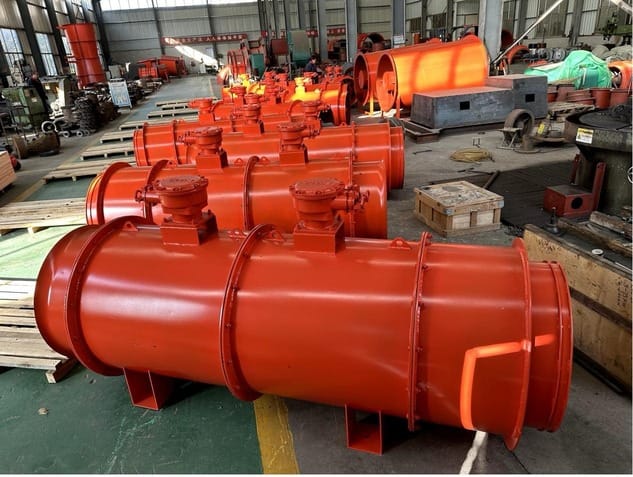
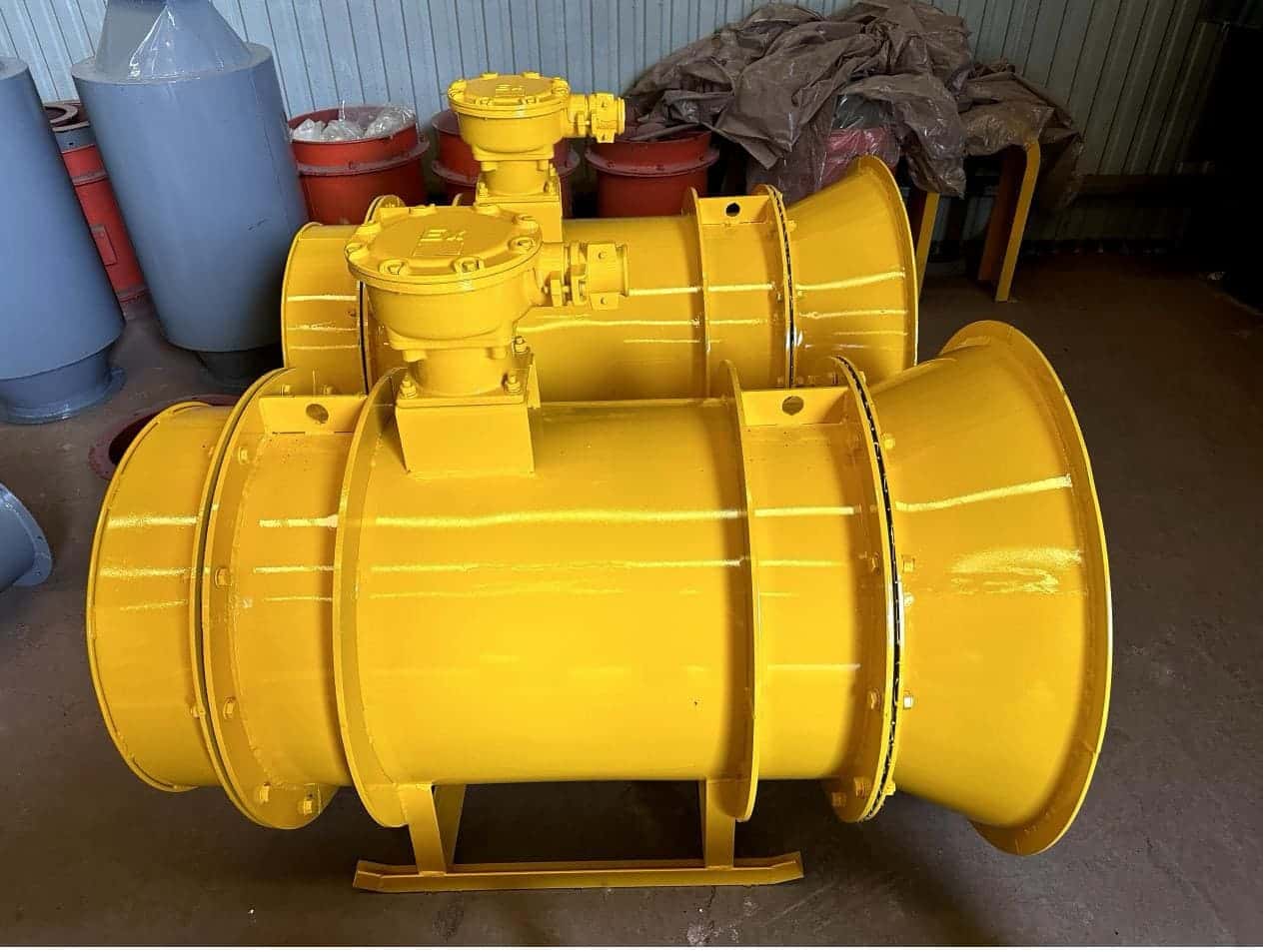
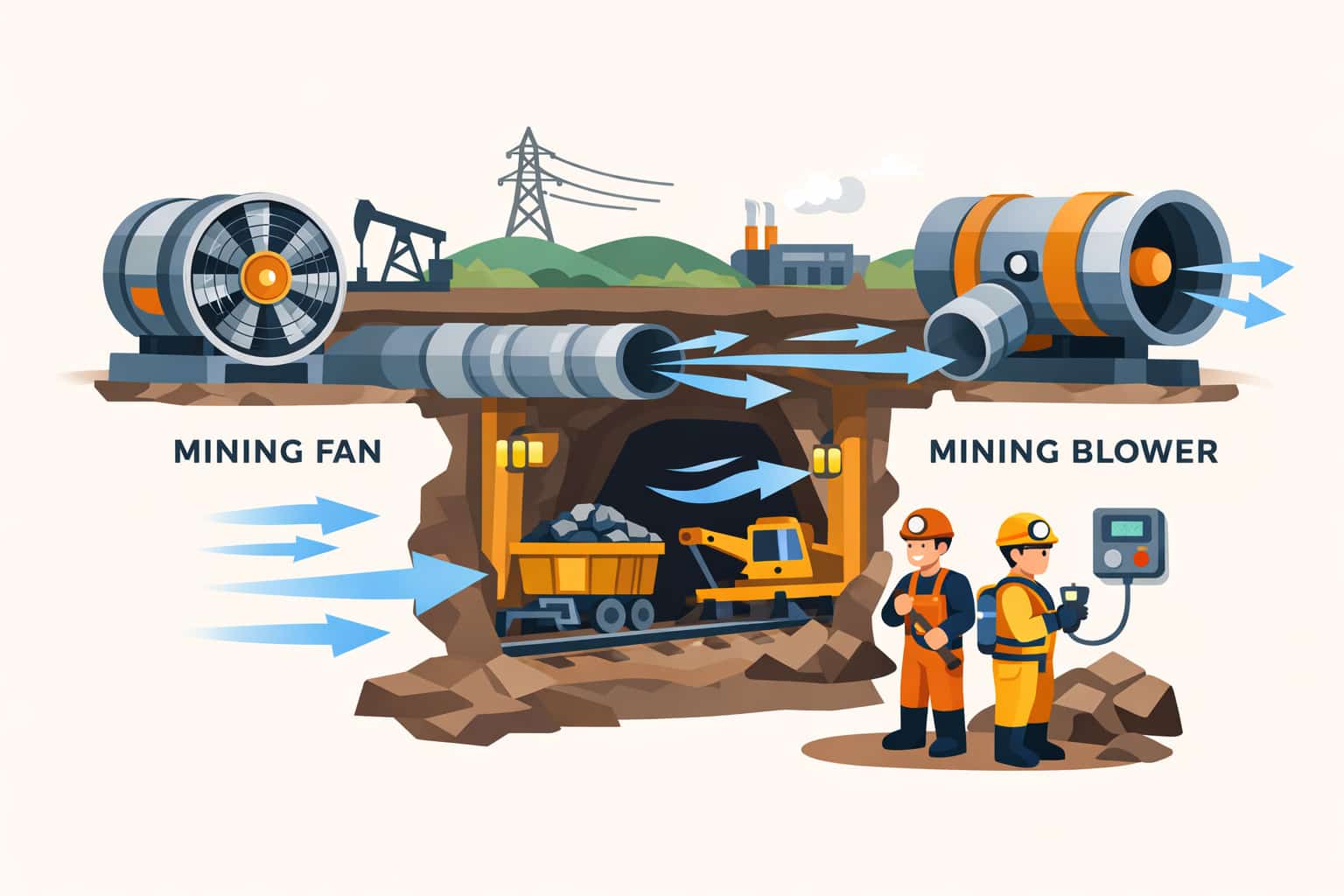
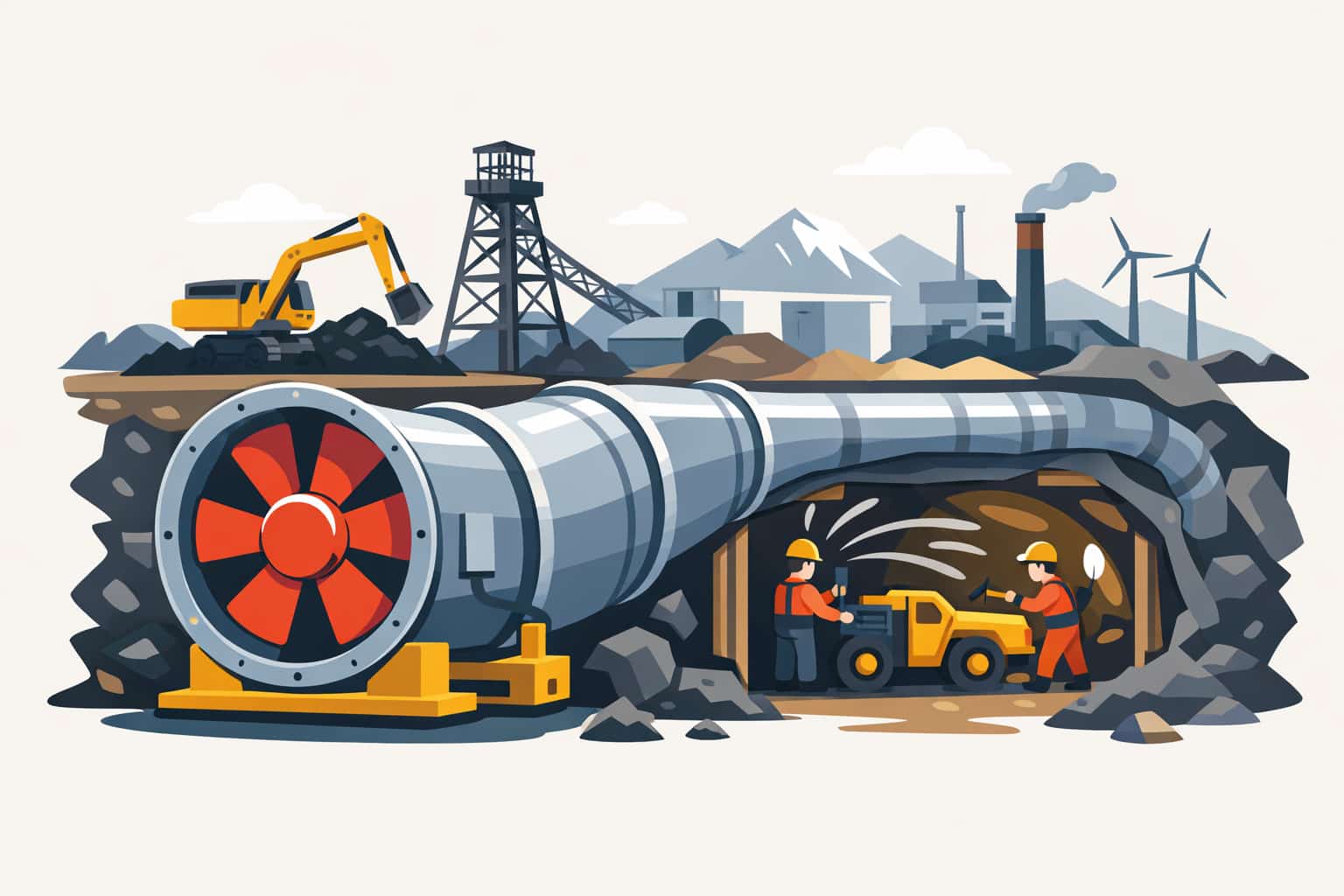
The standard of ventilation in a mine is defined by laws, regulations and industry guidelines that set minimum requirements for air quantity, air quality and system design. These standards ensure that underground conditions remain safe for workers and equipment under both normal and abnormal situations. While specific values differ by country and commodity, the principles are similar worldwide: provide enough fresh air, dilute and remove contaminants and control heat and humidity.
Most mining regulations specify a minimum airflow per person and per machine. For example, rules may require a certain number of cubic metres of air per minute for each worker in a heading, or a minimum airflow per rated kilowatt of diesel equipment. These standards are used in ventilation design calculations to size main fans, auxiliary fans and airways so that the mine can supply the required quantities even at peak production.
Another part of the ventilation standard concerns gas and dust exposure limits. Regulations define maximum allowable concentrations of gases such as methane, carbon monoxide, carbon dioxide and nitrogen oxides. They also specify limits for respirable dust, silica and diesel particulate matter. The ventilation system must be designed and operated so that airflows dilute these contaminants below their limits in all working areas, with monitoring and alarms where necessary.
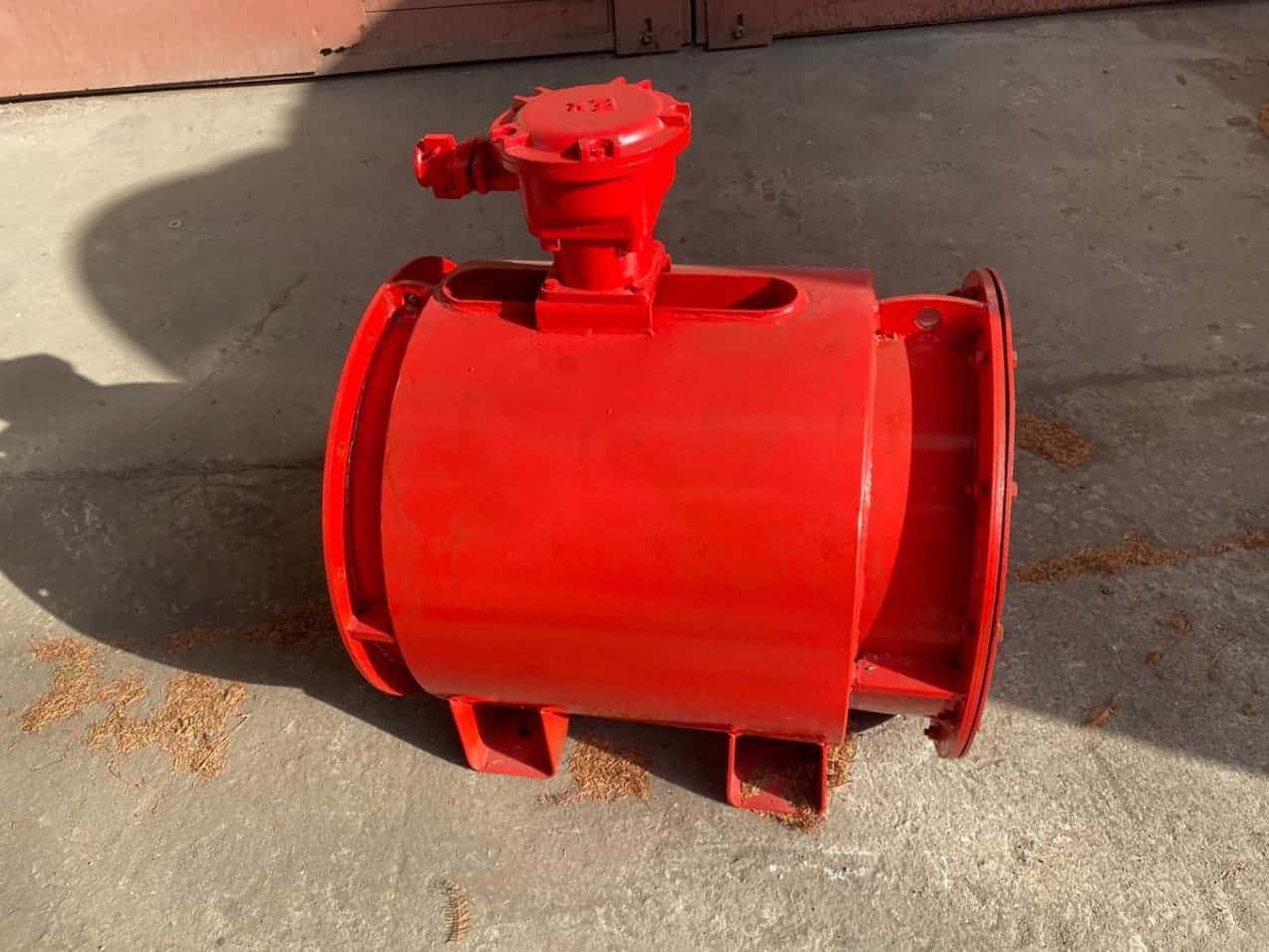
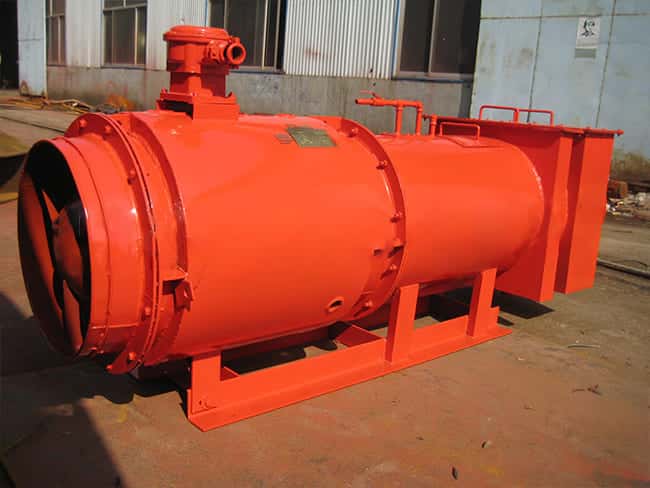
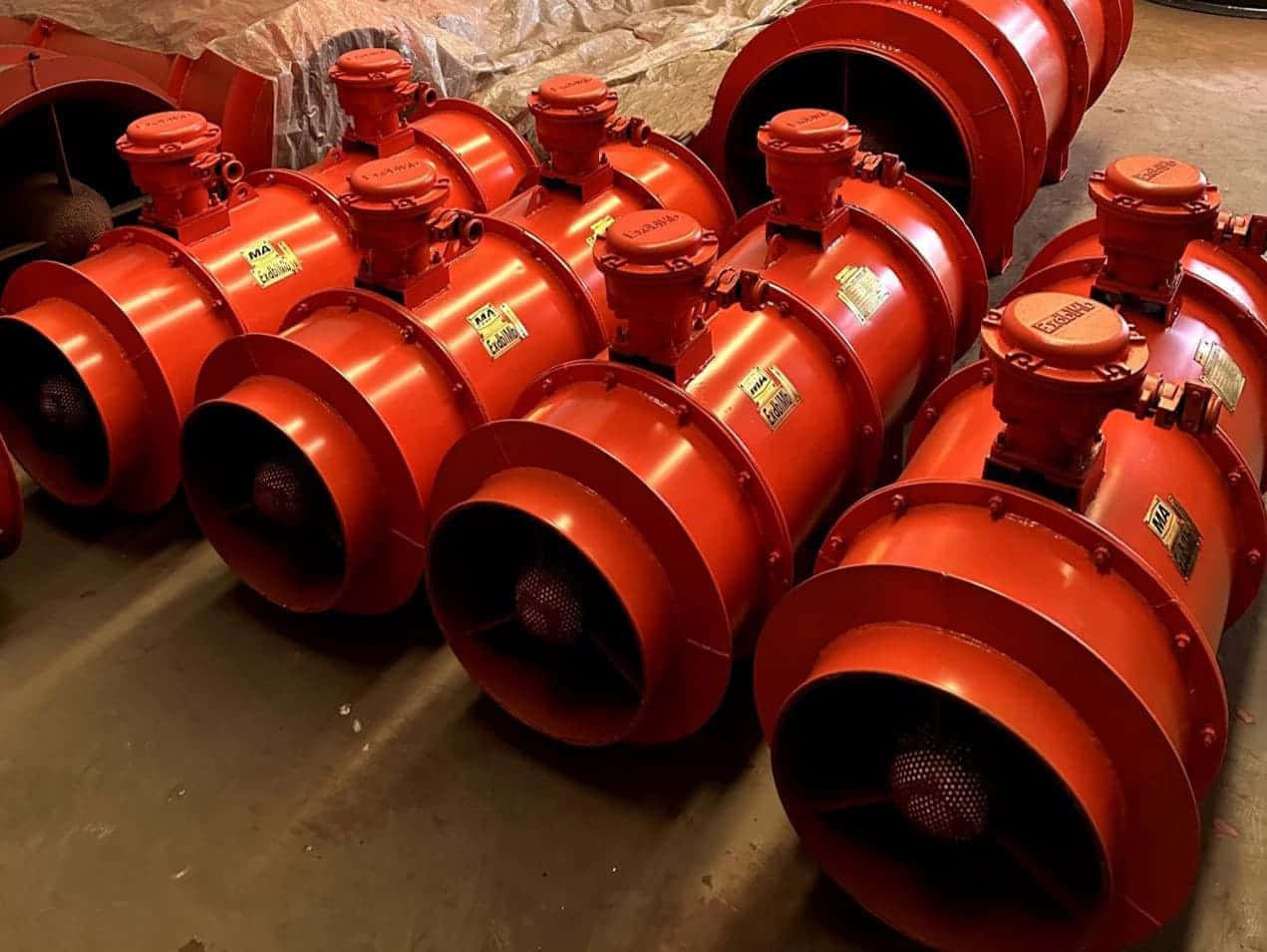
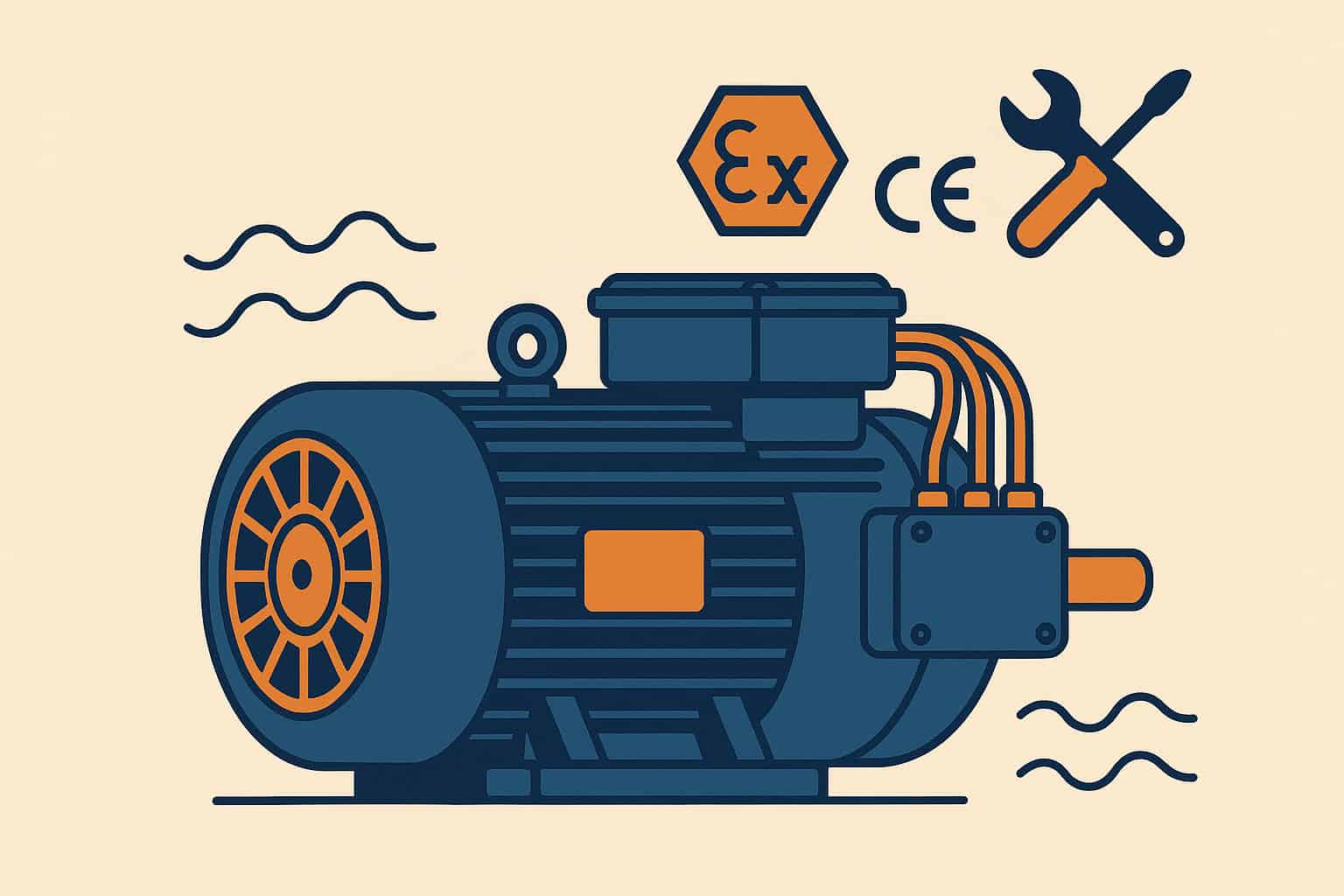
Mine ventilation standards also address system layout and reliability. Guidance is often provided on the number and arrangement of intake and return airways, the use of regulators and doors, and restrictions on booster fans in gassy mines. Requirements for explosion-proof equipment, flameproof electrical gear, and non-combustible ventilation ducts in hazardous zones are typically included. In some jurisdictions, primary fans must have standby capacity or redundant drives so that critical airflow can be maintained if one fan fails.
Heat and humidity control form another component of the standard of ventilation in a mine. Regulations may specify acceptable working temperatures and humidity ranges, and require that ventilation and refrigeration systems keep conditions within those limits. As mines become deeper and hotter, complying with these standards can significantly influence fan selection, refrigeration plant capacity and overall ventilation strategy.
Finally, ventilation standards cover monitoring, surveying and documentation. Mines are usually required to maintain up-to-date ventilation plans showing airways, fans, regulators and control devices. Regular ventilation surveys must be conducted to measure airflow, gas concentrations and temperatures at key locations. Results are compared with design values and regulatory standards, and corrective actions are taken if deviations occur.
In summary, the standard of ventilation in a mine is not a single number but a set of legal and engineering requirements covering minimum air quantities, contaminant limits, system reliability, thermal comfort and monitoring. Together, these standards guide the design and operation of mine ventilation fans and airways to protect workers and support safe, continuous production.