
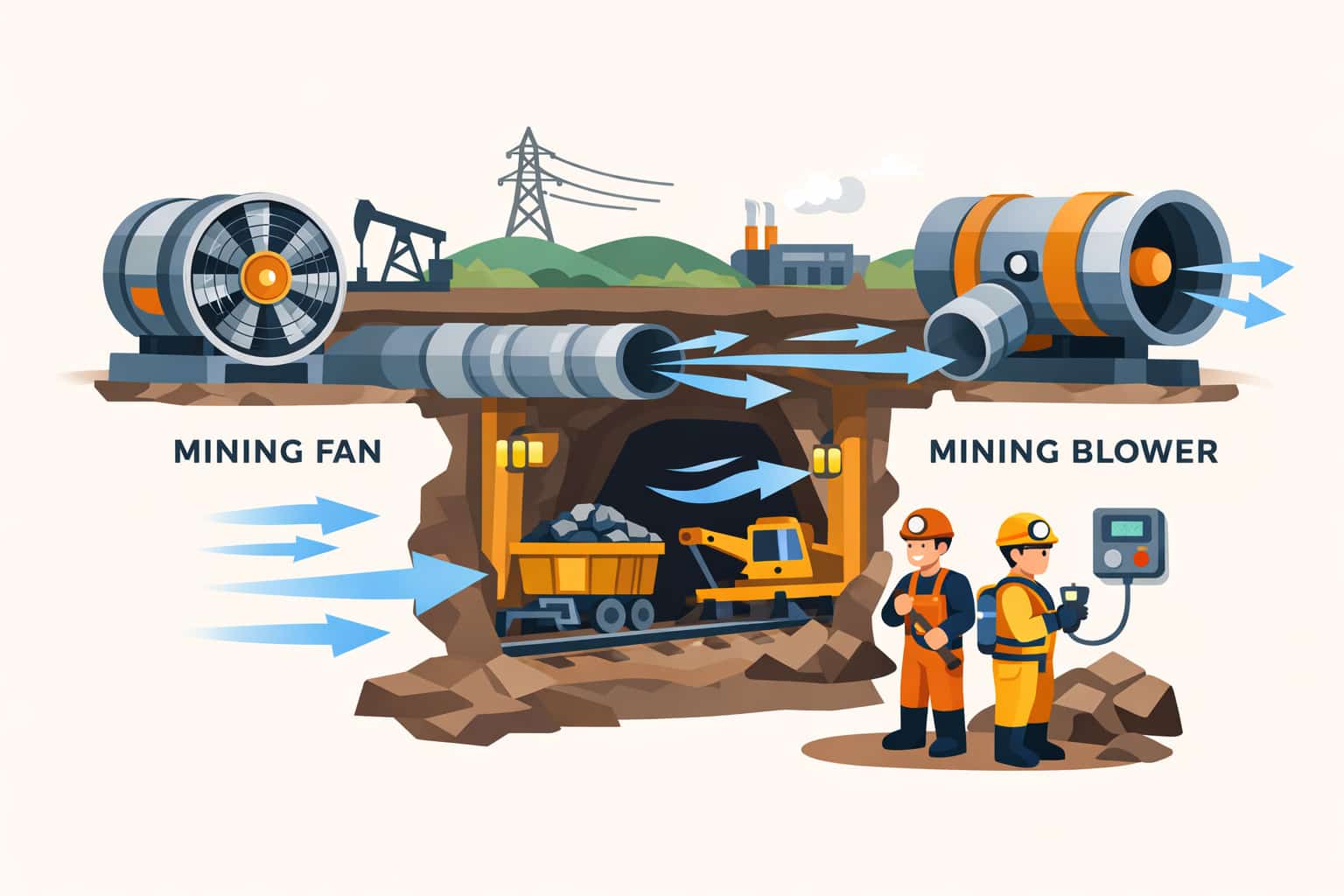
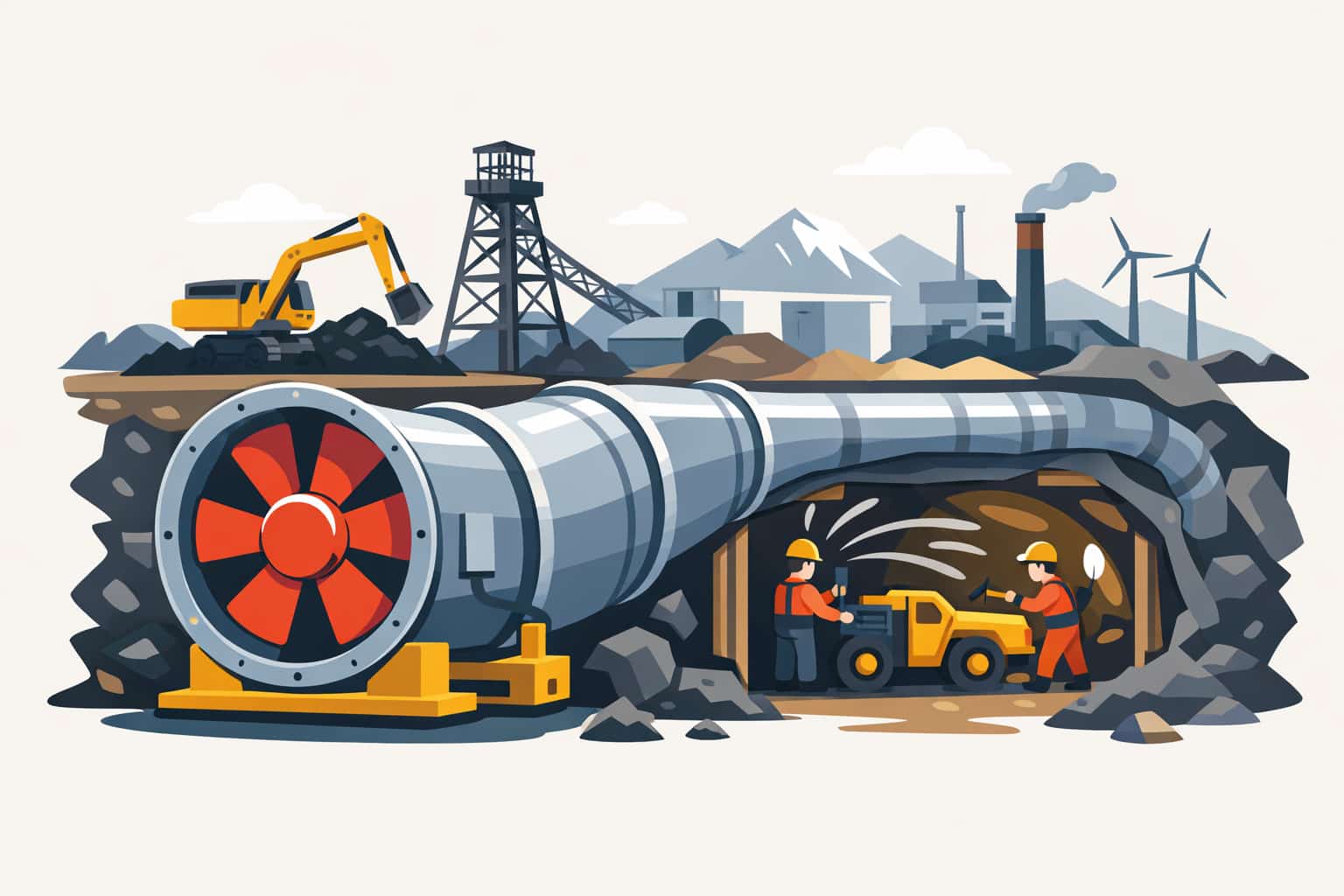

The standard of ventilation in mines refers to the legal and technical requirements that ventilation systems must meet to keep underground work safe and healthy. Instead of being a single number, it is a framework of regulations, codes of practice, and company procedures that together define how much air is needed, how clean it must be, and how ventilation systems should be designed, operated, and monitored.
At the core of this standard are minimum airflow requirements. Mining regulations typically specify minimum quantities of fresh air per worker, per diesel kilowatt, or per working face. They may also set minimum velocities in main travelways and around specific equipment. These quantitative rules ensure that enough air is always available to dilute gases, carry away dust, and maintain oxygen levels throughout the mine.
The standard of ventilation in mines also includes strict limits on harmful substances. Maximum allowable concentrations are defined for gases such as methane, carbon monoxide, carbon dioxide, nitrogen oxides, and hydrogen sulphide. Limits for respirable dust, including crystalline silica and coal dust, are set to protect workers from chronic lung disease. The ventilation system, working together with gas drainage and dust control measures, must keep concentrations below these limits under all foreseeable conditions.
Because temperature and humidity affect worker health and productivity, many standards also address thermal environment criteria. These may be expressed as maximum dry-bulb temperatures, wet-bulb temperatures, or effective temperatures. In hot mines, regulations can require additional cooling, such as refrigeration plants and chilled water sprays, to be integrated with the ventilation system so that thermal stress remains within acceptable bounds.
Another part of the standard is the requirement for an approved ventilation plan. Every mine must develop a plan showing intake and return airways, main and booster fan locations and duties, auxiliary ventilation arrangements, and ventilation control devices such as stoppings, doors, and regulators. The plan describes inspection schedules, monitoring locations, and emergency procedures. A qualified ventilation officer or engineer is usually responsible for maintaining this plan and updating it as the mine develops.
Monitoring and recordkeeping are key to meeting ventilation standards. Mines are required to perform regular ventilation surveys, measuring airflow, gas levels, and temperatures at defined points. Results are documented, and corrective actions are taken when readings approach limits. In higher risk areas, continuous gas monitoring, alarming systems, and automatic fan interlocks may be mandated to ensure rapid response to abnormal conditions.
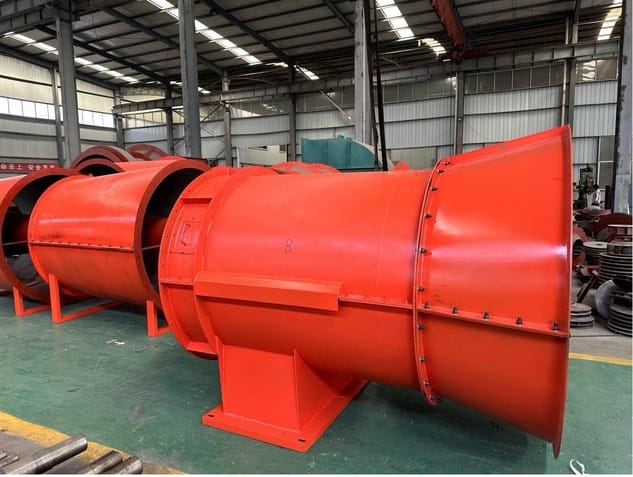
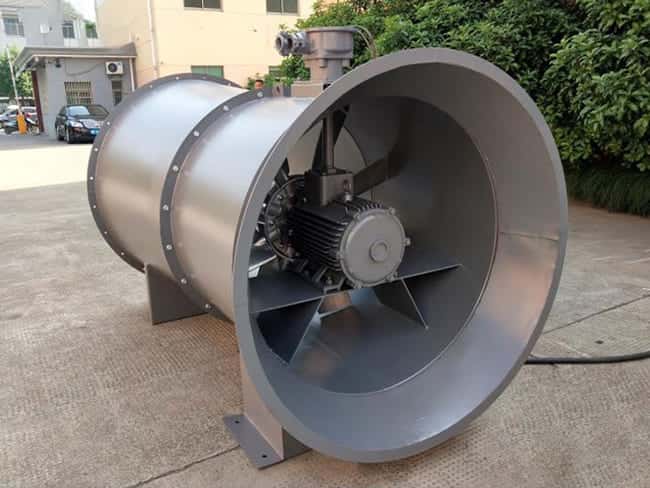
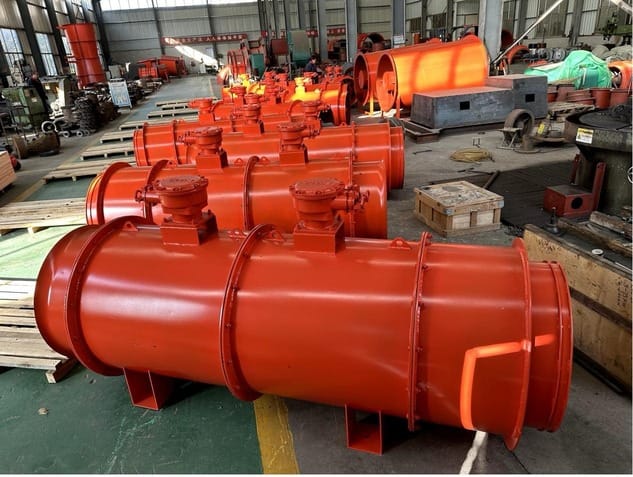
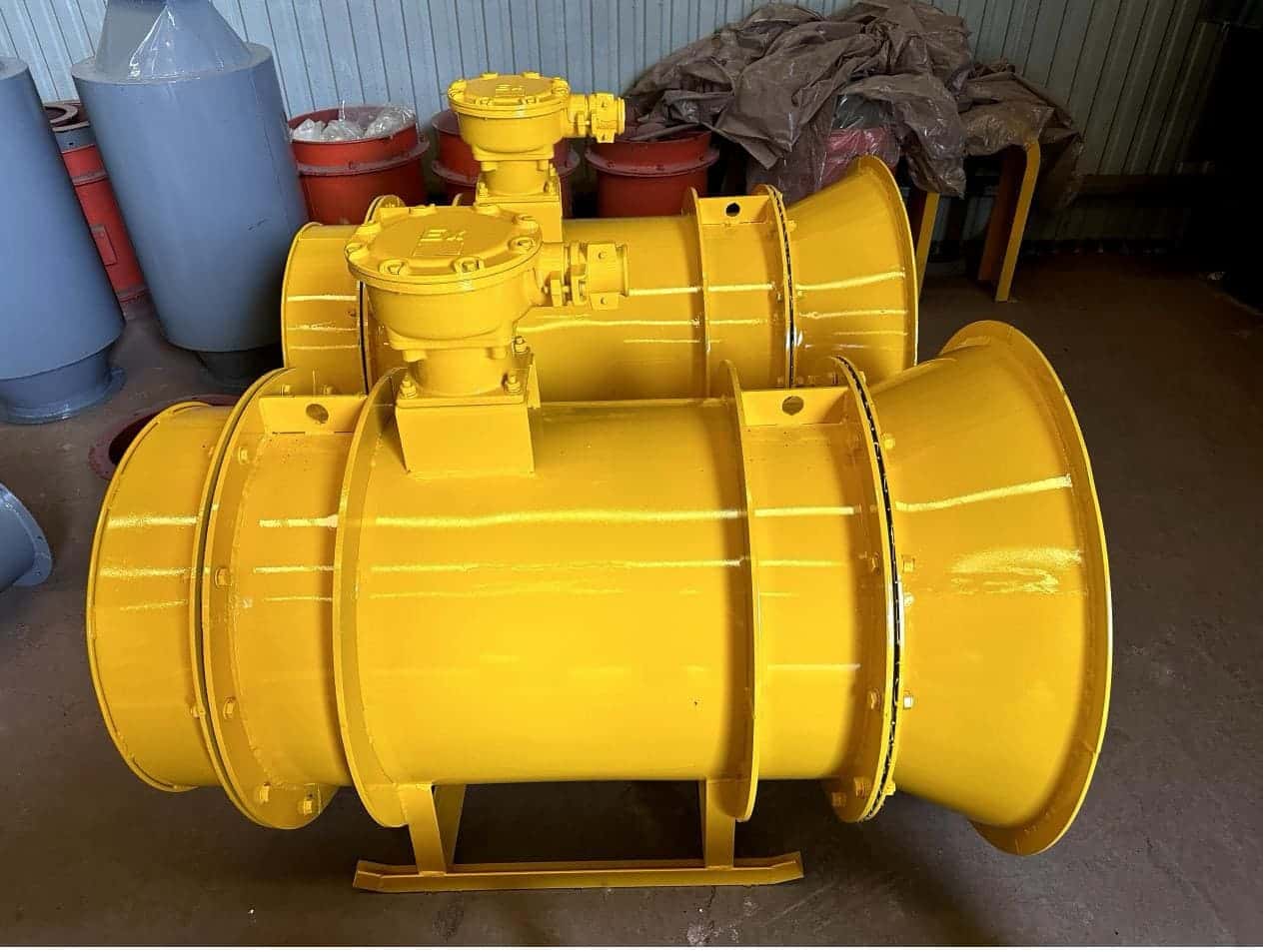
In summary, the standard of ventilation in mines is a comprehensive set of rules and practices that combine minimum airflow, contaminant limits, thermal comfort criteria, and planning and monitoring obligations. Mine ventilation fans, airways, and control devices must all be designed and operated to meet these standards, providing a safe and compliant environment for underground workers.