
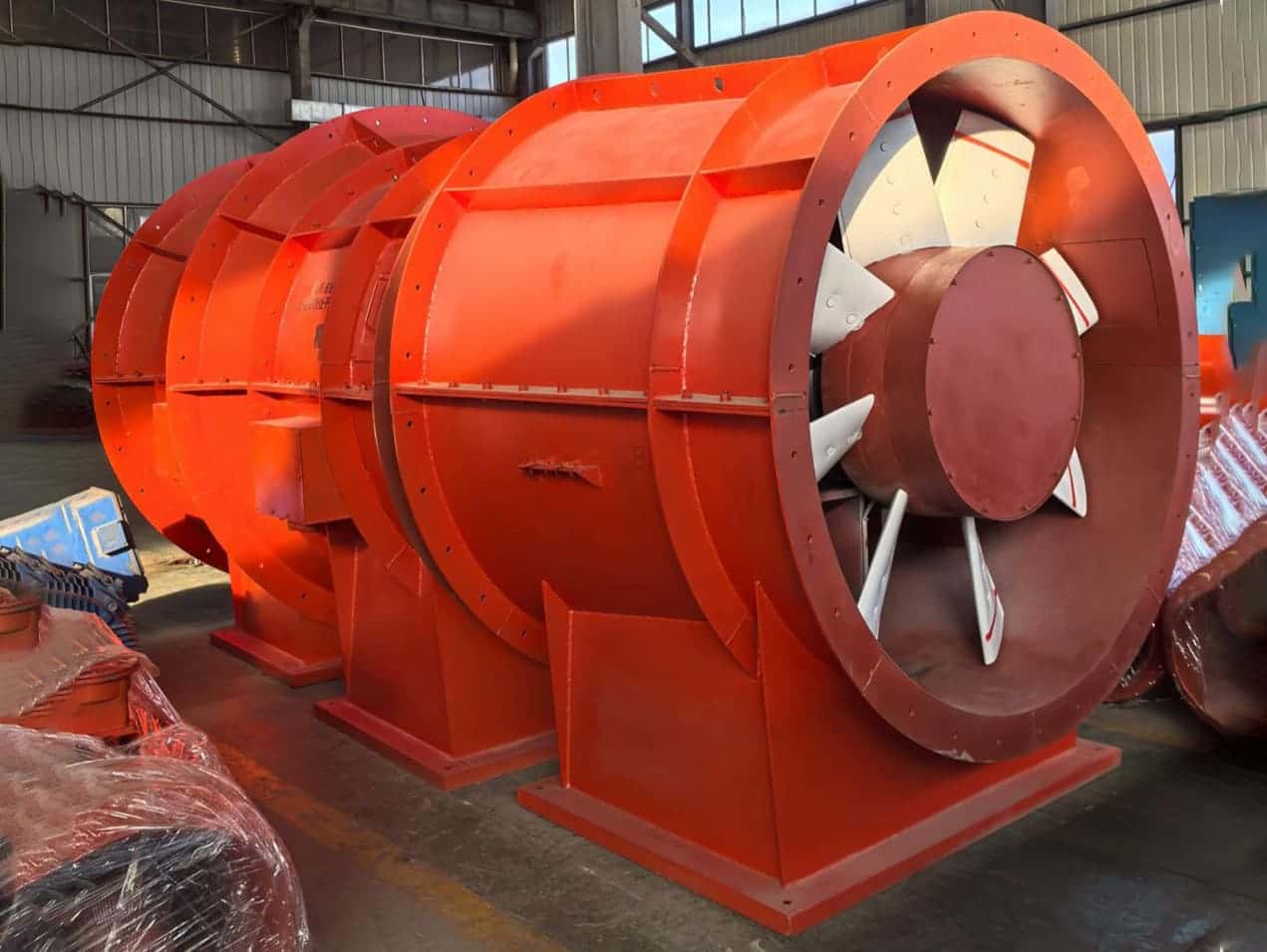
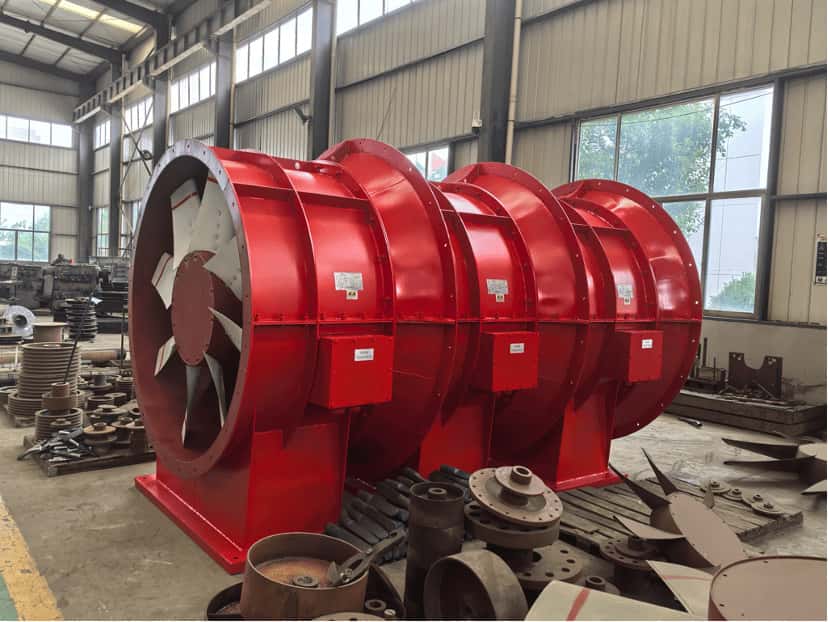
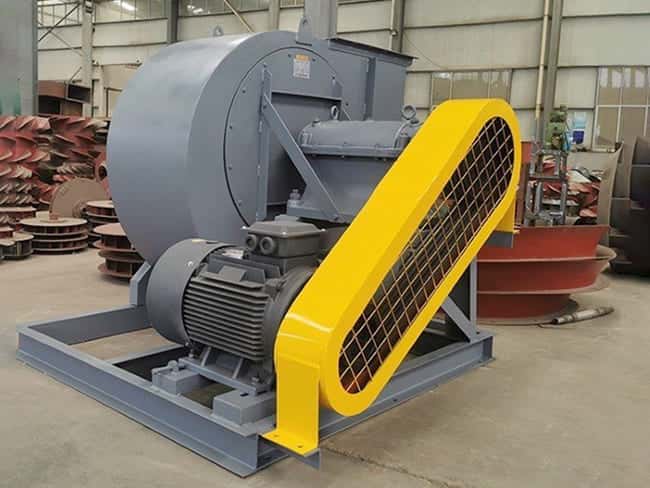
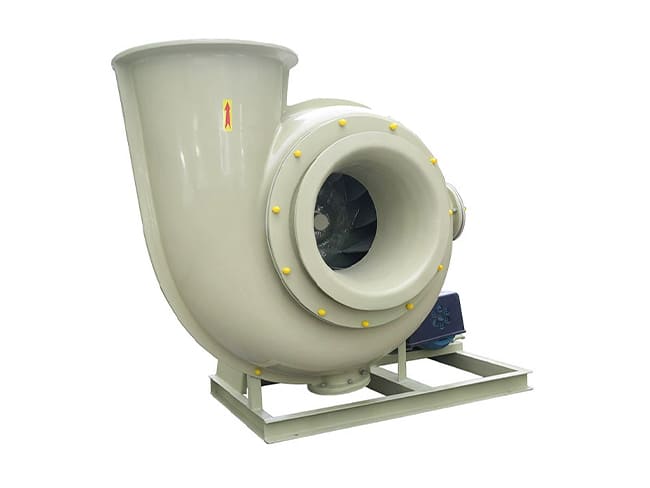
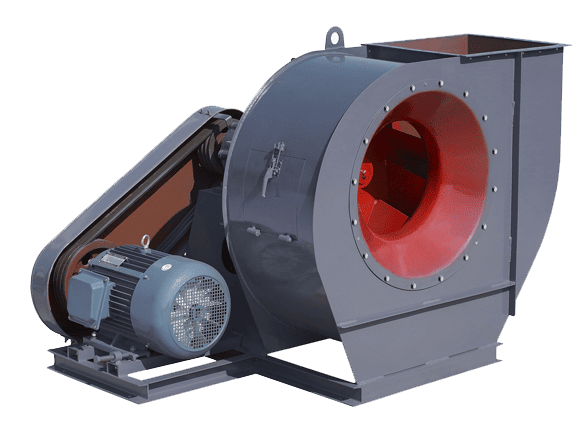
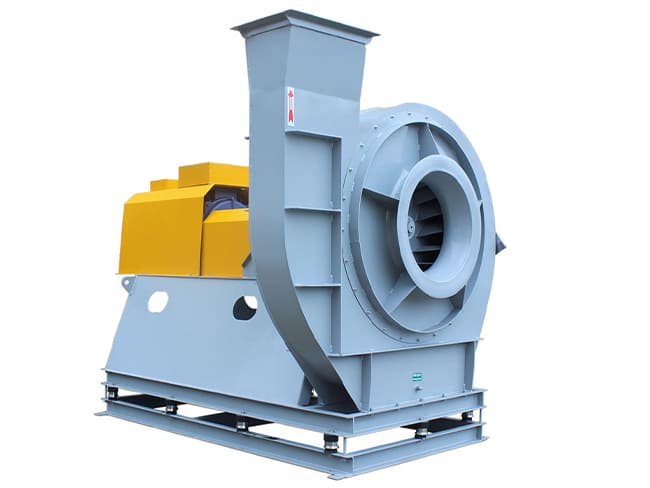
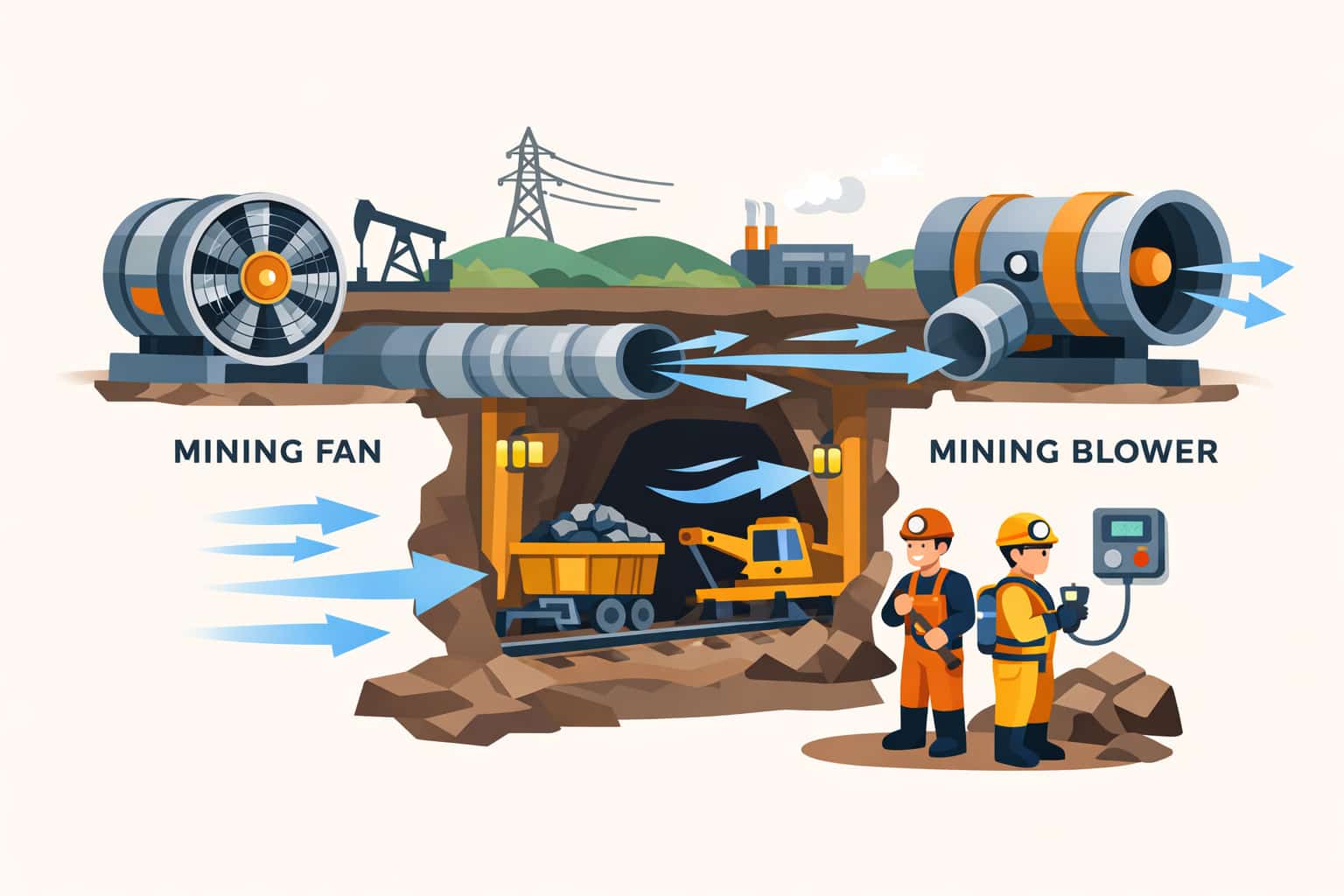
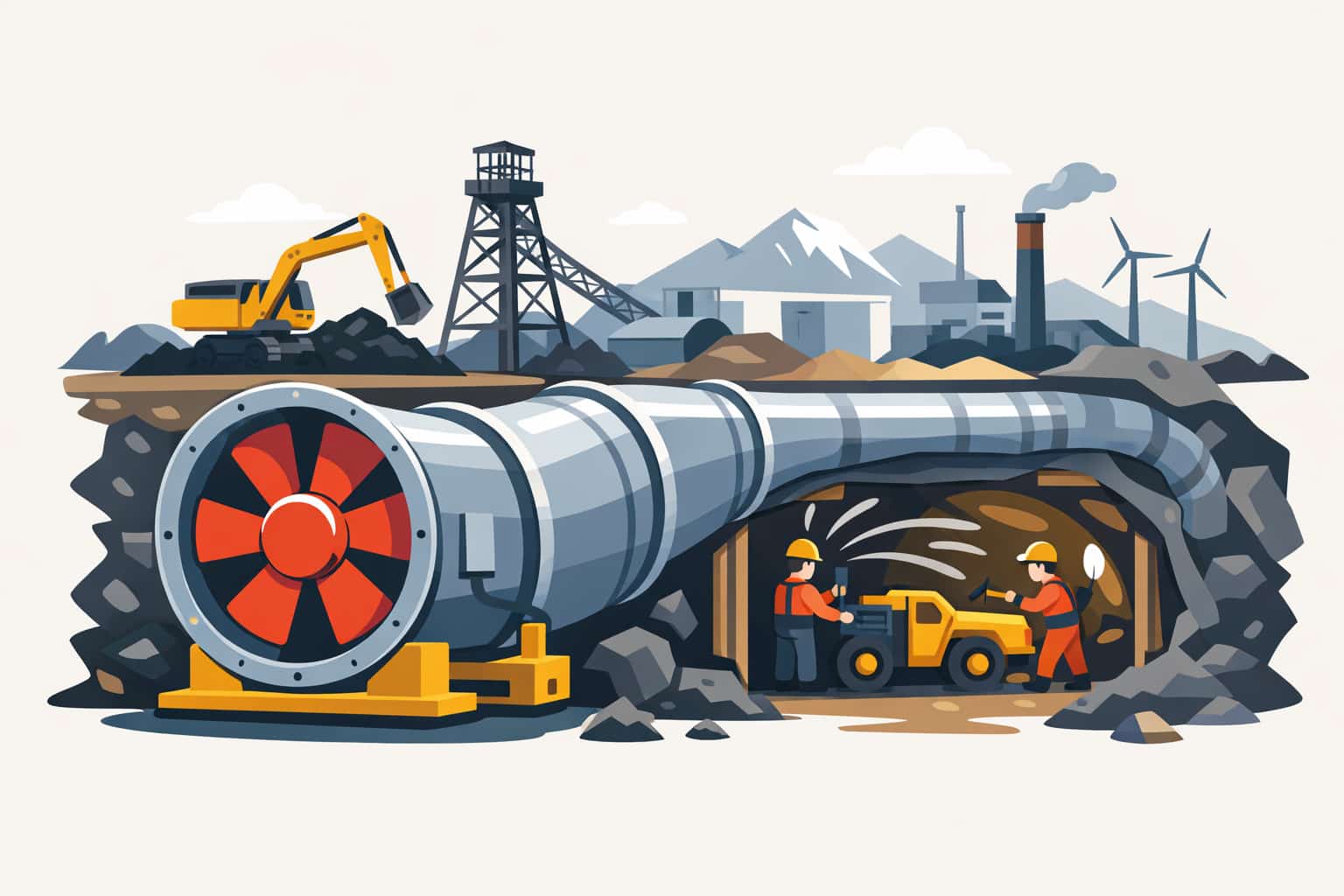
The standard of ventilation in underground mines is to provide enough fresh, clean air to every working area so that gases, dust, heat and diesel fumes are kept below legal and recommended limits. In simple terms, a mine ventilation system must ensure that miners can breathe safely, see clearly and work efficiently, even in deep, complex networks of roadways and stopes. Ventilation standards are usually defined in mining regulations, codes of practice and company procedures, and they are enforced by regulators and mine management.
Most regulations define ventilation standards in several ways. First, there is a minimum air quantity per person or per workplace, ensuring that each worker receives enough fresh air to dilute body heat and general contaminants. Second, there are minimum air quantities per kilowatt of diesel equipment power, because diesel engines produce exhaust gases and particulates that must be diluted. Third, there are exposure limits for specific contaminants such as methane, carbon monoxide, nitrogen dioxide, respirable dust and silica. The ventilation system must maintain concentrations below these limits at all times during work.
Ventilation standards also require that air flow follows a controlled pattern. Intake airways bring fresh air from surface fans or natural openings down the shafts and declines, through main drifts and then into production areas via regulated branches and auxiliary fans with ducting. Return airways carry contaminated air back to the surface. A good standard of ventilation means that air flows from clean areas toward dirtier areas, and never the other way around, so that exhaust air from one section does not contaminate other workplaces or refuge stations.
Another aspect of ventilation standards is heat and humidity control. Deep or hot mines may have rock temperatures and equipment heat loads that make conditions uncomfortable or unsafe without adequate airflow. Standards often specify maximum allowable wet bulb temperatures or effective temperatures for working areas. Ventilation engineers therefore design airflows, refrigeration plants and cooling strategies so that thermal conditions remain within acceptable limits.
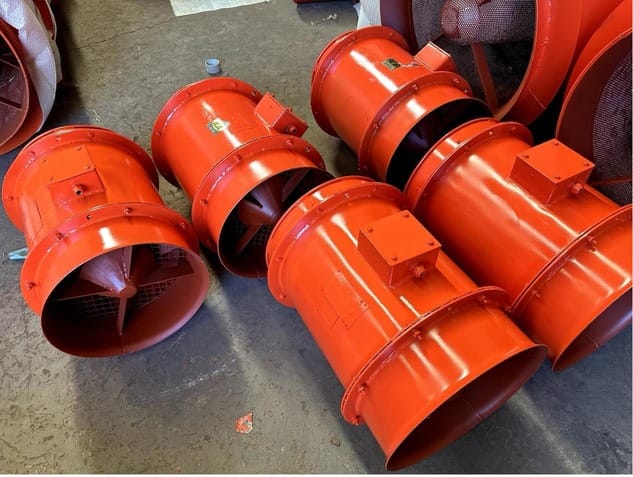
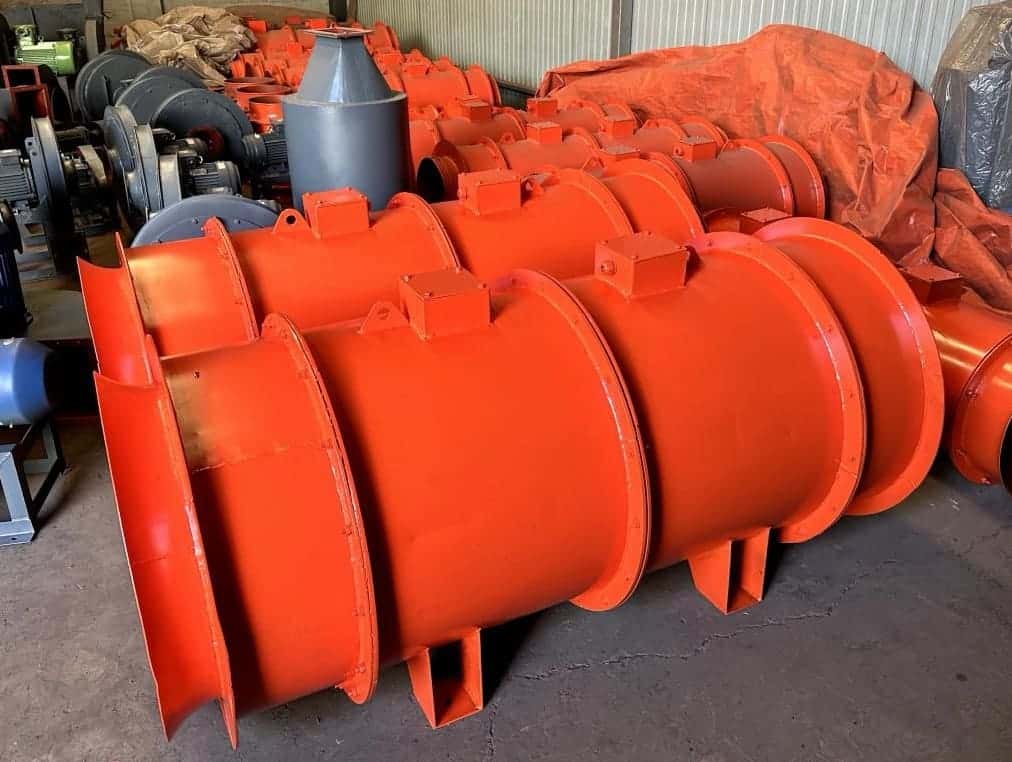
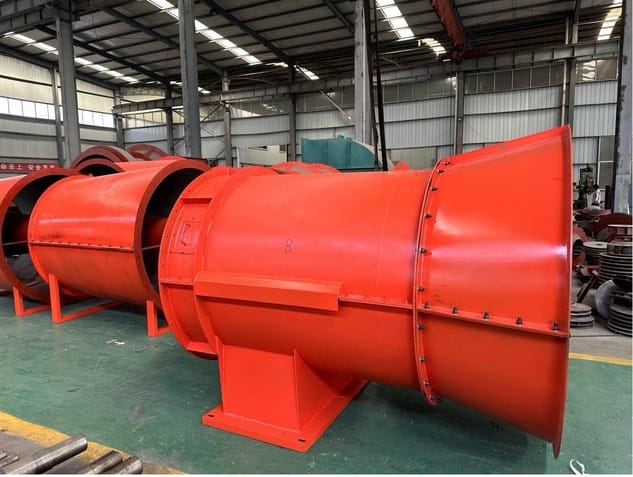
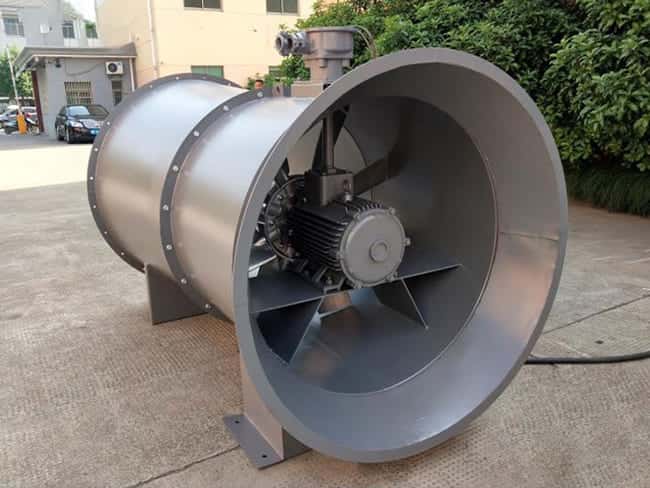
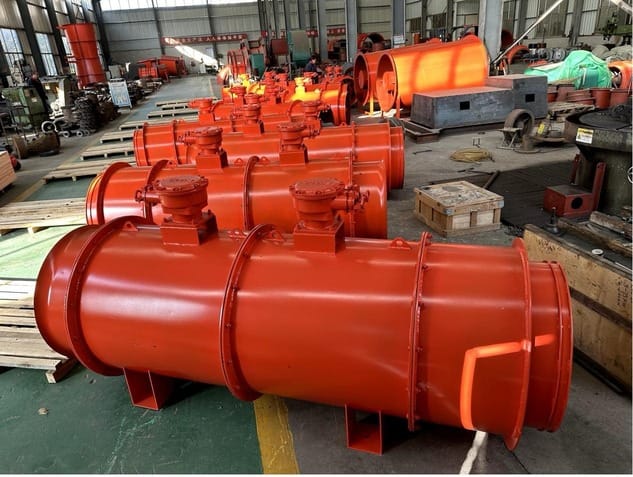
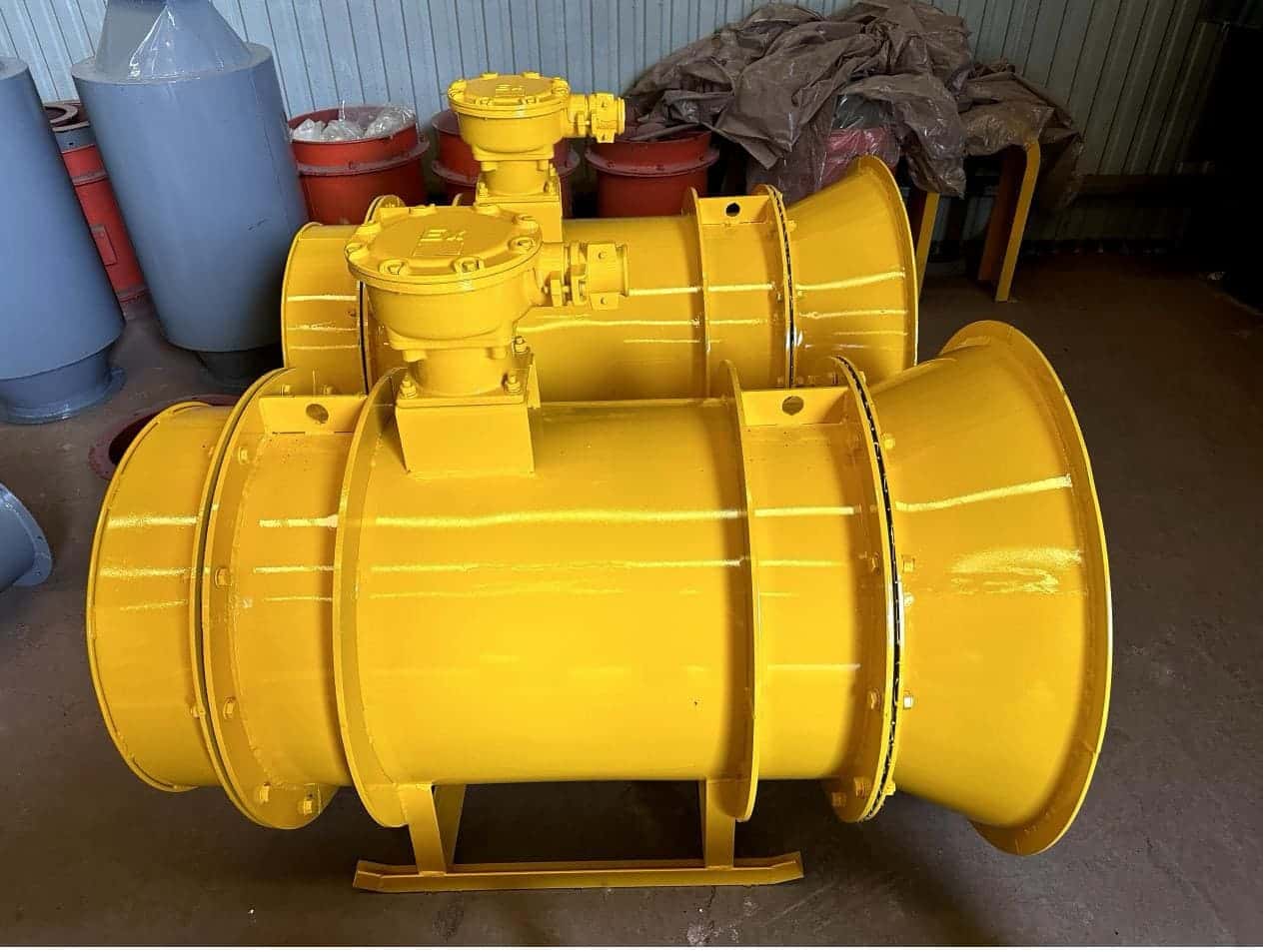
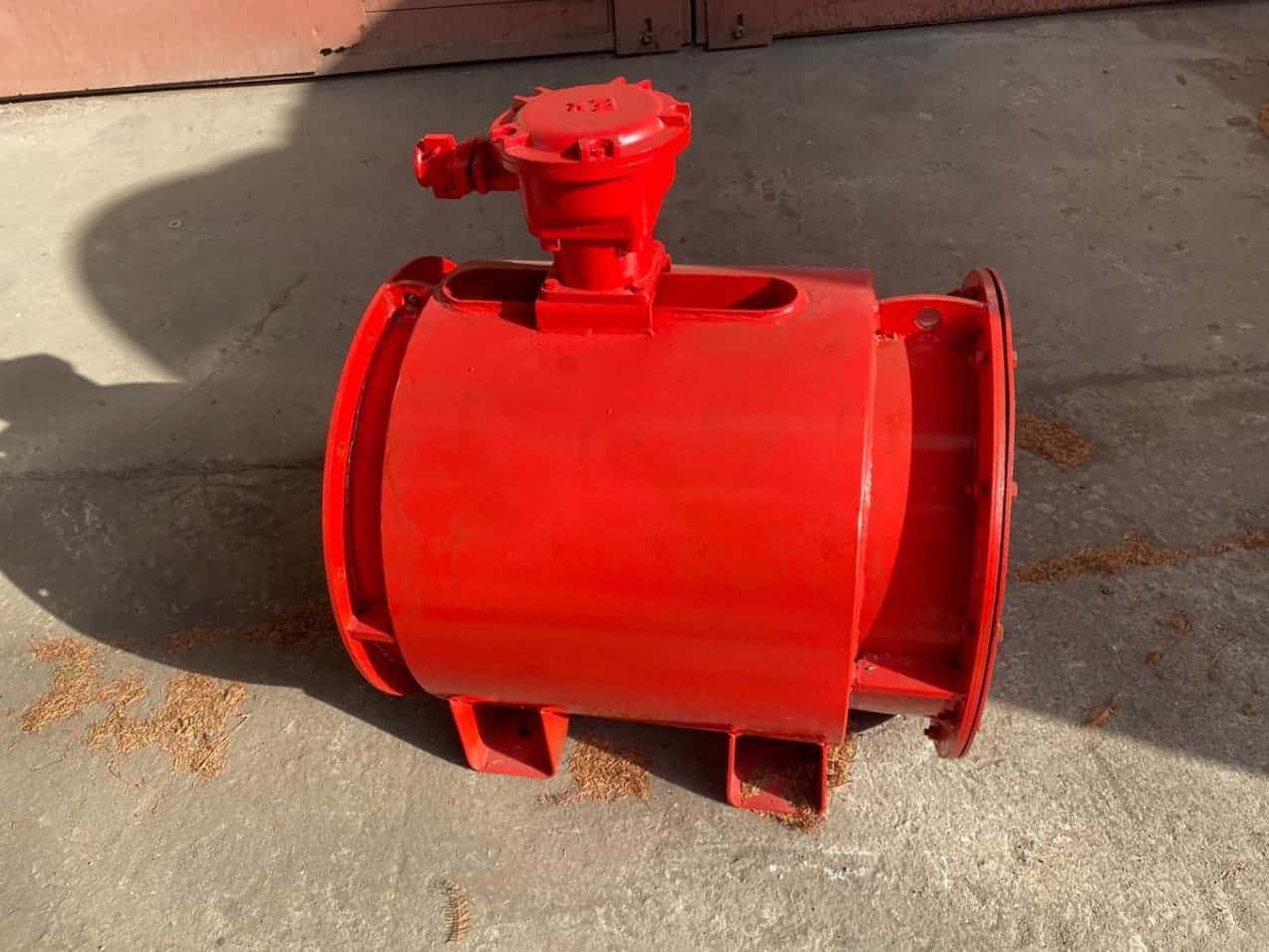
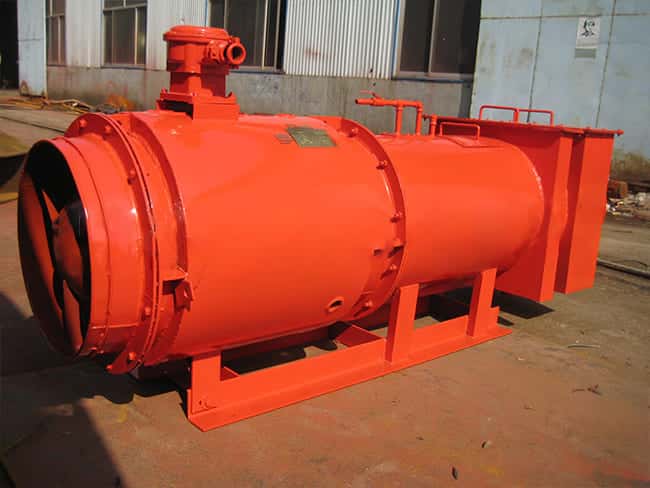
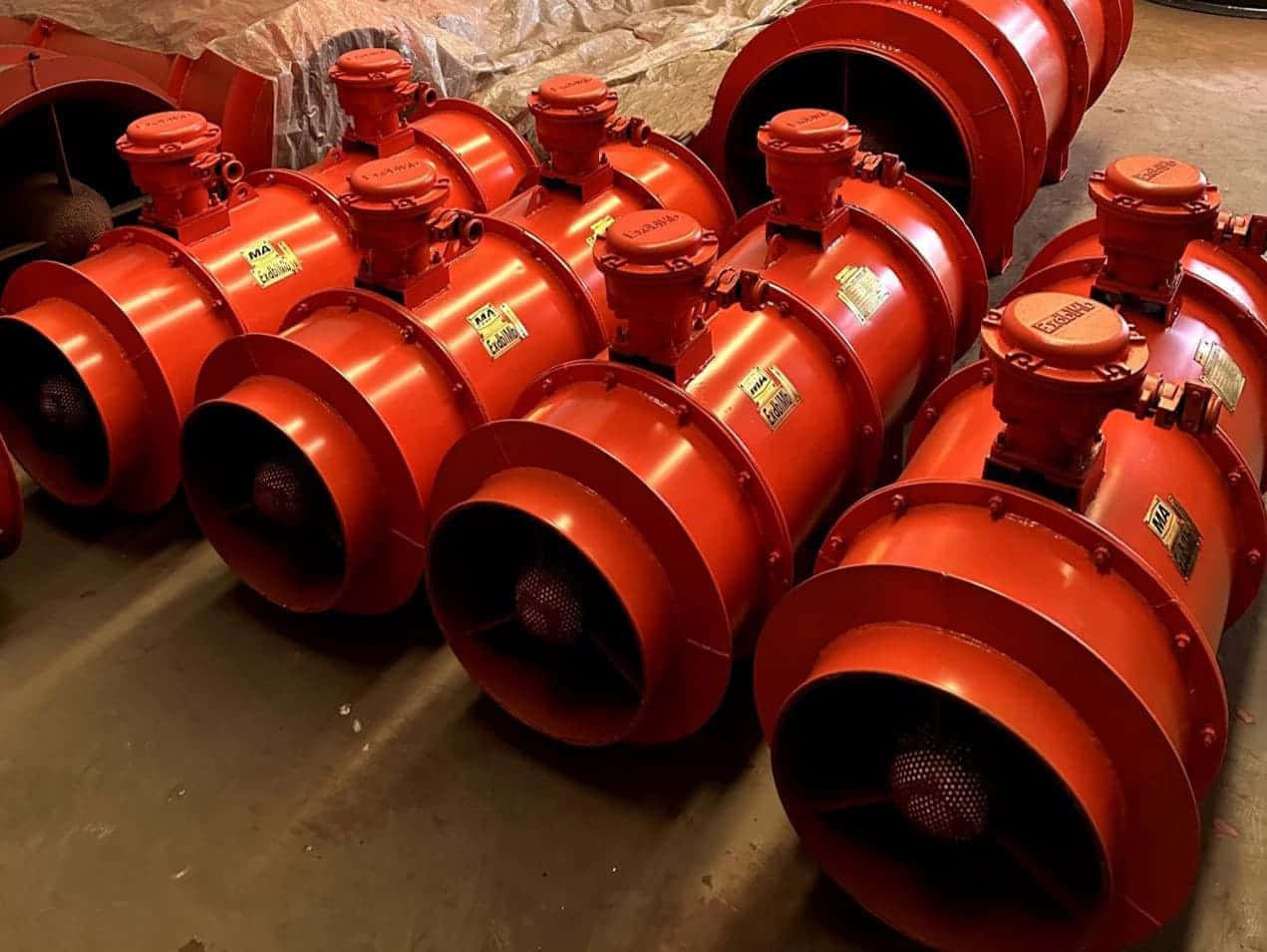
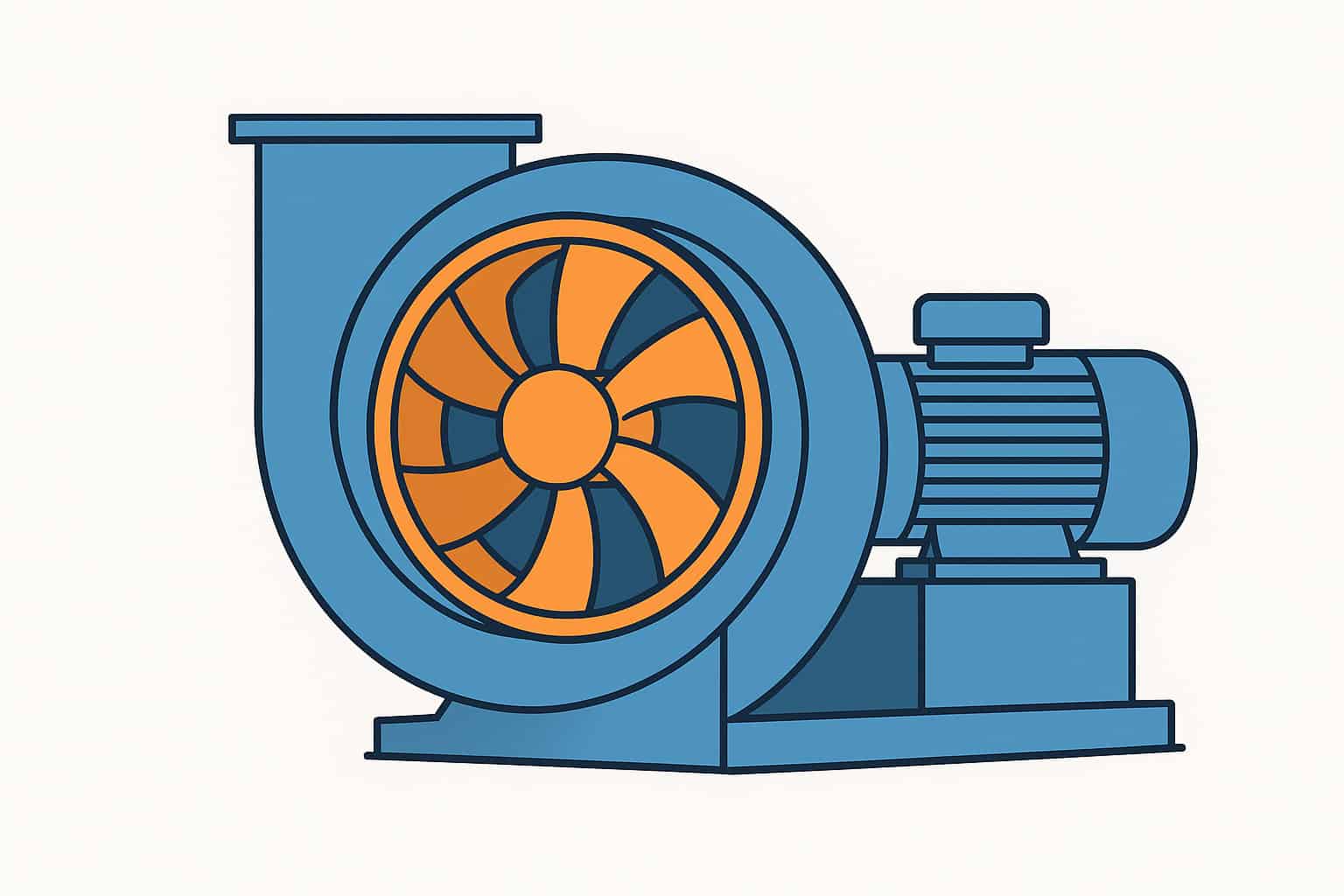
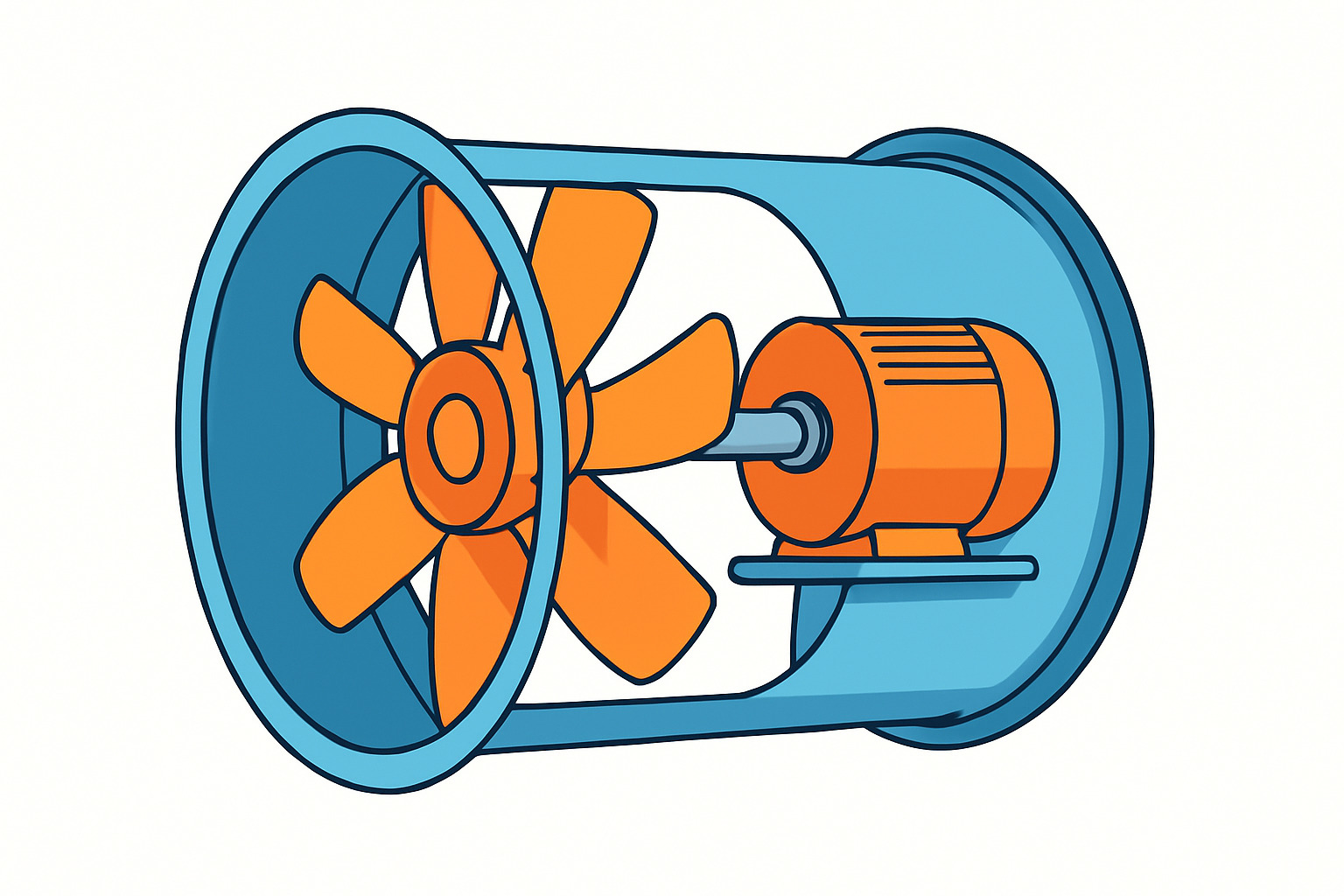
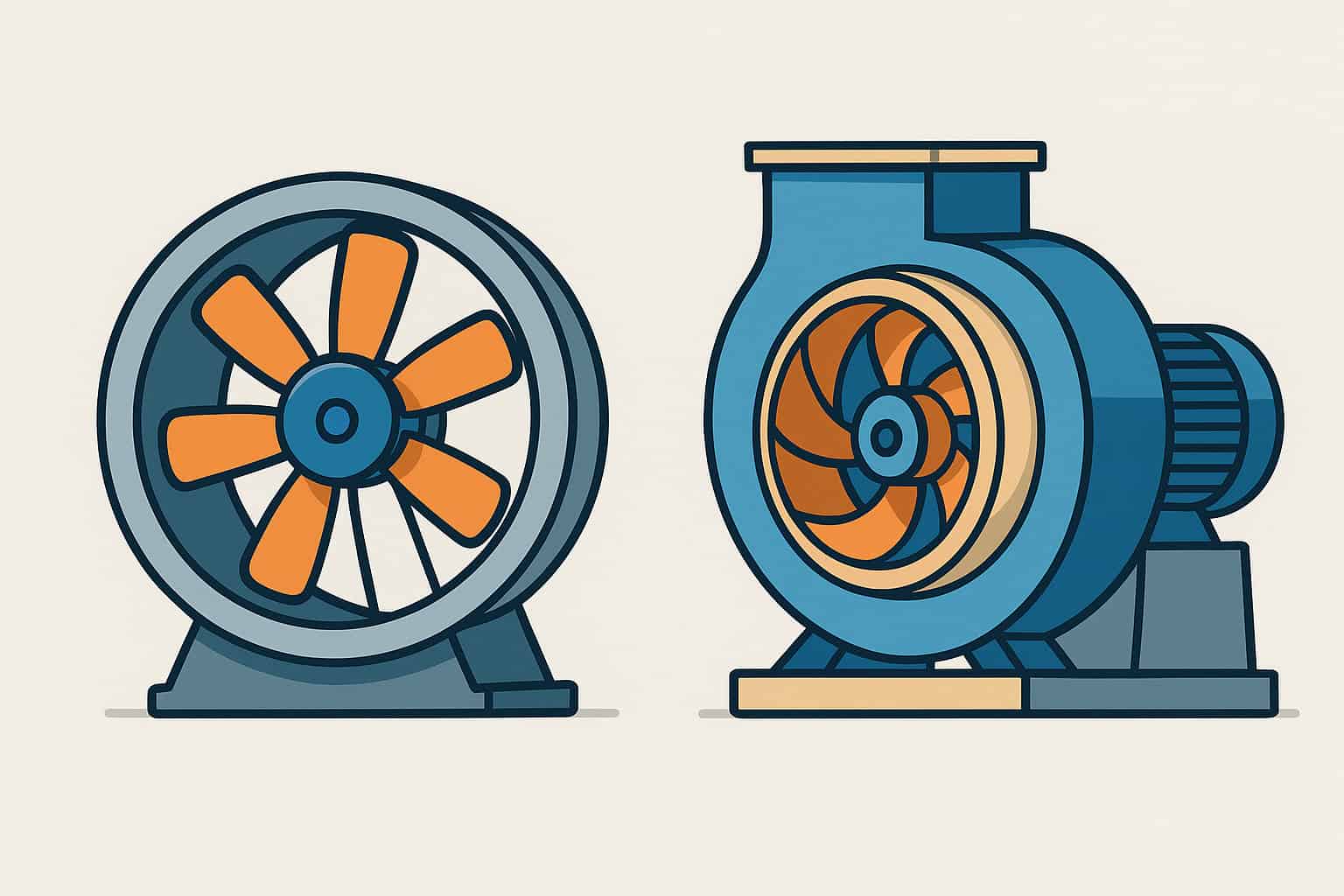
In practice, meeting the standard of ventilation in an underground mine involves more than just installing large fans. It requires a complete ventilation design and management process: main fans and booster fans sized for current and future production, correctly placed intake and return routes, auxiliary fans and ducting for headings, ventilation doors, regulators and stoppings, as well as continuous monitoring of airflow and gas levels. Ventilation plans must be updated as the mine develops, and routine inspections confirm that doors, stoppings and regulators are in place and effective.
Because regulations and geological conditions differ between countries and operations, each mine should use a qualified ventilation engineer to interpret the applicable standards, run network simulations and specify the required mine ventilation fans and controls. In summary, the standard of ventilation in underground mines is to maintain safe, healthy air quality, stable airflow patterns and acceptable temperatures throughout the workings, by using properly designed and managed mechanical ventilation systems.