
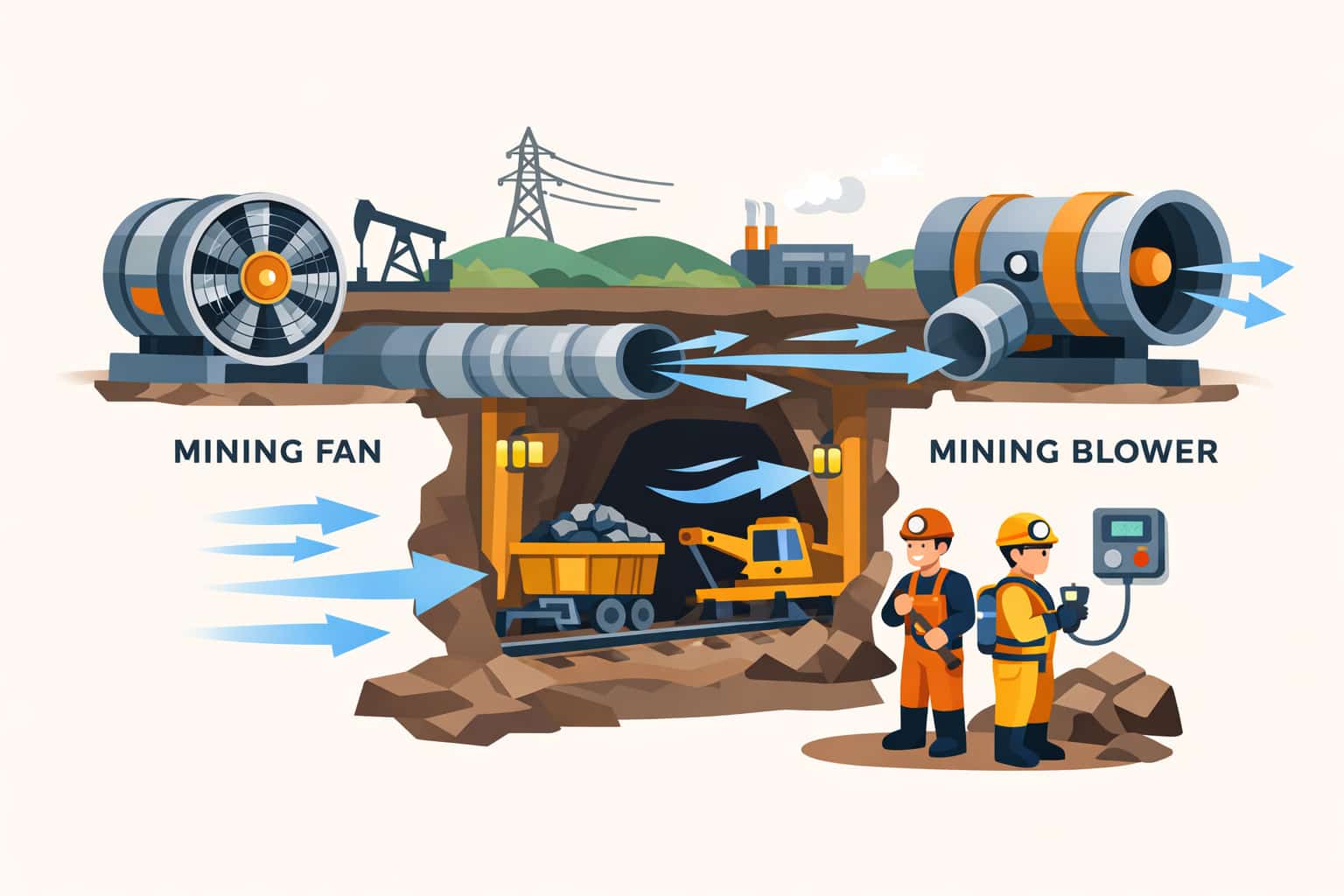
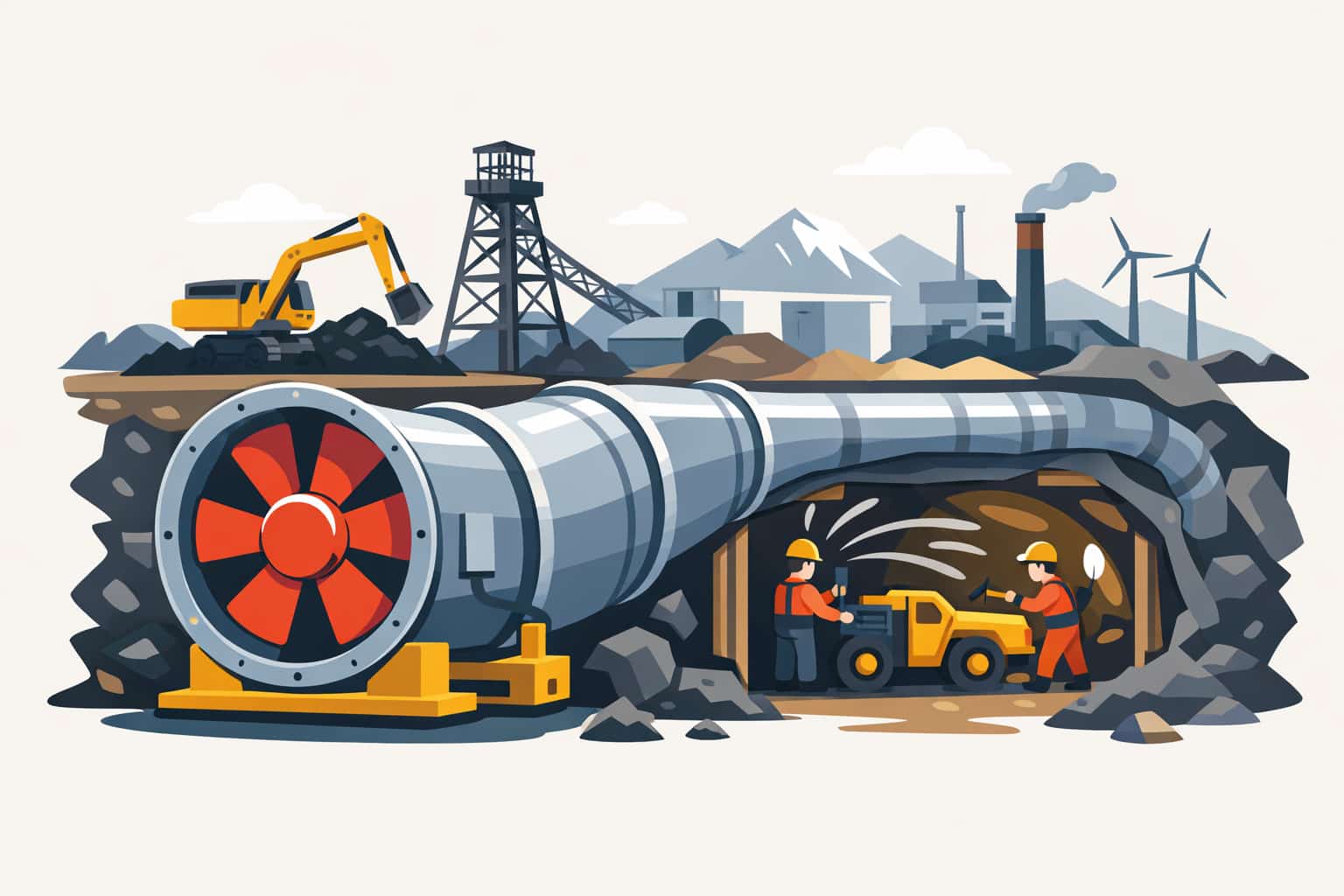

The system of auxiliary ventilation is the collection of fans, ducts and controls that provides local ventilation to areas not adequately served by the main ventilation circuit. It is most commonly discussed in the context of underground mining, but similar concepts apply to tunnels and complex industrial facilities.
In an underground mine, the main ventilation system moves large volumes of air through primary intake and return airways. However, development headings, crosscuts, ore passes and other remote workings often sit off the main air paths. The auxiliary ventilation system extends the reach of fresh intake air into these zones and returns contaminated air back to the main circuit. It typically consists of one or more auxiliary fans connected to flexible or rigid ducting, with regulators and stoppings to direct flow.
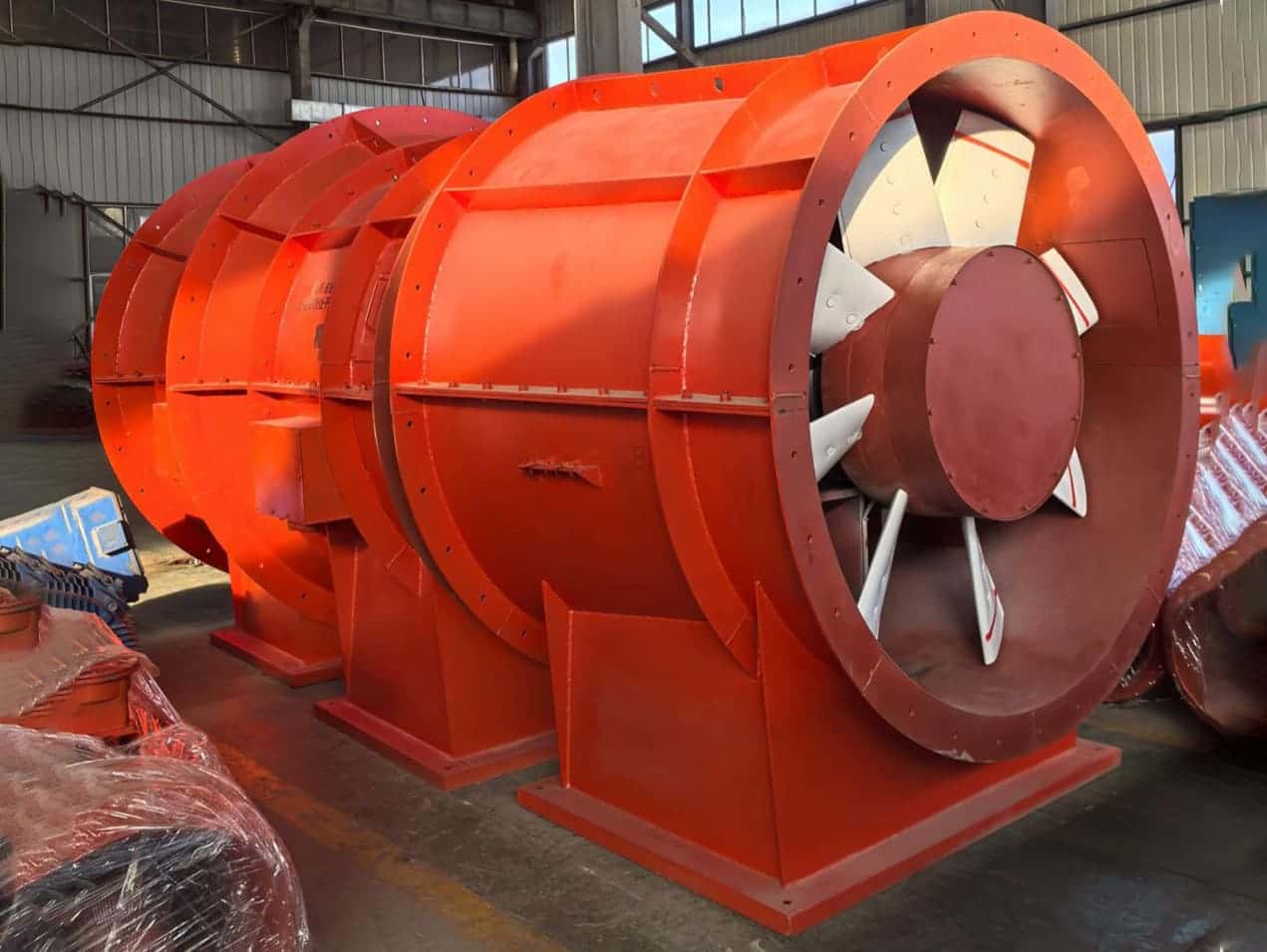
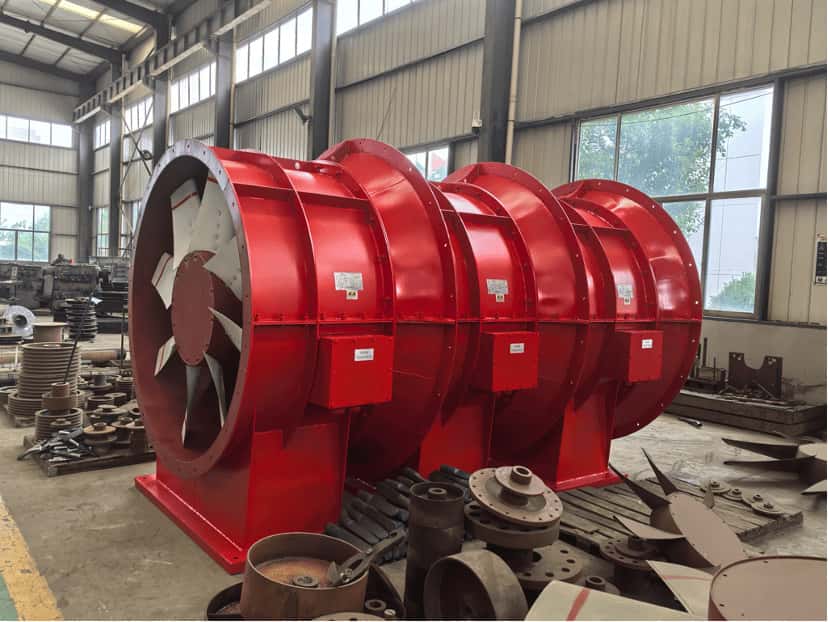
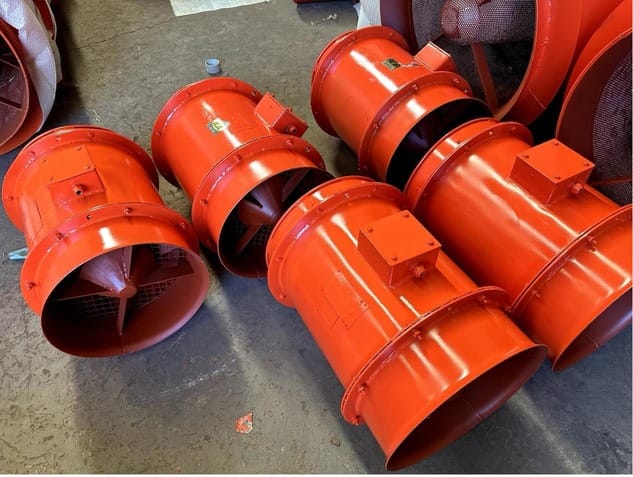
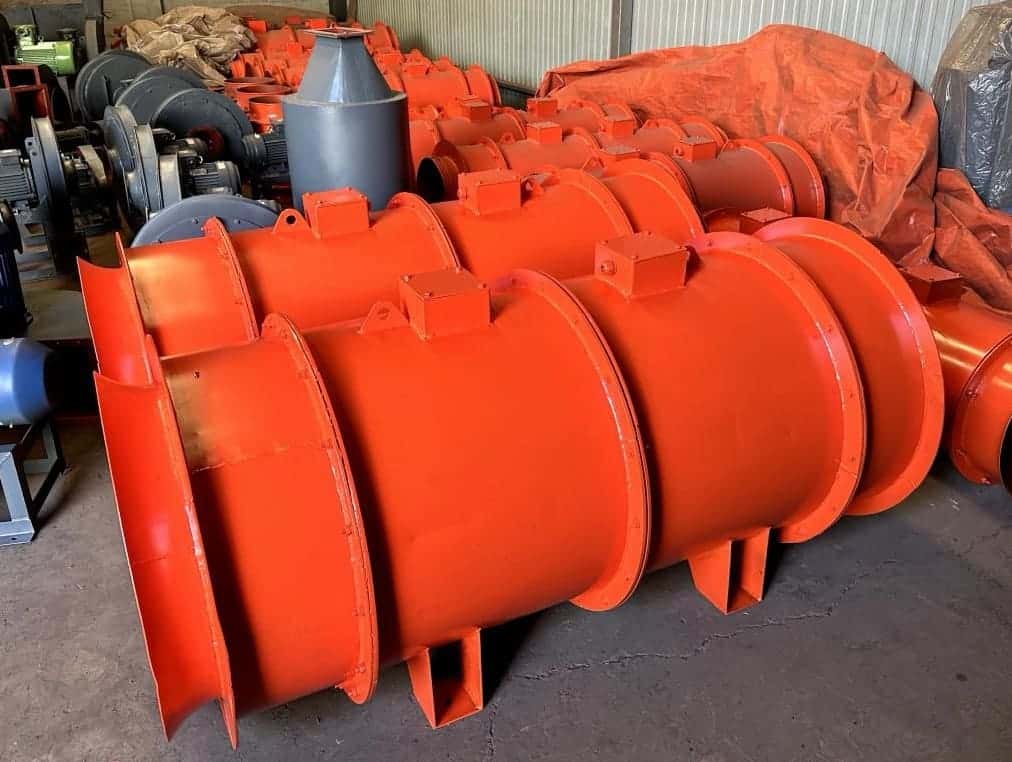
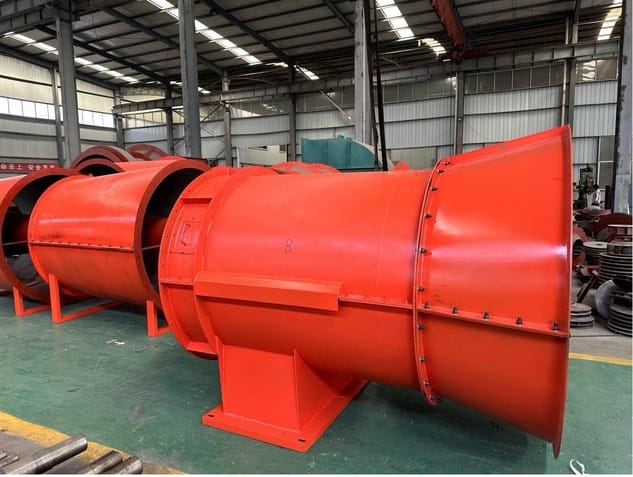
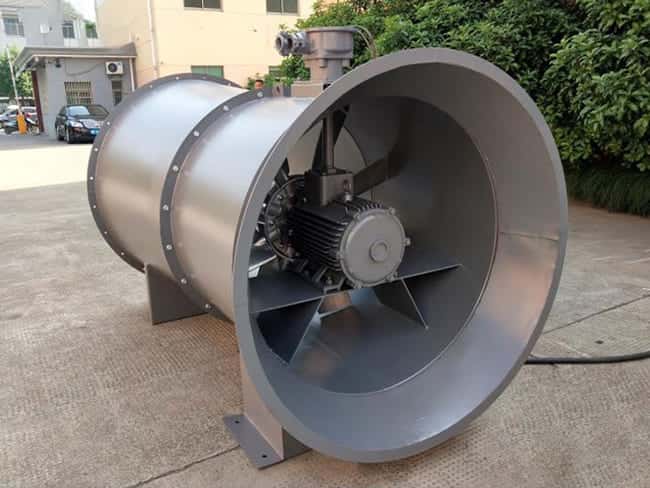
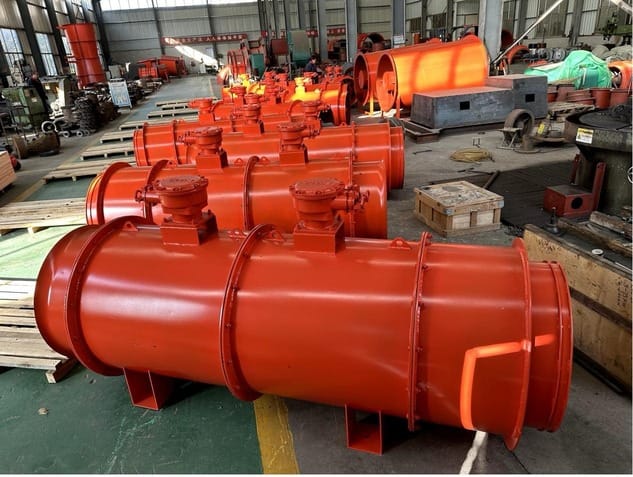
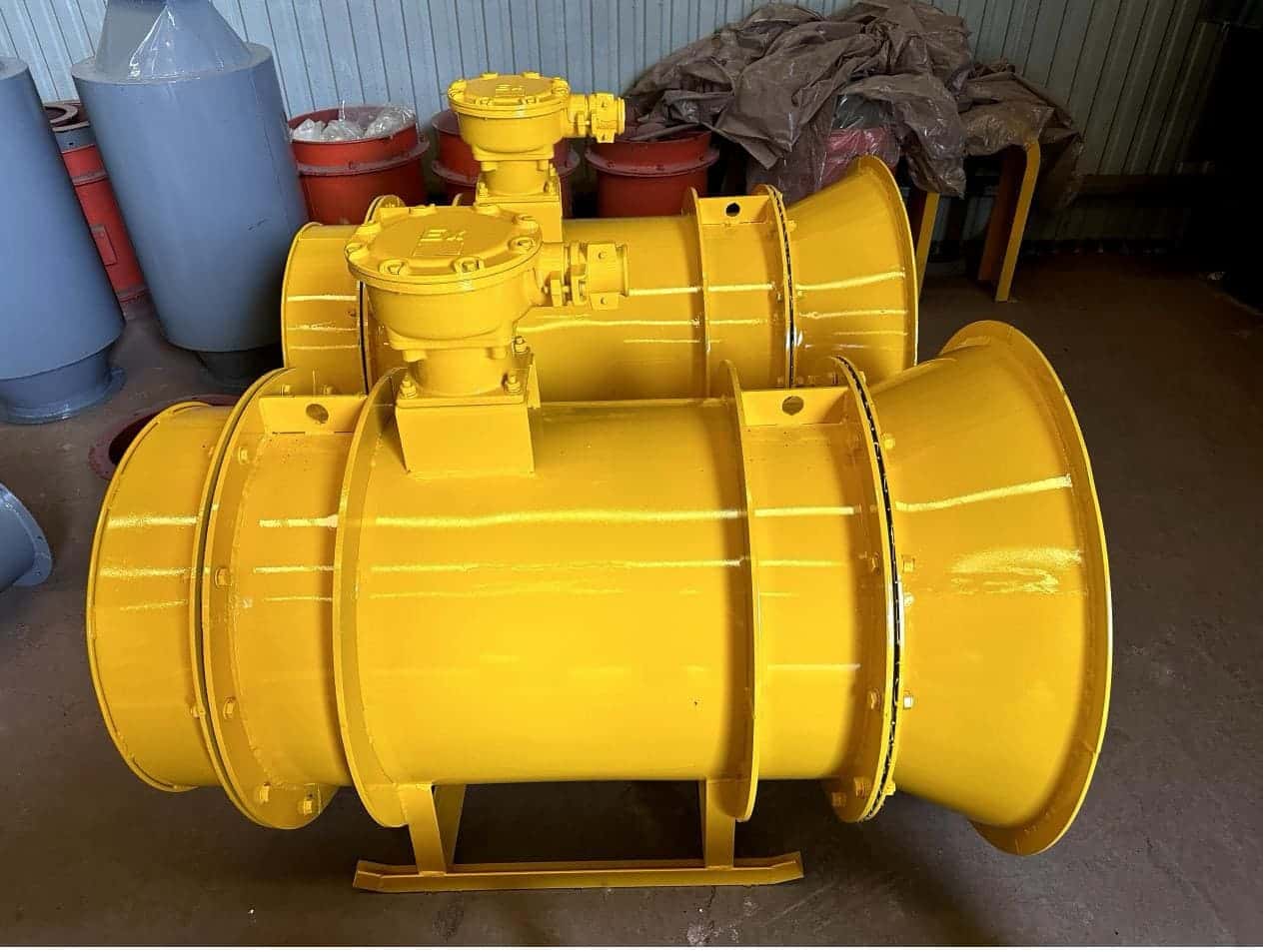
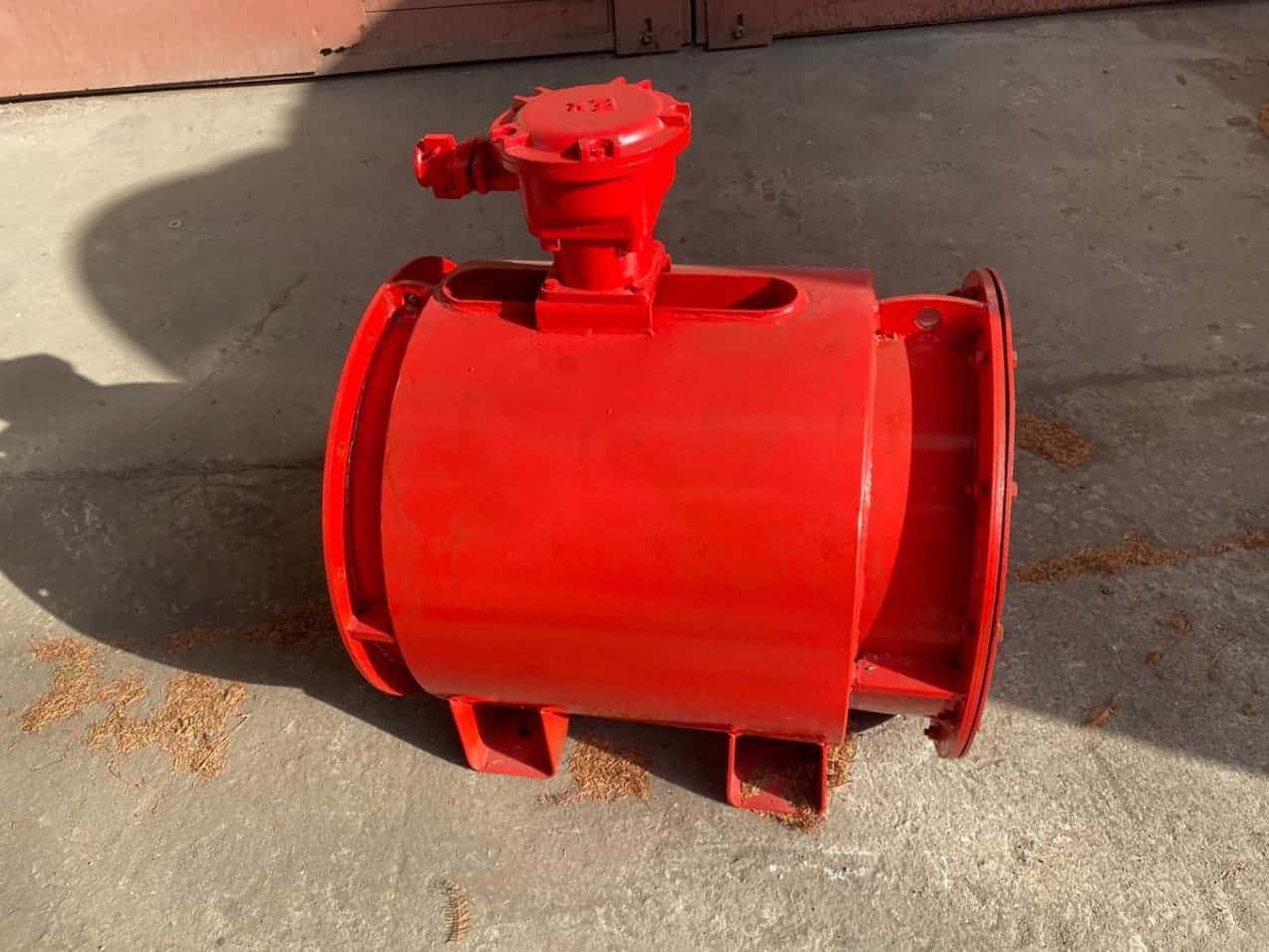
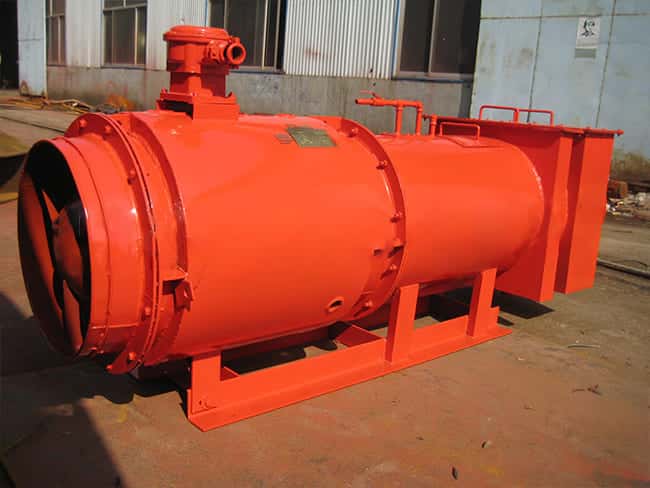
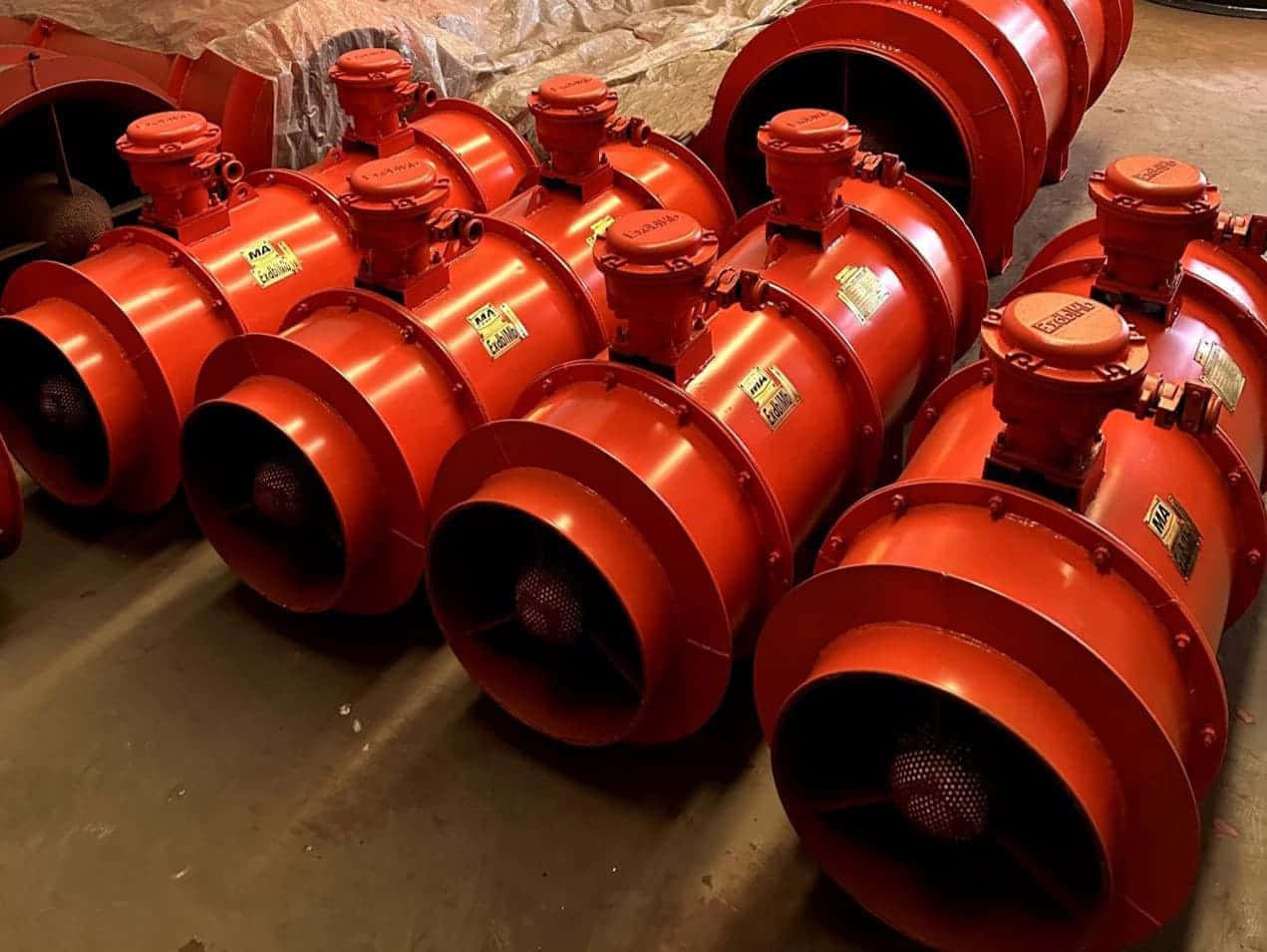
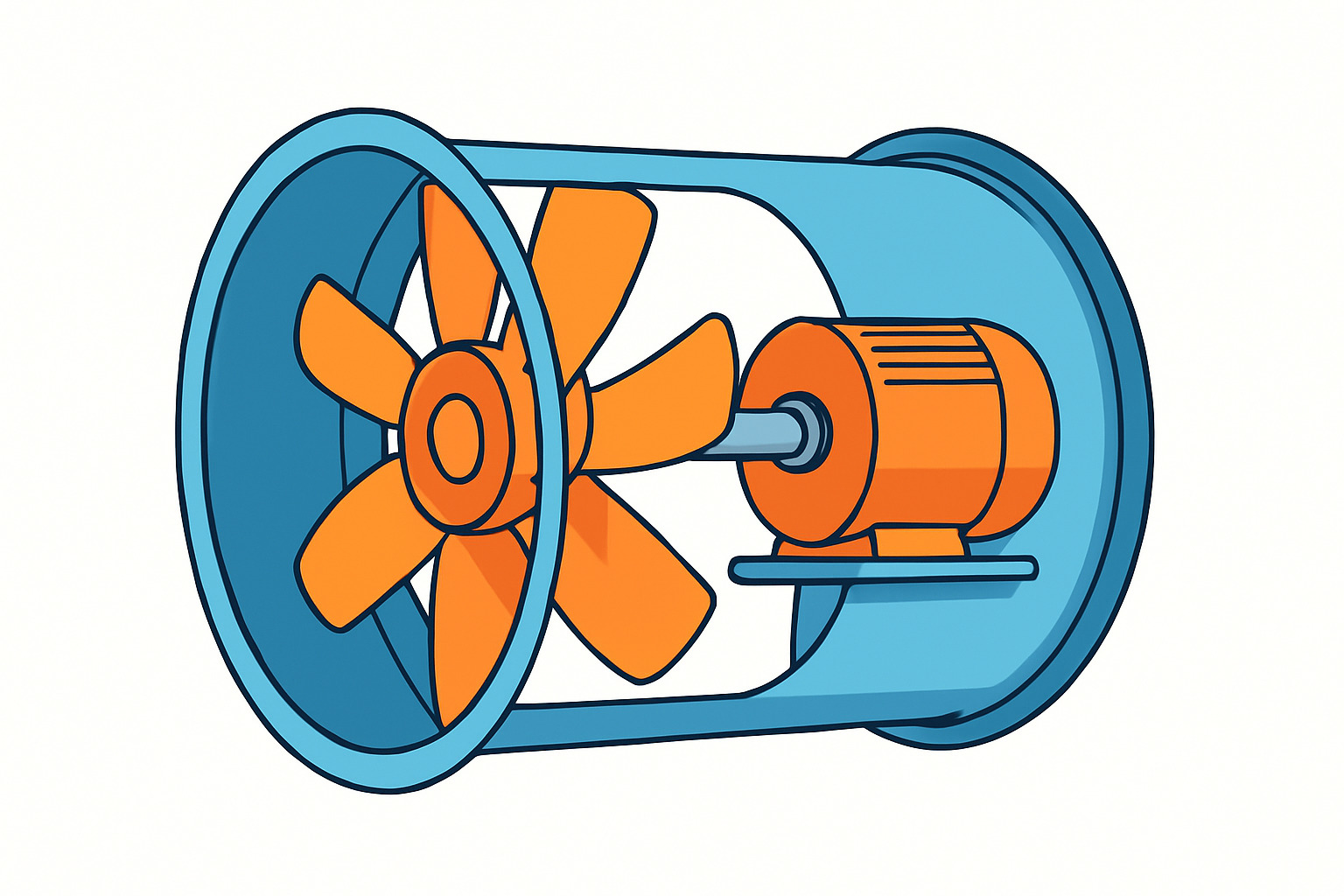
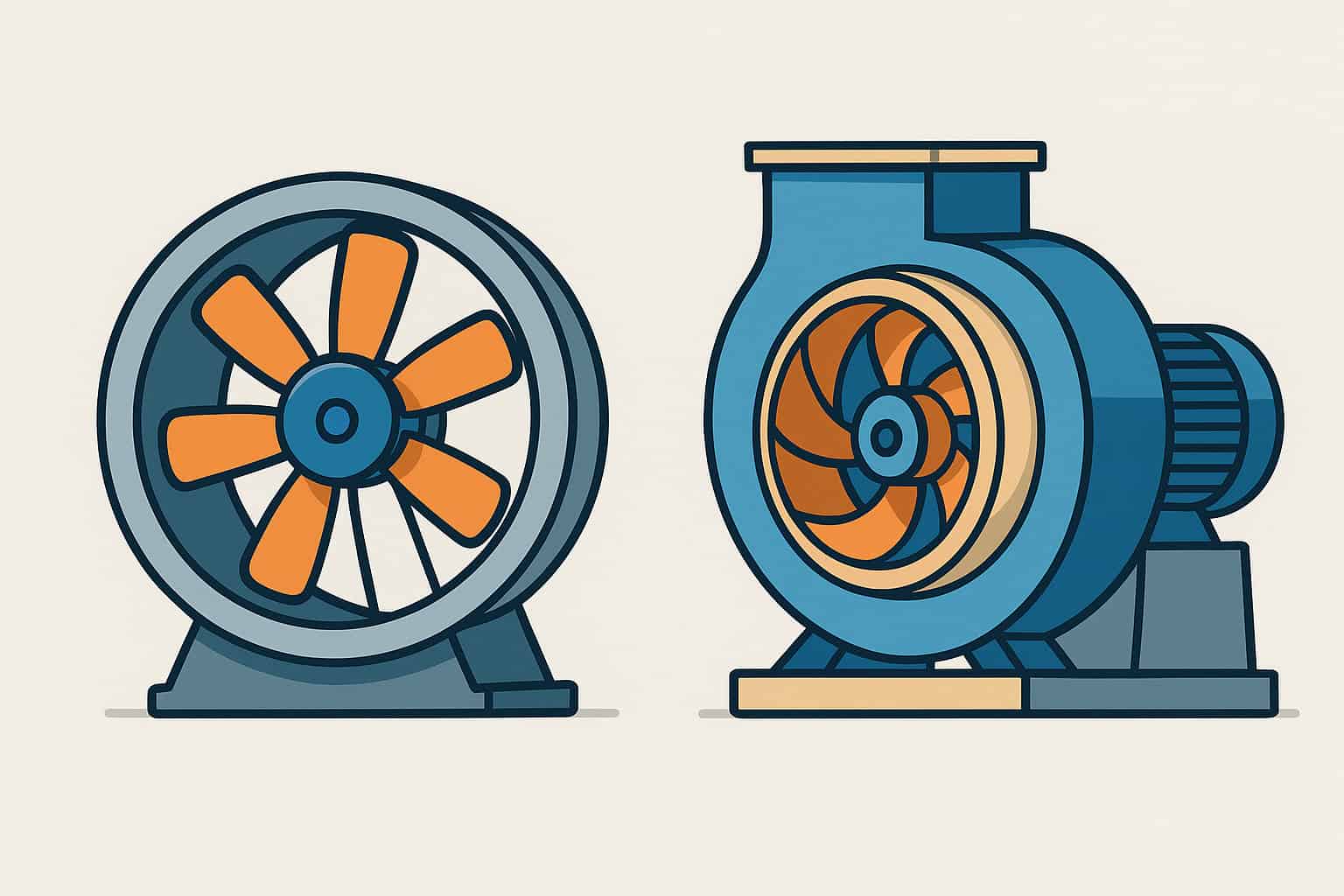
A basic auxiliary ventilation system includes a primary auxiliary fan, usually an axial flow fan, connected to a duct line that runs from an intake airway to the working face. The fan may either blow fresh air down the duct (forcing ventilation) or suck contaminated air out (exhausting ventilation), depending on the method selected and local regulations. Additional booster fans can be installed in long duct runs to compensate for pressure losses and maintain adequate velocity at the face.
The system also incorporates control and safety elements. Regulators, doors and stoppings are used to prevent short-circuiting of air and to ensure that the designed quantity flows through the heading. Monitoring equipment, such as air velocity sensors and gas detectors, checks that airflow is sufficient and gas concentrations stay within allowed limits. Procedures specify how auxiliary ducts must be extended as development advances and how quickly ventilation must reach new headings after blasting.
Outside of mining, auxiliary ventilation systems can be found in road tunnels, large industrial buildings and process plants, where local fans and ductwork are used to ventilate dead zones, basement spaces or confined rooms. The principle is the same: a main system provides general airflow, while auxiliary components deliver targeted ventilation where the main flow is weak.
In summary, the system of auxiliary ventilation is a localised network added to the main ventilation scheme to deliver fresh air and remove contaminants from remote or high-resistance areas. It is essential for maintaining safe working conditions in mine headings and other confined spaces that lie beyond the direct reach of the main fans.