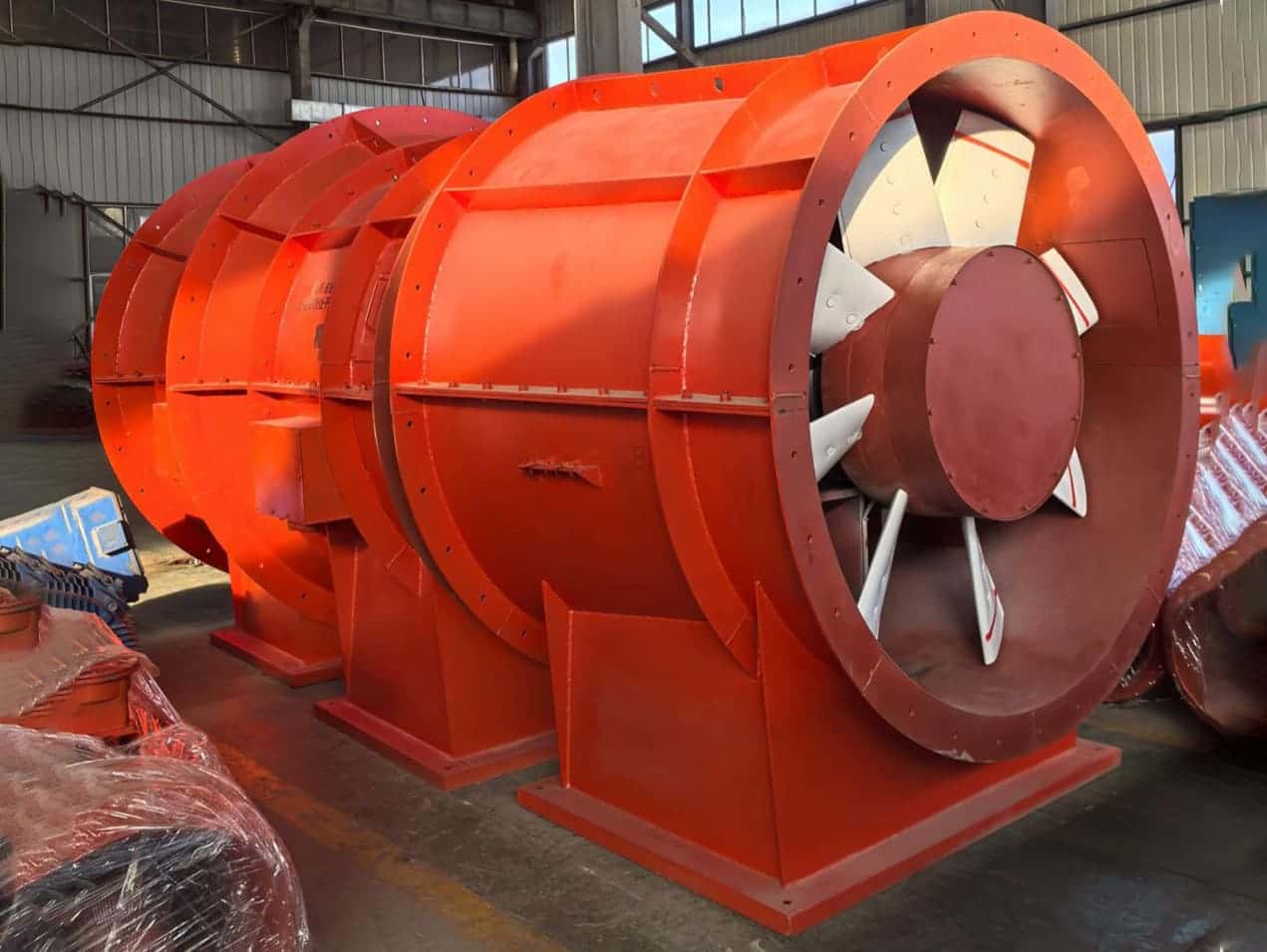
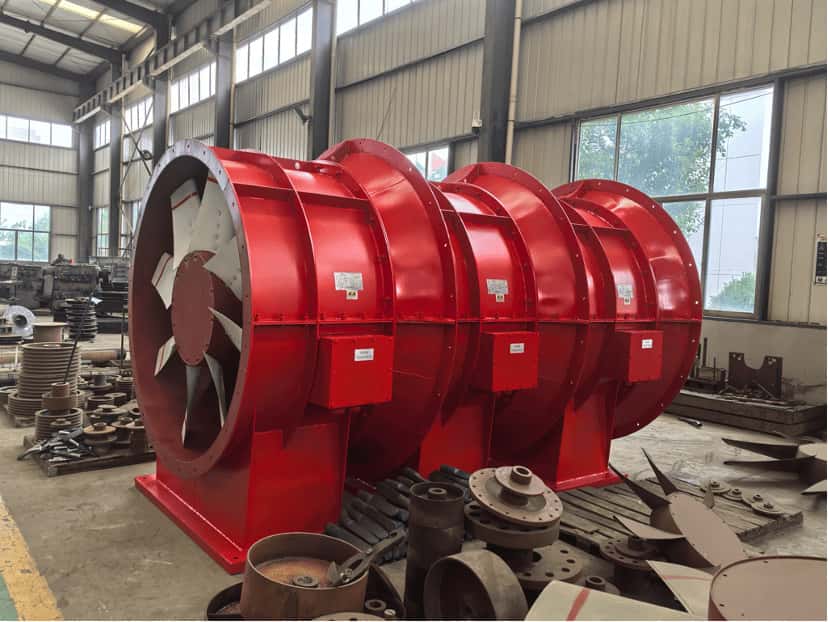
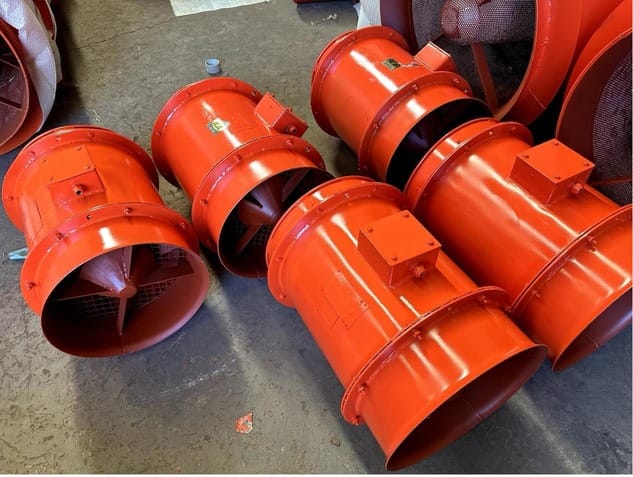
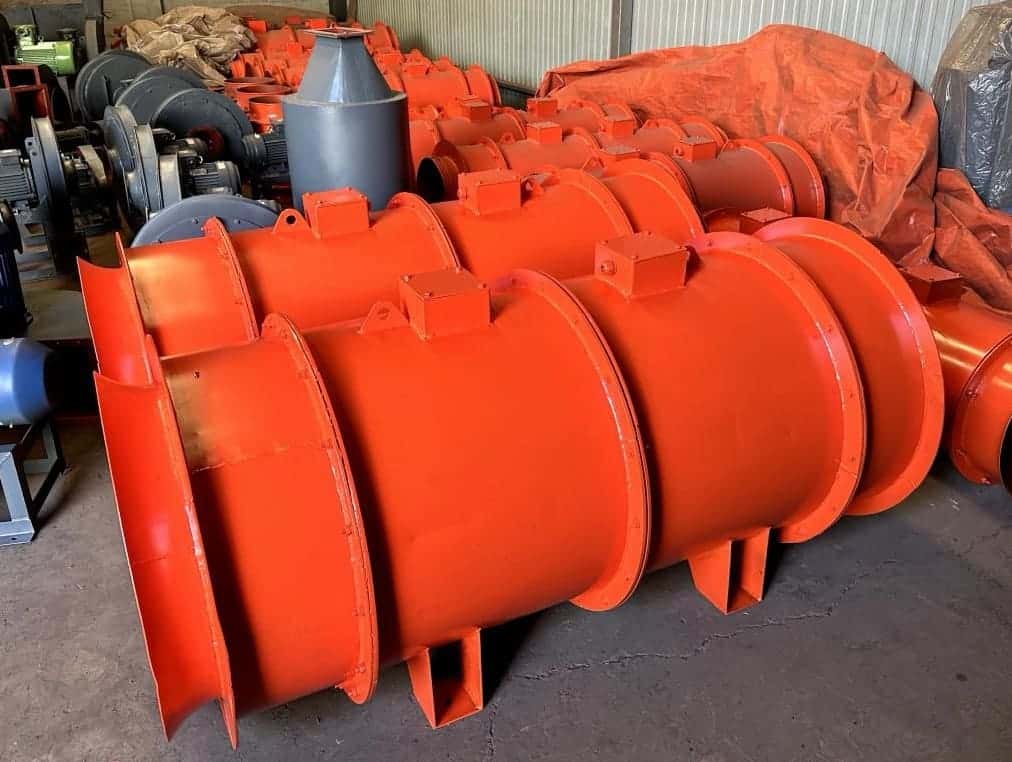
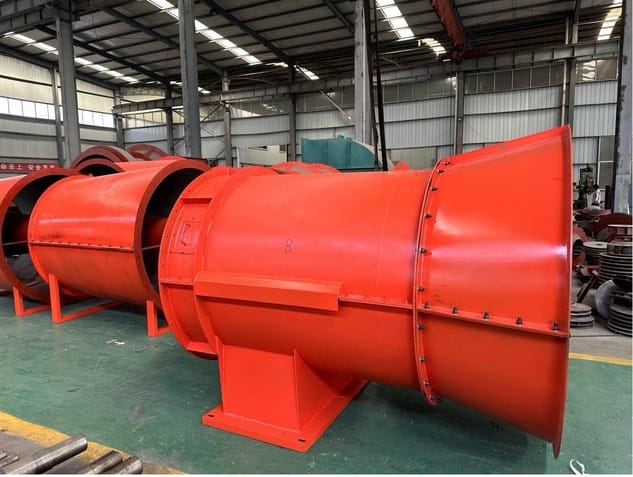
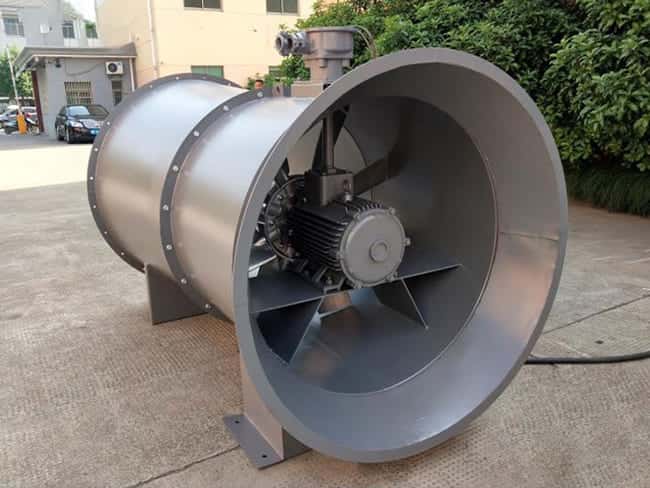
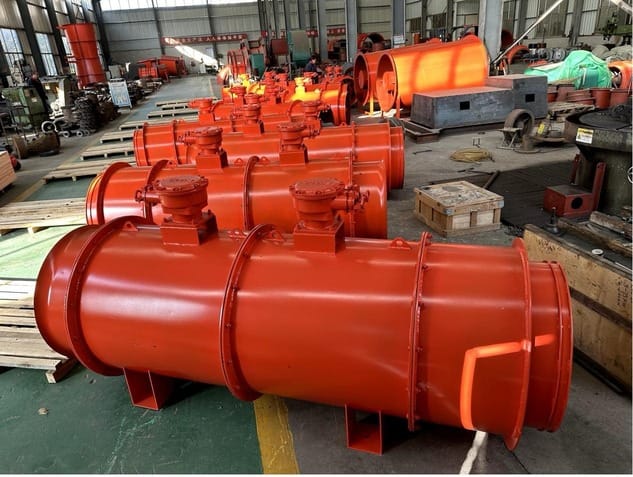
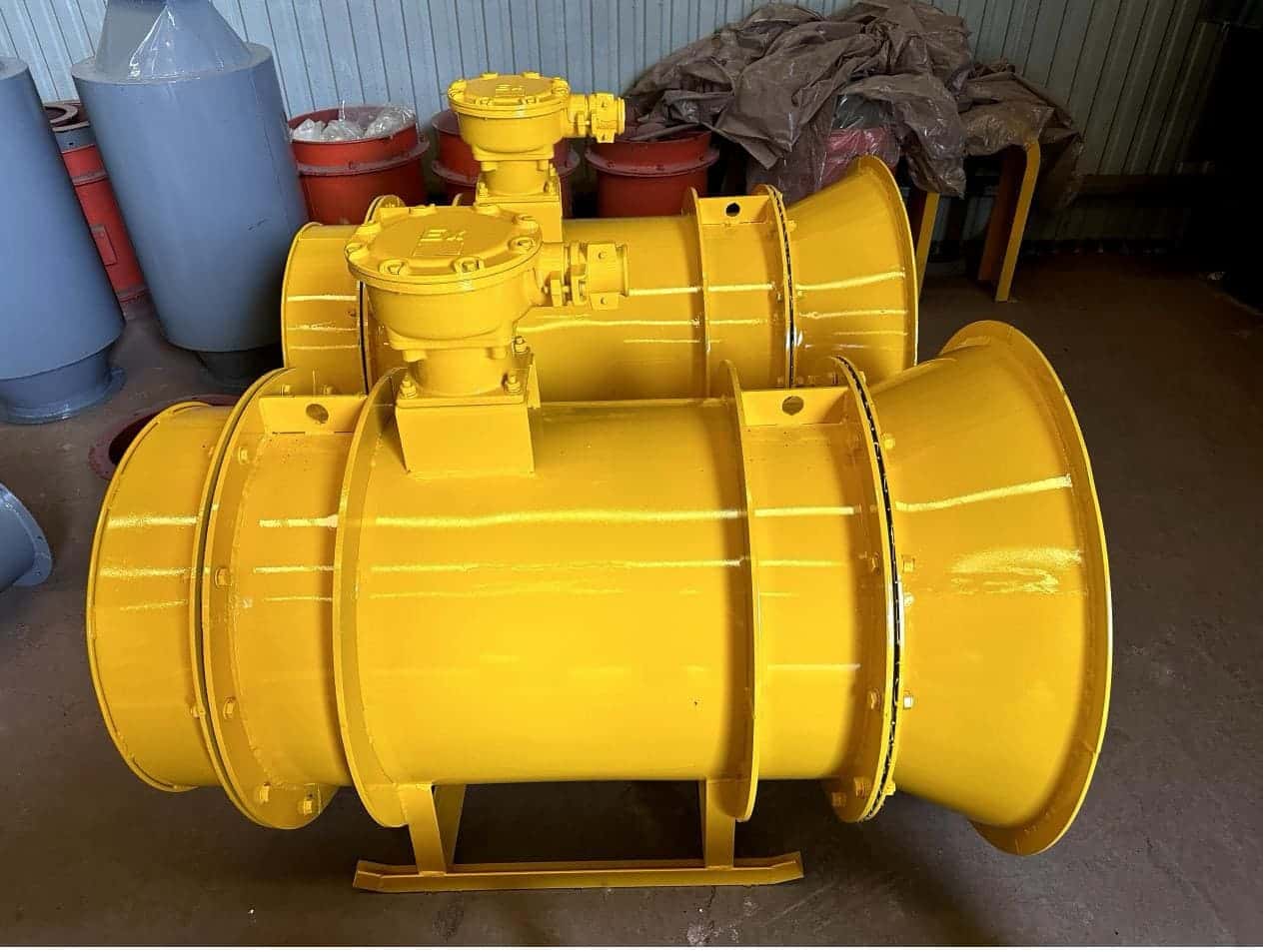
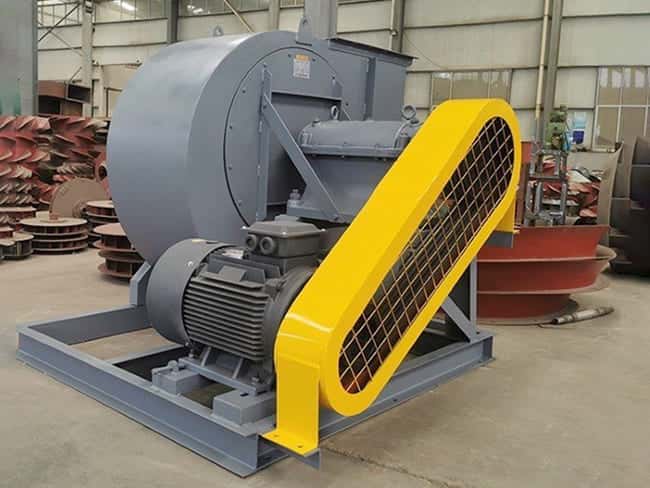
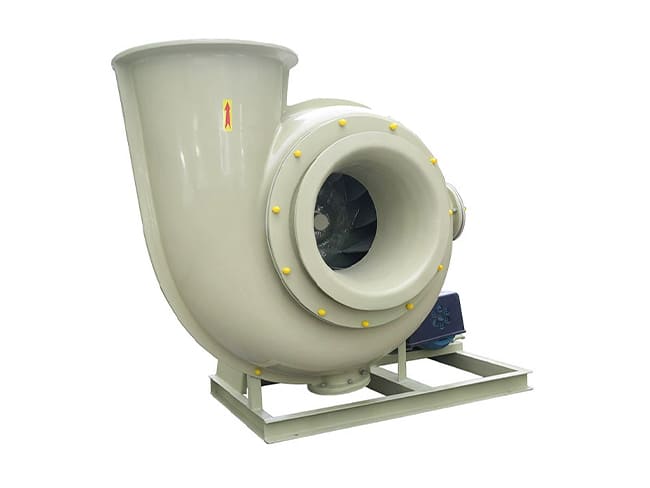
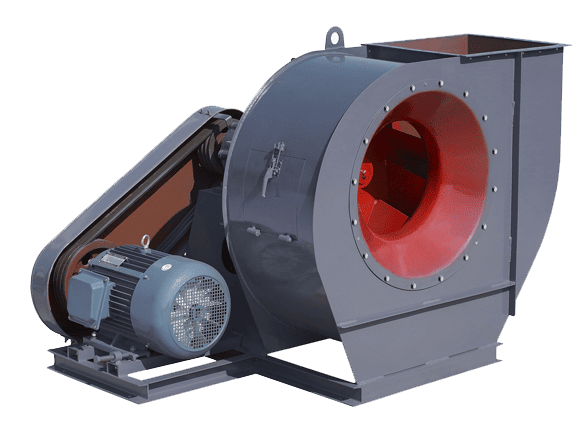
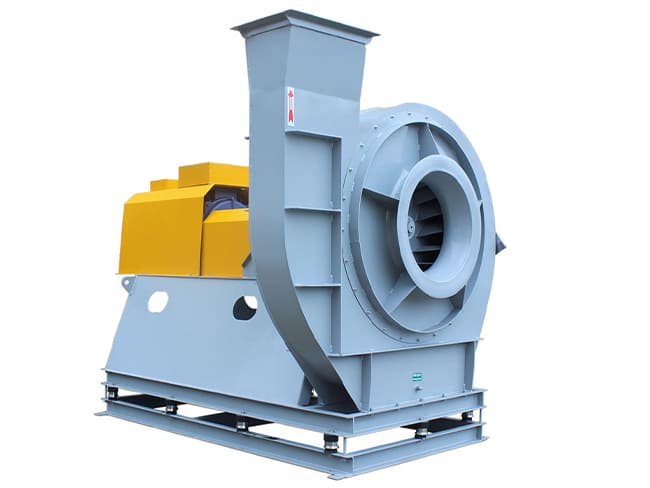
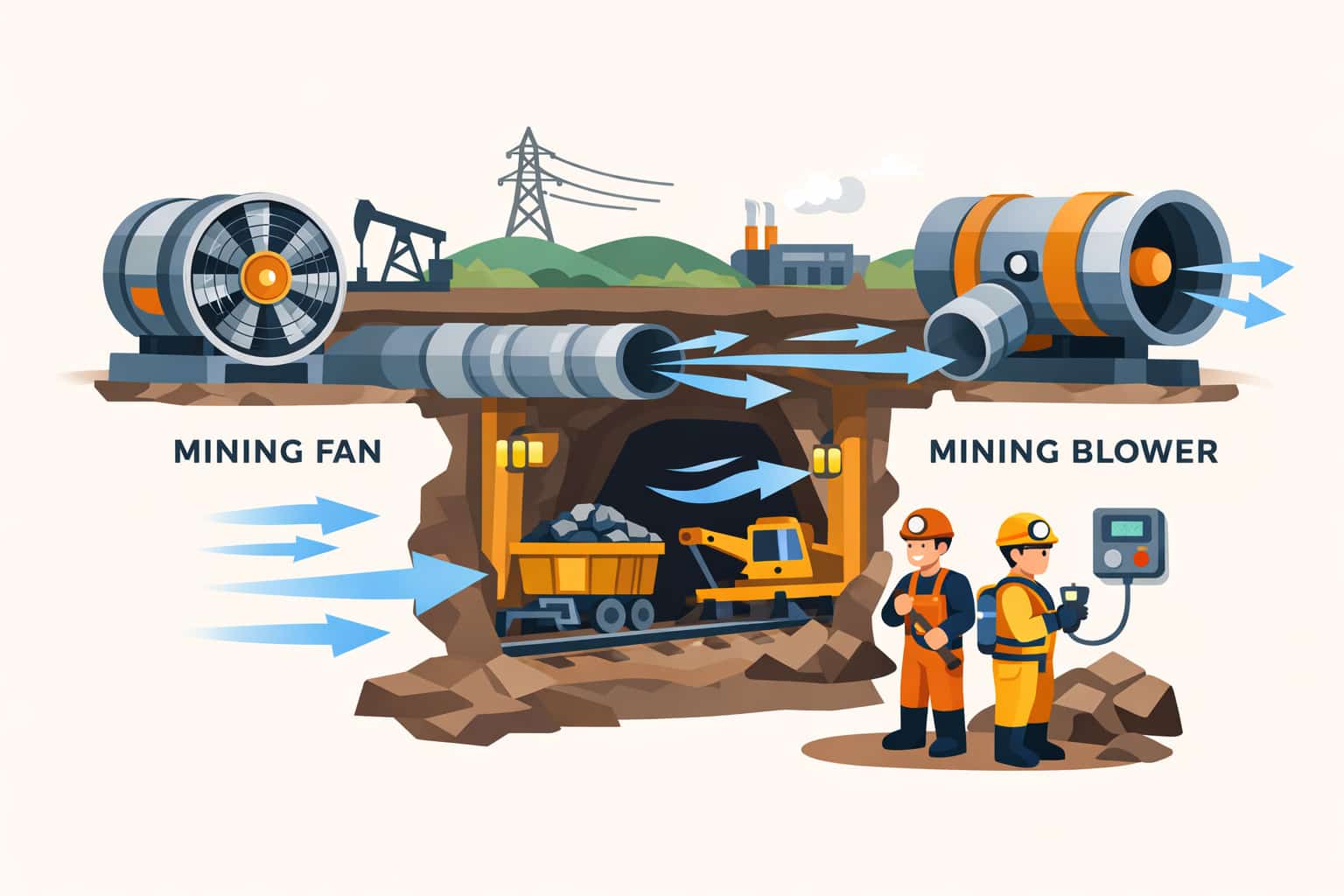
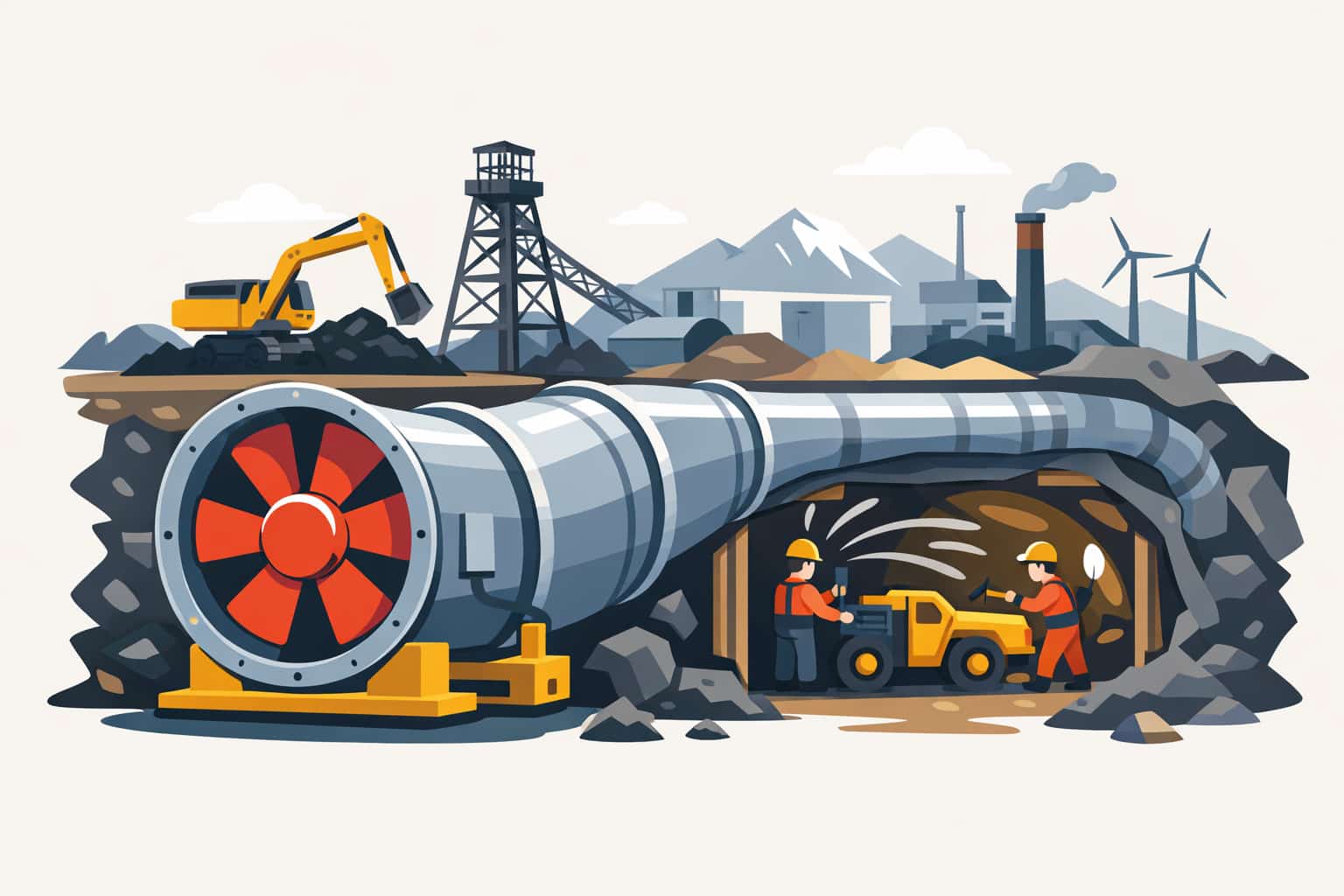
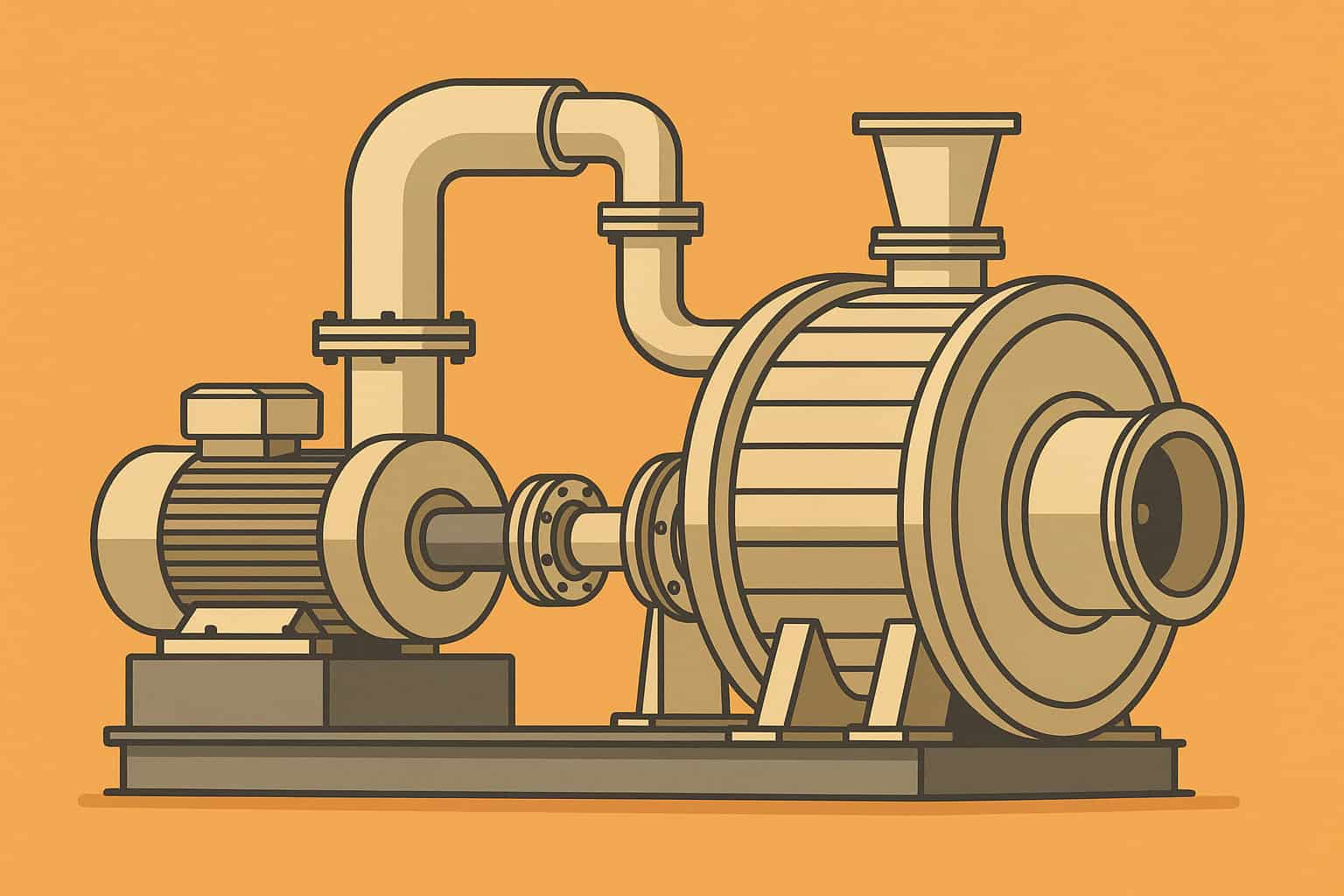
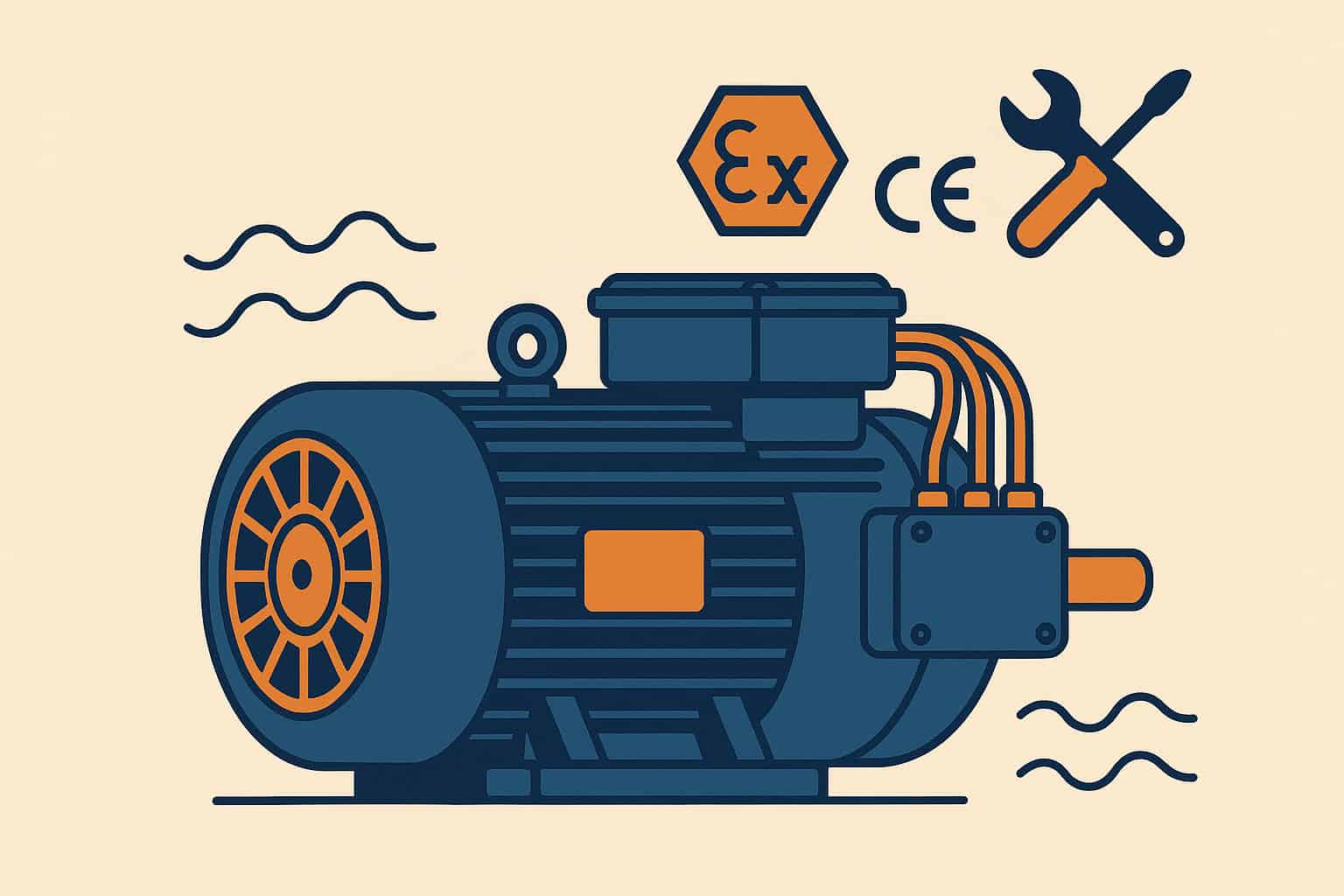
The typical lifespan of an industrial ventilation fan is often between 10 and 20 years, and sometimes longer, but actual life depends strongly on design, operating conditions and maintenance. In mining and heavy industry, many large fans run for decades with proper care, while poorly maintained or undersized fans may fail much sooner.
The first factor is mechanical design and build quality. Fans built with thick housings, robust impellers, high-quality bearings and properly sized shafts are better able to withstand continuous operation, thermal cycles and vibration. Certified explosion-proof fans or special-duty mining fans are usually engineered with additional safety margins, which can also extend service life if they are not abused.
Operating conditions play a major role. Fans used in clean, moderate-temperature air with stable loads often last longer than fans exposed to dust, moisture, corrosive gases or very high temperatures. Abrasive dust can erode blades and housings, changing geometry and balance. Corrosive fumes attack metal surfaces and welds. High temperatures reduce bearing life and stress insulation. In underground mines, variations in airflow, pressure and contaminants can be severe, so equipment needs suitable protection and regular inspections.
The duty cycle also affects lifespan. Many industrial and mining fans are designed for continuous 24/7 operation and can run for years between major overhauls. Others operate intermittently, starting and stopping frequently. Repeated starts create thermal and electrical stresses on motors and mechanical stresses on couplings and belts, which may shorten component life if not controlled.
Maintenance practices are critical. Bearings must be lubricated correctly, belts tensioned and aligned, and vibration monitored. Dust buildup on impellers and housings should be removed before it causes severe imbalance. Fasteners and supports must be checked for looseness or fatigue. Plants that follow a structured predictive or preventive maintenance programme usually achieve much longer fan life than those that only respond to breakdowns.
Finally, periodic upgrades and overhauls extend the effective life of the installation. It is common to replace bearings, seals, motors or even impellers while reusing the main housing, foundations and ductwork. From an asset-management perspective, the “fan system” may therefore remain in service far beyond the life of any single component.
In summary, the typical lifespan of an industrial ventilation fan is on the order of 10–20 years, and many units run longer under favourable conditions. The actual service life depends on design quality, environment, duty cycle and maintenance. With appropriate selection and planned maintenance, main fans in mines and plants can provide reliable ventilation for decades.