
The ventilation system in a mine is an engineered network of airways, fans, and control devices that supplies fresh air to every working area and removes contaminated air safely to surface. It is one of the core safety and production systems in any underground operation. Without a well designed and properly managed ventilation system, modern mechanized mining would not be possible.
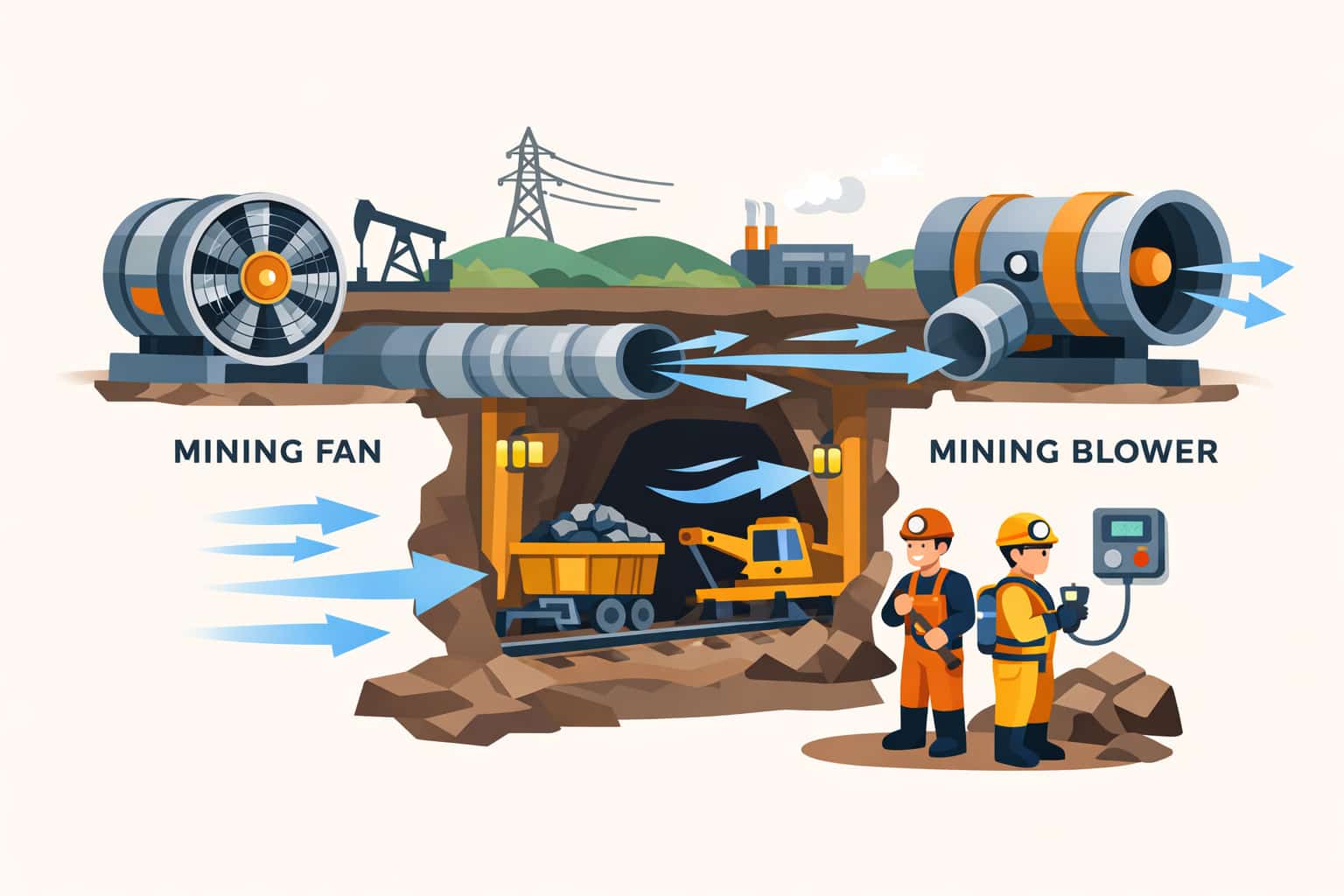
At its heart, the system begins with intake and return airways. Intakes carry fresh air from the surface into the mine through shafts, declines, or adits. Returns carry used air, loaded with dust, diesel exhaust, gases, and heat, back toward exhaust shafts or portals. The layout of these airways is planned together with the mine development so that every production level, access drive, and service area can be ventilated.
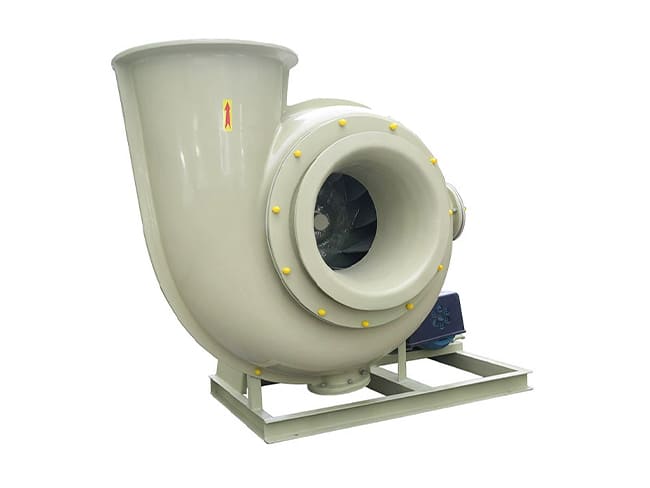
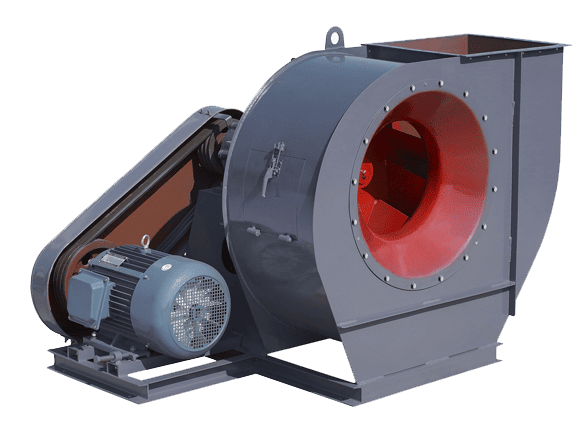
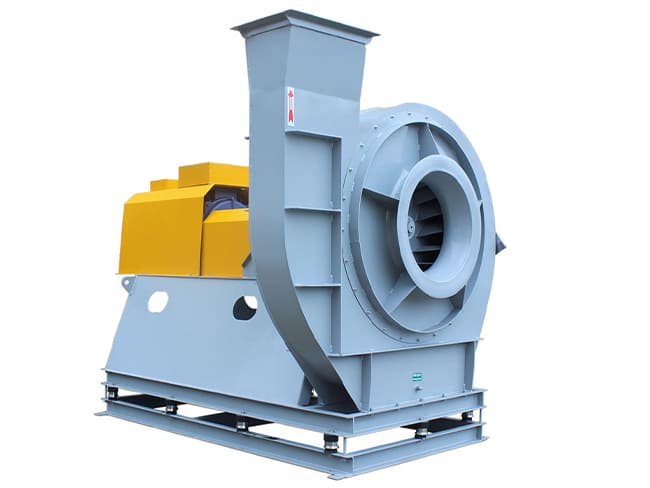
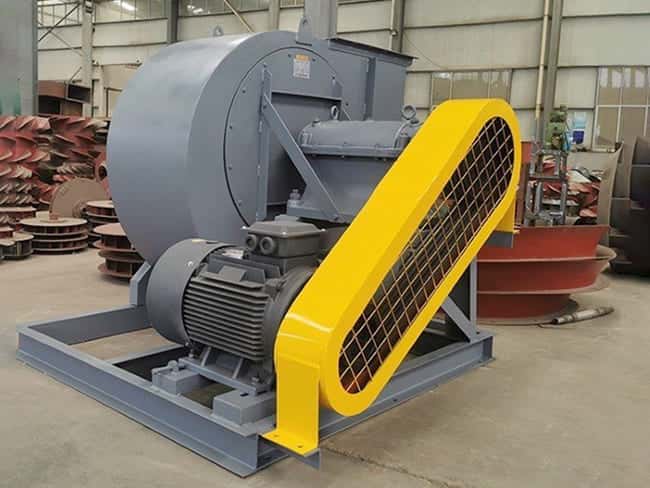
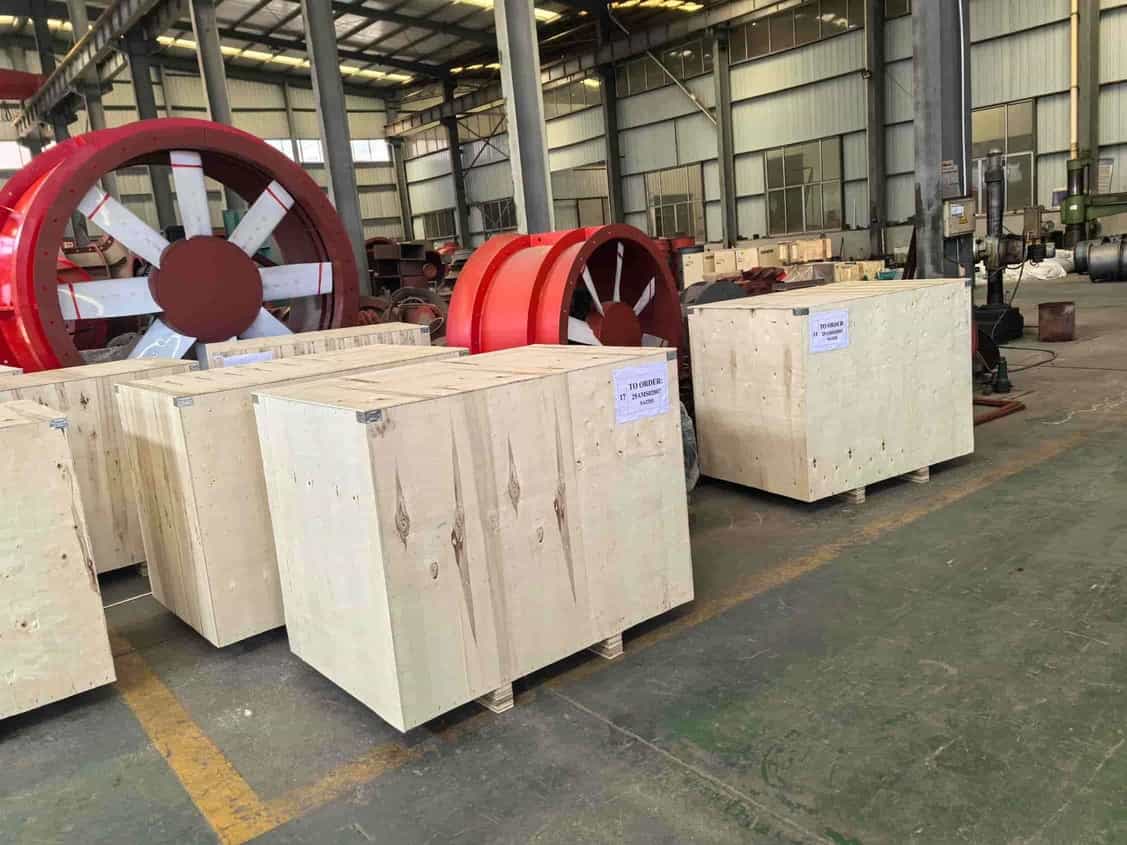
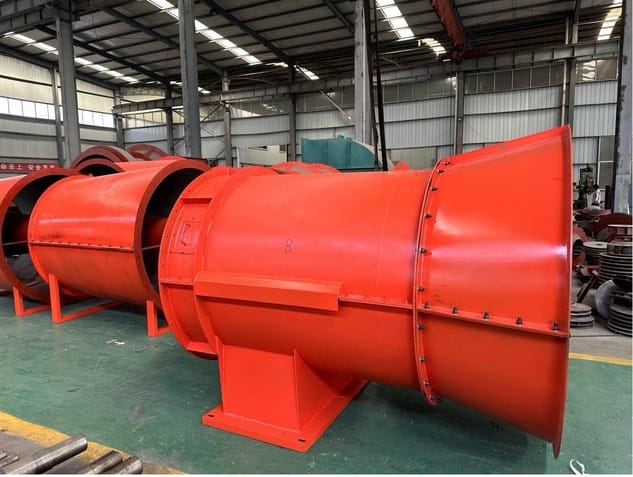
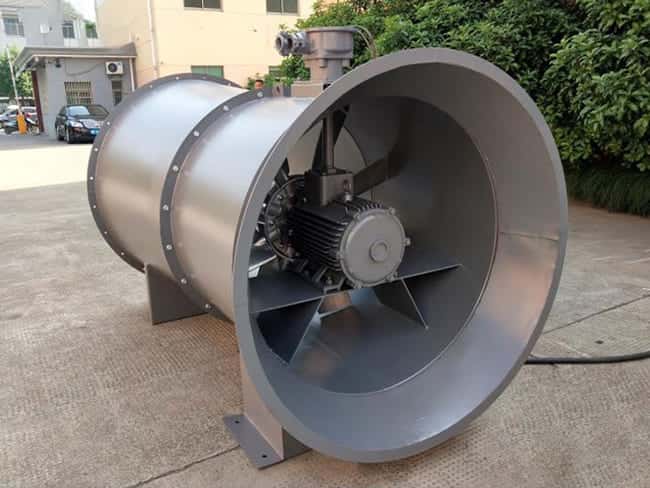
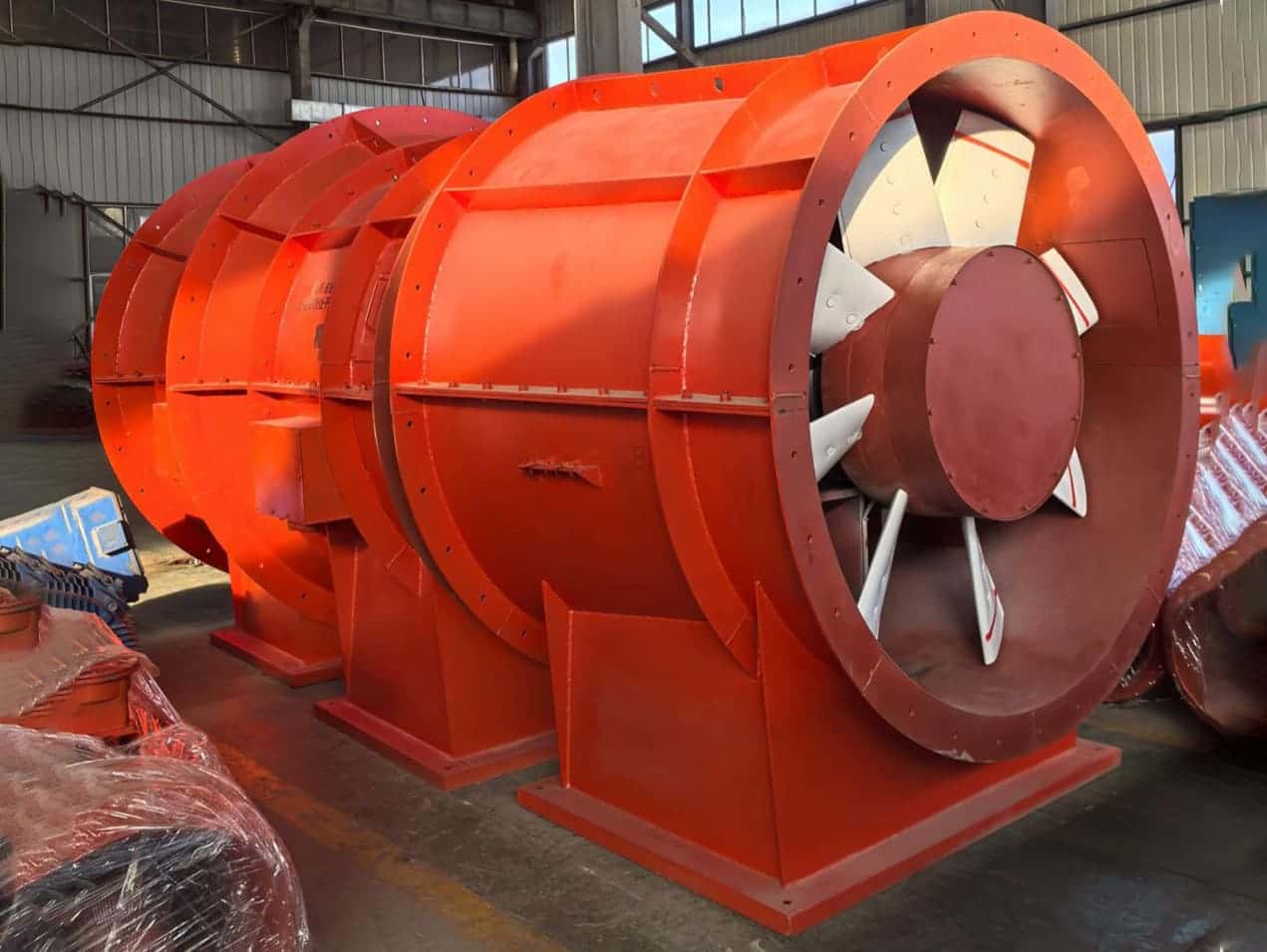
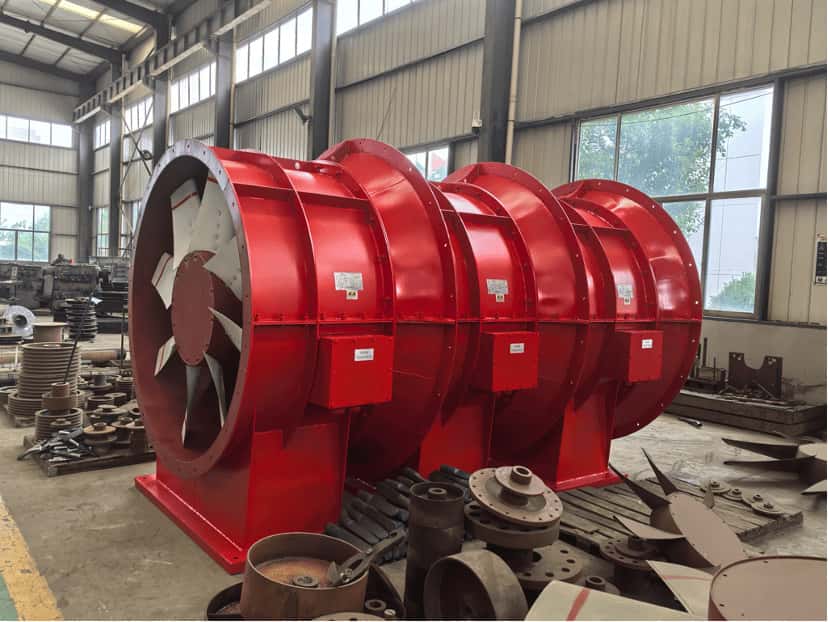
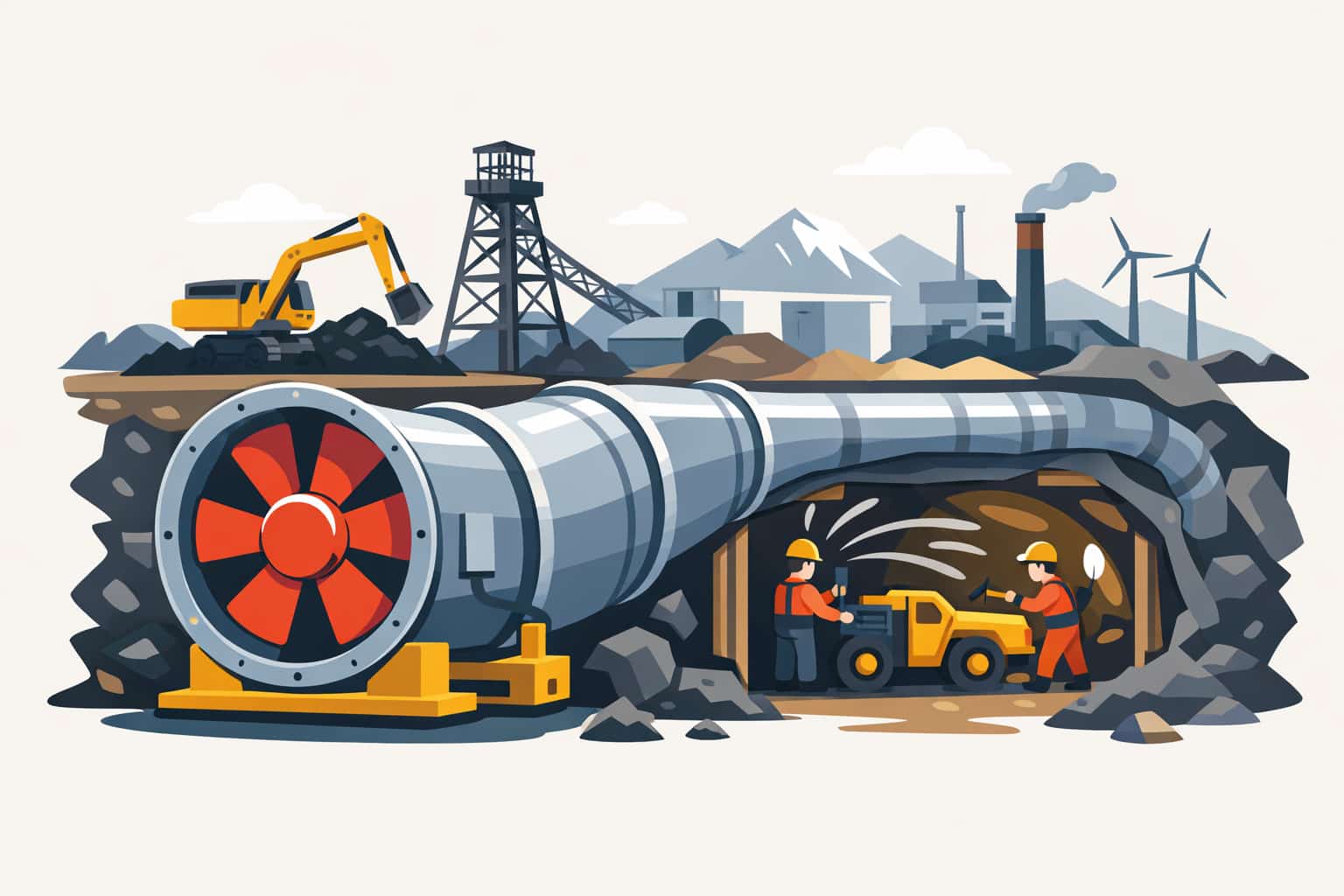
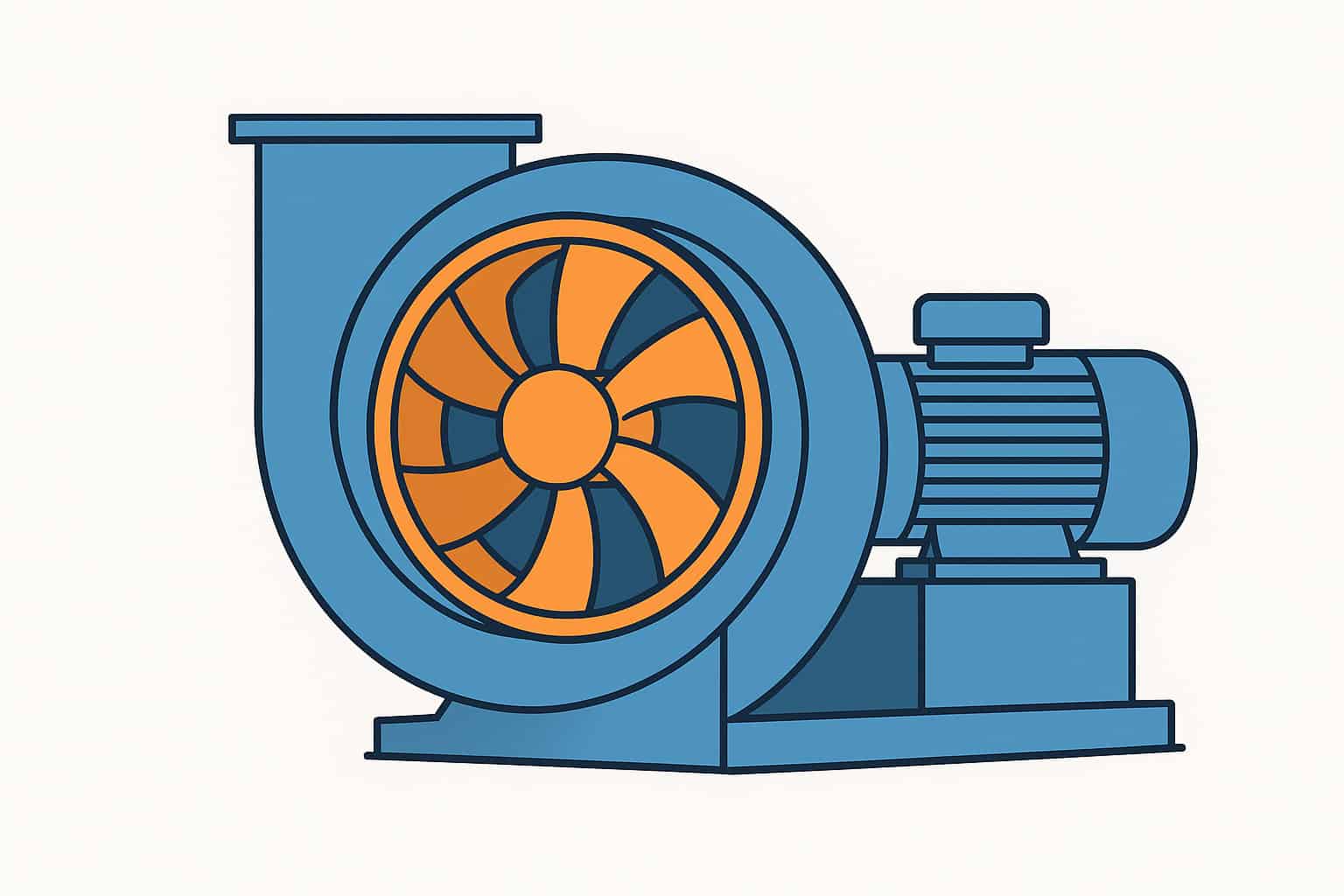
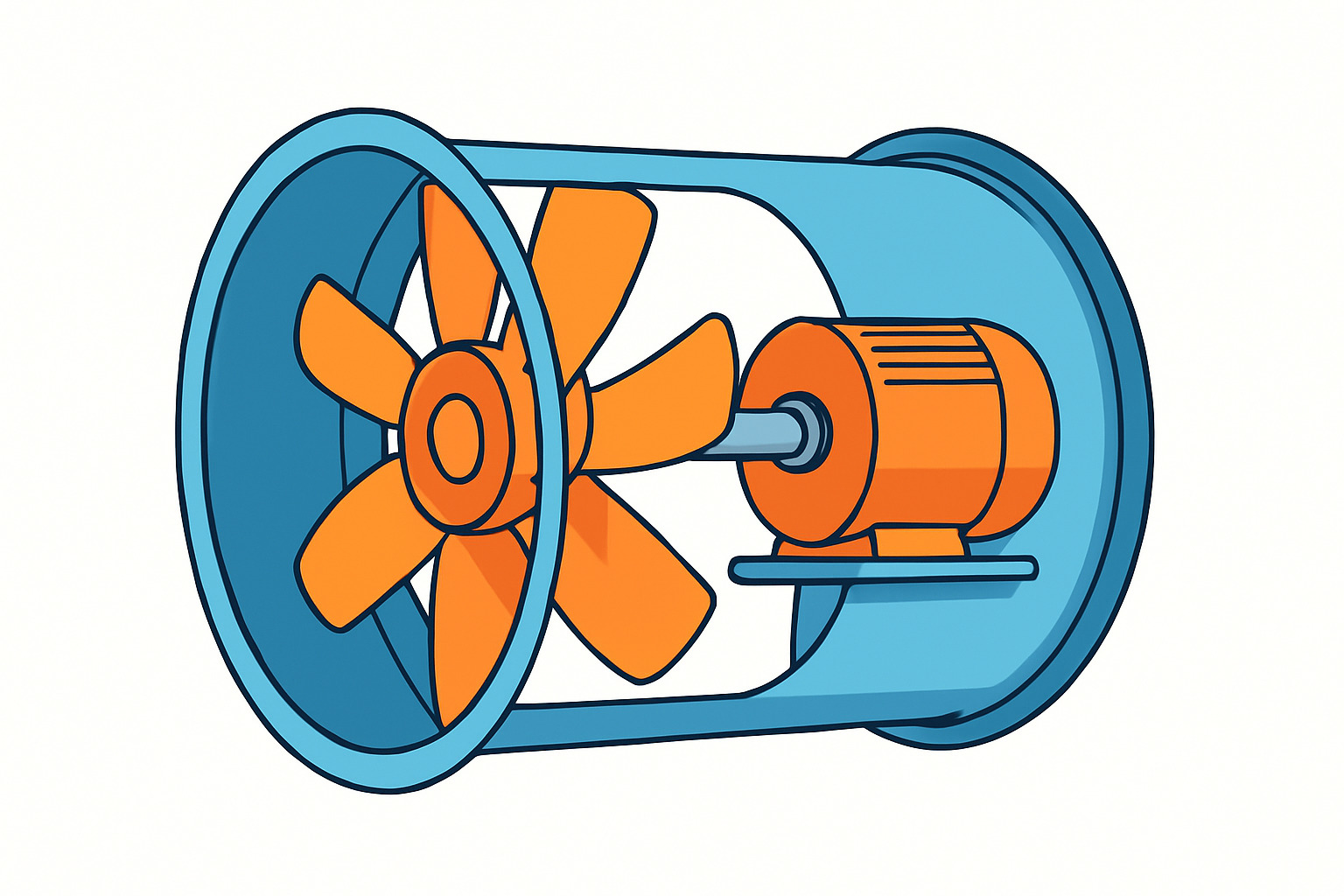
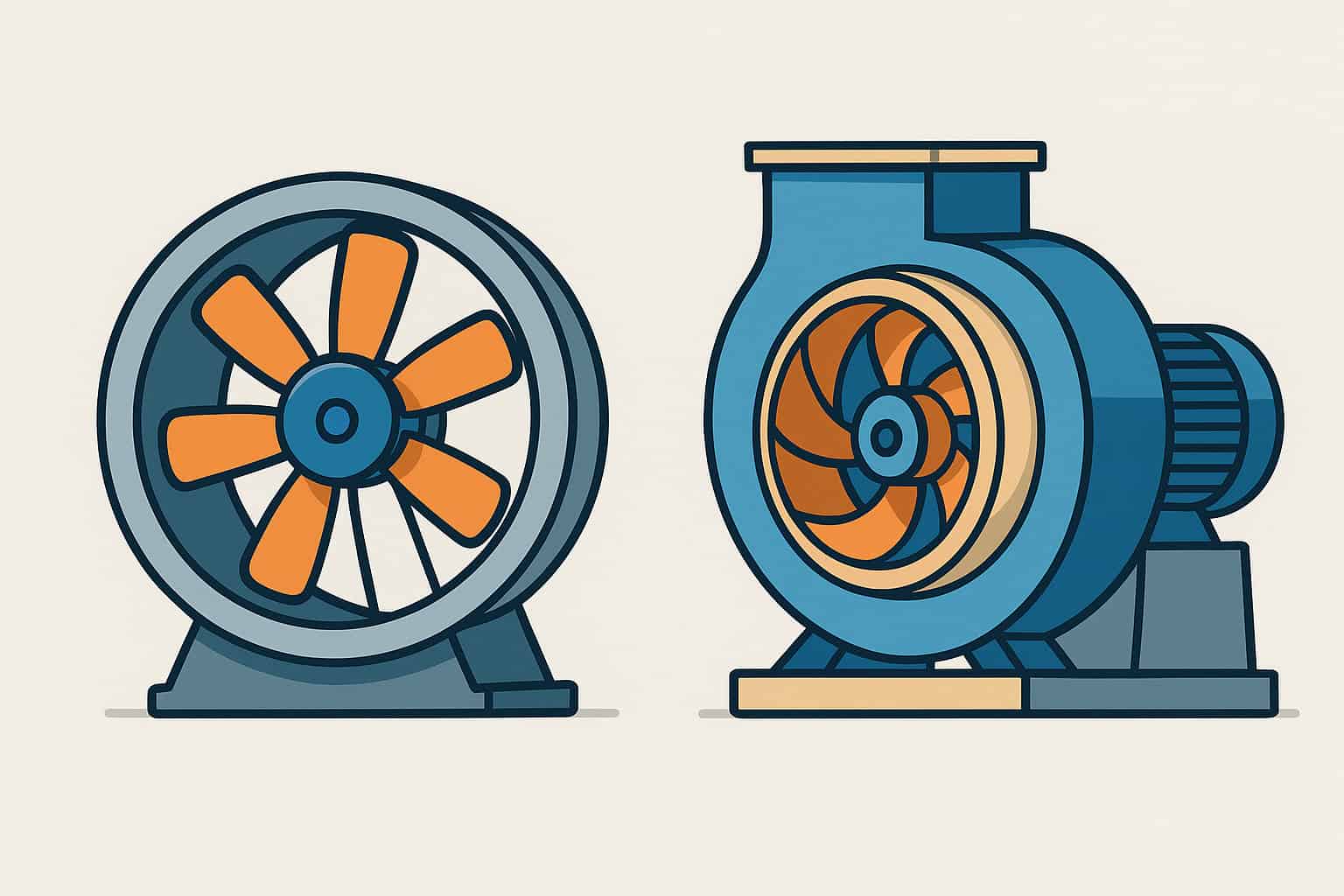
Driving this network are main mine fans, usually large axial or centrifugal ventilation fans installed at surface. They create the pressure difference between intake and return circuits that causes air to flow. Depending on the design, main fans may operate as exhaust fans (pulling air from the mine) or forcing fans (pushing air into the mine), or in mixed configurations. They often run continuously and are sized to provide the total airflow required for people, diesel equipment, and heat removal.
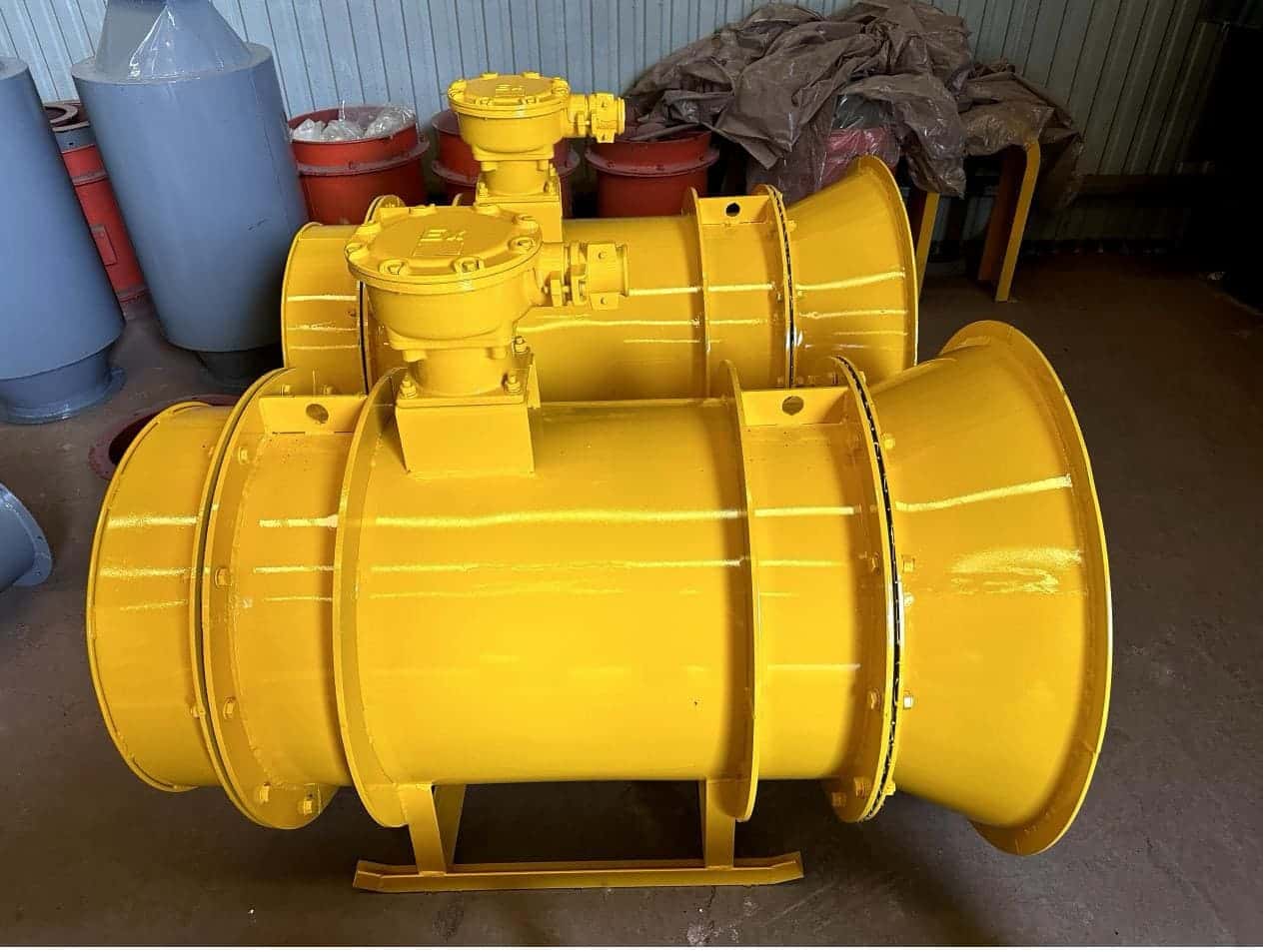
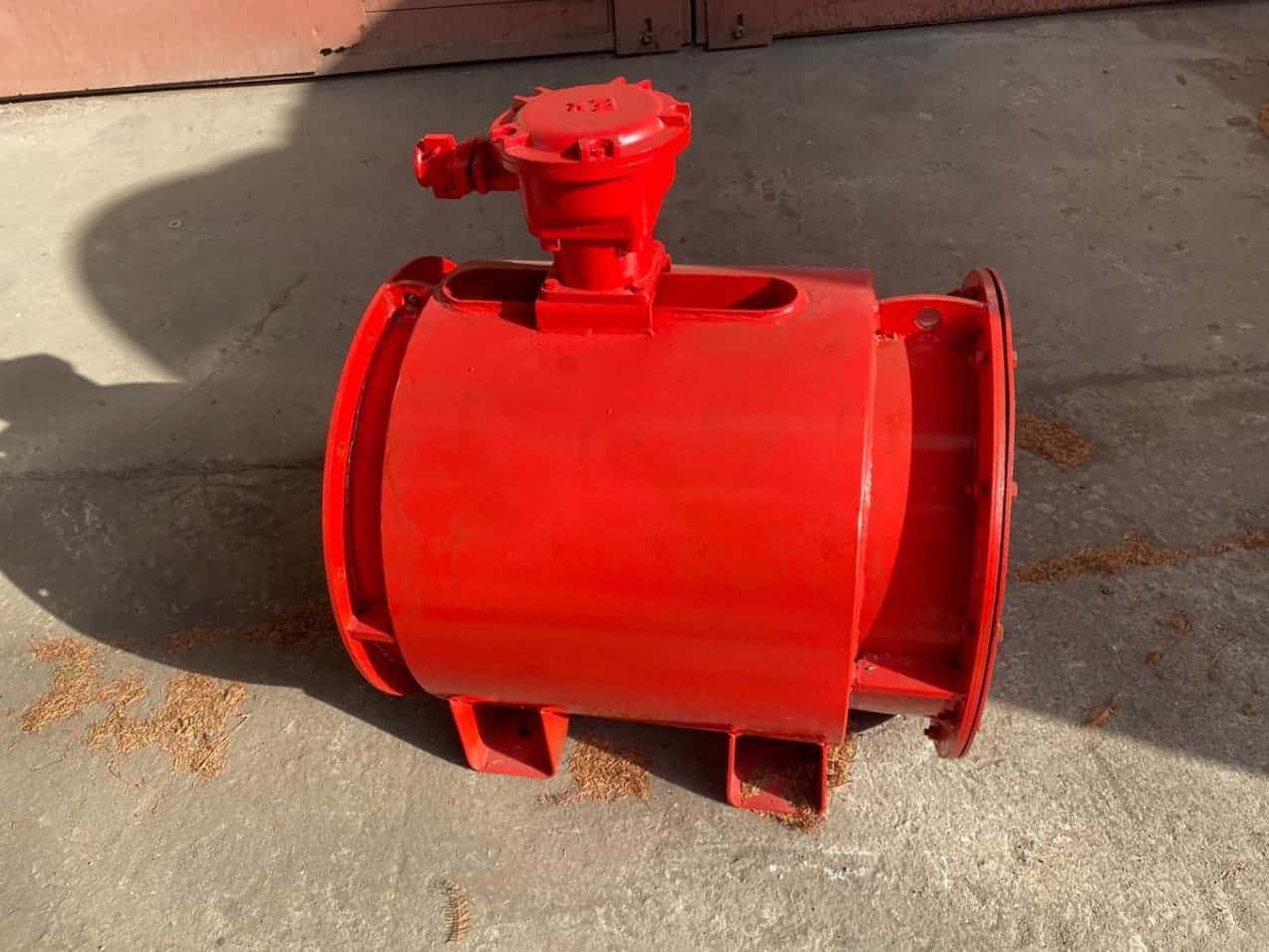
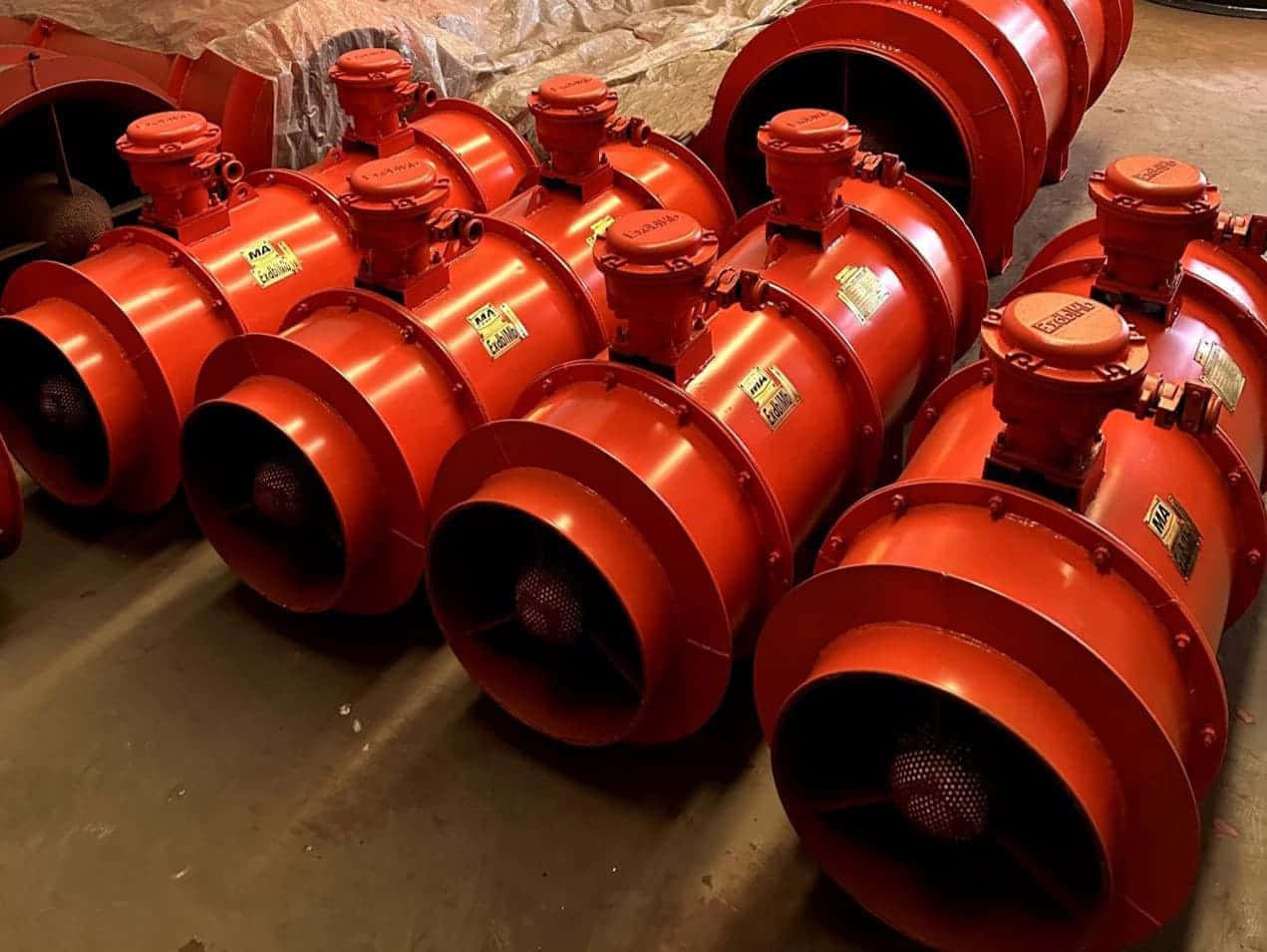
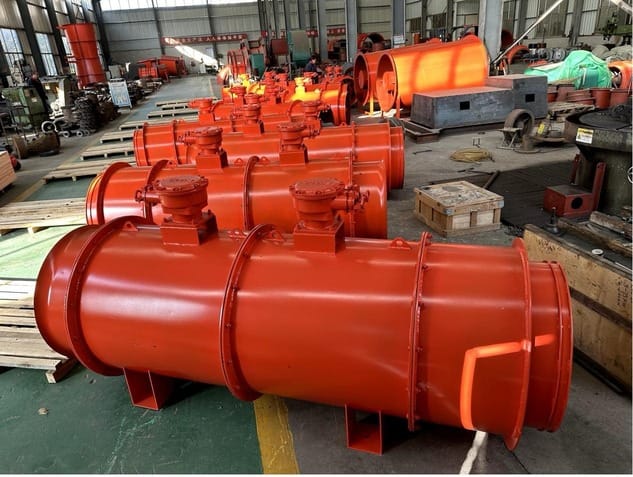
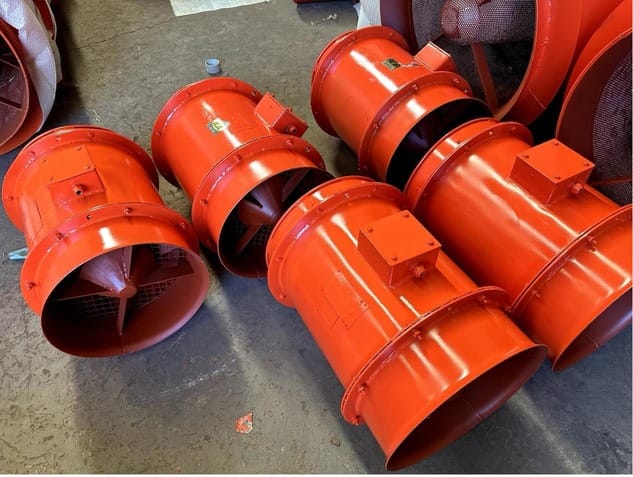
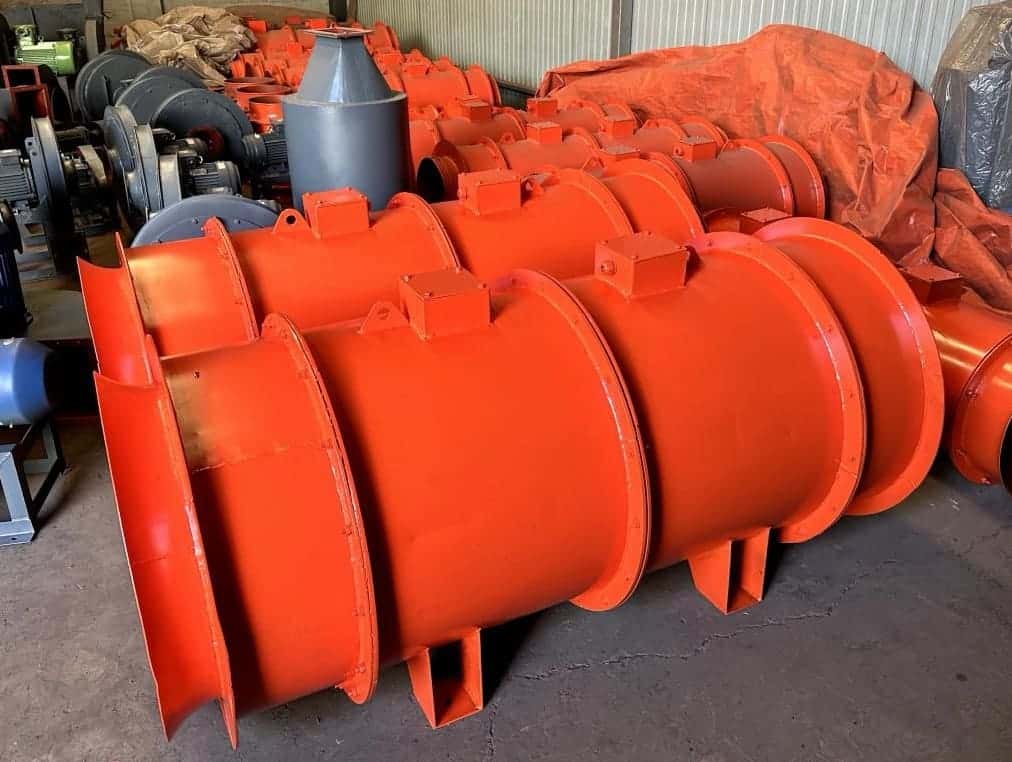
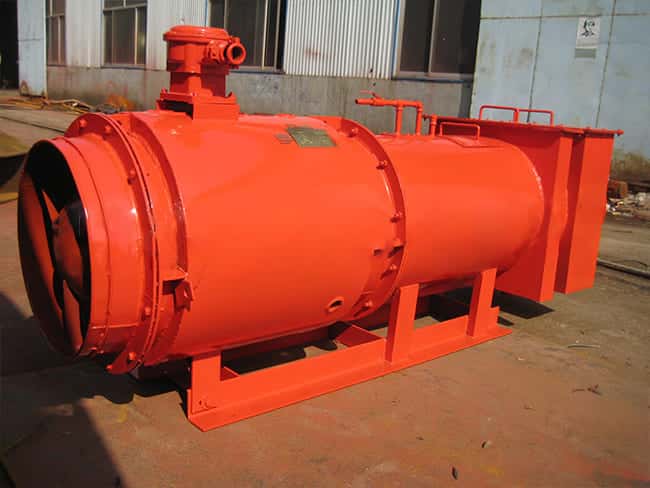
Deeper in the network, some mines use booster fans to increase pressure in particular branches or deep districts where resistance is high. Closer to the face, auxiliary fans and ventilation ducting deliver fresh air to headings, blind ends, and development drives that are not directly in the main intake flow. These smaller fans can be arranged as forcing or exhaust systems depending on gas, dust, and blasting conditions.
A modern mine ventilation system also includes a range of ventilation control devices: stoppings, doors, regulators, air crossing structures, and bulkheads. These elements guide and balance the airflow, ensuring that the right quantities reach priority areas and that contaminated air does not short-circuit back to intakes or occupied zones. Regulators and doors are often adjustable so that engineers can fine-tune the distribution of air as the mine layout evolves.
Finally, the system is supported by monitoring and control. Instruments measure airflow, pressure, gas levels, and temperature in key locations. Data are used to verify compliance with regulations, adjust fan settings, and refine the ventilation plan. Some operations implement ventilation on demand, where fan speeds and regulator positions are automatically adjusted based on where equipment and personnel are working.
In summary, the ventilation system in a mine is a complete airflow management network, combining main, booster, and auxiliary fans with carefully designed airways and control devices. Its purpose is to provide safe, clean, and thermally acceptable air to every part of the mine while efficiently removing contaminants and heat to surface.
