
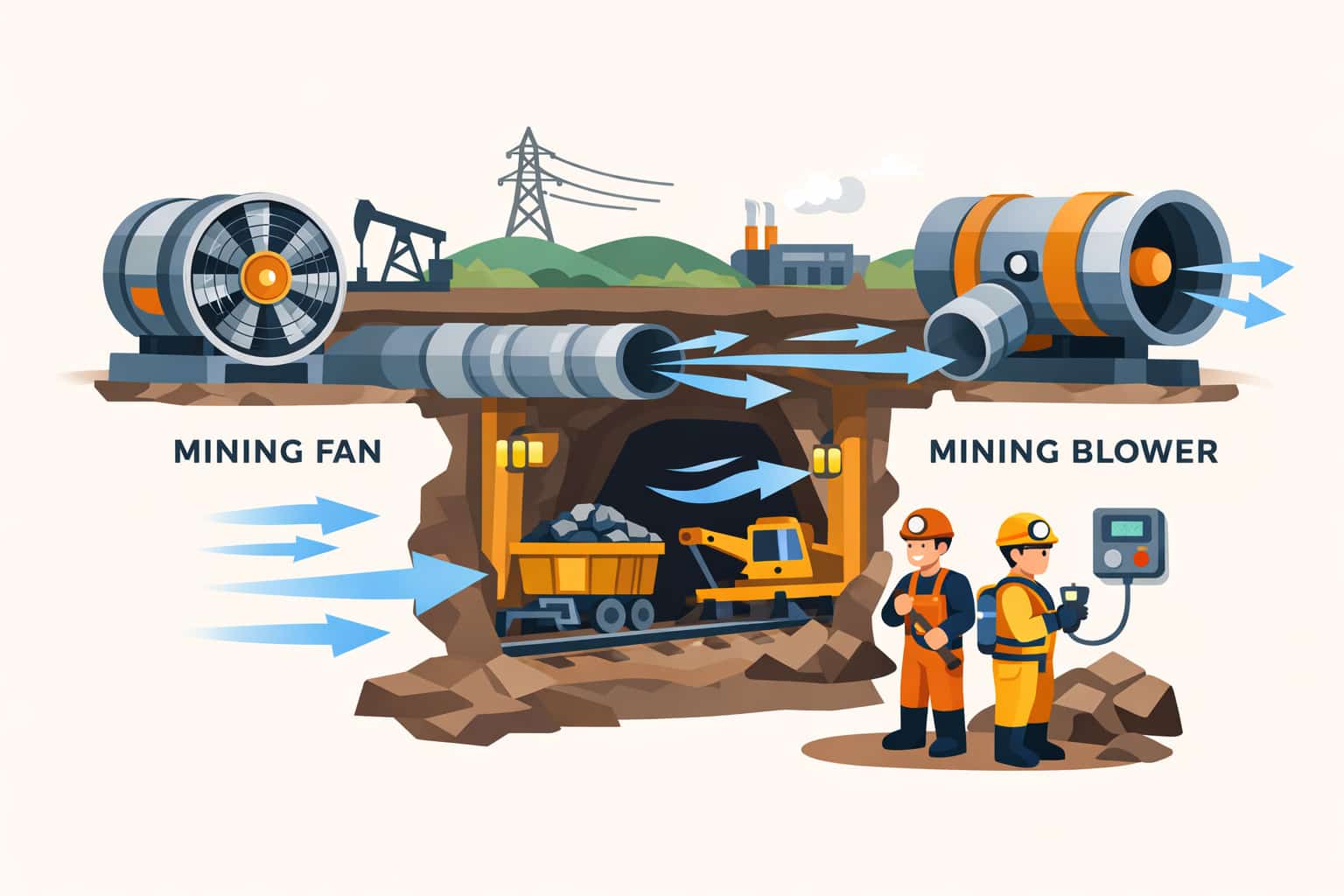
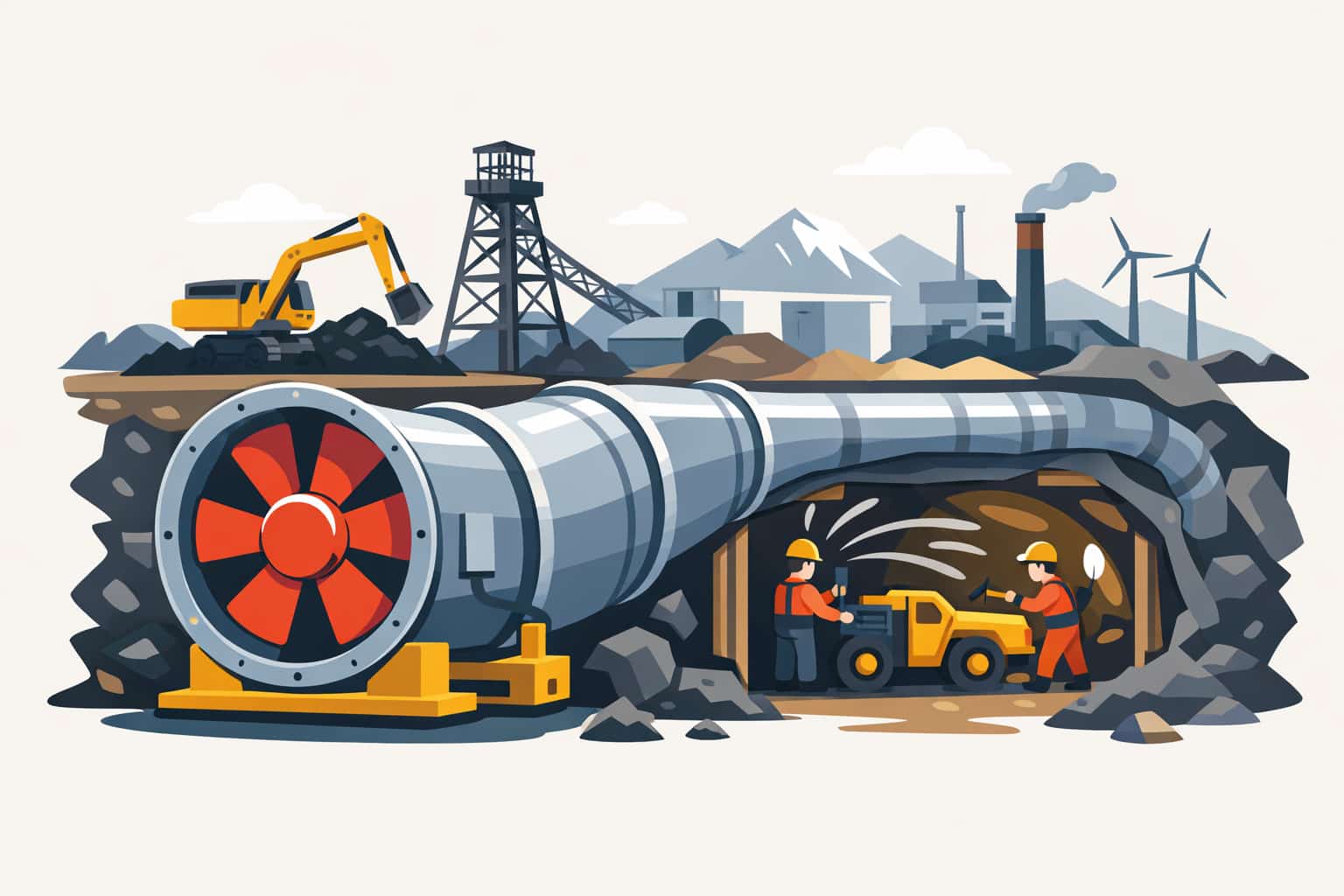
An underground mine ventilation system is a connected network of airways, fans, and control devices designed to deliver fresh air to all working areas and remove contaminated air through controlled return routes. Because a mine continuously changes as it develops, the ventilation system must be both engineered and actively managed to keep airflow stable, safe, and sufficient for production demands.
Main components of an underground mine ventilation system
- Intake airways: routes that bring fresh air from surface into the mine. These are kept as clean as possible because they supply the air that workers and equipment depend on.
- Return airways: routes that carry used and contaminated air back toward exhaust points. Returns must be designed to handle contaminants safely and avoid leakage into intakes.
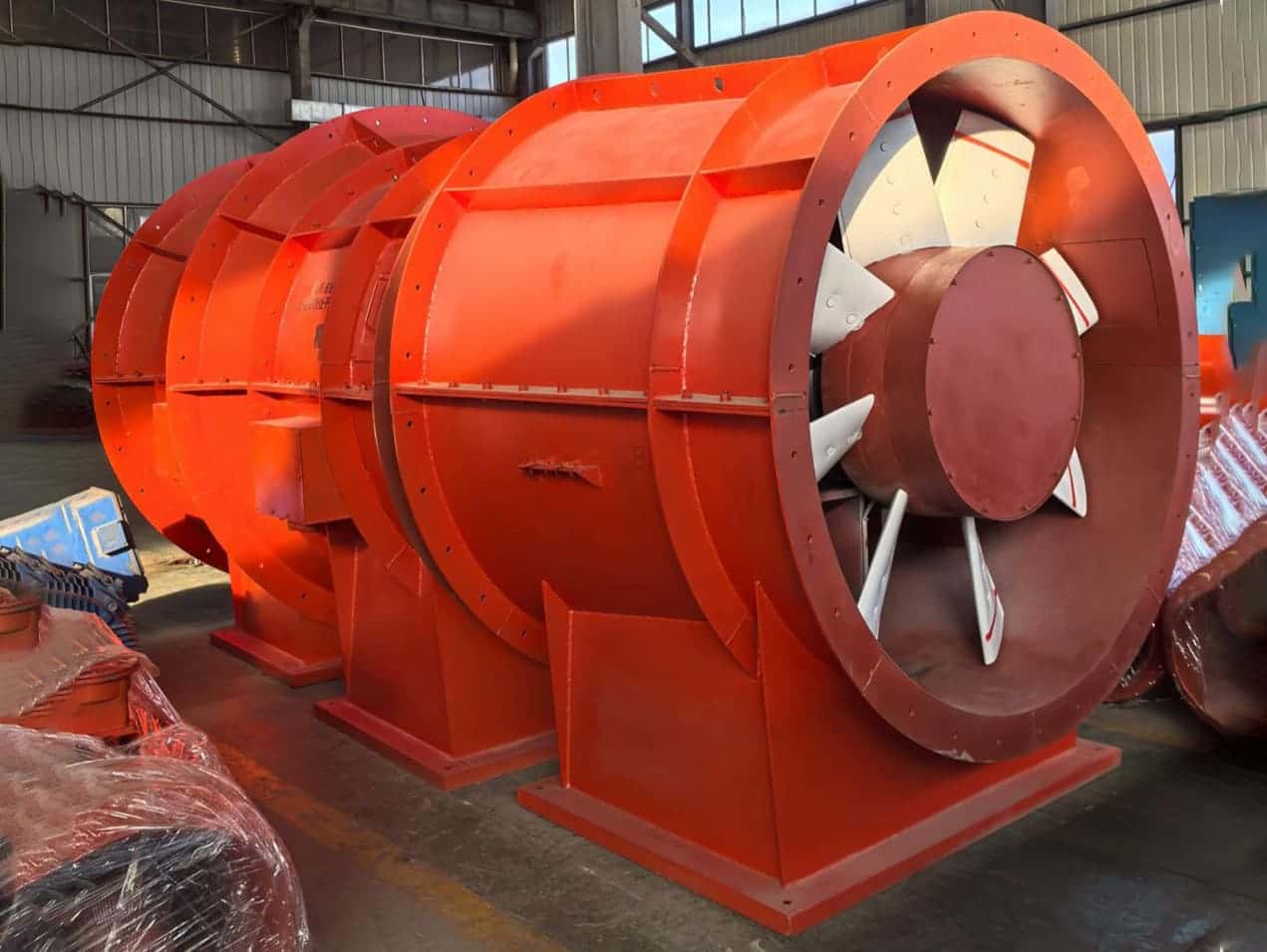
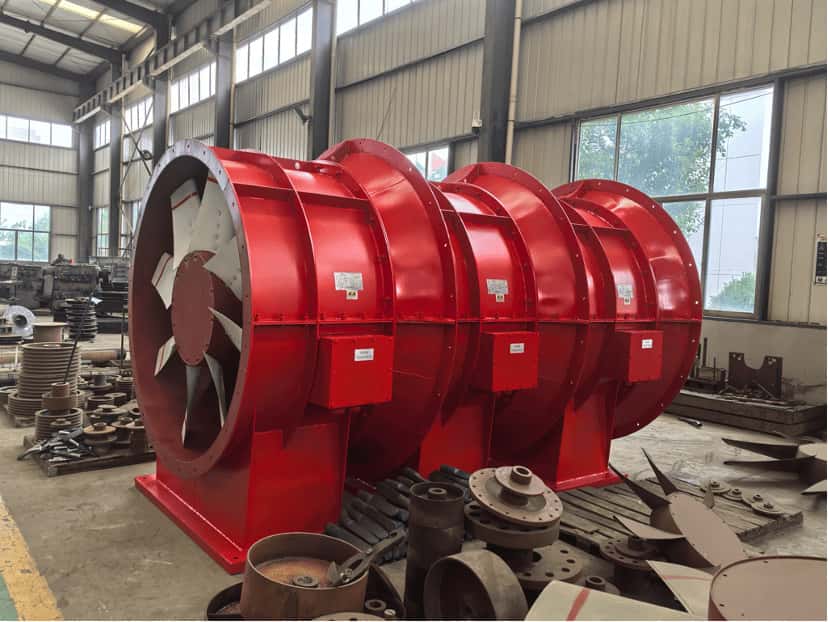
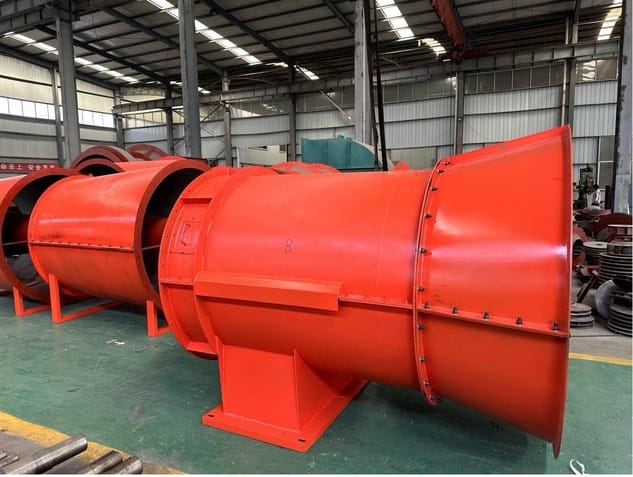
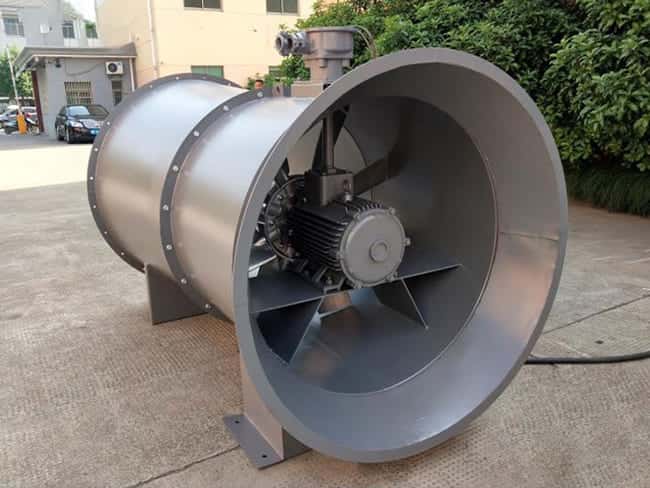
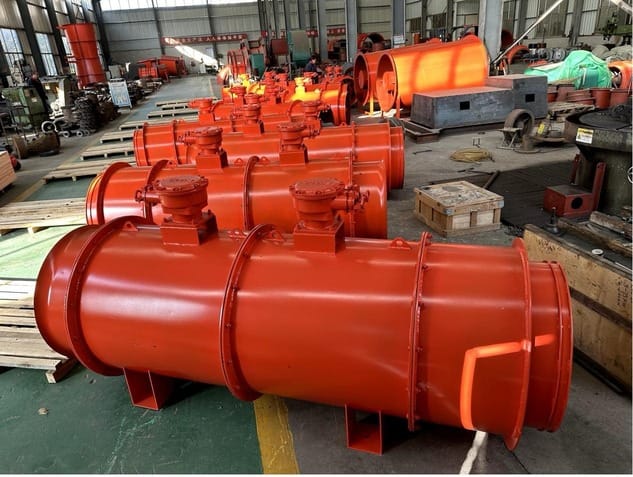
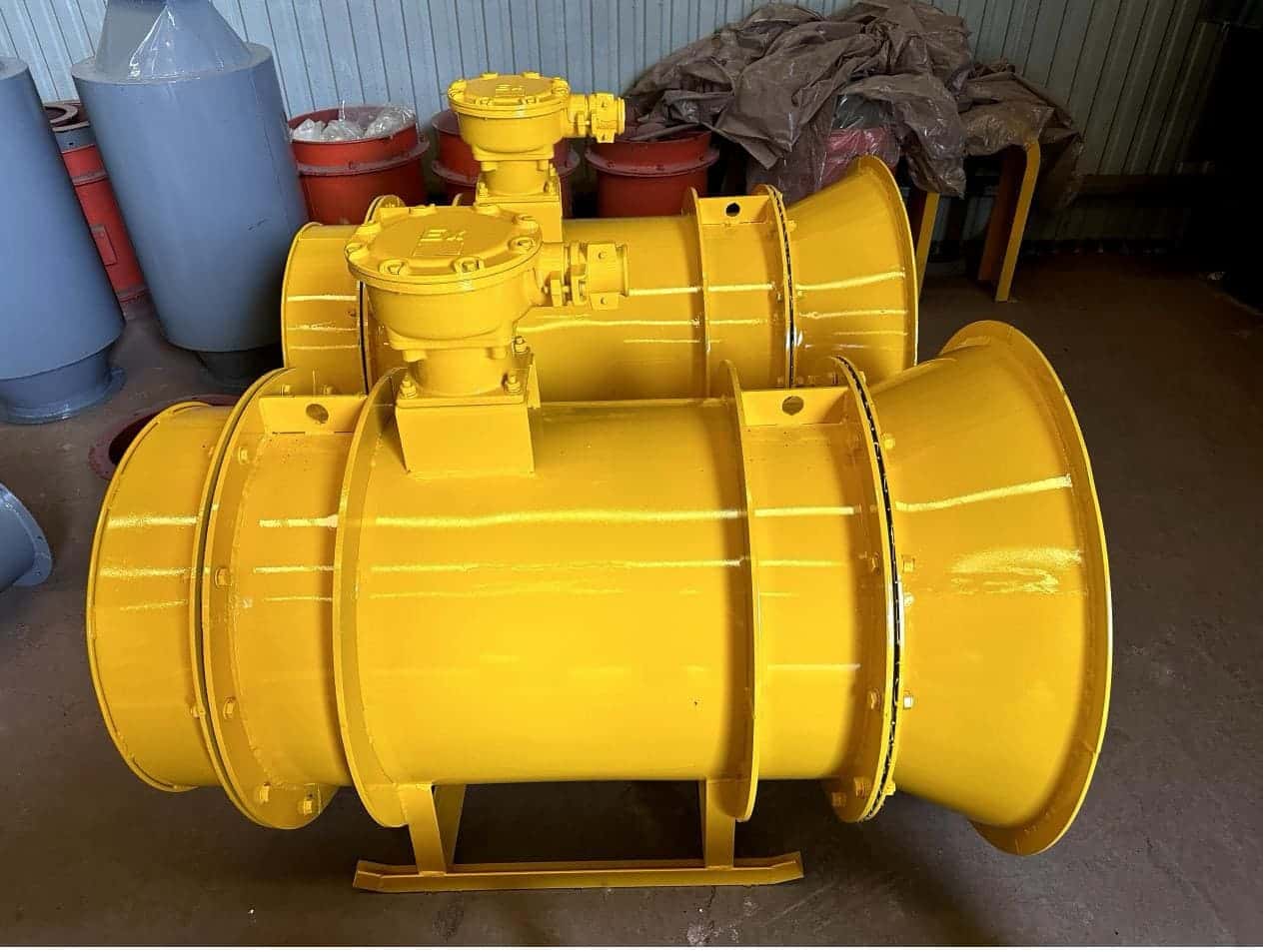
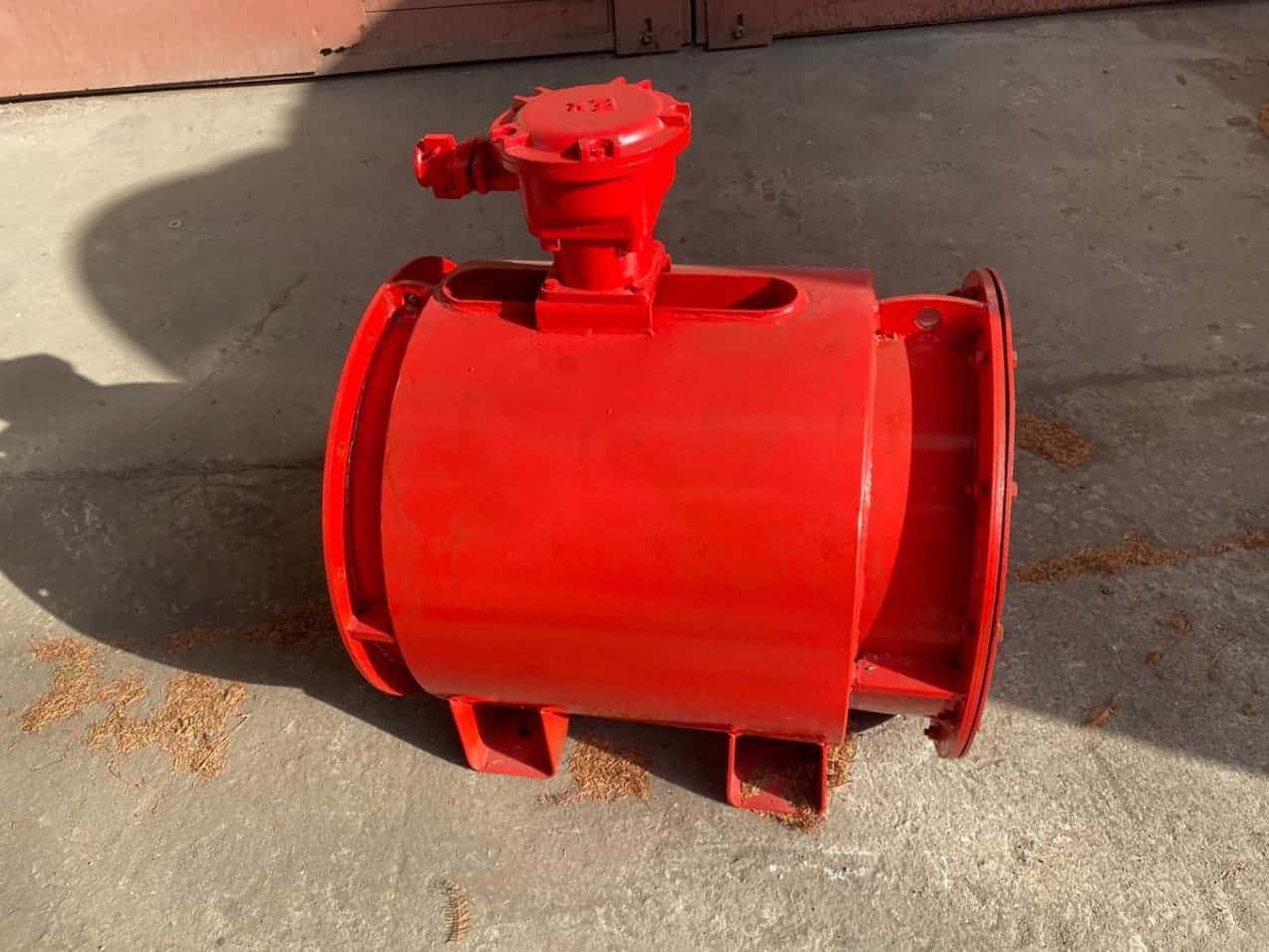
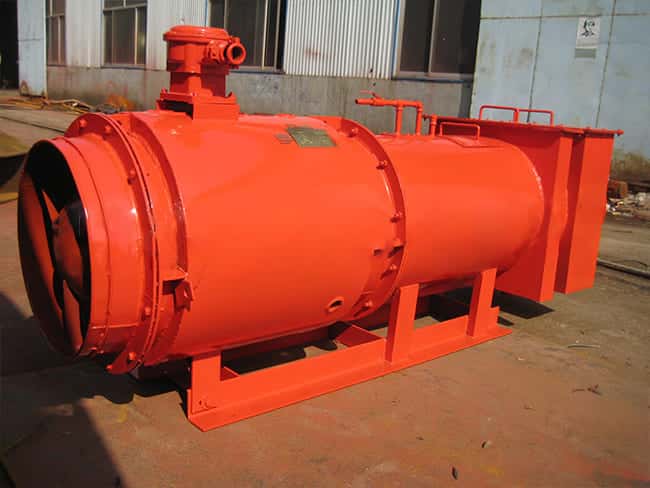
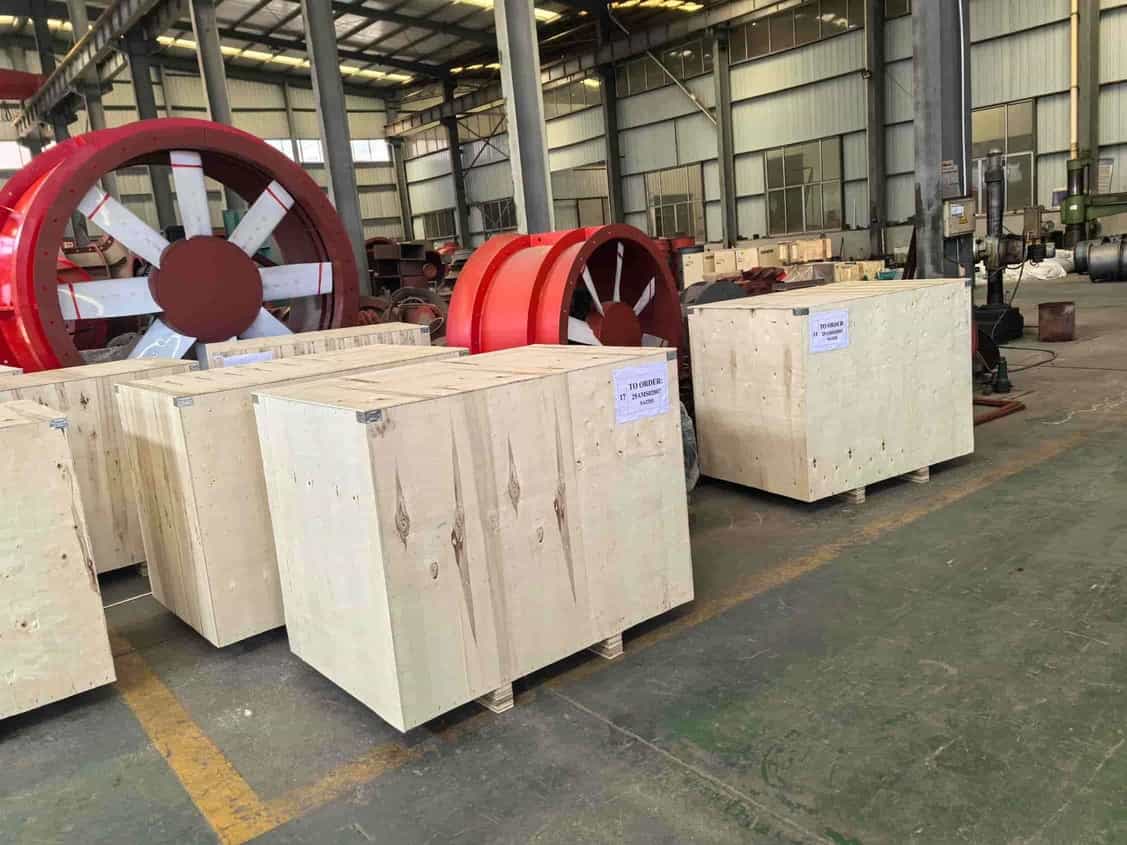
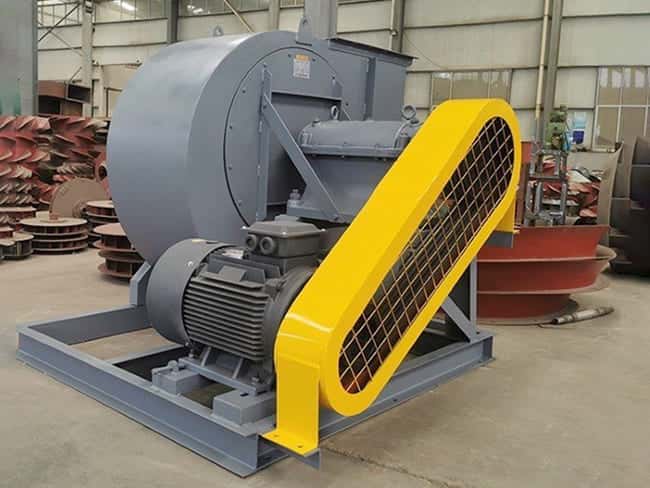
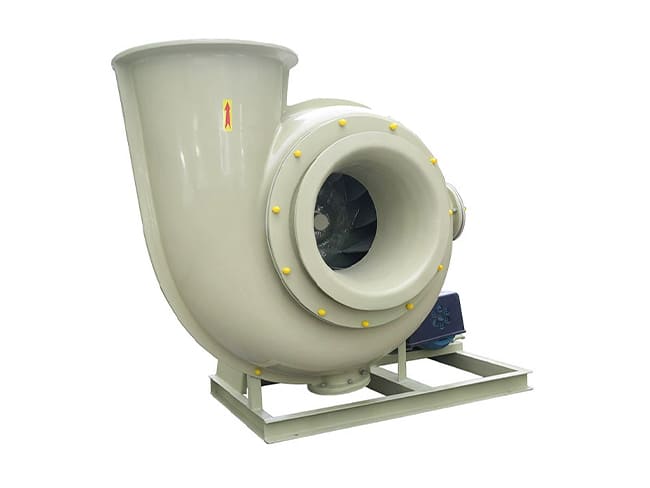
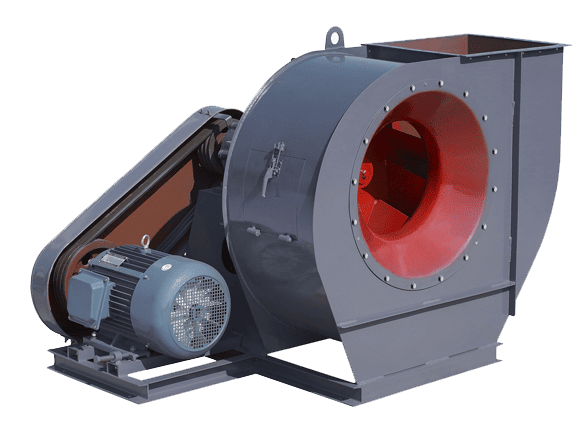
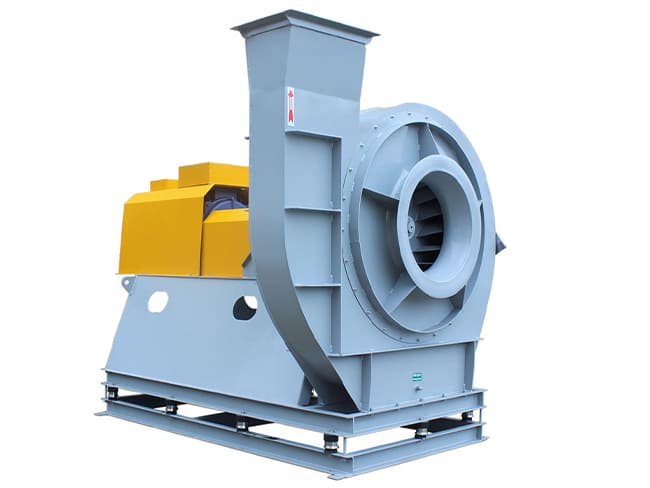
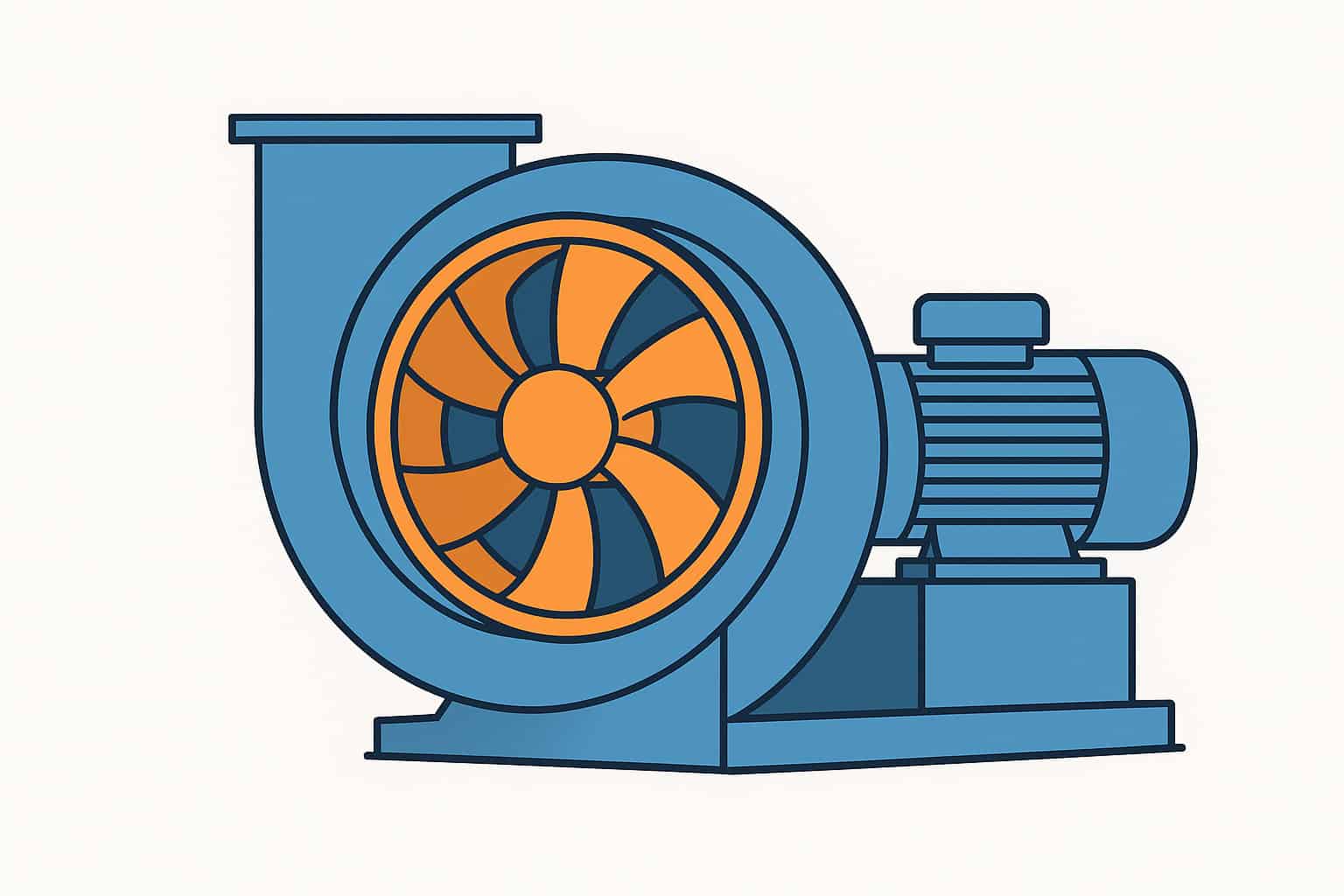
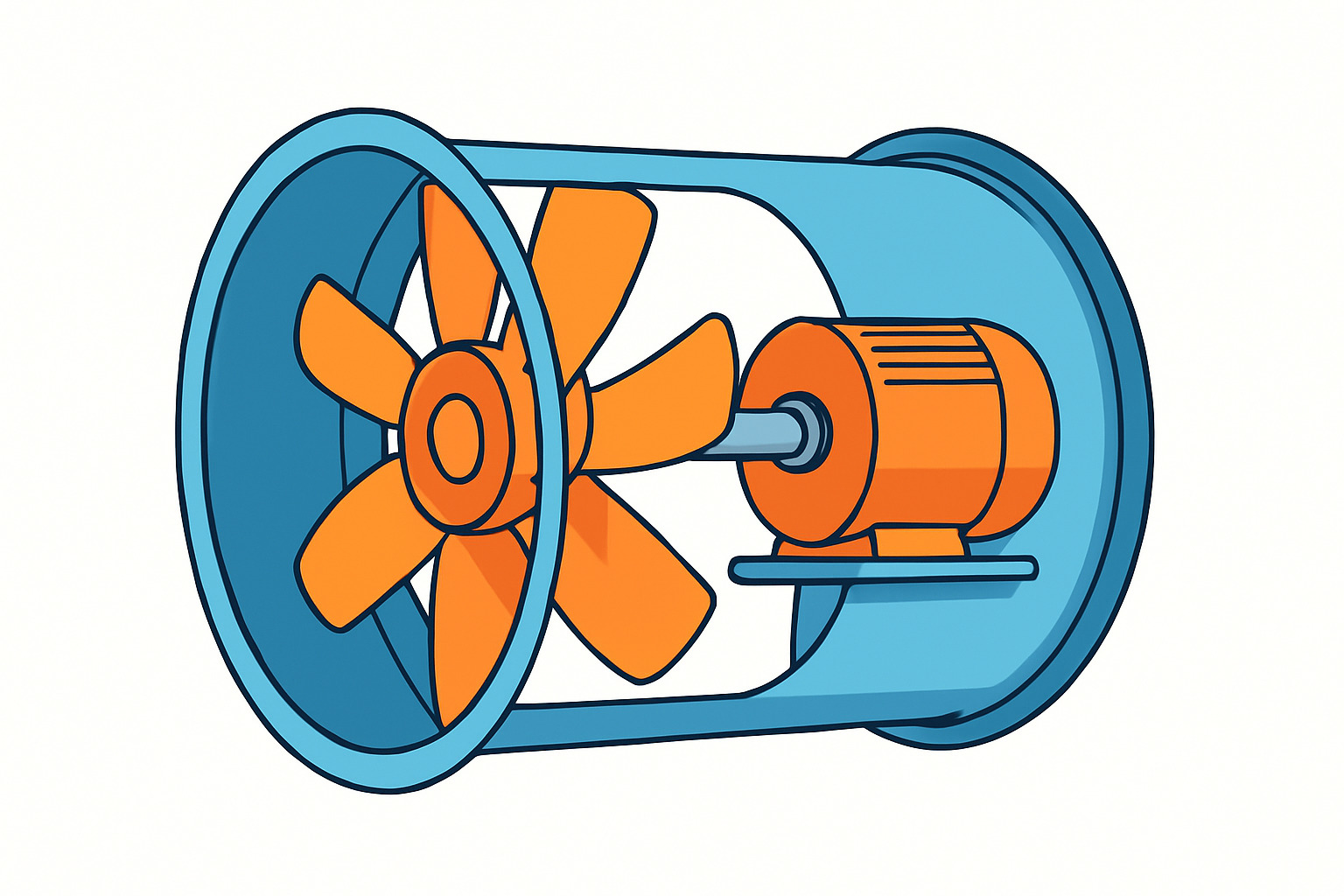
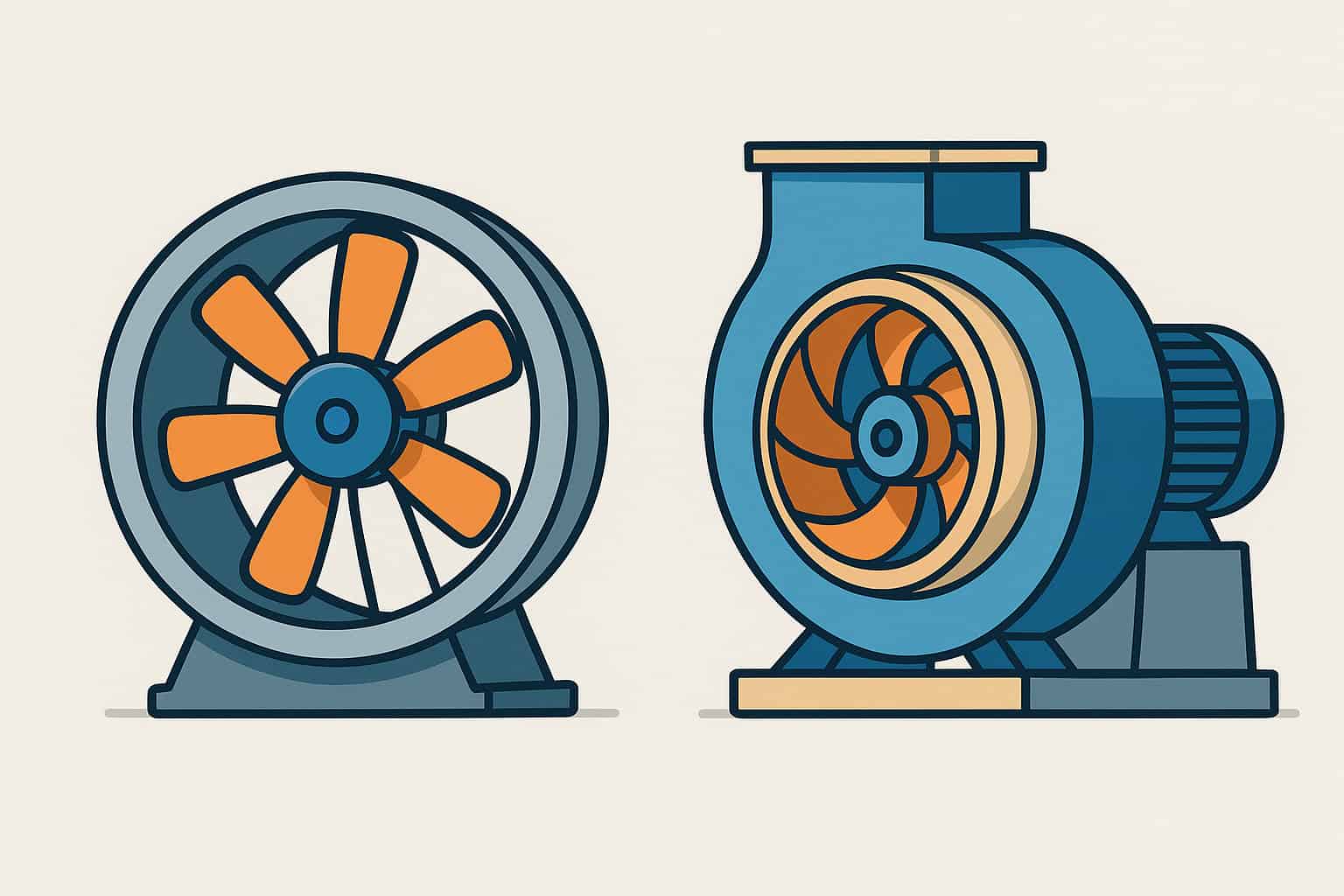
- Main fans (primary ventilation fans): installed at surface fan stations connected to shafts or portals. They provide the pressure difference that drives airflow through the entire network.
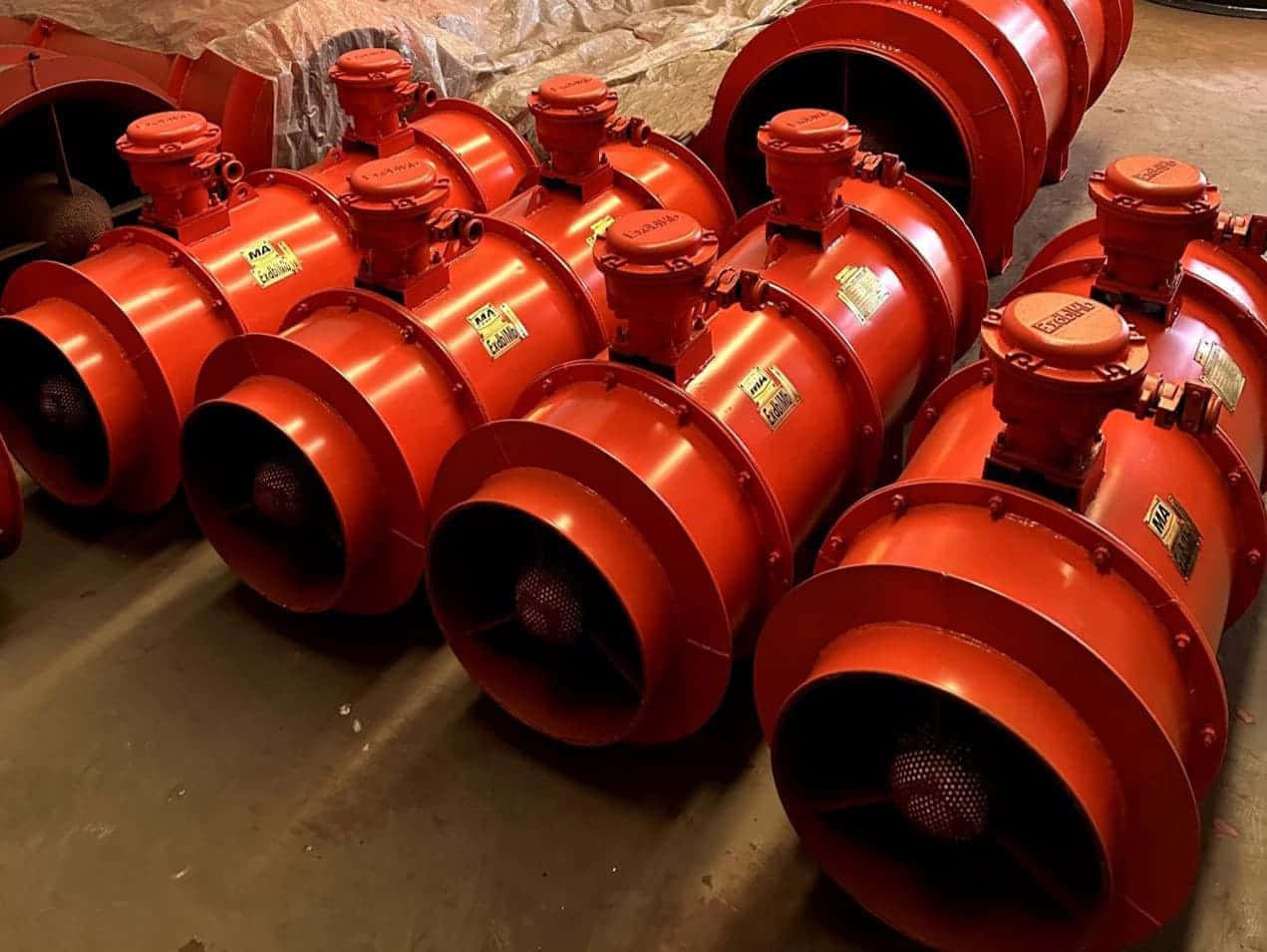
- Booster fans (when used): installed within the network to add pressure and increase airflow in specific districts, especially in deep or high-resistance areas.
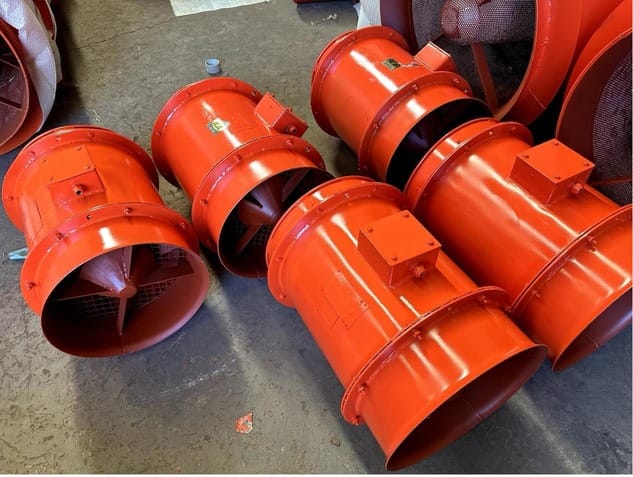
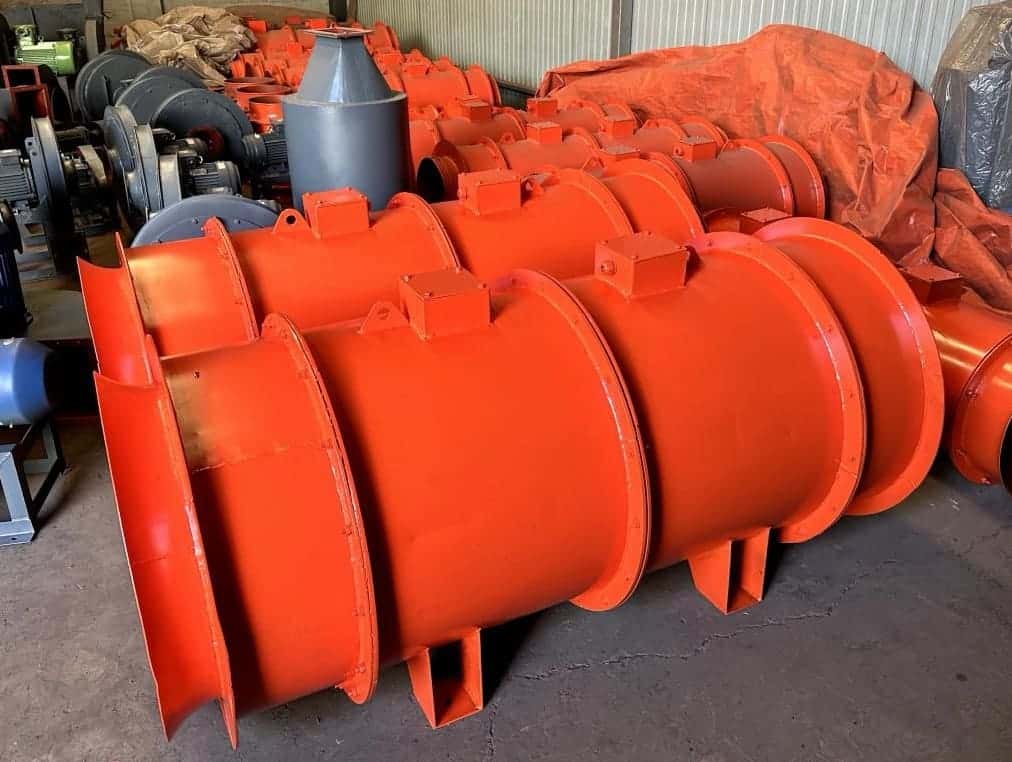
- Auxiliary ventilation: local fans and ducting used at headings and blind ends to deliver air to advancing faces or remove fumes and dust where network airflow is insufficient.
- Ventilation control devices: regulators, doors, stoppings, seals, and overcasts/undercasts used to direct airflow, balance districts, prevent short-circuiting, and limit leakage.
How the system works in practice
The main fan creates a pressure difference between intake and return routes. Air follows the path of least resistance, so the network must be shaped by design and controls to ensure each district receives the required quantity. As new headings advance, resistance increases and airflow splits can change, which is why ventilation controls and periodic network adjustments are part of normal mine operations.
Key performance objectives
- Deliver required airflow to workplaces: sufficient volume must reach active areas, including production zones and development headings.
- Dilute and remove contaminants: dust, diesel exhaust, and blasting fumes must be transported into returns and exhausted.
- Control heat and humidity: maintain workable conditions and reduce heat stress risk, especially in deep mines.
- Maintain stable airflow direction: prevent contaminated air from flowing into intake routes or recirculating.
Monitoring and ongoing management
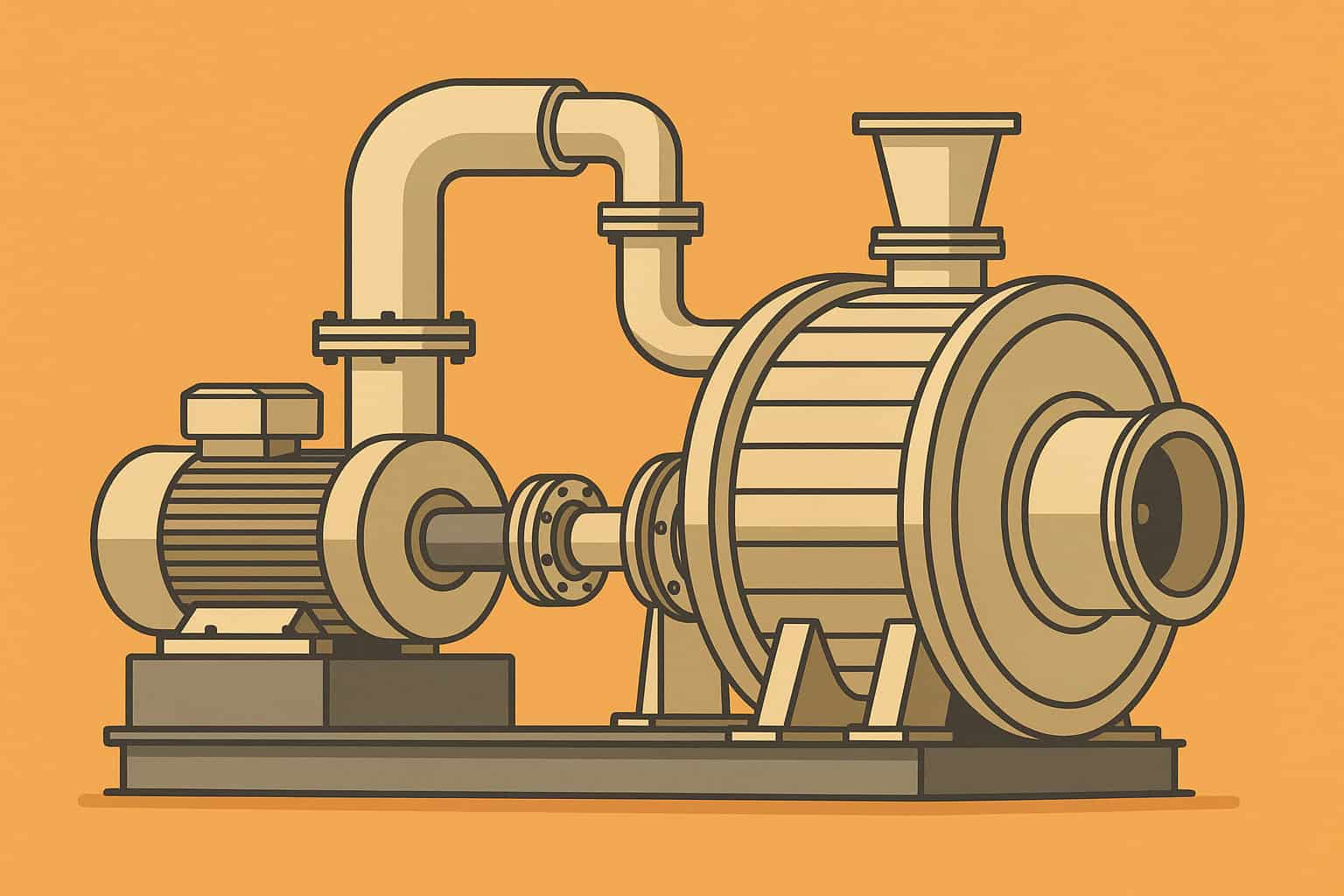
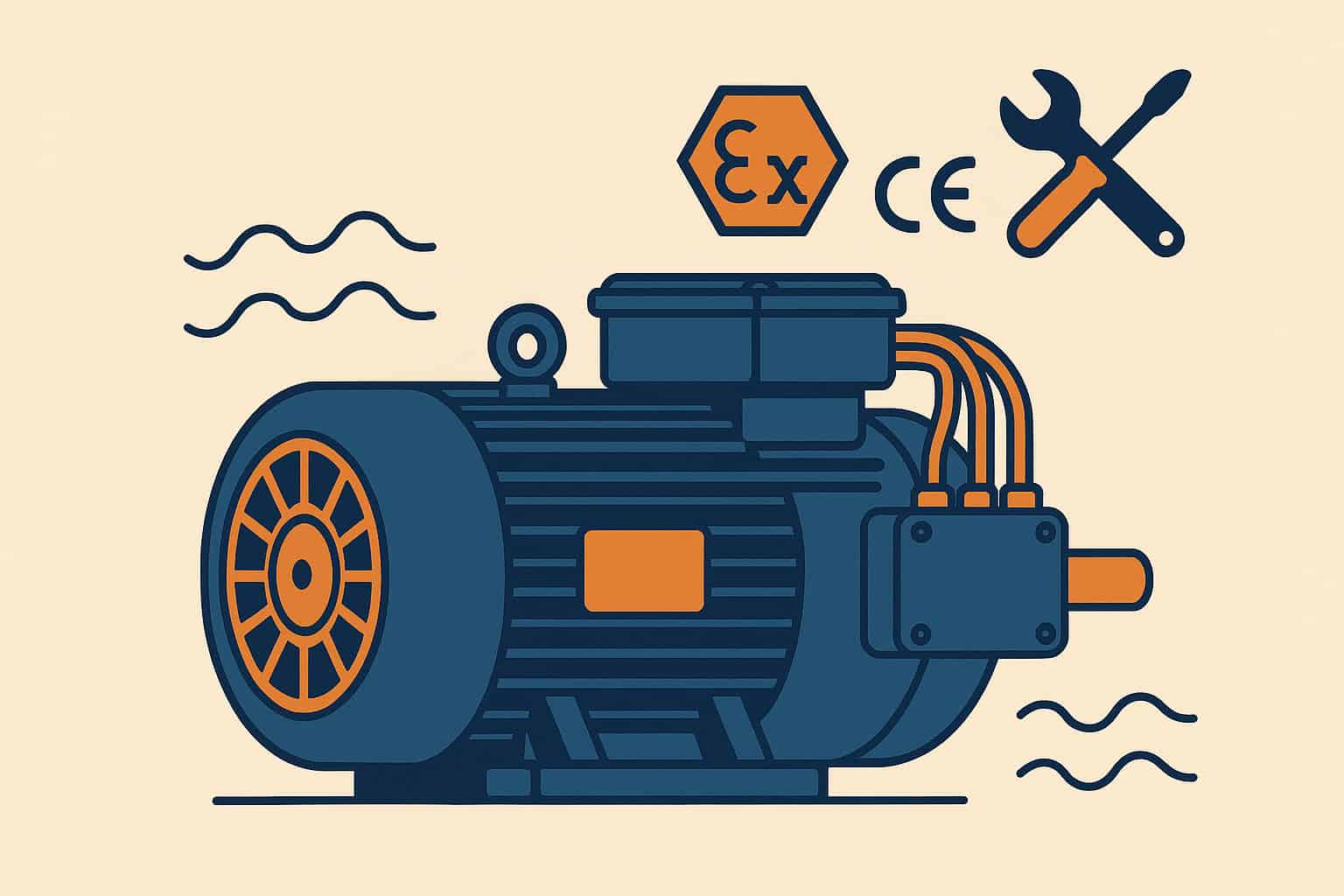
A ventilation system is only effective if it is monitored and maintained. Mines typically measure airflow and pressure at key points, inspect doors and stoppings for leakage, maintain fans and motors, and ensure auxiliary ducting remains intact. Good discipline is essential: leaving doors open or damaging ducting can quickly reduce airflow to critical workplaces.
In summary, an underground mine ventilation system is an engineered airflow network built from intakes, returns, fans, and controls. It is designed to provide safe air quality and thermal conditions while supporting production, and it must be continuously adjusted as the mine layout and operating demands evolve.