
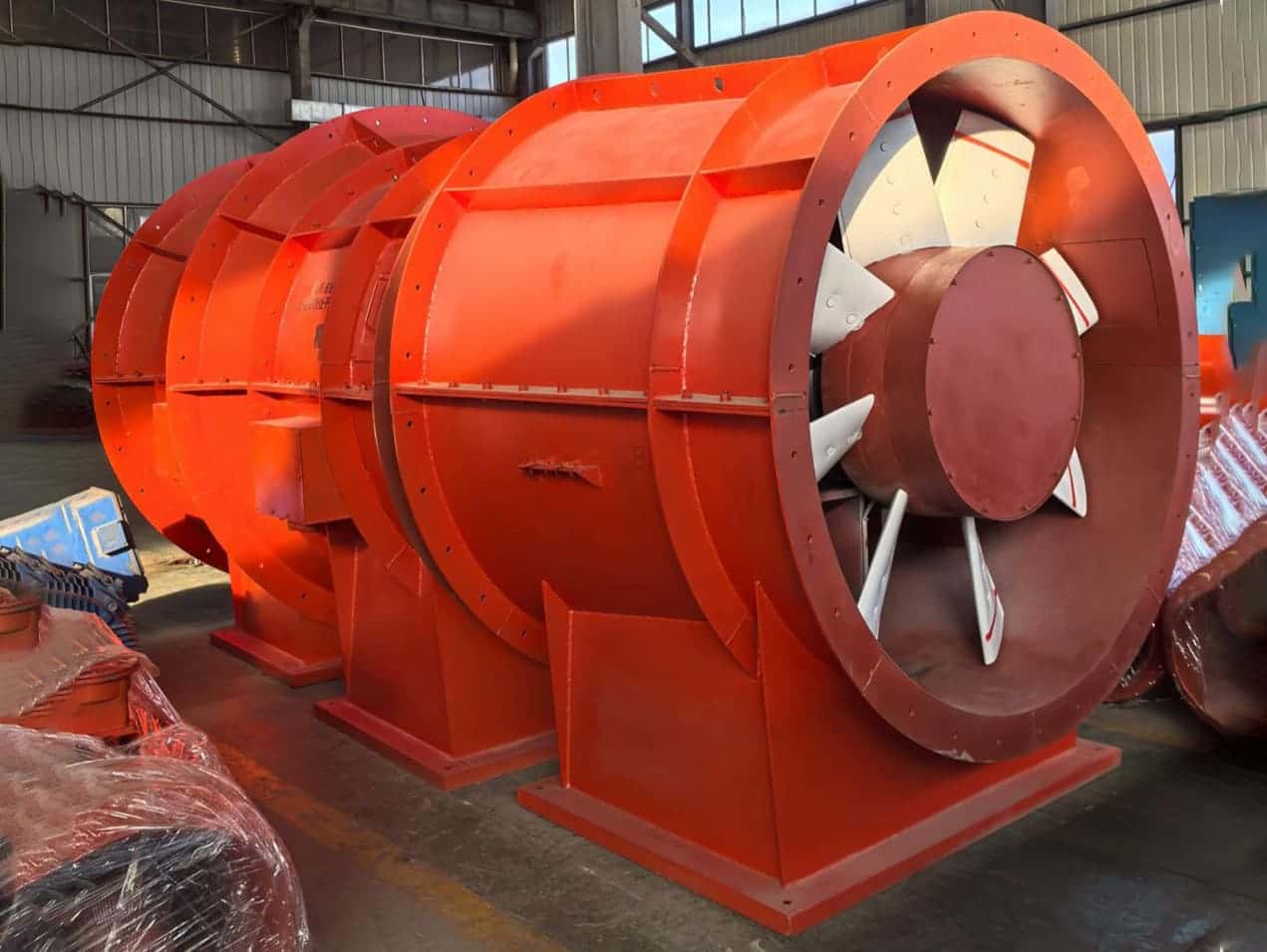
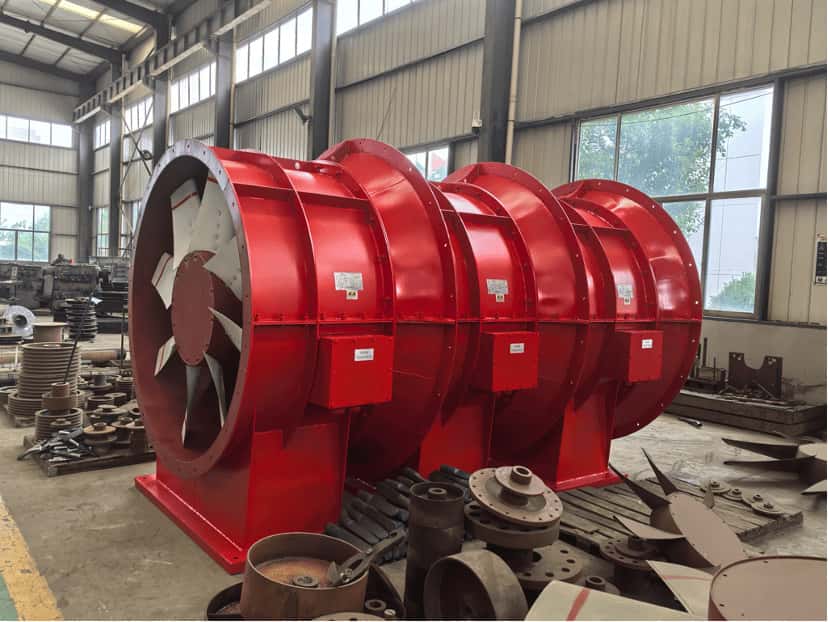
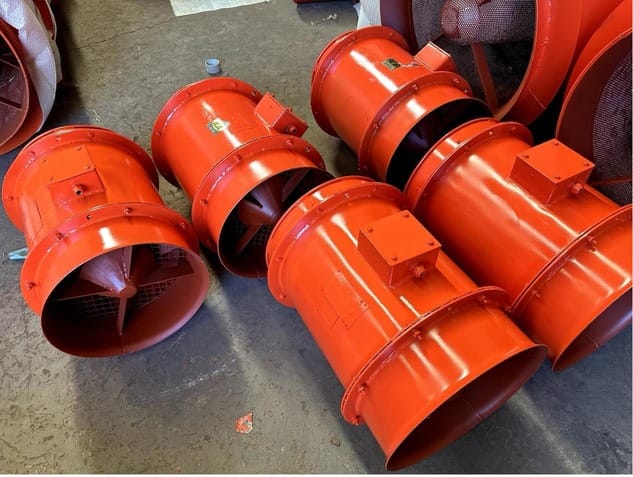
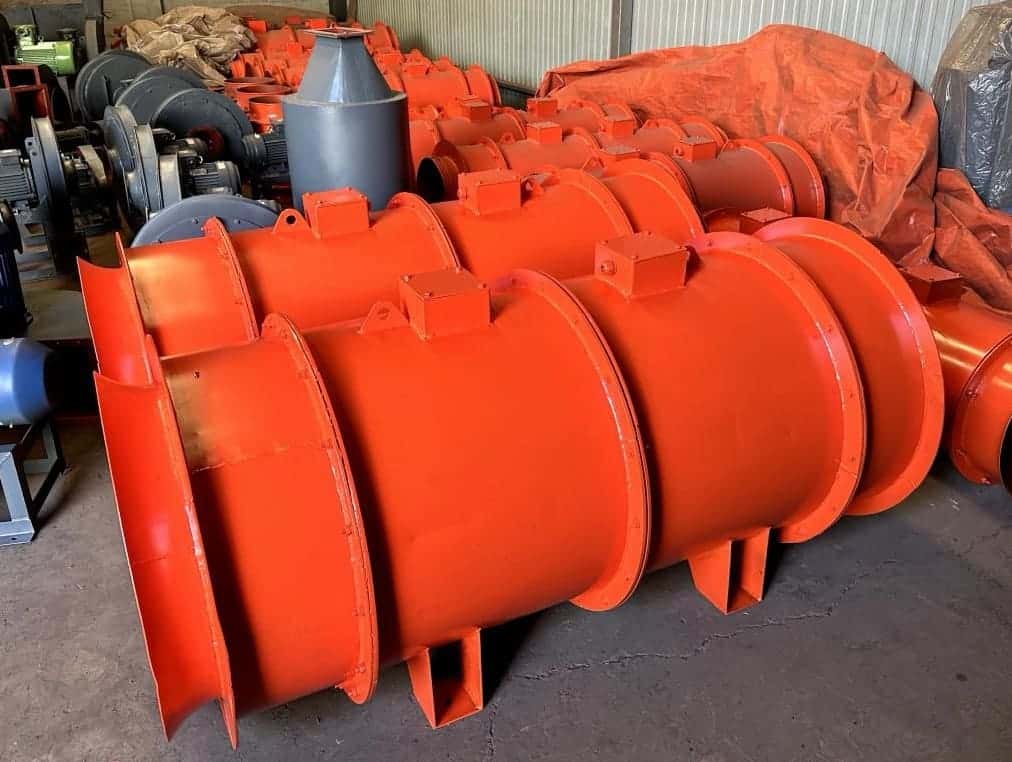
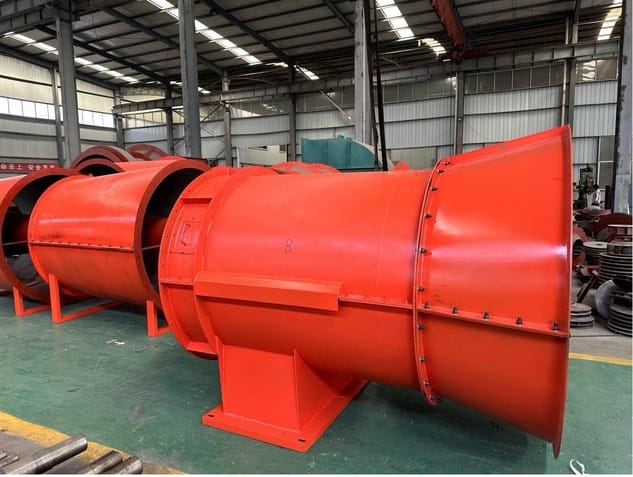
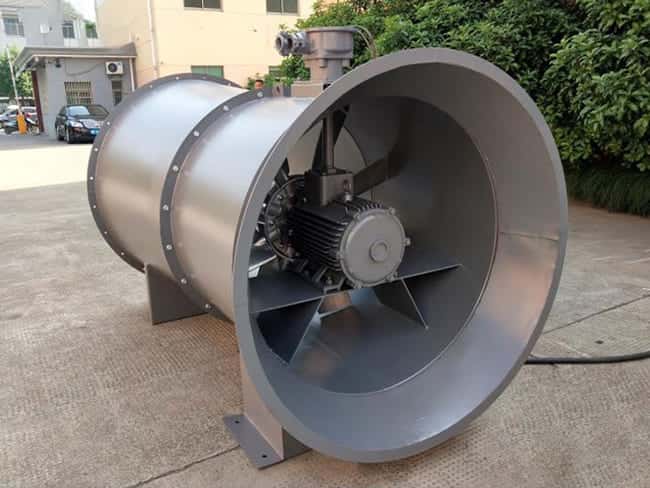
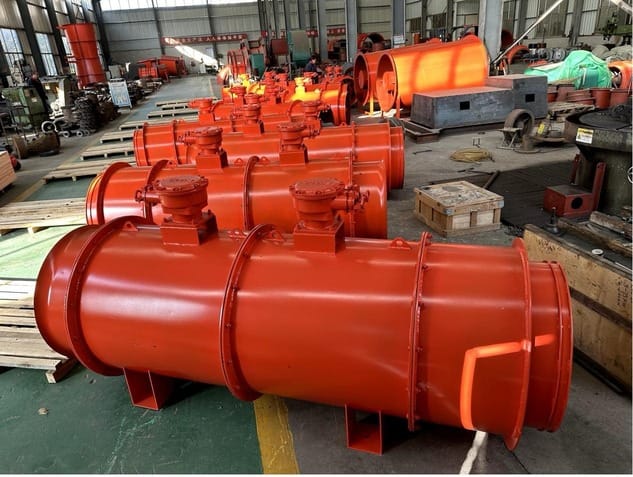
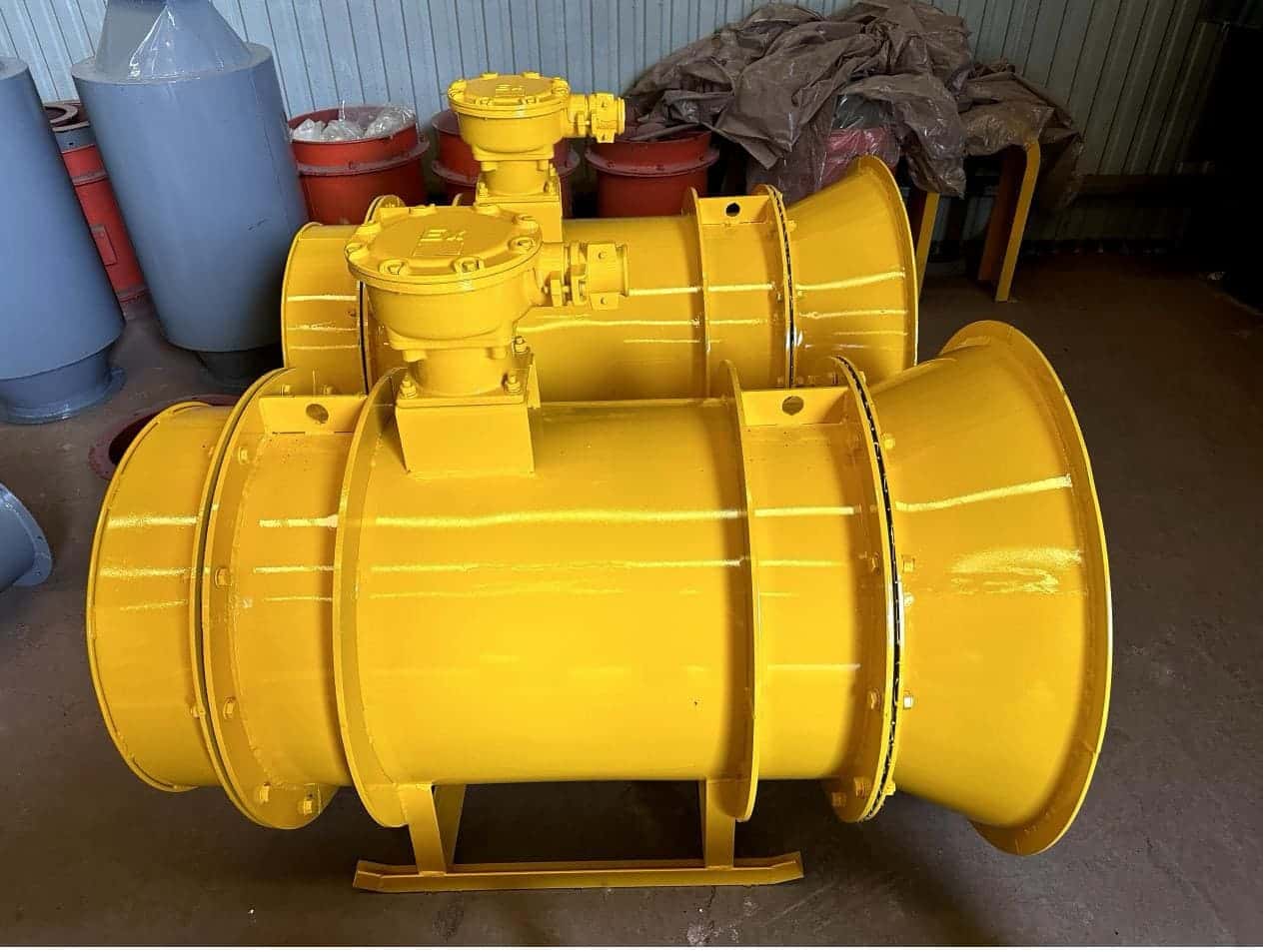
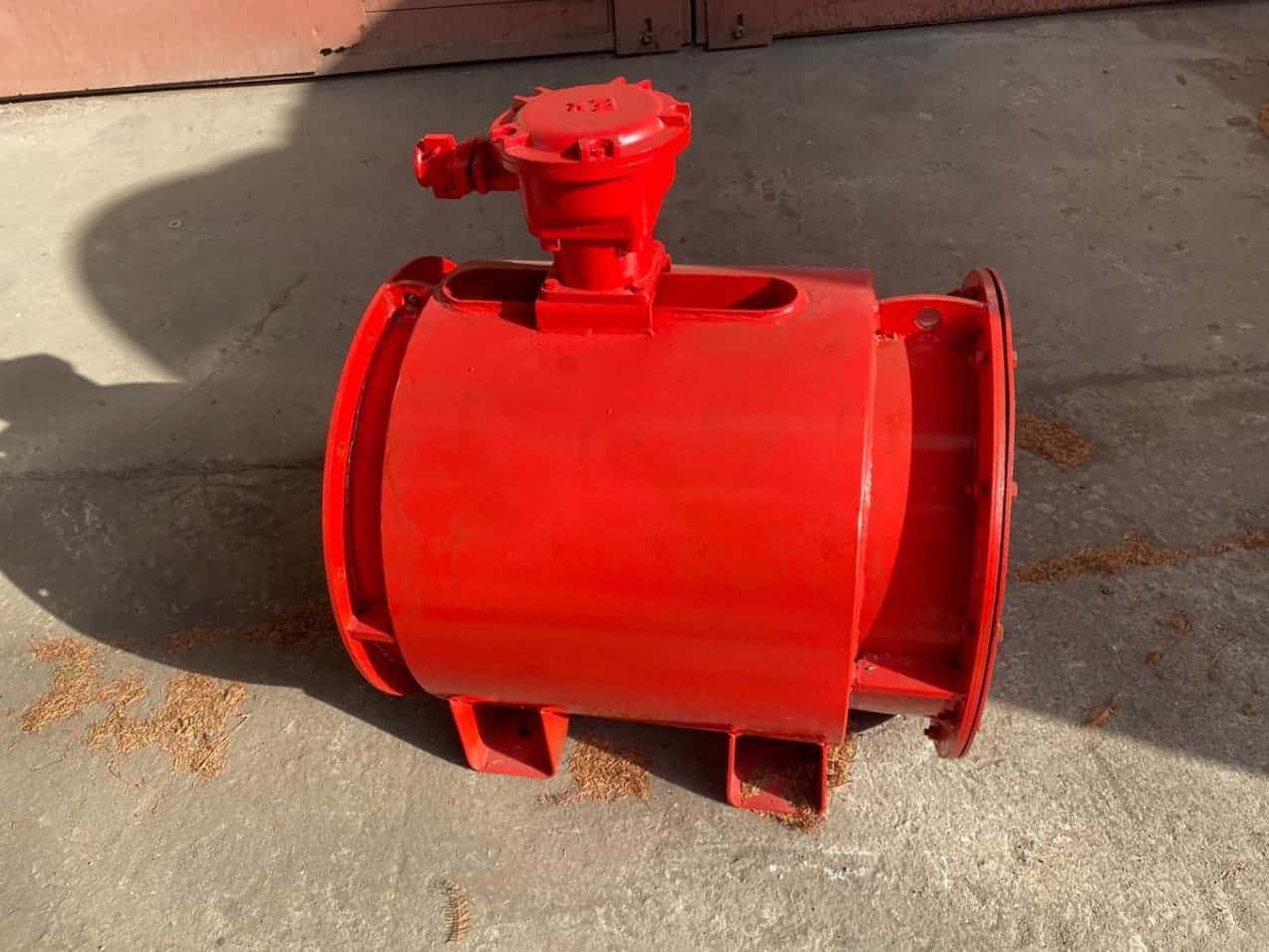
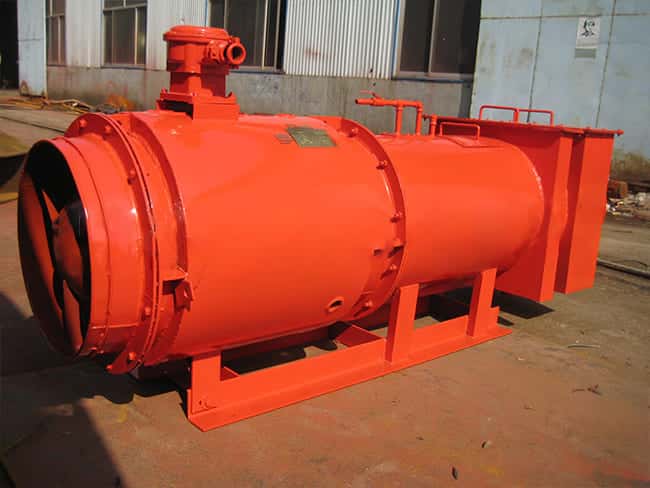
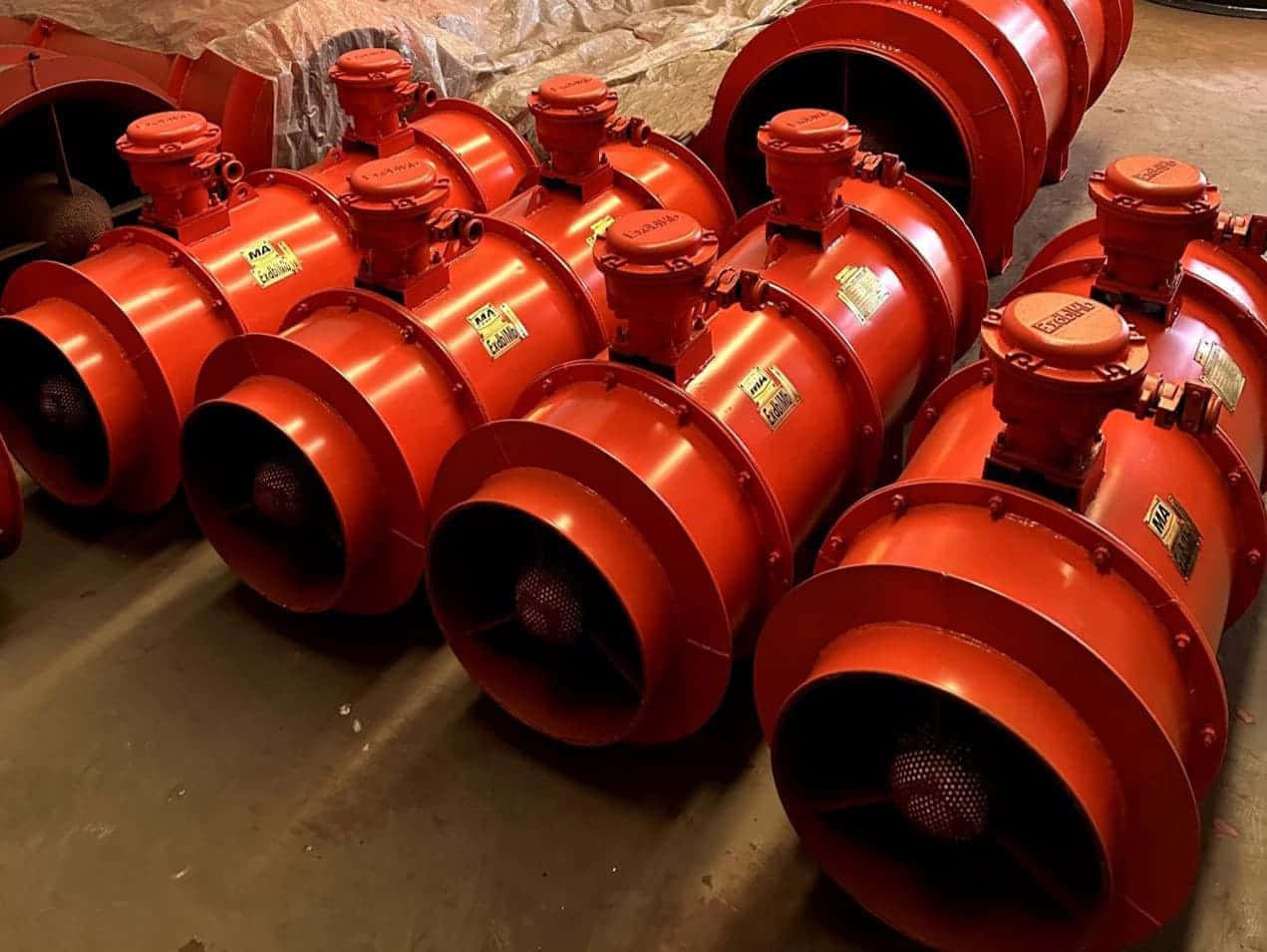
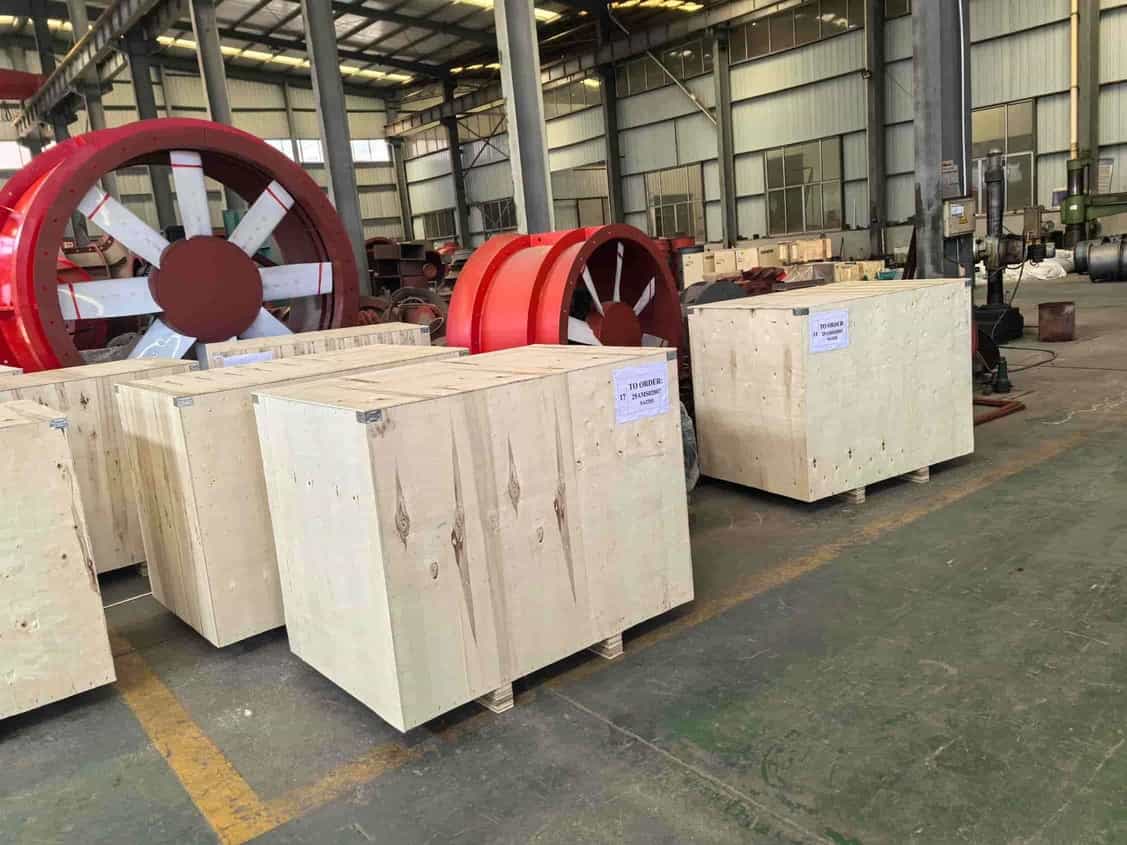
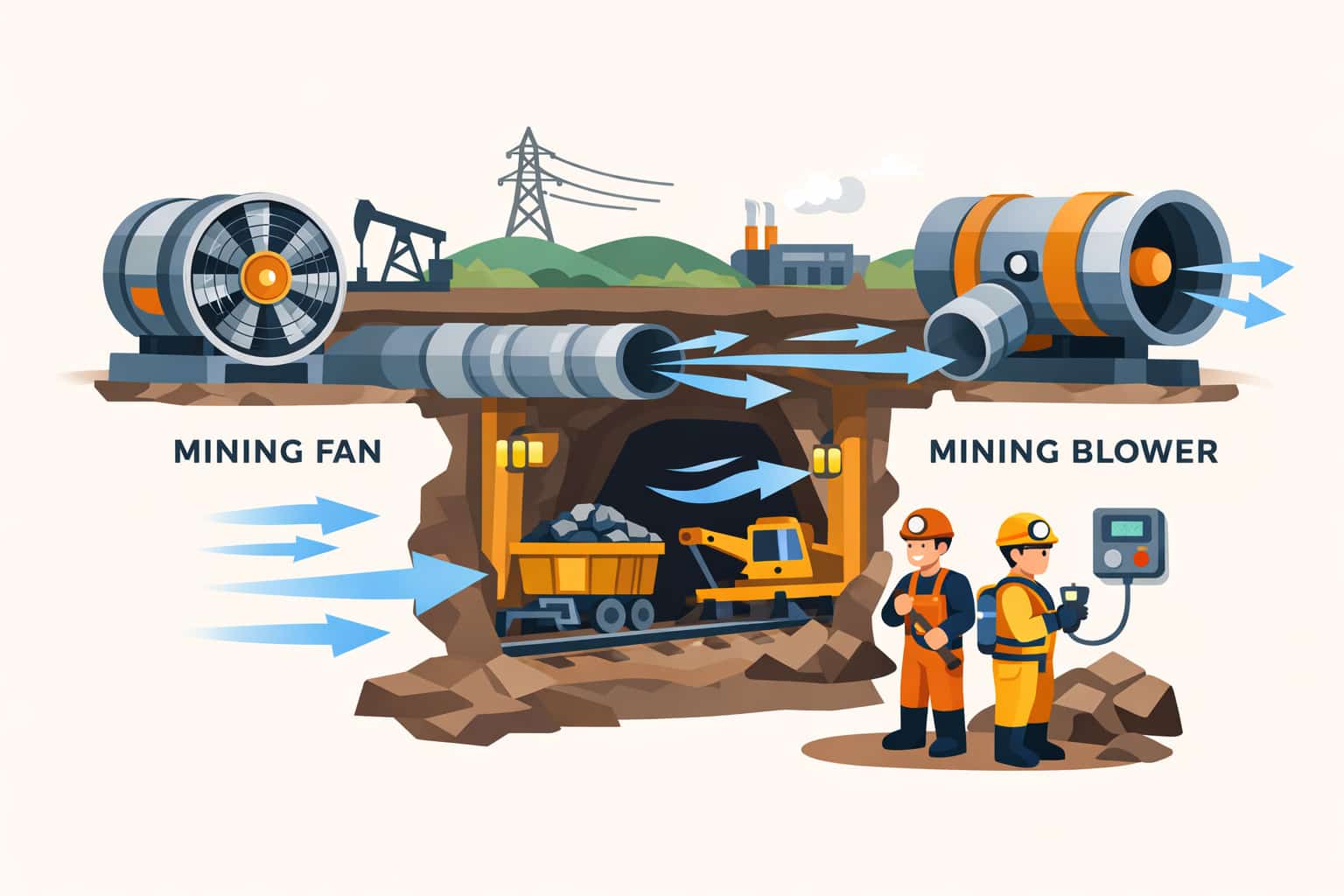
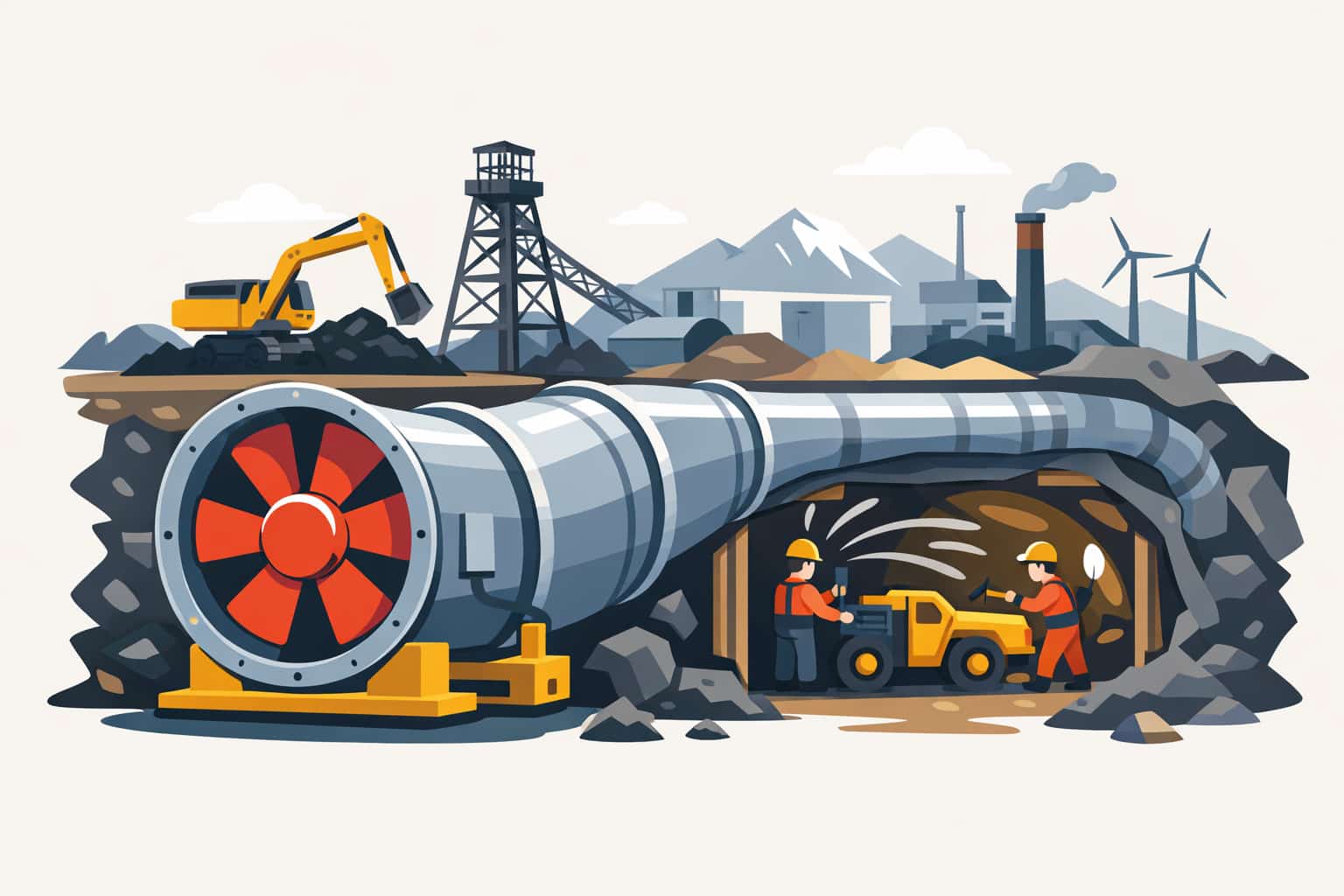
The working principle of a fan is to convert mechanical energy from a rotating shaft into increased air pressure and velocity, creating a continuous flow of air. Whether the fan is a small desk unit or a large mining ventilation fan, the basic physics are the same: rotating blades impart momentum to the air, and a housing guides that air in a useful direction.
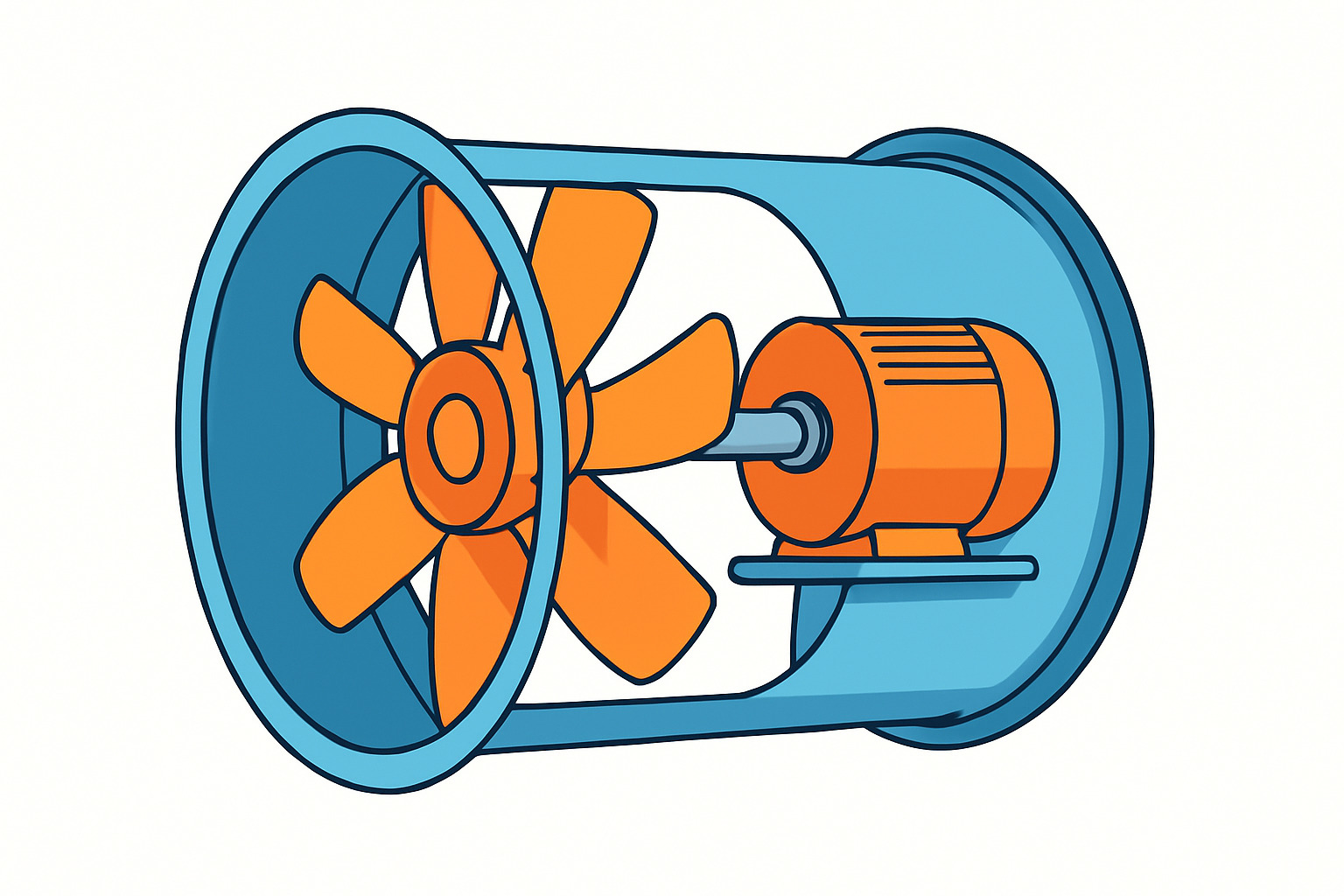
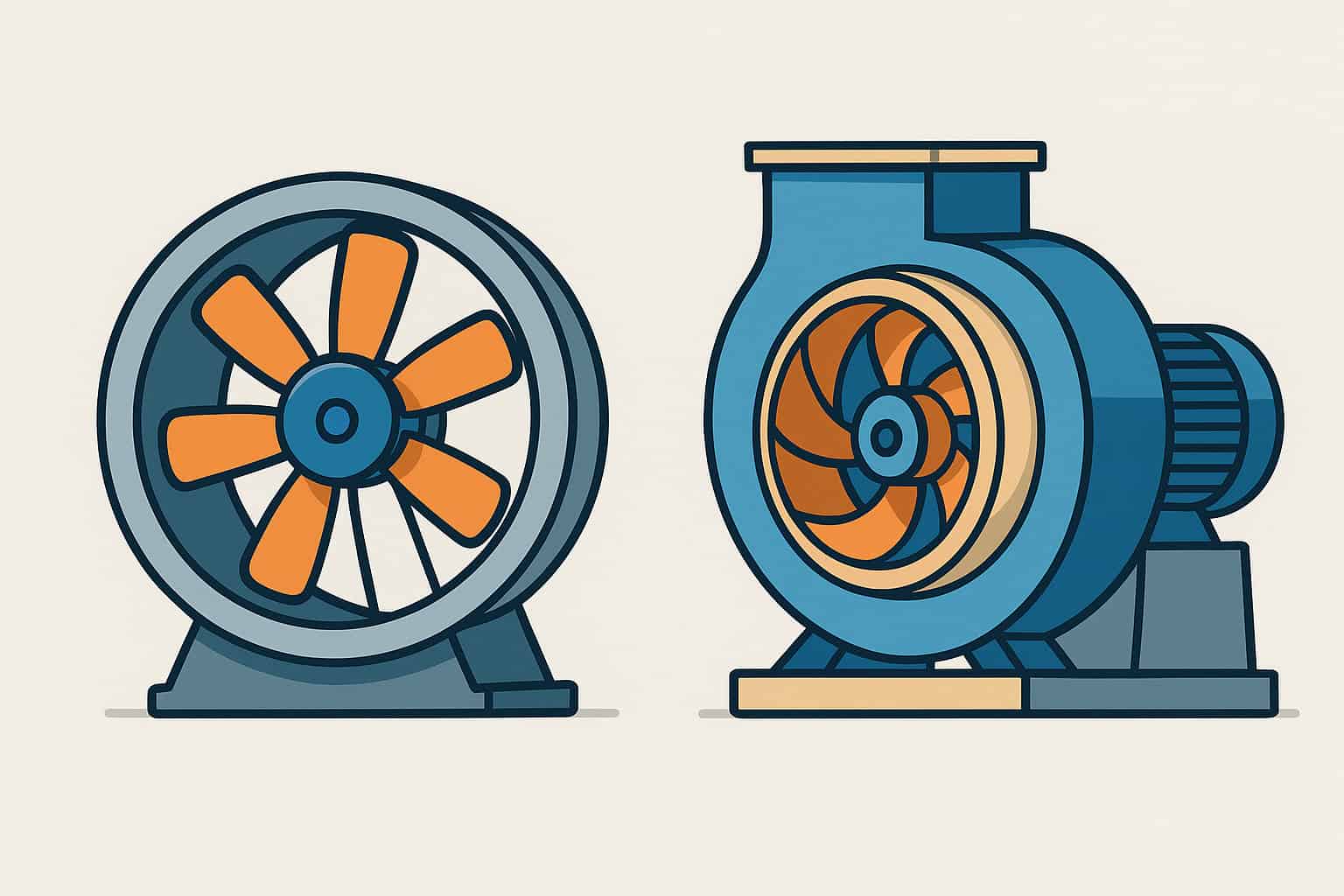
In an axial fan, air enters and leaves roughly parallel to the shaft. The fan blades act like a propeller, with an airfoil cross-section that produces lift when they rotate. As the blades spin, they push air downstream along the fan axis. This increases the air’s velocity and slightly raises its static pressure. The combination of velocity and pressure increase is called total pressure, and it is what allows the fan to overcome friction and resistance in ducts, louvers and mine airways.
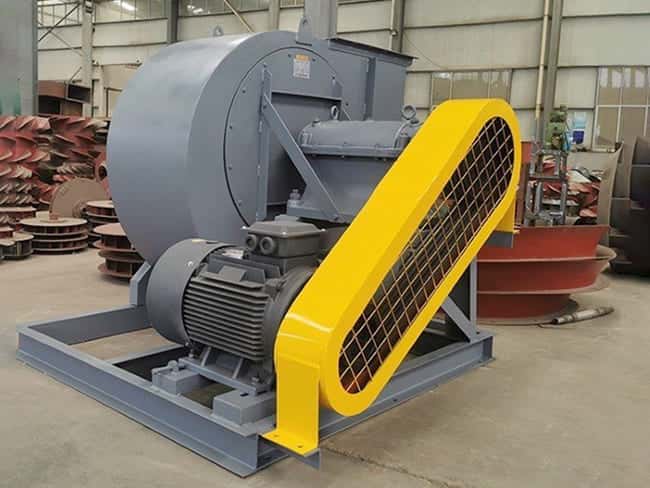
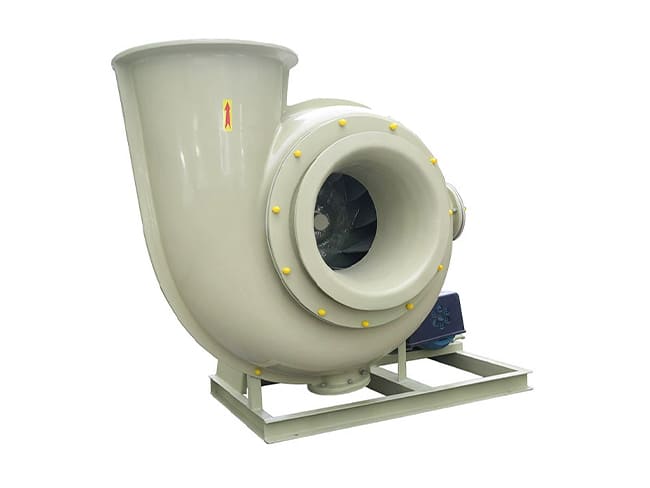
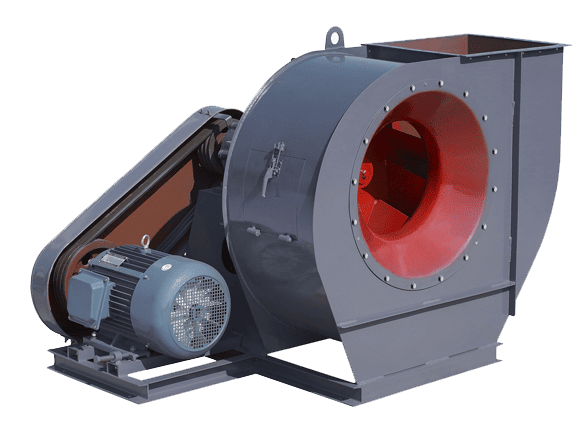
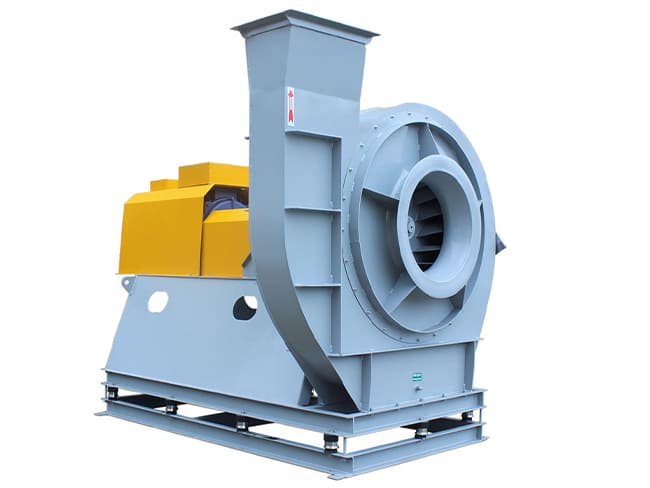
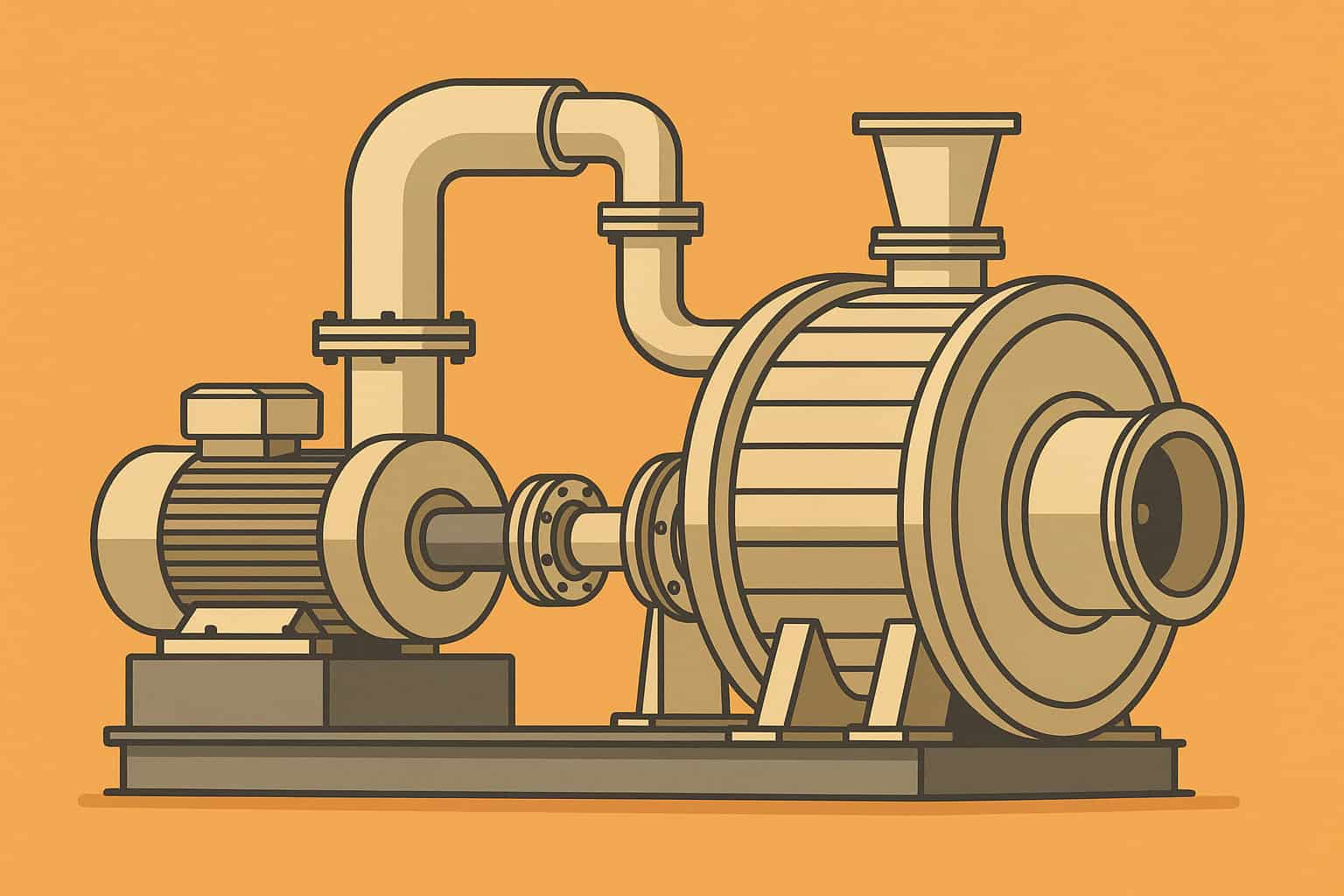
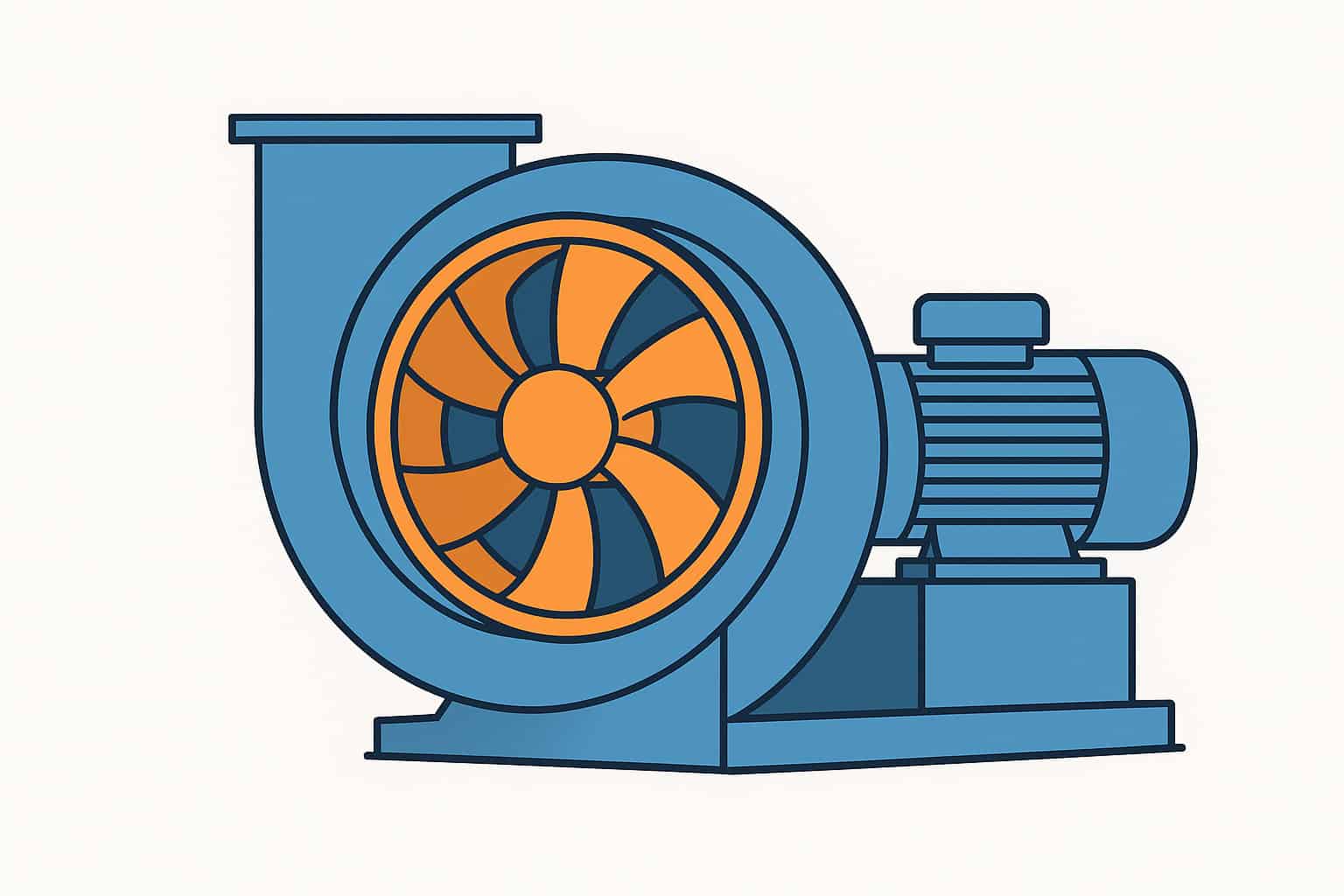
In a centrifugal fan, air enters near the centre of the rotating impeller and is flung radially outward by centrifugal force into a volute or scroll-shaped housing. Inside the housing, the air slows down and some of its velocity energy is converted into static pressure. This design can generate higher pressure than a comparable axial fan, which is why centrifugal fans are often used for dust collection, boiler draft and other high-resistance systems.
The fan’s performance is usually described by a fan curve that relates airflow to pressure, power and efficiency at a given speed. For a given fan, as you increase airflow, the pressure it can develop decreases, and vice versa. The operating point of the fan is determined by the intersection of the fan curve with the system curve, which represents the pressure loss of the ducts, equipment and mine passages. Engineers use these curves to ensure that the fan operates in a stable, efficient region.
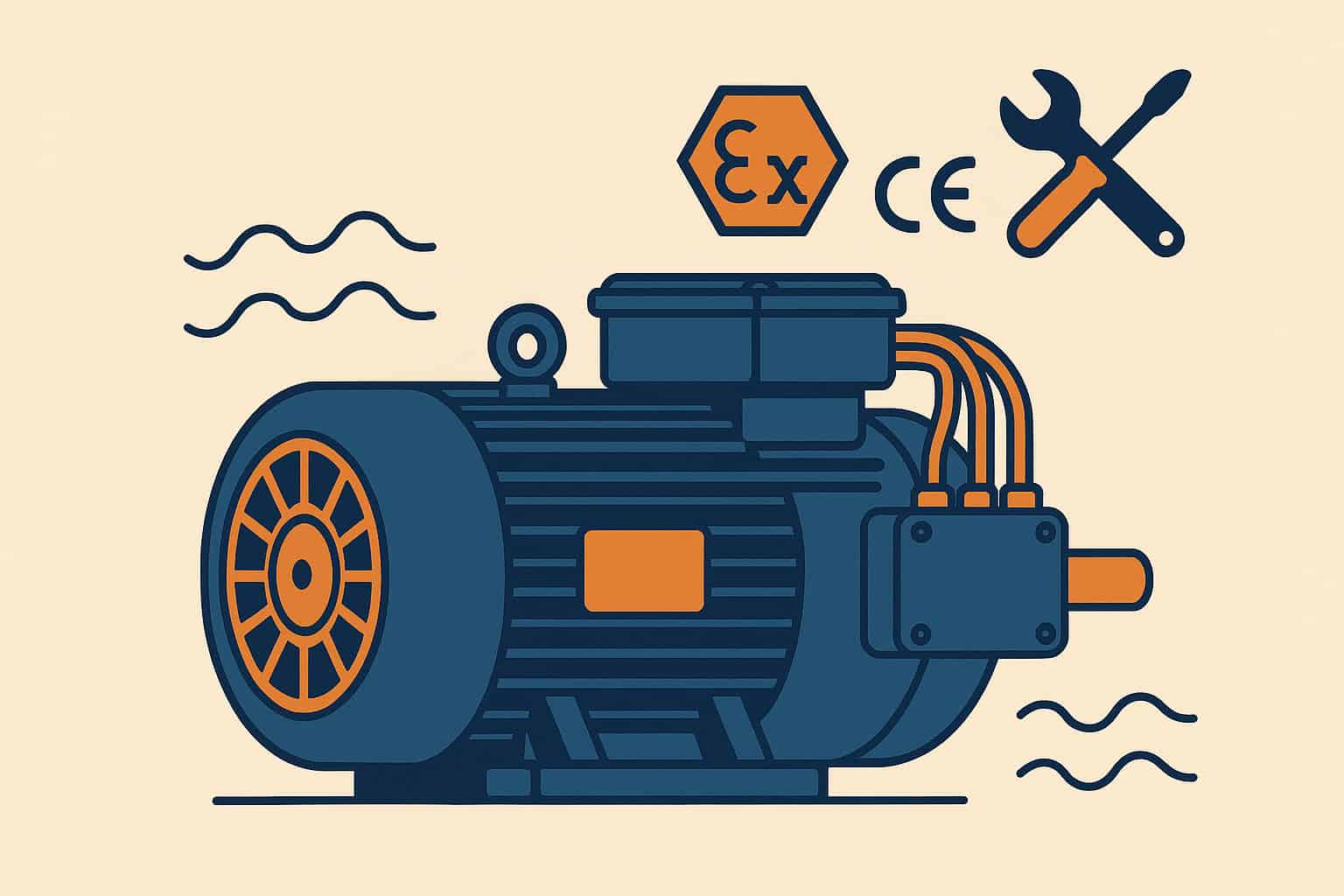
The fan motor supplies the mechanical energy needed for rotation. In most industrial and mining applications, this is a three-phase induction motor, possibly controlled by a variable-frequency drive so that speed can be adjusted to match changing ventilation needs. The power drawn by the motor depends on the airflow, pressure and efficiency of the fan. Fan laws show that power varies roughly with the cube of speed, which is why small speed reductions can yield large energy savings.
In real installations, accessories such as inlet cones, guide vanes, diffusers and silencers help shape the flow and reduce losses or noise, but they do not change the fundamental working principle: rotating blades transfer energy to the air, increasing its pressure and velocity so that it flows from one place to another. This simple principle underpins every ventilation system, from comfort cooling in offices to main fans in deep underground mines.