
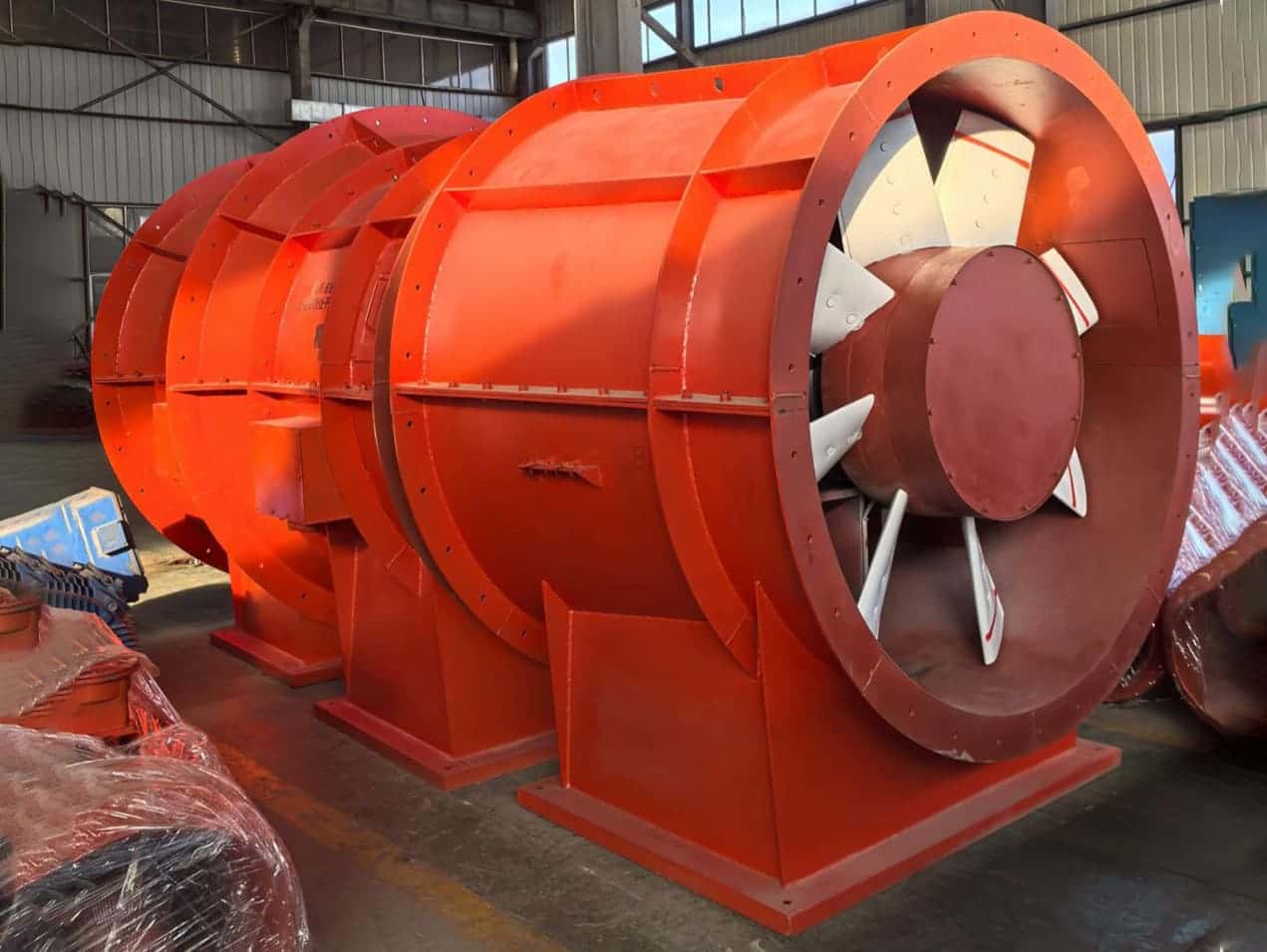
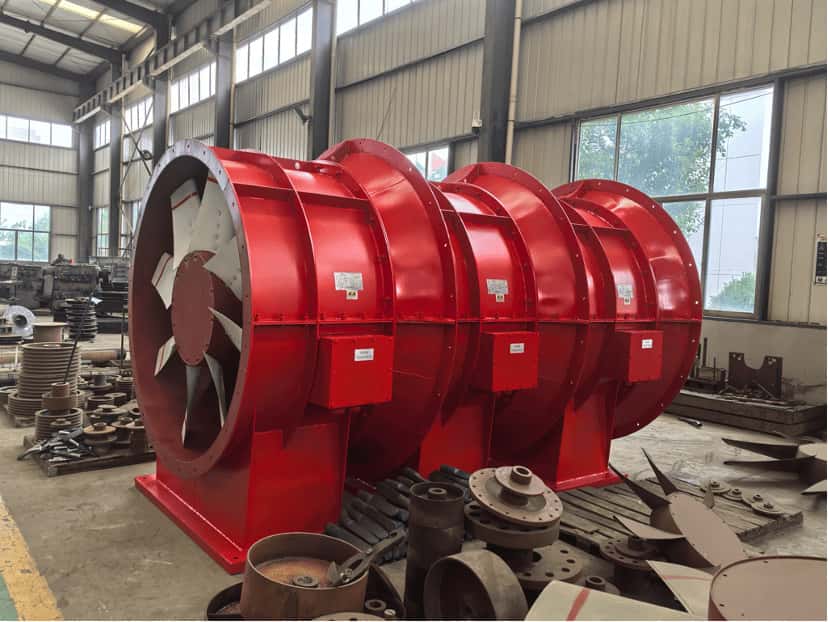
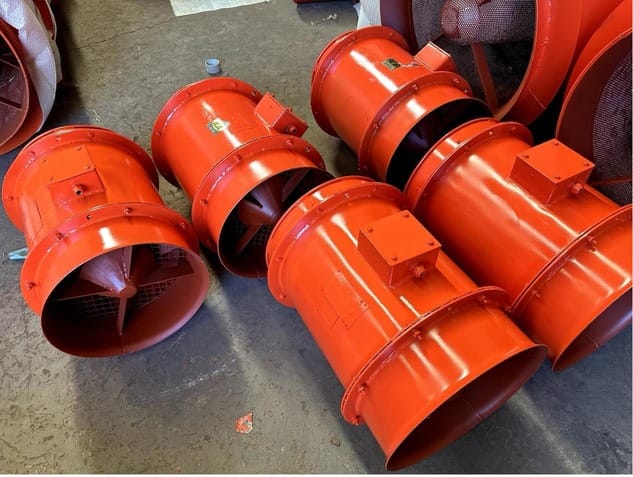
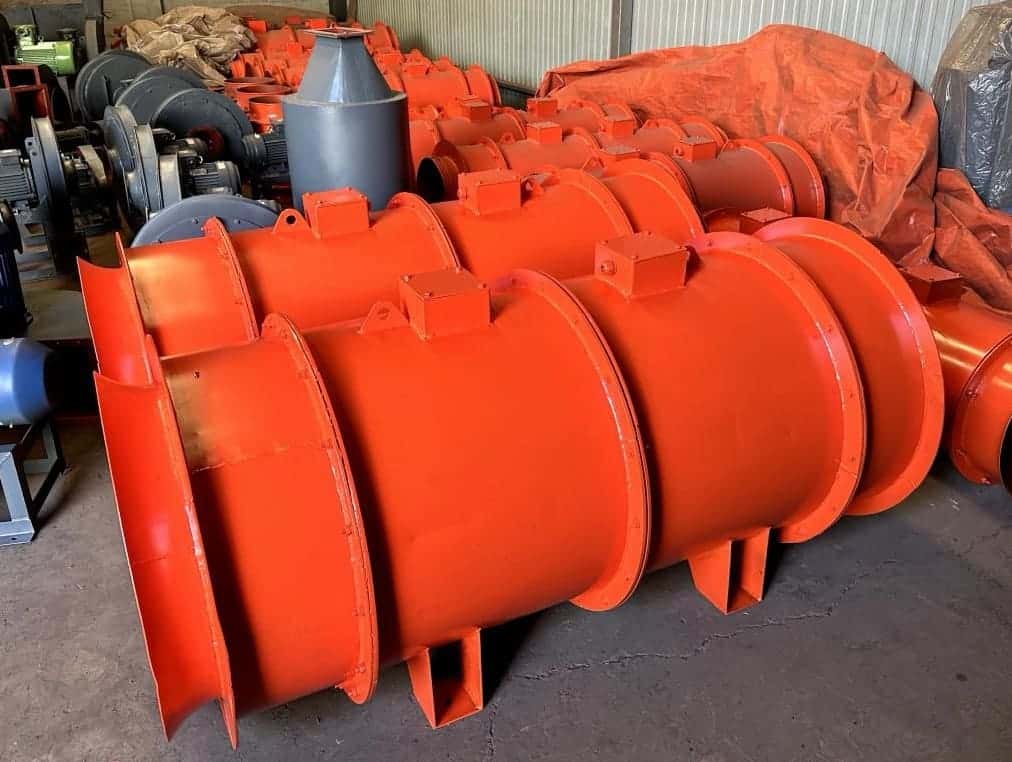
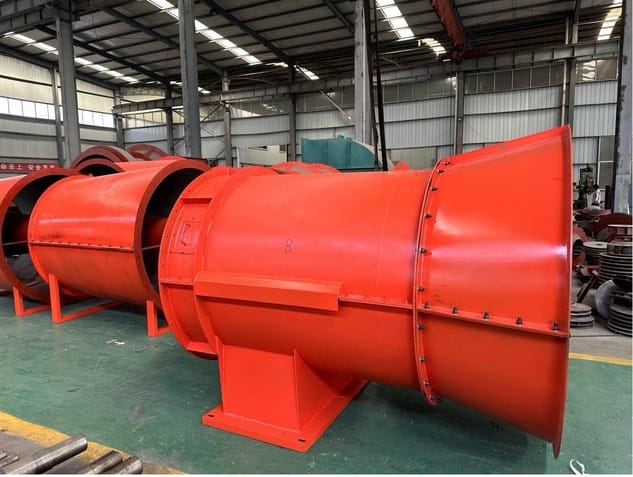
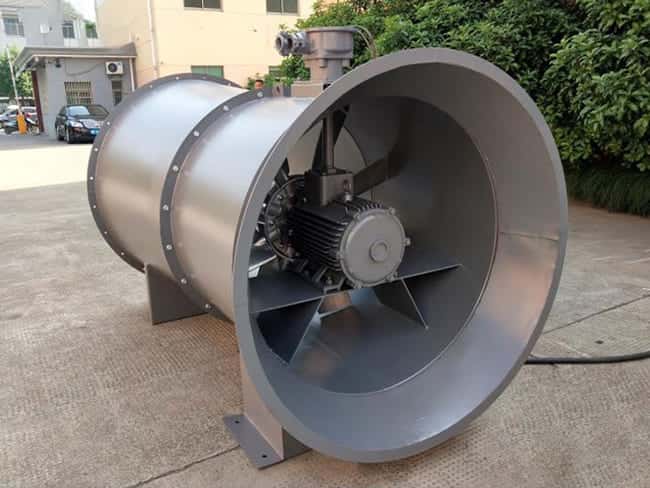
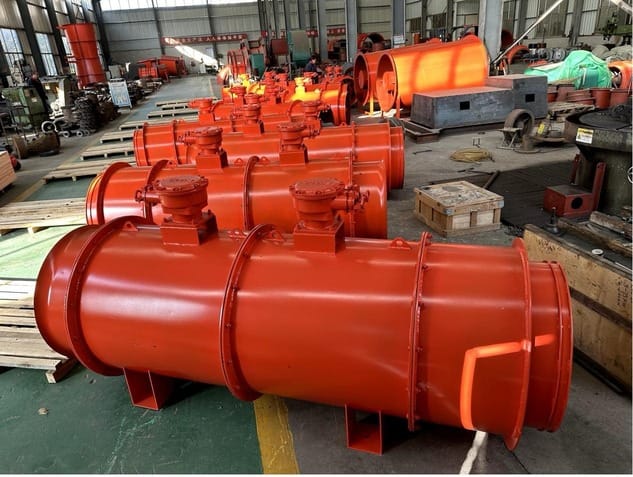
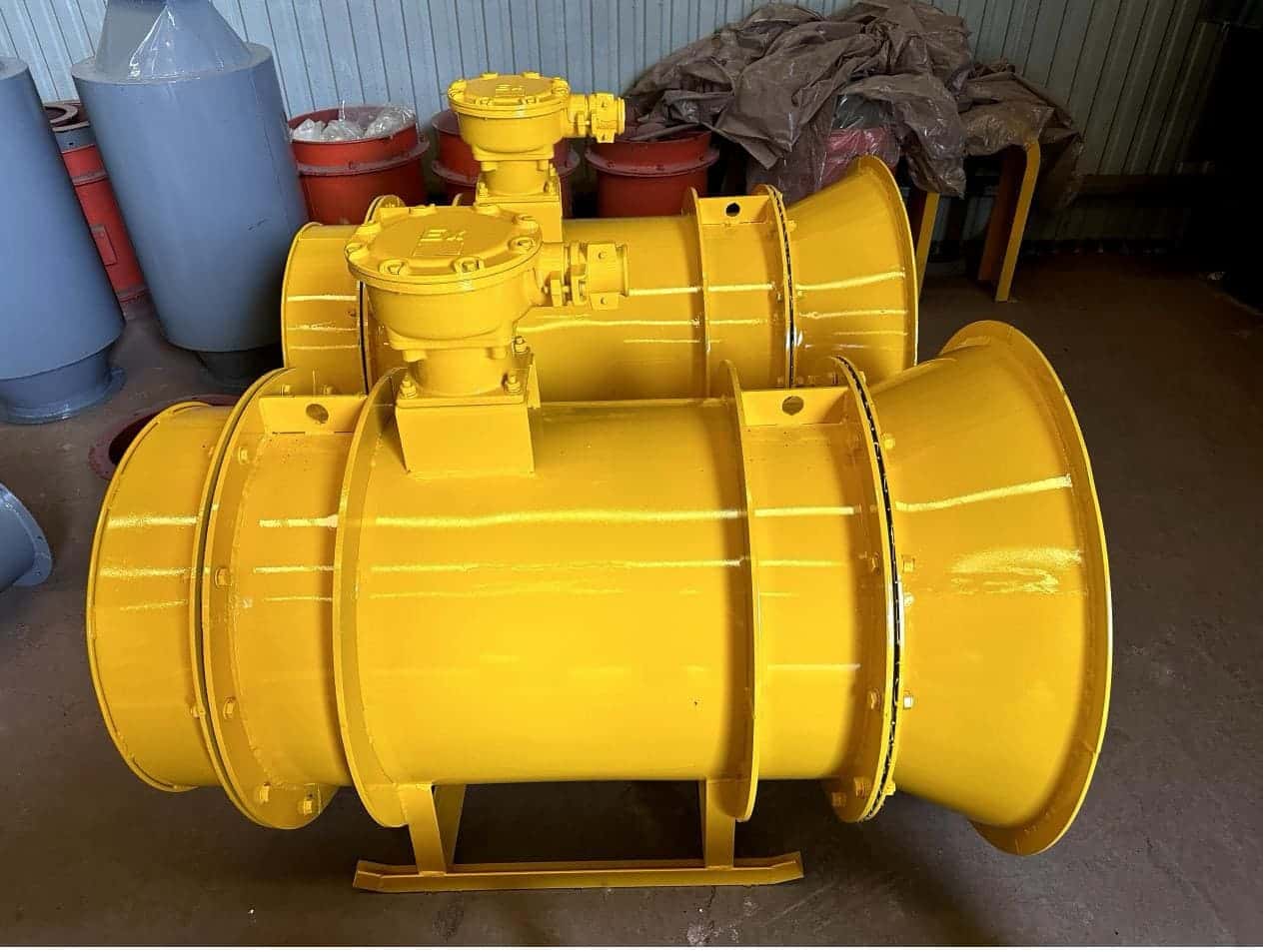
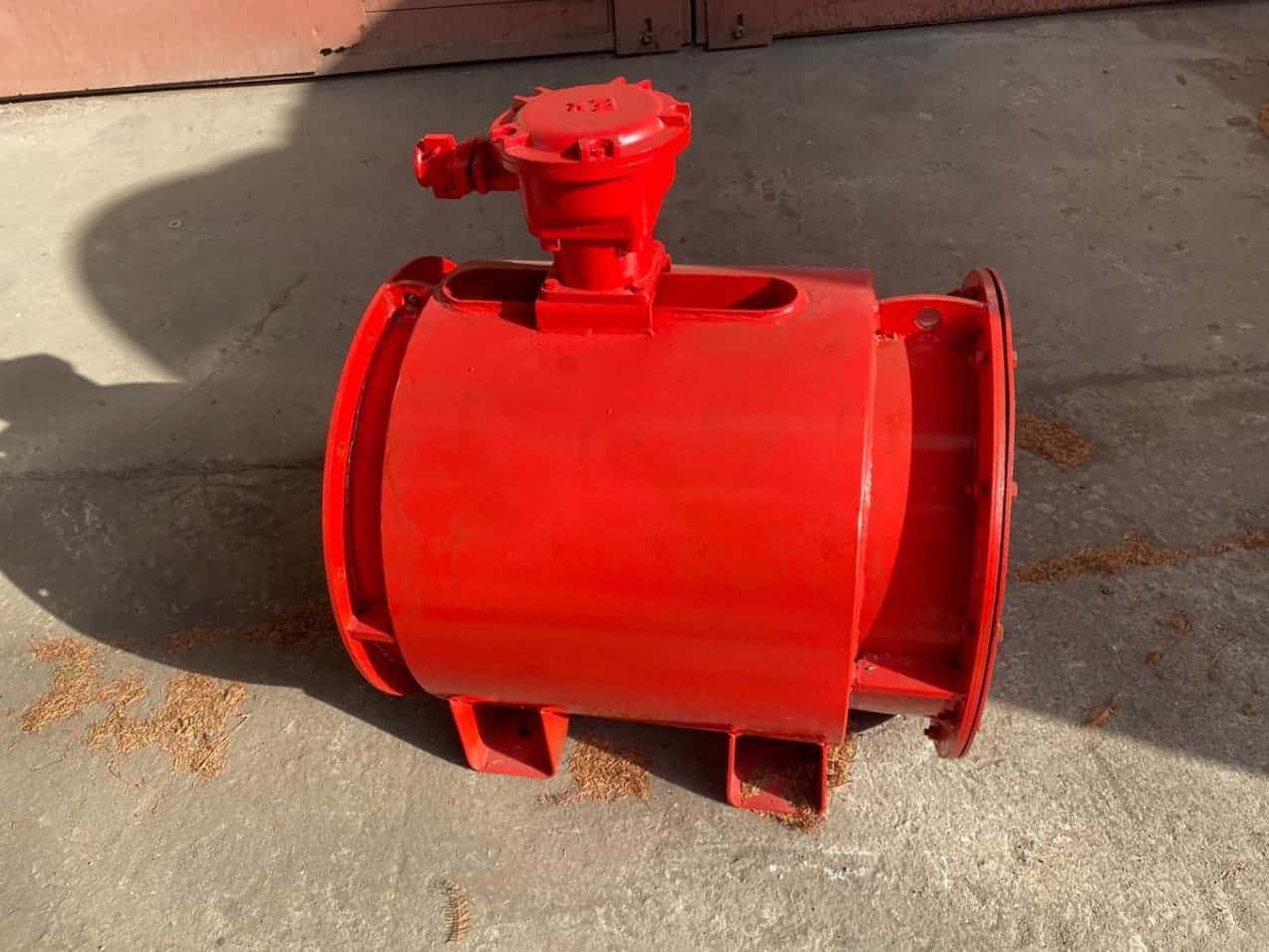
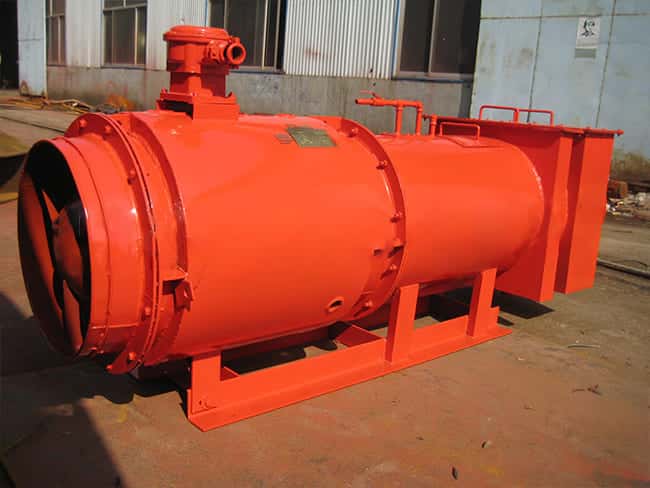
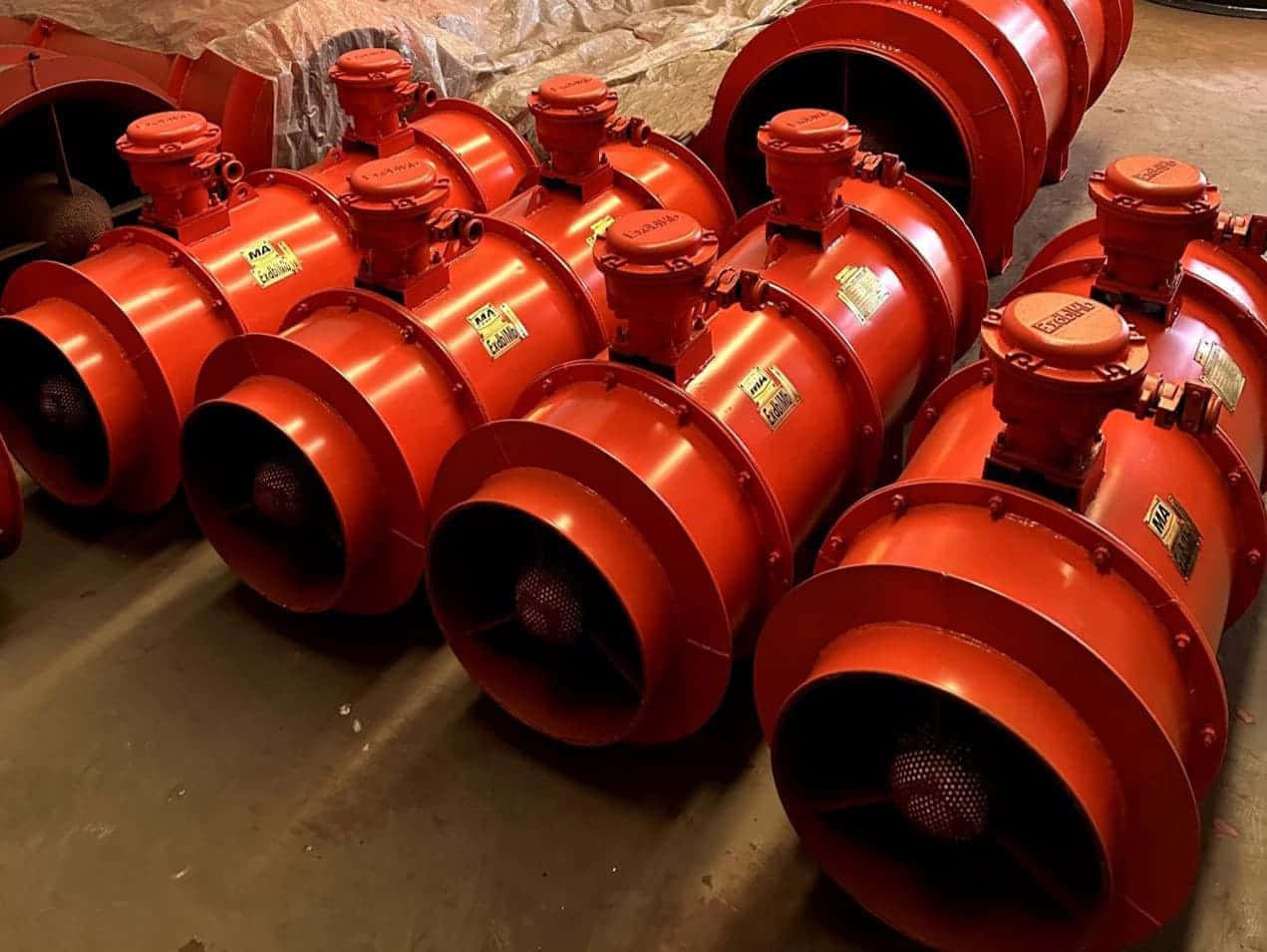
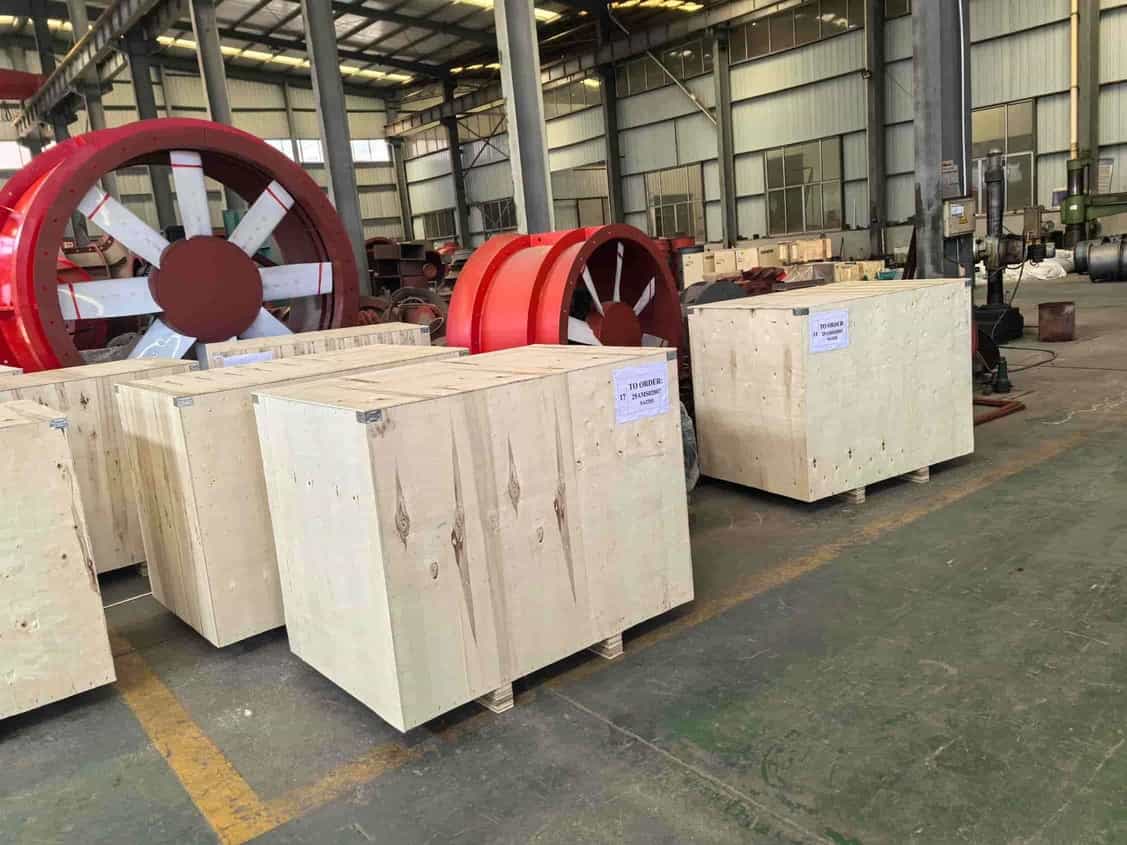
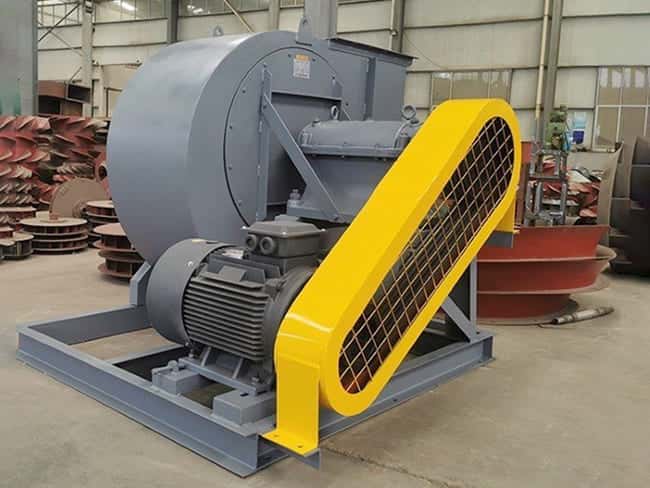
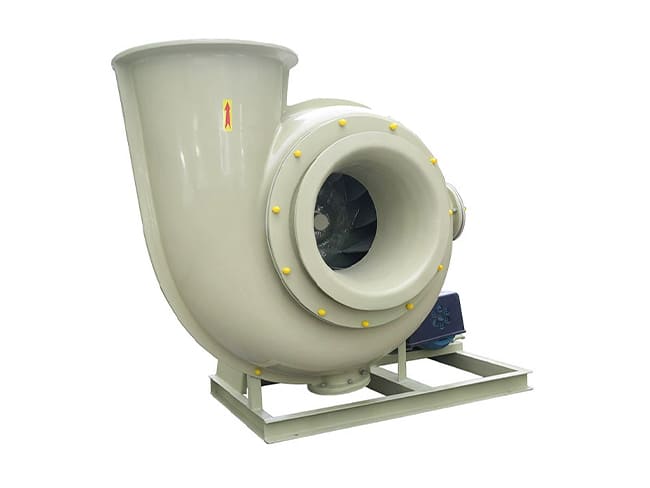
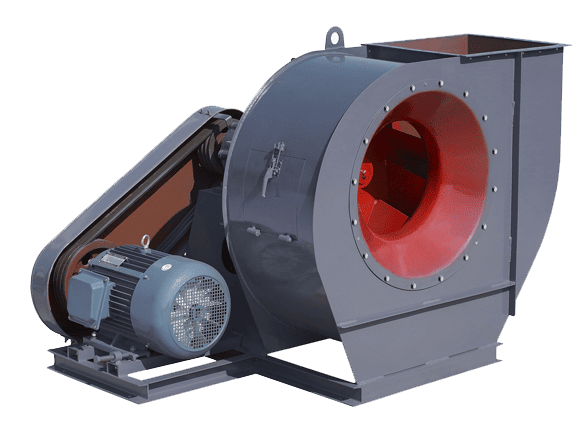
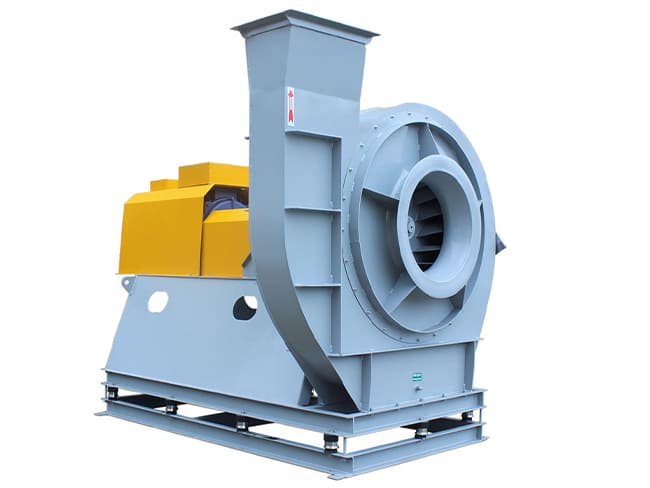
The working principle of a booster fan is based on operating two or more fans in series within the same airflow path. The main fan generates an initial pressure rise, and the booster fan adds an additional pressure increase downstream. The airflow through both fans is essentially the same, but the total pressure available to overcome system resistance is the sum of the individual fan pressure rises.
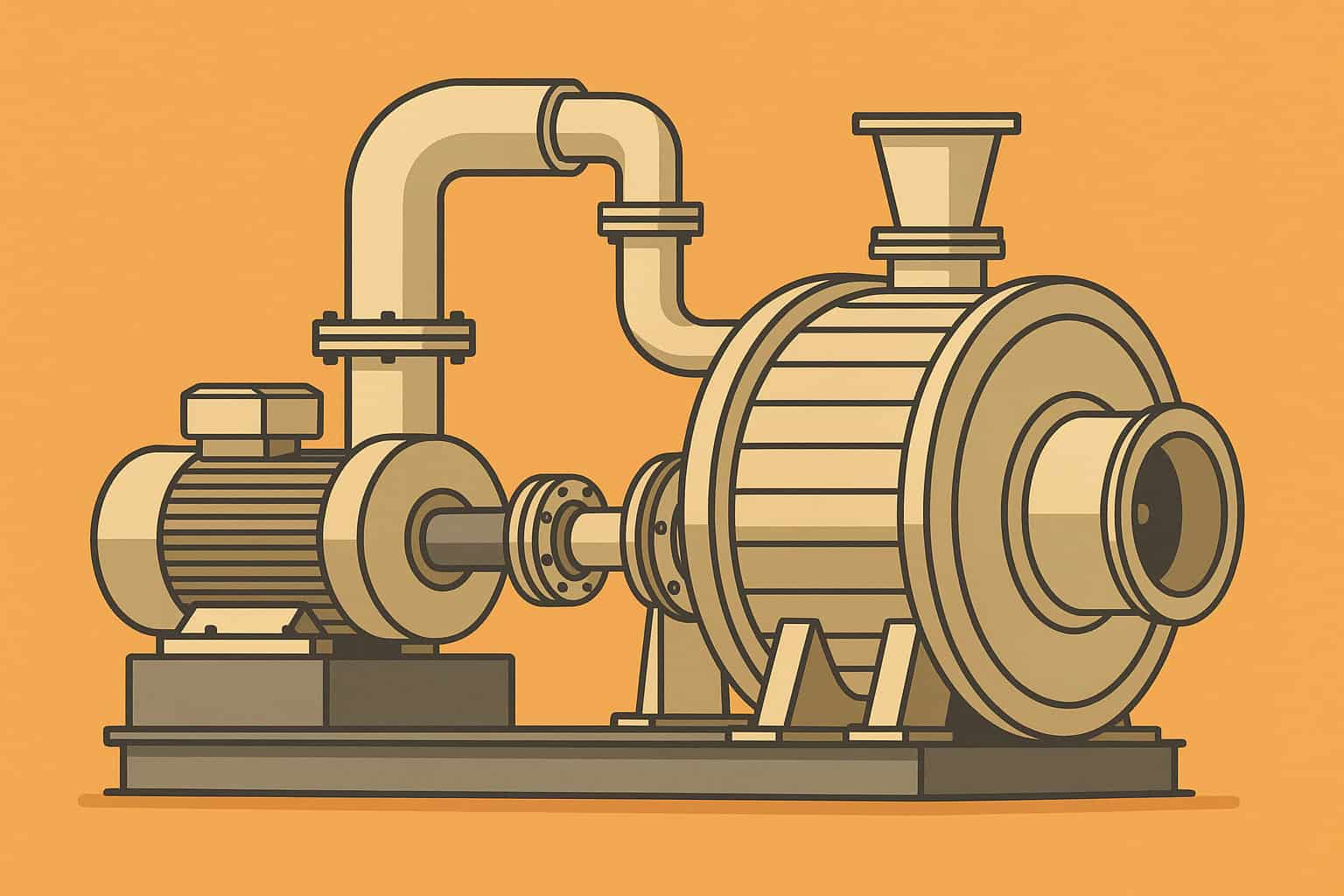
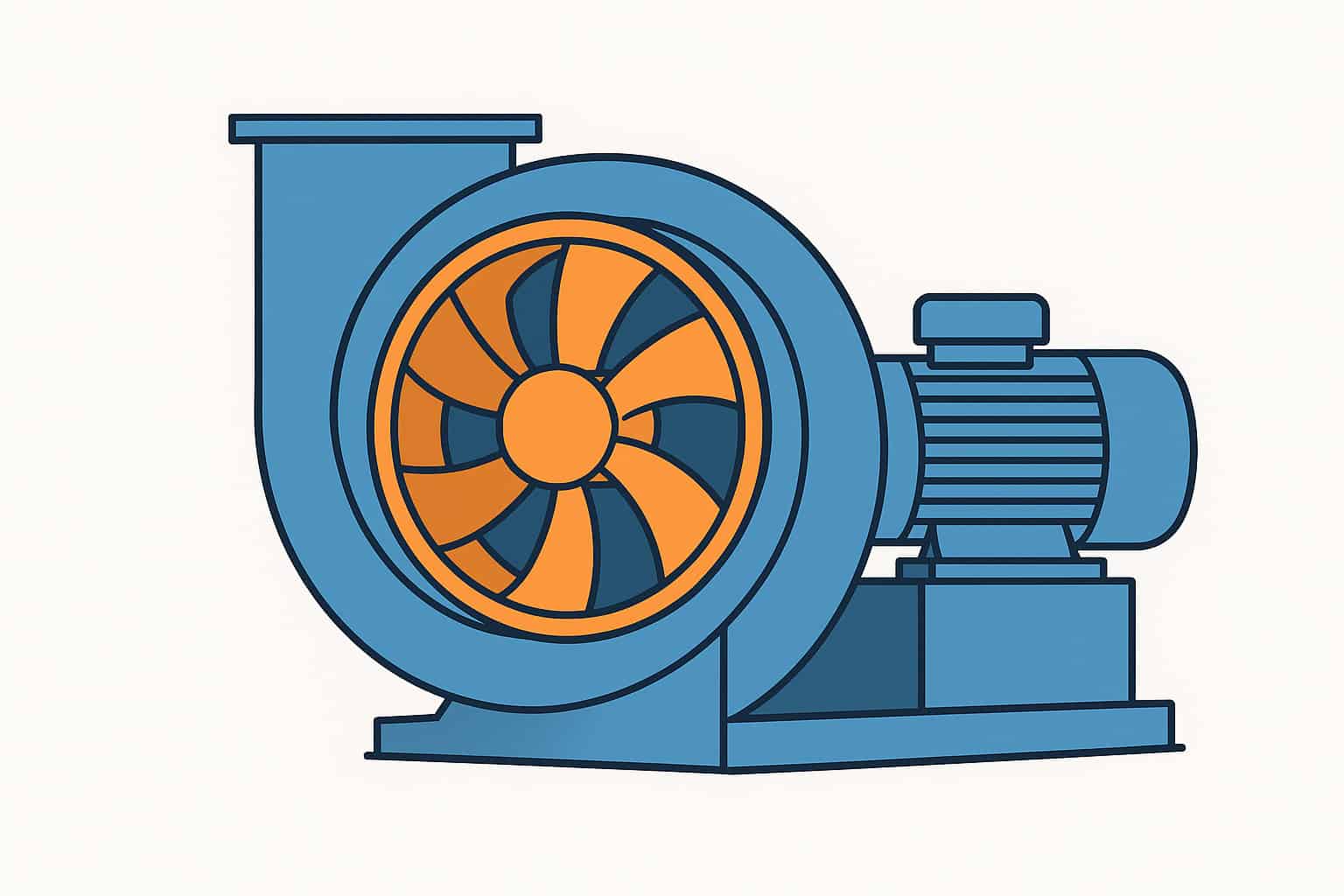
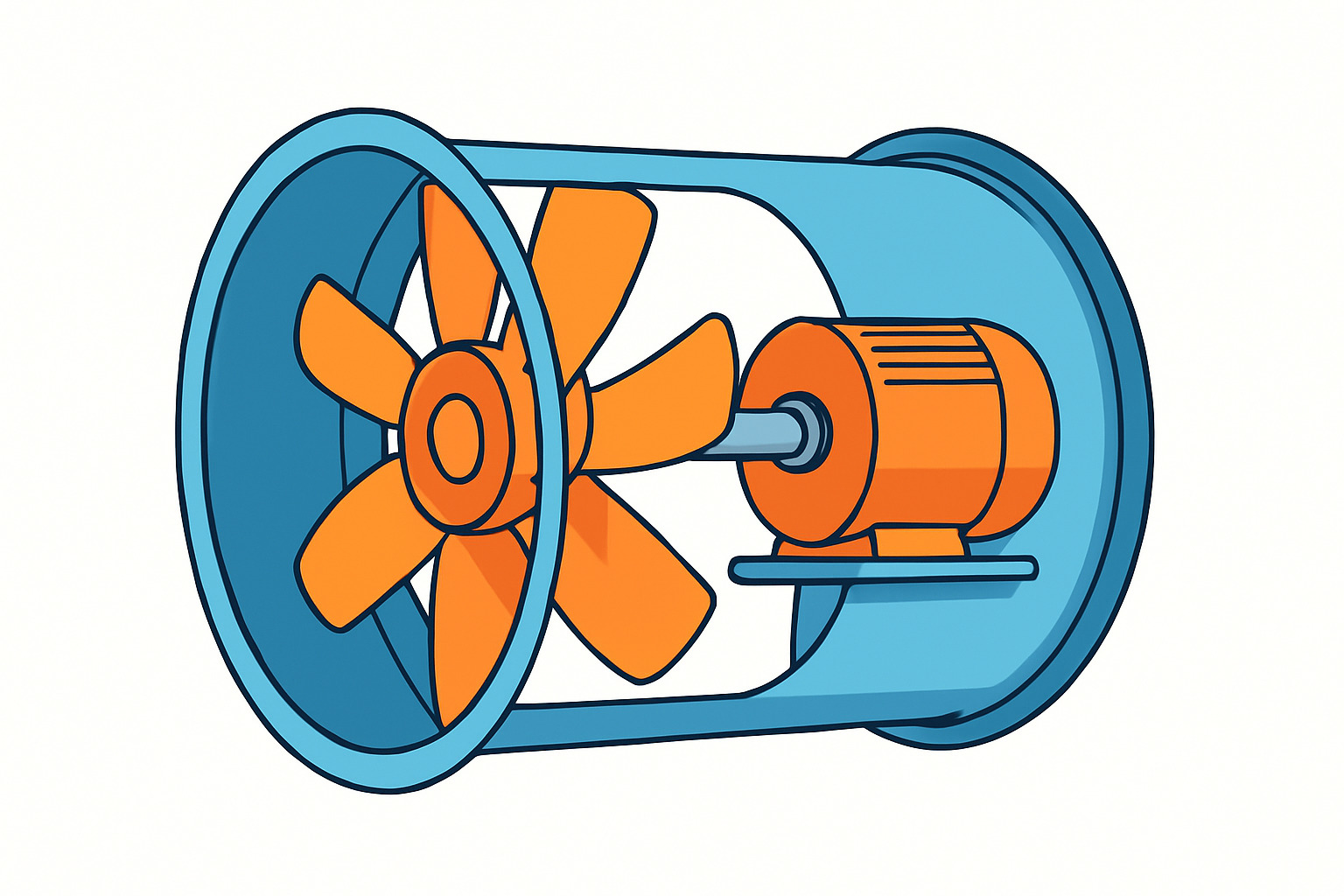
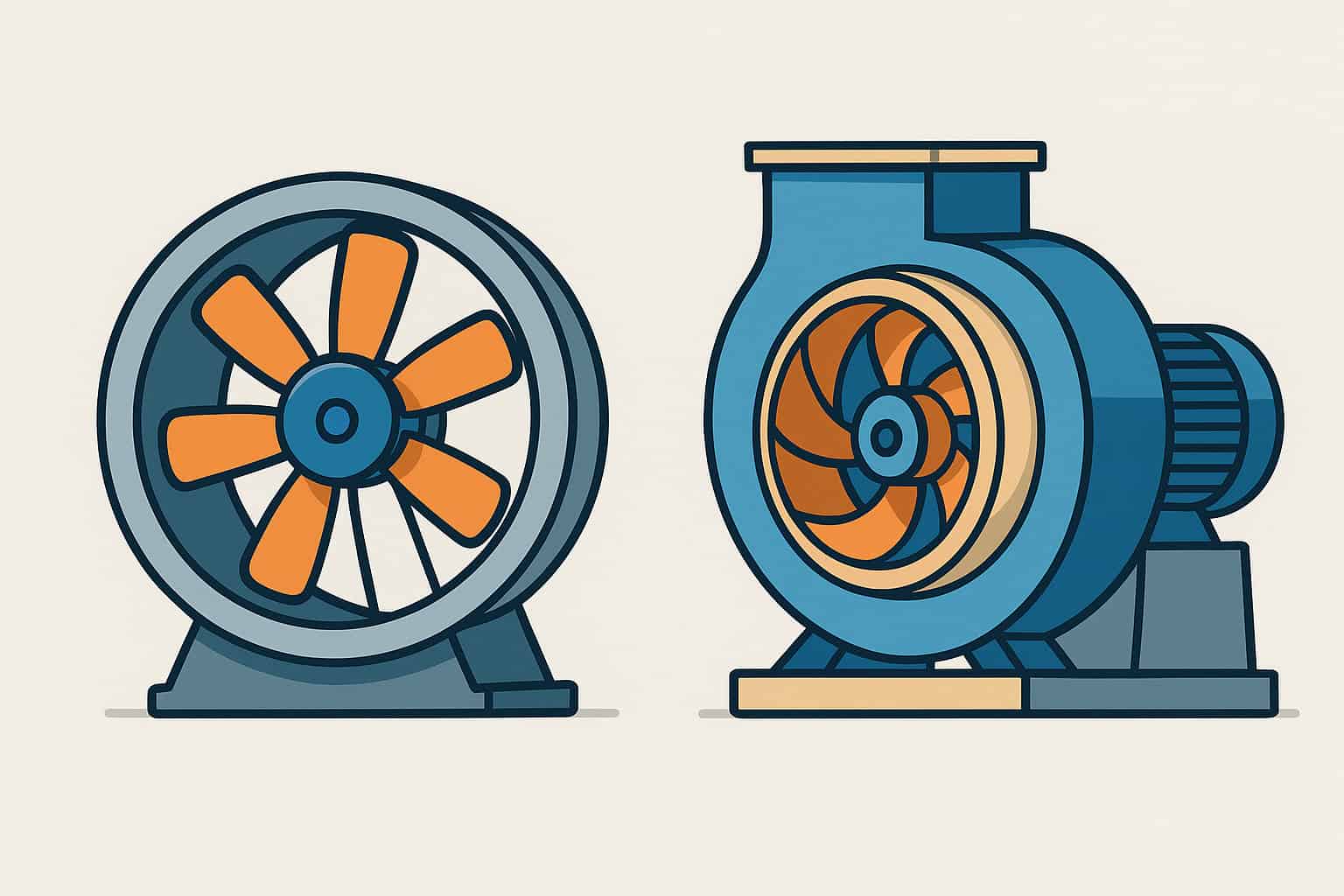
Inside the booster fan itself, the mechanism is the same as in any axial, centrifugal or mixed-flow fan. A rotating impeller driven by an electric motor adds energy to the air, increasing its velocity and, through diffusers and casings, its static pressure. What makes a booster fan different is its position in the ventilation network. It is installed in a main airway, branch or duct that already carries air from the main fan.
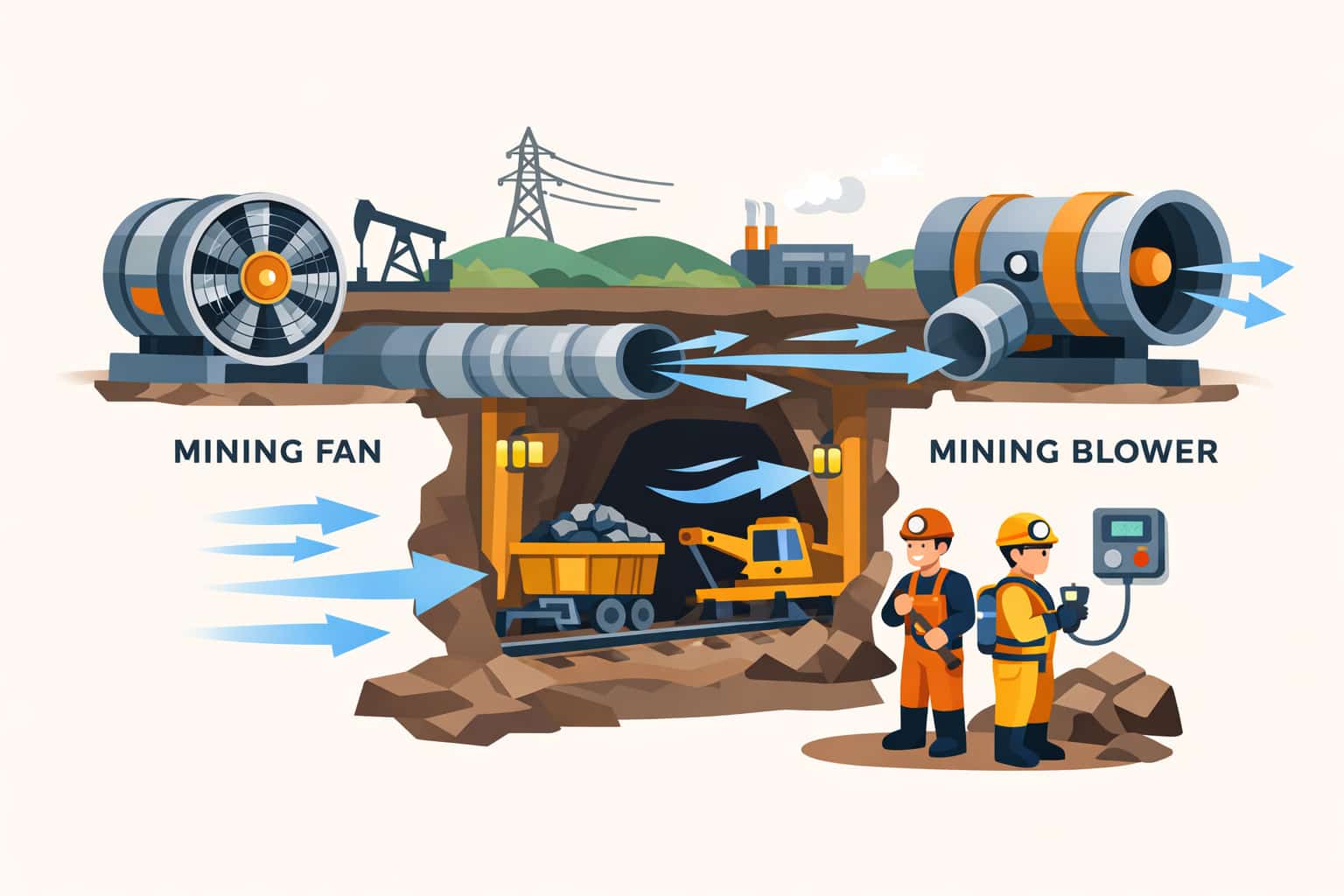
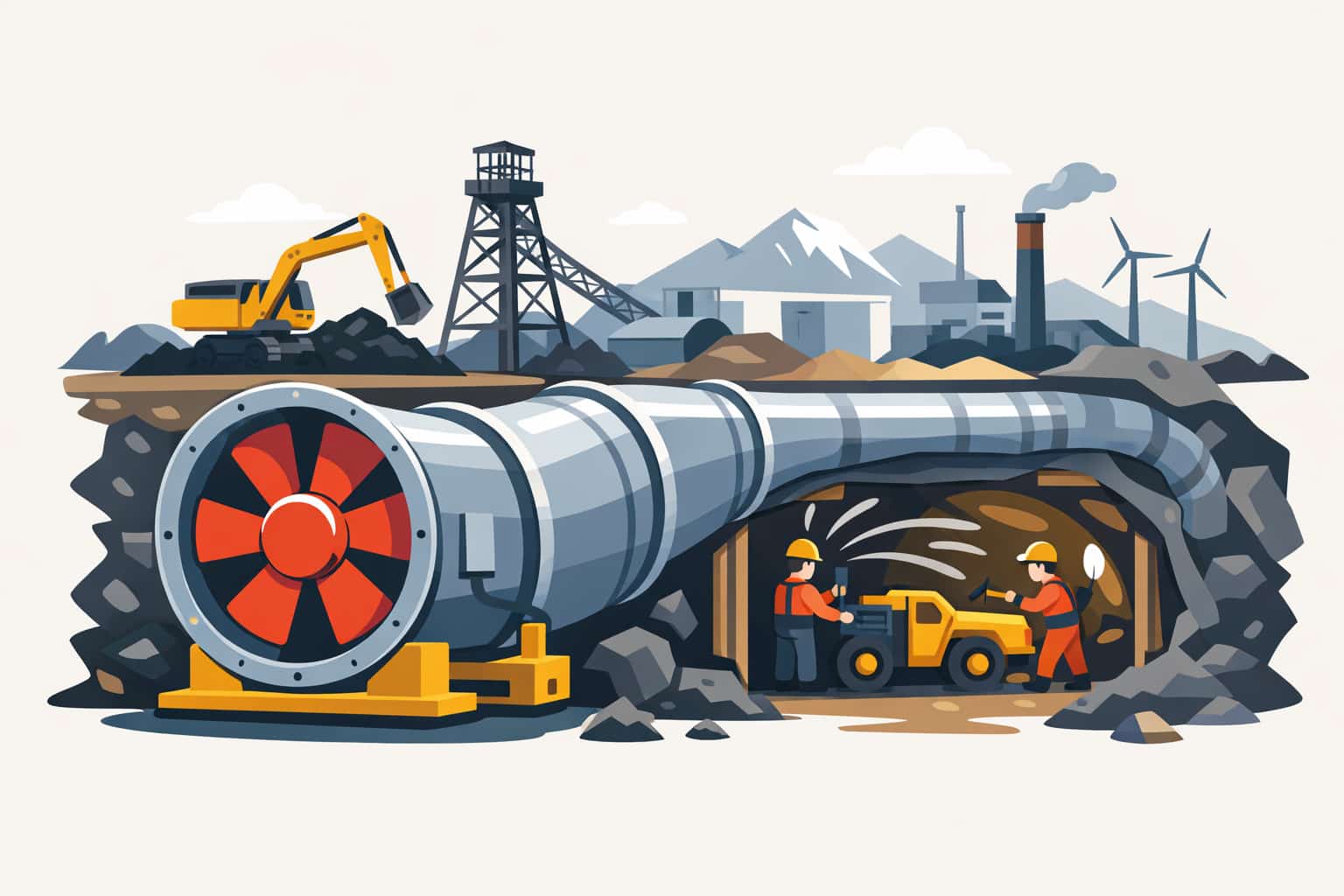
In underground mining, air flows from the intake shaft through drifts and declines toward remote workings. As it travels, it loses pressure due to friction and leaks. The main surface fan must generate enough pressure to overcome all these losses and still deliver the required airflow to each district. When the resistance of a particular branch is too high, engineers may install a booster fan in that branch. The main fan pushes air to the booster fan inlet, the booster fan increases the pressure further, and the combined pressure rise allows airflow to continue through long or steep sections.
Viewed on a ventilation network diagram, the working principle appears as an additional pressure source placed part-way along a branch. The system curve (pressure vs. flow) for that branch is effectively shifted, and the operating point moves to a higher airflow for the same main fan pressure, or to the same airflow at a lower main fan loading. The booster fan must be selected so that its characteristic curve aligns with the main fan and the combined system, avoiding unstable operating regions.
In industrial duct systems, inline duct booster fans work on the same principle. Air from the central air-handling unit enters the booster fan, which adds extra pressure and helps air reach distant terminals or overcome local restrictions like long runs, filters or dampers. Again, both fans share the same airflow, and their pressure rises add together along the flow path.
In summary, the working principle of a booster fan is to act as a secondary pressure source in series with the main fan, adding extra pressure to the ventilation stream so that it can overcome additional resistance and maintain required airflow in specific sections of a mining or industrial ventilation network.