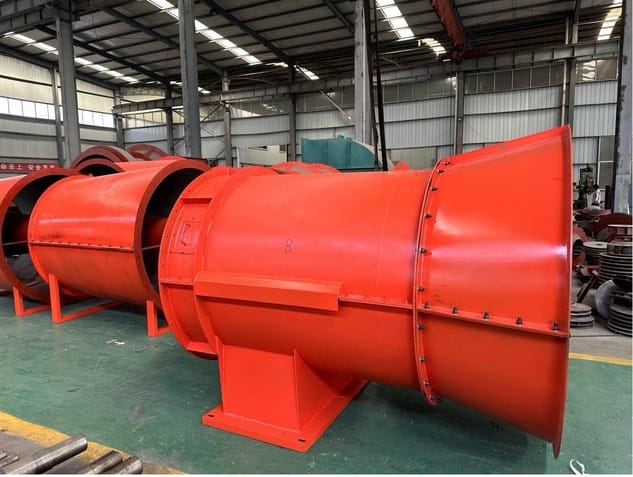
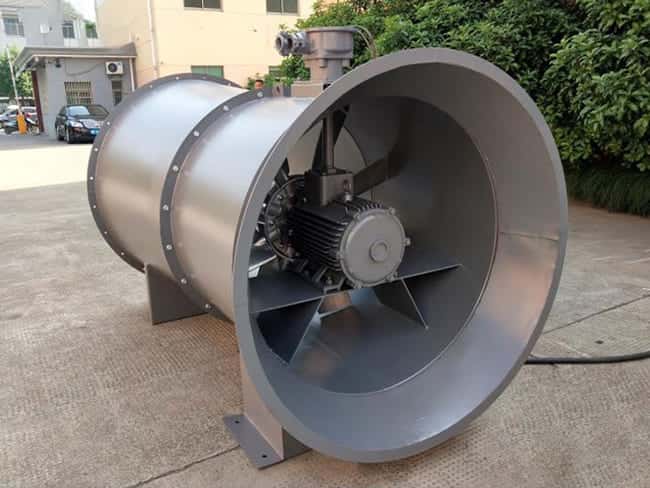
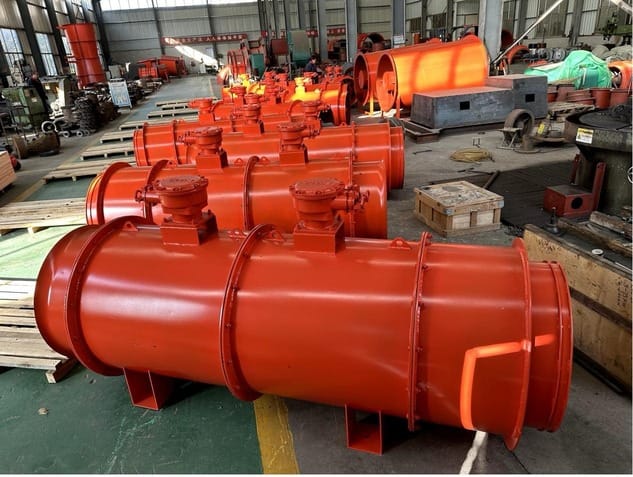
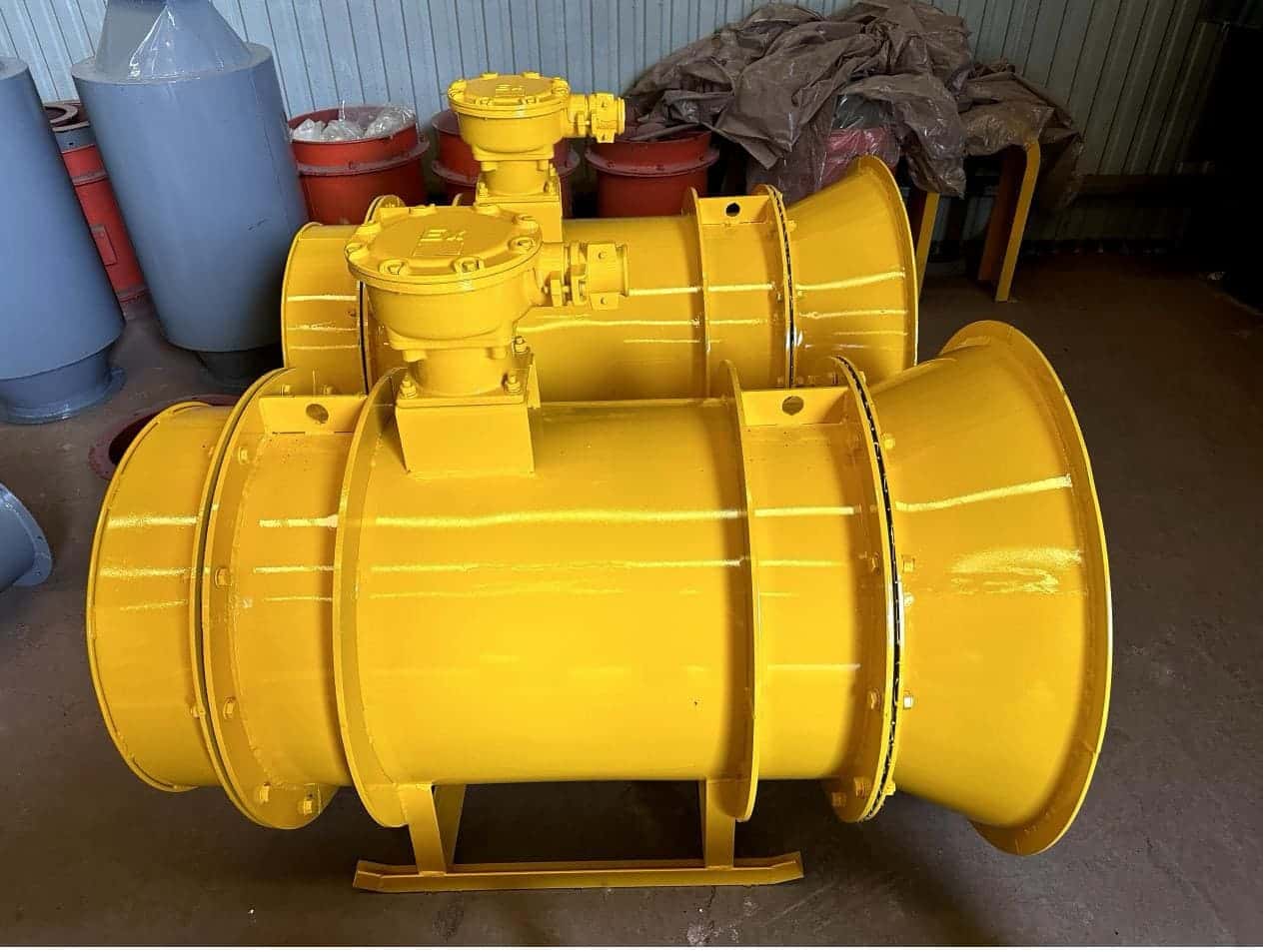
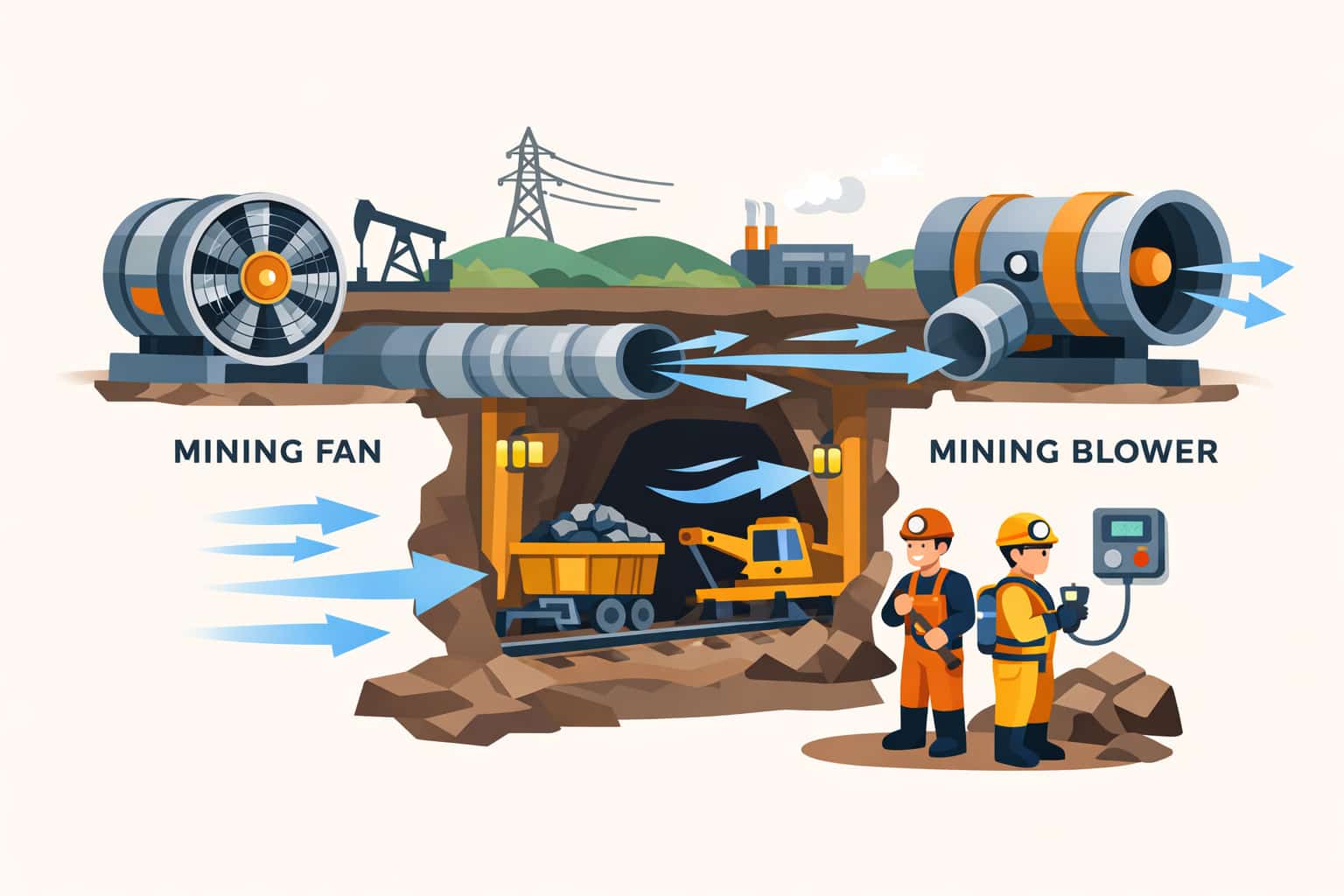
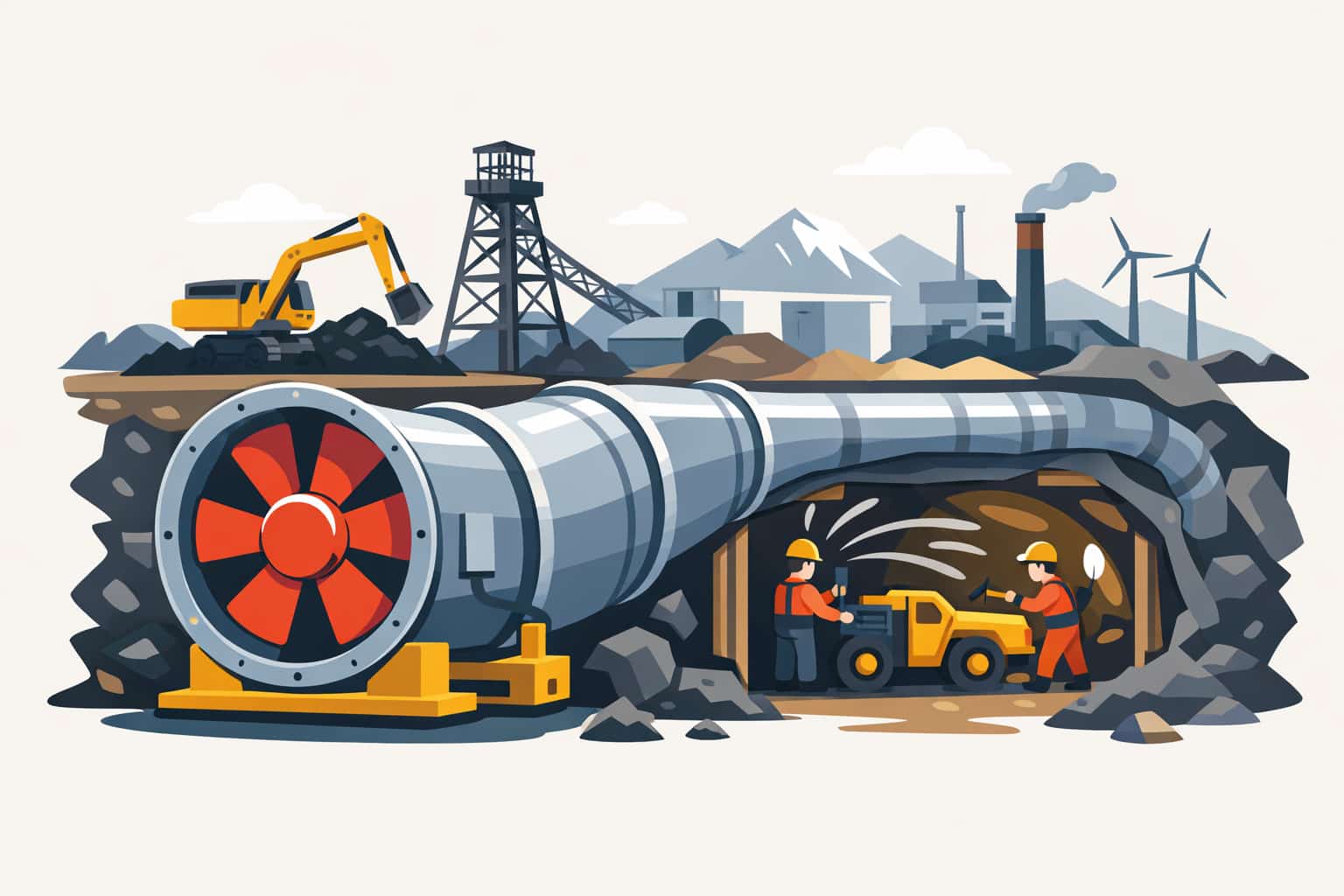
Ventilation in mines is the engineered movement of air through underground workings to keep conditions safe and workable. It is achieved by using mine ventilation fans, shafts, raises, drifts and control devices to supply fresh air and remove gases, dust, heat and fumes. Without organized ventilation, underground mines would quickly become uninhabitable due to lack of oxygen and the buildup of contaminants from geology, equipment and blasting.
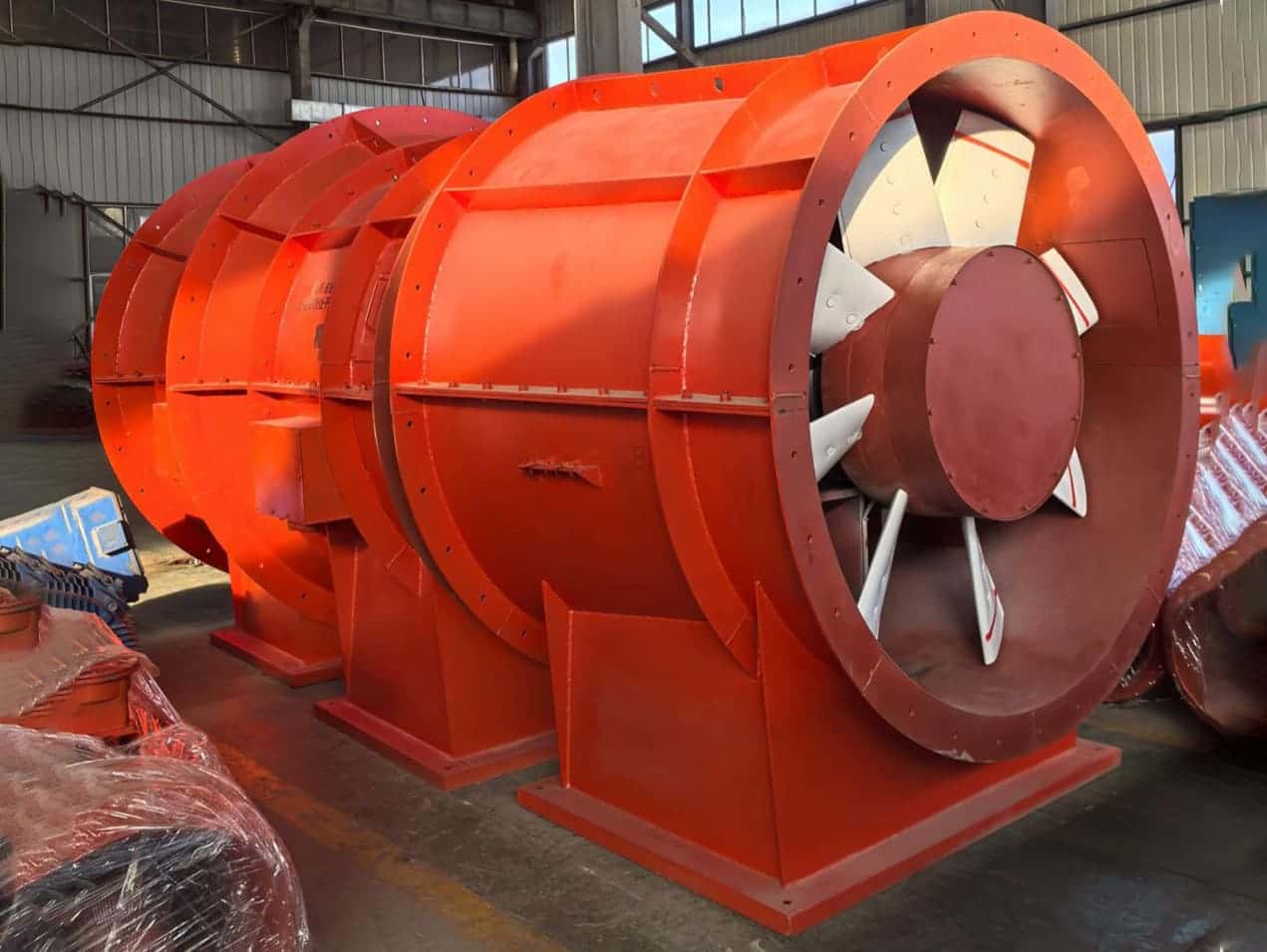
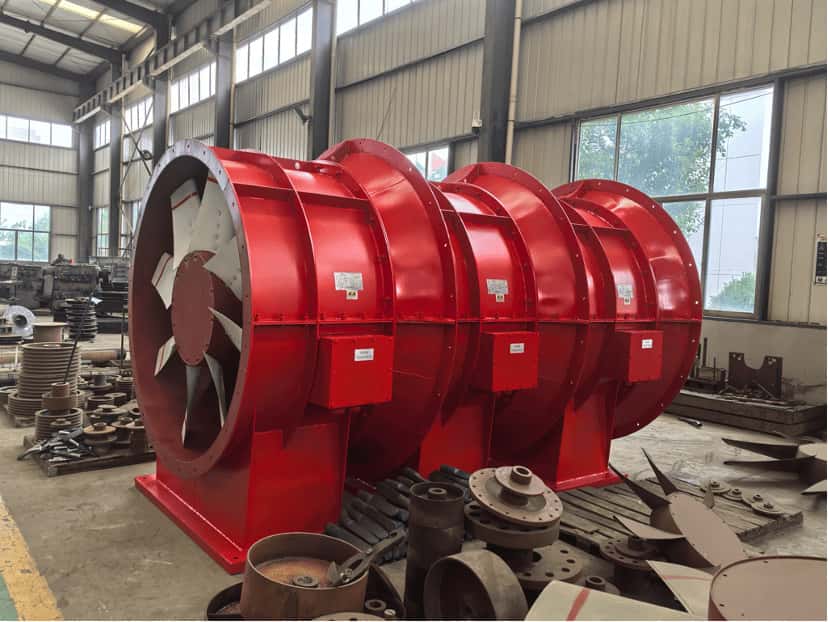
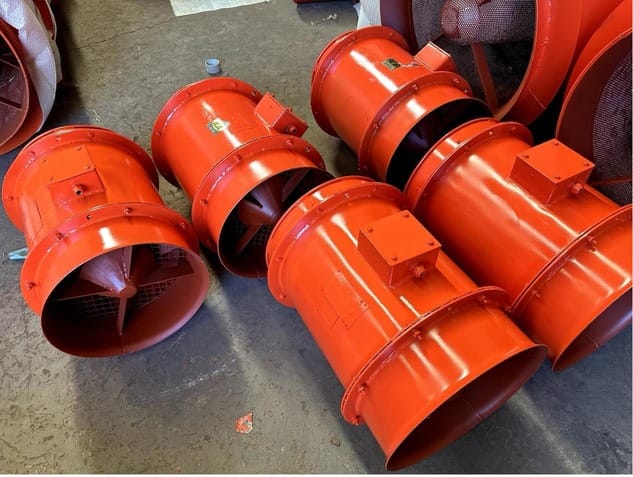
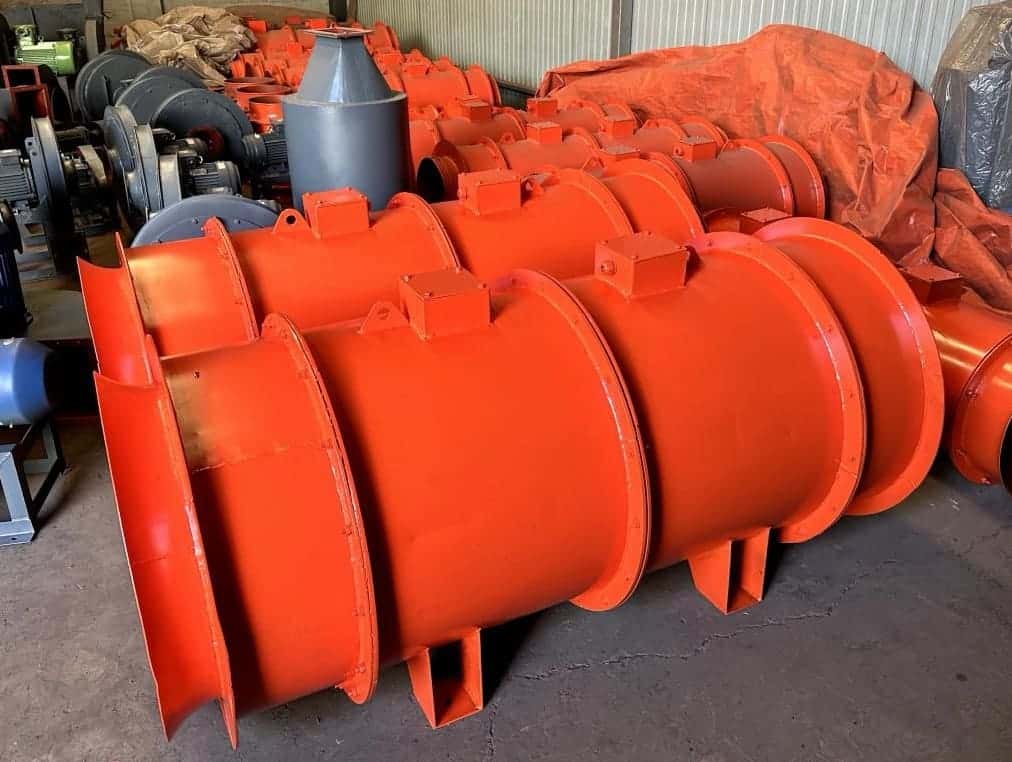
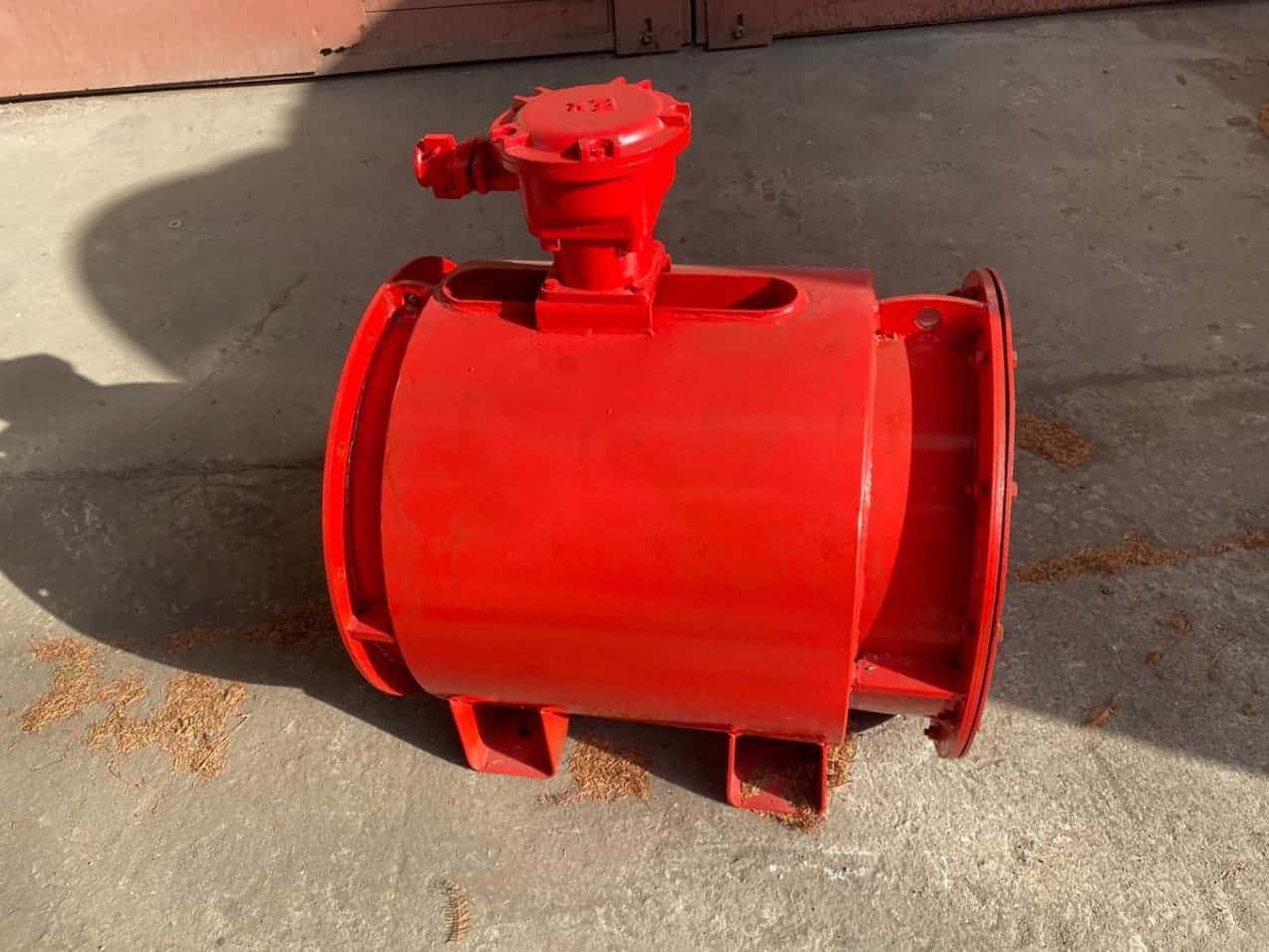
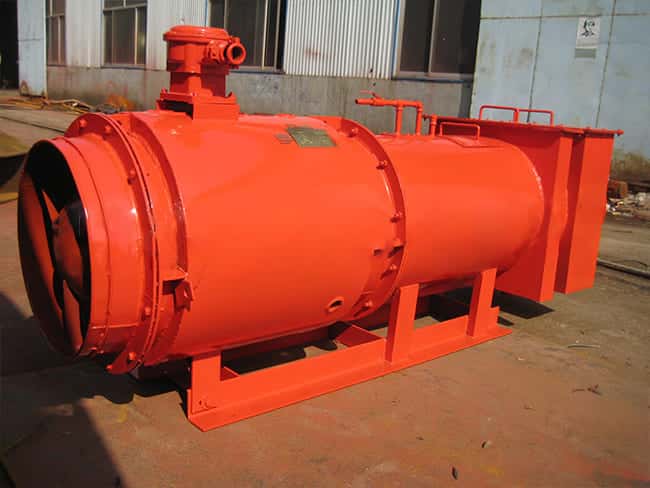
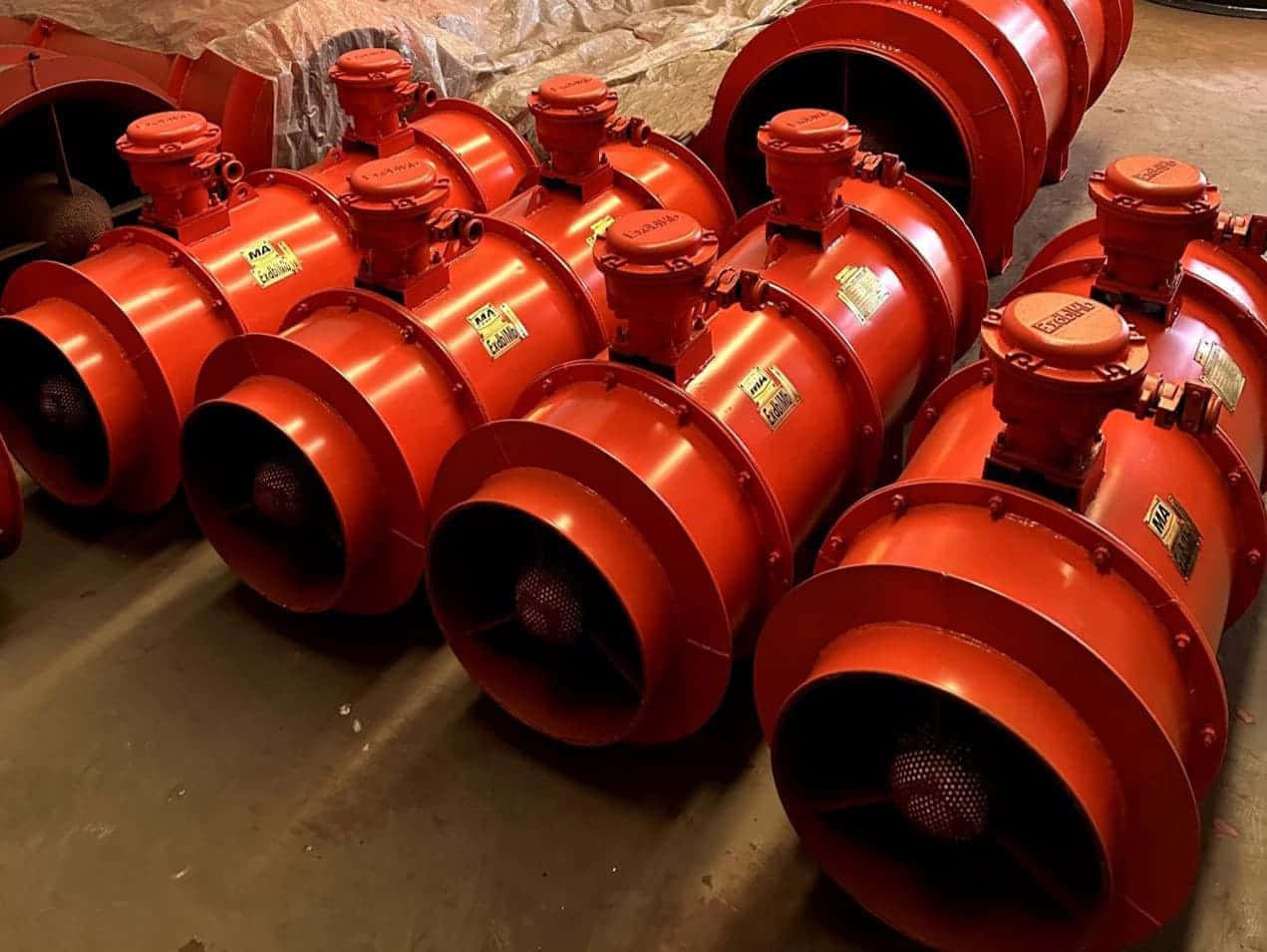
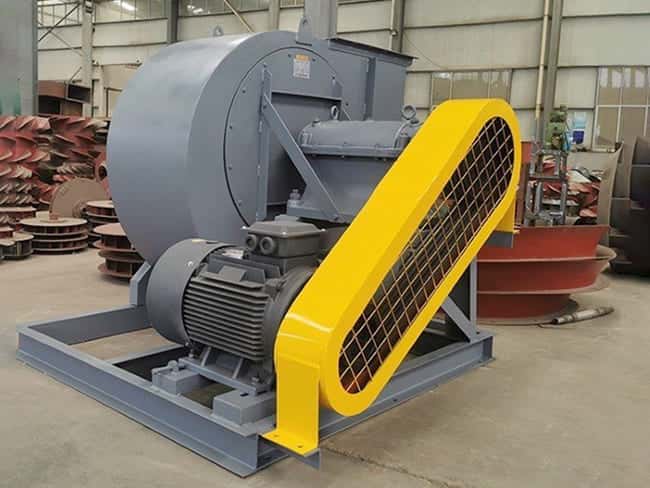
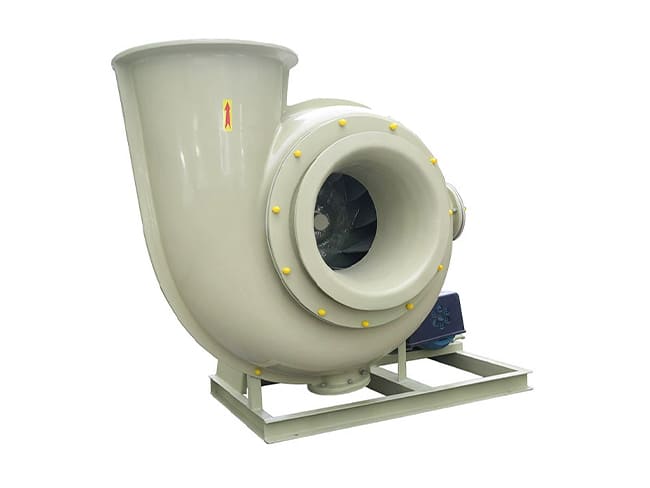
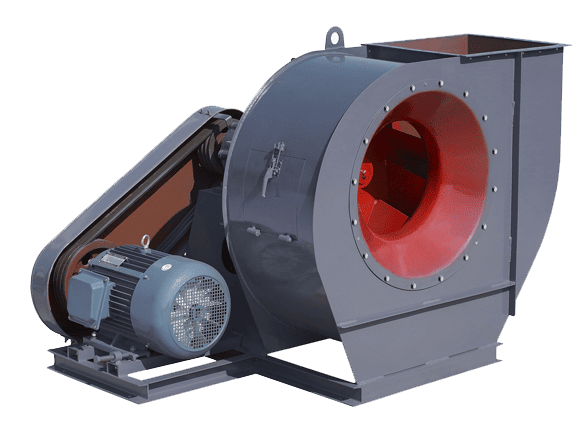
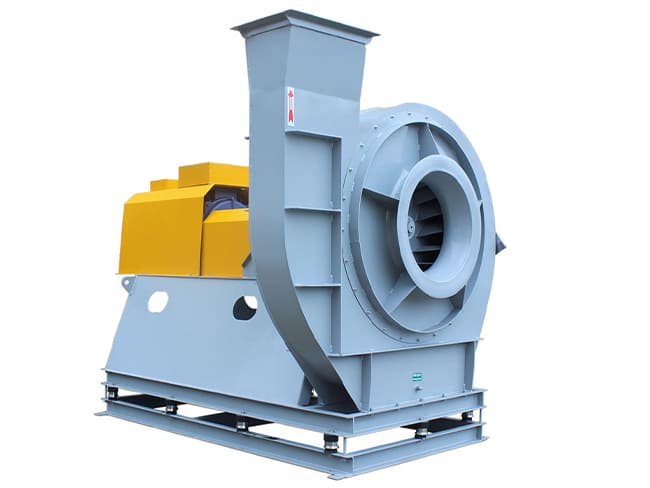
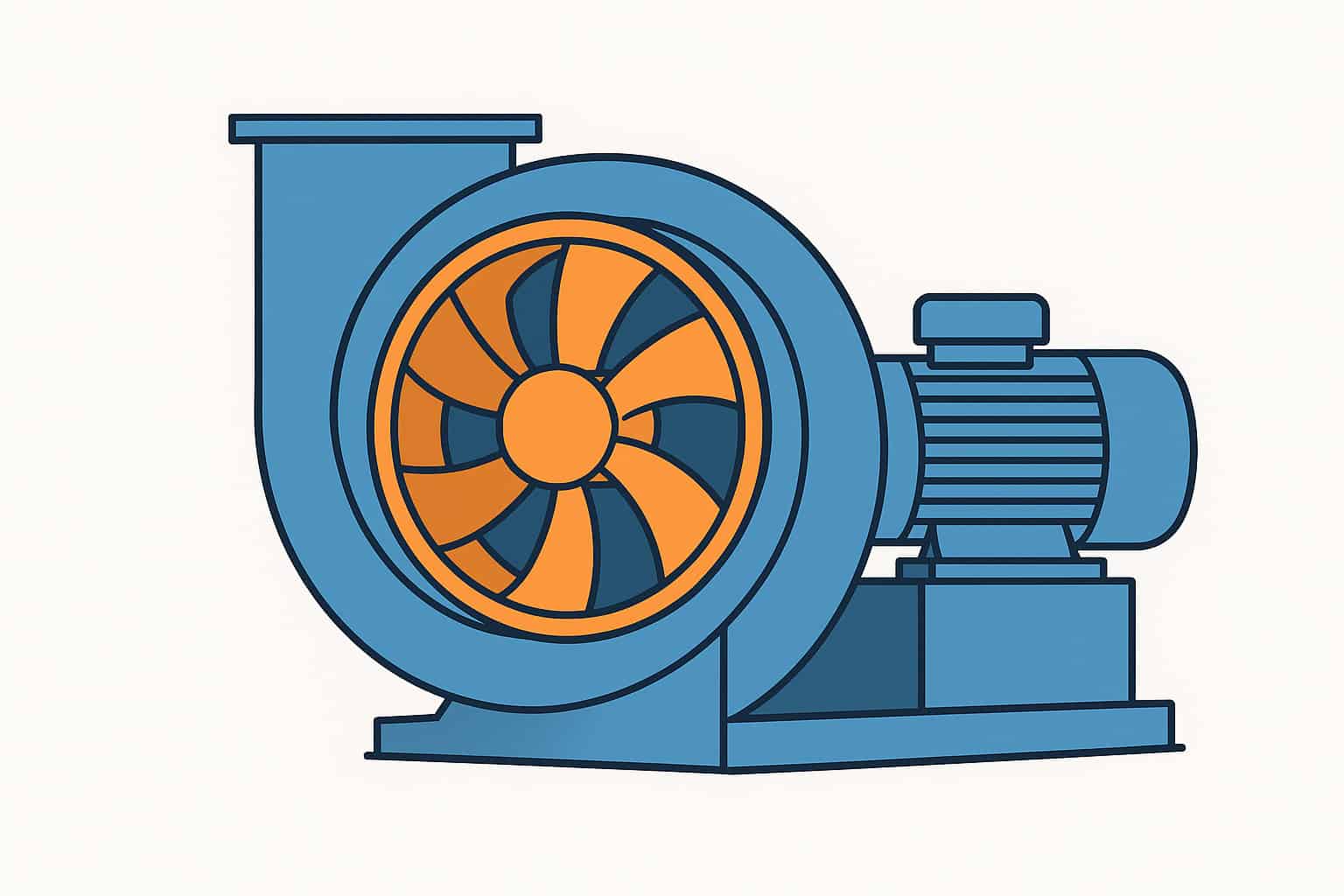
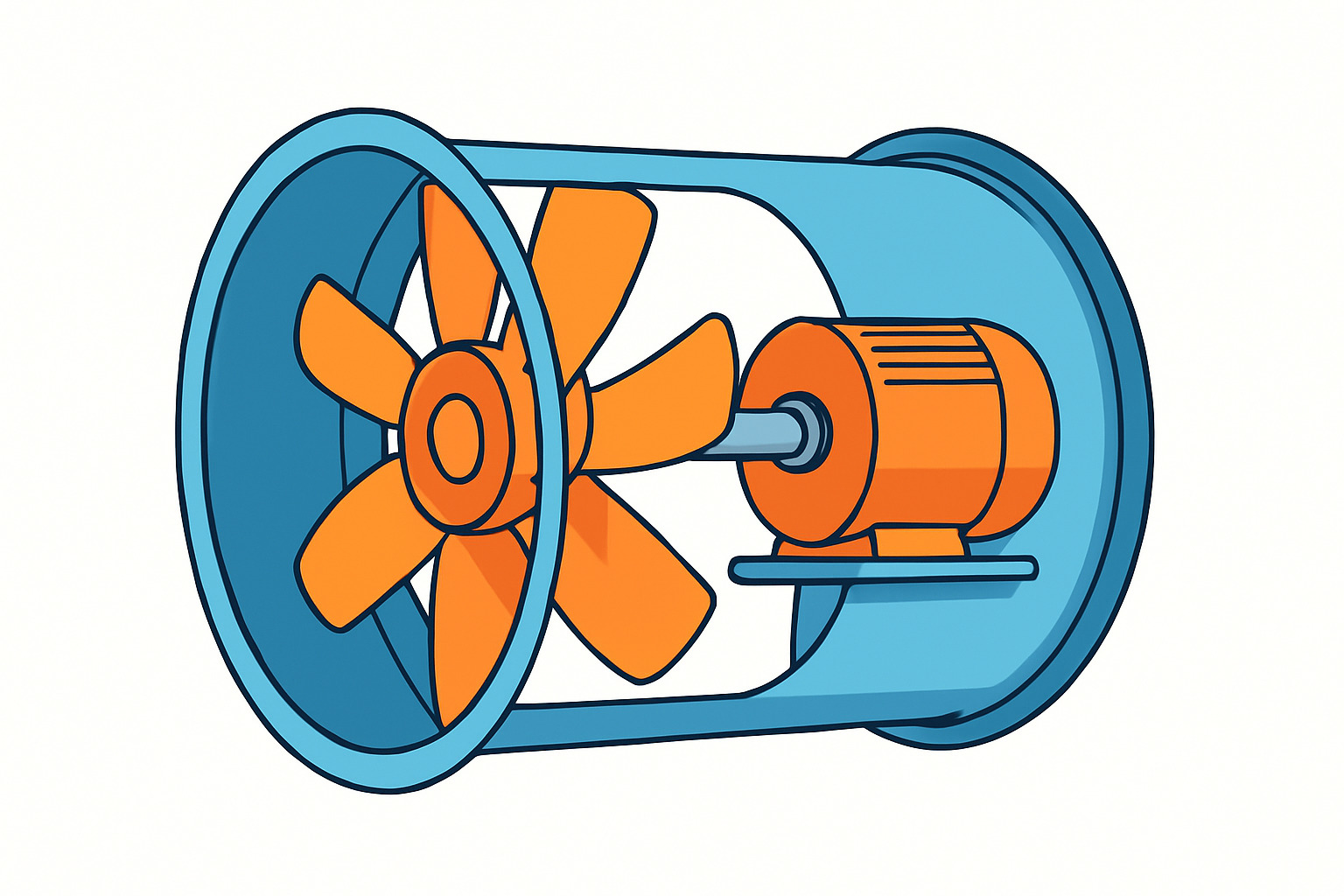
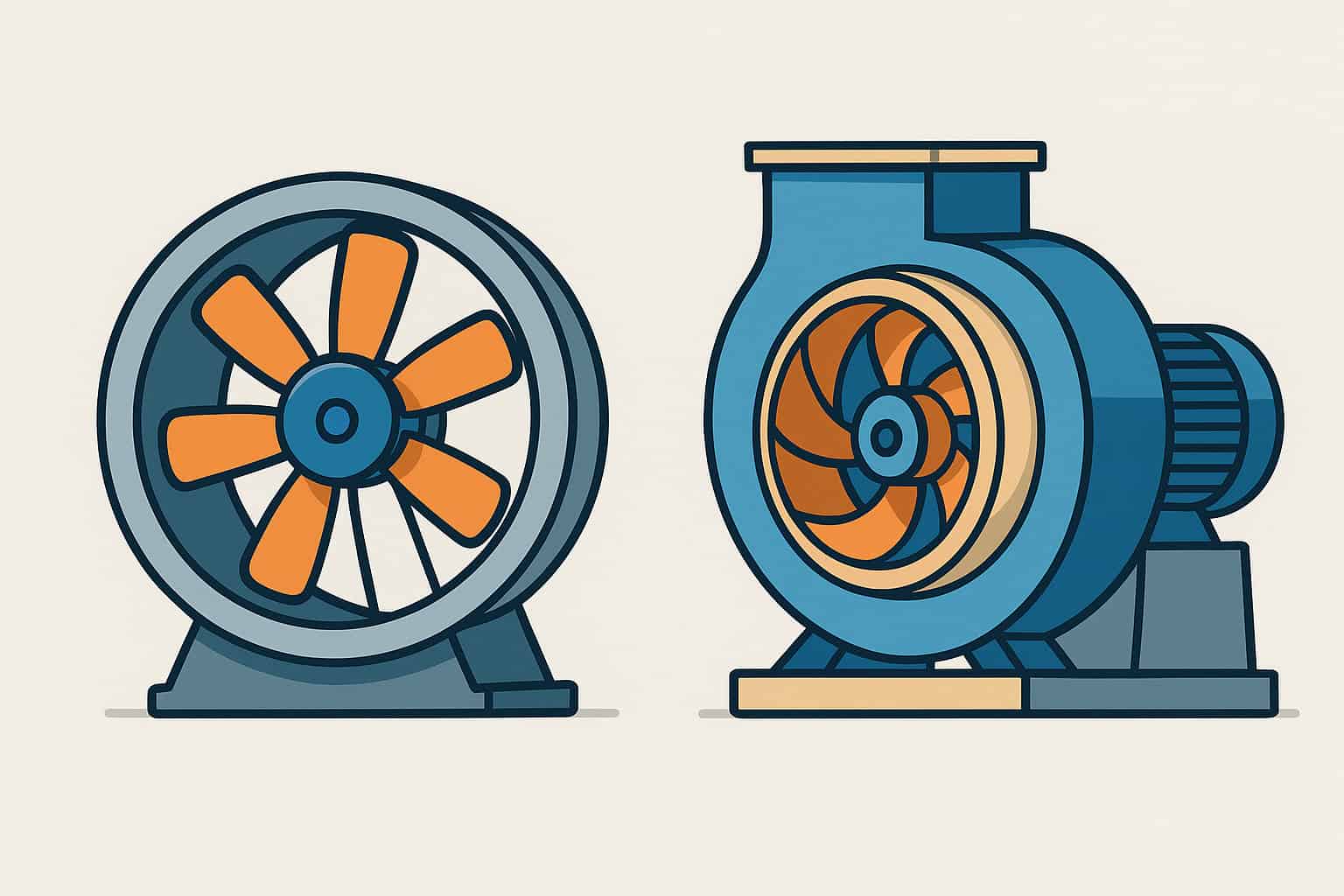
At its core, mine ventilation is about creating and controlling a continuous airflow circuit. Large axial or centrifugal fans installed at shafts or declines generate a pressure difference between intake and return airways. This pressure difference drives air from surface intake openings, through ramps and levels, across working areas and back out through exhaust routes. Intakes carry clean air into headings, stopes, workshops and travelways, while returns collect contaminated air and deliver it to exhaust fans and vents.
Ventilation in mines serves several critical functions. It must supply oxygen so that workers can breathe and combustion processes, such as diesel engines and explosives, can occur without creating dangerously oxygen-poor atmospheres. It must also dilute and remove hazardous gases such as methane, carbon monoxide, carbon dioxide and nitrogen oxides, which can be released from the orebody, explosives or fuel. In coal and some metal mines, special care is taken to prevent explosive gas mixtures from forming in any part of the ventilation circuit.
Another key role of mine ventilation is to control dust and diesel particulates. Drilling, blasting, loading, crushing and conveying generate fine rock dust, while diesel engines emit soot and other particulates. Ventilation airflow carries these particles away from breathing zones and, together with dust suppression and filtration systems, helps maintain concentrations below occupational exposure limits.
Ventilation in mines is also central to heat and humidity management. At greater depths, rock temperature rises, and mine equipment produces substantial heat. Ventilation removes heat from working faces and machine chambers and may work together with refrigeration plants and chilled water systems to keep temperatures and humidity within acceptable limits. This protects both workers and equipment and supports productive, continuous operation.
Finally, mine ventilation is an integral part of emergency planning and rescue. The ventilation system determines how smoke and toxic gases move during fires or explosions. Mines must have ventilation plans that show air routes, fan locations and control devices such as regulators and doors. These plans guide emergency procedures for isolating areas, reversing fans where allowed and maintaining safe escape routes.
In summary, ventilation in mines is the planned and controlled movement of air using fans, shafts, airways and controls to deliver fresh air and remove contaminants, making underground mining and heavy industrial ventilation possible.