
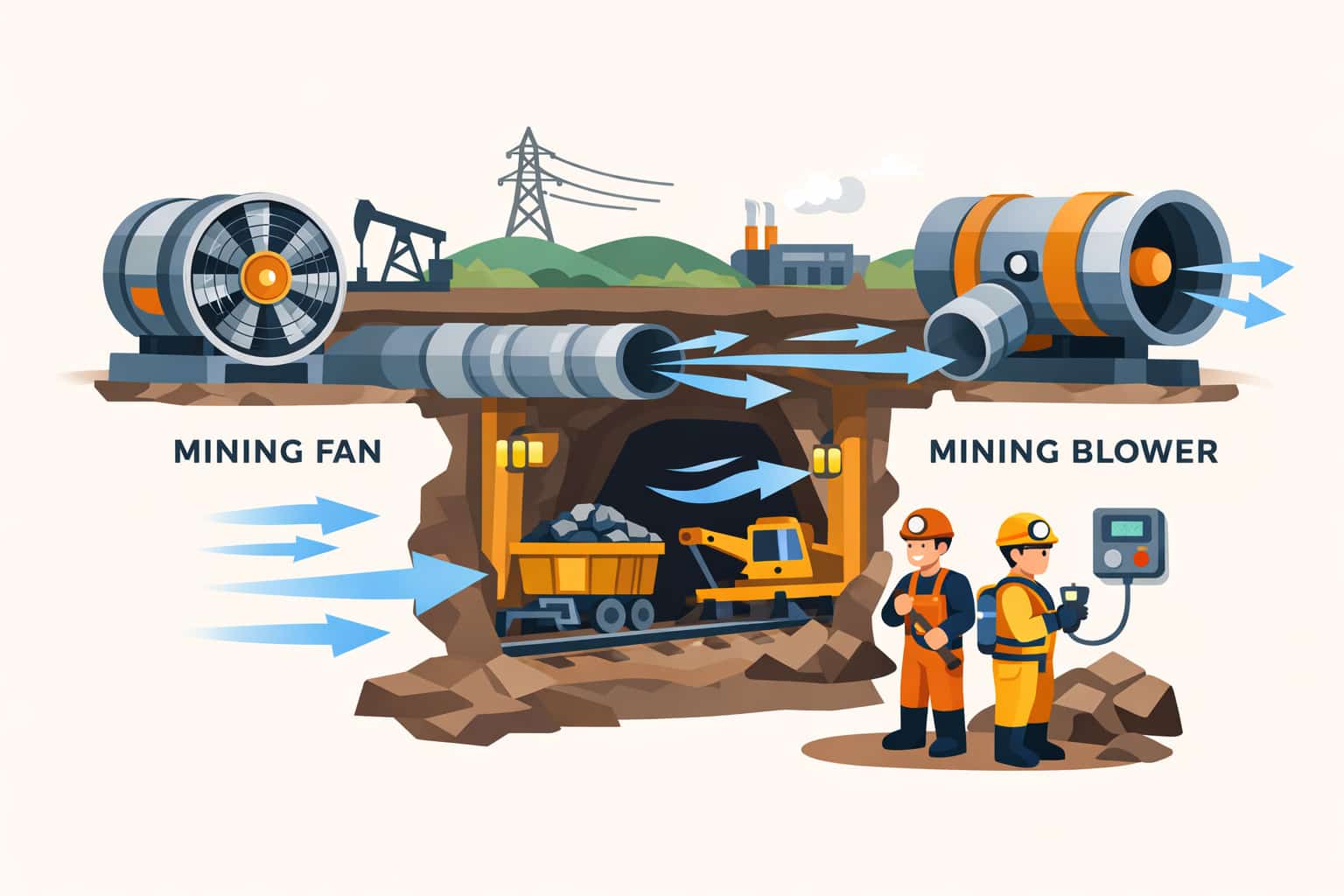

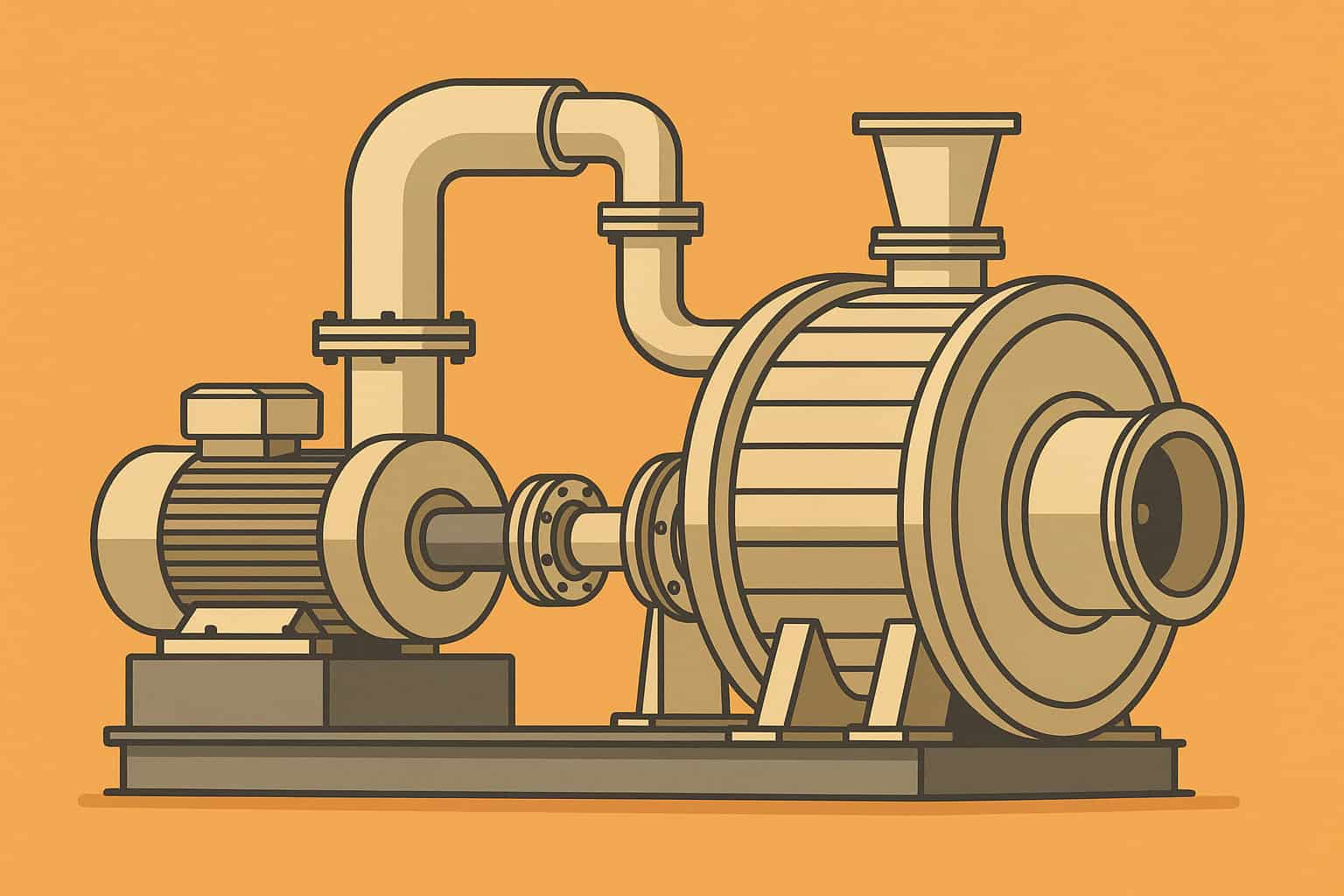
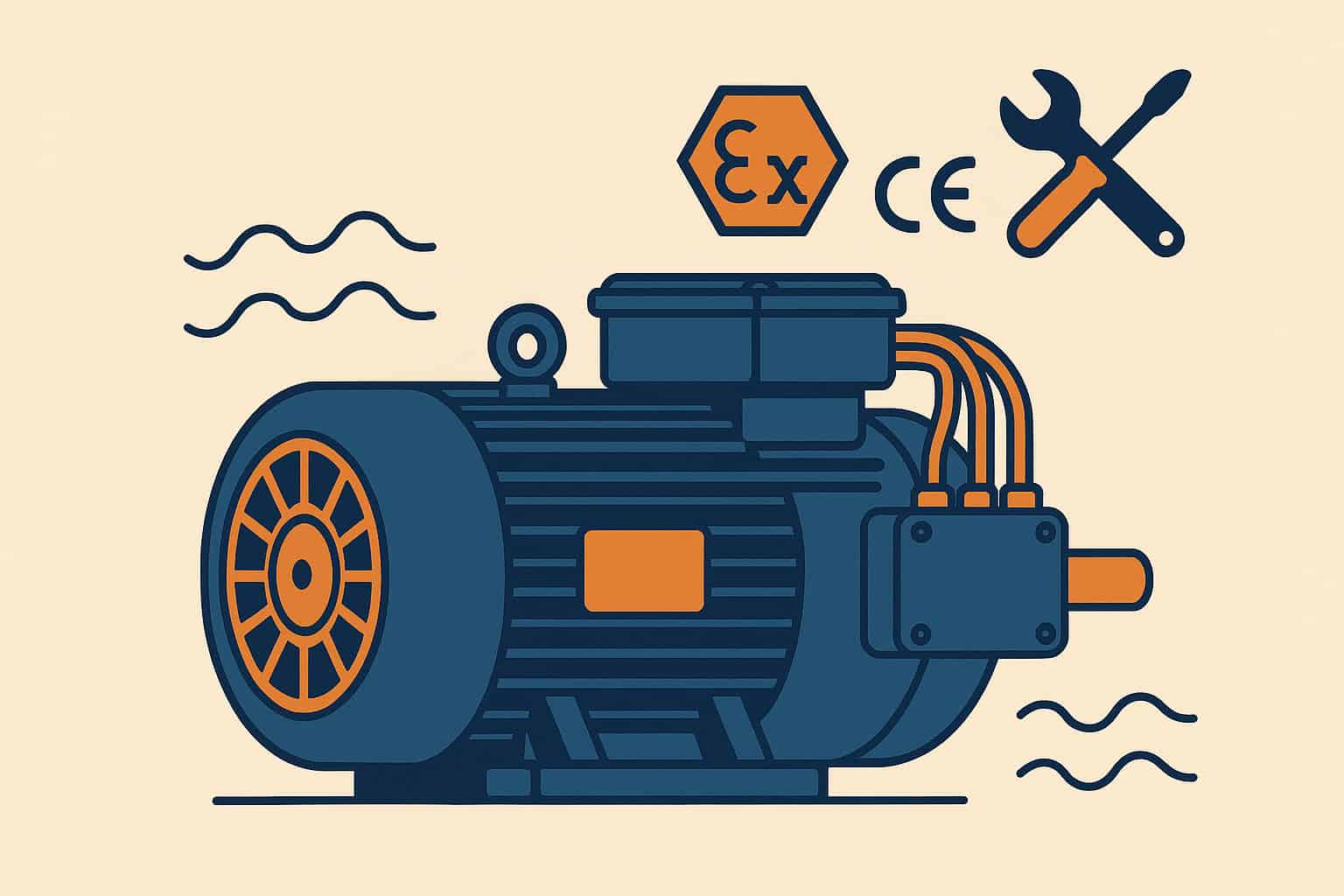
Ventilation in the mining industry is the engineered movement and control of air through underground workings so that miners and equipment can operate safely and efficiently. It is a complete system made up of main ventilation fans, shafts, raises, drifts, crosscuts, auxiliary fans and ducts, all working together to supply fresh air and remove gases, dust, heat and humidity from the mine.
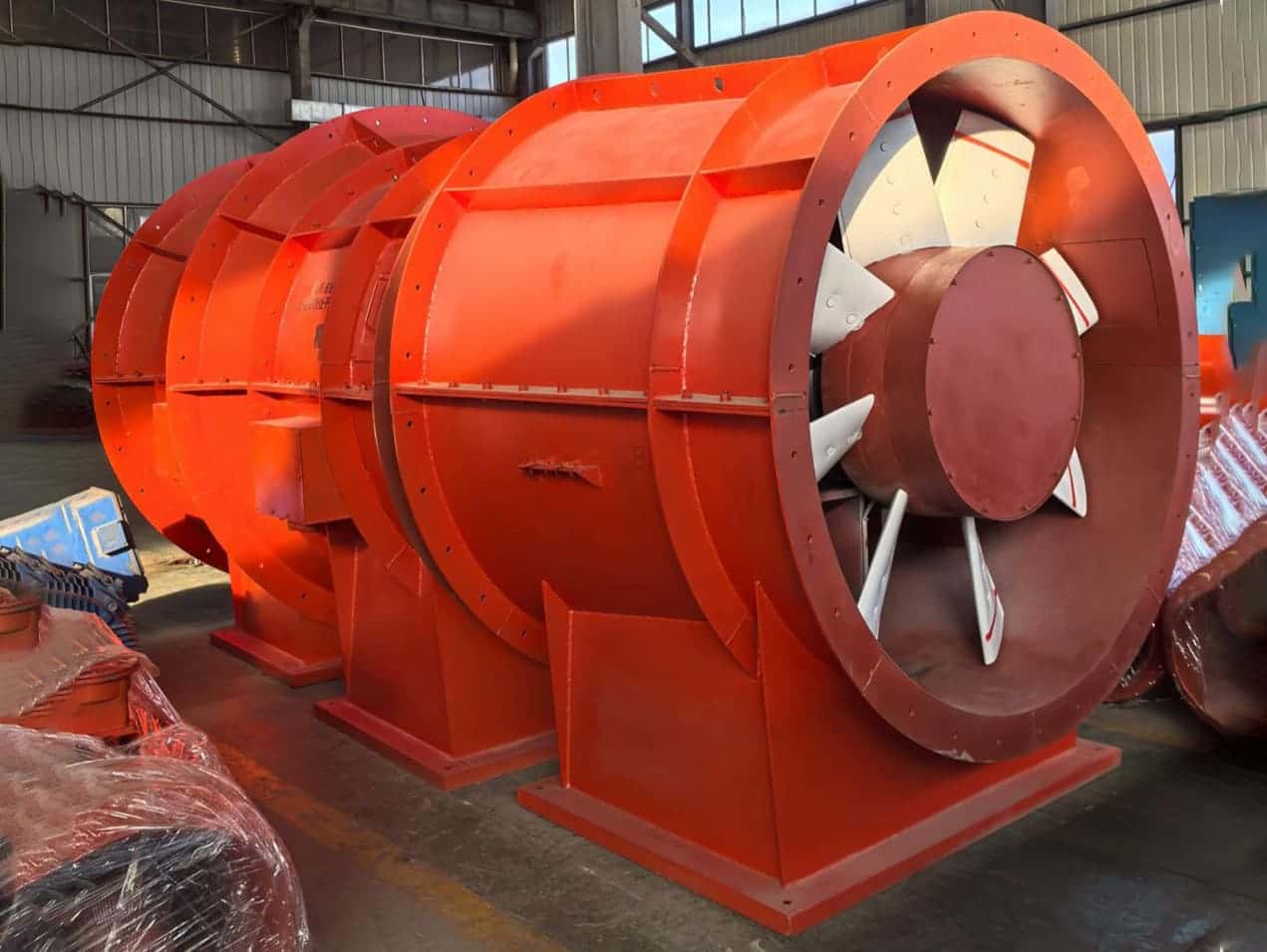
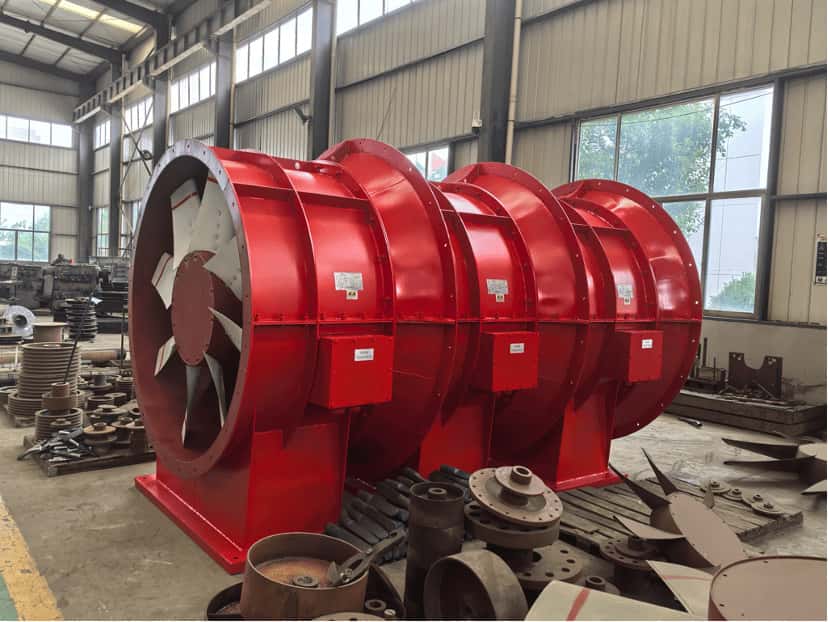
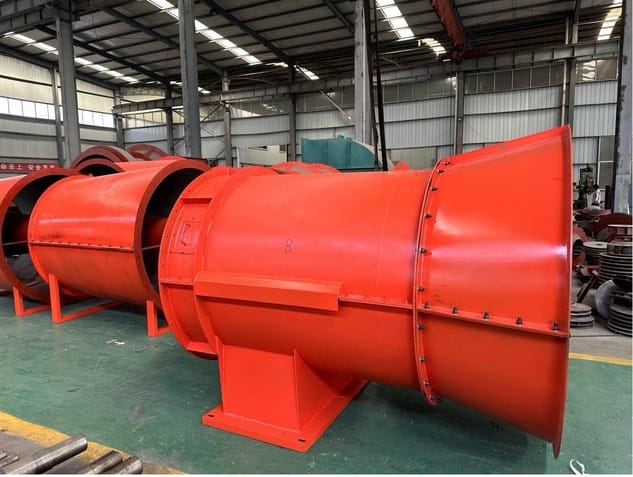
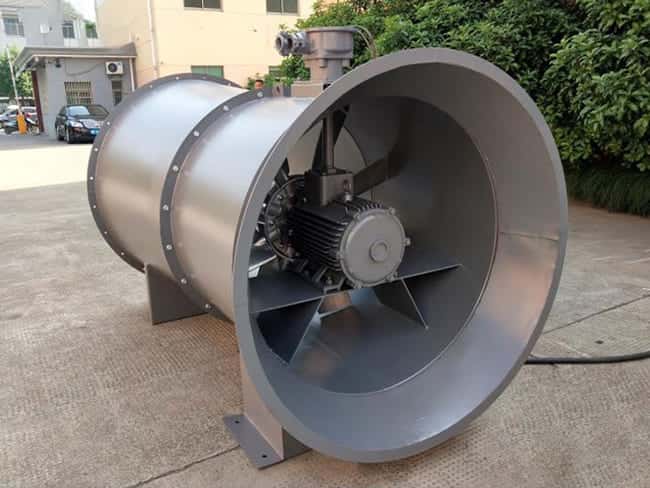
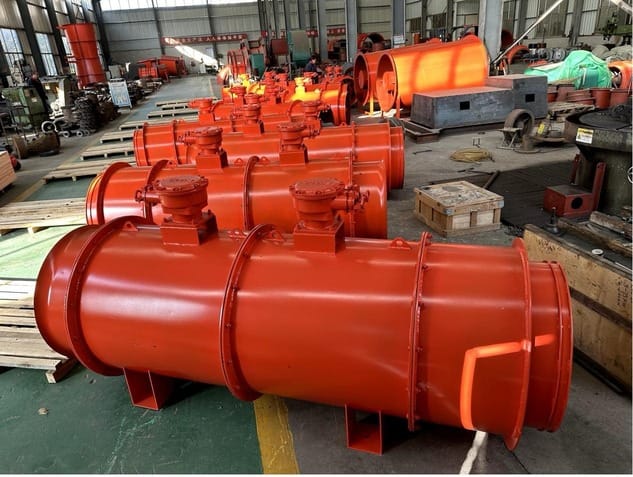
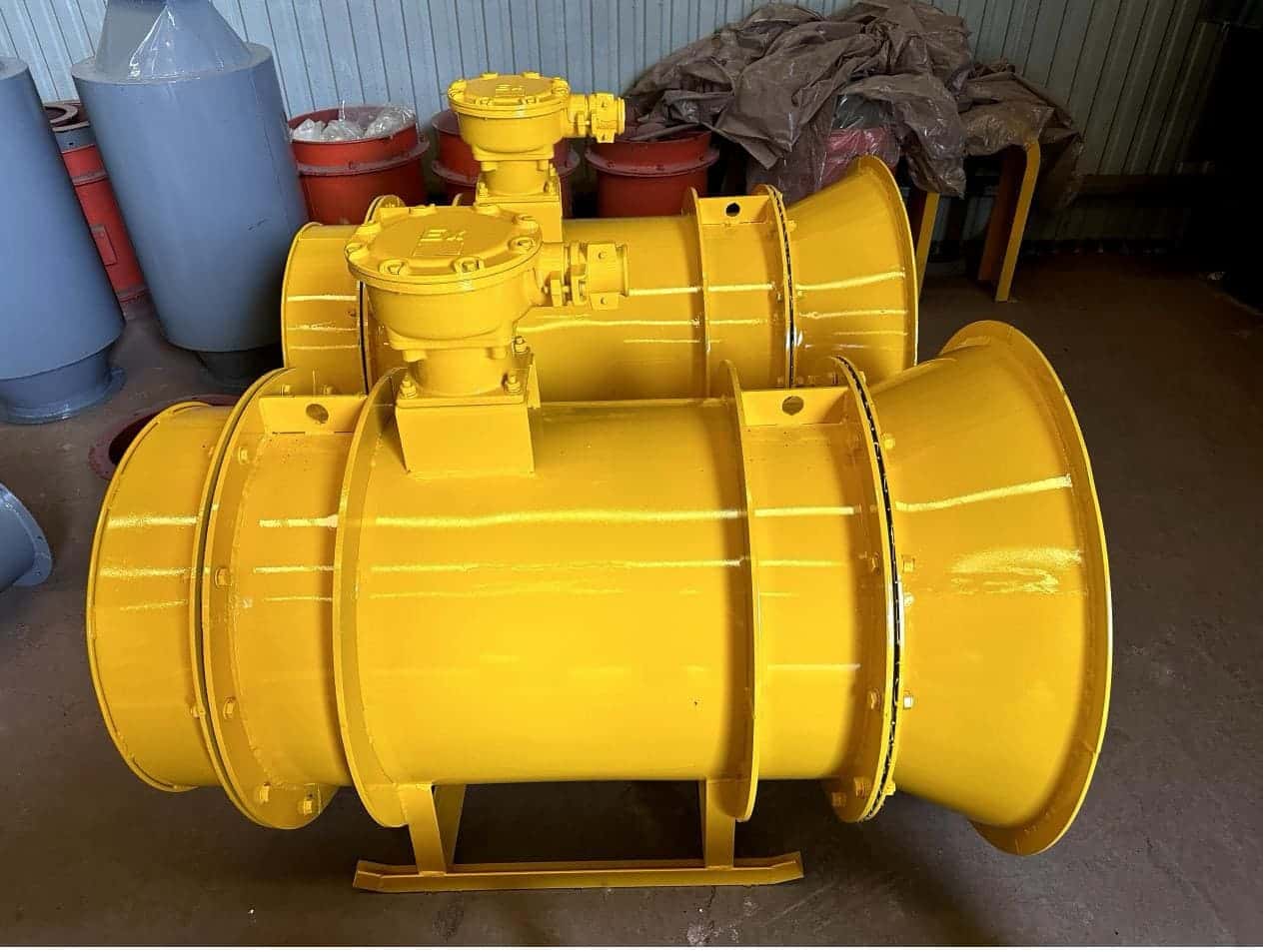
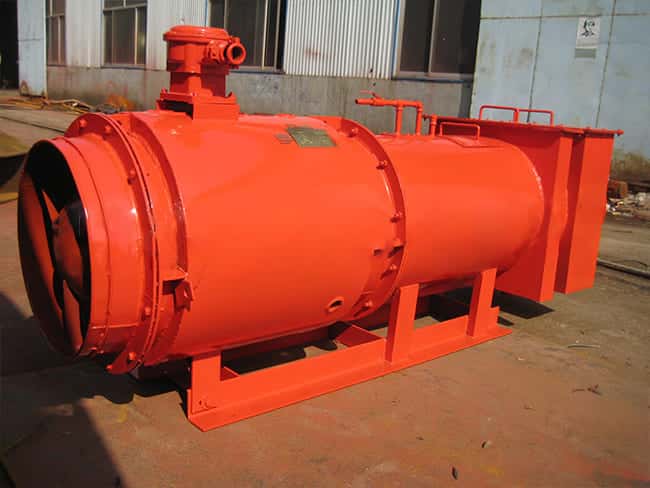
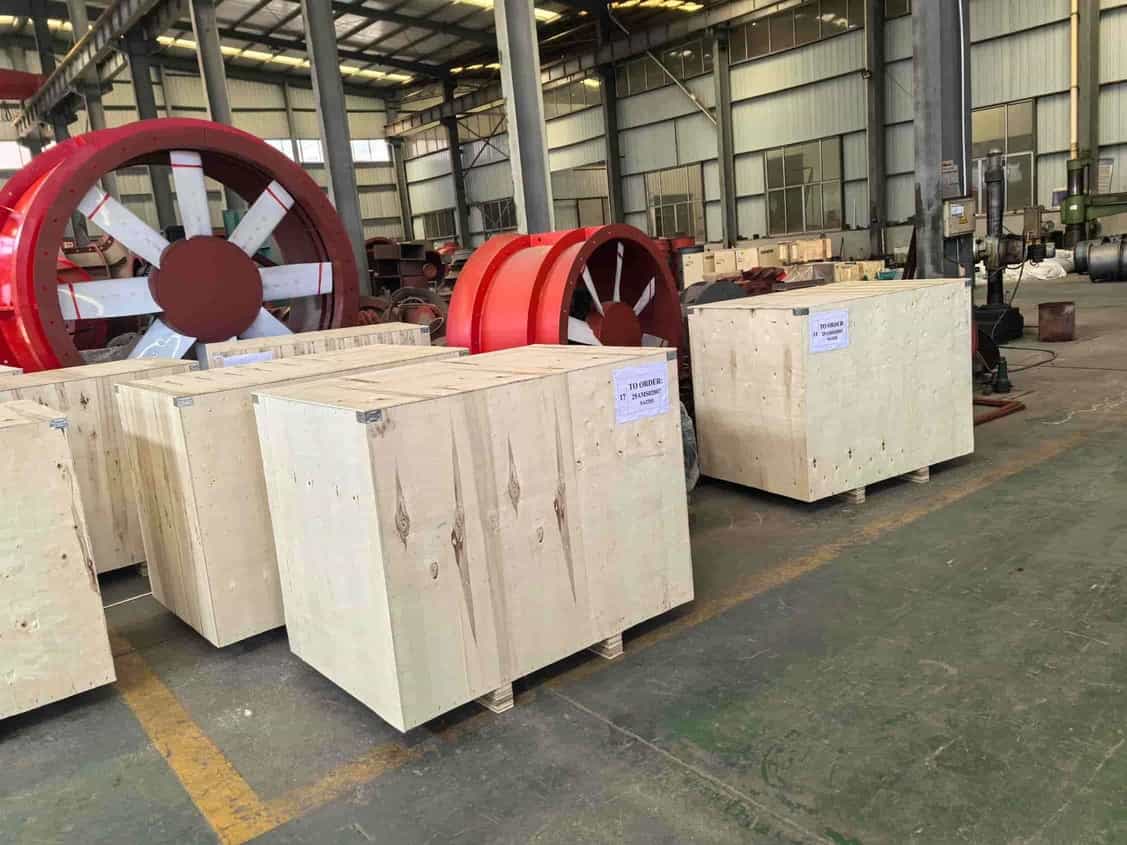
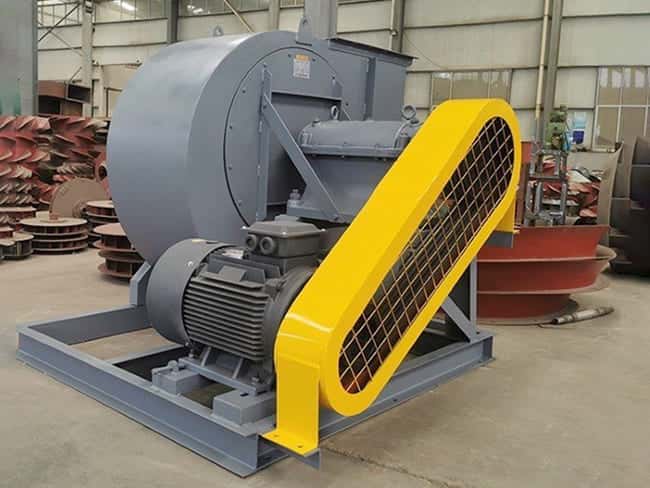
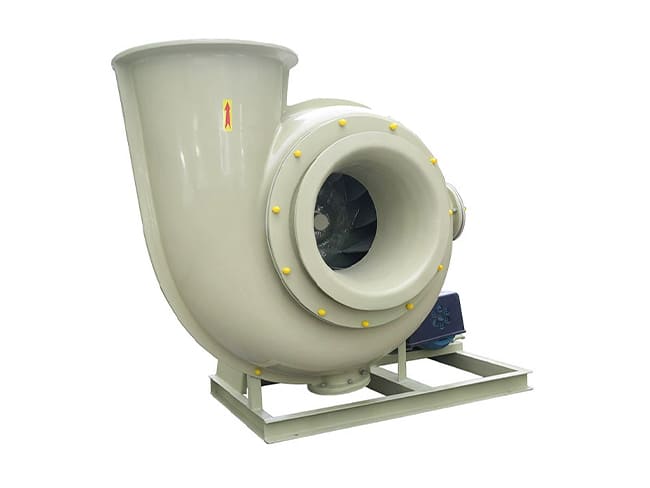
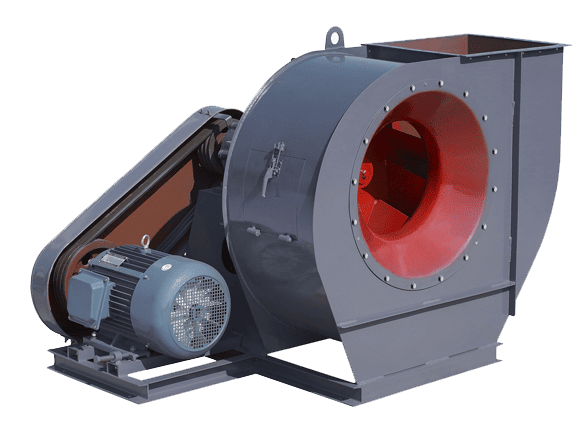
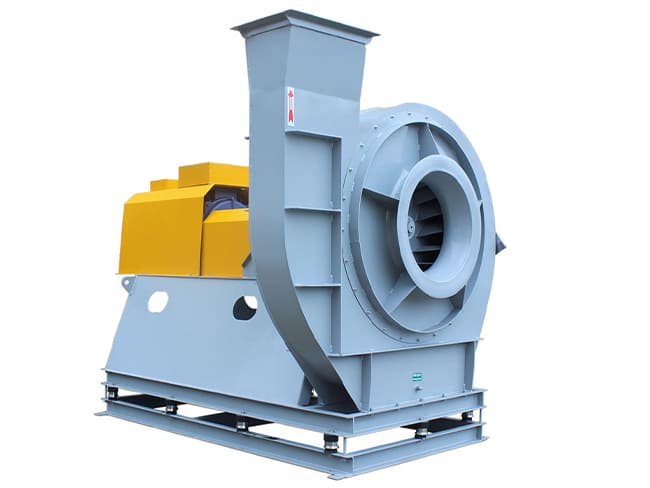
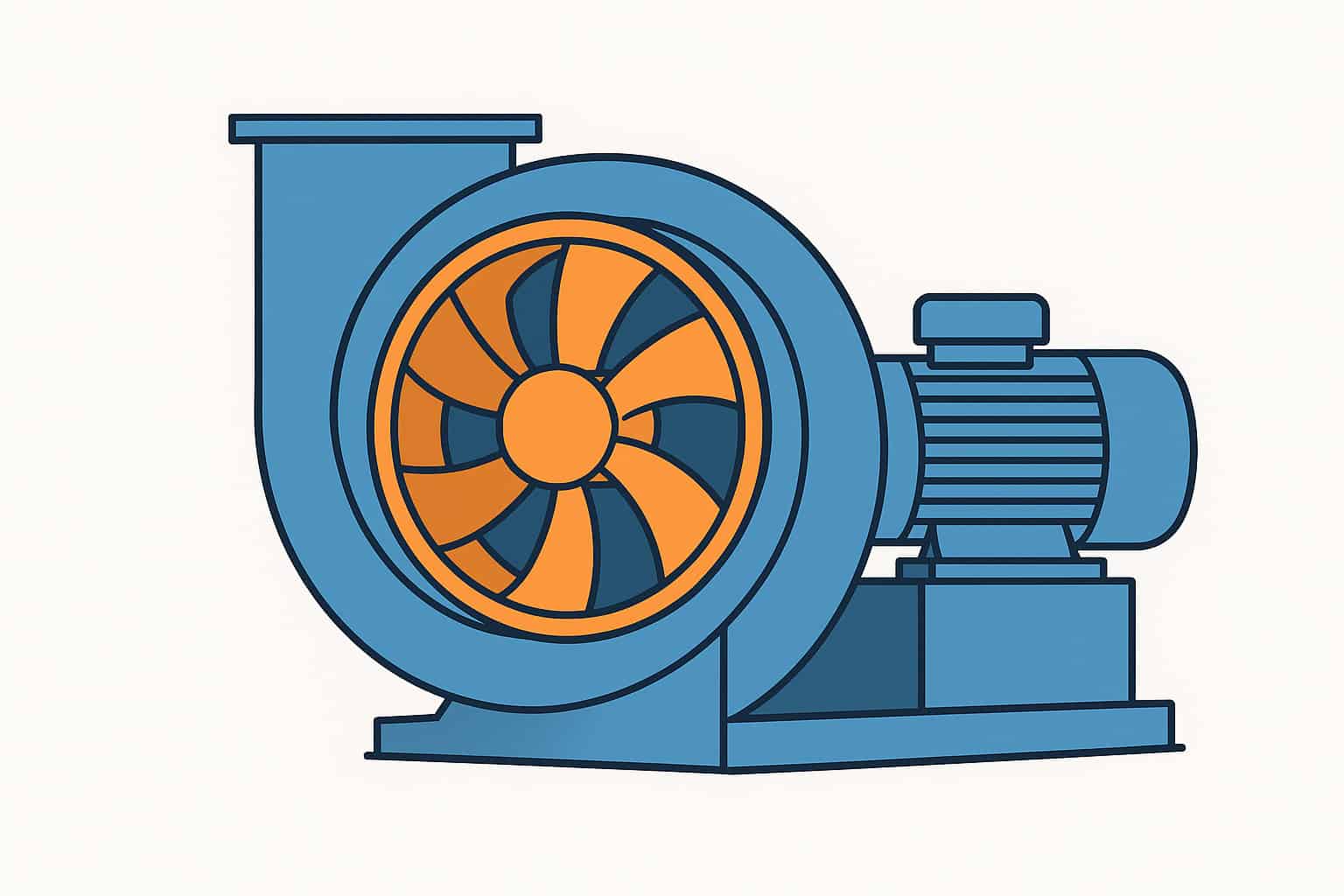
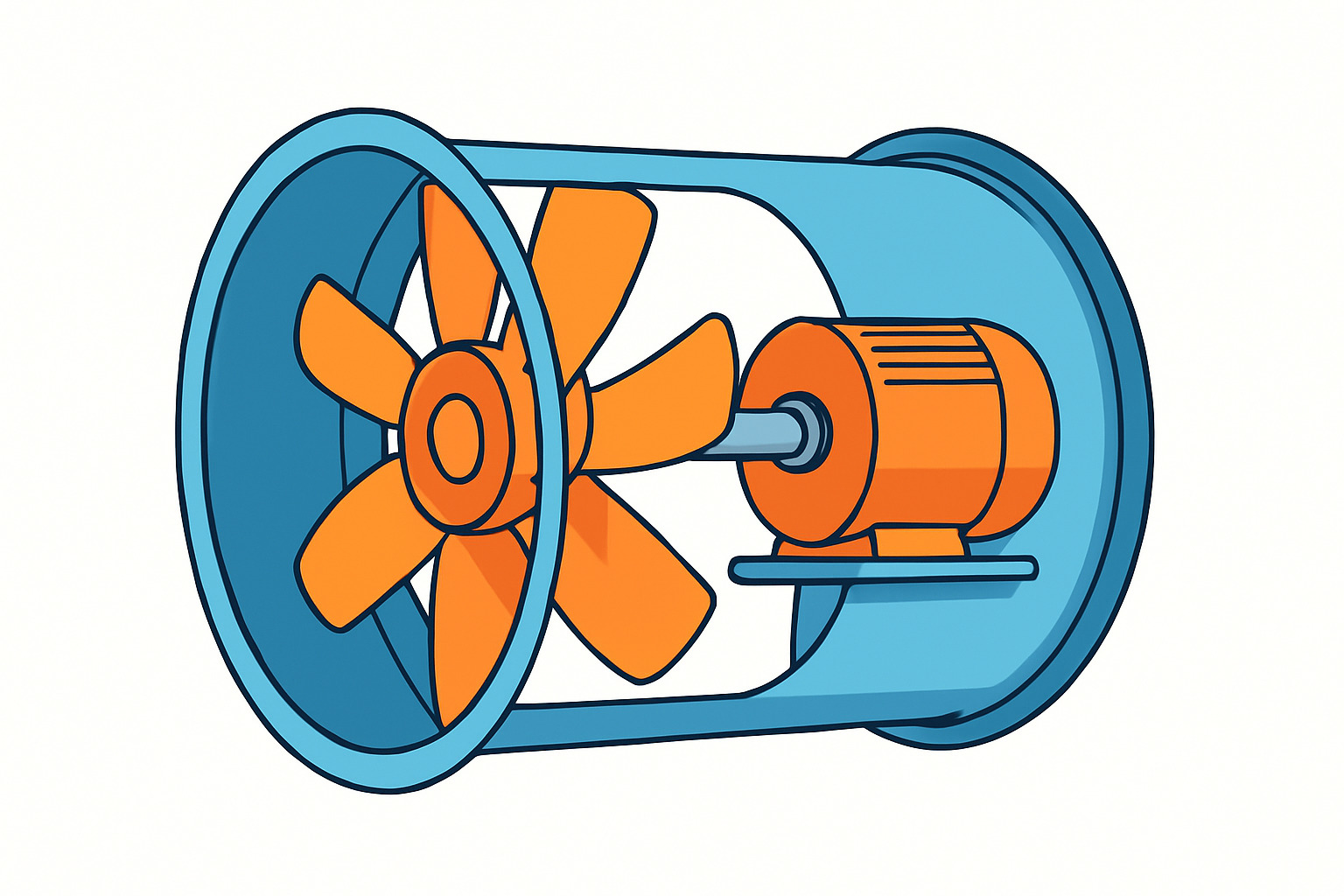
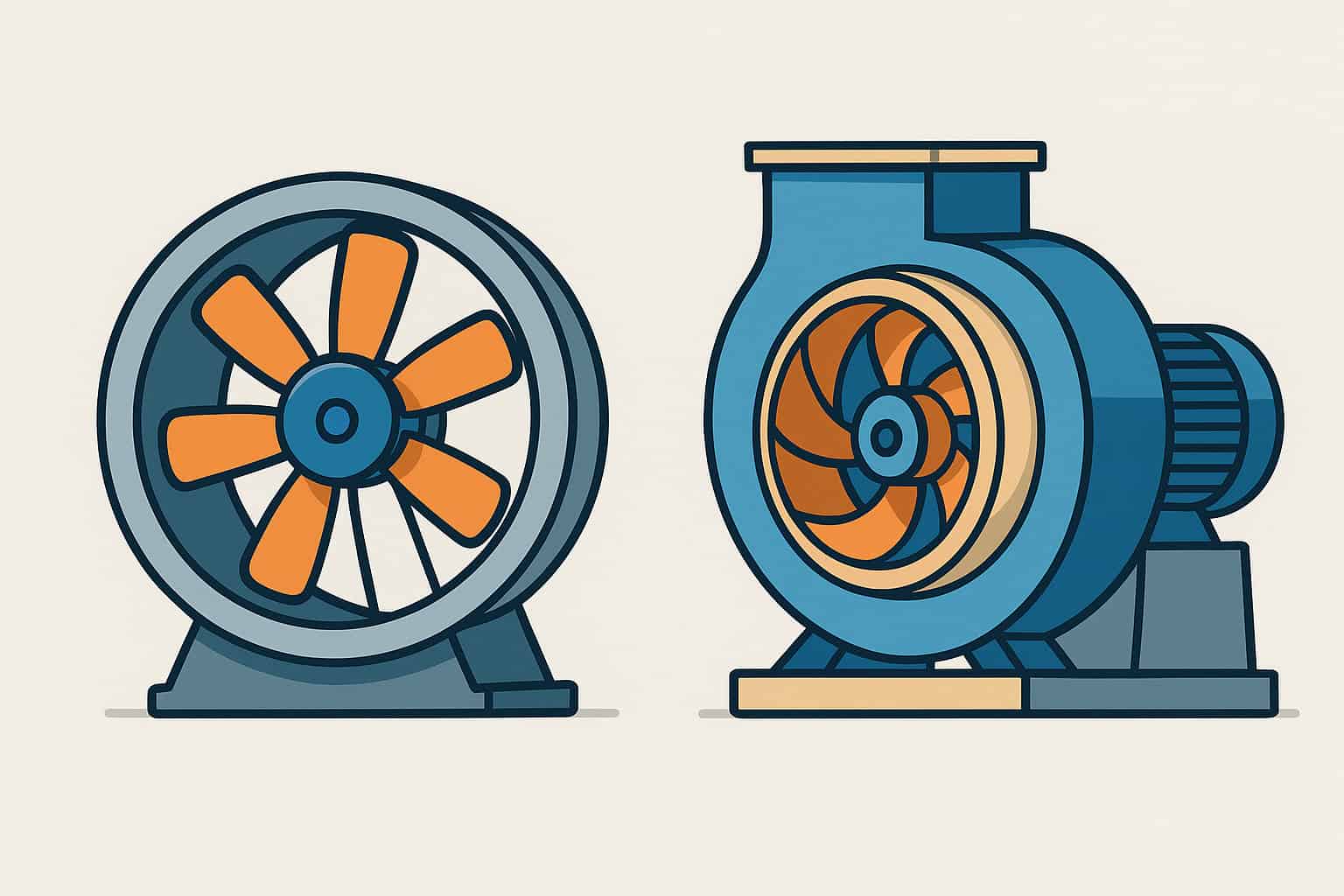
In a typical underground mine, fresh air enters through intake shafts, declines or adits. Large axial or centrifugal mine ventilation fans mounted on surface or underground fan stations create a pressure difference between intake and return airways. This pressure difference drives air along designed routes: down intake drifts, across levels and working districts, and back up return airways to exhaust fans, which discharge contaminated air to the atmosphere at safe locations.
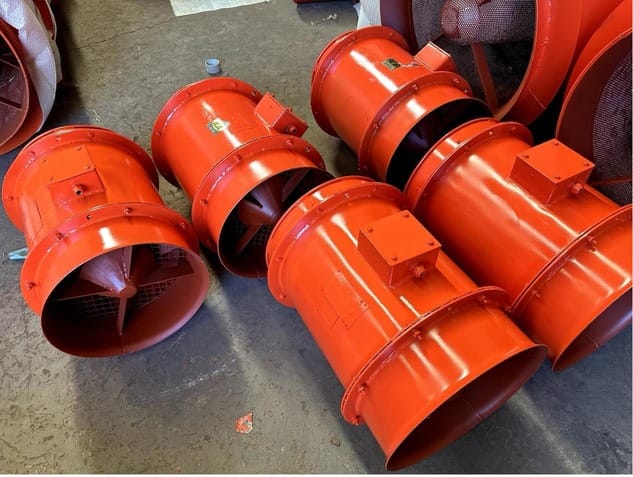
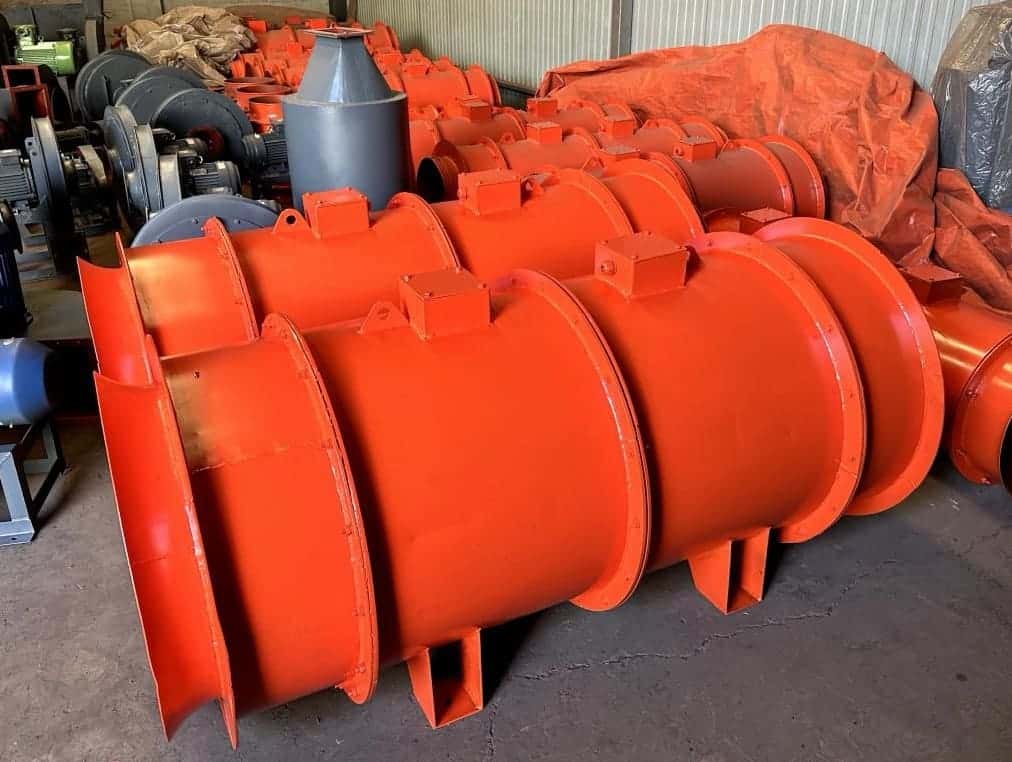
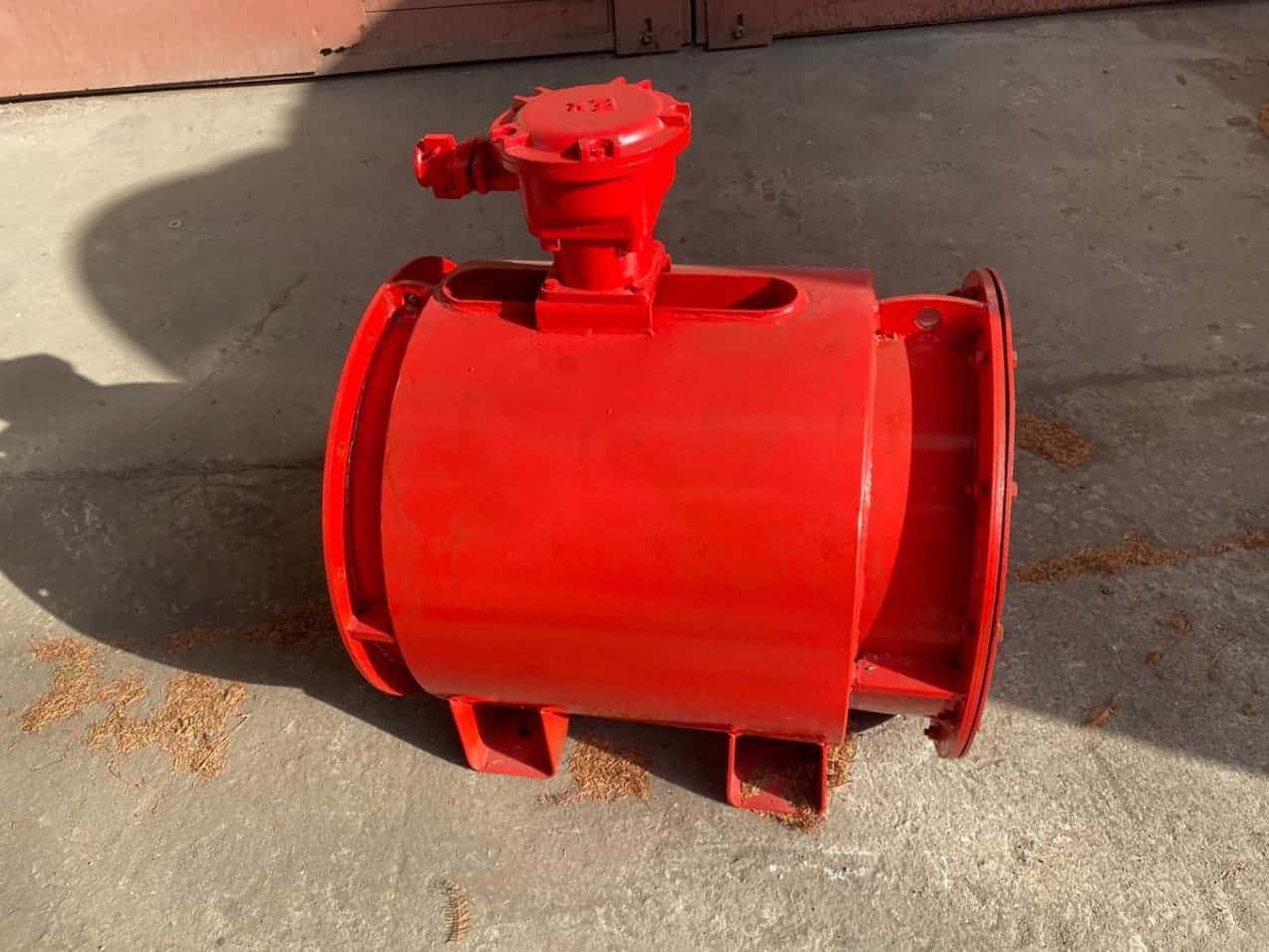
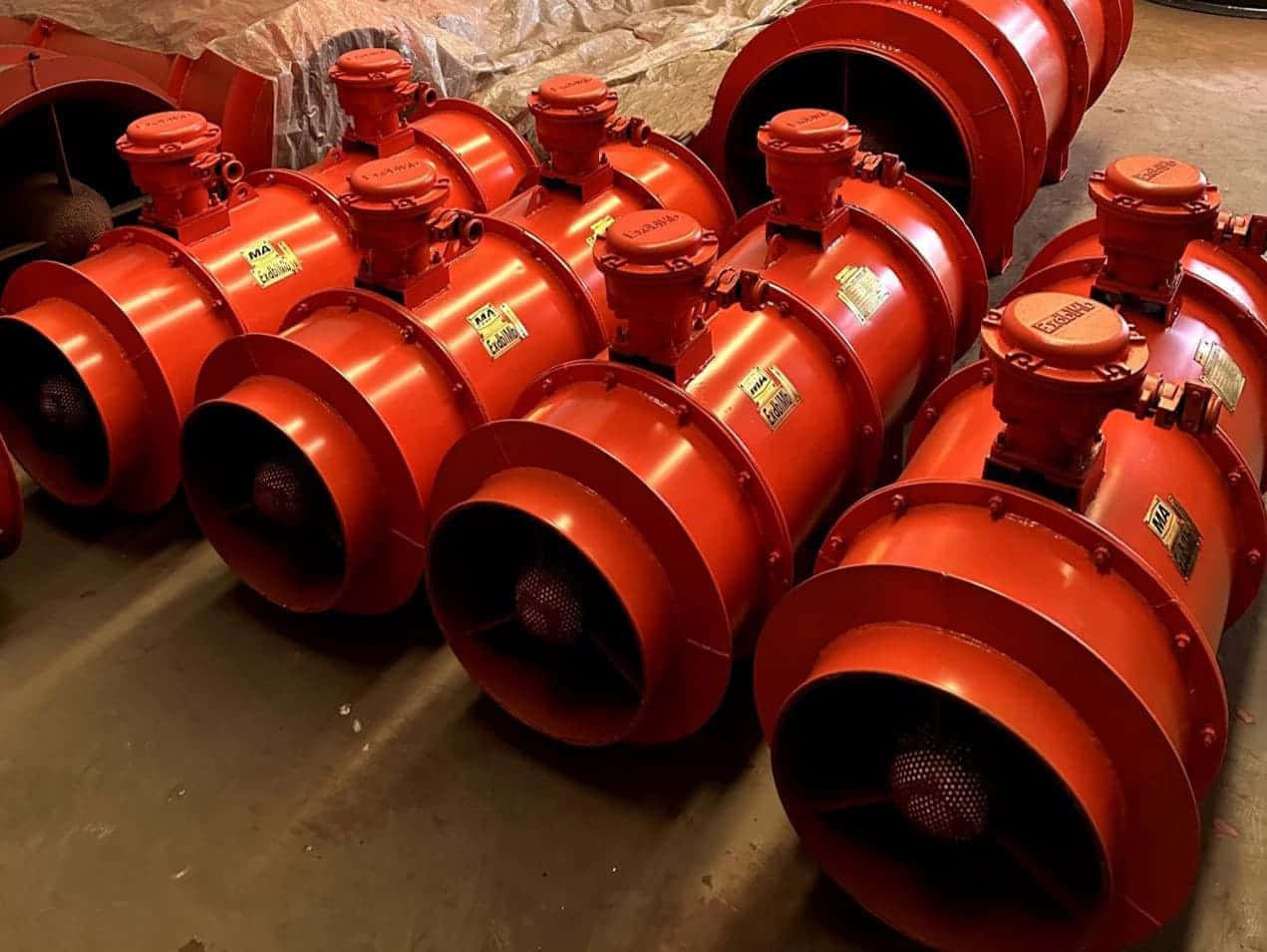
Because main airways cannot directly reach every heading and stope, the mining industry also relies on auxiliary ventilation. Auxiliary fans and ventilation ducts supply fresh air to blind headings, development drives and production stopes, or extract contaminated air from these areas. Flexible or steel ducts are moved and adjusted as the face advances so that adequate air quantity and quality is maintained at the working front.
The primary objectives of ventilation in the mining industry are to supply oxygen, dilute and remove hazardous gases, control dust and diesel particulates, and manage heat and humidity. Regulations set strict limits for gas and dust concentrations and for acceptable working temperatures. The ventilation system is designed and operated to meet these limits under all normal and foreseeable operating conditions, including production peaks and equipment changes.
Modern mine ventilation is supported by monitoring and automation. Gas sensors, airflow meters and temperature probes provide real-time data from critical points underground. Variable speed drives on main and auxiliary fans allow air quantities to be adjusted over time, and ventilation-on-demand strategies can reduce energy consumption by matching airflow to actual production needs while still maintaining safety margins.
In summary, ventilation in the mining industry is a comprehensive air management system that uses fans, airways and control devices to create safe underground atmospheres. It is fundamental to worker health, explosion prevention, equipment reliability and overall mine productivity.
