
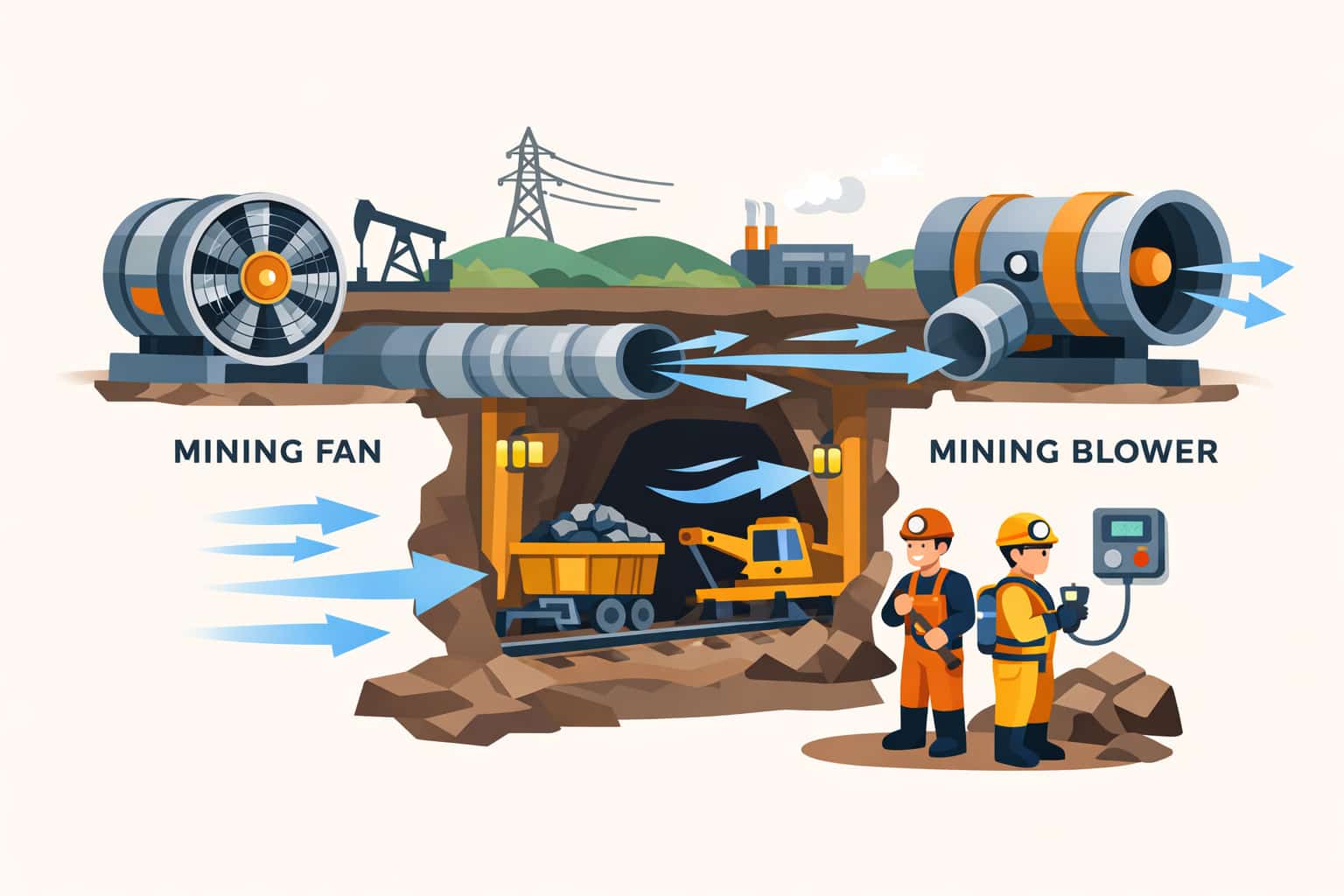
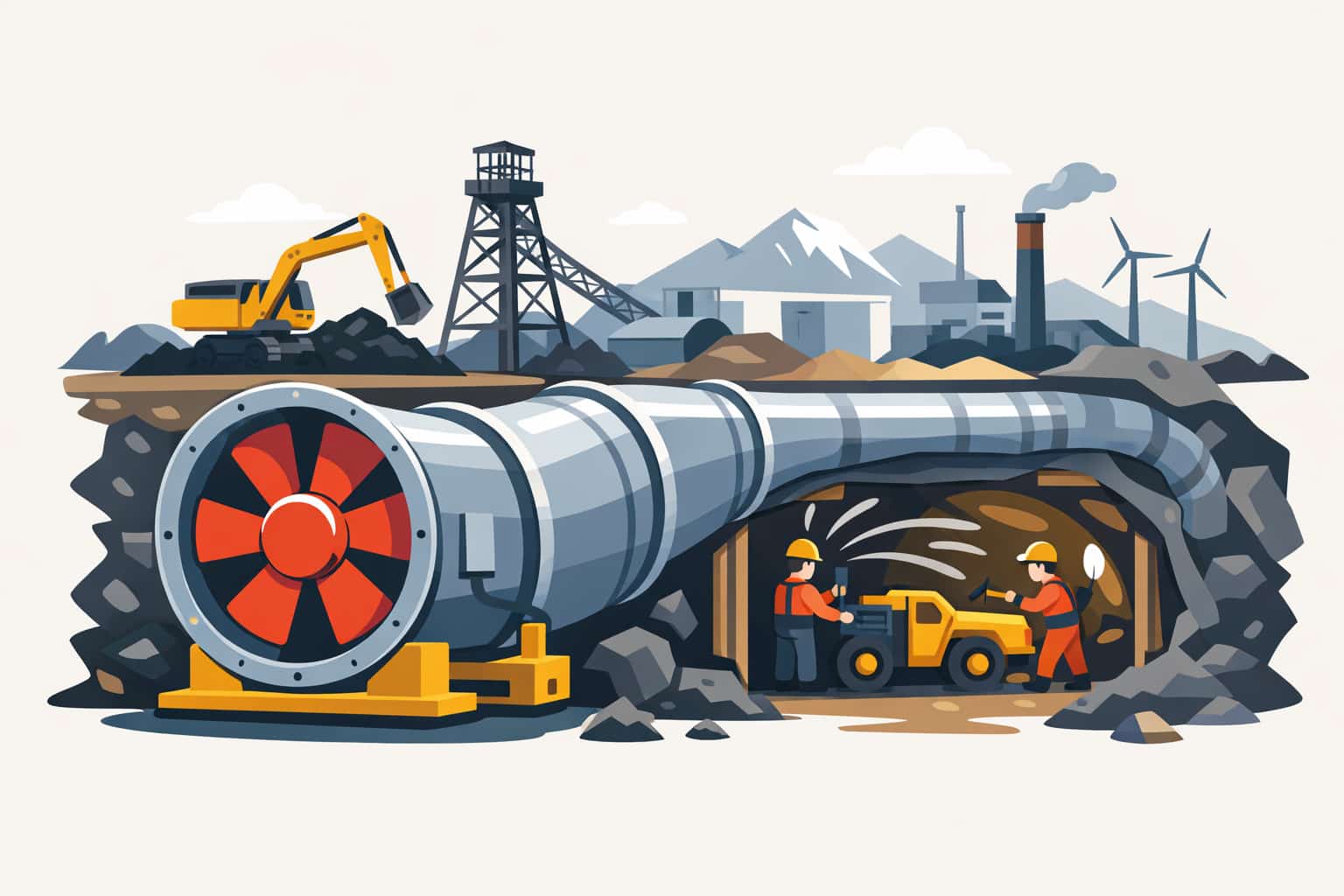
Ventilation on demand (VOD) for underground mines is an automated strategy that adjusts airflow and fan output according to real-time needs instead of running all ventilation equipment at full capacity all the time. The goal is to provide the right amount of air in the right place at the right time, improving safety while reducing energy consumption and operating costs.
In a traditional fixed ventilation system, main fans, booster fans, and many auxiliary fans run at constant speed and deliver roughly the same airflow regardless of how many headings are active or how much diesel equipment is operating. Ventilation on demand changes this by using sensors, tracking, and control software to monitor conditions and adjust fans, regulators, and dampers dynamically.
Typical components of a VOD system include:
- Position and activity tracking: systems that track vehicles, equipment, and sometimes personnel to identify which headings or districts are active.
- Ventilation sensors: airflow, pressure, gas, and temperature sensors that provide real-time feedback on ventilation performance.
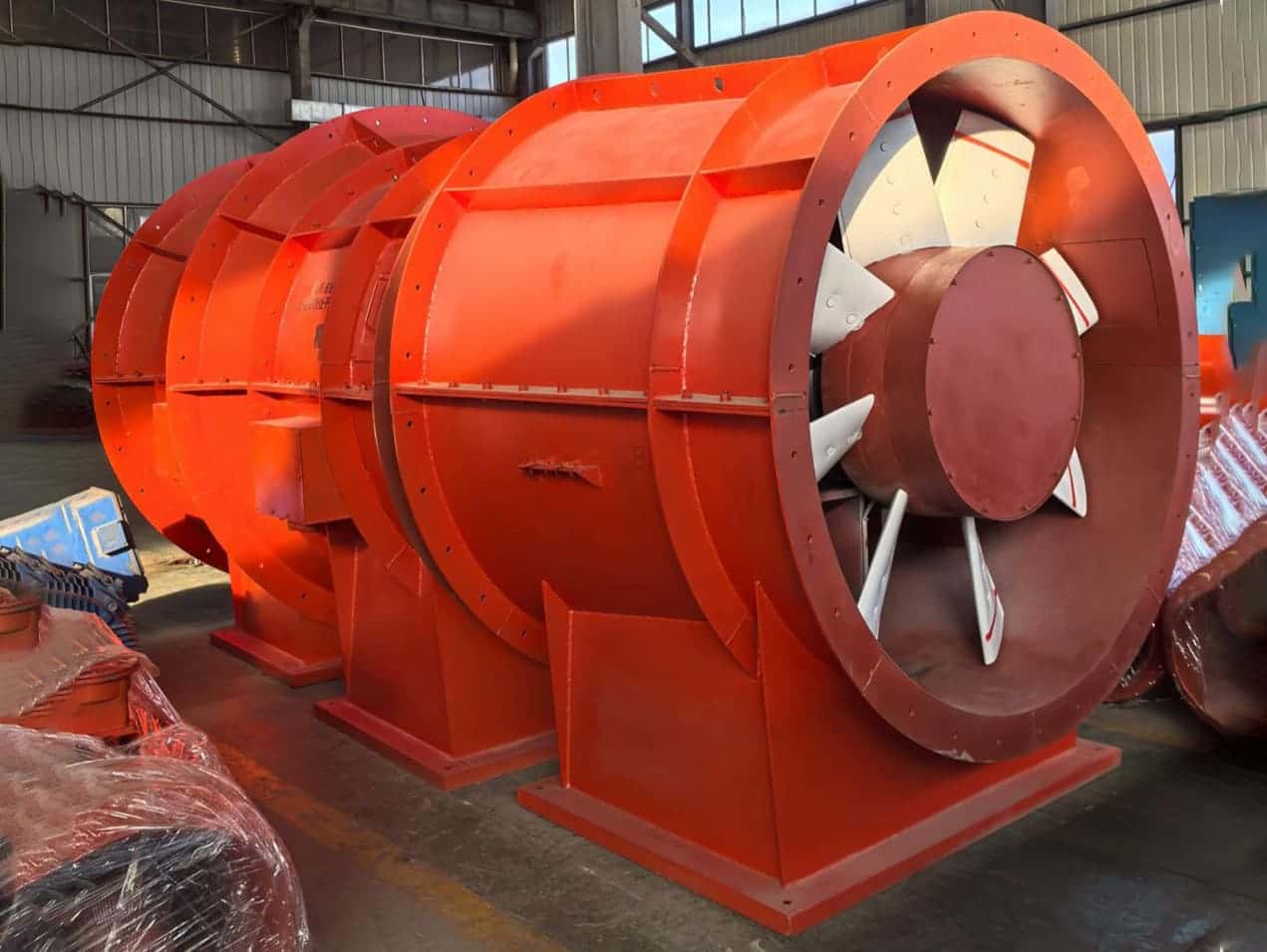
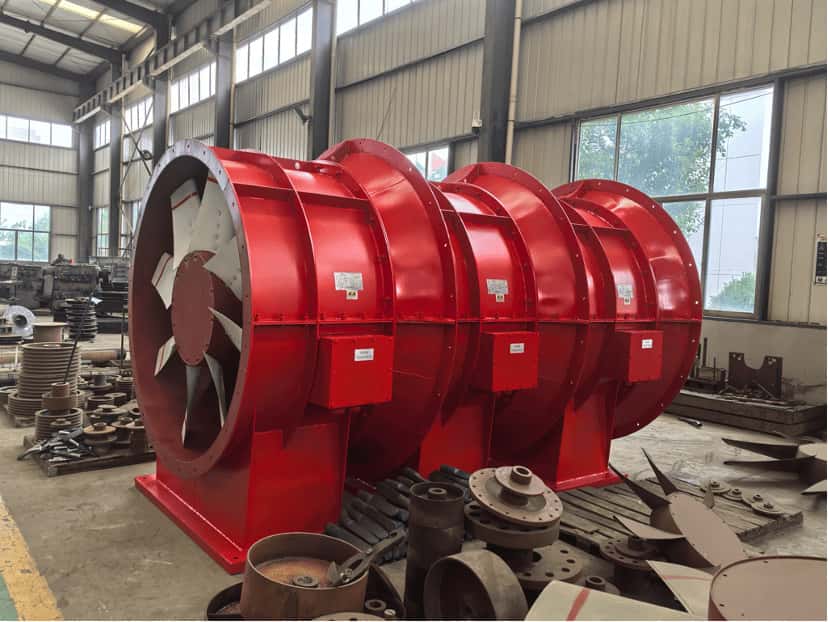
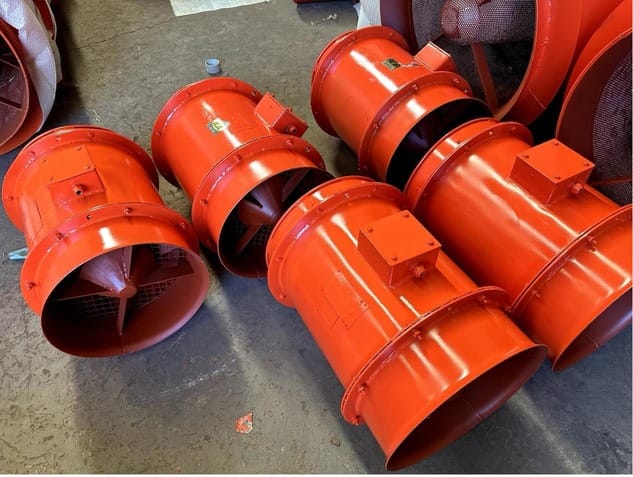
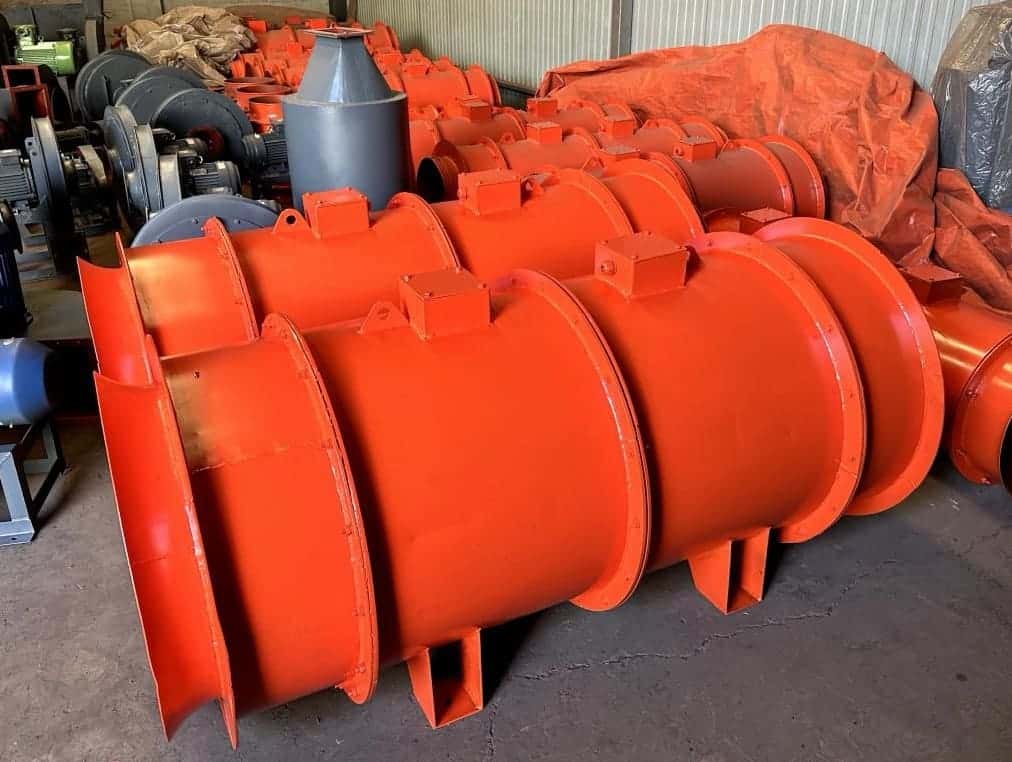
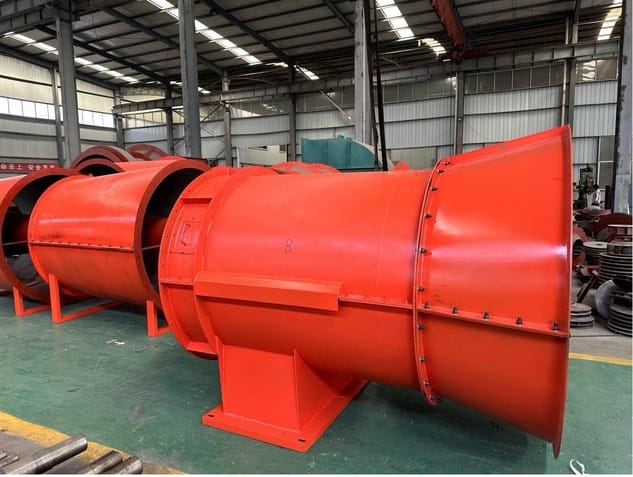
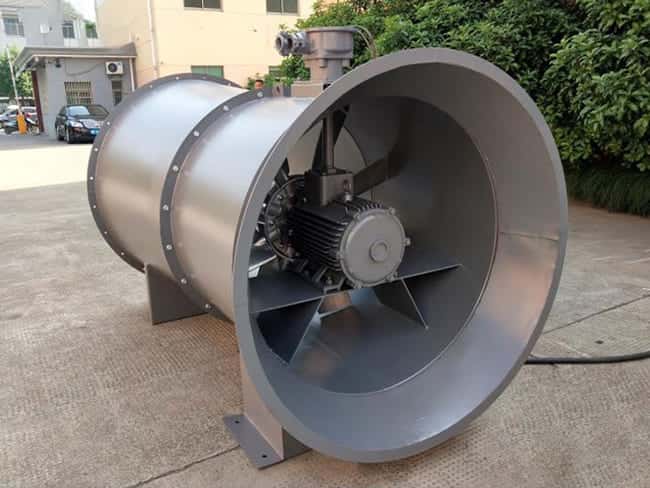
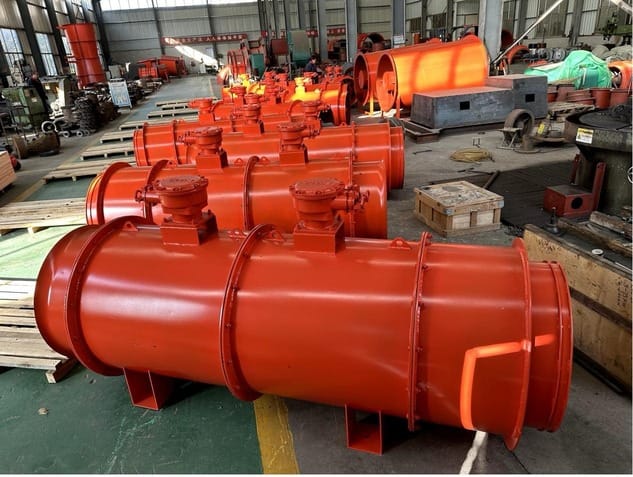
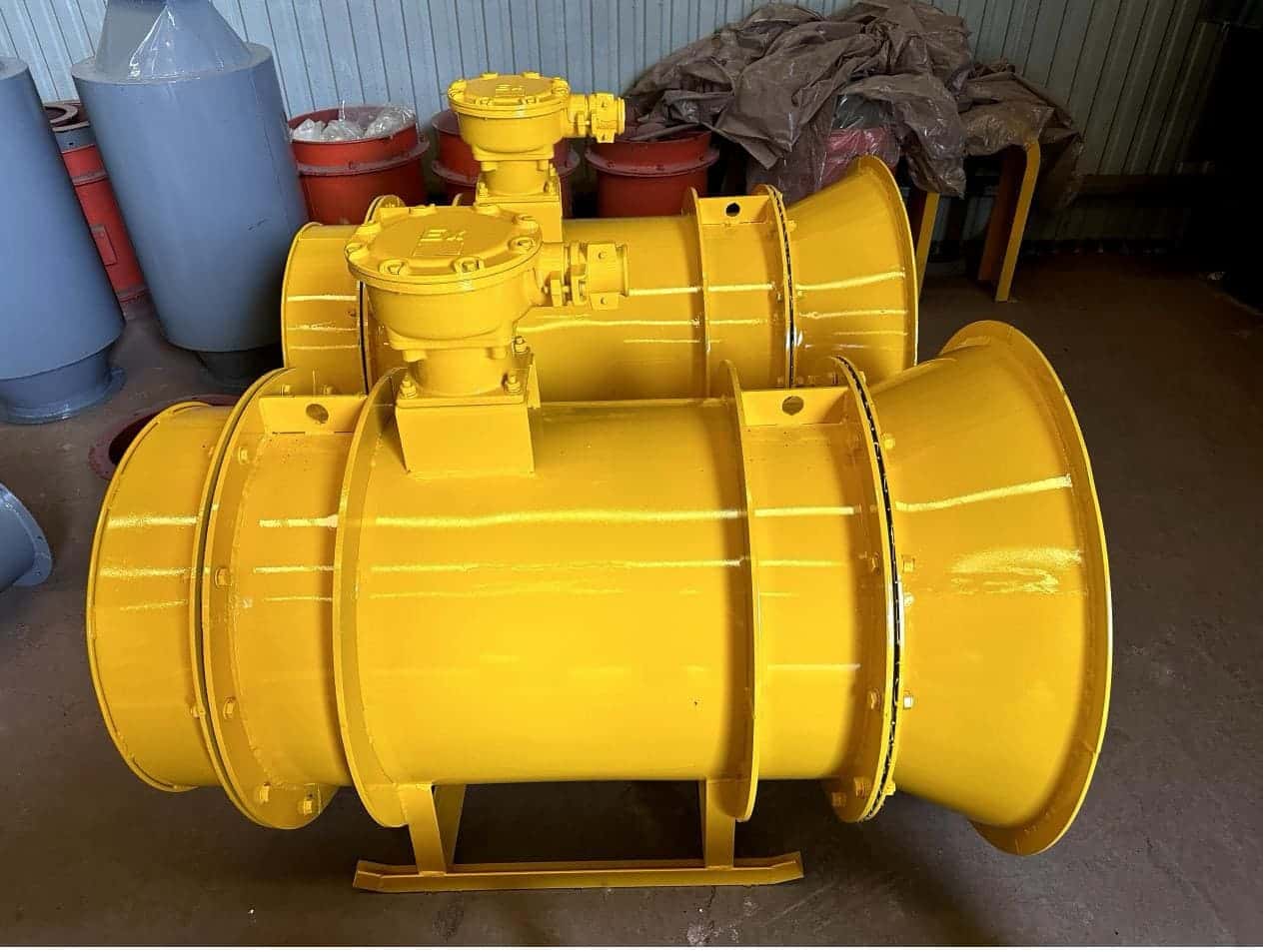
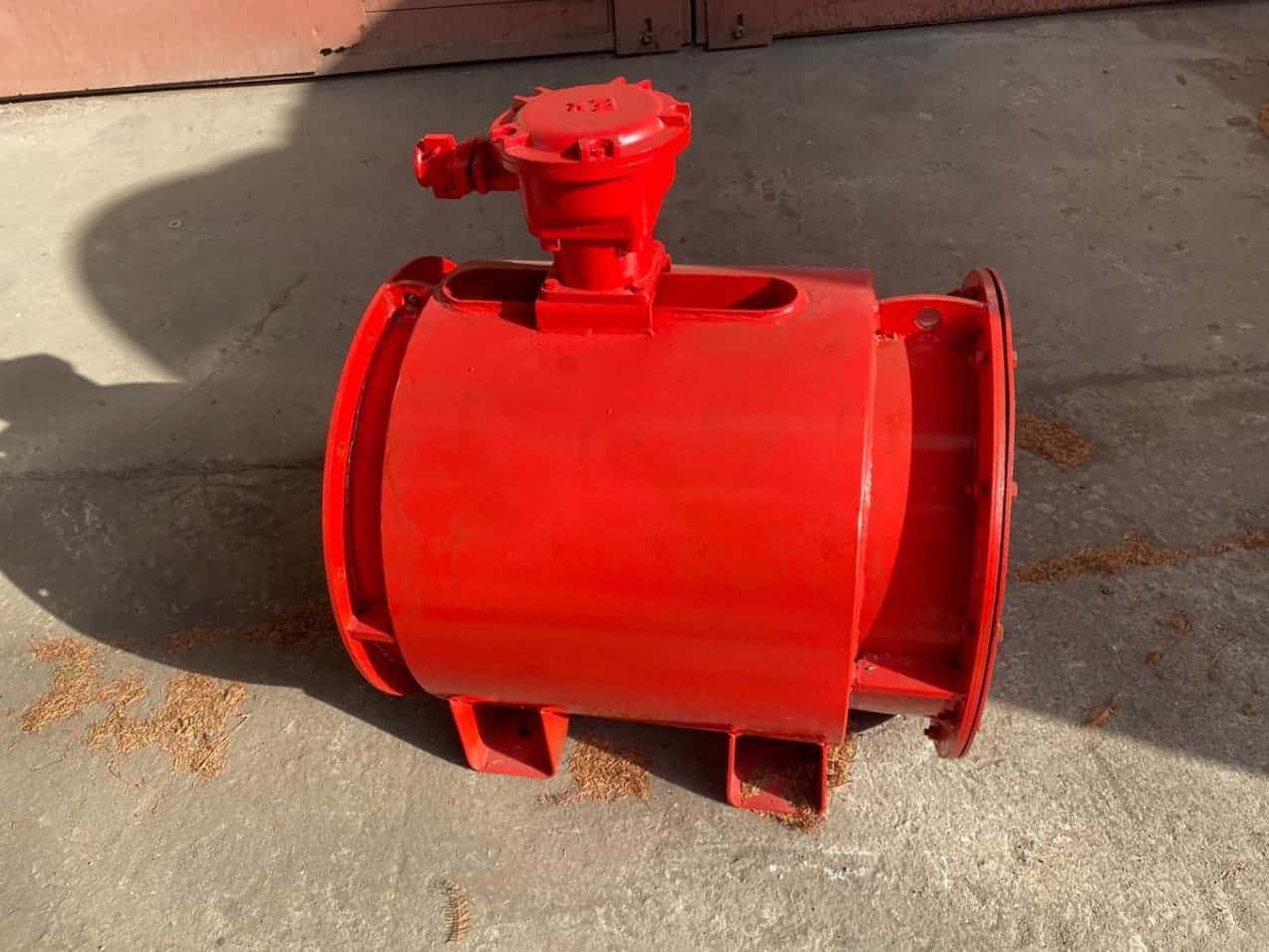
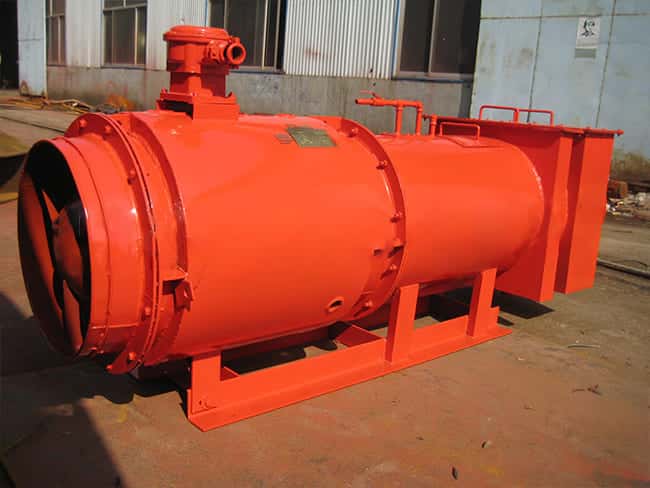
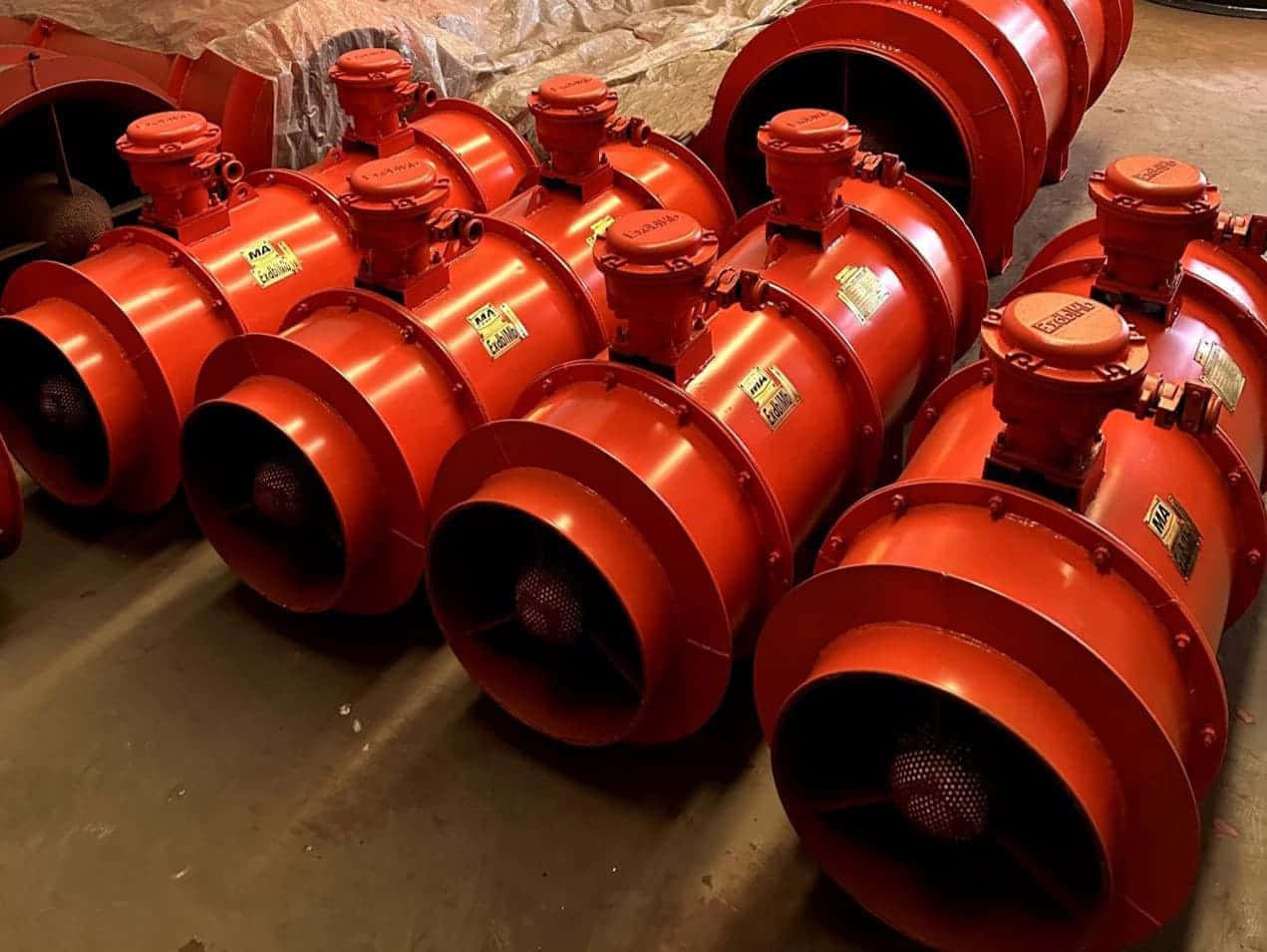
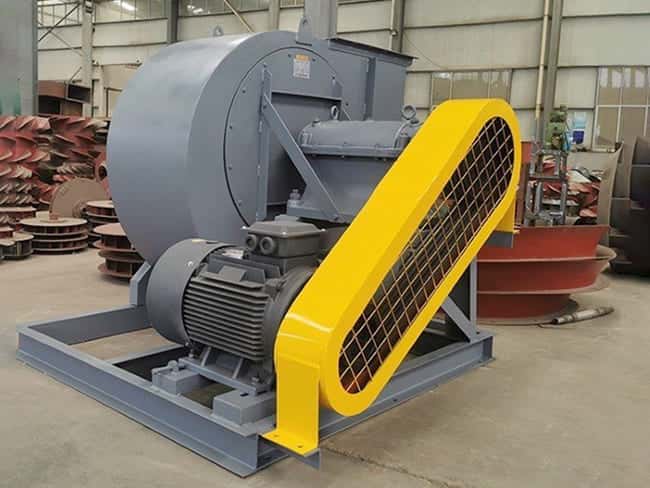
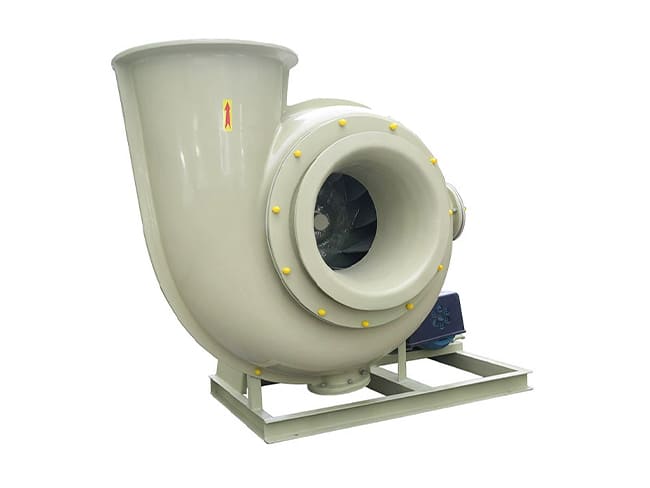
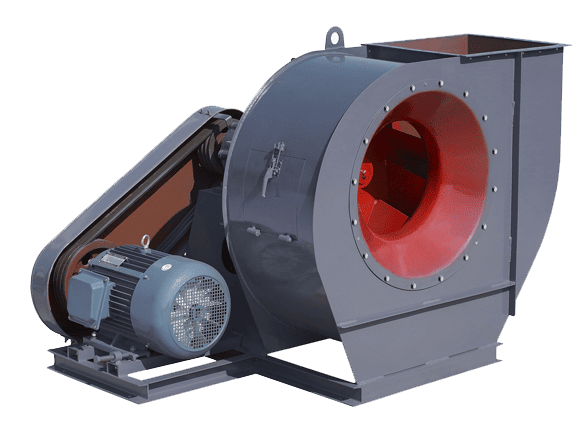
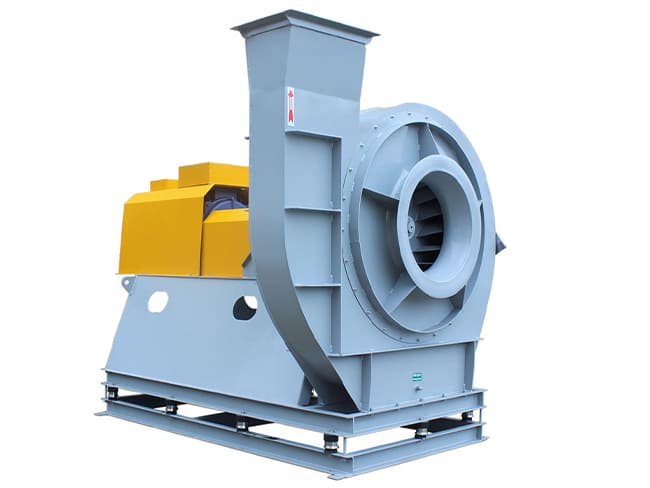
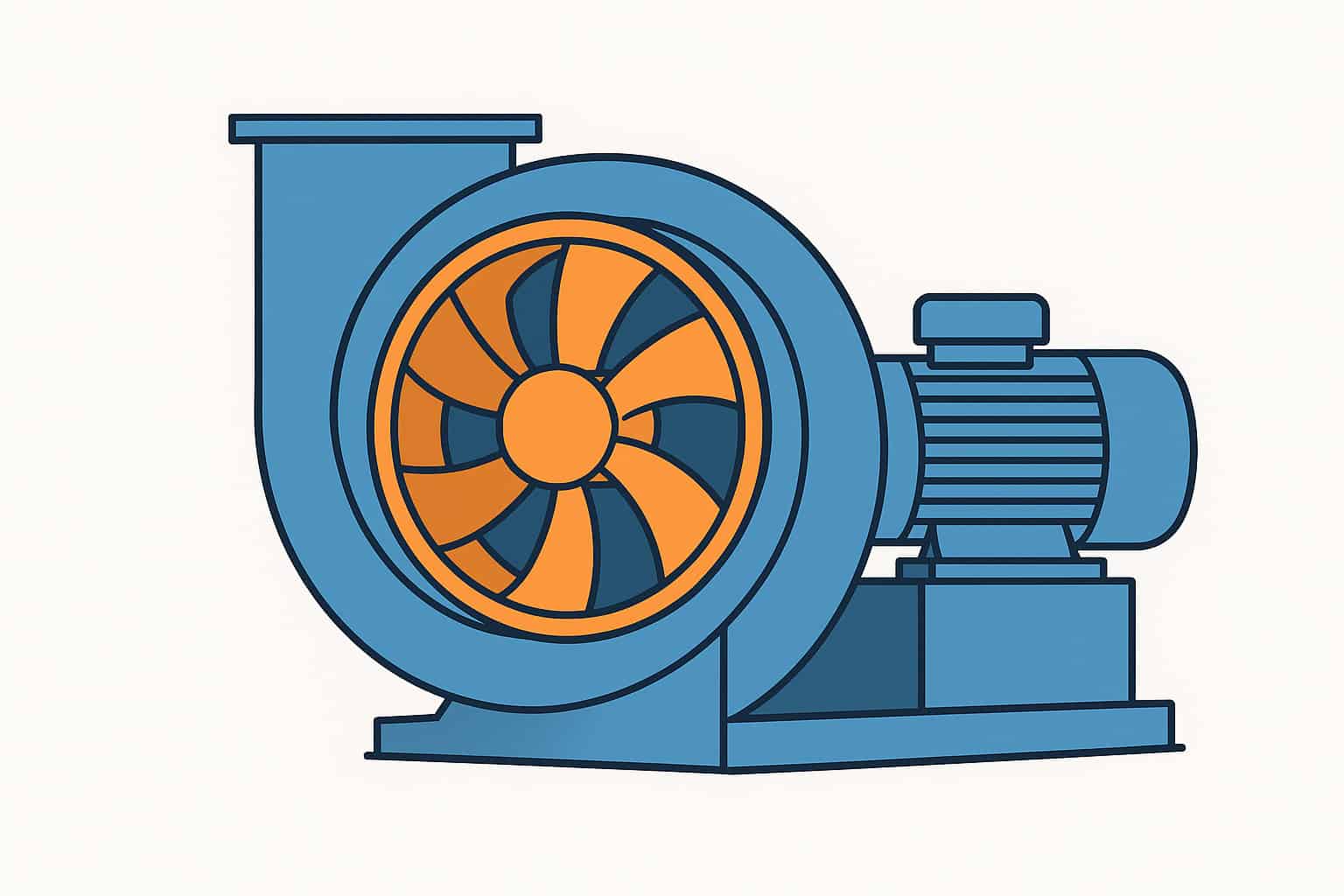
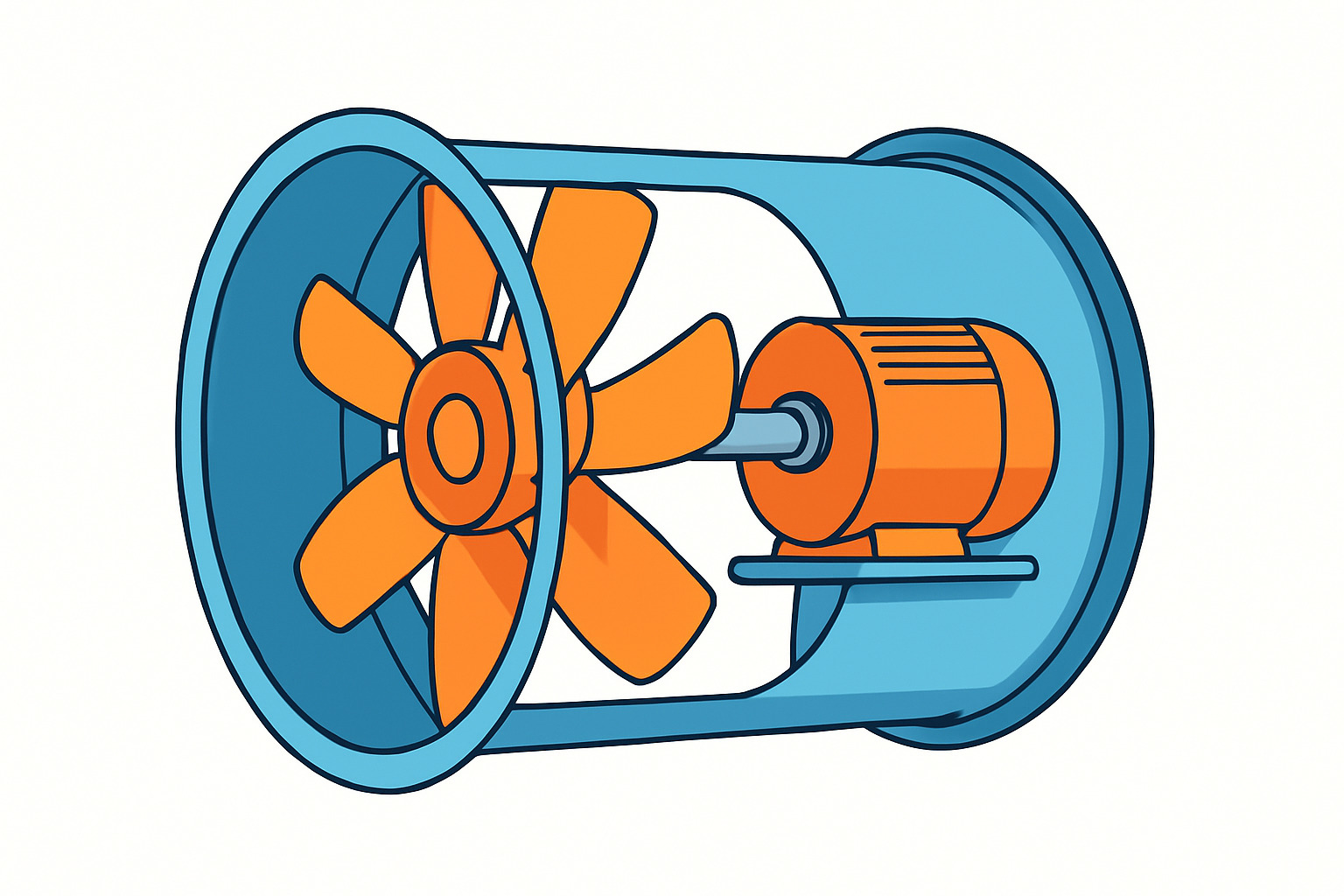
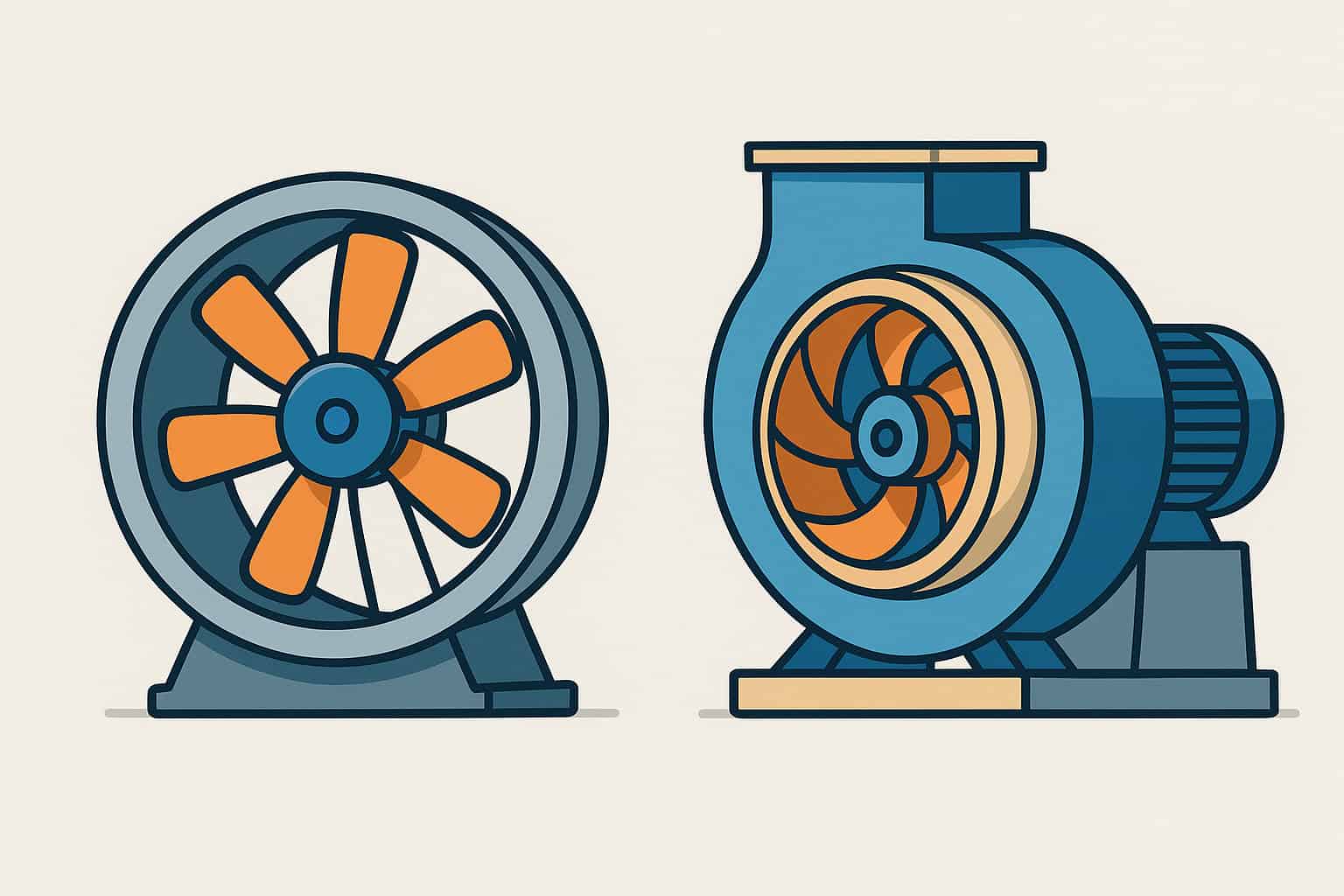
- Controllable fans: main, booster, and auxiliary fans equipped with variable speed drives (VFDs) or other control hardware so that airflow can be increased, reduced, or redirected as needed.
- Automated regulators and dampers: controllable devices that open or close to guide airflow into priority areas or reduce airflow in idle zones.
- Central control software: the VOD platform that collects data, applies rules and algorithms, and sends commands to ventilation equipment.
With ventilation on demand, airflow is increased when diesel equipment enters a district, when production ramps up, or when monitoring detects higher contaminant levels. Airflow can be reduced in inactive headings, during off-shifts, or when equipment is parked, while still maintaining minimum safety requirements. This targeted approach allows mines to maintain or improve air quality and temperature control where work is actually happening, instead of over-ventilating empty areas.
The main benefits of VOD include:
- Energy savings: ventilation fans are among the largest power consumers in a mine. Reducing unnecessary airflow can significantly cut energy costs.
- Better airflow distribution: adjusting fans and regulators dynamically helps maintain required airflow in critical areas, even as the mine layout and production patterns change.
- Improved working conditions: ventilating active zones more effectively can reduce dust, diesel exhaust, and heat where miners and equipment operate.
- Data-driven planning: VOD systems generate detailed records of airflow, fan operation, and area usage, which can support future ventilation planning and optimization.
In summary, ventilation on demand for underground mines is an intelligent ventilation control approach that uses automation and monitoring to match air delivery to real-time needs. It supports safety and compliance while making mine ventilation more efficient and cost-effective.