
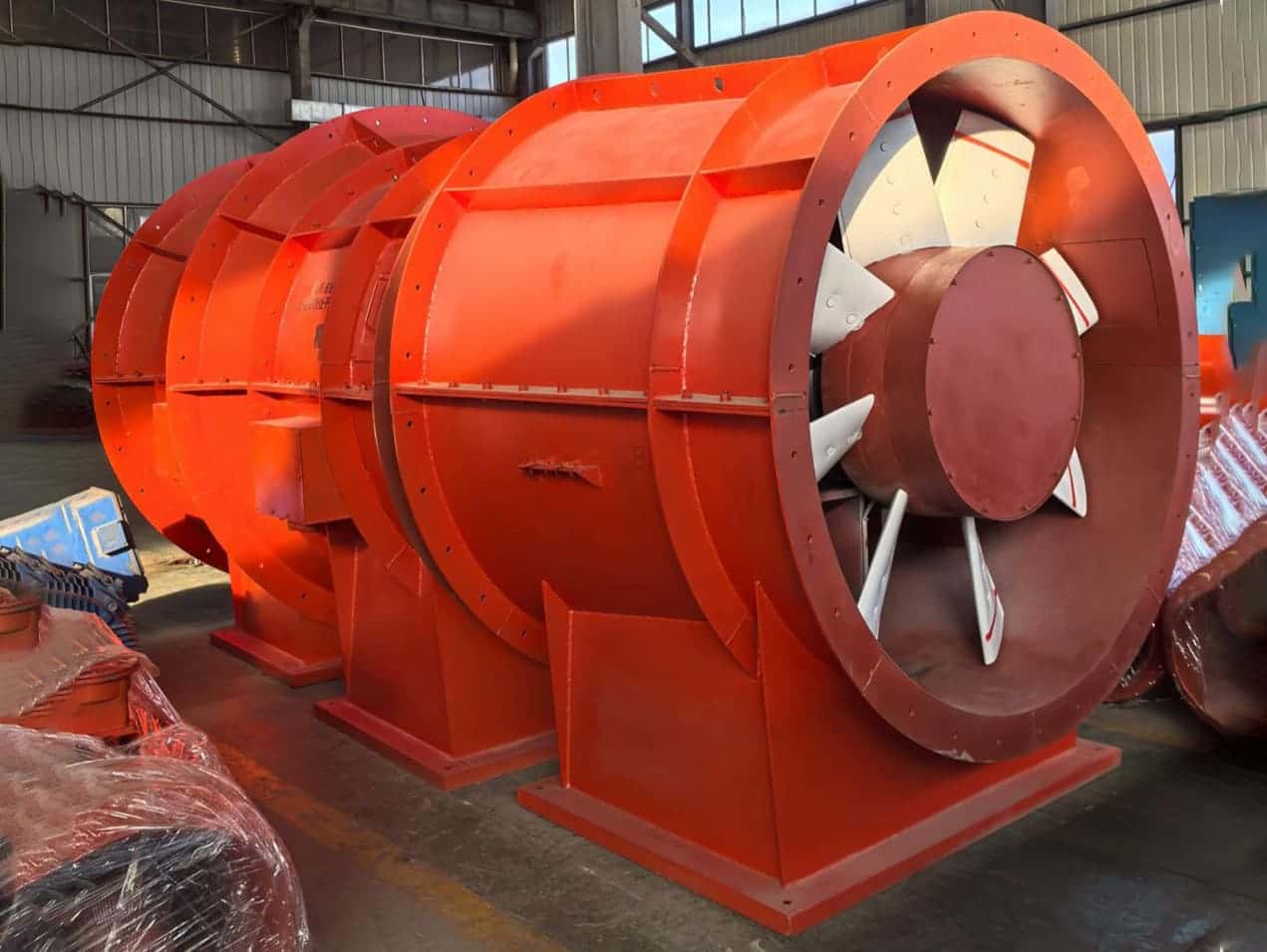
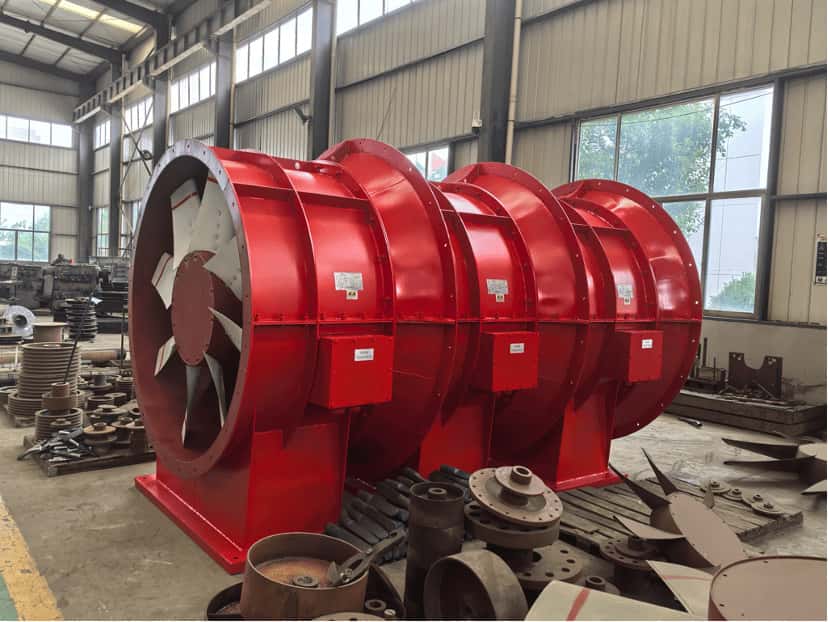
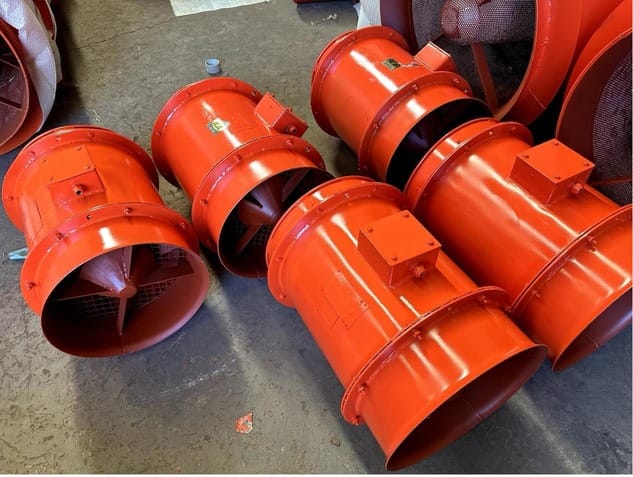
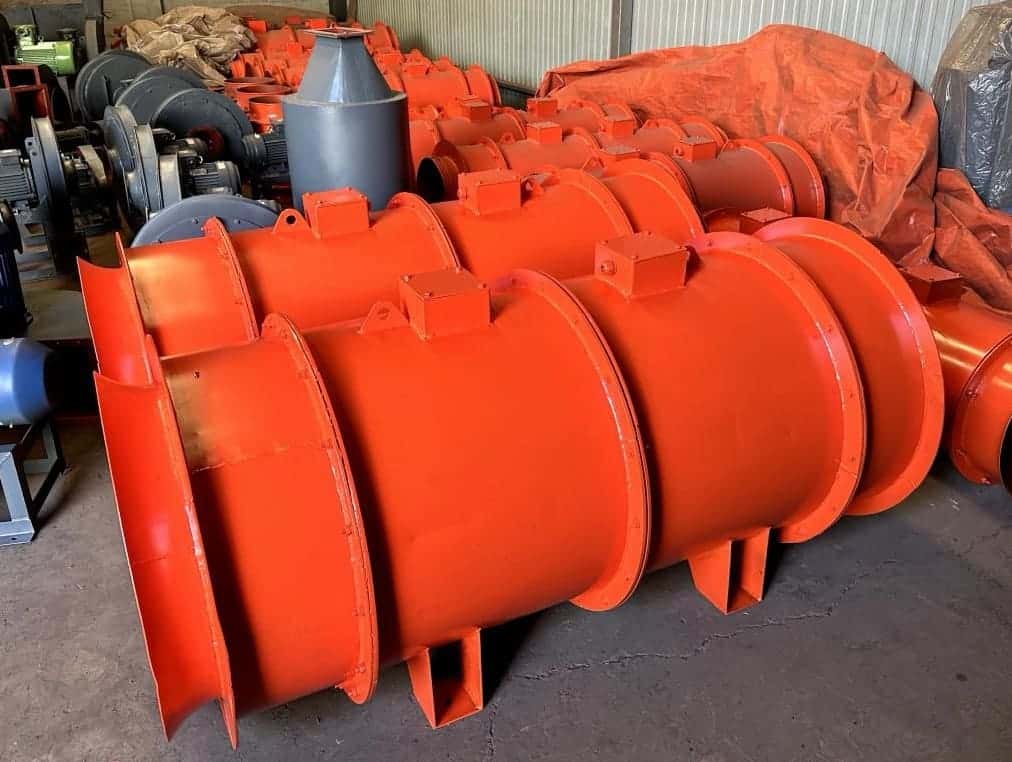
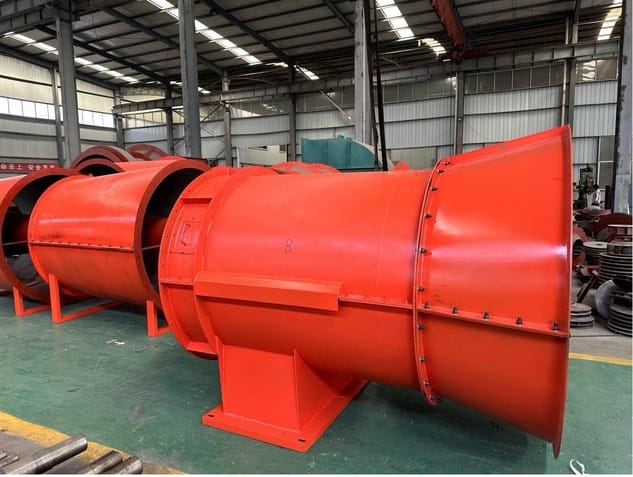
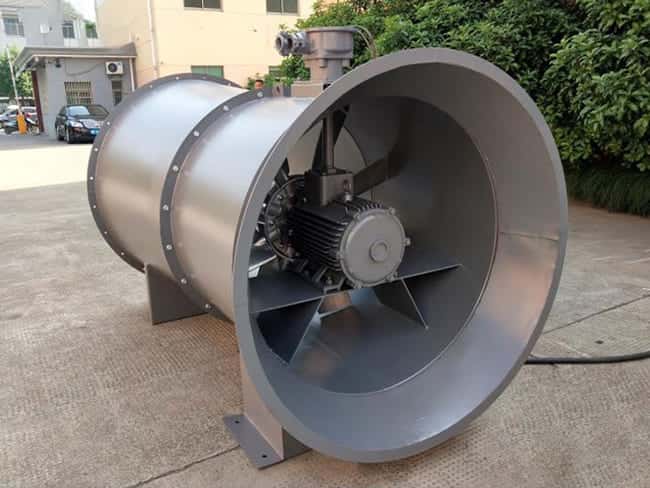
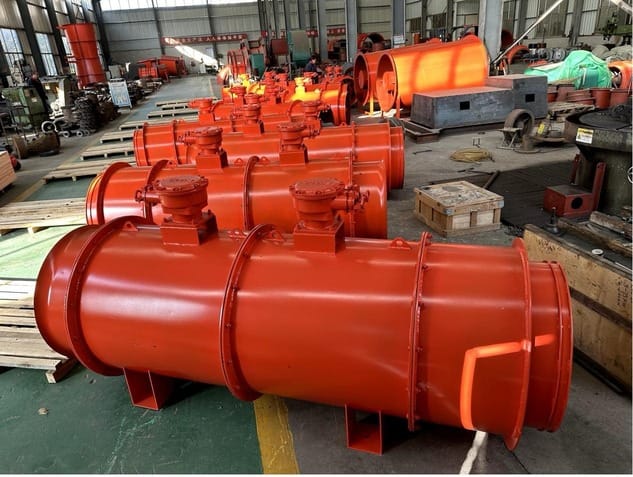
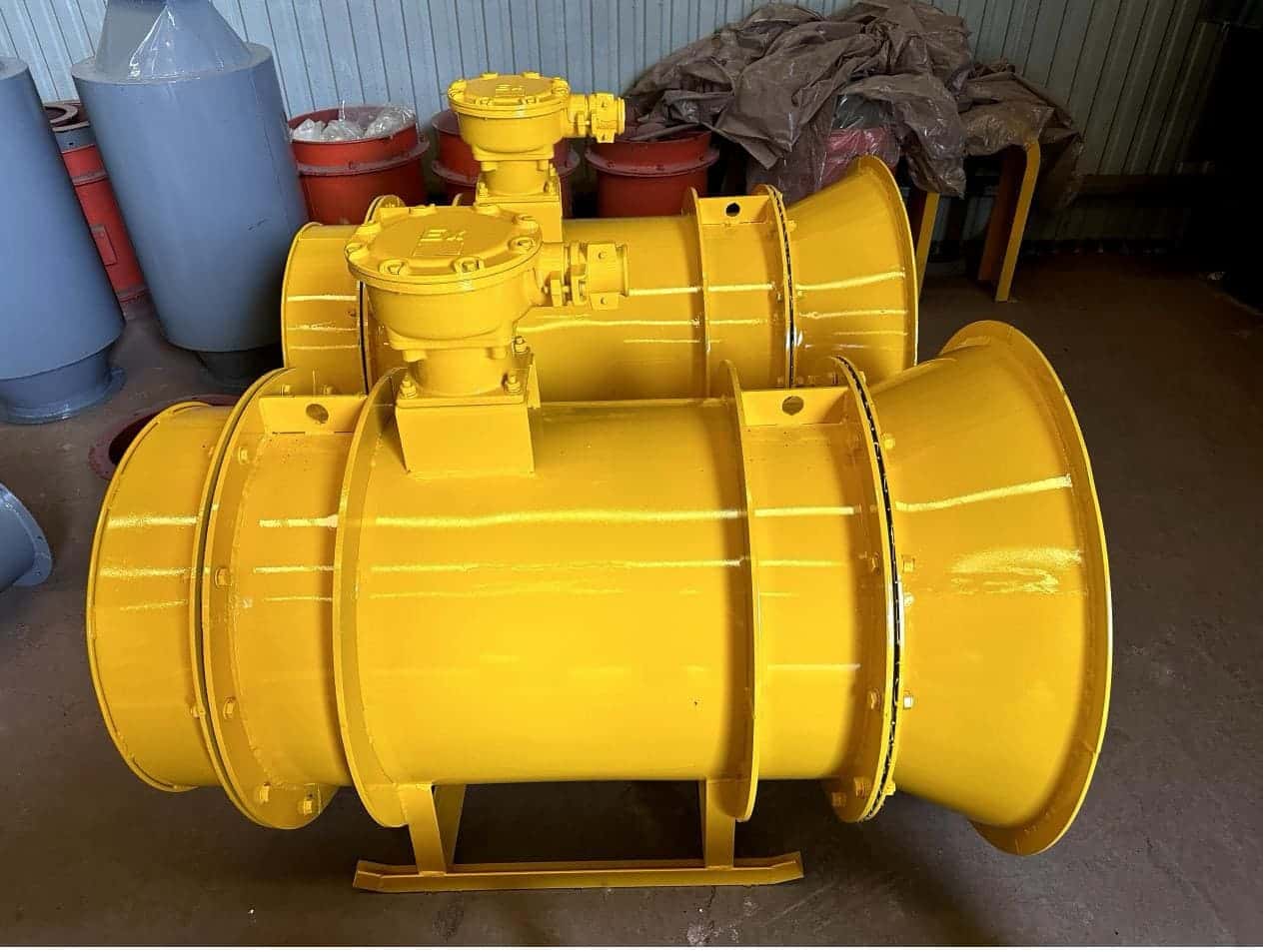
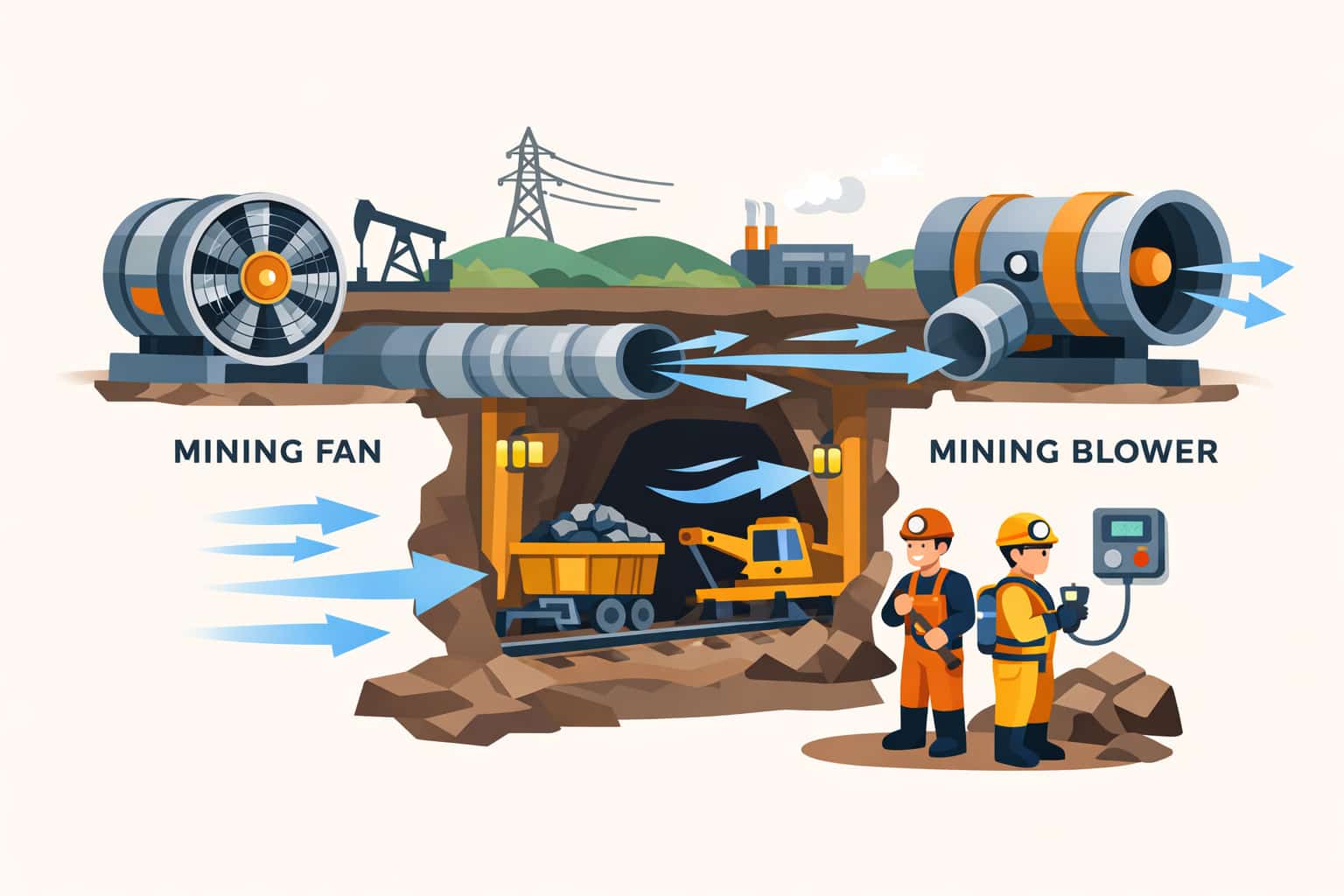
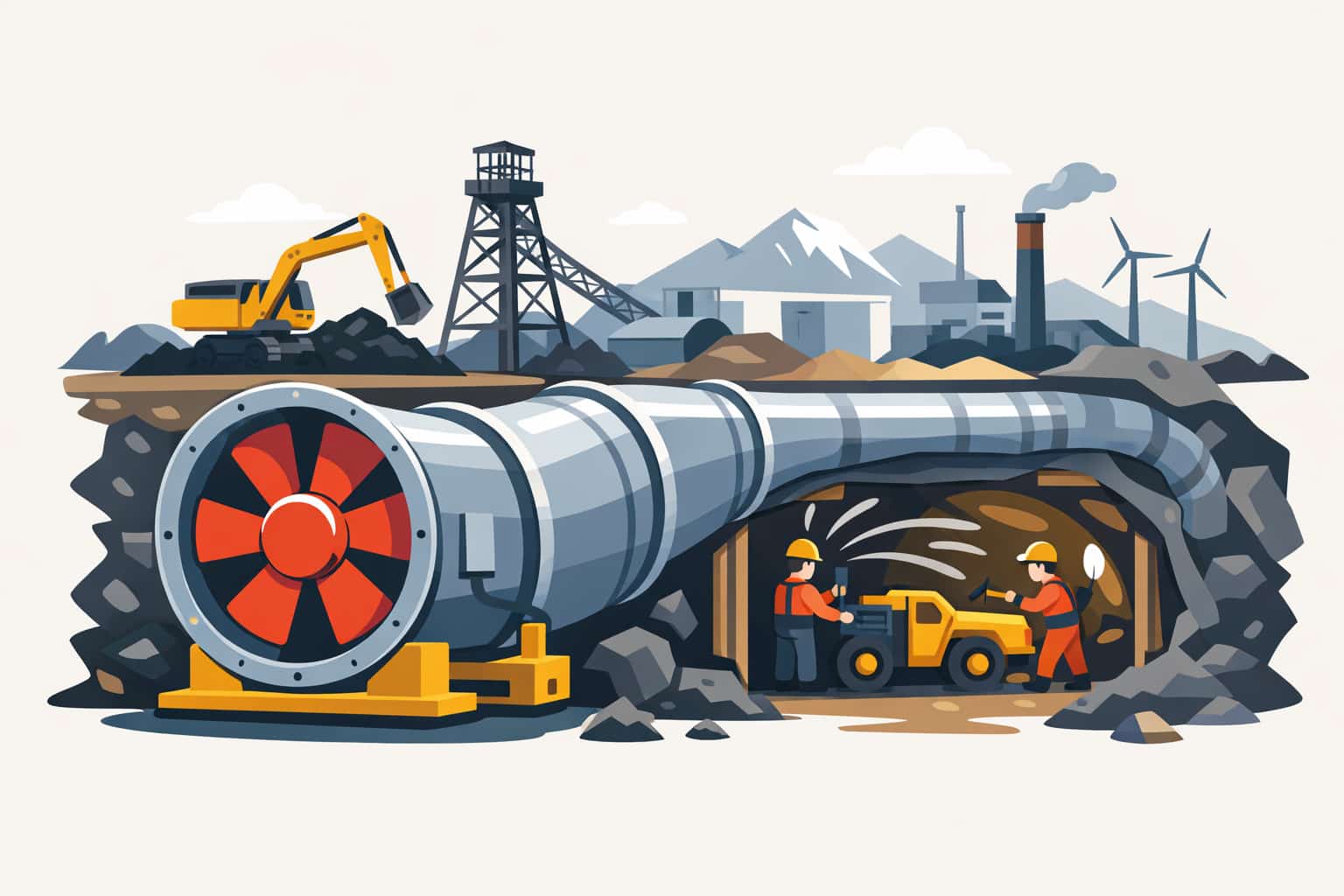
Ventilation on demand in mining (often shortened to VOD) is a control strategy that adjusts airflow and fan operation based on real-time needs in different parts of the mine. Instead of running all mine ventilation fans at fixed speeds all the time, VOD uses sensors, tracking systems and automation to deliver more air where and when it is needed, and less air where there is little or no activity. The goal is to maintain or improve safety while significantly reducing energy consumption and operating costs.
In a traditional ventilation system, main and auxiliary fans are sized for worst-case conditions: full production, maximum number of diesel machines and high heat loads. These fans may continue to run at high output even when certain levels or districts are idle, wasting energy. With ventilation on demand, airflow is no longer treated as a constant; it becomes a managed resource that can be increased or decreased in response to actual conditions underground.
VOD systems rely on monitoring and communication technologies. Gas sensors, airflow meters and temperature probes provide information on air quality and thermal conditions. Tracking systems detect where people and vehicles are operating. This data is sent to a control system that can adjust variable speed drives on main fans, start or stop booster fans and auxiliary fans, and open or close regulators or ventilation doors. Rules and setpoints are configured to ensure that minimum legal and safety requirements are always met in each zone.
One of the major benefits of ventilation on demand is energy savings. Ventilation is often one of the largest electrical loads in an underground mine. By reducing fan speeds or shutting down equipment in inactive areas, mines can cut power consumption substantially. Because fan power varies roughly with the cube of speed, even modest speed reductions can yield significant savings over the life of the mine.
VOD can also improve air distribution and safety. When development headings, production stopes or loading points are busy, the system can automatically increase airflow to those areas, improving dust and gas dilution and cooling. At the same time, supervisory control ensures that overall airflow patterns remain stable and that no area falls below critical minimums. In emergency scenarios, VOD infrastructure can be used to rapidly implement predefined ventilation responses, such as isolating zones or increasing airflow along escape routes.
Implementing ventilation on demand requires careful engineering and change management. Mines must have a clear ventilation model, reliable sensors, robust communication networks and well-defined control logic. Operators and supervisors need training to understand how VOD works and how manual overrides can be used when necessary. When properly designed, however, VOD becomes a powerful tool that links modern mining ventilation fans and controls to real production needs, improving both safety and efficiency.
In summary, ventilation on demand in mining is a smart control approach that uses real-time data and automation to match airflow and fan operation to actual underground conditions, delivering air where it is needed most and reducing energy use where it is not.