
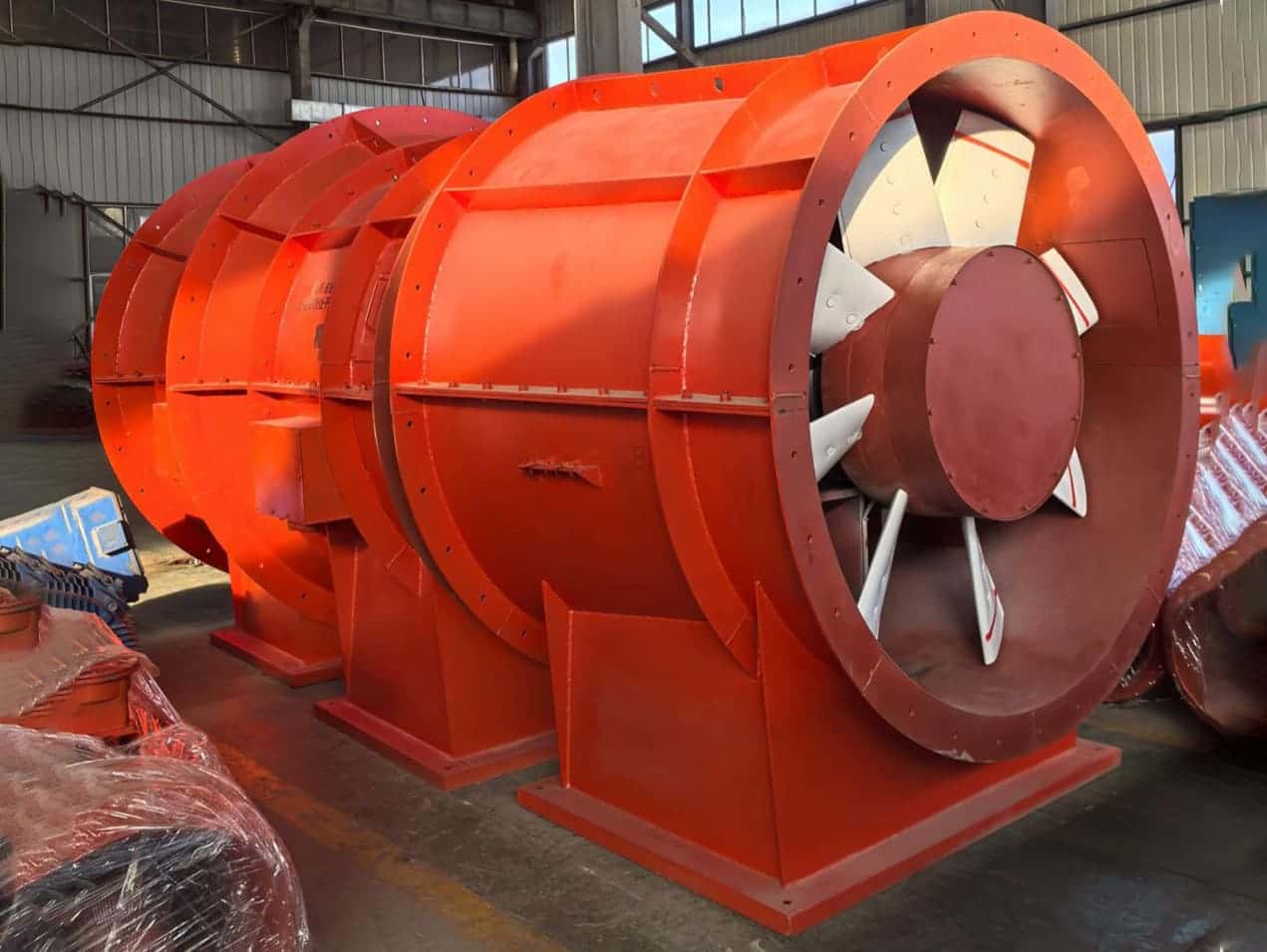
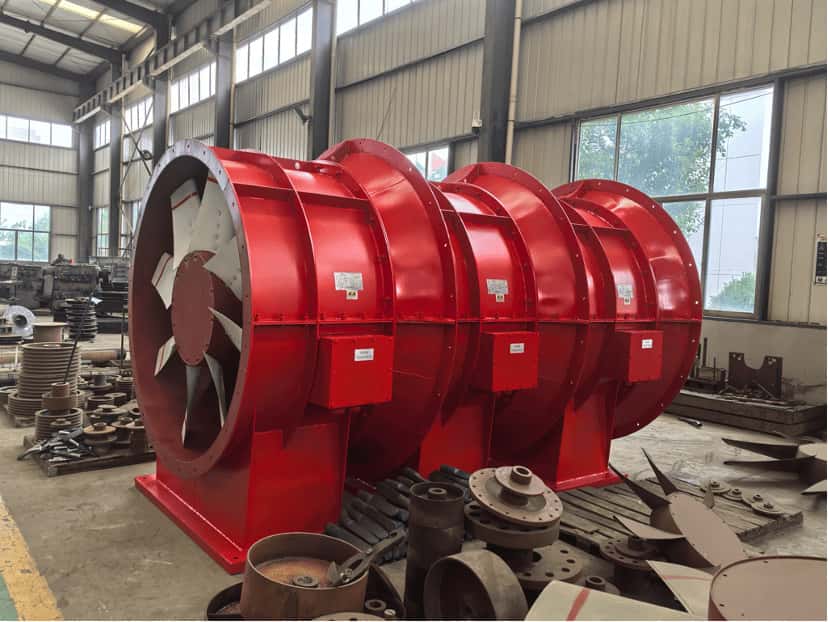
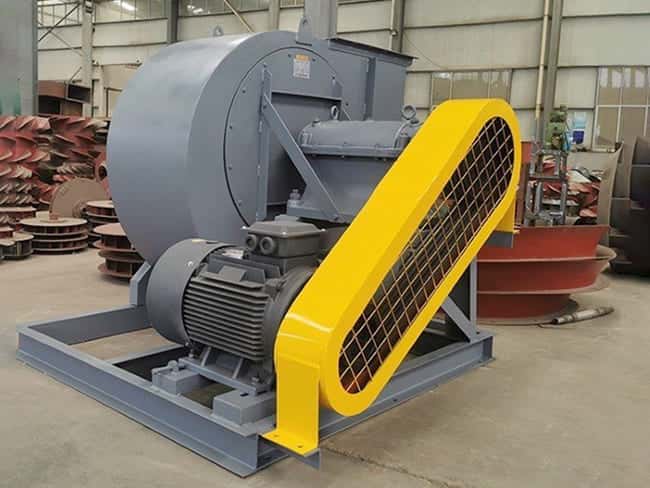
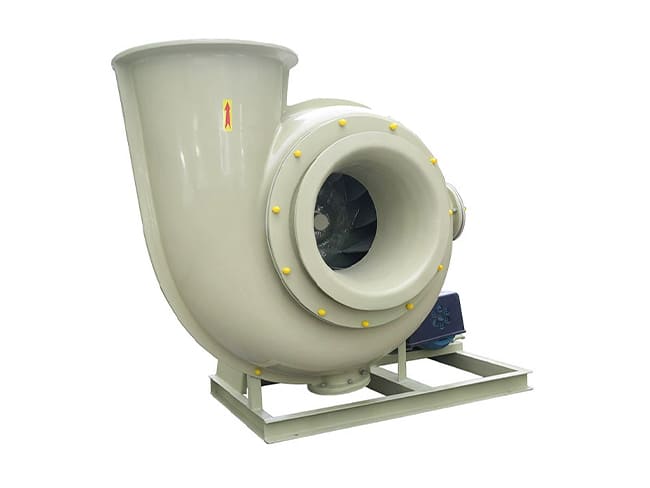
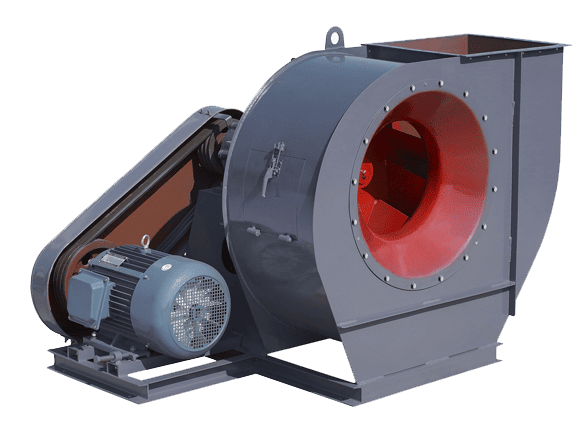
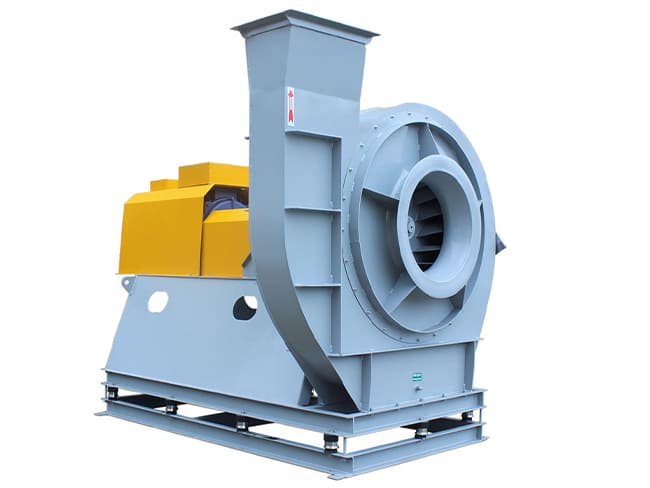
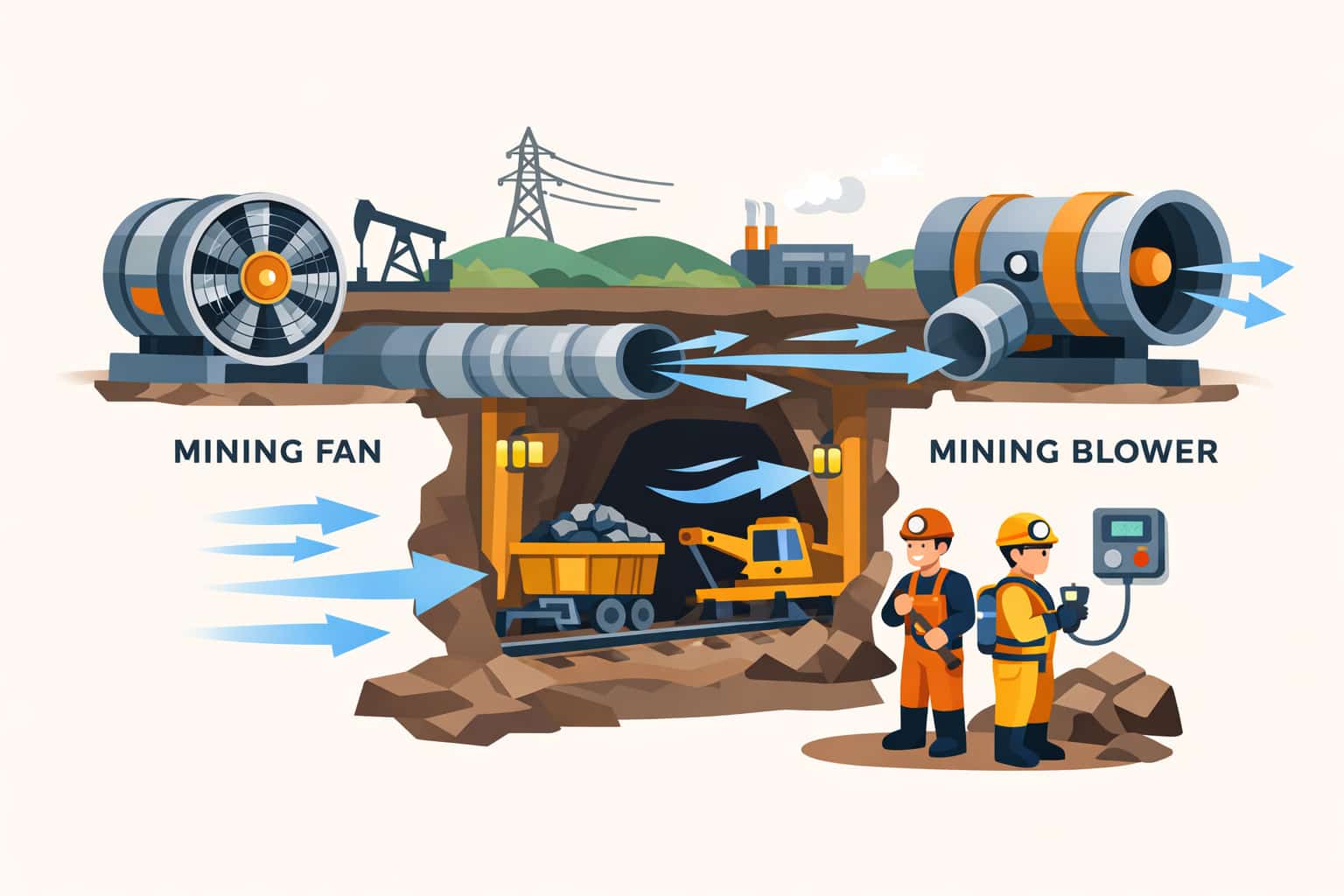
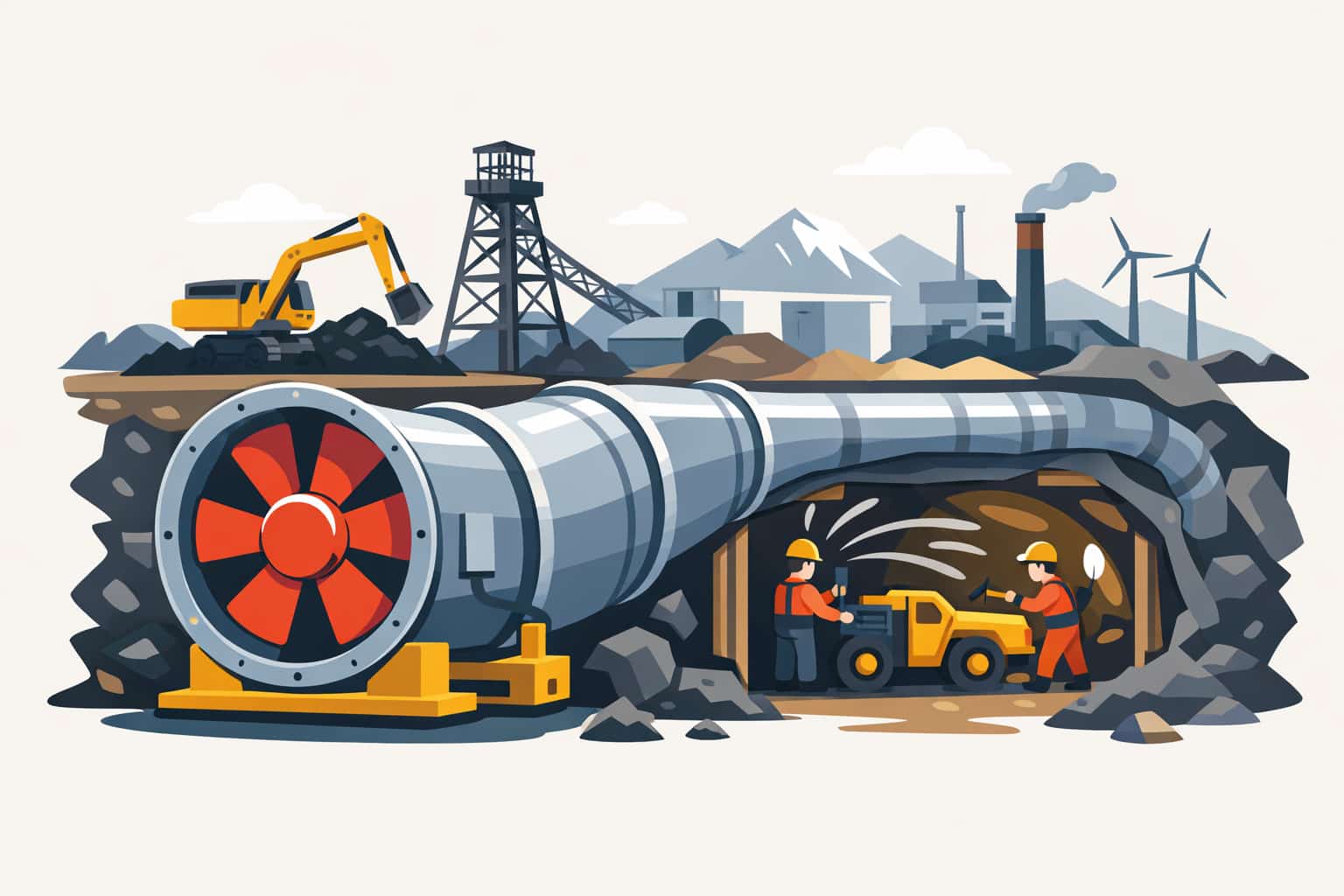
Ventilation underground is the planned movement of air through enclosed underground spaces such as mines, tunnels, caverns and underground plants. Because these spaces are surrounded by rock and soil, they have very little natural air exchange with the surface. Without a ventilation system, heat, gases, dust and humidity would build up quickly, making them unsafe and uncomfortable. Underground ventilation uses fans, shafts, raises, ducts and control devices to supply fresh air and remove contaminated air in a controlled way.
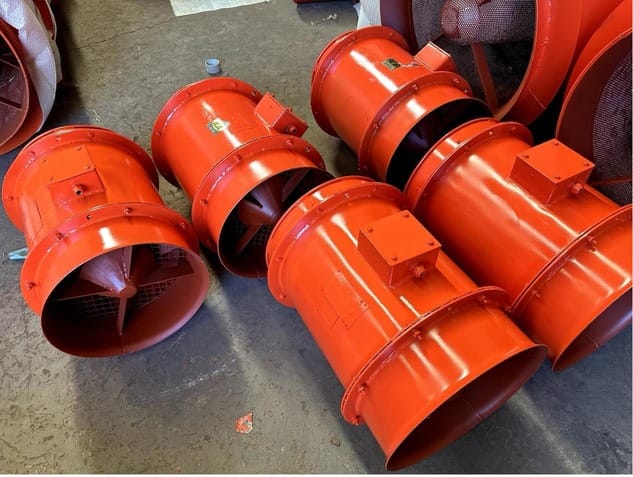
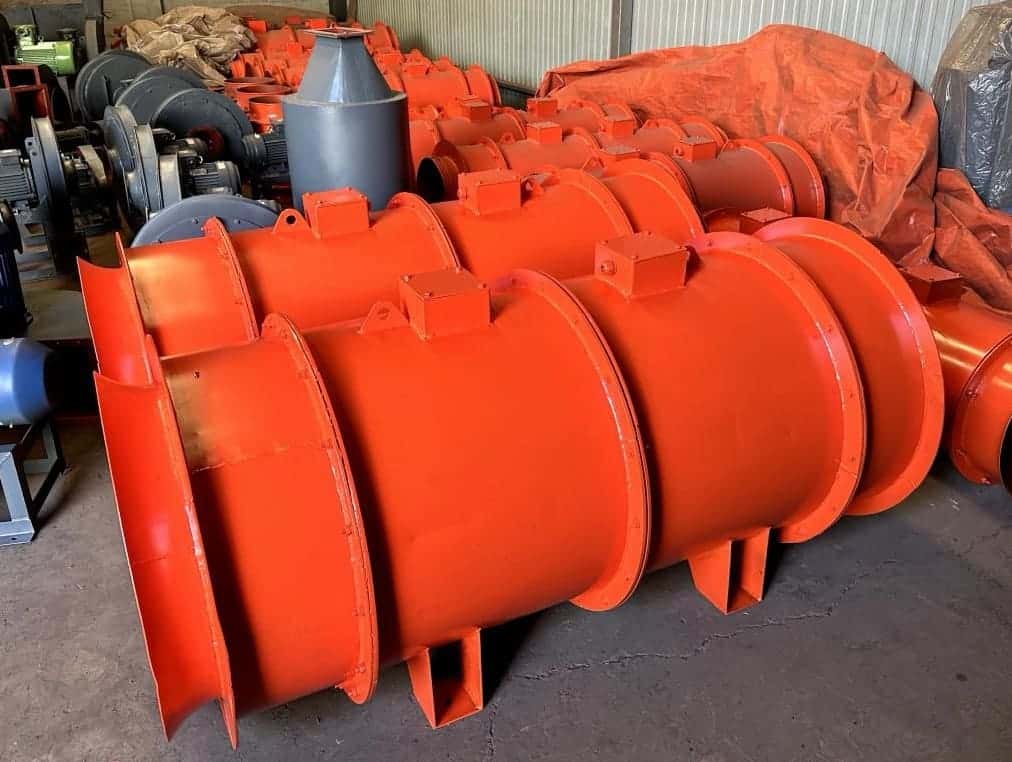
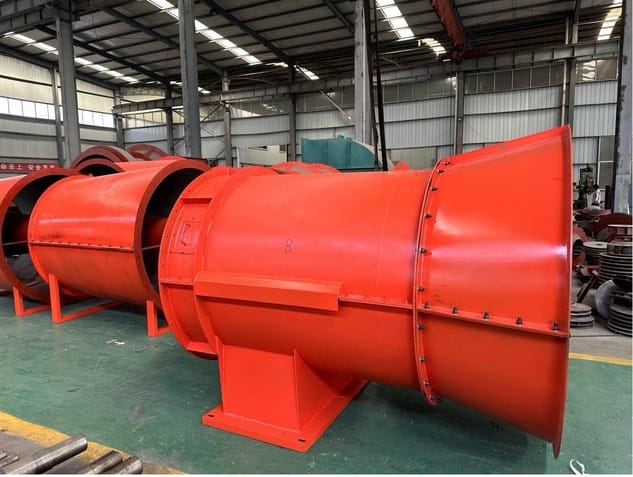
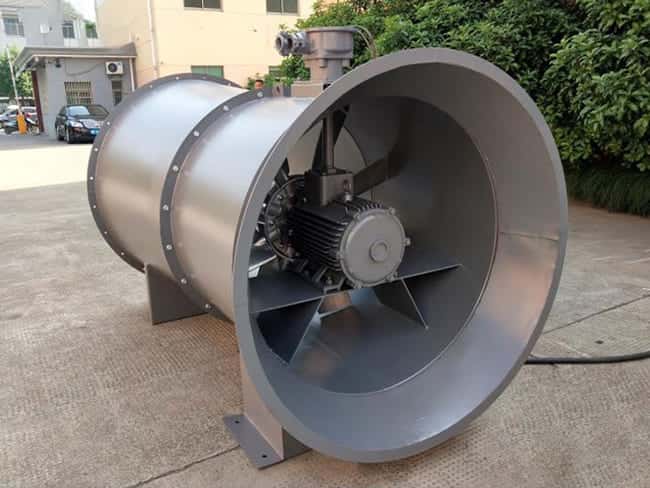
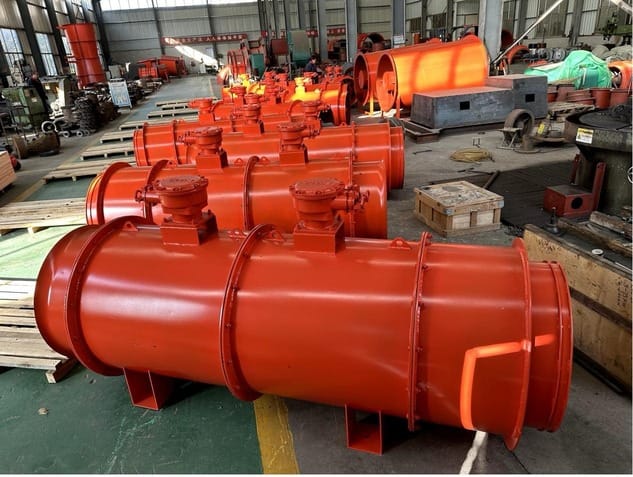
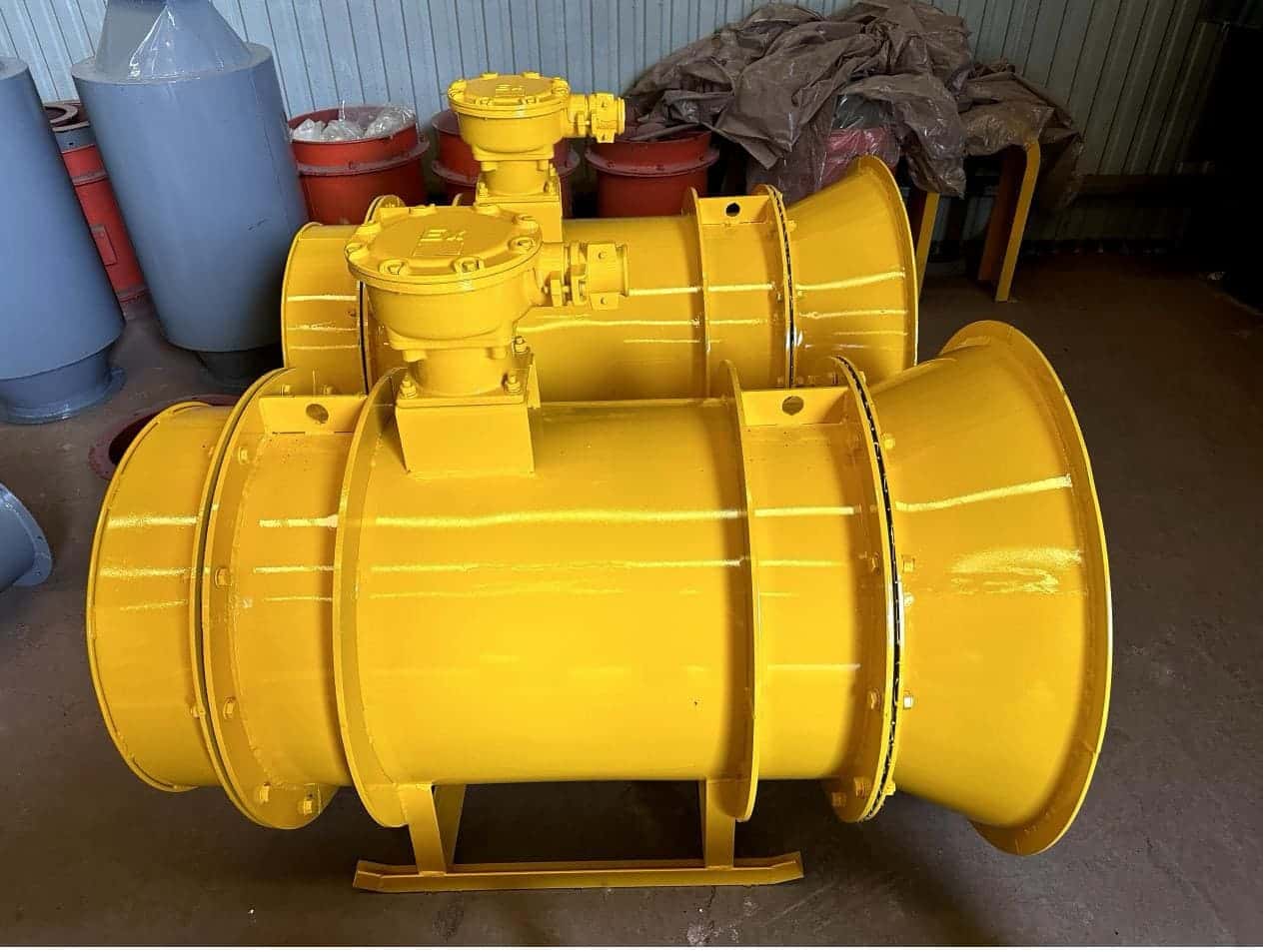
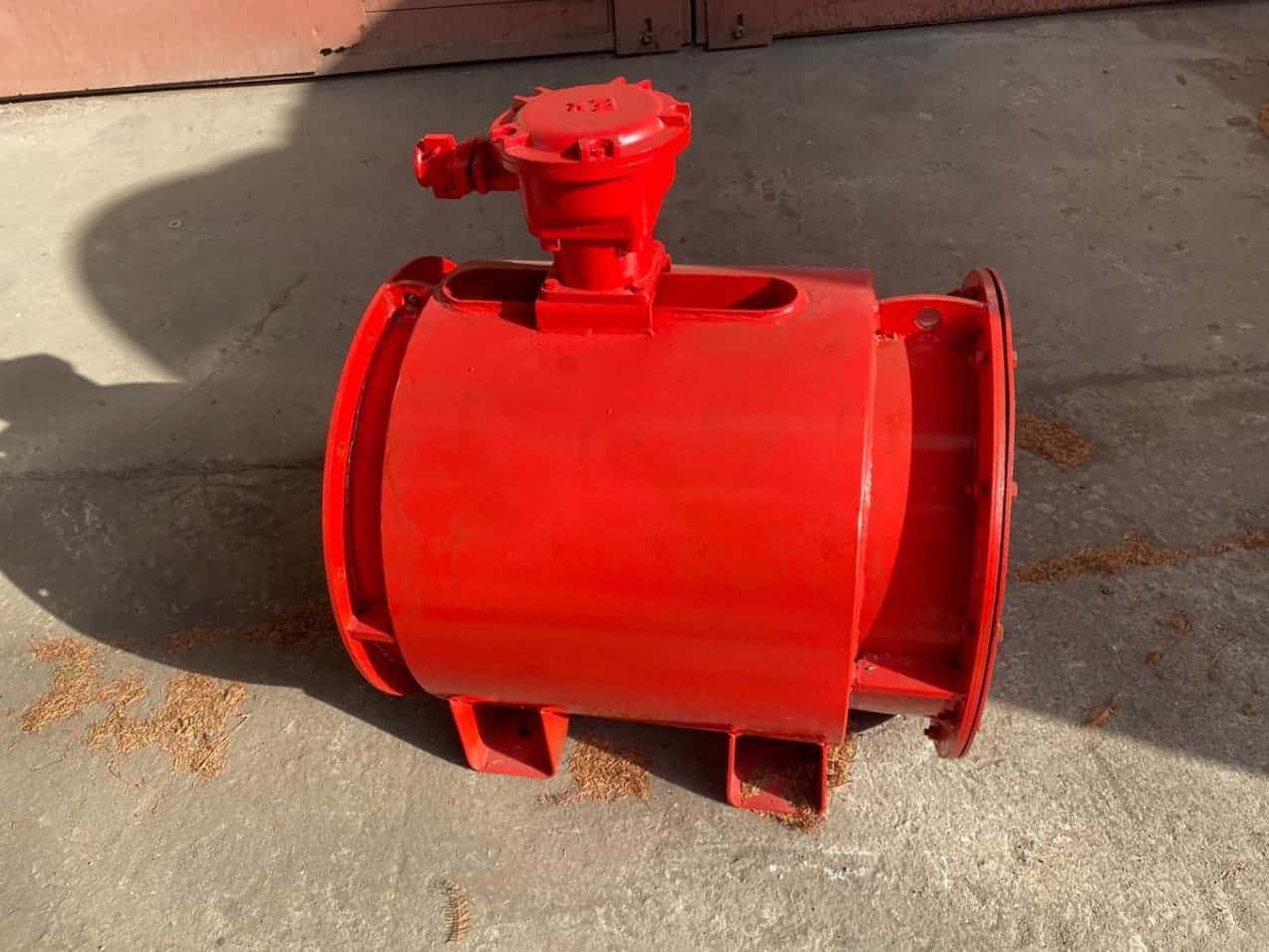
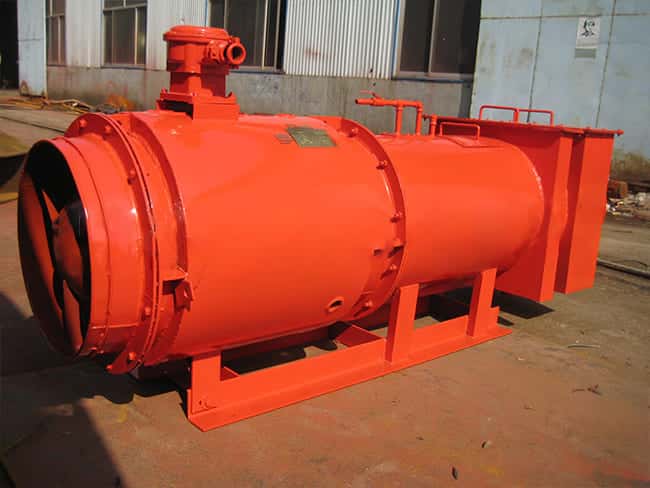
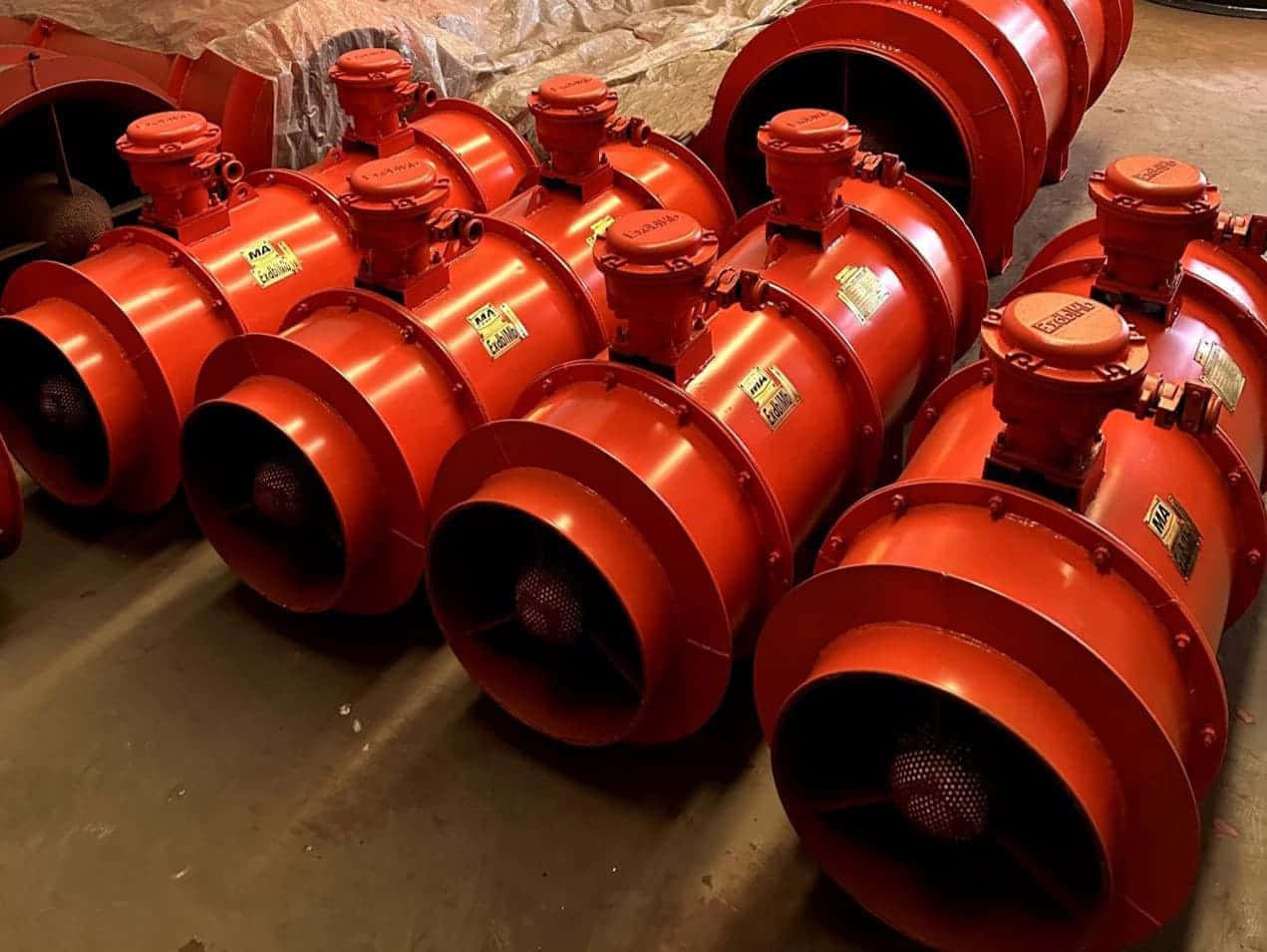
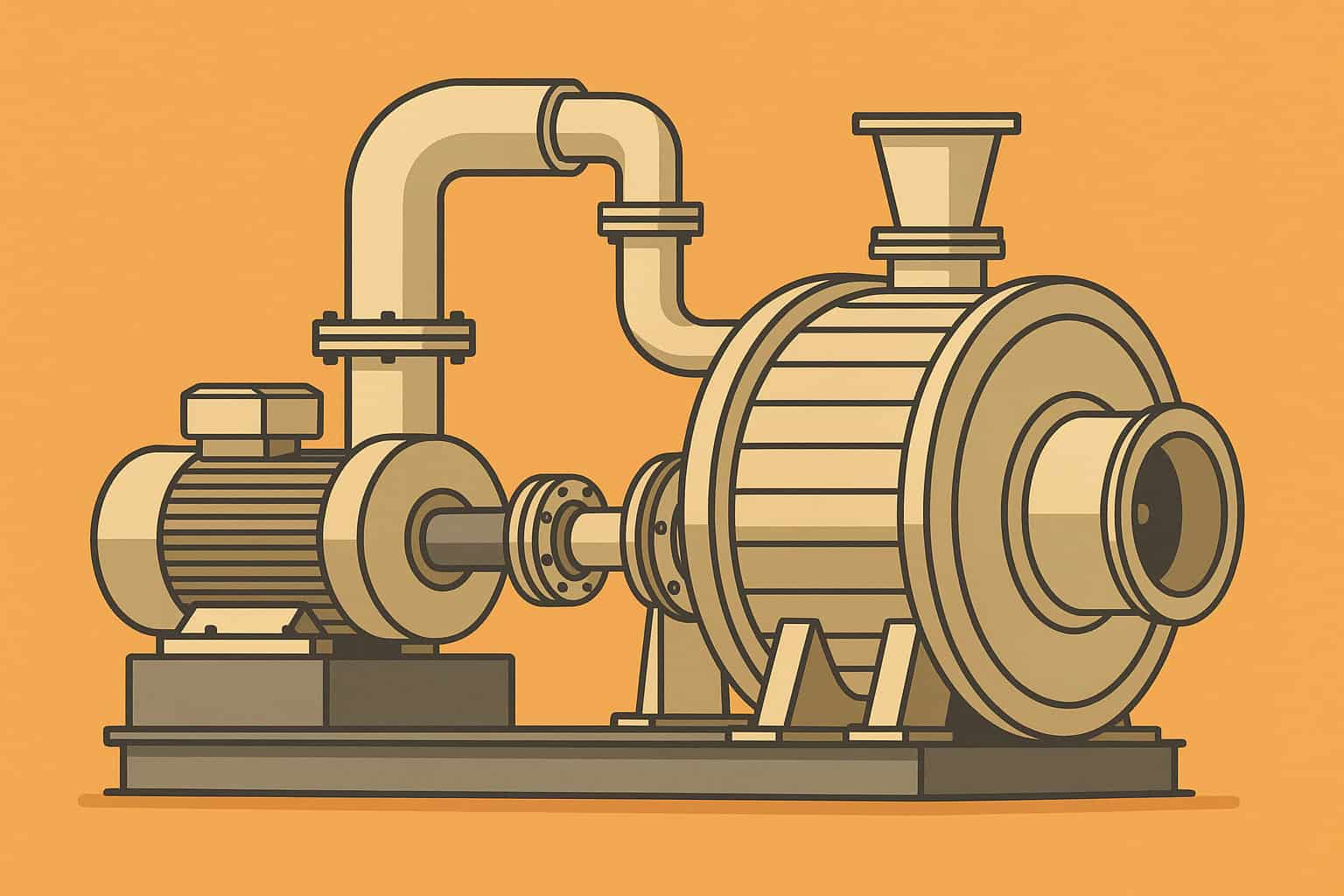
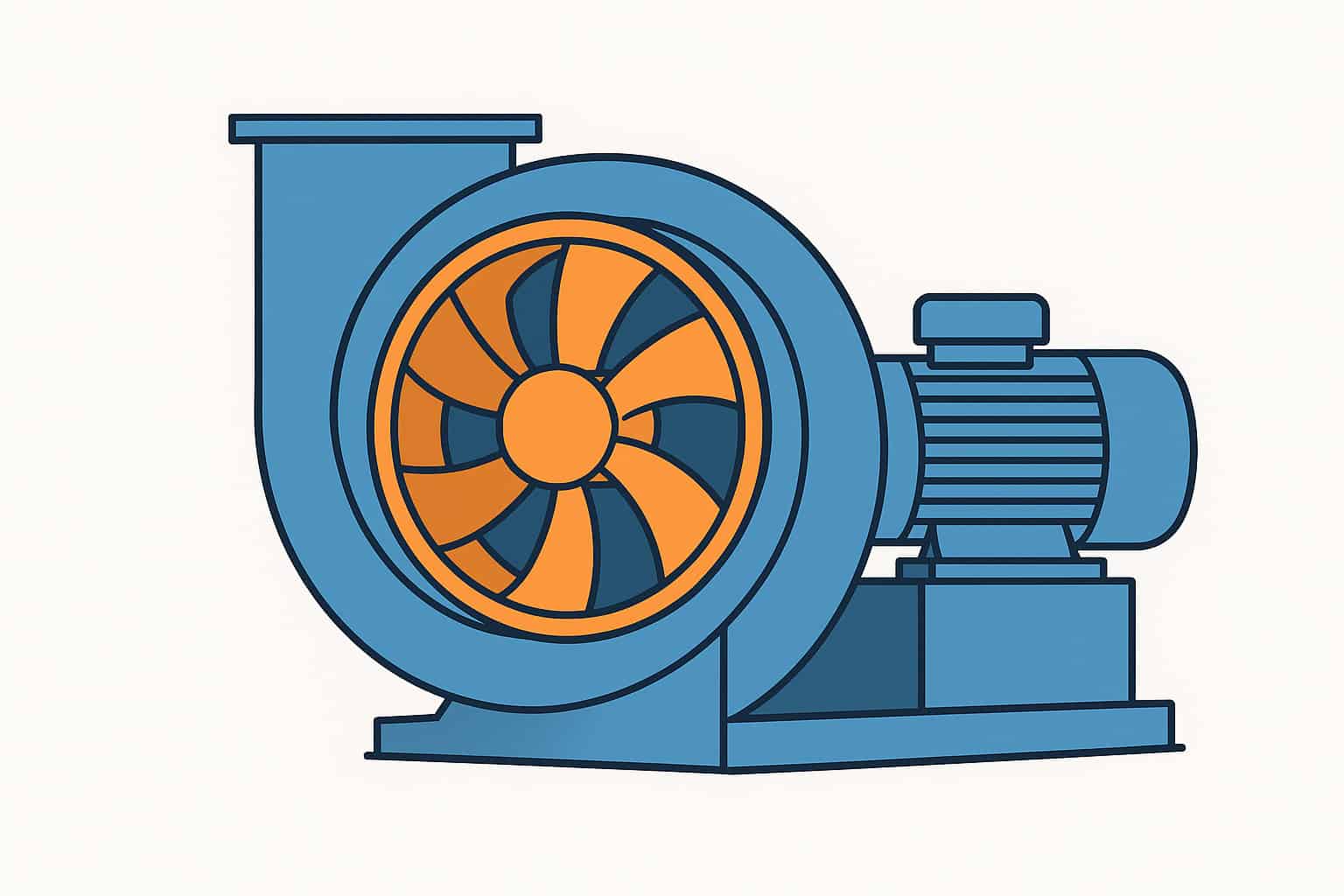
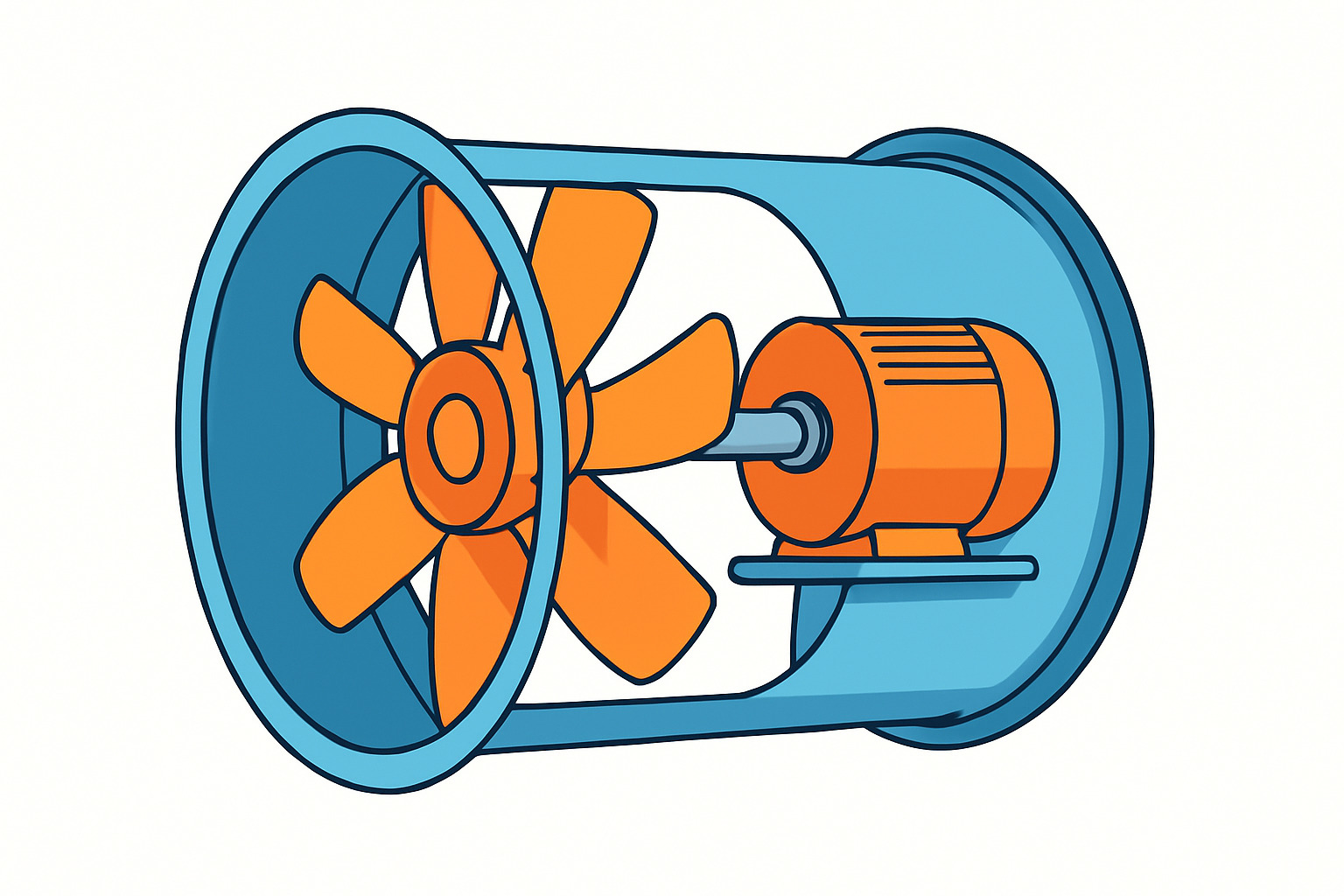
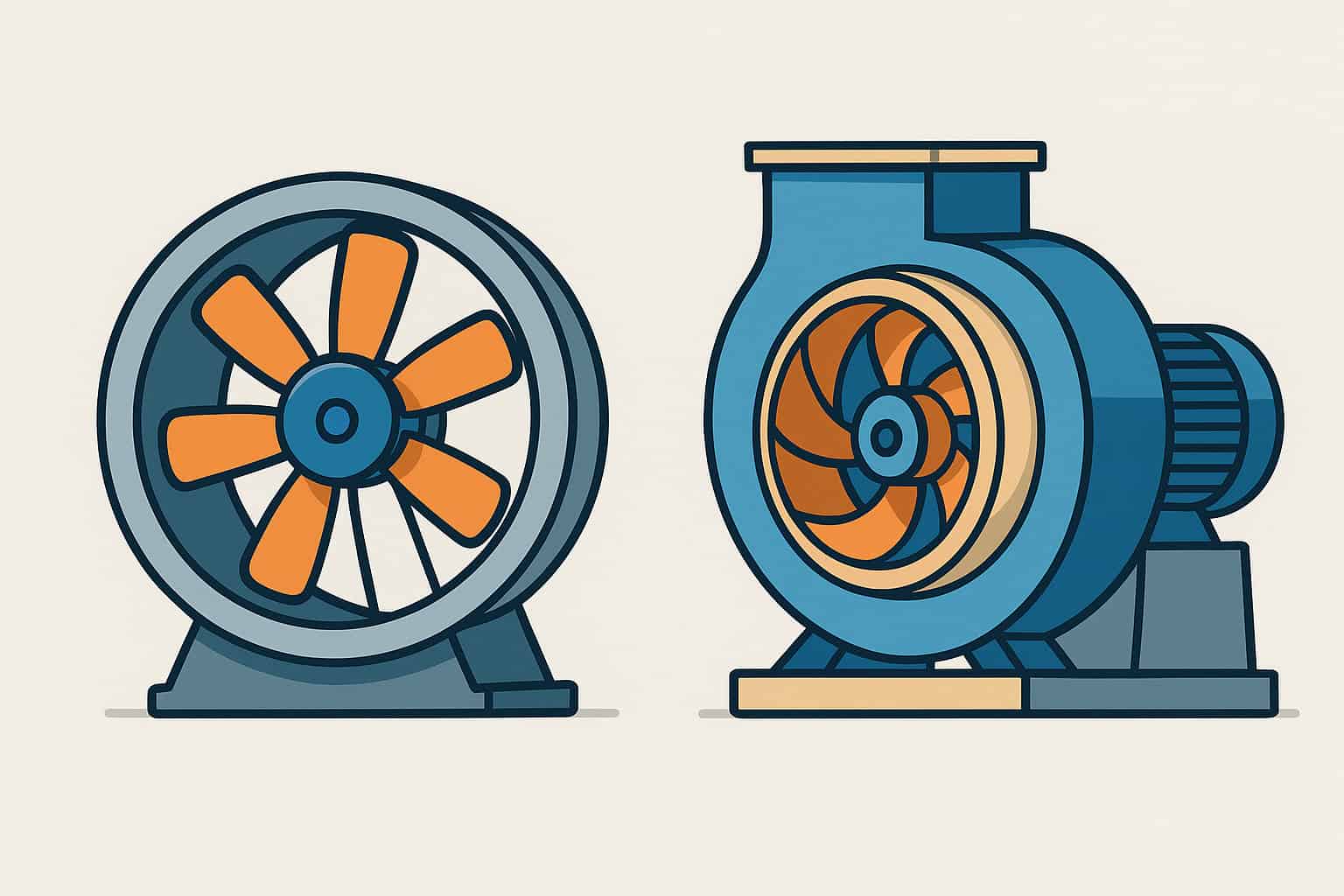
In underground mining, ventilation underground is provided by primary and auxiliary ventilation systems. Large axial or centrifugal fans at surface shafts or declines create airflow through intake and return airways, while auxiliary fans and ducts extend this airflow to faces and stopes. In road and rail tunnels, underground ventilation is achieved through tunnel fans, jet fans and ventilation shafts that manage air quality and smoke movement along the tunnel length. In underground caverns used for power plants, storage or industry, supply and exhaust fans and ducts create a similar circulation.
The main objectives of ventilation underground are to provide breathable air and to control contaminants. Oxygen must be replenished where people and combustion engines are present, and carbon dioxide and other gases must be removed. Exhaust gases from vehicles and equipment, blasting fumes, process vapors and natural gases from the rock must be diluted and carried out of the underground space. Ventilation airflow is the primary means of meeting legal and health limits for these substances.
Ventilation underground also plays a crucial role in managing heat and humidity. Rock temperature generally increases with depth, and machinery produces additional heat. Water inflow and process activities can add moisture. Ventilation moves heat and moisture away from working areas and equipment, improving comfort and reducing the risk of fogging and corrosion. In particularly hot environments, ventilation is combined with refrigeration or air-cooling plants to maintain acceptable temperatures.
Another important function is smoke and emergency control. In the event of a fire underground, the ventilation system determines how smoke and toxic gases spread. Properly designed underground ventilation systems allow operators to direct smoke away from escape routes and refuge areas, and to provide better conditions for firefighting. This is critical in long tunnels and extensive mine networks where evacuation routes may be complex.
Finally, ventilation underground must be reliable and monitored. Airflow, gas concentrations and temperatures are measured at key locations, and fan operation is supervised from control rooms. Modern systems use variable speed drives and automation to adjust airflow to changing needs, improving energy efficiency while maintaining safety margins.
In summary, ventilation underground is the engineered circulation of air in mines, tunnels and other subterranean facilities using fans and airways to supply fresh air, control contaminants, manage heat and support safe operation and emergency response.