
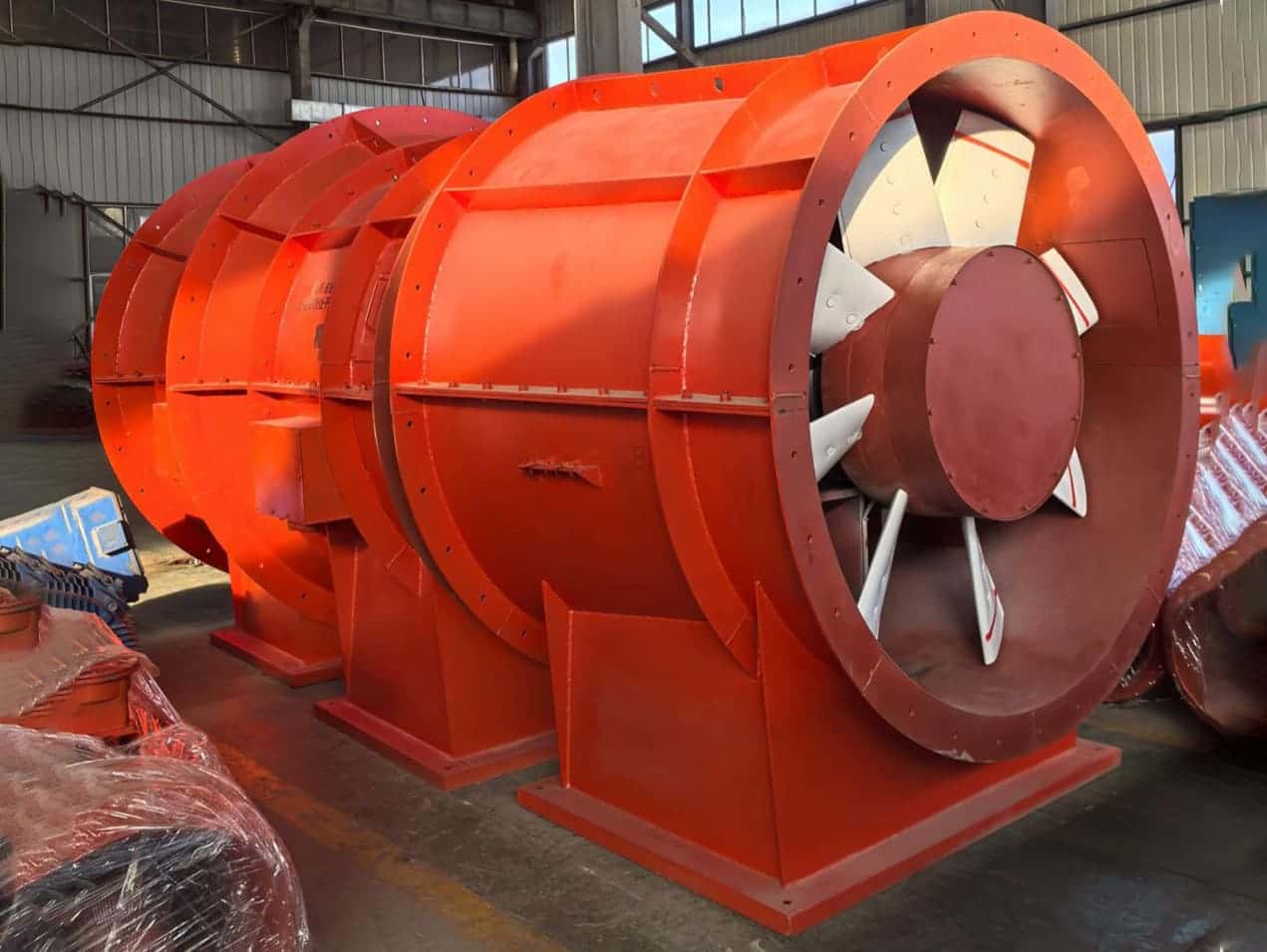
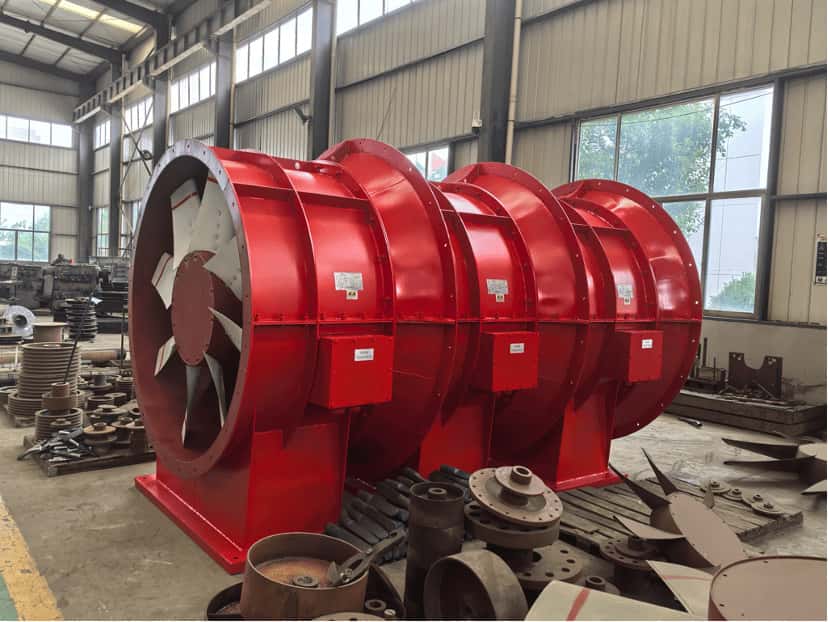
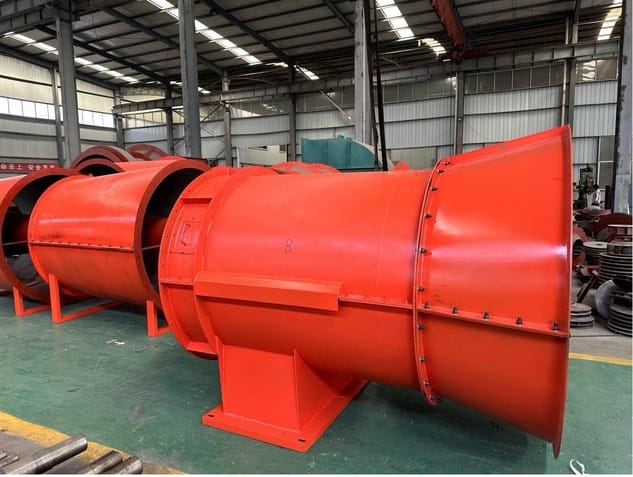
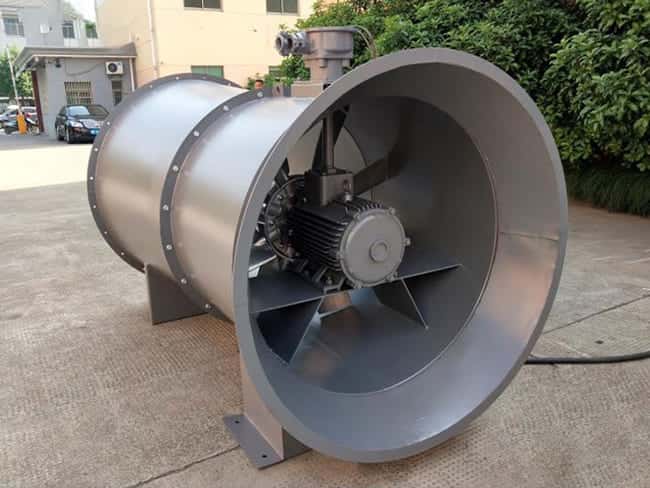
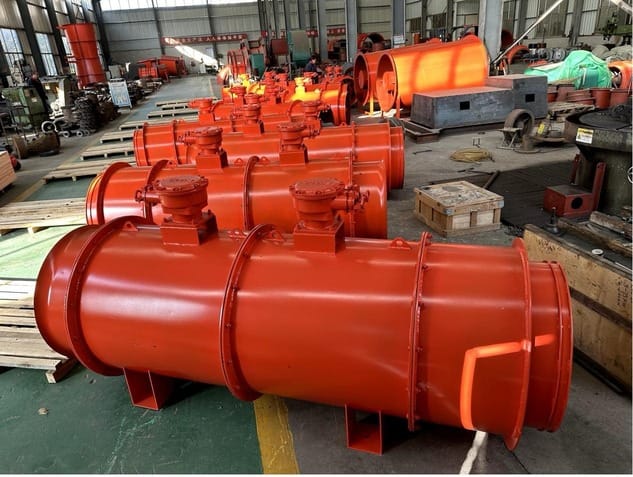
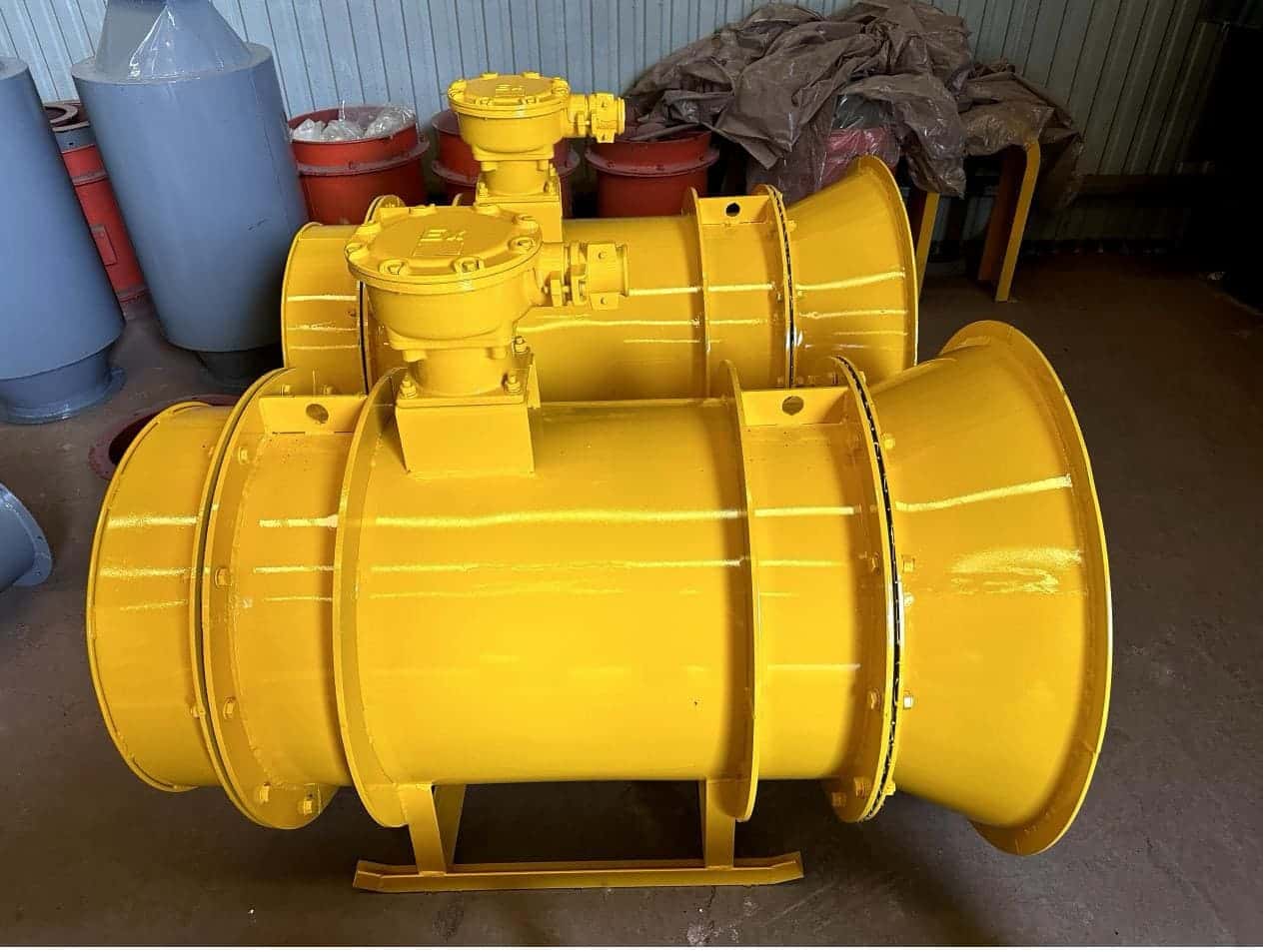
When you ask what kind of fan pushes the most air, the real answer depends on the pressure and installation conditions. "Most air" usually means the highest airflow (volume per unit time), but any fan can only deliver that volume against a certain system resistance. In industrial plants and mines, the fan type that pushes the most air for a given pressure range is typically a large axial fan, often in the form of main mine fans, tunnel fans or HVLS fans in buildings.
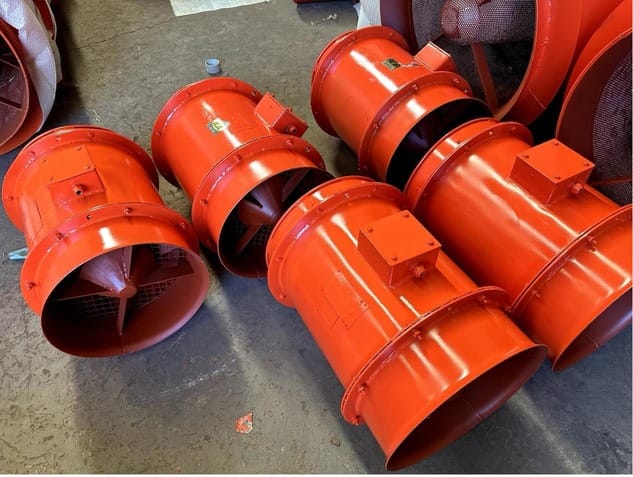
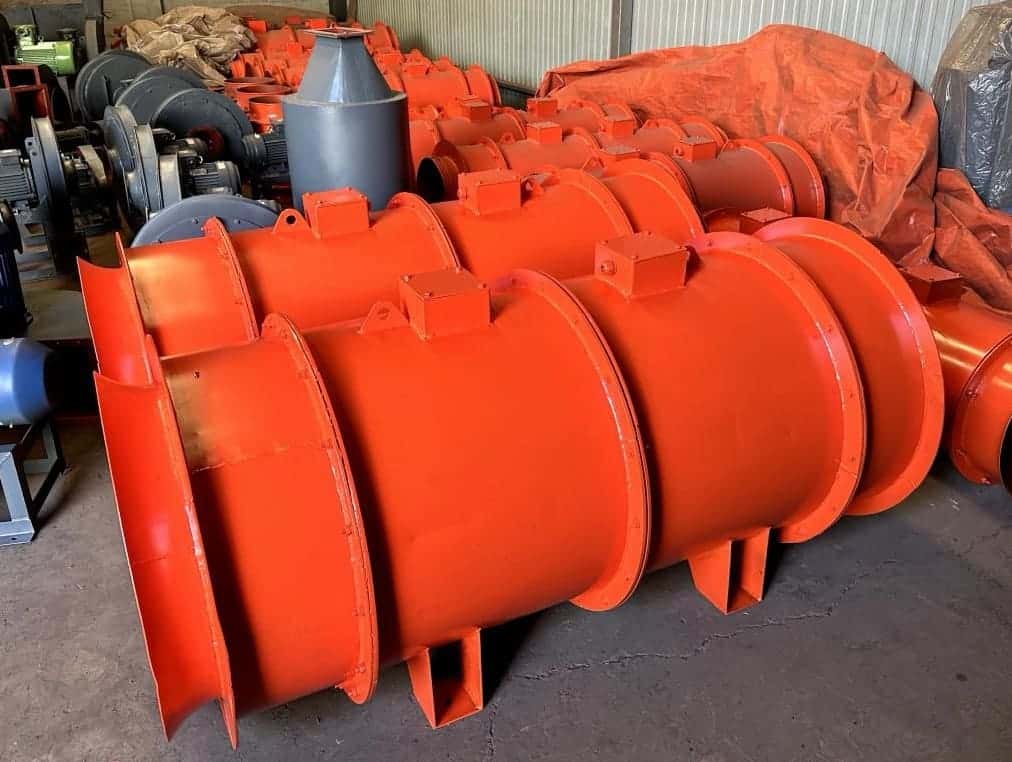
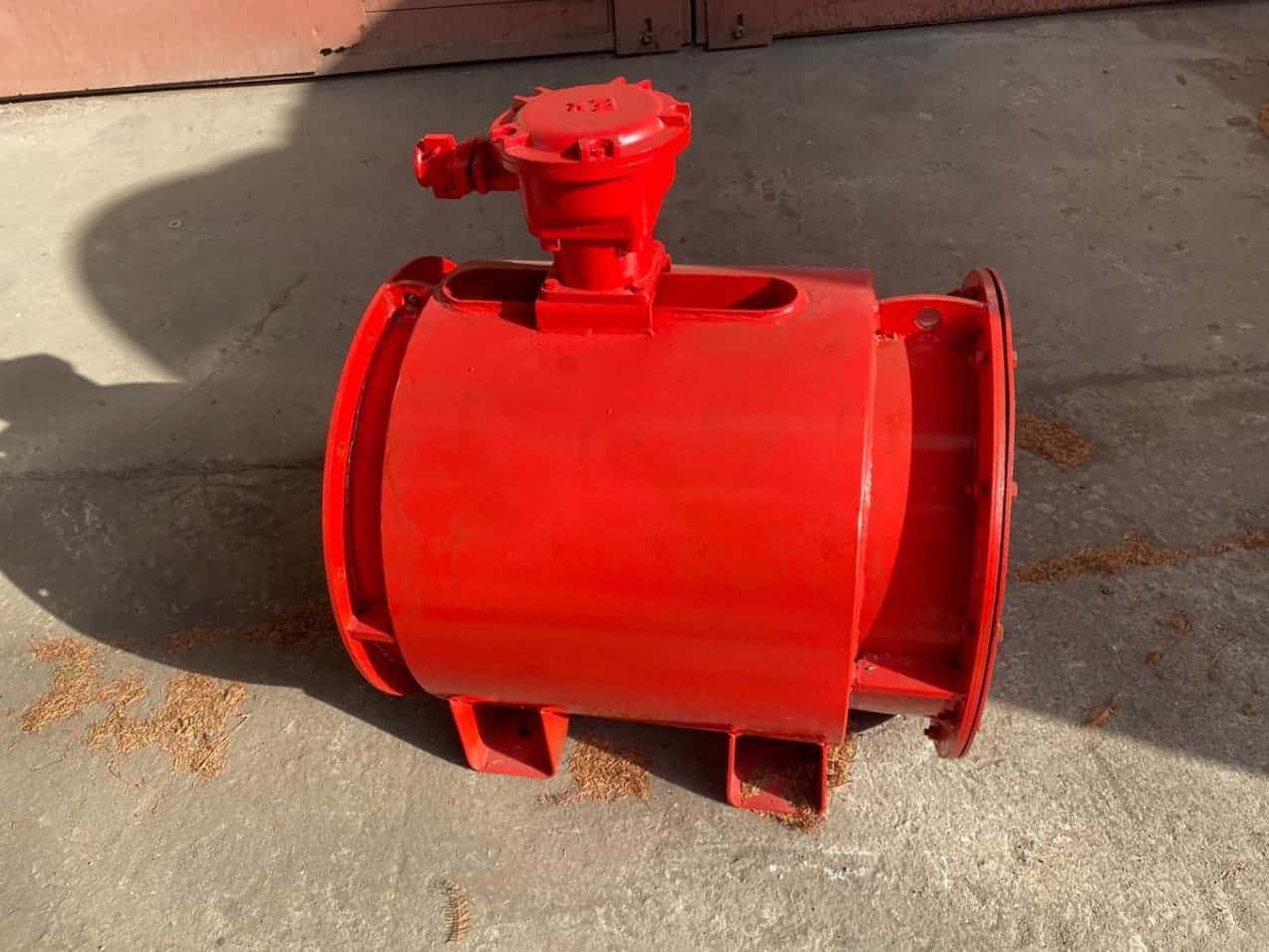
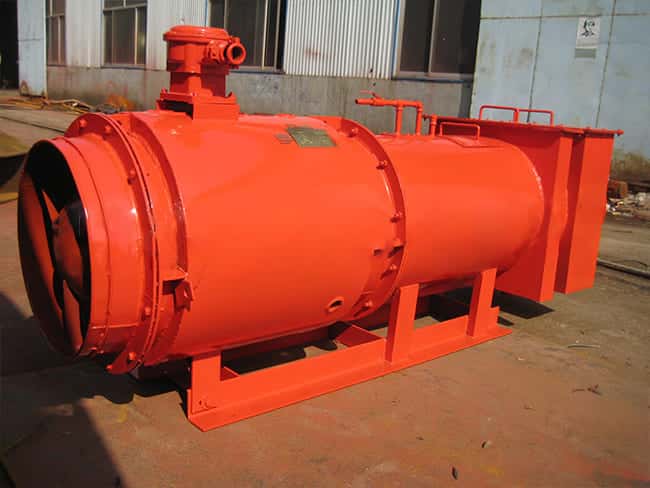
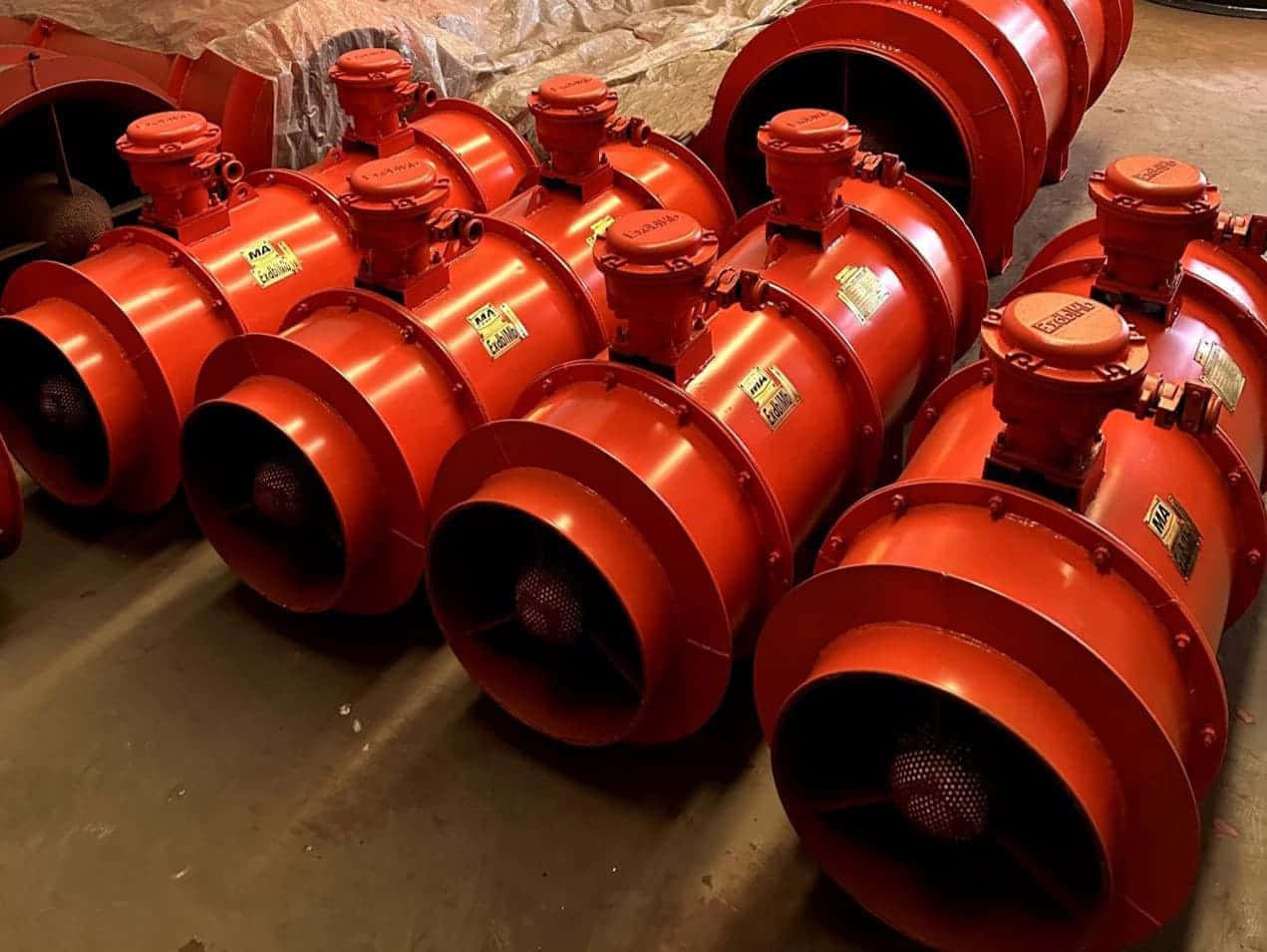
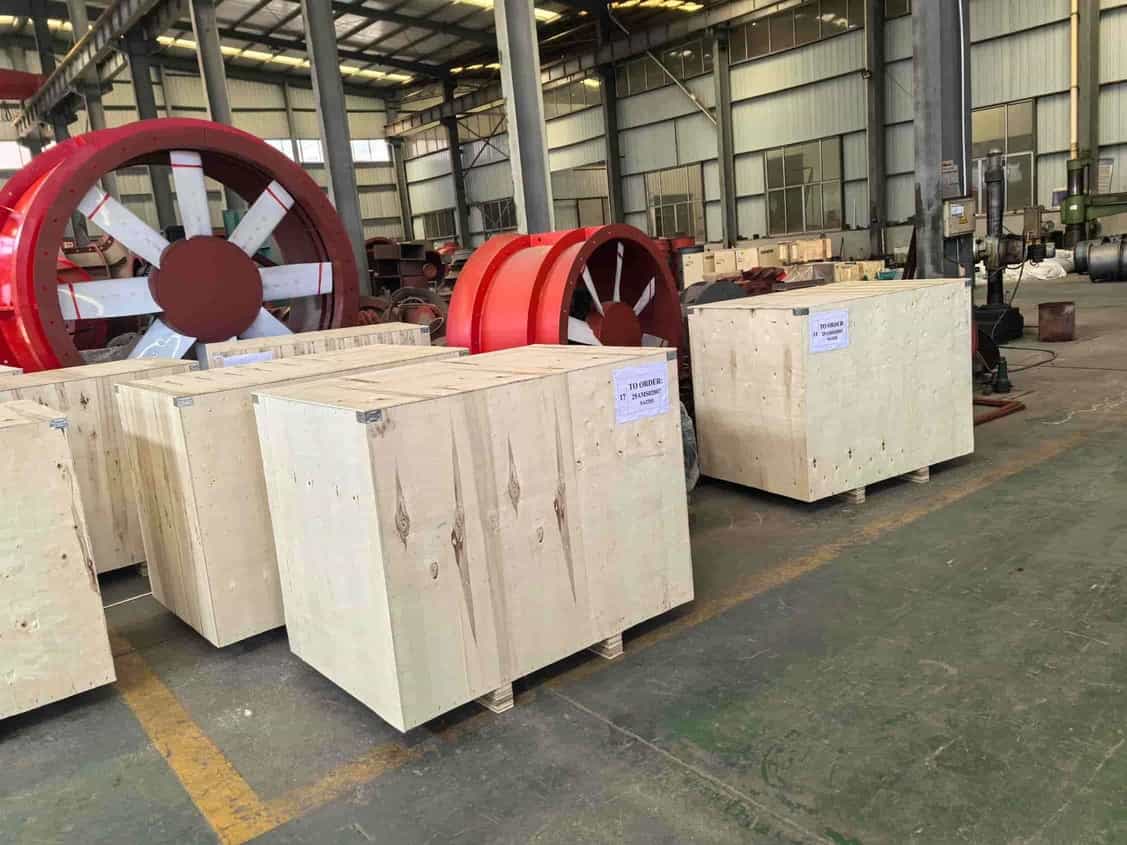
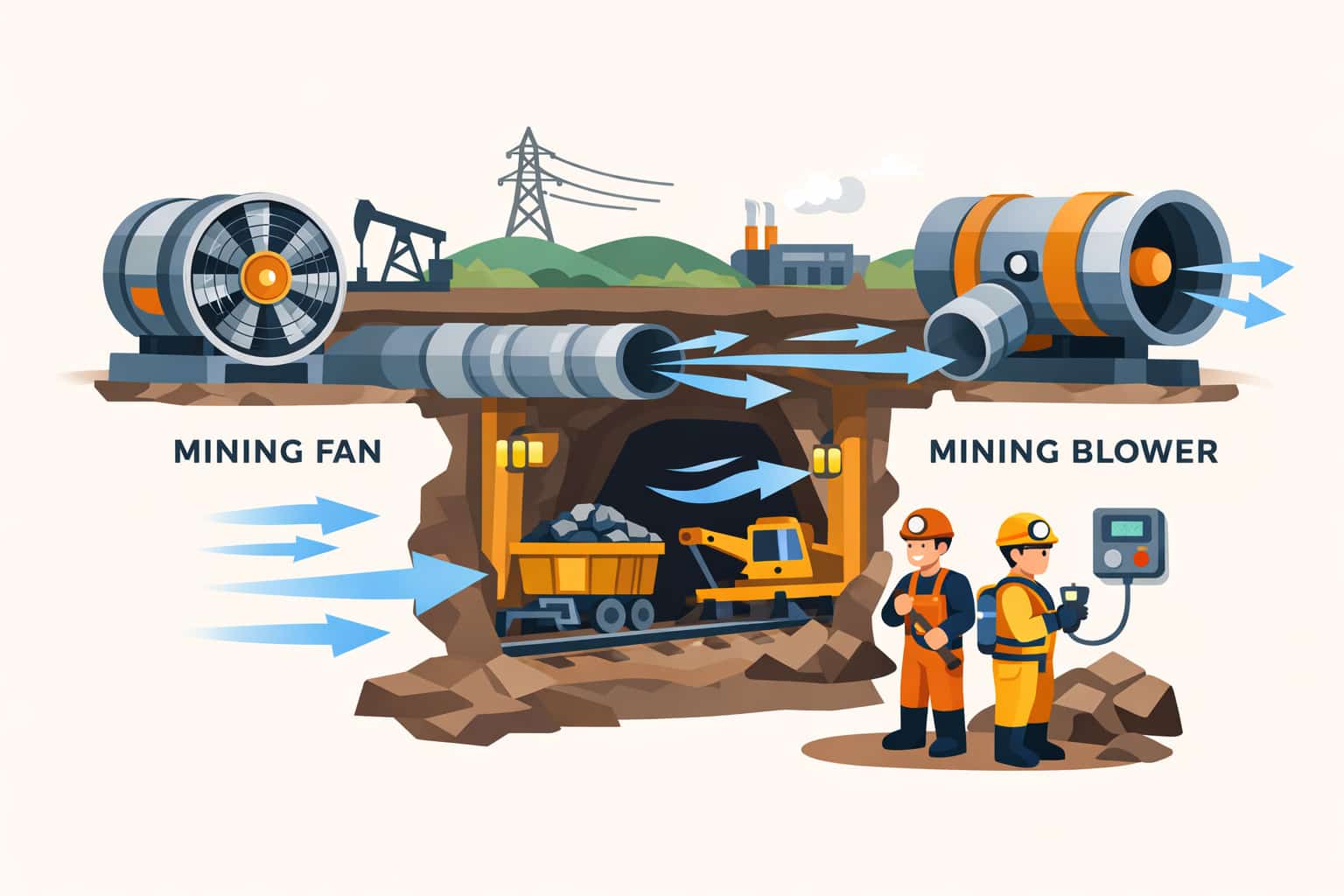
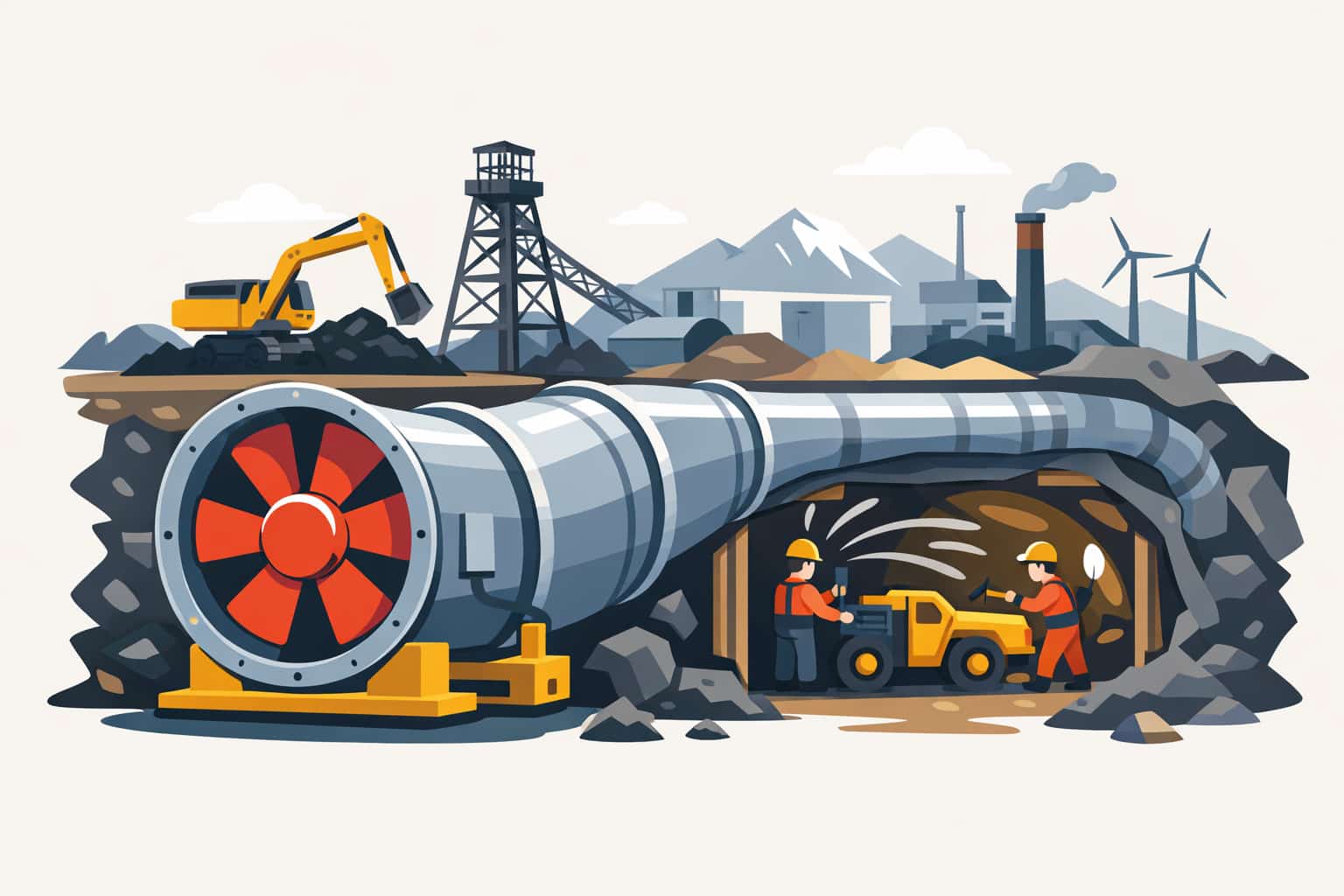
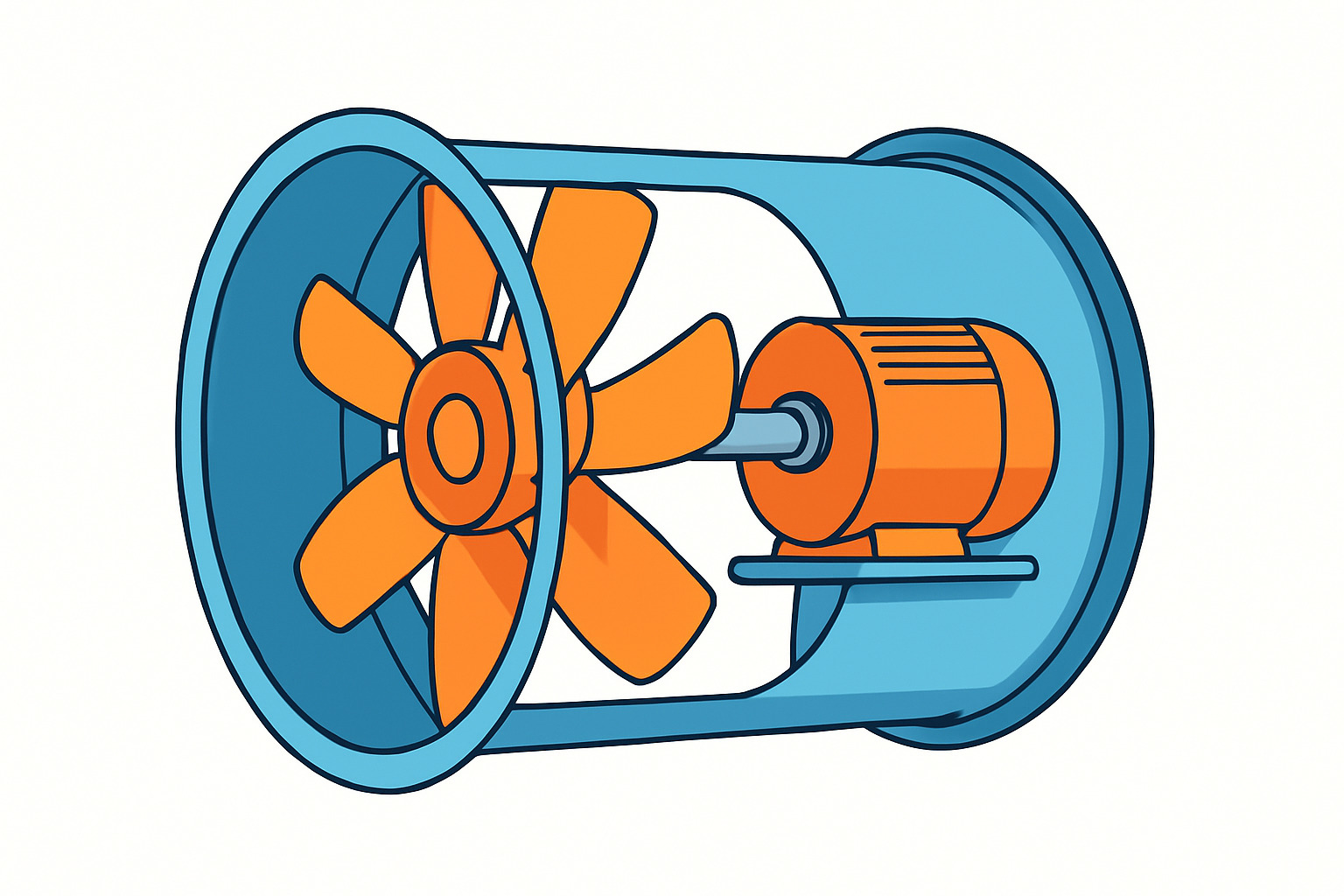
For very high air volume at low to medium pressure, axial fans are usually best. Their blades act like propellers, moving air in line with the shaft. Large-diameter axial fans can move hundreds of thousands of cubic metres of air per hour with good efficiency. In underground mining and tunnel ventilation, huge axial main fans are used to push or pull air through long roadways and shafts. These fans are designed specifically to deliver high volumes at the modest pressures needed to overcome friction and leakage in the network.
In big industrial halls and warehouses, high-volume low-speed (HVLS) fans are the champions of air movement. These ceiling-mounted axial fans, often 3–7 m in diameter, rotate slowly but move vast amounts of air gently across wide areas. They are not used for ducted exhaust or high-pressure tasks, but for air circulation and comfort they push more air across a space than many smaller fast-spinning fans combined.
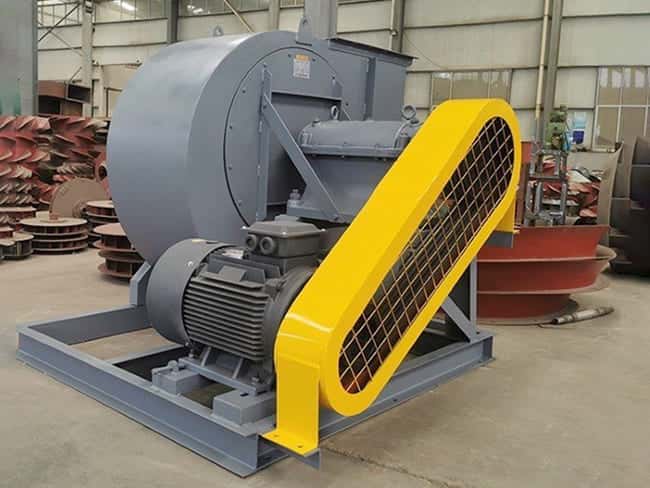
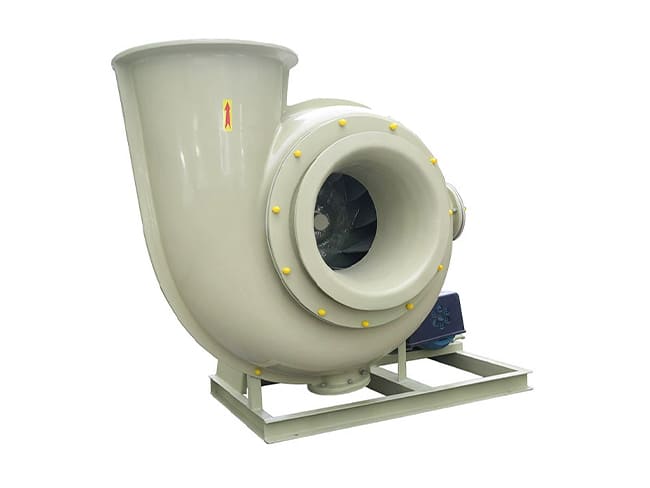
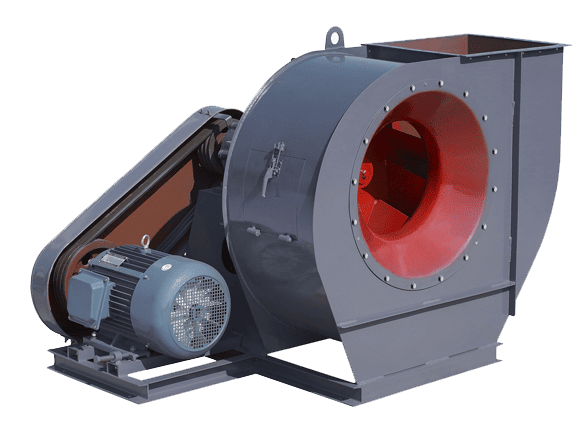
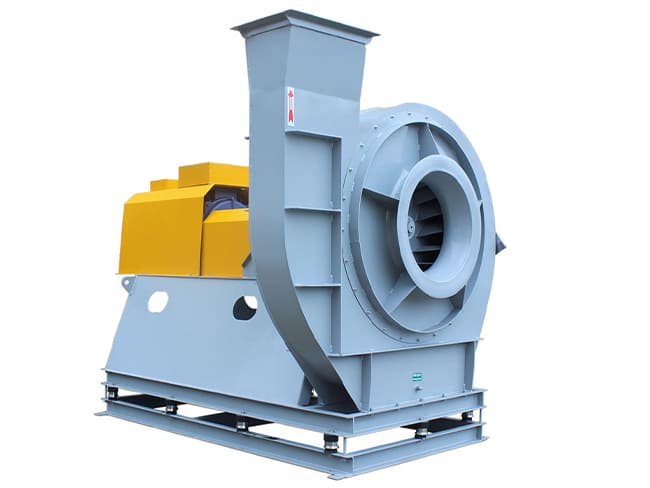
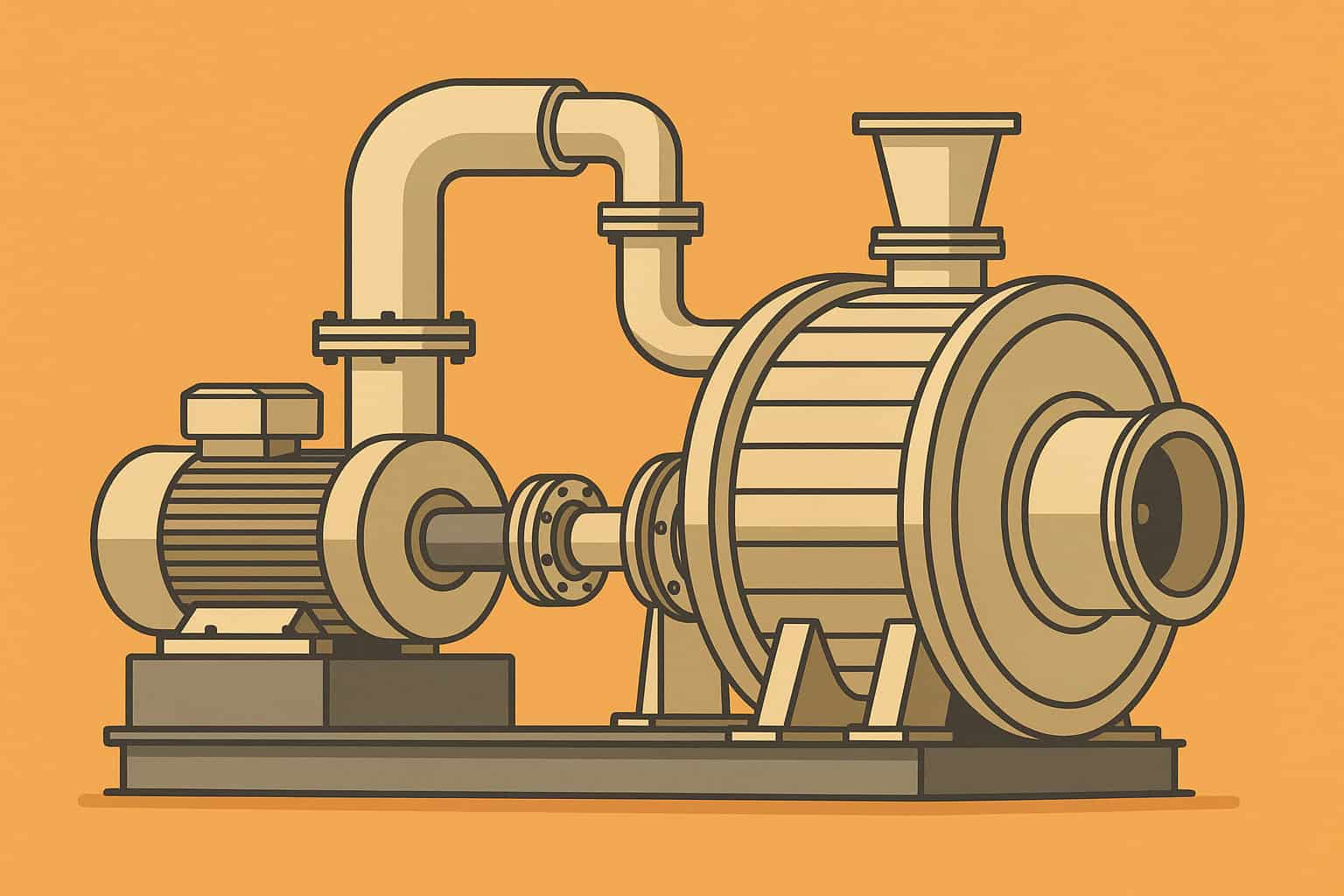
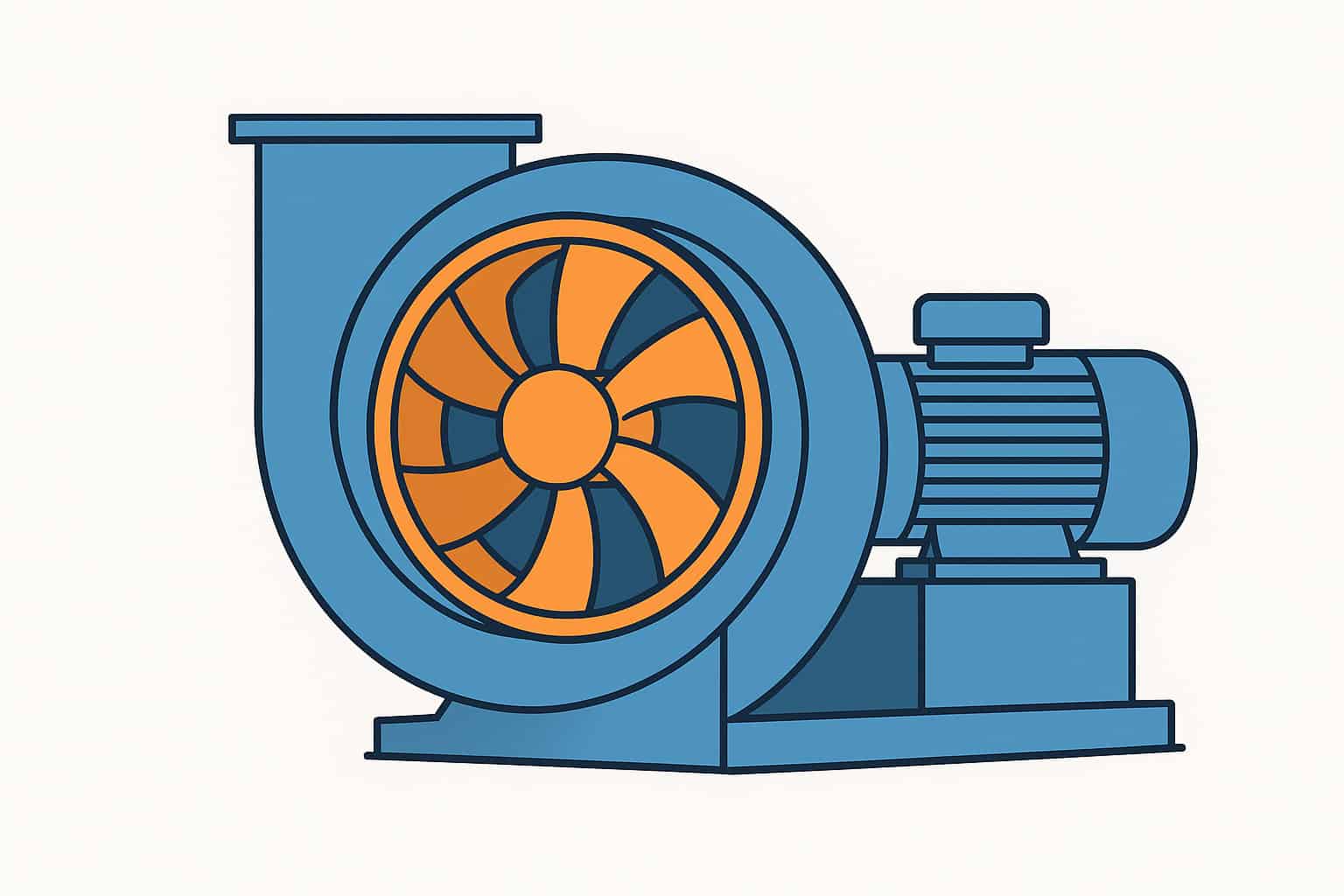
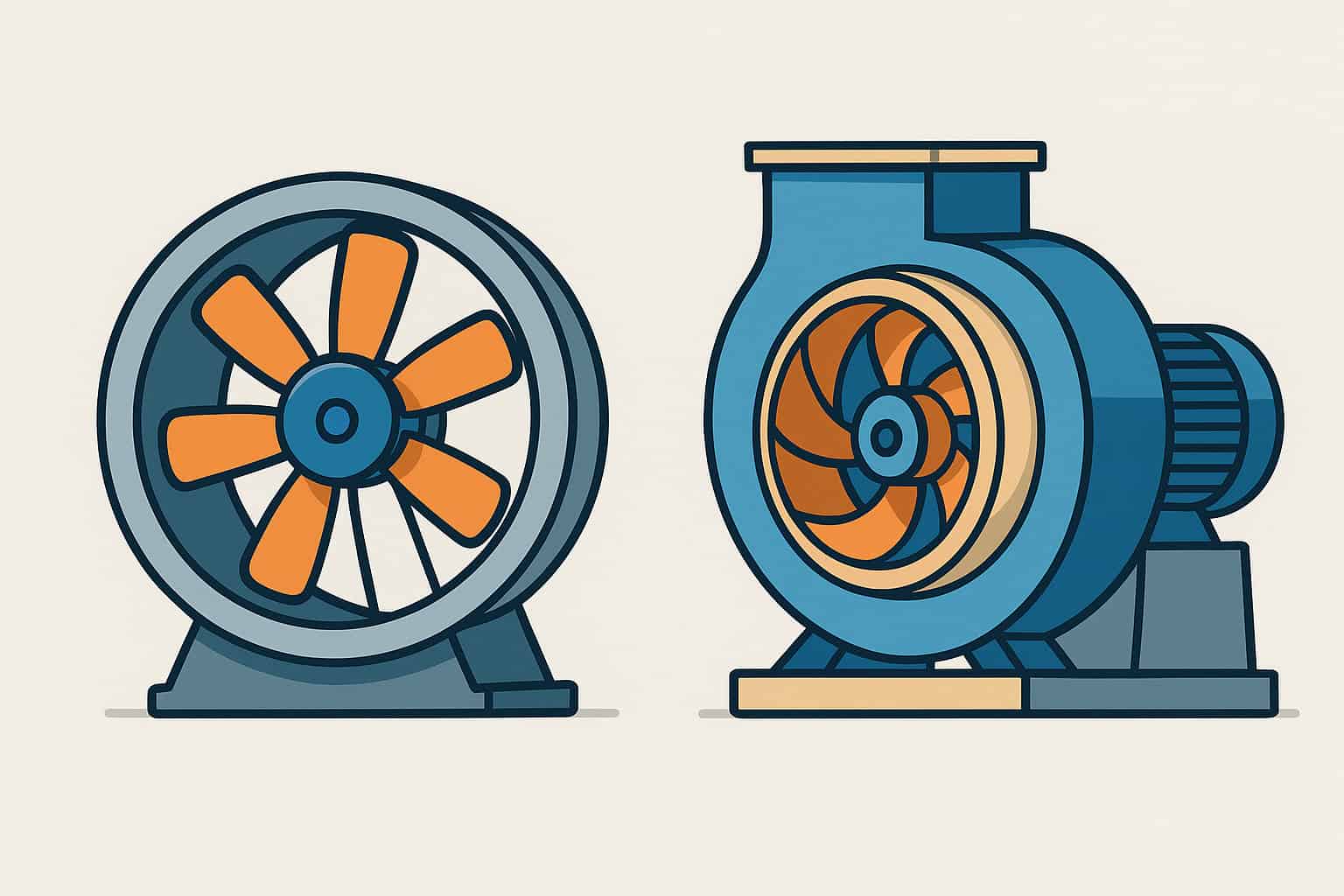
Centrifugal fans can also handle high volumes, especially at higher pressures, but for pure volume with moderate resistance, axial designs are generally more compact and efficient. Centrifugal fans excel in dust collection, process exhaust and applications with filters and scrubbers, where higher pressure is more important than extreme volume alone.
It is important to remember that “pushing the most air” is not always the same as “doing the best job”. A fan that moves enormous volume at very low pressure may not be able to overcome the resistance of a long duct system, so the actual air delivered to the working area could be lower than expected. In contrast, a slightly smaller fan with a better pressure capability may move more air through the real system.
In practice, engineers look at the fan performance curve and the system resistance curve together. The fan type and size that push the most air at the cross-over point of these curves is the best choice. For open spaces with little resistance, large axial or HVLS fans push the most air. For mines and tunnels with long routes but moderate resistance, large axial main fans are used. For high-resistance exhaust systems, a high-capacity centrifugal fan may be needed even if an axial fan could move more air in free delivery conditions.
In summary, for maximum air movement at low to medium pressure, large axial fans—including HVLS fans for buildings and main fans for mines and tunnels—are the types that push the most air. The ideal choice always depends on how much pressure the fan must overcome in the actual ventilation system.