
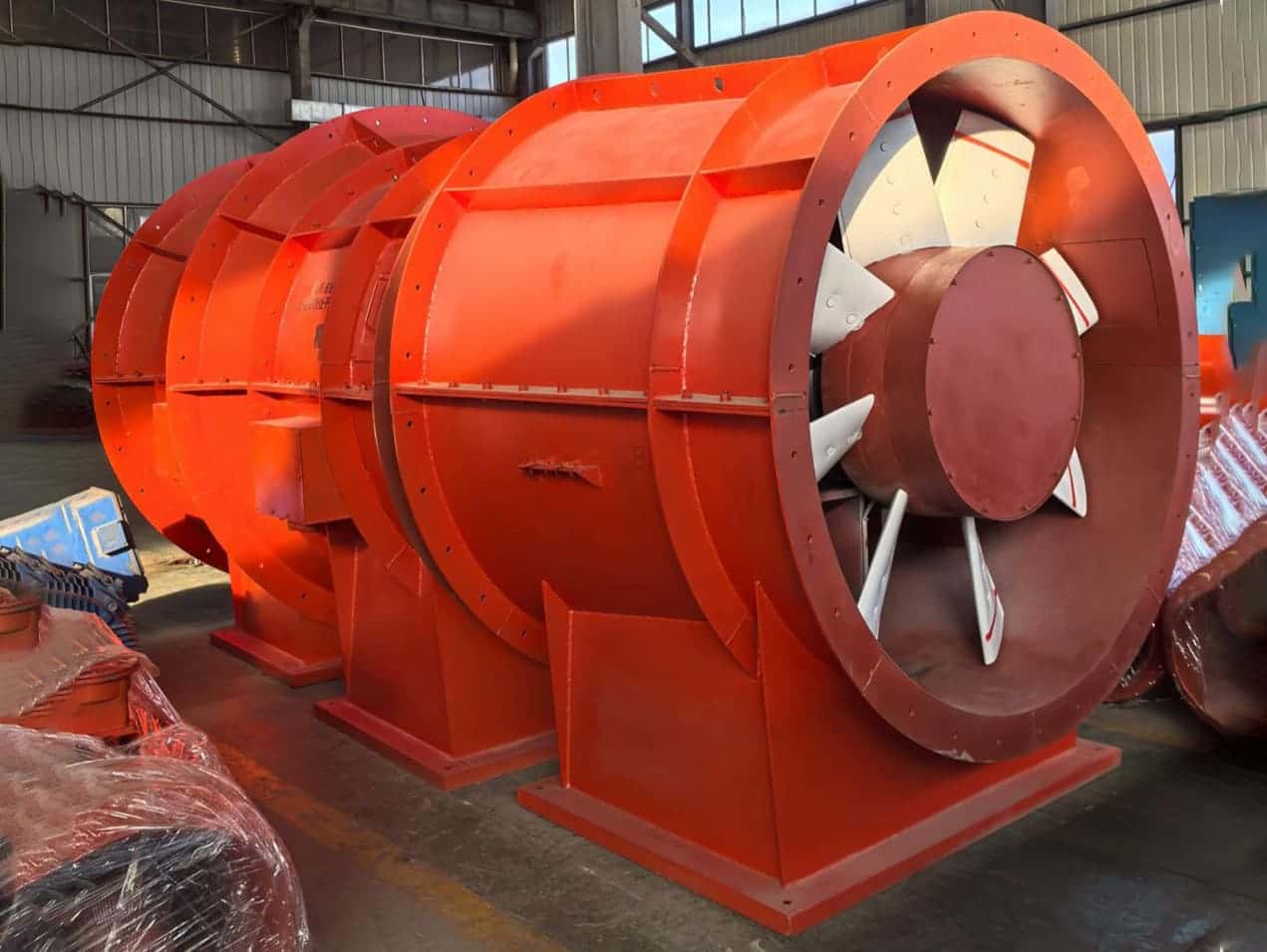
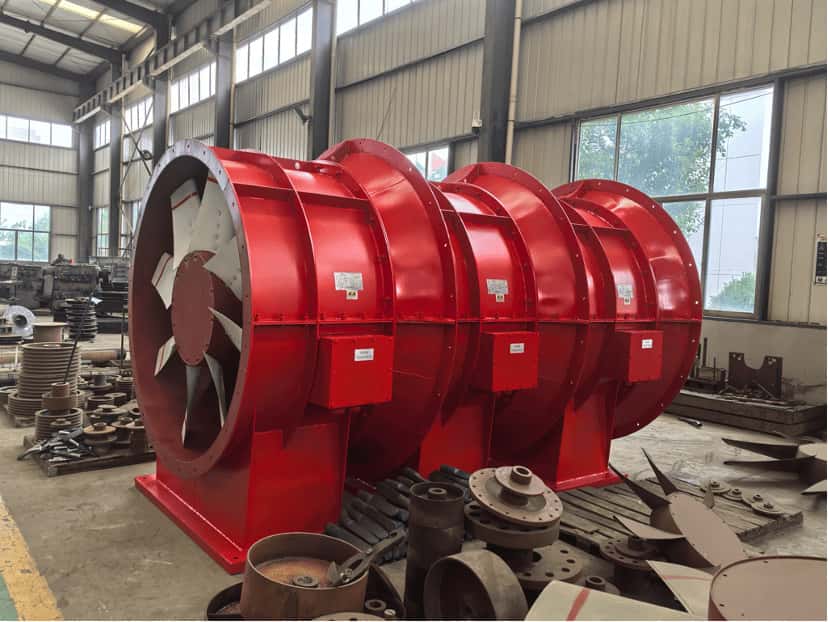
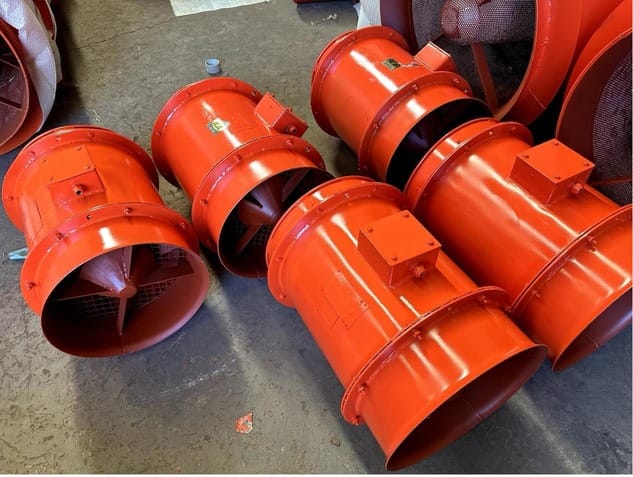
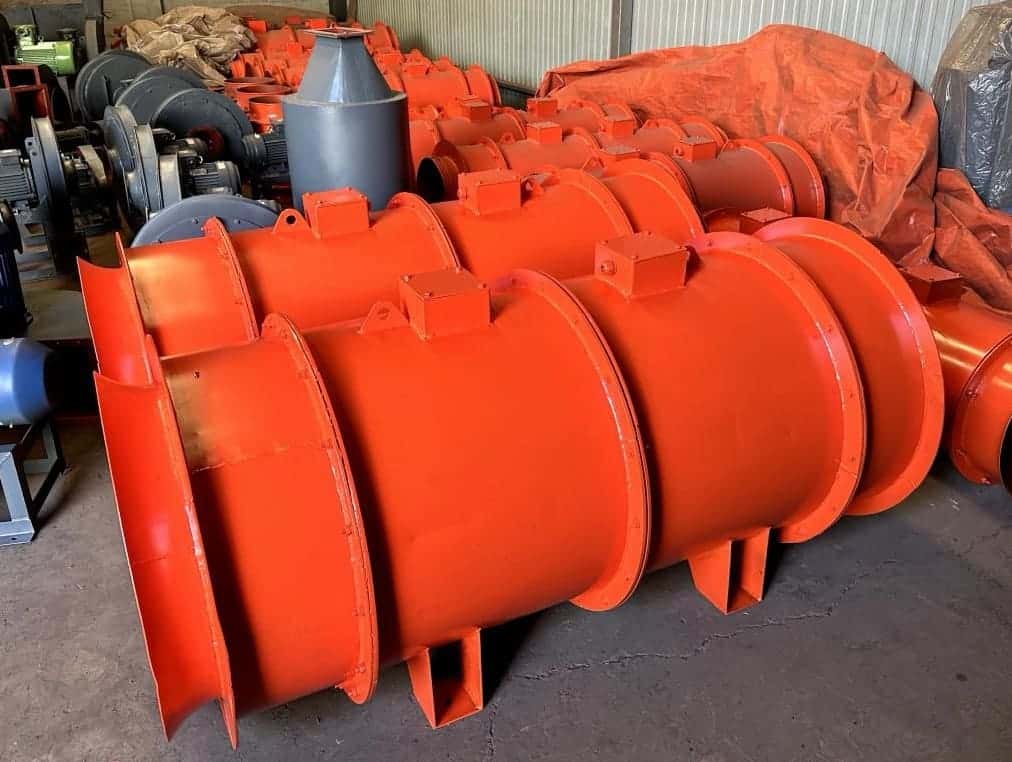
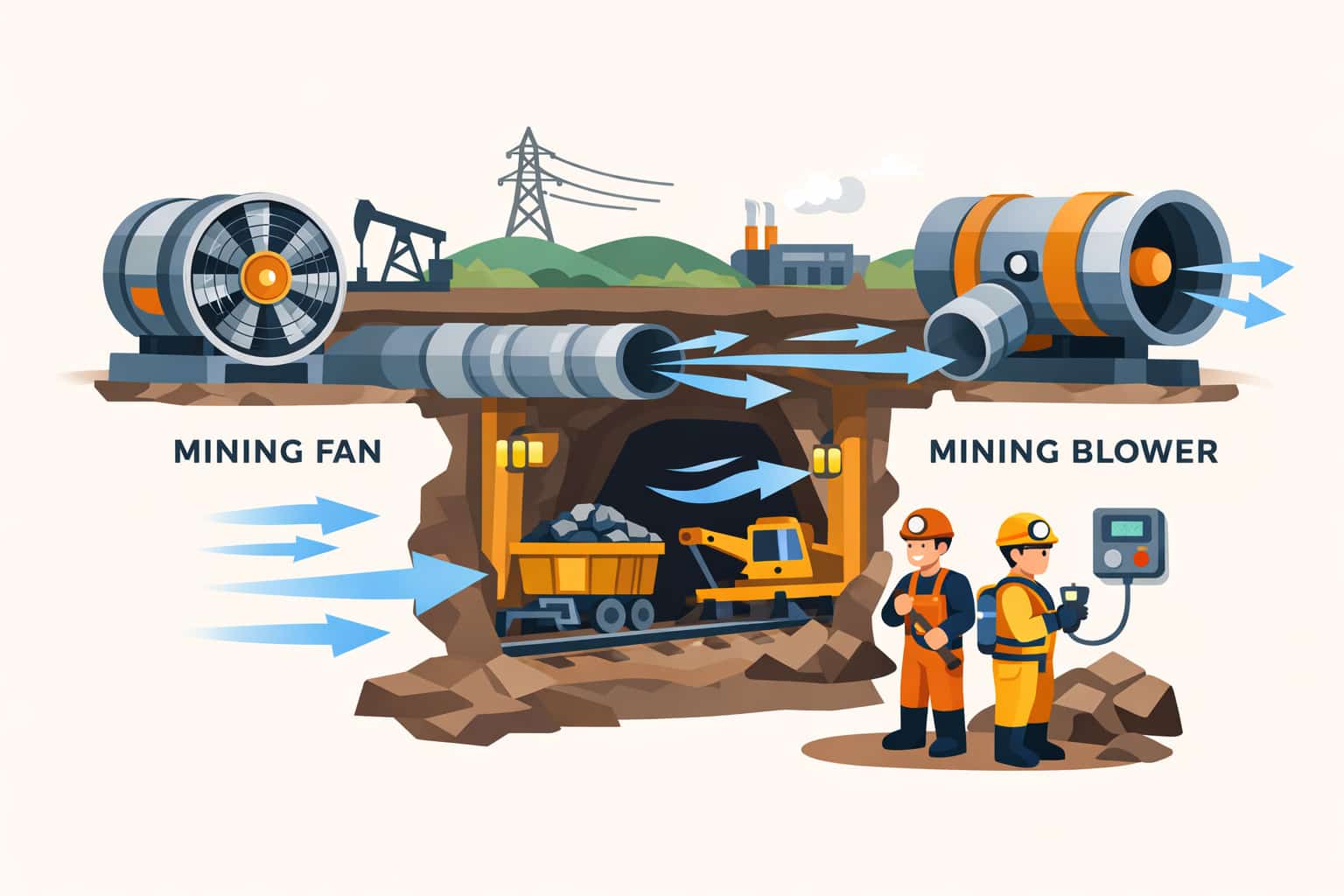

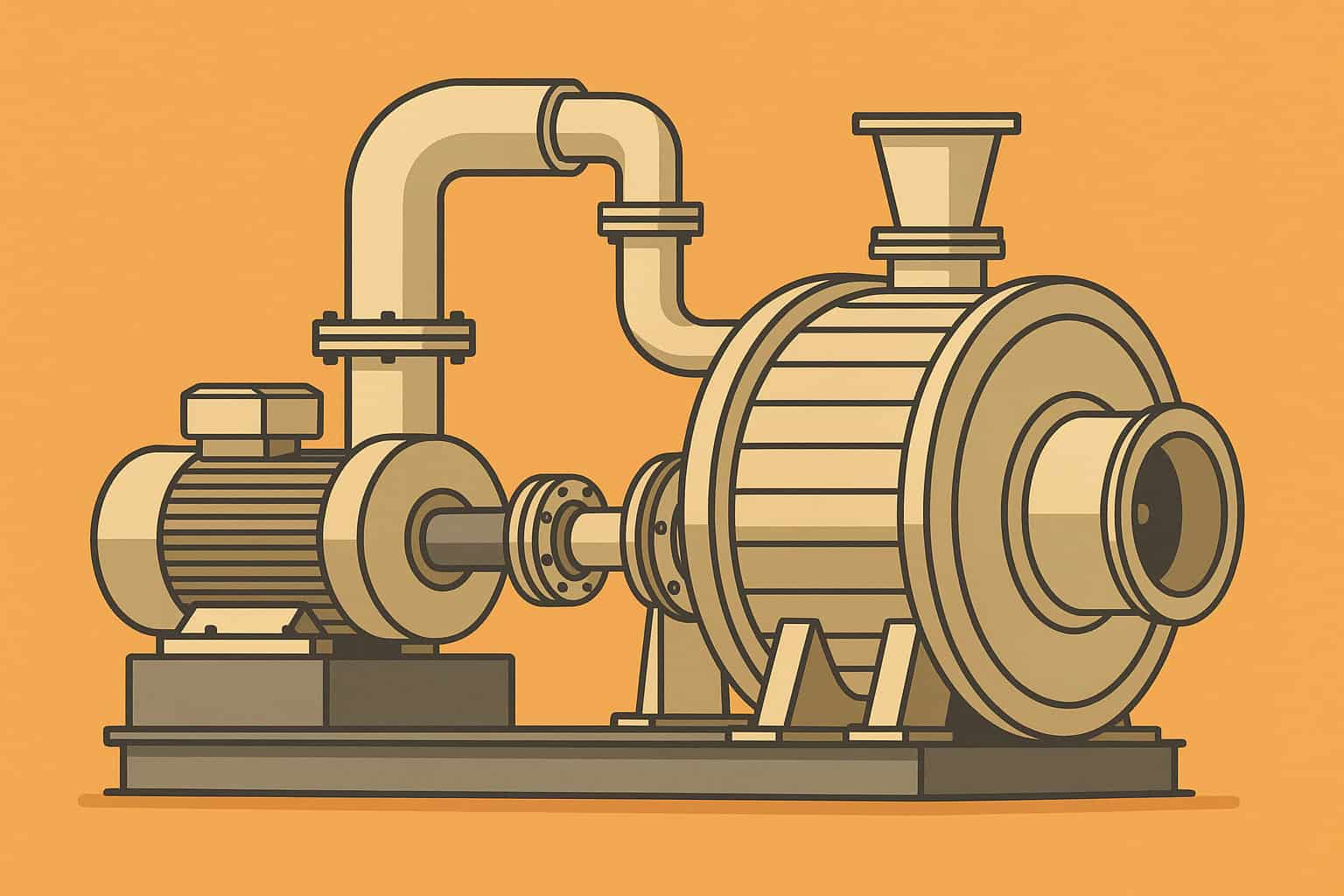

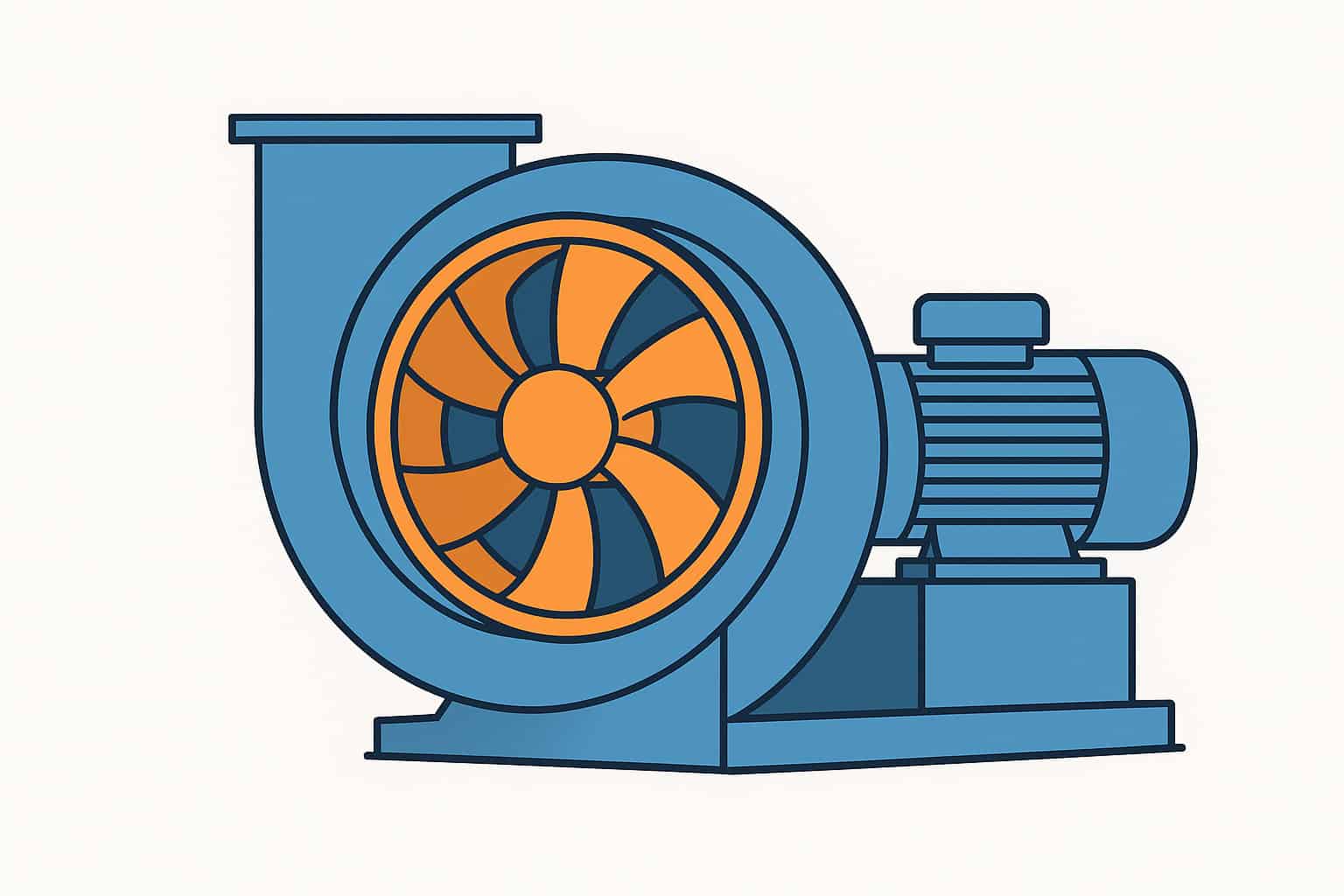
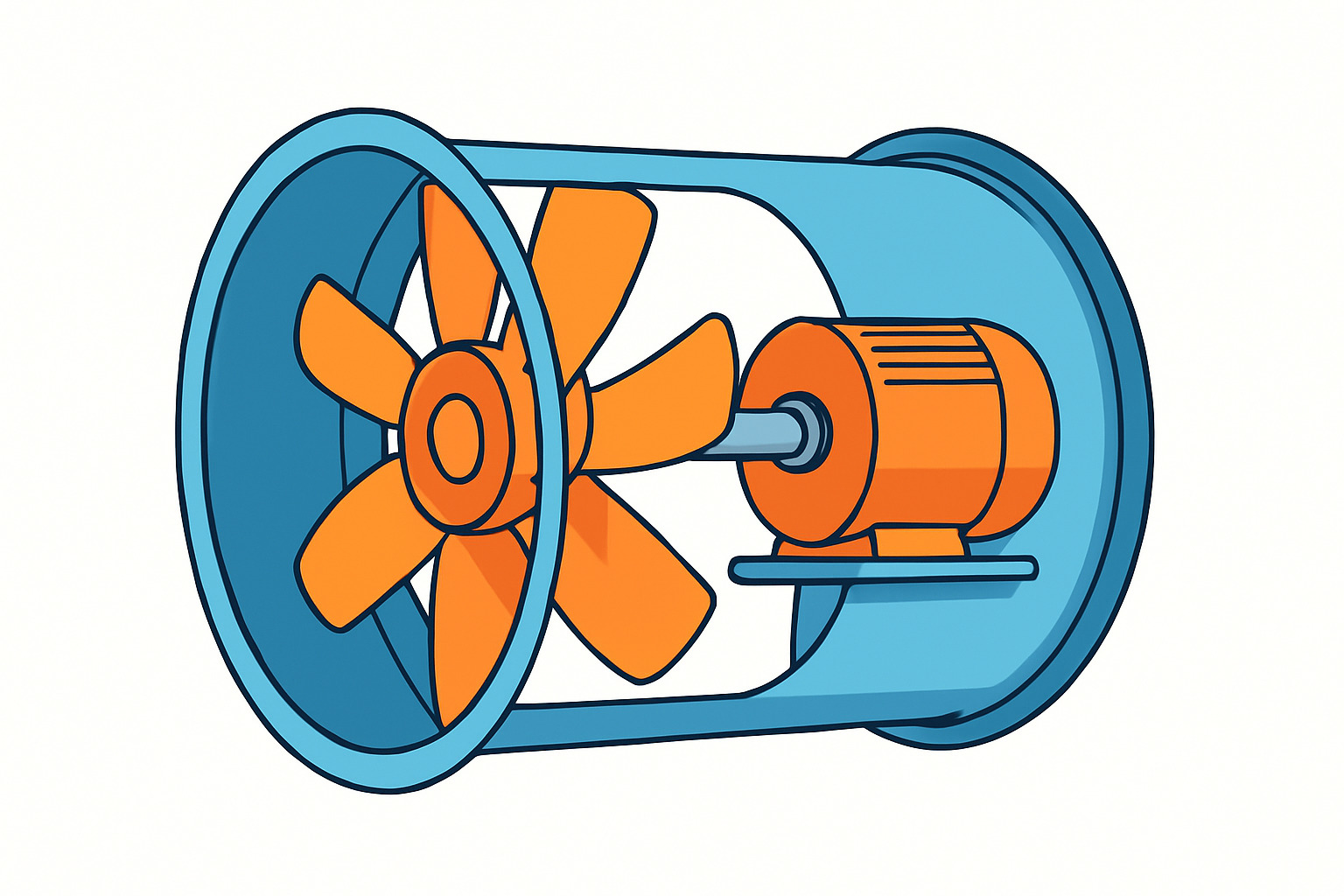

The perceived quietness of a fan is determined by both how much noise it generates and how that noise is transmitted to people or surrounding buildings. To make a fan quieter, engineers and operators focus on reducing aerodynamic noise, mechanical noise and the paths through which sound travels. In industrial plants and underground mines, these measures are essential for meeting noise regulations and improving working conditions.
One of the most effective ways to make a fan quieter is to reduce tip speed. Aerodynamic noise rises rapidly as the speed of the blade tips increases. By selecting a larger fan and running it more slowly, or by using a variable frequency drive to match speed to actual airflow demand, the same flow can often be delivered with significantly less noise and lower energy consumption. This principle applies to both axial and centrifugal fans.
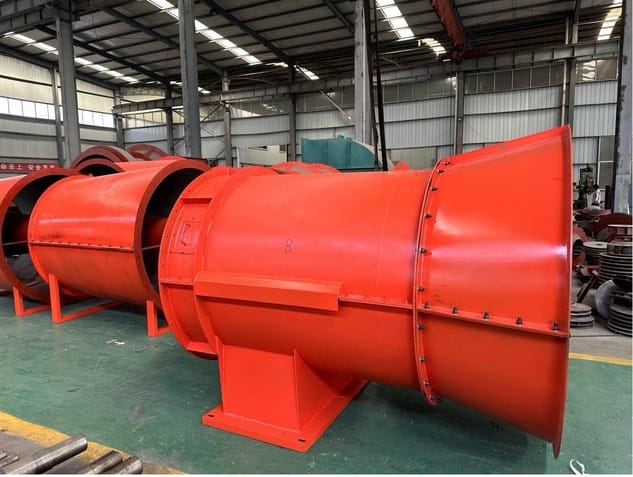
Another key factor is smoother airflow. Turbulence, separation and recirculation create broadband noise and sometimes distinctive tones. Good duct design avoids tight elbows close to the fan, sudden area changes, sharp transitions and poorly positioned dampers. Providing adequate straight duct at the fan inlet and, where possible, at the outlet helps the fan handle air uniformly. For mine and tunnel fans, well shaped inlet boxes, bellmouths and outlet cones reduce aerodynamic losses and noise.
Mechanical noise and vibration can also make fans sound loud even when aerodynamic noise is modest. Worn bearings, misaligned couplings, unbalanced impellers and loose supports all contribute to rattling, humming and drumming. Regular maintenance that keeps bearings lubricated, impellers clean and balanced, and fasteners tight is essential. Using vibration isolators under the fan base and flexible connections in ducts reduces the transmission of structure borne noise into buildings or rock mass.
In many installations, silencers and acoustic treatment are used to further reduce noise. Inlet and outlet silencers are specially designed duct sections with sound absorbing materials that target the predominant frequencies generated by the fan. When correctly selected and installed, they can significantly lower sound levels at nearby workplaces or at the site boundary, with an acceptable increase in pressure drop. Acoustic lining inside ducts or on fan room walls can also help absorb noise before it escapes into occupied areas.
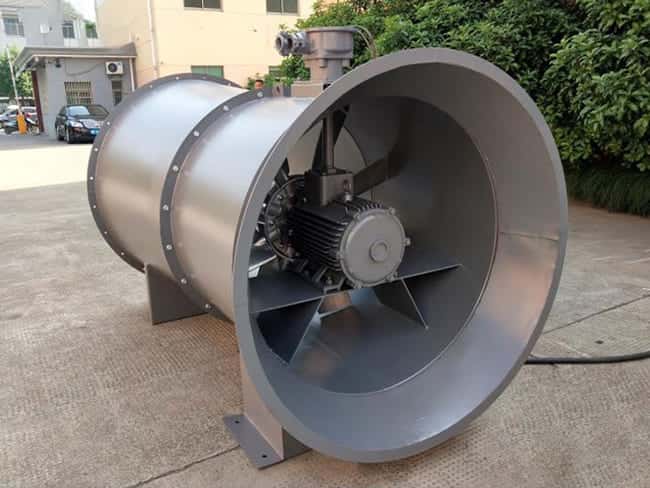
The design of the fan itself matters. Modern fans often use aerodynamic blade profiles such as airfoil or sickle shaped blades that produce less turbulence and noise for a given duty than crude flat blades. High quality manufacturing tolerances and smooth surfaces also help. When purchasing new equipment, specifying low noise or high efficiency fan designs can reduce the need for additional acoustic measures later.
In summary, a fan is made quieter by reducing tip speed, ensuring smooth airflow, controlling vibration and using silencers and acoustic treatment where needed. Combining careful fan selection and system design with good maintenance practices results in quieter, more efficient ventilation for industrial plants and underground mines.