
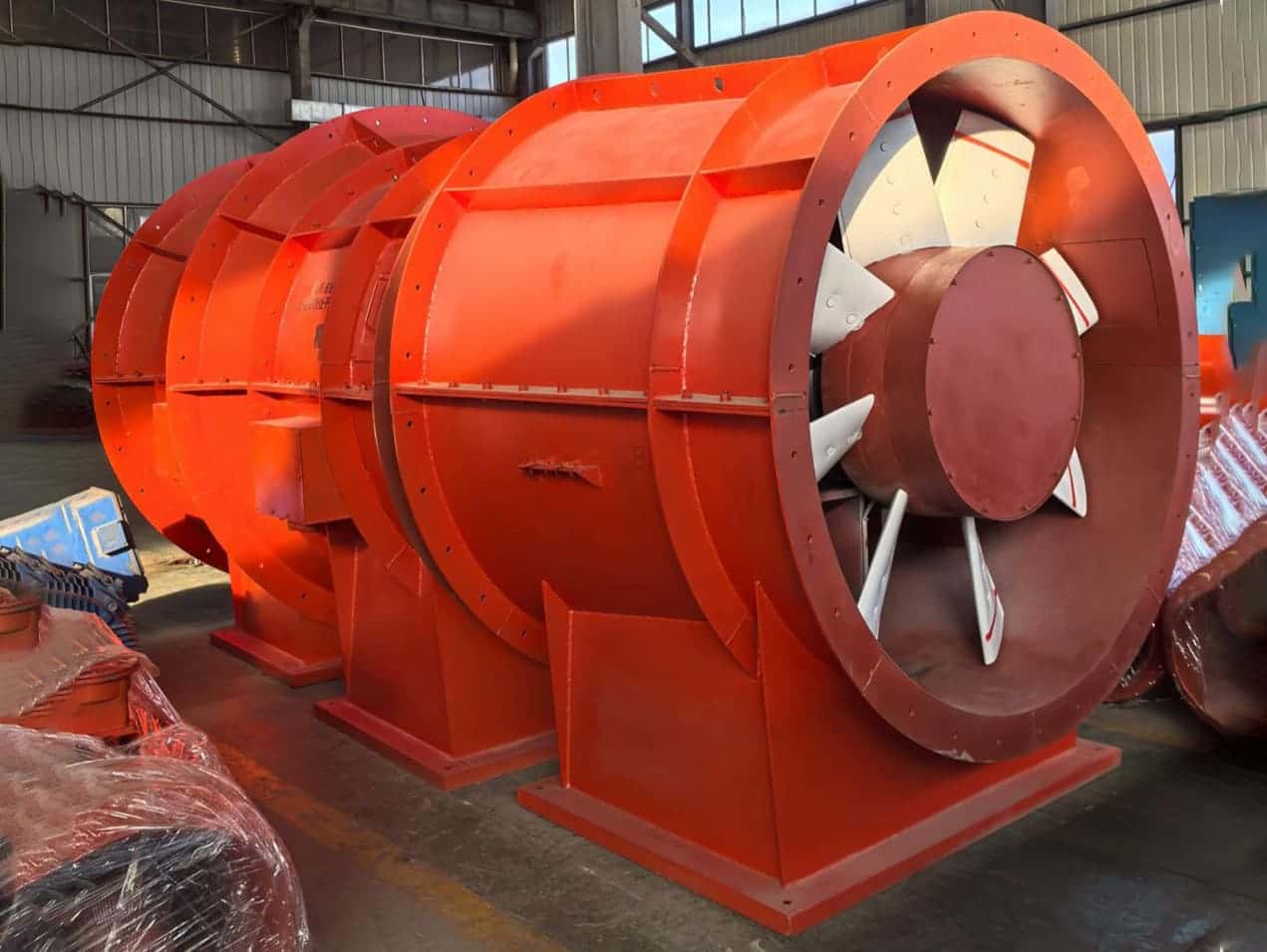
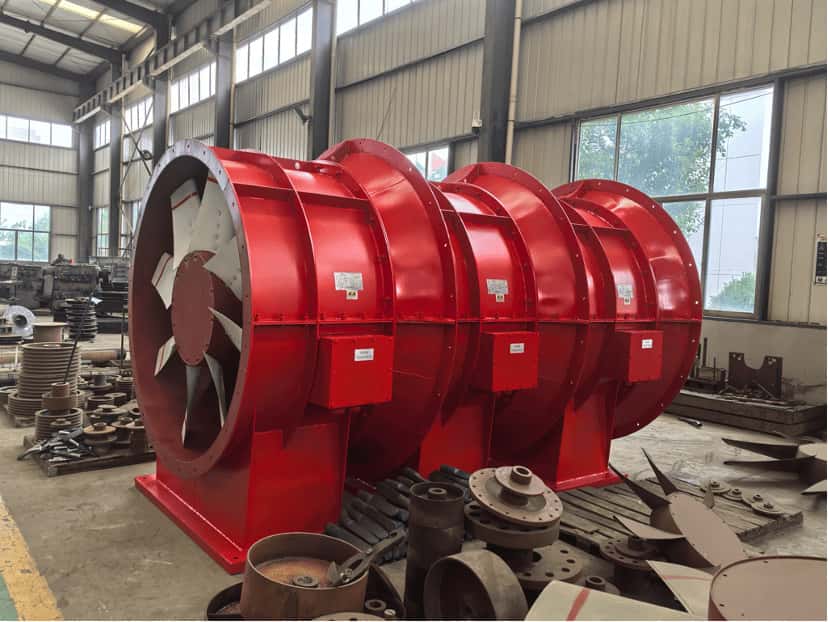
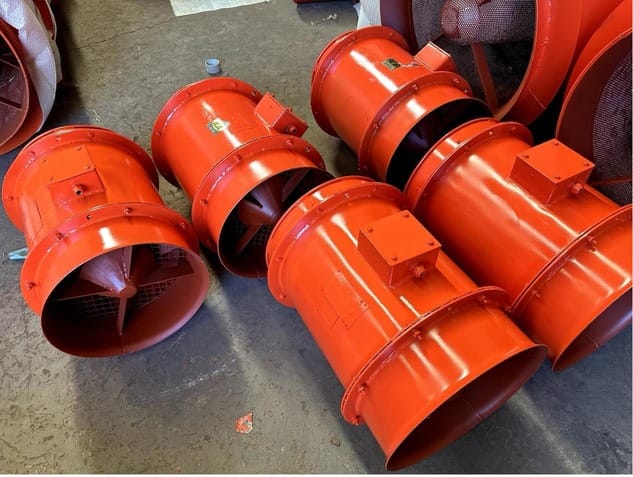
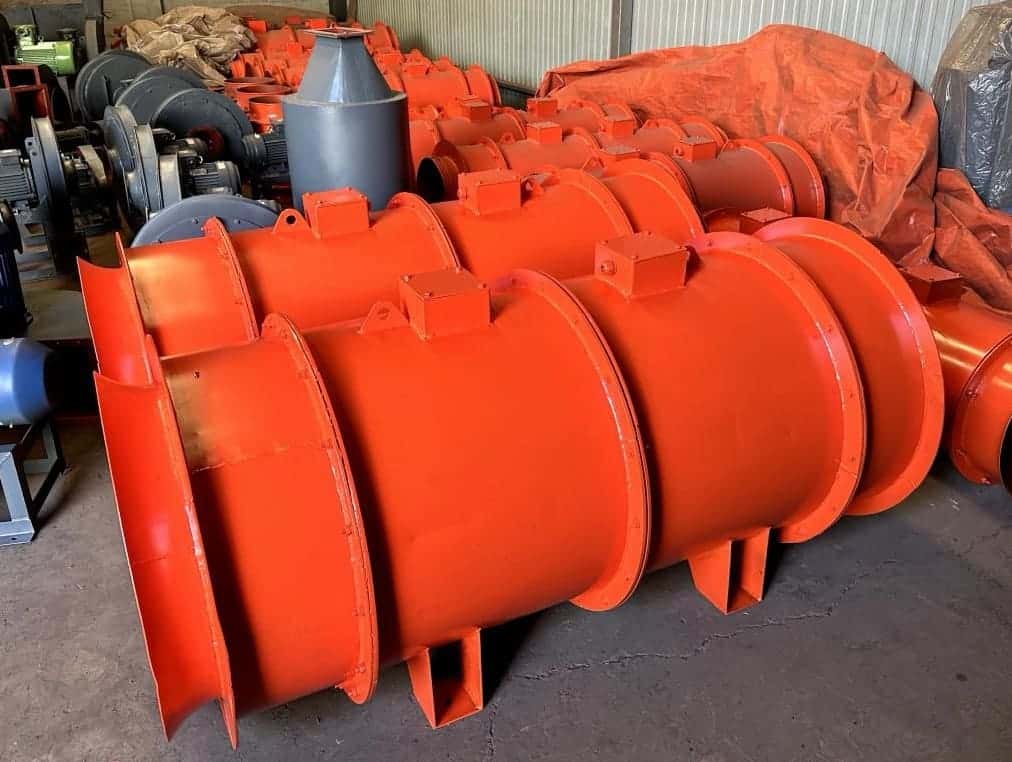
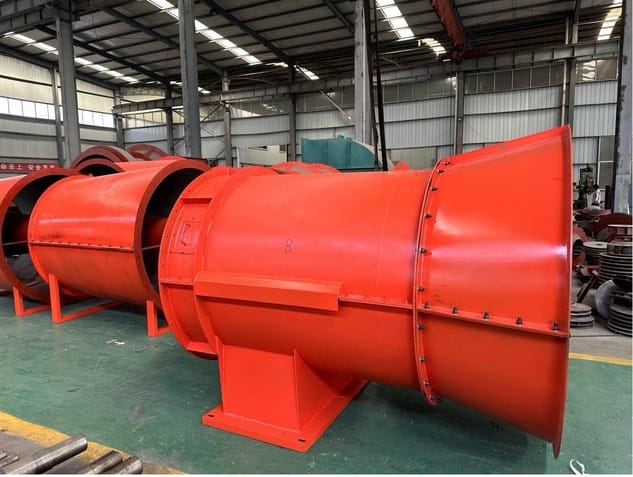
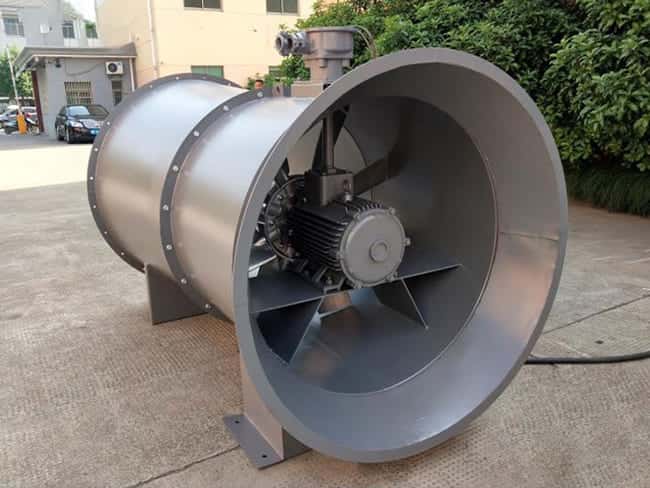
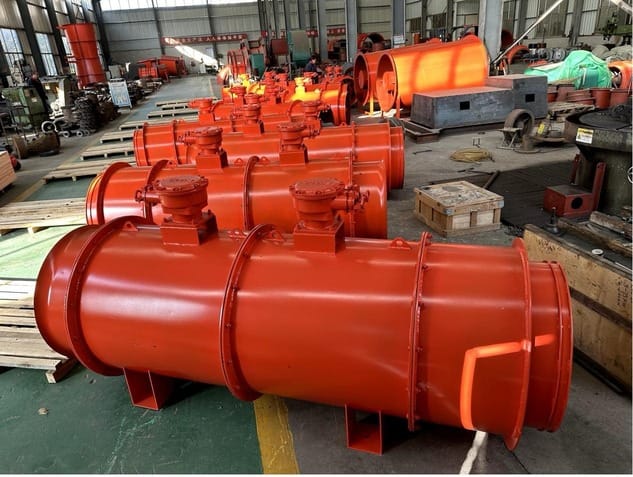
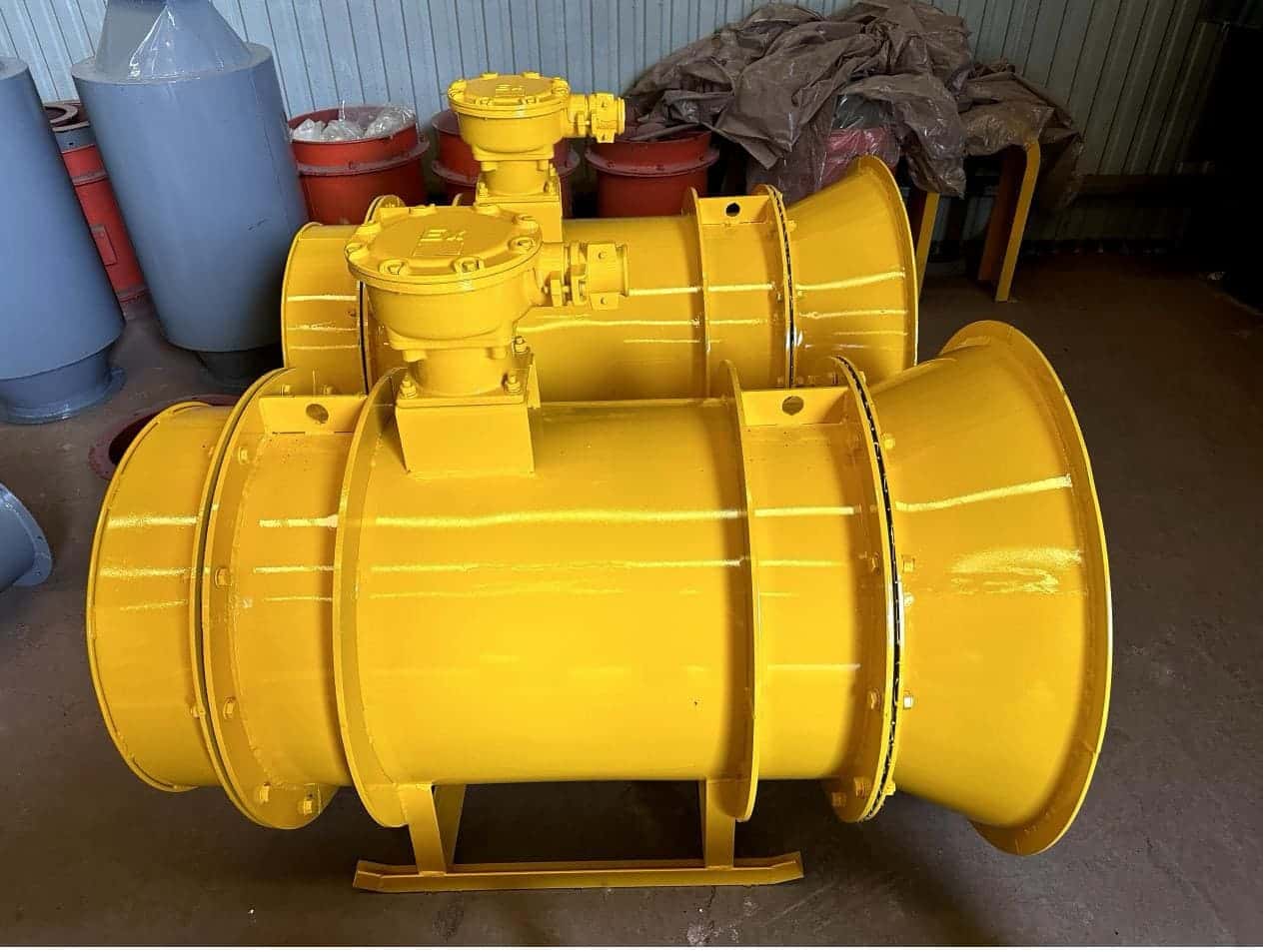
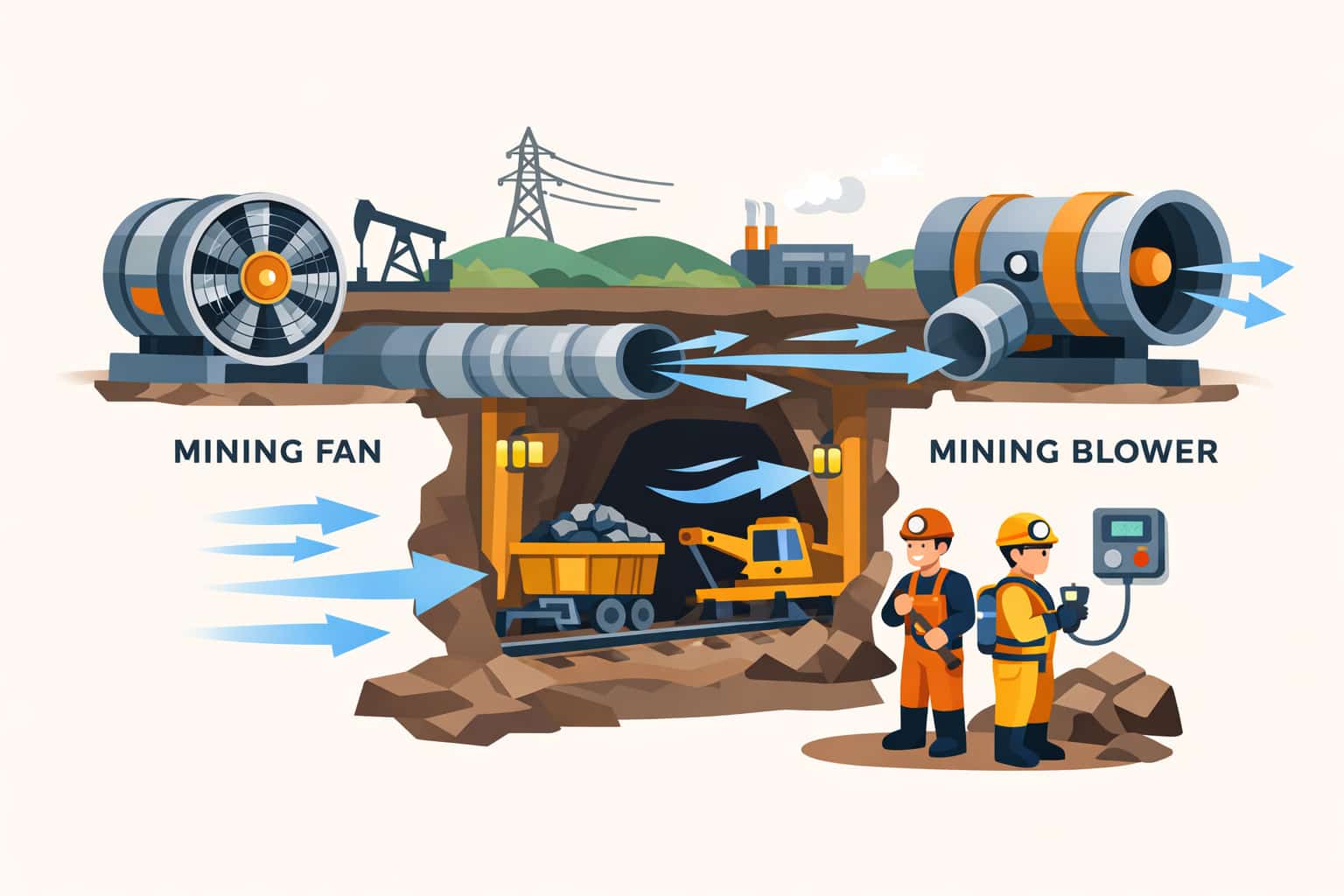
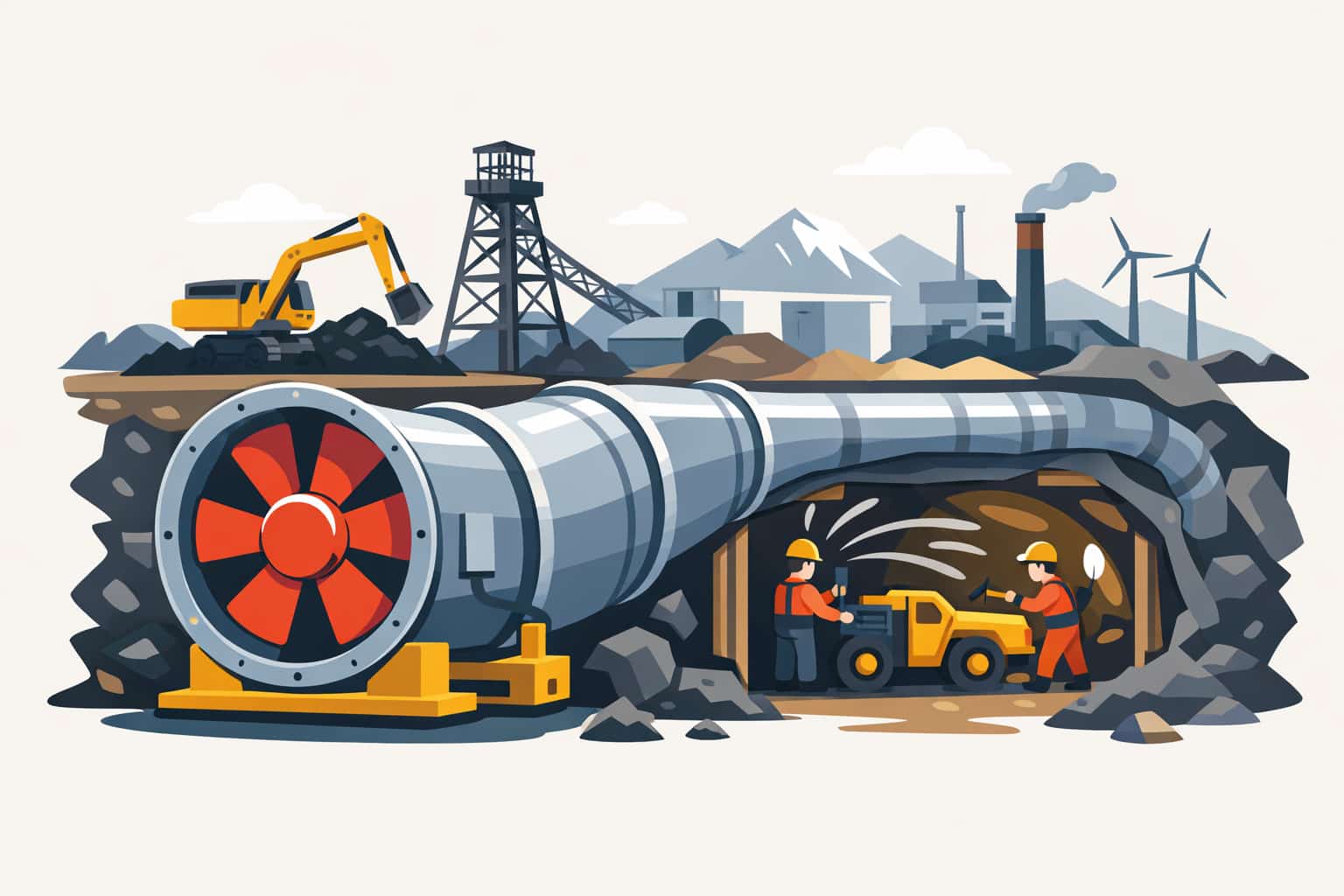
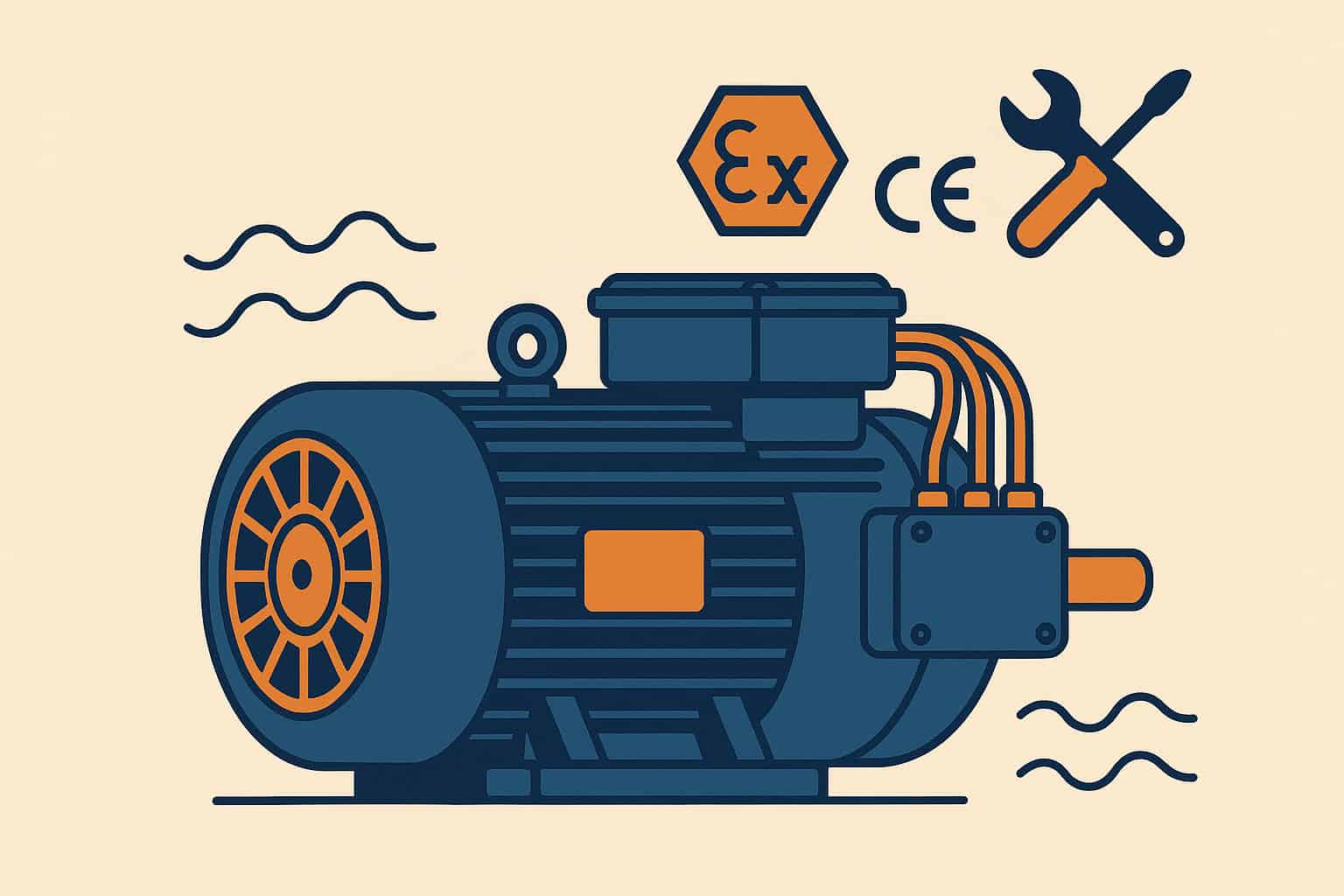
Several metals are used in fans, depending on the size, duty and environment of the ventilation system. The choice of material affects strength, corrosion resistance, weight, cost and safety. In industrial and mining ventilation, the most common metals are carbon steel, stainless steel and aluminium, with special alloys or non-sparking materials used where required by regulations or process conditions.
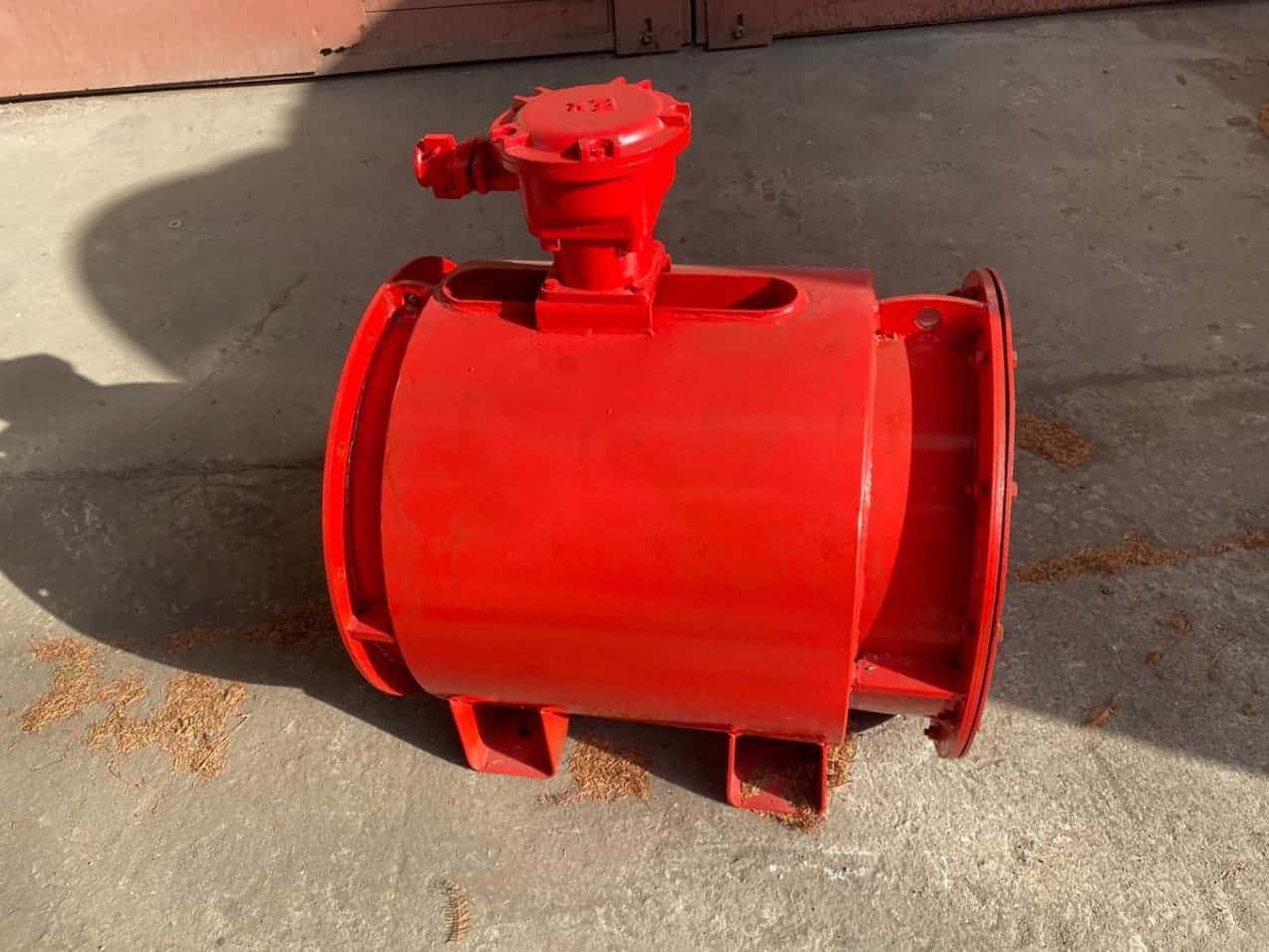
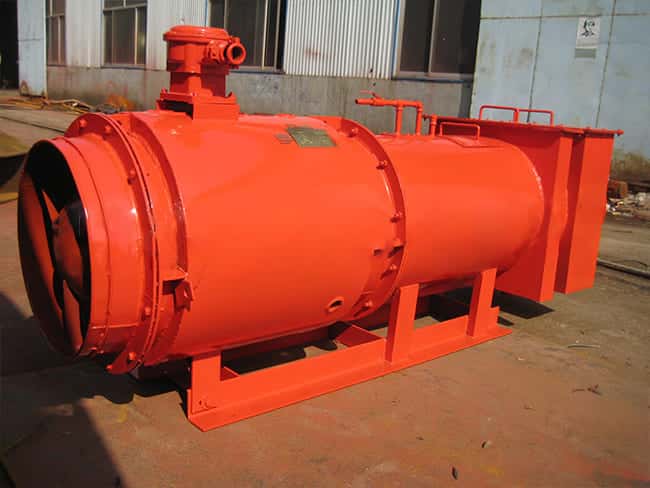
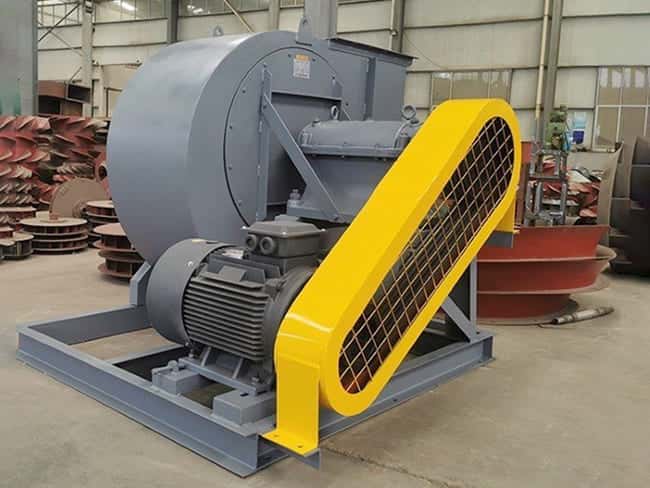
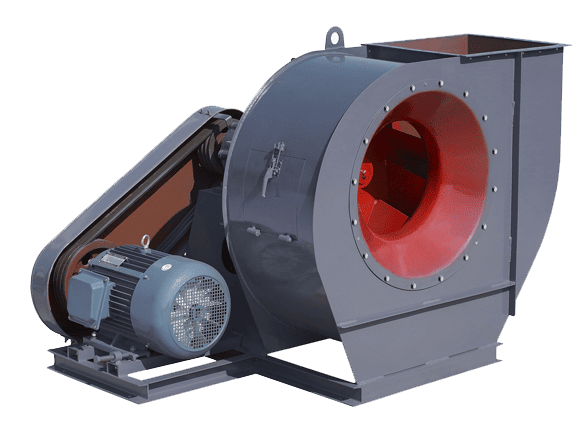
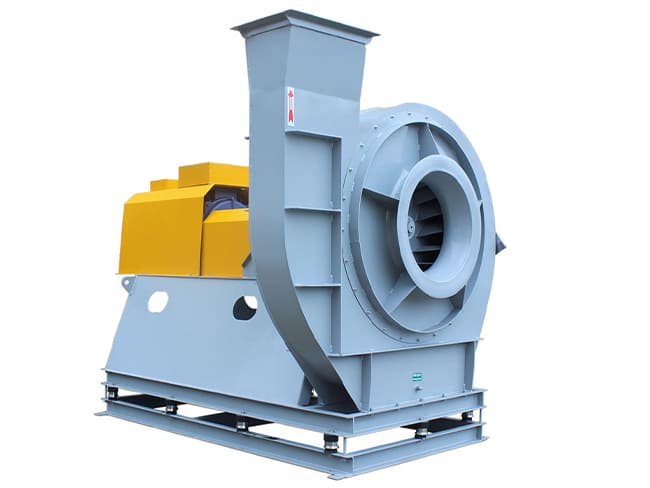
Carbon steel is widely used for fan casings and impellers in general industrial service. It offers good strength, weldability and relatively low cost. For many applications handling clean or slightly dusty air, a properly painted or coated carbon steel fan provides a long service life. Heavy-gauge carbon steel is standard for large axial and centrifugal fans in mines, tunnels and factories, where mechanical robustness is critical.
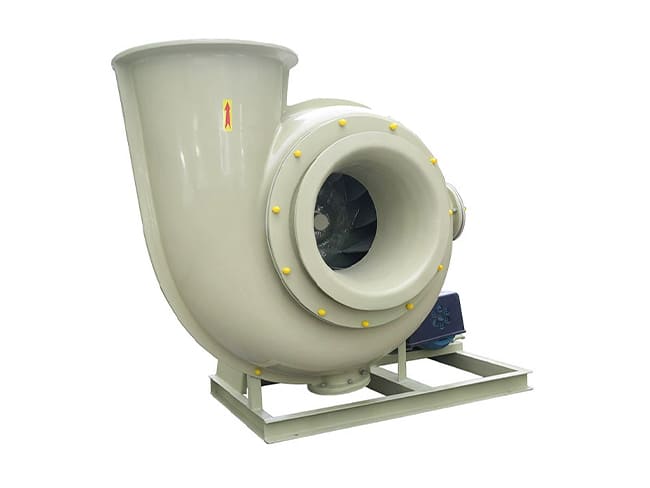
Stainless steel is chosen when corrosion resistance is important. Fans handling moist, corrosive or chemically aggressive gases—such as in chemical plants, waste treatment facilities or certain mine exhaust streams—often use stainless steel impellers and sometimes casings. Common grades include 304 and 316 stainless steels, which resist many forms of corrosion better than carbon steel and are easier to clean in hygienic applications.
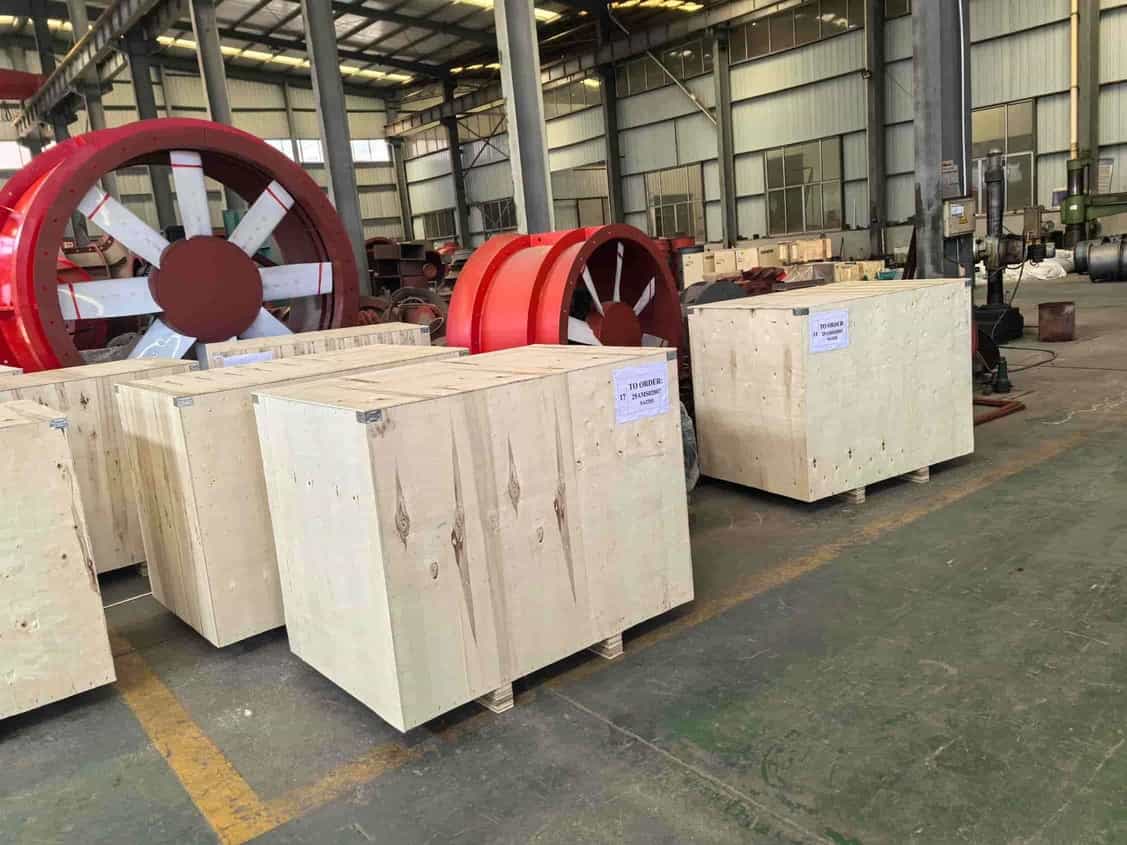
Aluminium is another important metal in fan construction, particularly for impellers. Aluminium is light, which reduces rotating mass and makes balancing easier. It also offers good corrosion resistance in many environments. In addition, aluminium blades and hubs are often used as part of spark-resistant designs, because aluminium does not produce hot sparks in the same way as steel when struck, although detailed standards must be followed for hazardous area classification.
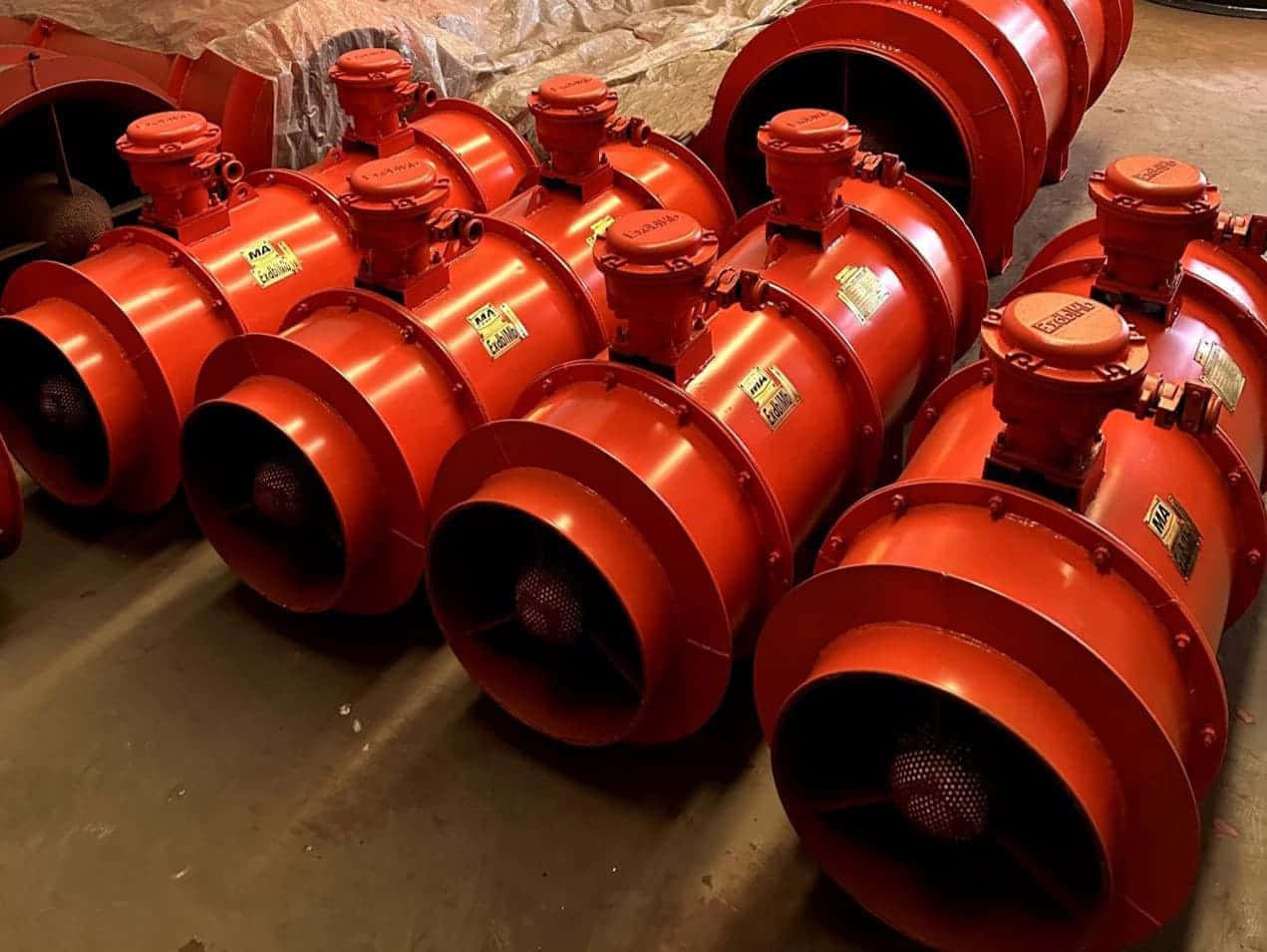
In hazardous or explosive atmospheres, such as underground coal mines, gassy metalliferous mines and some chemical plants, fan materials may include bronze, copper alloys or special non-sparking combinations in critical areas. These materials help reduce the risk of ignition if metal parts come into contact under fault conditions. The specific material requirements are defined by explosion-protection standards and must be confirmed with the manufacturer and certifying bodies.
Other metals and treatments are used for particular problems. For example, wear-resistant overlays or hardfacing may be applied to steel blades in abrasive dust-laden flows. Galvanised steel offers improved corrosion resistance for duct fans and roof units. In high-temperature service, heat-resistant alloys or special stainless grades may be required to maintain strength at elevated temperatures.
In summary, the main metals used in fans are carbon steel for general strength and economy, stainless steel for corrosion resistance and hygiene, and aluminium for light weight and corrosion resistance. In hazardous environments, non-sparking metals such as aluminium or bronze are used for specific components. The correct metal choice depends on gas composition, temperature, dust load, explosion risk and mechanical requirements of the ventilation system.