

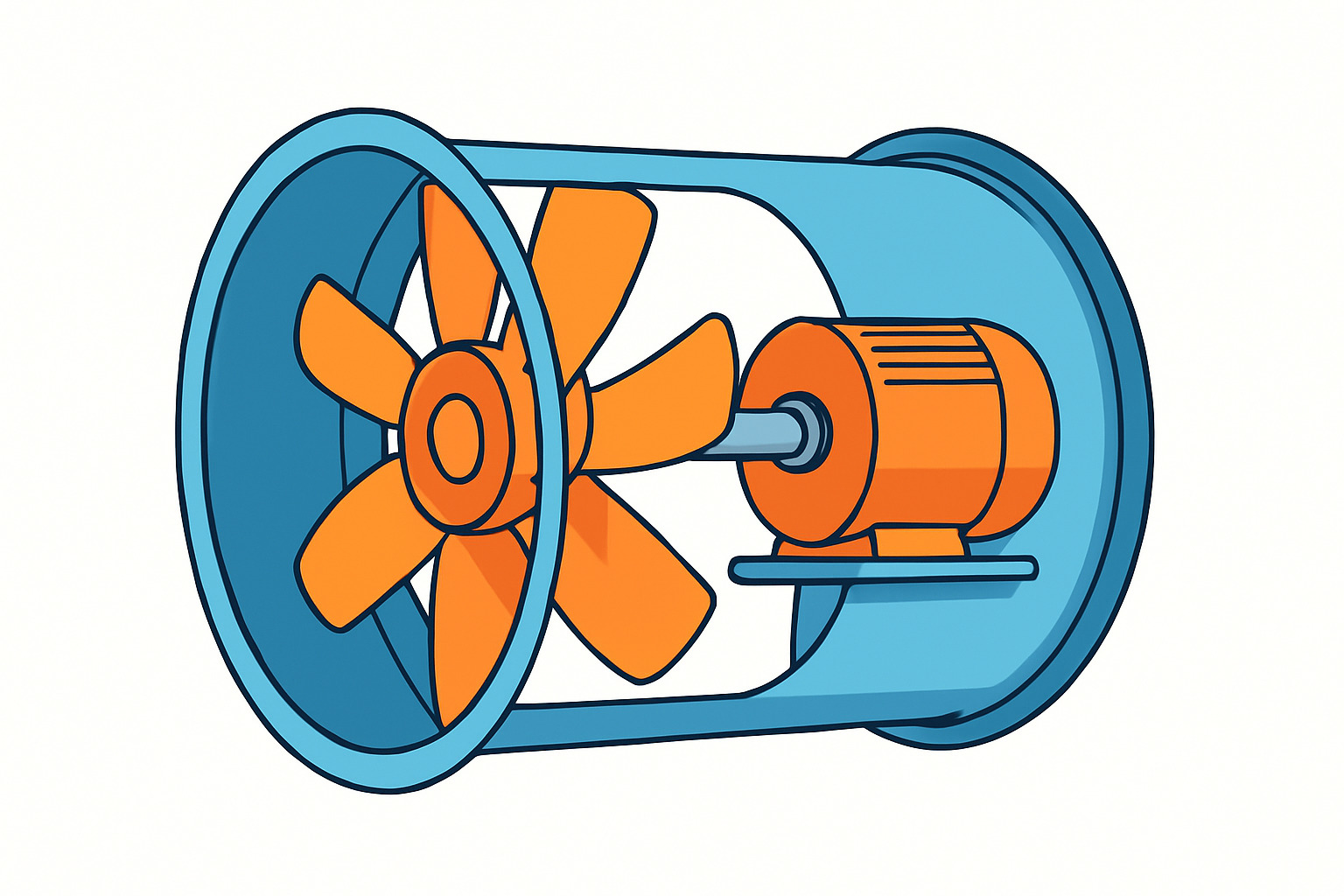
Choosing what size ventilation fan you need is not just a matter of guessing or buying the largest model you can afford. Proper sizing is based on required airflow, system pressure and operating conditions. Whether you are ventilating a workshop, a factory building, a tunnel or an underground mine district, the process follows the same basic steps: define the duty, calculate the resistance and select a fan whose performance curve matches that requirement.
The first step is to determine the required airflow. For comfort ventilation in a room or small industrial space, this is often based on air changes per hour or a recommended litres-per-second per person value. For industrial processes and mines, airflow is defined by dust, gas and heat loads, as well as regulatory minimums. For example, underground mines typically calculate the air needed to dilute diesel exhaust, methane and blasting fumes to safe concentrations at all working places.
The second step is to estimate the system resistance. Air must pass through ducts, filters, louvers, bends, stoppings, regulators and airways, all of which create pressure loss. Engineers sum these losses to build a system pressure–flow curve. For a small room exhaust fan with a short duct, the required pressure may be modest; for a long industrial duct network or mine ventilation circuit, required static pressure can be much higher and becomes a dominant factor in fan sizing.
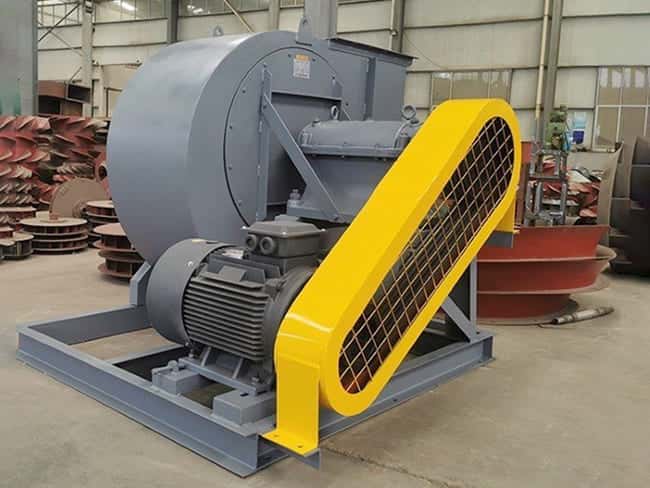
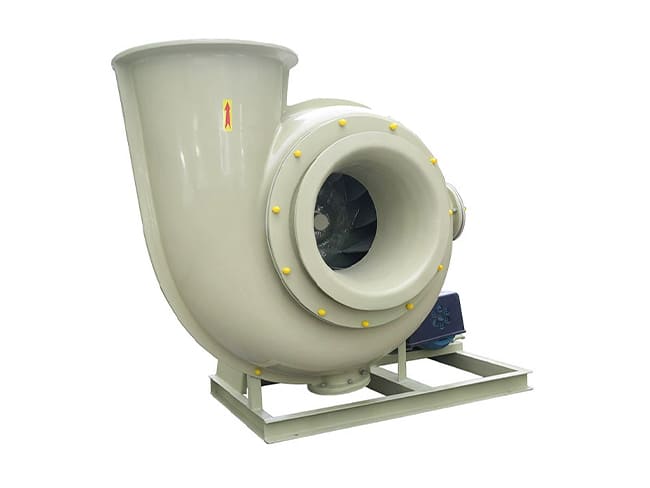
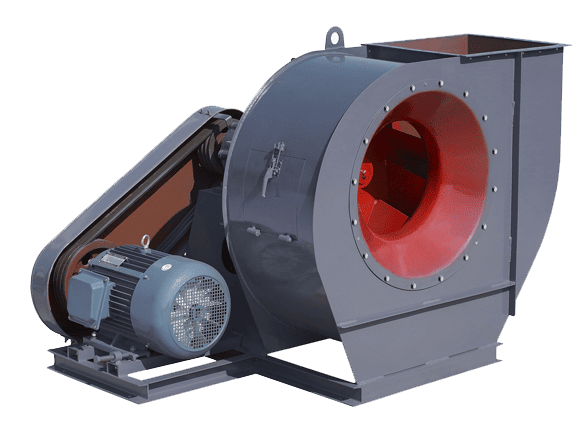
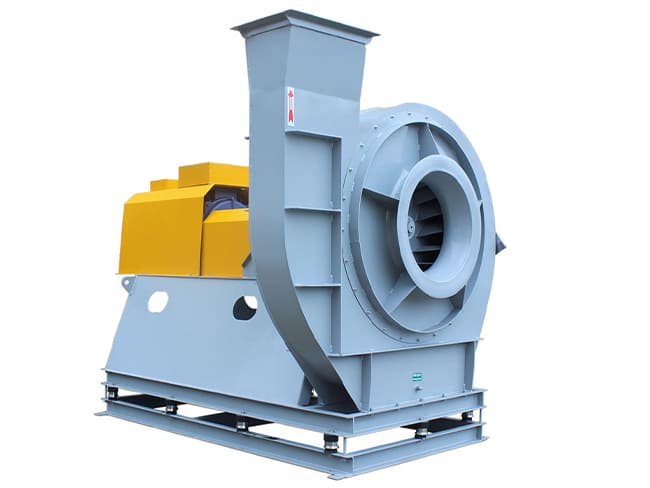
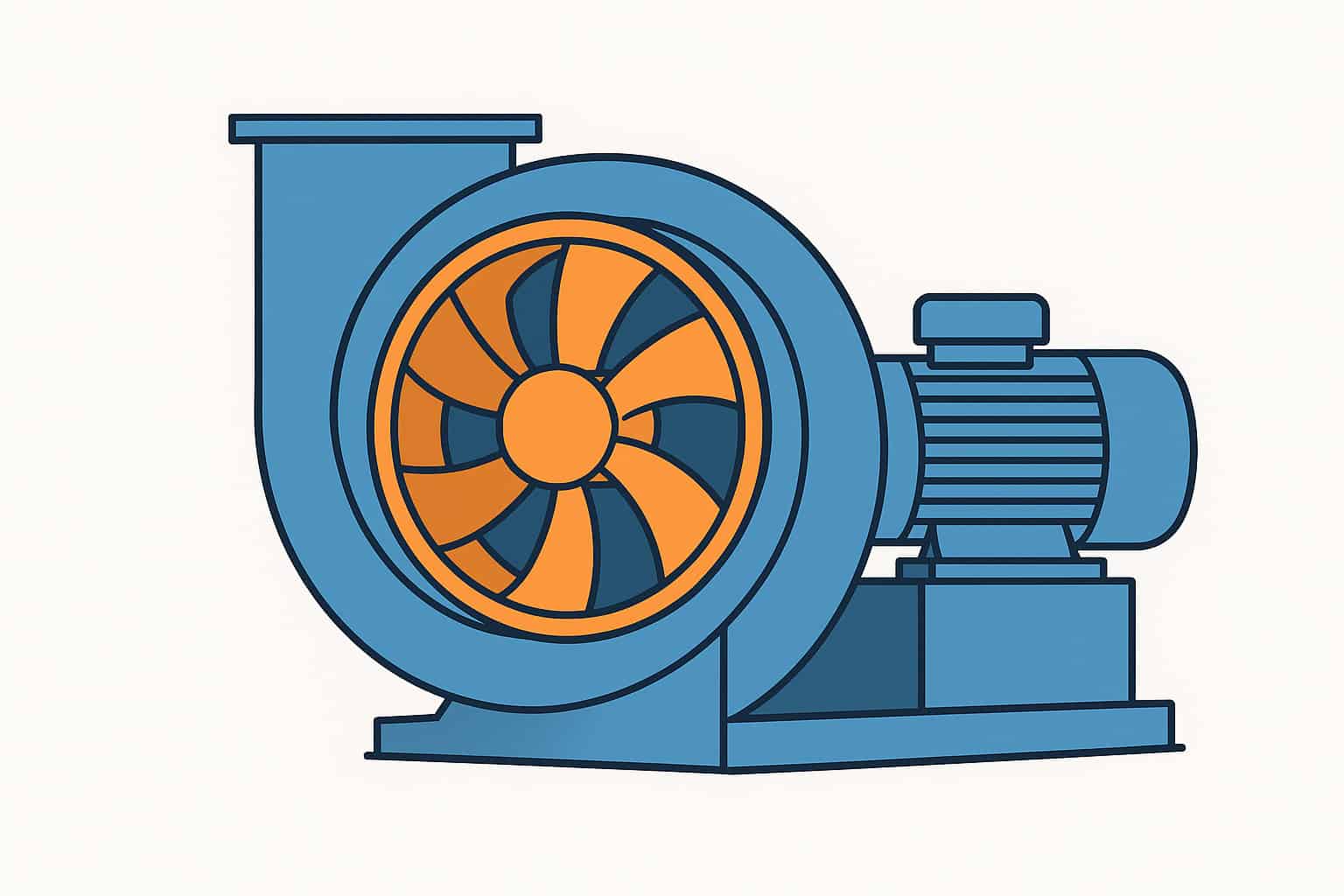
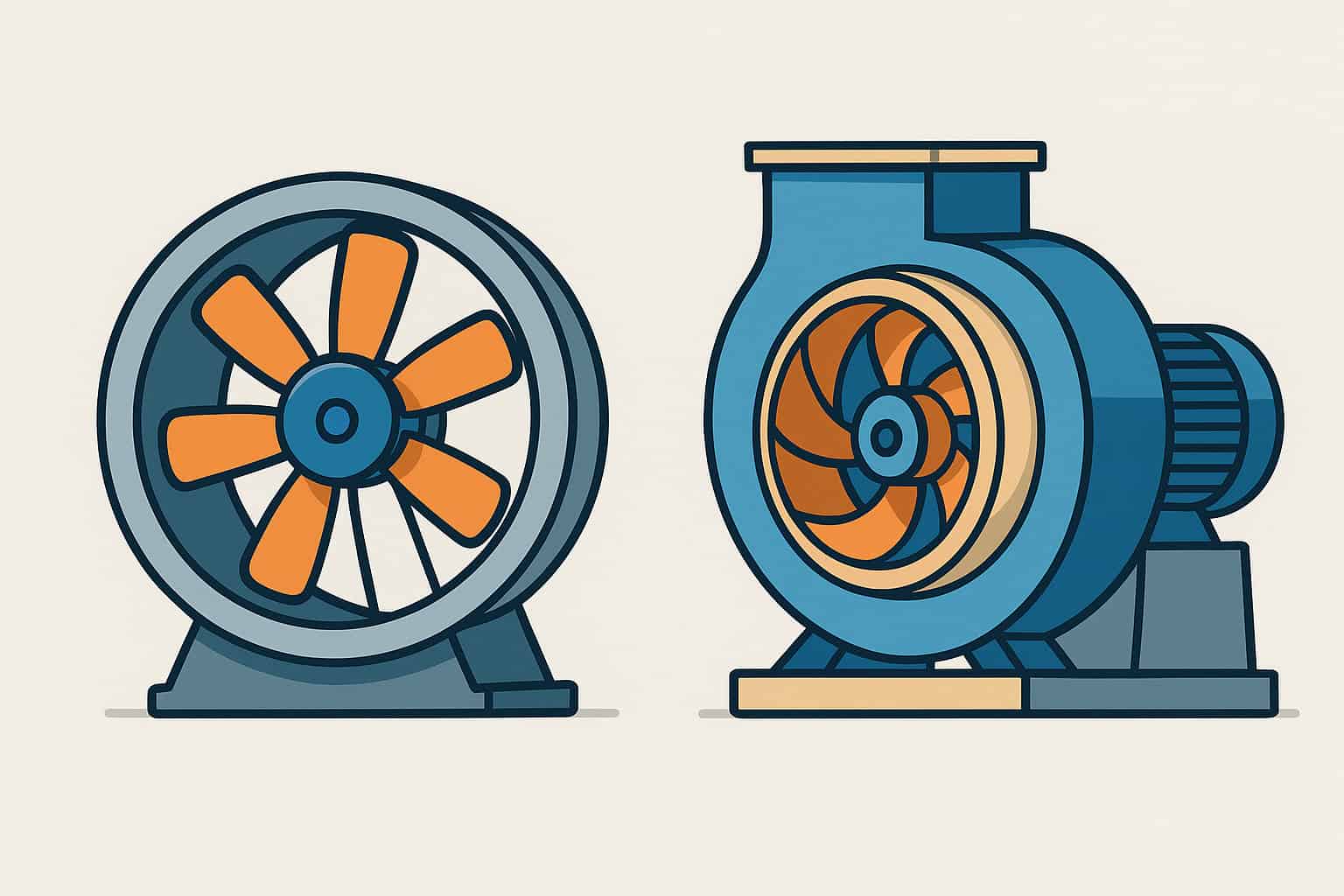
Once airflow and pressure are known, you or your supplier can look at fan performance curves. These curves show how much air a particular axial or centrifugal fan will deliver at different pressures and speeds. The goal is to choose a fan size and speed so that the system operating point falls near the fan’s best efficiency point, providing the required duty with reasonable noise and energy use. In many modern systems, variable-speed drives provide flexibility to adjust flow as conditions change.
Other considerations include space constraints, noise limits, gas or dust classification, temperature and maintenance access. In some cases, using several smaller fans distributed around a plant or mine district is better than a single very large fan; in others, a central main fan is more efficient. Your decision on fan size should also consider future expansion, so that the system can handle increased production without complete replacement.
In summary, the size of ventilation fan you need is determined by calculated airflow and pressure requirements, not just room area or a simple rule of thumb. For critical industrial or mining ventilation, work with a qualified engineer or experienced fan supplier to perform these calculations and select a fan size that meets safety, performance and energy targets.