
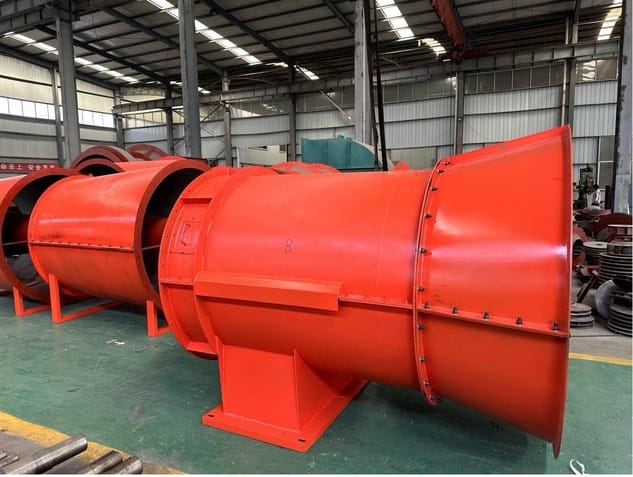
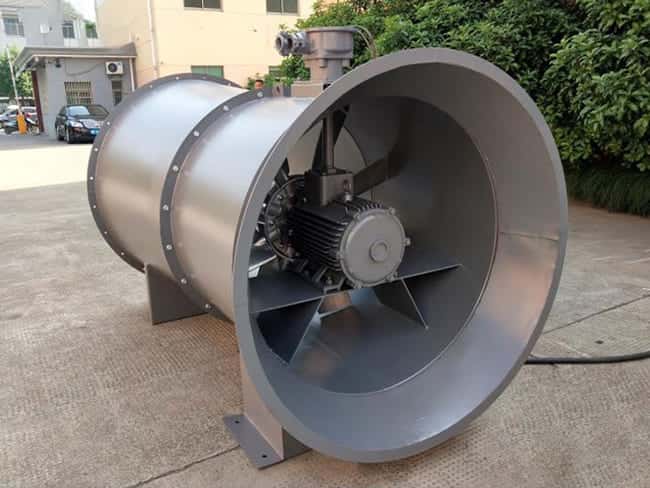
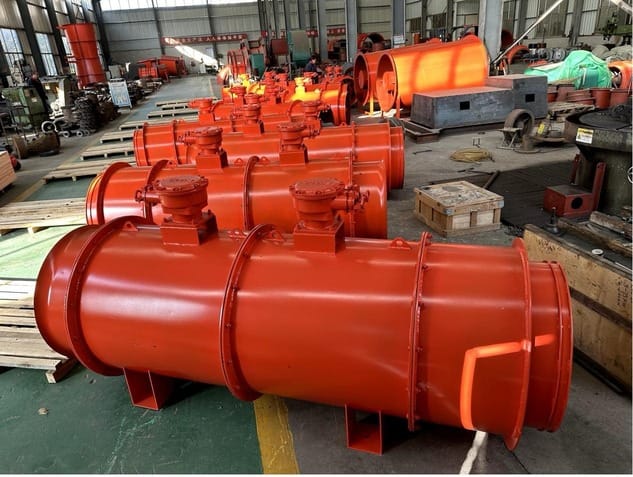
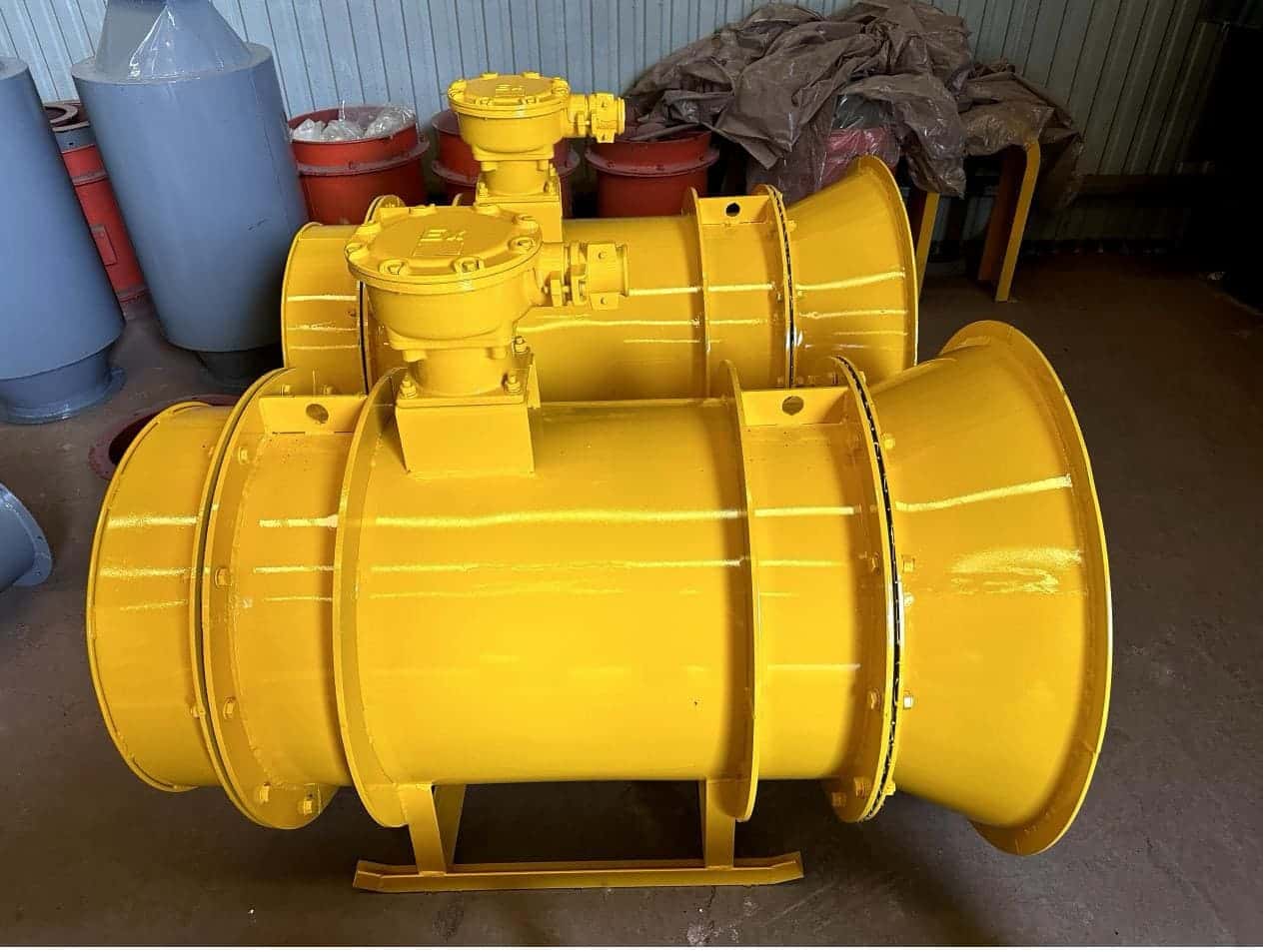
Fans can use several different types of motor, depending on size, power supply and application. In general, large industrial and mining ventilation fans use AC induction motors, while smaller fans and electronic cooling fans use brushless DC or electronically commutated motors. Understanding the main motor types helps explain why different fans look and behave the way they do.
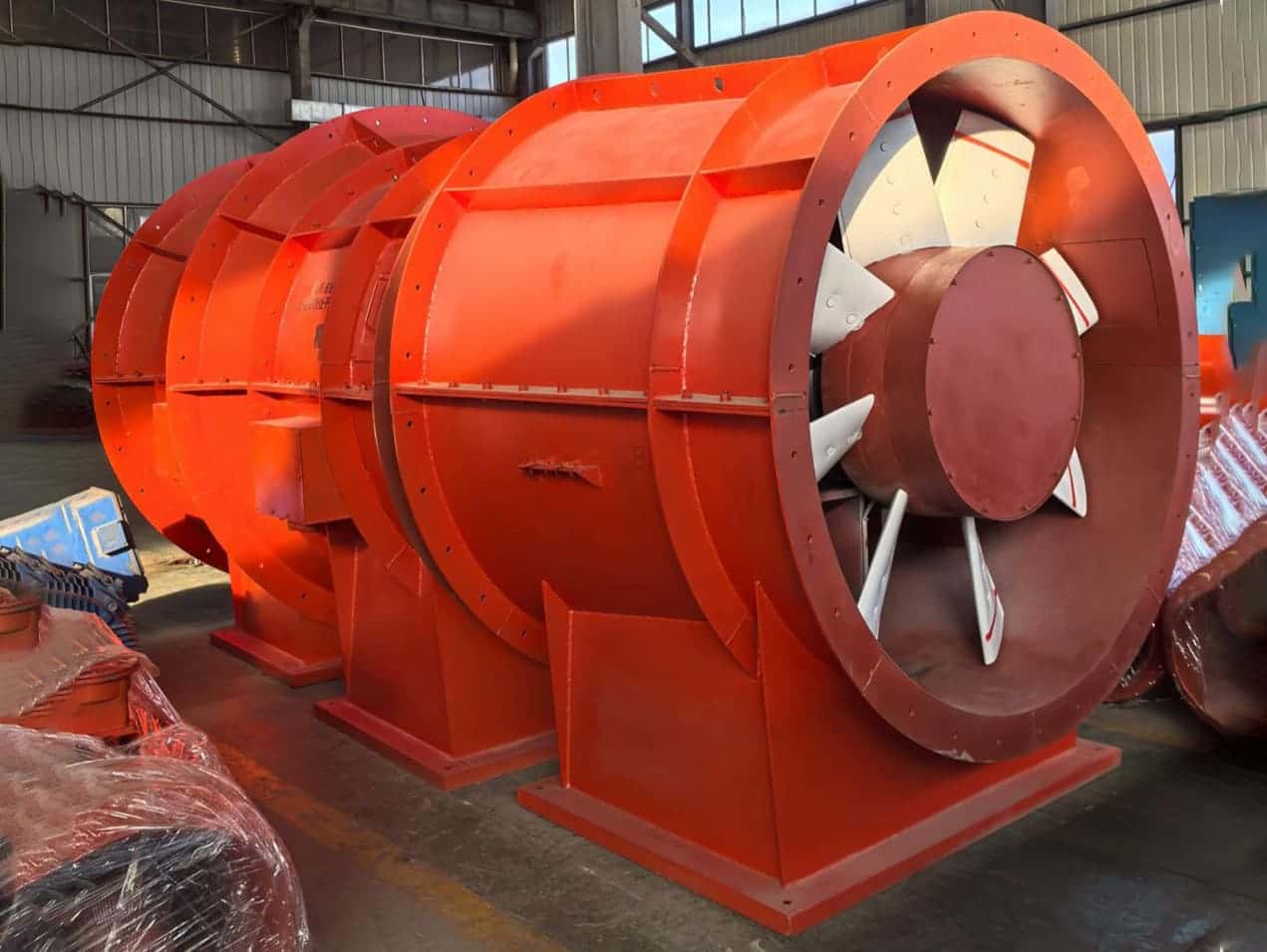
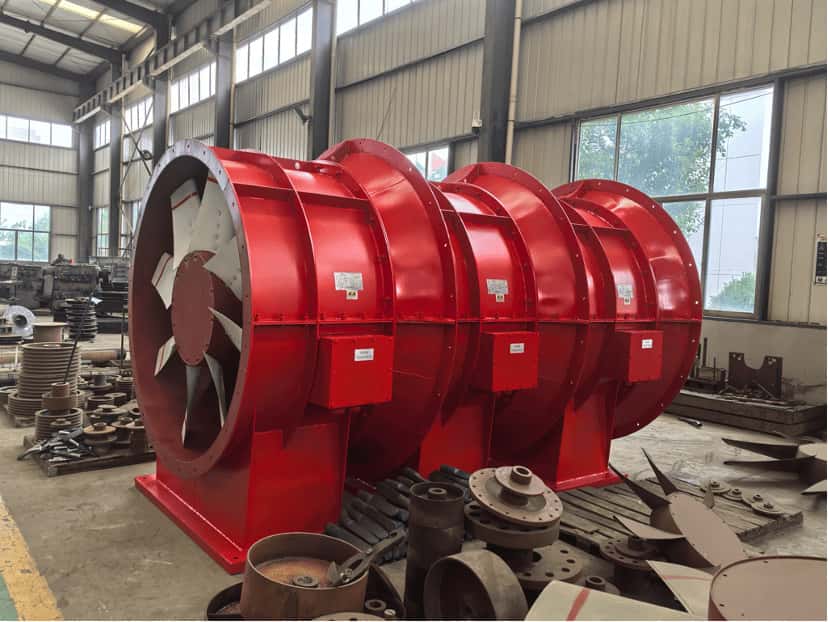
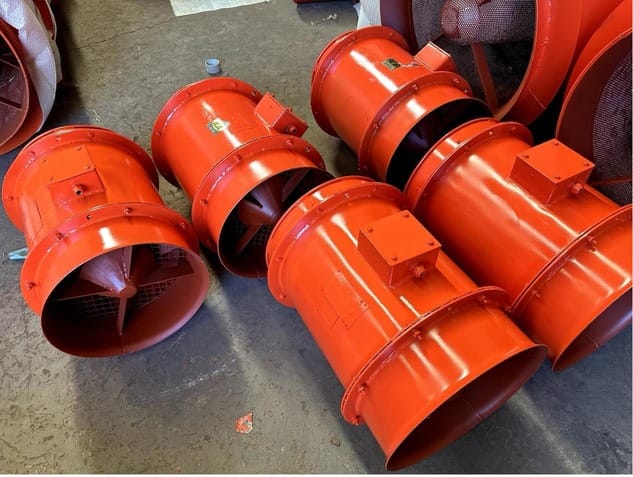
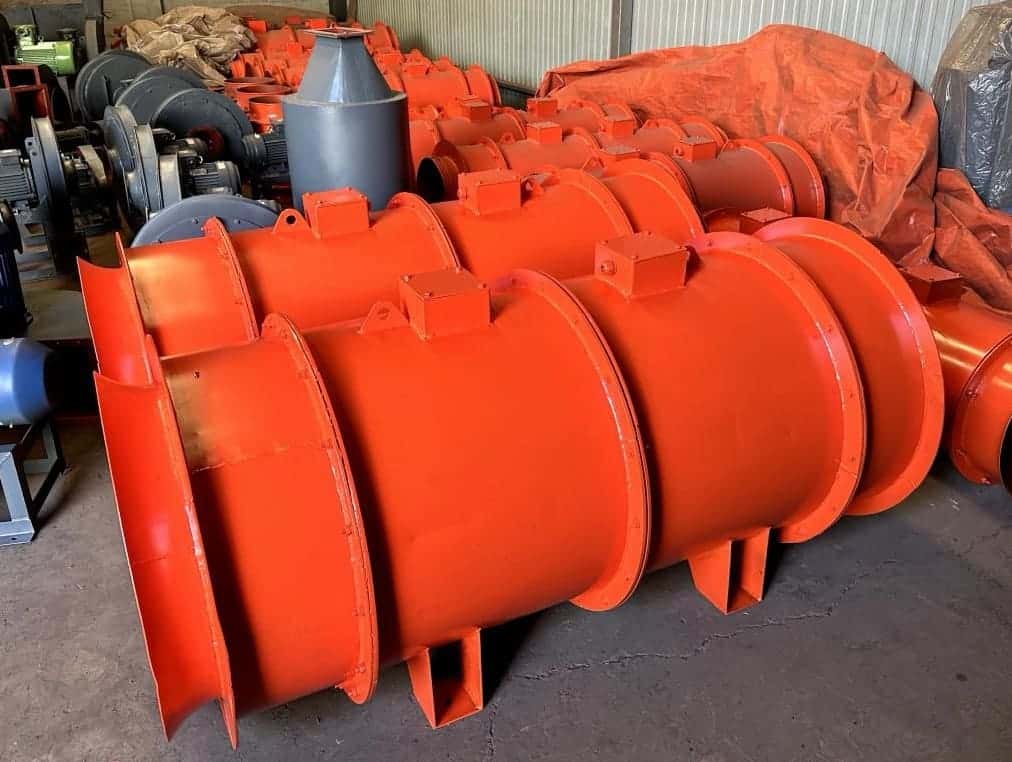
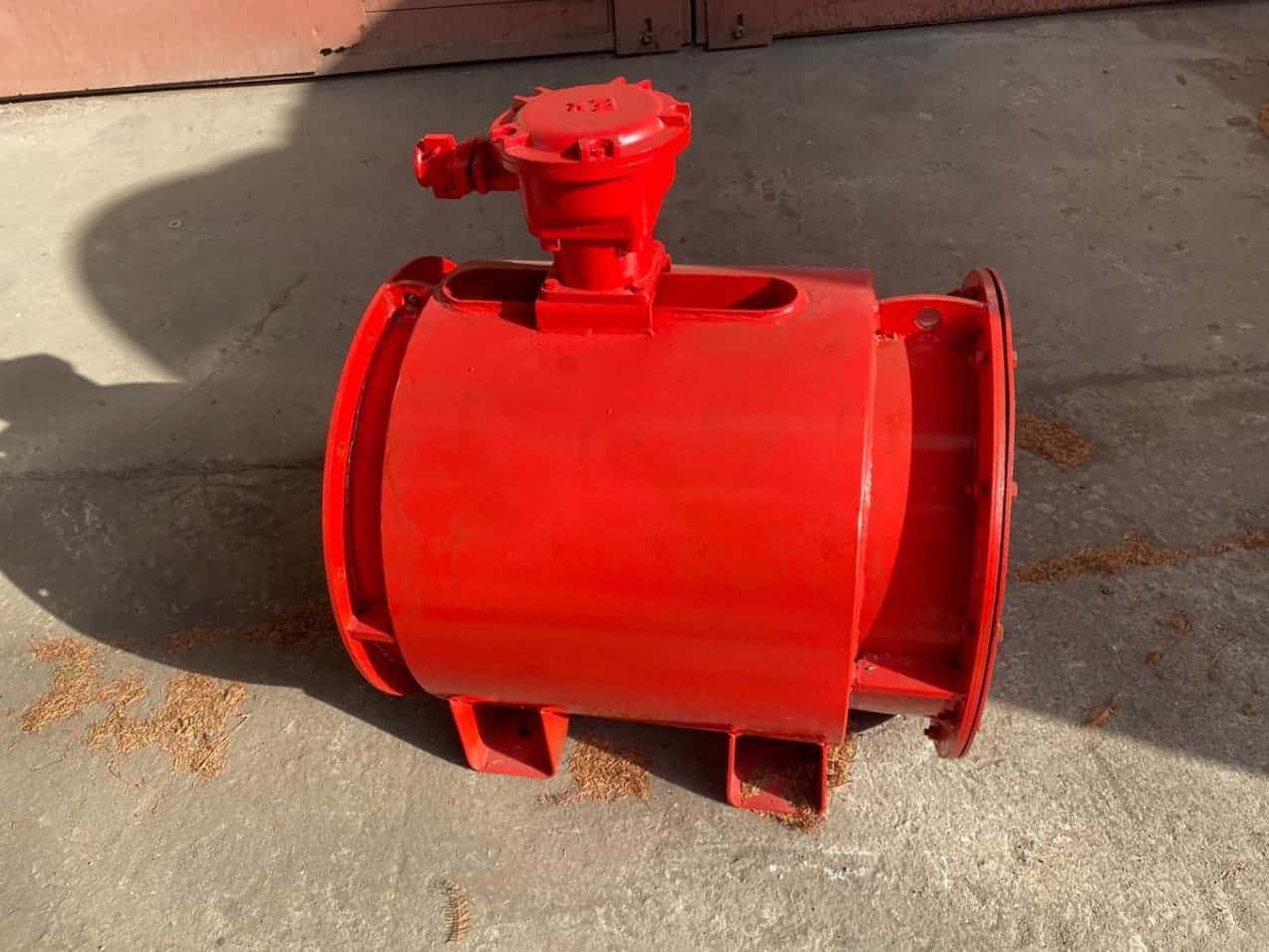
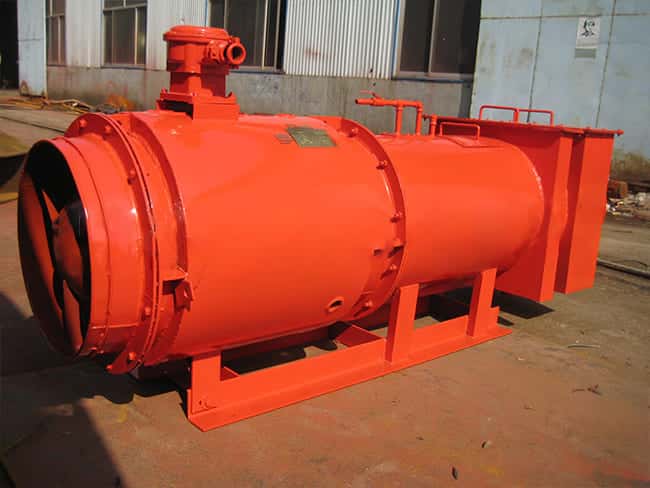
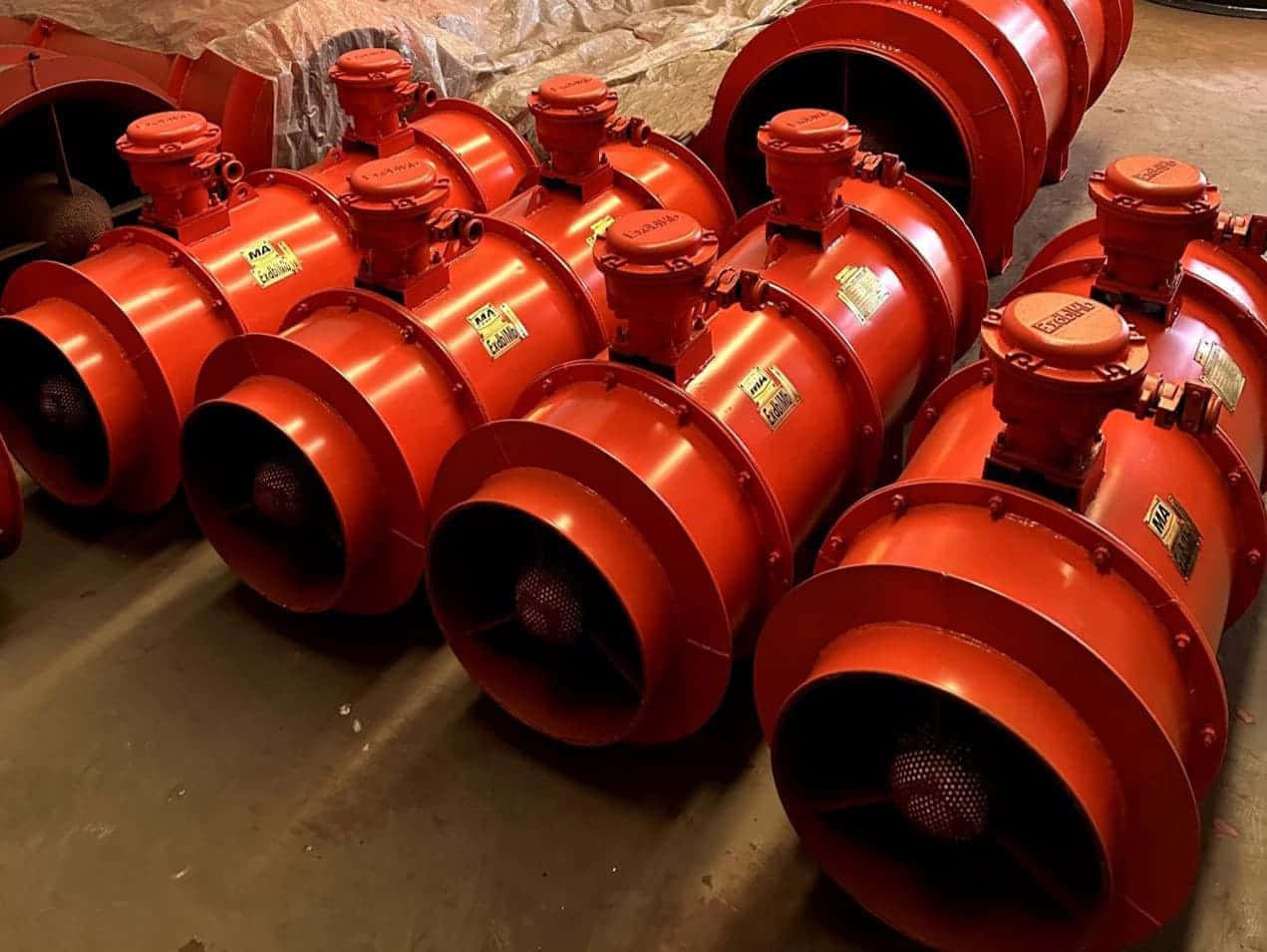
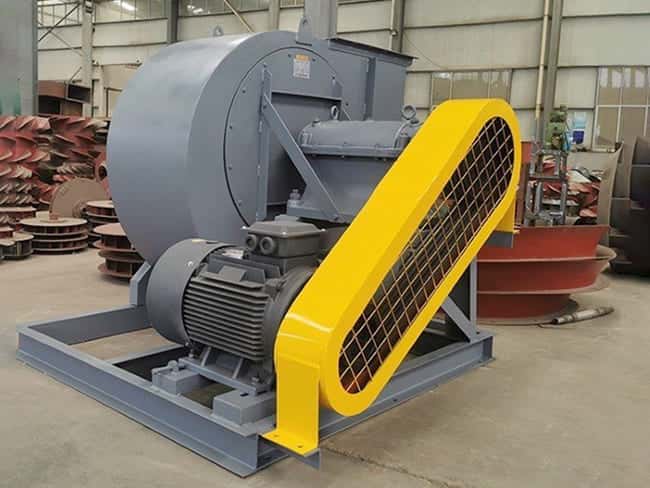
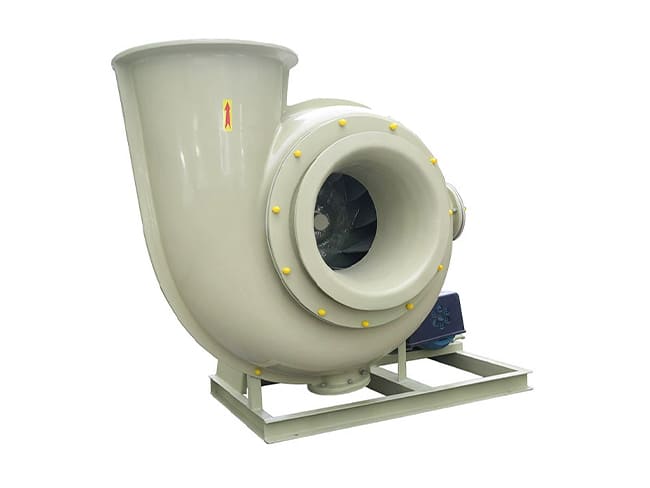
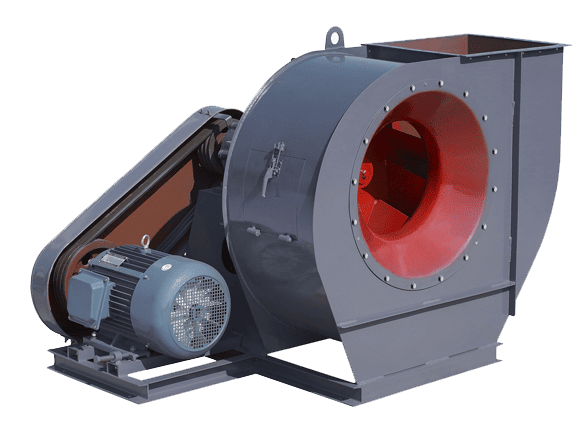
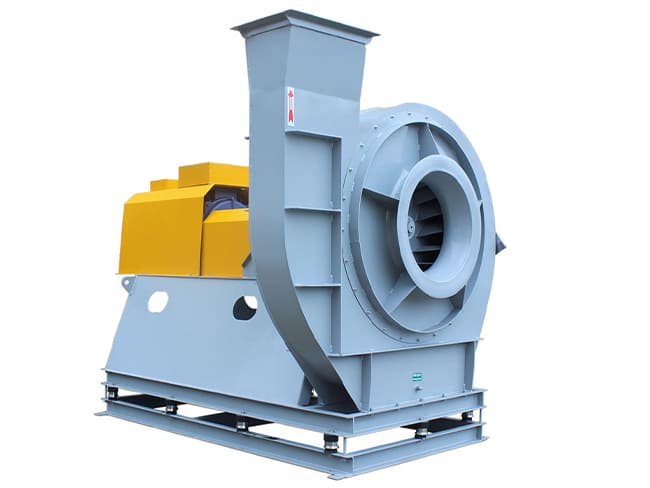
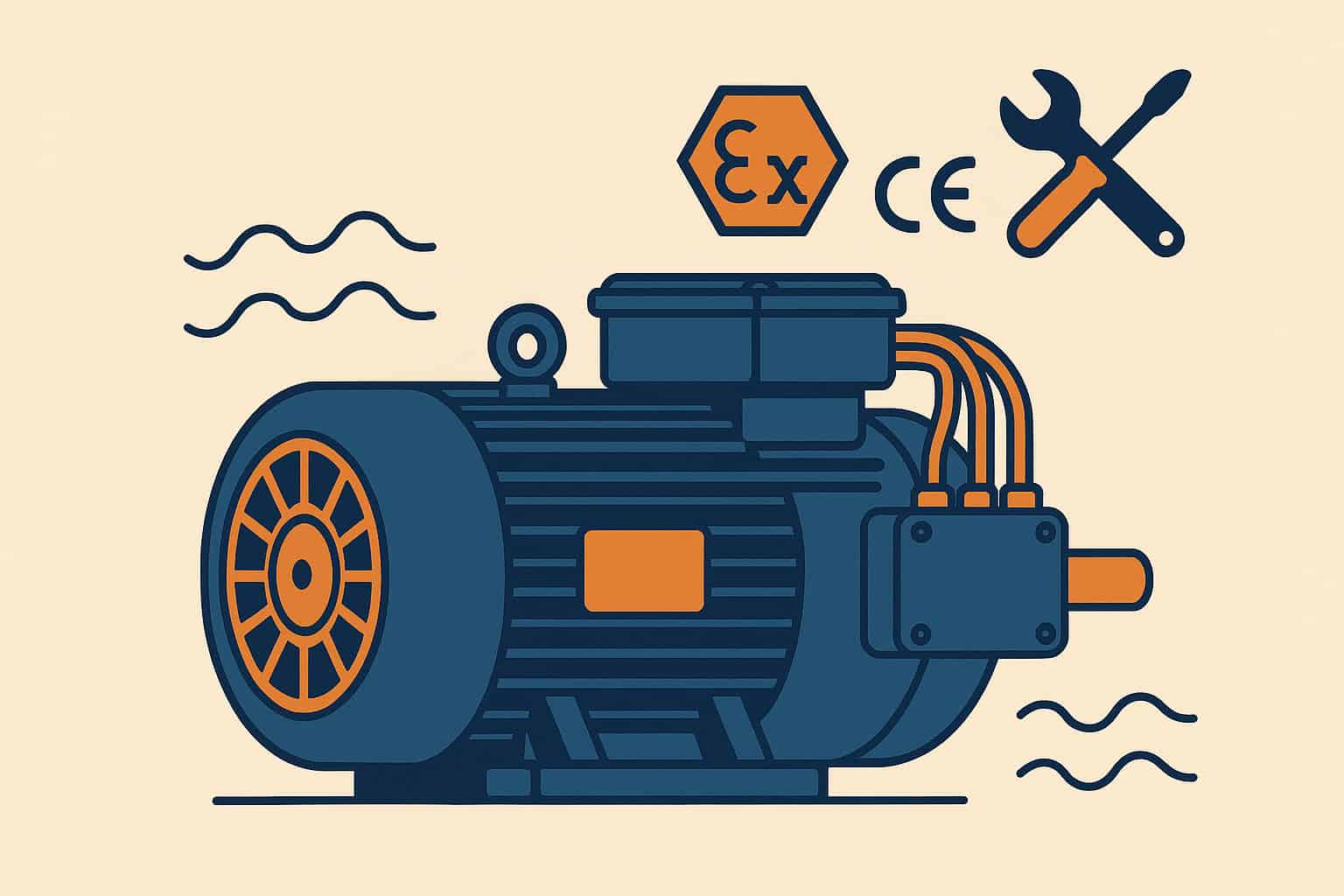
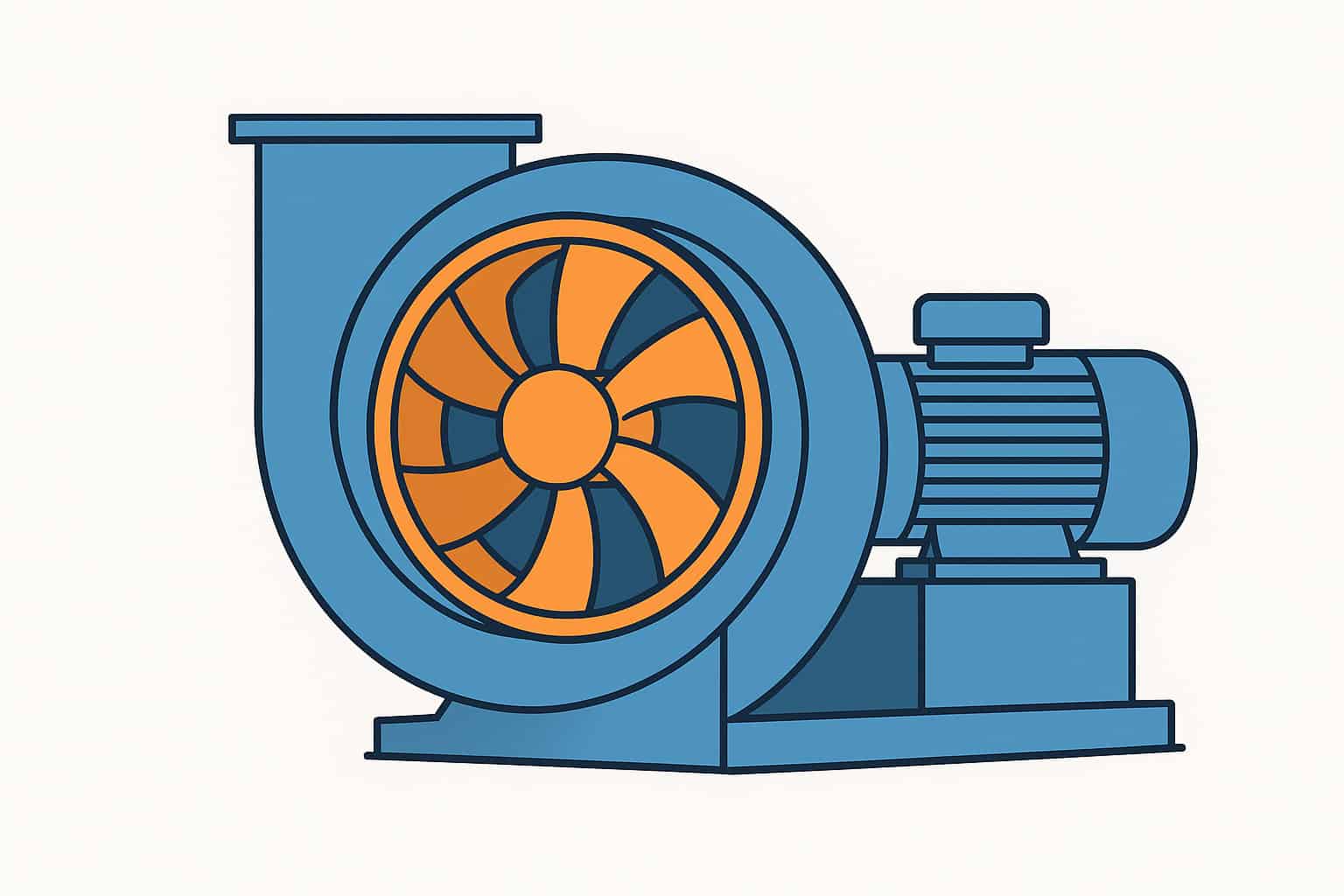
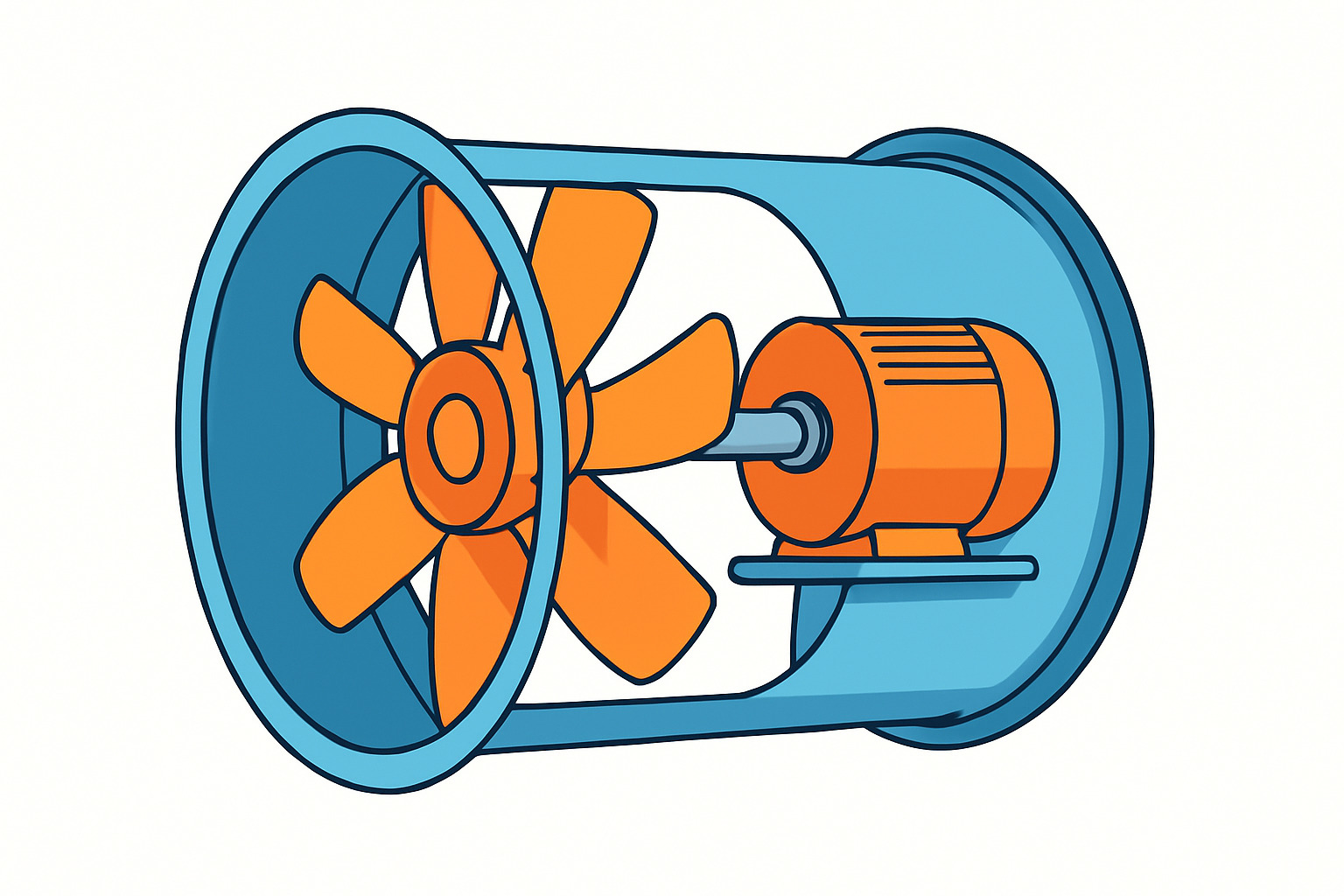
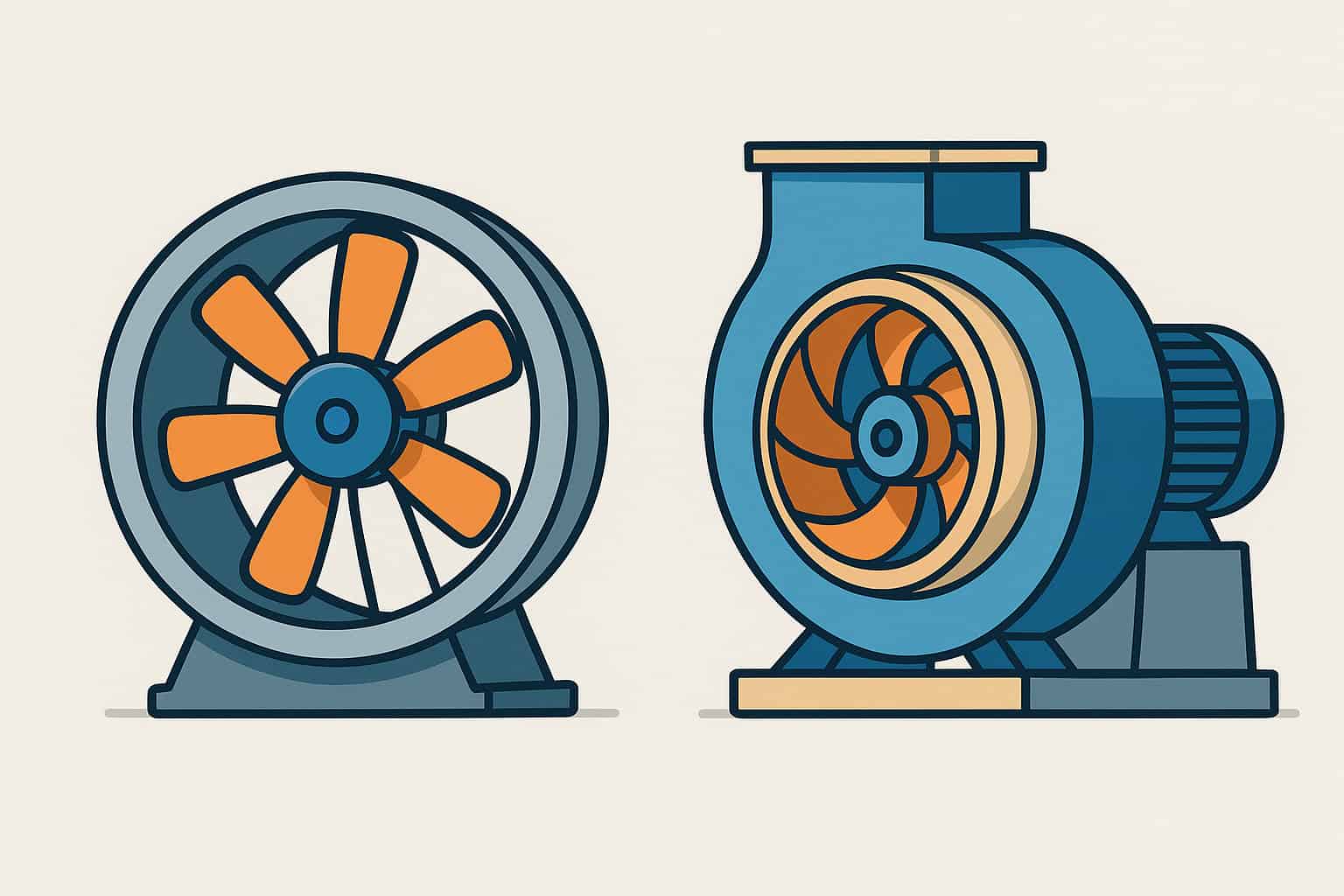
The most widely used type in industrial and mining ventilation is the three-phase squirrel-cage induction motor. These motors are rugged, reliable and efficient. They operate directly from standard three-phase AC supplies and require relatively simple starters or variable frequency drives. Because they have no brushes or commutators, they need little maintenance and can run for long periods in harsh environments. Main mine fans, large axial process fans and centrifugal dust collection fans almost always use this motor type.
For smaller AC fans in homes and light commercial buildings, single-phase induction motors are common. Variants include split-phase, capacitor-start, capacitor-run and shaded-pole designs. These motors run from single-phase AC mains and use additional windings and capacitors to create starting torque. Ceiling fans, bathroom fans and small exhaust fans often use single-phase induction motors combined with simple regulators or speed controllers.
In the last decade, brushless DC (BLDC) and EC (electronically commutated) motors have become popular in energy-efficient fans. These motors have permanent magnets on the rotor and electronic circuits that commutate and control the stator windings. They offer high efficiency, precise speed control, low noise and good performance at part load. BLDC or EC motors are widely used in computer cooling fans, server racks, high-efficiency HVAC units and some premium ceiling or ventilation fans where energy regulations are strict.
Traditional brushed DC motors are less common in modern fans because brushes wear out and generate electrical noise. However, they may still appear in very small or low-cost portable fans and automotive accessories. For most continuous-duty ventilation applications, brushless designs are preferred because they require less maintenance and have longer life.
In special cases, such as very large or high-speed fans, other motor types may be used—synchronous motors, wound-rotor induction motors or even hydraulic motors driven by pumps. These solutions are chosen for particular process or control reasons, for example where power factor correction, soft starting under heavy load or variable-speed hydraulic drives are required.
In summary, most fans in industrial and mining ventilation use three-phase squirrel-cage induction motors, smaller mains-powered fans use single-phase induction motors, and high-efficiency or electronic cooling fans frequently use brushless DC or EC motors with integrated electronic control.