
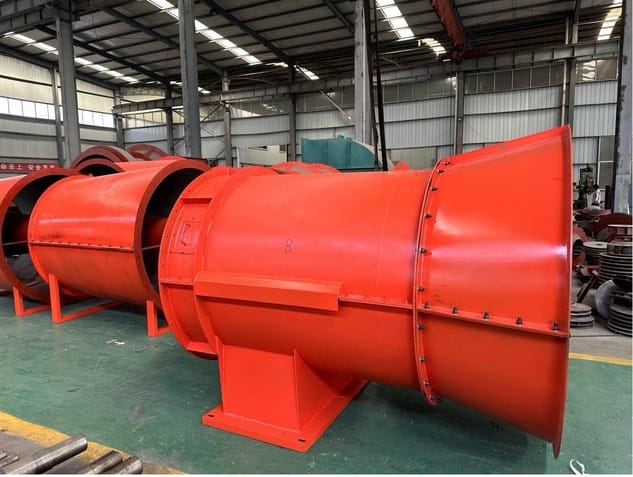
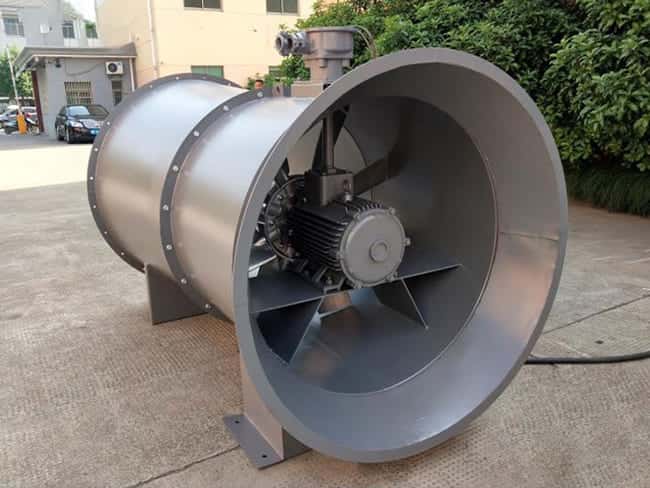
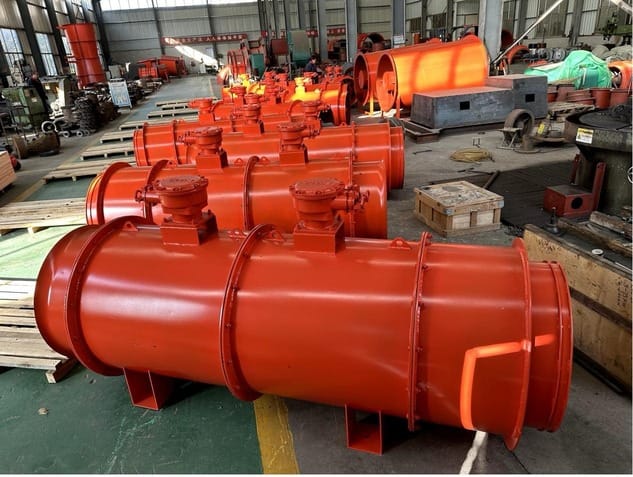
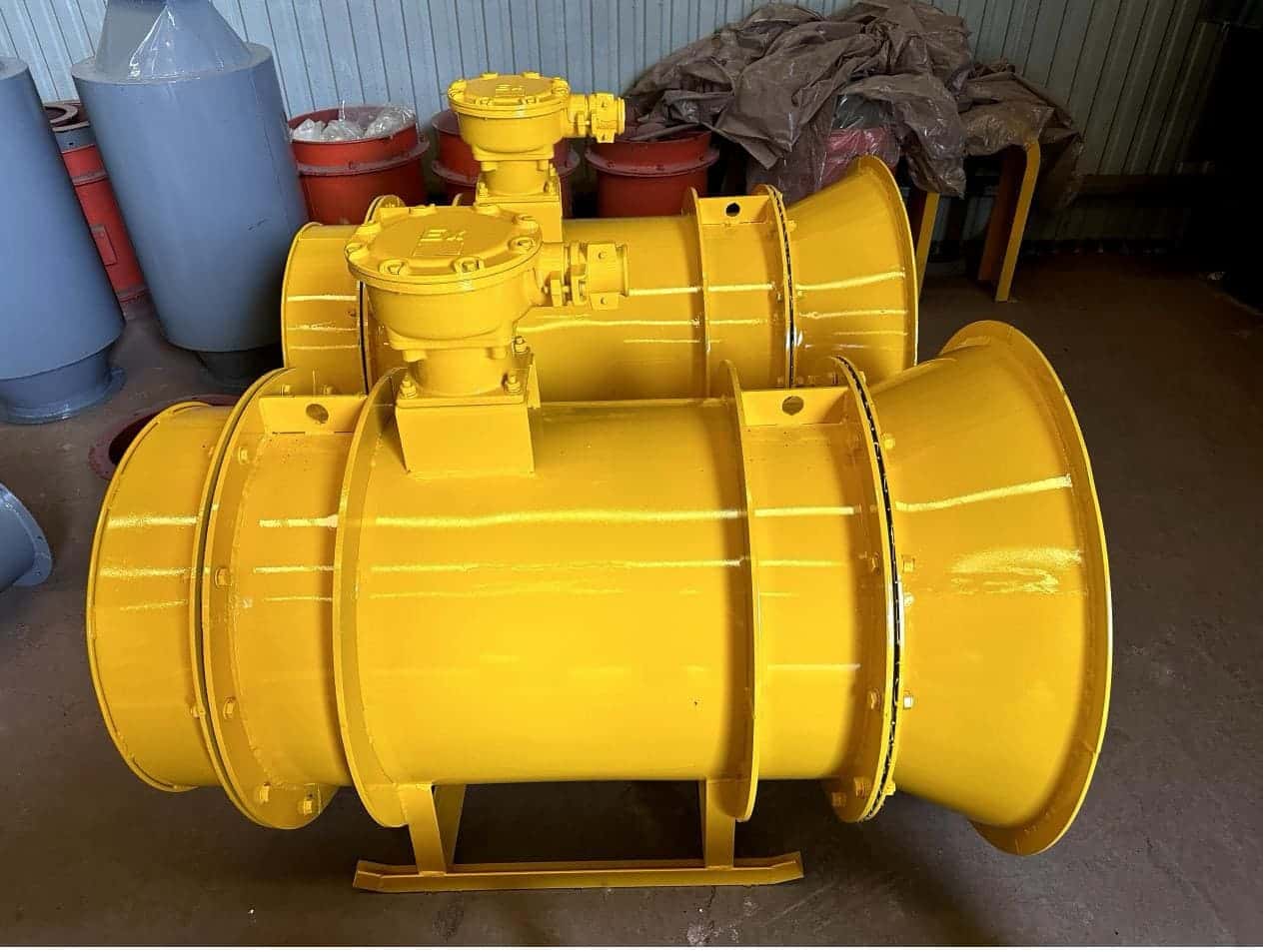

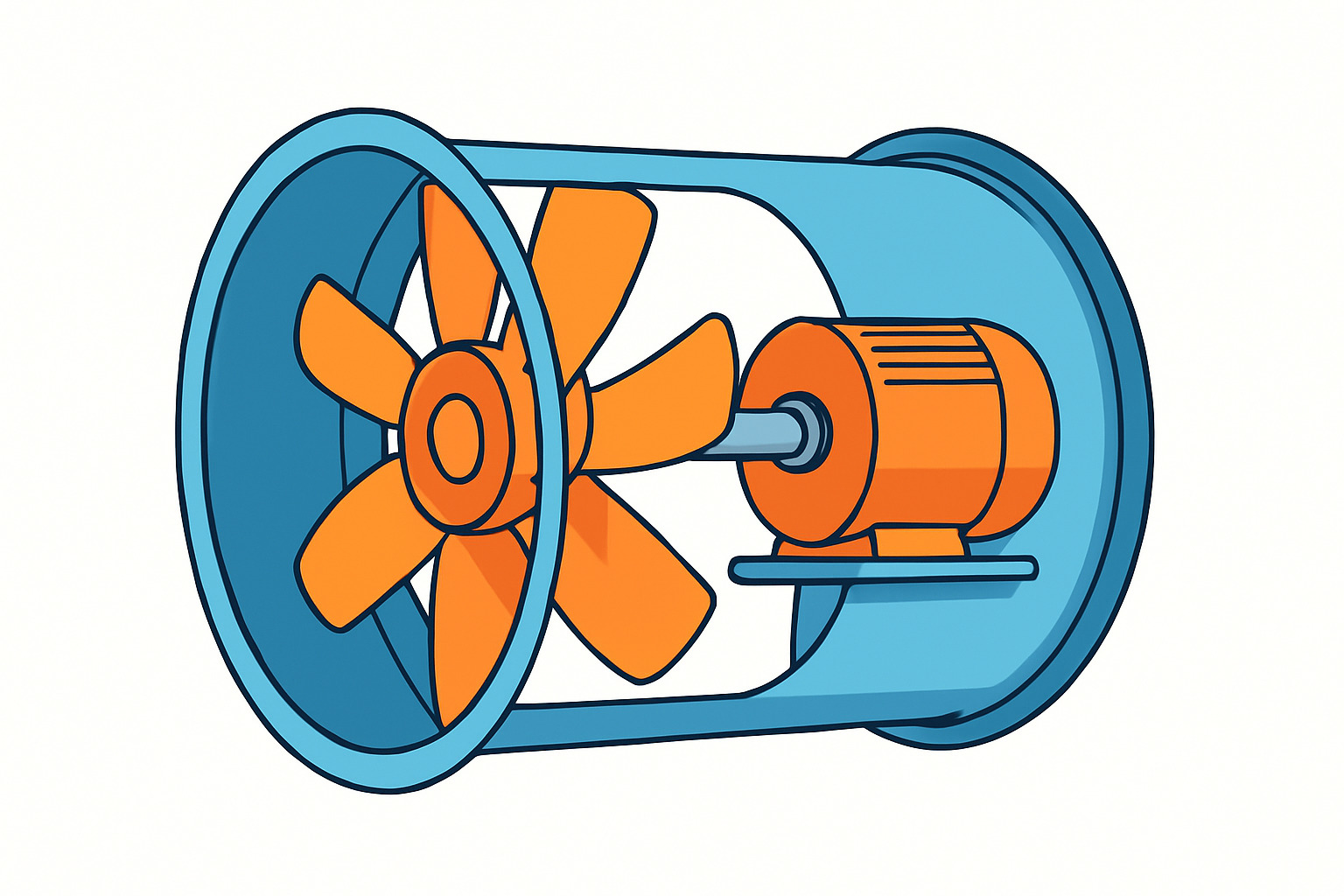
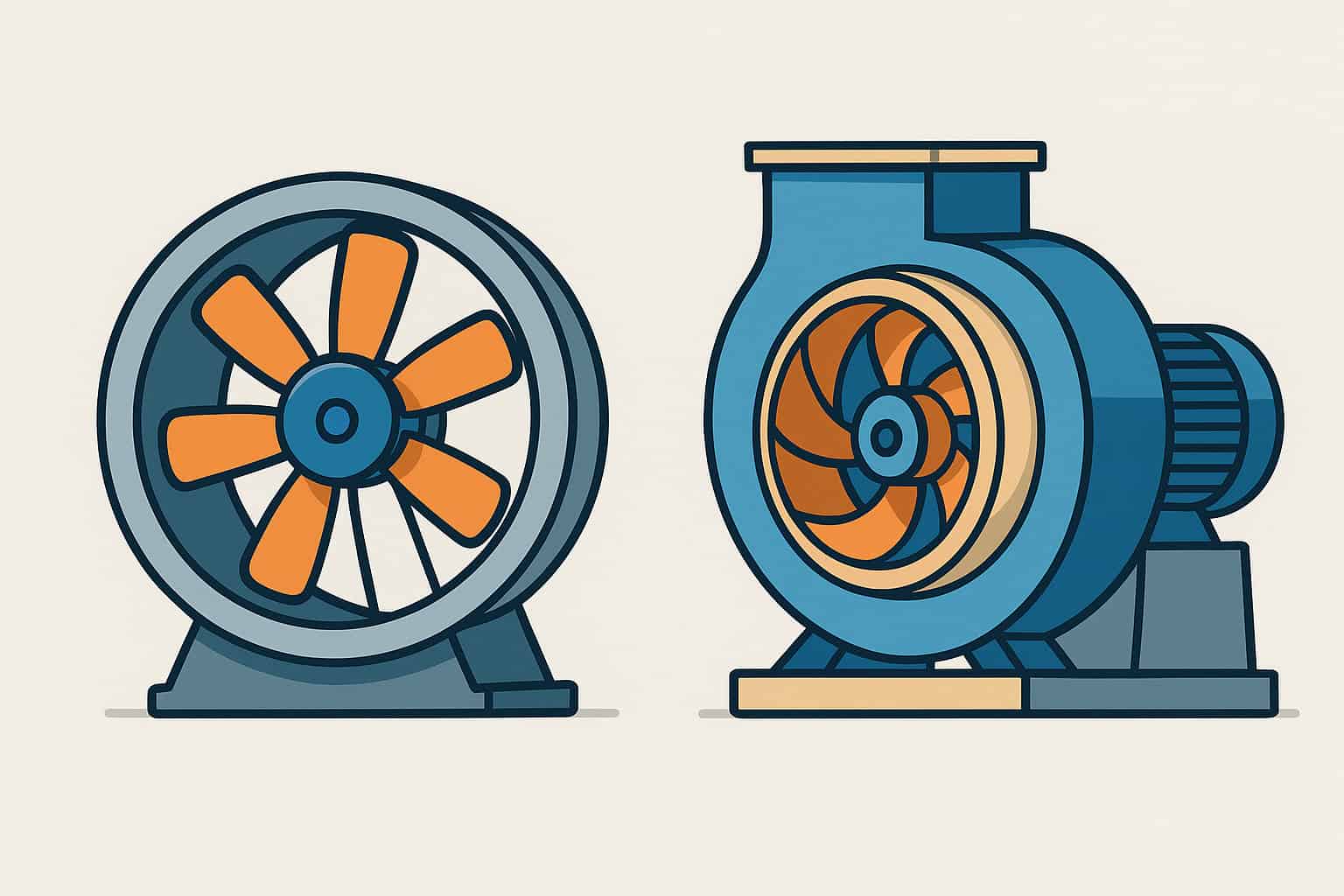
The type of motor used in exhaust fans depends on the size of the fan, the power supply and the environment where it operates. In homes and small shops, you mainly see compact single-phase motors, while in industrial plants and mines, exhaust fans are almost always driven by robust three-phase induction motors designed for continuous duty.
For small domestic and light commercial exhaust fans (bathrooms, kitchens, small offices), the most common choice is the single-phase induction motor. These motors are simple, reliable and inexpensive, running directly from the local single-phase supply. Variants include shaded-pole motors in very small fans and capacitor-start or permanent-split-capacitor (PSC) motors in slightly larger units that need more starting torque and better efficiency.
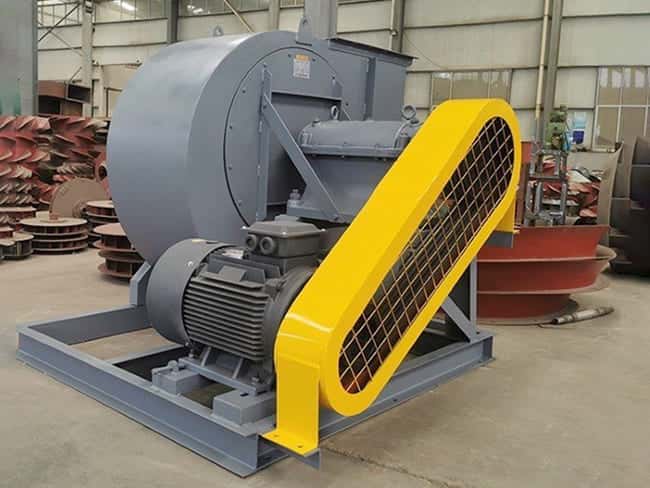
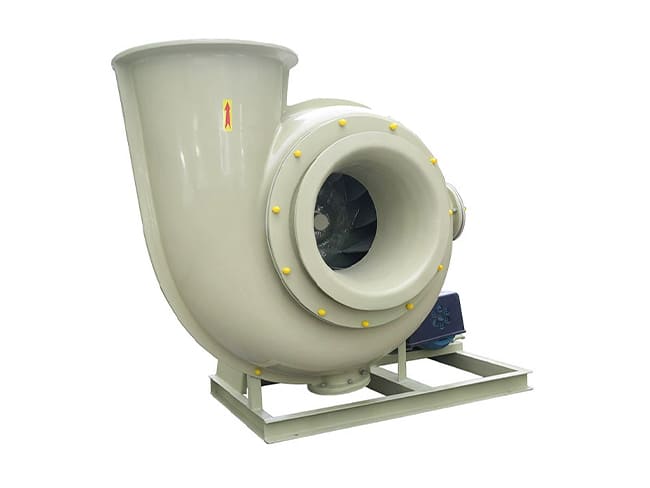
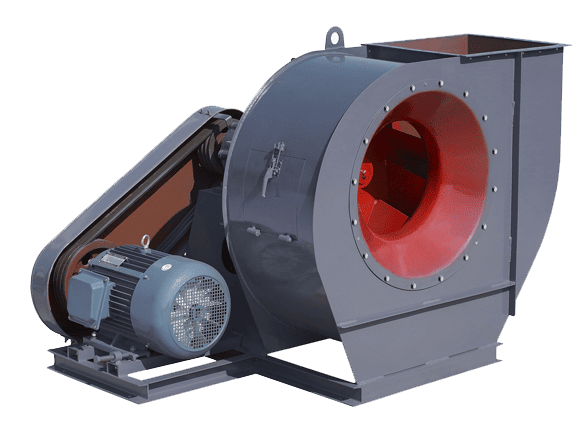
In industrial exhaust fans and roof ventilators, especially where power ratings are higher, three-phase squirrel-cage induction motors are standard. They are rugged, have good efficiency and can run for thousands of hours in continuous service. These motors are available in many frame sizes, speeds and protection classes. For dusty or outdoor environments, totally enclosed fan-cooled (TEFC) or totally enclosed air-over (TEAO) enclosures are used to protect the windings from contamination.
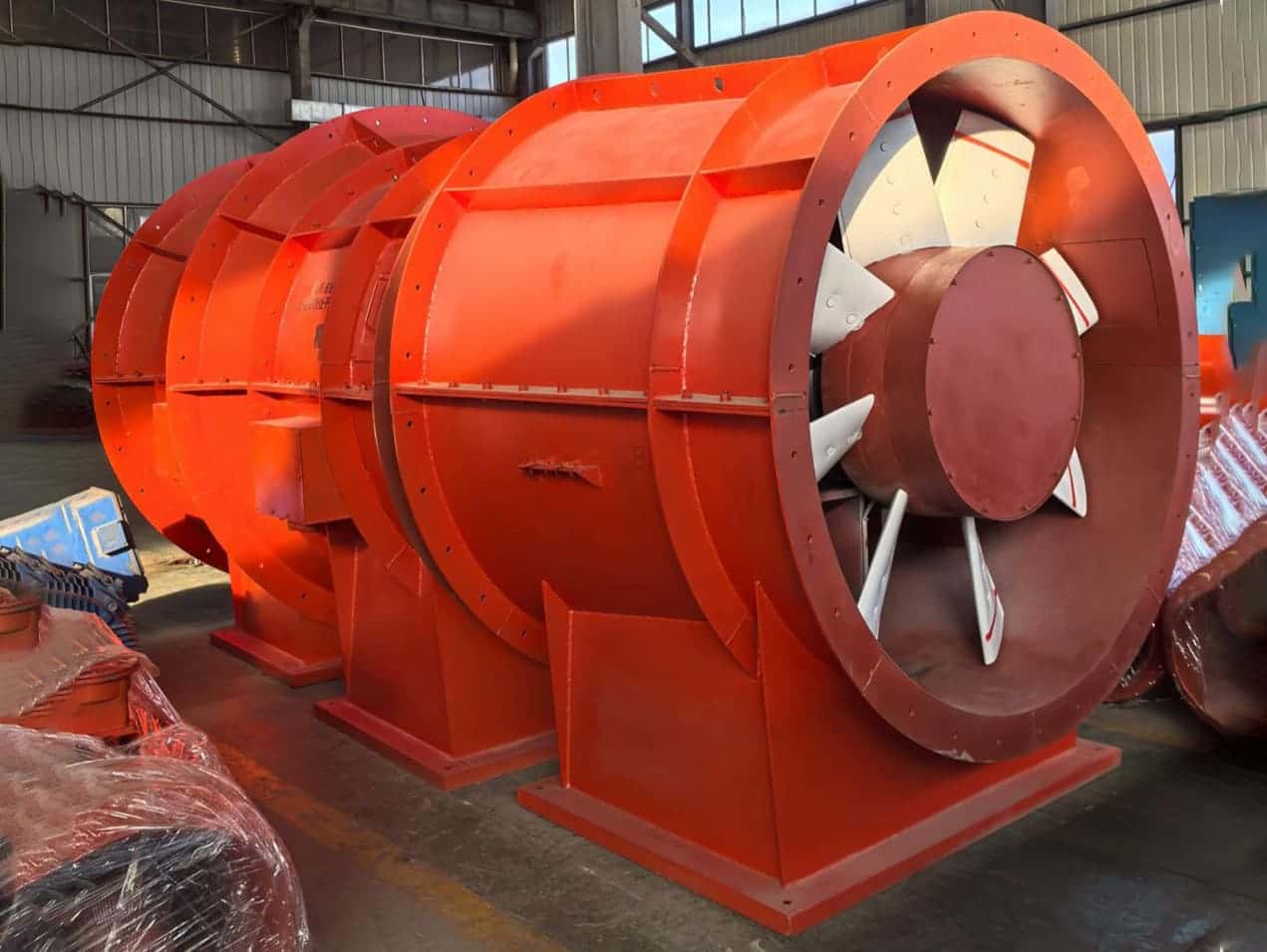
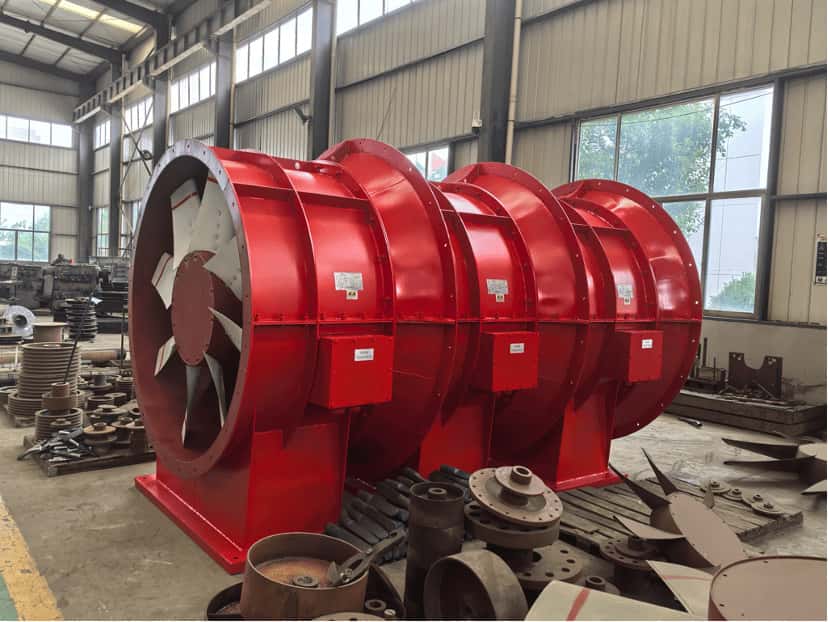
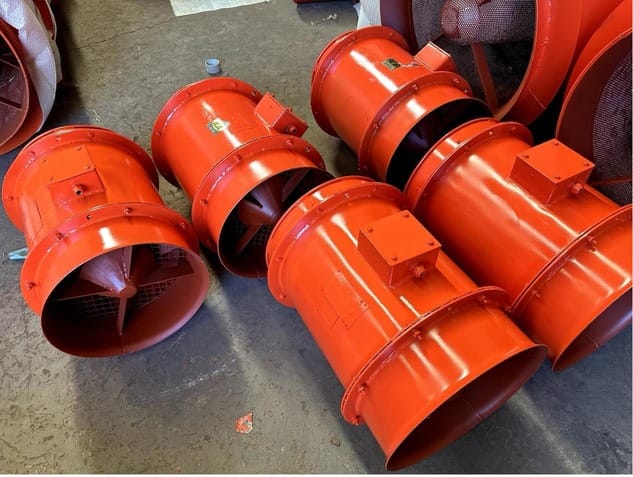
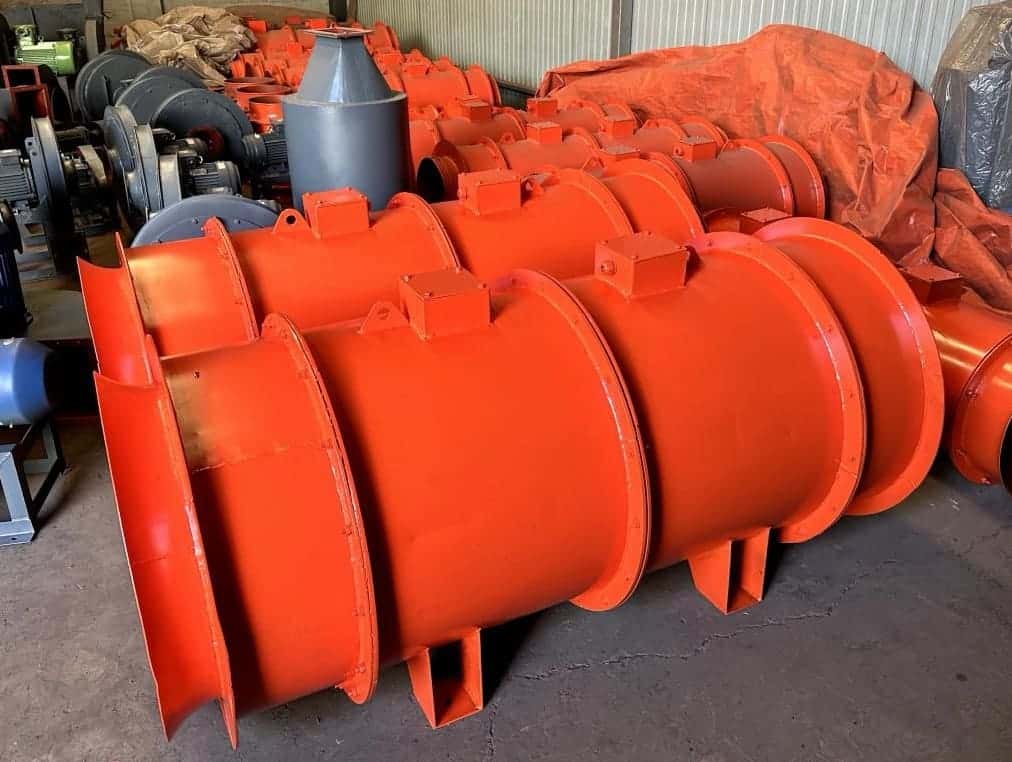
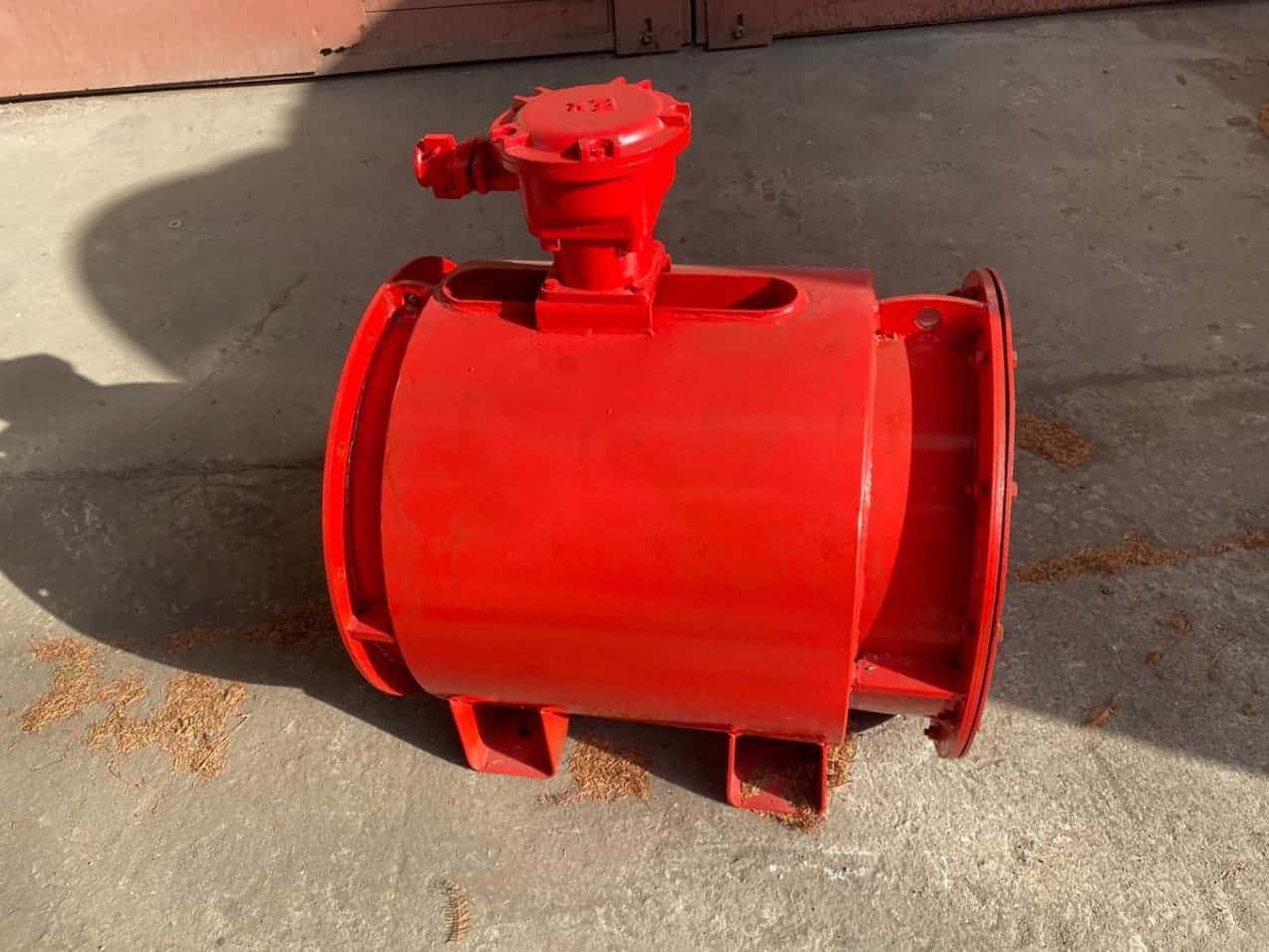
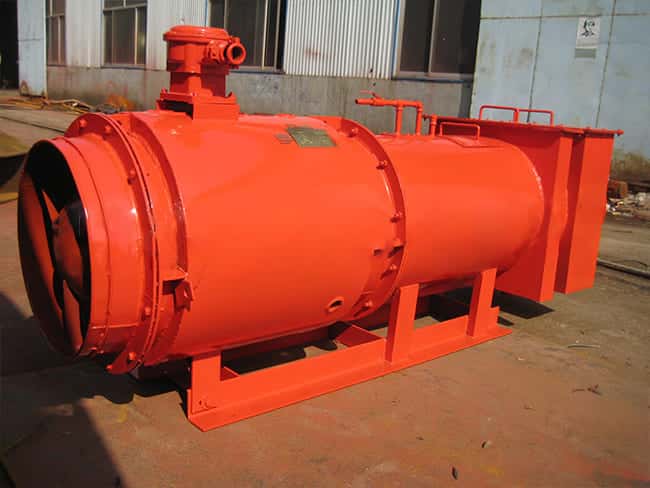
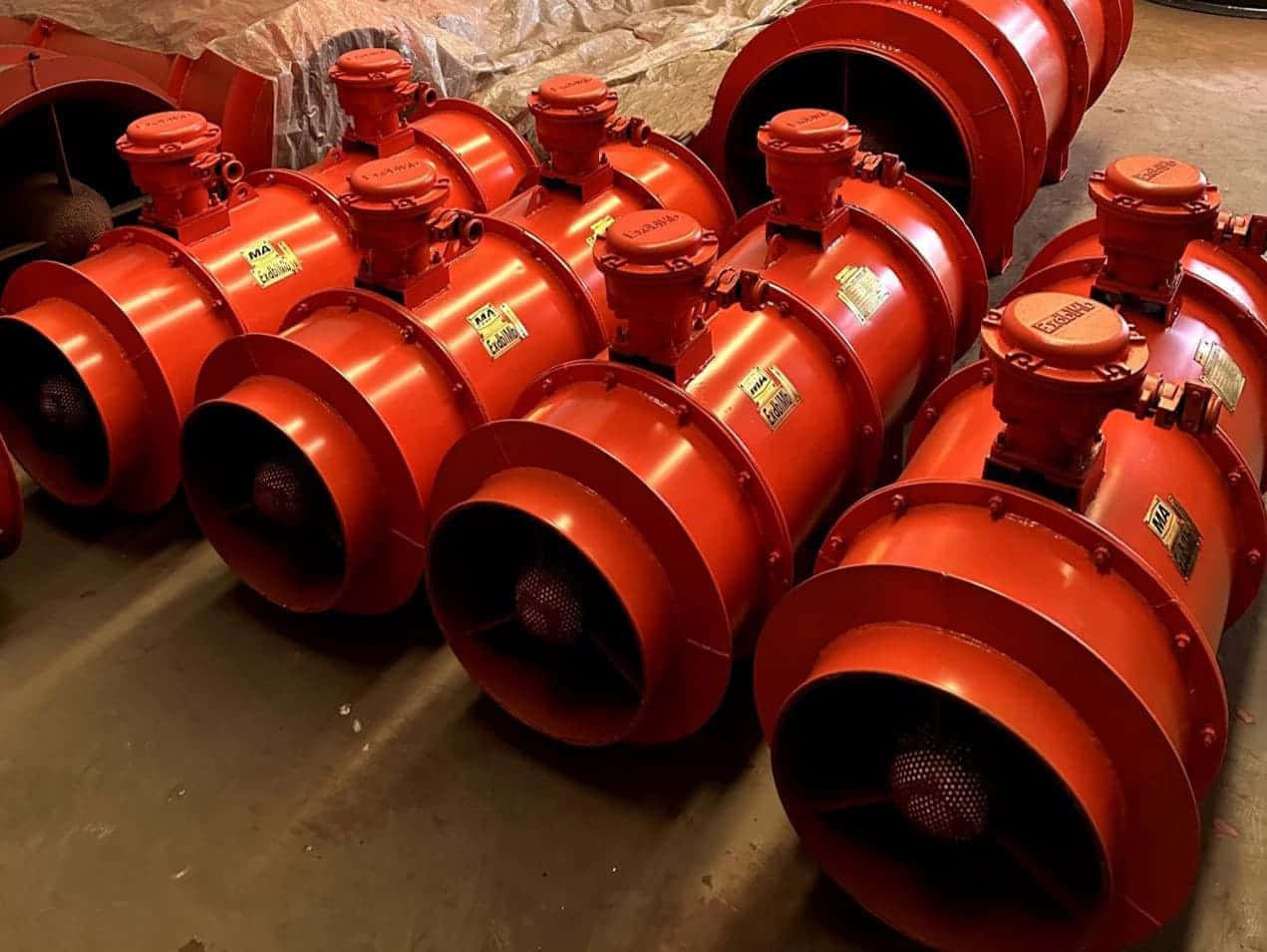
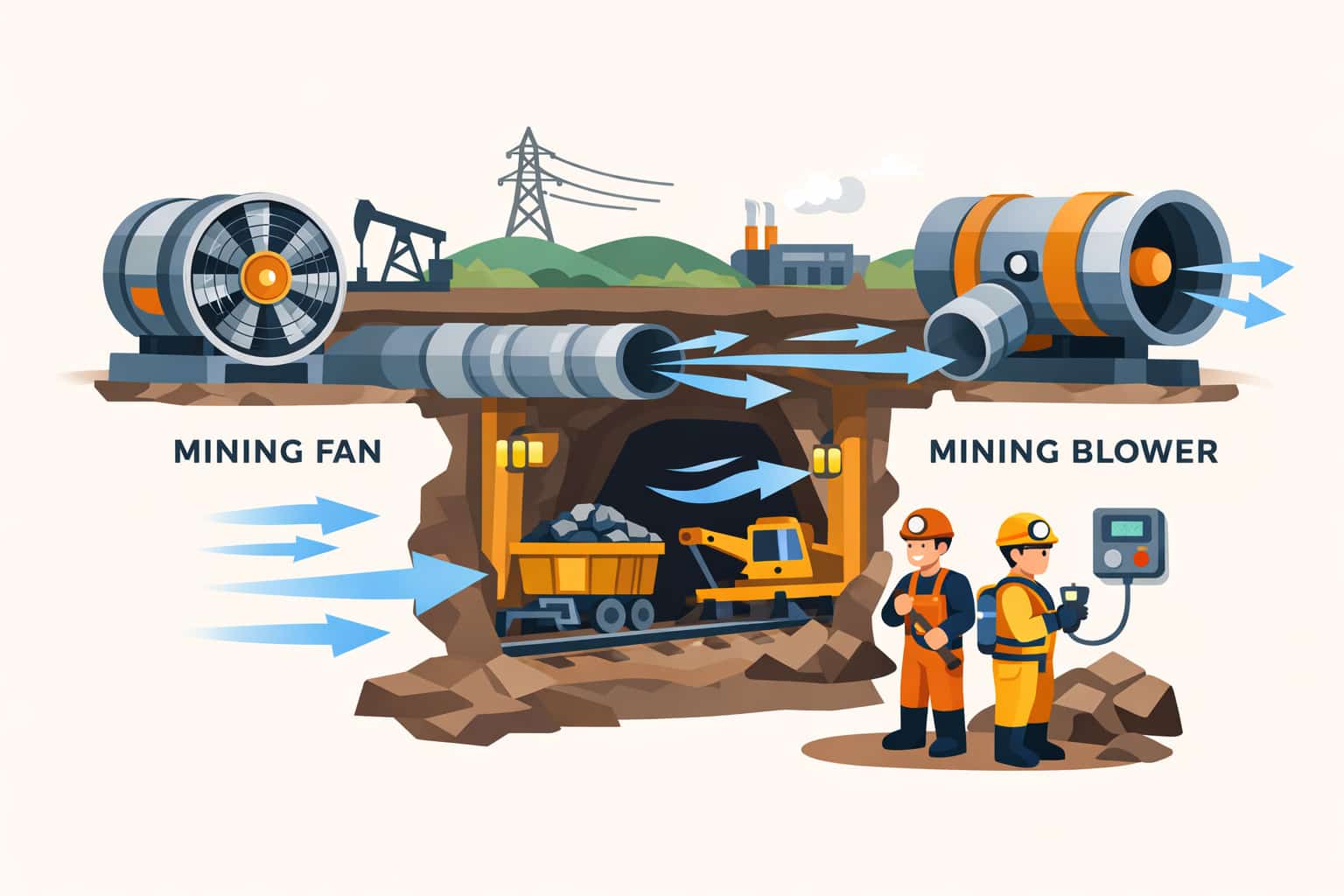
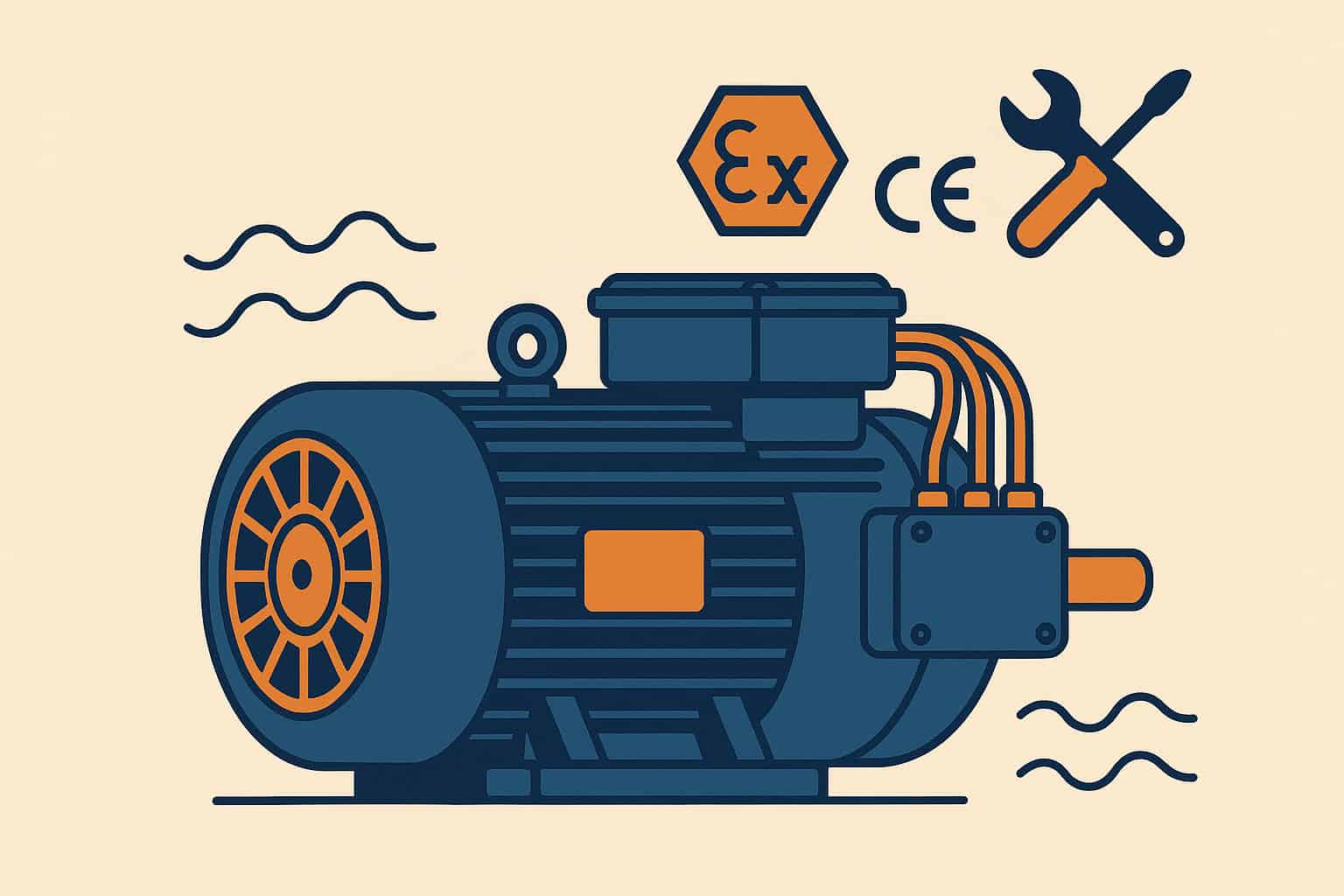
In mining exhaust systems and main fans, motors must also meet strict safety and certification requirements. For example, explosion-proof or flameproof motors are specified in gassy coal mines, and special insulation classes and bearings are chosen for high-reliability operation. These motors are usually three-phase induction machines connected to variable-frequency drives for speed control, allowing the exhaust fan output to match changing ventilation needs while reducing energy consumption.
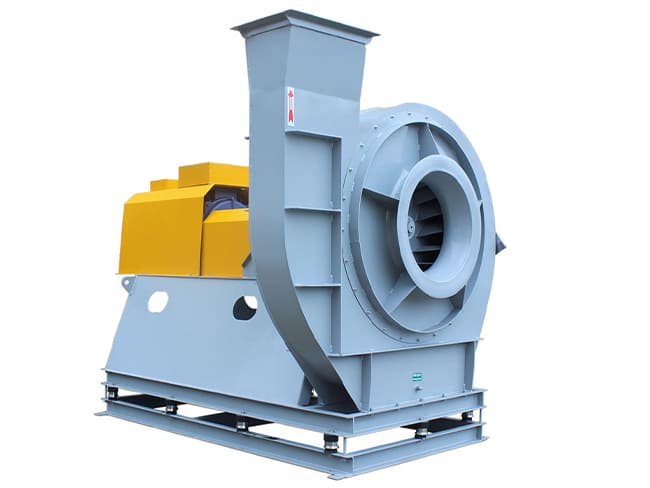
For very large or high-performance exhaust fans, other motor types may appear. Medium-voltage induction motors are used where power ratings are too high for low-voltage equipment. In special applications requiring very precise control or high efficiency, synchronous motors or permanent-magnet motors may be selected, although they are less common in standard exhaust fan duty.
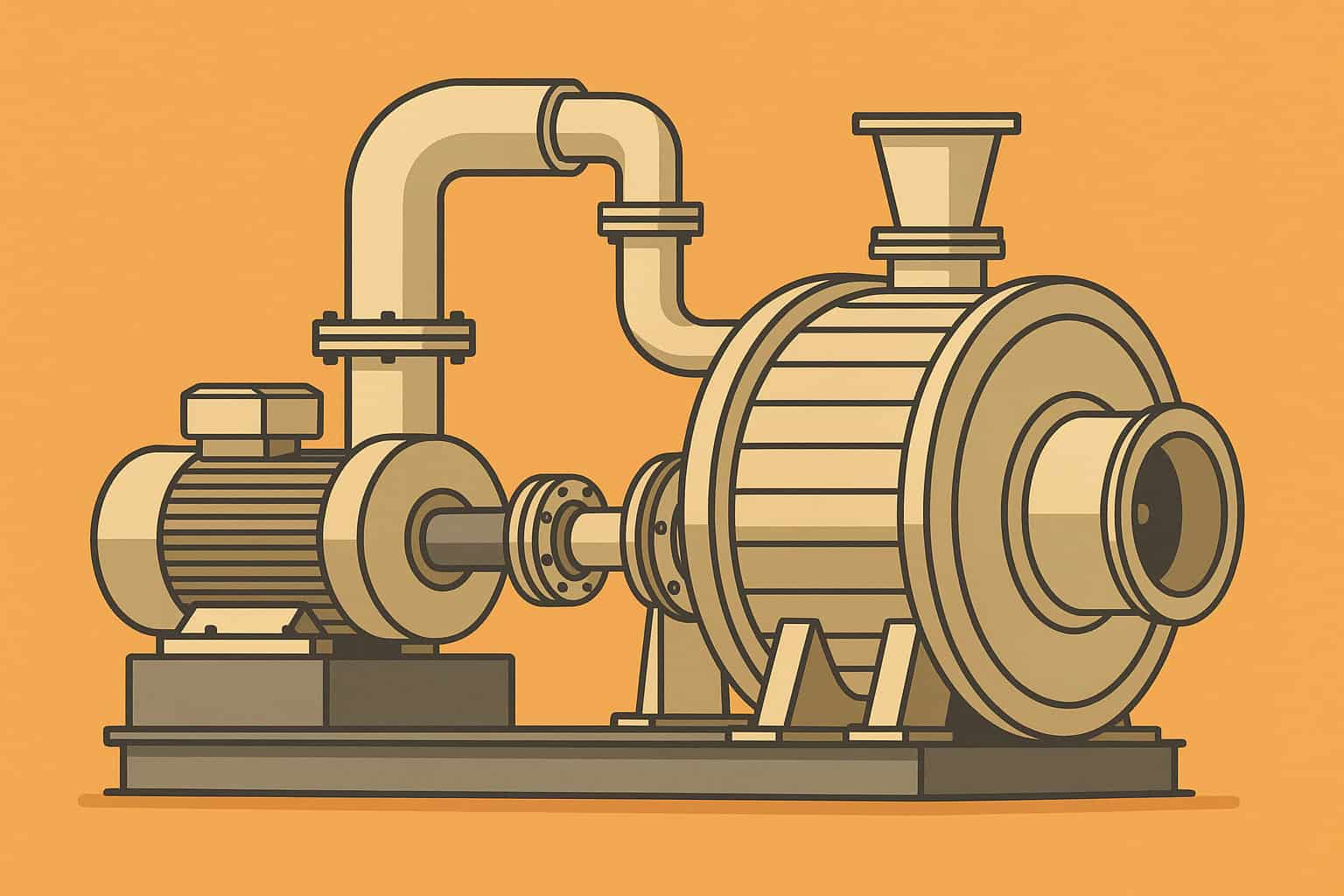
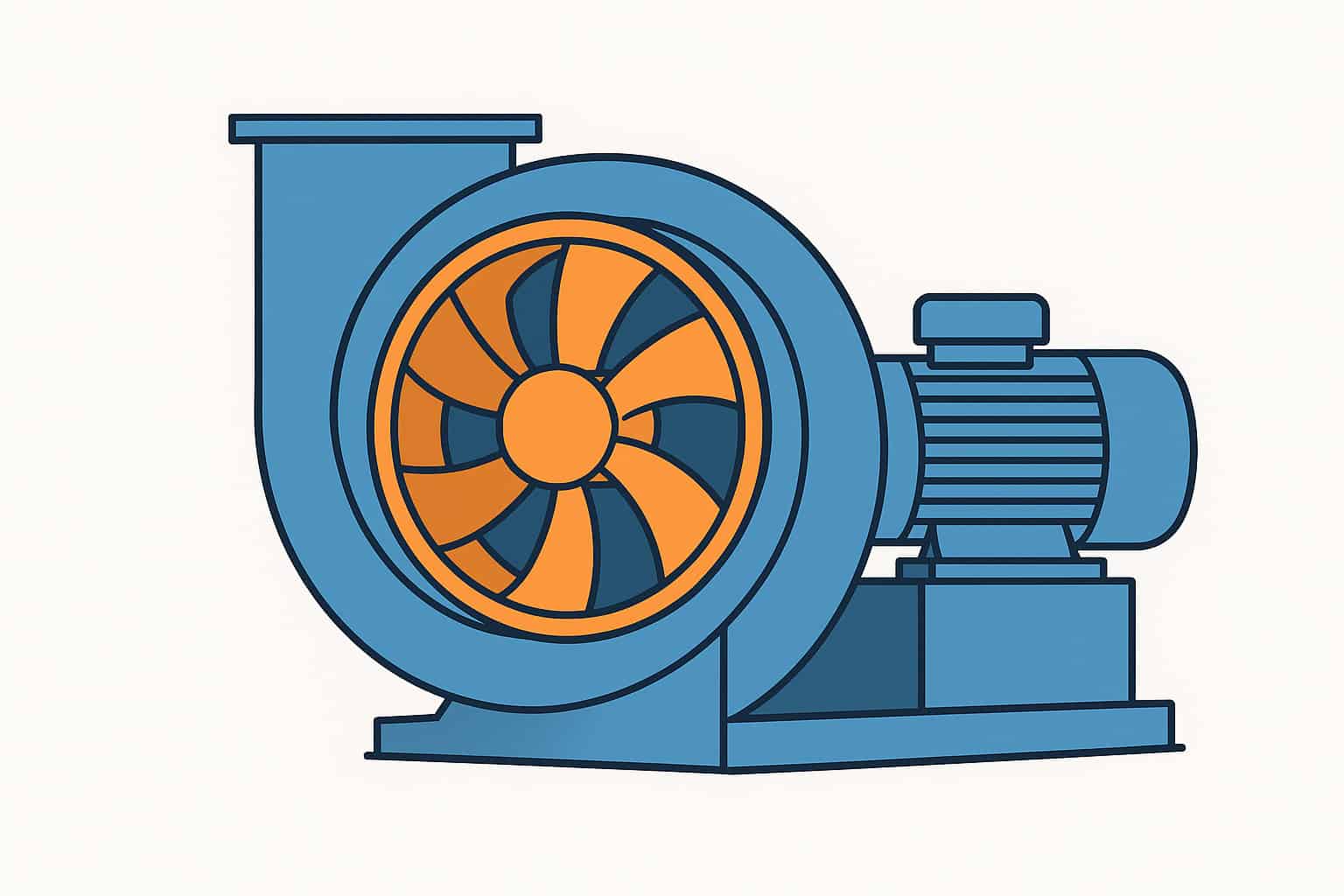
Regardless of motor type, correct selection and matching to the fan are critical. The motor must provide enough starting torque to accelerate the fan and withstand the continuous load at operating speed. Enclosure type, cooling method, insulation class, IP rating and any hazardous area certifications must all be appropriate for the exhaust location. A well-matched motor-fan combination ensures reliable exhaust, low downtime and safe operation in homes, factories and mines.
