
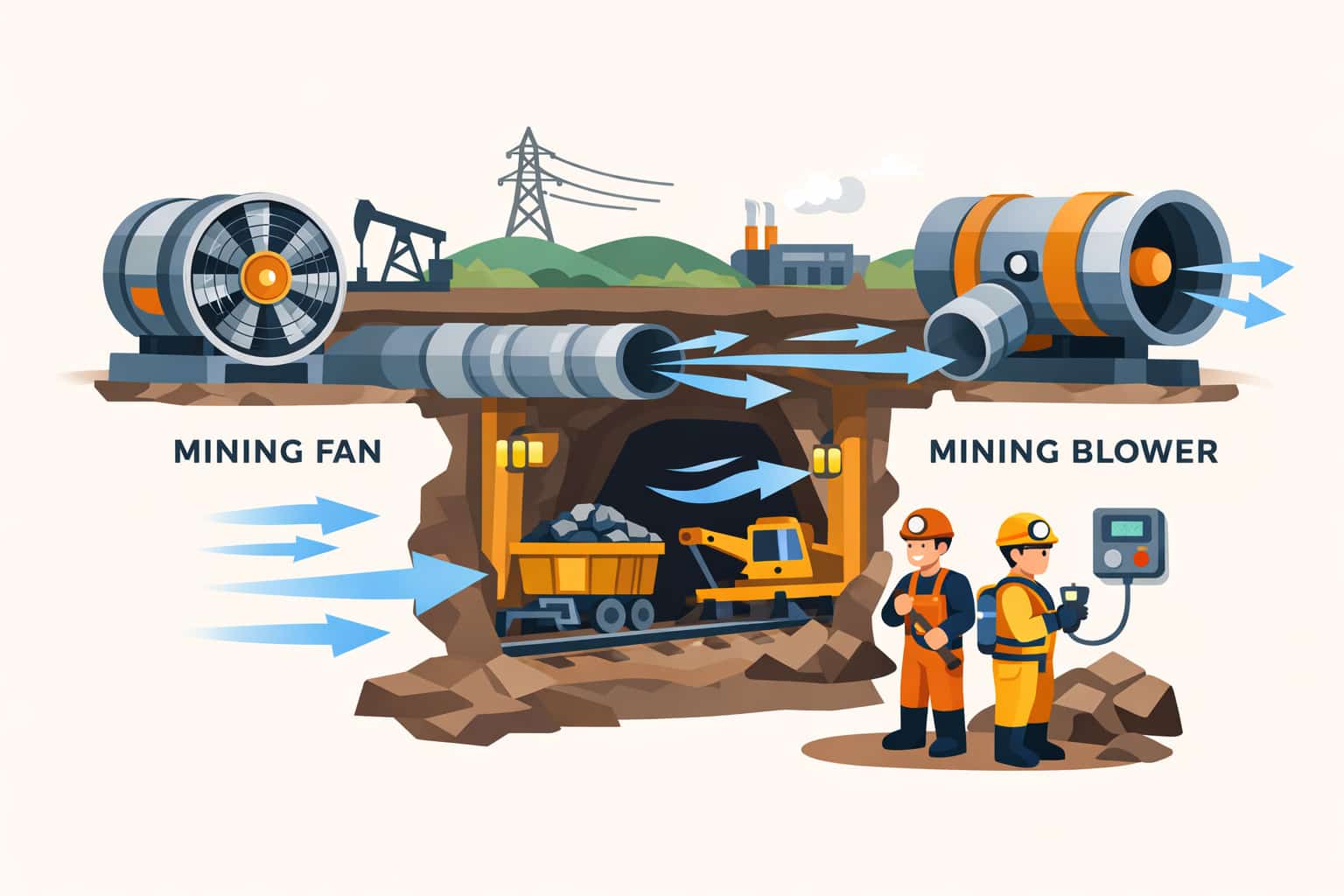
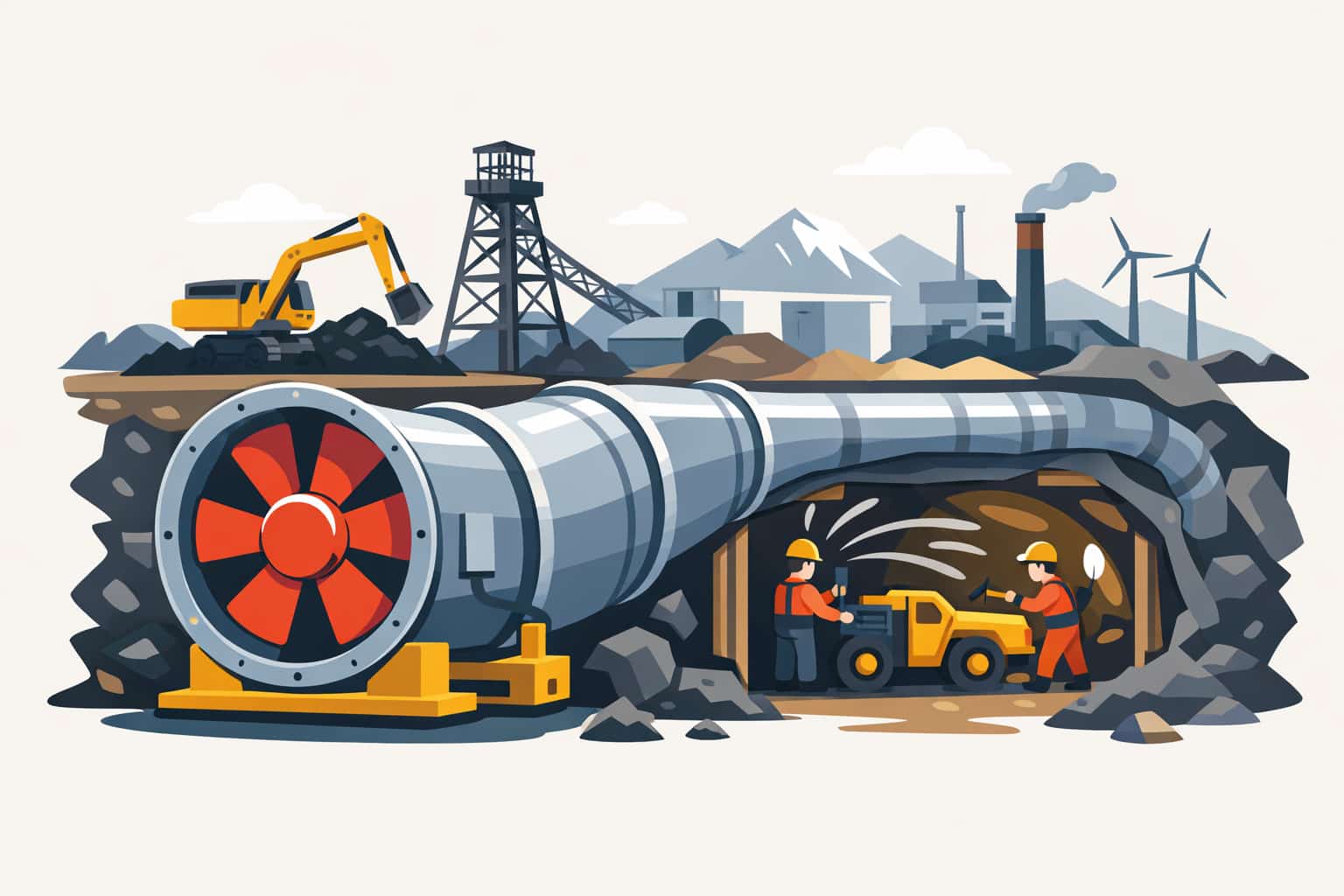
You should stop using a fan whenever its continued operation could damage equipment or compromise safety. For household fans this is simple, but for industrial and mining fans the decision involves technical checks and legal responsibilities. Ignoring warning signs can lead to failures, fires or inadequate ventilation.
One clear reason to stop a fan is abnormal noise or vibration. Grinding, knocking, sudden increases in vibration or rattling sounds may indicate bearing failure, loose components, impeller damage or foreign objects in the housing. In large industrial and mining fans, vibration is often monitored continuously. If levels exceed alarm limits, the fan should be stopped and inspected before serious damage occurs to bearings, shafts or foundations.
Another critical signal is overheating. Motors that are running too hot, unusual smells of burning insulation, or bearing housings with temperatures above their normal range all suggest that something is wrong. Overheating may be caused by blocked filters, overloaded systems, misalignment or electrical problems. Continuing to run the fan in this condition risks motor burnout, bearing seizure or even fire, so shutdown and investigation are necessary.
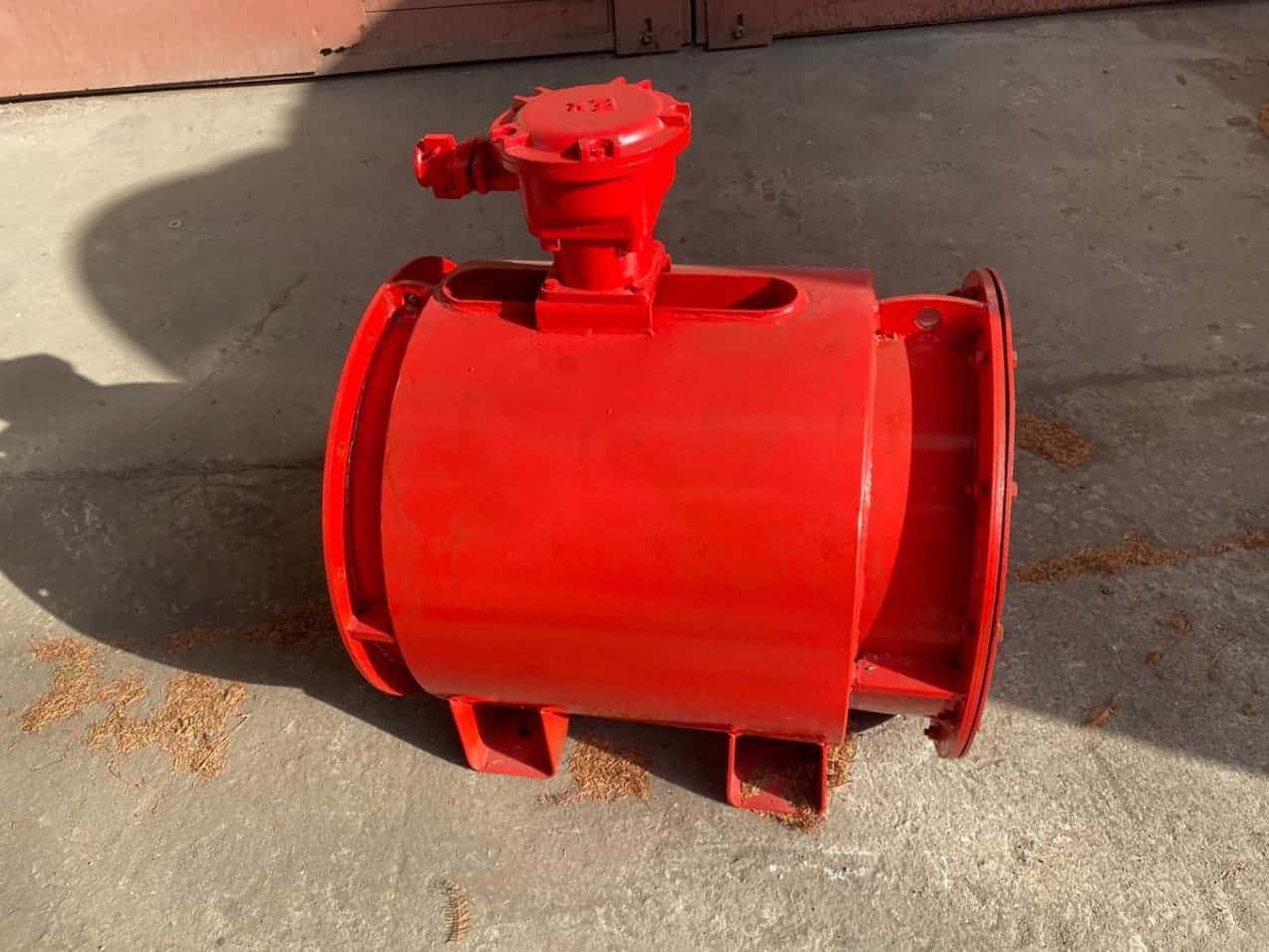
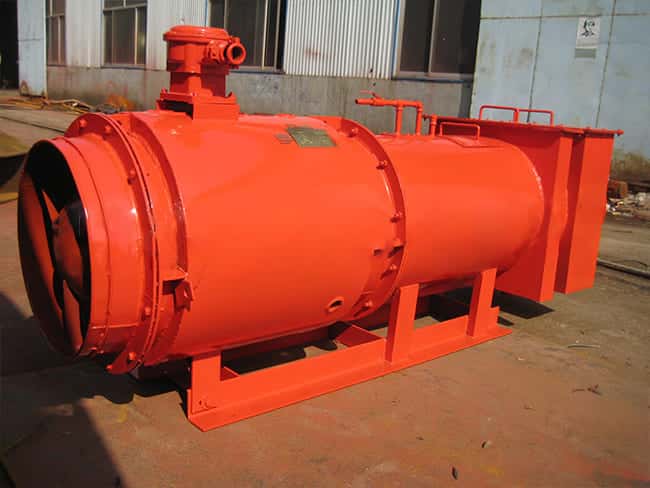
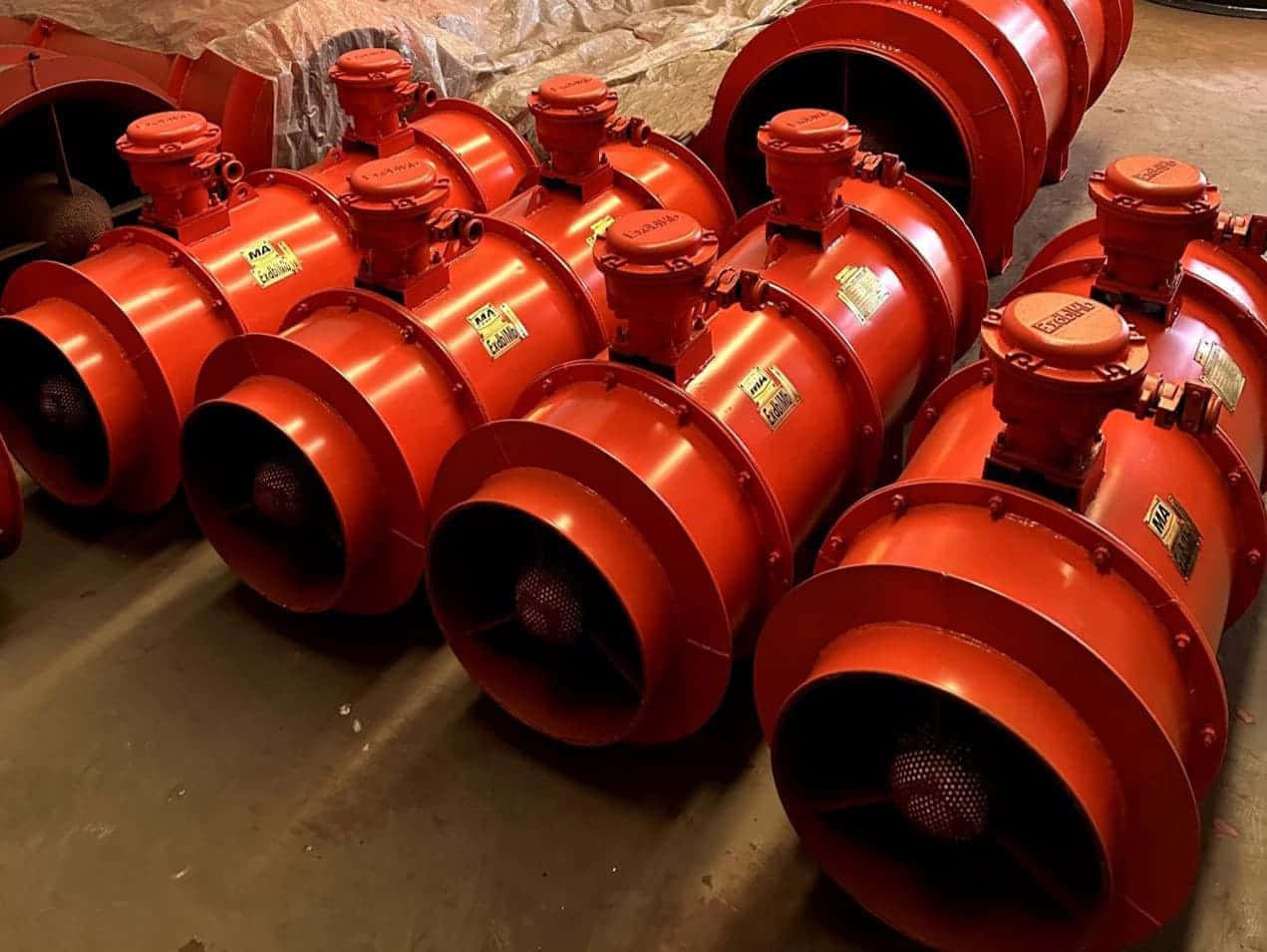
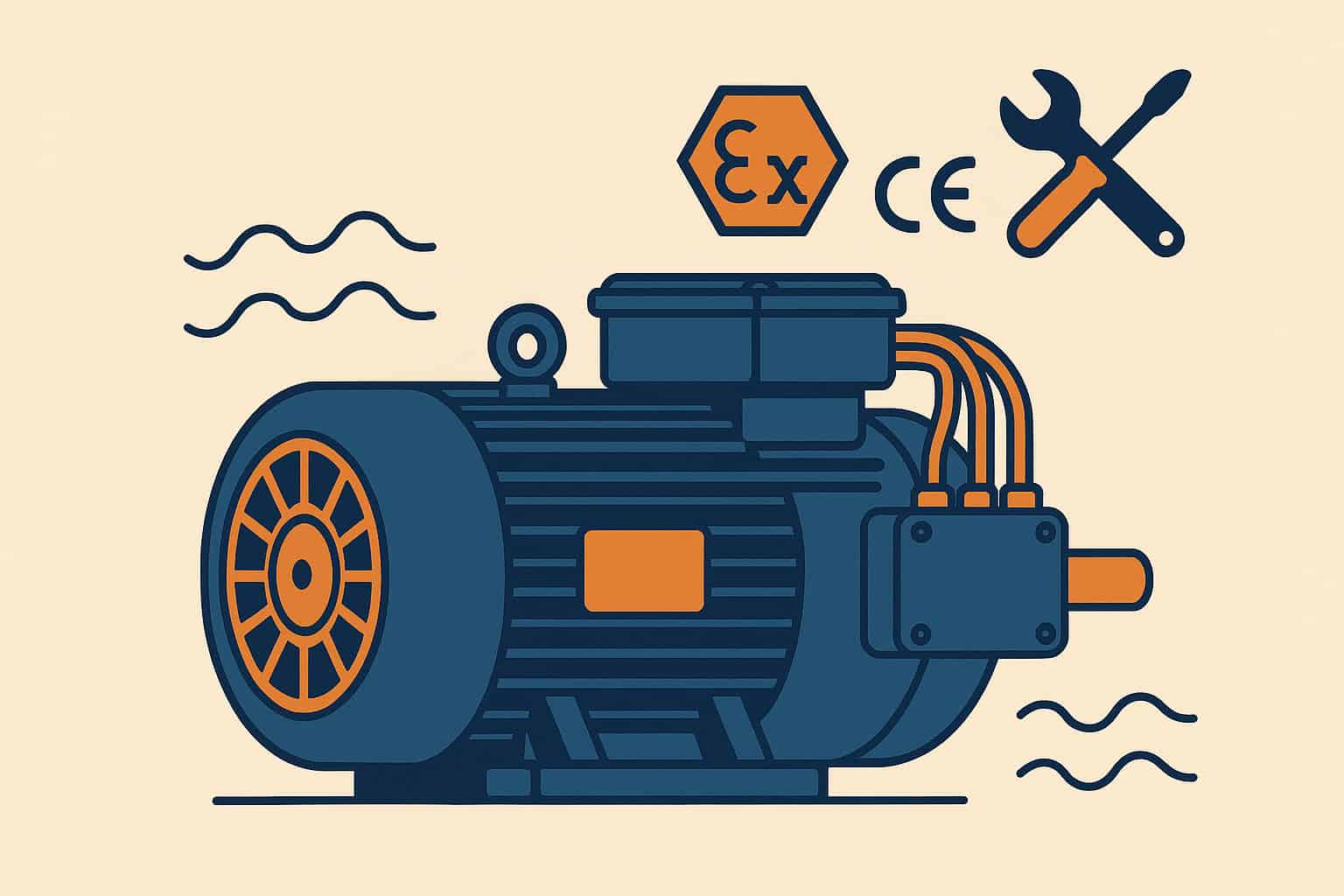
In hazardous or explosive atmospheres, you must stop the fan if there is any doubt about the integrity of explosion-proof enclosures, cable glands or earthing. If gas monitoring indicates dangerous concentrations that exceed the design basis, operating fans outside the approved range could be unsafe. In underground mines, regulations often specify conditions under which fans must be stopped or restarted, such as after major faults, gas events or power interruptions.
You should also stop a fan when maintenance is due and cannot be done safely while the fan is running. This includes tasks such as cleaning impellers, replacing belts, checking couplings and inspecting casings. Lock-out and tag-out procedures must be followed to ensure that the fan cannot be restarted while personnel are working on it.
From an energy and operational standpoint, there are times when you stop fans simply because they are no longer needed. If a process line is shut down, a mine section is closed, or a building is unoccupied, certain fans can be switched off according to a defined strategy, saving power while ensuring that essential ventilation fans remain in operation where people are present.
In summary, you should stop using a fan when there are signs of mechanical or electrical problems, when safety or regulatory conditions demand it, or when ventilation demand no longer justifies running the fan. Proper monitoring and clear procedures help operators make this decision at the right time.
