
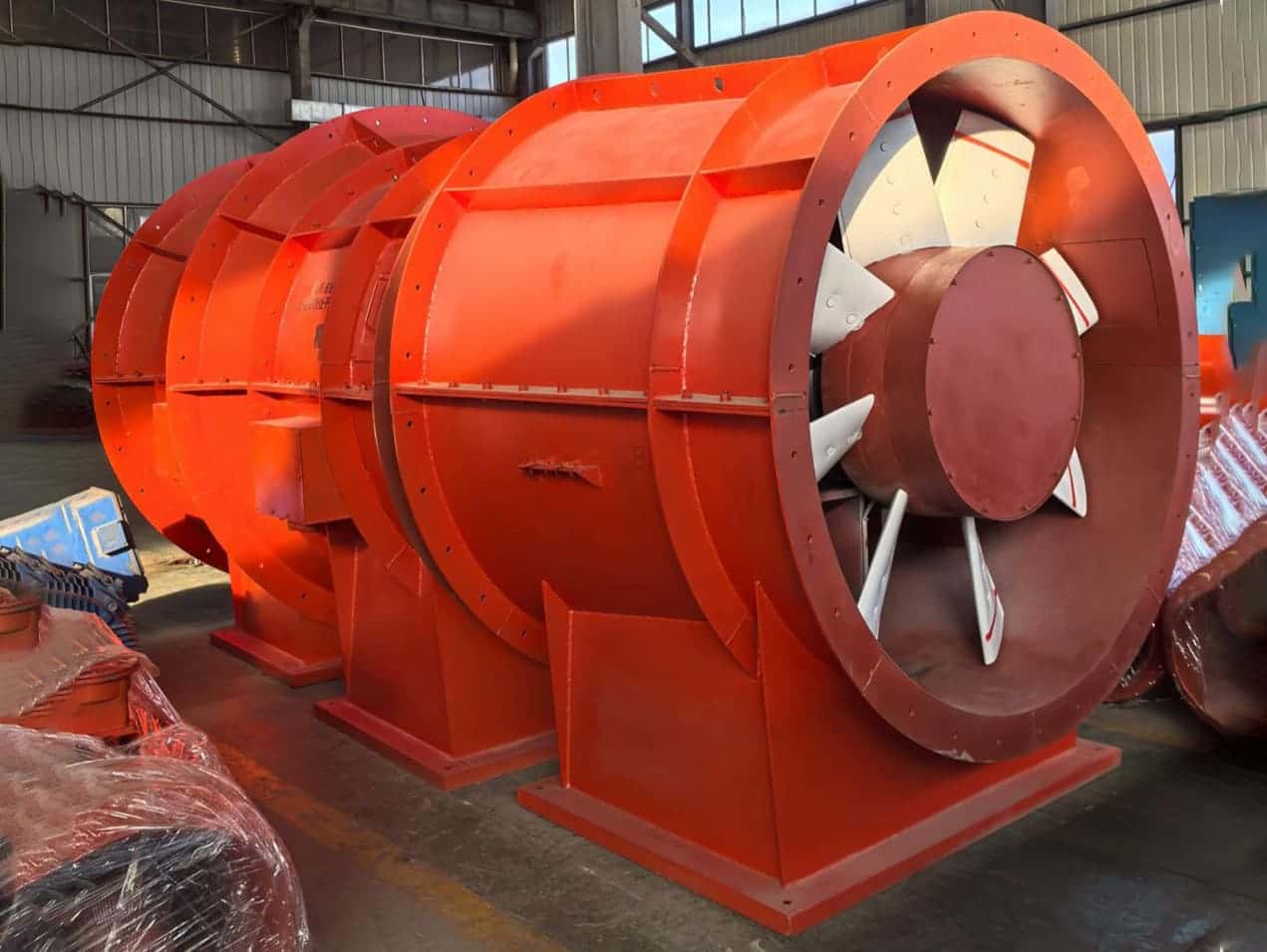
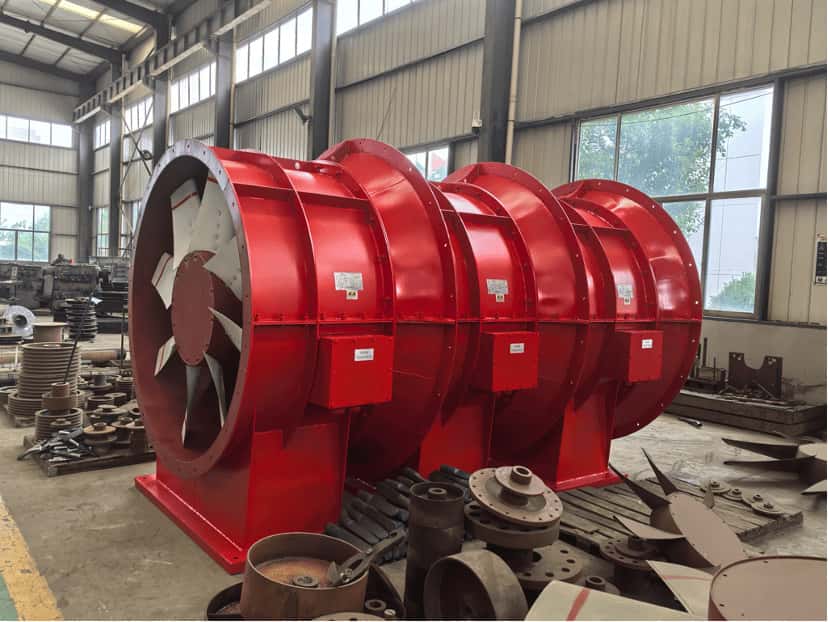
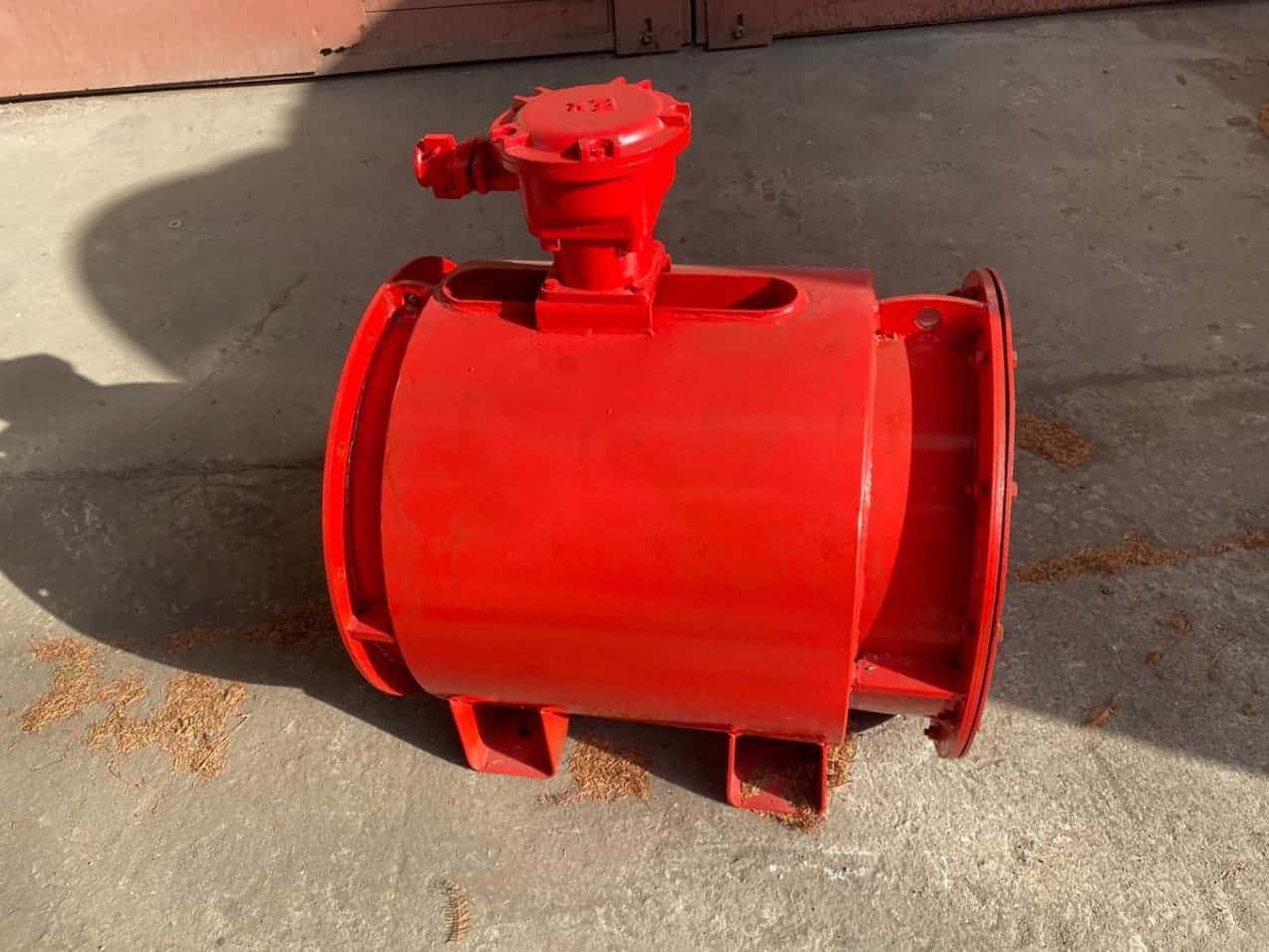
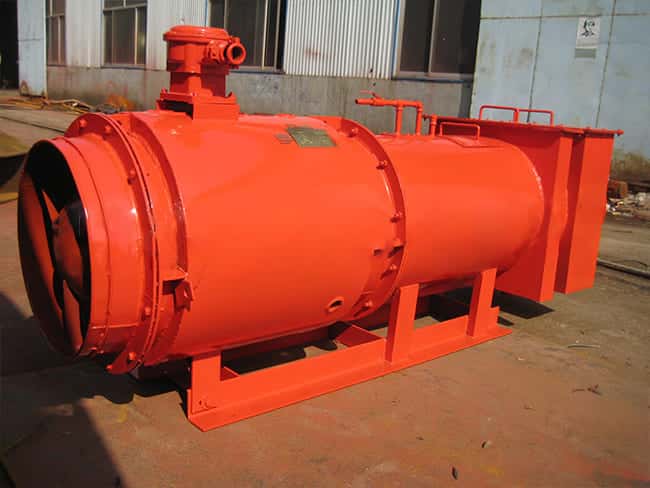
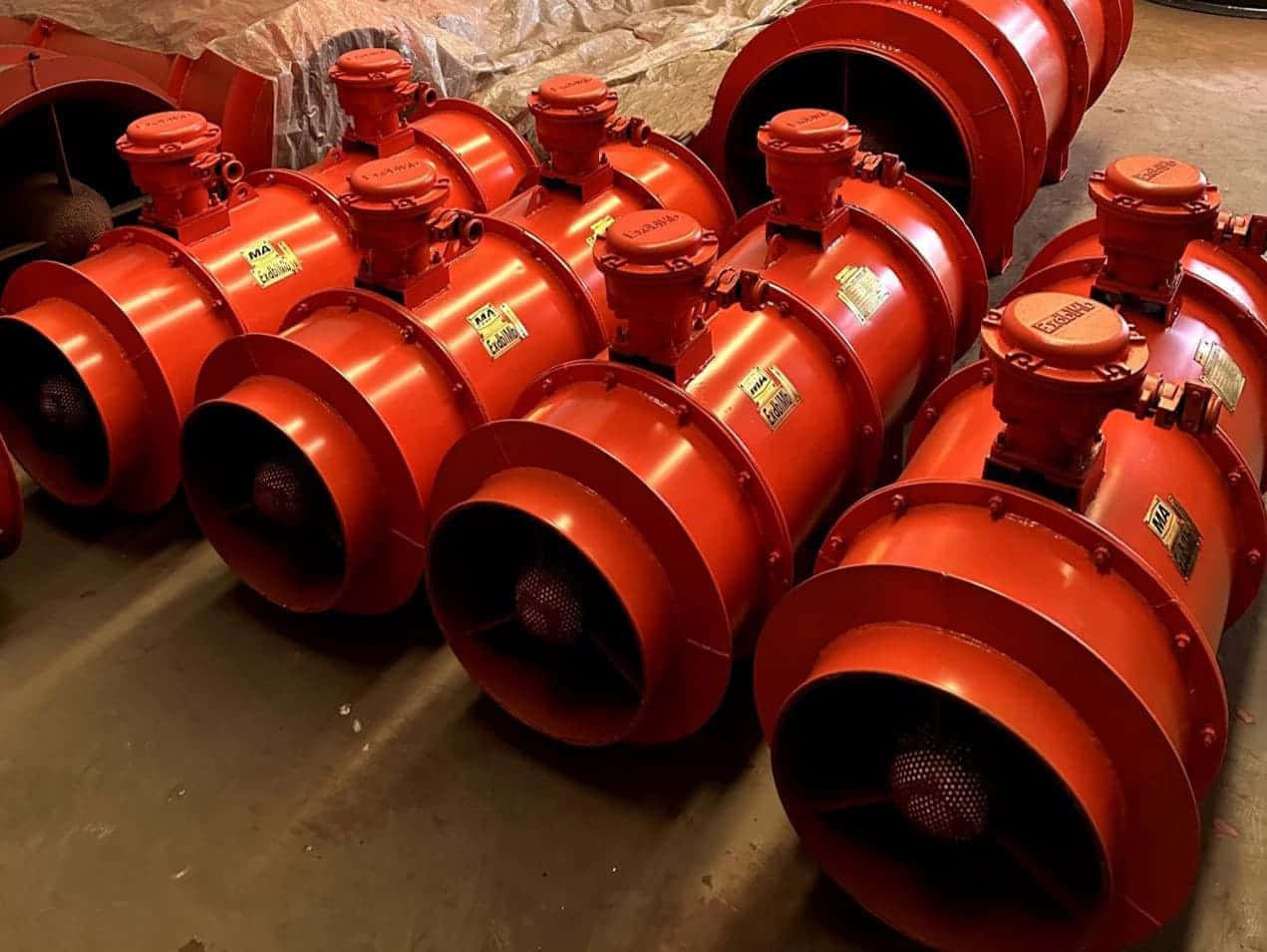
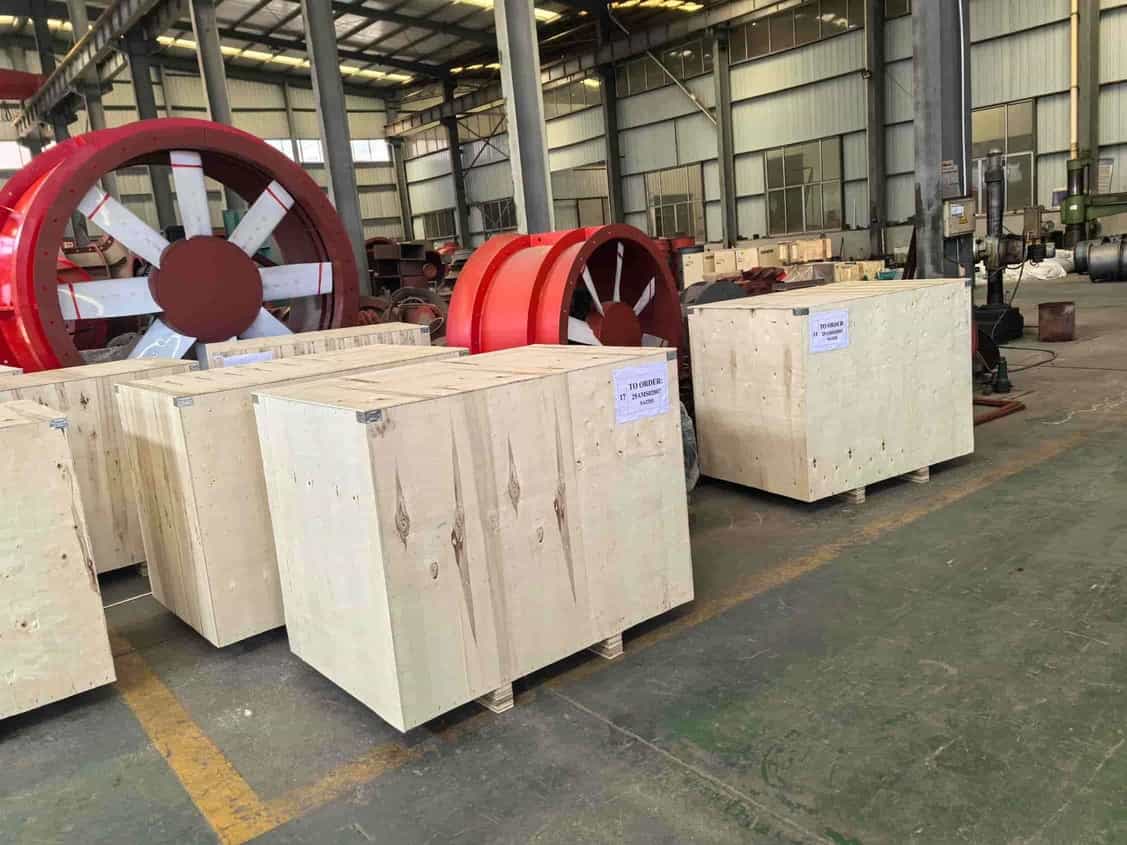
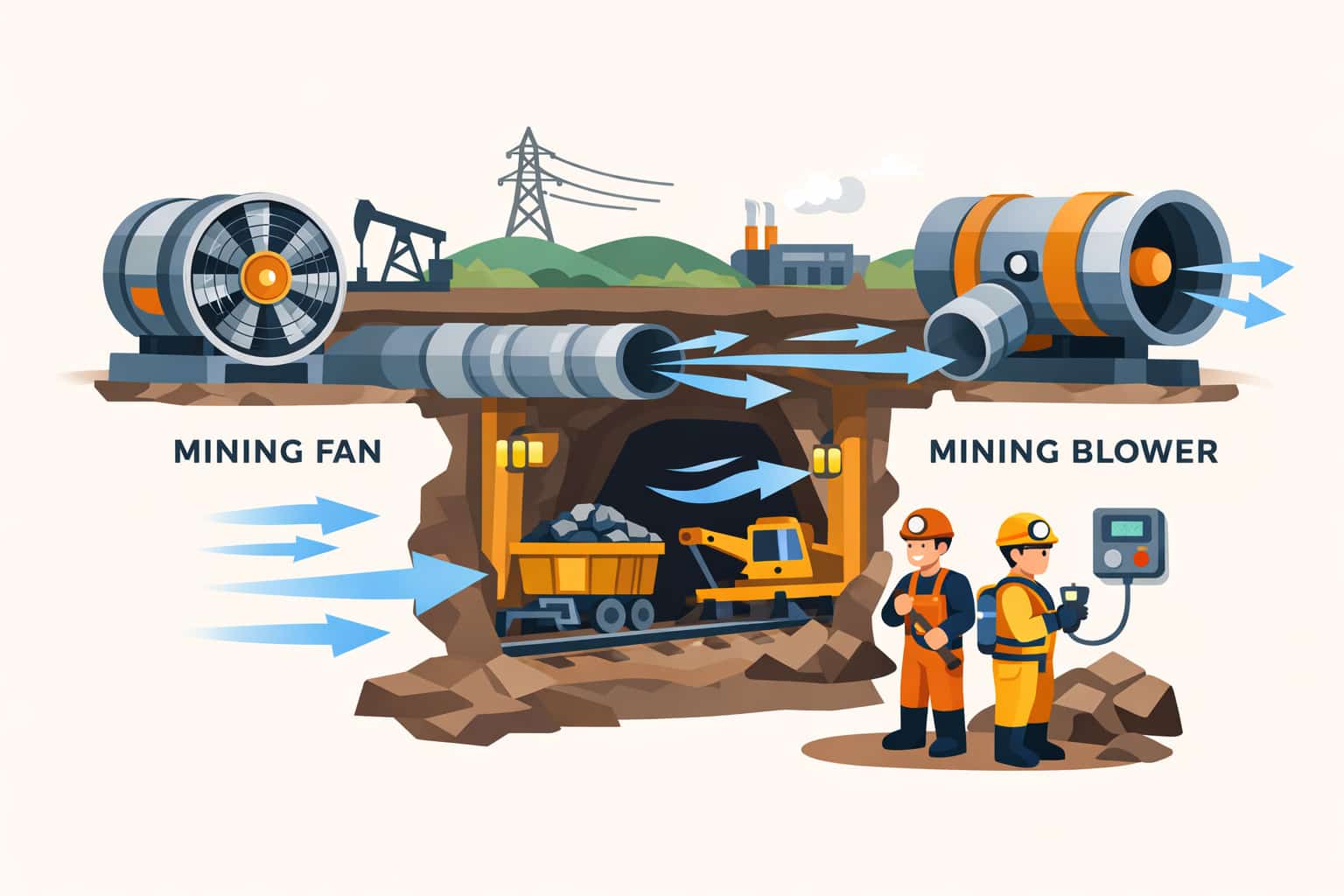
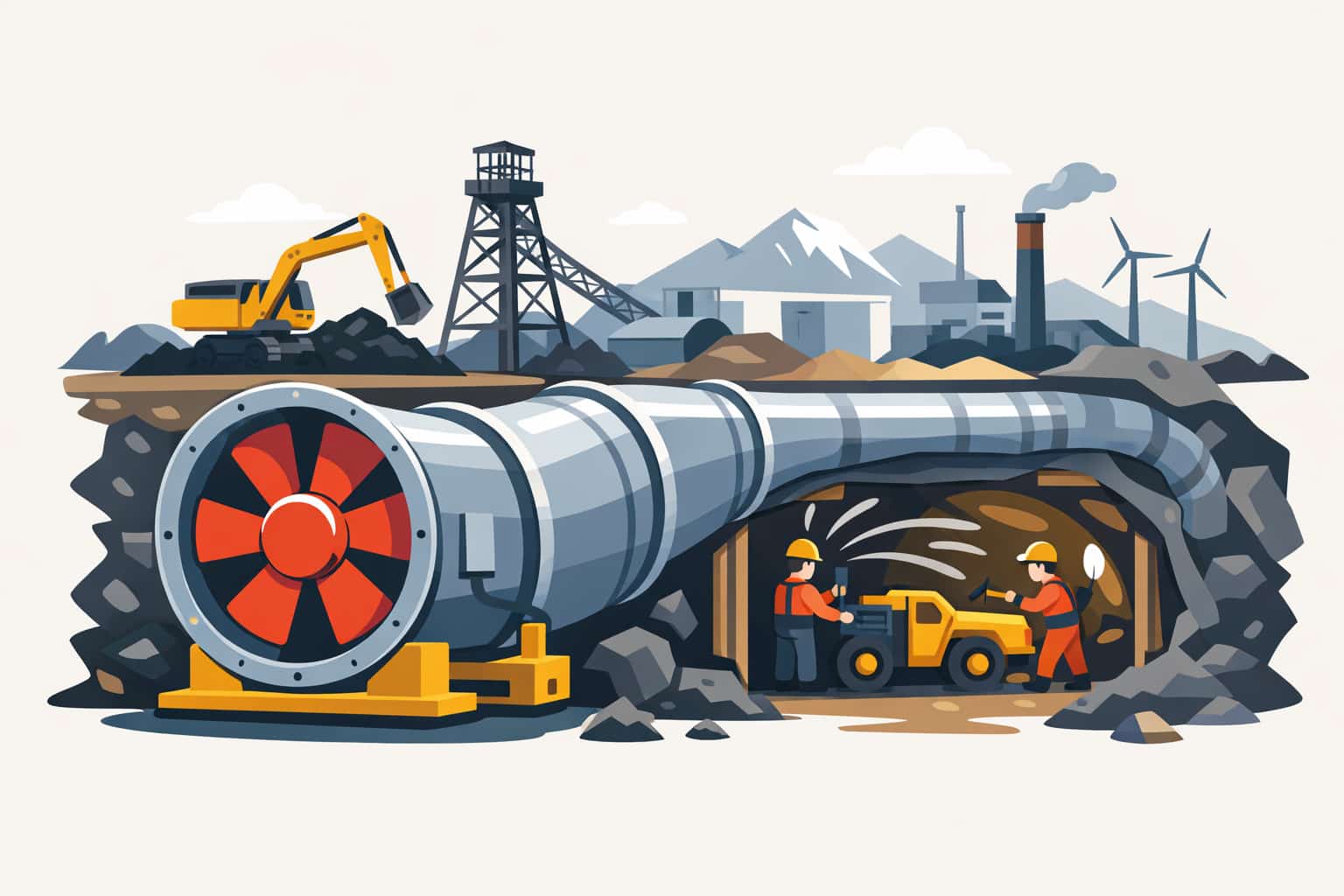
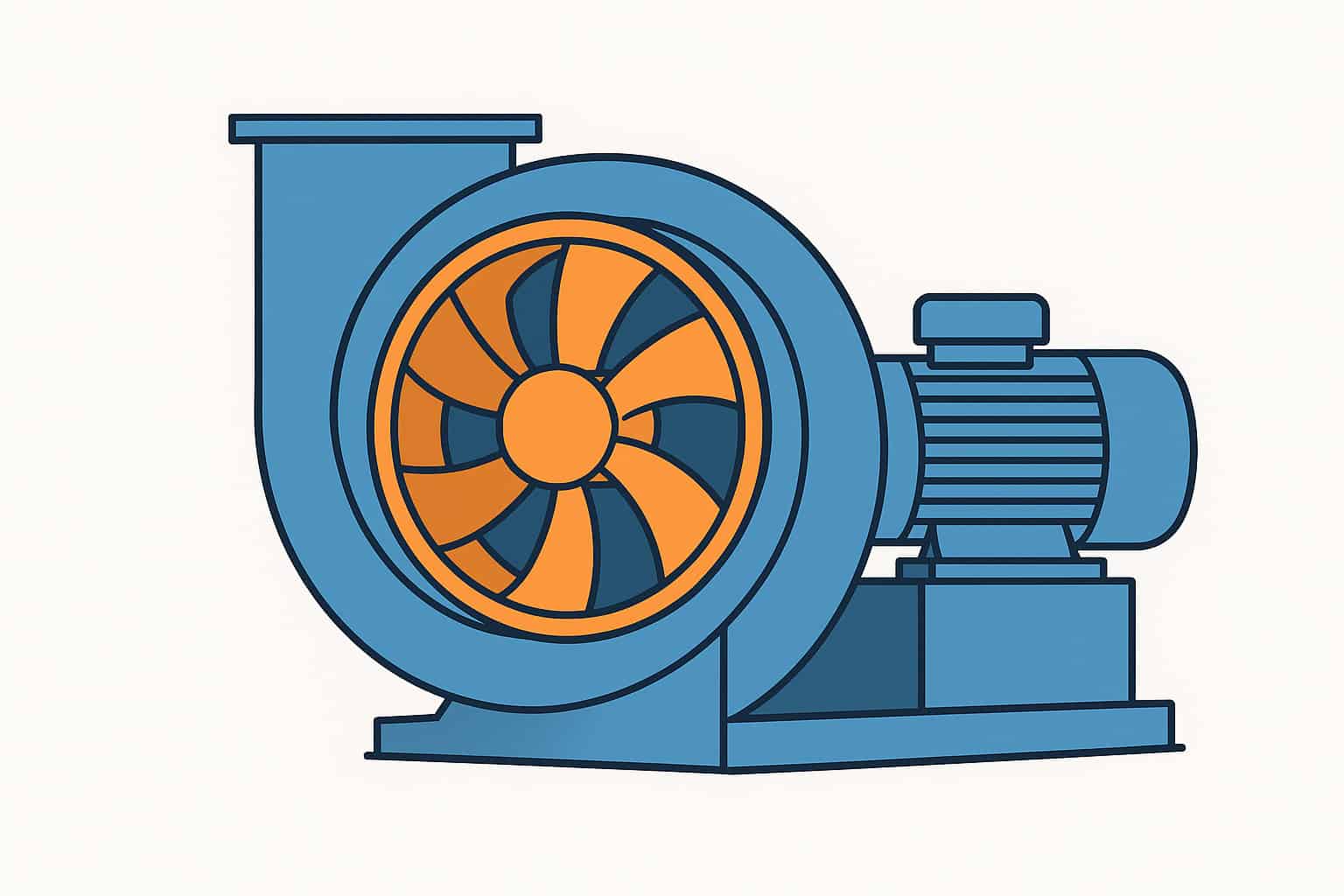
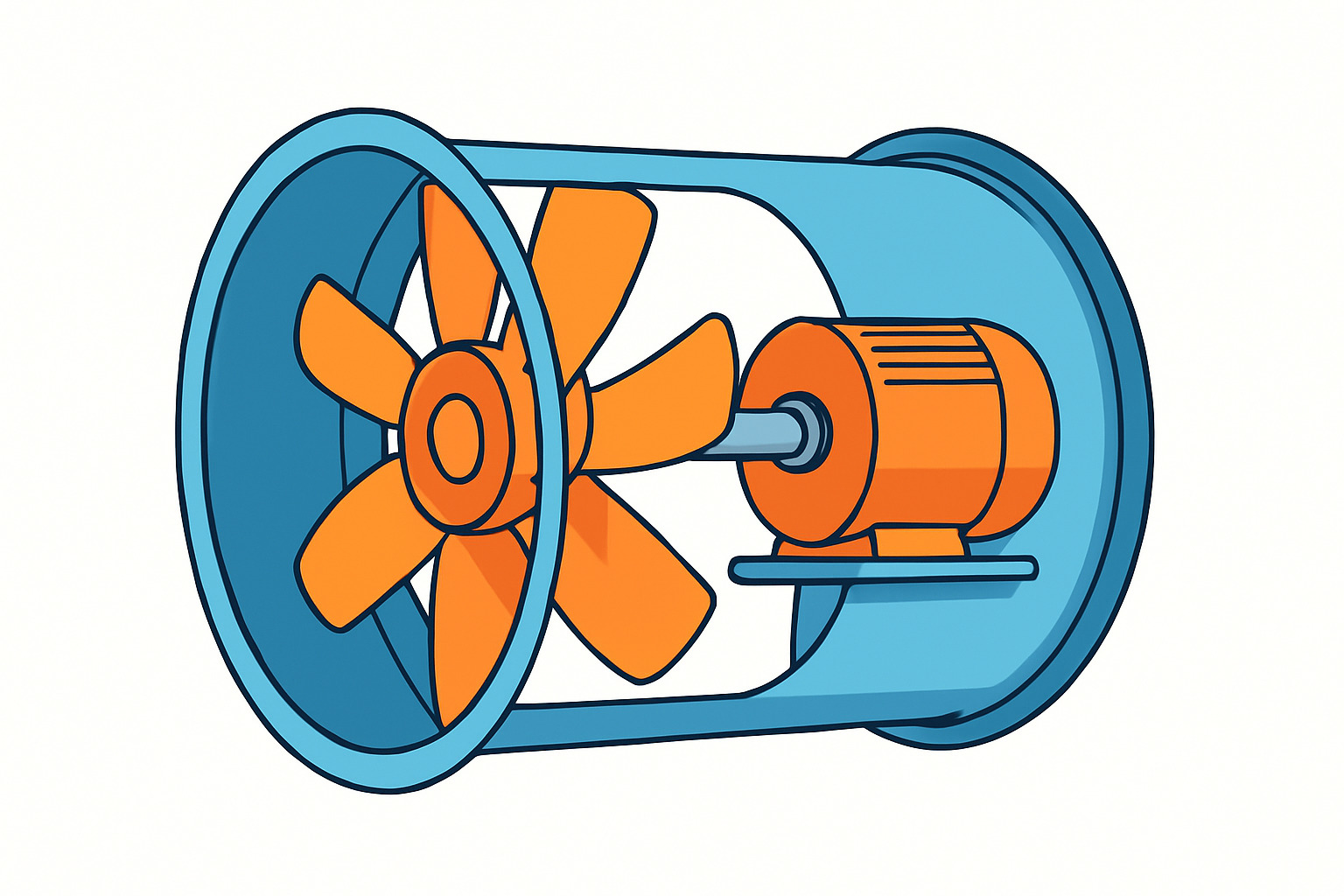
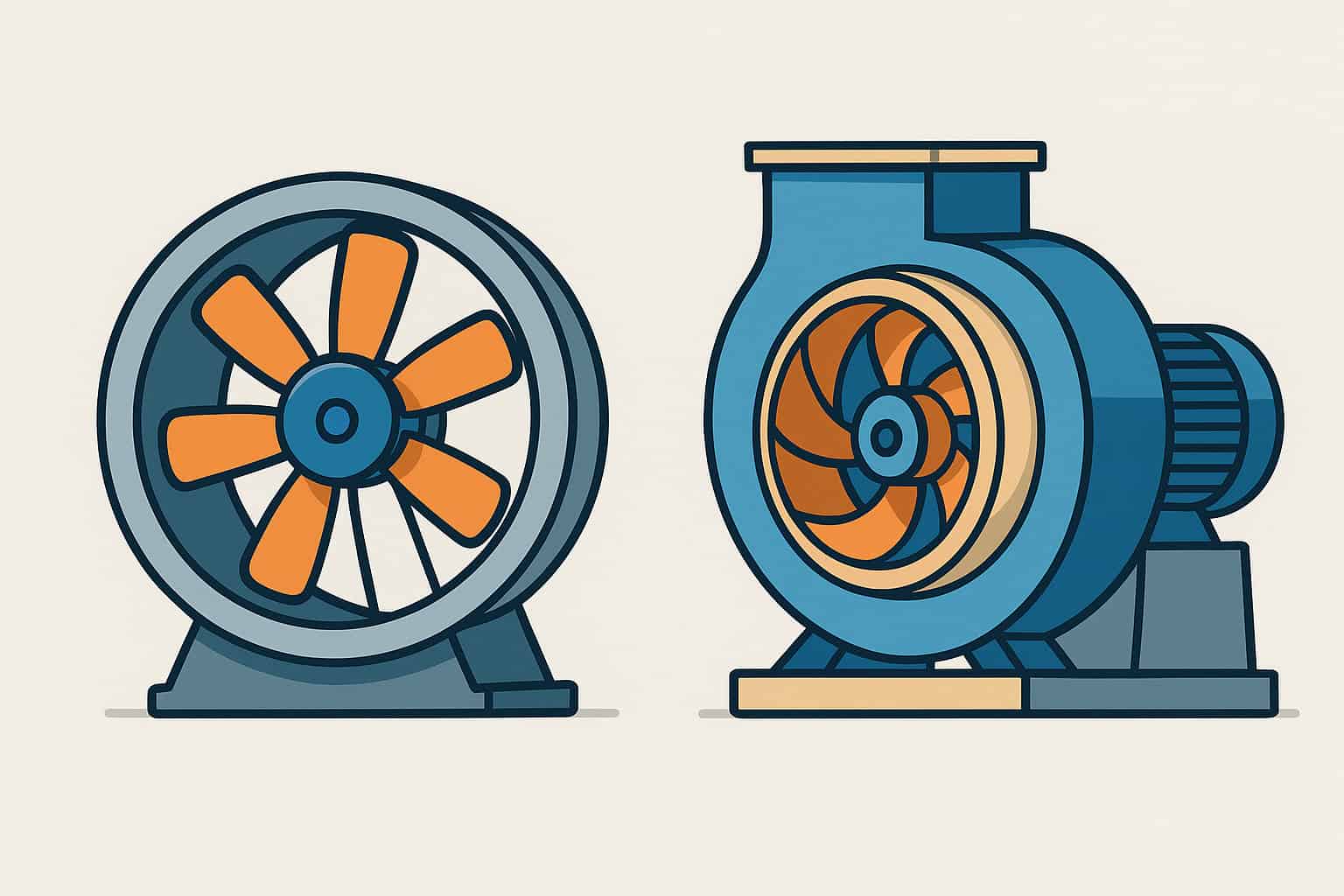
Correct placement of intake and exhaust fans in a mine or tunnel ventilation layout is essential to achieve safe, efficient airflow. The basic principle is that fresh air should enter the system at clean intake openings, flow through workplaces and haulage routes, and then return to exhaust openings carrying contaminants away from personnel and equipment. Fans must be located so that this pattern is maintained without short-circuiting or recirculation.
In an underground mine, intake fans (if used) and fresh air openings are usually located at main shafts, declines or adits designated as intakes. These openings should be positioned where surface air is clean and not affected by dust, exhaust or fumes from surface plant and vehicles. If surface fans are used to pressurise the intakes, they are installed in fan houses with filters and silencers so that air entering the shaft is clean and the noise is controlled.
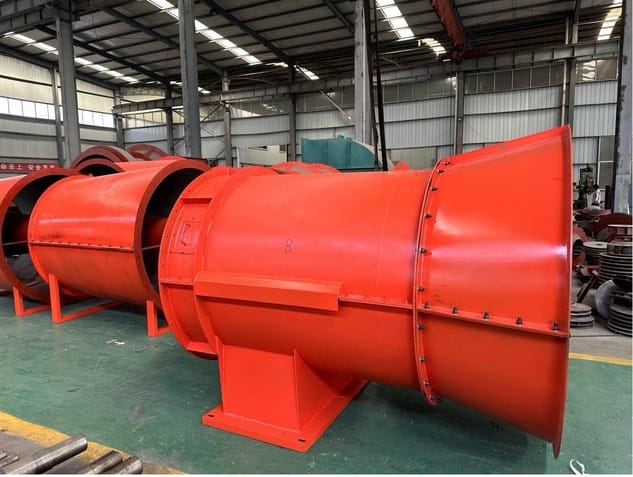
Main exhaust fans are typically installed at return shafts or portals. They may be pulling air from the mine (exhaust or suction mode) or pushing air in (forcing mode), depending on the ventilation strategy. In many cases, exhaust fans are located at the top of upcast shafts where warm, contaminated air naturally tends to rise, allowing mechanical and natural forces to work together. The exhaust outlet must be positioned so that discharged air is carried away by prevailing winds and does not flow back into intake openings.
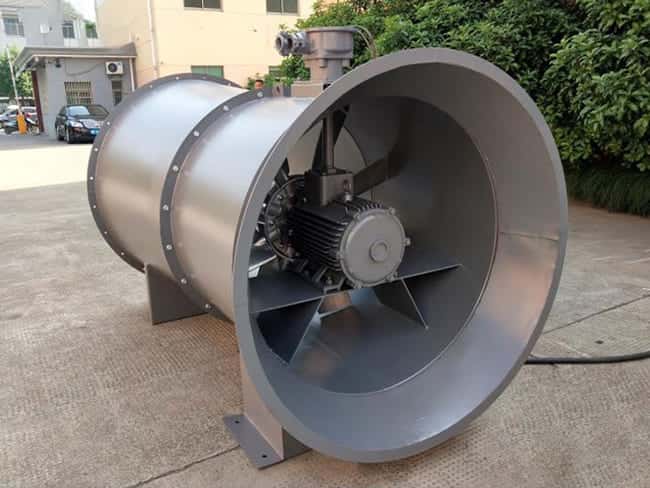
In long road or rail tunnels, intake and exhaust fans are usually placed at portals and ventilation shafts. One end of the tunnel may act as the primary intake, with axial fans supplying air, while jet fans inside the tunnel help move air longitudinally. At the other end or at intermediate shafts, exhaust fans remove contaminated air. The exact arrangement depends on tunnel length, gradient, traffic patterns and emergency smoke-control requirements.
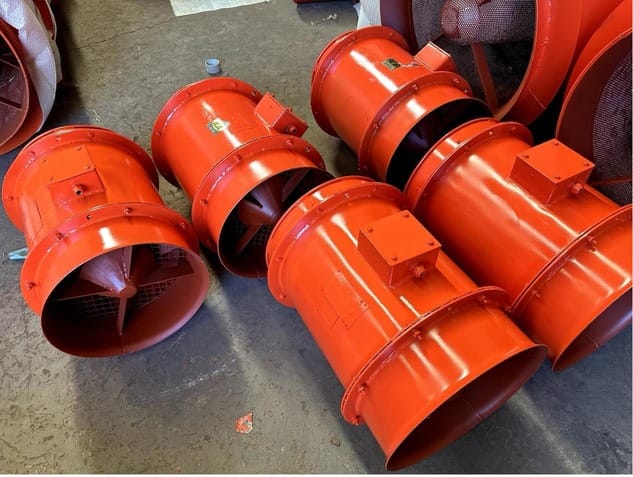
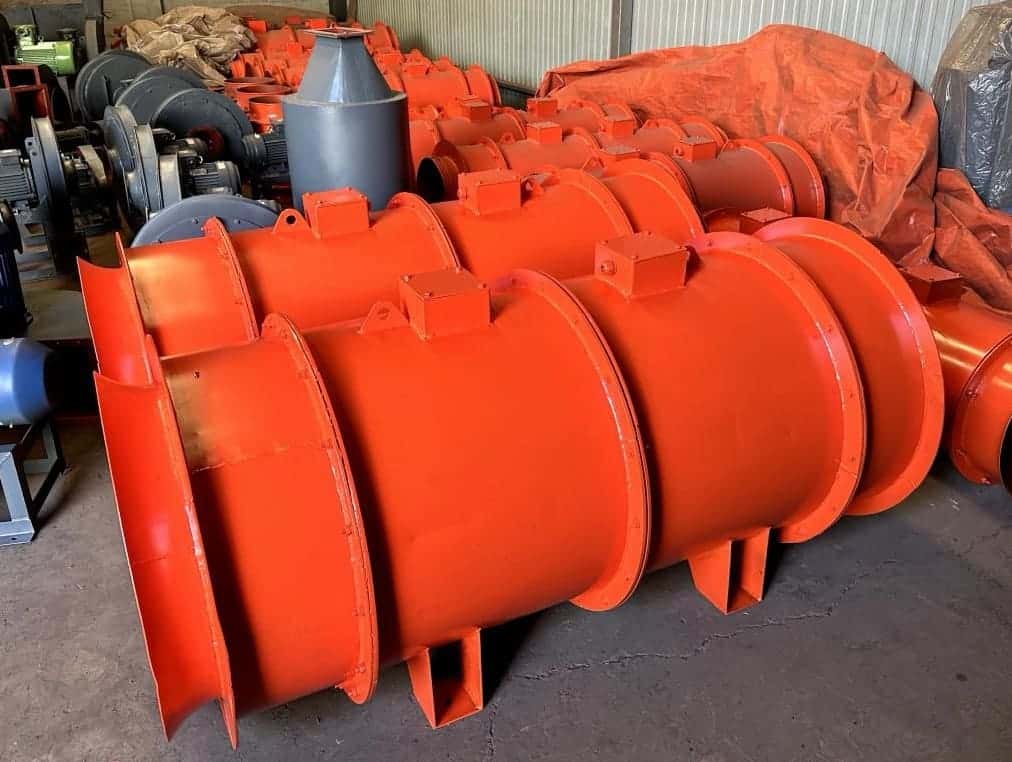
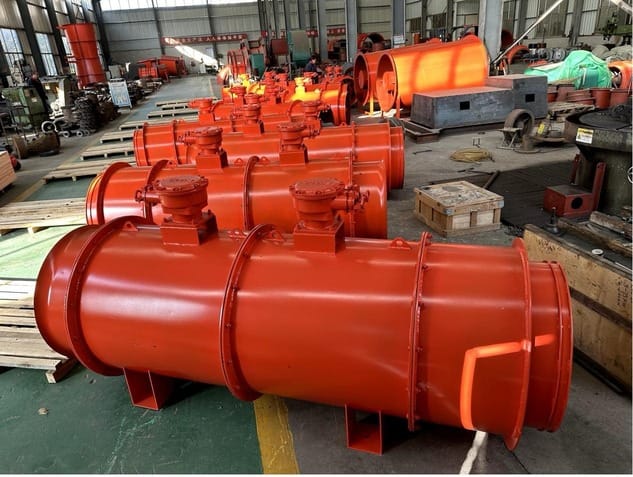
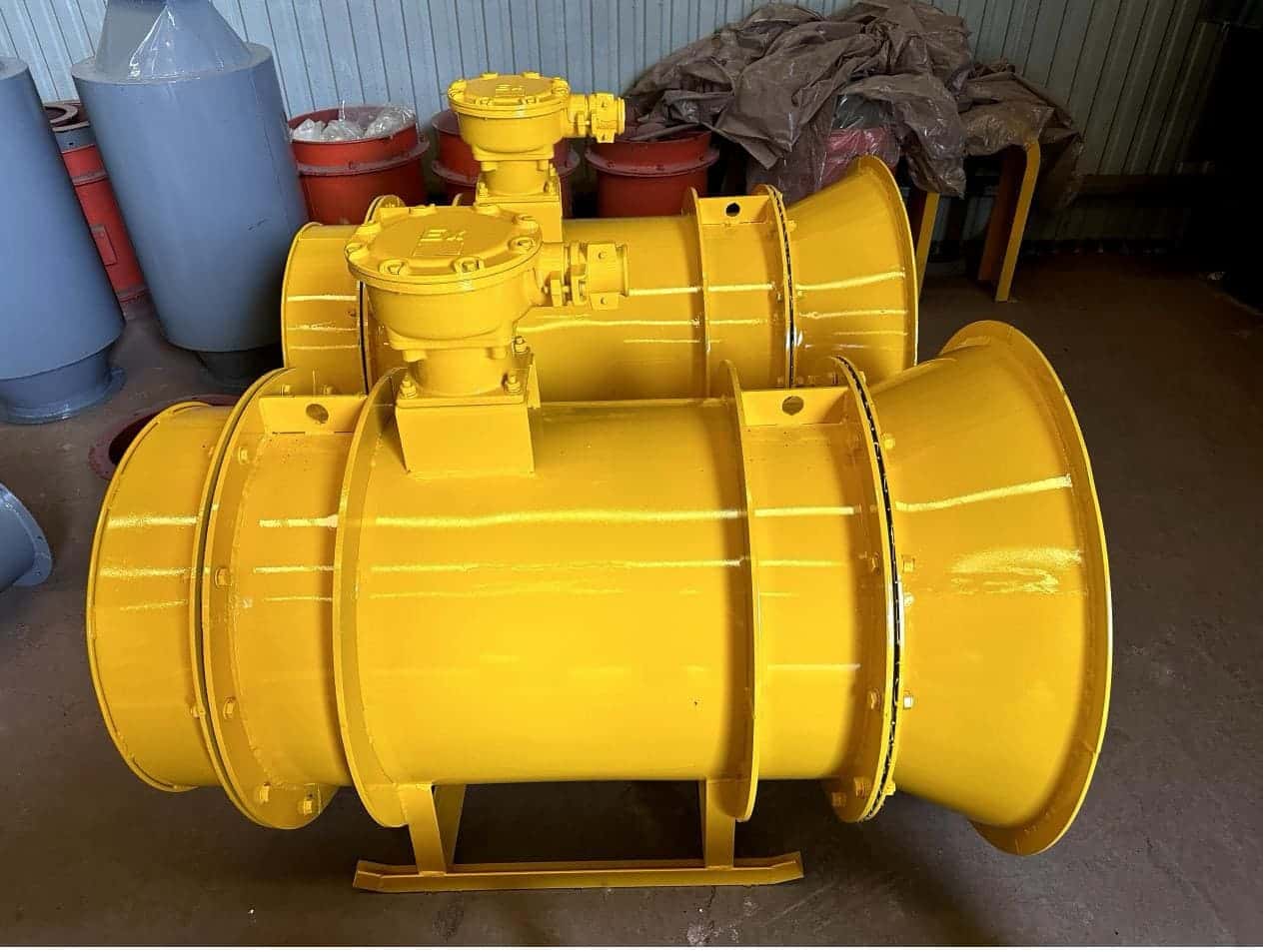
Within underground mines, auxiliary fans must also be placed carefully. They should be installed in intake airways, blowing fresh air into headings and production areas through ducting. The discharge of auxiliary fans should be directed so that air sweeps across the working face and then flows back into established return routes, not into dead ends or back toward the intakes. Poor placement can create vortices, stagnant zones or unplanned recirculation.
Engineers use ventilation models and field measurements to refine the placement of intake and exhaust fans. They look for signs of short-circuiting, where air takes a shortcut from intake to exhaust without ventilating all areas, and they adjust regulators, doors and fan pressures to correct the pattern. In summary, intake and exhaust fans in mines and tunnels should be placed at appropriately located surface openings and connected airways so that fresh air flows from clean intakes through all working areas and returns to exhaust openings, with careful design to avoid recirculation and ensure stable, safe ventilation.