
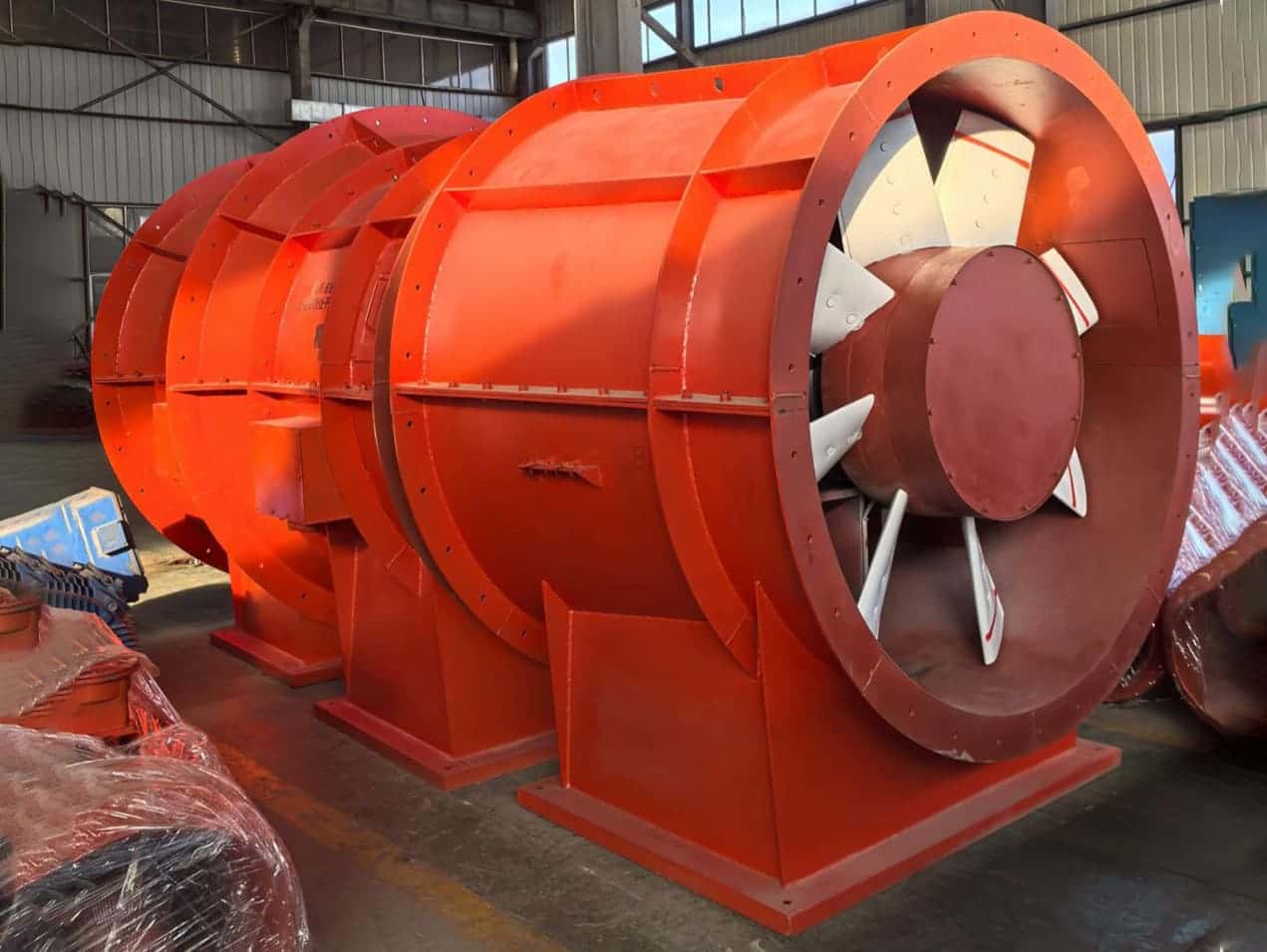
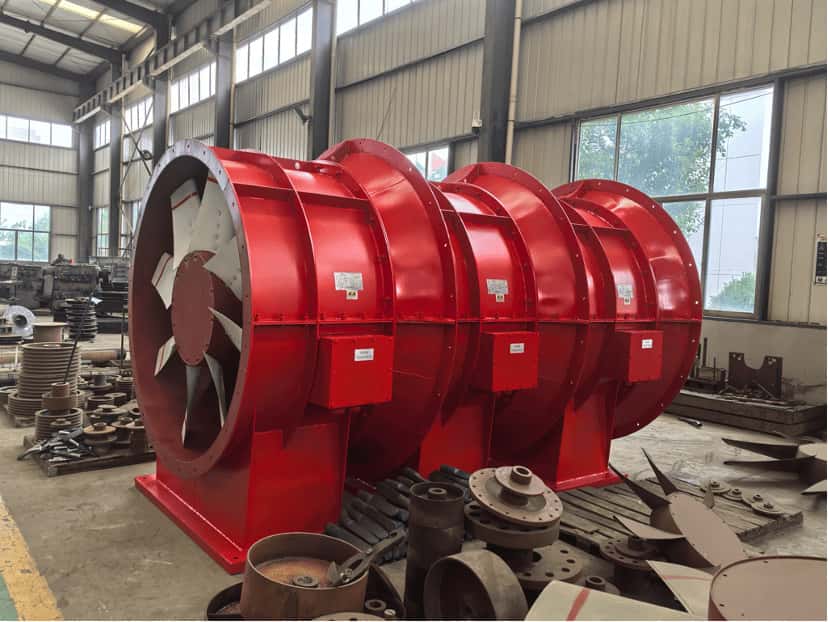
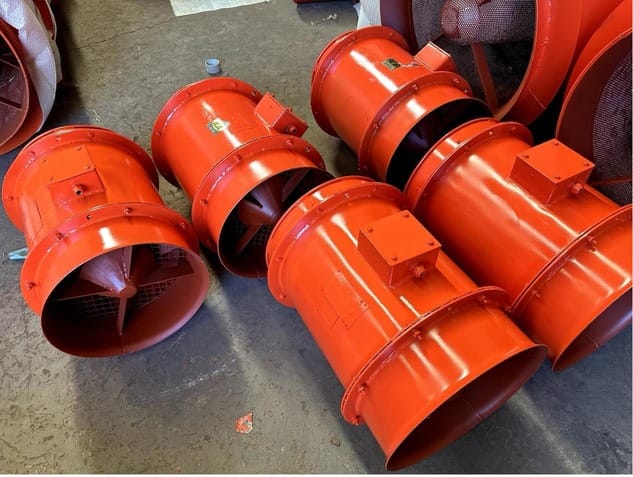
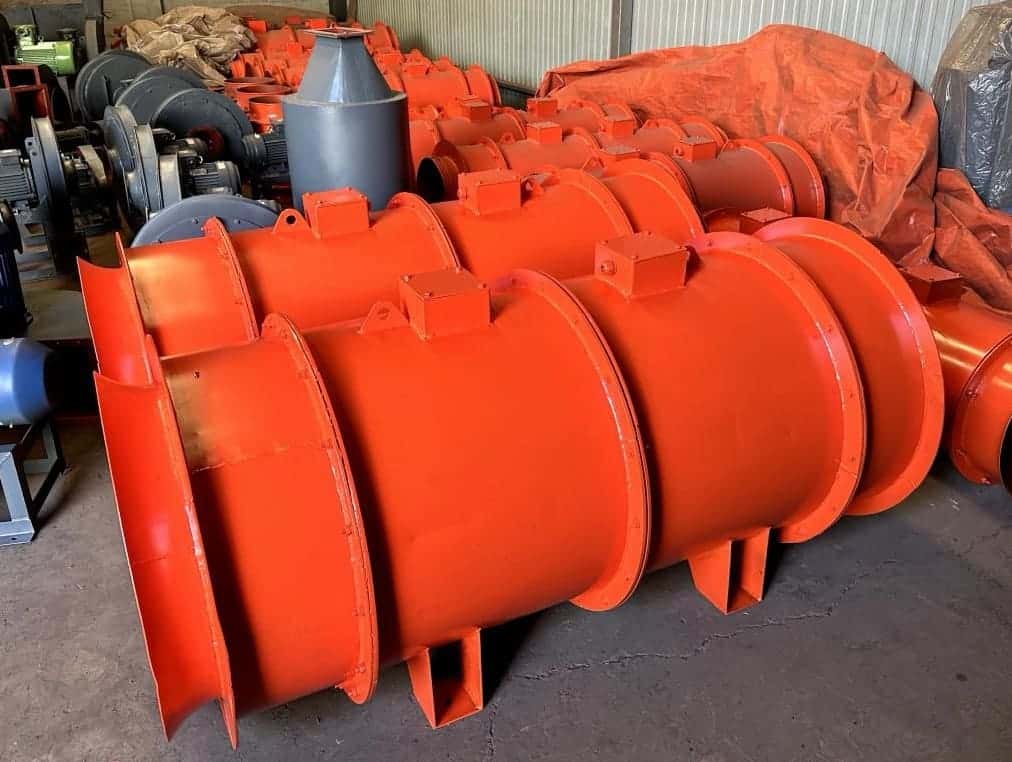



The fan blade shape that moves more air most efficiently is usually an airfoil profile, but the best blade shape for a ventilation system depends on pressure, dust, noise and cost requirements. In industrial and mining ventilation, engineers choose between airfoil, flat, paddle, sickle and radial profiles based on the specific duty.
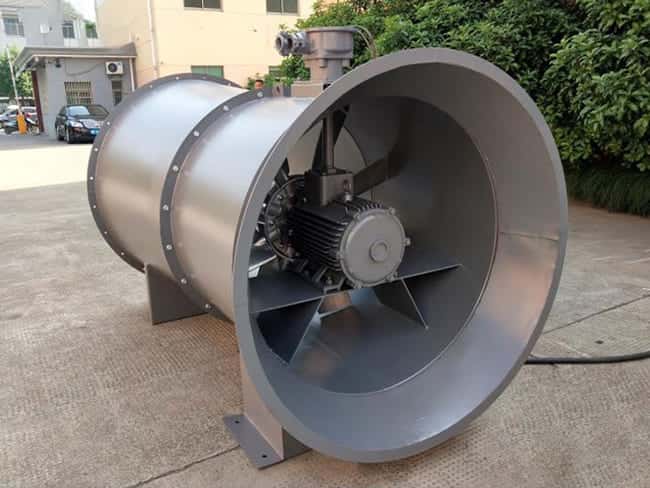
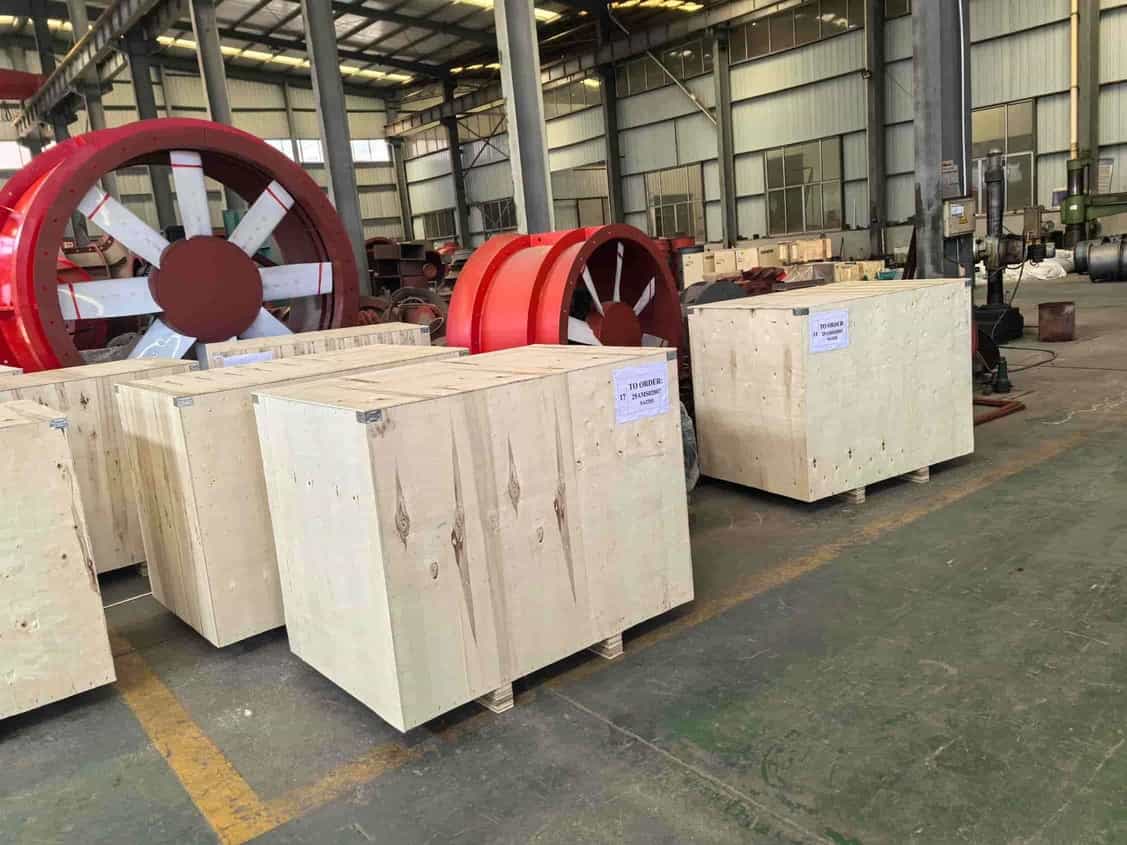
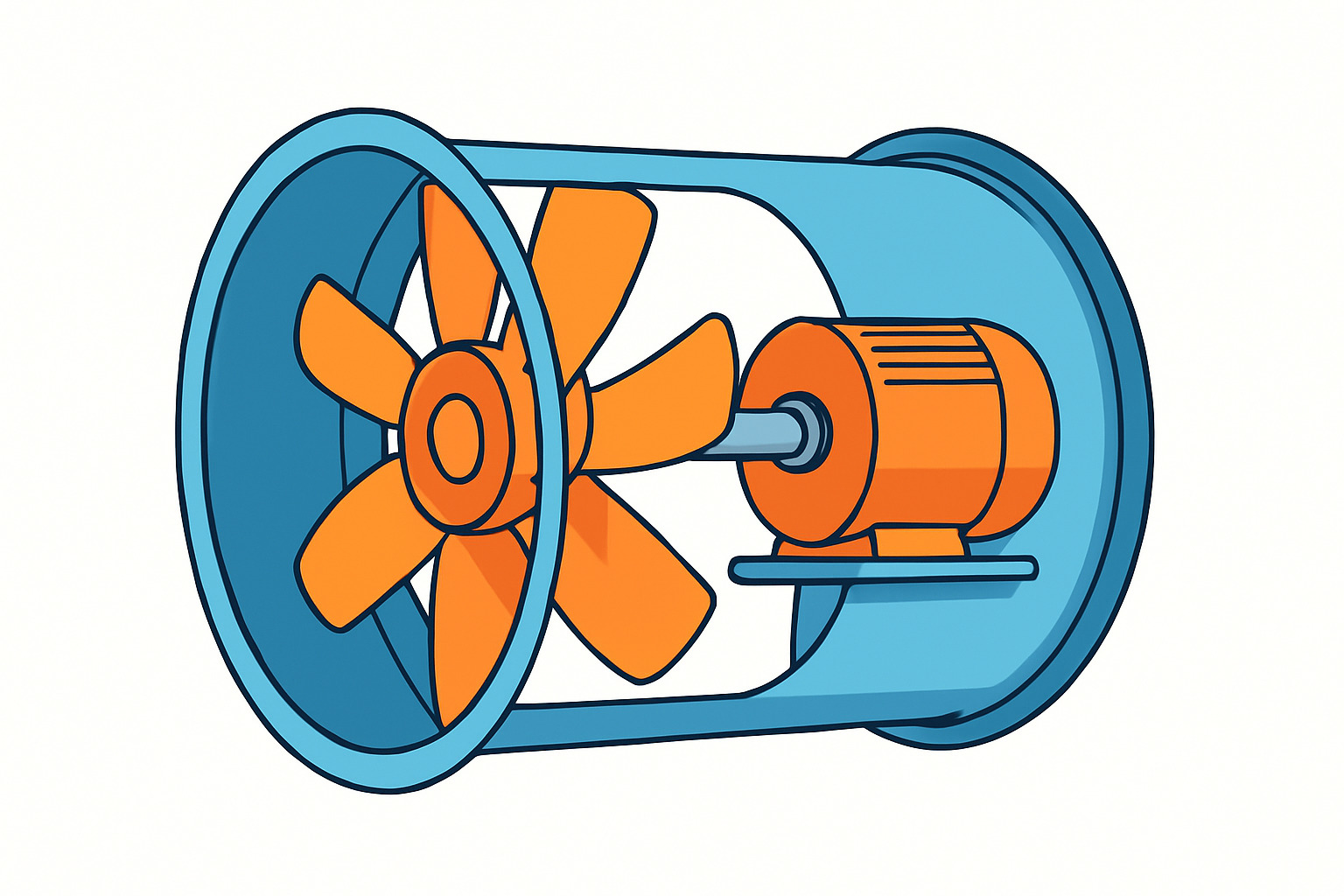
Airfoil blades are shaped like small aircraft wings. They generate lift (pressure difference) very efficiently, allowing the fan to move more air at a given speed and diameter with less power input. For clean or lightly dusty air at low to moderate pressure, airfoil blades typically provide the best combination of airflow and efficiency. They are widely used in large axial fans for tunnels, mines with good filtration, cooling towers and industrial HVAC systems.
Flat or paddle blades are simpler. They are easy to manufacture and robust, but they generate lift less efficiently than airfoils. At the same speed and diameter, a flat-blade fan will generally require more power to deliver the same airflow and pressure. However, flat blades can tolerate some fouling and impact better than thin airfoils, which may be an advantage in very harsh environments where damage is likely.
Sickle-shaped blades are swept-back airfoils used in some high-performance axial fans. The sweep helps reduce noise and delay stall at higher flow rates, improving the range of stable operation. These blades can move a lot of air efficiently and quietly, but they are more complex and expensive to produce.
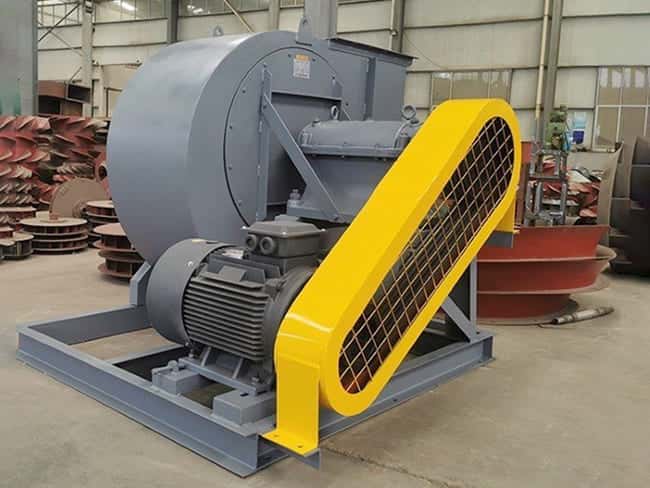
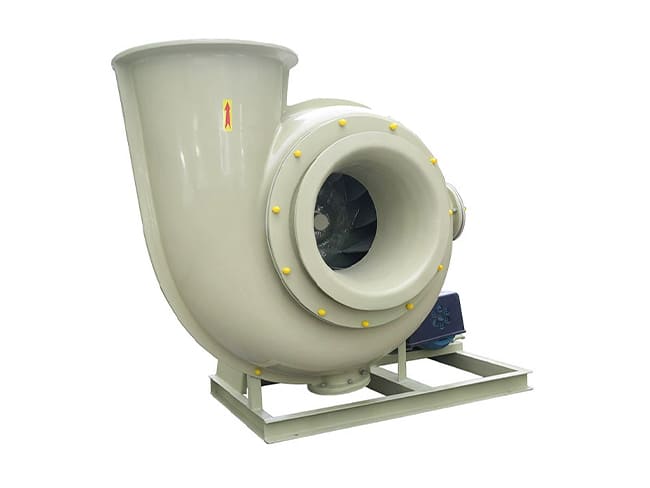
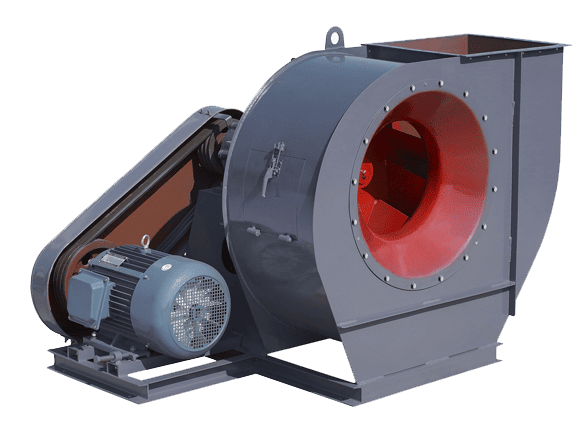
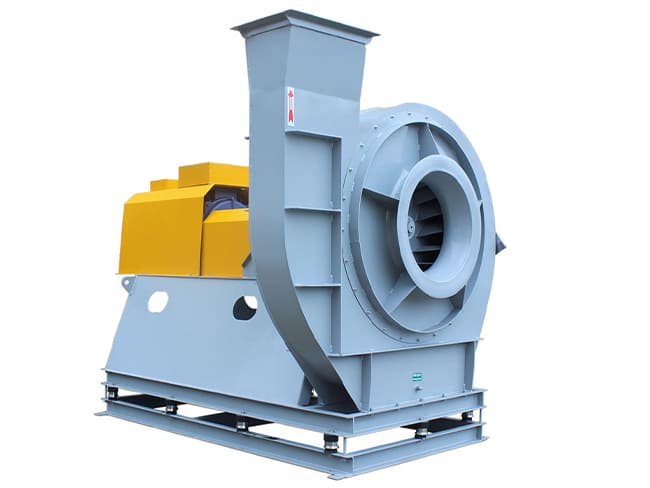
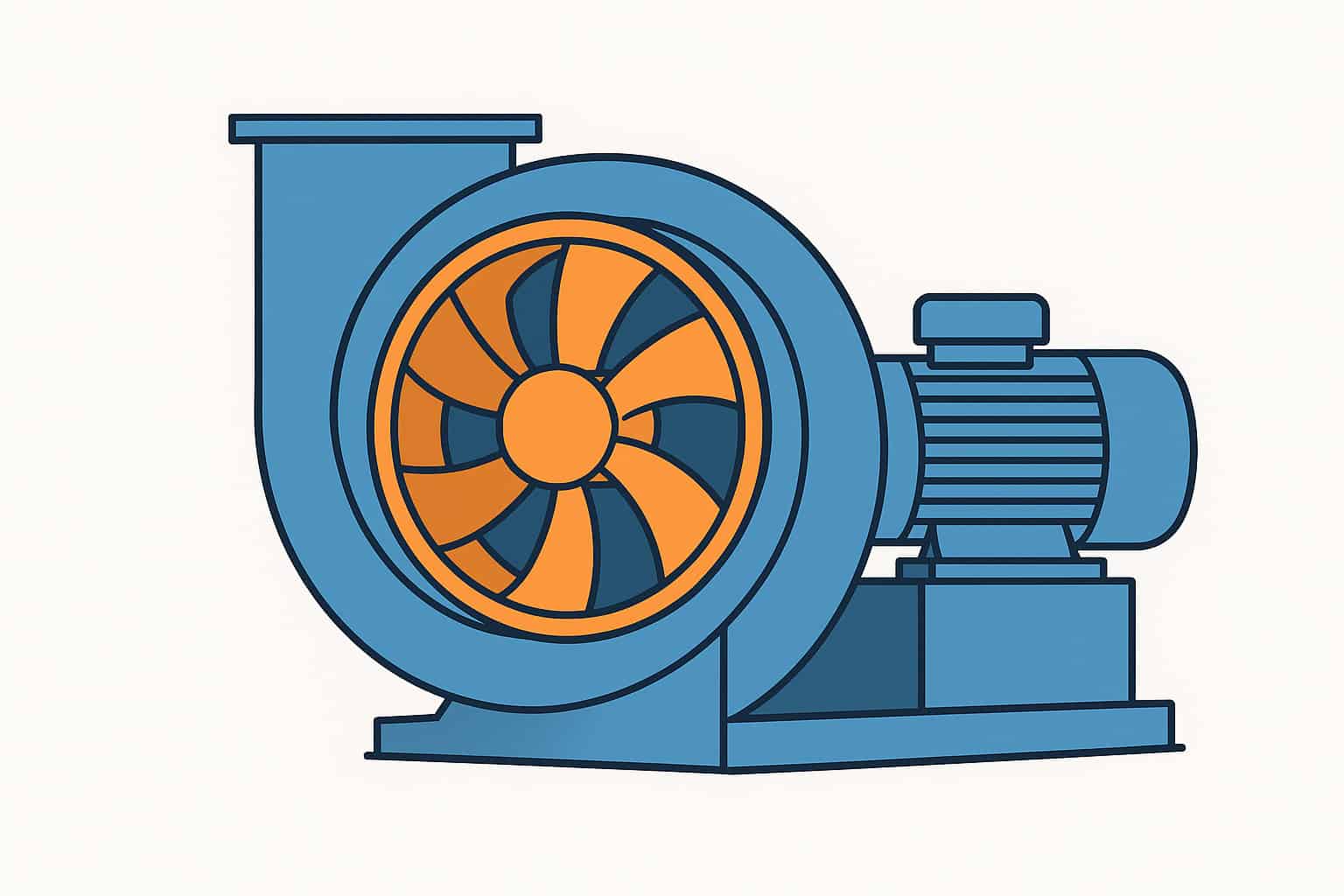
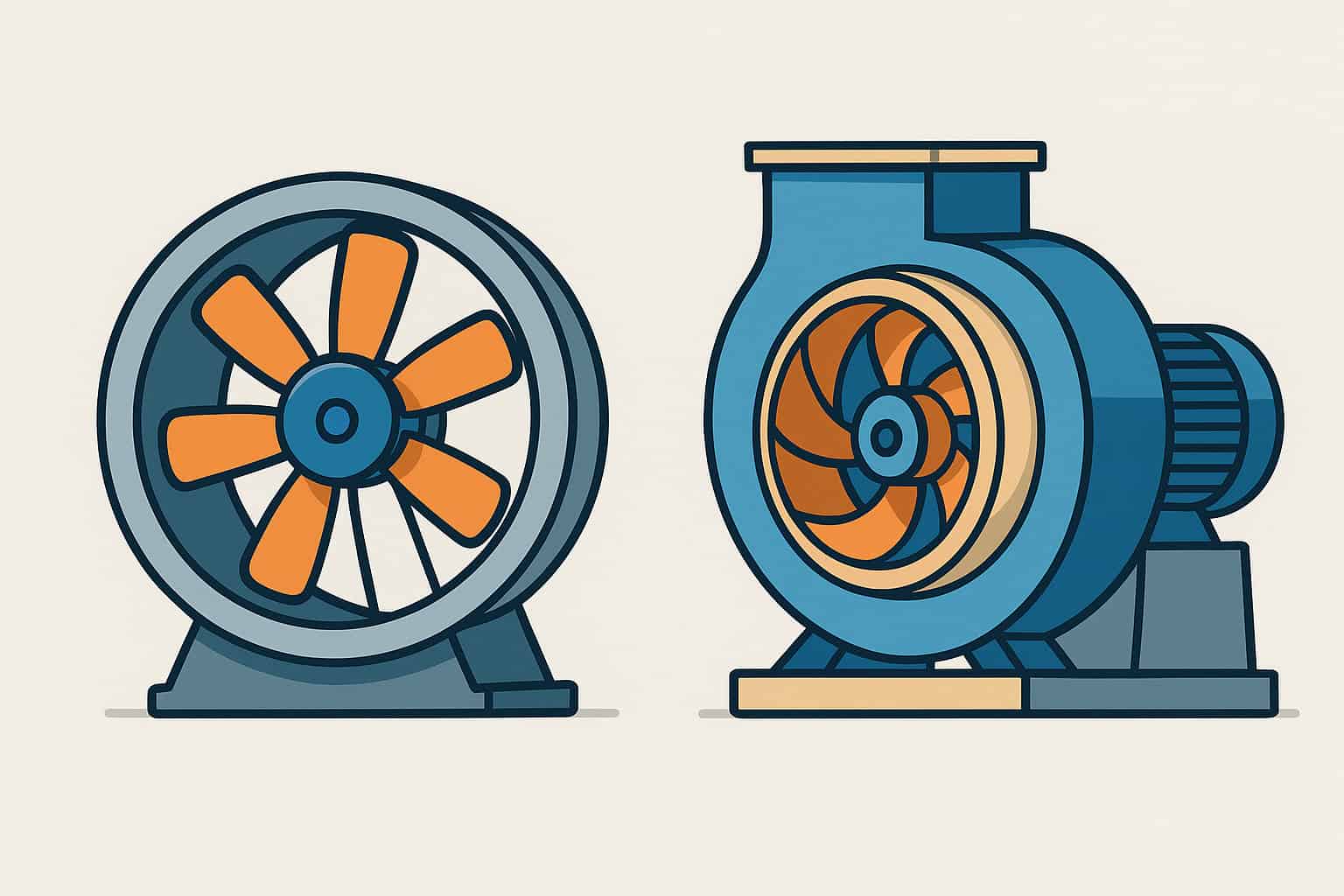
In centrifugal and radial fans, backward-curved and airfoil blades usually offer higher efficiency than simple radial blades for clean air duties. Radial blades, however, are extremely robust and handle dust and particles well, which is why they are popular near crushers, transfer points and other dusty process areas in mining and heavy industry.
The “best” blade shape also depends heavily on system resistance and air quality. A high-efficiency airfoil blade in a very dusty, abrasive gas stream may erode quickly, lose its shape and no longer deliver its rated airflow. In such cases, a slightly less efficient but more durable blade can be a better practical choice. Similarly, if system resistance is very high, a centrifugal fan with suitable blades may move air more effectively than any axial design.
In summary, airfoil and sickle-shaped blades usually move more air with better efficiency than simple flat or paddle blades for the same diameter and speed. But the right blade shape for a ventilation system must consider pressure requirement, dust loading, noise limits, durability and cost. Fan selection is therefore based on tested performance data and operating conditions, not just on blade shape alone.