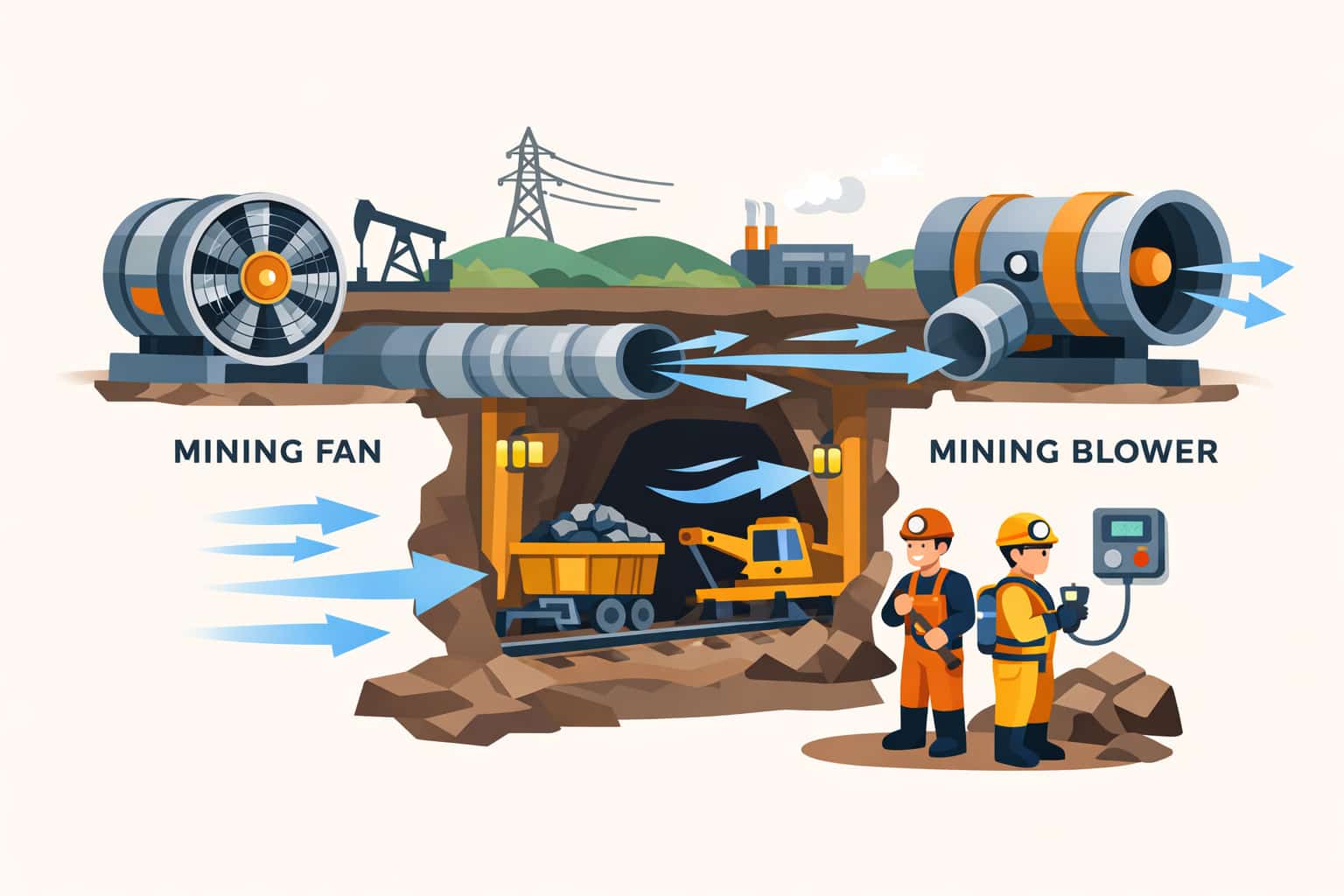
Asking which fan type is best is a bit like asking which vehicle is best—truck, car or bus. The answer depends entirely on what you are trying to do. In ventilation engineering, the main fan types are axial, centrifugal and mixed flow, and each has strengths and weaknesses. The best fan type for an underground mine is not the same as the best for a small dust collector or an office HVAC unit.
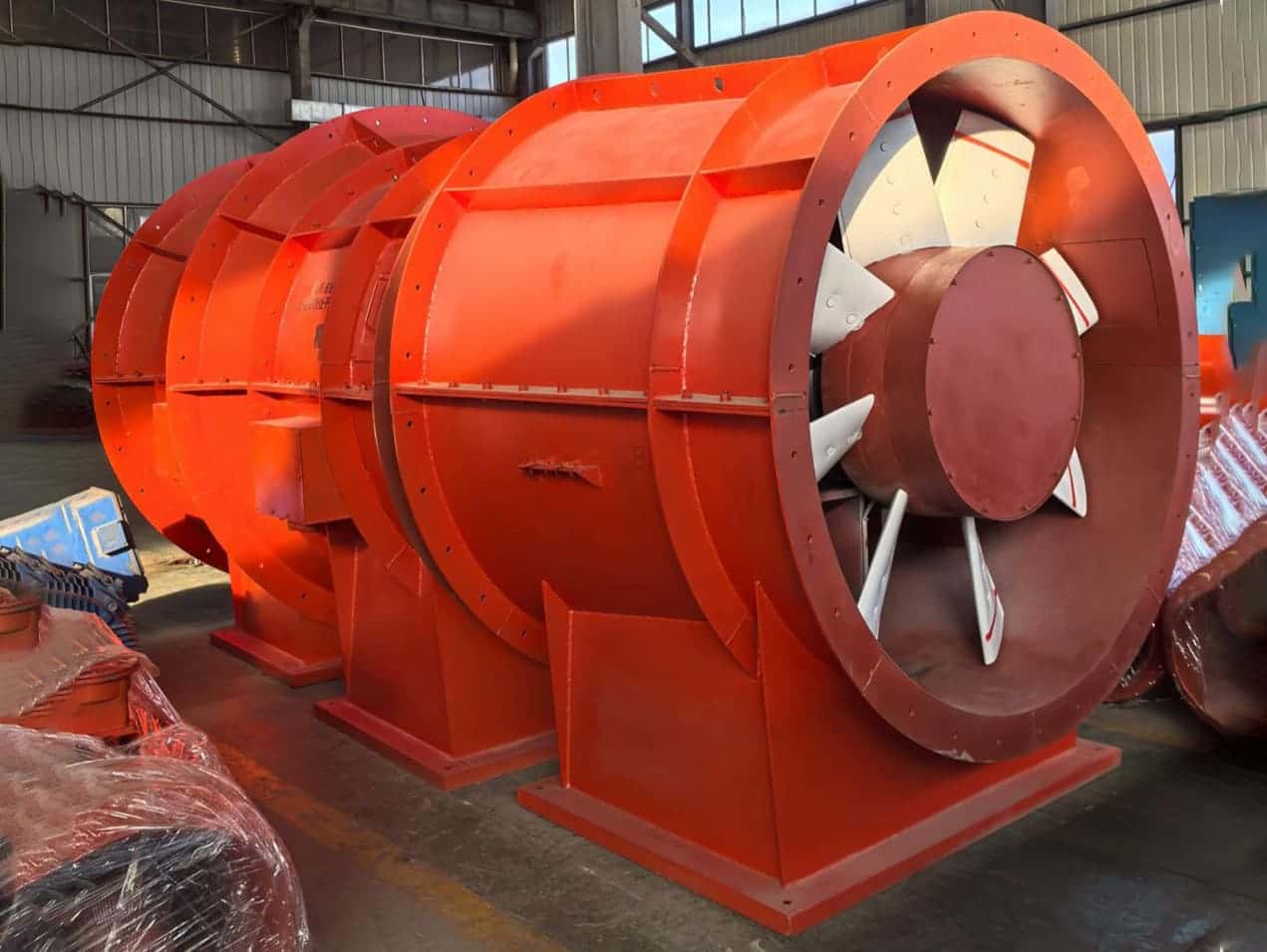
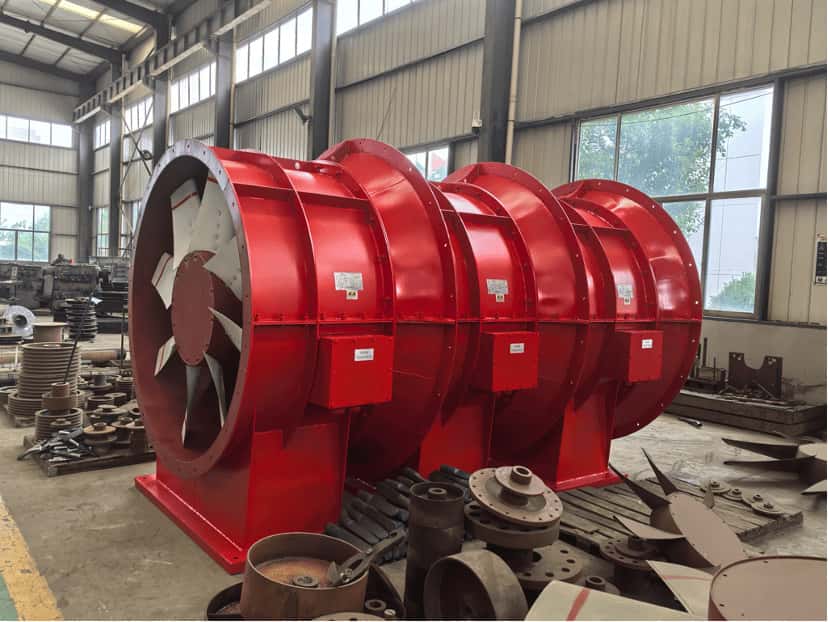
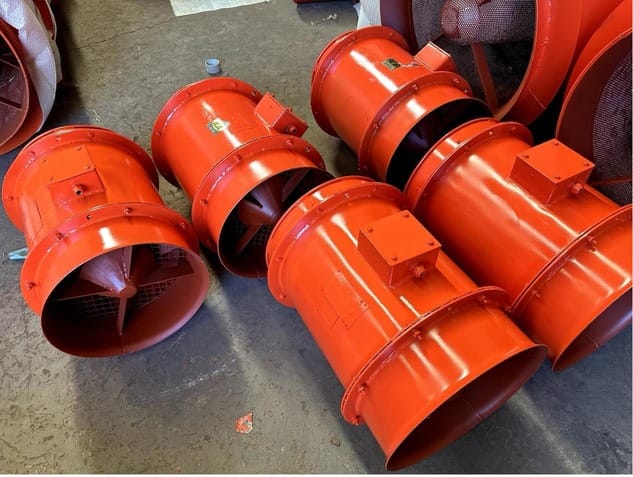
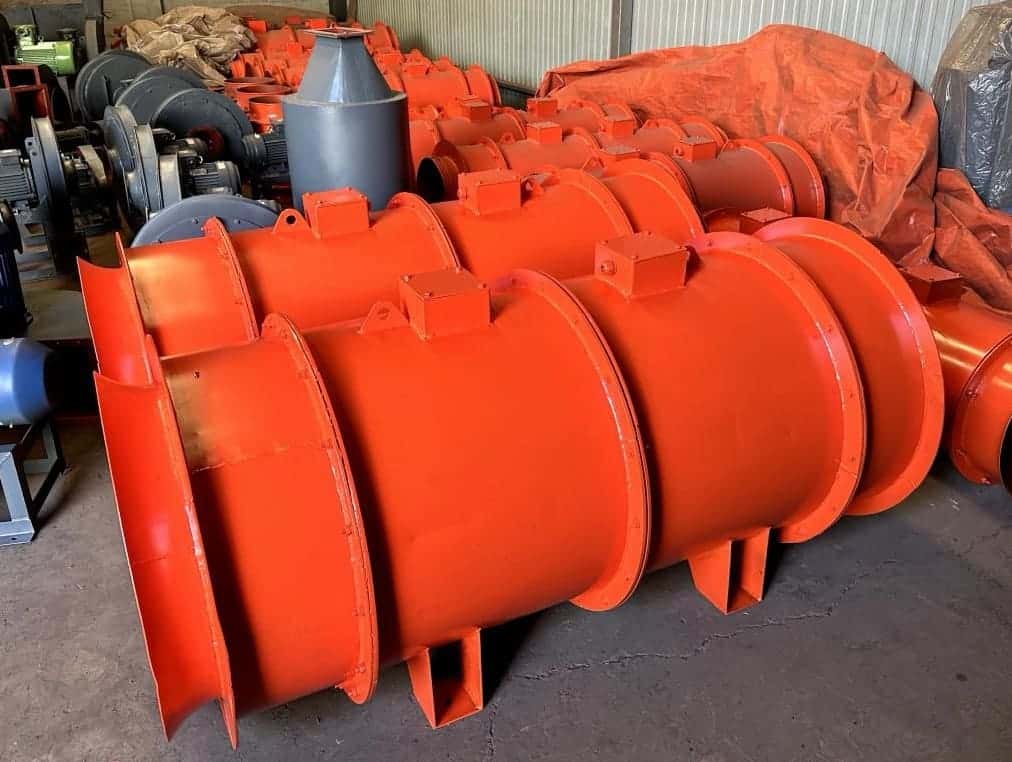
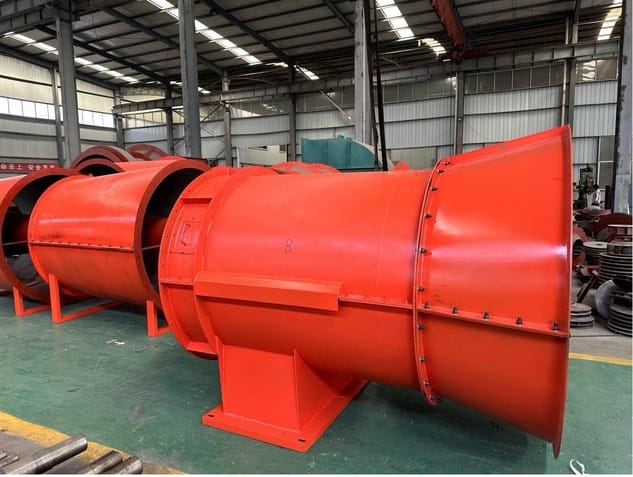
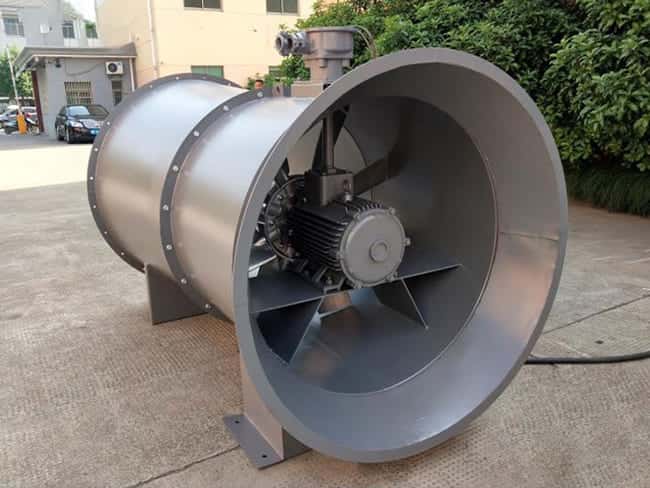
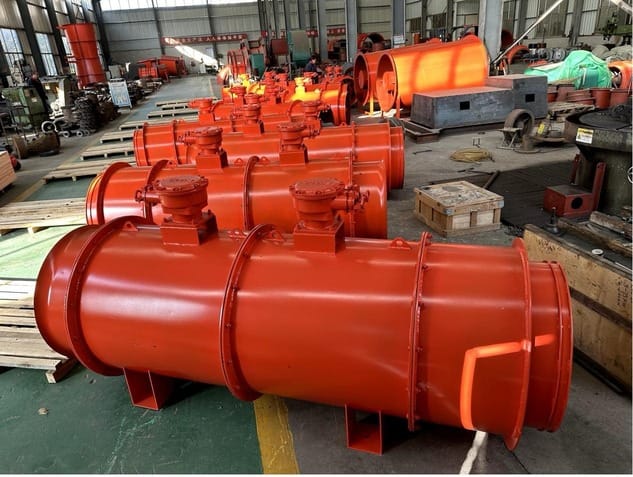
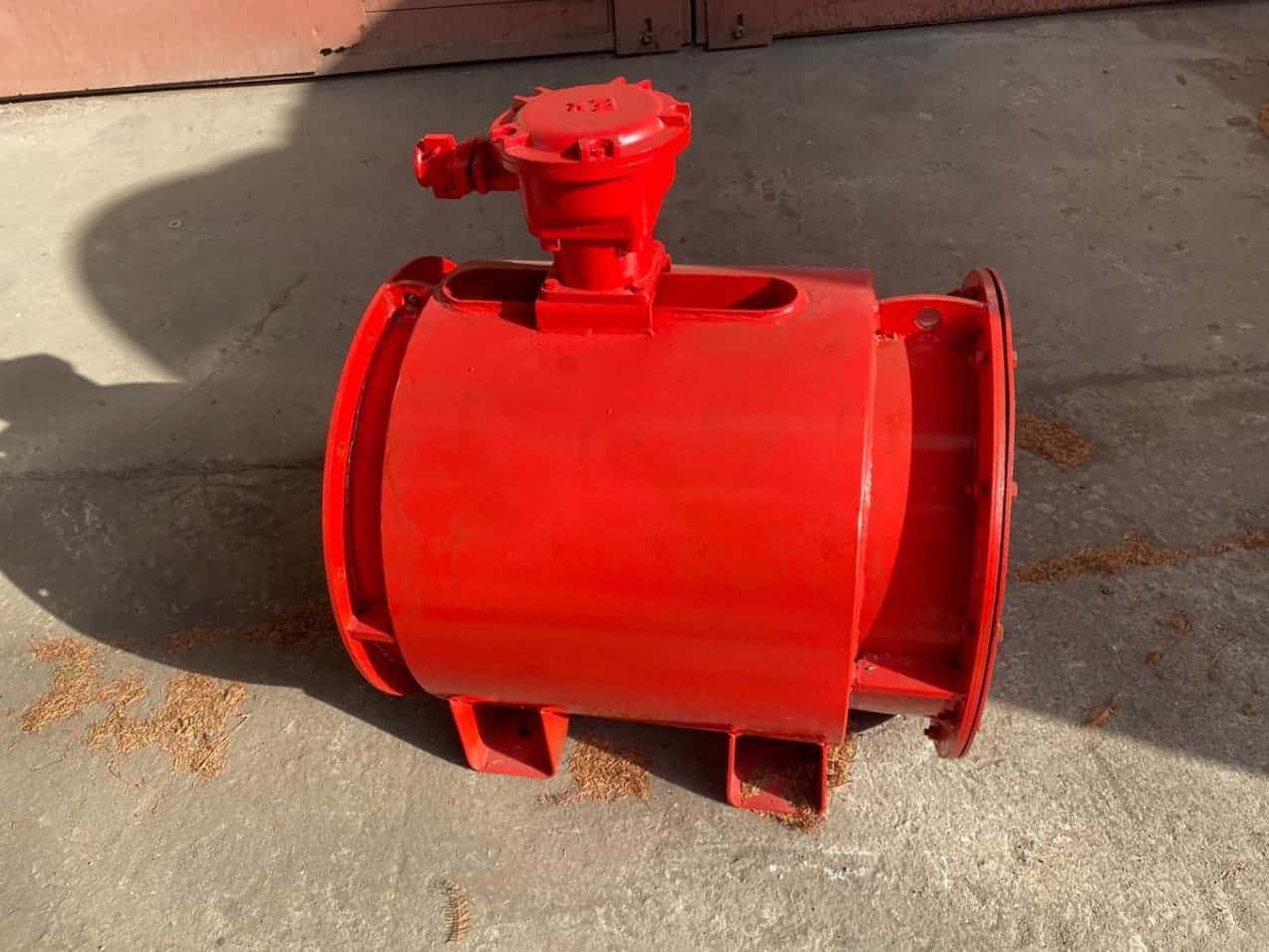
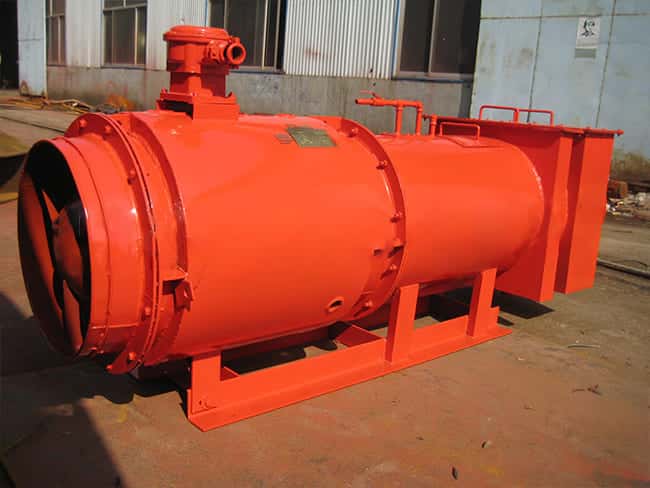
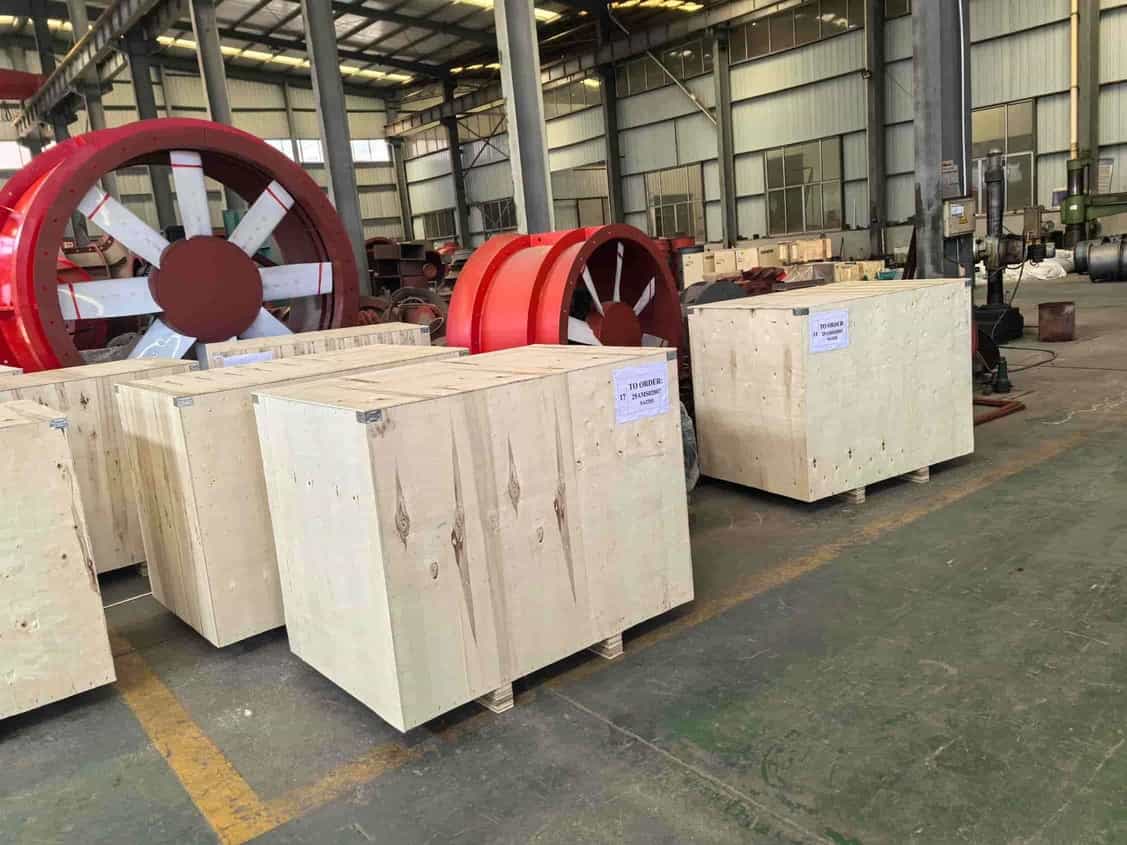
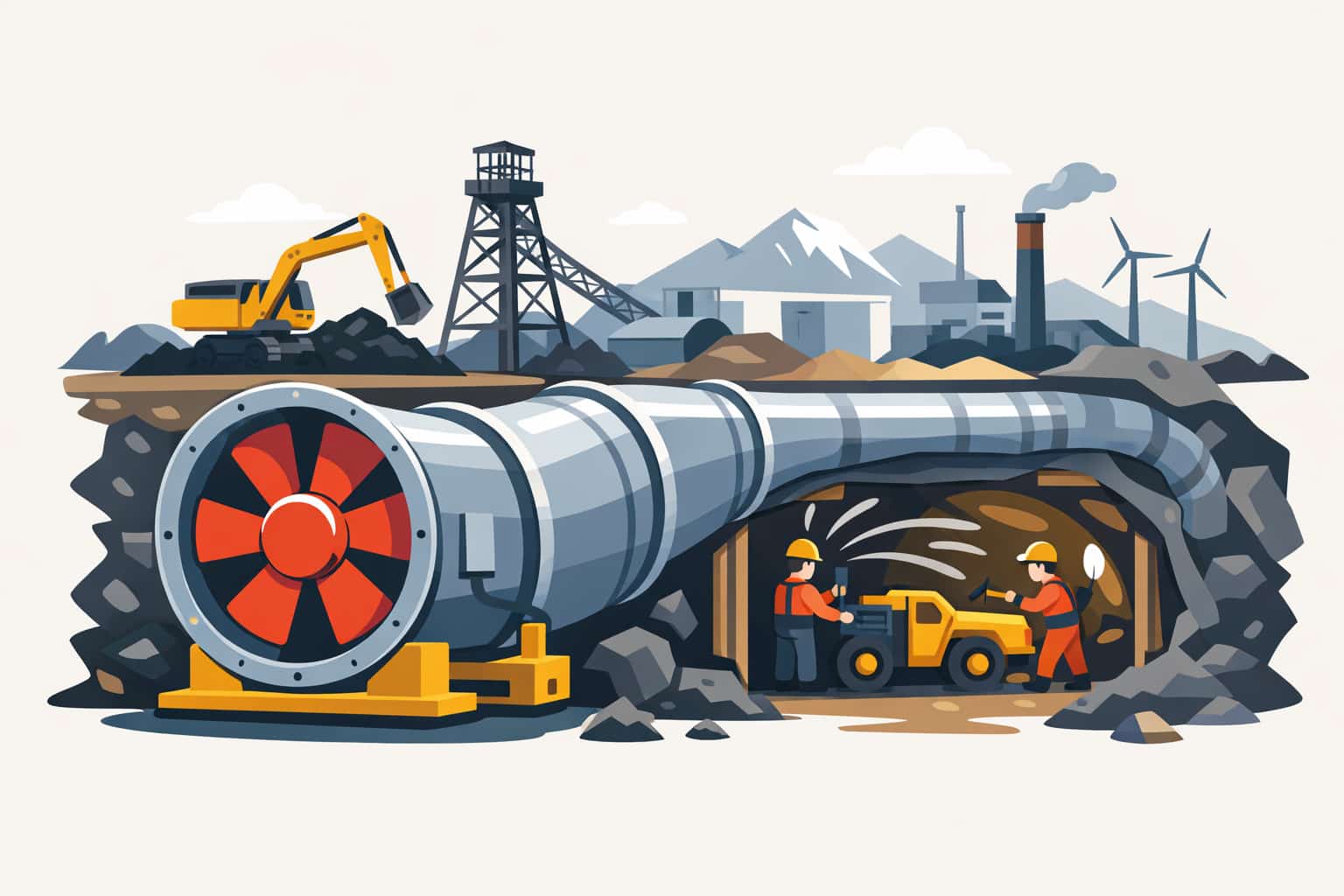
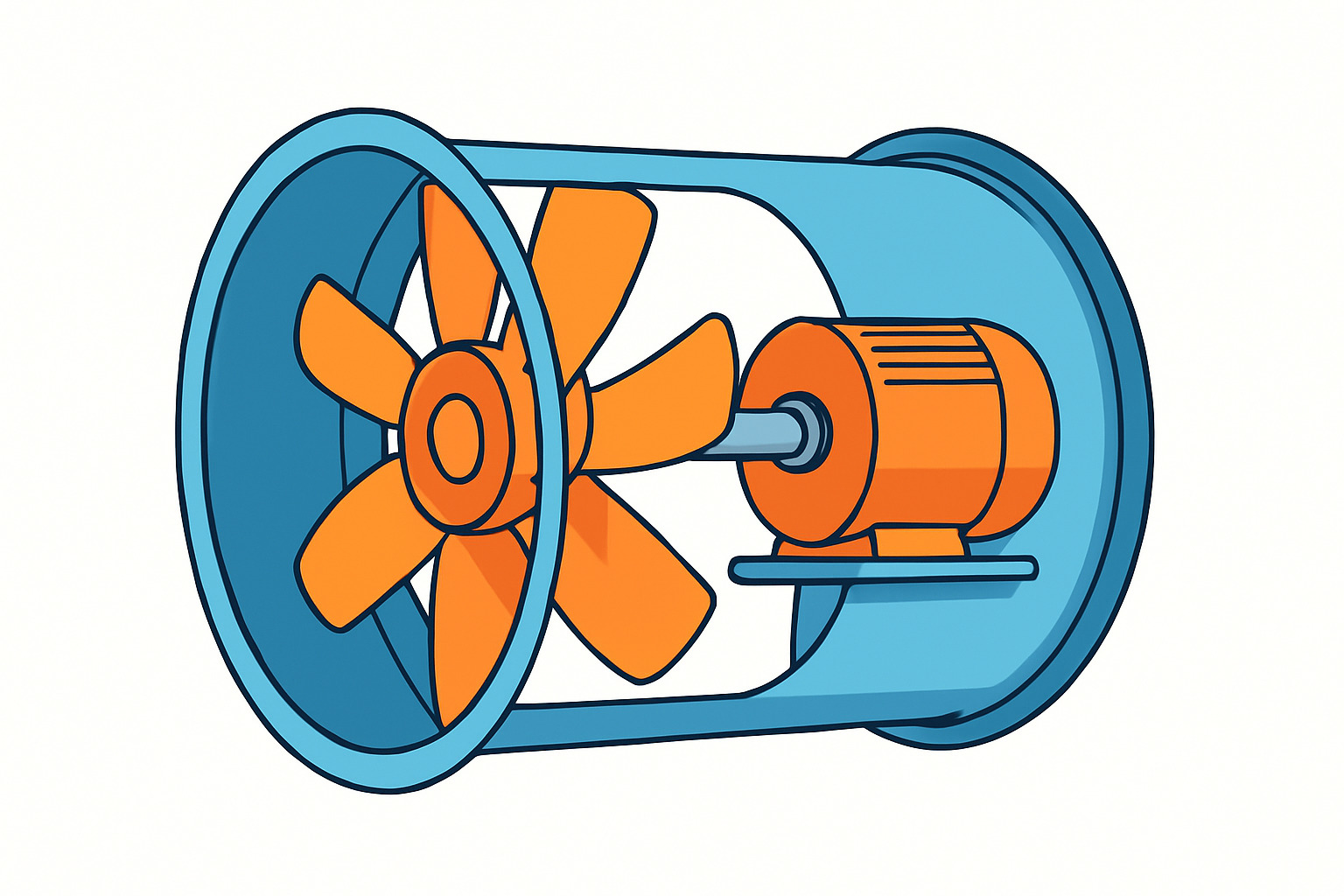
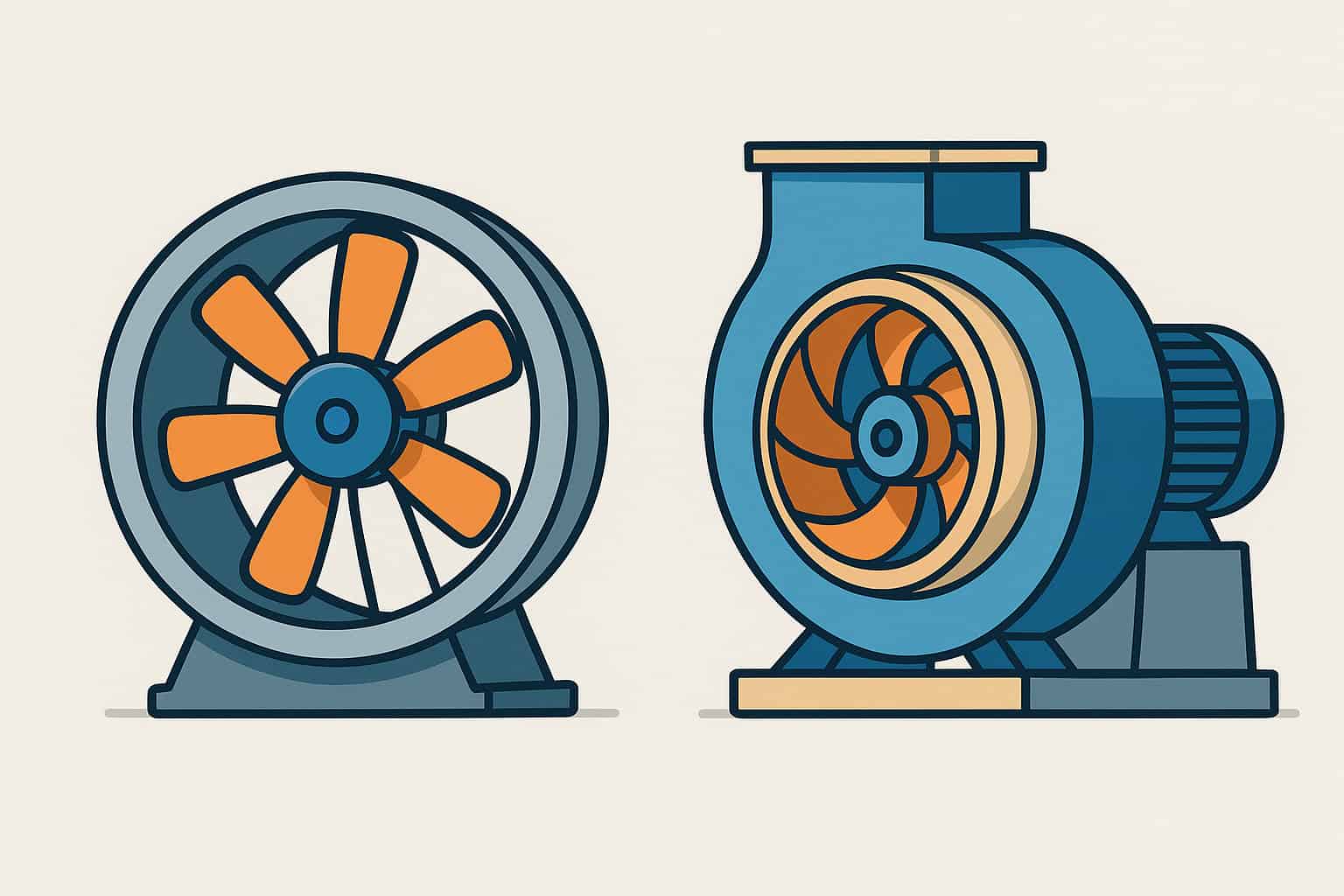
Axial fans are often the best choice when you need very high airflow at low to medium pressure. They move air parallel to the shaft, like a propeller. Large axial fans are widely used as main fans in mines, tunnel ventilation fans and big industrial hall ventilators because they can handle huge volumes efficiently and fit well into duct or shaft layouts. For general building ventilation and for HVLS fans in warehouses, axial designs are also very popular.
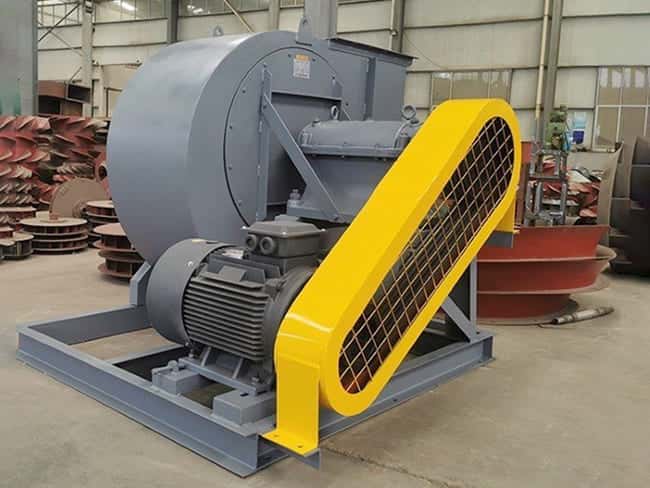
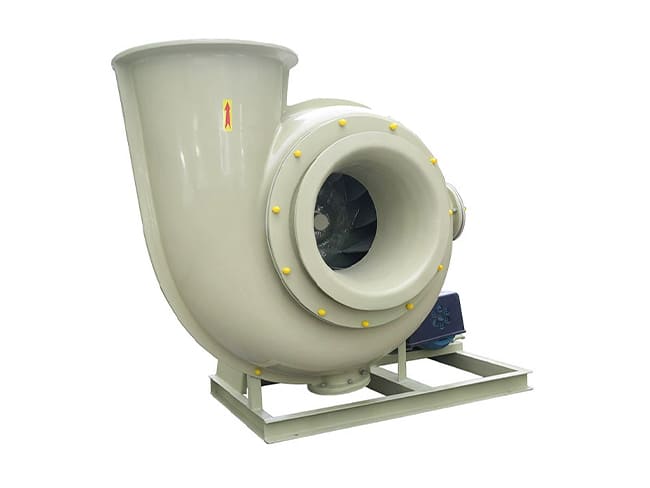
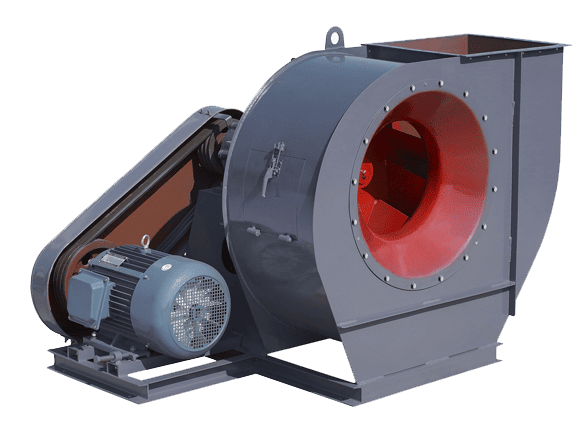
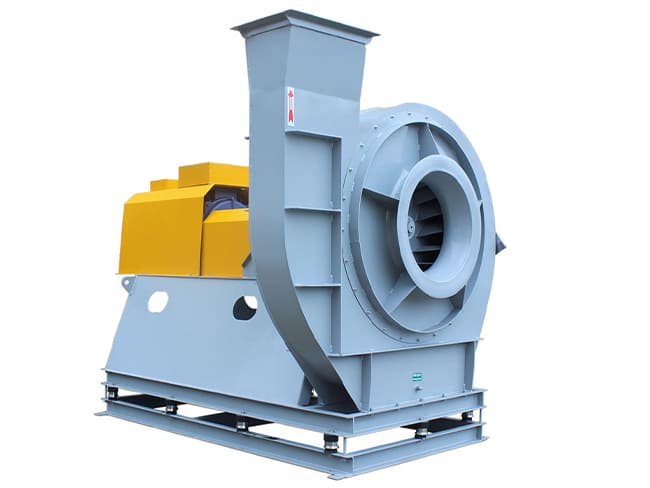
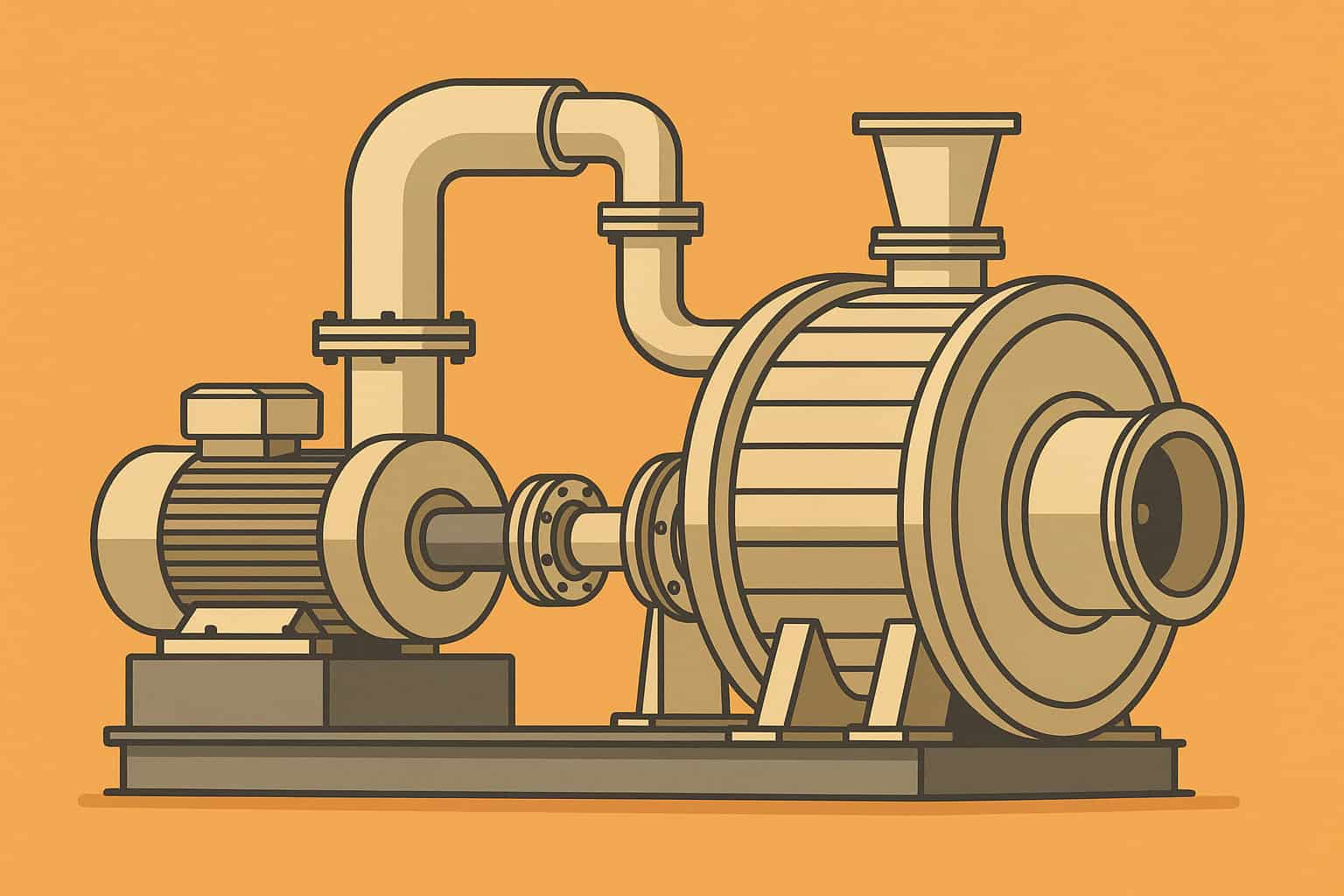
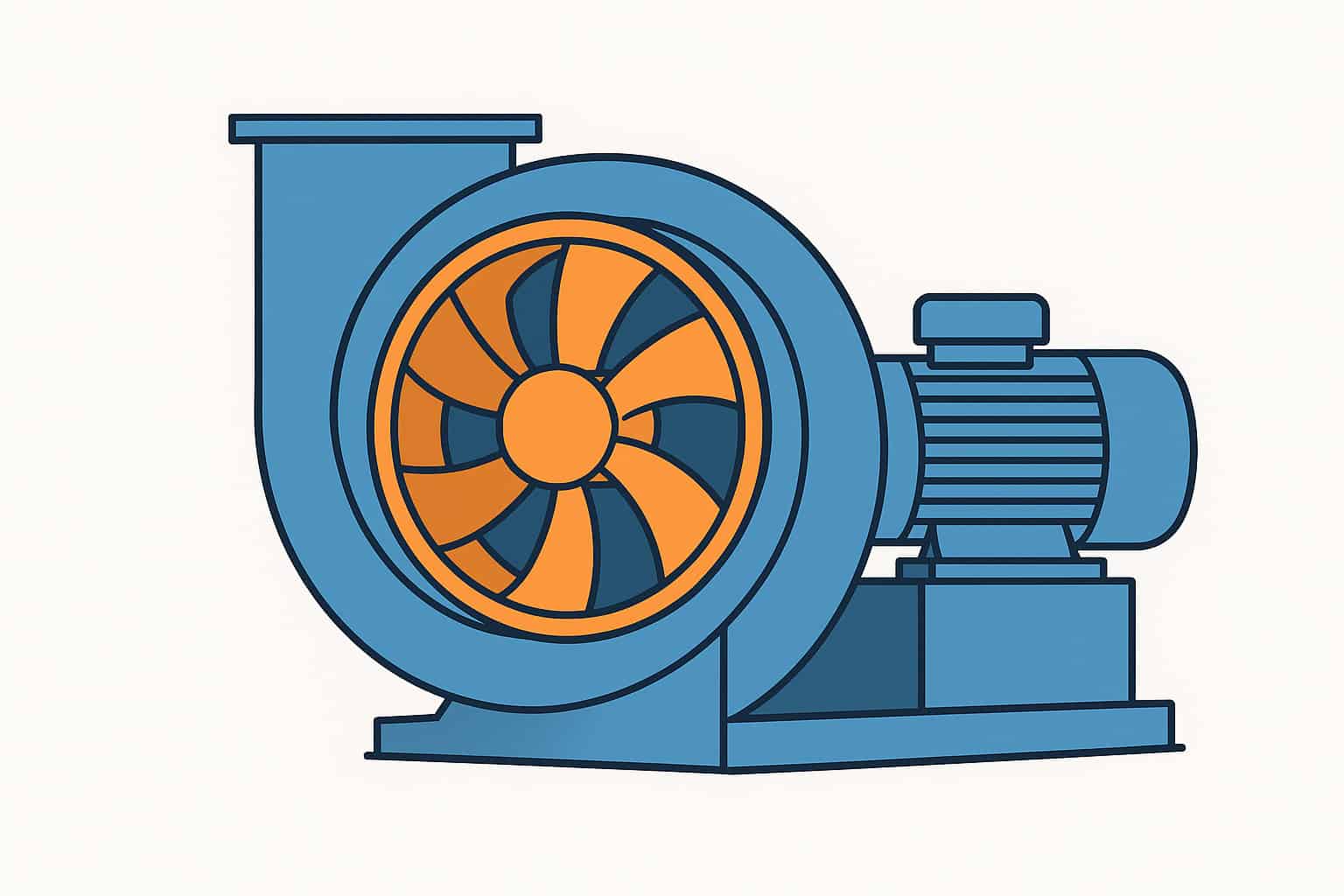
Centrifugal fans are usually best when you need higher pressure or have a system with significant resistance, such as long ducts, filters, heat exchangers or scrubbers. Because the air is thrown radially into a scroll casing, centrifugal fans can develop more static pressure than similar axial units. They are common in dust collection, fume extraction, boiler draft systems and many industrial processes. Radial blade designs are particularly good for dirty or abrasive gases, making them a strong option for tough mining and heavy industrial environments.
Mixed flow fans sit between axial and centrifugal designs. They can be the best choice where space is limited but somewhat higher pressure is required than a pure axial fan would comfortably provide. Mixed flow fans are used in building shafts, some industrial ducts and applications where compactness, efficiency and moderate pressure are needed together.
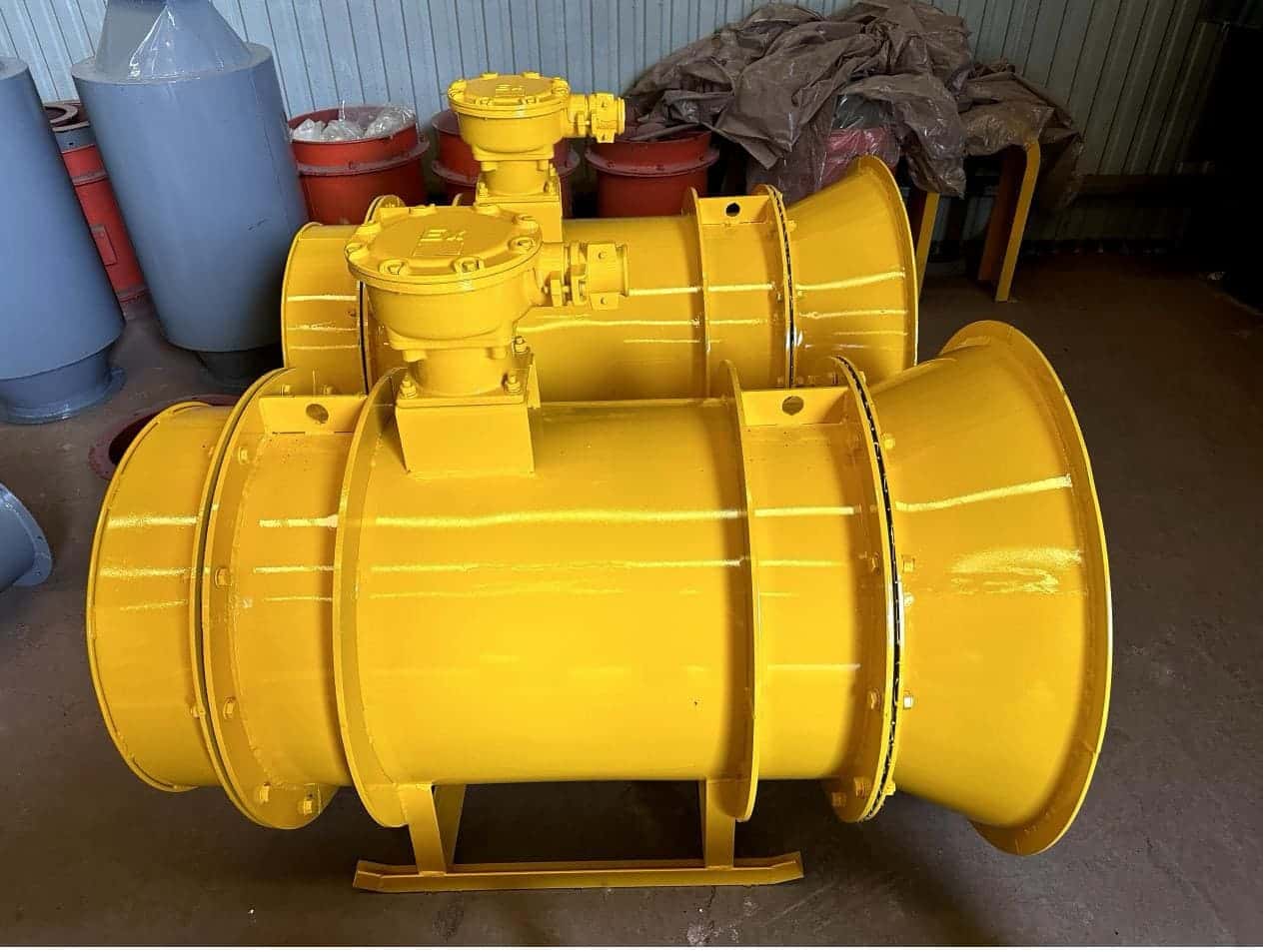
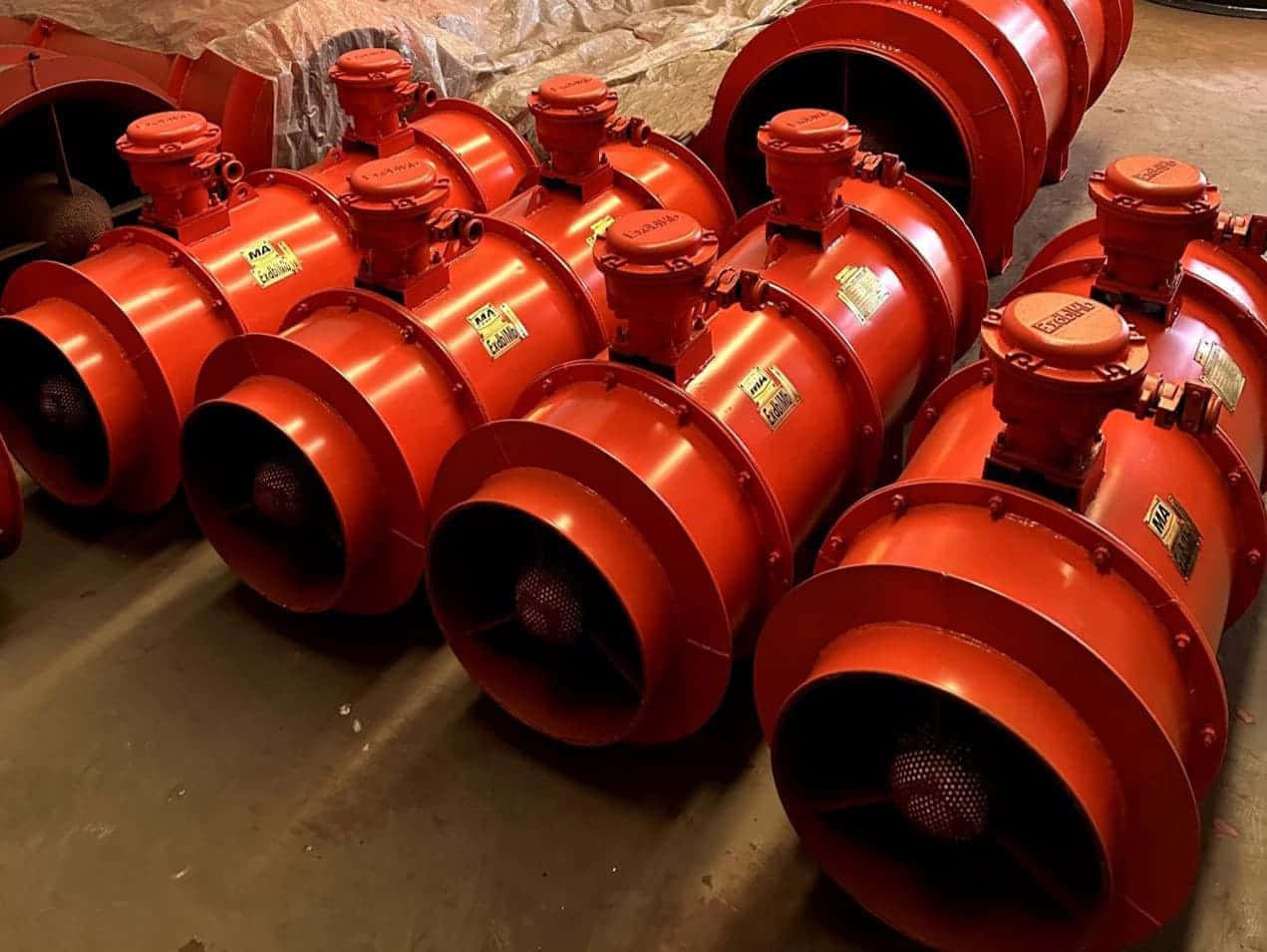
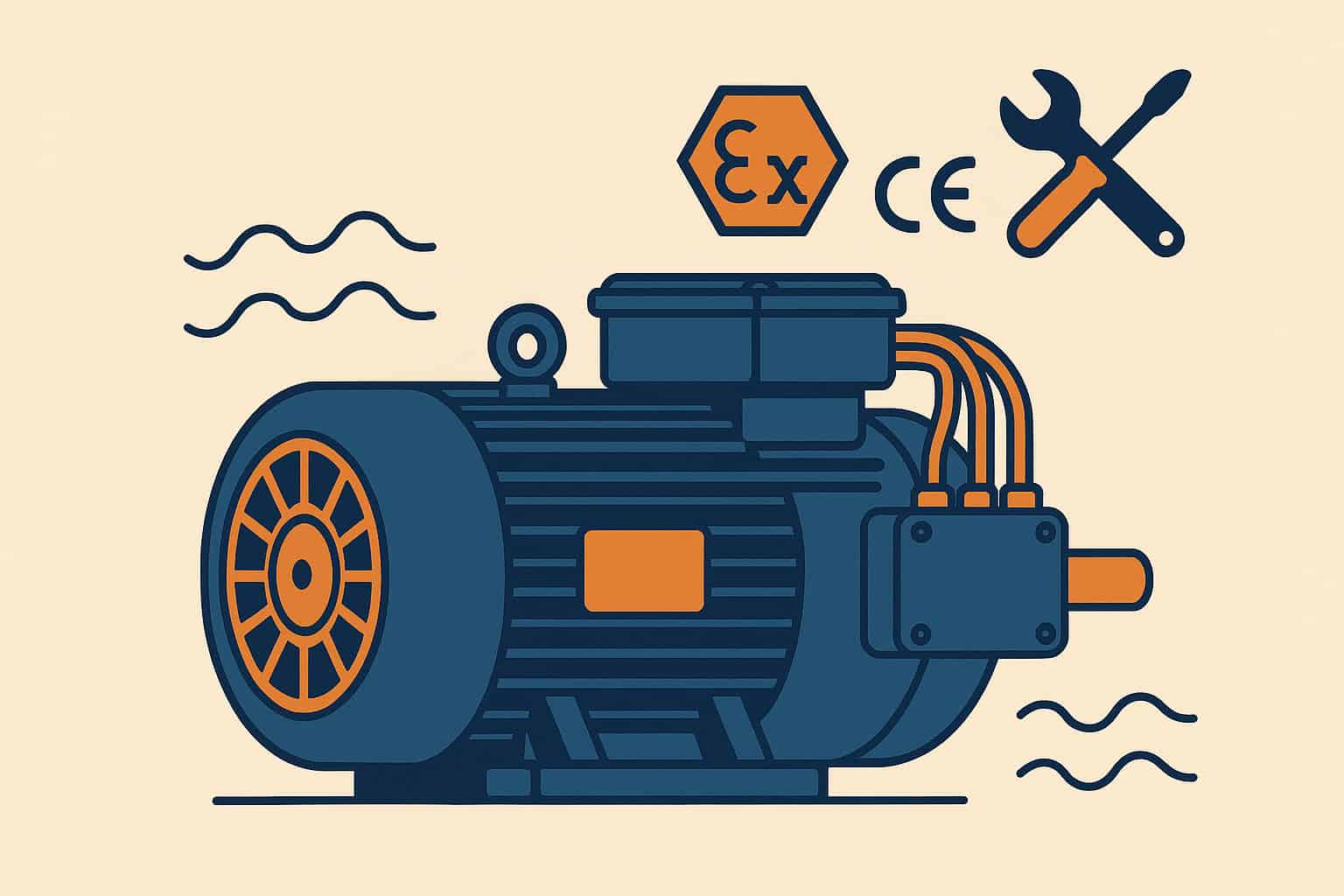
Beyond aerodynamics, the “best” fan type also depends on noise, efficiency, maintainability and safety. Axial fans typically have a straight airflow path and can be quieter at high volumes, but may be more sensitive to system effects. Centrifugal fans can be easier to acoustically treat and may offer better efficiency in certain ranges, at the cost of larger footprint. In explosive atmospheres, both axial and centrifugal fans can be designed with flameproof motors, spark-resistant materials and certifications; the best type is the one that meets the safety standard and delivers the required duty with a reasonable lifecycle cost.
In practical fan selection for industrial or mining ventilation, engineers rarely ask, “Which fan type is best in general?” They instead ask, “Which fan type is best for this specific airflow, pressure, gas composition, dust loading and layout?” Axial fans often win for bulk air movement, centrifugal fans for high-pressure or dirty duties, and mixed flow fans for compact, medium-pressure systems.
In summary, no single fan type is best for all situations. The best fan type is the one whose aerodynamic, mechanical and safety characteristics match the requirements of your ventilation system.