
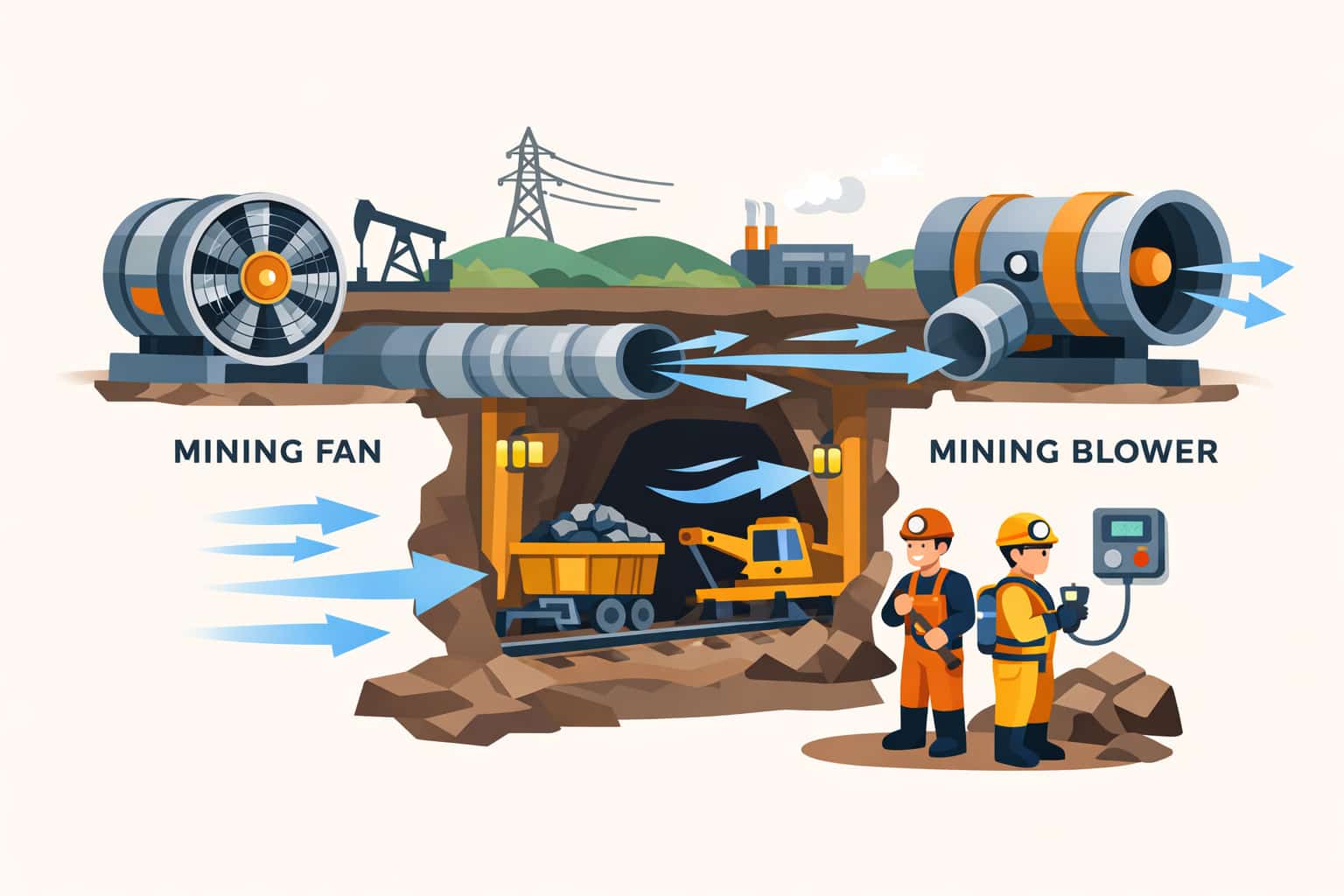
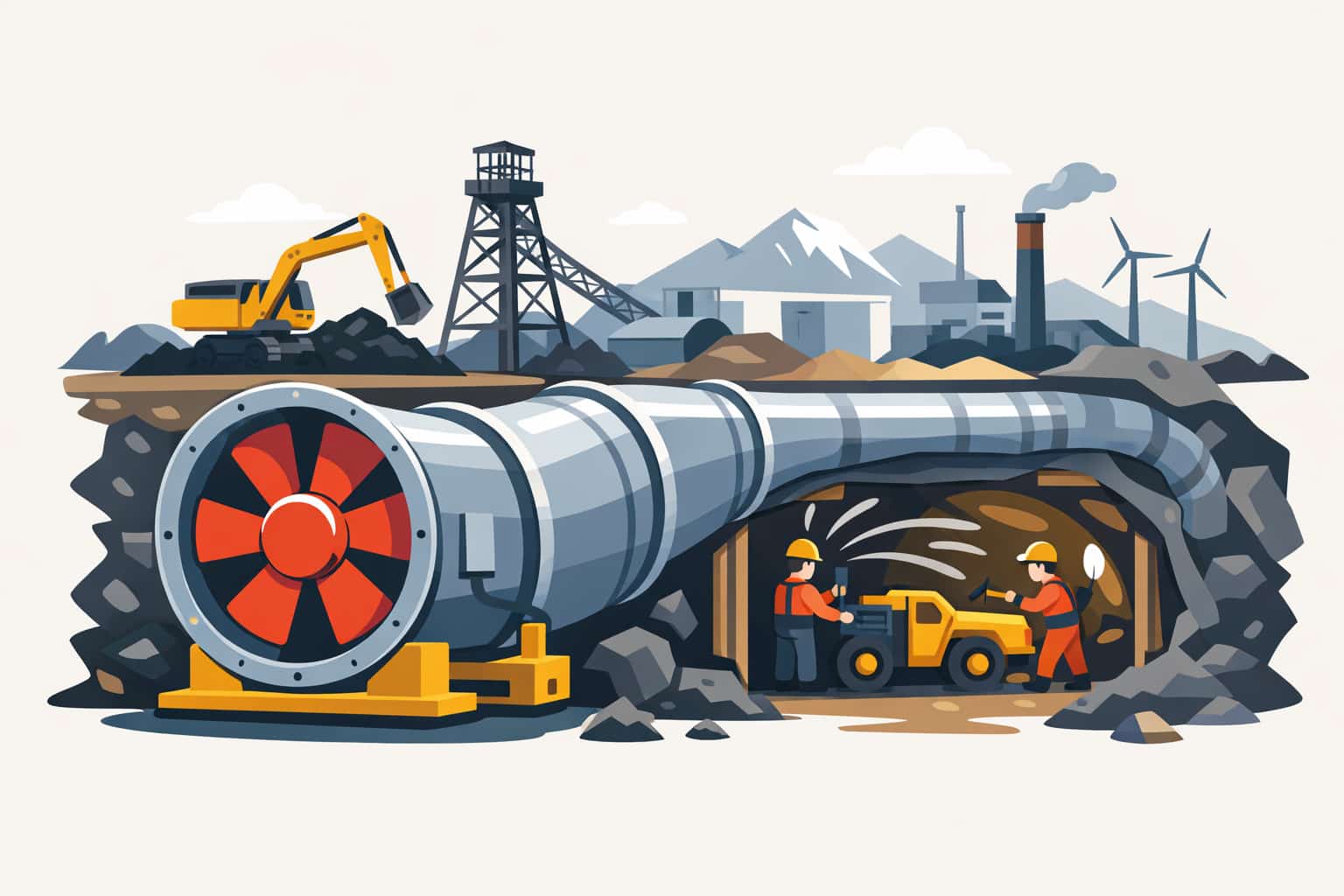
A local exhaust ventilation (LEV) system is designed to capture contaminants such as dust, fumes or vapours directly at their source and remove them from the workplace. While layouts vary, safety guidelines and textbooks commonly describe LEV in terms of five main components: the hood, the ducting, the air cleaner, the fan and the discharge stack or exhaust outlet. Each component has a specific role, and all five must work together to provide effective control.
The first component is the hood. This is the capture device positioned as close as practical to the source of contamination—over a welding bench, around a mixing tank, at a conveyor transfer point or near a crusher discharge. Hoods can be enclosing, receiving or capture types, and their shape and position determine how effectively they collect contaminants. Good hood design ensures that the air flow pattern pulls contaminants into the hood instead of letting them escape into the room.
The second component is the ducting. Once contaminants enter the hood, they are carried away through a network of ducts. Ducts must be sized to maintain adequate transport velocity so that particles do not settle and block the system. They should be arranged with smooth bends and minimal restrictions to limit pressure losses. In heavy industry and mining, ducts are often made of steel to withstand abrasion and may include access doors for cleaning.
The third component is the air cleaner, sometimes called the dust collector, filter or scrubber. This device removes contaminants from the air stream before it is discharged or recirculated. Common types include fabric filter baghouses, cartridge filters, cyclones and wet scrubbers. The choice depends on the type and concentration of contaminants, required efficiency and whether cleaned air can be returned to the workplace or must be discharged outdoors.
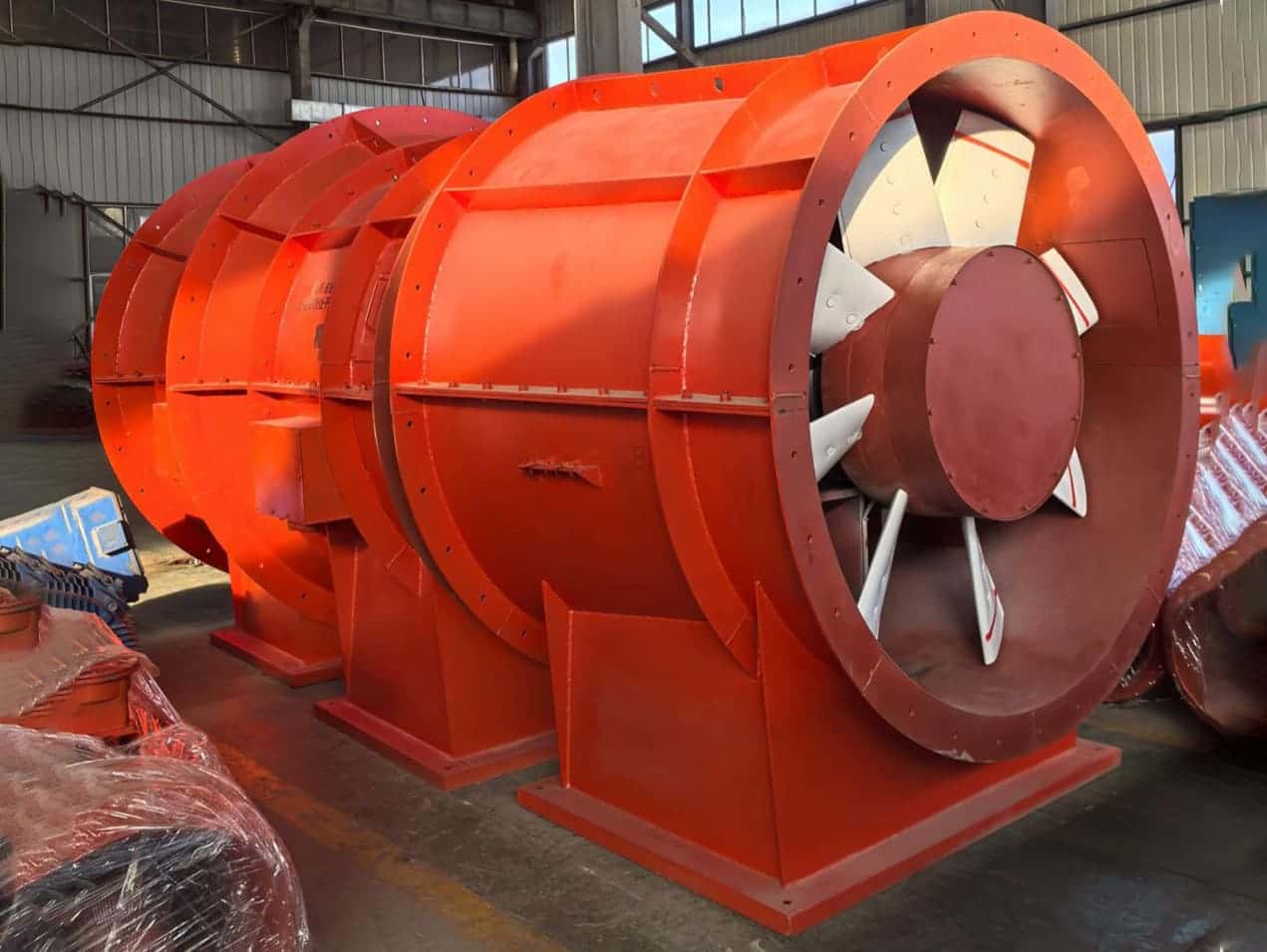
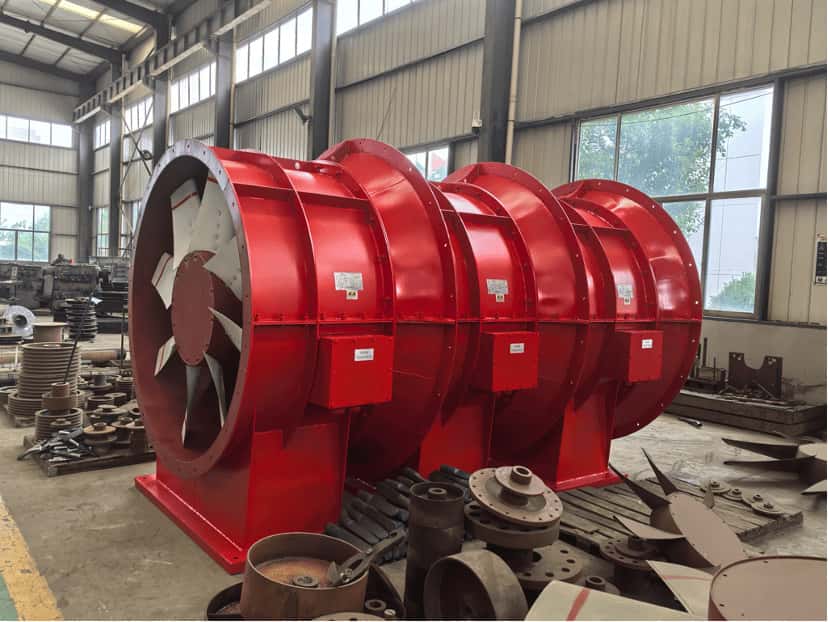
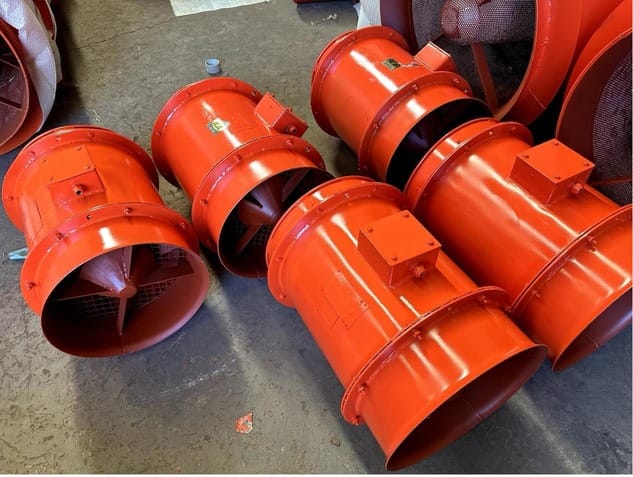
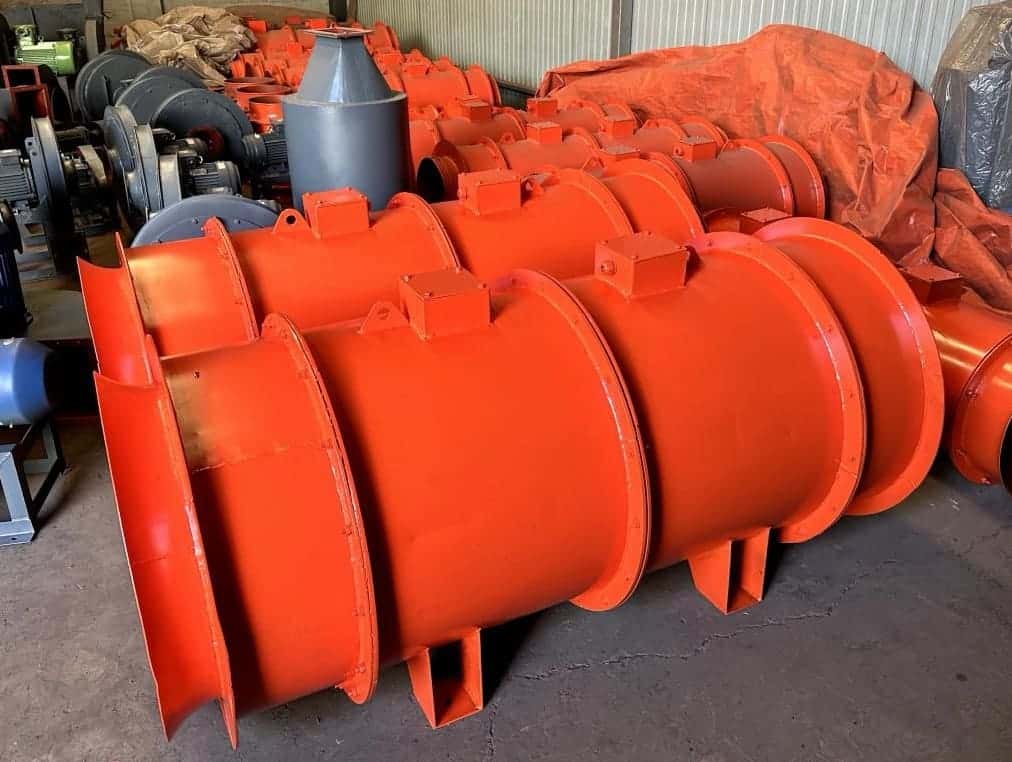
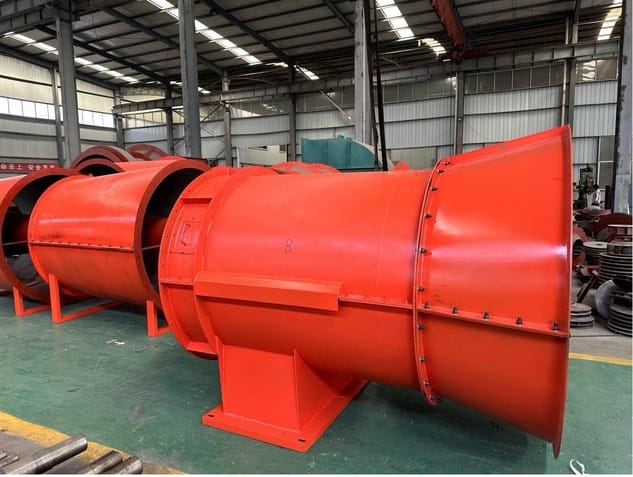
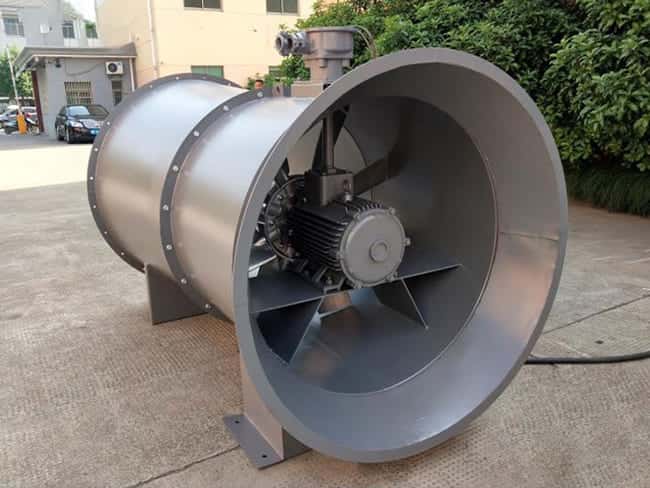
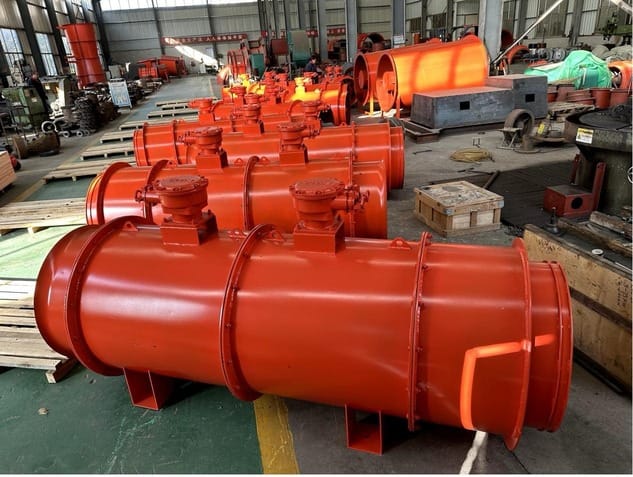
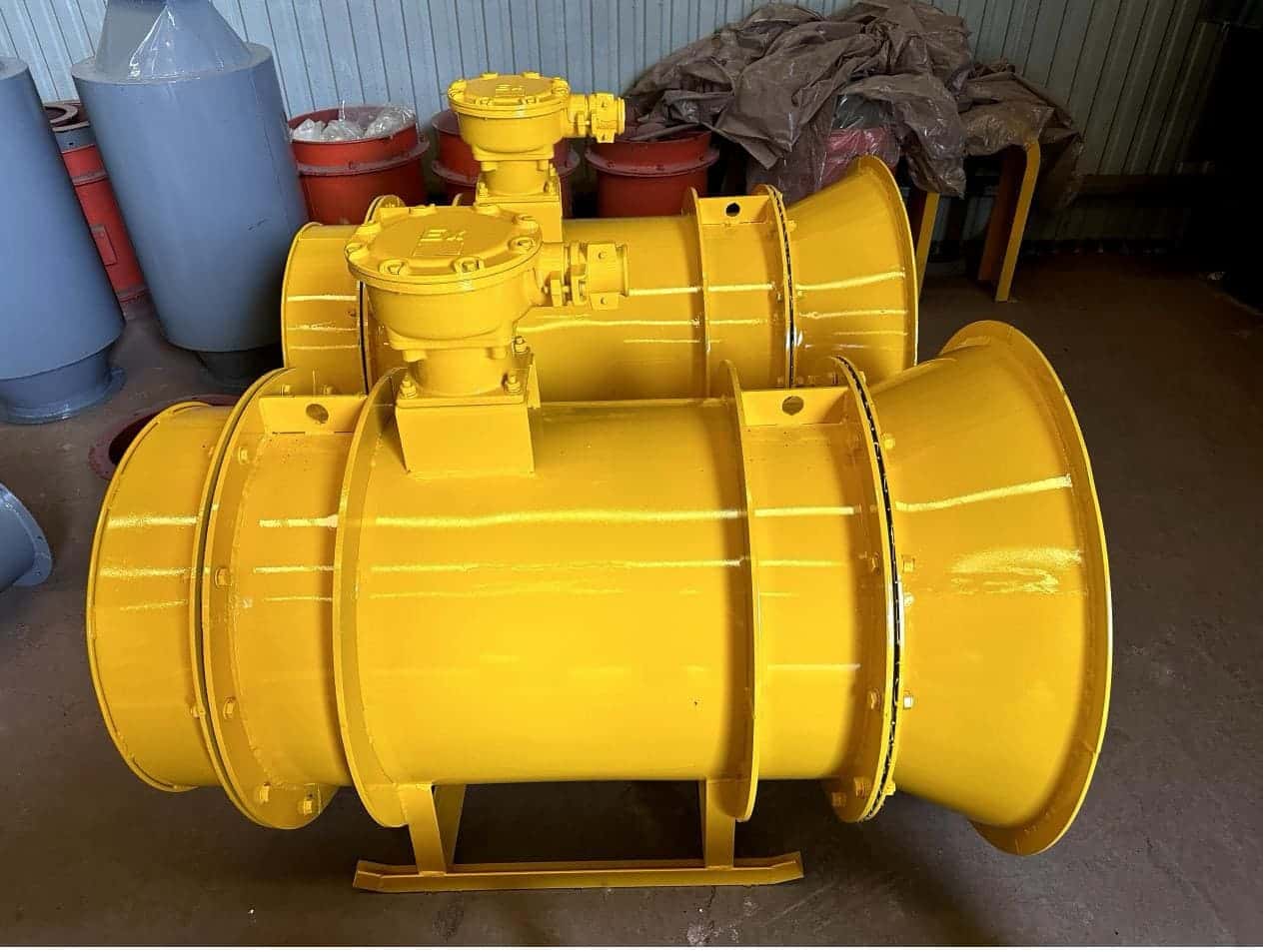
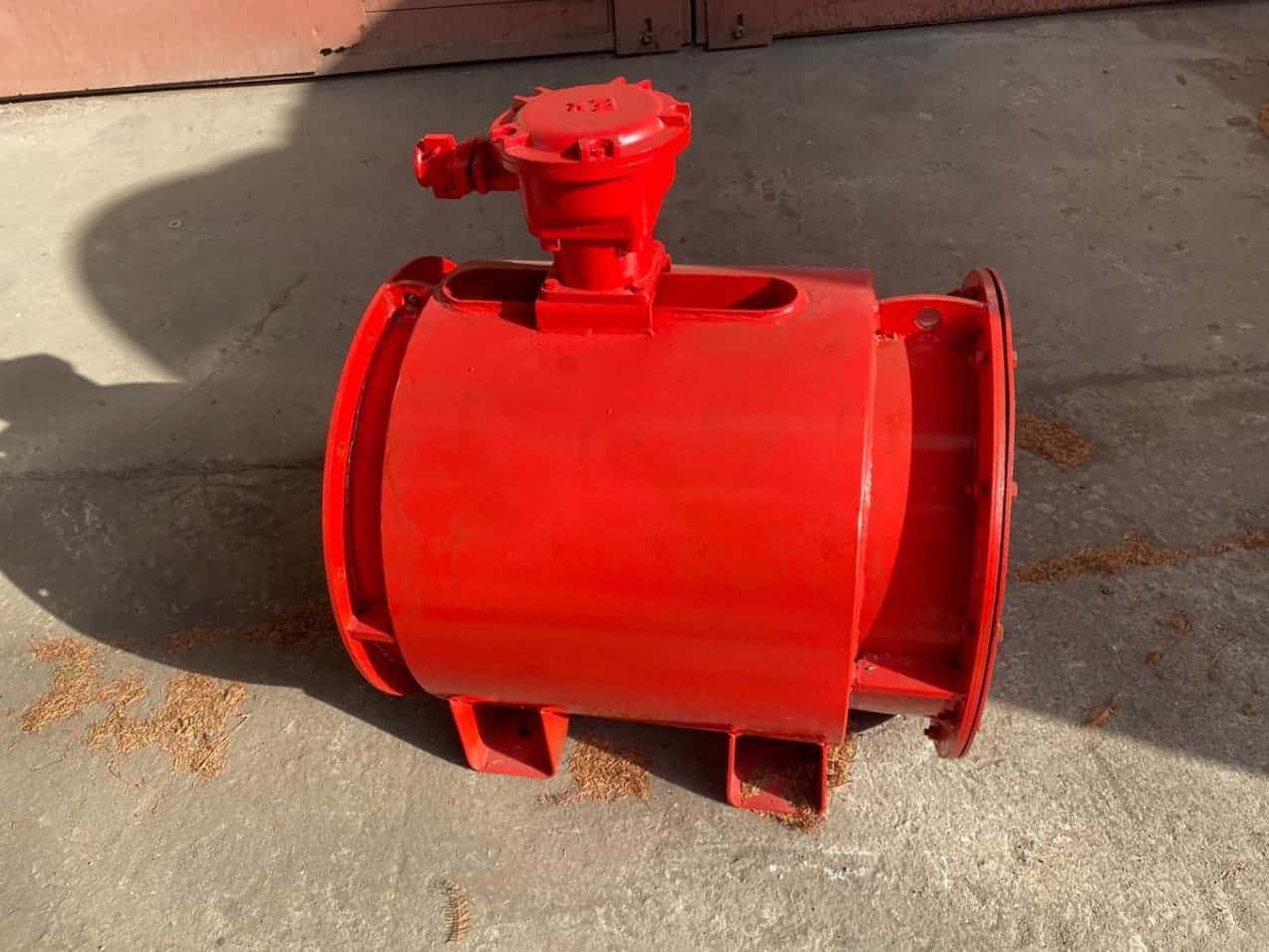
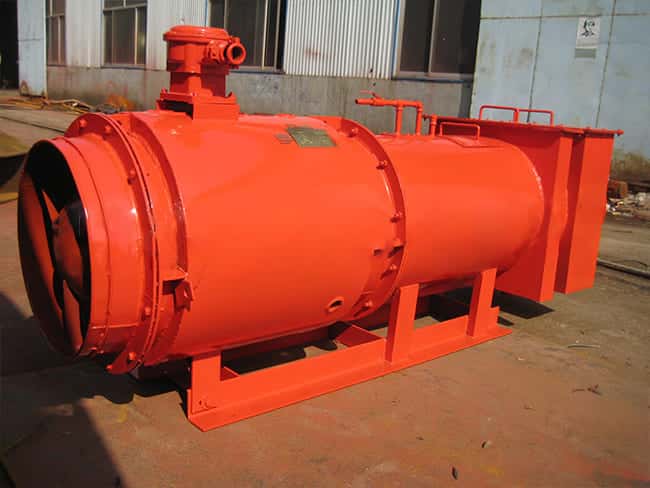
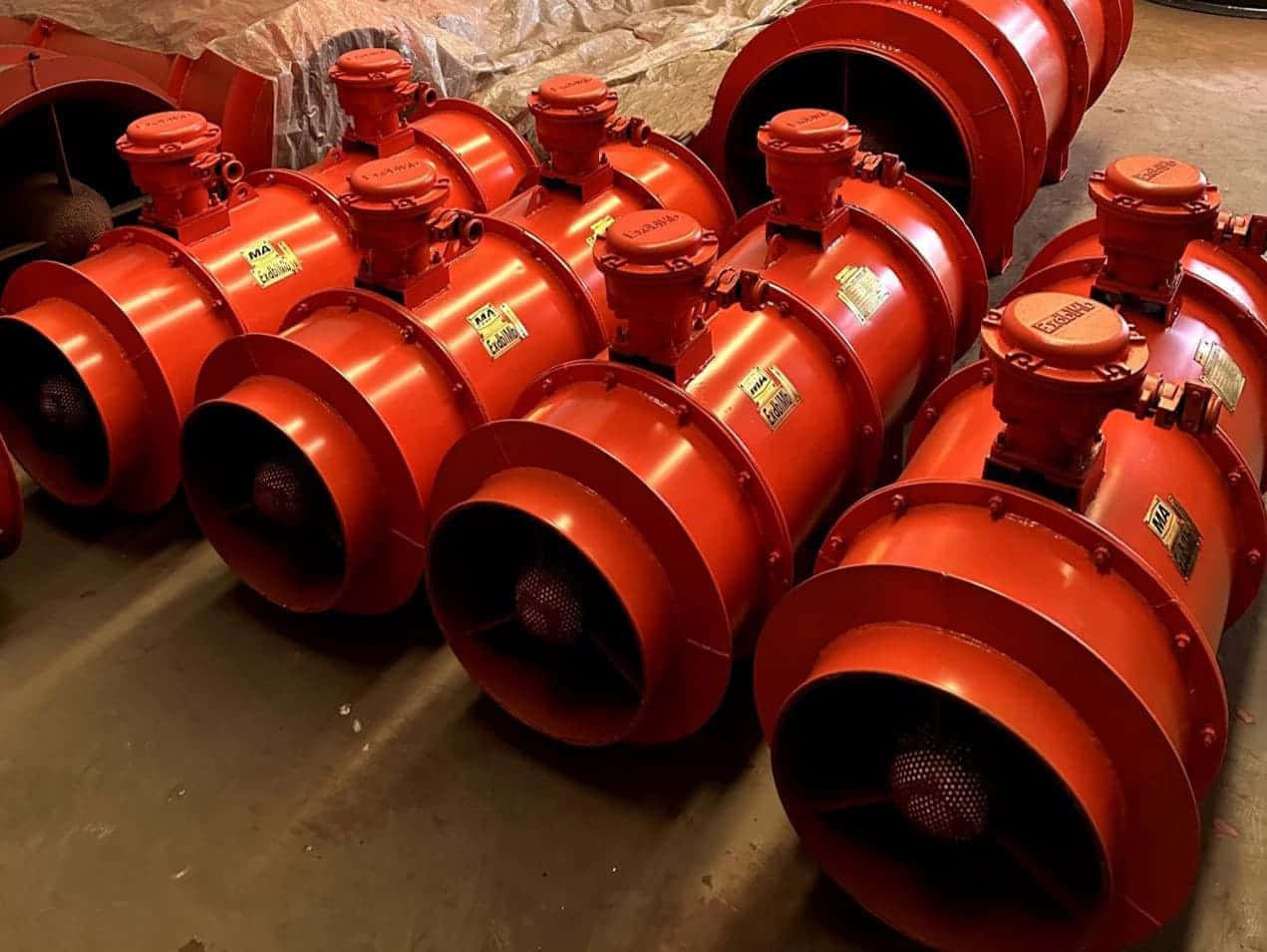
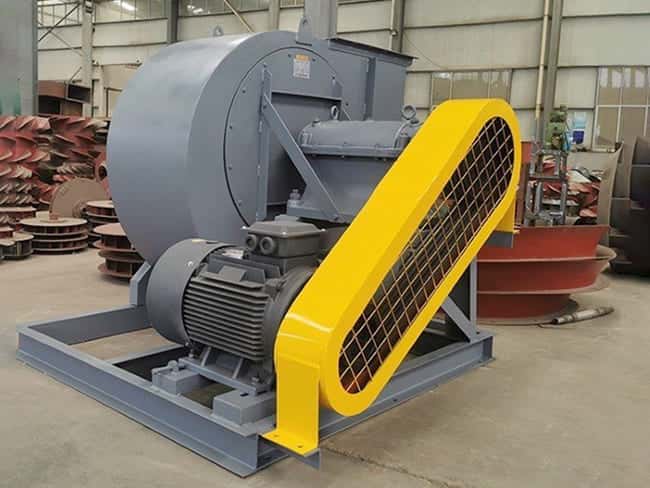
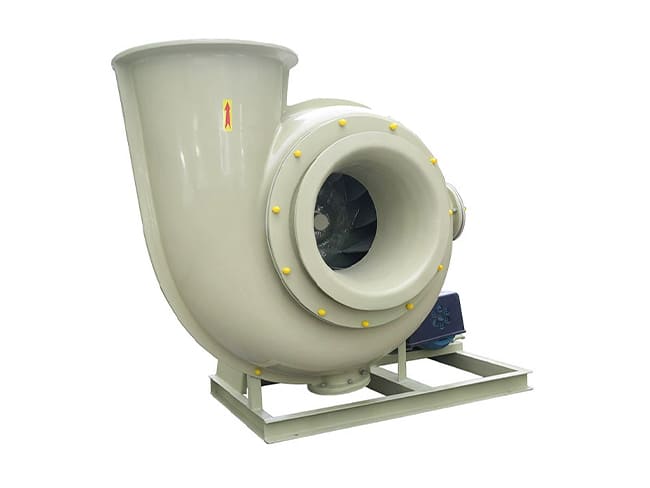
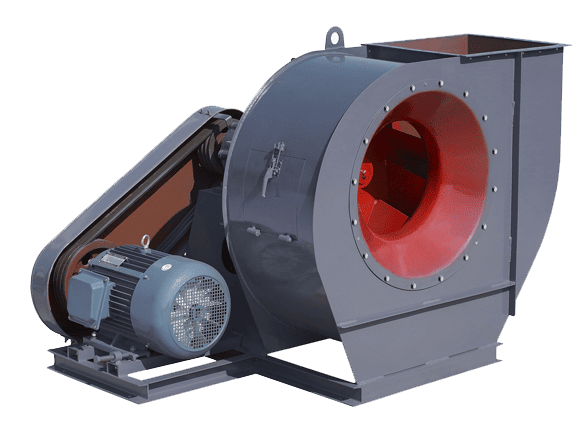
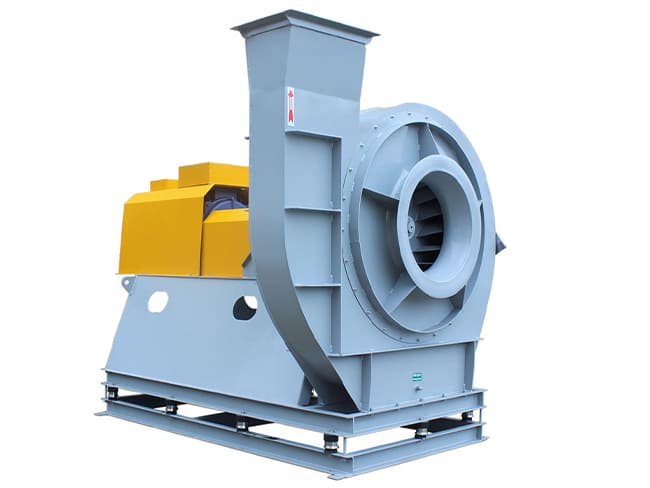
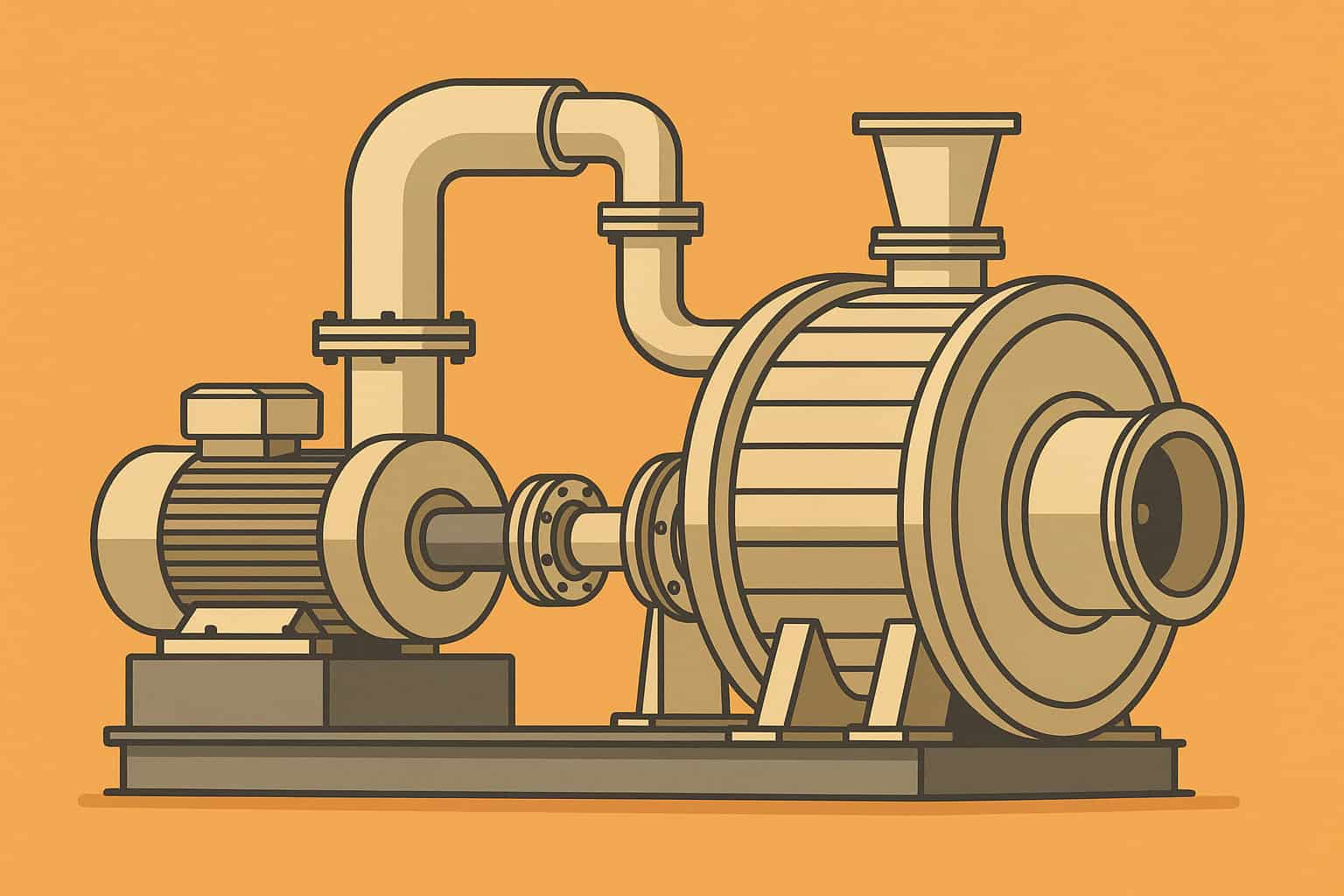
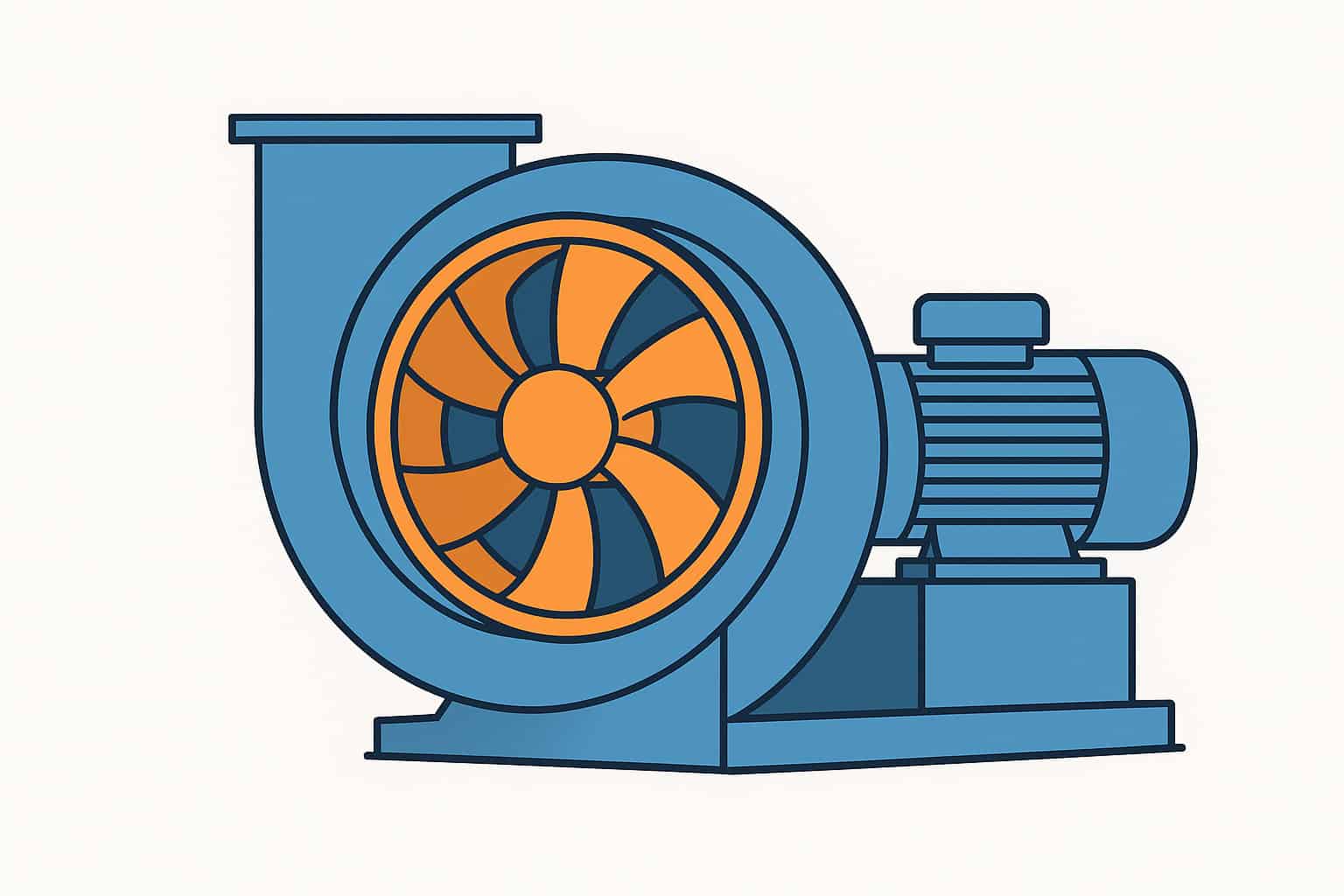
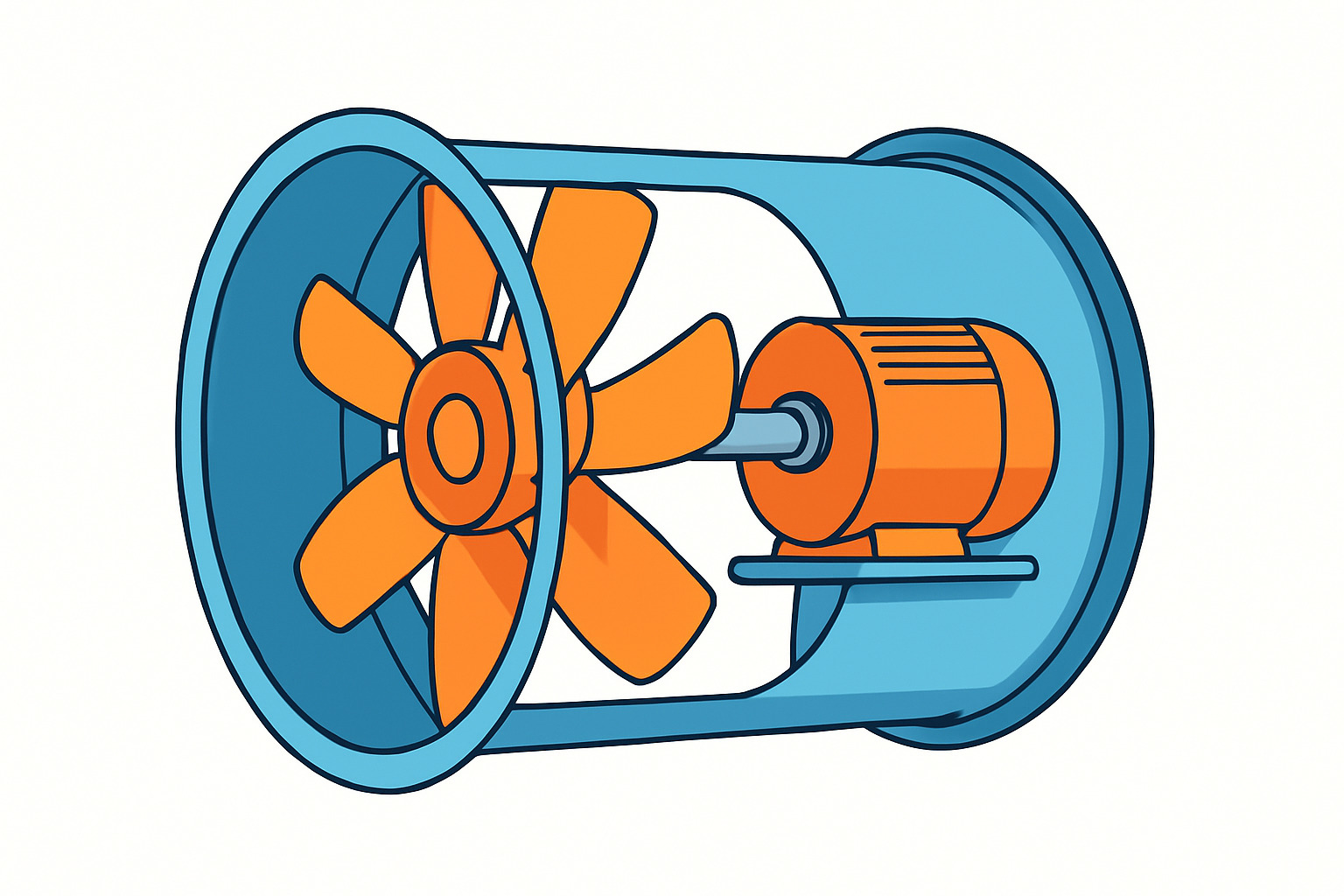
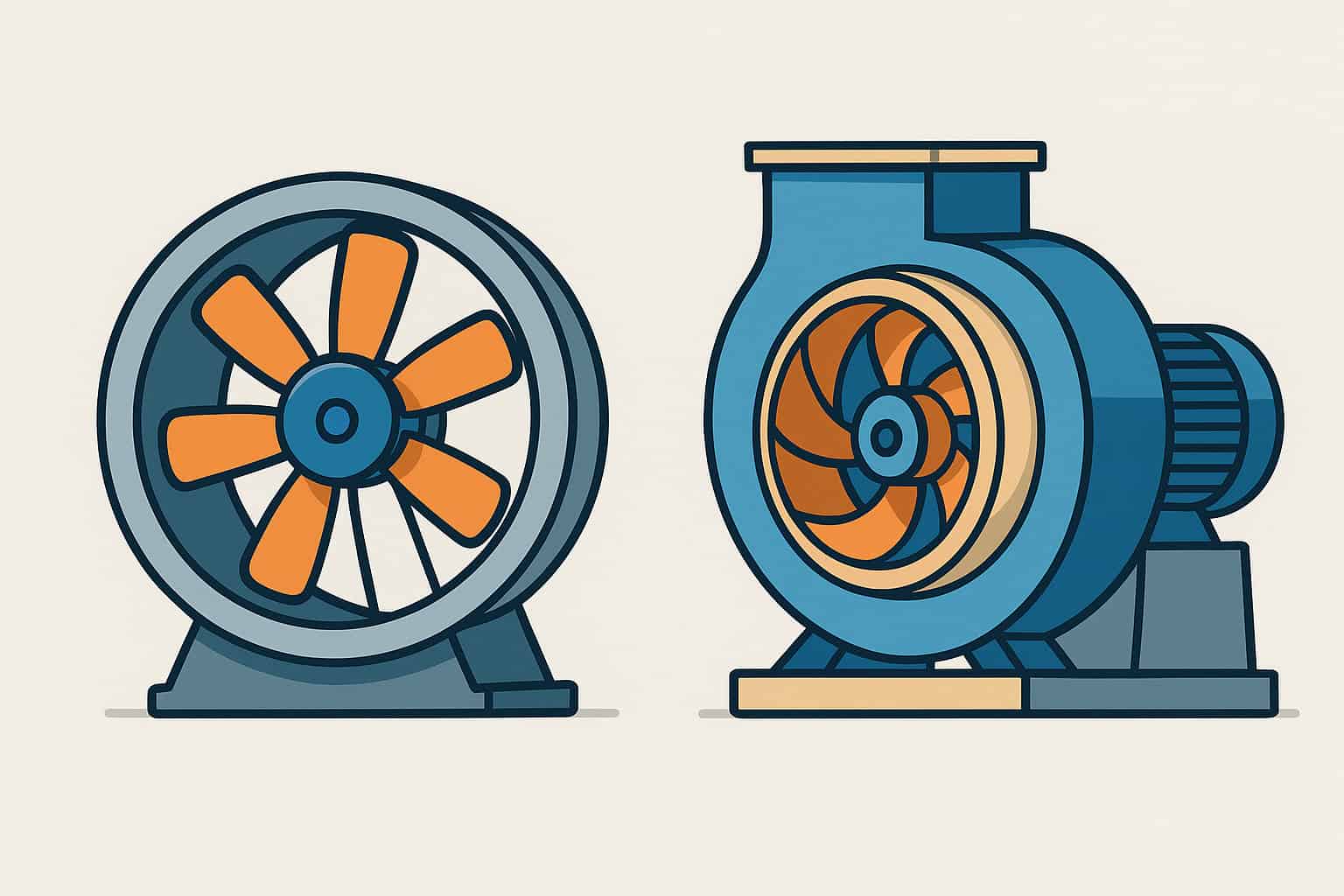
The fourth component is the fan. The LEV fan provides the suction that draws air into the hood, through the ducts and air cleaner, and out through the discharge point. It must be selected to deliver the required airflow at the total static pressure of the system, including hood entry losses, duct friction and air cleaner resistance. Centrifugal fans are widely used for LEV because they handle higher pressures and are robust in dusty environments.
The fifth component is the discharge stack or exhaust outlet. After passing through the air cleaner, the cleaned air is released to the environment via a stack, roof vent or wall outlet. The discharge must be located and designed to prevent contaminants from re-entering building intakes, affecting nearby workplaces or violating environmental regulations. In some systems, particularly where contaminants are fully removed and local regulations permit, part of the cleaned air may be recirculated to reduce energy use.
In summary, a local exhaust ventilation system is made up of five core components: a well-designed hood to capture contaminants, ducting to transport them, an air cleaner to remove them from the air stream, a fan to provide the necessary suction and a discharge stack or outlet to release cleaned air safely. Correct design, balancing and maintenance of all five elements are essential for effective control of dust and fumes in industrial and mining environments.