
When people ask which form of ventilation is best, they usually hope for a single simple answer. In practice, there is no one system that is always best for every situation. The most suitable form of ventilation depends on the building or mine layout, the type of contaminants present, heat load, climate and energy goals. In modern industrial plants and underground mines, the best solution is normally a carefully engineered mechanical ventilation system that combines several forms of ventilation instead of relying on only one.
The simplest form is natural ventilation, which uses wind and temperature differences to move air through openings. Natural ventilation can work reasonably well in some buildings with favorable climate and multiple openings, and it still contributes to airflow in shallow mines with multiple shafts or adits. However, it is not precise or predictable enough for heavy industry or deep underground mines, where gas levels, dust and heat must be controlled continuously. For those critical environments, natural ventilation is only a supplement, not the main system.
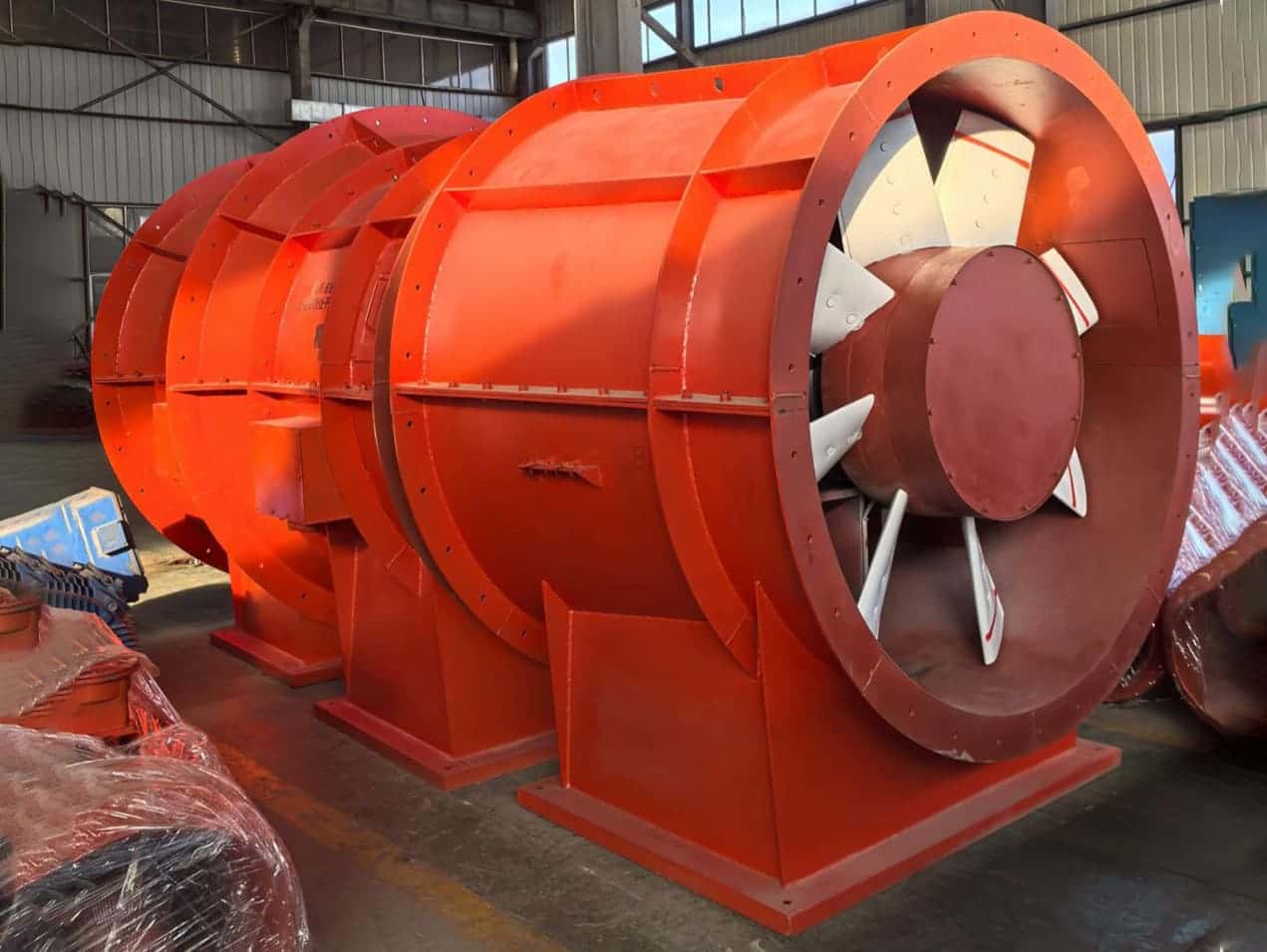
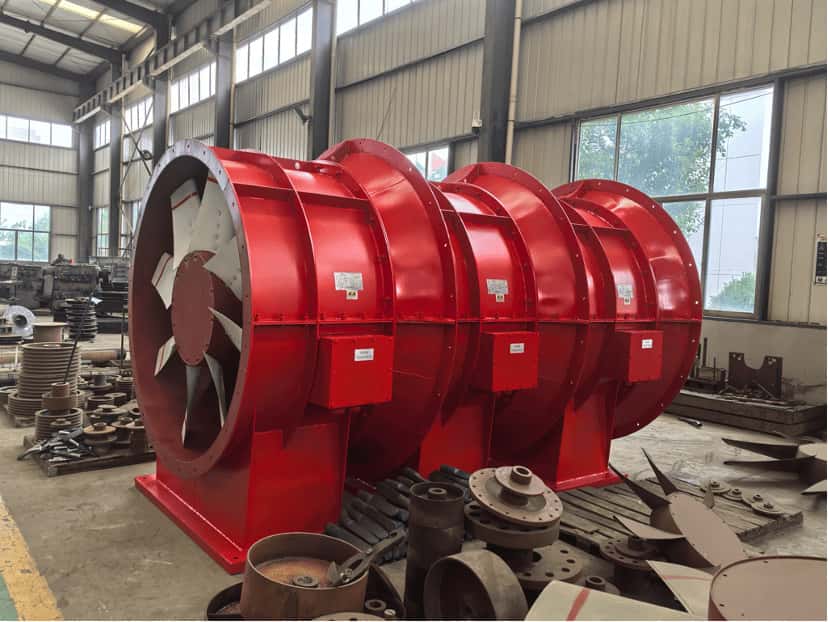
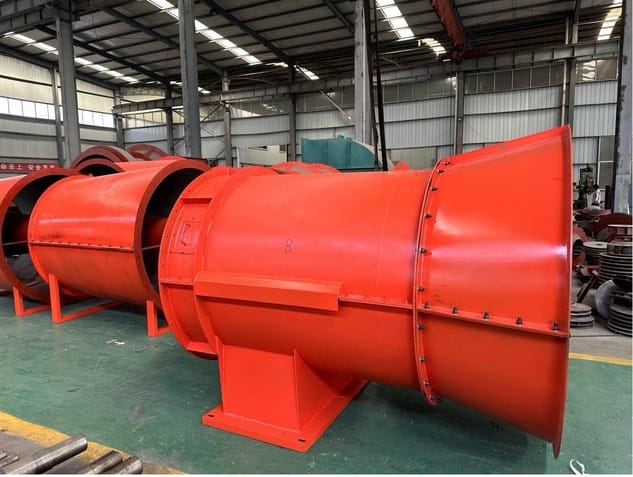
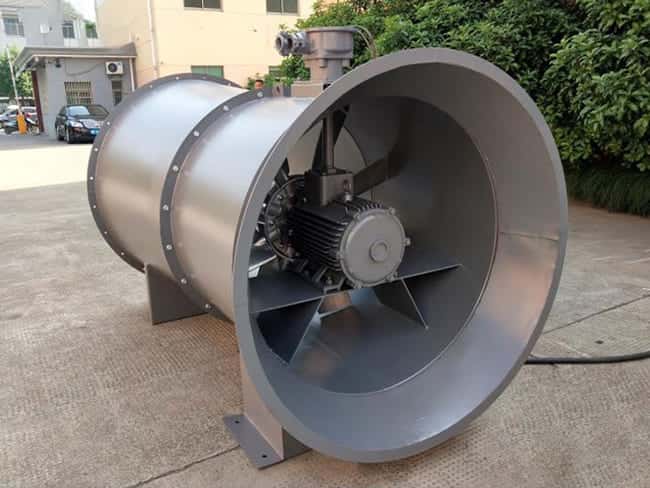
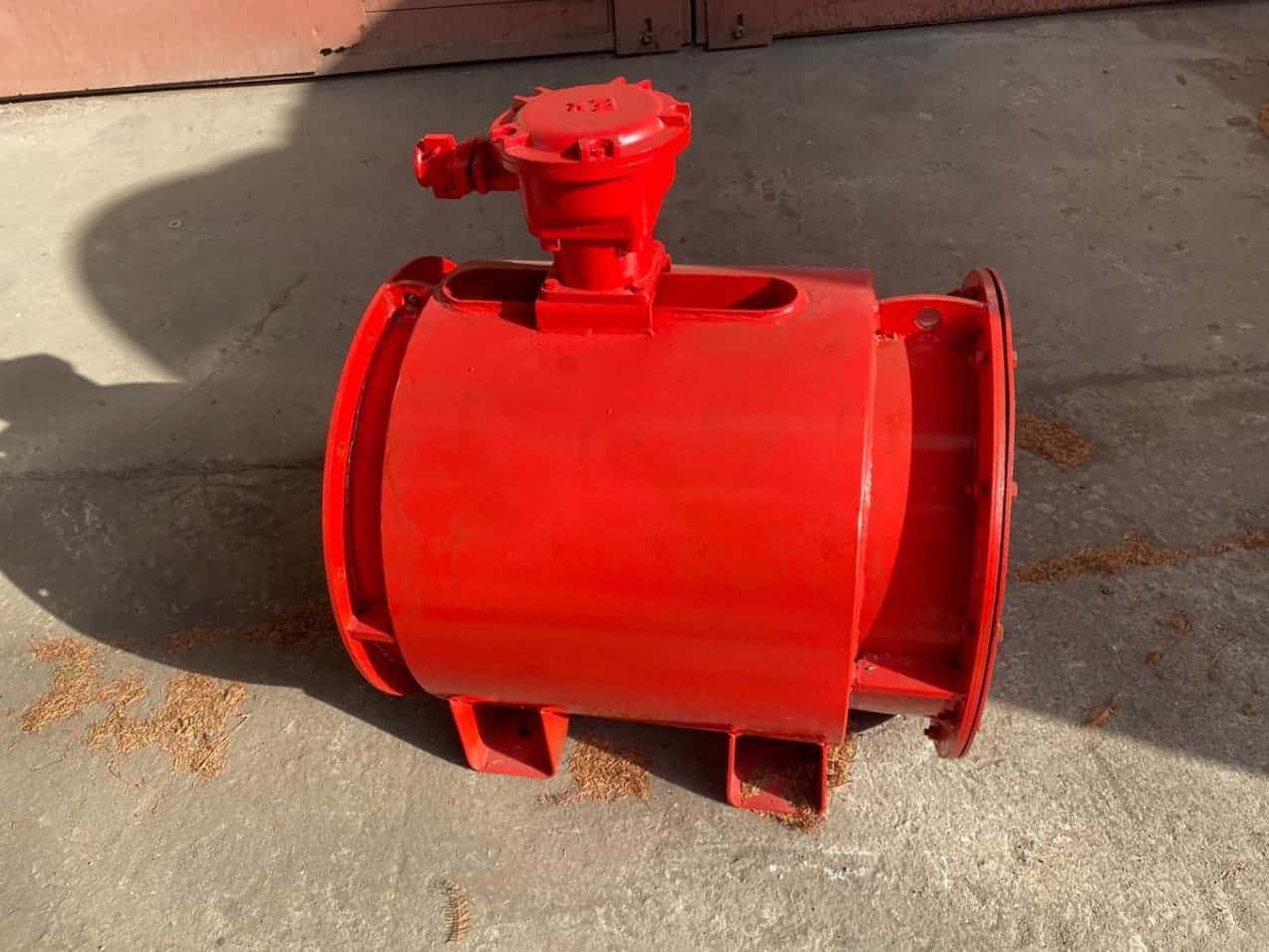
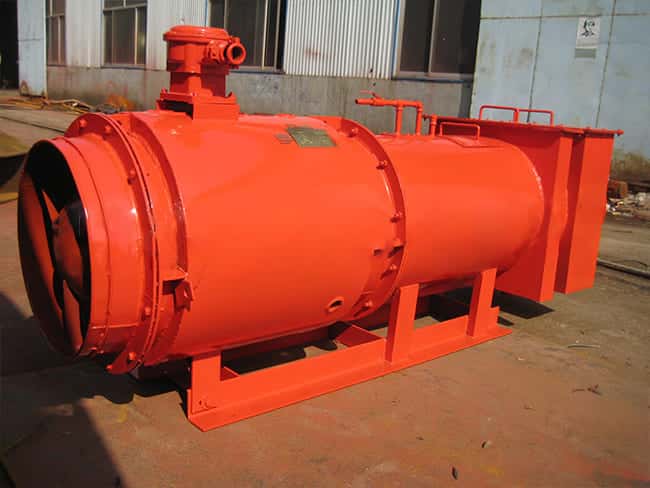
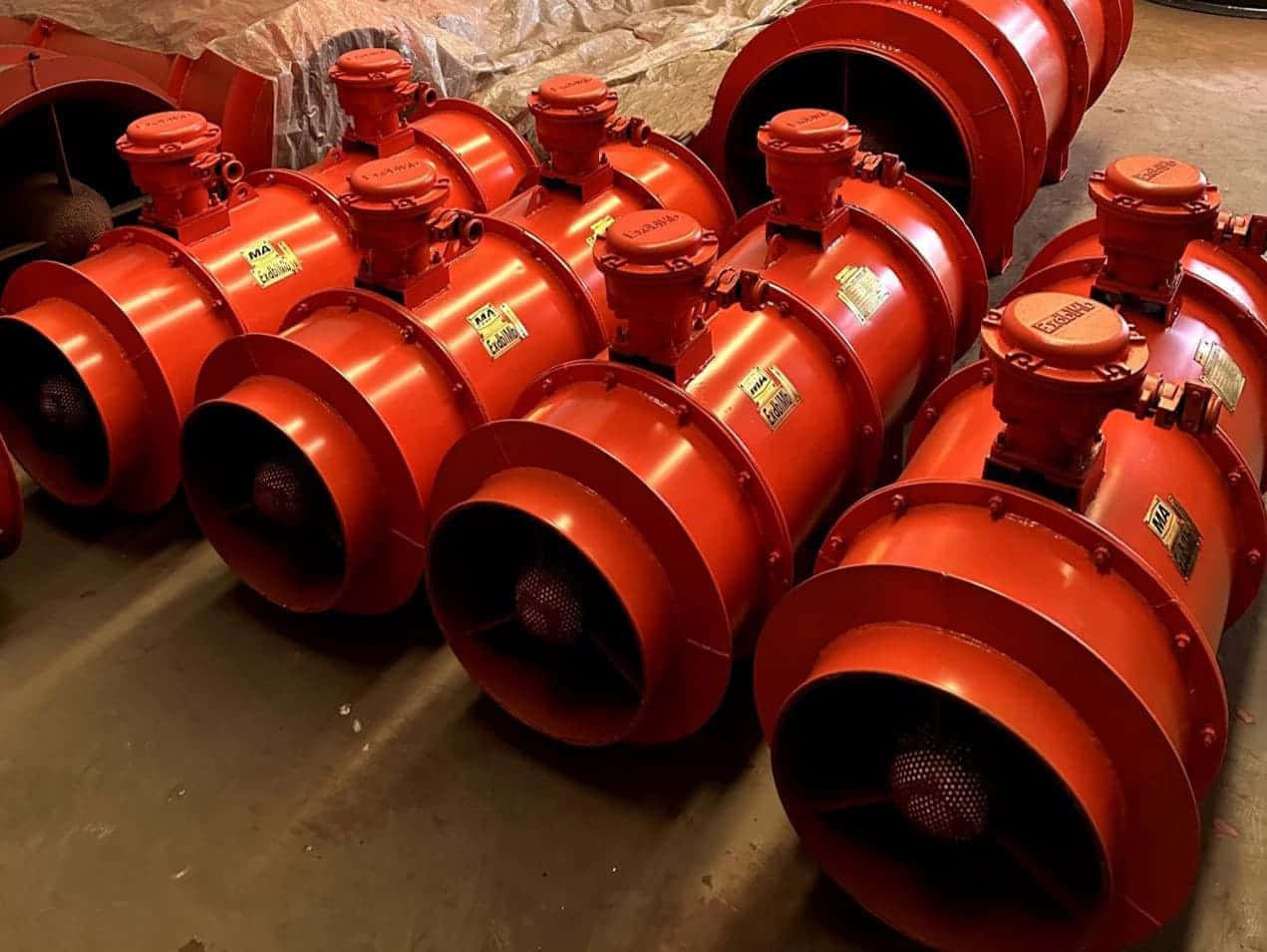
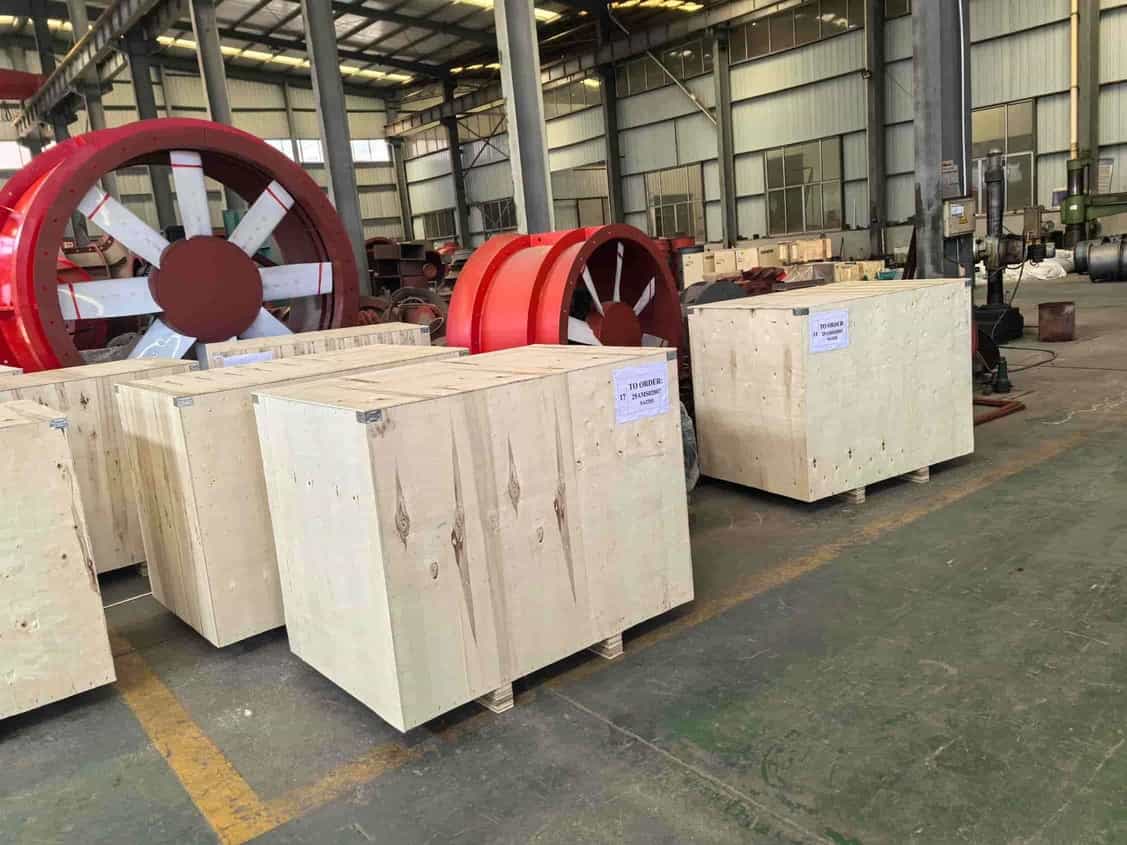
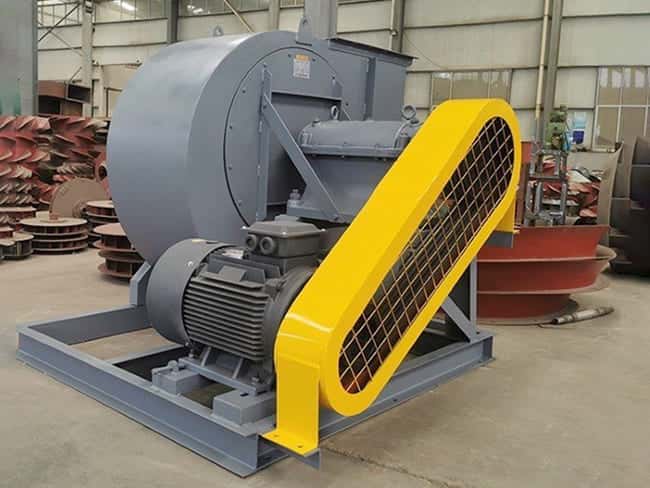
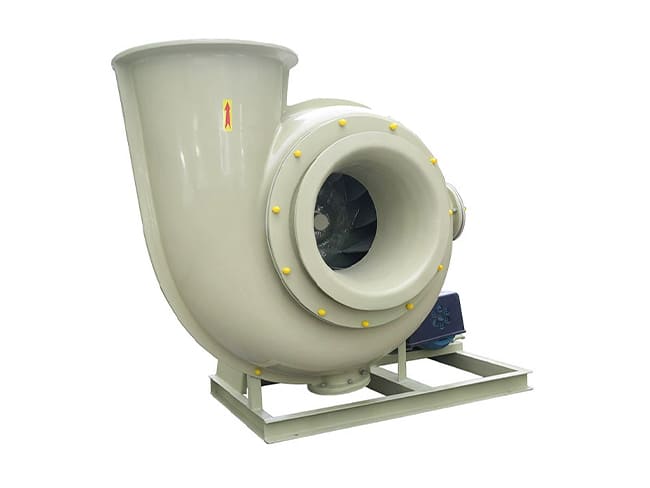
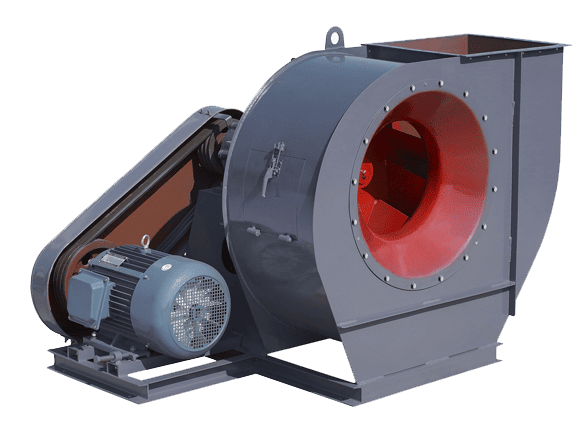
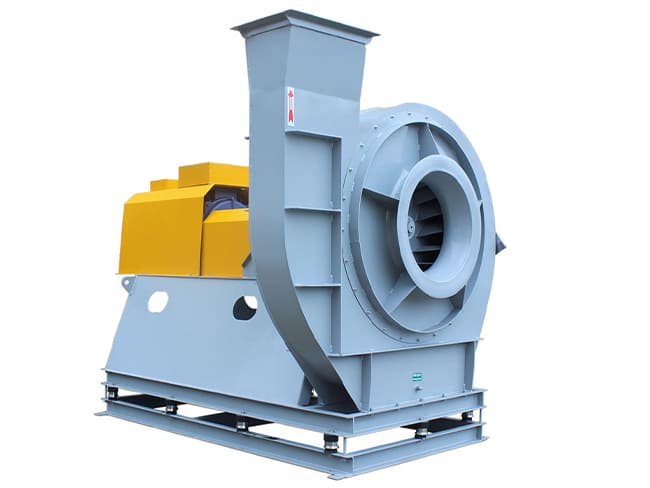
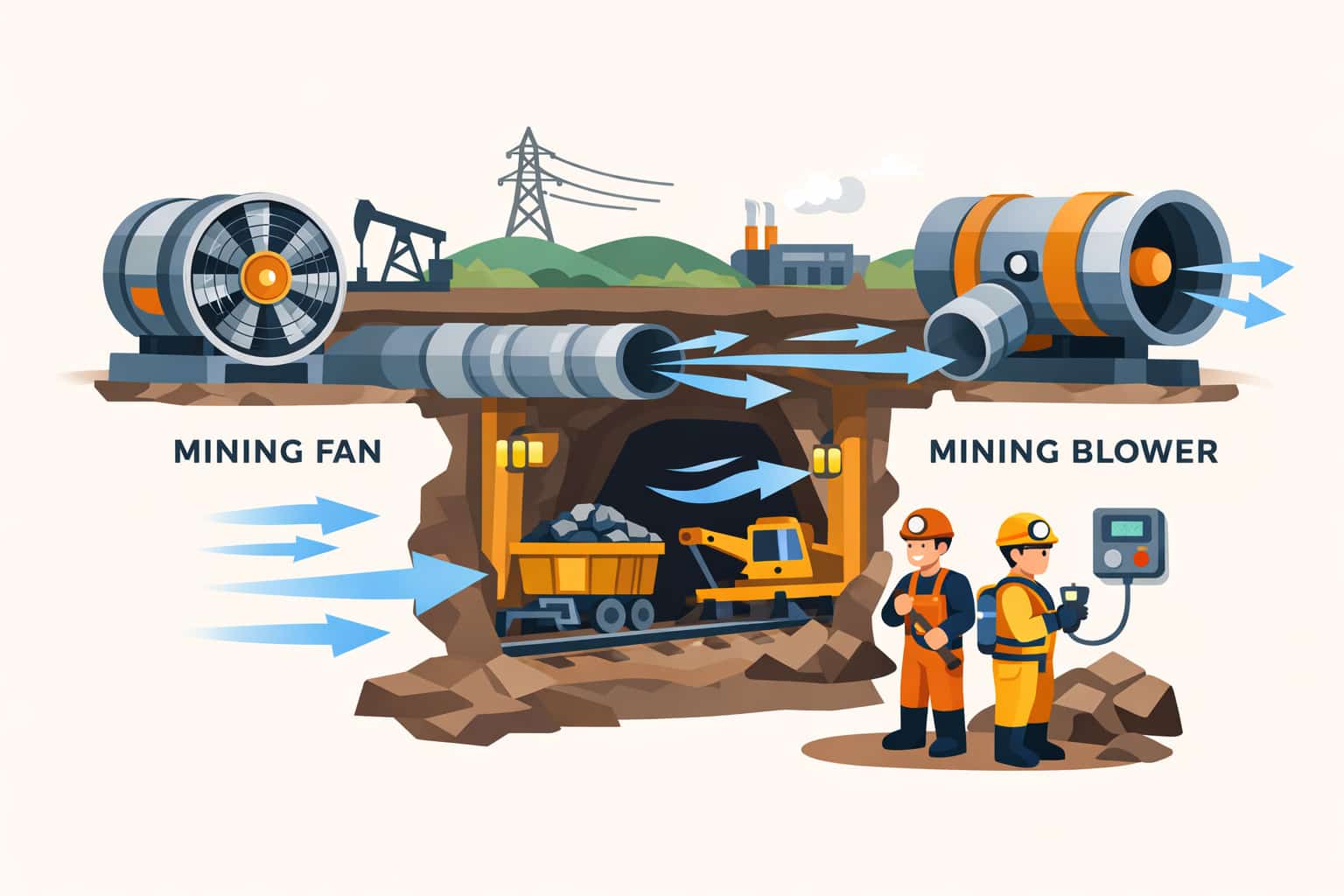
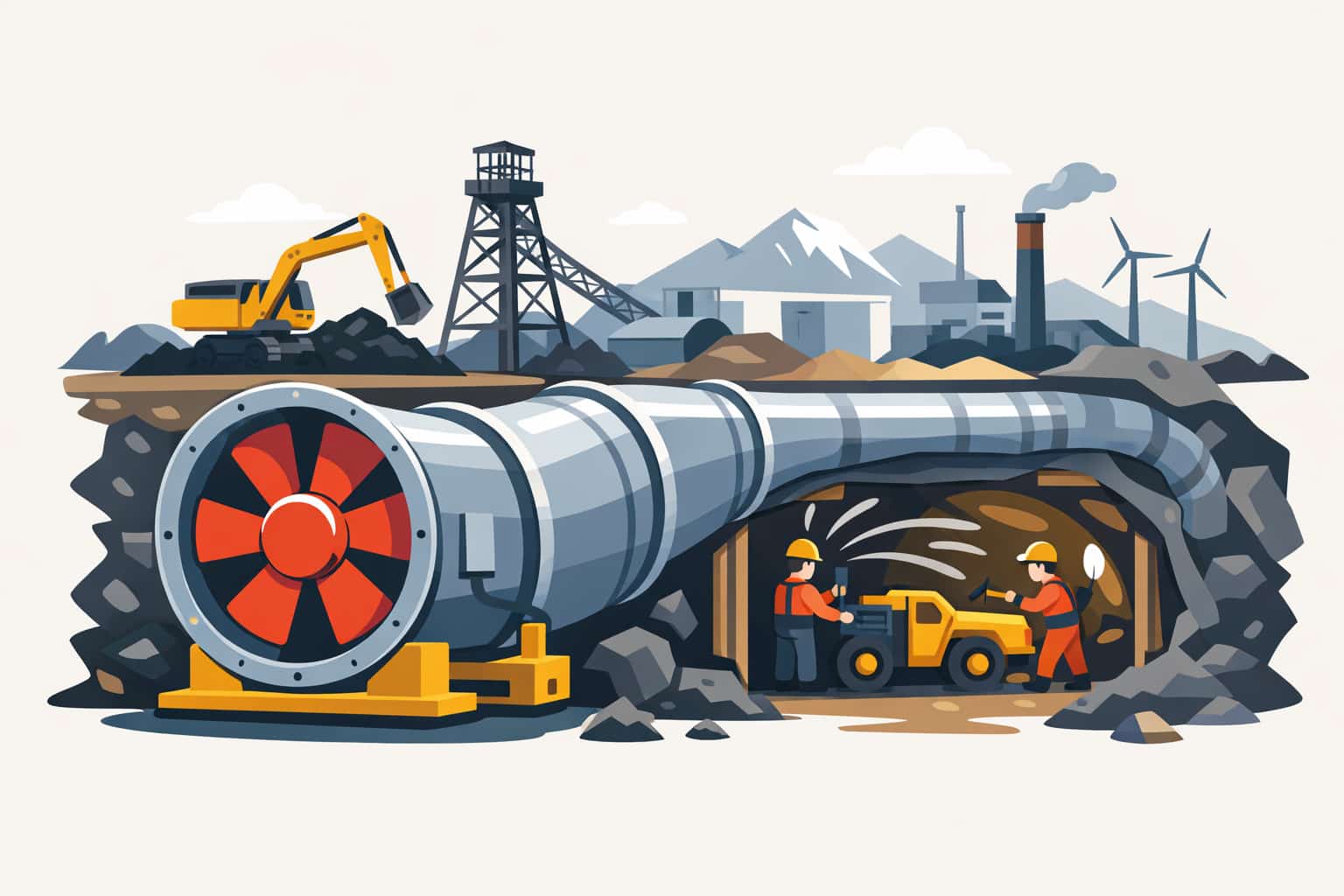
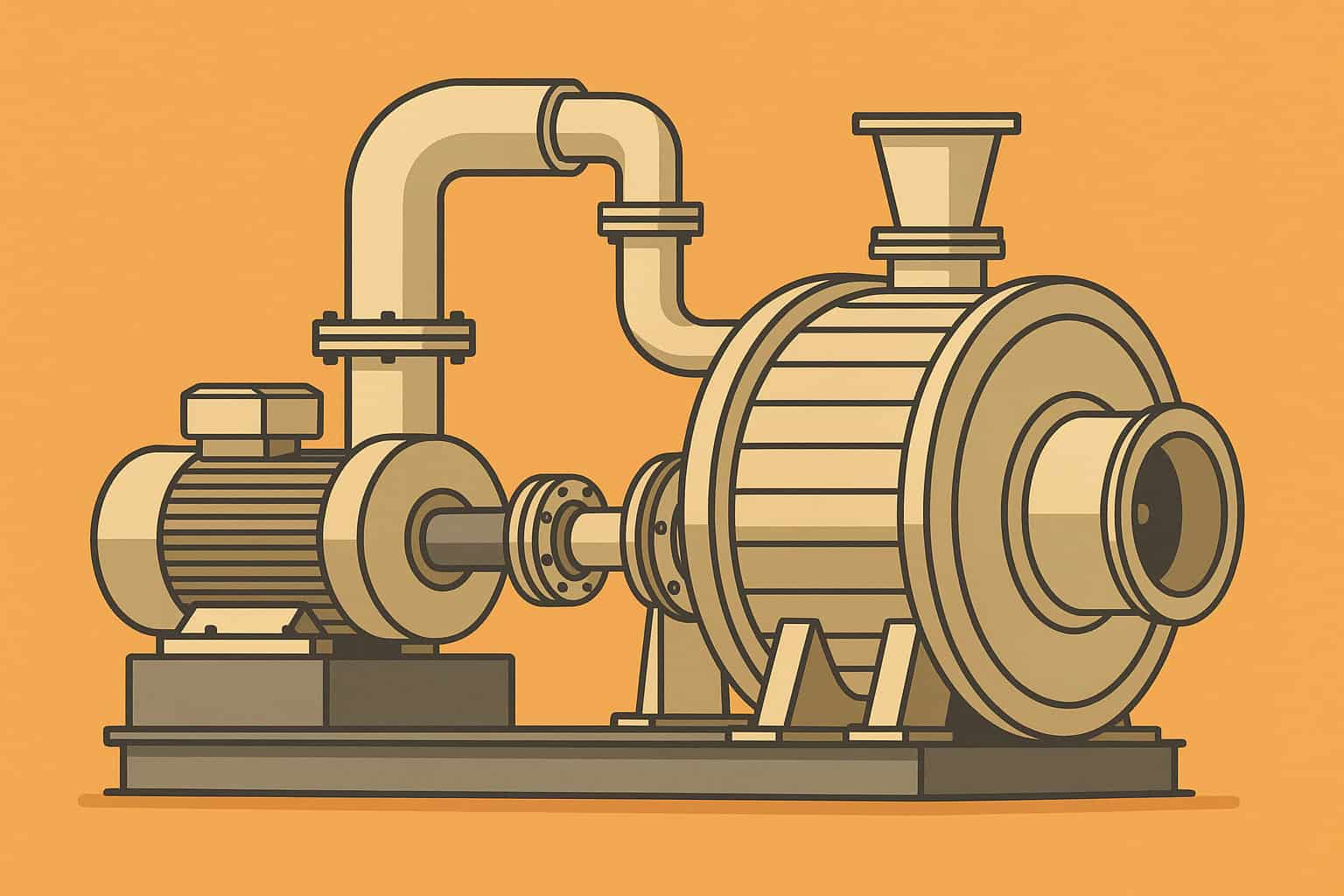
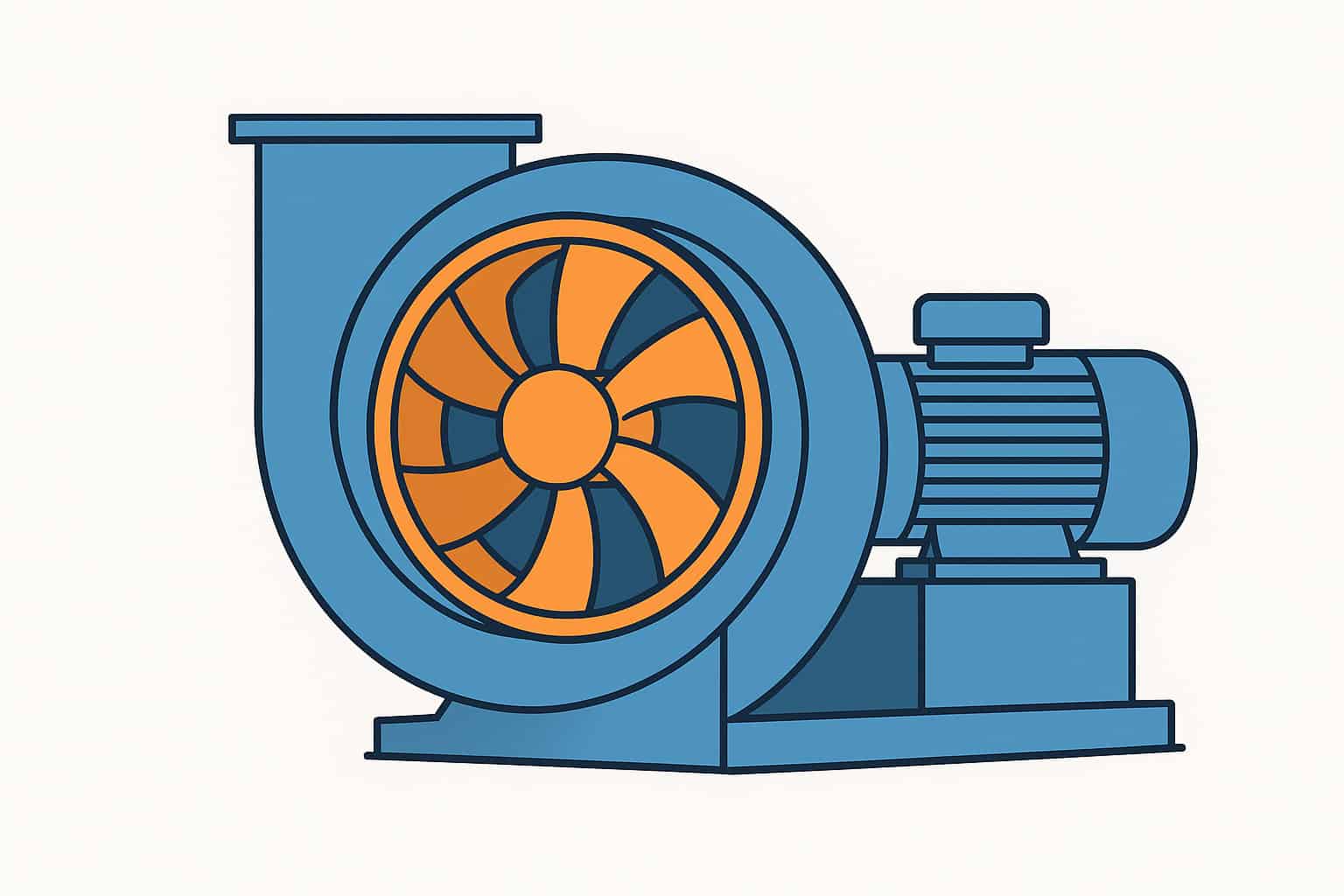
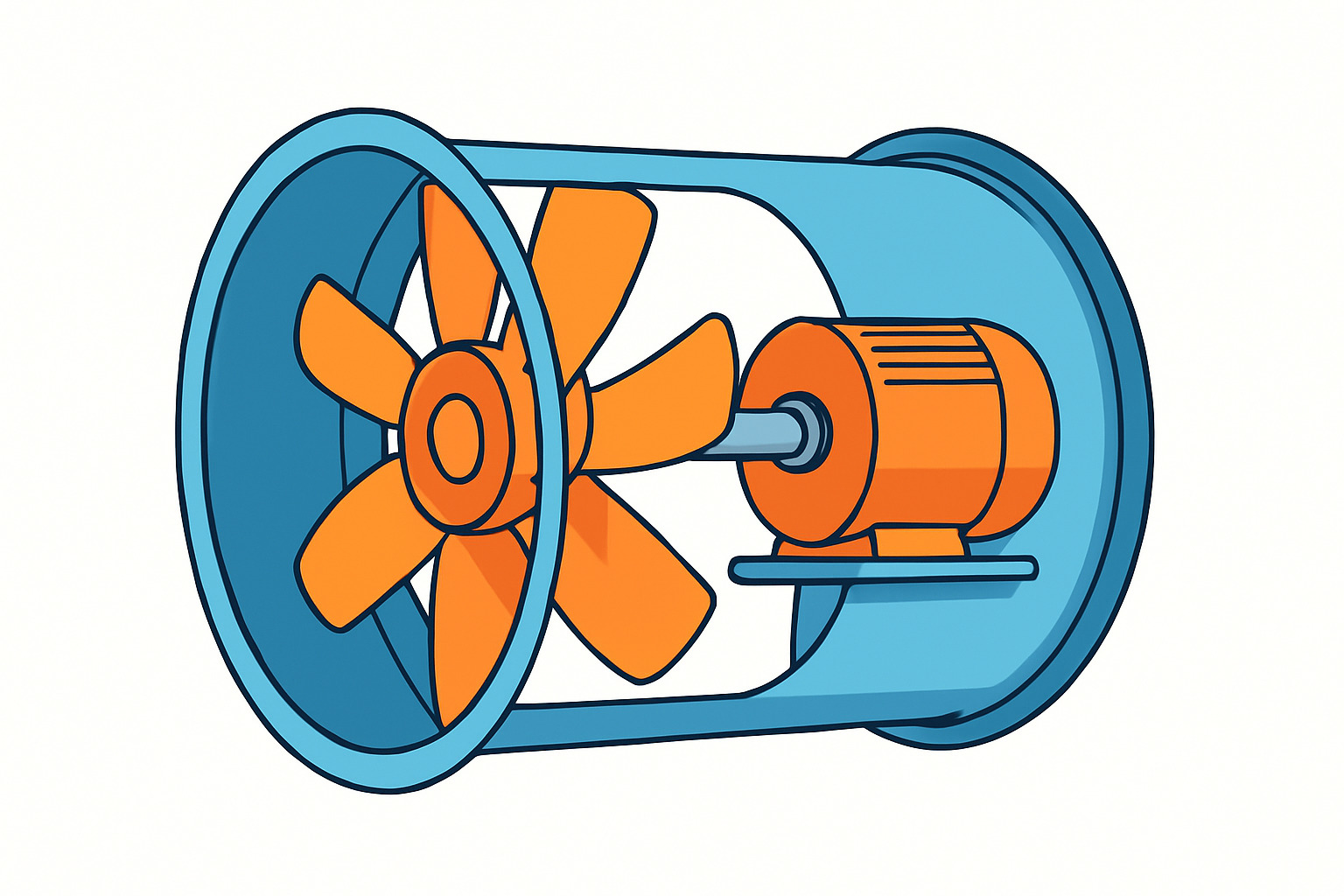
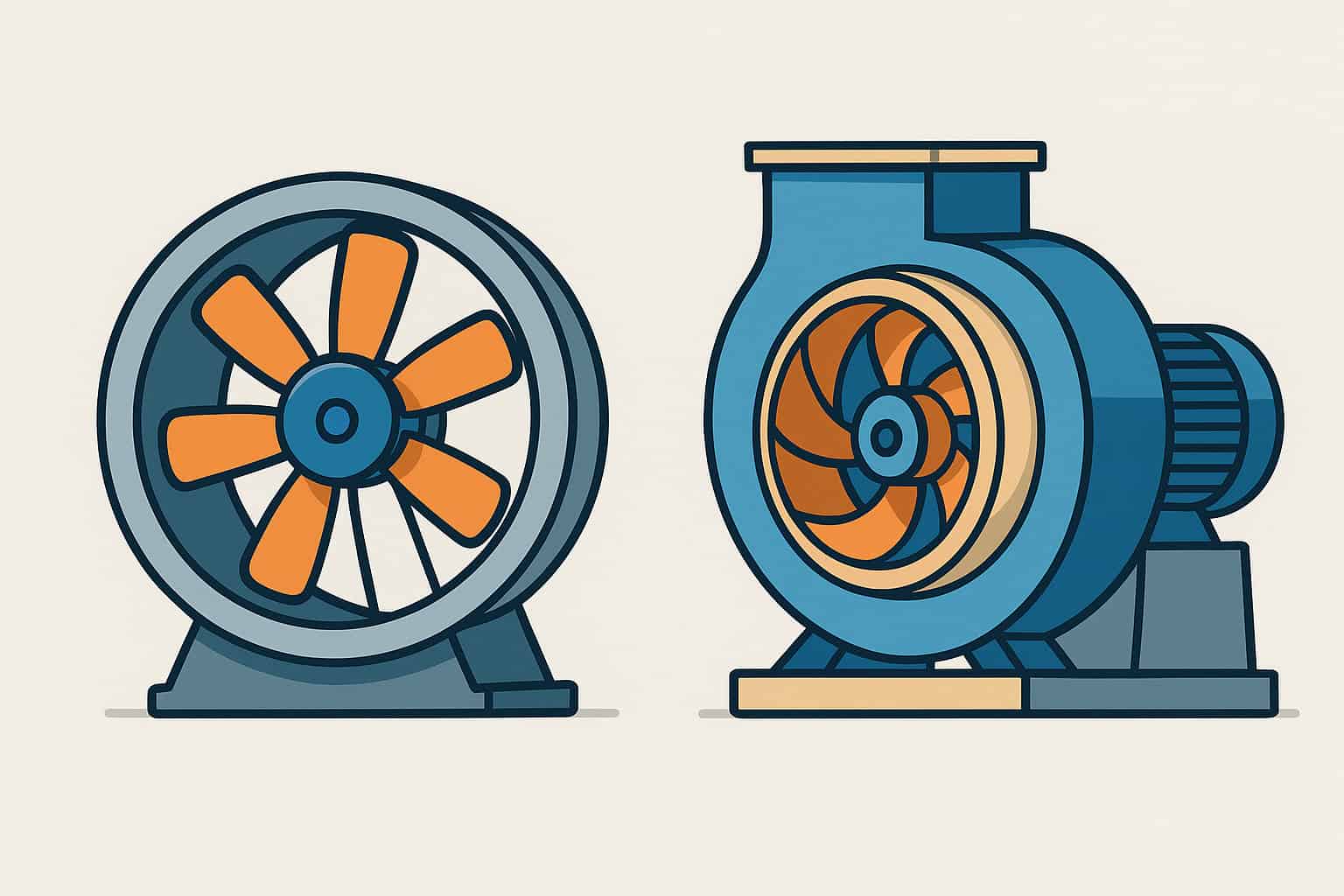
For most factories and mines, the best form of ventilation is mechanical ventilation driven by fans. General or dilution ventilation uses axial or centrifugal fans to supply fresh air and exhaust used air across large areas. This form is effective for controlling overall temperature and reducing the average concentration of contaminants. Main fans in mines and large roof or wall fans in industrial halls are typical examples. They form the backbone of the ventilation system and are essential for basic air quality and cooling.
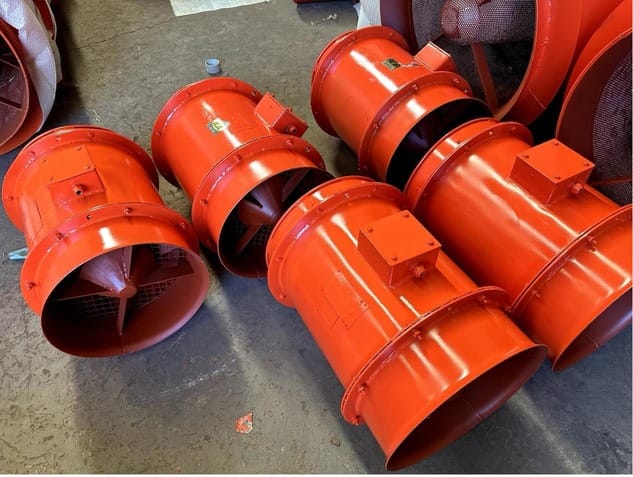
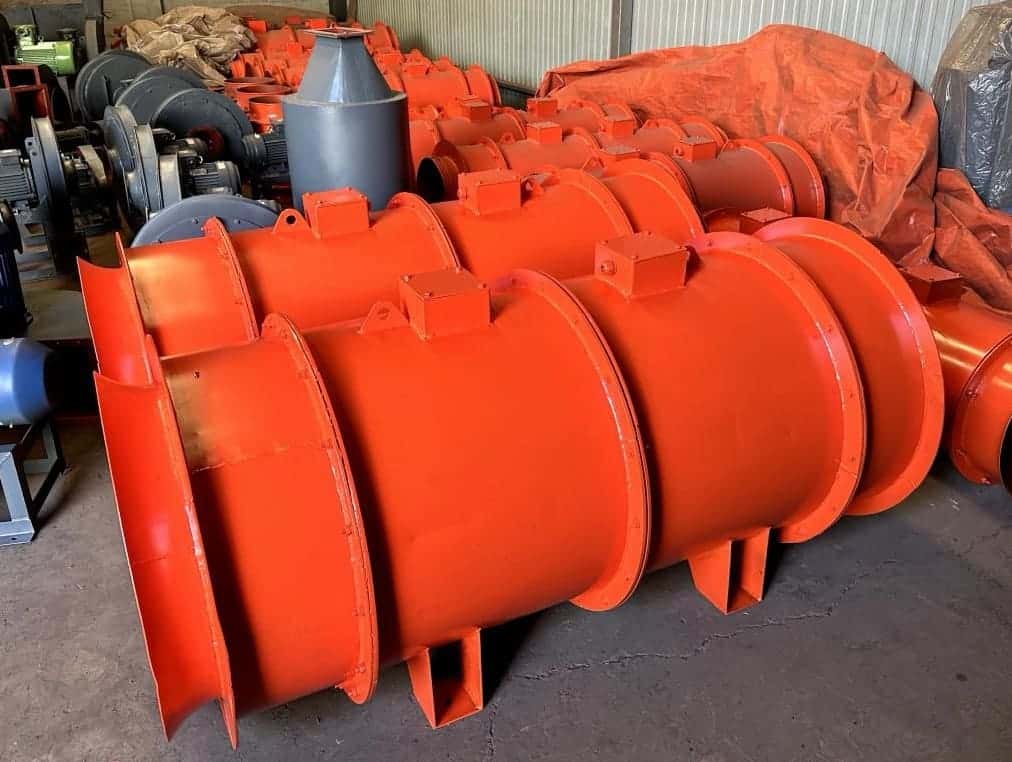
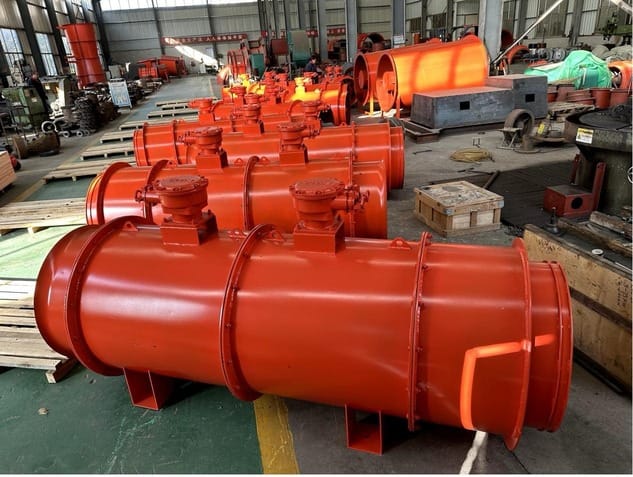
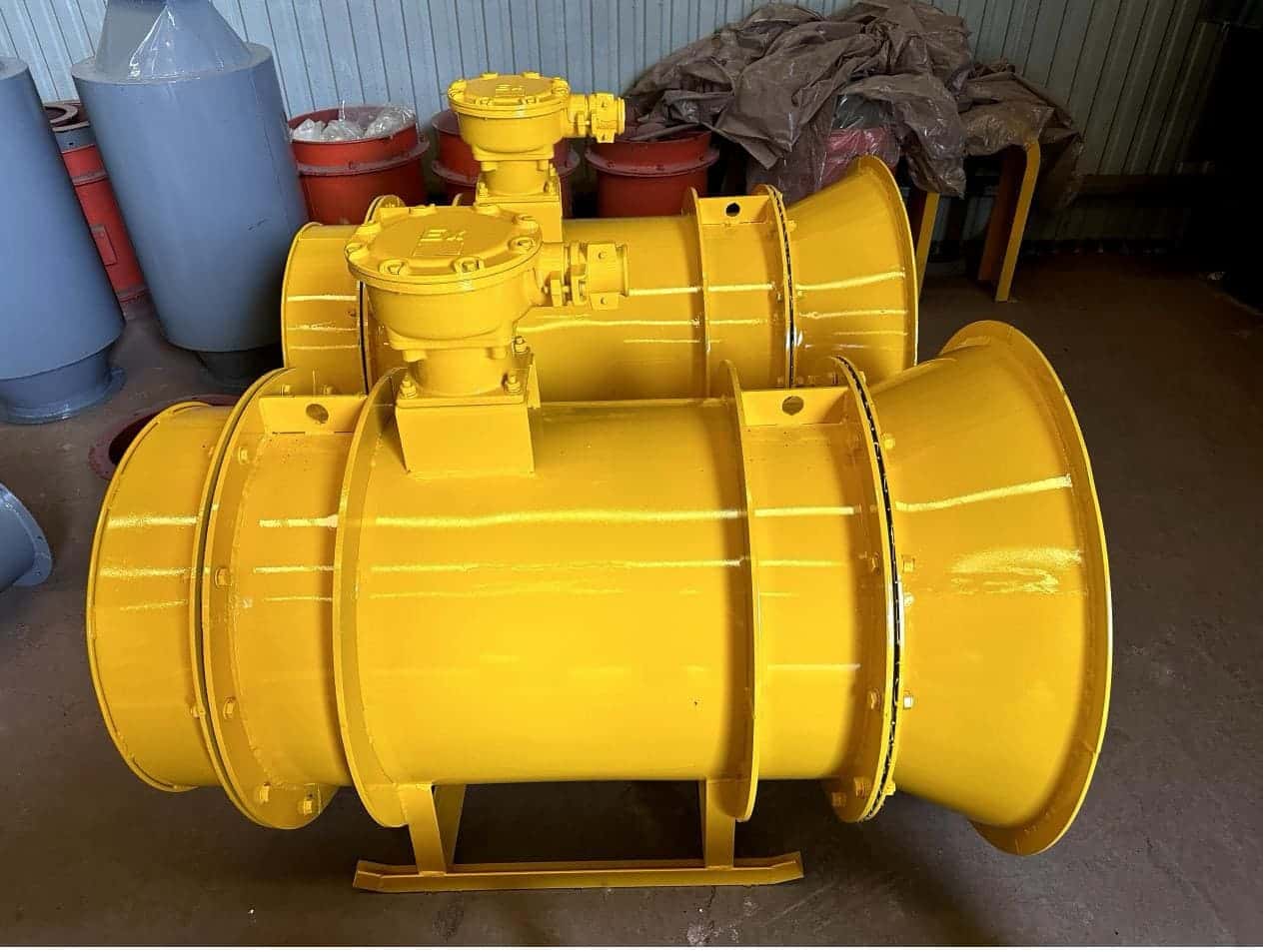
However, general ventilation alone is rarely the best option. To protect workers directly at emission points, the system should also include local exhaust ventilation. Hoods, enclosures and extraction points capture dust, fumes or vapors right where they are generated, and ductwork carries them to exhaust fans and filters. In underground mining, auxiliary fans and ducting serve a similar local role at headings and drawpoints. Combining local exhaust with general mechanical ventilation usually gives far better protection than either form on its own.
Balanced mechanical ventilation, where both supply and exhaust flows are controlled, is another element of a good system. It allows engineers to create pressure zones, keeping clean areas slightly positive and dirty areas slightly negative. In some projects, heat or energy recovery ventilation is added so that exhaust air preconditions incoming fresh air, improving energy efficiency without reducing air quality.
In summary, the best form of ventilation is not a single option, but the right combination for your site. For most industrial and mining applications, a well designed mechanical system that combines general ventilation, local exhaust, balanced supply and exhaust, and where appropriate heat recovery, is far superior to relying on natural ventilation or a few small exhaust fans alone.