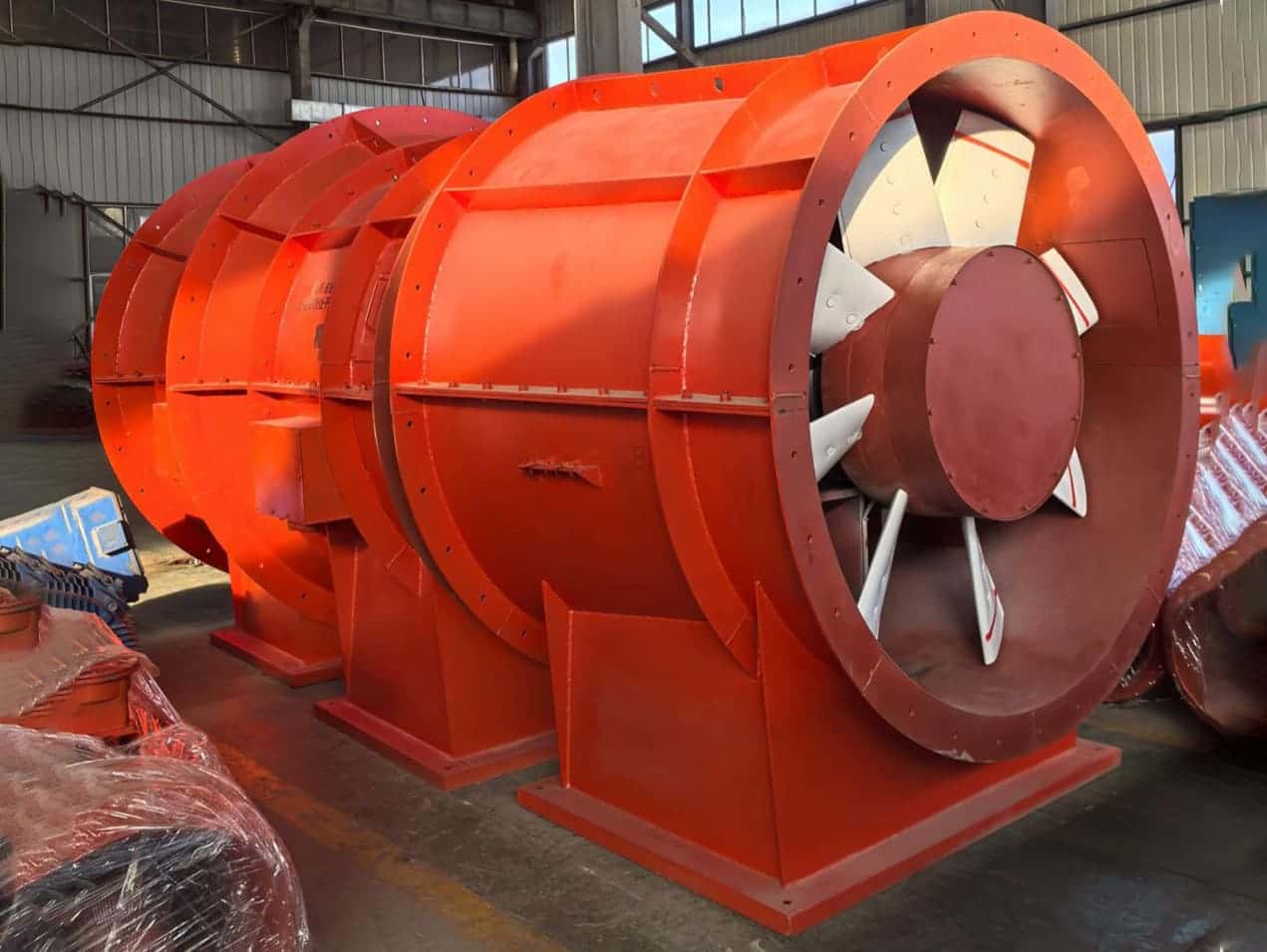
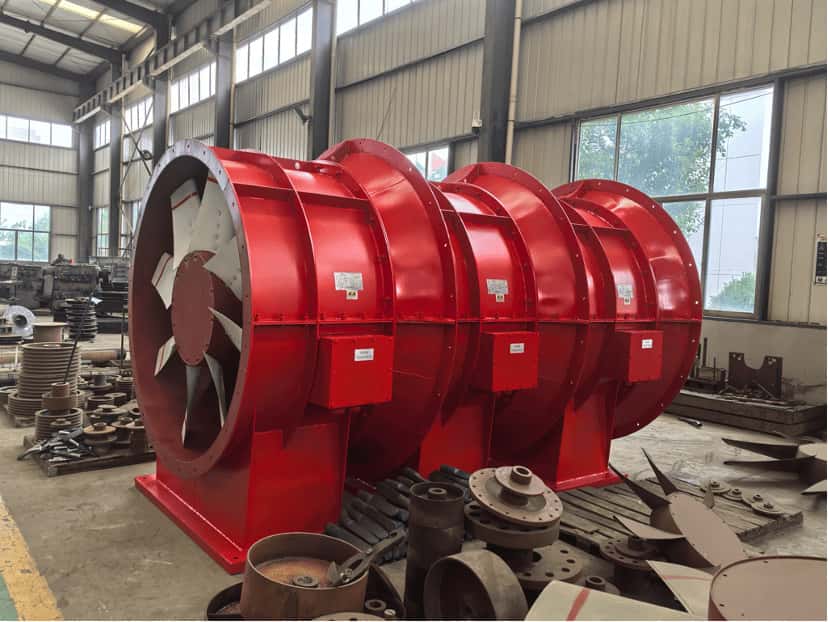
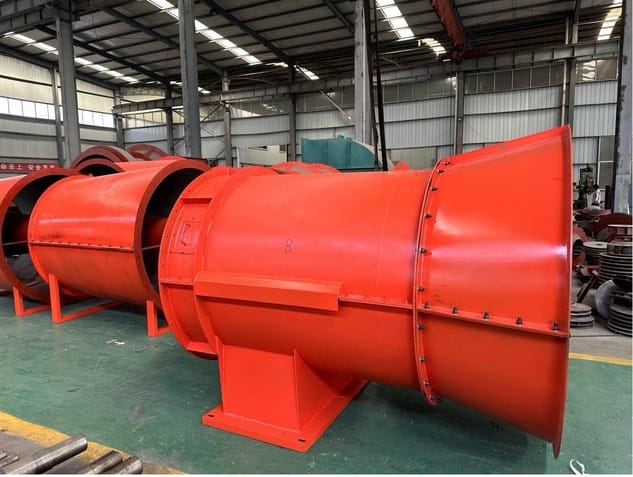
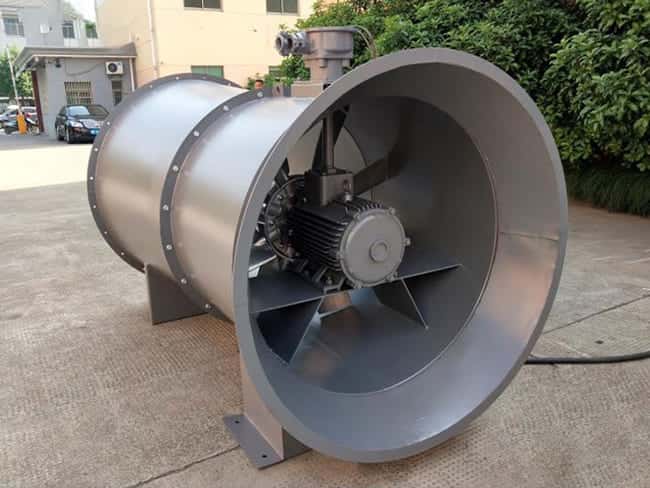
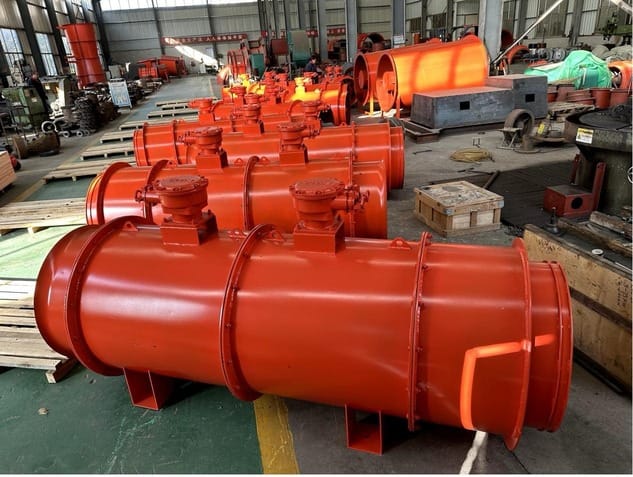
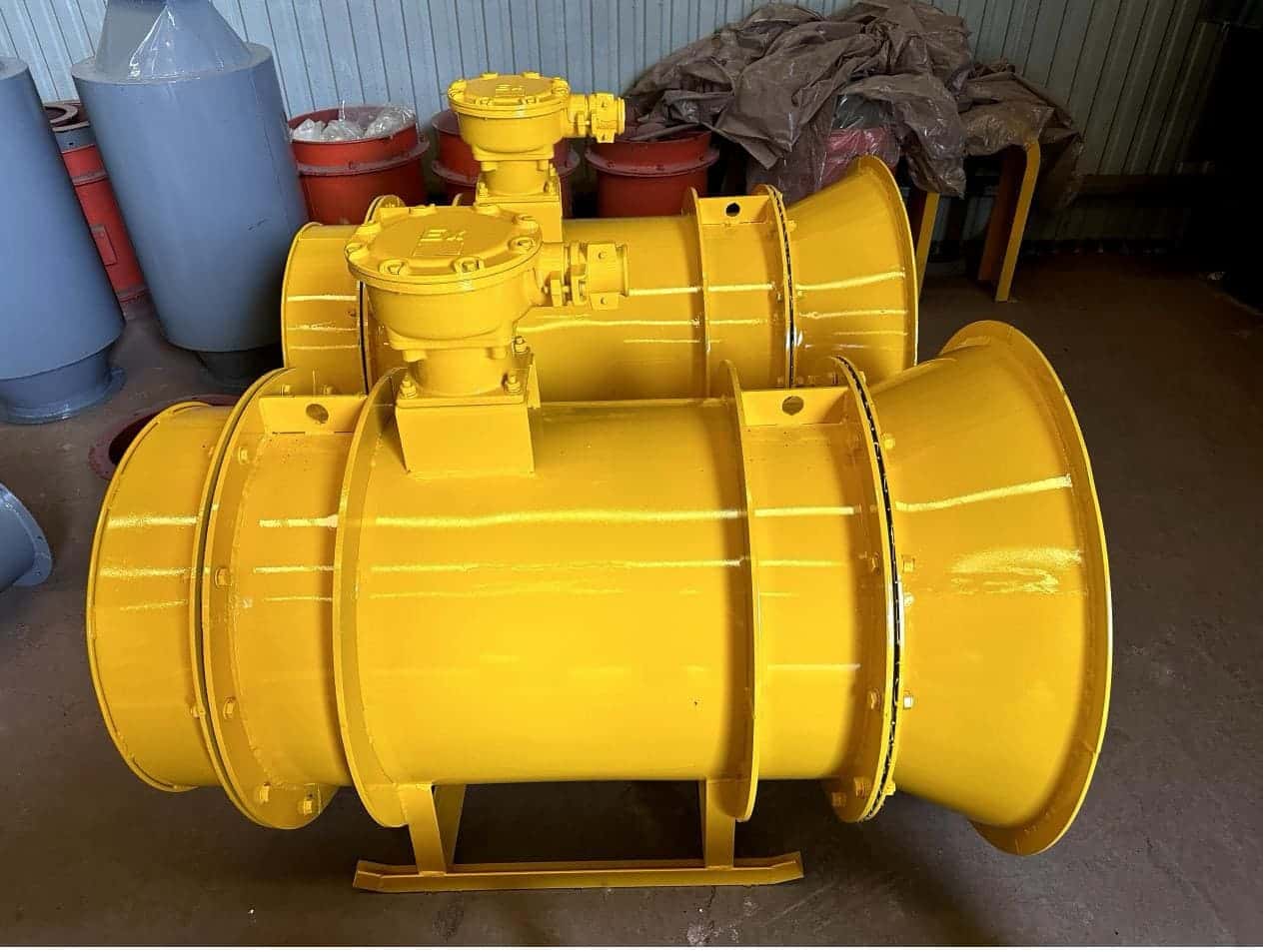
Neither a 1200 mm fan nor a 1400 mm fan is automatically better; the right size depends on the space, the required airflow and how the fan will be operated. In general, a larger-diameter fan (1400 mm) can move more air at lower speed, while a smaller fan (1200 mm) may need to run faster to deliver the same airflow.
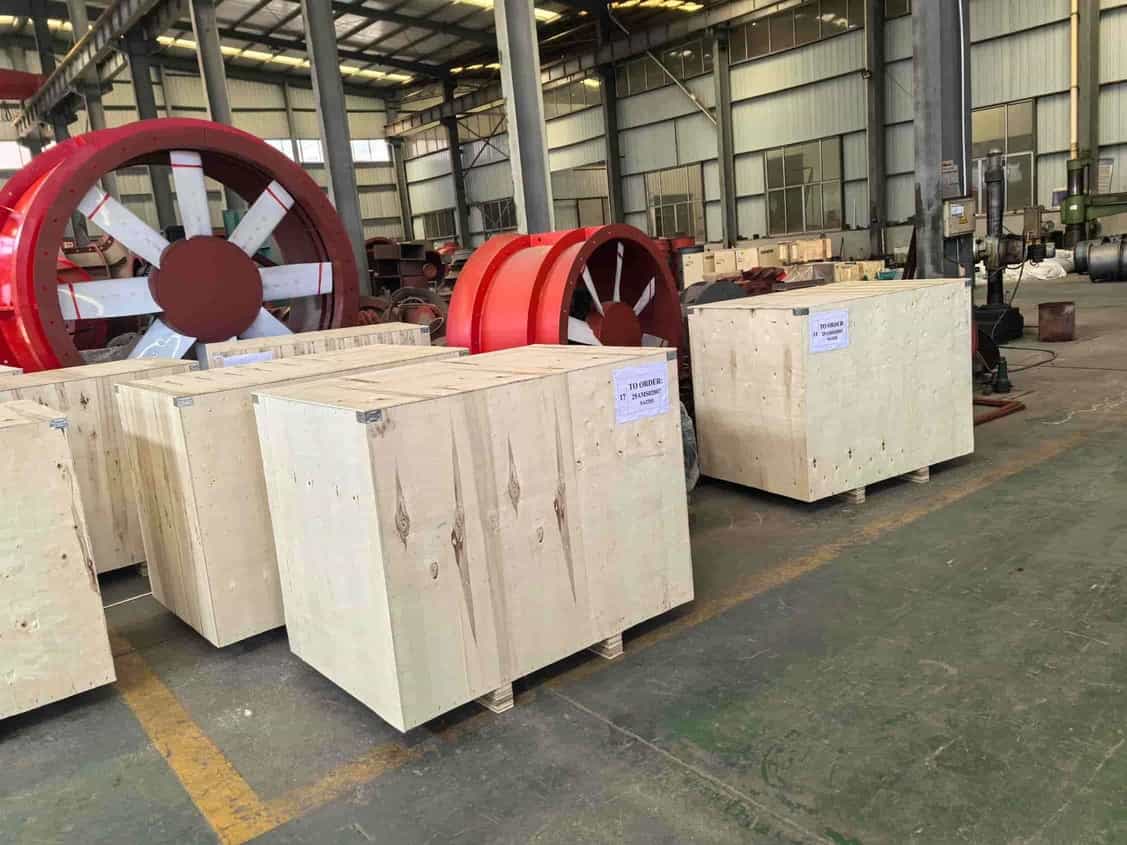
From an airflow perspective, fan diameter and speed work together. A 1400 mm fan has a larger swept area than a 1200 mm fan, so it can move more air per revolution. This allows you to run the larger fan at a lower RPM for the same airflow, which often reduces noise and can improve comfort. In large rooms, workshops or production areas, a 1400 mm fan may provide better air distribution, especially when installed at an appropriate height.
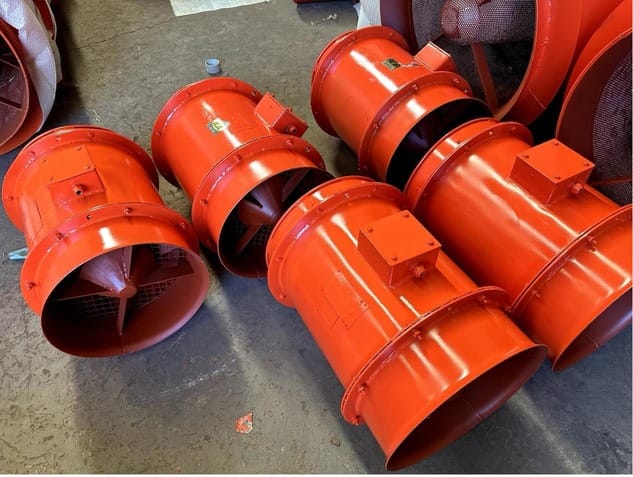
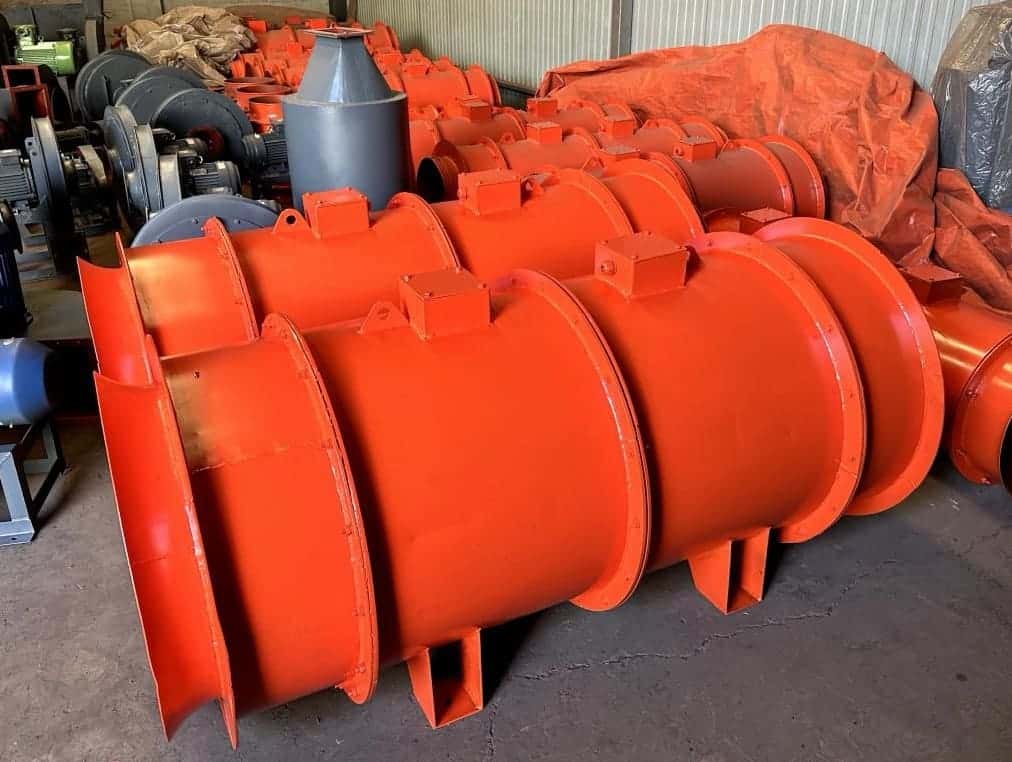
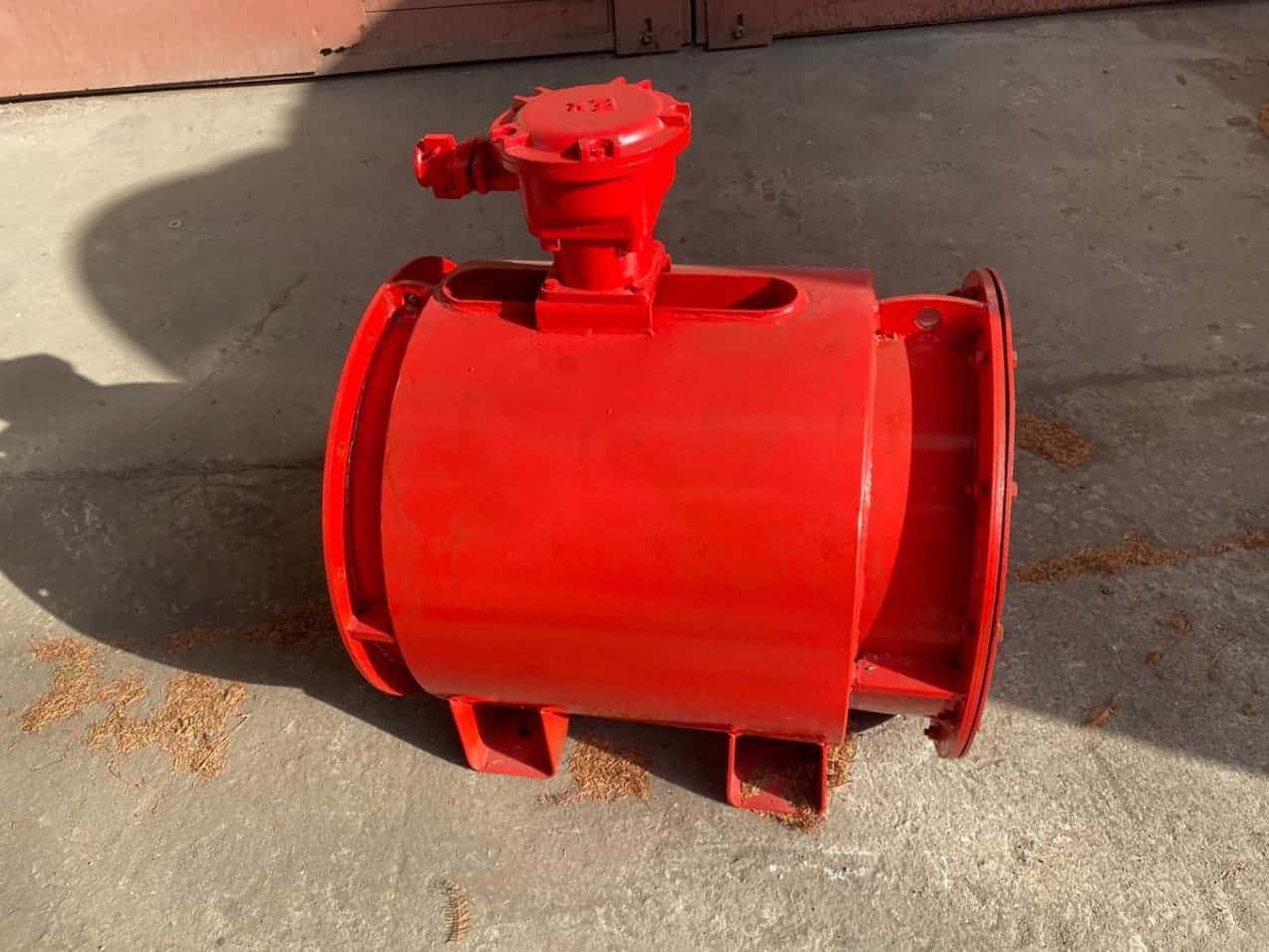
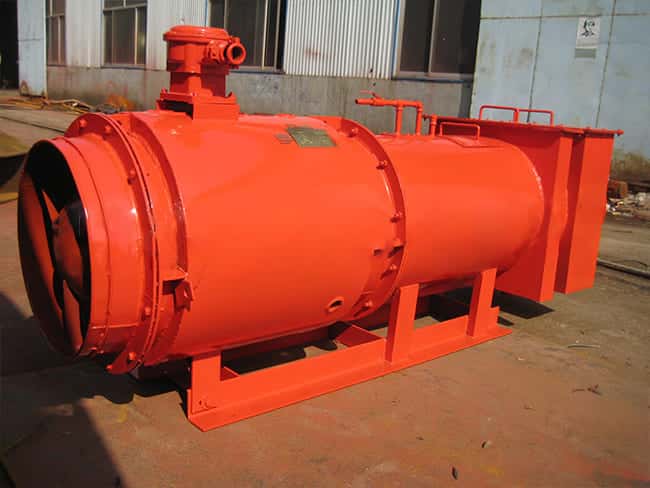
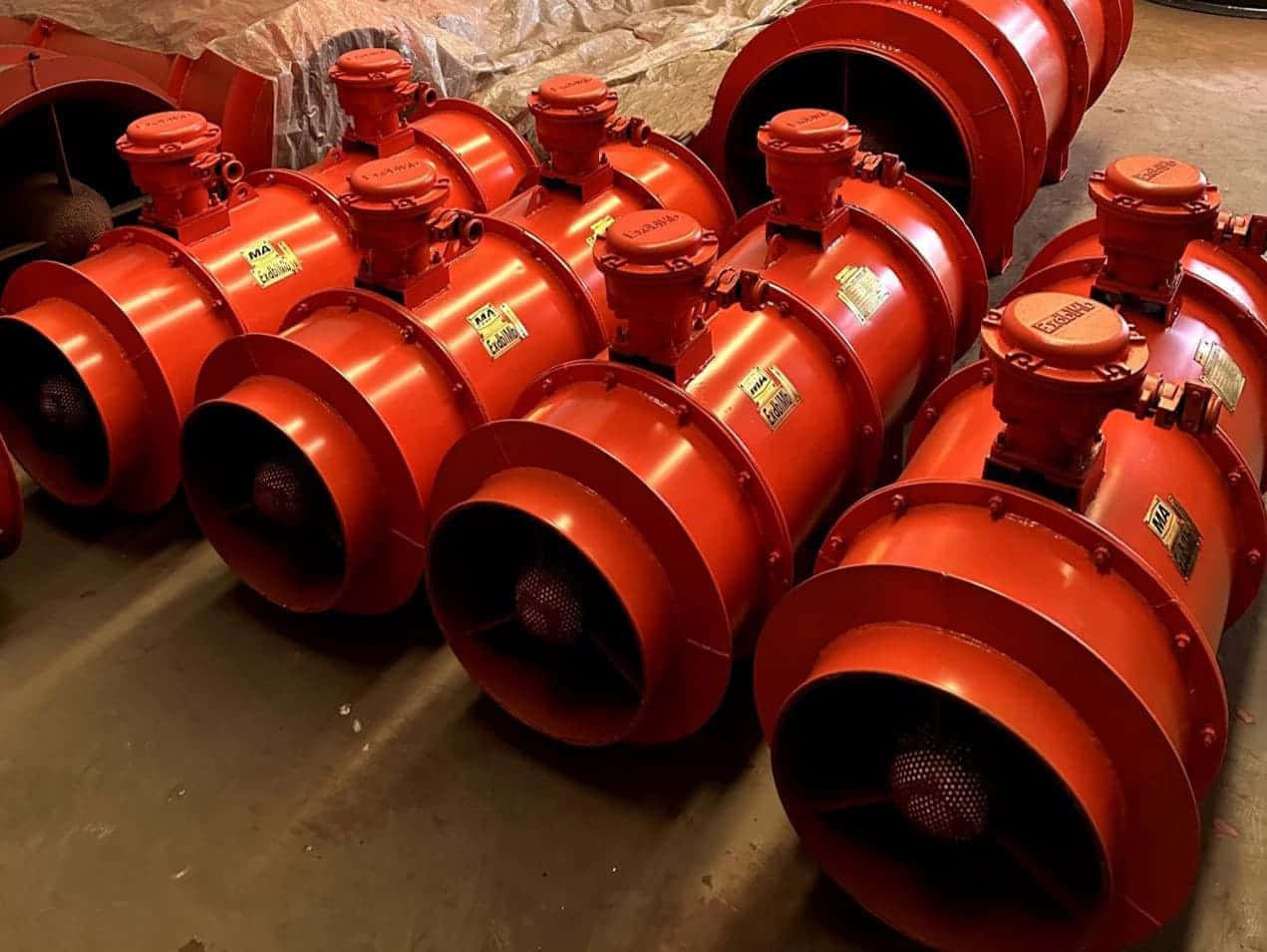
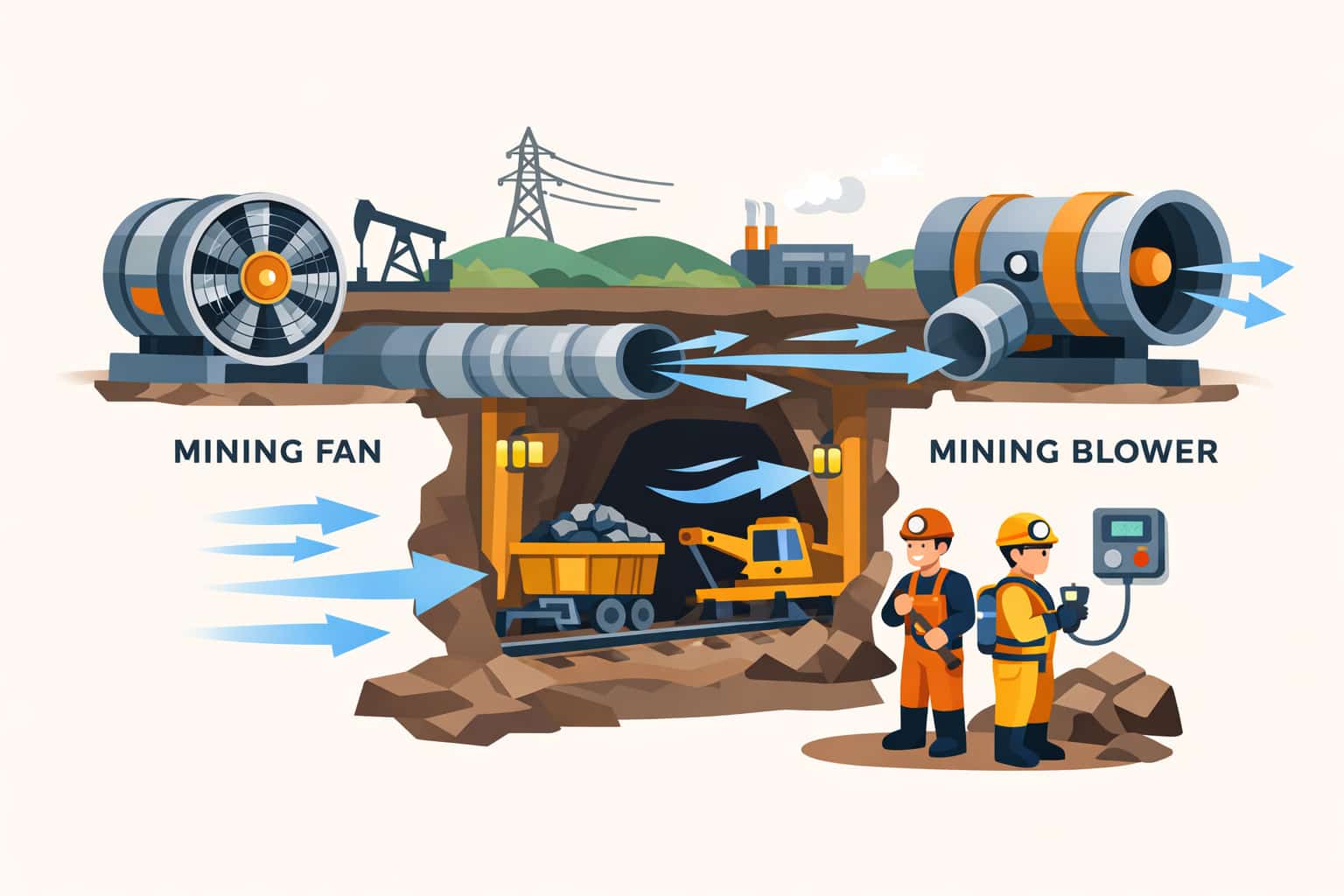
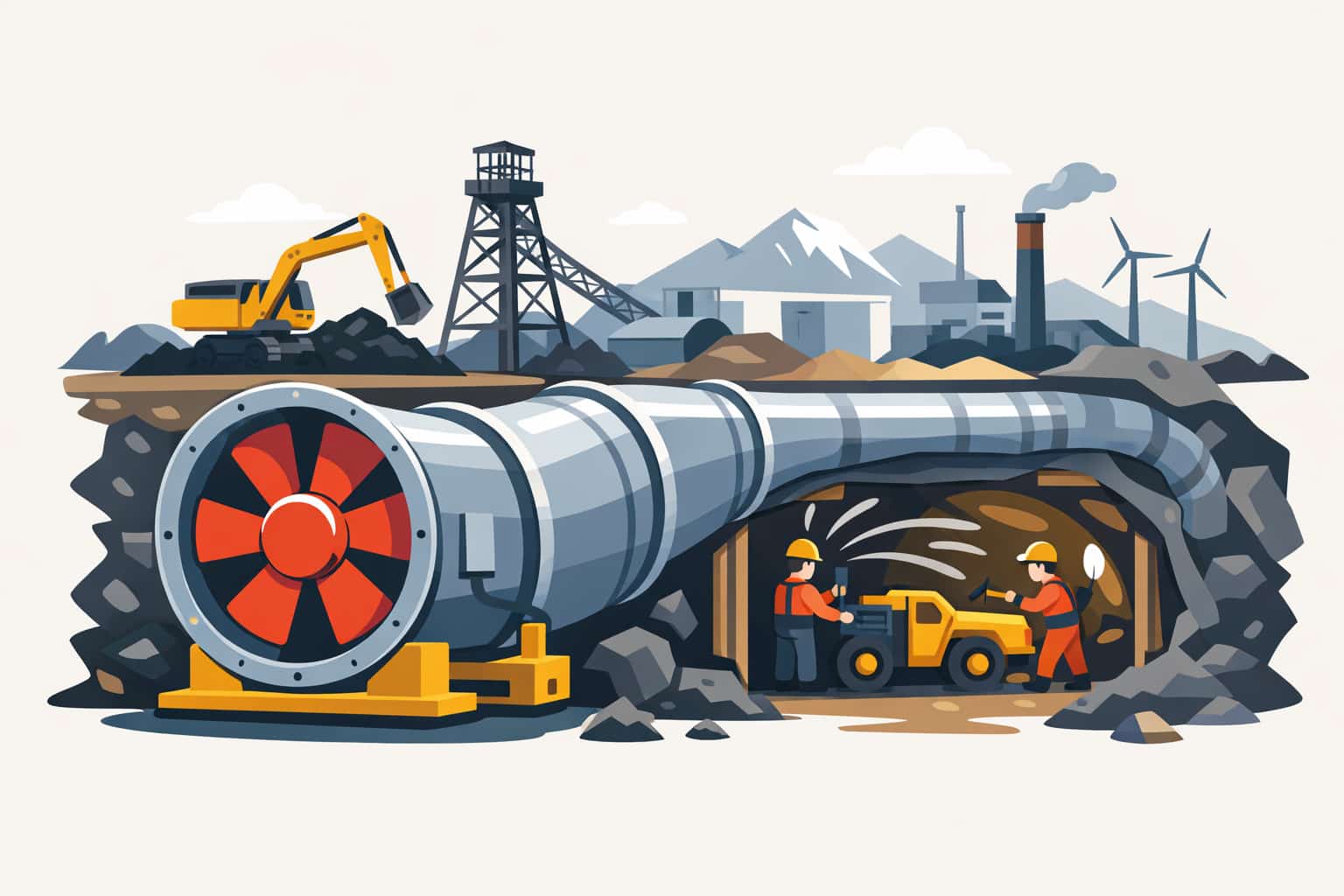
A 1200 mm fan may be more suitable in smaller rooms or confined spaces where a 1400 mm fan would physically not fit or would create too strong a draft. If ceiling height is limited or there are obstacles such as beams, cranes or ductwork, the smaller diameter can make installation easier and safer. In some industrial or mining auxiliary ventilation setups with restricted cross-sections, fan size is limited purely by space.
Noise is another important factor. For the same airflow, the larger 1400 mm fan can usually run at a lower speed, which often results in lower blade tip speed and less aerodynamic noise. Running a 1200 mm fan at higher speed to compensate may produce more noise and vibration, which can affect worker comfort. However, a poorly designed or cheap 1400 mm fan can still be noisy if the blades are not well balanced or if the mounting is unstable.
Energy consumption depends on both size and speed. If both fans are correctly selected and operate at reasonable efficiency, the difference in power may not be large for modest duties. But in general, using a larger fan at lower speed to move the same amount of air can be more energy-efficient, especially when combined with a variable-frequency drive that allows fine control of speed according to demand.
Finally, consider application and safety. In industrial or mining environments, ensure that the chosen fan size complies with clearance requirements, guarding standards and structural limitations of the mounting point. Oversized fans in tight spaces can create hazardous conditions if blades or guards are too close to people, equipment or structures.
In summary, a 1400 mm fan can be better for larger spaces and quieter, low-speed operation, while a 1200 mm fan may suit smaller rooms and tighter installations. The best choice is the fan size and speed combination that delivers the required airflow with acceptable noise, energy use and safety for your specific application.