
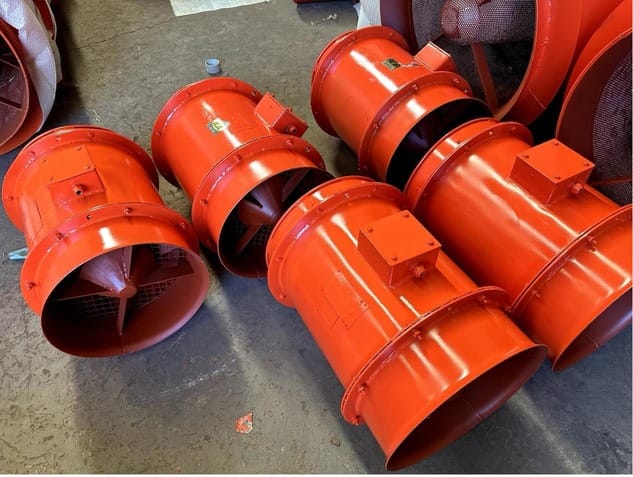
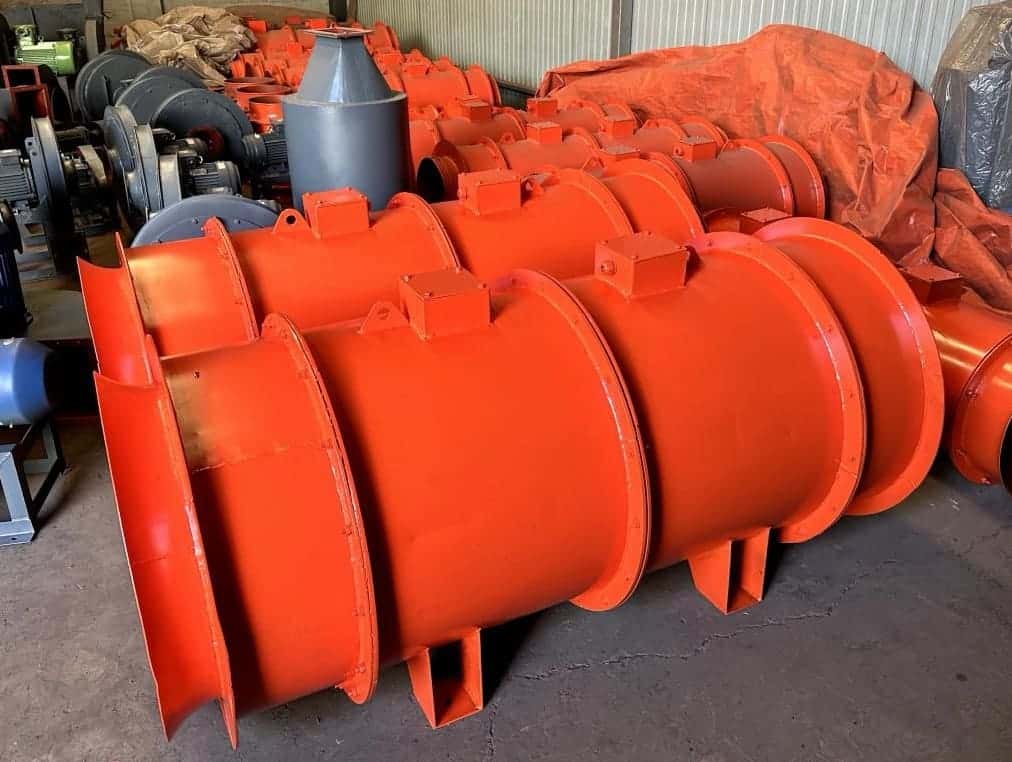
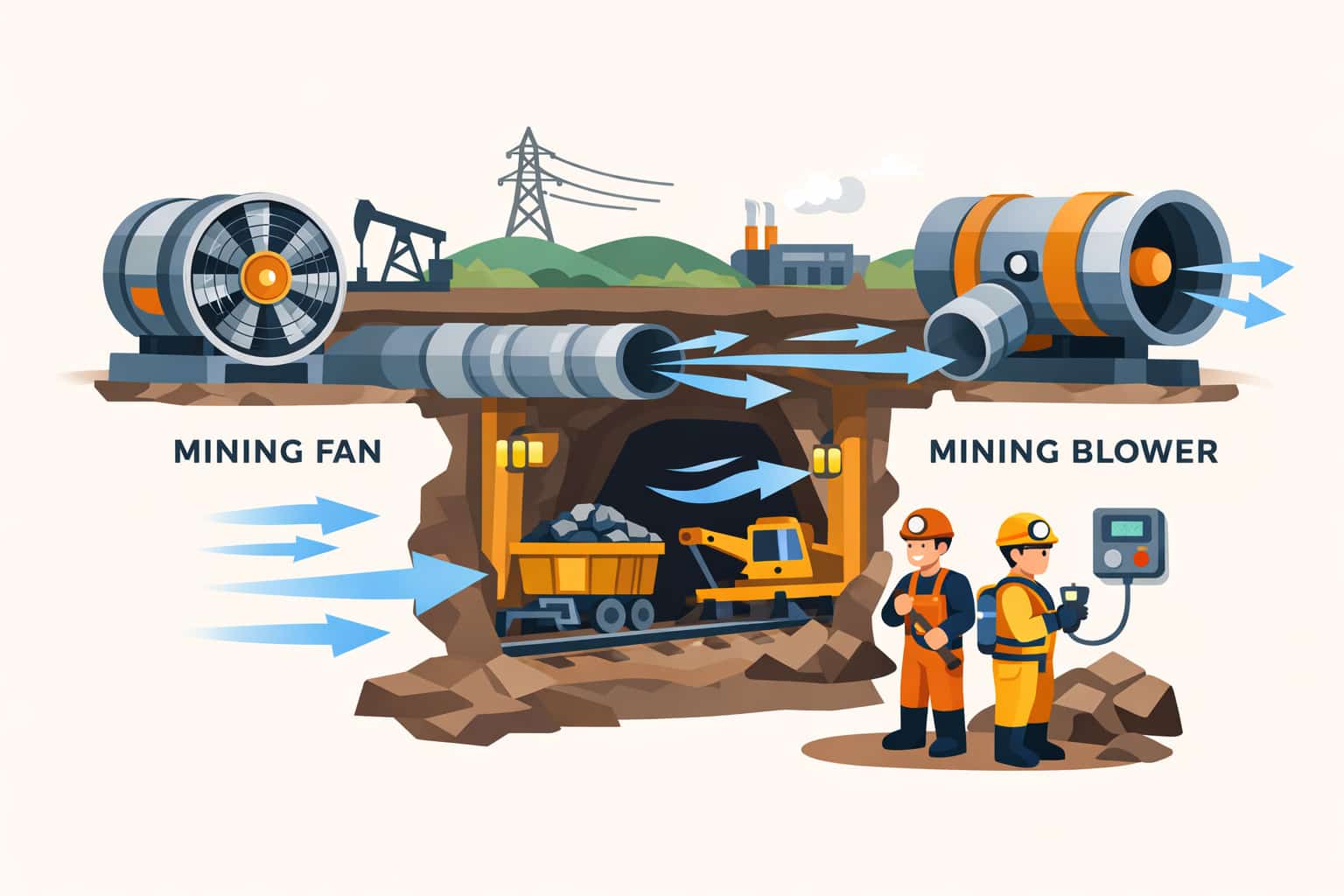
Asking which is better, a ventilation fan or an exhaust fan can be misleading, because the two terms describe different roles in the same system. An exhaust fan is a specific type of ventilation fan that removes air from a space, while “ventilation fan” is a broader term covering both supply and exhaust fans used to move fresh air in and contaminated air out. The better choice depends on what you are trying to achieve: supply, exhaust or a balanced combination of both.
If your main problem is removing hot, smelly or contaminated air from a workshop, process area or underground heading, an exhaust fan is the primary tool. It pulls air out of the space, carrying away fumes, dust and heat. Local exhaust systems with hoods and ductwork are particularly effective at capturing contaminants directly at the source. In bathrooms, kitchens, welding booths and some mine headings, exhaust-only systems are common and appropriate.
However, exhausting air without considering make-up air can create negative pressure, drafts and uncontrolled infiltration of dust or fumes from other areas. That is why many installations use both supply fans and exhaust fans. Supply fans bring in conditioned outdoor air through filters and sometimes coolers or heaters, while exhaust fans remove used air. Together they form a complete mechanical ventilation system that controls airflow patterns, pressure and air quality more effectively than exhaust alone.
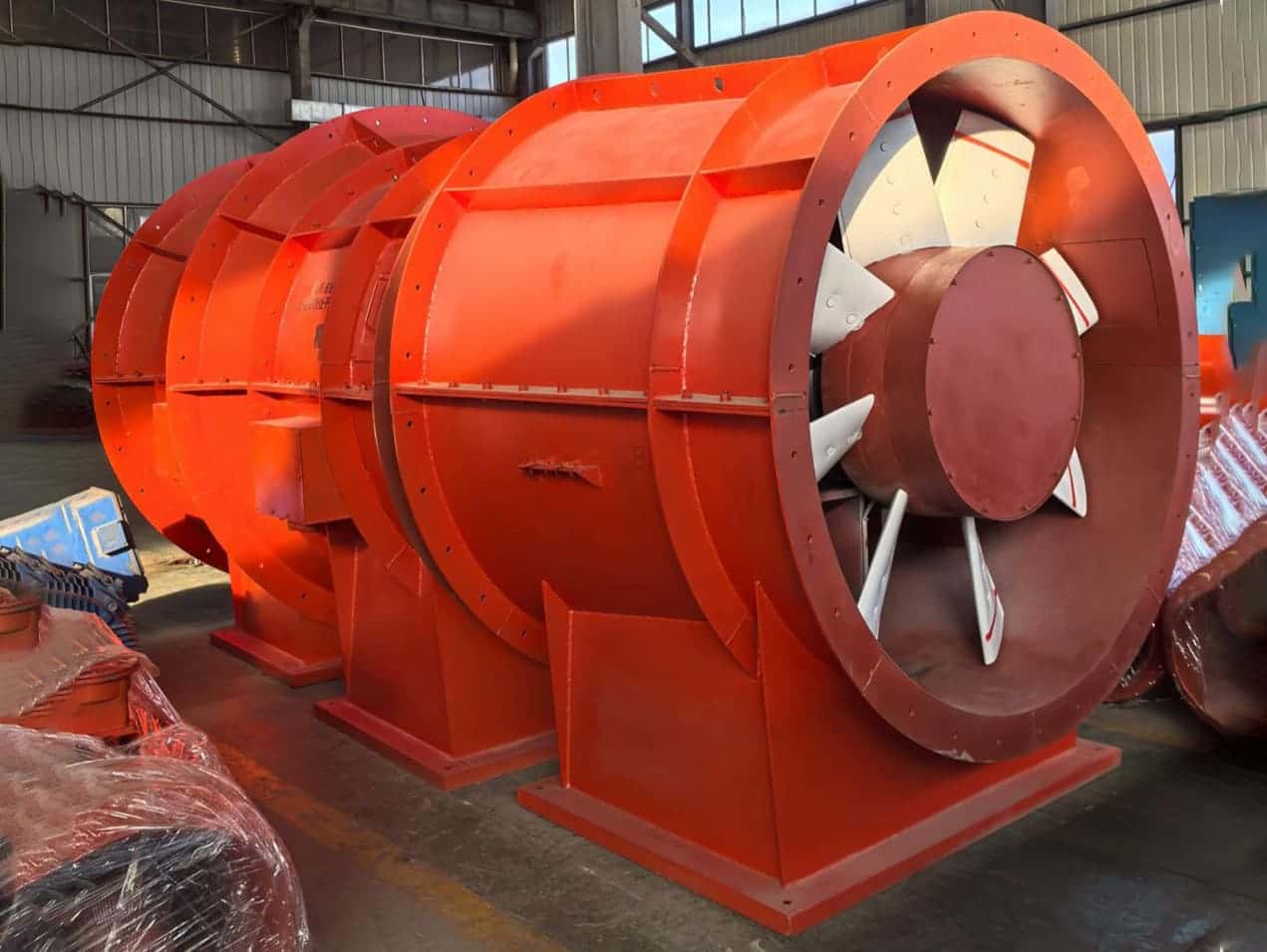
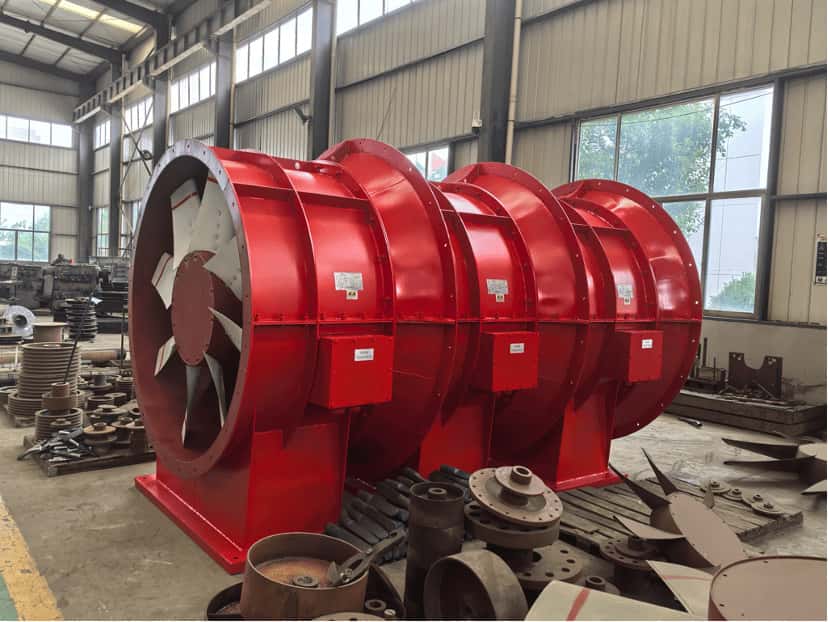
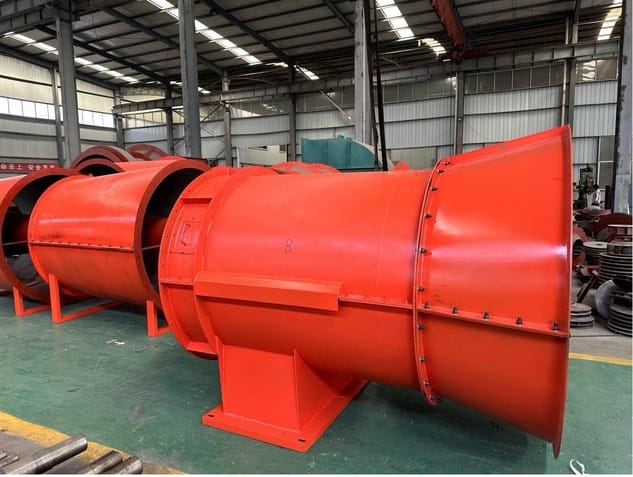
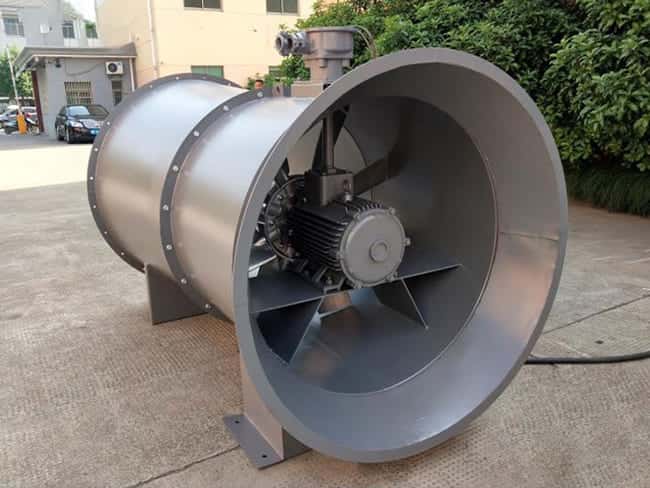
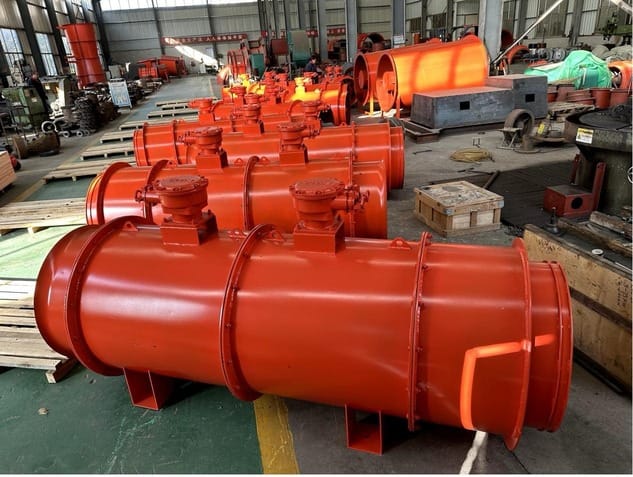
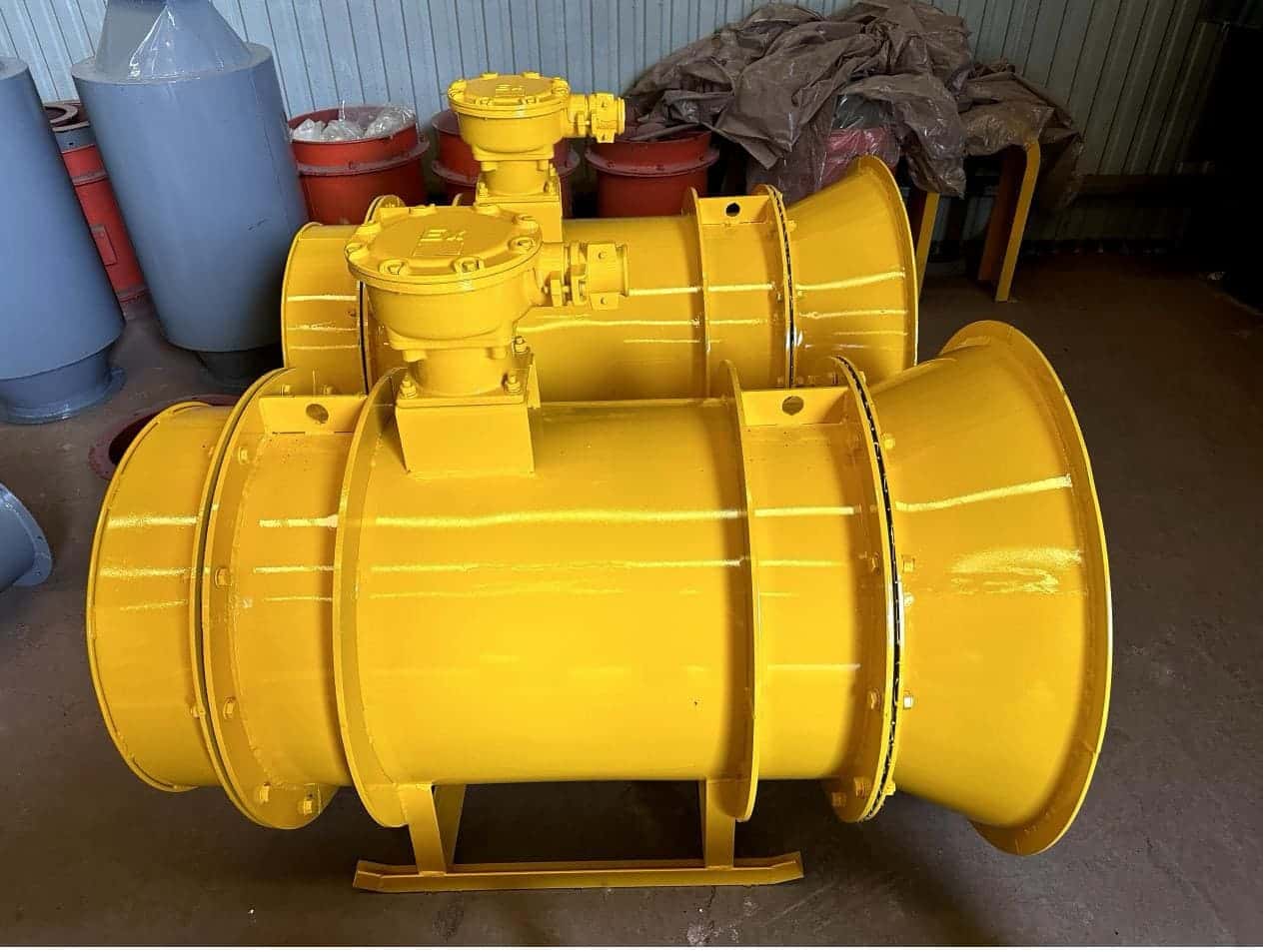
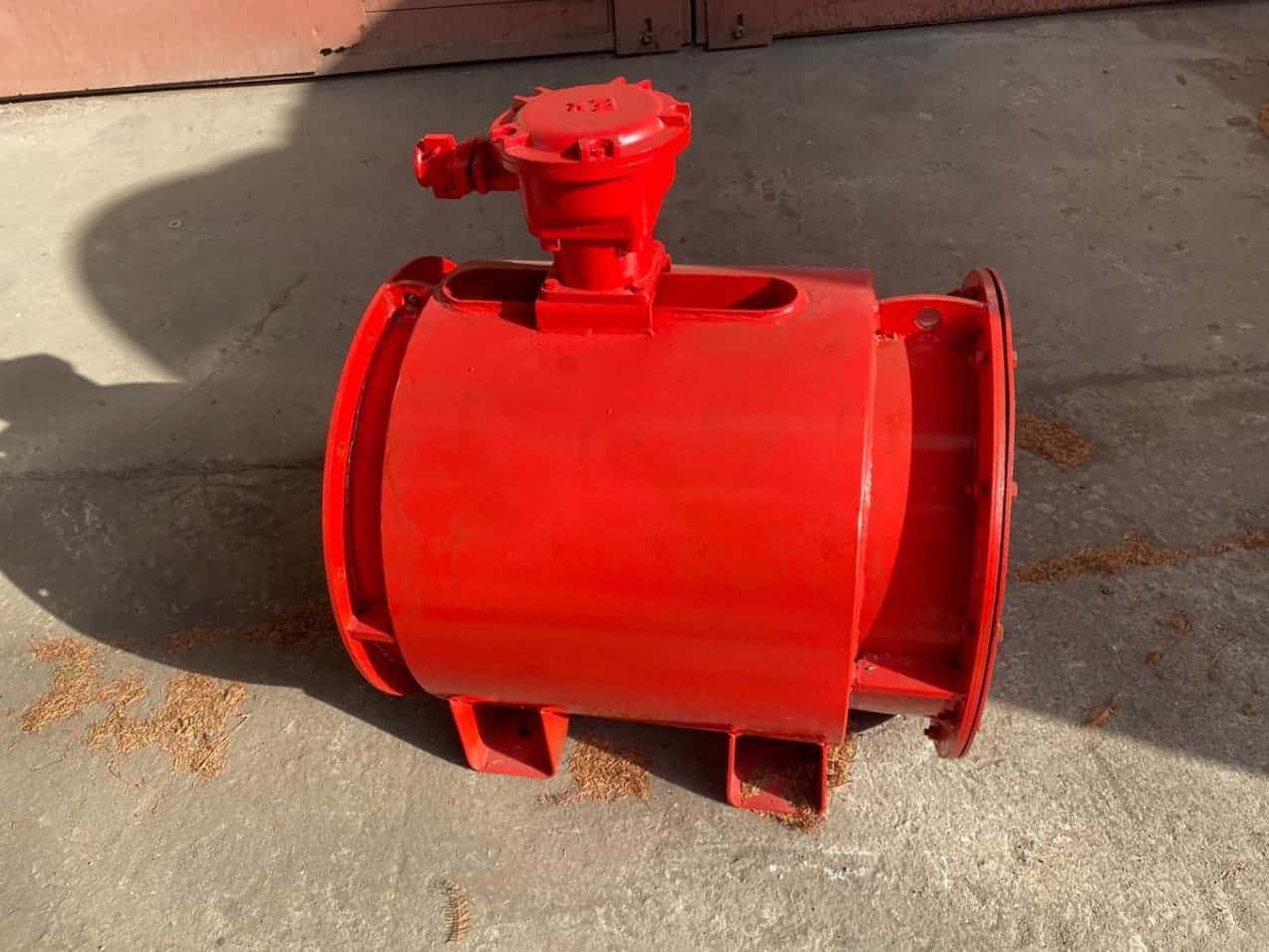
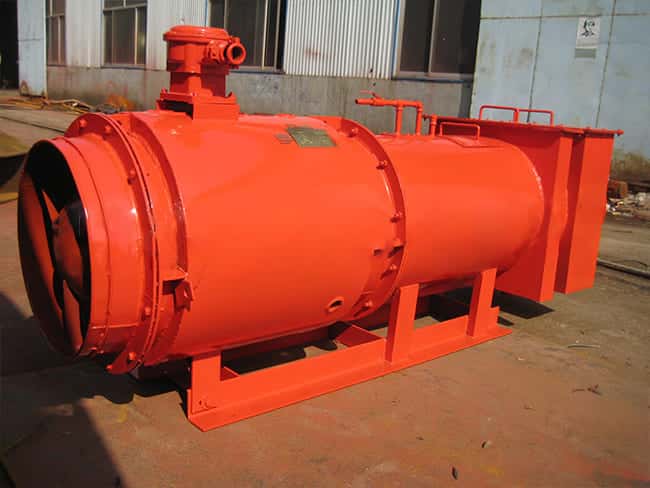
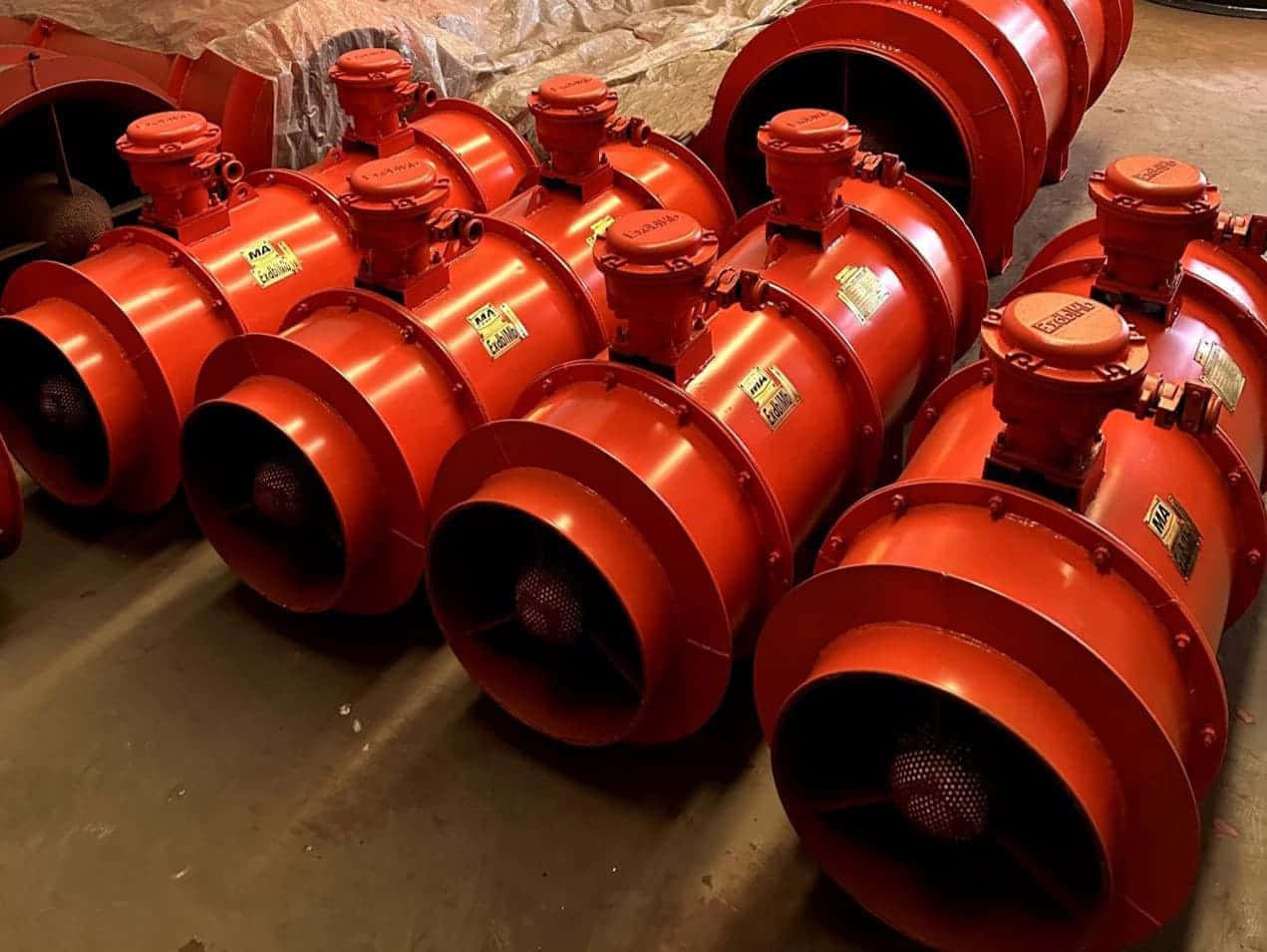
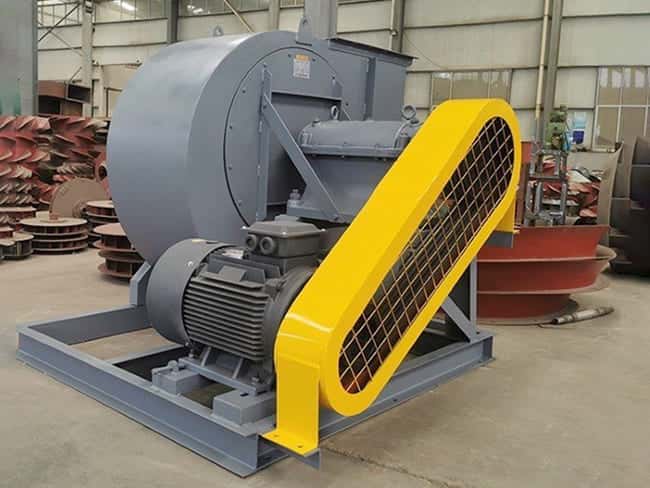
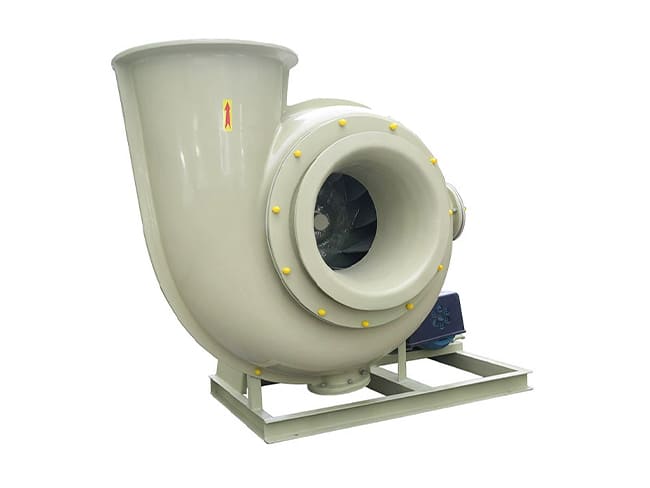
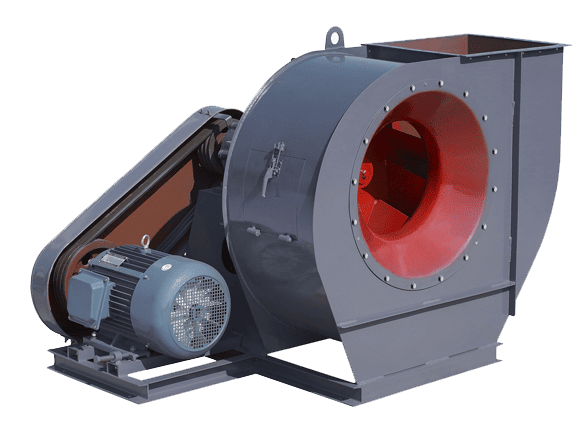
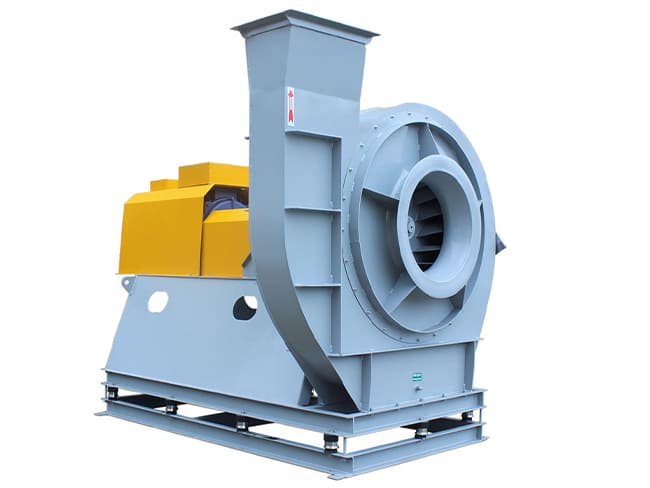
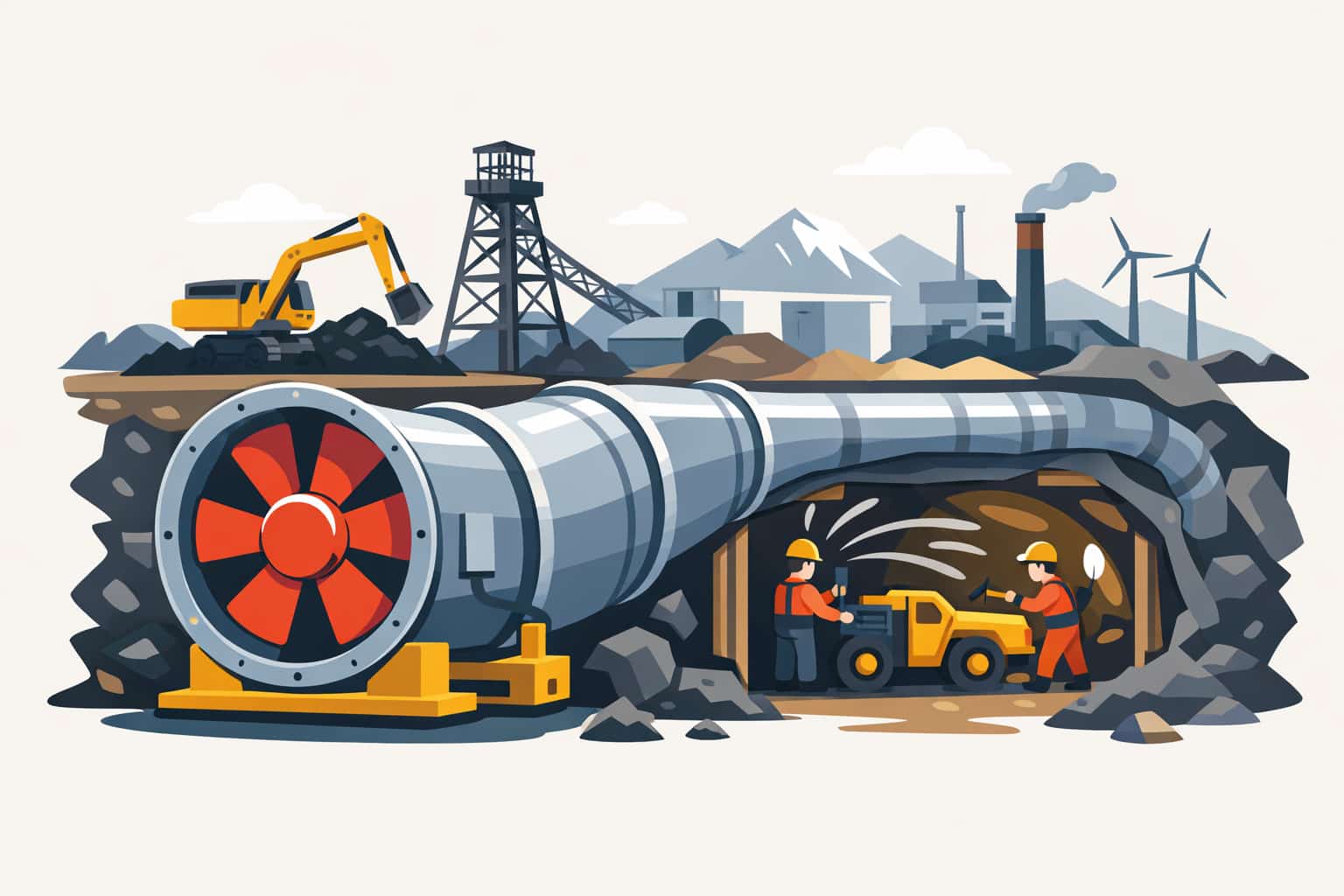
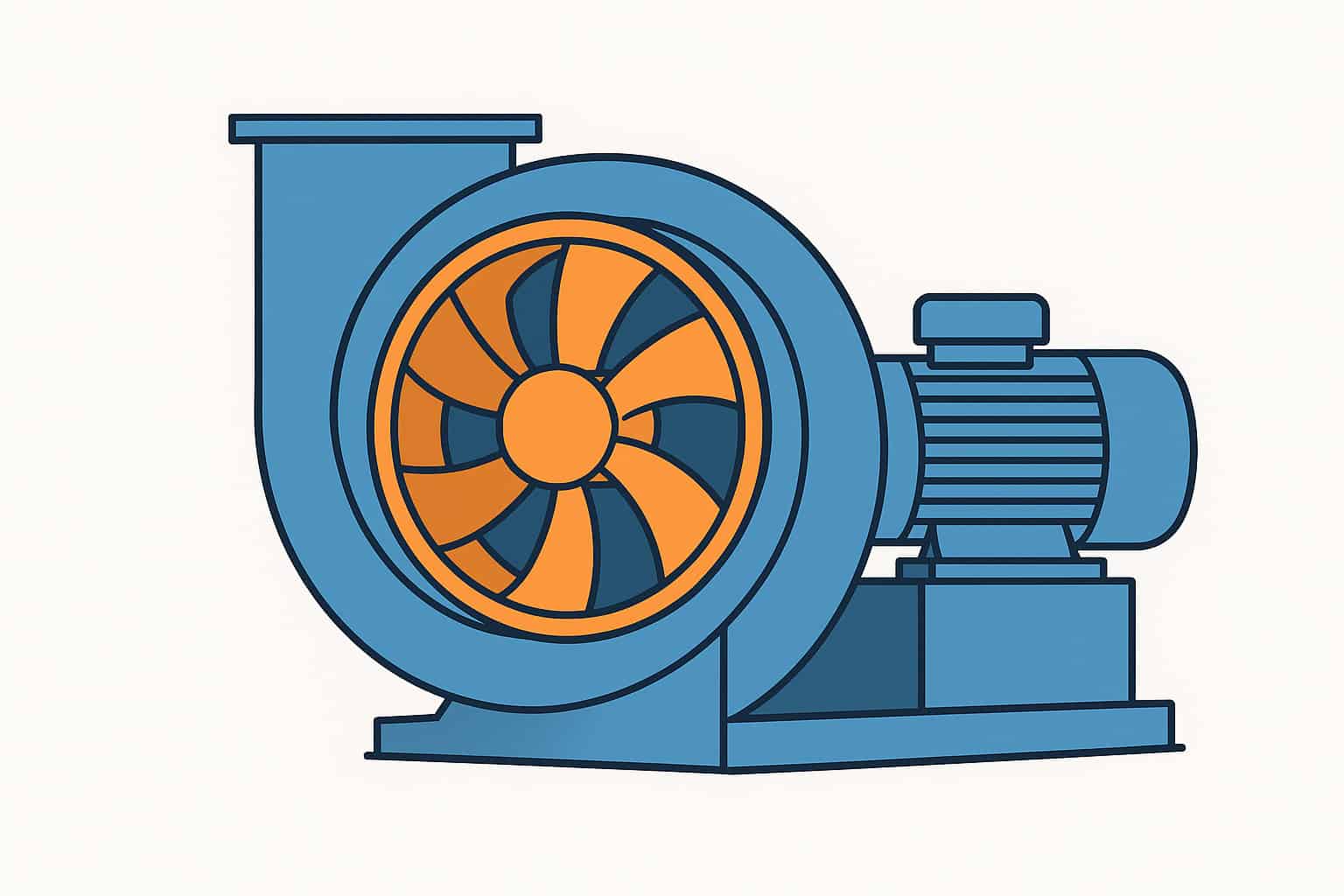
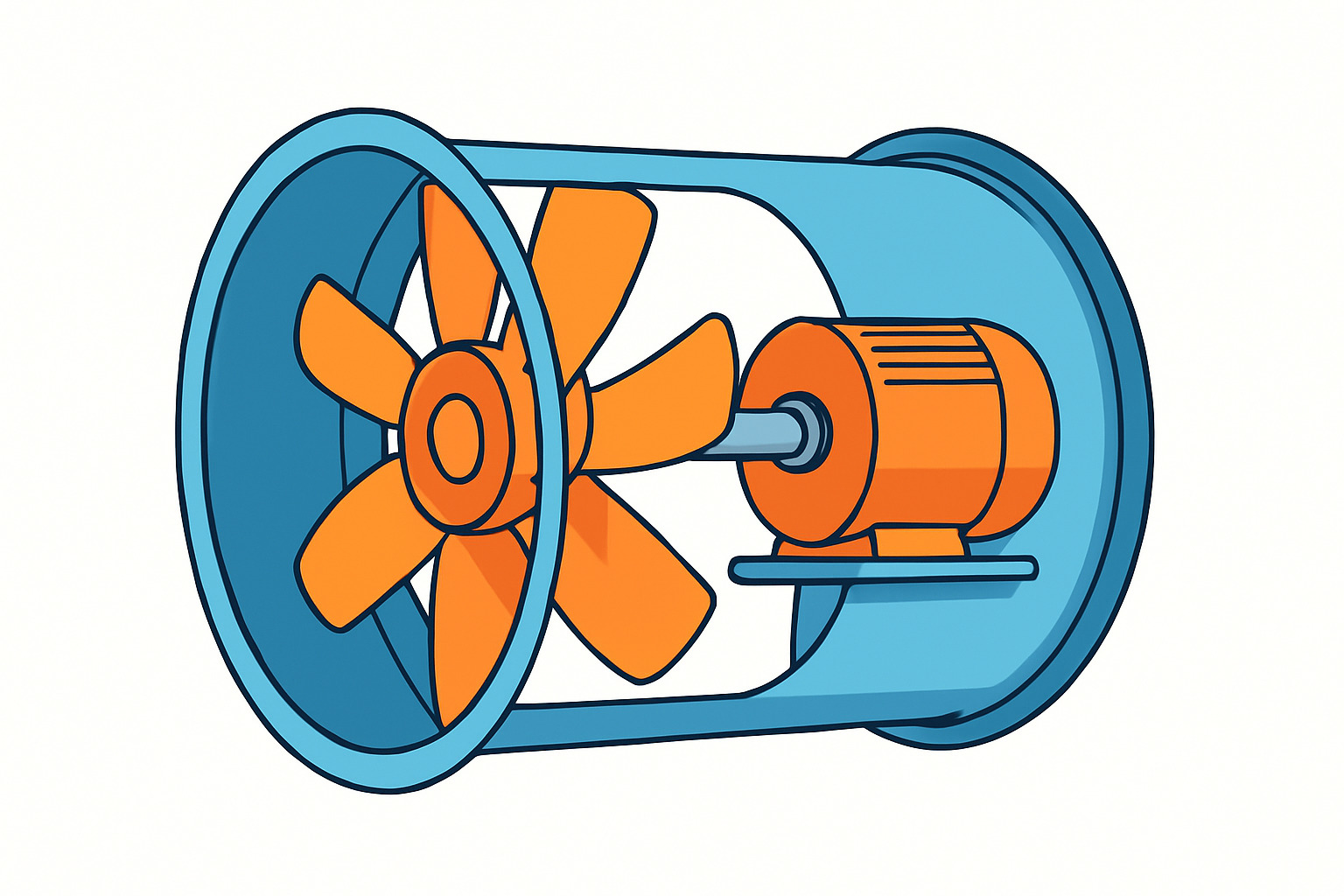
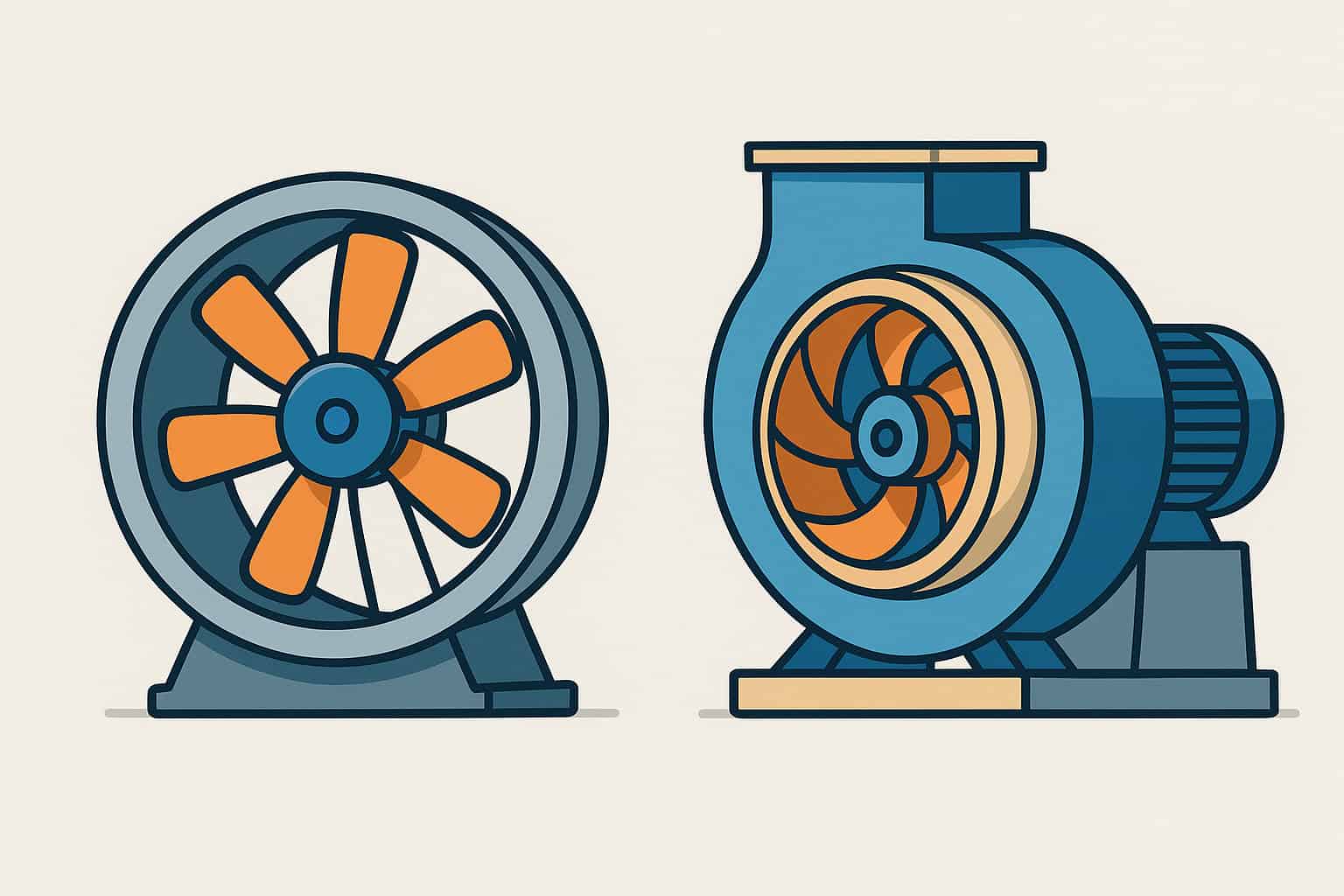
In industrial plants and underground mines, large axial or centrifugal fans used as main fans are often simply called “ventilation fans” because they are part of a system designed to move air through intakes and returns in a controlled way. Depending on the layout, that main fan may be configured as either a forcing (supply) fan or an exhausting fan, but its function is always part of the overall ventilation scheme, not an isolated exhaust device.
From an engineering perspective, the question is not which device is better in general, but which configuration is better for your application. Exhaust-only may be sufficient for small localized problems. Combined supply and exhaust, with properly sized ventilation fans, is better when you need to control temperature, humidity, pressure zones and contaminant distribution over a larger area, such as a factory, tunnel or mine district.
In summary, an exhaust fan is one type of ventilation fan focused on removing air. A complete ventilation system often needs both supply and exhaust fans. The “better” option is the one that delivers the correct airflow pattern, pressure and air quality for your particular building, industrial plant or underground operation.