
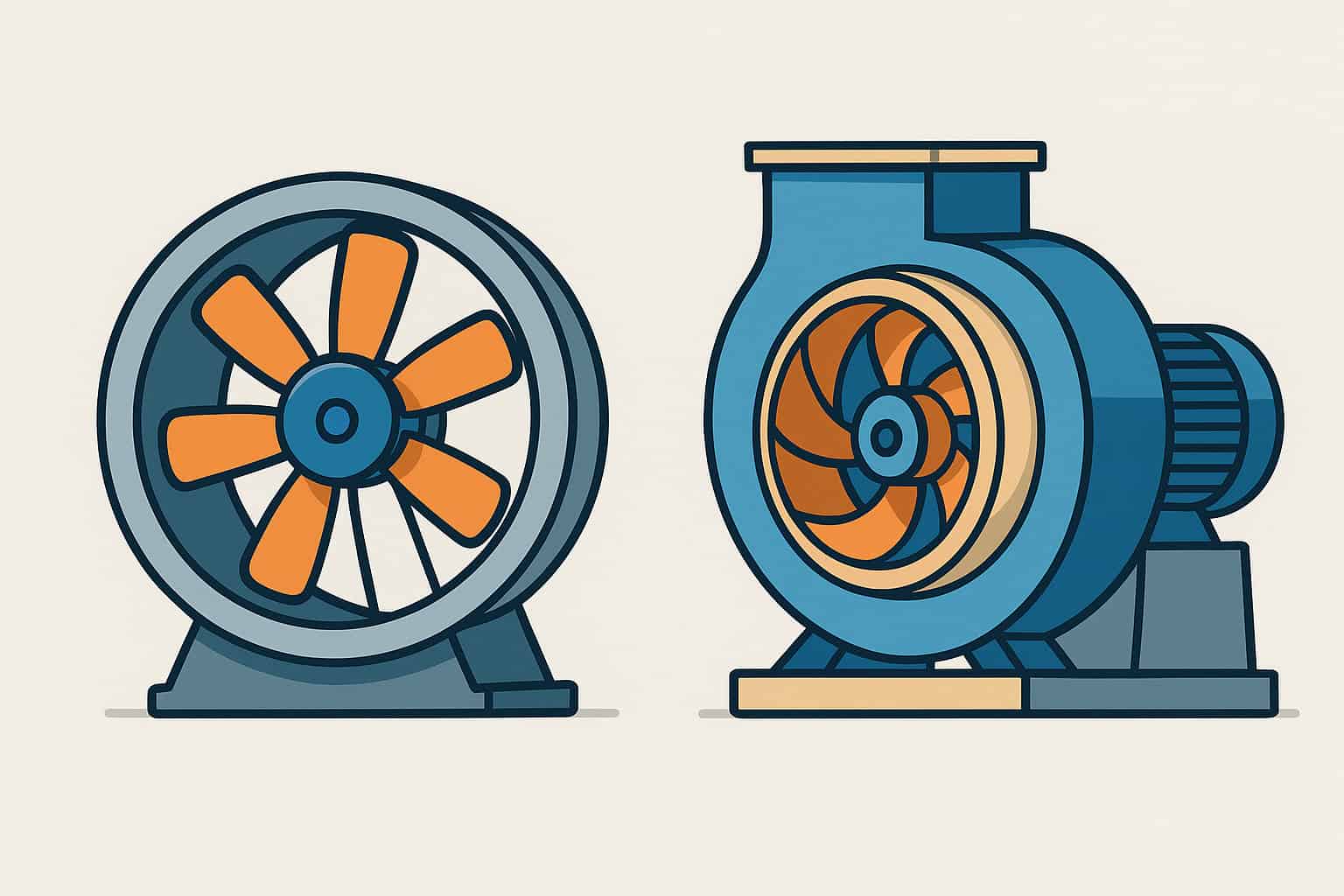
Asking which is better, an axial or centrifugal fan is a bit like asking whether a truck or a sports car is better. The answer depends entirely on the job. Both axial and centrifugal fans are essential in industrial and mining ventilation, but each has strengths and limitations. The right choice is based on required airflow and pressure, the layout and resistance of the system, gas and dust conditions, space constraints and energy efficiency goals.
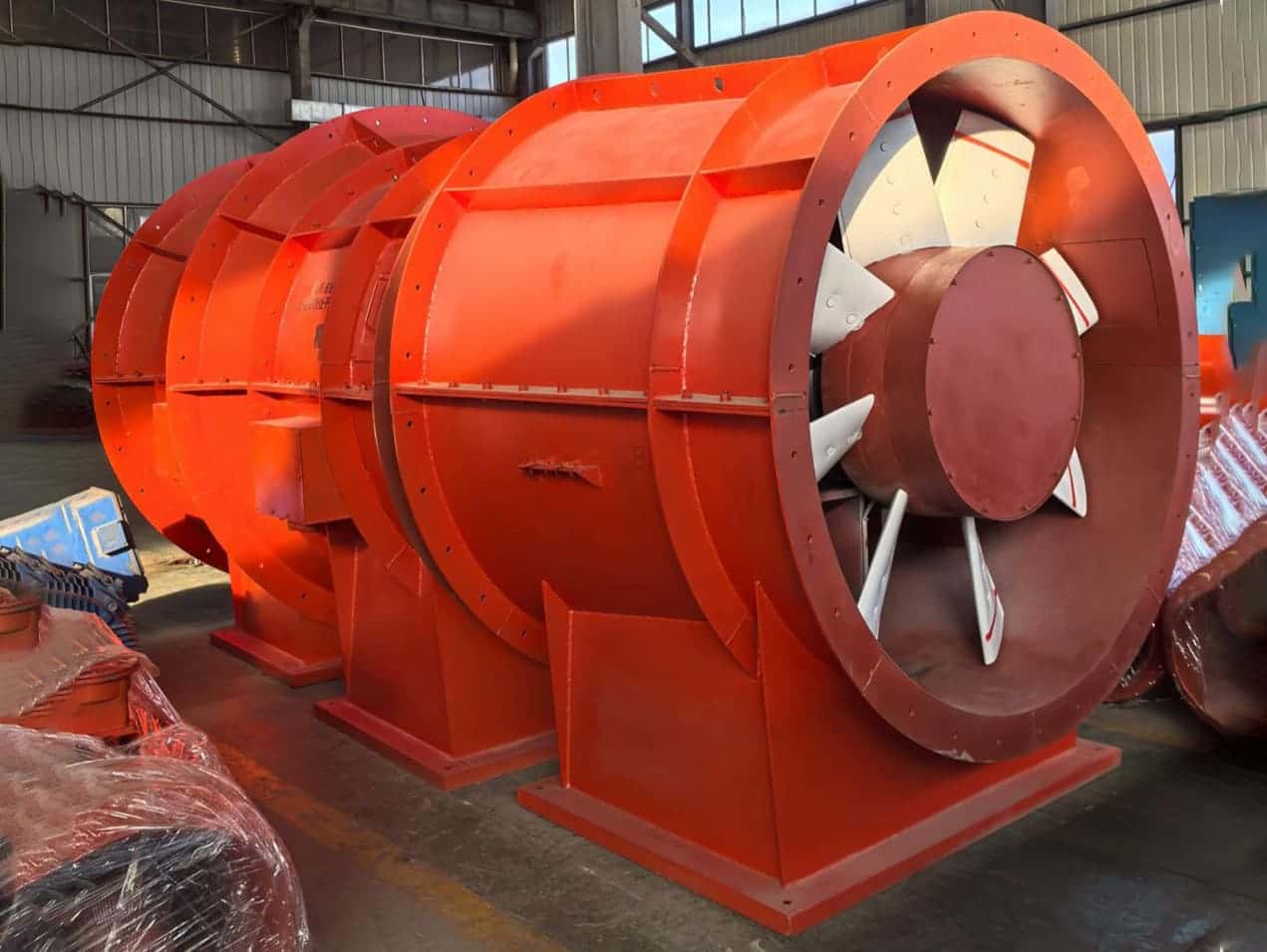
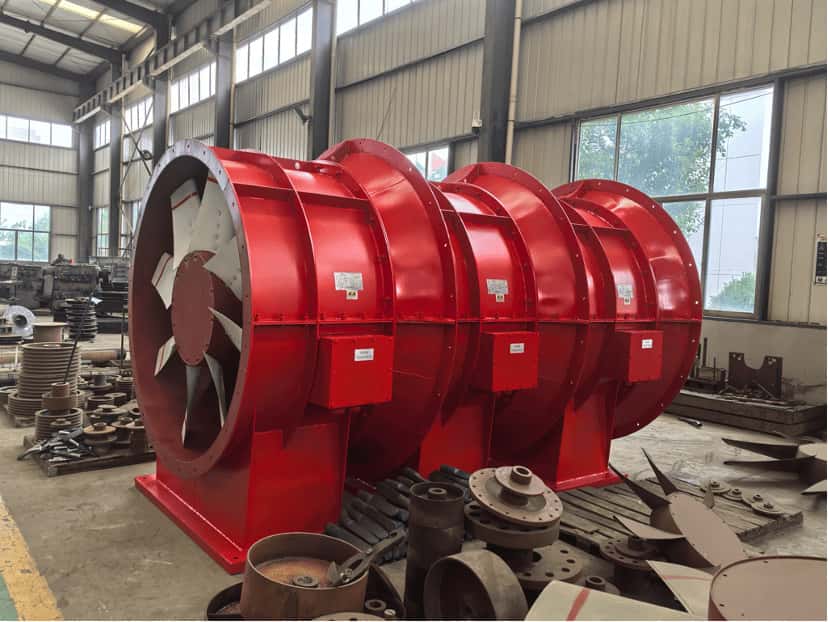
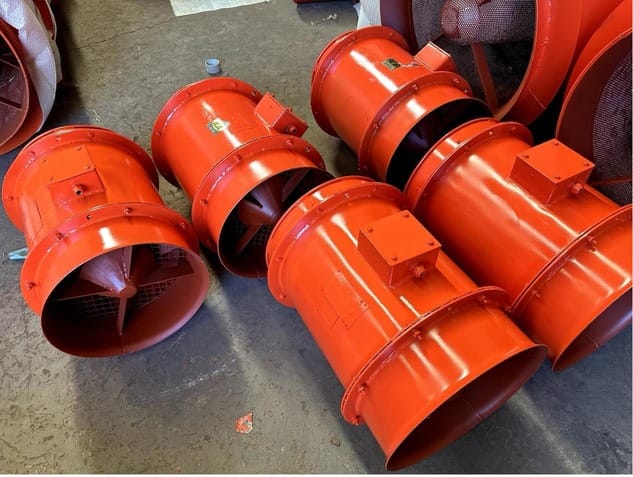
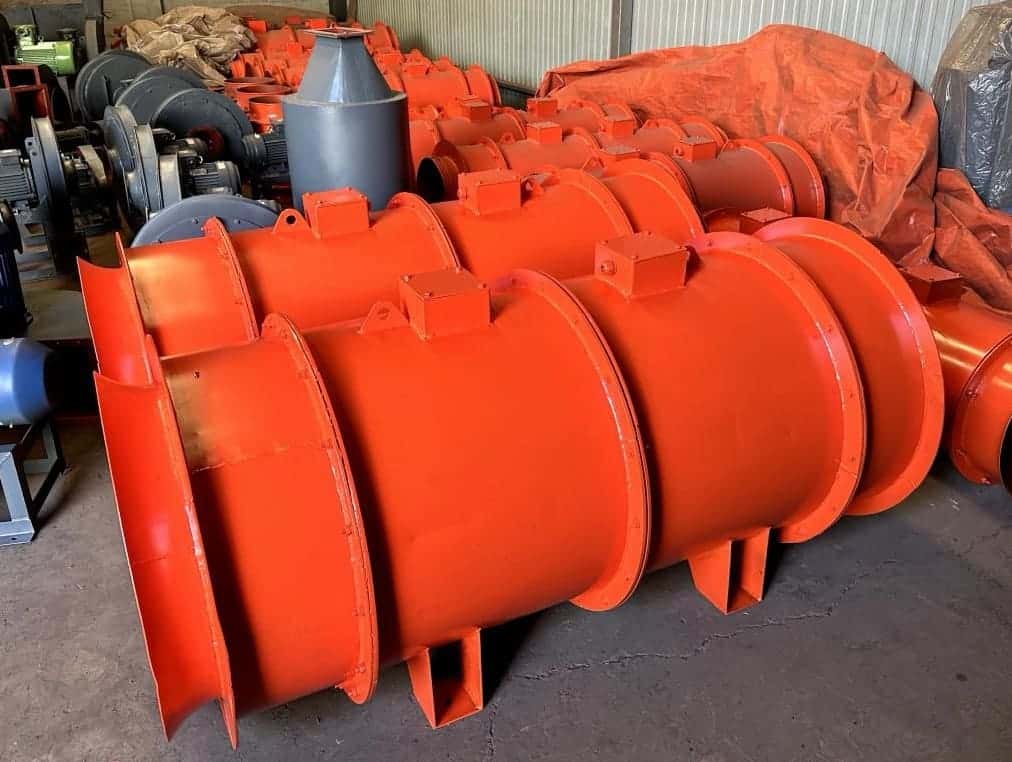
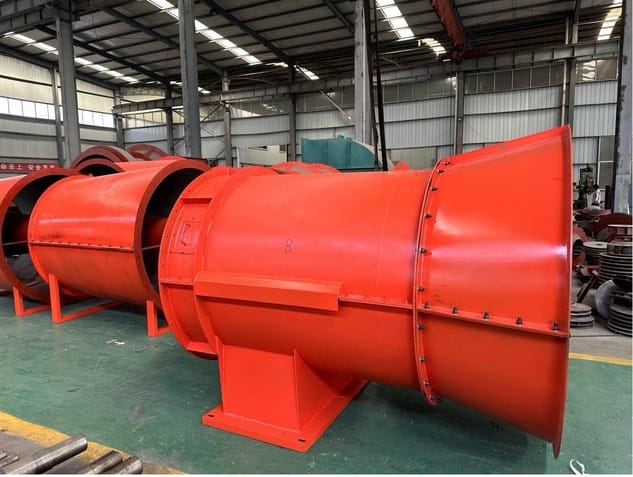
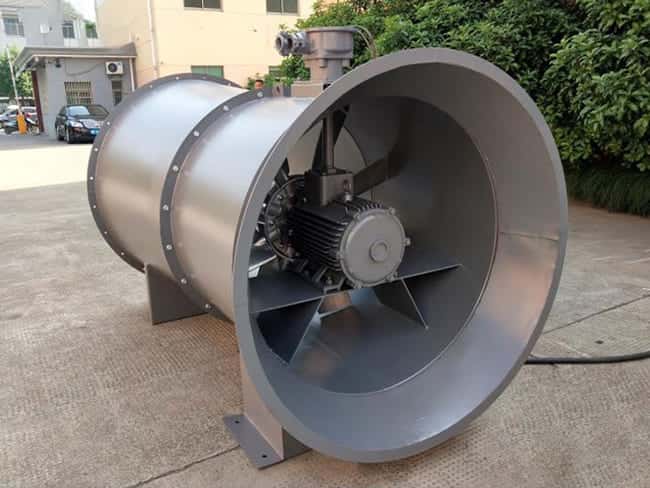
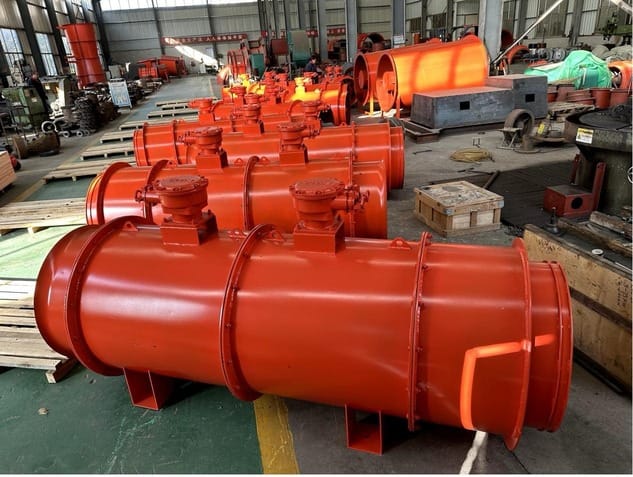
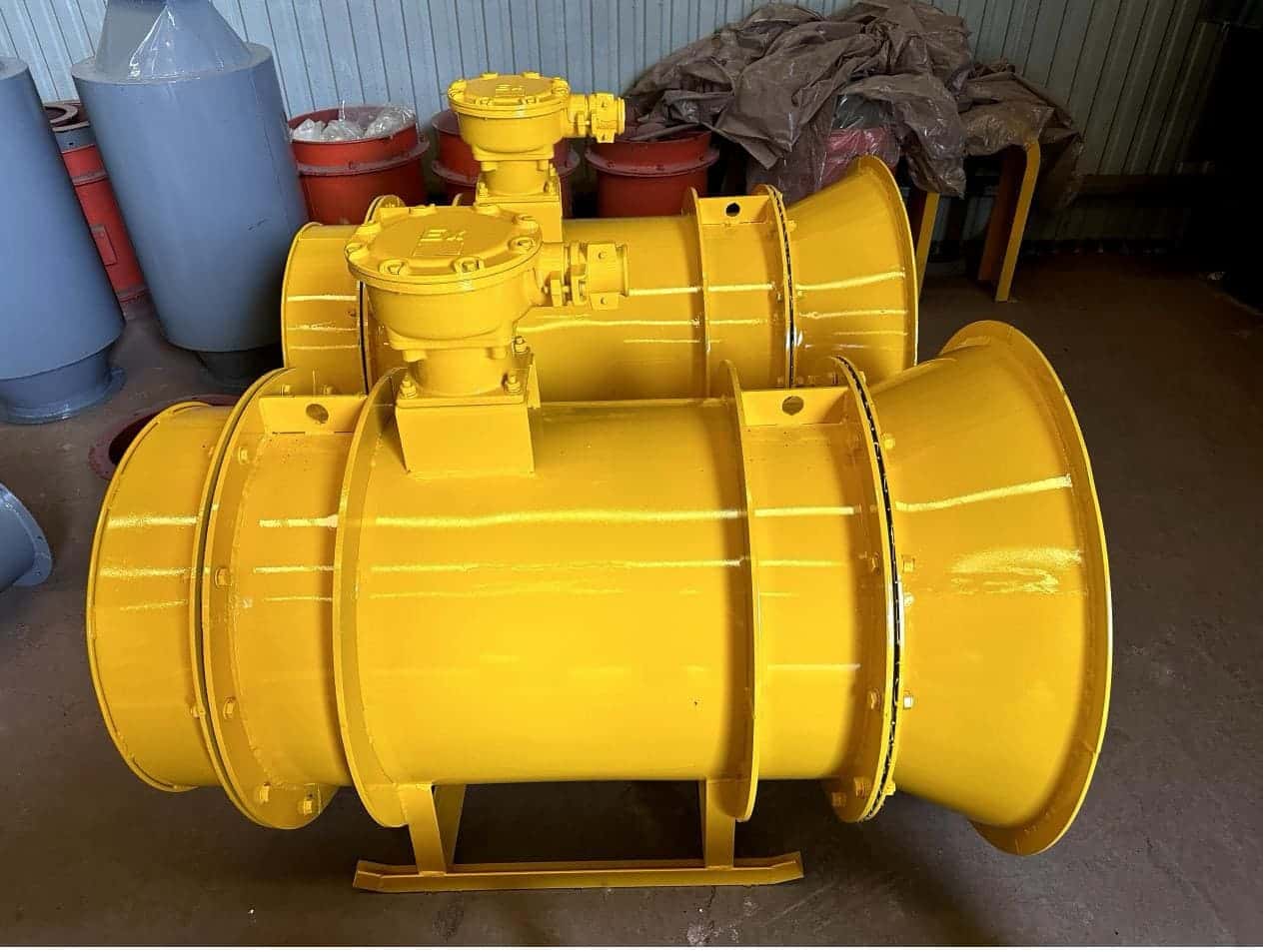
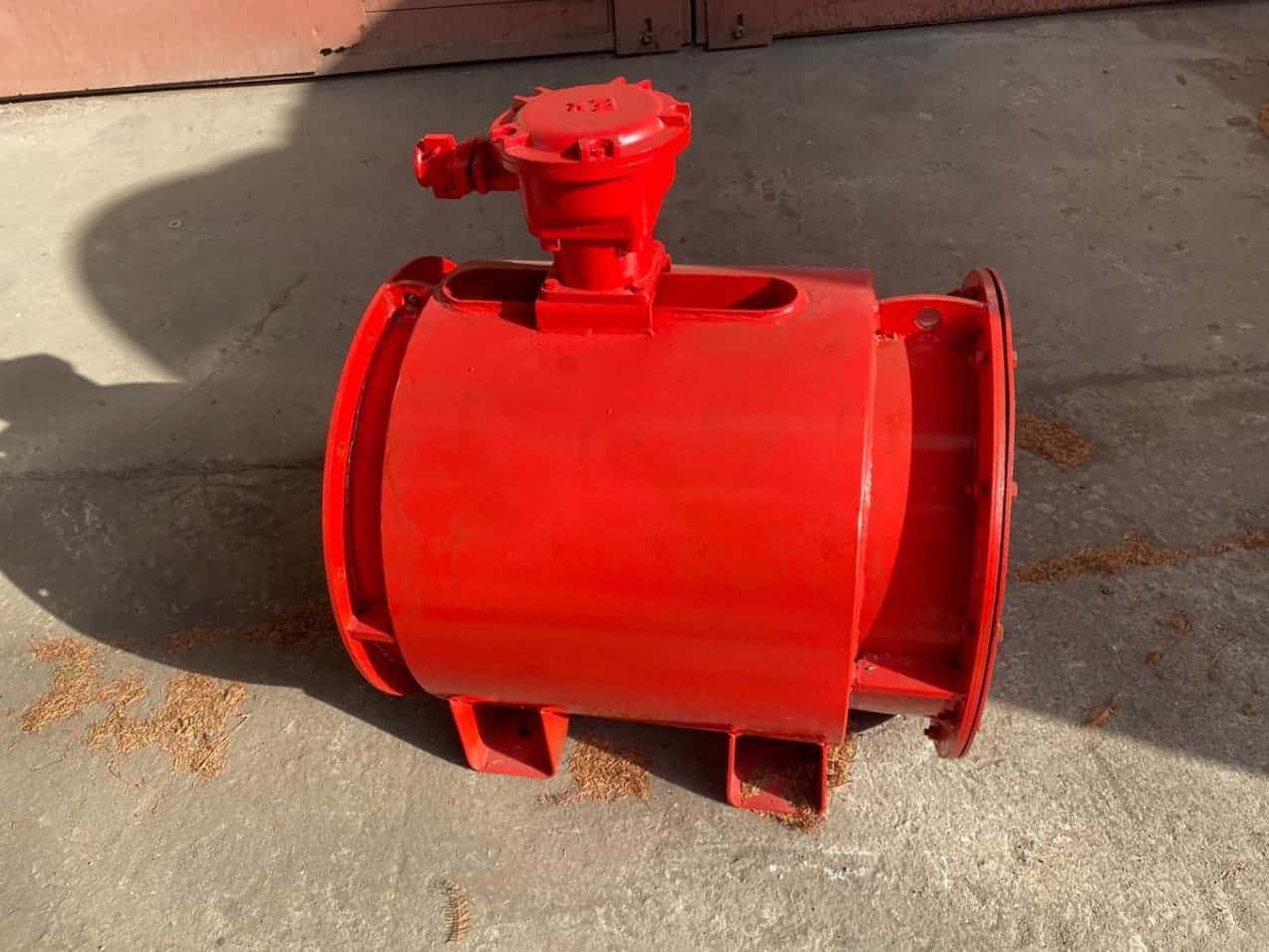
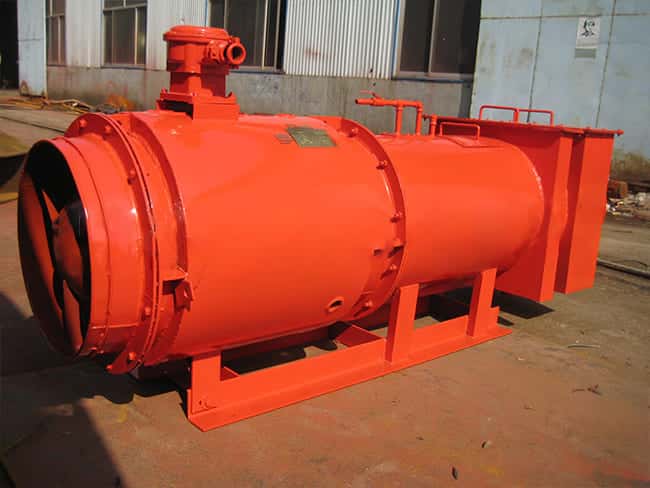
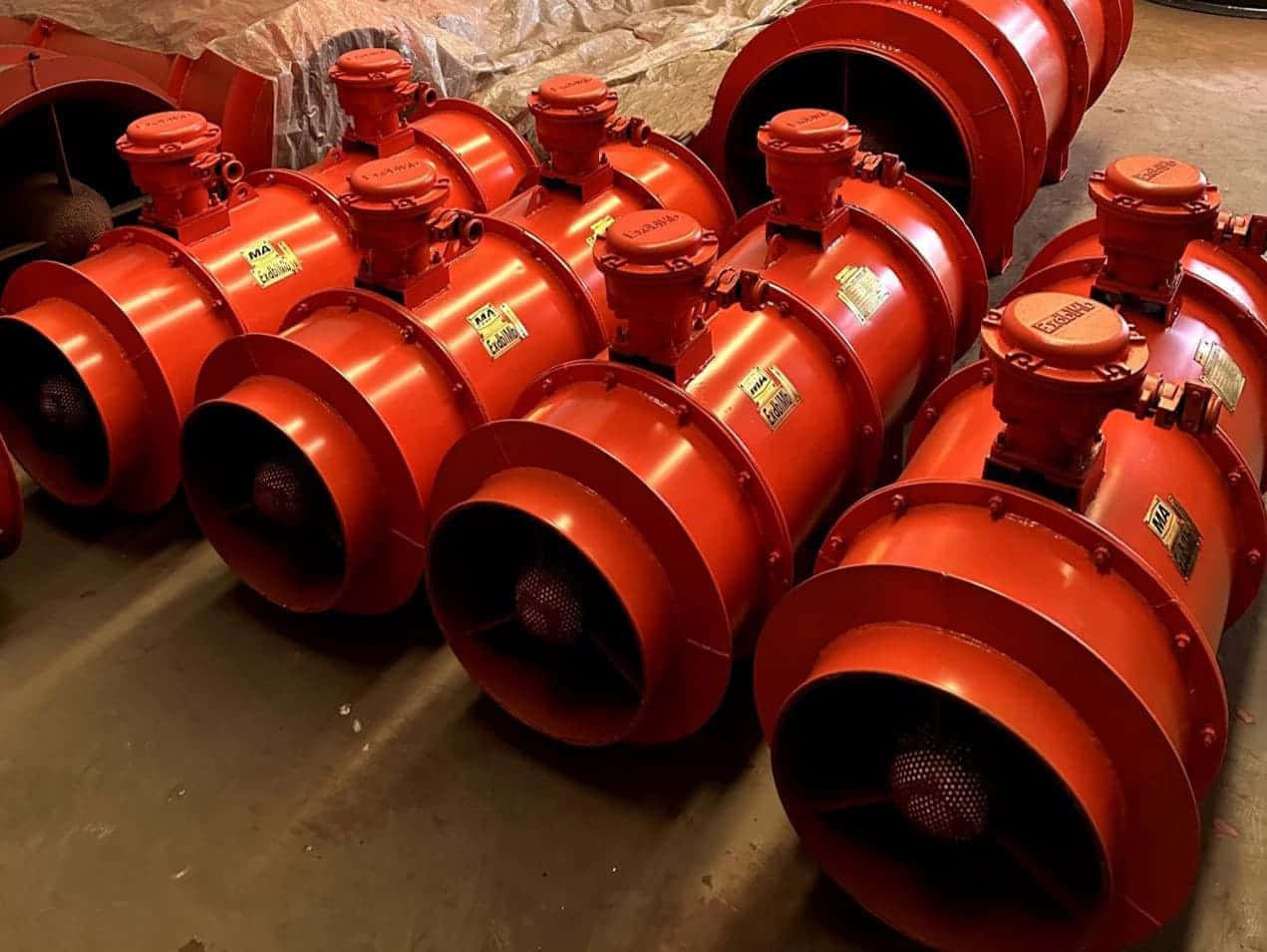
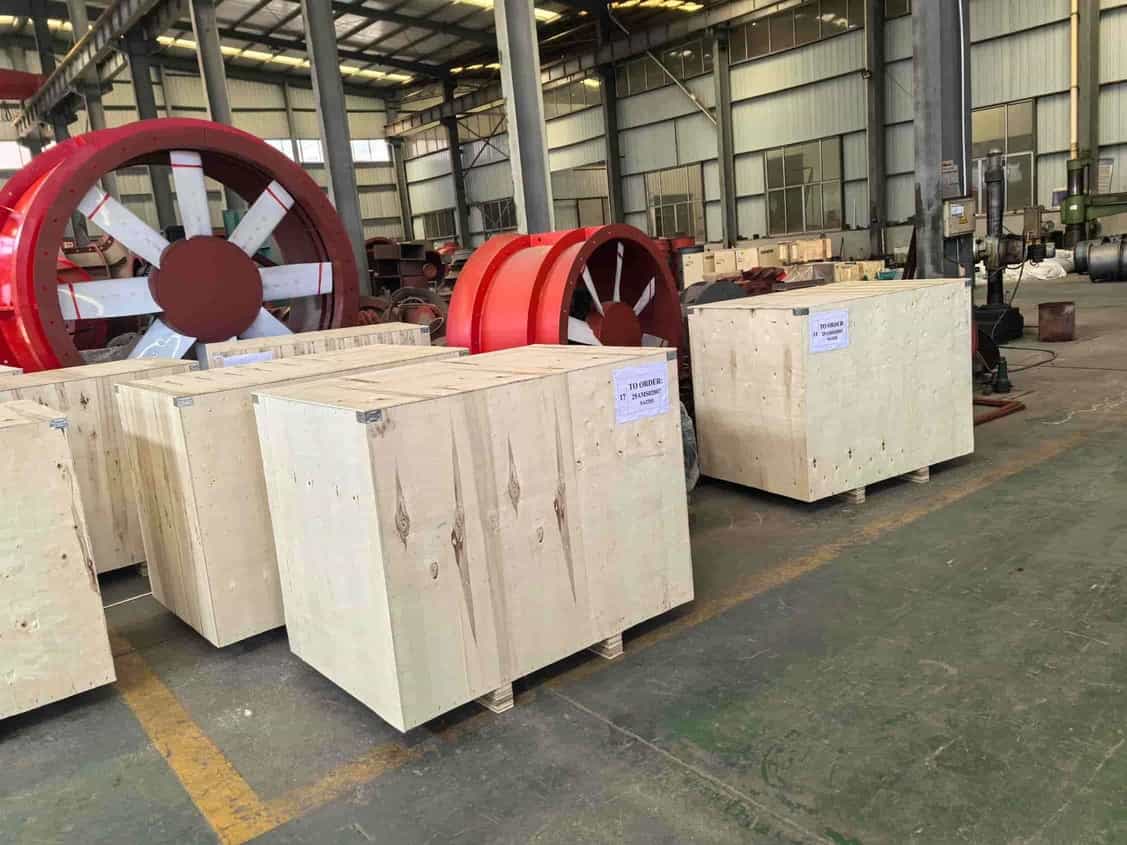
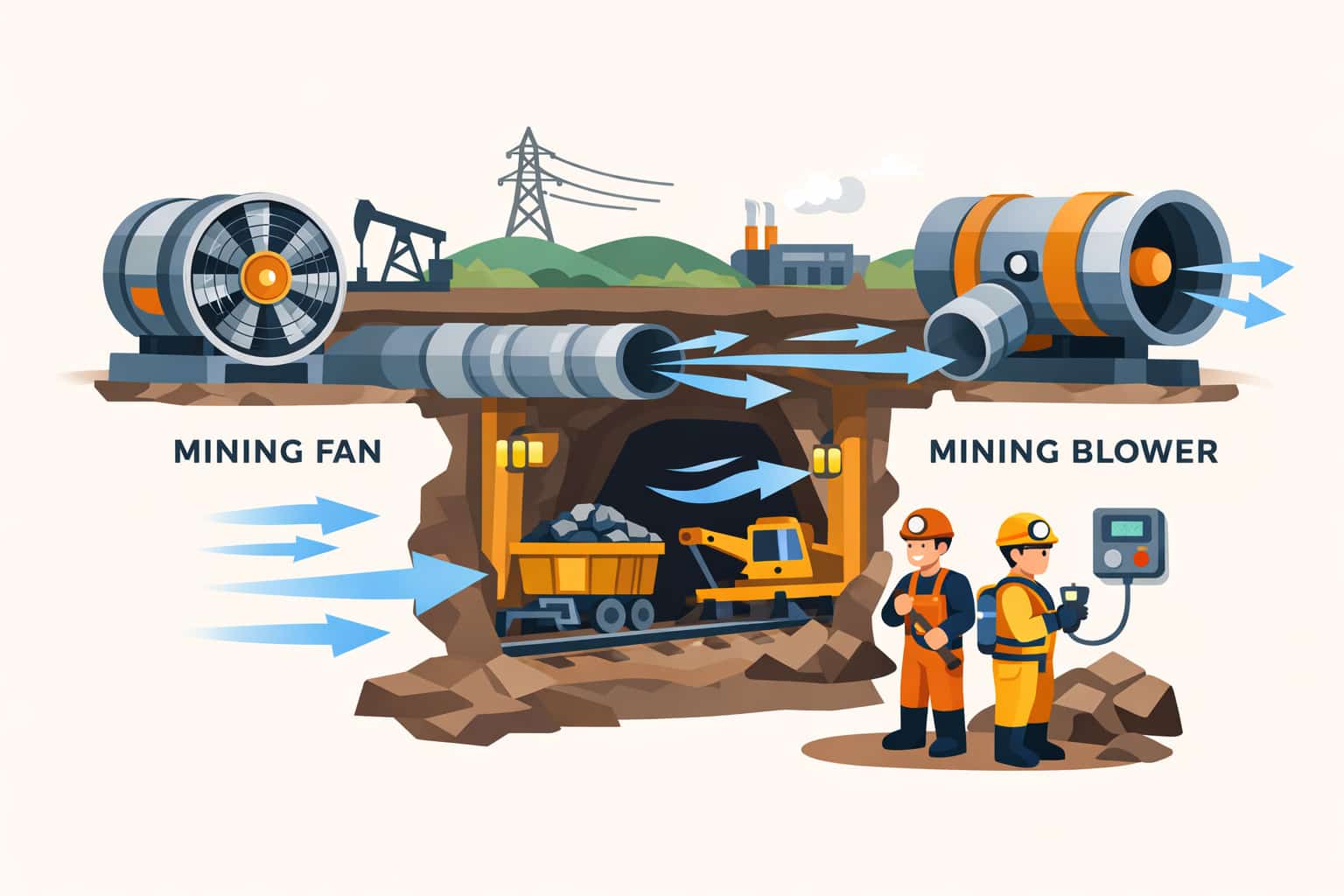
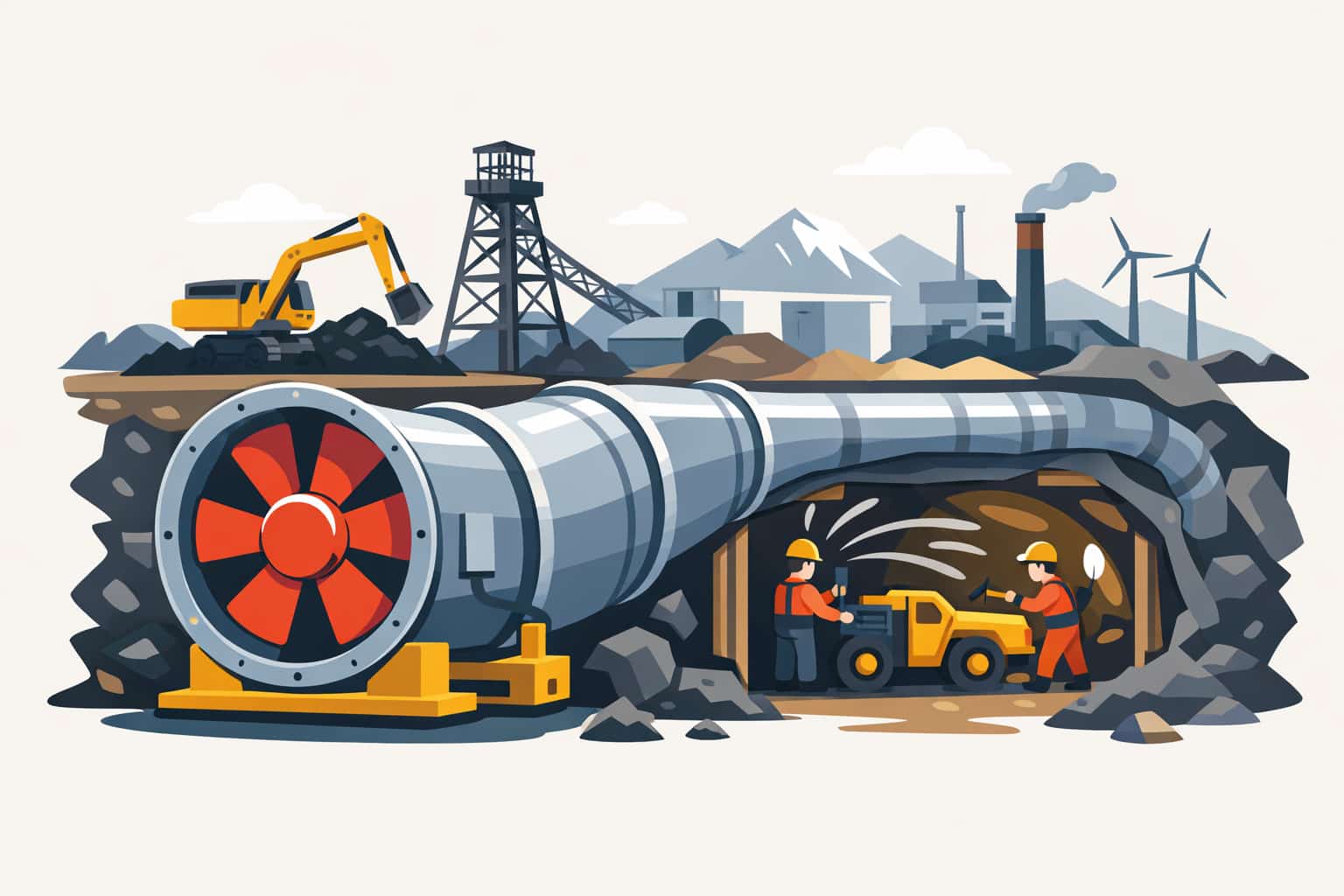
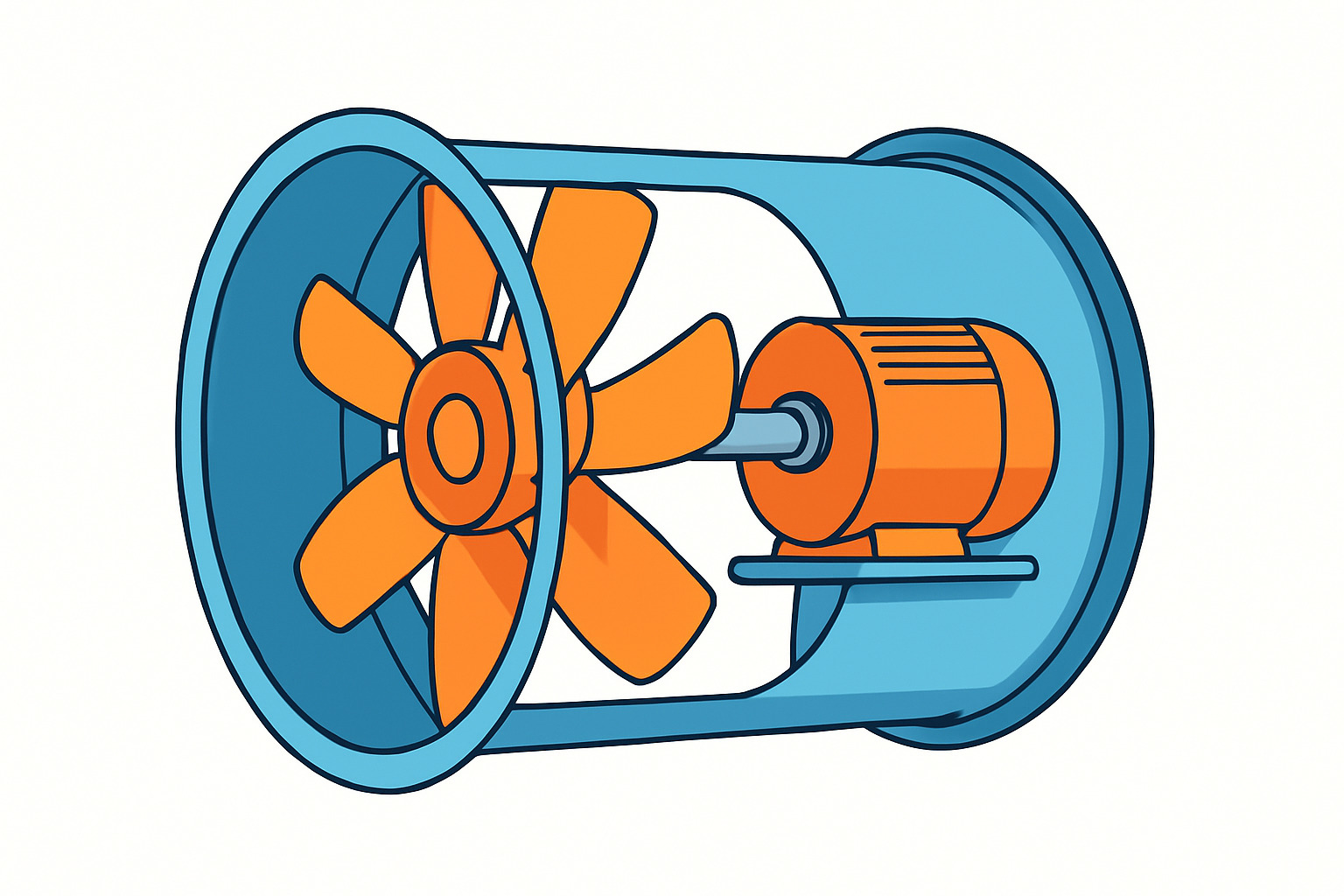
Axial fans move air parallel to the shaft, like a propeller. They are usually the best choice for high-volume, low to medium pressure duties. In mining, large axial fans are widely used as main ventilation fans on shafts, as booster fans and as auxiliary fans on ducts for headings. They can deliver huge quantities of air efficiently and are relatively compact along the airflow direction, which is helpful in tunnels and shafts. Adjustable-pitch axial fans allow operators to fine-tune performance as conditions change over the life of a mine or plant.
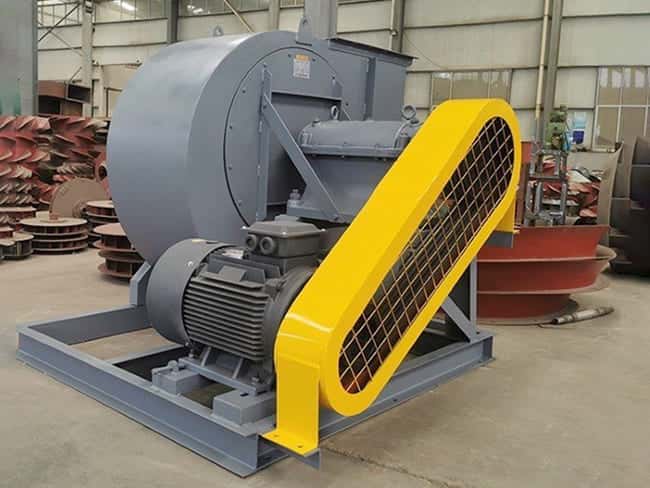
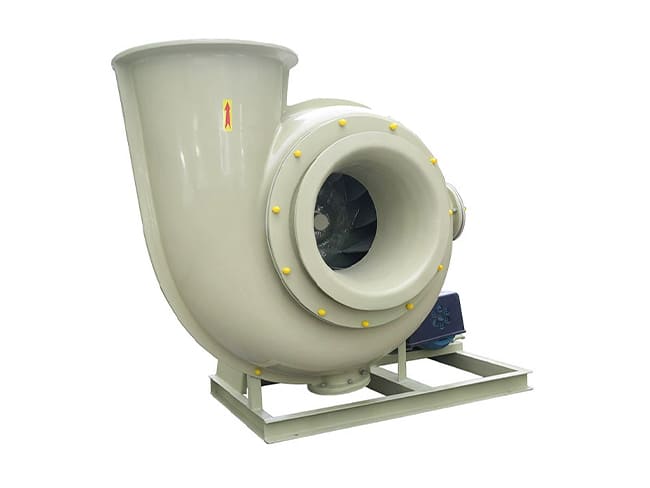
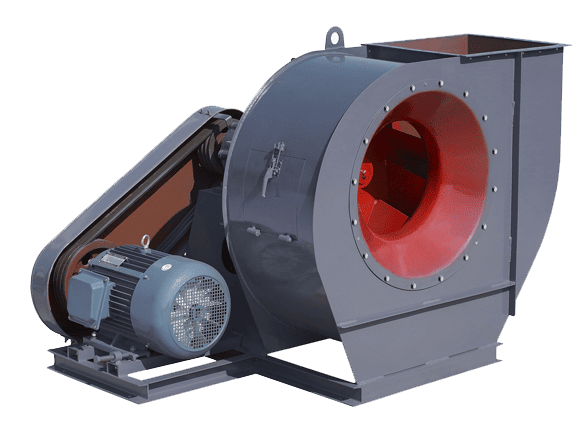
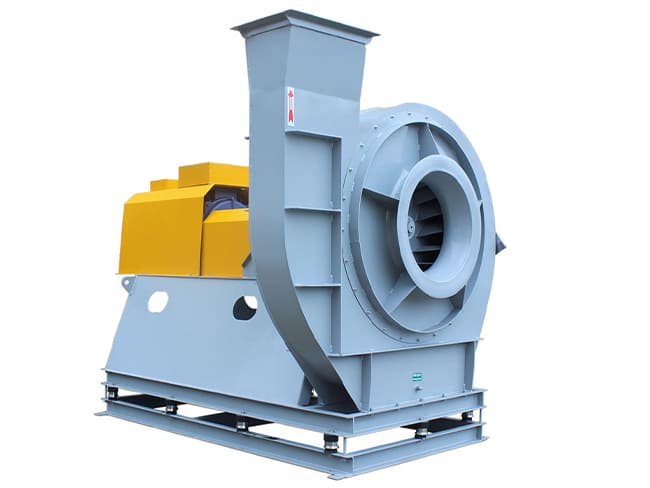
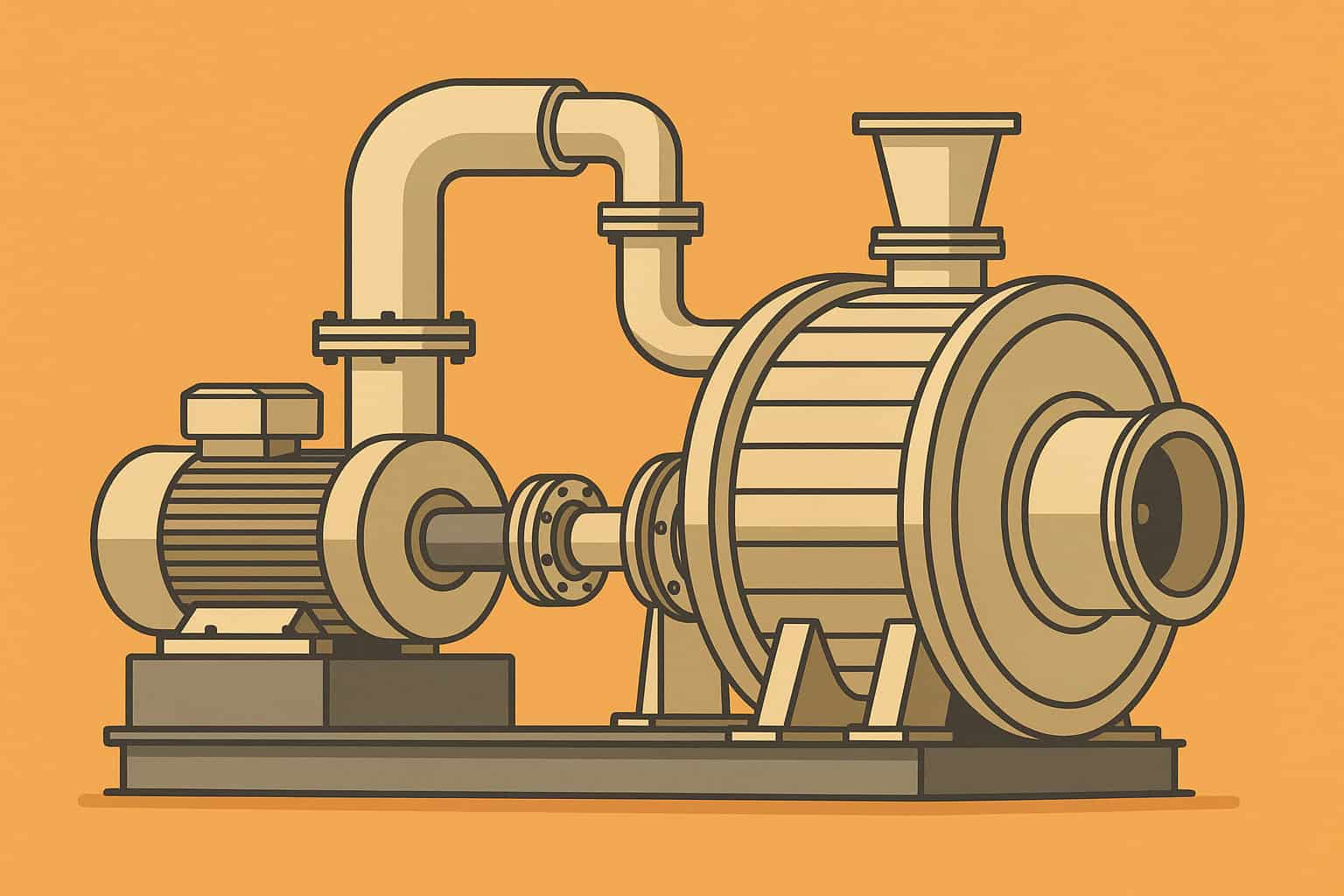
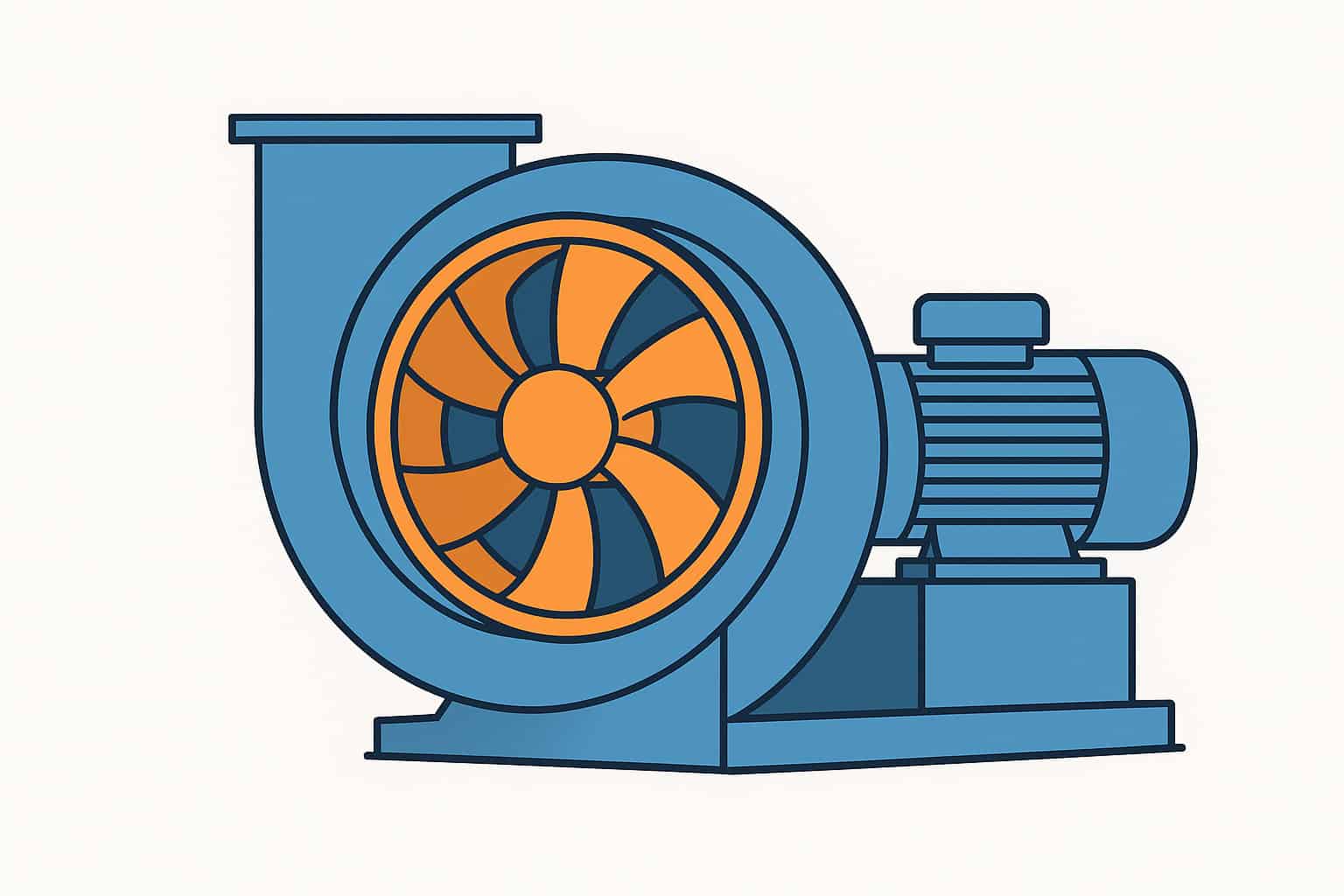
Centrifugal fans draw air in axially and discharge it radially. They are usually better for higher static pressure systems, such as dust collection, boiler draft, long and complex duct networks or mine circuits with very high resistance. Radial-blade centrifugal fans handle abrasive or heavily dust-laden gases better than most axial designs and can be built with robust casings and wear-resistant materials. Their pressure–flow characteristics are often more stable across a wide operating range, which can simplify control.
If your system is a relatively straight ventilation airway or duct network with moderate resistance, and the primary goal is to move large quantities of air for cooling and dilution, an axial fan is usually the better choice. It will often provide higher efficiency and lower energy cost for that duty. This is why axial fans dominate mine main ventilation and many tunnel applications.
If your system includes filters, cyclones, scrubbers, tight bends, dampers and long ducts, or if the gas is very hot, dusty or corrosive, a centrifugal fan may be better. It can generate the higher pressures needed to overcome these losses and can be designed specifically to handle challenging gas streams. In power plants, smelters and some mine exhaust systems, centrifugal fans are often the preferred option.
Other practical considerations also matter. Space availability, noise limits, maintenance access, initial cost and available motor sizes all influence fan selection. In many projects, the optimal solution uses both types: axial fans as main or booster units for bulk air movement, and centrifugal fans for local exhaust, dust collection or process duties.
In summary, neither axial nor centrifugal fans are universally “better”. Axial fans are generally superior for high-volume, low to medium pressure ventilation such as mine main fans and auxiliary fans, while centrifugal fans are better for high-pressure, dusty or complex industrial systems. The best fan is the one whose characteristics match your specific ventilation requirements.