
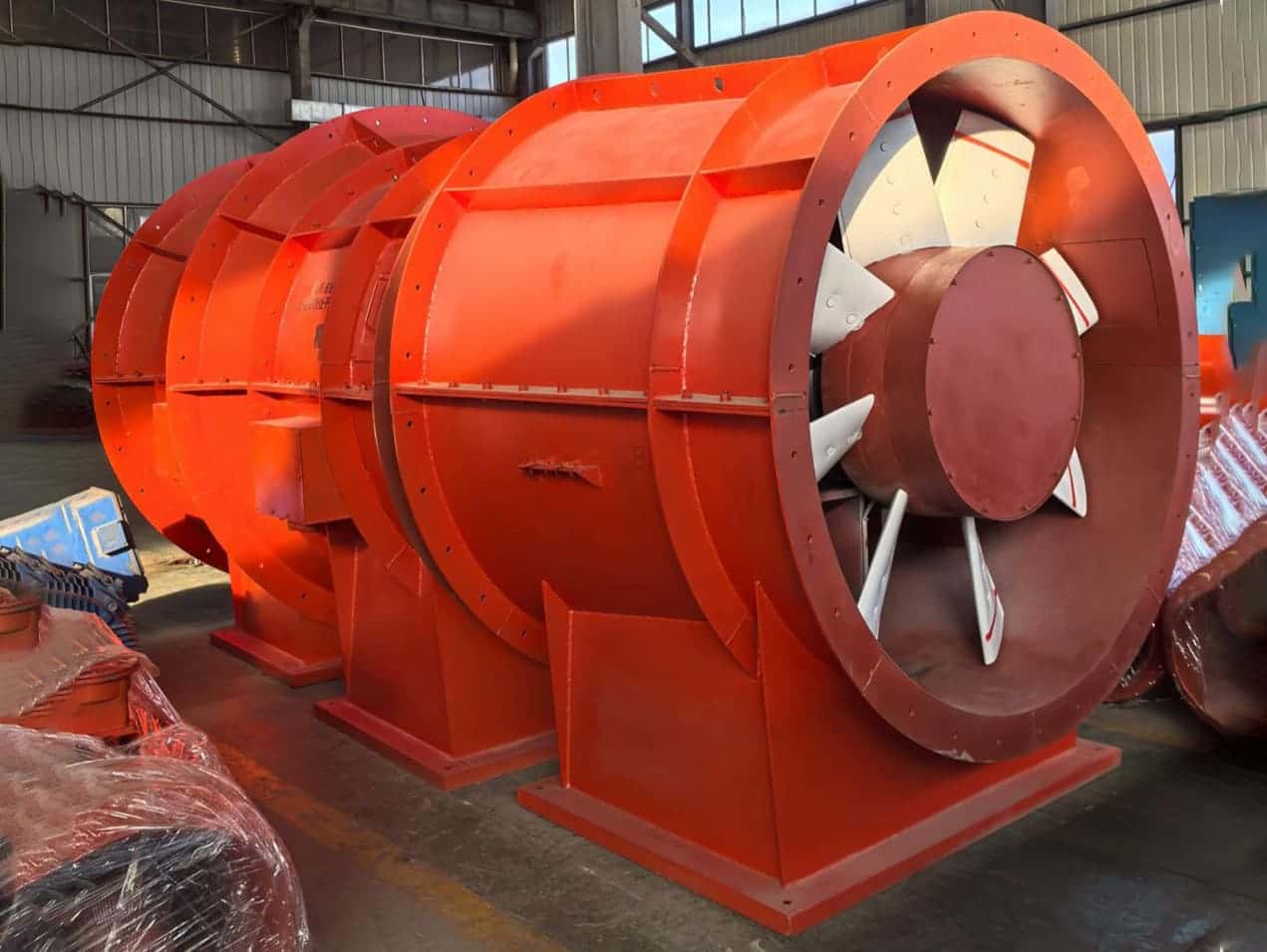
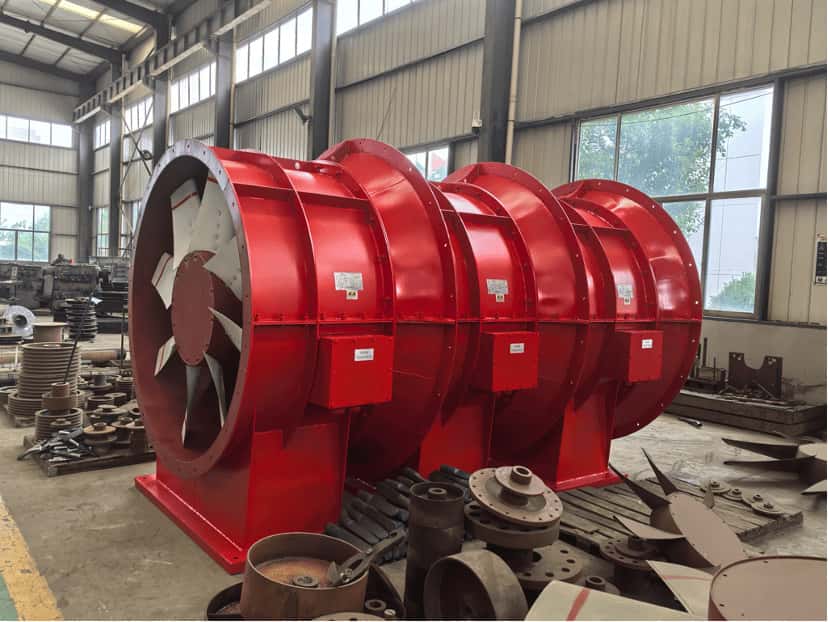
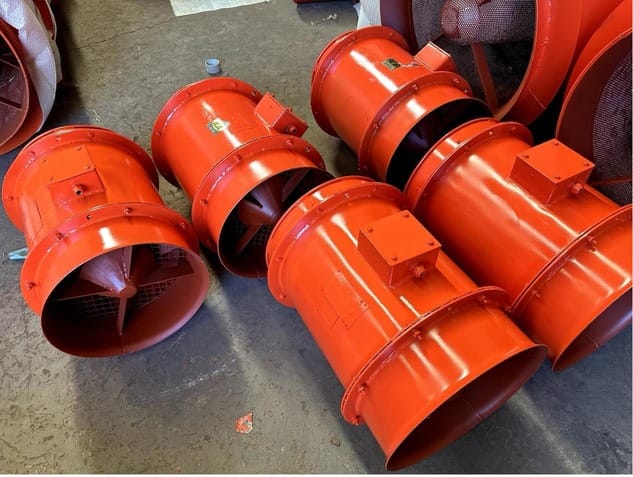
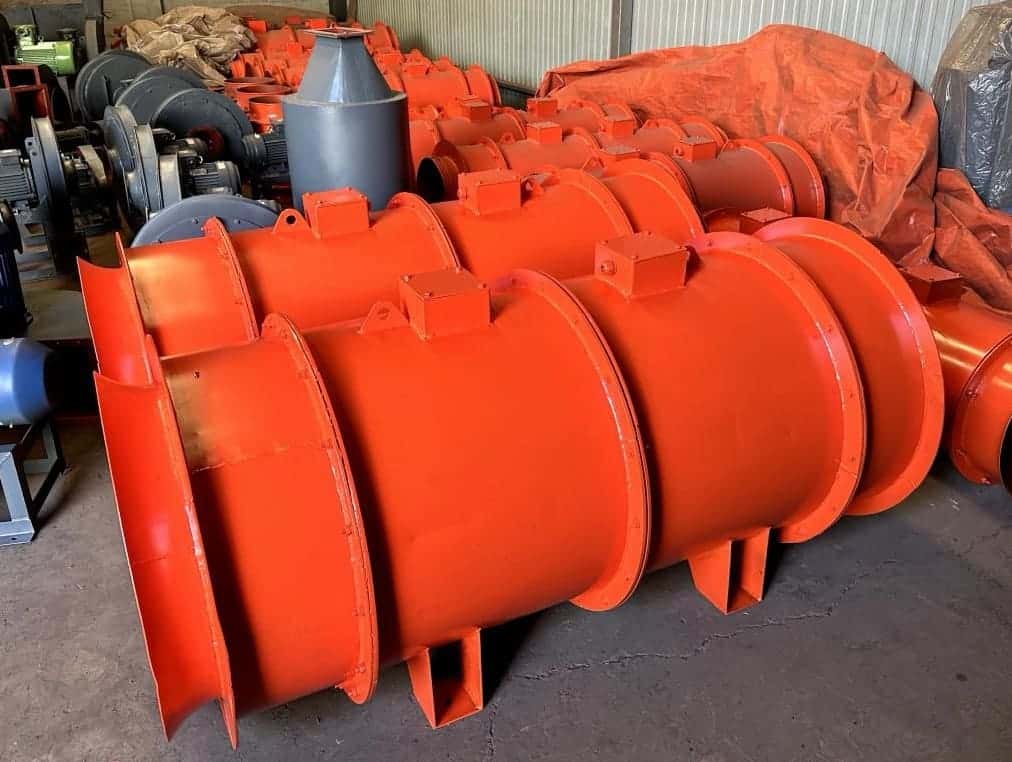
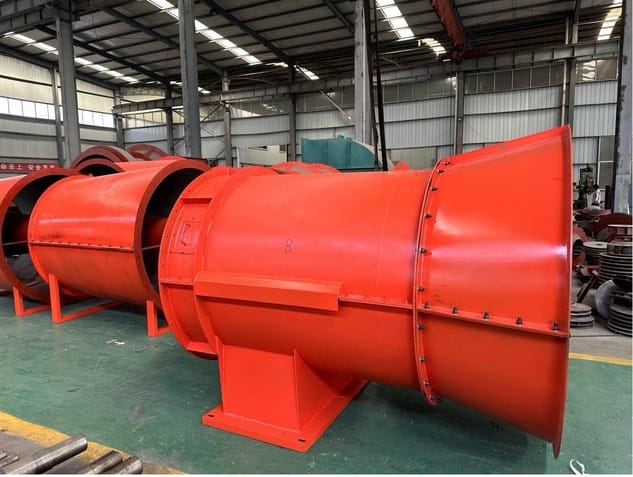
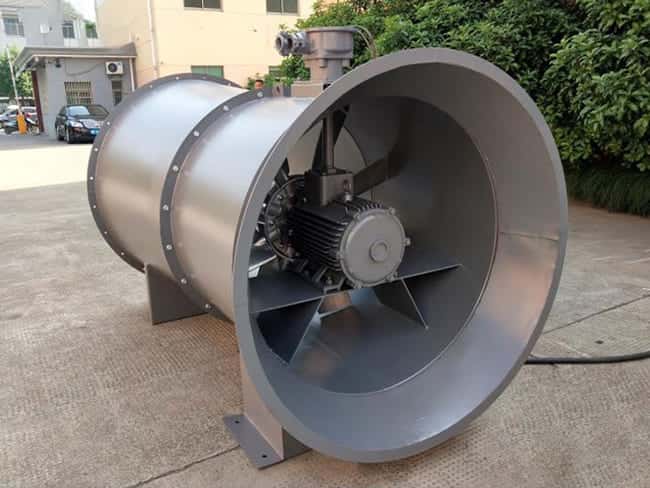
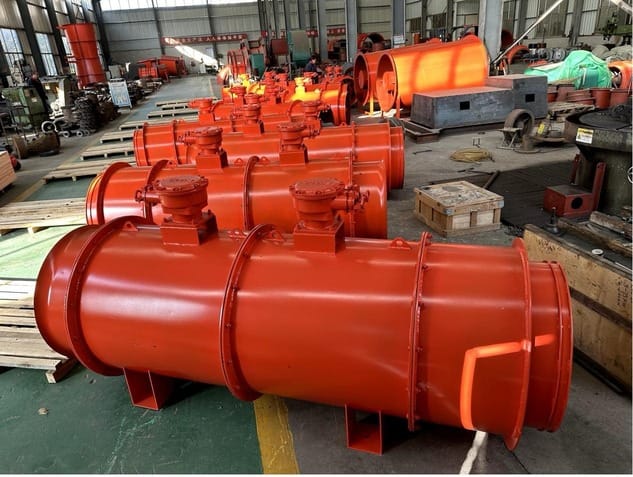
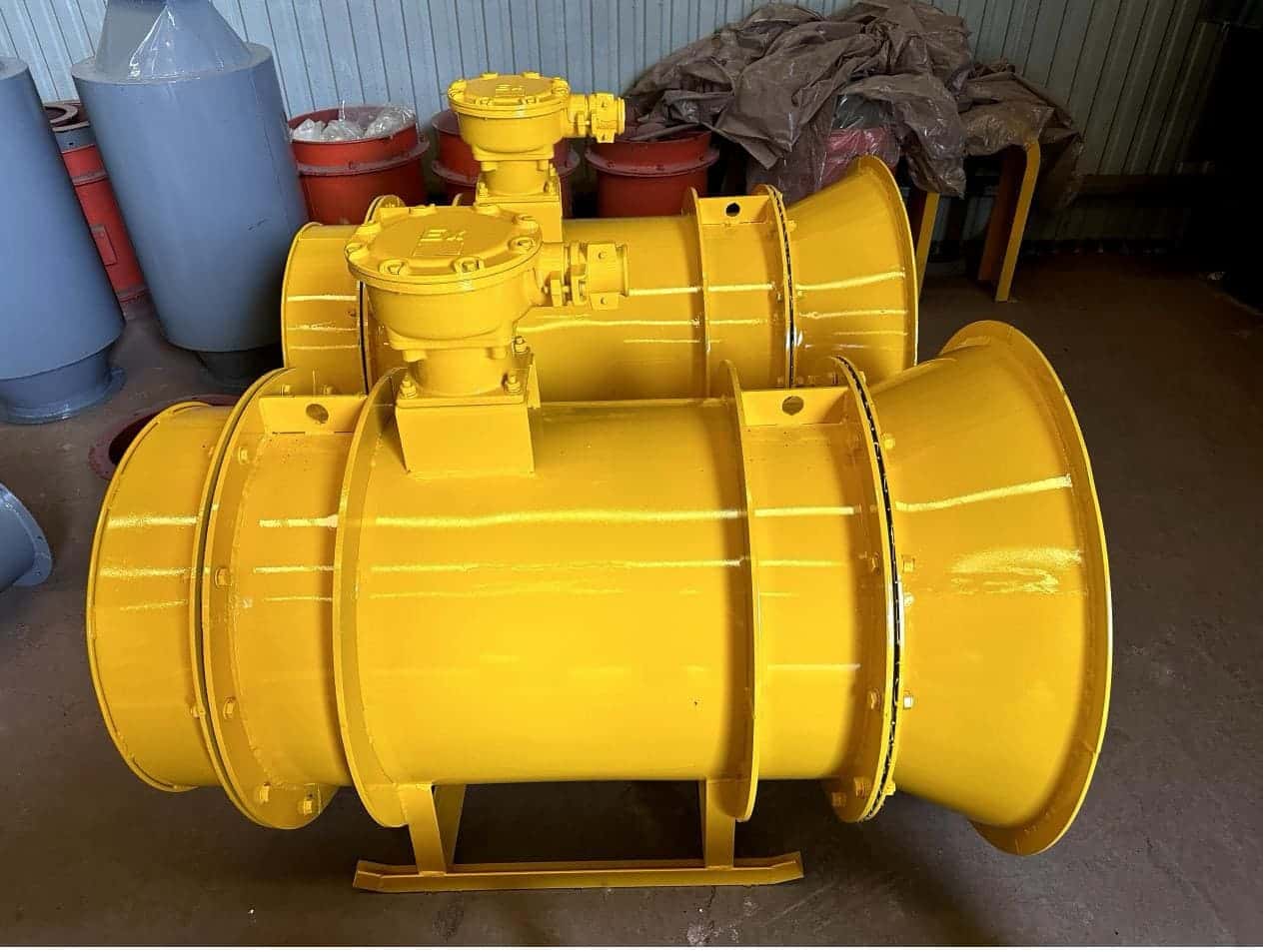
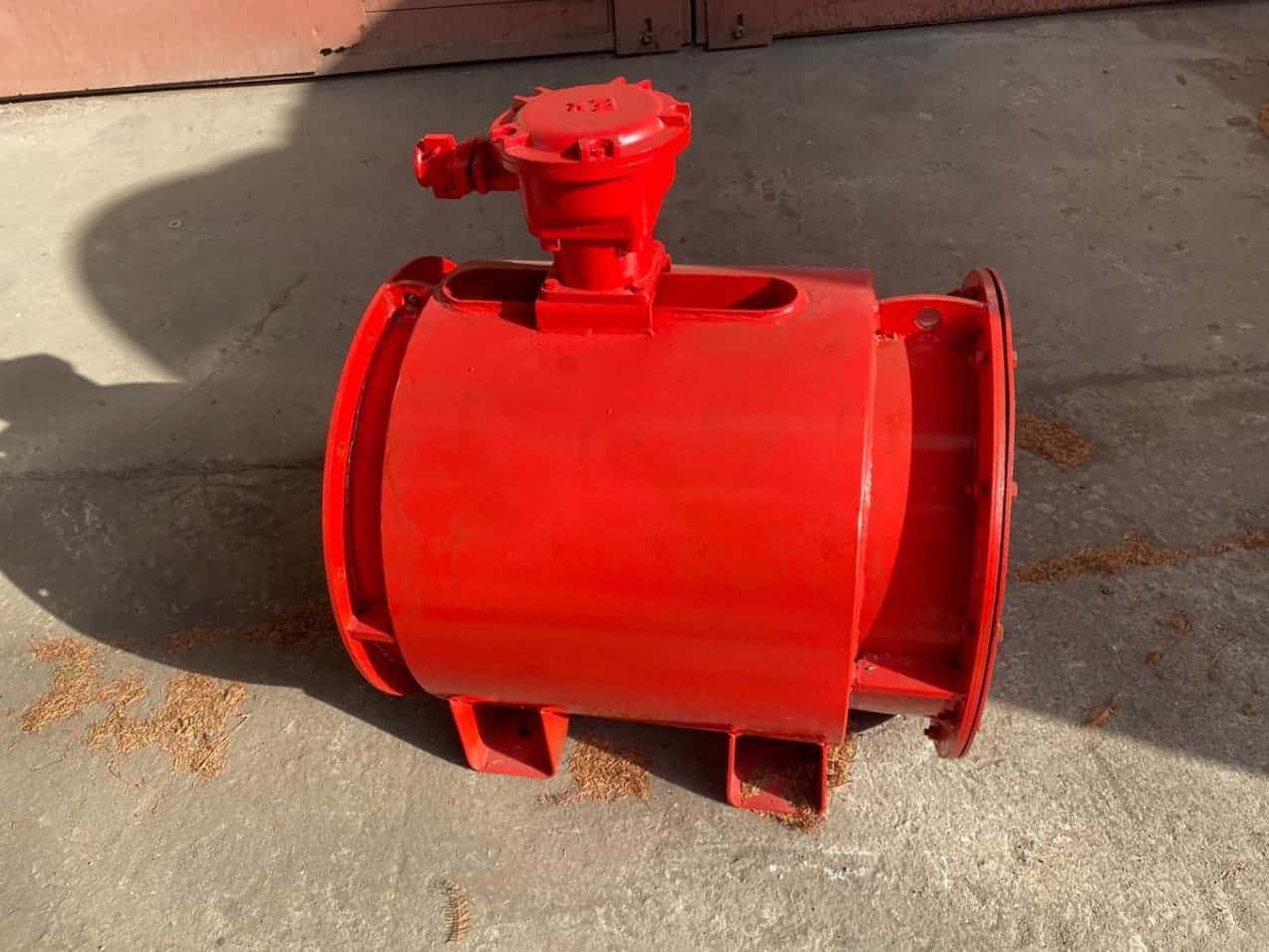
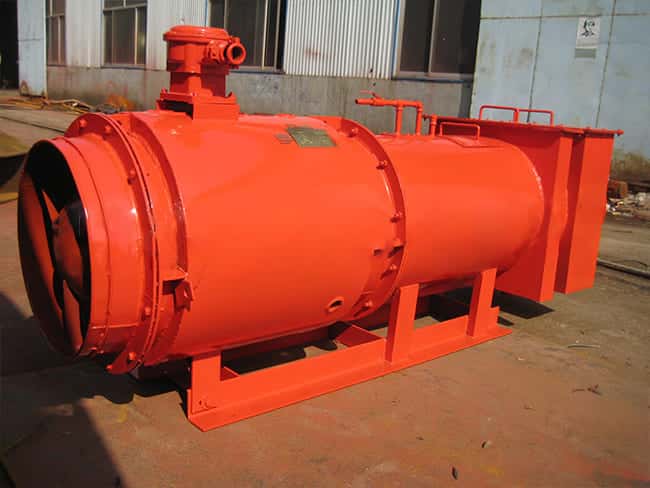
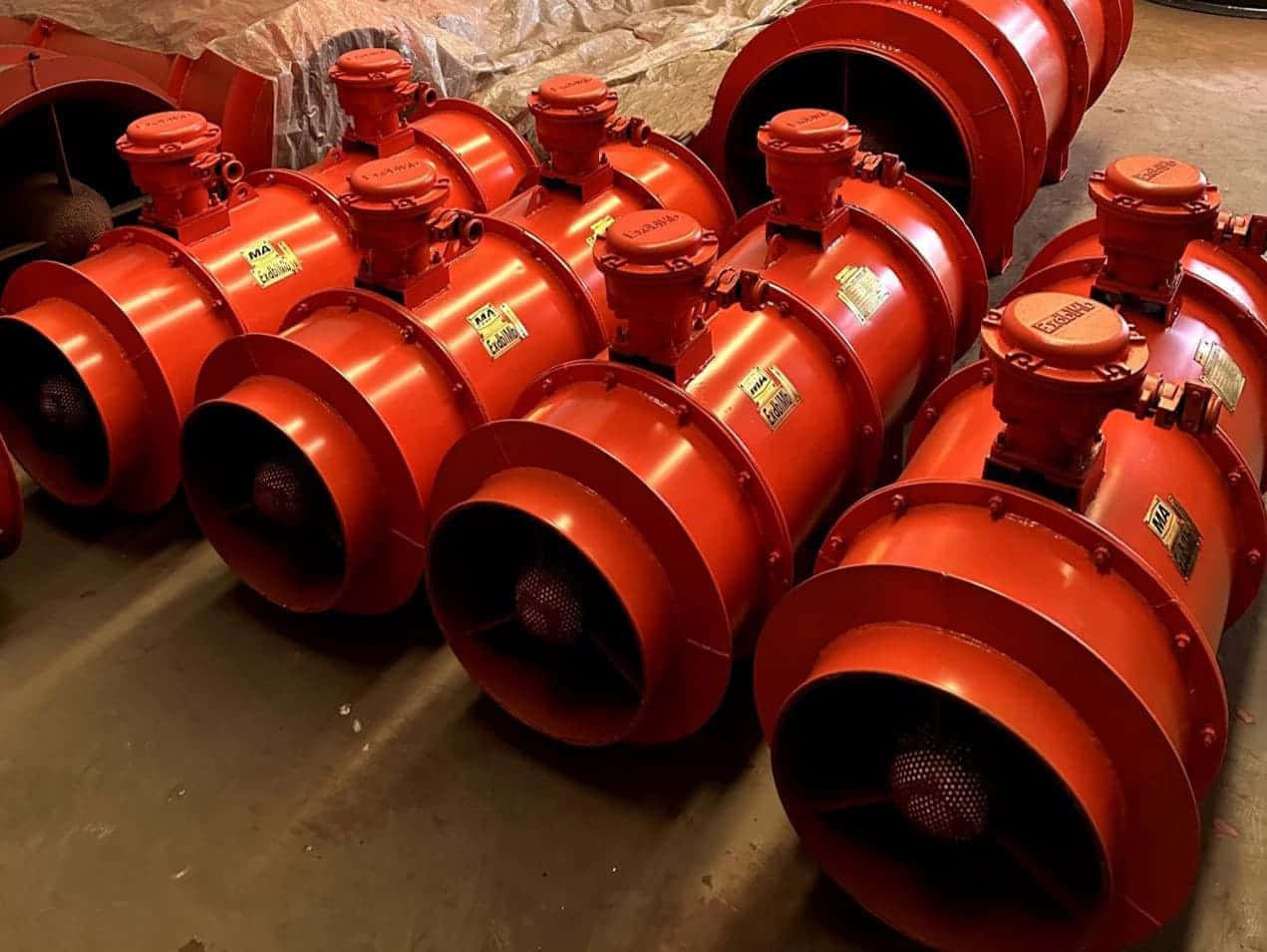
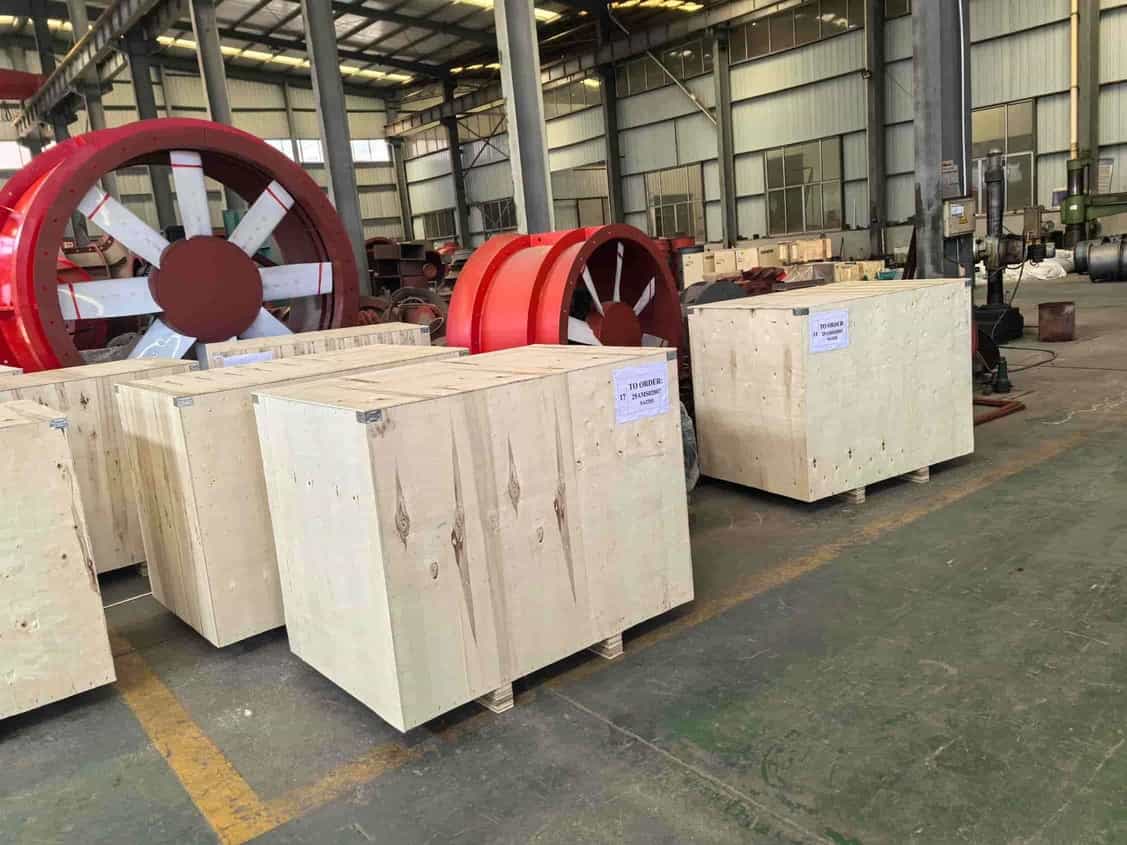
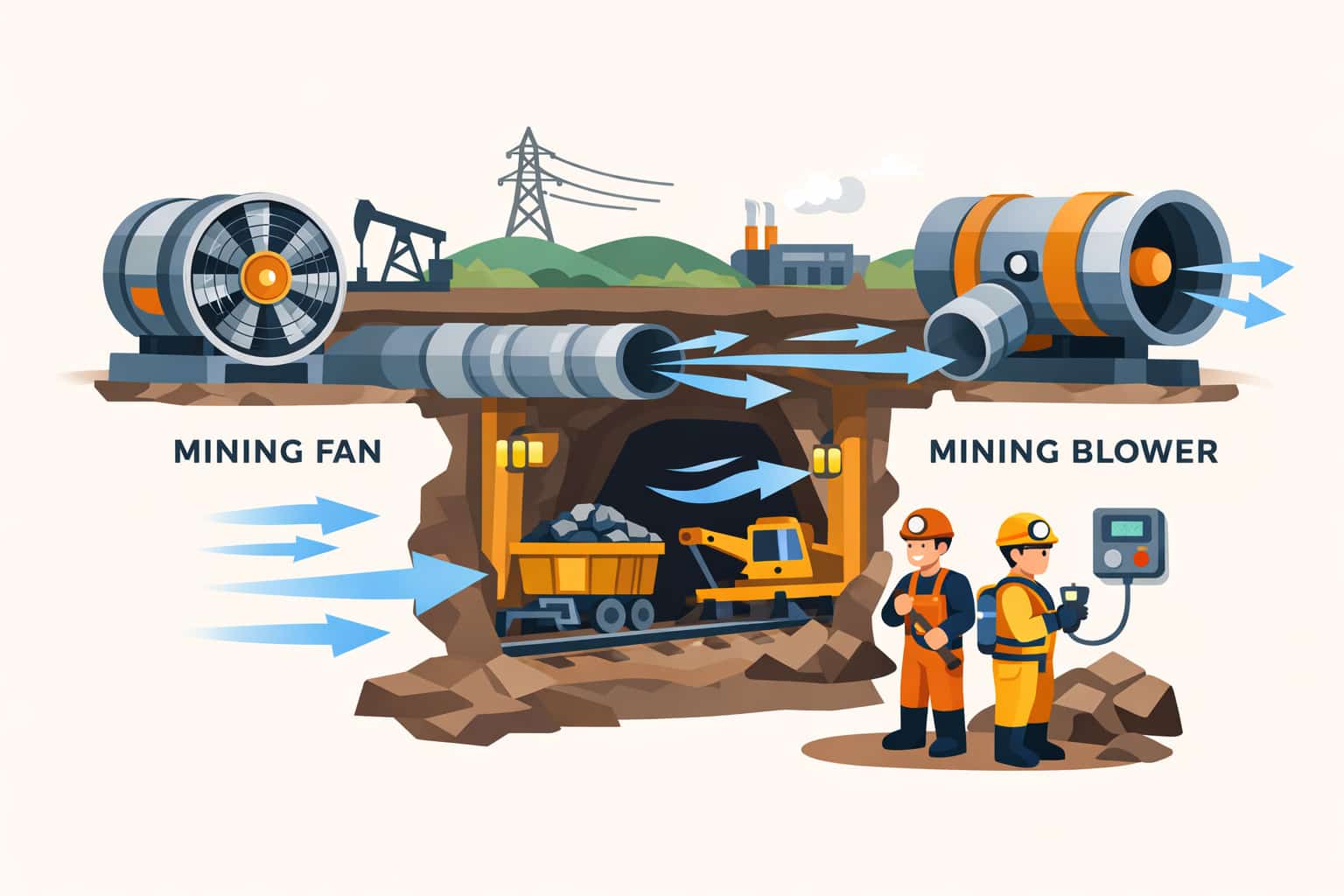
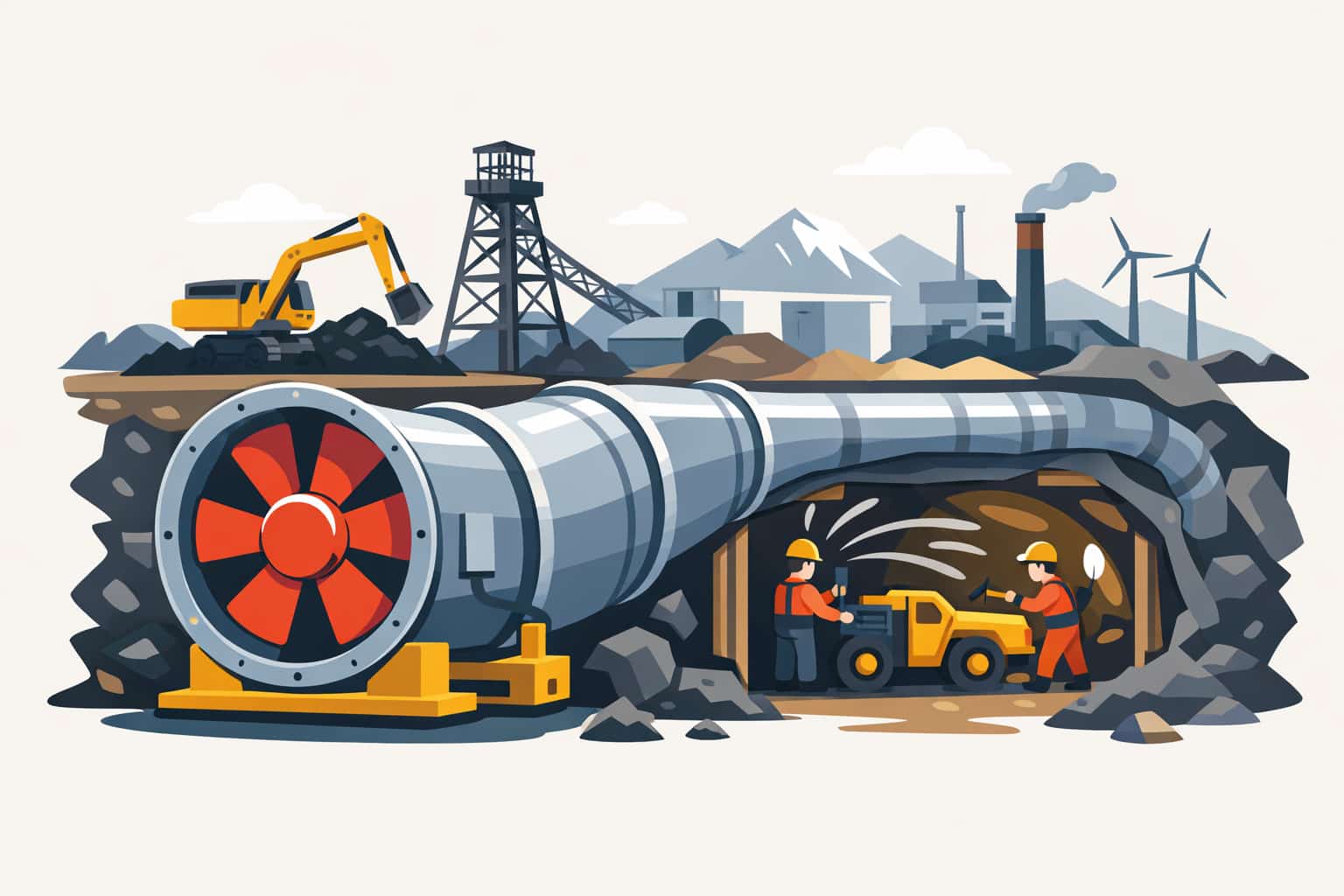
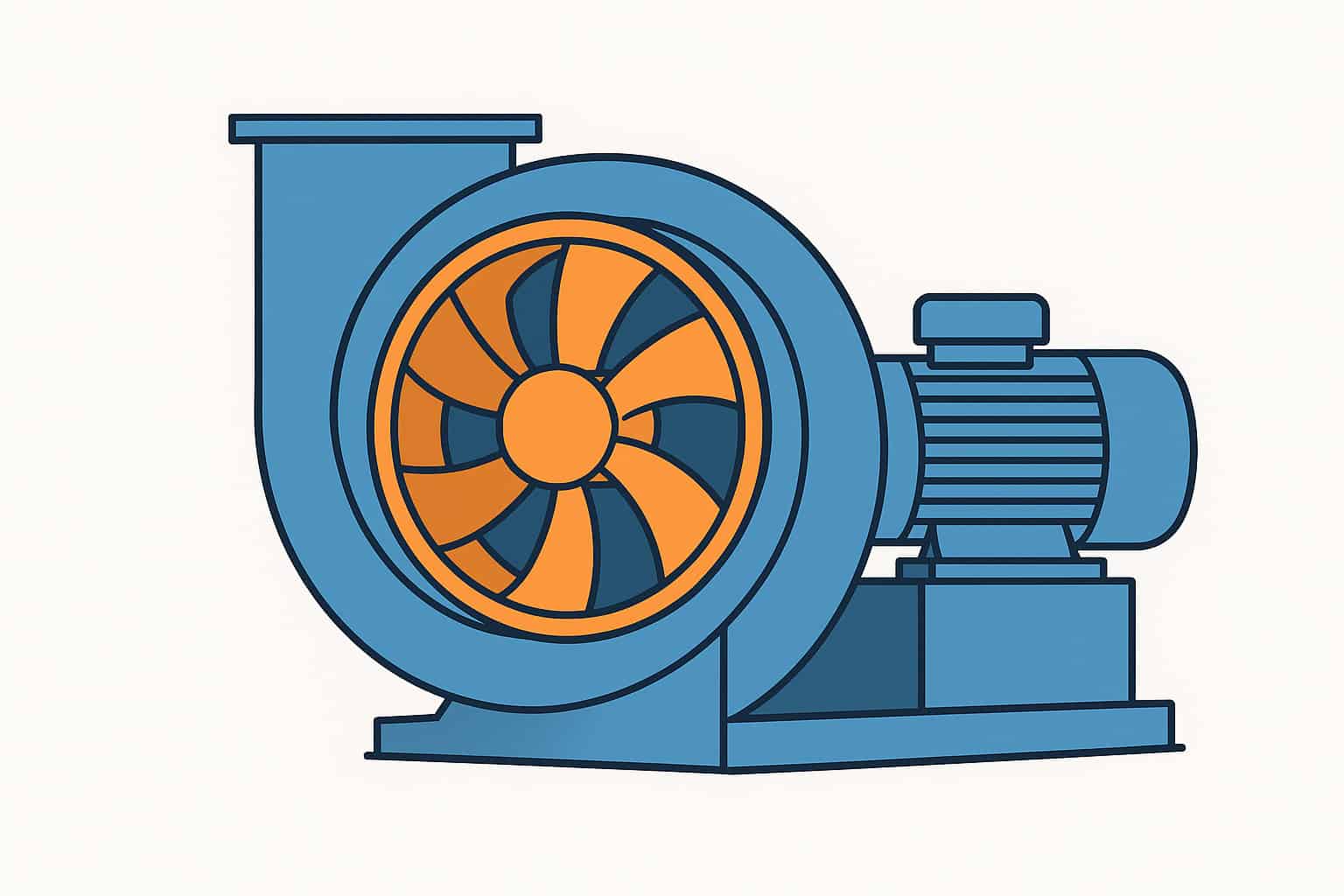
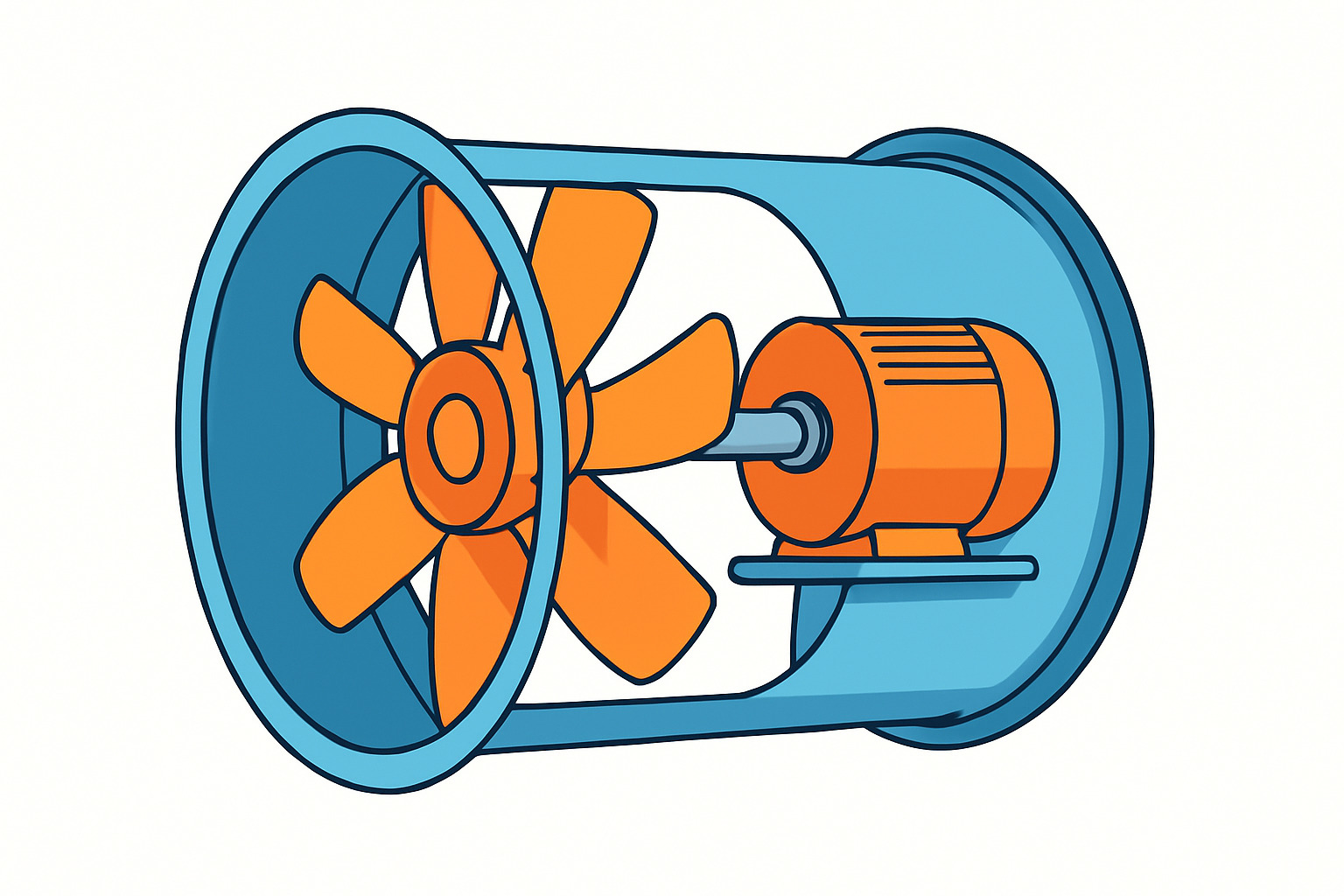
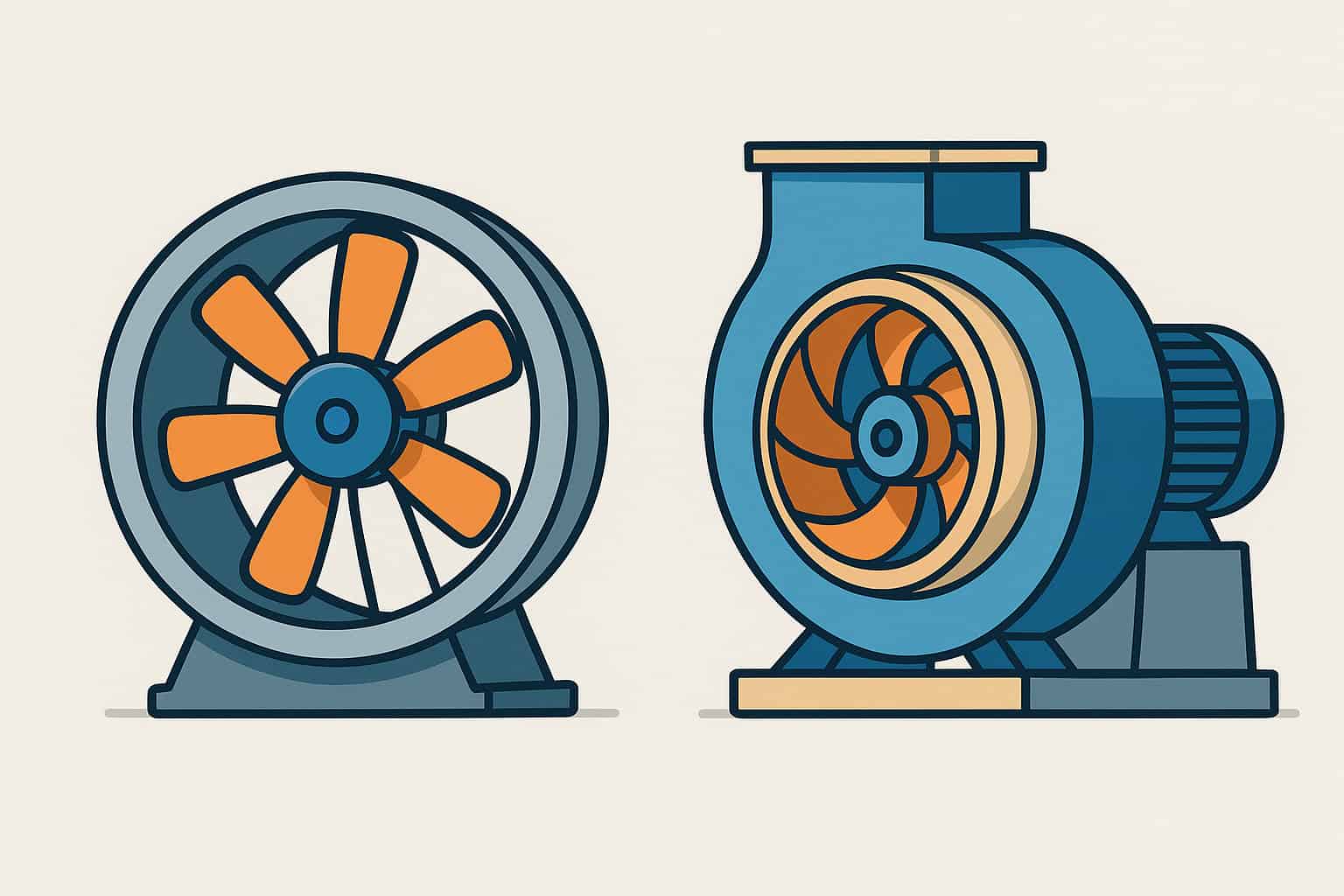
When you compare an axial fan with a blower (centrifugal fan) for static pressure, the blower is usually better at generating higher static pressure. Axial fans excel at moving large volumes of air at relatively low pressure, while centrifugal blowers are designed to push air through systems with higher resistance, such as long ducts, filters and complex mine airways.
Static pressure is the resistance that a fan must overcome to move air through a system. Every bend, reducer, filter, scrubber, regulator, grille and length of duct adds static pressure. In underground mines, rough roadways, regulators and doors also increase resistance. The fan must develop enough static pressure to overcome this resistance at the required airflow.
Axial fans move air parallel to the shaft, like a propeller. They are highly efficient for high-volume, low-pressure ventilation. Typical applications include tunnel ventilation, main mine ventilation in relatively low-resistance shafts, cooling towers and large building exhaust. In these duties, static pressure is modest, and the straight-through flow of an axial fan offers excellent performance. However, when static pressure climbs, an axial fan of the same size may struggle, stall or become very noisy.
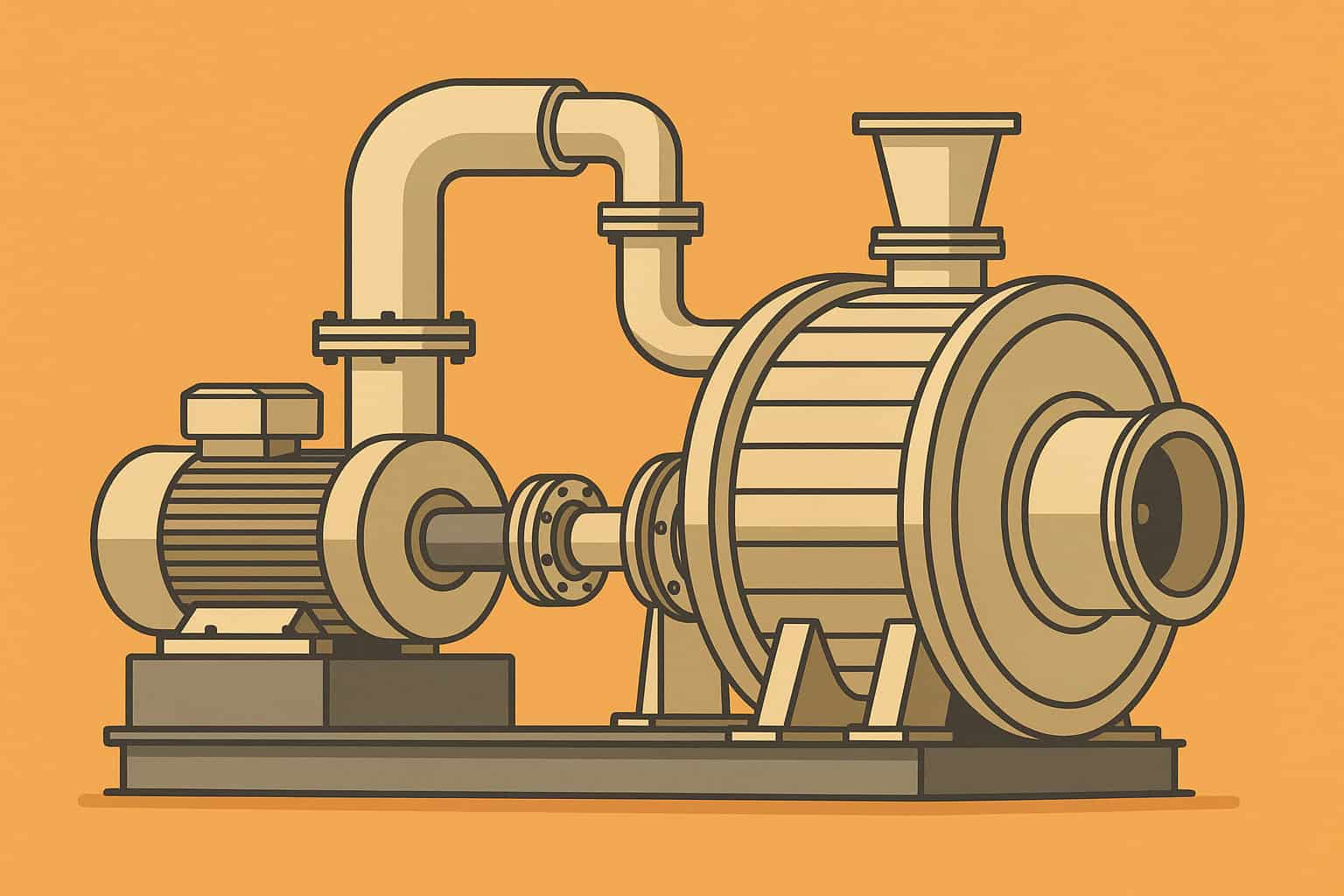
Blowers or centrifugal fans draw air in near the shaft and discharge it radially into a scroll housing. This geometry allows them to develop higher static pressures for a given size and speed. Radial and backward-curved impellers, combined with well-designed scroll housings, make centrifugal blowers ideal for dust collection, scrubbers, long duct runs, local exhaust systems and high-resistance mine branches. When static pressure is the dominant requirement, an appropriately selected blower will normally outperform an axial fan.
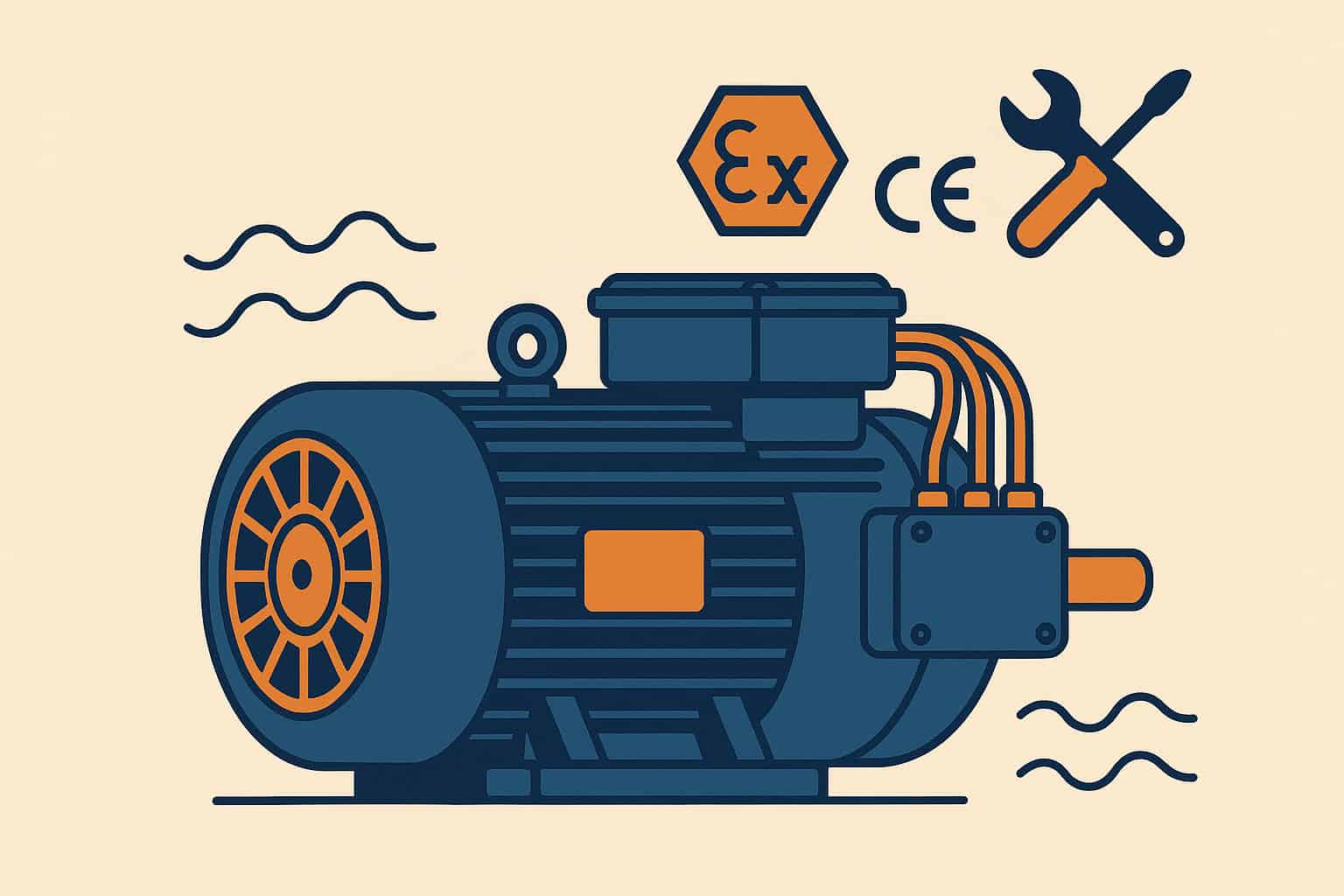
From an energy and reliability point of view, using the wrong type of fan for your static pressure requirement can be costly. An axial fan forced to work in a high-pressure system may consume a lot of power while still delivering insufficient airflow. It can also operate in unstable regions of its curve, causing noise and vibration. A properly sized centrifugal blower, operating near its best efficiency point, will generally provide more stable flow, better pressure control and longer life in the same system.
In practice, engineers choose axial fans when static pressure is low and the airflow path is relatively open, and they choose blowers (centrifugal fans) when static pressure is high and the system has significant resistance. The better option for static pressure is almost always the blower, provided it is sized and installed correctly for the industrial or mining ventilation duty.