
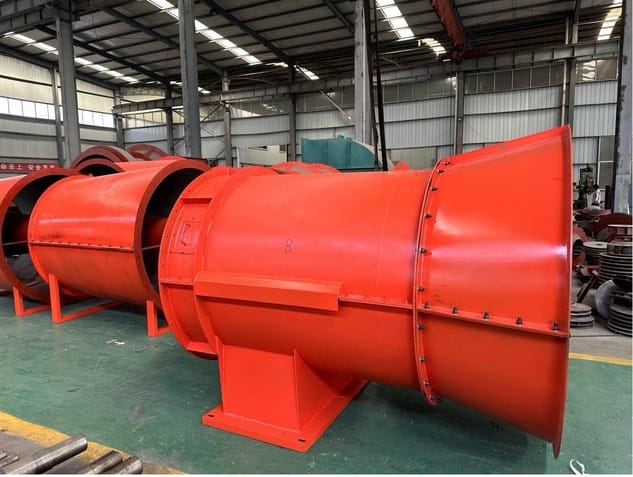
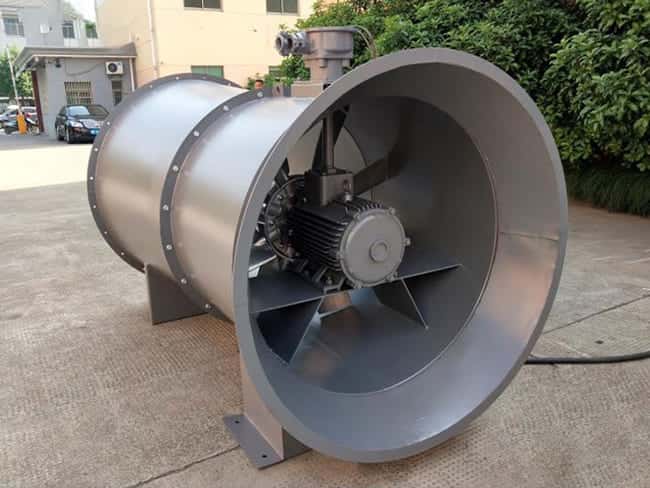
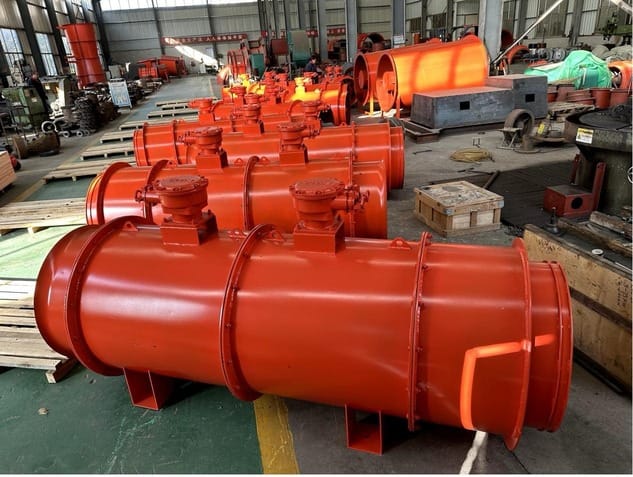
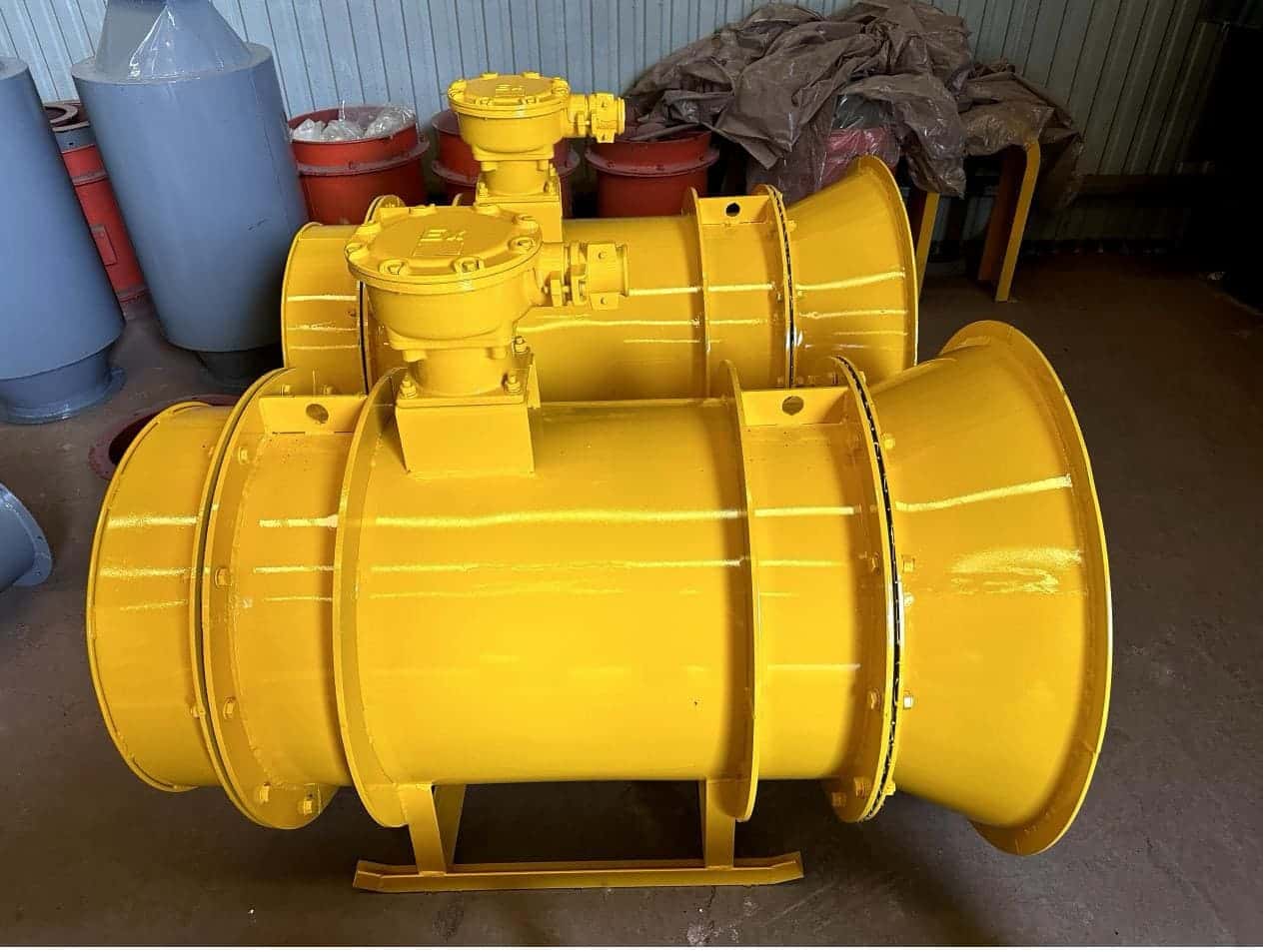
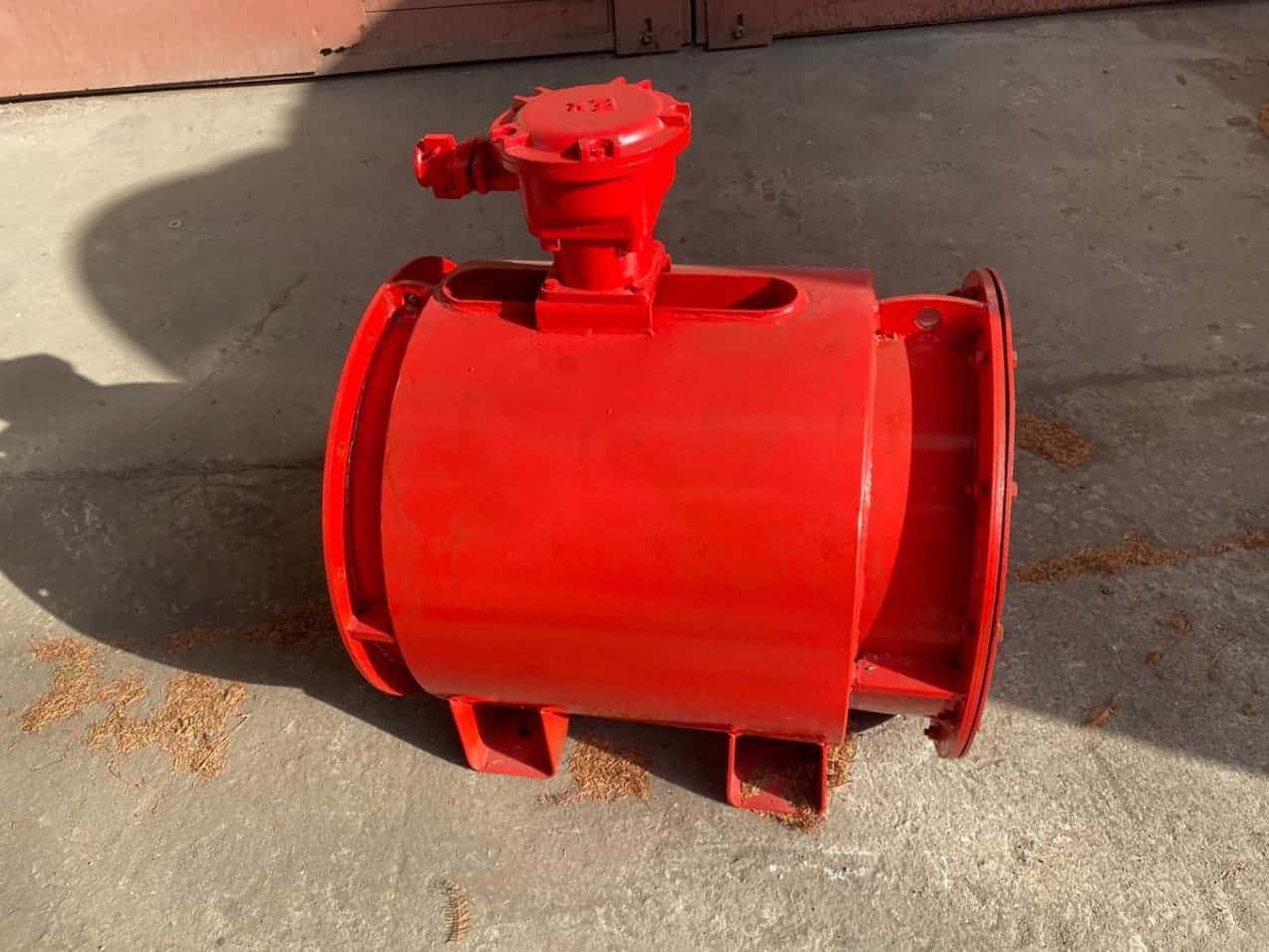
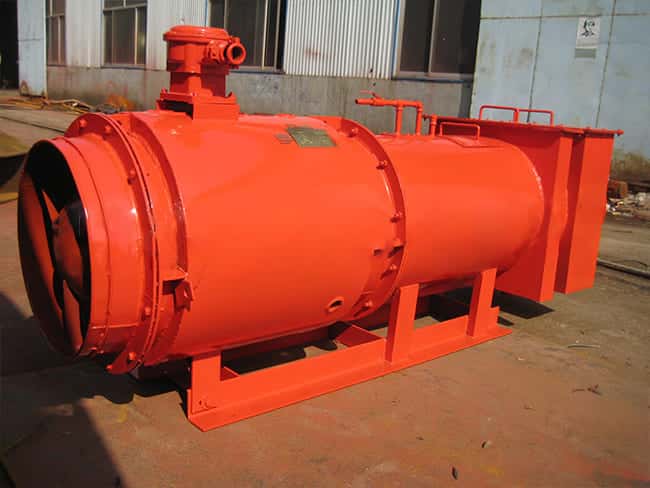
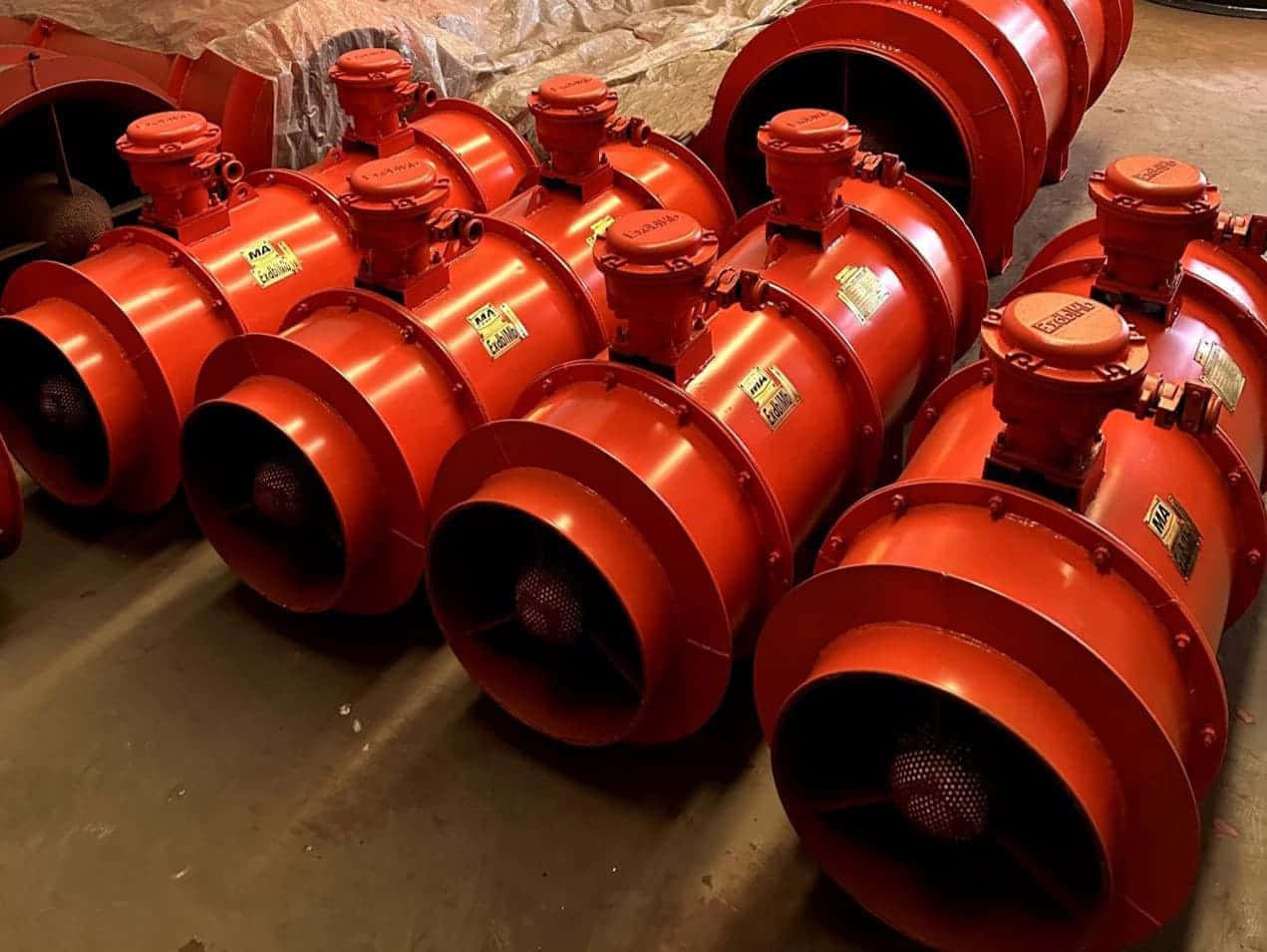
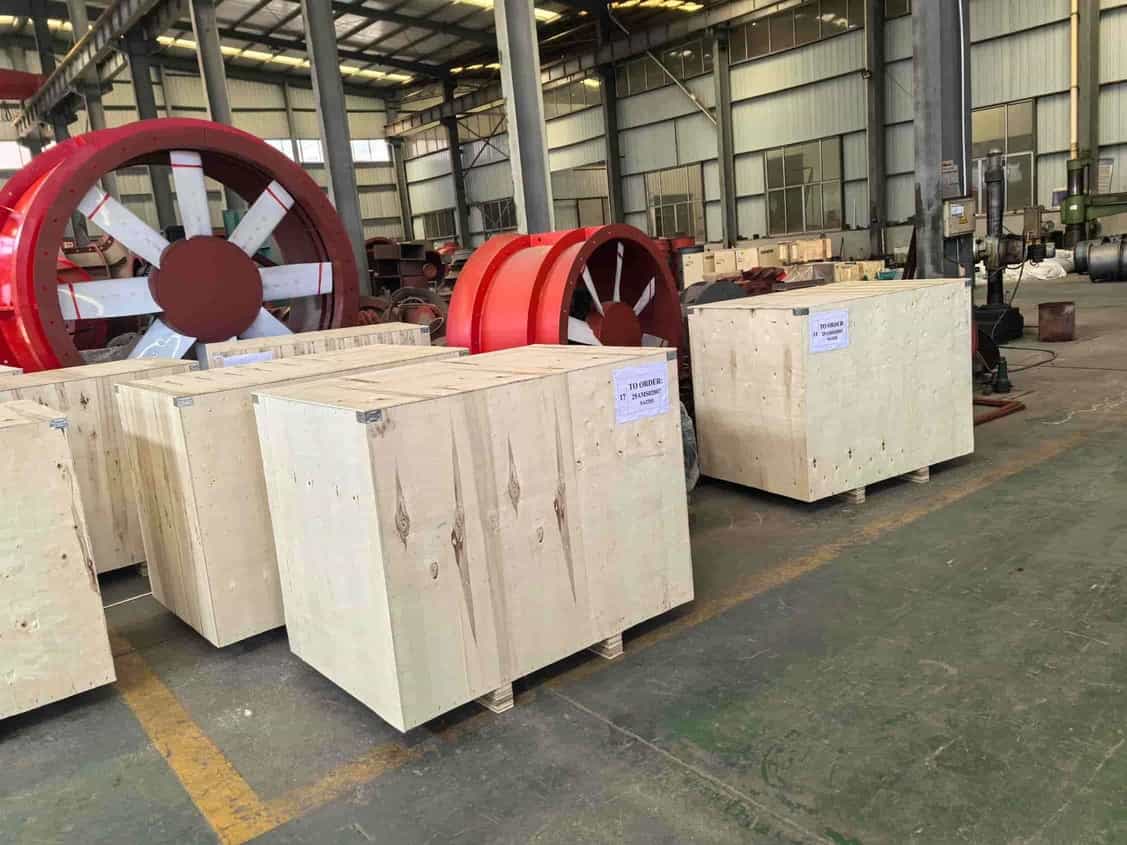
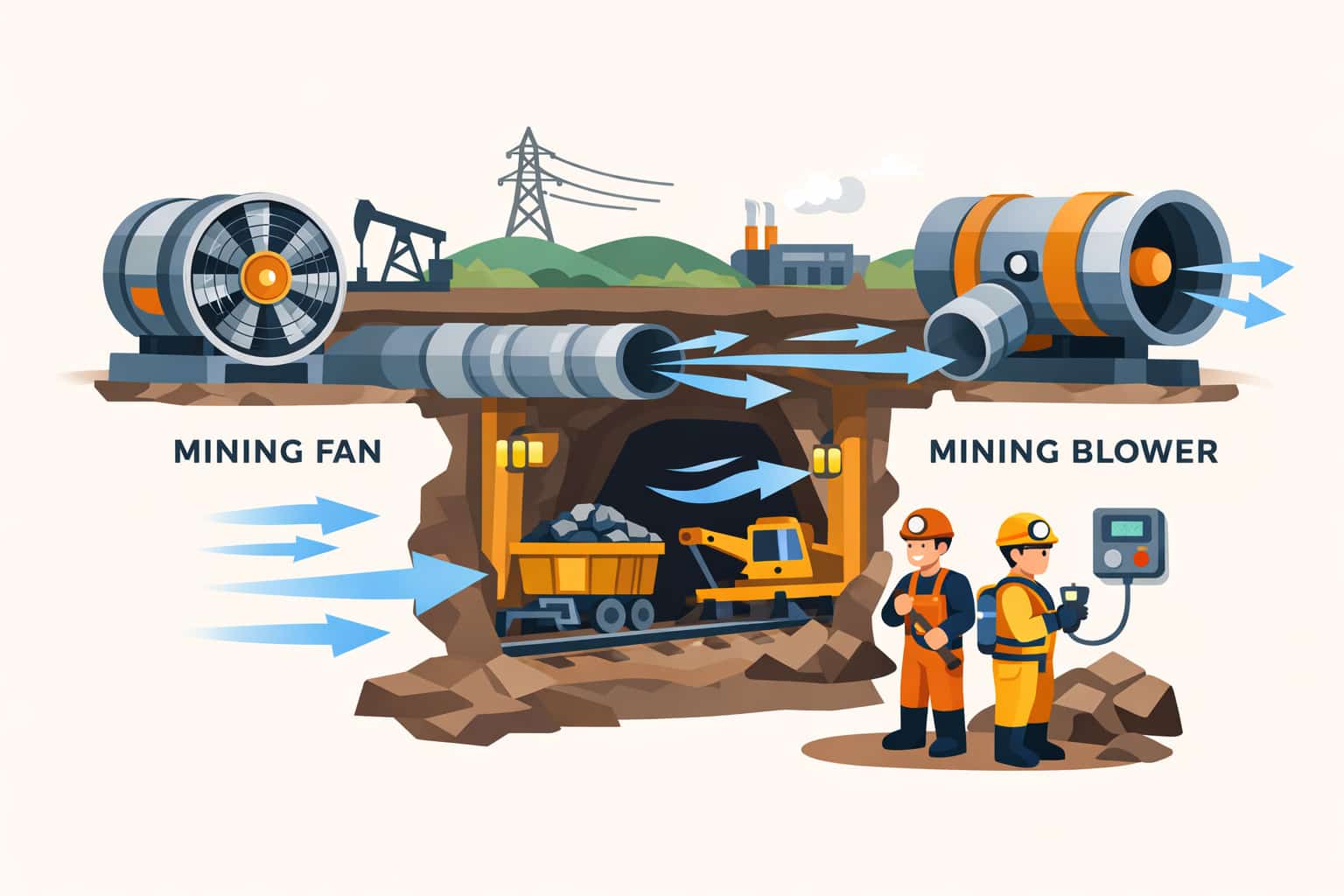
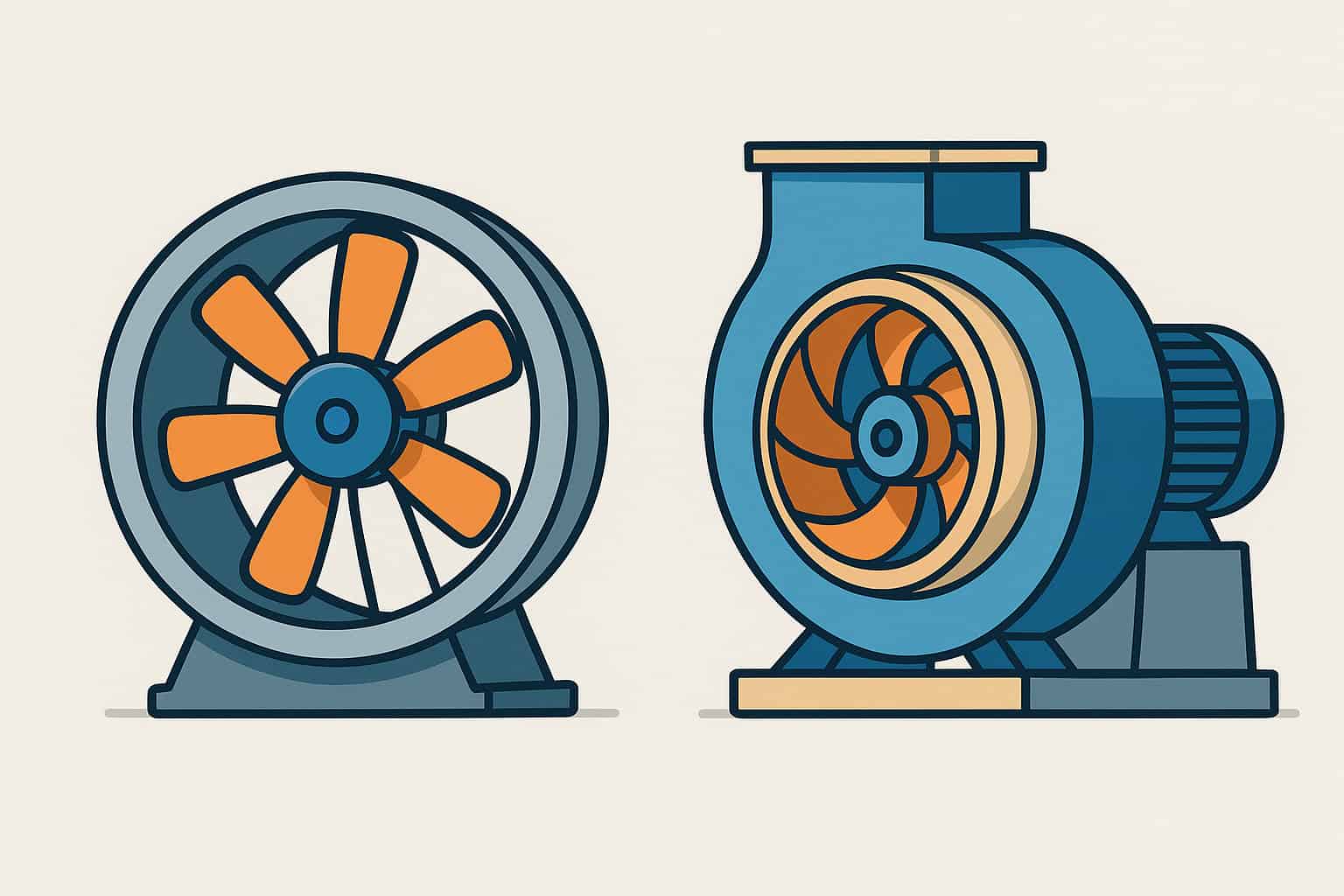
Neither a blower nor a fan is “better” in every situation; the right choice depends on pressure, airflow and the layout of your system. In industrial plants and mines, both fans and blowers are essential tools. Fans usually move large volumes of air at relatively low pressure, while blowers are designed to deliver higher pressure where system resistance is greater.
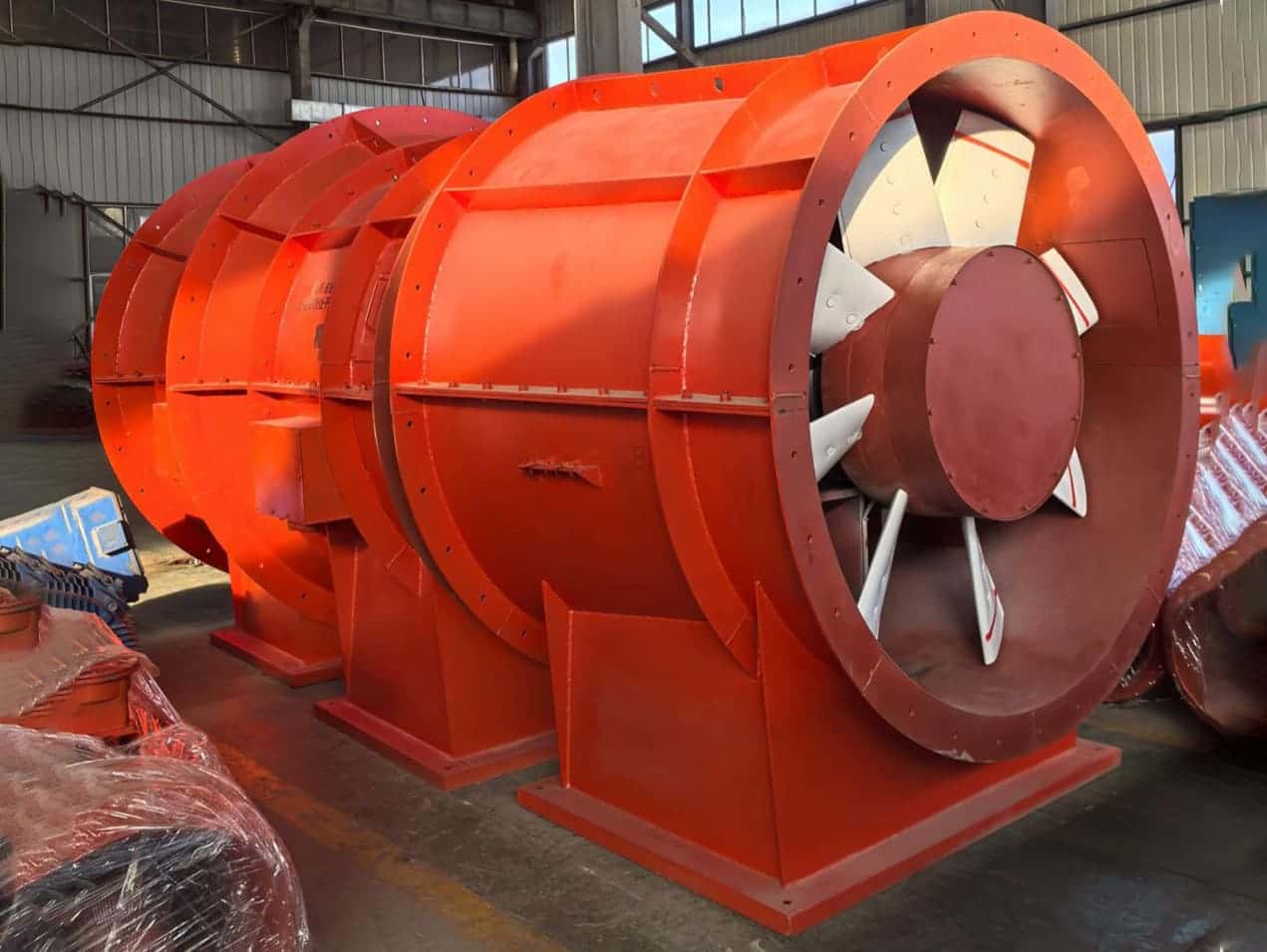
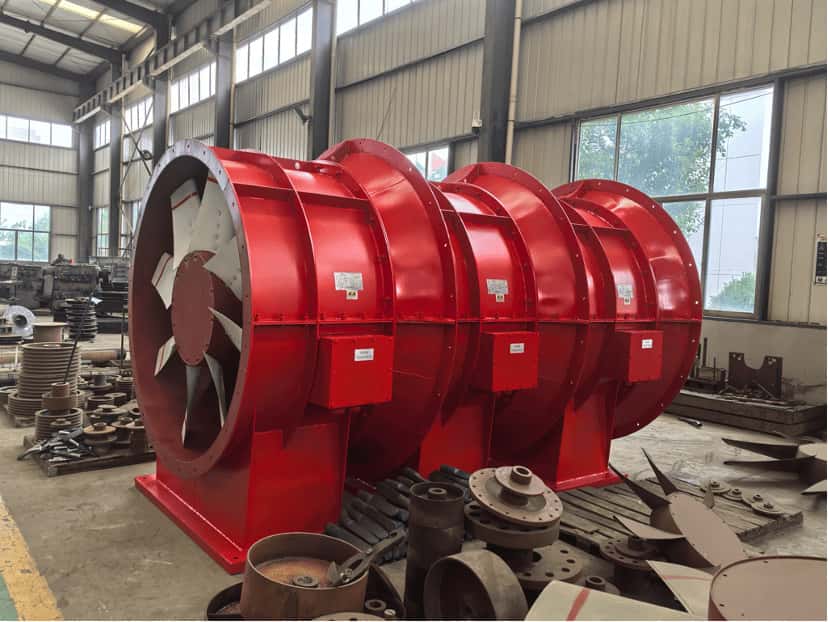
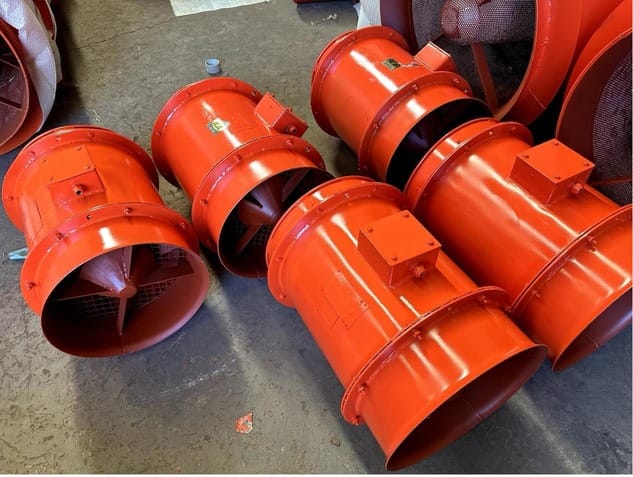
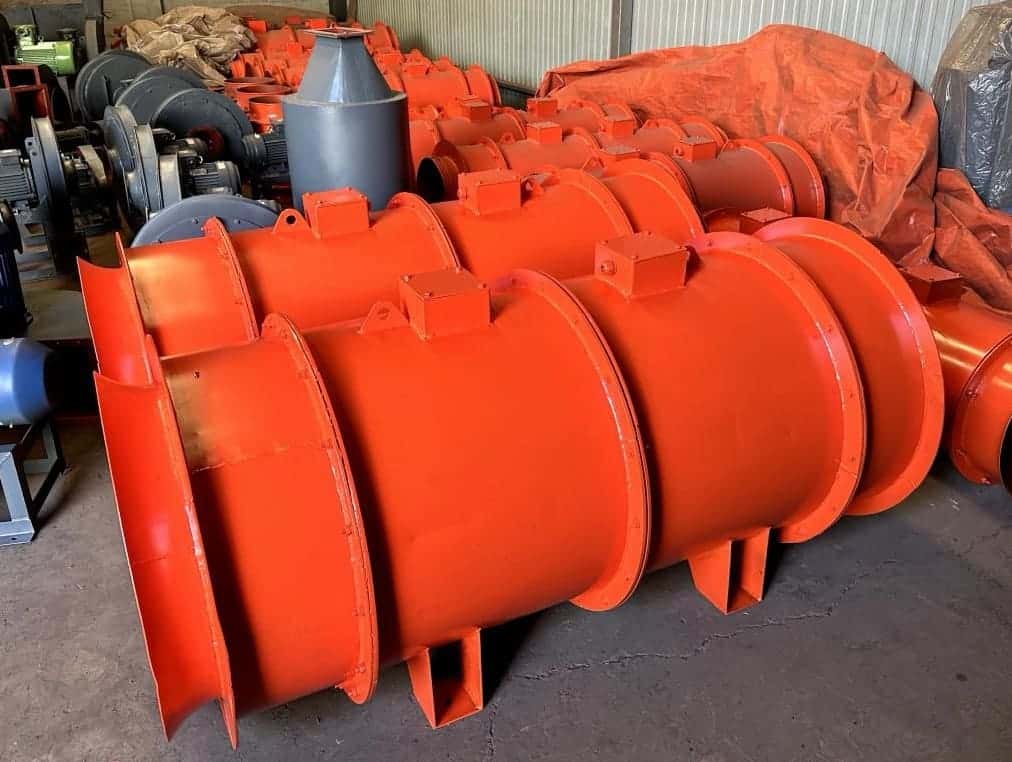
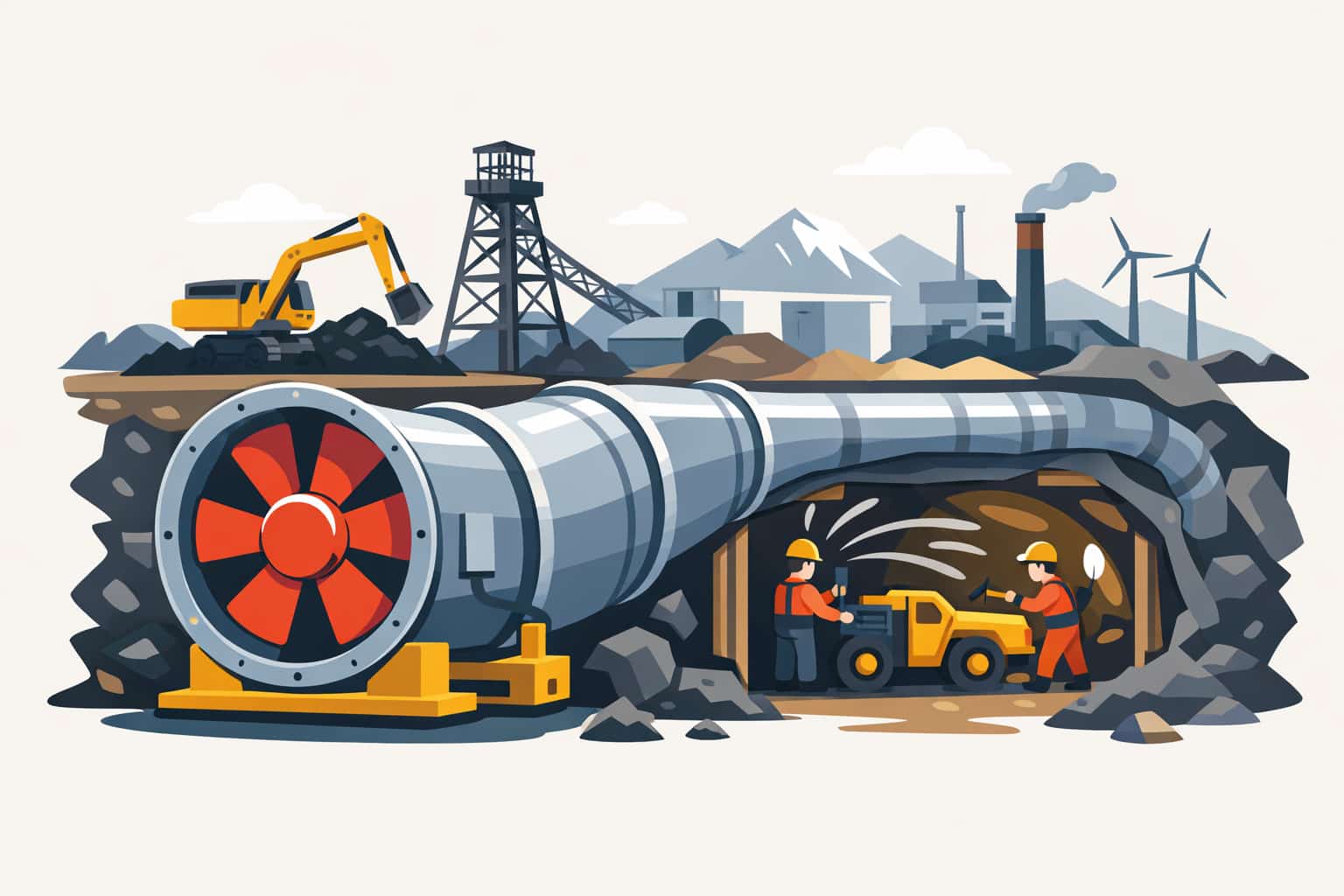
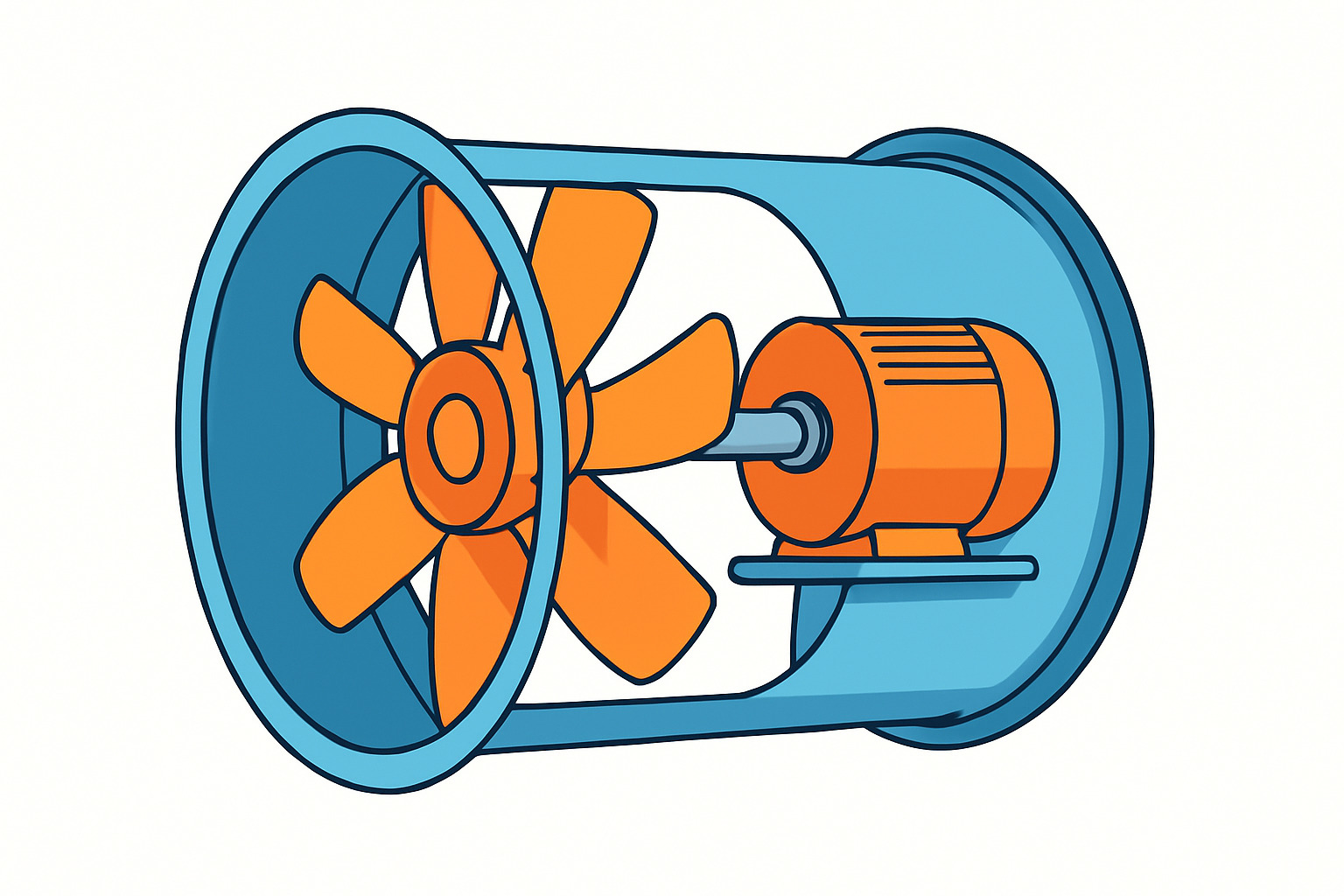
A typical axial or centrifugal fan used for general ventilation is optimised for high air volume with modest pressure rise. These fans are ideal for moving fresh air through buildings, tunnels and underground workings where friction losses are moderate. Main mine fans, tunnel fans, building supply fans and large roof exhaust units are all examples where a fan is usually the better option. Fans tend to be more energy-efficient than blowers for low-pressure duties and are often quieter when correctly sized.
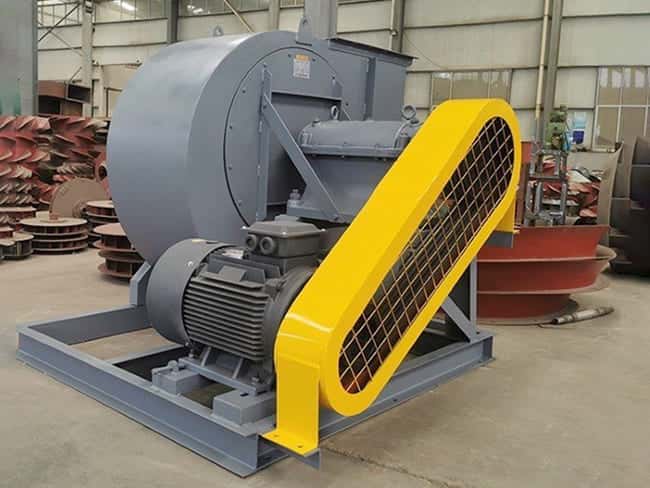
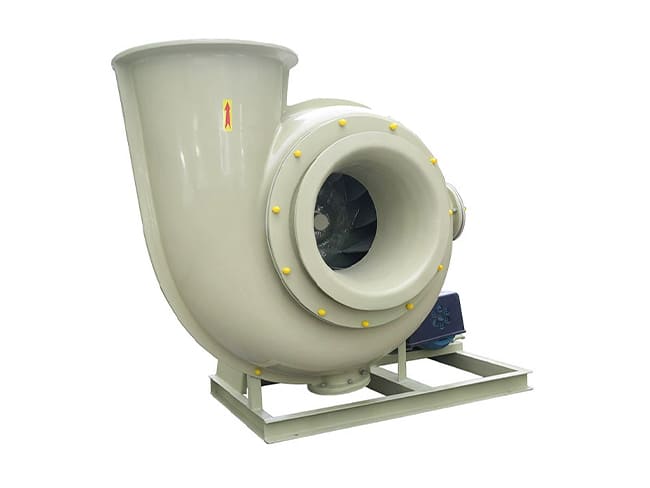
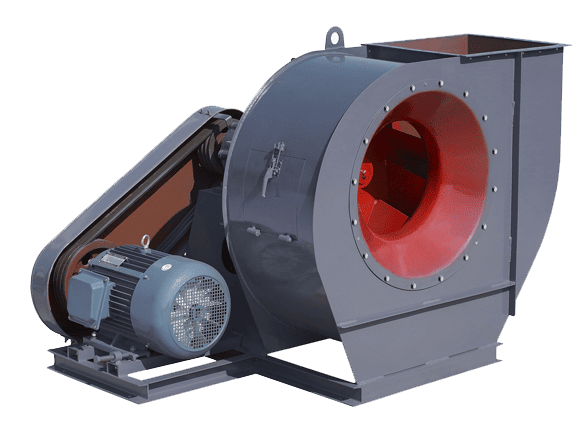
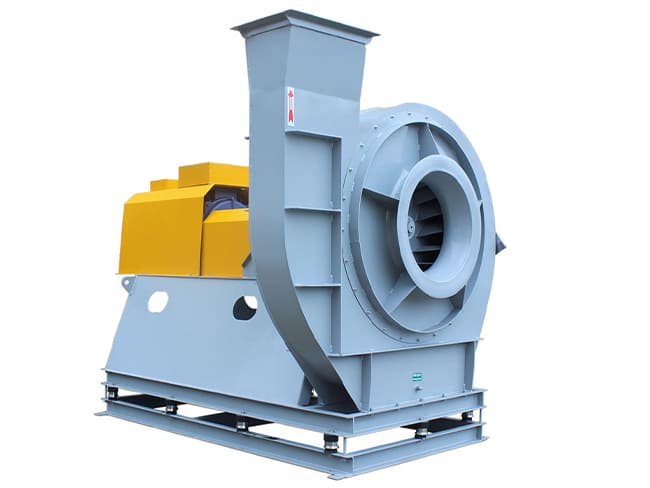
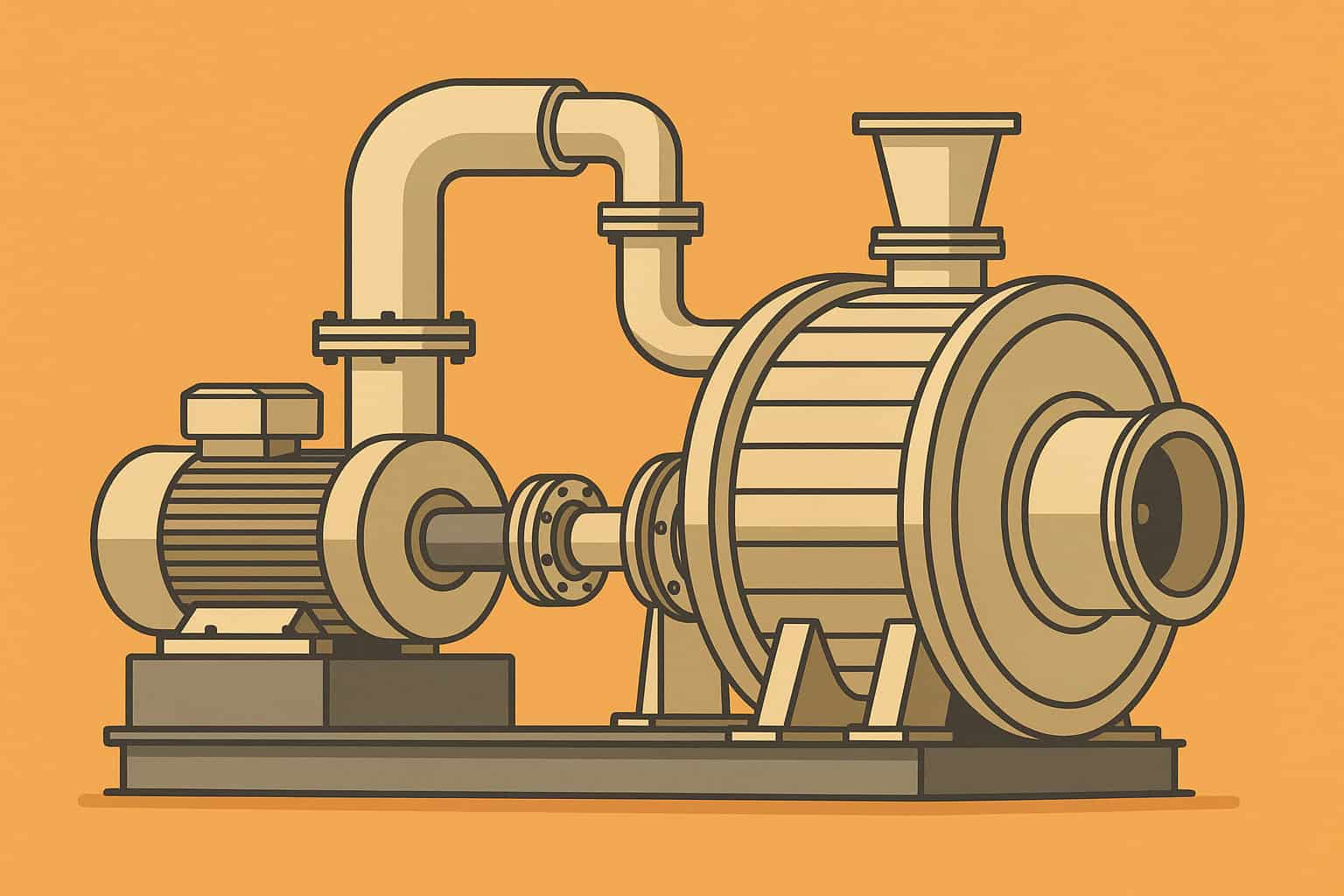
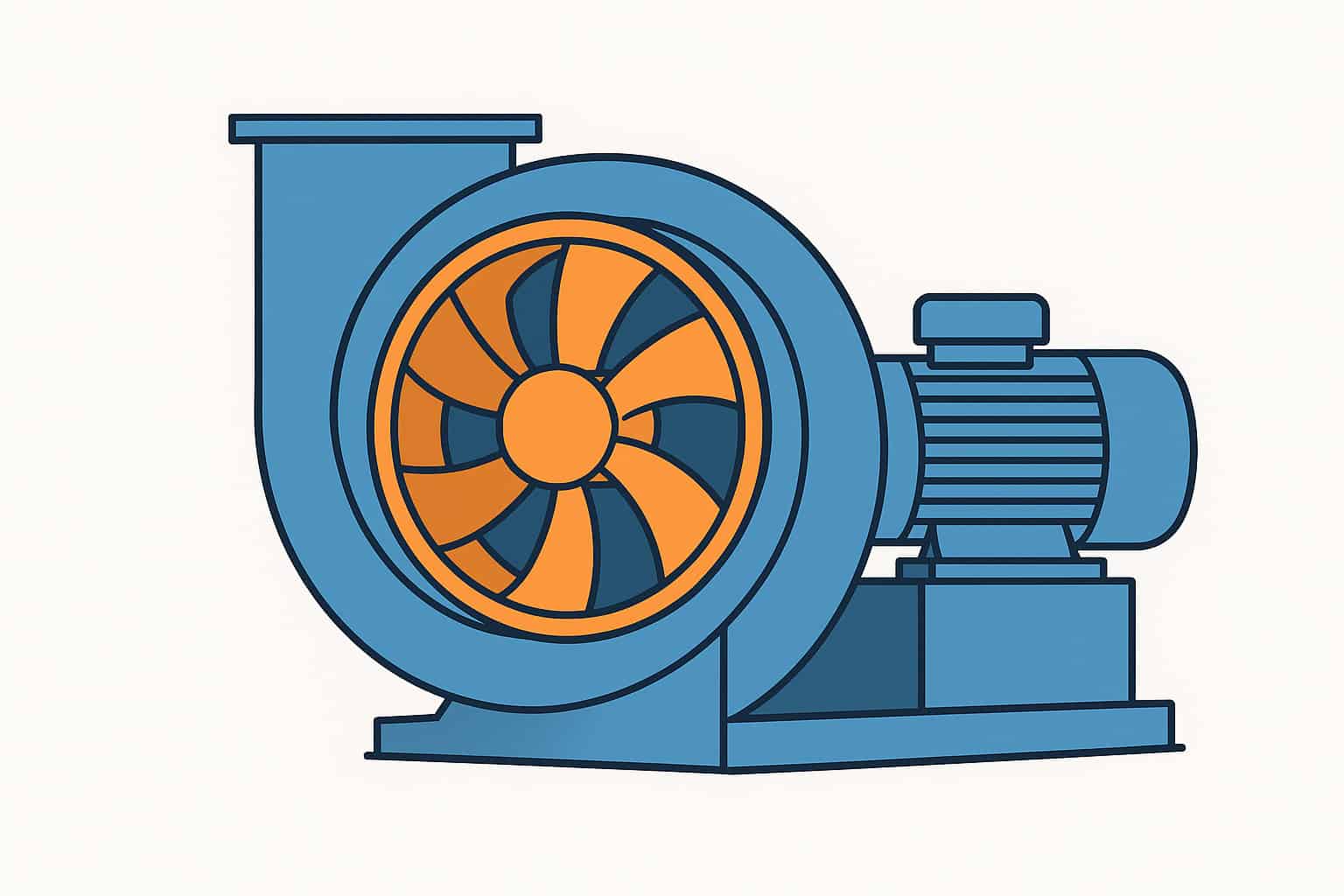
A blower, often a centrifugal or positive displacement machine, is designed to generate higher static pressure. Blowers are better when the air must pass through long ducts, many bends, filters, cyclones, scrubbers or restrictive hoods. In dust collection systems, combustion air supplies, pneumatic conveying and some auxiliary ventilation duties, the system resistance is too high for a low-pressure fan. Here, a blower’s additional pressure capability makes it the better choice, ensuring stable flow and reliable process operation.
From an energy and cost perspective, “better” also means matching the machine to the duty. Using a blower where a simple fan would suffice can lead to higher capital and operating costs without real benefit. Conversely, forcing a low-pressure fan to do a blower’s job may result in poor airflow, overheating, noise and unstable operation. A properly selected fan or blower will operate close to its best efficiency point at the required duty, minimising energy consumption and wear.
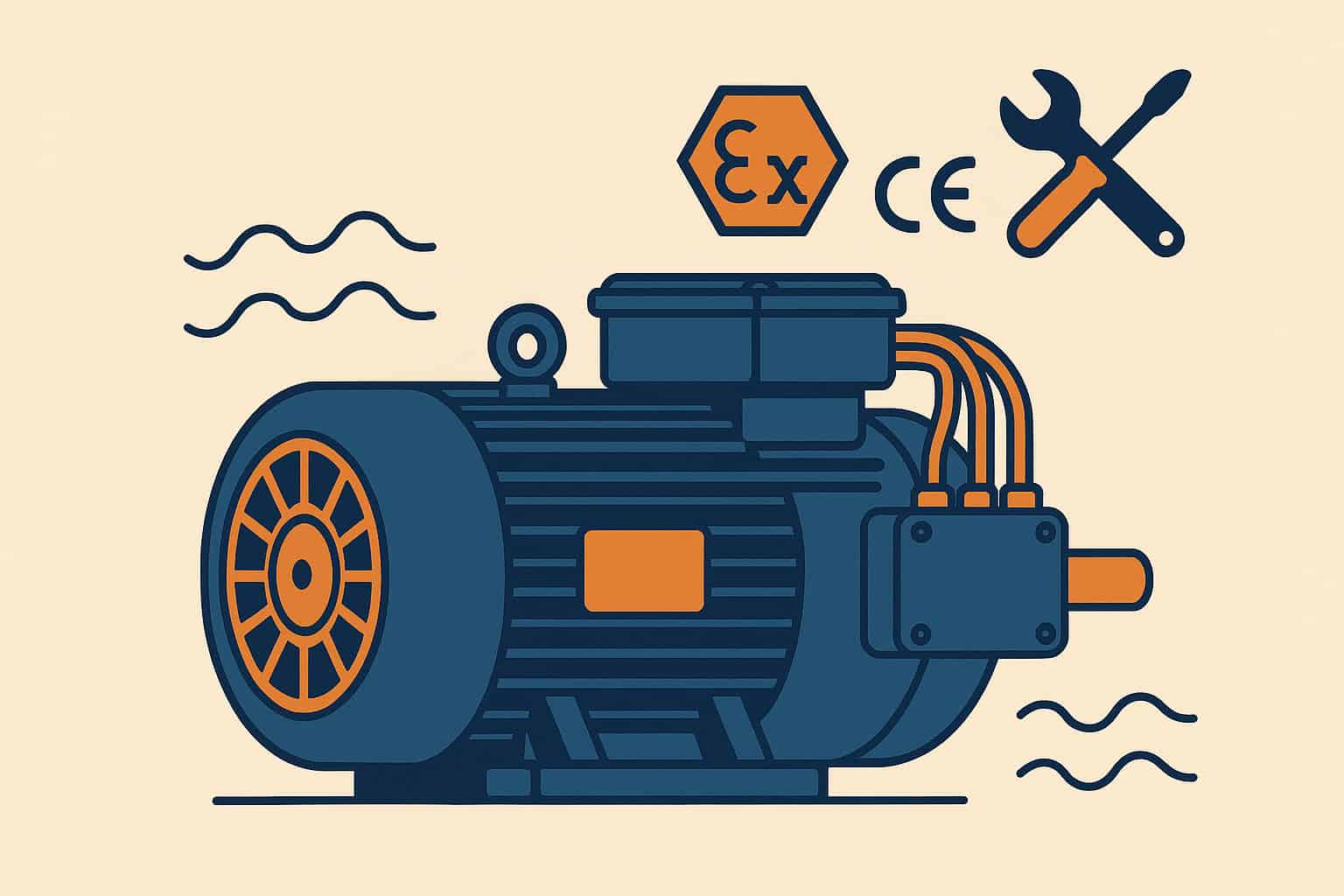
Safety and compliance are another factor. In mining and heavy industry, ventilation must meet regulatory requirements for airflow, contaminant control and pressure distribution. For main ventilation circuits with extensive roadways but moderate resistance, large axial fans are usually the better solution. For local exhaust systems attached to filters or scrubbers, a blower is often necessary to meet the required capture and extraction performance.
In summary, a blower is better when you need higher pressure and strong suction or discharge through restrictive systems, while a fan is better when you need large air volume at lower pressure for general ventilation. The best choice is the one that meets your technical and safety requirements with good efficiency, not simply whichever machine appears more powerful on paper.