



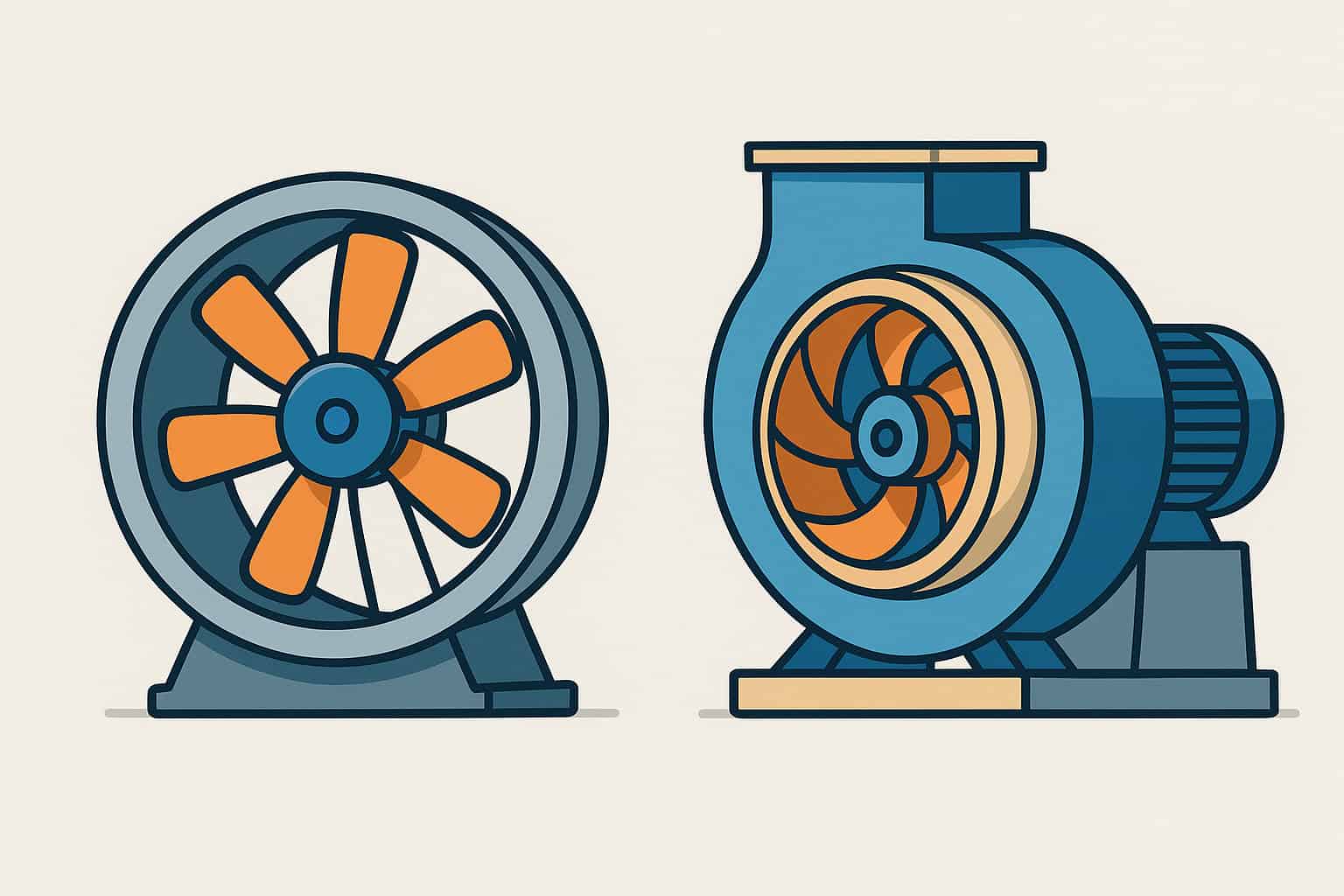
When people ask which is better, a centrifugal fan or a propeller fan, they are really asking which design is better for their particular ventilation job. There is no universal winner. A centrifugal fan and a propeller (axial) fan have different aerodynamic characteristics, and each becomes the better choice in a specific range of airflow, pressure and layout.
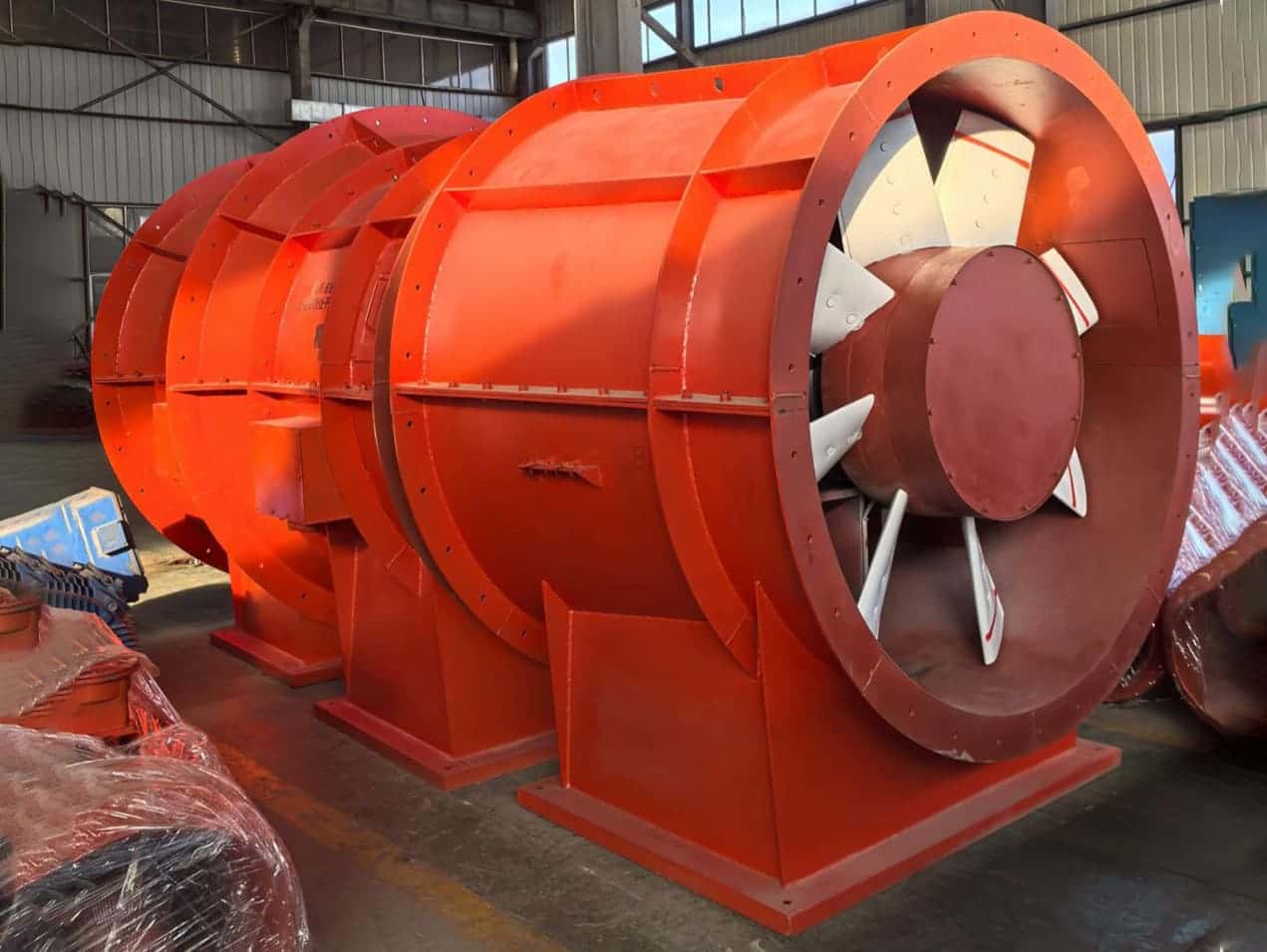
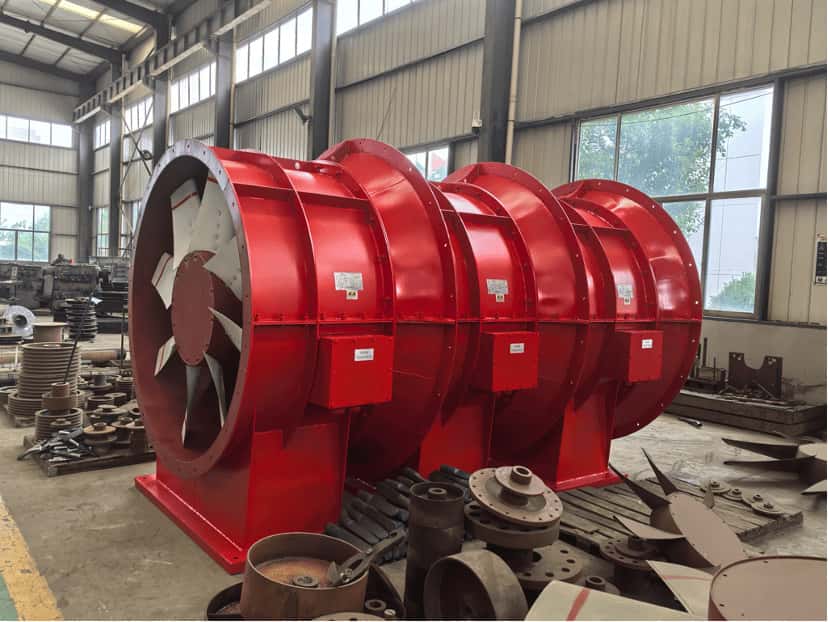
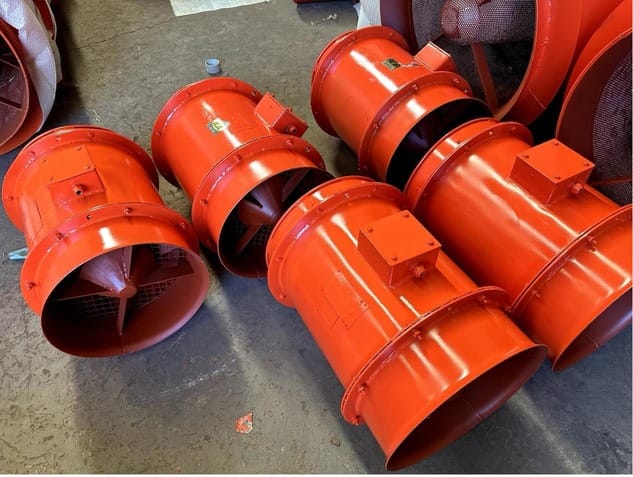
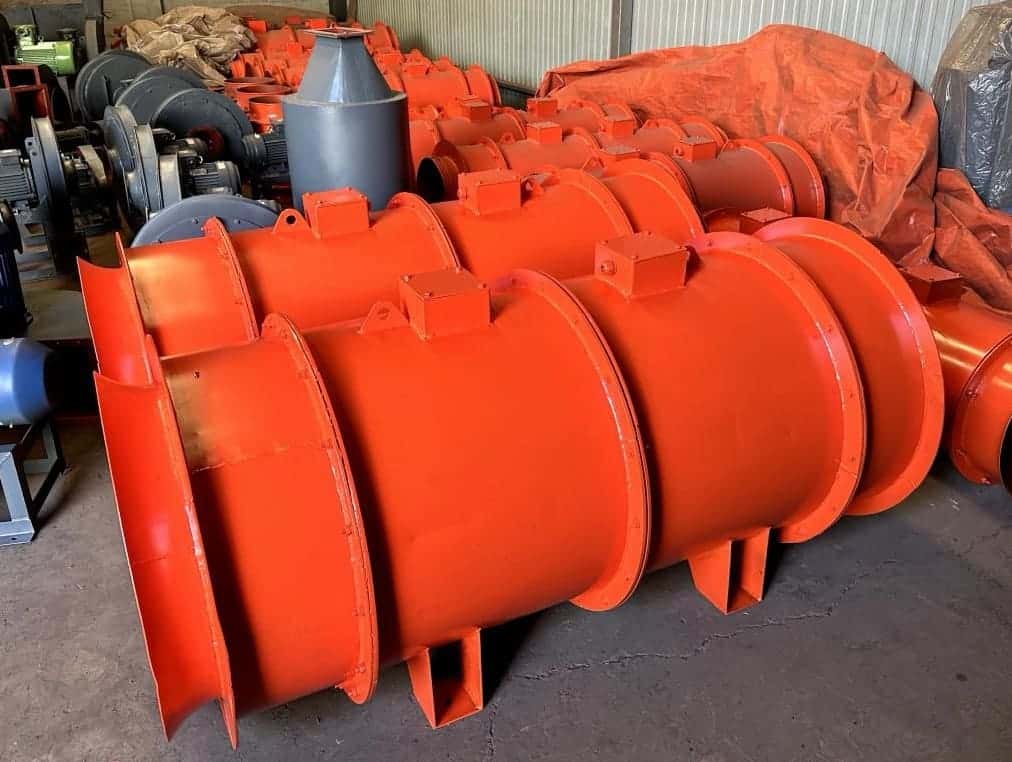
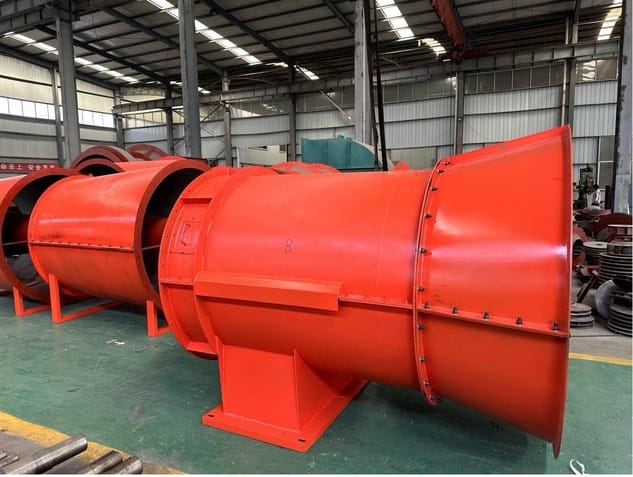
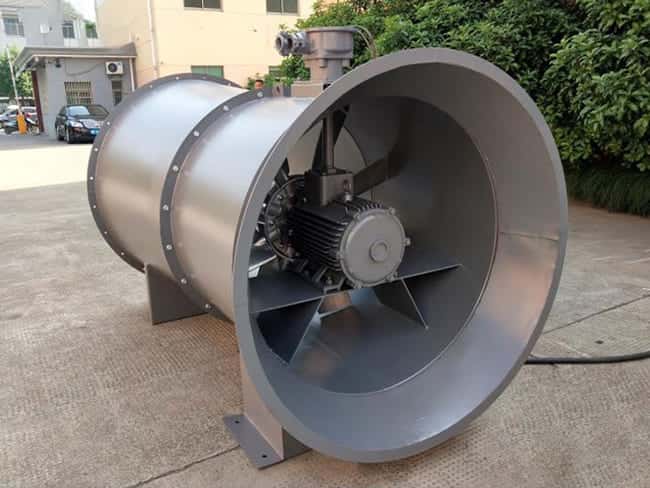
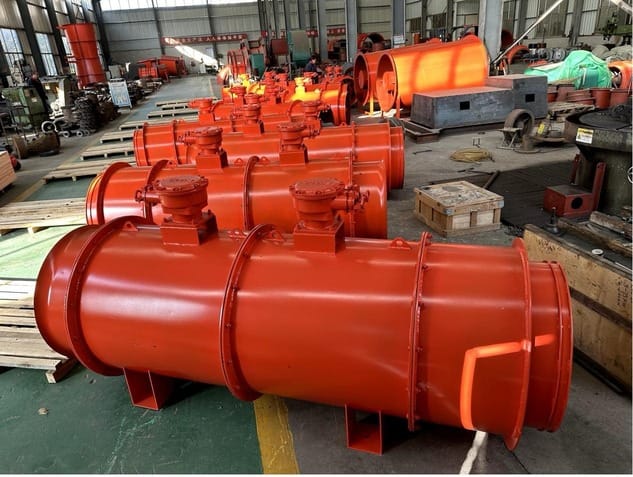
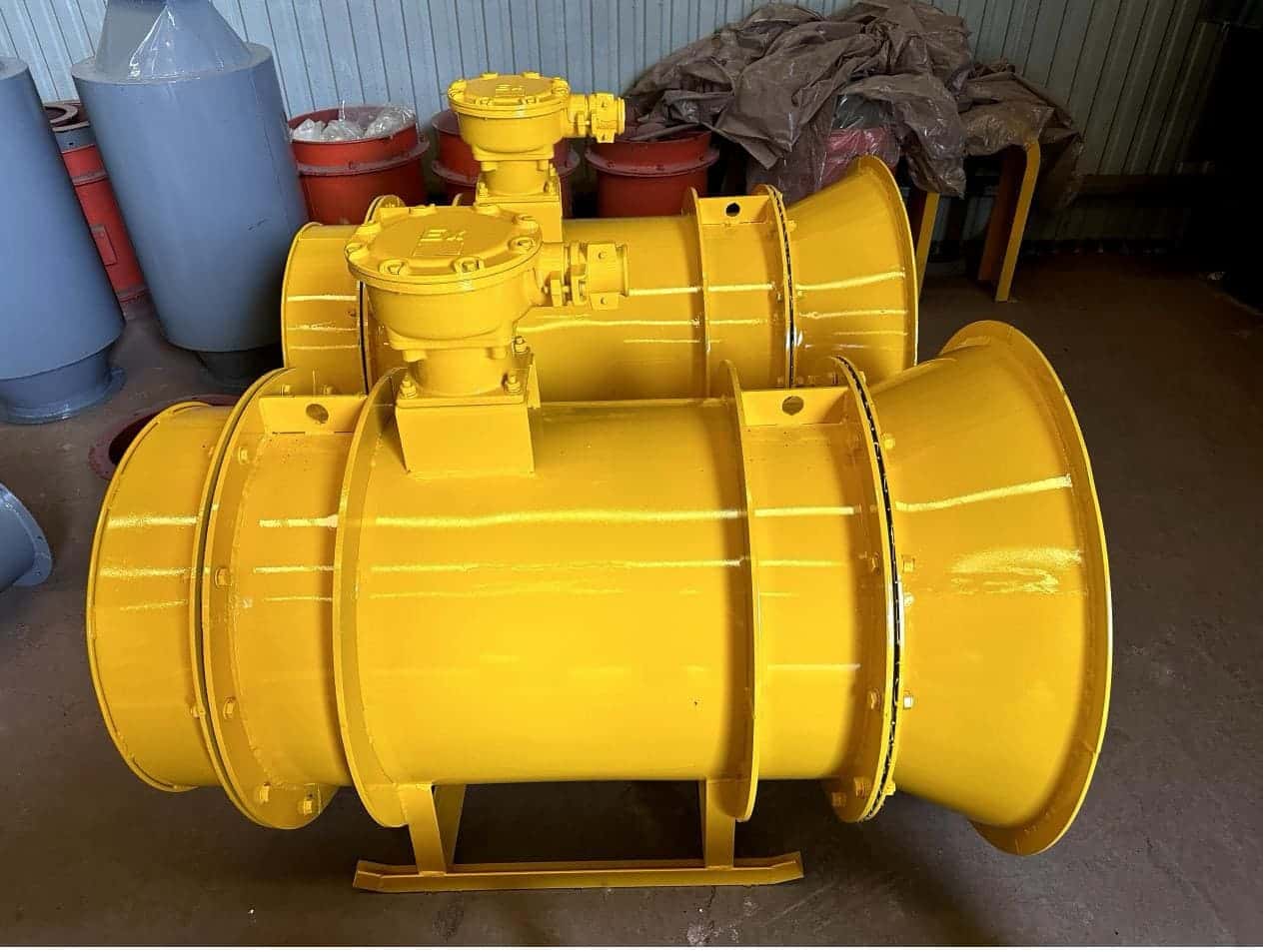
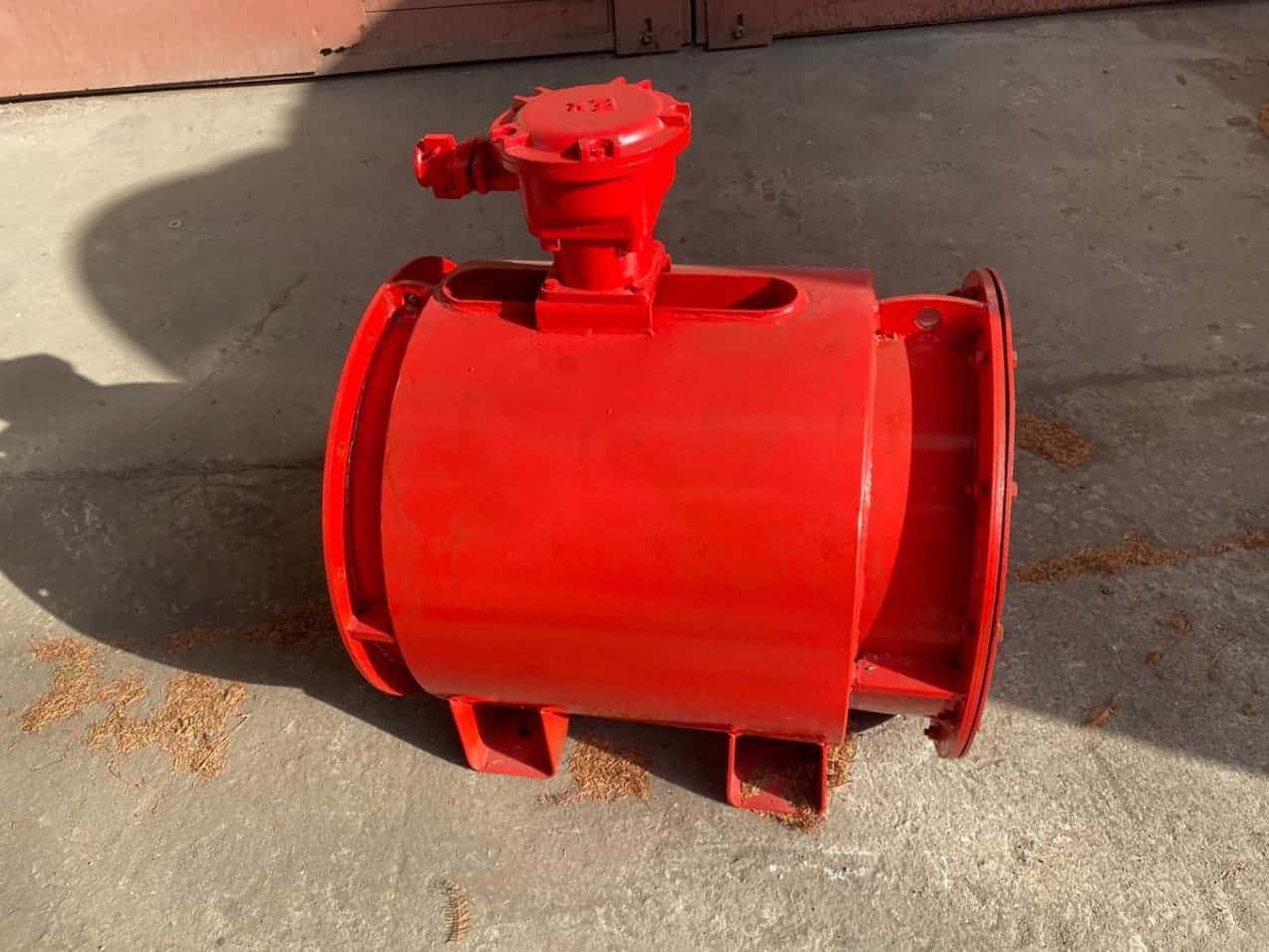
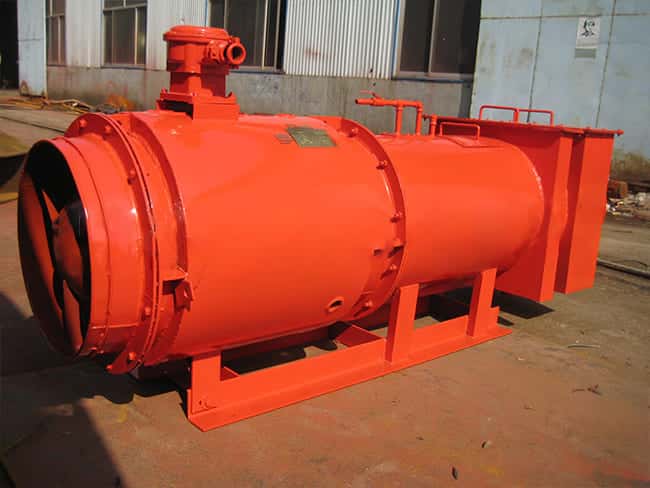
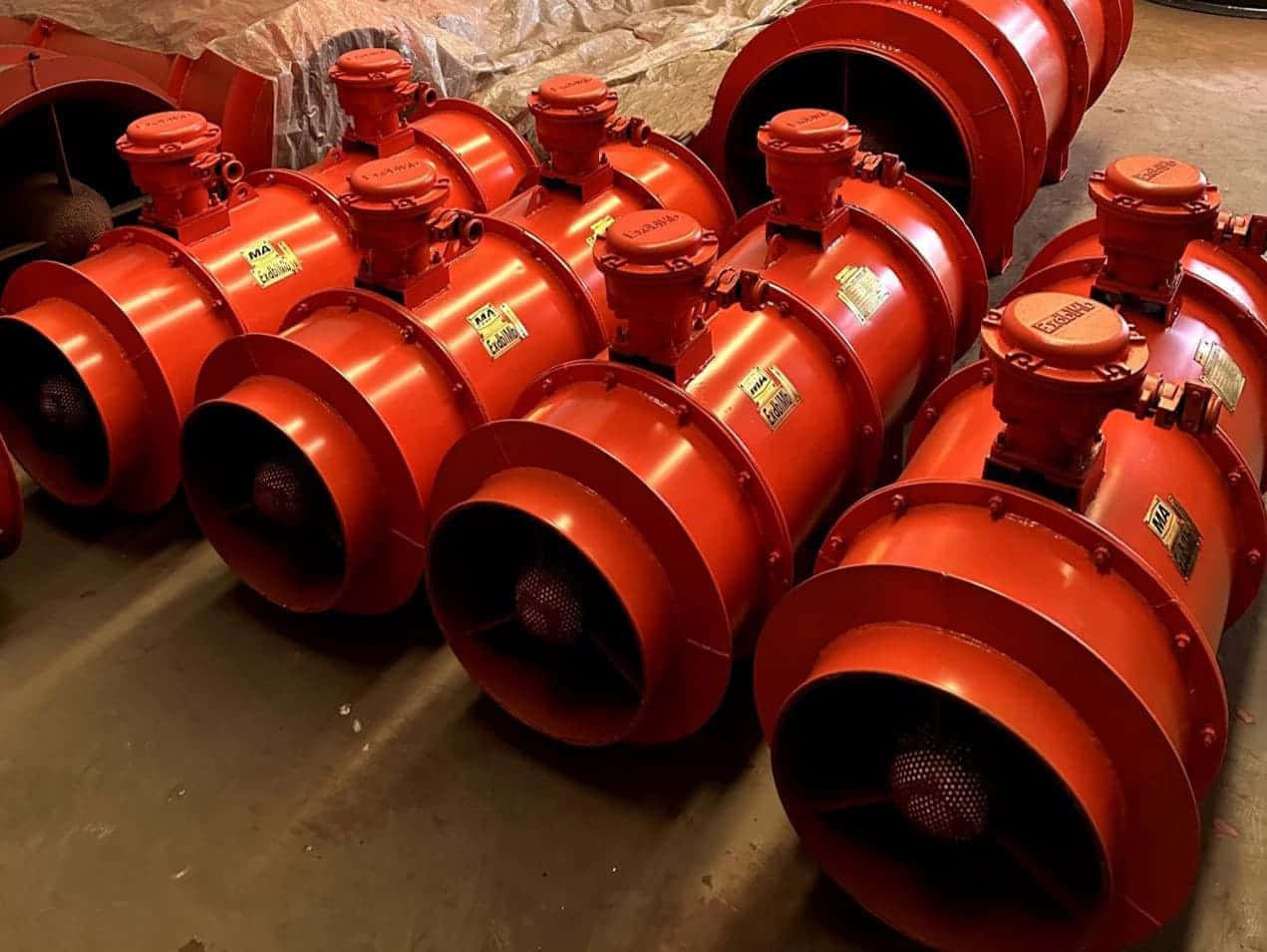
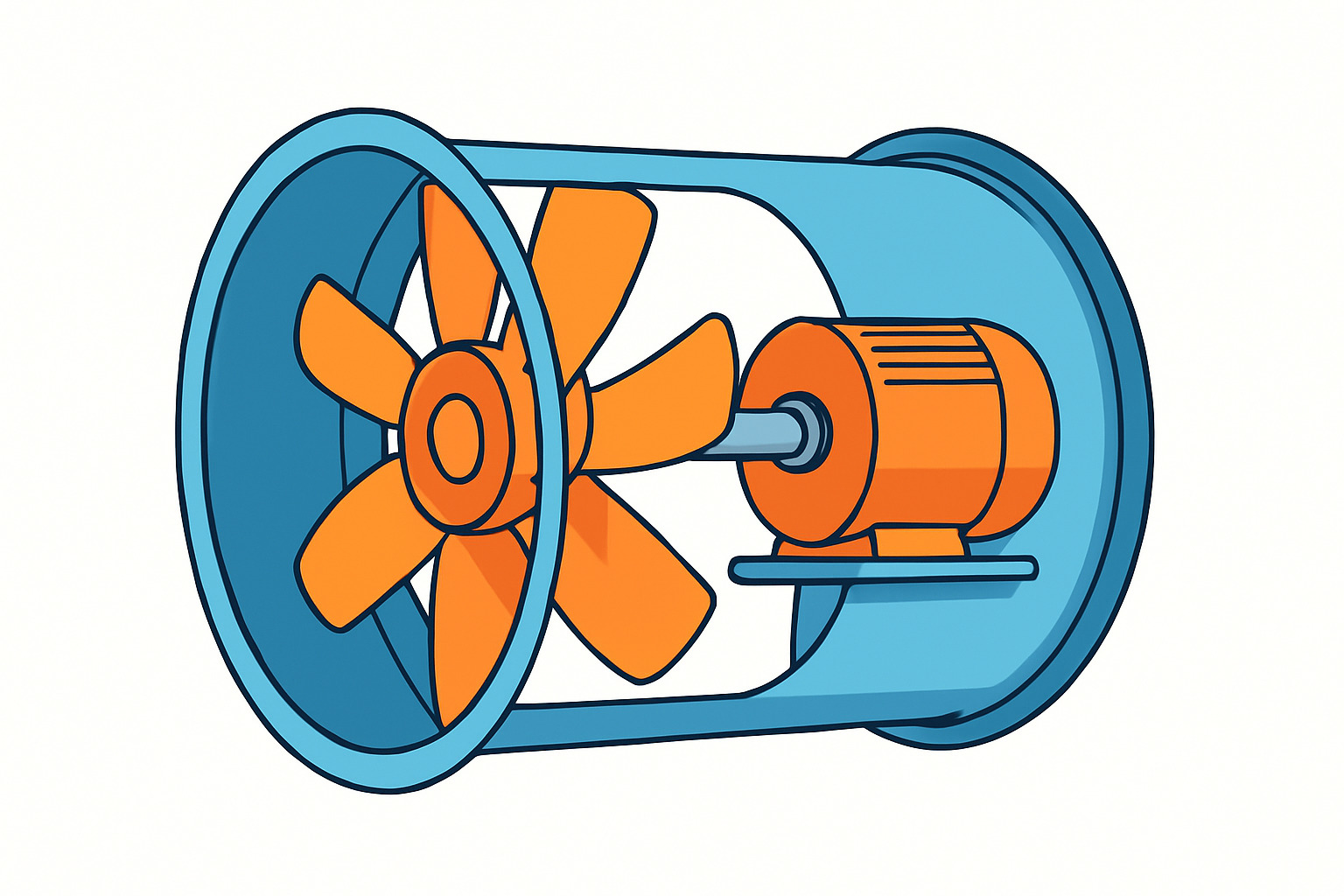
A propeller fan (axial fan) moves air parallel to the shaft, like a propeller on an aircraft. It is usually the best choice when you need high airflow at low to medium pressure with a relatively straight-through path. Propeller fans are widely used in wall exhaust units, roof fans, large hall ventilation, cooling towers and as main fans in tunnels and mines where the airways are long but relatively open. Because air flows straight through, these fans are compact in the airflow direction and can be very efficient for bulk ventilation.
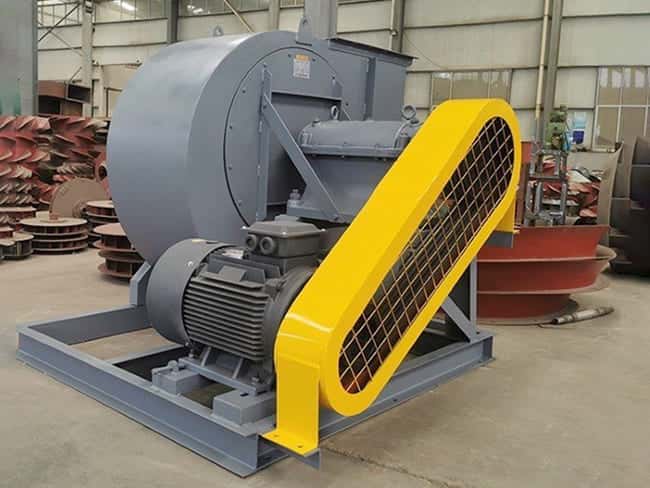
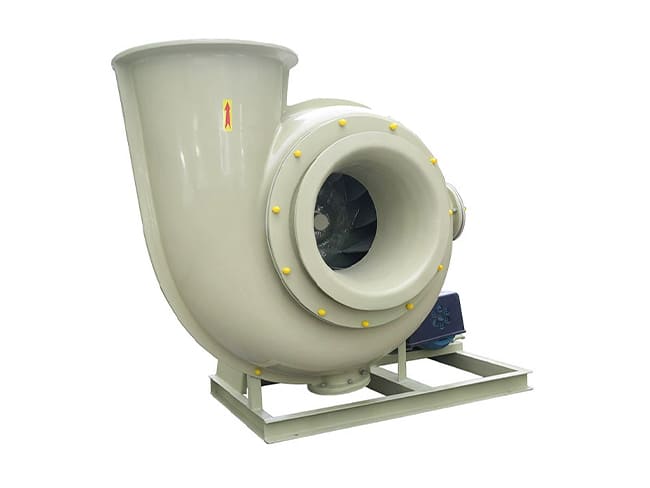
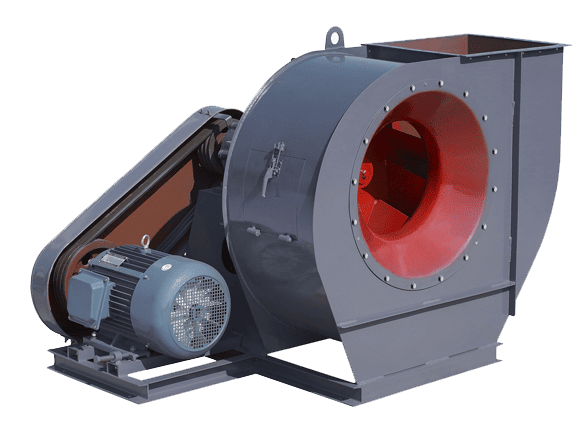
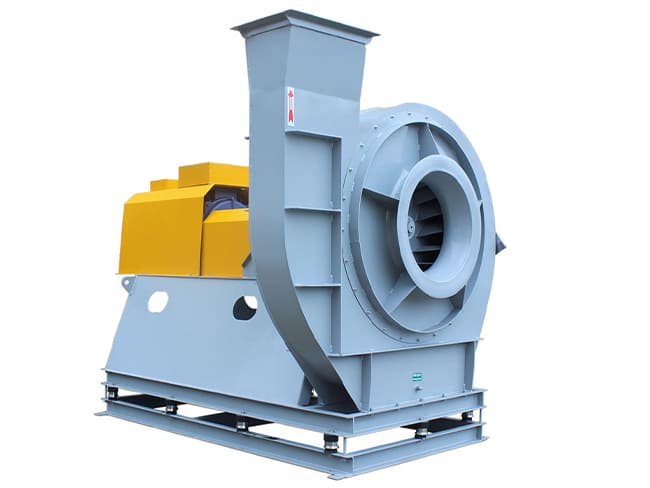
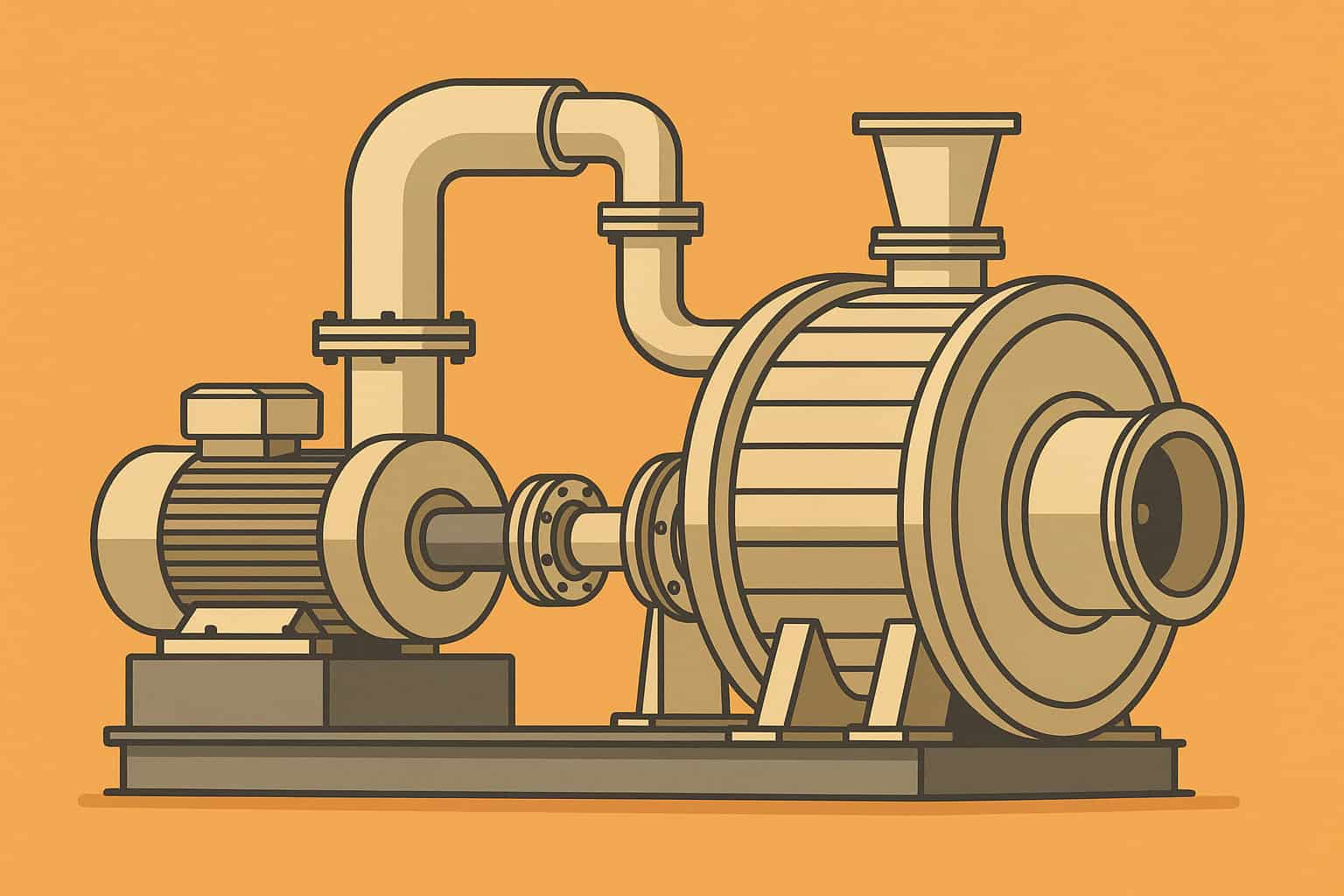
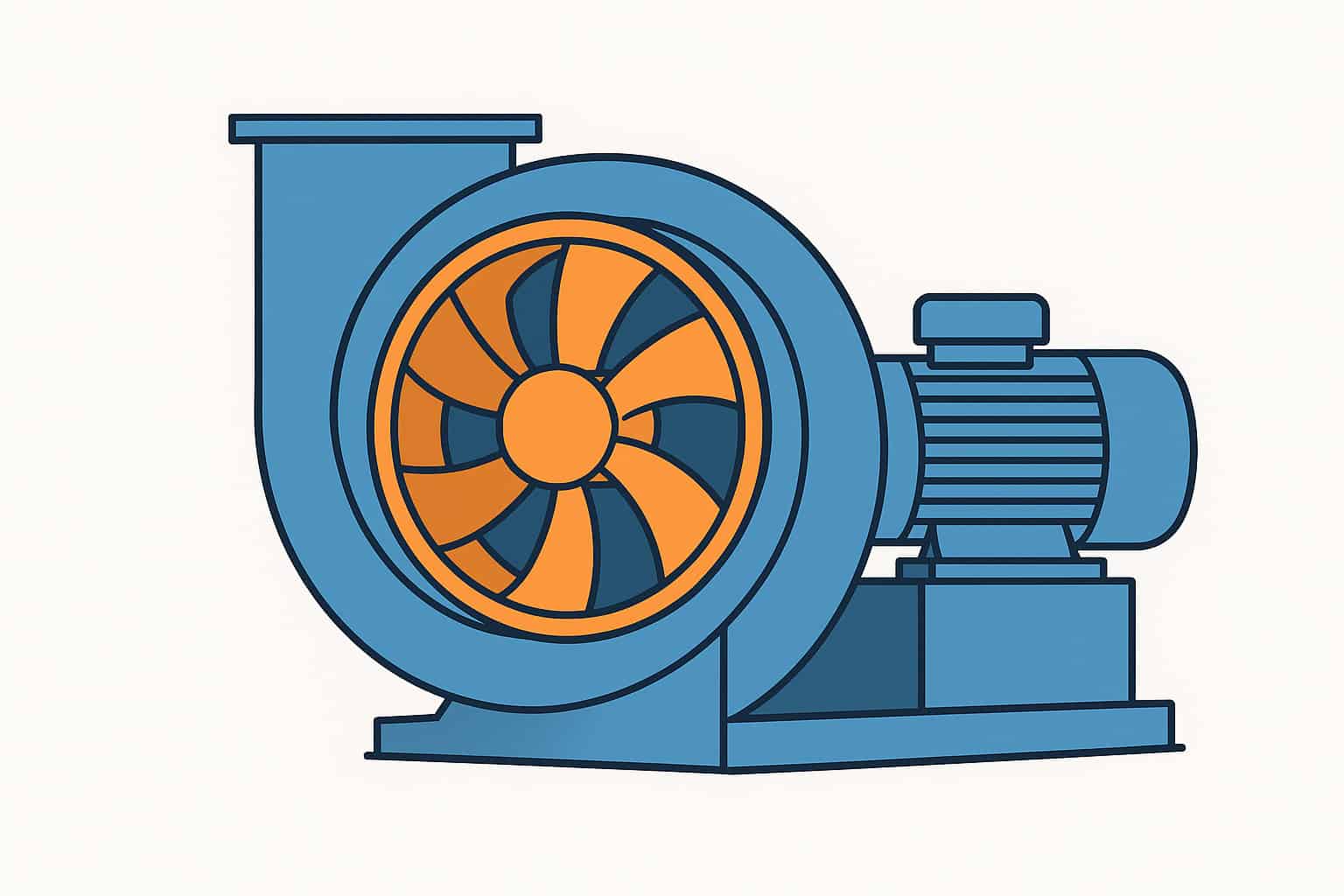
A centrifugal fan takes air in axially and discharges it radially into a scroll-shaped casing. This geometry allows the fan to develop higher static pressure than a similar size propeller fan. Centrifugal designs are therefore the better choice when the system has high resistance: long ducts with many bends, filters, cyclones, scrubbers, heat exchangers or dust-collection equipment. In mining and heavy industry, centrifugal fans are widely used for local exhaust, dust extraction, combustion air, flue gas handling and any duty where the air must turn through 90 degrees into ductwork.
Gas quality is another deciding factor. Radial and backward-curved centrifugal fans are robust and tolerate dusty, abrasive or slightly sticky air better than light propeller fans. Straight radial blades shed dust and particles, reducing the risk of imbalance. In contrast, simple sheet-metal propeller fans are intended for relatively clean air and can suffer wear or fouling in harsh gas streams.
From an energy point of view, both types can be efficient if correctly selected. Propeller fans typically offer excellent efficiency for low-pressure bulk airflow in shafts, drifts and large rooms. Centrifugal fans with backward-curved blades are very efficient for medium to high-pressure duct systems. In many projects, the lowest lifecycle cost is achieved not by choosing one type in general, but by matching fan type and duty carefully using performance curves and system calculations.
Installation and maintenance also influence the choice. Propeller fans are often easier to mount directly in walls, doors or duct sections and are lighter for the same flow. Centrifugal fans need a bit more floor space and support structure, but can be easier to connect to rectangular ducts and acoustic enclosures, and often offer better noise control options.
In summary, a centrifugal fan is better for higher-pressure, dusty or complex duct systems, while a propeller fan is better for high airflow at low pressure in open or straight-through ventilation such as tunnels, shafts and large halls. The best fan is the one whose characteristics match your required airflow, pressure, gas quality and layout.