












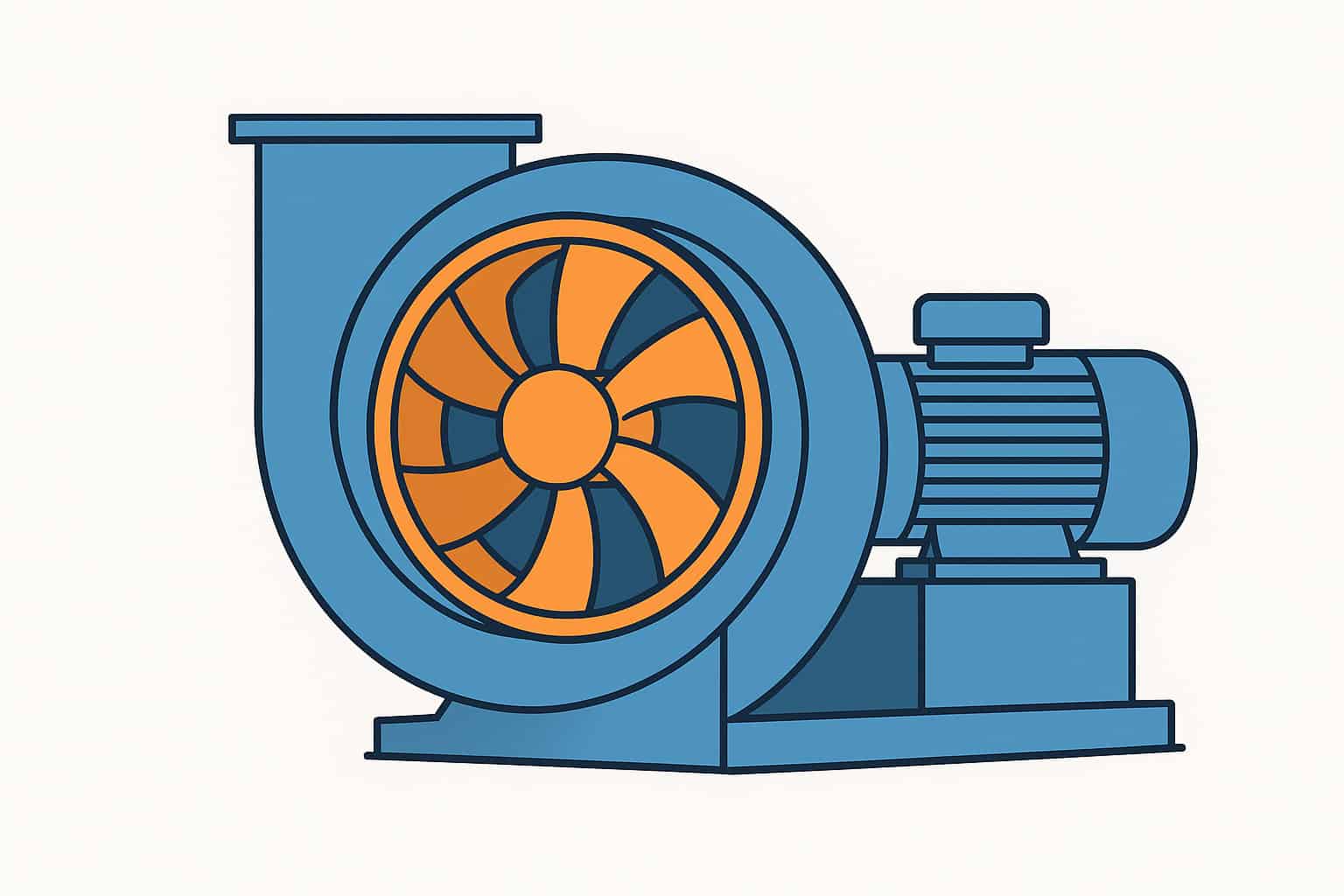
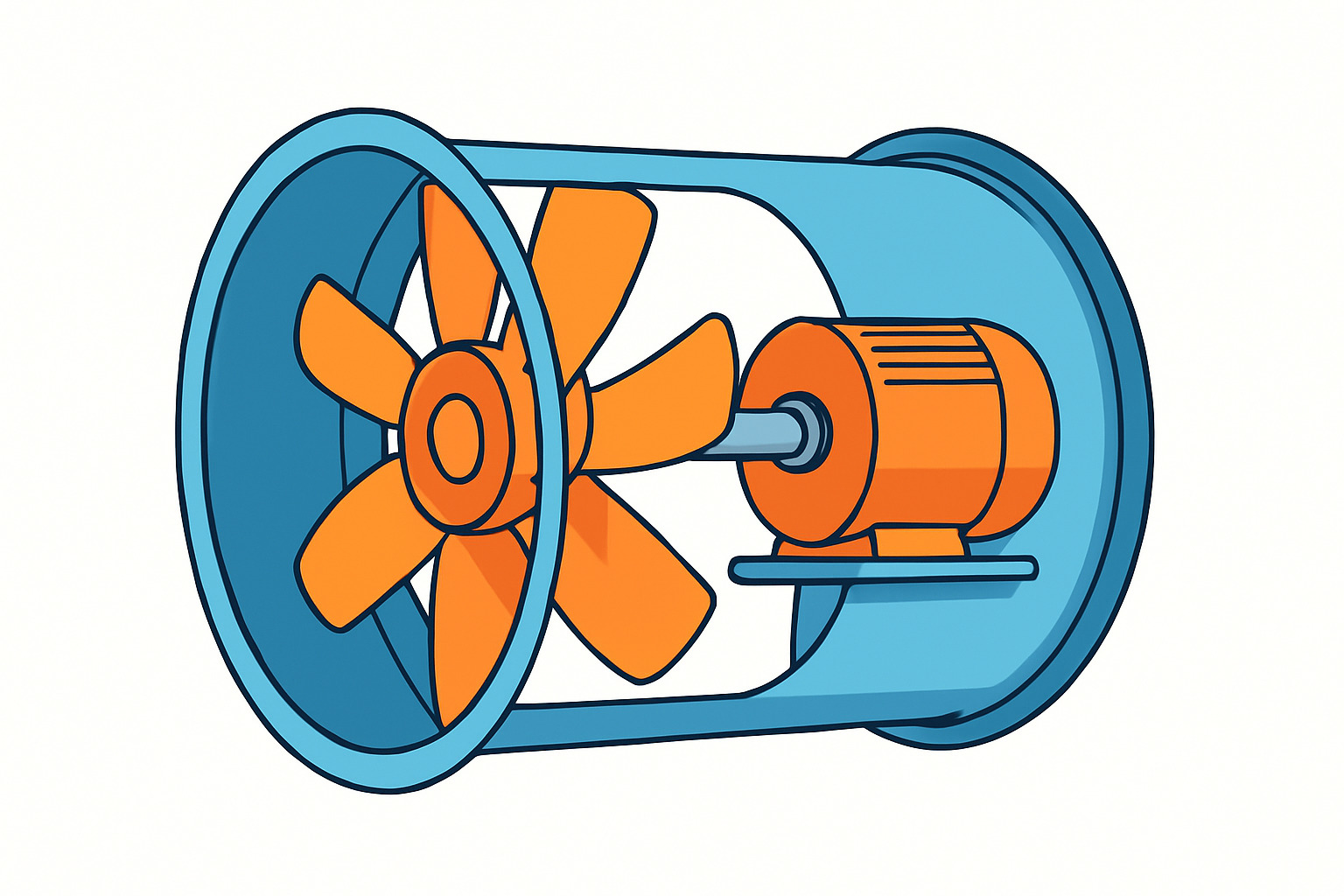
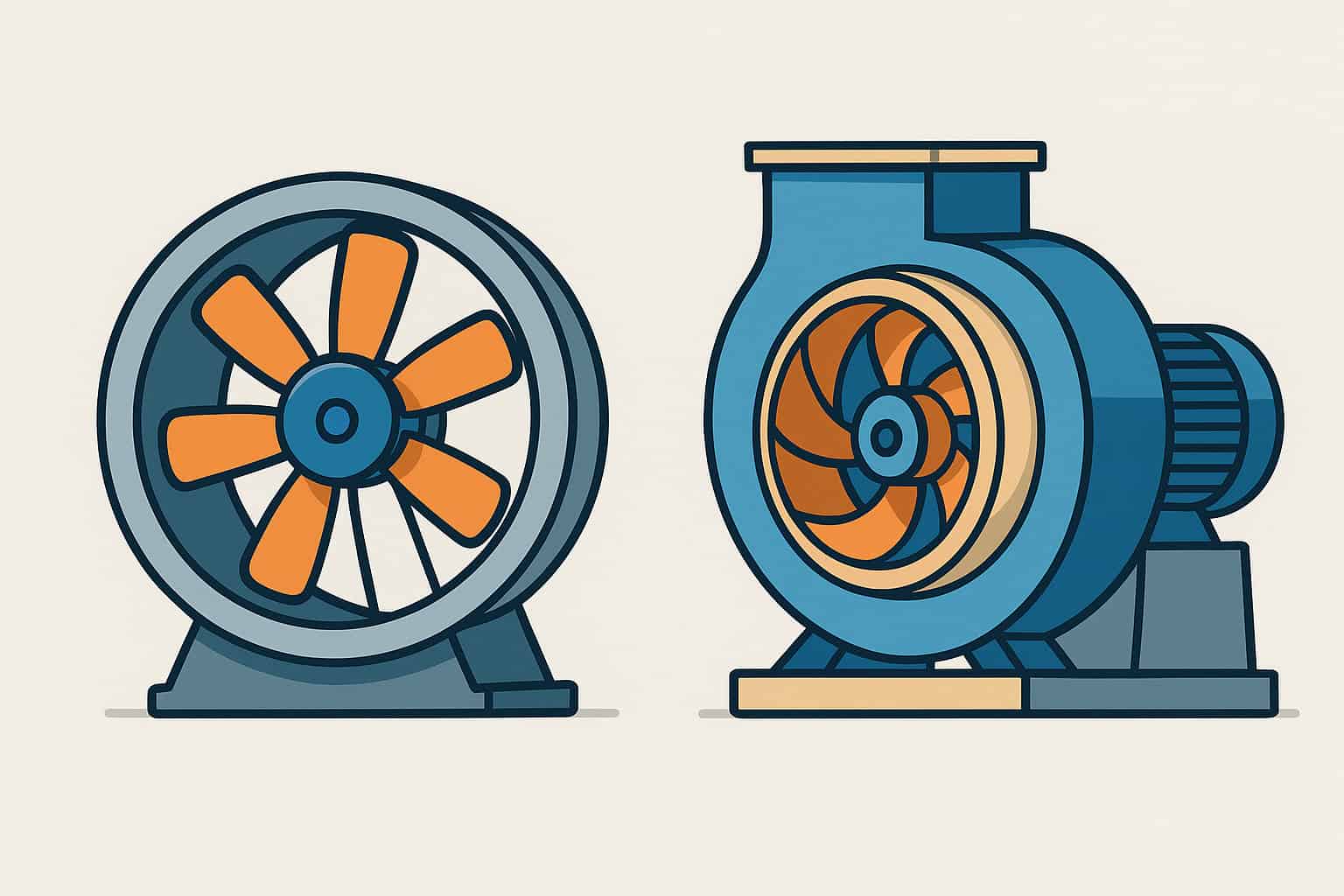
Asking which is better, an EC fan or an axial fan can be confusing, because the two terms describe different aspects of a fan. An EC fan is defined by its electronically commutated motor and built in electronics, while an axial fan is defined by the way air flows through the impeller, parallel to the shaft. In practice, you can have EC axial fans, EC centrifugal fans and also traditional AC motor axial fans, so the choice is not EC versus axial but rather EC versus AC motor technology, and axial versus centrifugal or mixed flow aerodynamics.
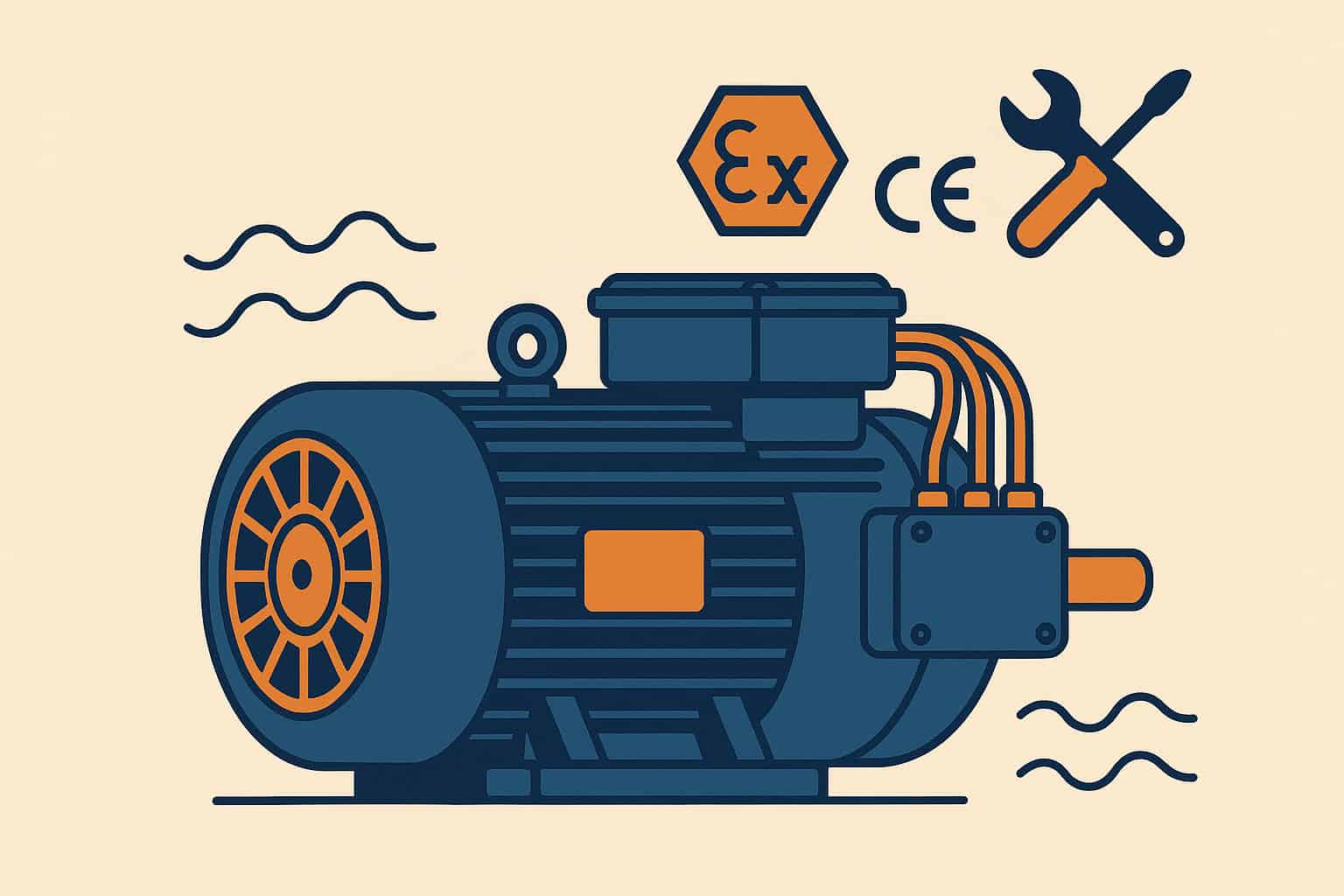
An EC fan uses a high efficiency brushless DC motor with integrated power electronics. The controller converts AC mains power to DC and electronically commutates the motor windings. This gives precise speed control, high motor efficiency and often lower noise at part load. EC fans are very attractive where variable airflow and energy savings are important, such as in HVAC systems, data centres, clean rooms and some industrial plant ventilation applications. They can reduce energy consumption significantly compared with fixed speed AC fans, especially when the system rarely operates at full load.
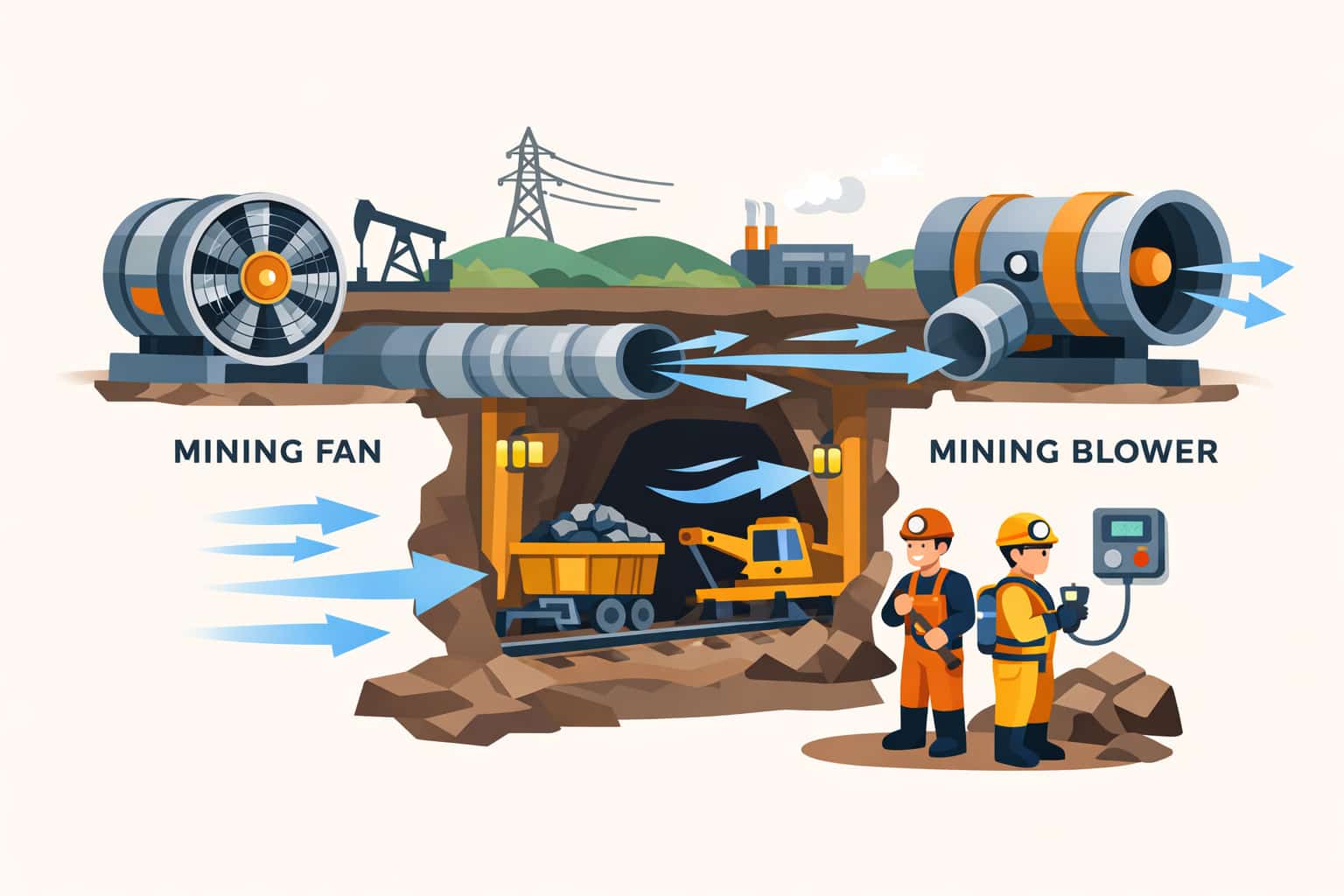
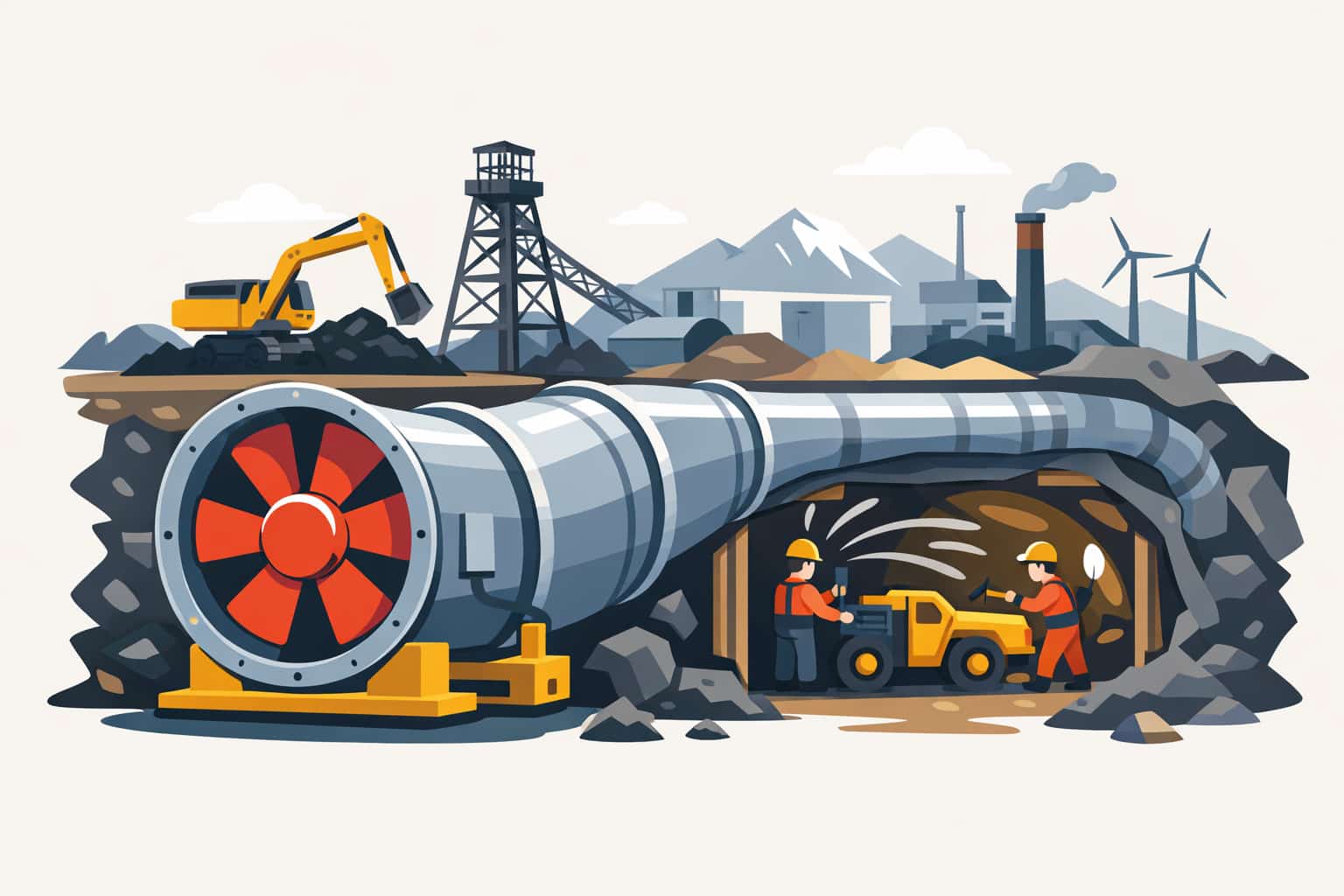
An axial fan, on the other hand, is defined by its flow pattern. Air moves straight through the fan parallel to the shaft, which makes axial fans ideal for high volume, low to medium pressure ventilation. In mining and tunnelling, large axial fans provide main ventilation through shafts and portals, and tube axial fans ventilate headings via flexible ducts. These fans are often driven by standard AC induction motors, sometimes with external variable speed drives for control. In these high power, rugged applications, traditional AC motors are still common because of cost, availability and proven performance.
So, which is better? For a small to medium sized ventilation unit in an industrial building or technical room, an EC axial fan may be the best option: it combines efficient axial aerodynamics with an efficient, controllable motor. It can easily modulate airflow based on demand, reducing operating costs. For a very large mining main fan, however, an axial fan driven by a high power AC motor and external variable speed drive will usually be more practical than a fully integrated EC solution, given the motor sizes involved and the need for robust, serviceable components.
In other words, EC is about how the fan is driven, and axial is about how the fan moves air. The ideal combination depends on duty, size, control requirements, energy cost and maintenance strategy. For many modern ventilation systems, the most effective and efficient solution is an axial or centrifugal fan with EC motor technology where power ratings and environment make this feasible. In heavy duty mining ventilation, axial fans with conventional high power motors and advanced external controls remain the standard.
In summary, neither EC fan nor axial fan is universally “better”. EC refers to a motor and control technology that can be applied to axial or centrifugal fans, while axial describes the airflow type. The best choice is the fan and motor combination that matches your mining or industrial ventilation requirements for airflow, pressure, efficiency, control and reliability.
