
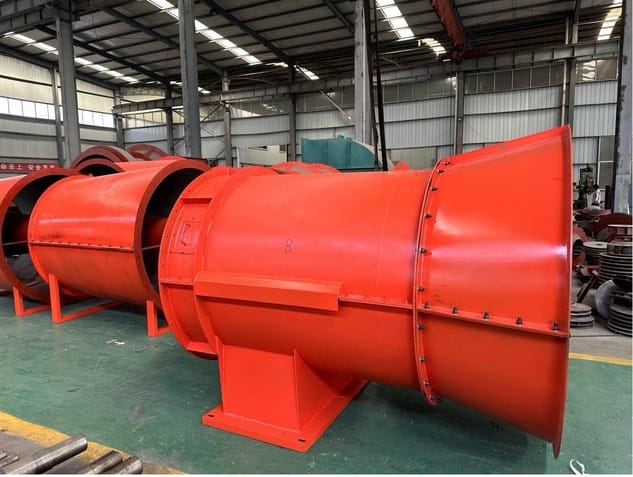
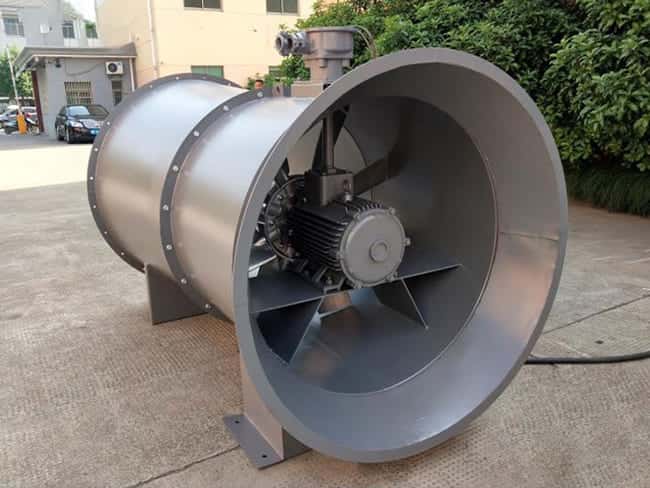
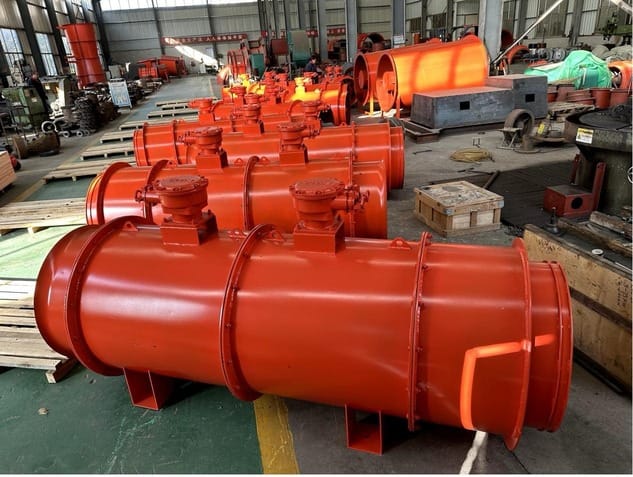
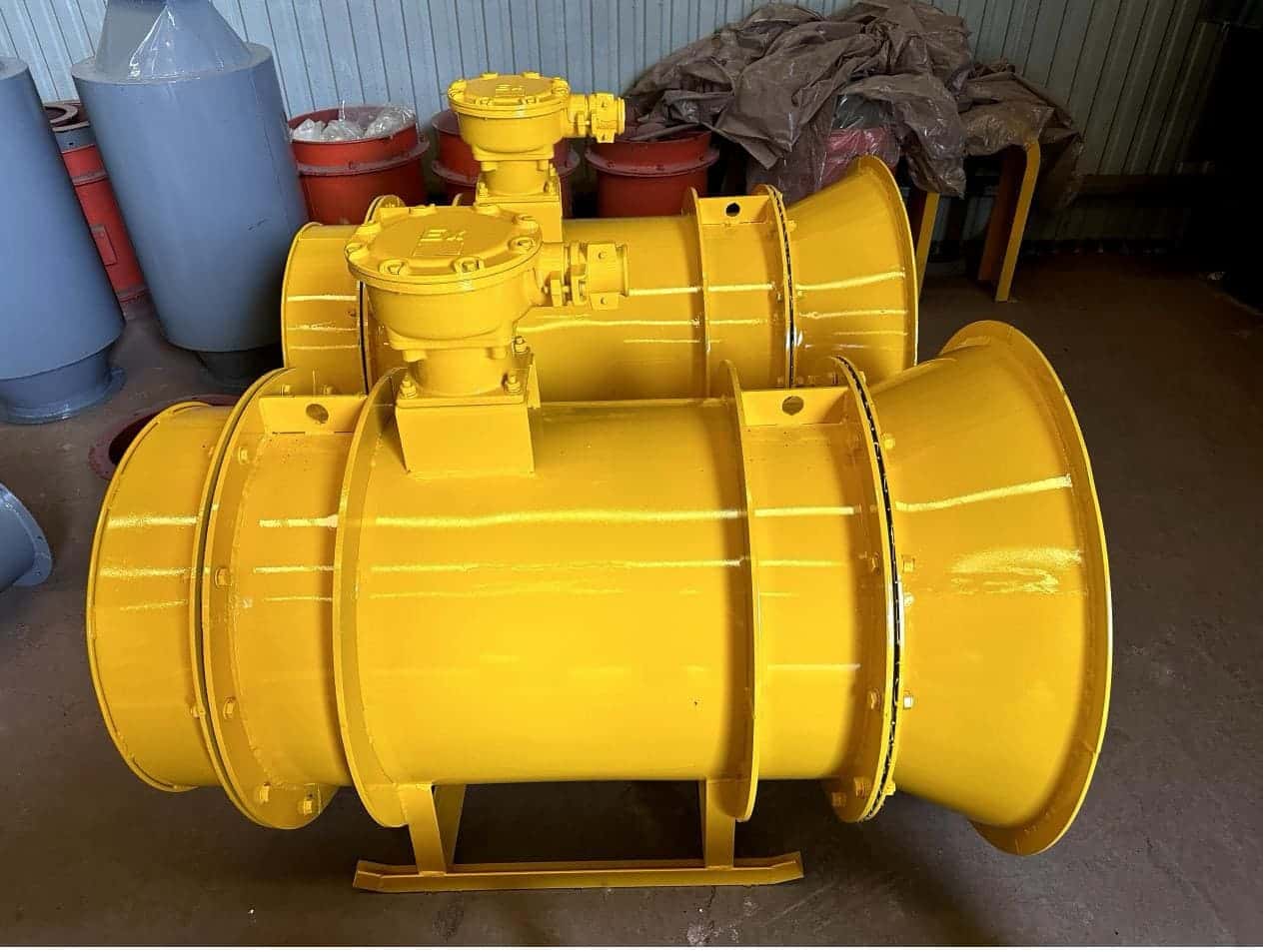



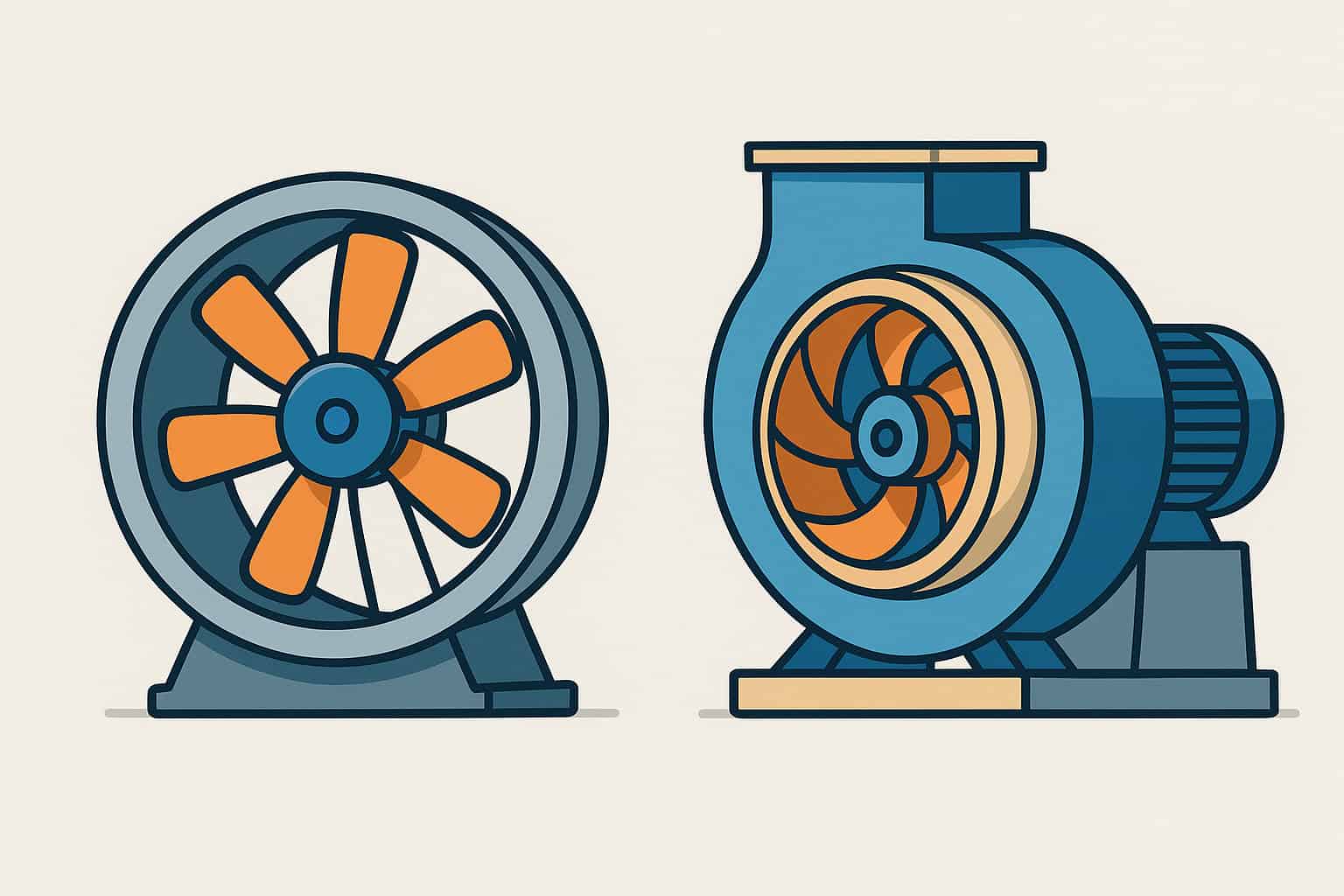
There is no simple rule that axial fans are quieter than centrifugal fans or vice versa. Noise depends on fan size, speed, blade design, system resistance and how the fan is installed and silenced. In some situations an axial ventilation fan is quieter; in others a centrifugal fan provides lower sound levels at the same duty.
The main sources of fan noise are aerodynamic noise and mechanical noise. Aerodynamic noise comes from turbulence, tip vortices, wakes behind blades and flow separation. Mechanical noise comes from motors, bearings, belts and vibration of structures. Both axial and centrifugal fans can be quiet or noisy depending on how these factors are controlled.
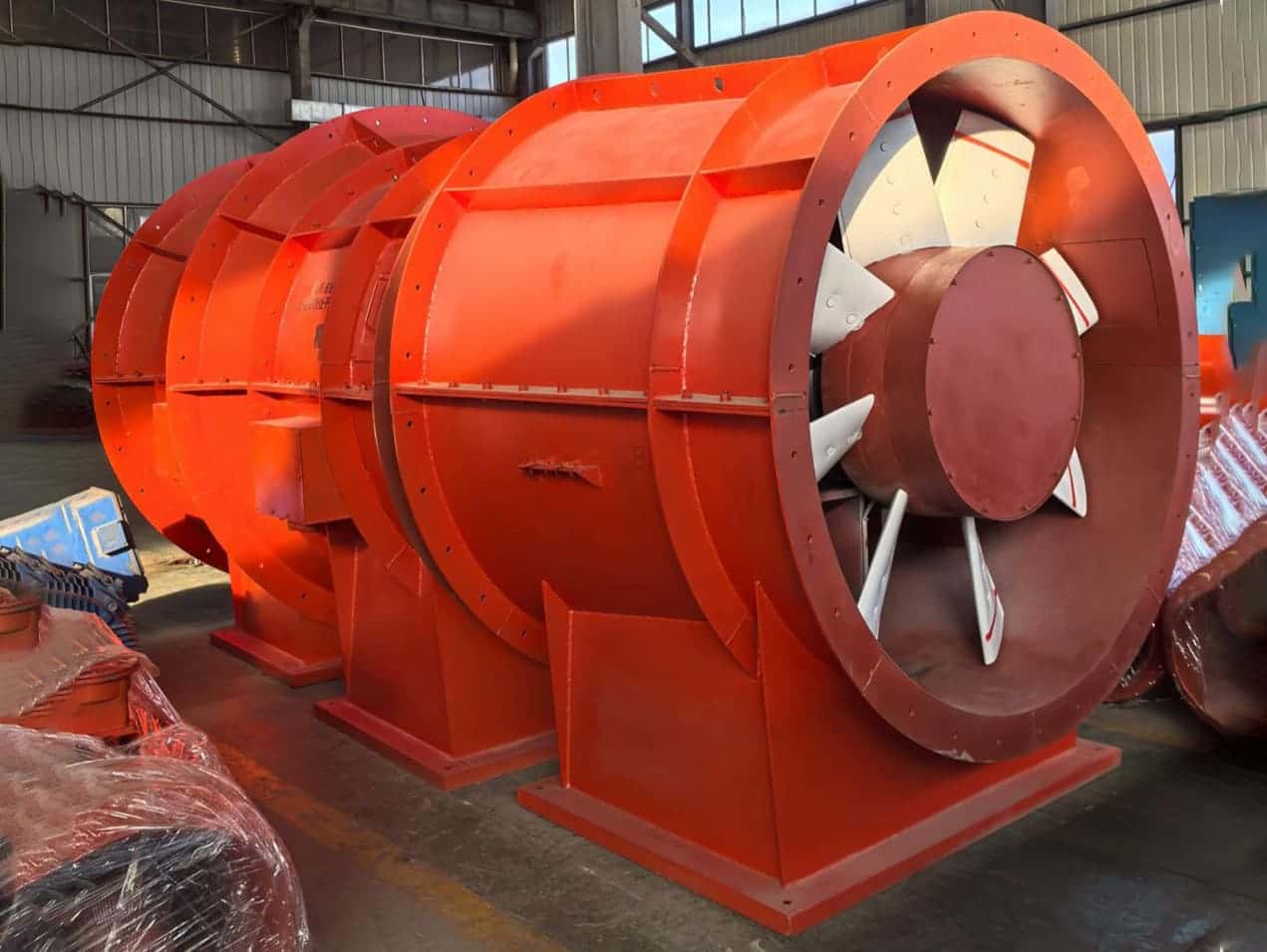
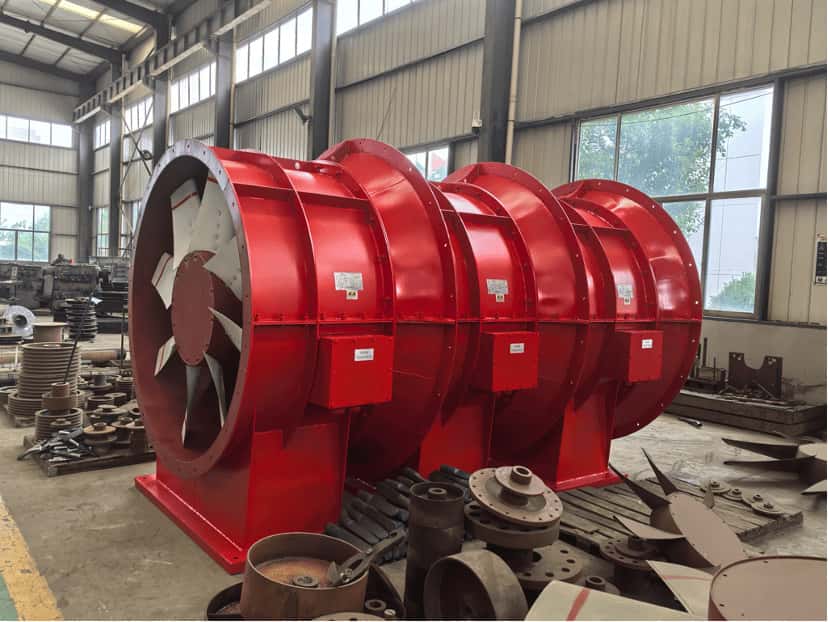
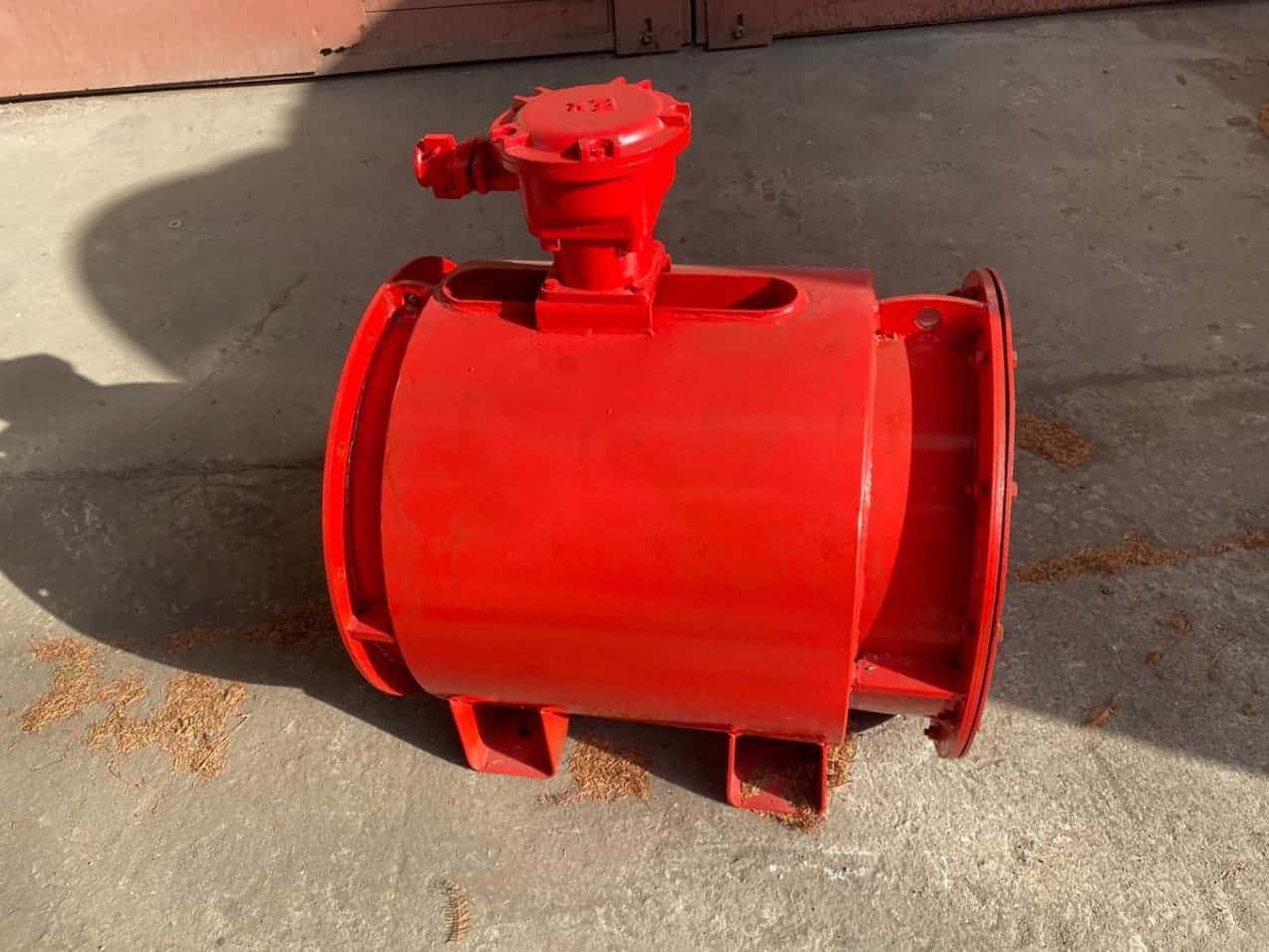
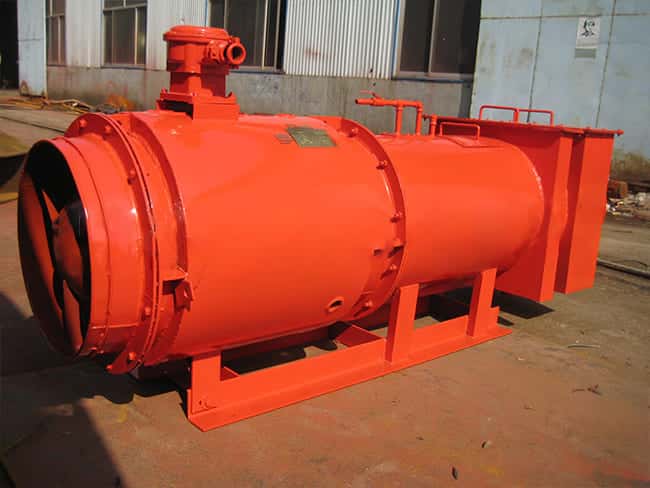
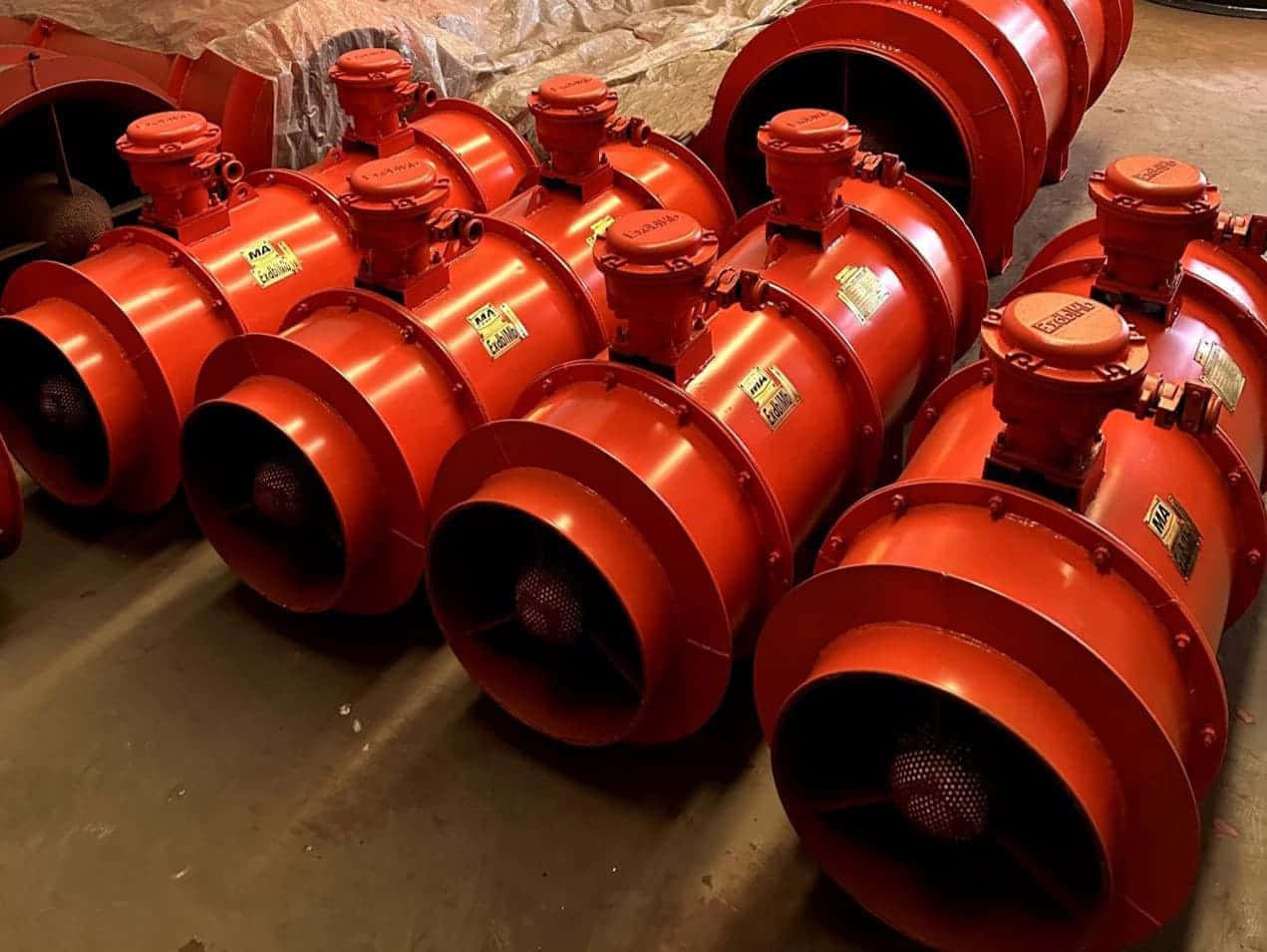
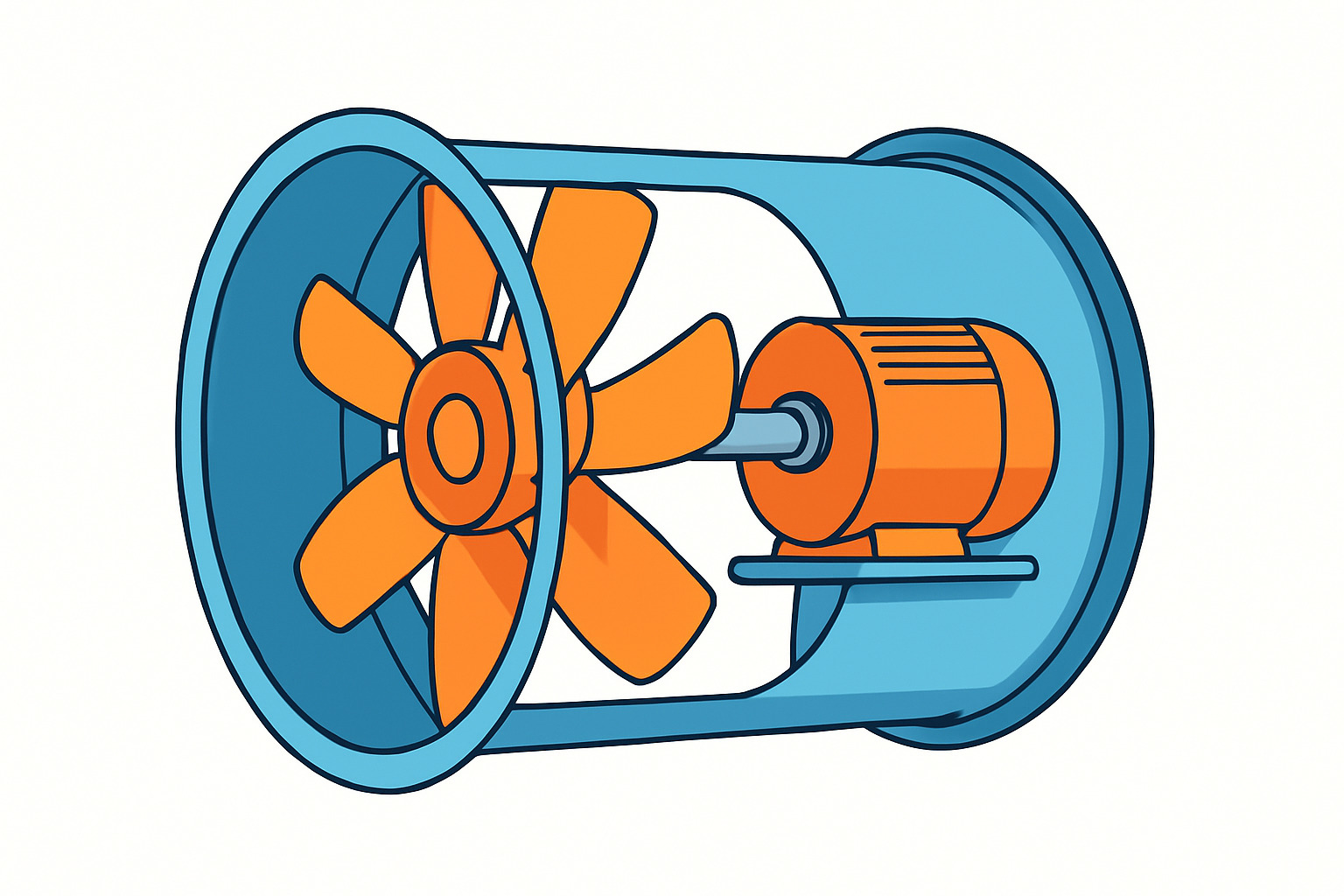
Axial fans usually run at relatively high tip speeds to generate pressure, especially when they are small. High tip speed tends to increase noise. However, large axial fans for tunnels and mines can operate at lower speeds and use well-designed airfoil blades, which helps keep aerodynamic noise under control. Poor inlet or outlet conditions, such as elbows close to the fan or sudden area changes, can create extra turbulence and noise in axial installations.
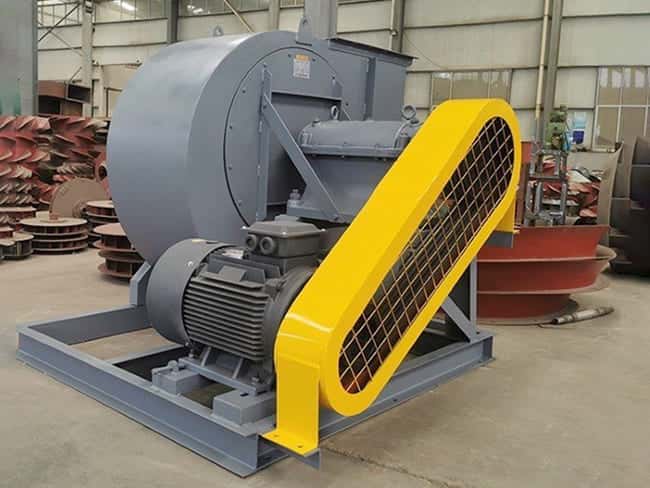
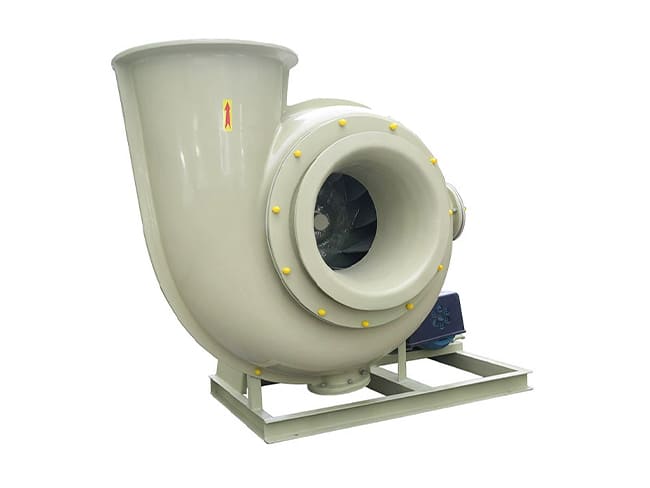
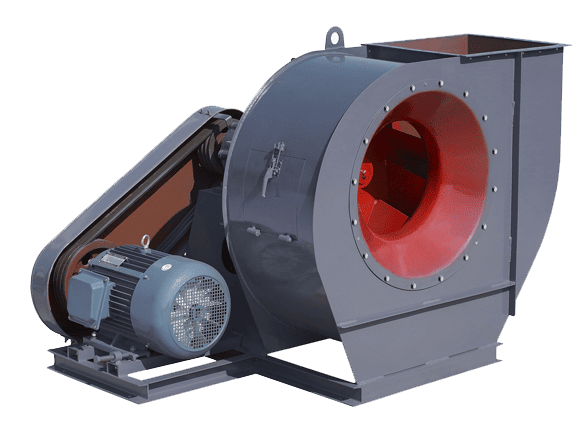
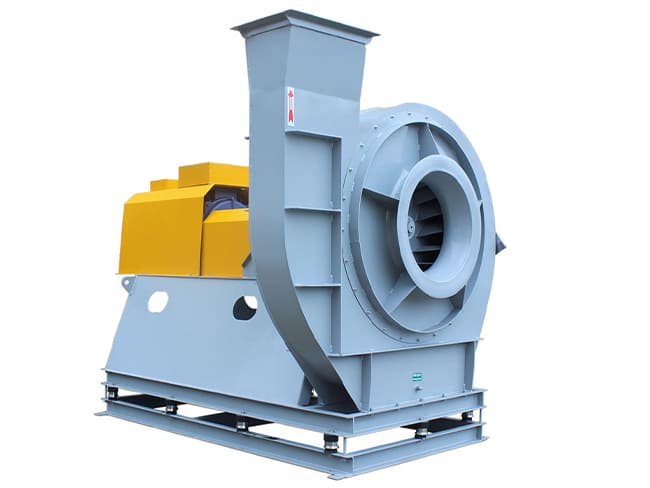
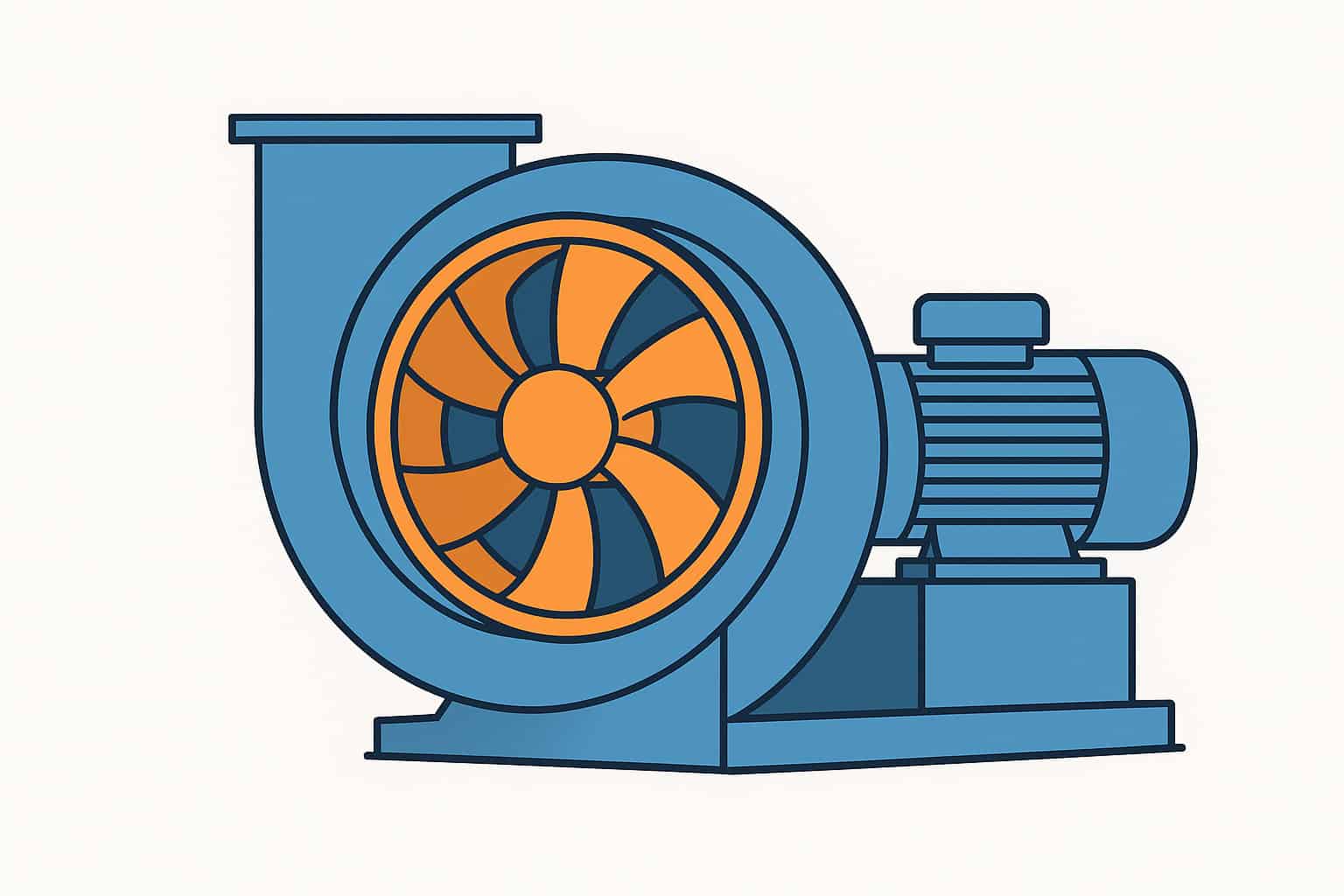
Centrifugal fans often have higher internal velocities because they are used for higher-pressure duties, which can also create noise. On the other hand, the scroll housing can help contain some sound, and a large centrifugal fan running slowly with good inlet boxes and silencers can be very quiet. Backward-curved and airfoil centrifugal fans, operated near their best efficiency point, typically produce less aerodynamic noise than fans that are stalled or struggling against excessive resistance.
In practice, engineers achieve low noise levels by combining proper fan selection with acoustic treatment. They may choose a larger fan and run it more slowly, use aerodynamic blades, add inlet and outlet silencers, avoid sharp bends near the fan, and isolate the fan from building structures with flexible connections and vibration mounts. These techniques work for both axial and centrifugal fans.
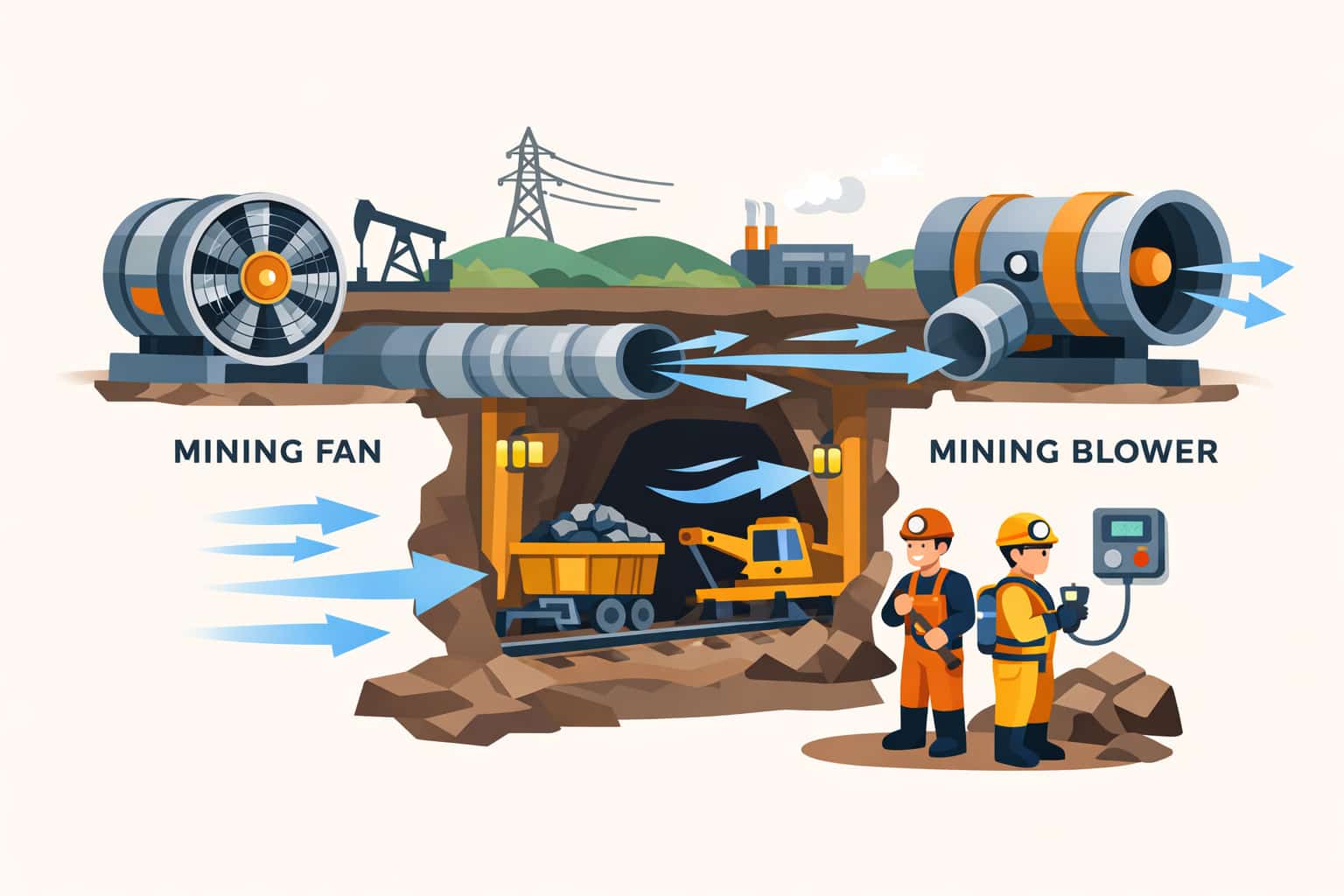
In mining and industrial plants, the quietest solution is usually a large, efficient fan running at moderate speed with a well-designed duct system and silencers, regardless of whether it is axial or centrifugal. Small, high-speed fans forcing air through poorly designed ductwork are almost always noisy, no matter the type.
In summary, neither axial nor centrifugal ventilation fans are inherently quieter. Noise levels depend on speed, duty, blade and housing design, duct layout and acoustic accessories. The quietest choice is the fan type and size that meets the ventilation requirement at the lowest practical speed with good aerodynamic and acoustic design.
