
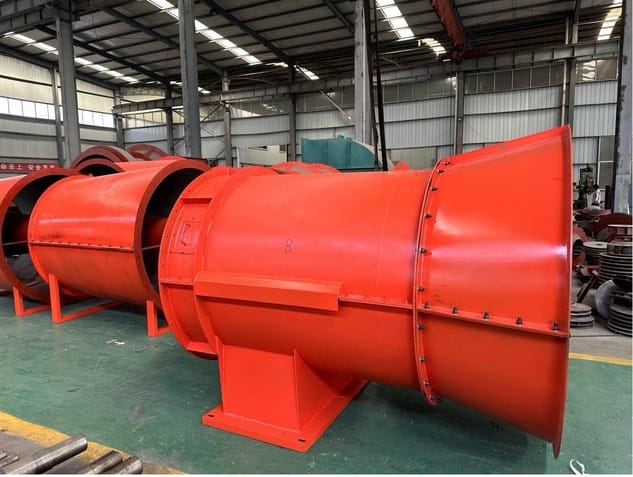
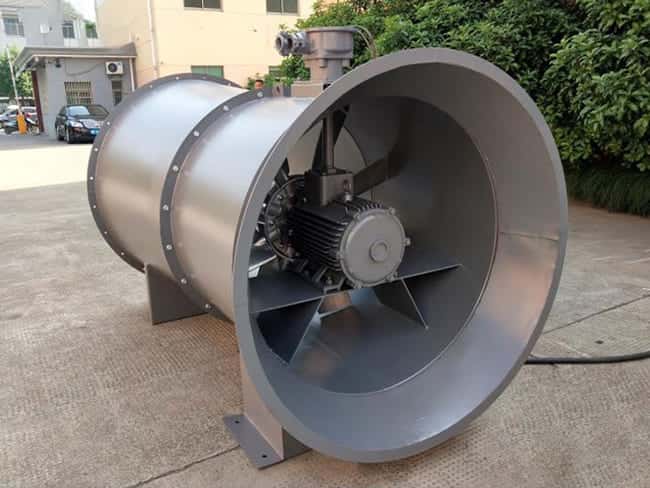
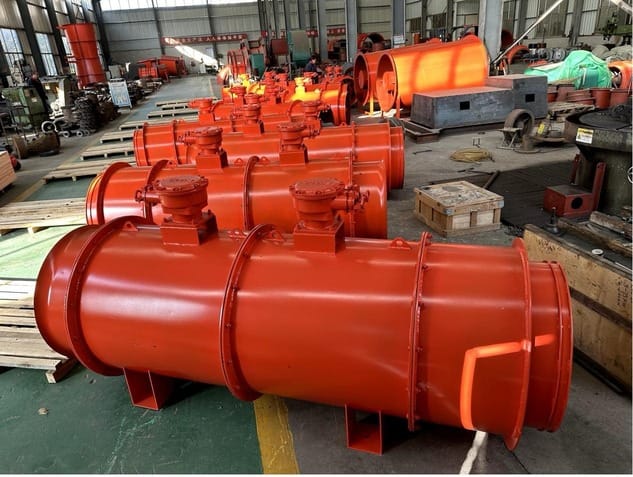
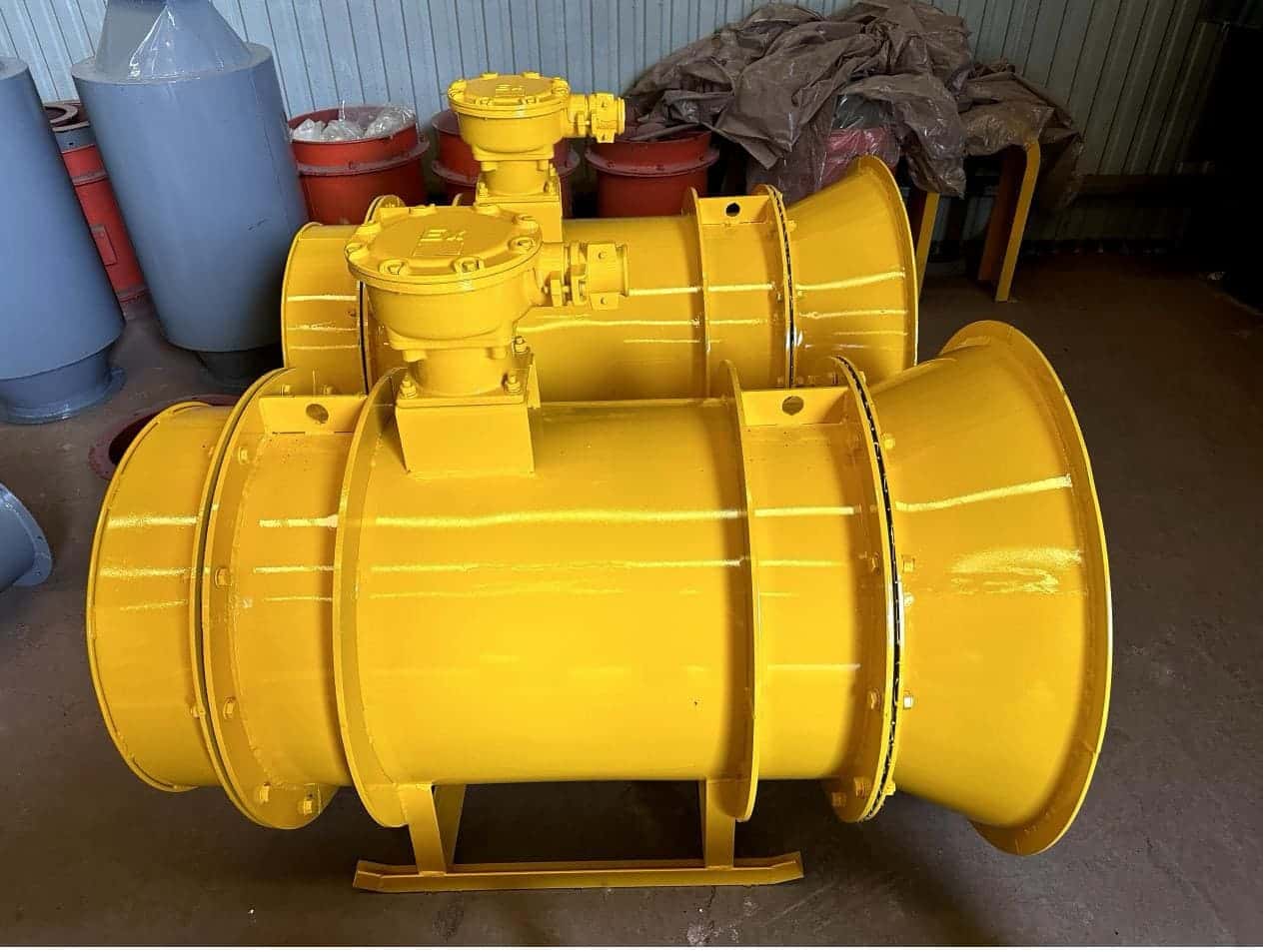
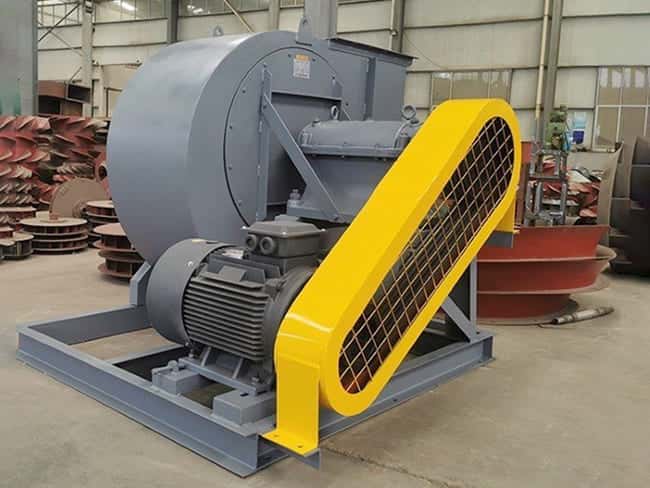
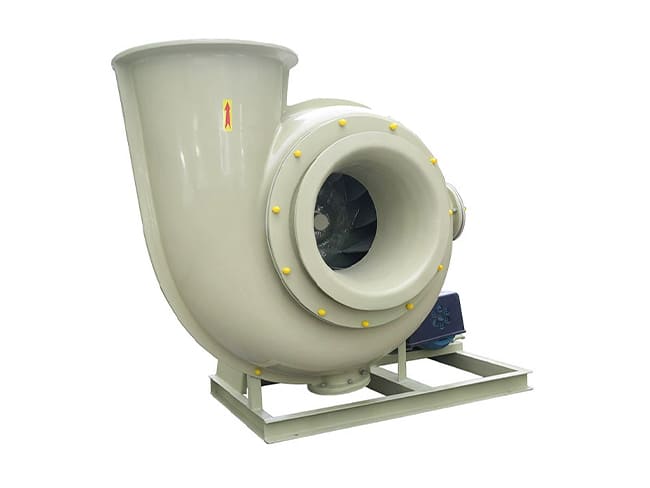
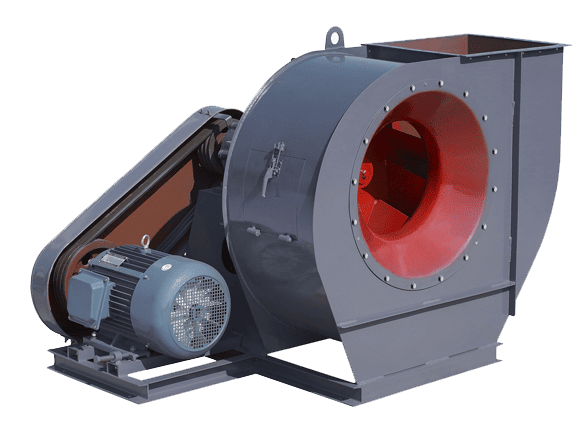
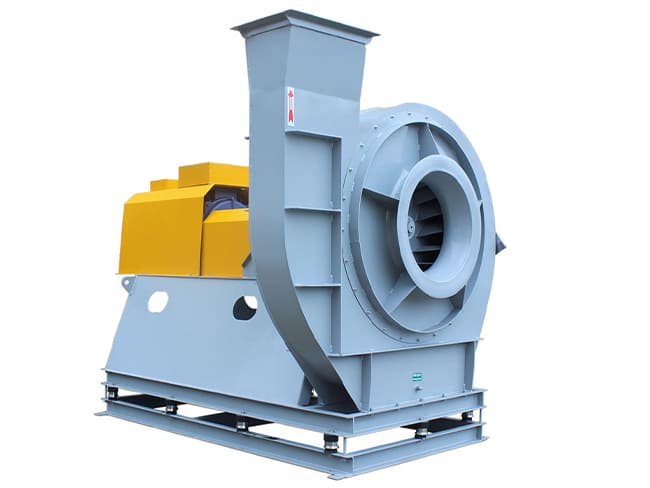
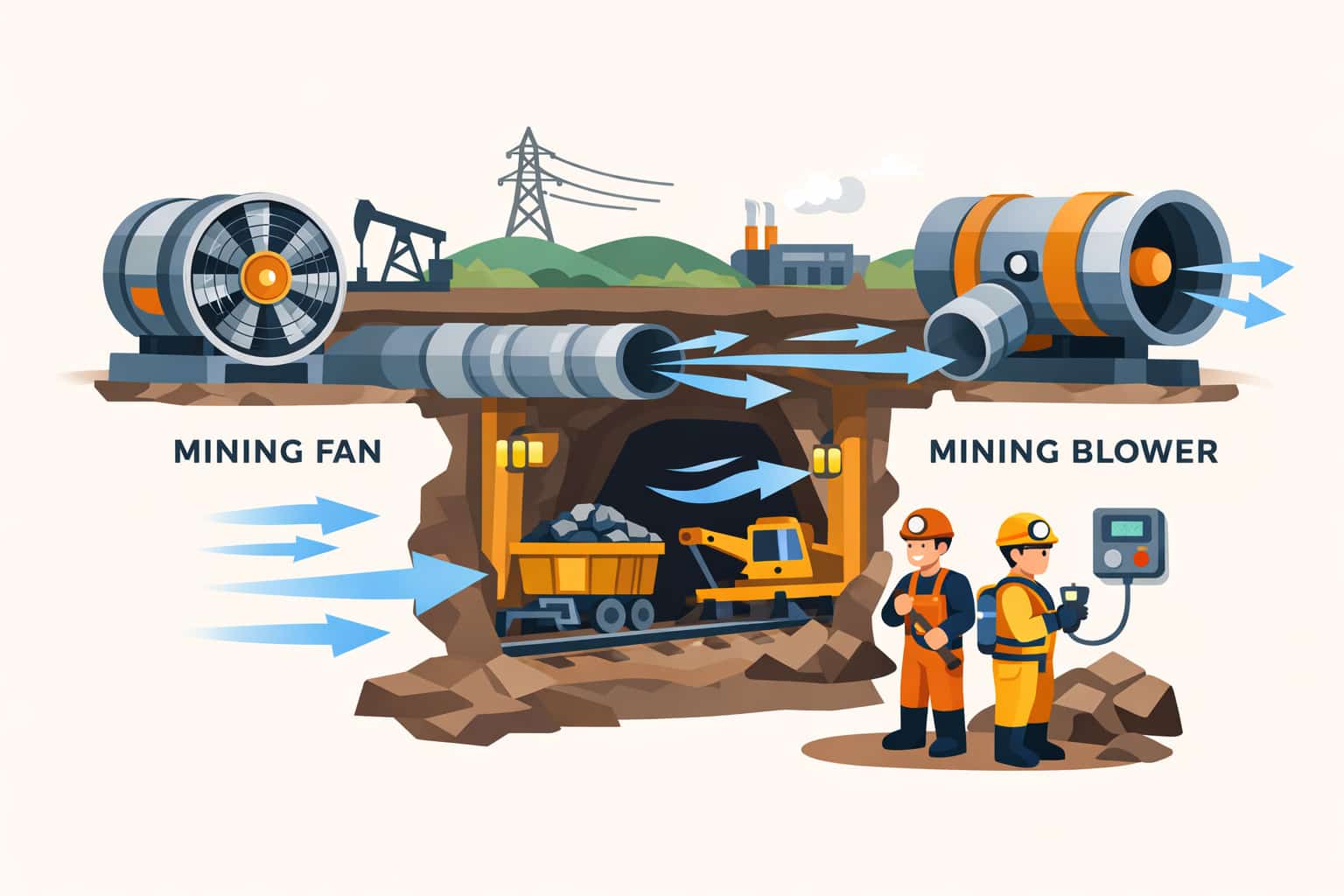
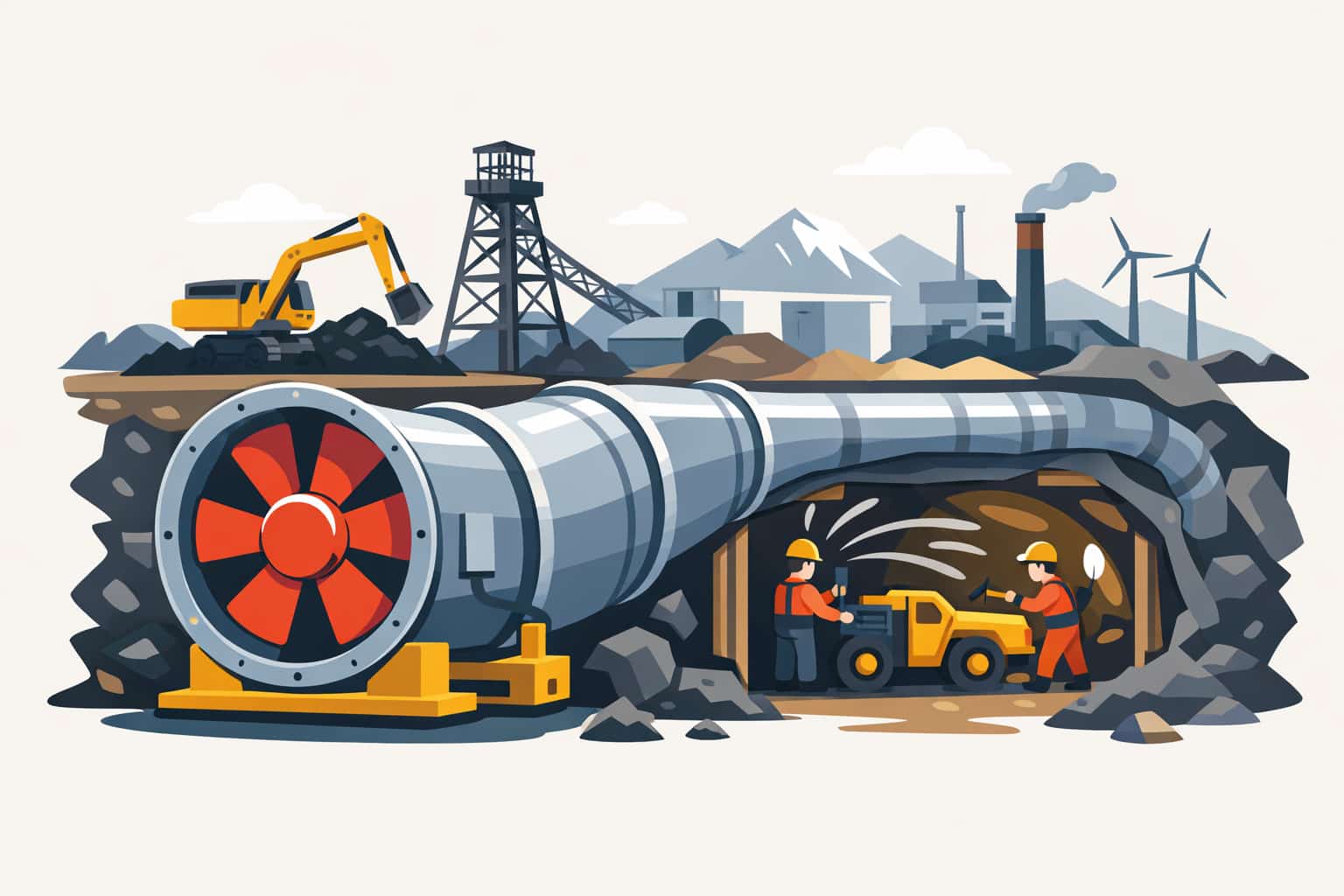

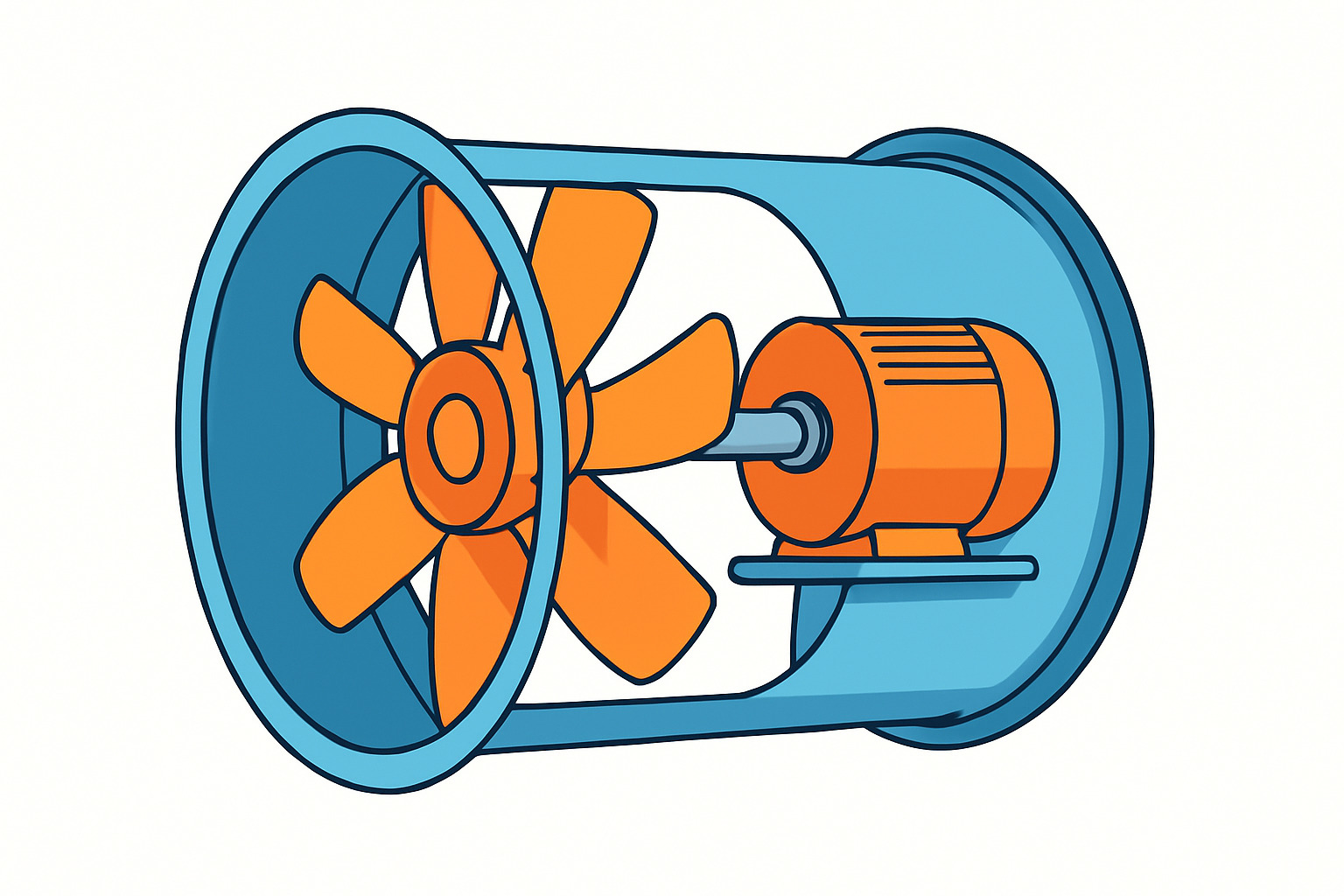
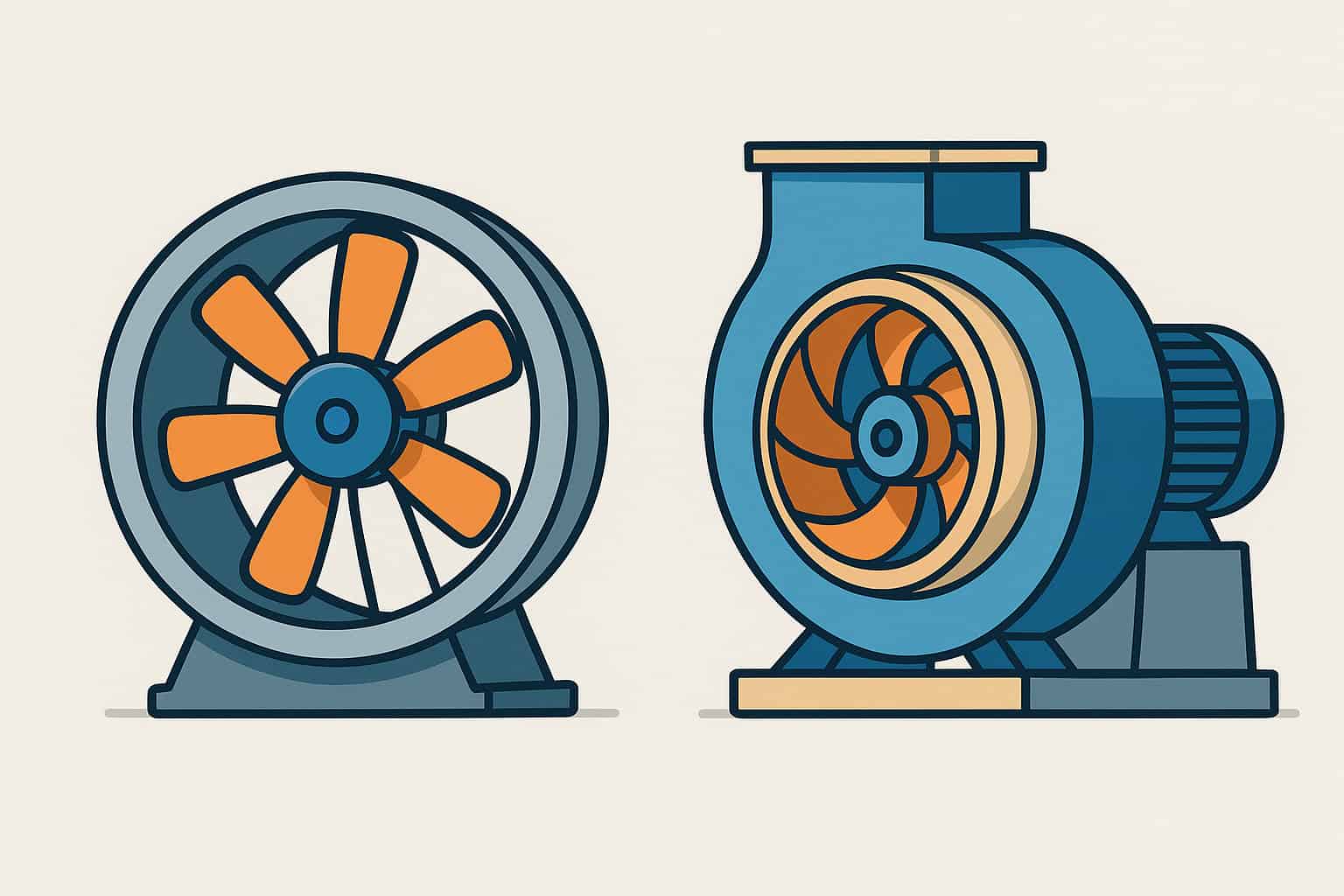
When we ask, which of the following is a primary purpose of ventilation in underground mining operations, the answer is clear: the main purpose is to provide fresh air and to dilute and remove harmful gases, dust and heat from the mine. Many benefits flow from ventilation, such as improving comfort, protecting equipment and supporting emergency response, but its primary role is to keep the underground atmosphere safe so that people can work and machines can operate.
First and foremost, mine ventilation exists to ensure an adequate supply of oxygen. In an enclosed underground environment, oxygen is continually consumed by workers, diesel engines, explosives and natural oxidation of rock and coal. Without a constant supply of fresh air driven by mine ventilation fans, oxygen levels would fall, causing fatigue, reduced alertness and eventually life-threatening conditions.
The primary purpose also includes diluting and removing hazardous gases. Underground mines can contain methane, carbon monoxide, carbon dioxide, nitrogen oxides and other gases released from the orebody, explosives or diesel fuel. Ventilation airflow carries these gases away from working places and dilutes them to safe levels. Regulations set strict limits for gas concentrations, and the ventilation system is the main tool for meeting these limits and preventing explosions or poisoning.
A further key aspect of the primary purpose is controlling dust and diesel particulates. Mining activities such as drilling, blasting, mucking, loading and crushing generate fine rock dust, while diesel equipment produces particulate emissions. Long-term exposure to high dust levels can cause serious lung diseases. Adequate ventilation, combined with local dust suppression and filtration where needed, reduces dust concentrations in the breathing zone and improves visibility.
Ventilation also contributes to temperature and humidity control. At depth, rock temperature increases and machines generate additional heat. If heat is not removed, working conditions can quickly become intolerable and equipment reliability can suffer. Ventilation removes heat from working places and may work with refrigeration systems to keep temperatures and humidity within prescribed limits, but this is still secondary to the core role of providing safe air quality.
While ventilation supports other objectives—such as protecting electrical equipment, supporting fire and rescue operations and allowing for ventilation-on-demand energy savings—these are secondary benefits. The primary purpose that underpins every underground ventilation design is to supply breathable air and to dilute and remove contaminants so that underground mining can be carried out safely and continuously.
In summary, among any list of possible answers, the correct primary purpose of ventilation in underground mining operations is the supply of fresh air and the dilution and removal of harmful gases, dust and heat to protect workers and maintain safe working conditions.