
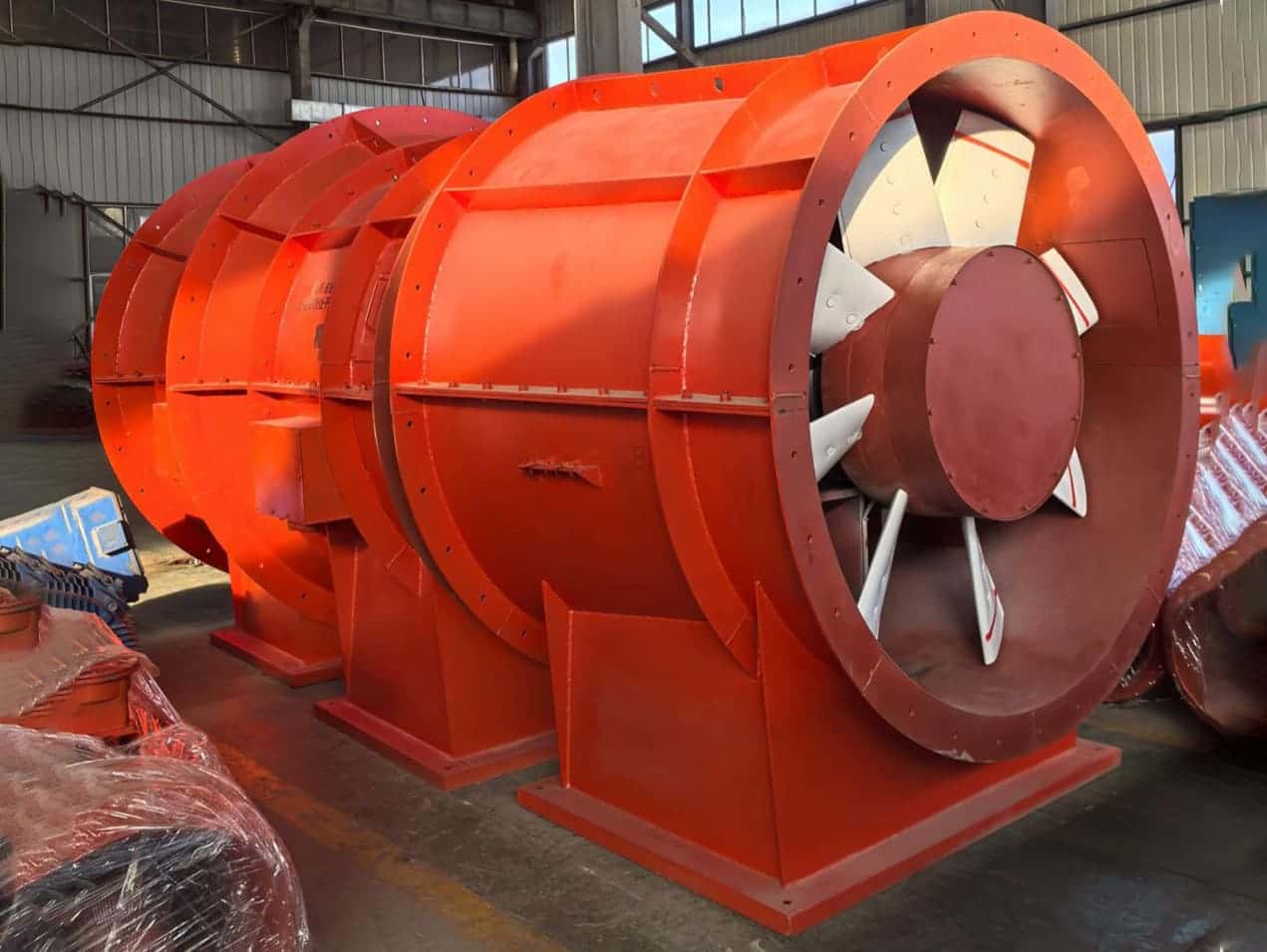
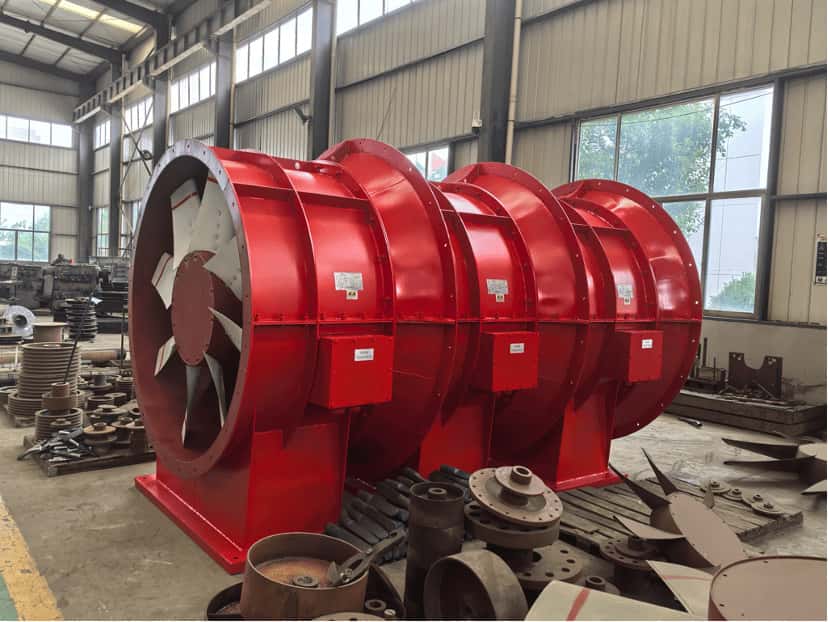
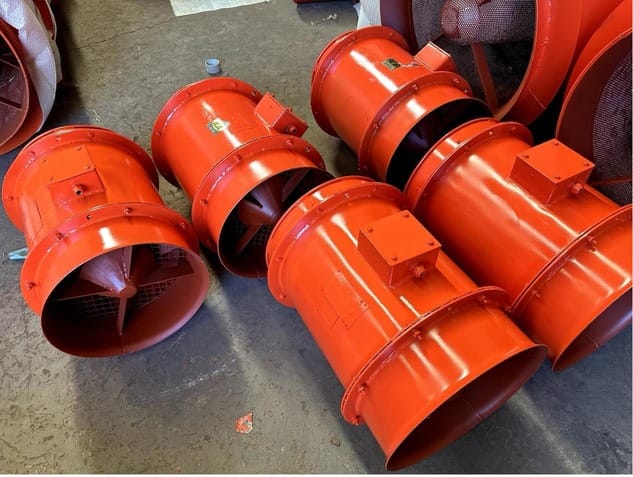
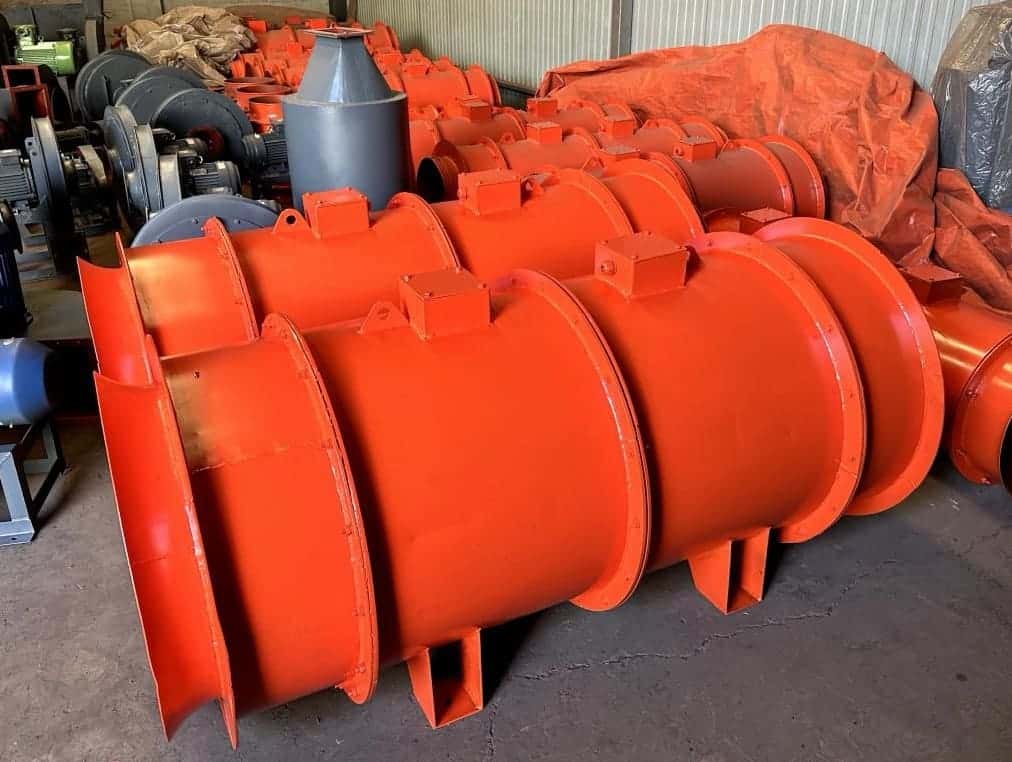
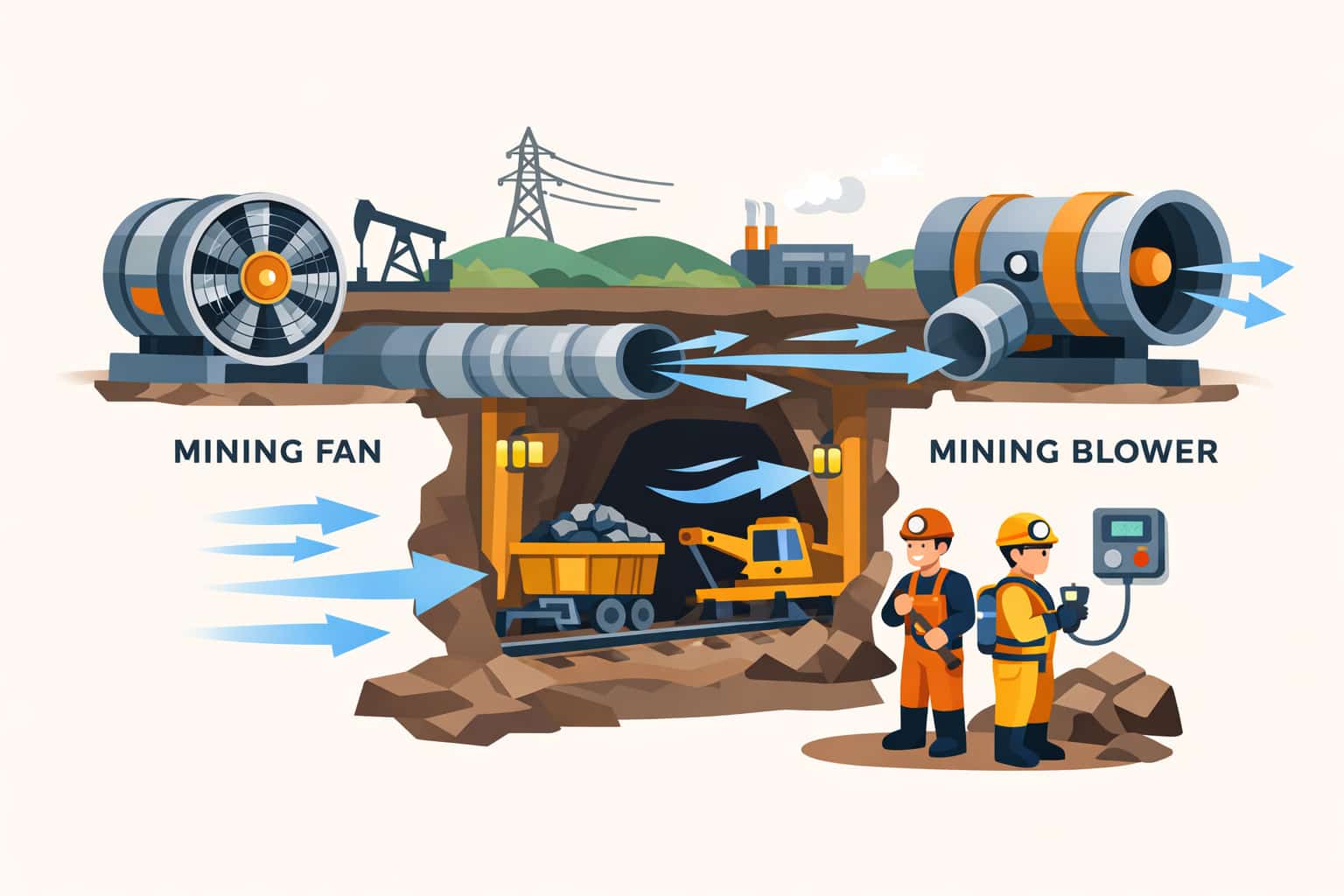
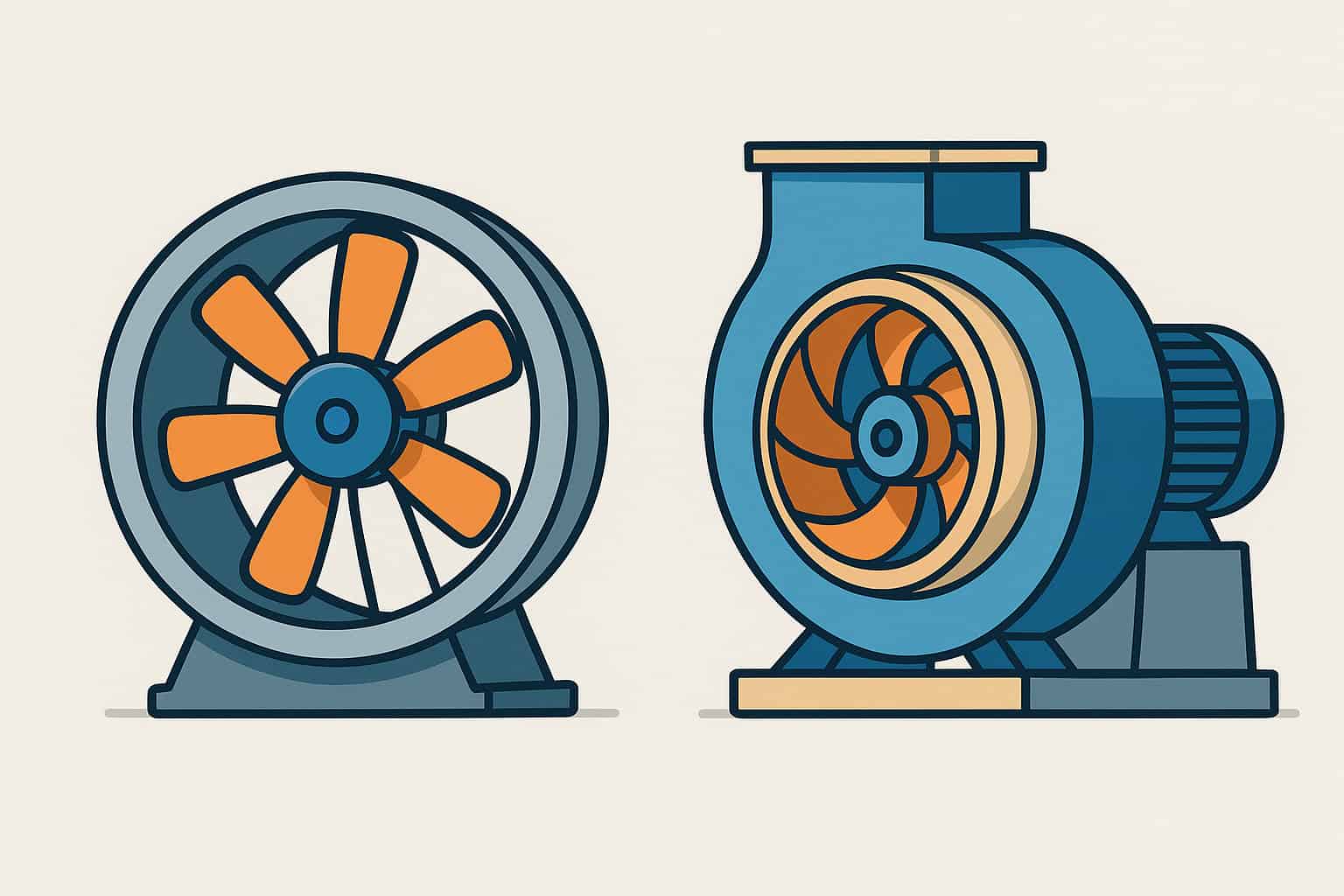
There is no single fan type that is always the most efficient. In mining and industrial ventilation, axial fans, centrifugal fans and mixed-flow fans can all be highly efficient when they are selected and operated in the right range of airflow and pressure. What really determines efficiency is how well the fan’s performance curve matches the resistance of the ventilation system, and how close the operating point is to the fan’s best efficiency point (BEP).
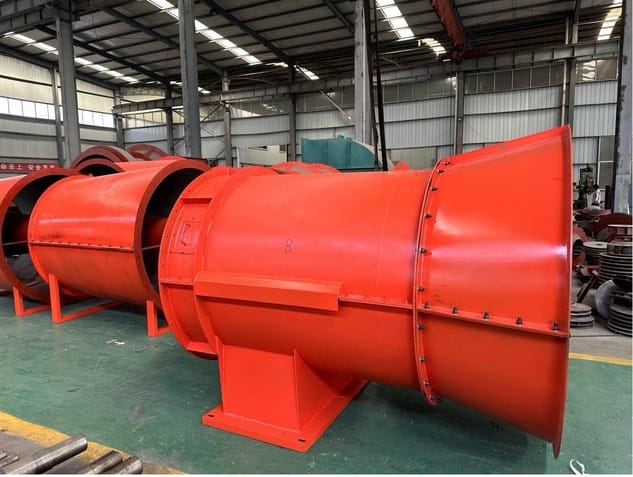
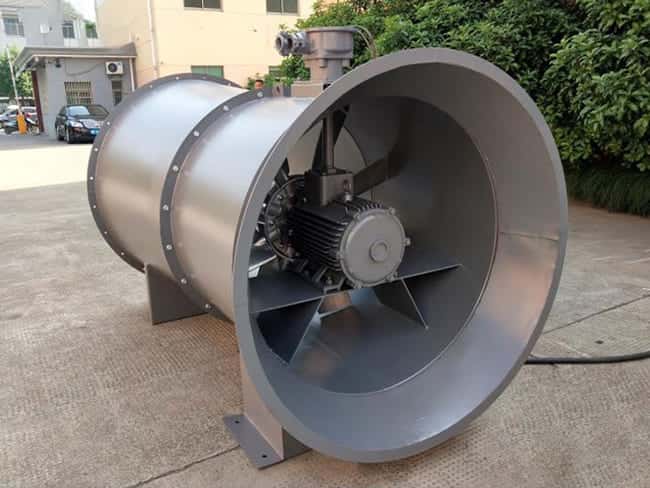
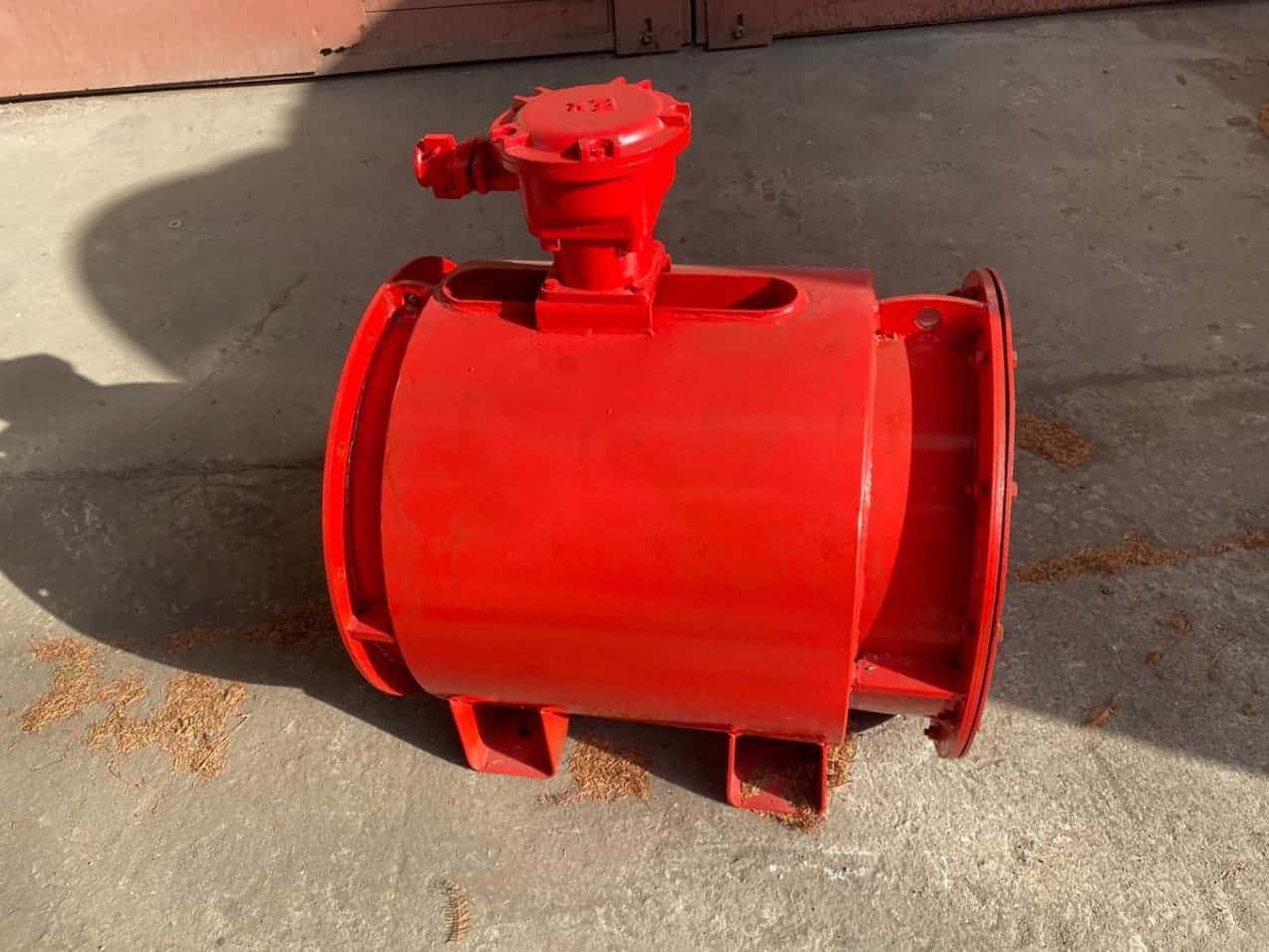
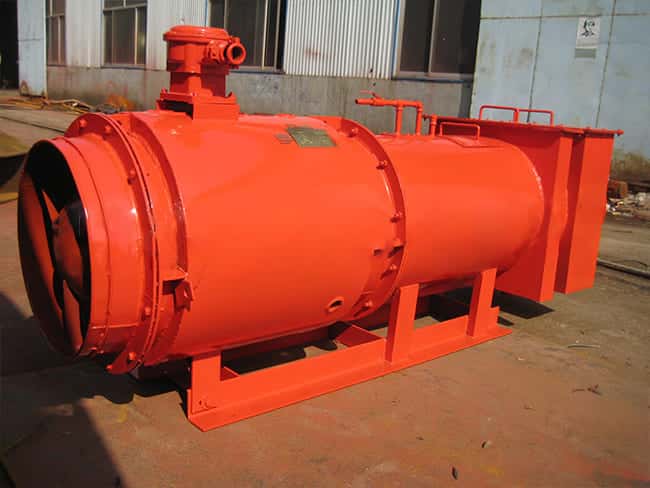
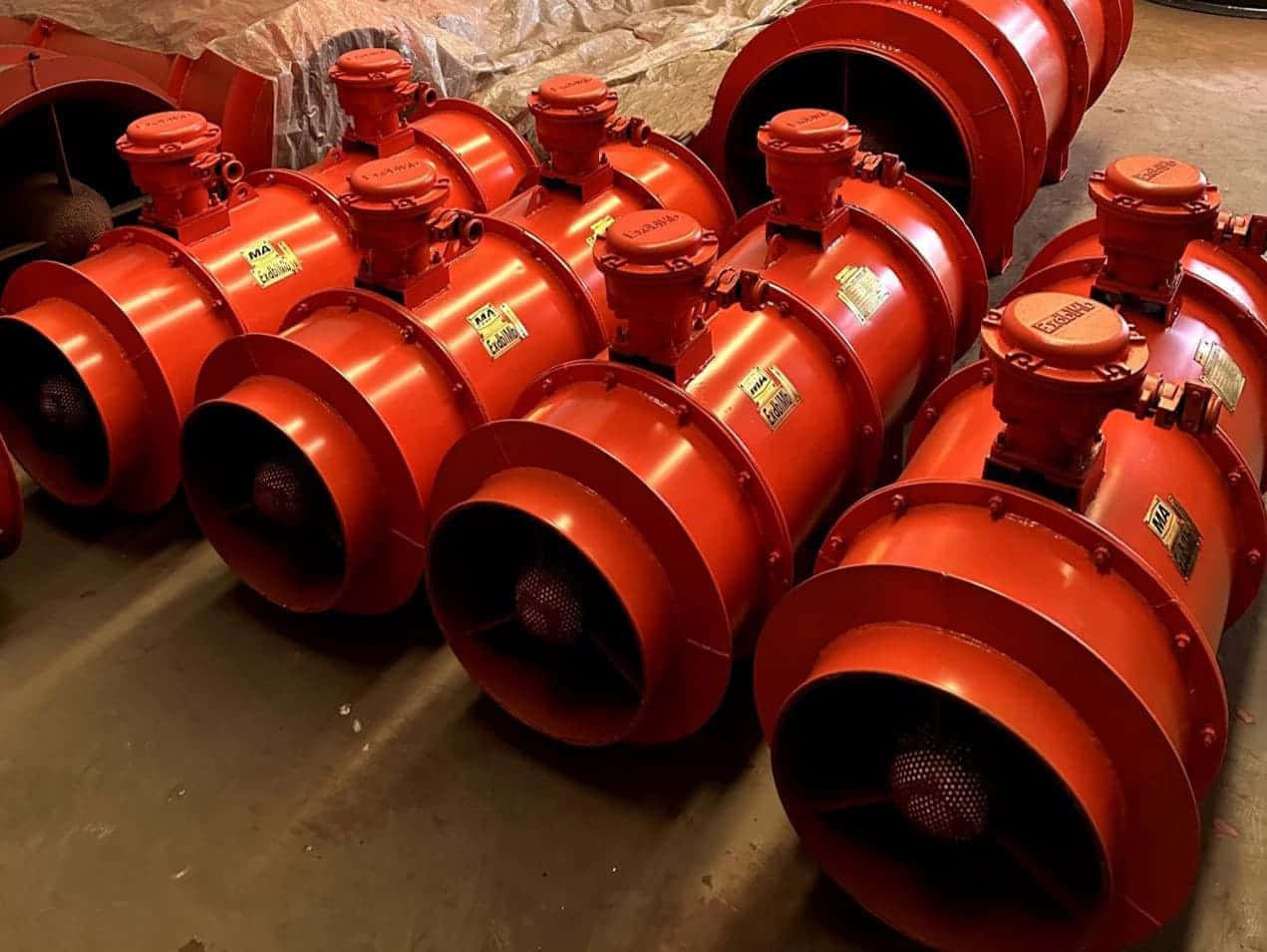
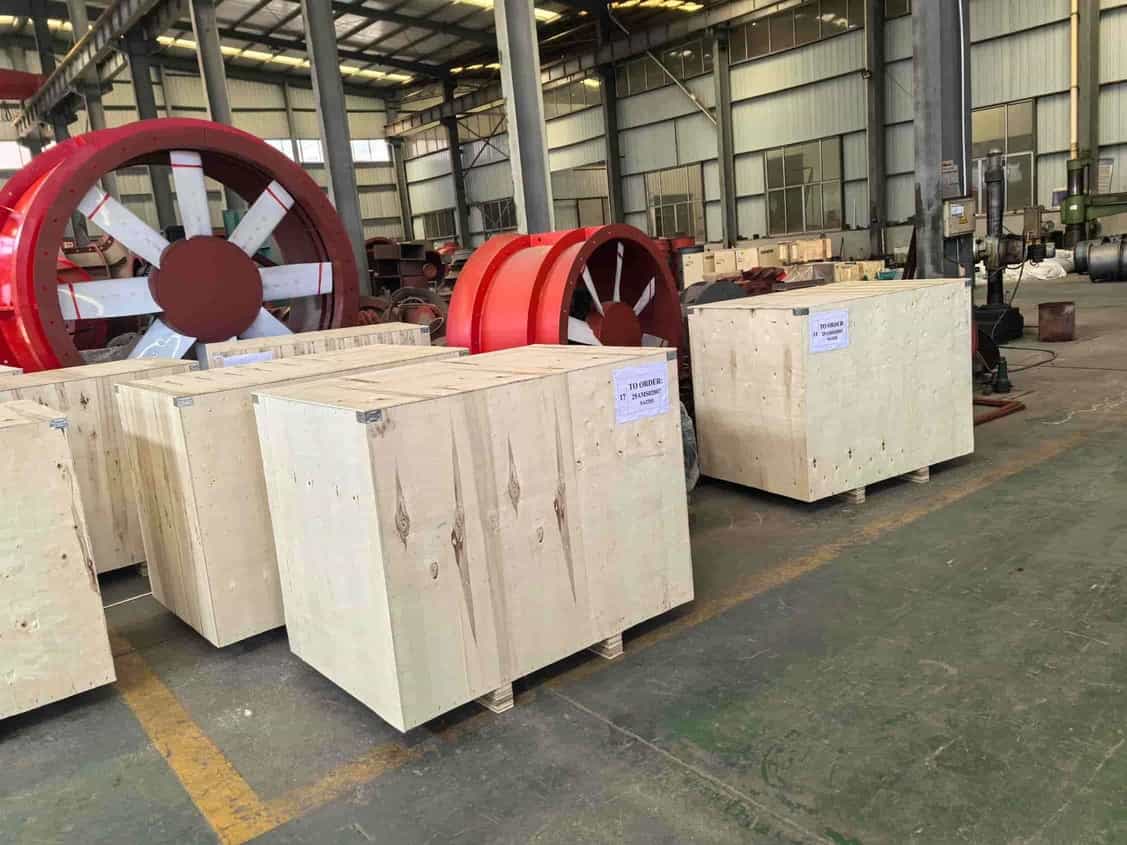
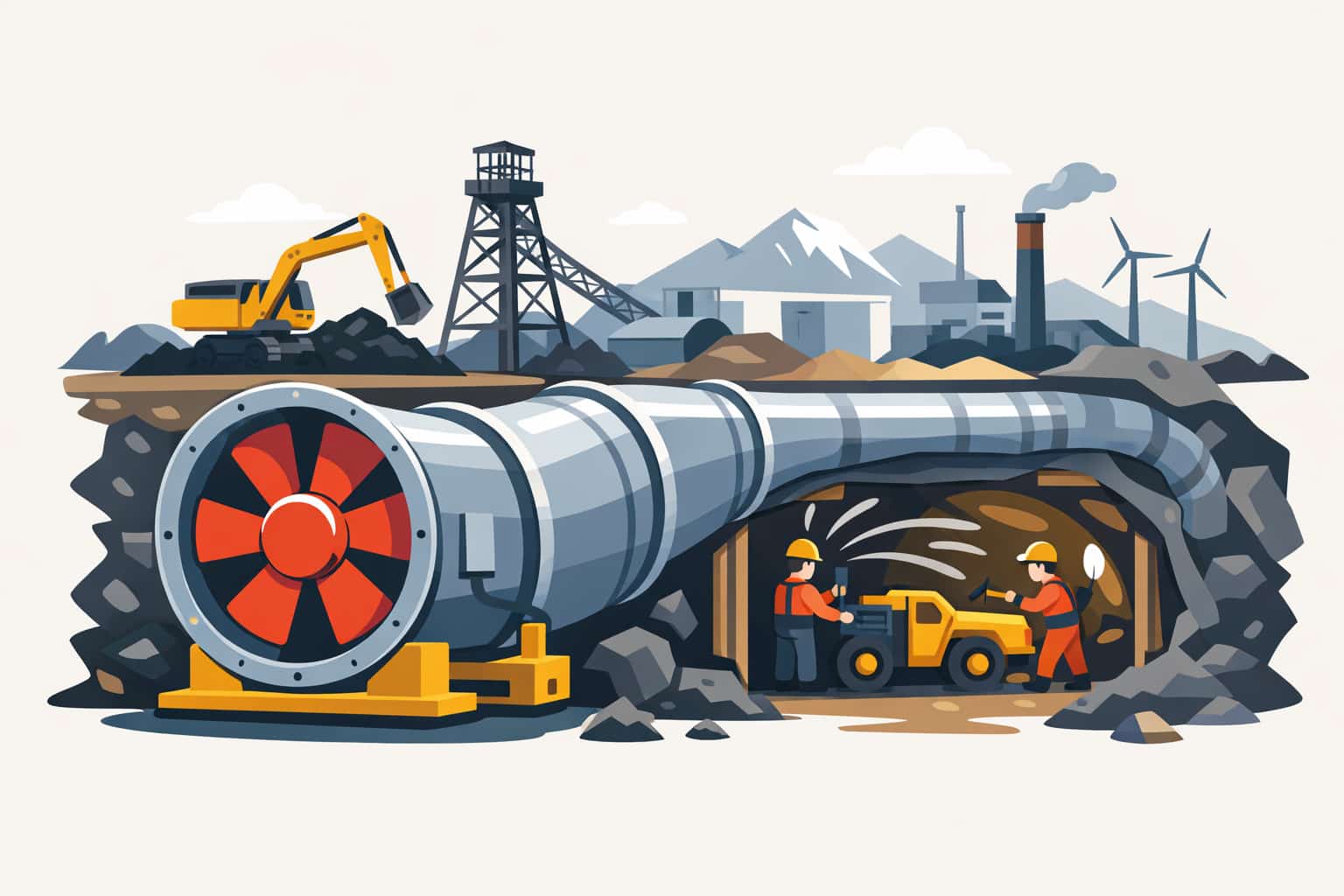
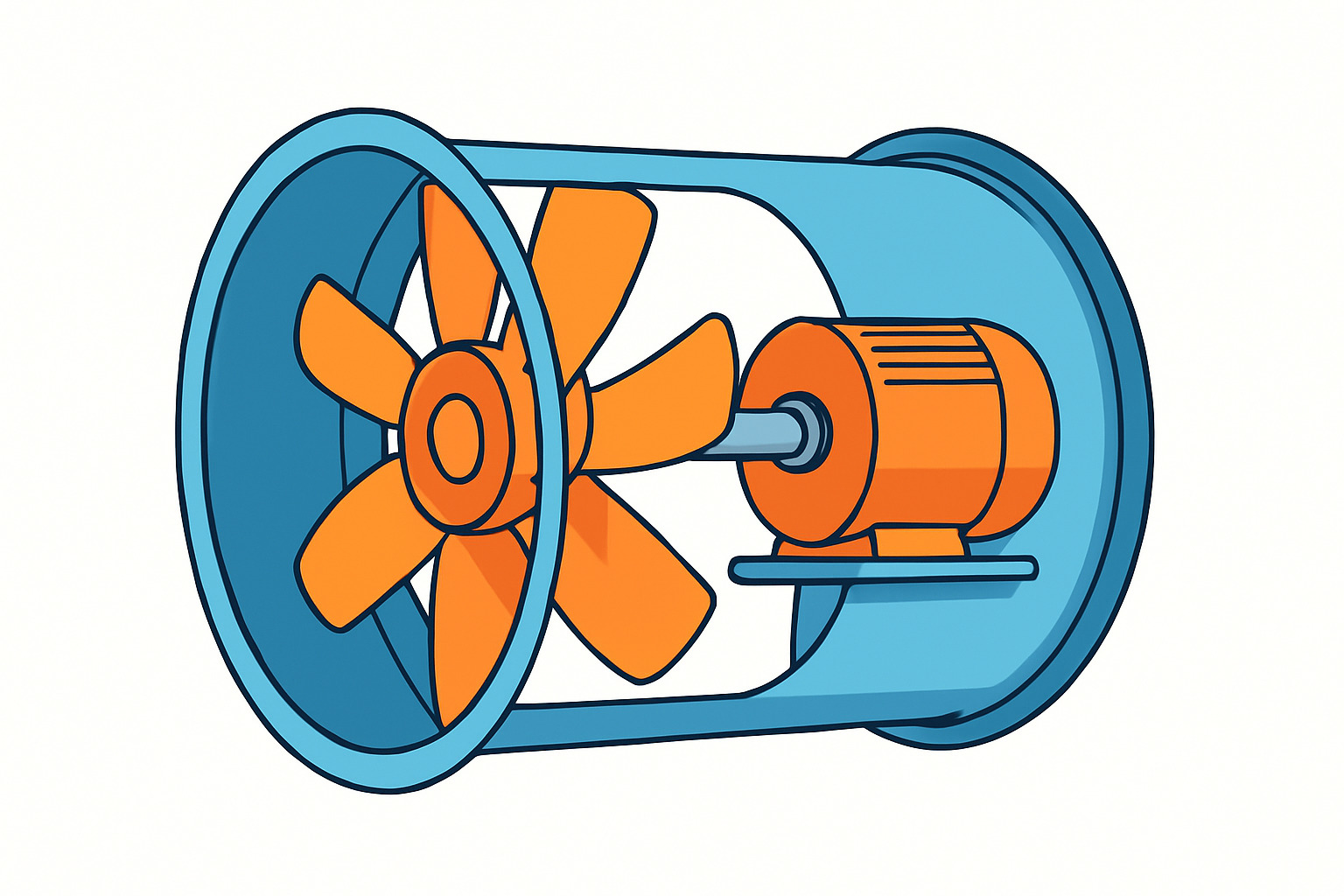
For high-volume, low to medium pressure duties, such as main mine ventilation, tunnel ventilation or large factory exhaust systems, a well-designed axial fan is often the more efficient choice. Vane-axial and high-quality tube-axial fans can move large air quantities with good efficiency when installed with smooth inlets, diffusers and suitable silencers. In these applications, axial mining fans and industrial axial fans usually provide more airflow per kilowatt than centrifugal fans operating at the same pressure.
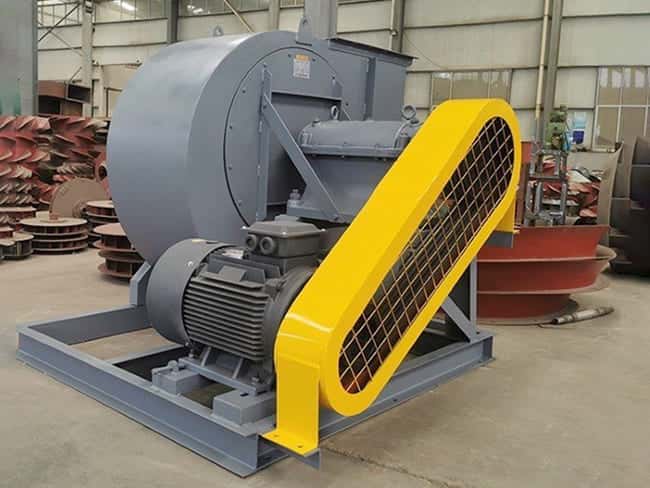
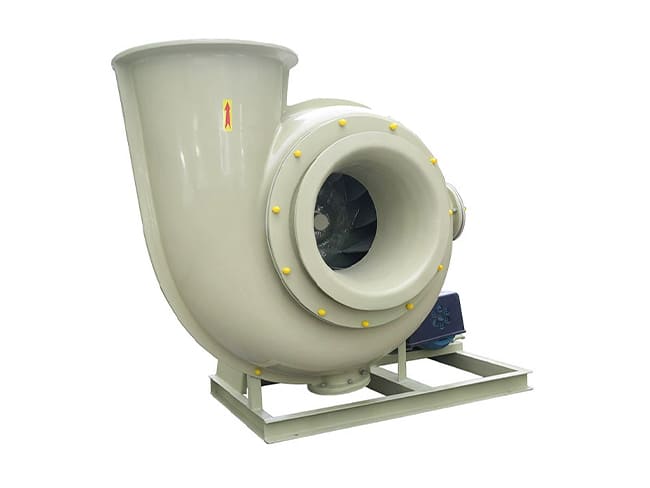
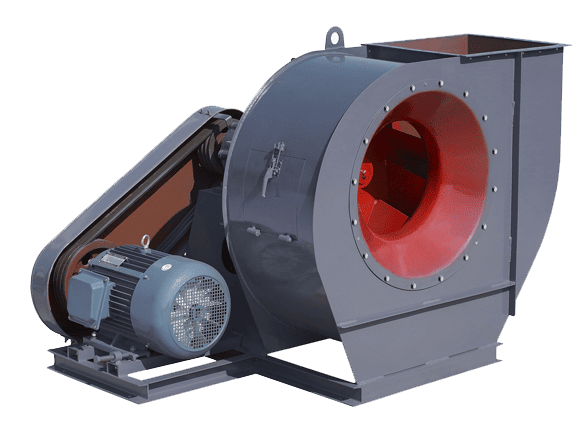
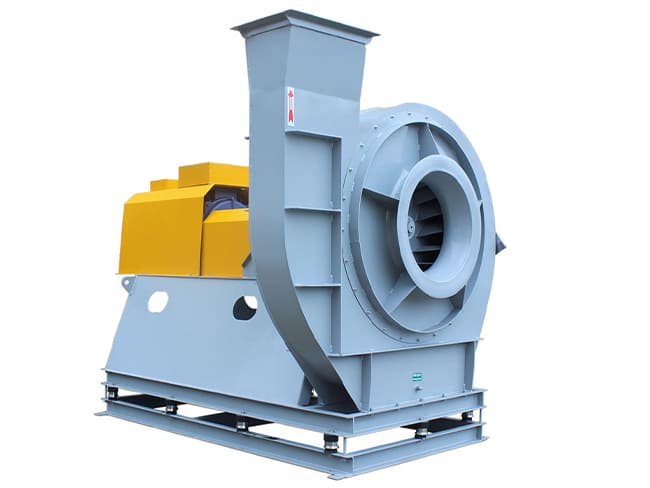
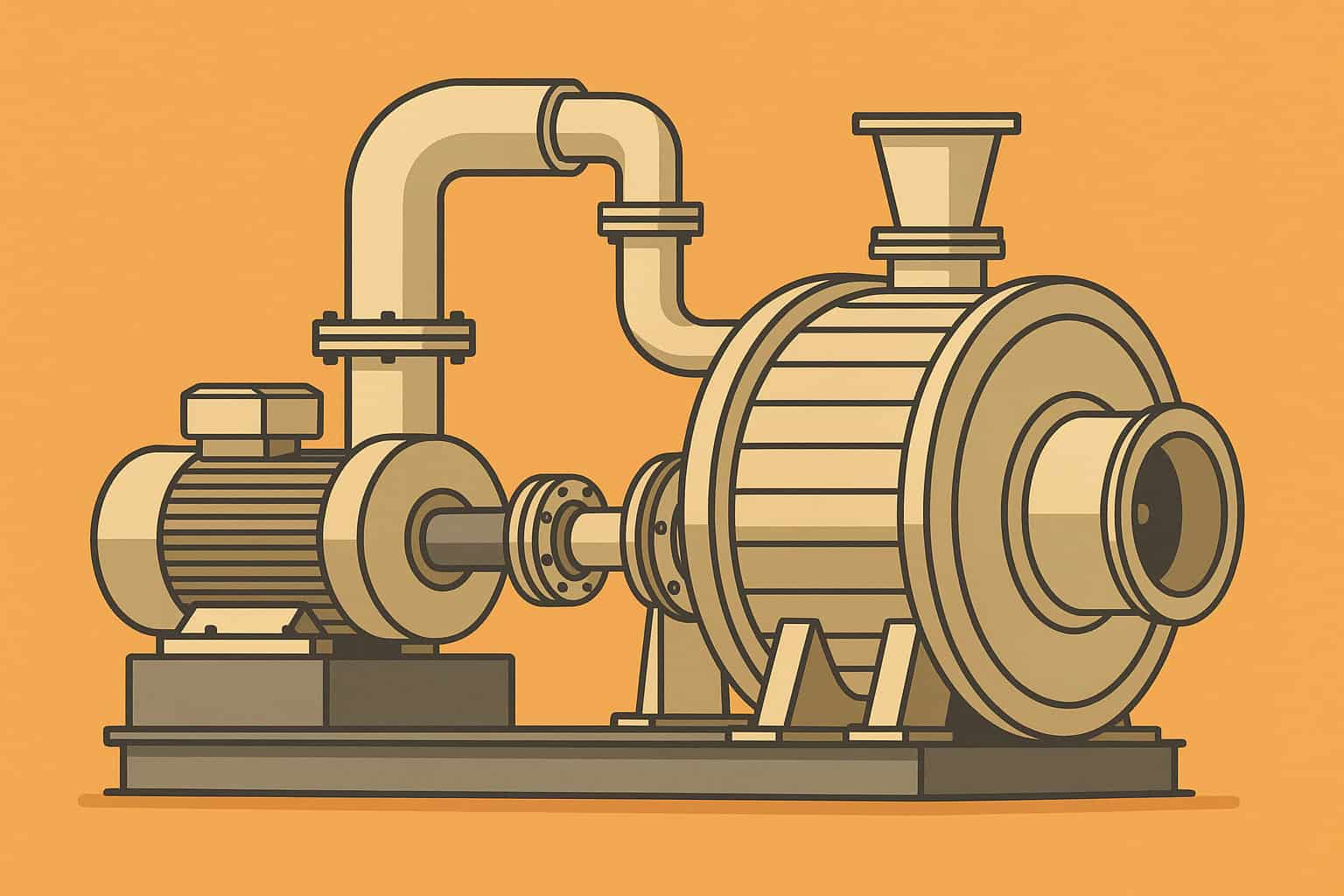
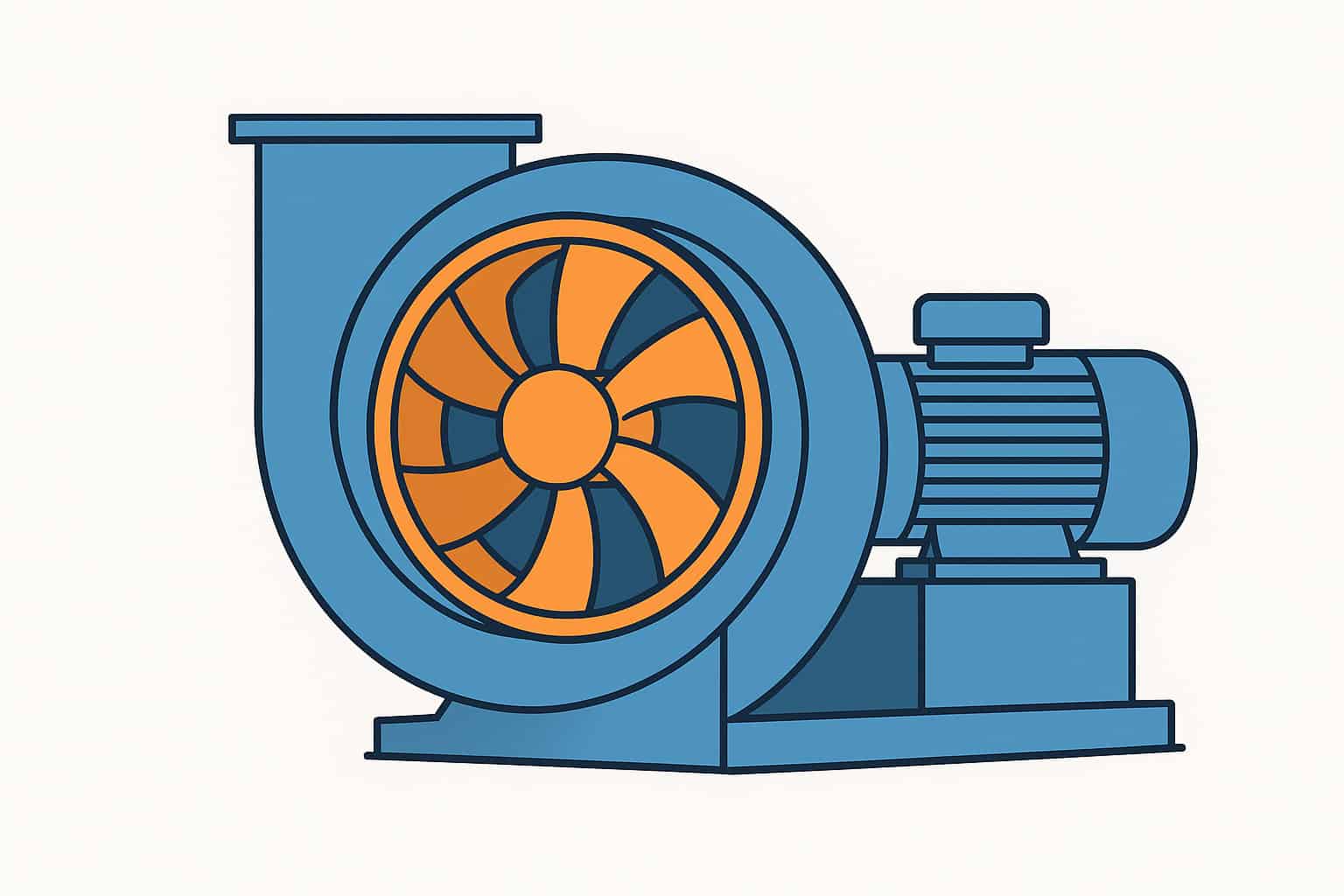
For higher-pressure systems with long, complex ductwork, filters, scrubbers or heat exchangers, a centrifugal fan may be more efficient. Backward-curved and airfoil-blade centrifugal fans are designed to produce higher static pressures and can maintain stable performance over a wide operating range. In dust collection, boiler draft and some mine exhaust circuits, centrifugal fans often deliver better overall efficiency because they are matched to the higher resistance of the system.
Mixed-flow fans combine features of axial and centrifugal designs. They can be a very efficient option in medium-pressure ventilation systems where space is limited, such as certain underground facilities and tunnels. Their efficiency advantage appears when layout constraints make it difficult to install large axial fans or centrifugal fans with smooth inlet and outlet transitions.
Beyond aerodynamic type, efficiency is strongly influenced by blade design, surface finish, tip clearance, operating speed, control strategy and installation quality. Even a theoretically efficient fan will waste energy if it is throttled with dampers, forced to run far from its BEP, or installed with poor inlet and outlet conditions. Conversely, a correctly sized fan with variable-speed control and good duct design can achieve high wire-to-air efficiency regardless of type.
In practice, ventilation engineers choose the “more efficient” fan type by comparing options for a specific duty point. For a mining main fan or large tunnel fan, that may mean a vane-axial unit. For a heavily loaded industrial exhaust with filters, it may mean a backward-curved centrifugal fan. The most efficient fan is therefore the one whose type and size best match the required airflow, pressure and system layout.