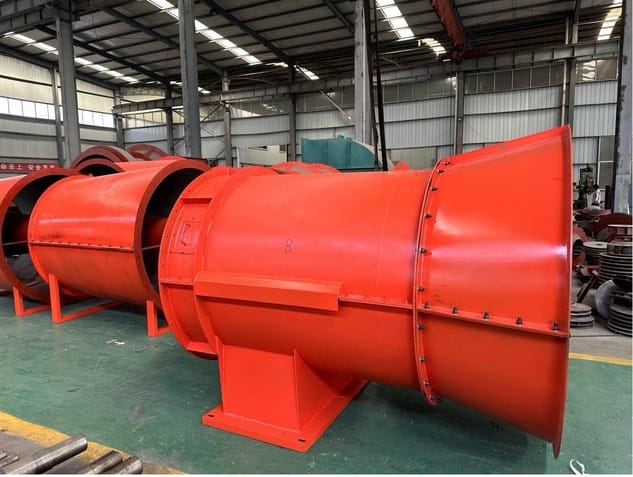
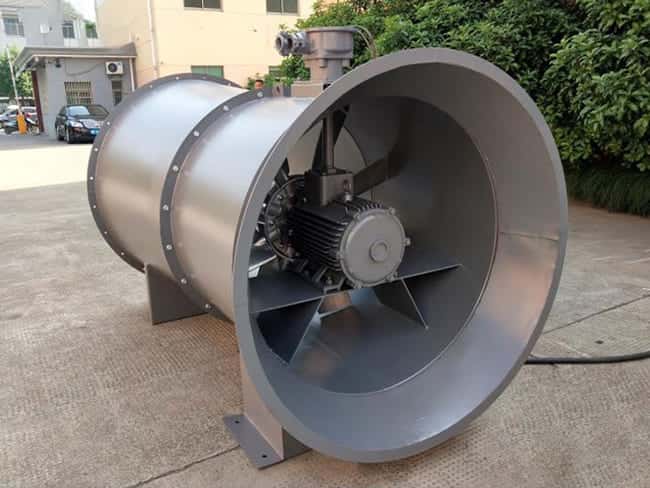
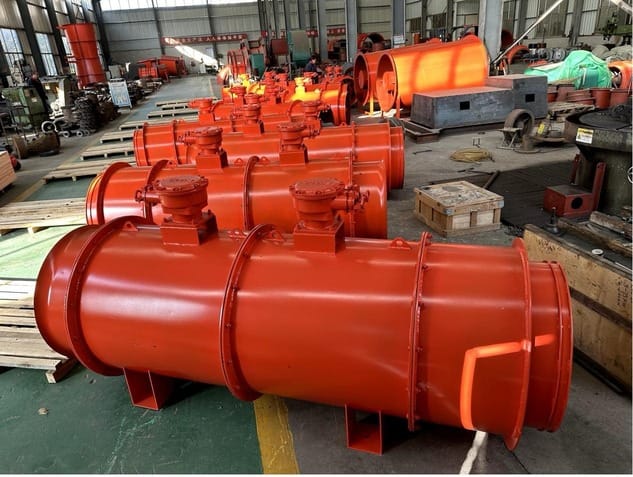
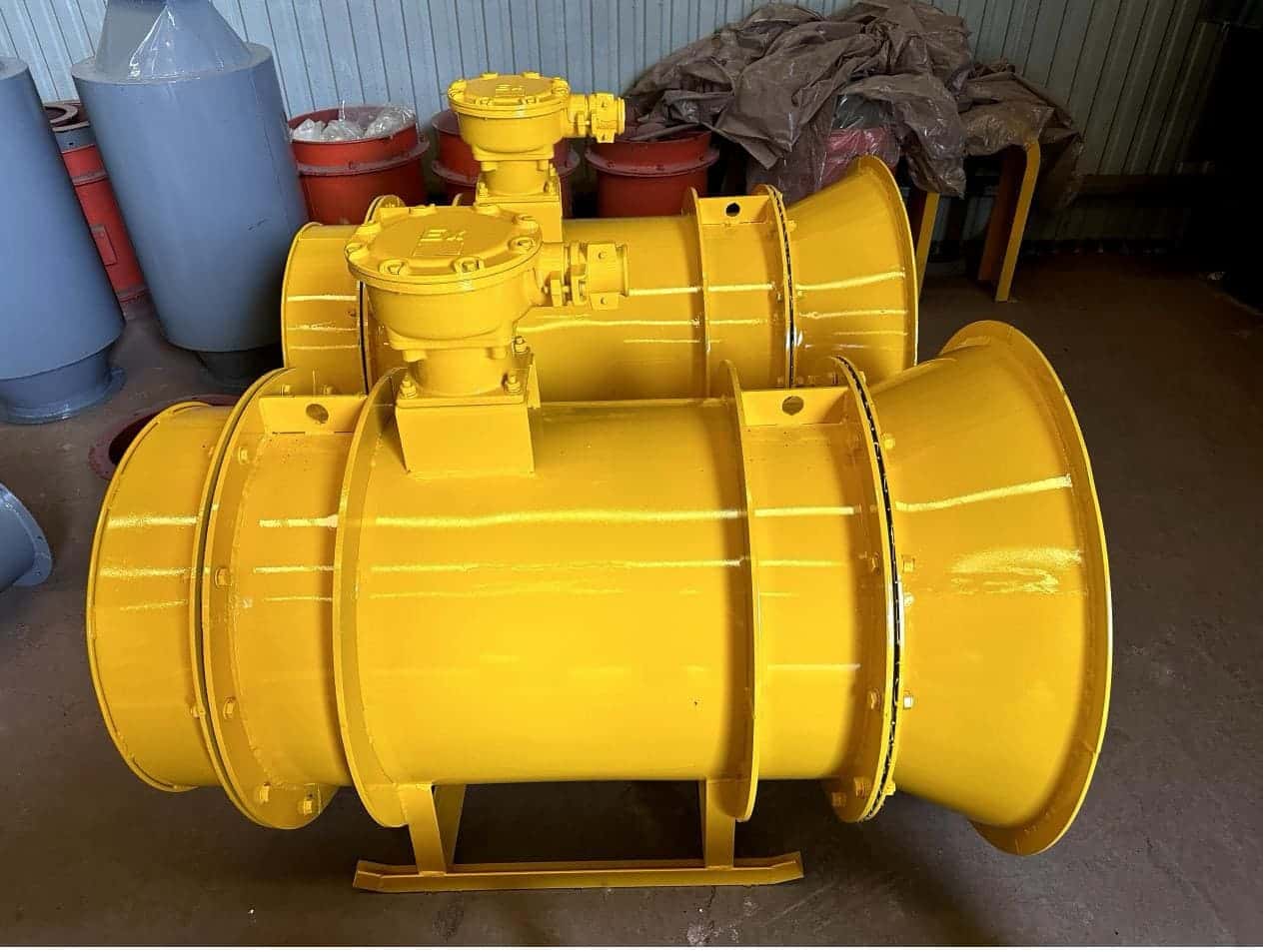
There is no single type of ventilation that is always the most effective in every situation, but in industrial plants and underground mines the most effective approach is usually a well-designed mechanical ventilation system that combines general supply and exhaust airflow with local exhaust near contaminant sources. Natural ventilation driven only by wind and temperature differences is useful as a supplement, but it is rarely sufficient or predictable enough for demanding mining and industrial environments.
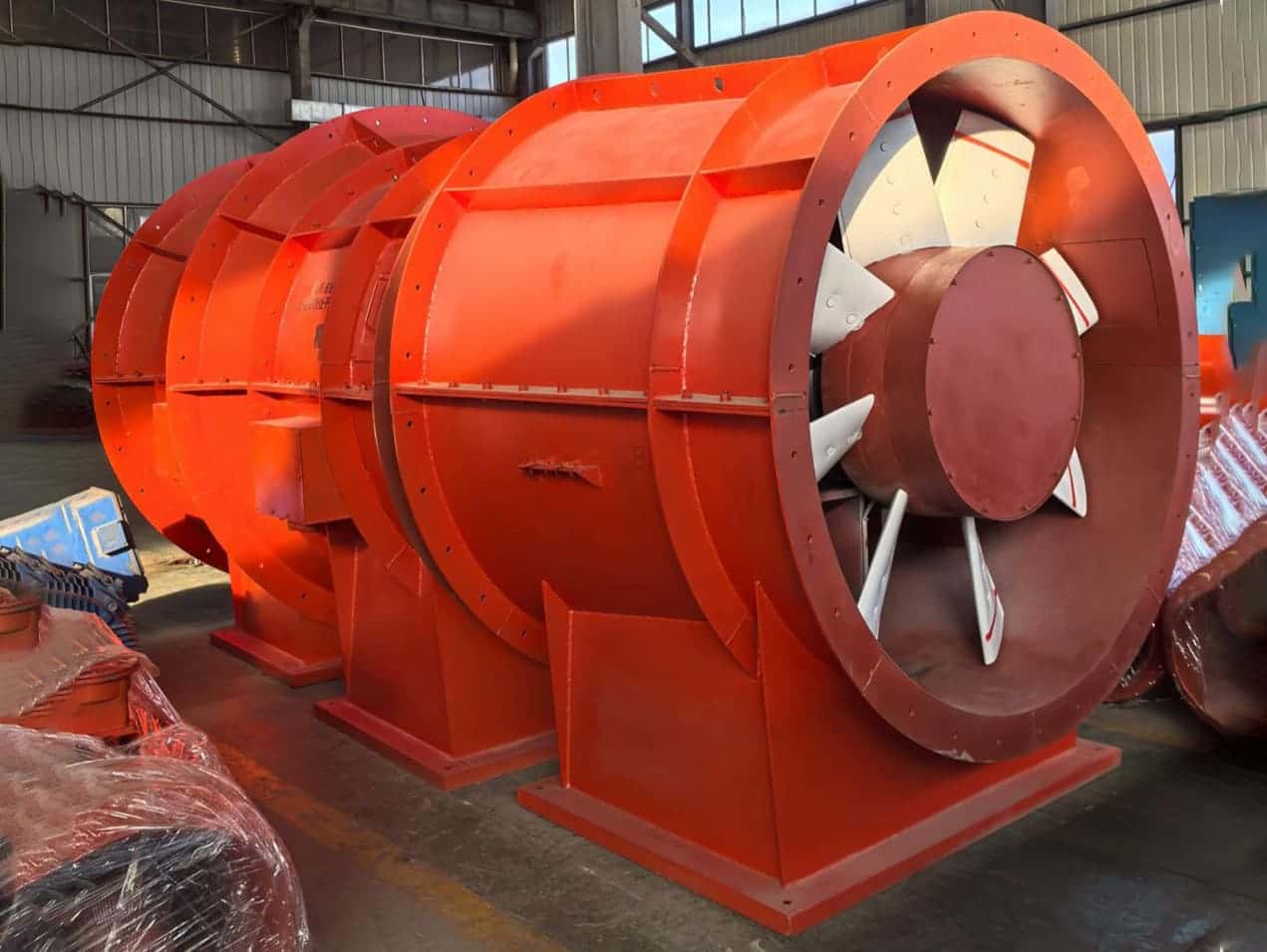
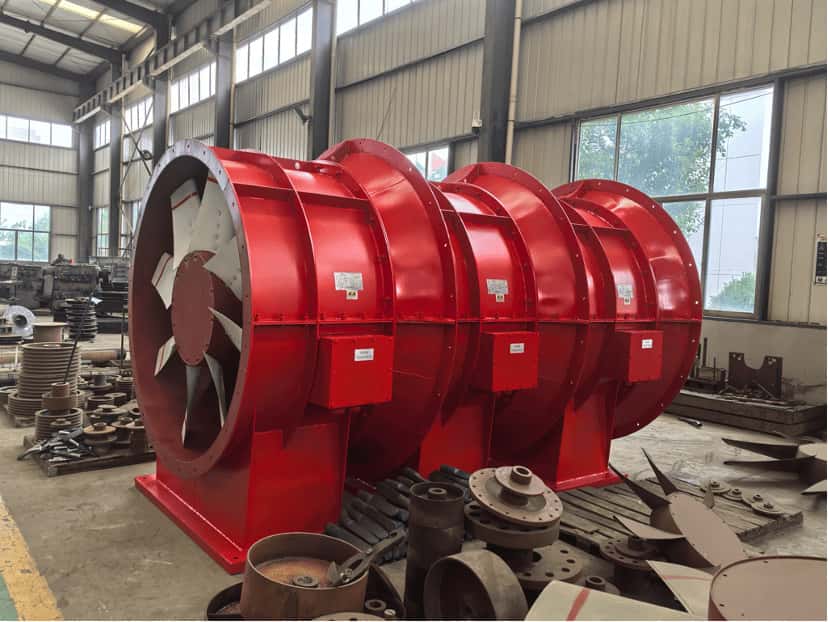
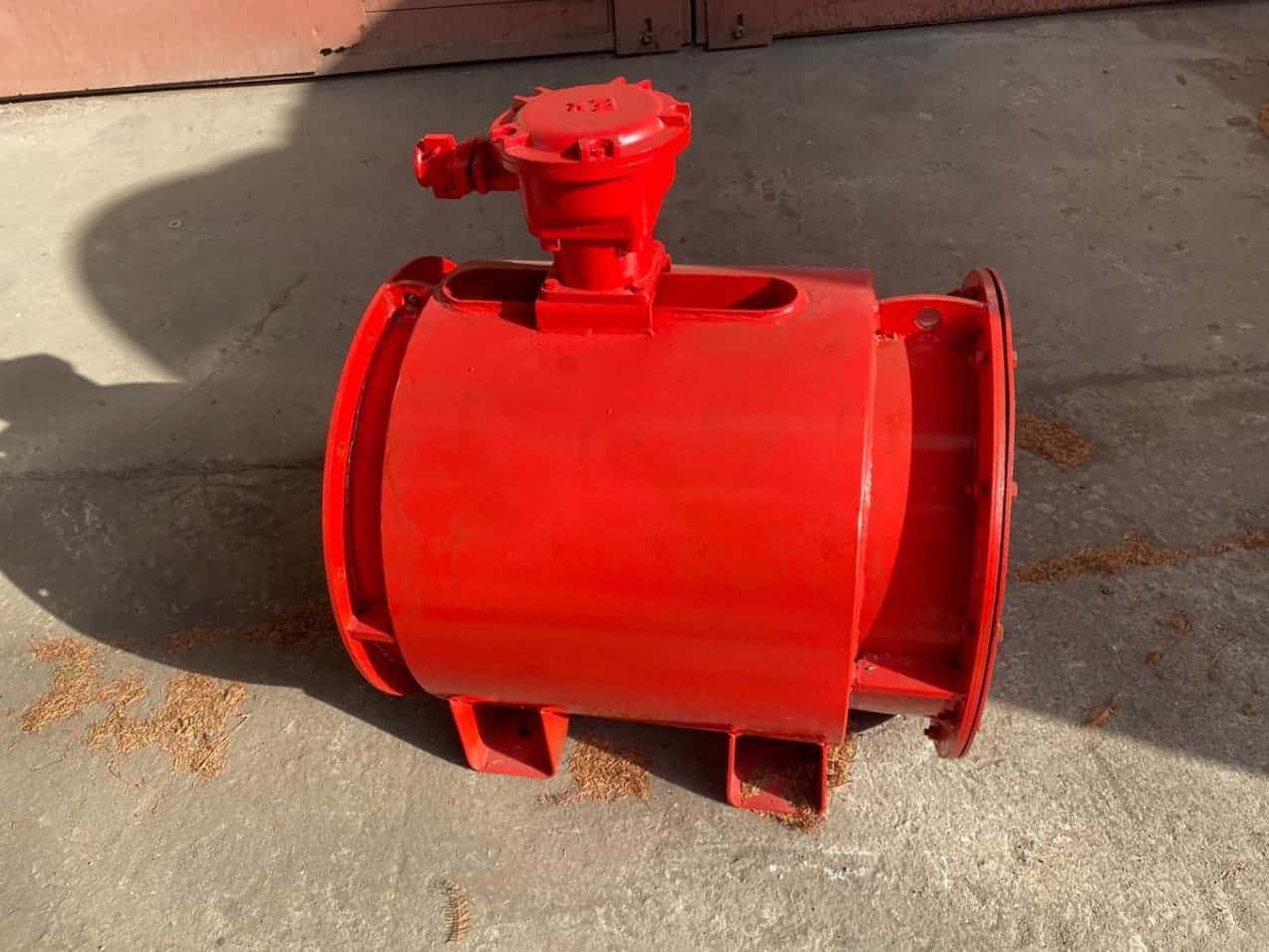
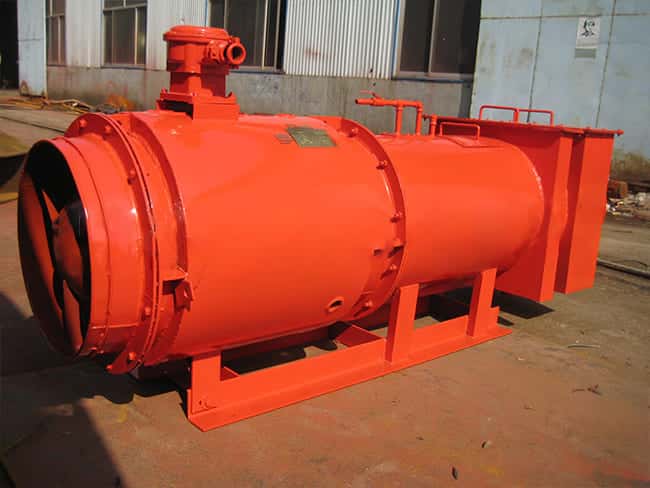
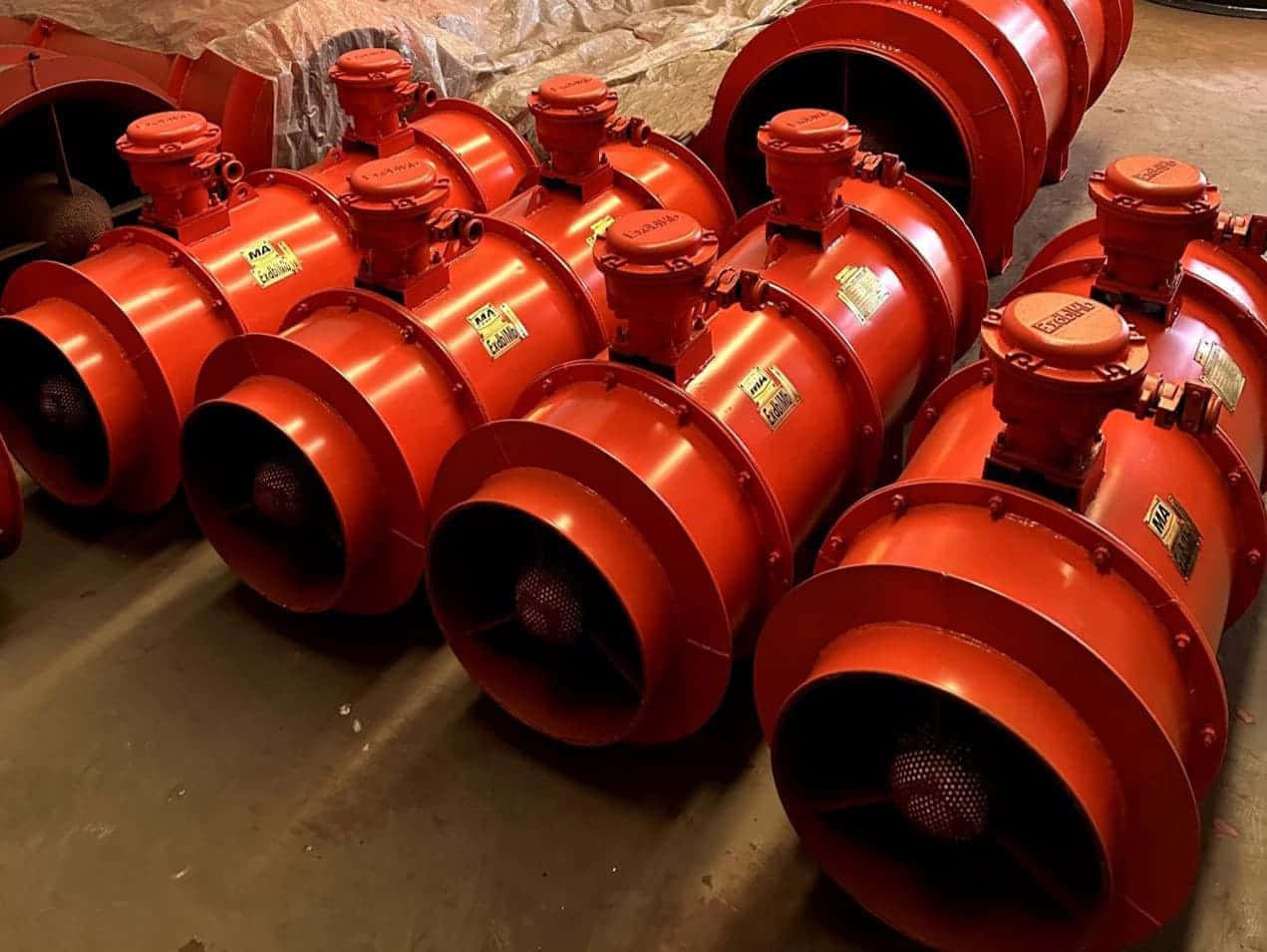
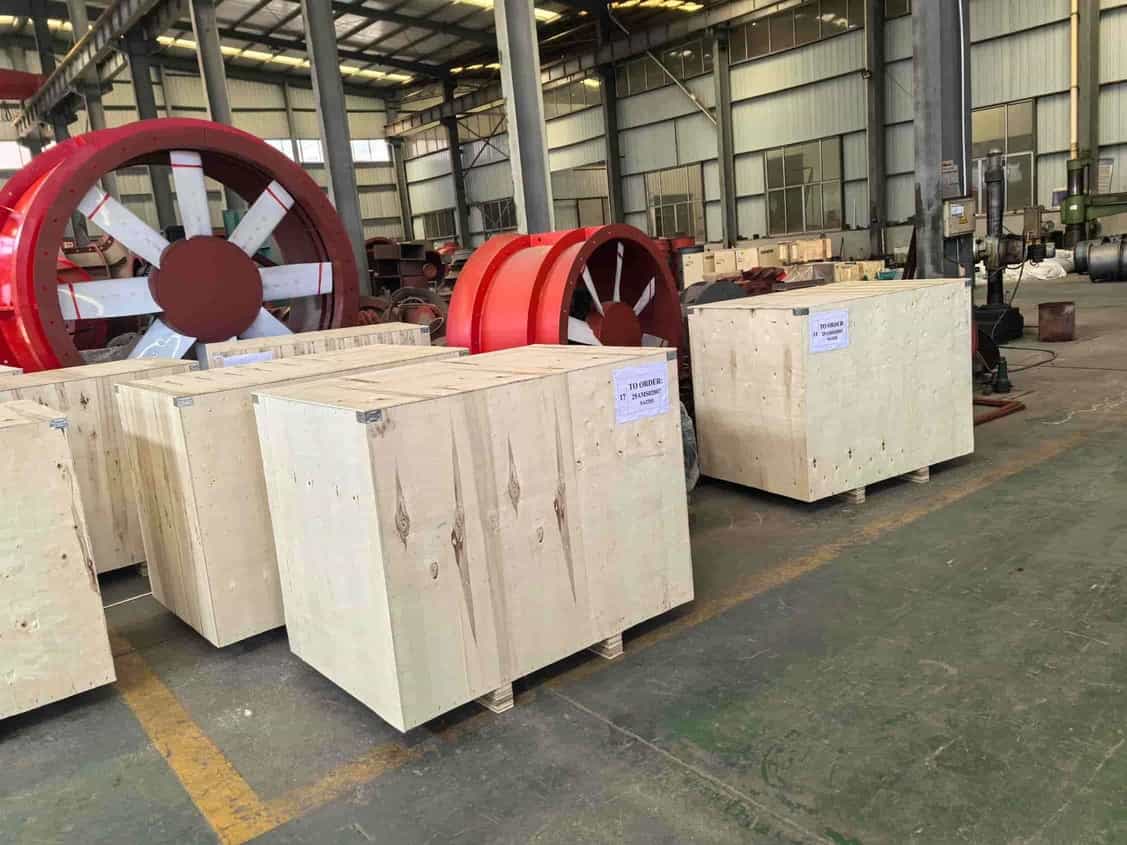
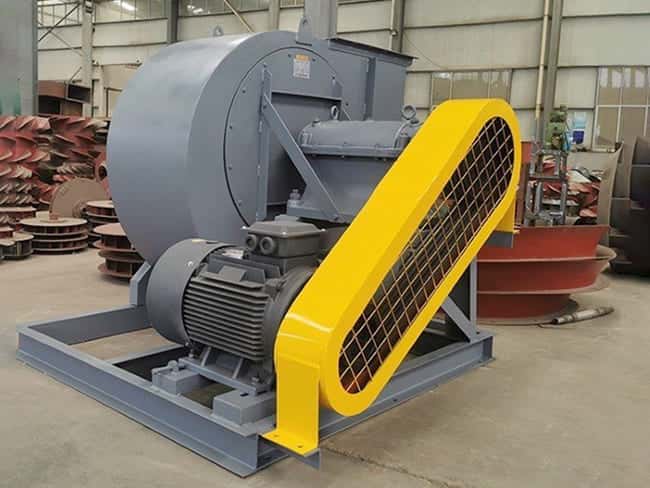
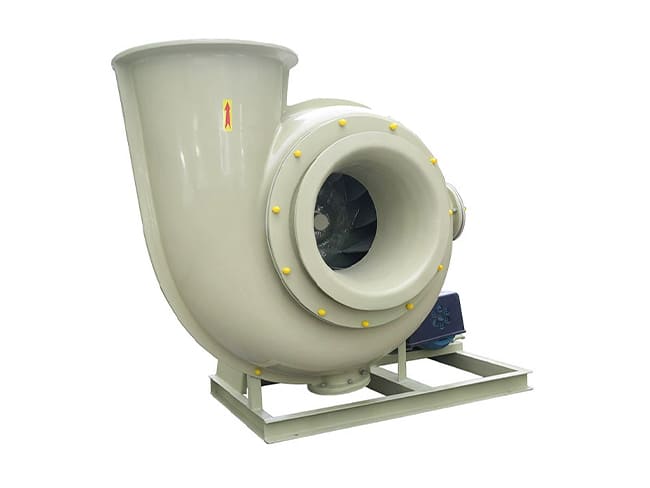
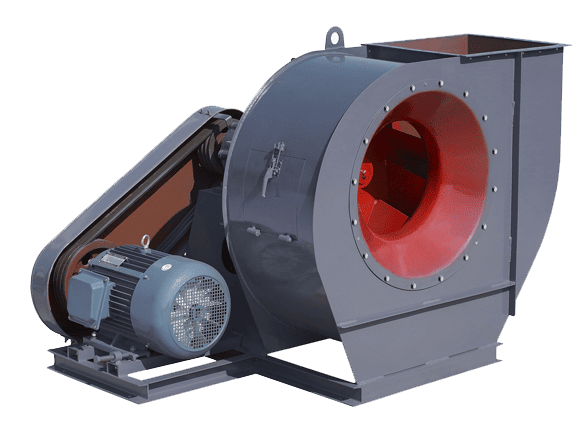
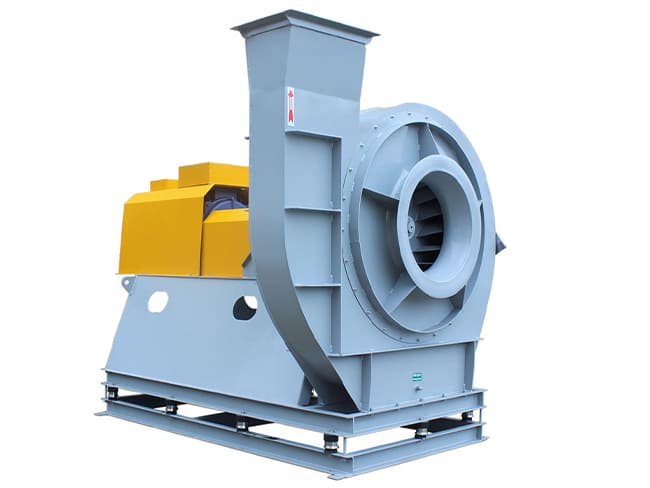
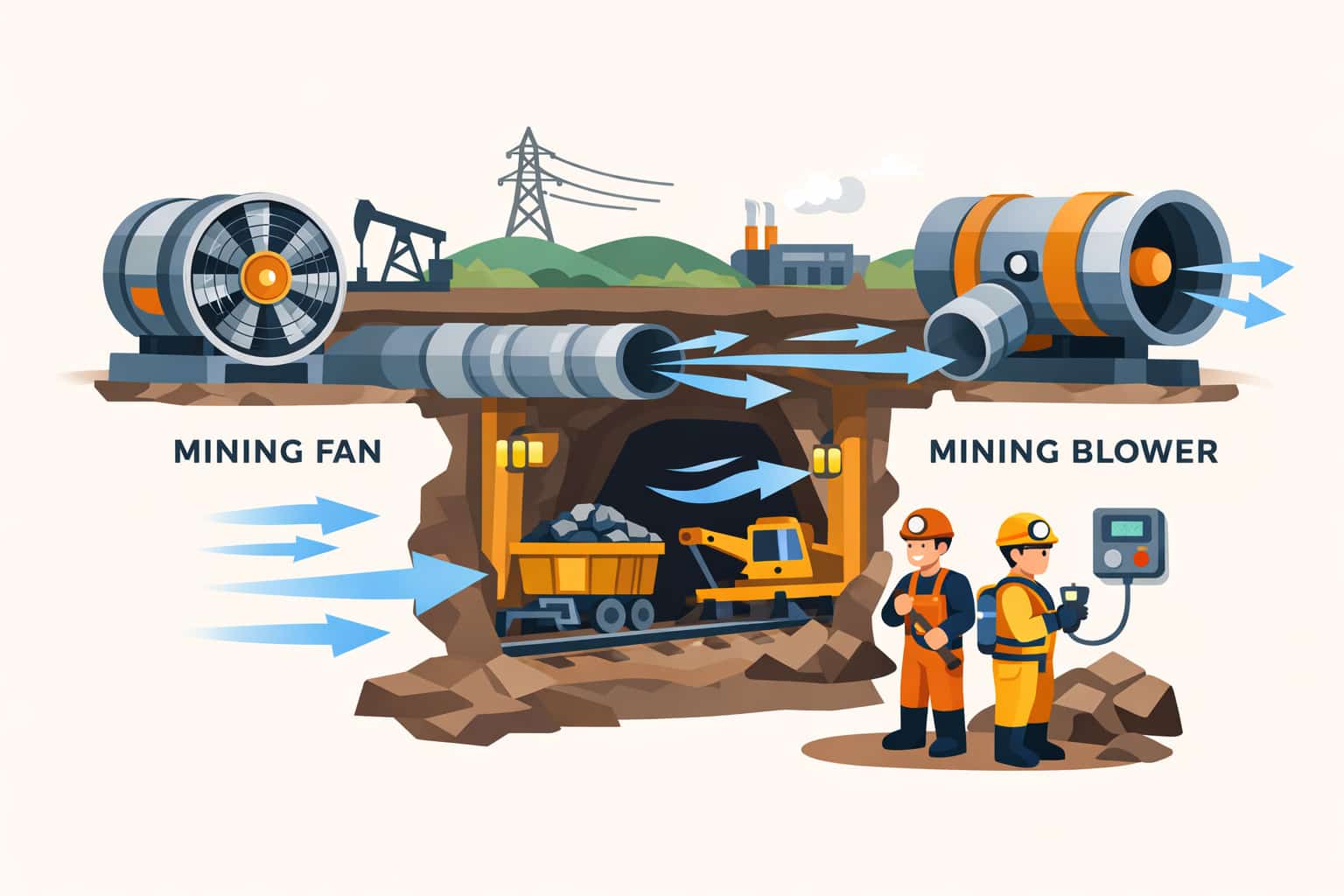
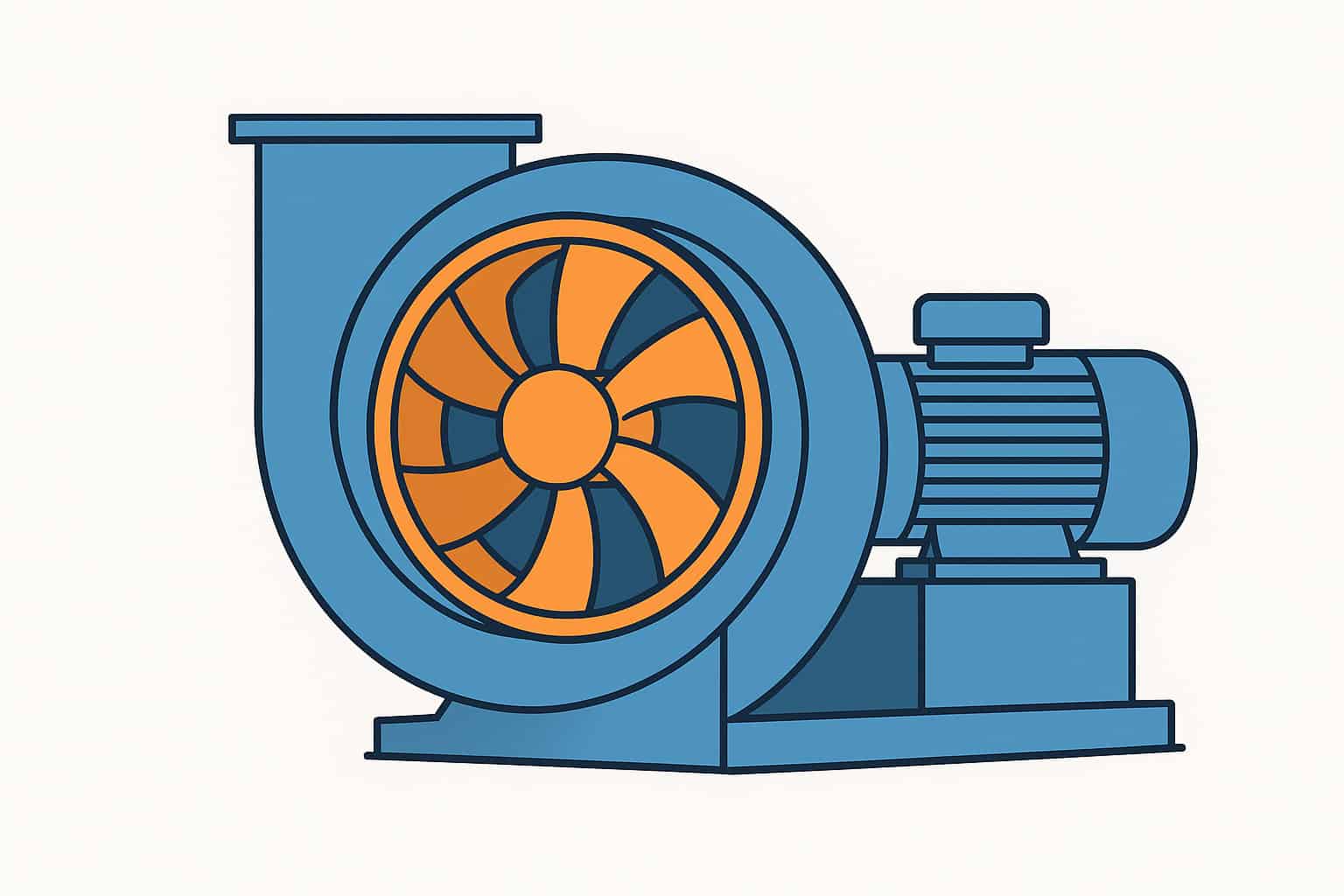
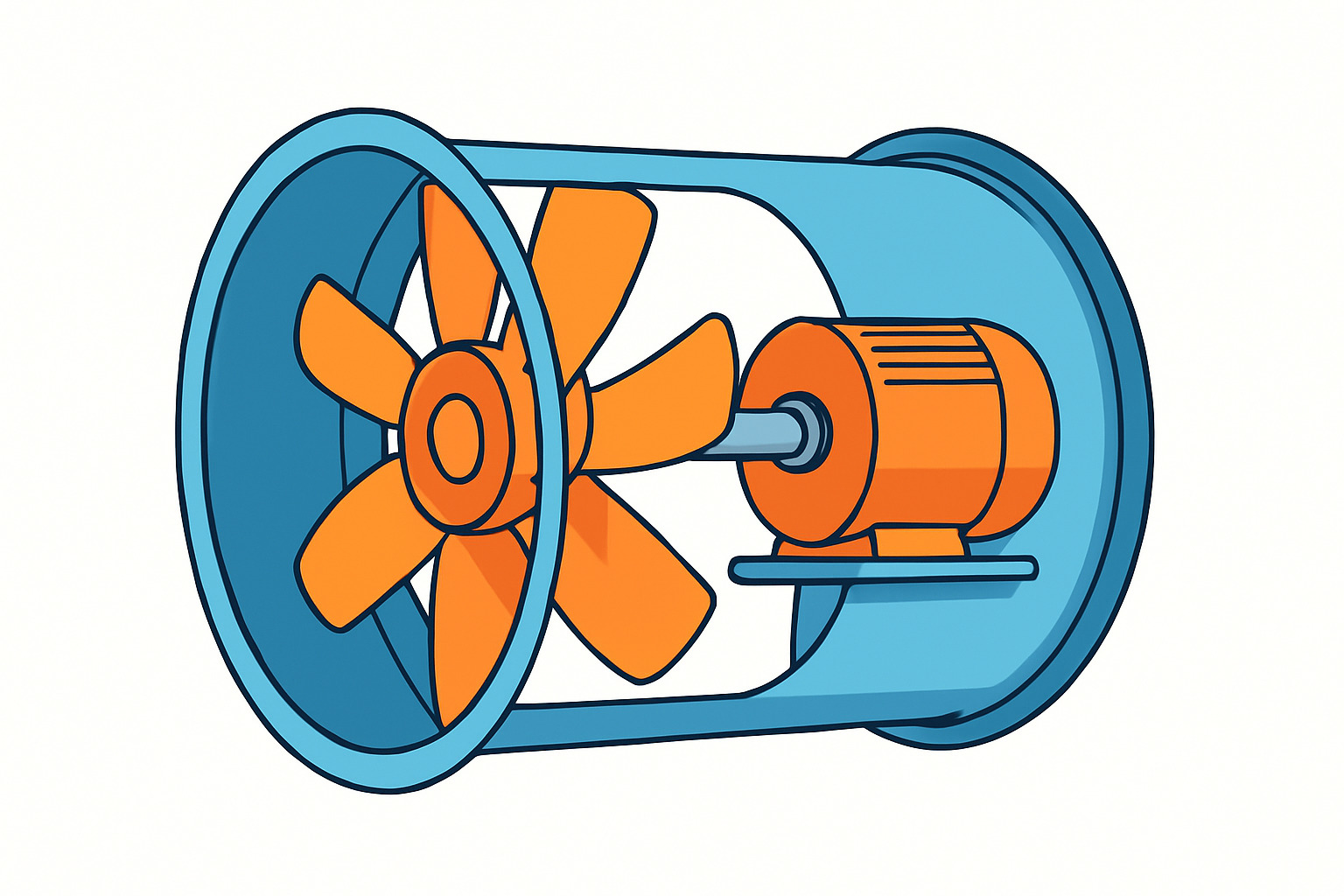
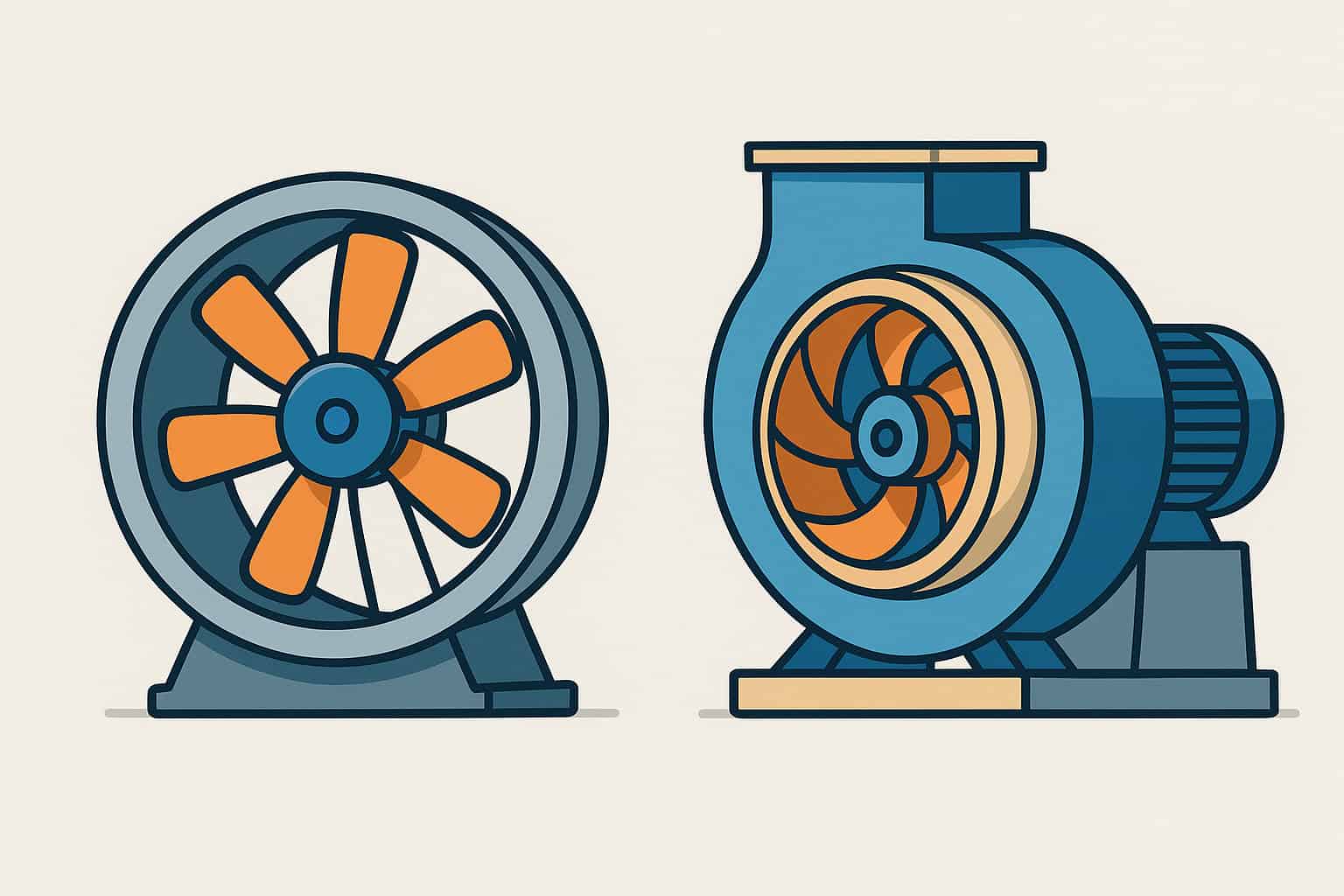
General mechanical ventilation, often called dilution ventilation, uses supply fans and exhaust fans to move large volumes of air through the whole building, tunnel or mine. Main mine fans, booster fans and large axial or centrifugal fans on air-handling units are typical examples. This type of ventilation is effective for controlling heat, humidity and low to moderate levels of contaminants spread across a wide area. It ensures that every workplace receives a baseline amount of fresh air.
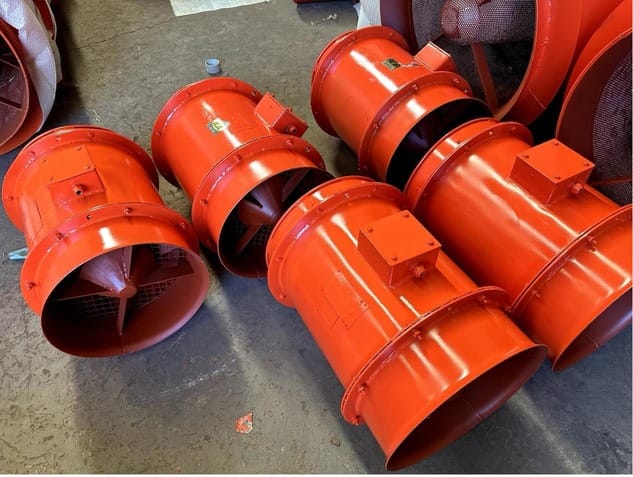
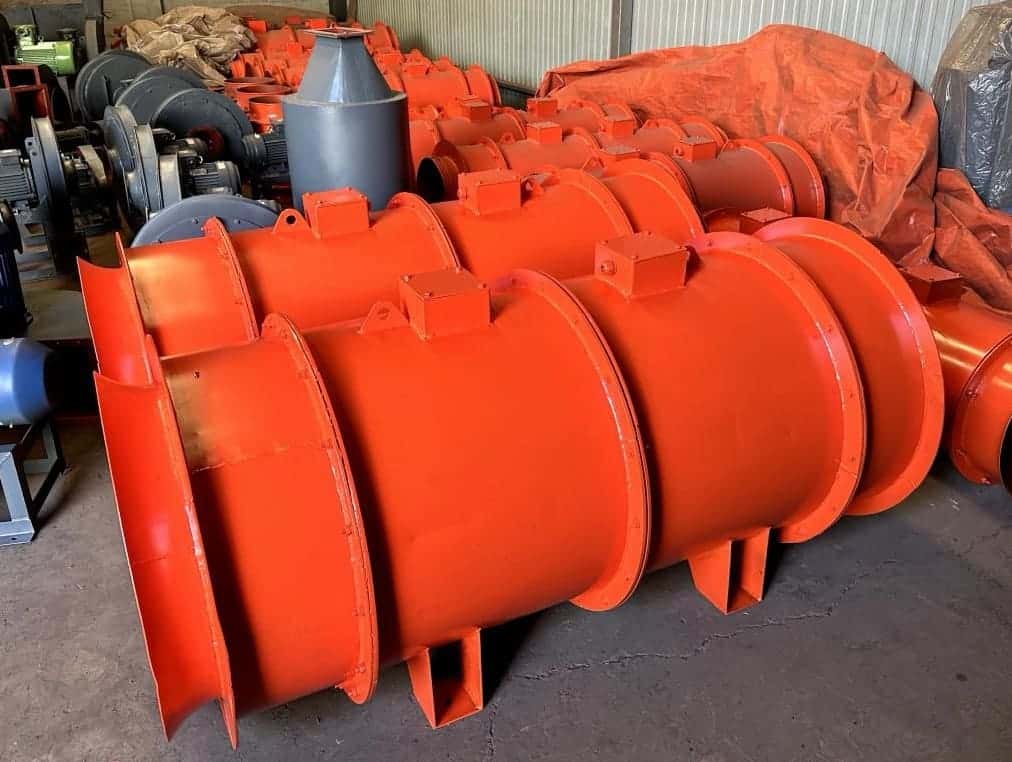
However, dilution alone is often not enough. For welding, painting, crushing, loading, blasting and other high-emission processes, the most effective ventilation includes local exhaust systems that capture contaminants at the source. These may be hoods connected to centrifugal dust collectors in a mill, or ducted auxiliary fans placed close to the face in an underground heading. By controlling contaminants before they mix into the general air, local exhaust reduces overall airflow requirements and dramatically improves air quality in the breathing zone.
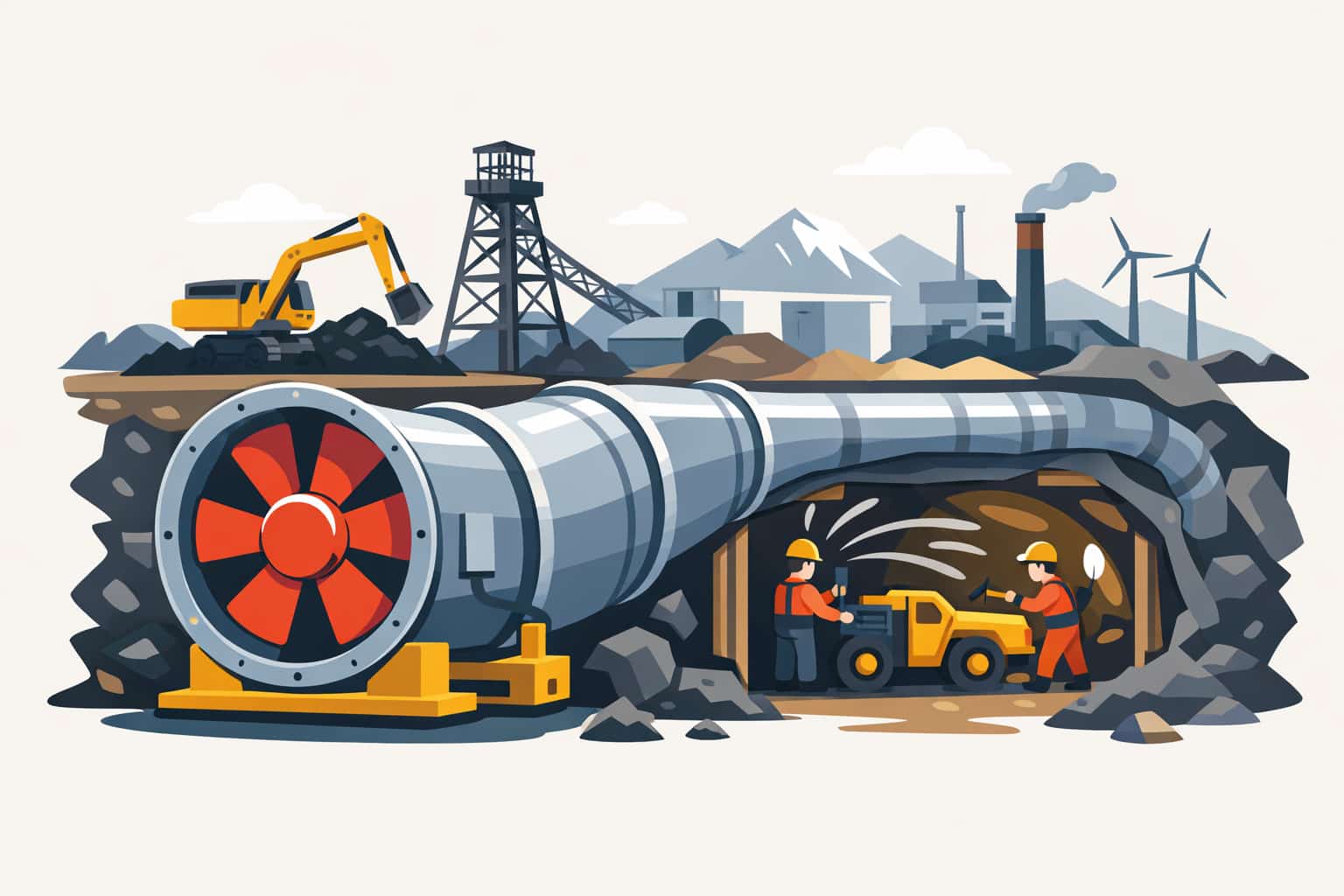
In underground mining, the most effective ventilation usually combines several elements: main fans to drive primary airflow through shafts and main airways, booster fans in long or deep circuits to maintain pressure and air quantity, auxiliary fans and ducts for headings and stopes, and stoppings or regulators to direct air along planned routes. This integrated system is much more effective than relying only on natural ventilation or a few scattered fans without a design.
For industrial buildings, a mixed strategy is also best. Roof exhaust fans, wall-mounted axial fans and make-up air units provide general ventilation, while local exhaust hoods and ducted systems control emissions at furnaces, tanks and workstations. In some projects, natural ventilation through louvers and windows can reduce energy use when outdoor conditions are favourable, with mechanical fans taking over when conditions are poor.
In summary, the most effective type of ventilation is not a single technology but a combination of mechanical supply and exhaust with local exhaust at sources, all designed as a coordinated system. For mining and industrial applications, this type of engineered mechanical ventilation, driven by appropriately selected axial and centrifugal fans, is far more effective than relying on natural ventilation alone.