
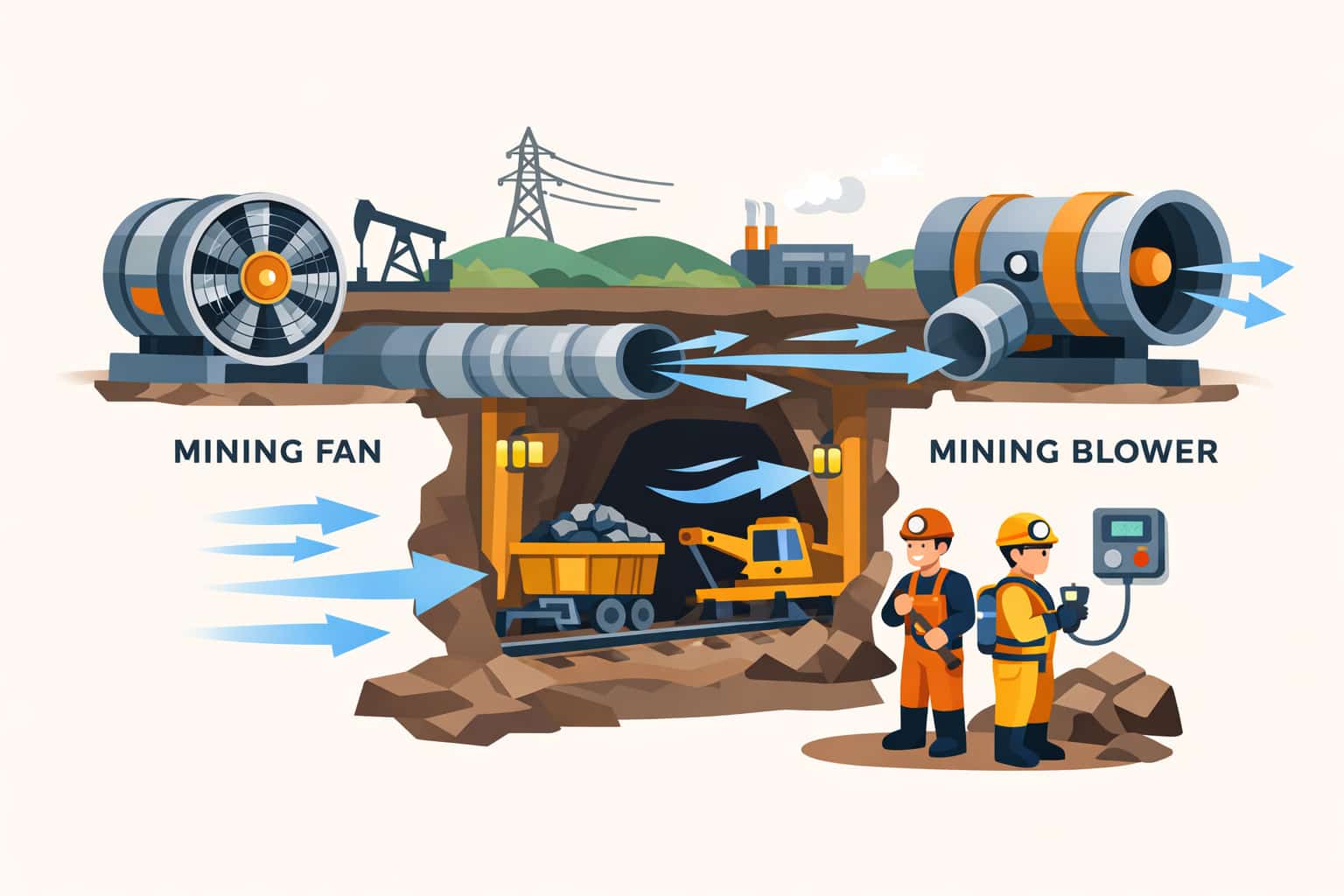
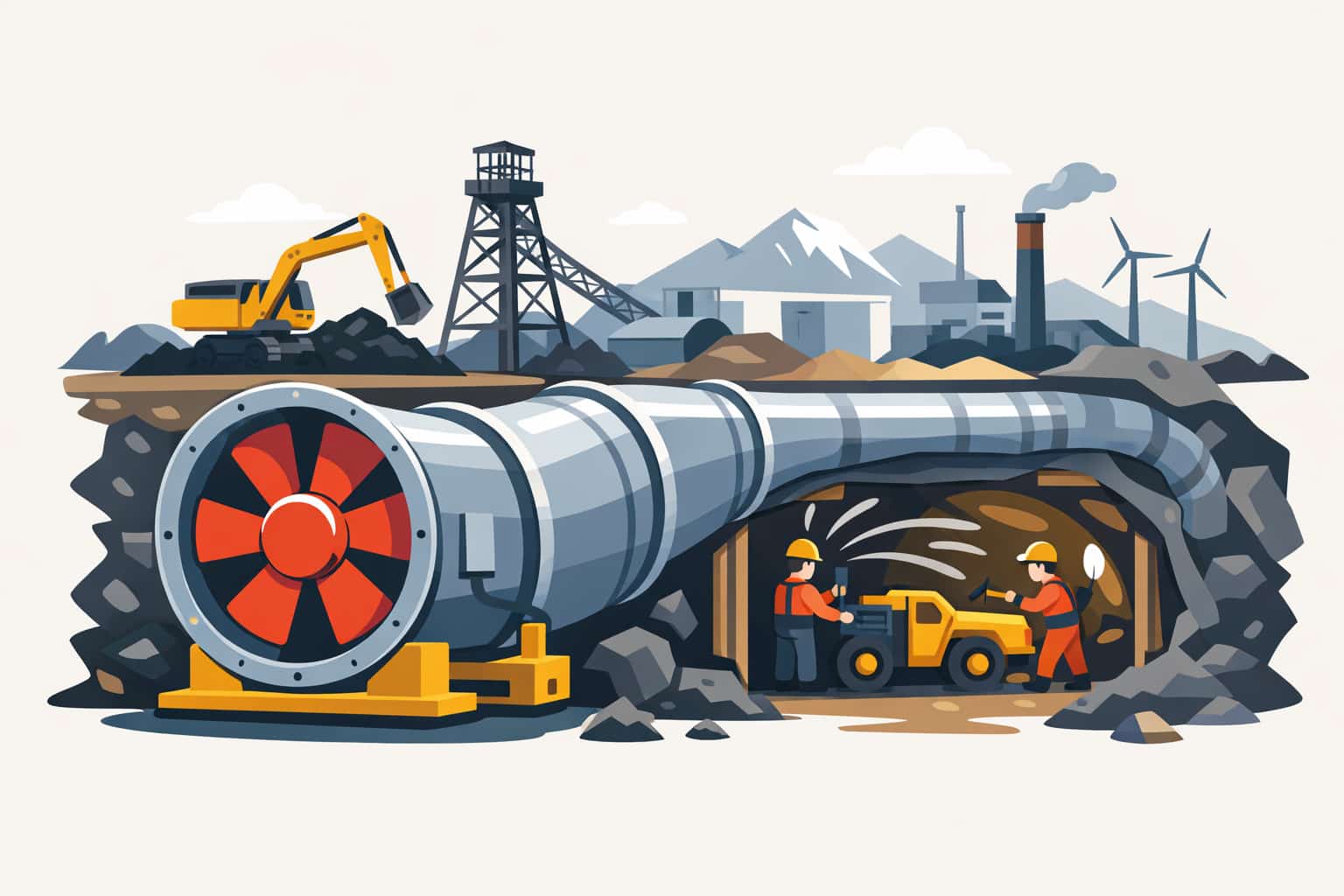
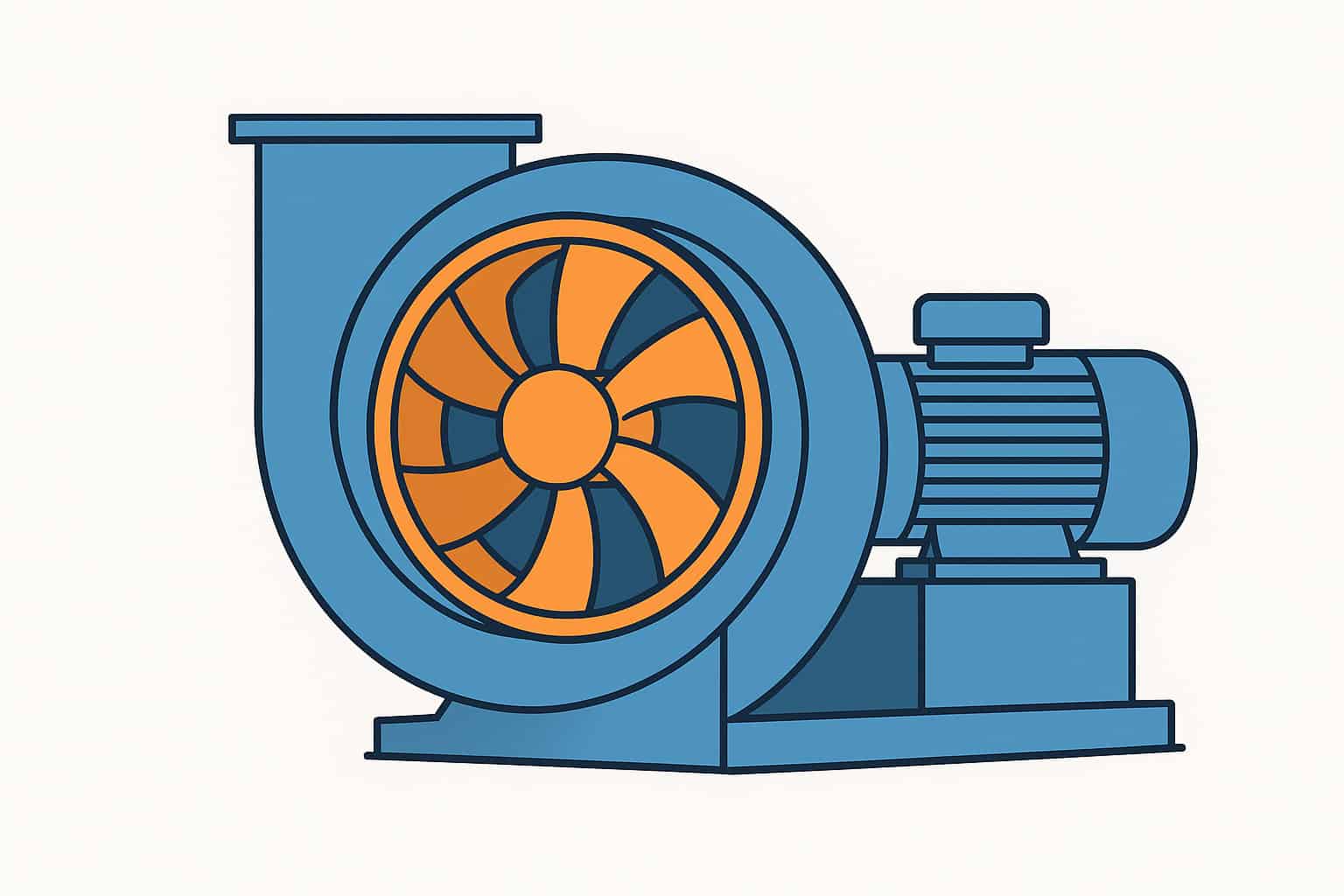
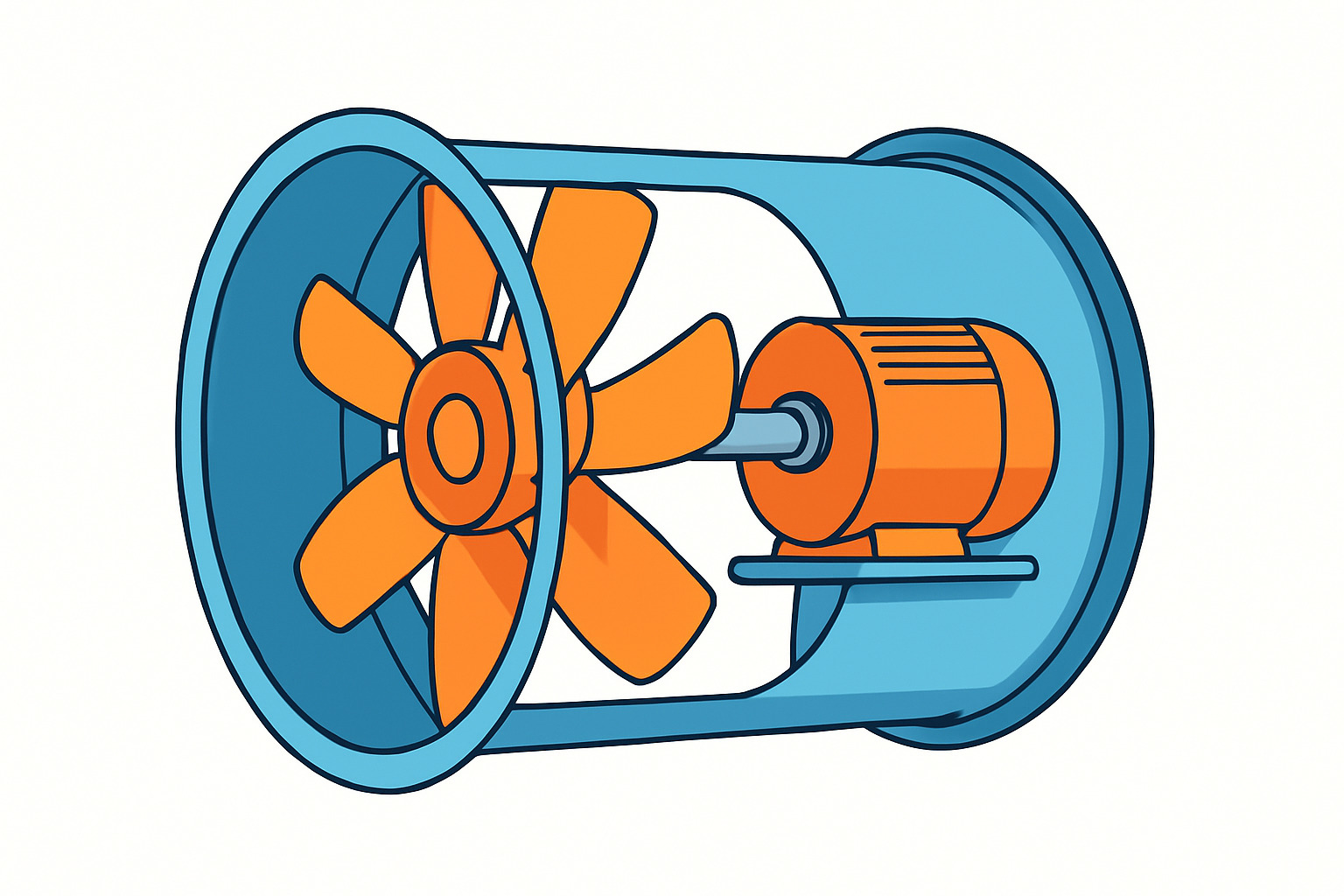
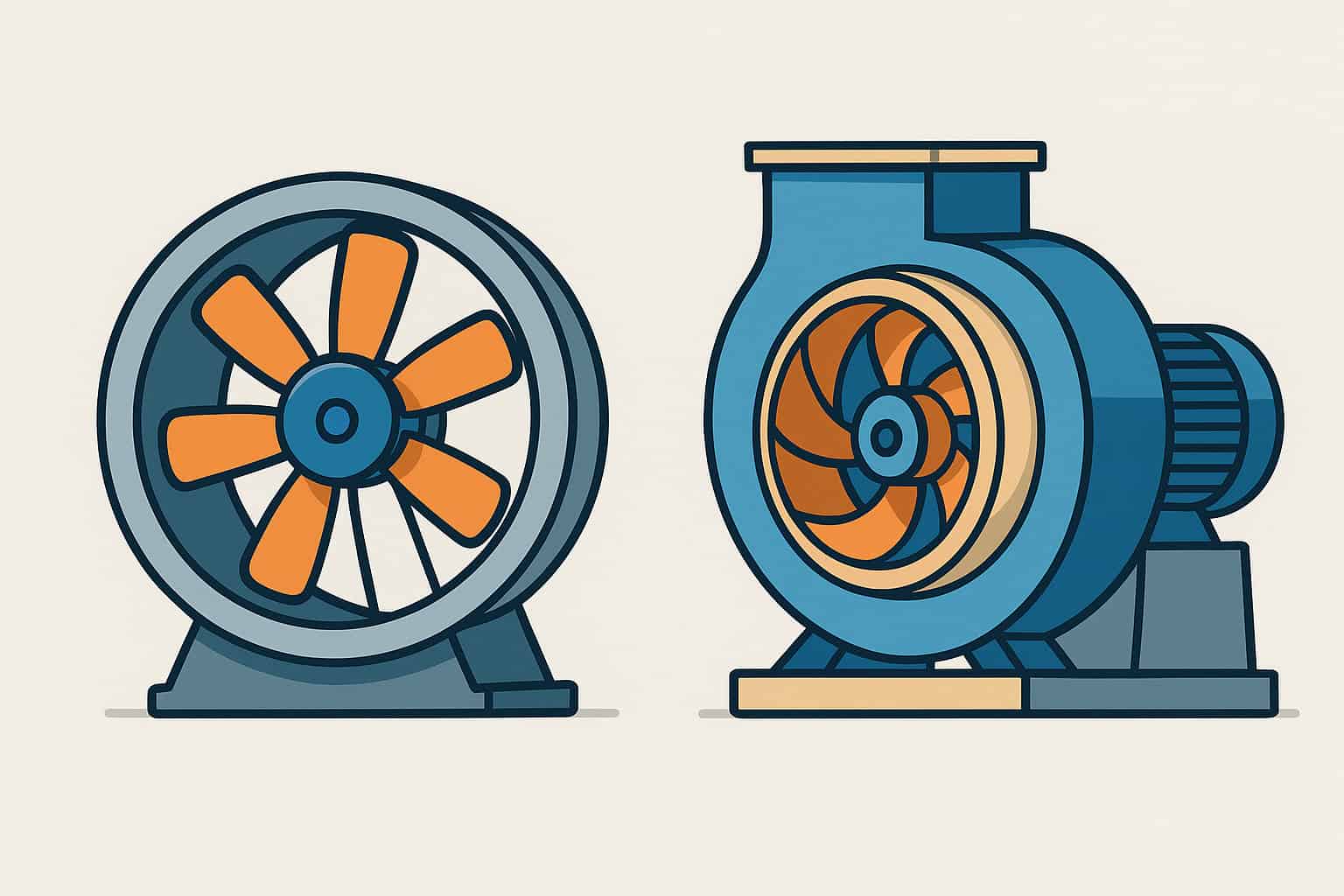
Industrial fans are more expensive than household fans because they are engineered as long-life machines for demanding environments, not as simple consumer products. In factories, power plants and mines, ventilation equipment must move huge volumes of air, often at higher pressures, for many hours per day in dusty, hot or corrosive conditions. That requires stronger materials, more precise engineering, stricter safety margins and more complex accessories, all of which add cost but also create value over the fan’s lifetime.
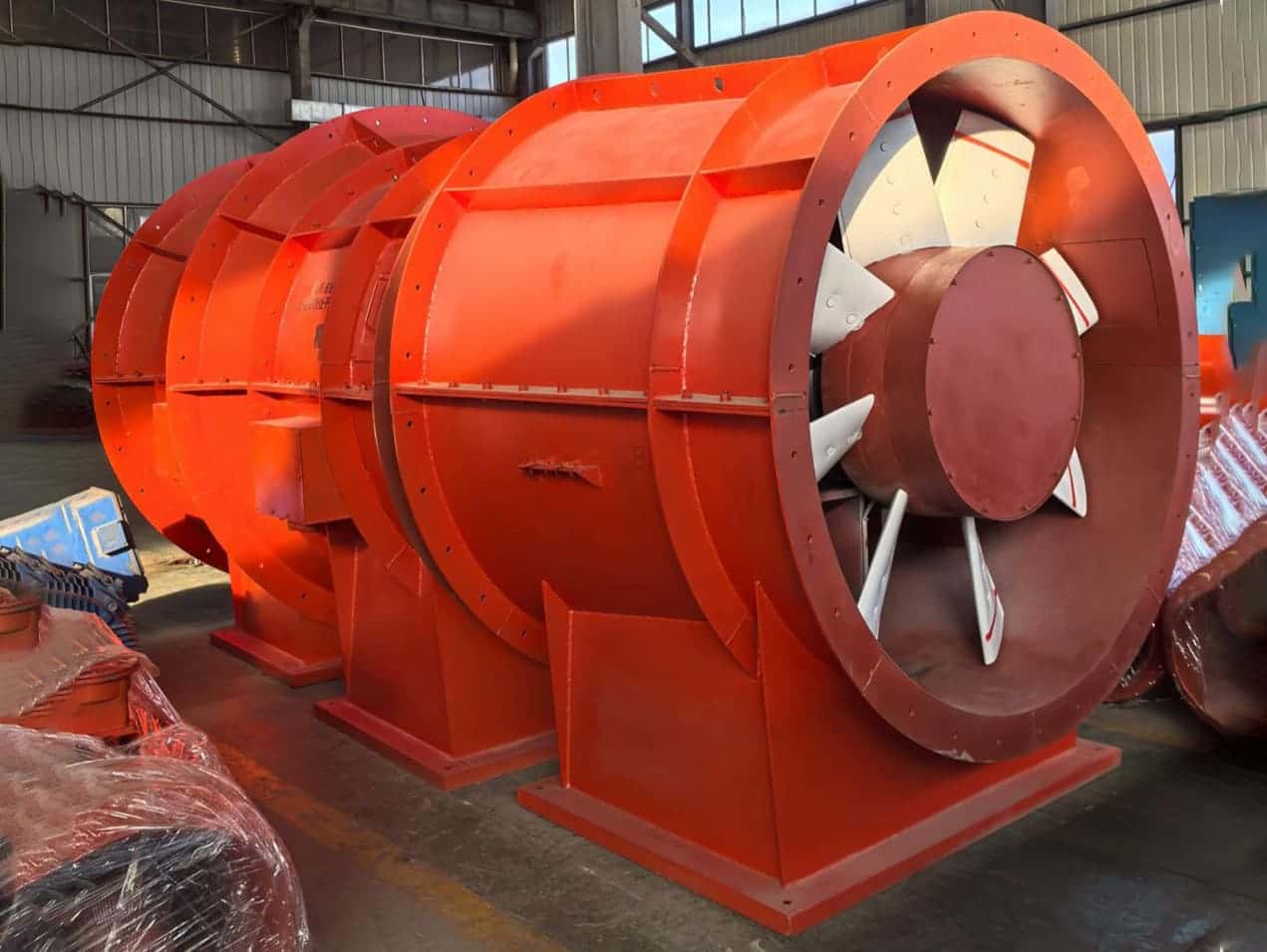
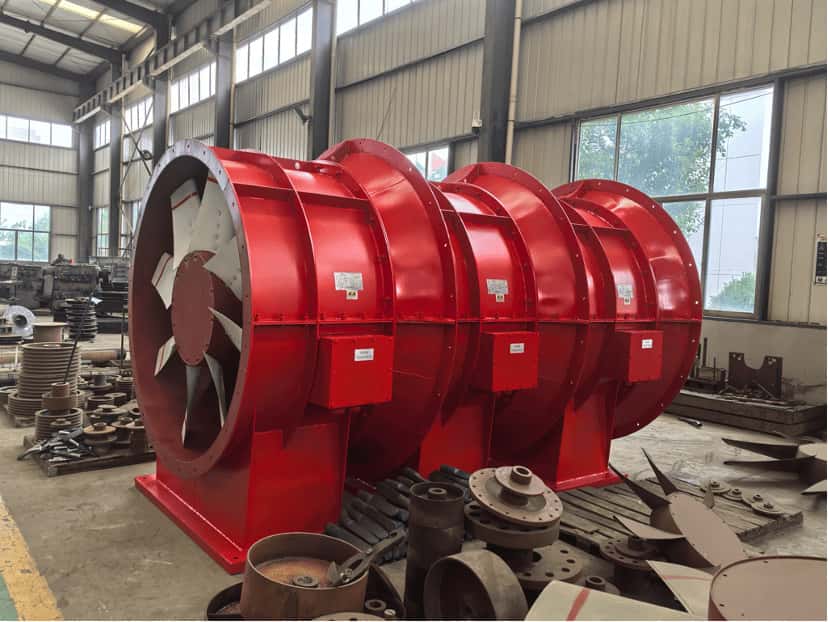
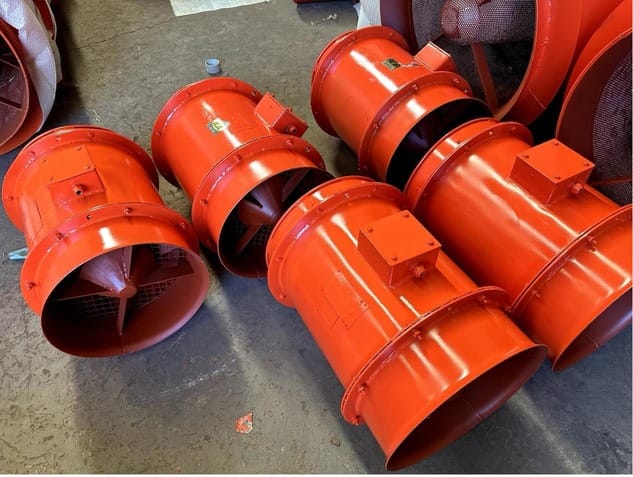
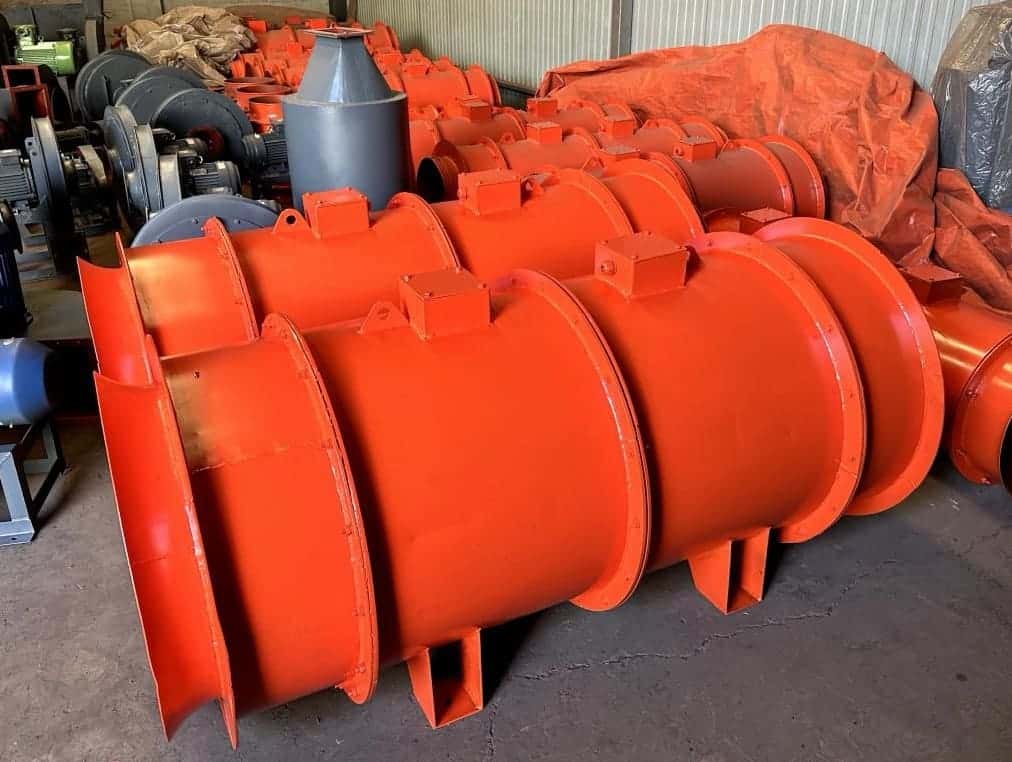
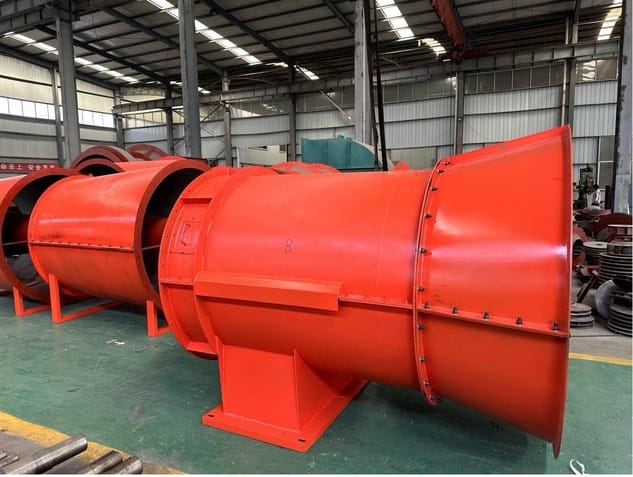
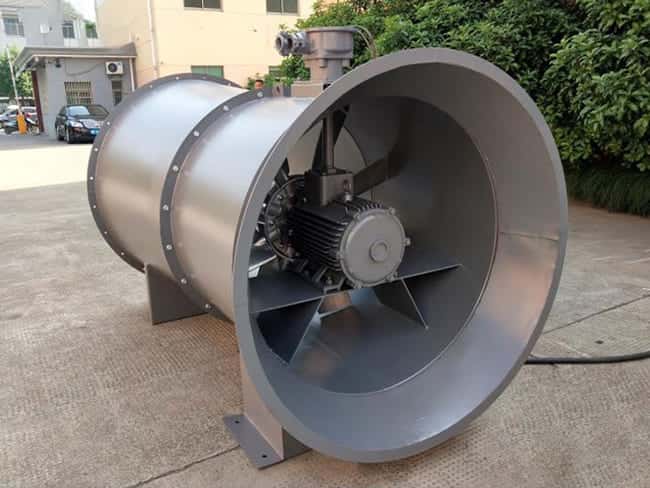
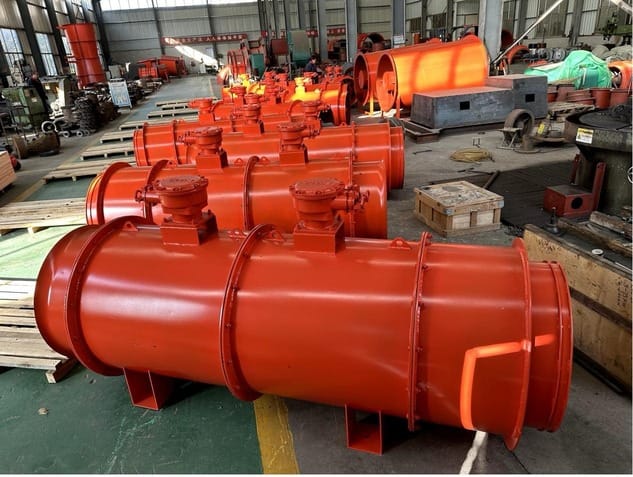
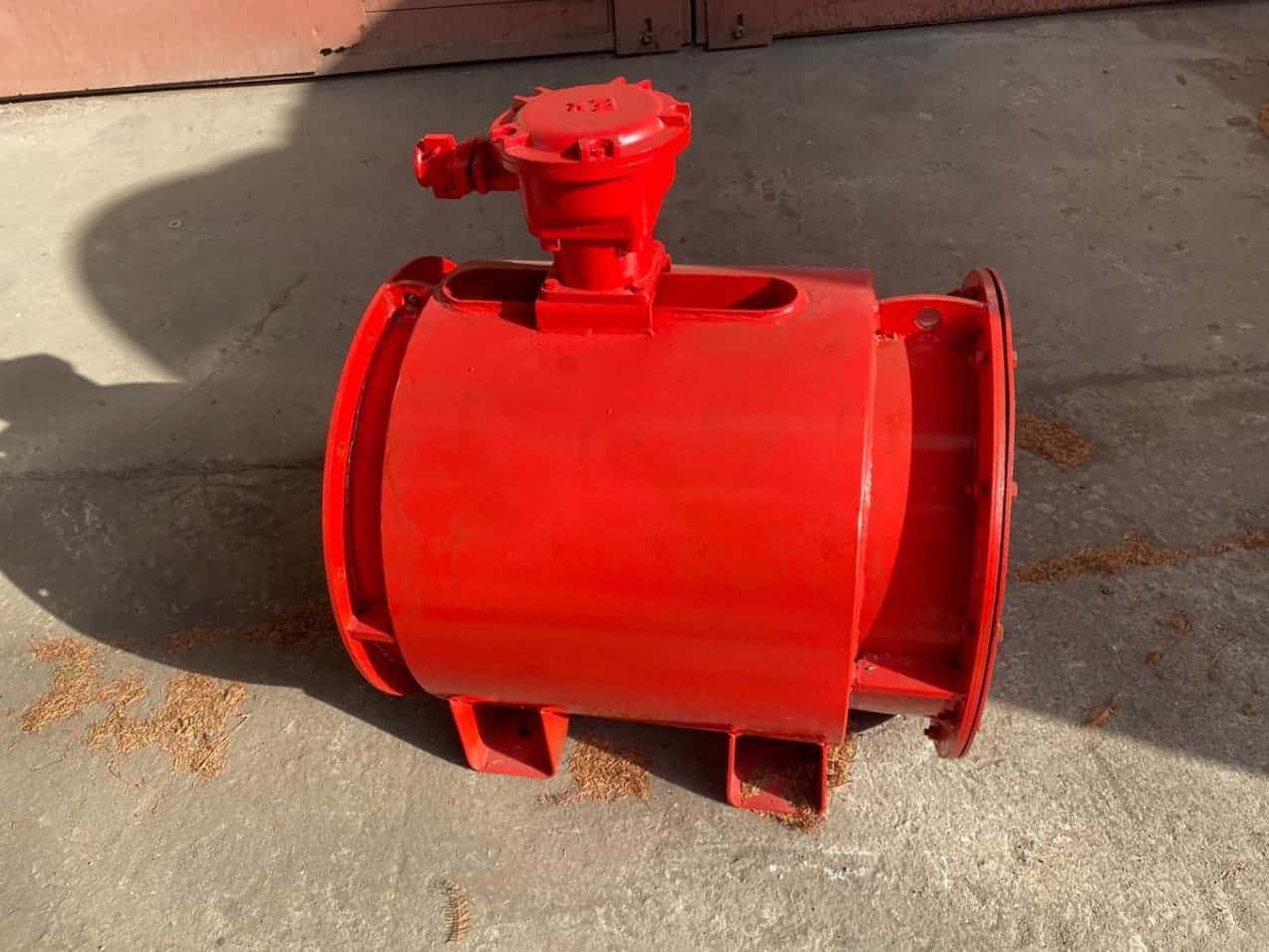
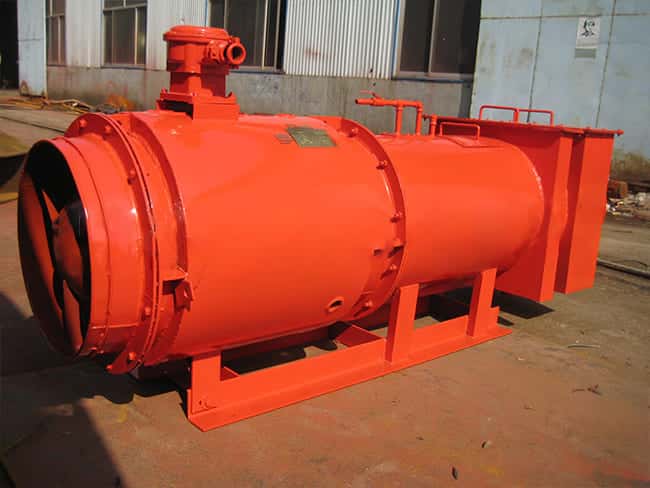
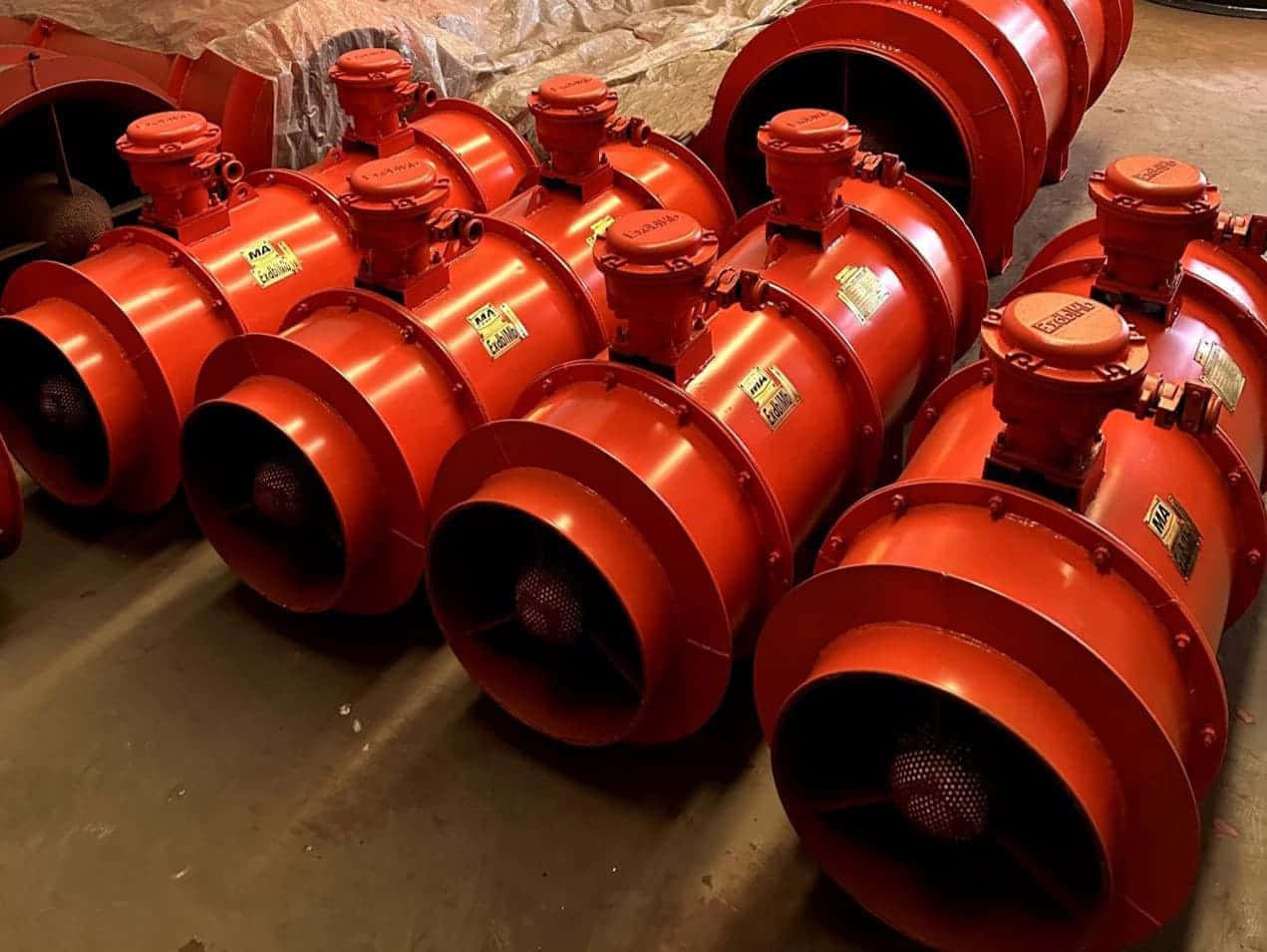
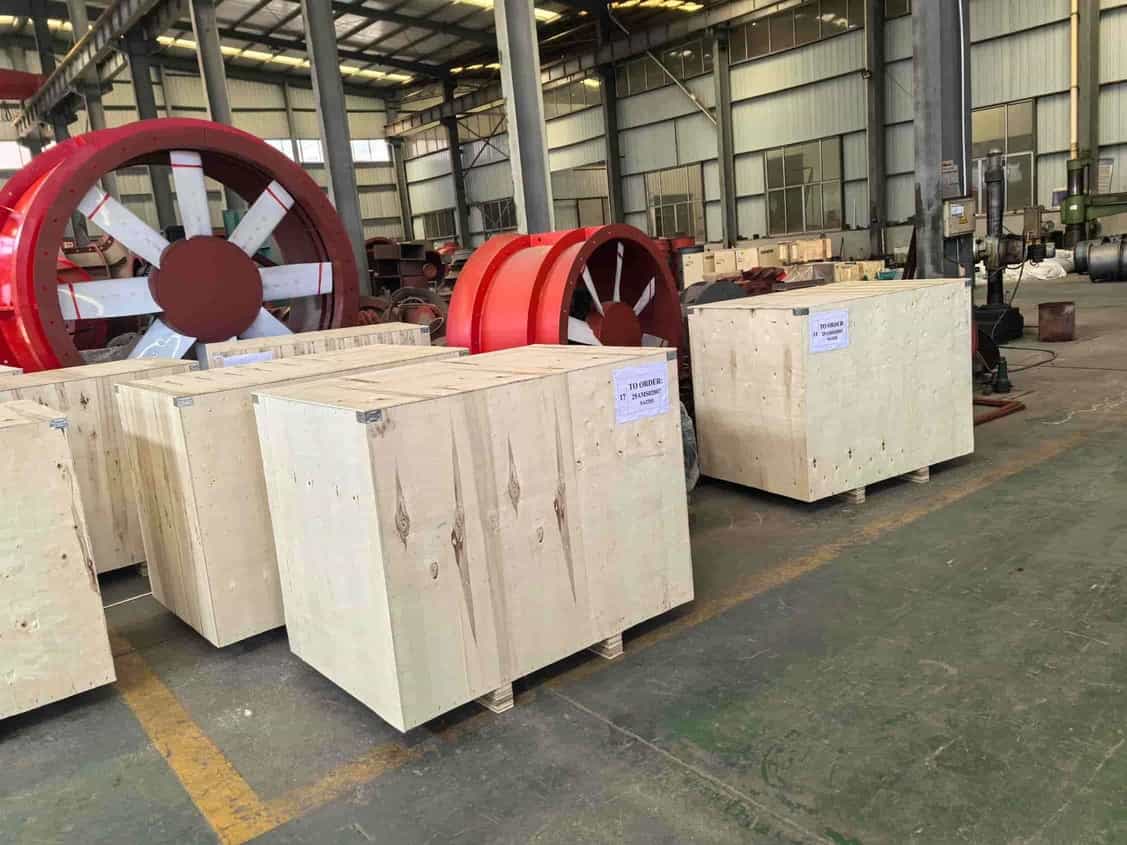
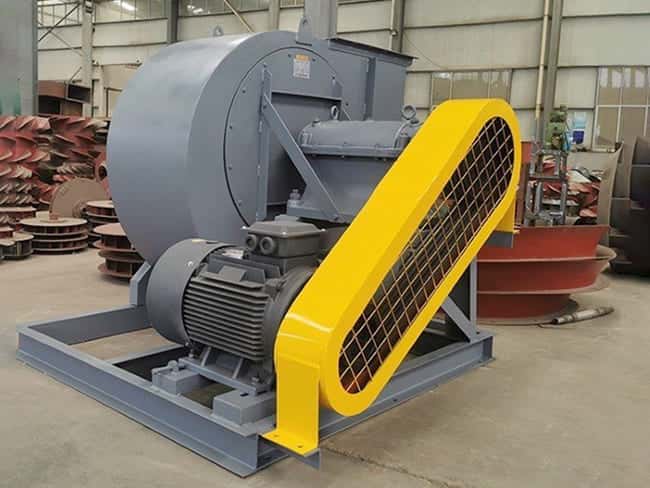
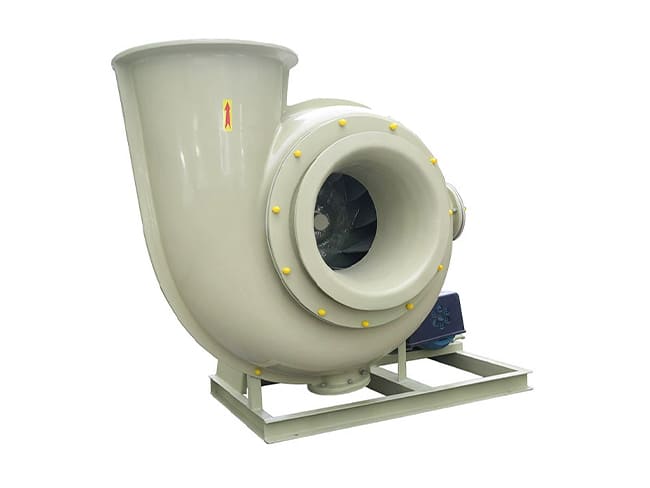
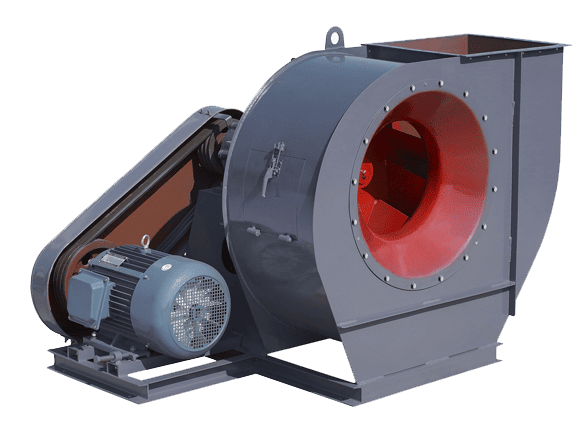
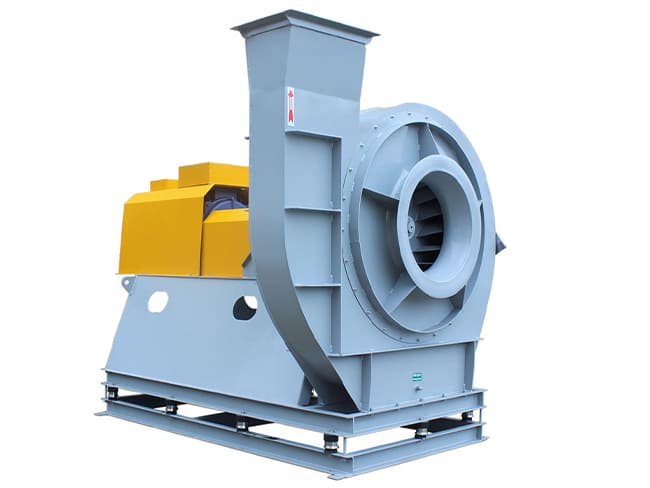
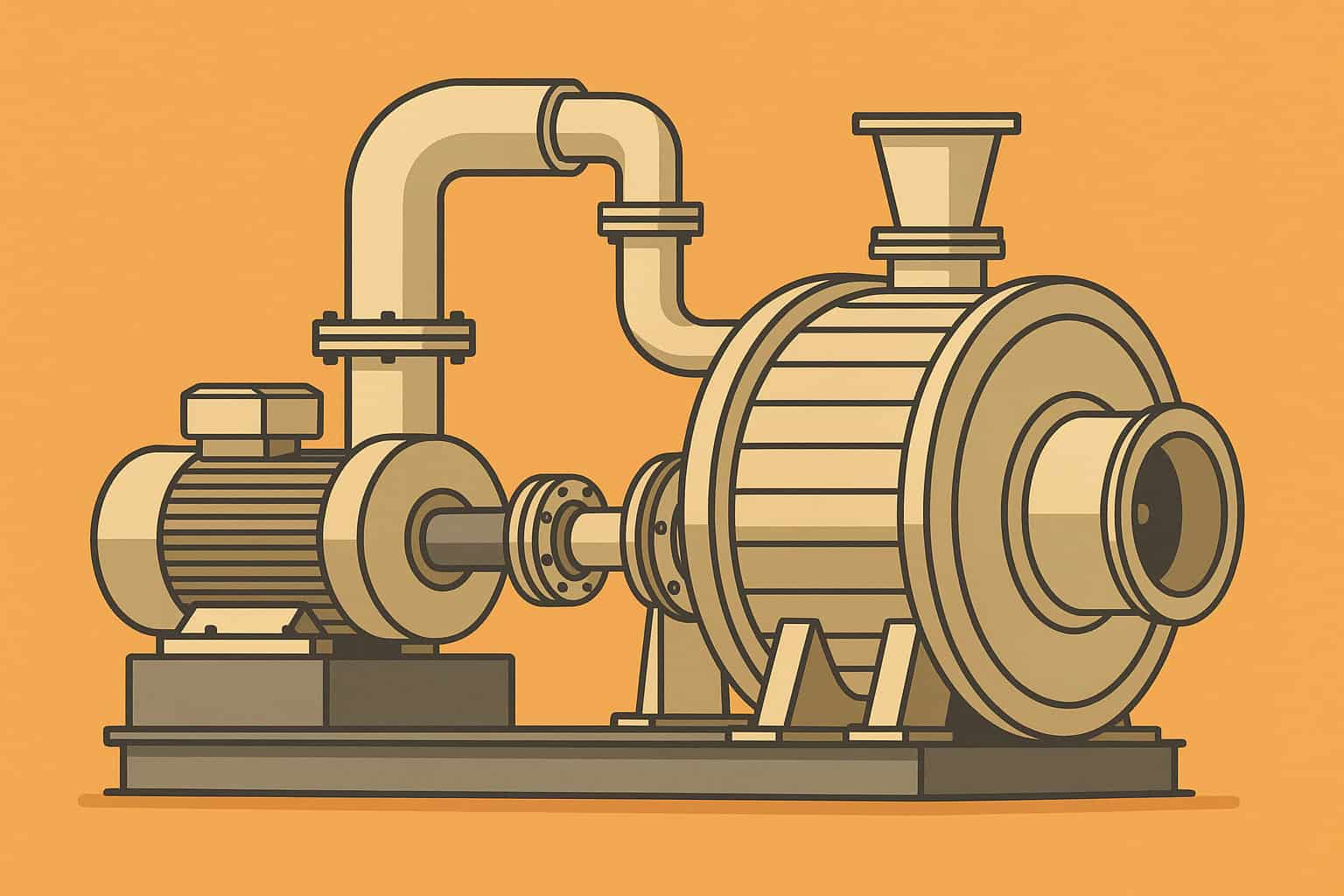
The first reason for higher cost is construction quality and materials. Industrial and mining fans use heavy-gauge steel or aluminium casings, thick impeller blades, robust welds and large shafts. Bearings, hubs and couplings are sized for continuous duty under high loads. In corrosive or underground environments, special coatings, stainless steel or wear-resistant liners are often specified. All of this makes the fan physically larger, heavier and more expensive to manufacture than a light-duty comfort fan.
Secondly, industrial fans are engineered to detailed performance requirements. Instead of simply providing a breeze, they must deliver a specific airflow and pressure at defined operating points in a complex duct or mine network. Manufacturers develop performance curves through testing, optimise impeller designs with aerodynamic tools and validate strength by stress analysis. This engineering work and testing infrastructure are reflected in the fan’s price, but they also ensure efficiency and reliability in real systems.
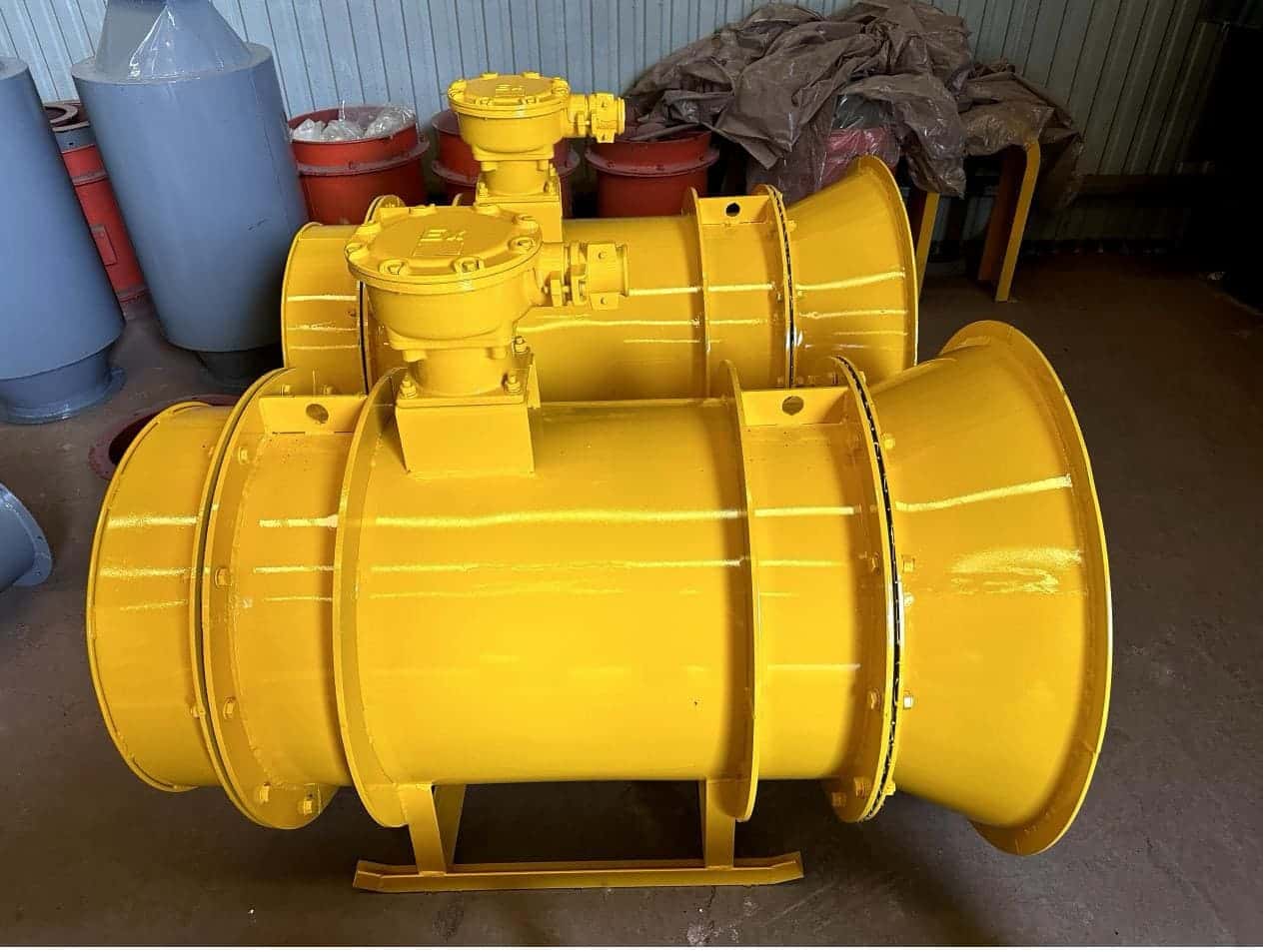
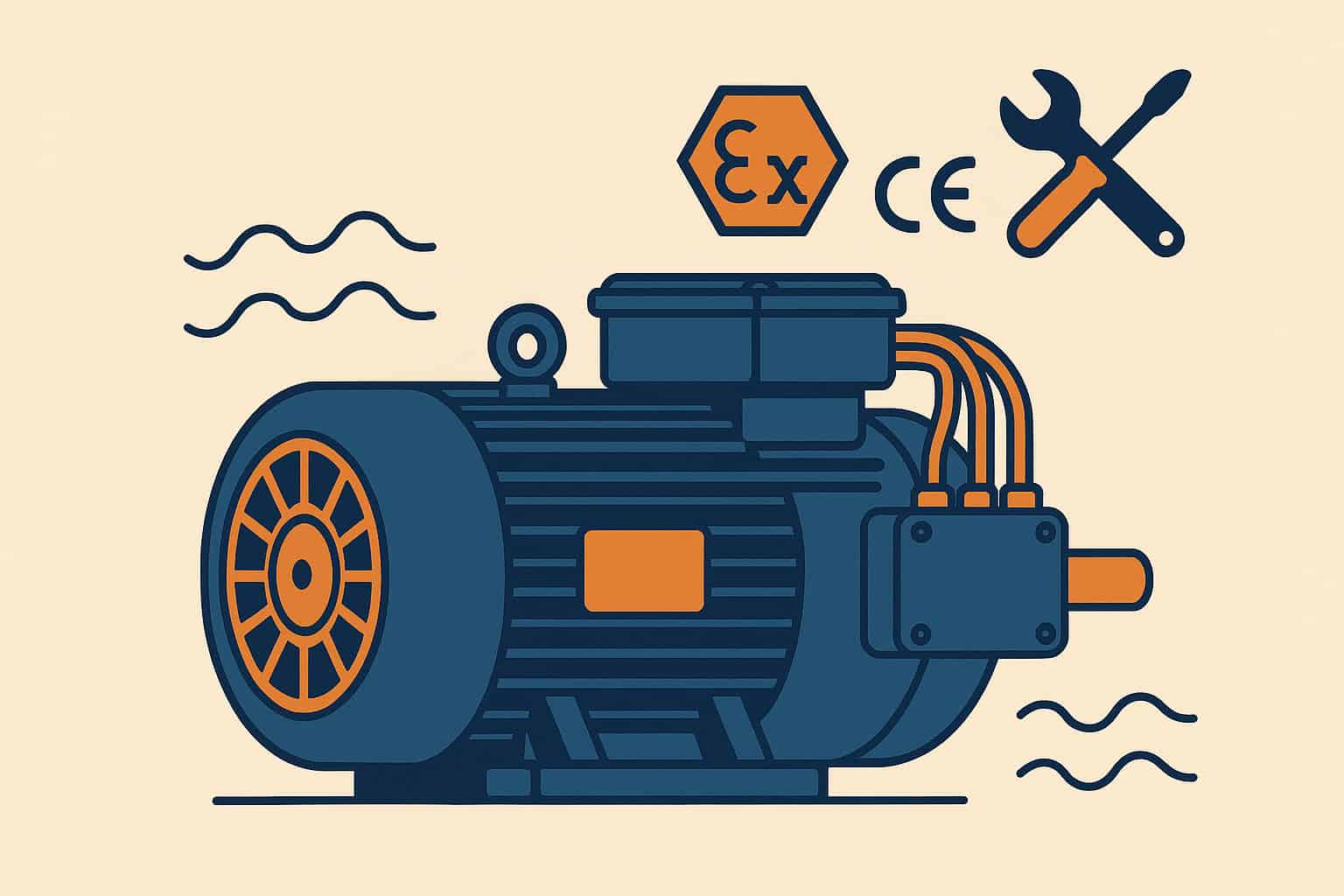
Another cost driver is safety and compliance. Many industrial and mining fans must meet standards for explosion protection, fire resistance, temperature ratings, noise limits or electrical protection. Explosion-proof motors, spark-resistant construction, certified bearings and enclosures, and documented quality systems all add cost. However, they are essential for safe use in environments with flammable gases, coal dust or other hazards.
Industrial fans also include advanced drives and controls. Variable-frequency drives, soft starters, instrumentation and monitoring devices allow operators to adjust speed, measure vibration and temperature, and integrate the fan into plant control systems. These features improve energy efficiency and reliability but require extra electrical and control equipment beyond the basic fan itself.
Finally, the apparent purchase price must be viewed in terms of life-cycle cost. A high-quality industrial fan may operate reliably for 10–20 years or more. Its true cost is spread over thousands of operating hours and many millions of cubic metres of air moved. A cheaper, lightly built fan might fail early, waste energy due to poor efficiency and cause costly downtime. In that sense, the higher upfront price of a proper industrial or mining fan is an investment in performance, safety and long-term operating economy.
In summary, industrial fans are expensive because they are heavy-duty, engineered products that must meet strict performance and safety demands in harsh environments, not because the basic idea of a fan is complicated. The extra cost reflects the quality and reliability required for serious ventilation work.