
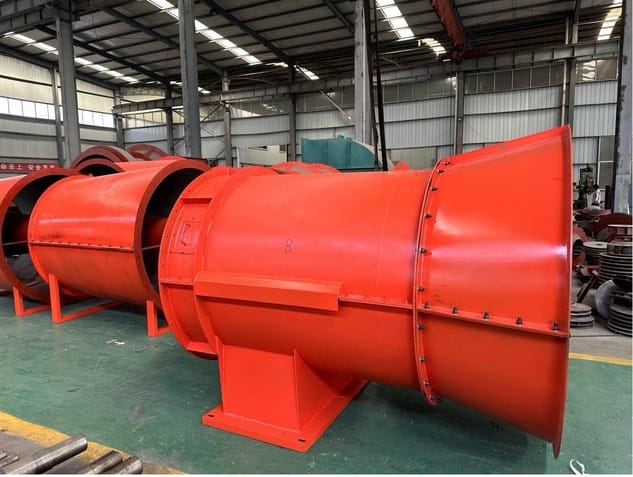
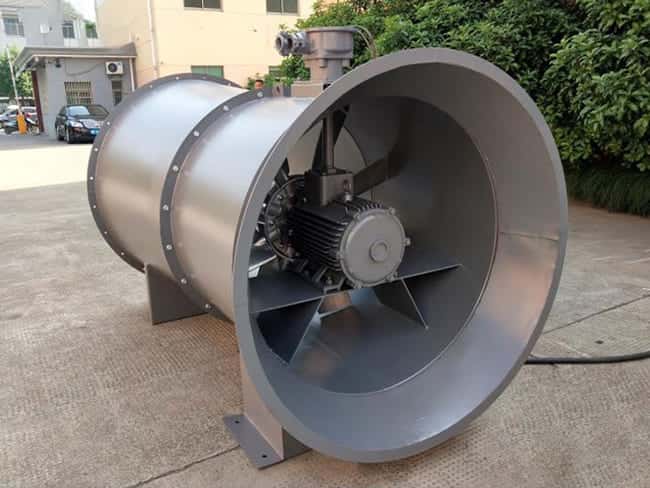
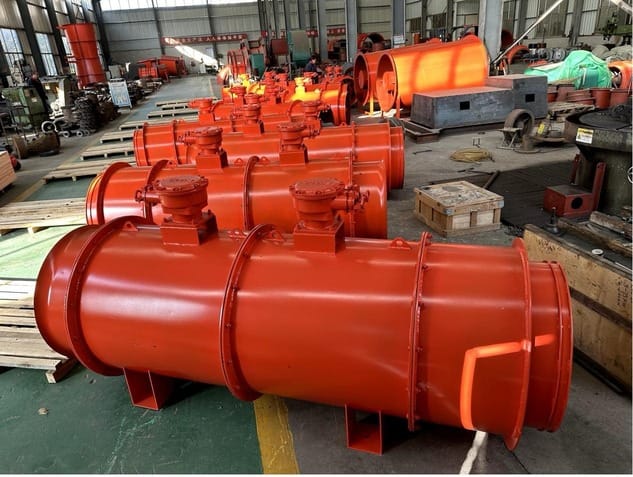
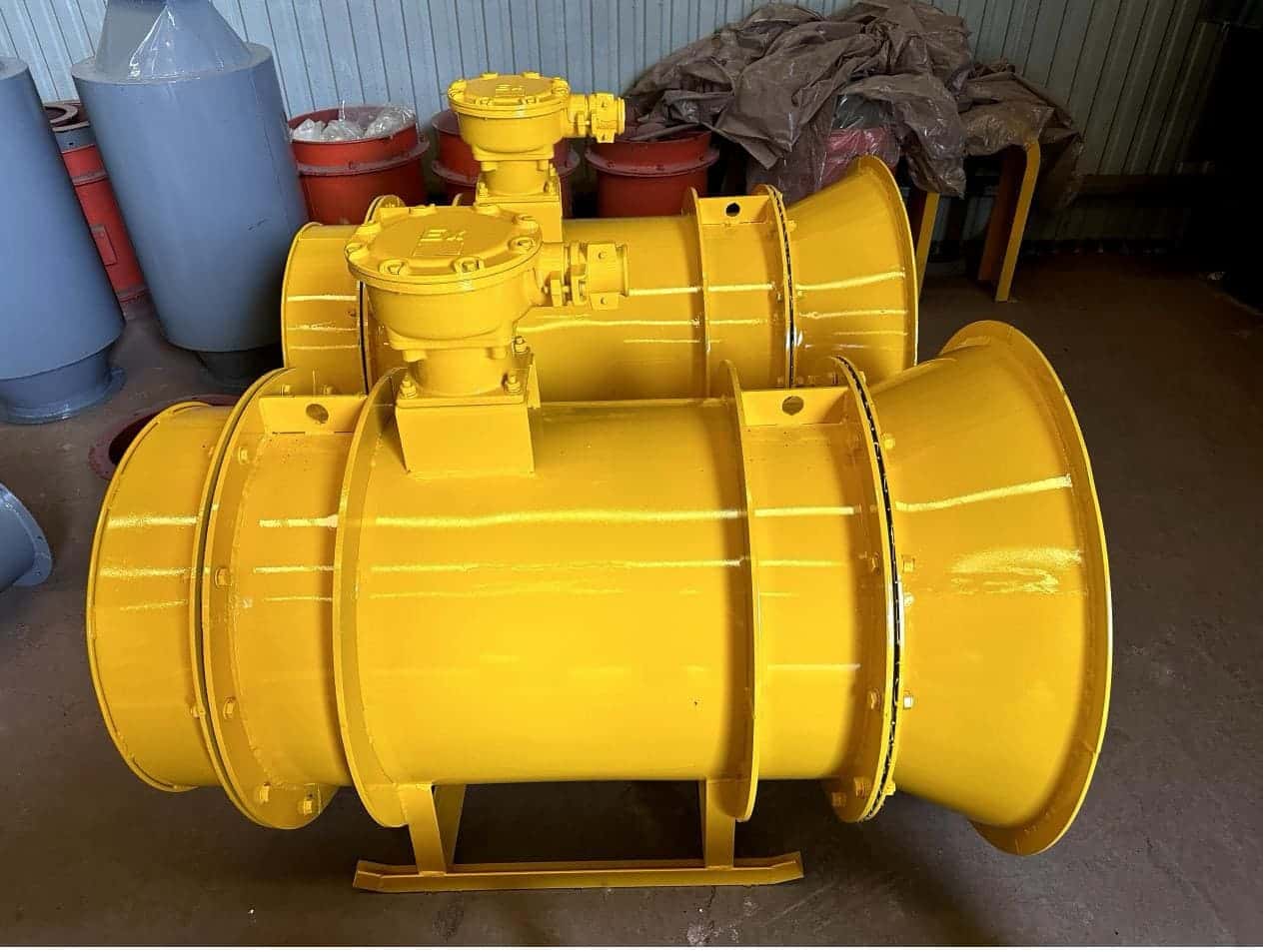
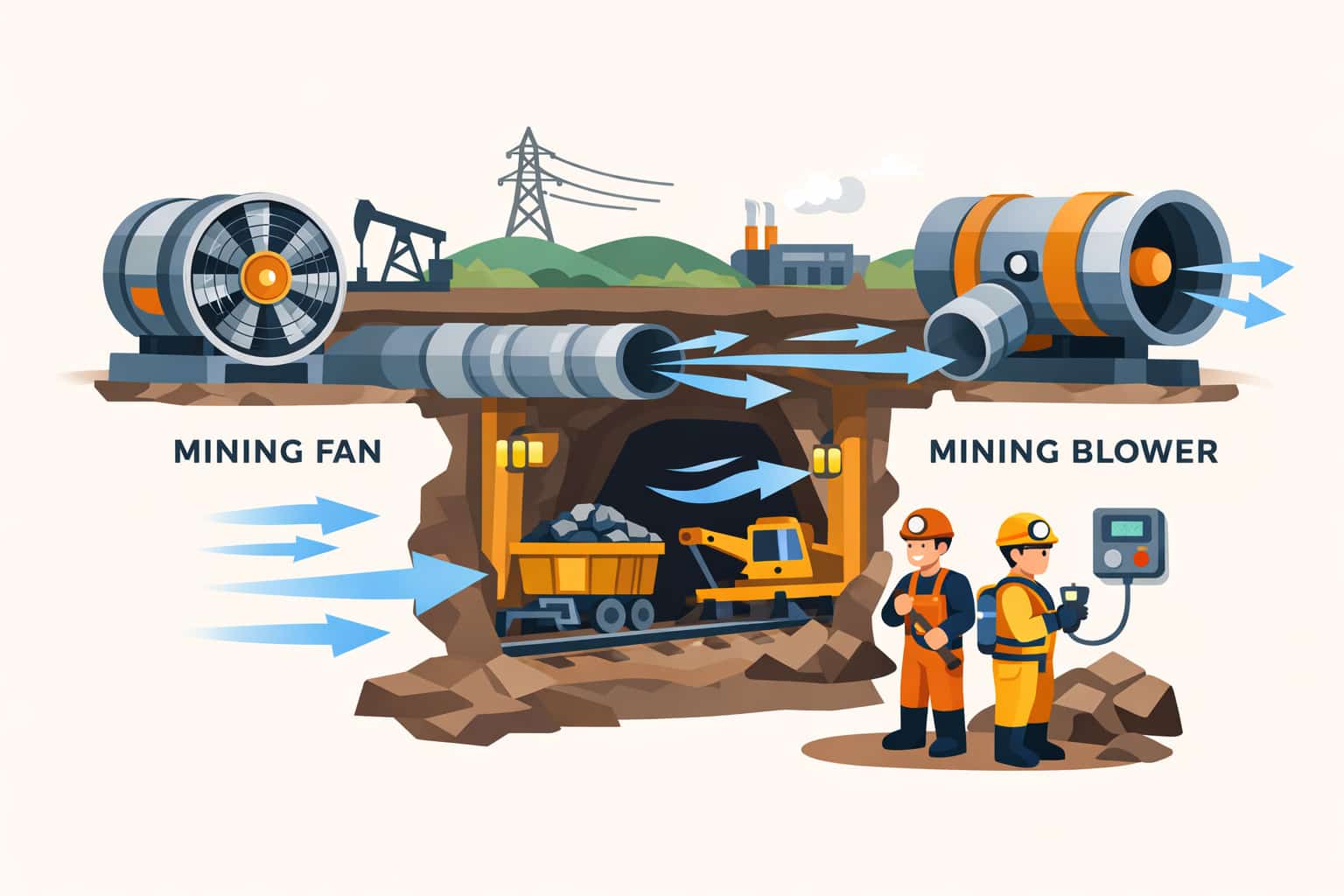
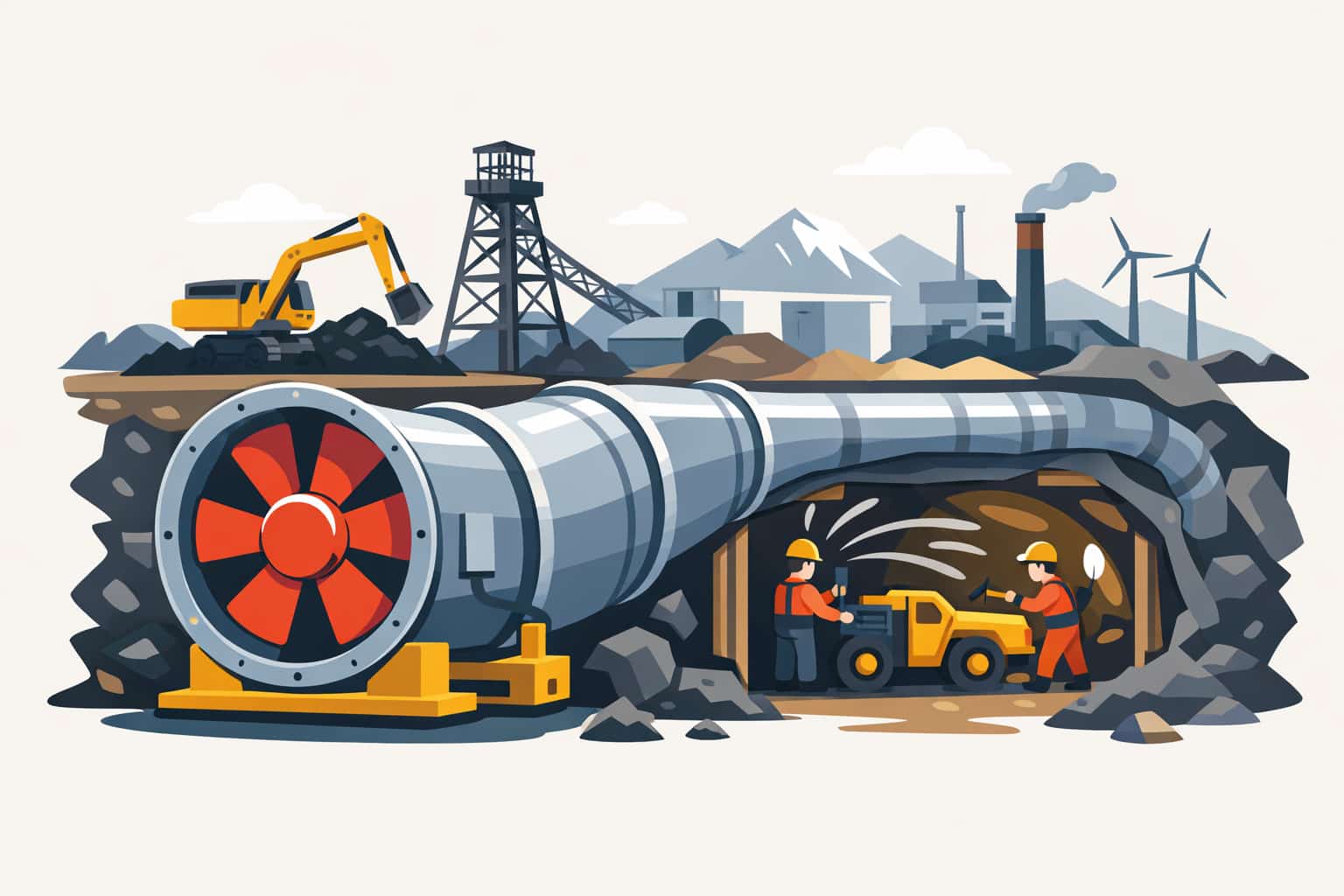
Miners need ventilation because underground environments do not naturally provide safe, breathable air at the scale required for modern mining. Ventilation is the primary engineering control that supplies fresh air, removes contaminated air, and keeps working areas safe and productive. Without reliable airflow management, harmful contaminants and heat can build up quickly in headings and districts.
1) To provide fresh air and oxygen
Underground workings can be isolated from natural airflow and may contain dead-end spaces where air movement is minimal. Ventilation ensures a consistent supply of fresh air to all occupied areas, supporting normal breathing and safe work conditions.
2) To dilute and remove harmful contaminants
Mining activities generate airborne hazards that must be controlled:
- Dust: drilling, blasting, loading, and crushing can produce respirable dust that affects long-term health. Ventilation helps dilute and transport dust away from workers, especially when combined with dust suppression and filtration methods.
- Diesel exhaust: diesel equipment produces gases and particulate that can accumulate in poorly ventilated zones. Ventilation reduces concentration by continuous dilution and removal through return airways.
- Blasting fumes: after blasting, gases and fumes must be cleared before re-entry. Proper airflow helps remove these products efficiently and reduces downtime.
3) To control heat and humidity
As mines go deeper, heat from surrounding rock and equipment increases, and humidity can rise due to water inflow and process activities. Ventilation is a key tool for managing thermal conditions and reducing heat stress risk. Even when mechanical cooling is used, airflow still distributes cool air and removes heat from working zones.
4) To maintain visibility, comfort, and productivity
Good ventilation improves visibility by reducing dust and haze, supports safe equipment operation, and reduces fatigue in hot or humid environments. This directly affects production efficiency and safety performance.
5) To support safe system control and emergency readiness
Ventilation is also about control: maintaining stable airflow direction and predictable pressure relationships across the mine. This stability helps prevent contaminated air from flowing into intake routes and supports emergency management. When fans stop unexpectedly, clear procedures for evacuation, monitoring, and controlled re-entry rely on having a defined ventilation plan.
6) To protect the mine itself
Ventilation can reduce corrosion and moisture issues in certain areas and helps manage smoke pathways in the event of fire. It also supports proper operation of ventilation control devices and district separation strategies.
In summary, miners need ventilation to keep underground air breathable and safe by supplying fresh air, removing dust and exhaust, clearing fumes, controlling heat, and maintaining stable airflow pathways. It is one of the most fundamental safety systems in underground mining and must be engineered, monitored, and maintained as the mine evolves.