












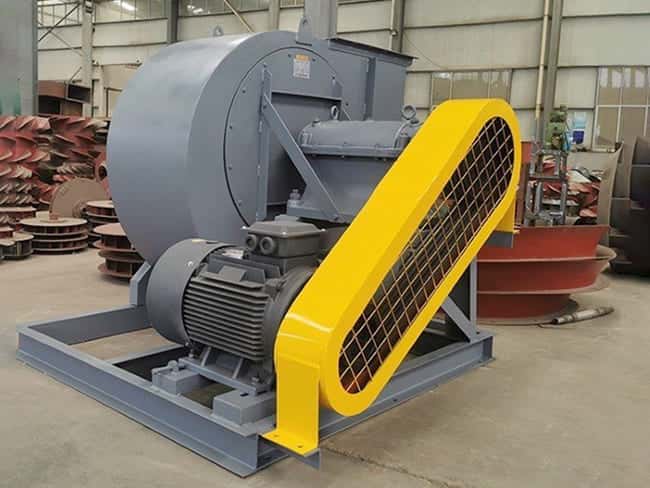
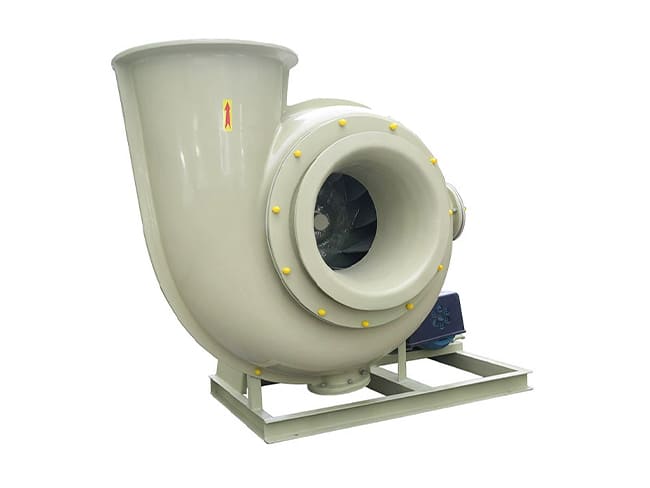
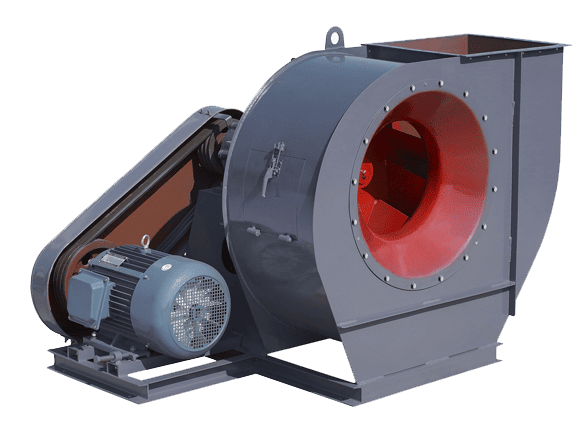
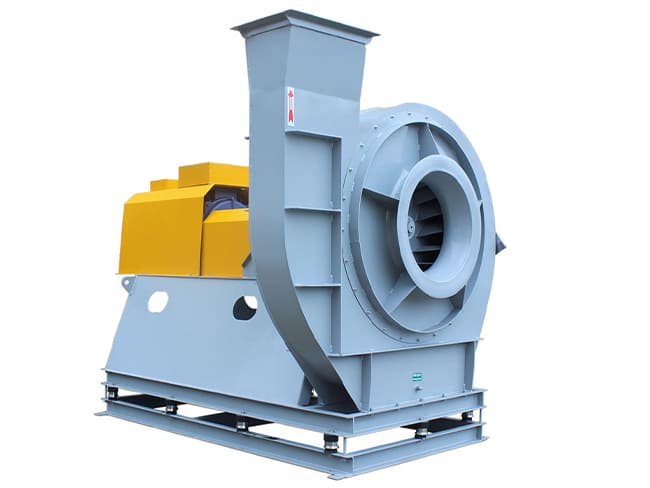
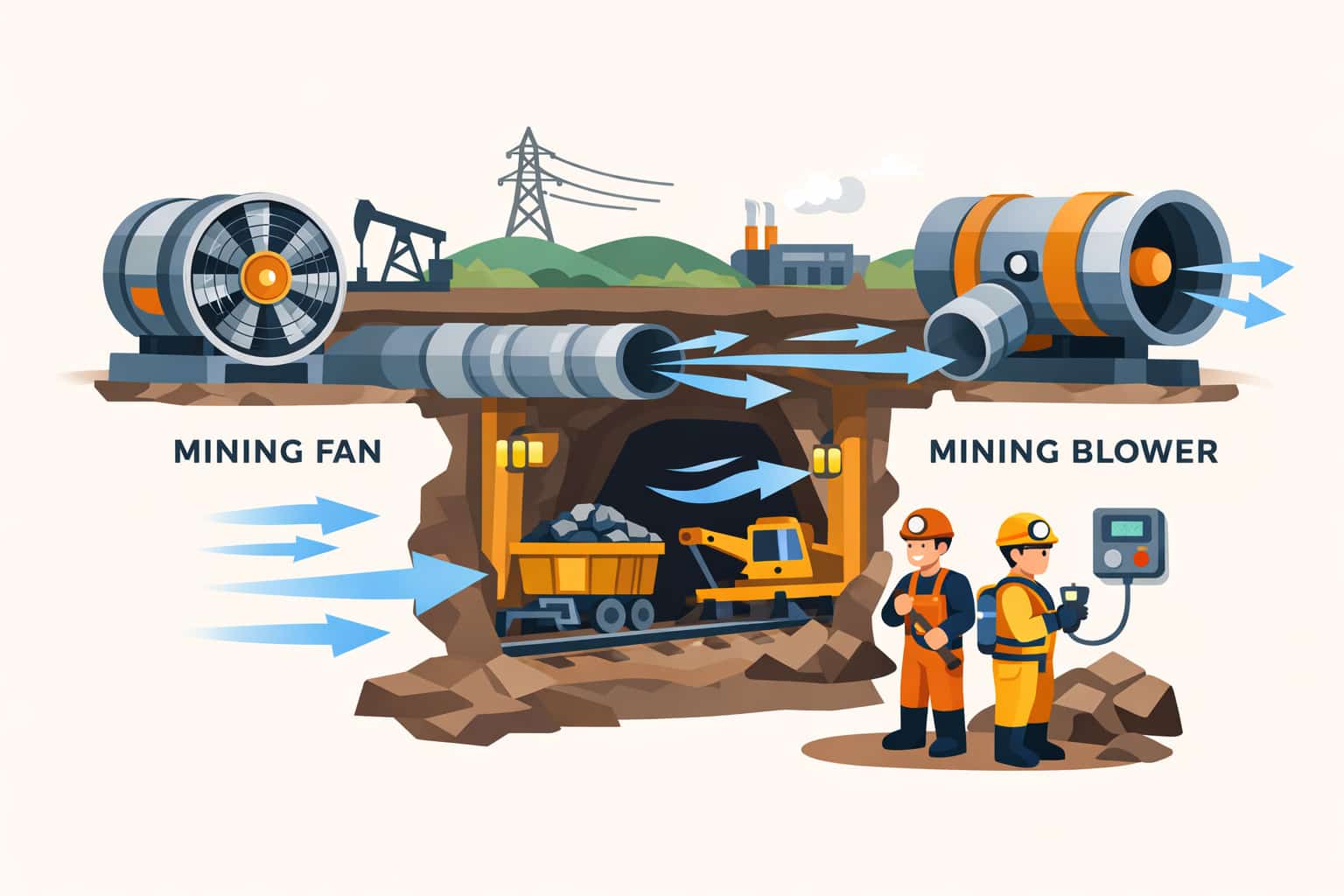
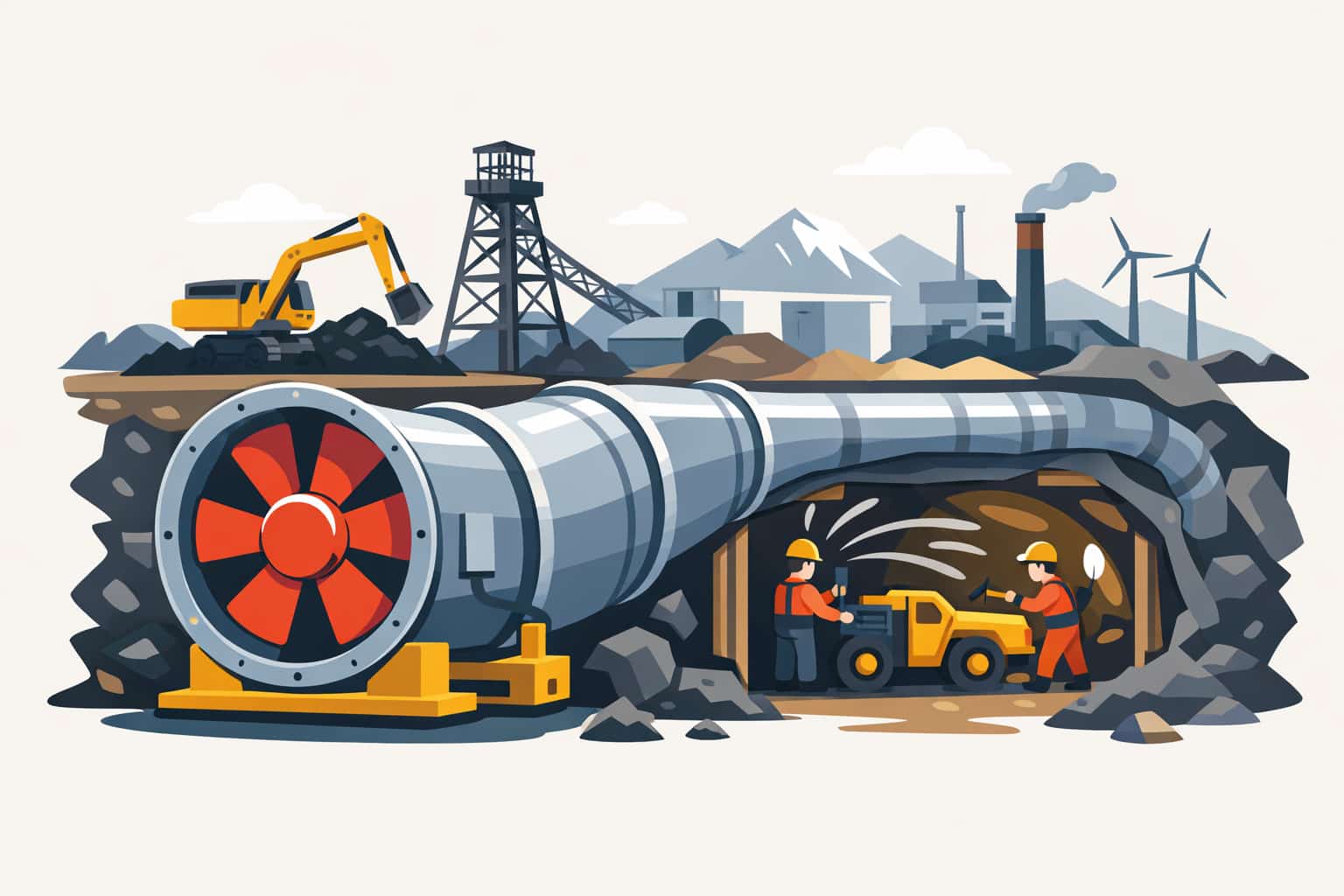
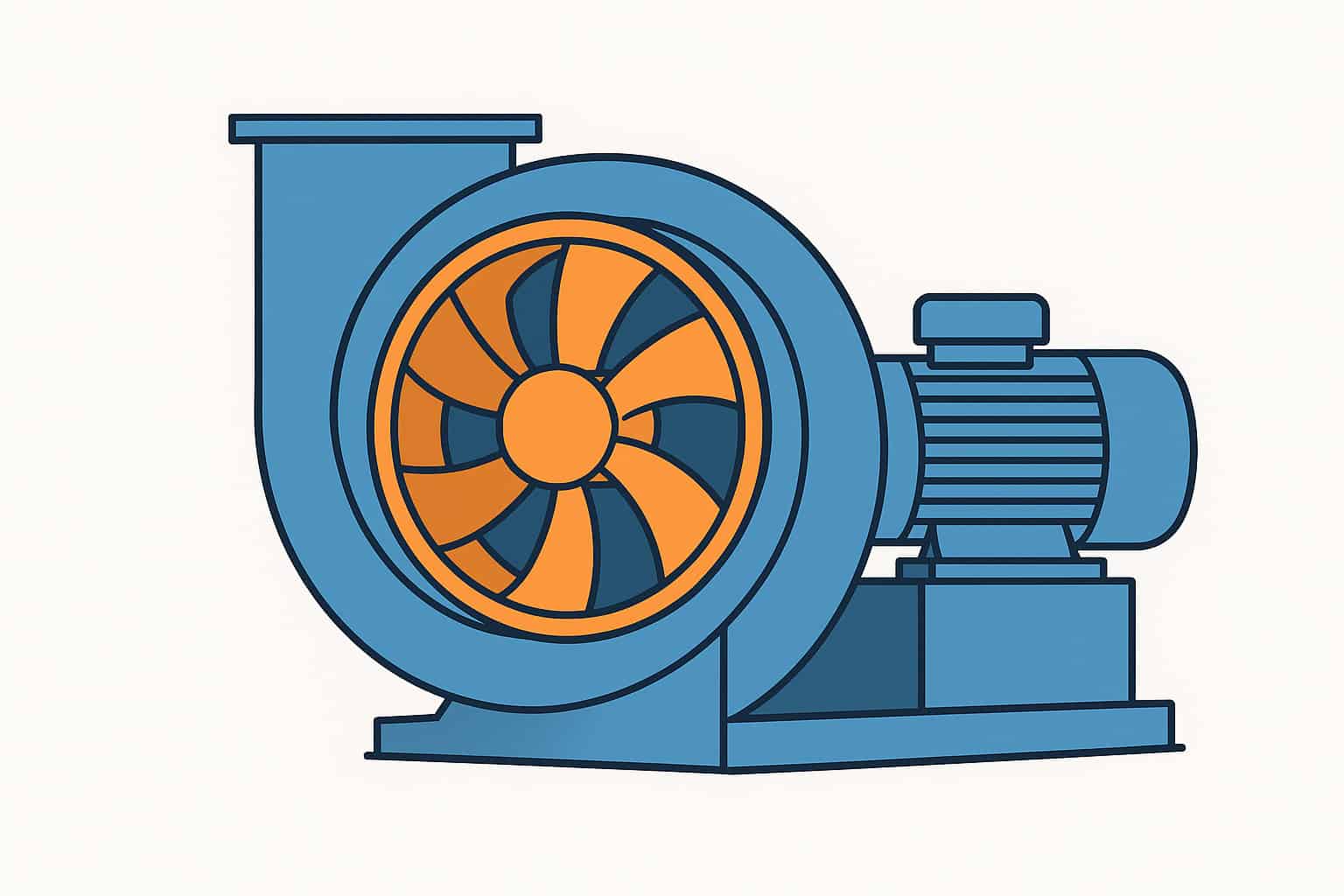
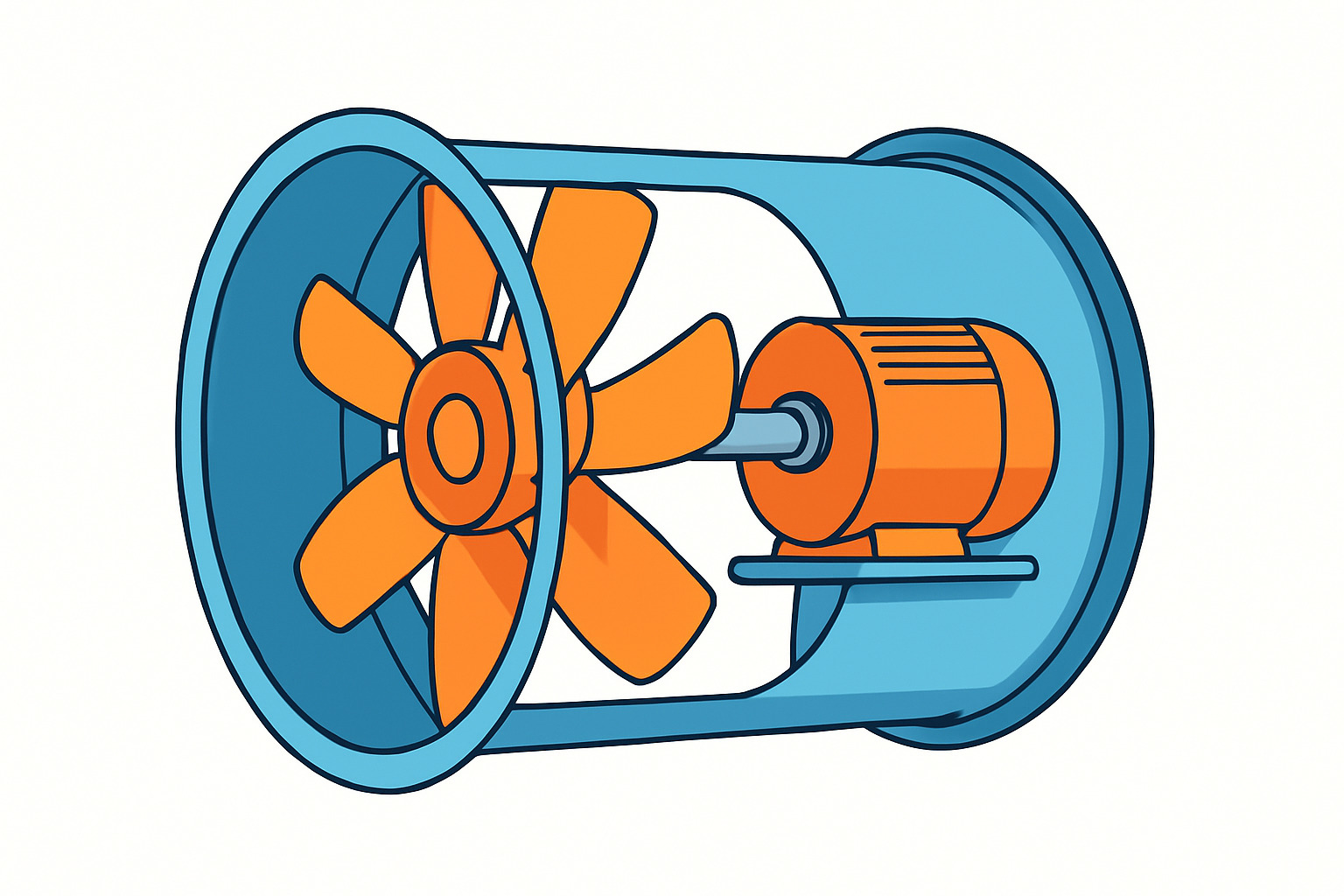
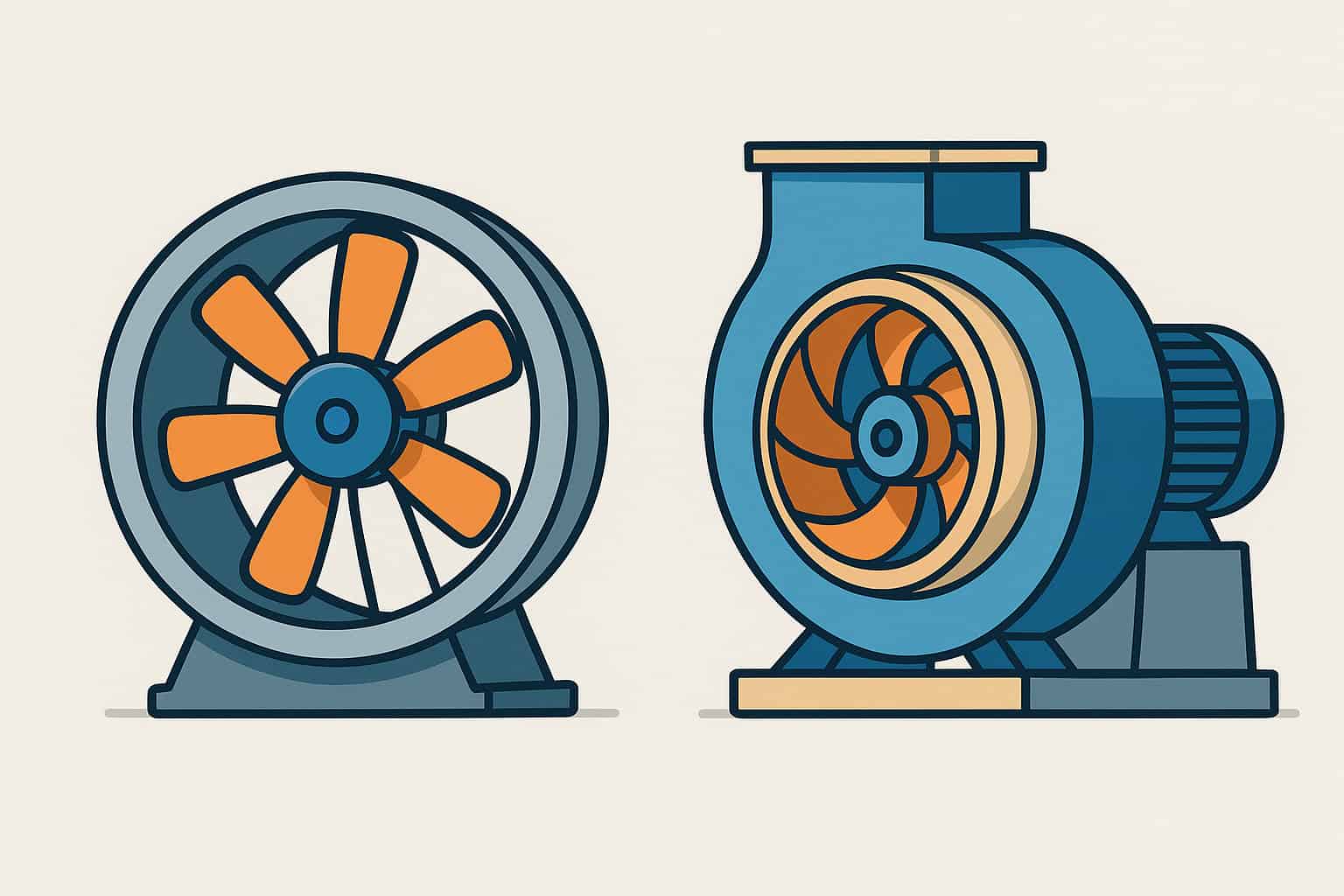
Mines need ventilation because underground workings are enclosed spaces where the atmosphere can quickly become unsafe without a controlled supply of fresh air and removal of contaminants. Unlike open pits or surface plants, air in an underground mine cannot circulate freely. Every metre of depth and every additional heading increases the risk that gases, dust and heat will accumulate. Ventilation, driven by mining fans and designed airways, is what makes modern underground mining possible.
The first reason mines need ventilation is to provide breathable air. Oxygen is consumed by workers, diesel engines, explosives and natural oxidation of rock and coal. Without continuous airflow from intake shafts and portals, oxygen levels would decline and carbon dioxide would increase, causing fatigue, impaired judgment and eventually life-threatening conditions. A properly designed ventilation system ensures that fresh air reaches all active workplaces.
Ventilation is also essential to dilute and remove hazardous gases. Many orebodies and coal seams release methane or other gases. Diesel engines and explosives produce carbon monoxide, nitrogen oxides and additional fumes. These gases can be toxic or explosive at relatively low concentrations. Mine ventilation fans move large volumes of air through intake and return circuits to keep gas levels below regulatory limits and to prevent explosive mixtures from forming.
A third critical reason is dust and particulate control. Drilling, blasting, loading and crushing generate fine rock dust; diesel engines add particulate emissions. Long-term exposure to high dust levels can cause serious lung diseases. Ventilation airflow, combined with water sprays and local dust collection, reduces dust concentrations in the breathing zone and maintains visibility in haulages and production areas.
Ventilation is also needed for heat and humidity management. Rock temperature increases with depth, and mining equipment produces substantial heat. Water inflows and process activities add humidity. Ventilation removes heat and moisture from headings, machine chambers and electrical rooms and may work together with refrigeration systems in deep or hot mines. Without adequate ventilation, temperatures underground can become intolerable and equipment reliability can suffer.
Finally, mines need ventilation for emergency response and fire control. The way air moves in a mine determines how smoke and toxic gases spread during fires or explosions. Ventilation plans specify how main and auxiliary fans, regulators and doors should be operated in emergencies to keep escape routes tenable and support rescue operations.
In summary, mines need ventilation to supply fresh air, dilute and remove gases and dust, control heat and humidity, and provide a controllable airflow pattern for emergencies. Mine ventilation fans, shafts and airways together form a life-support system for underground mining operations.
