
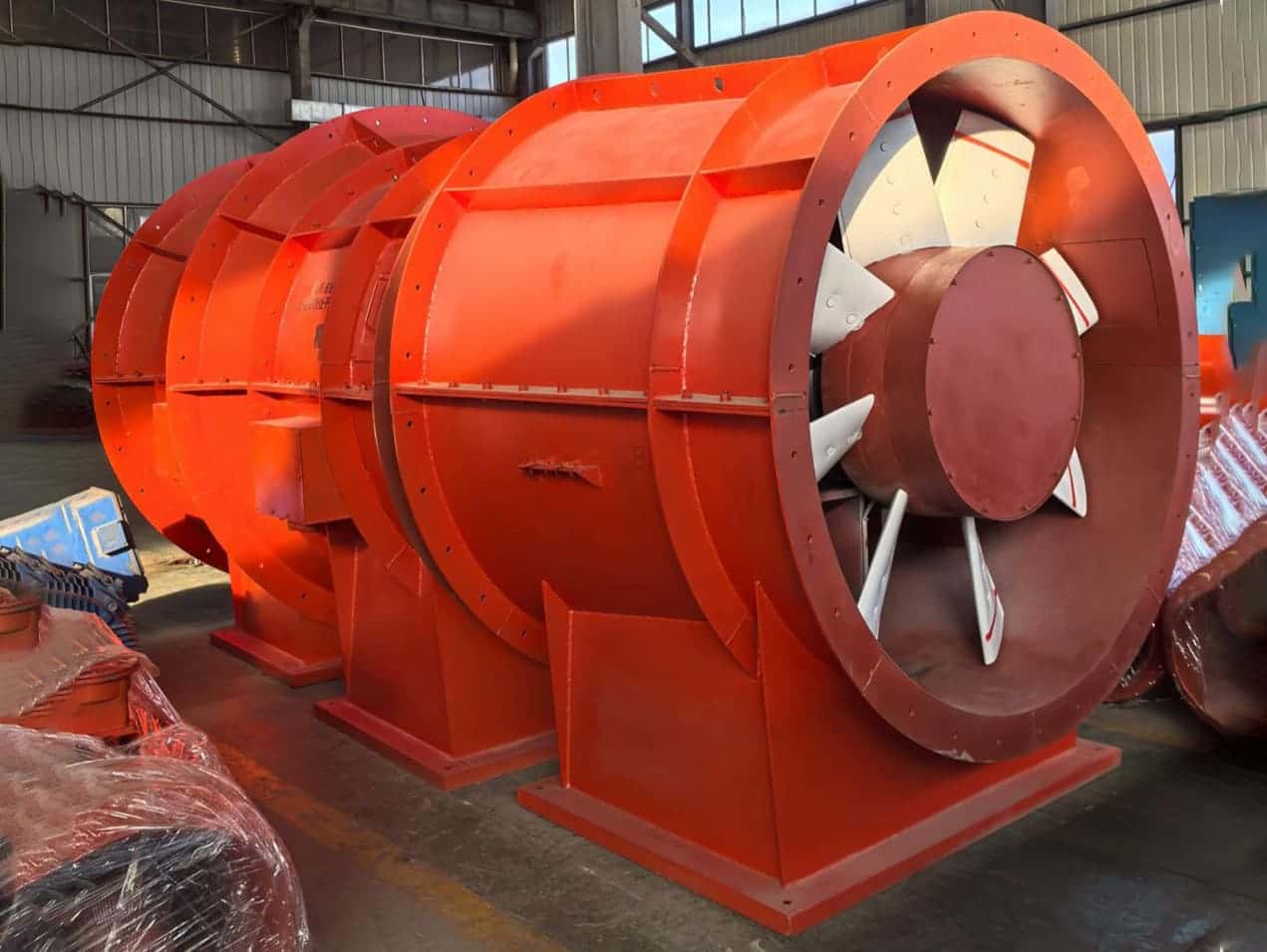
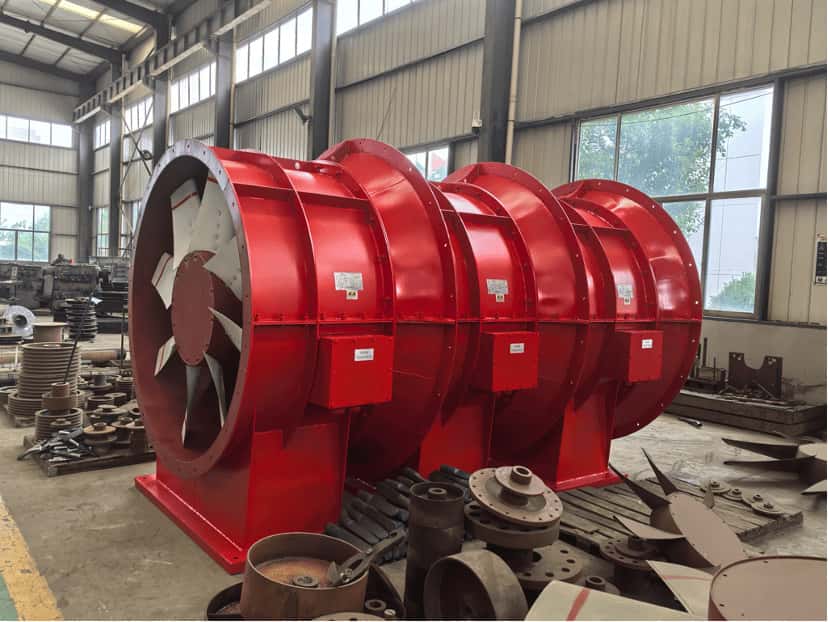
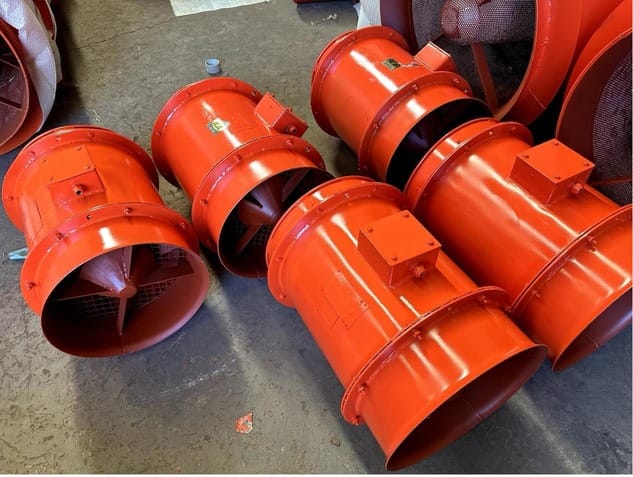
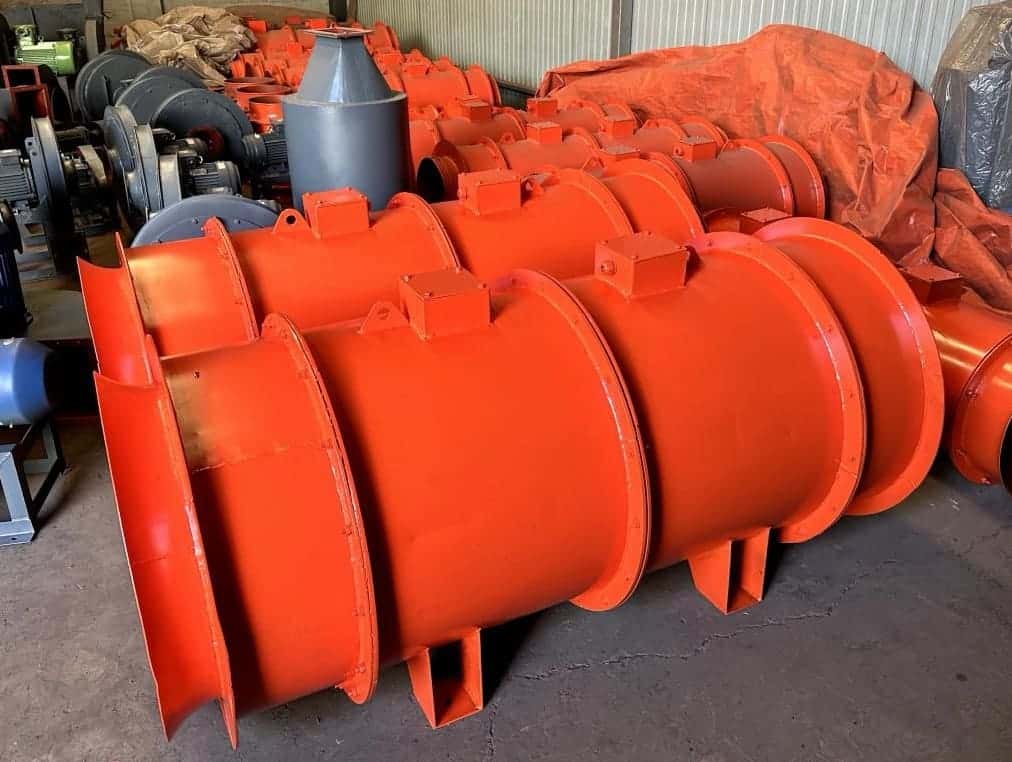
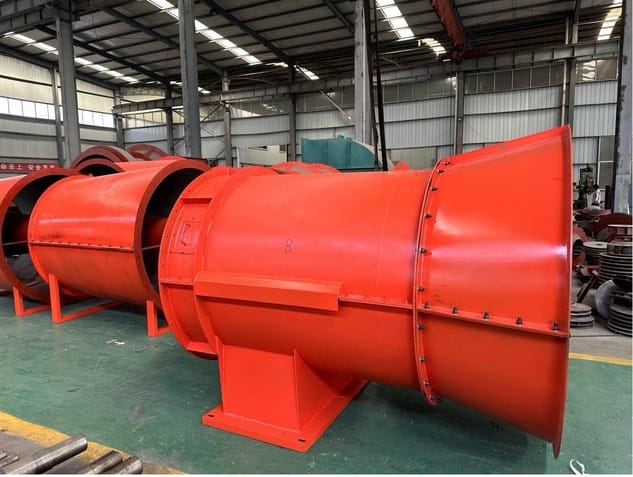
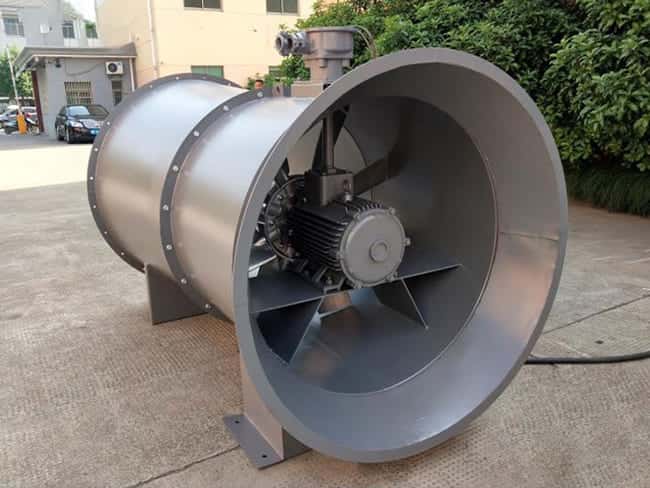
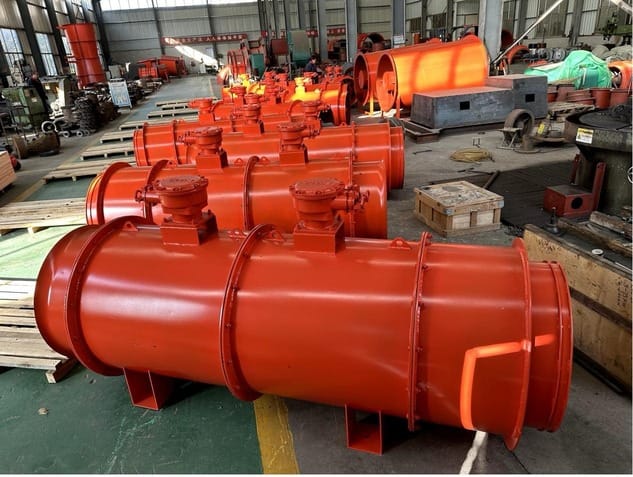
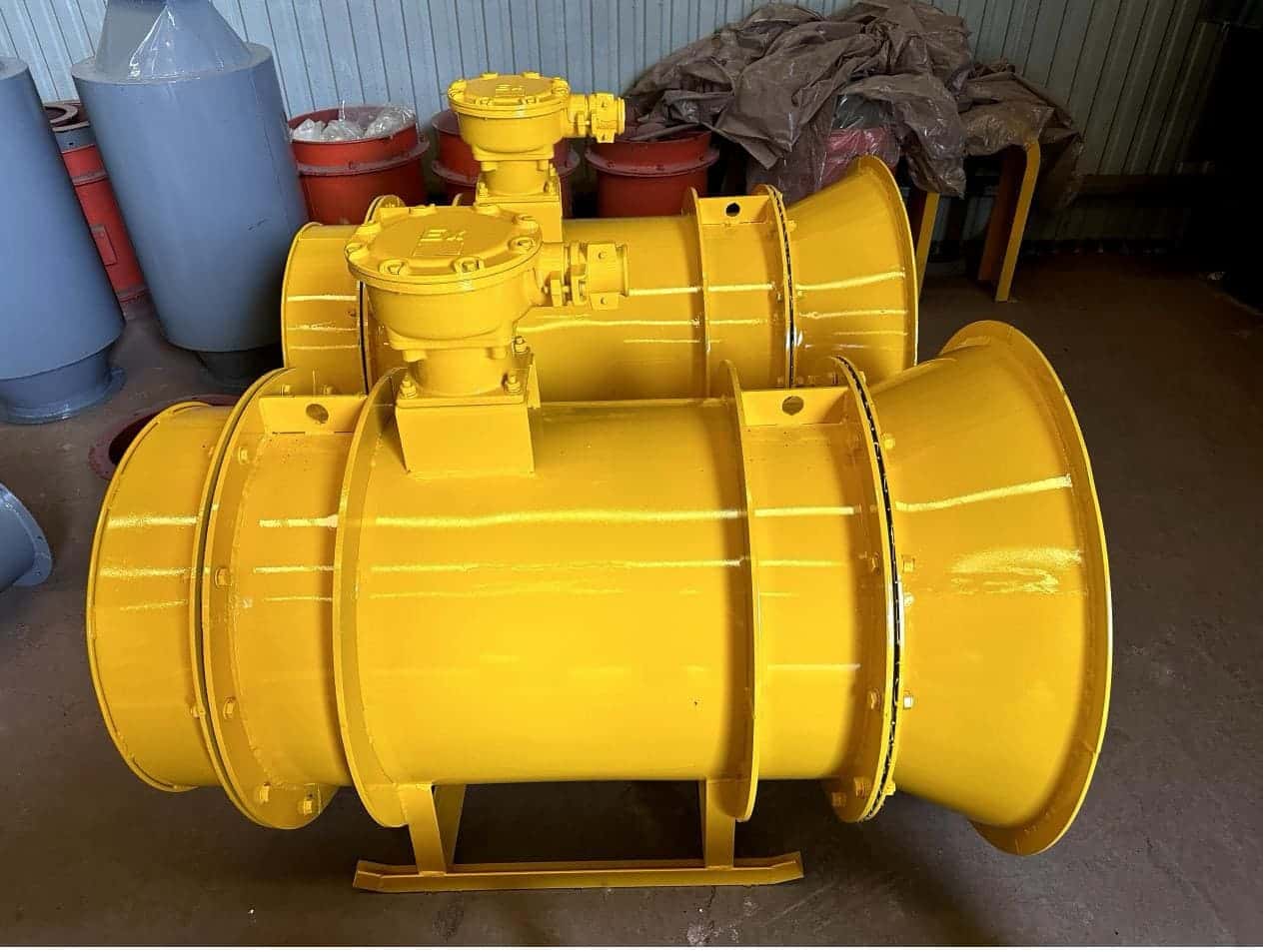
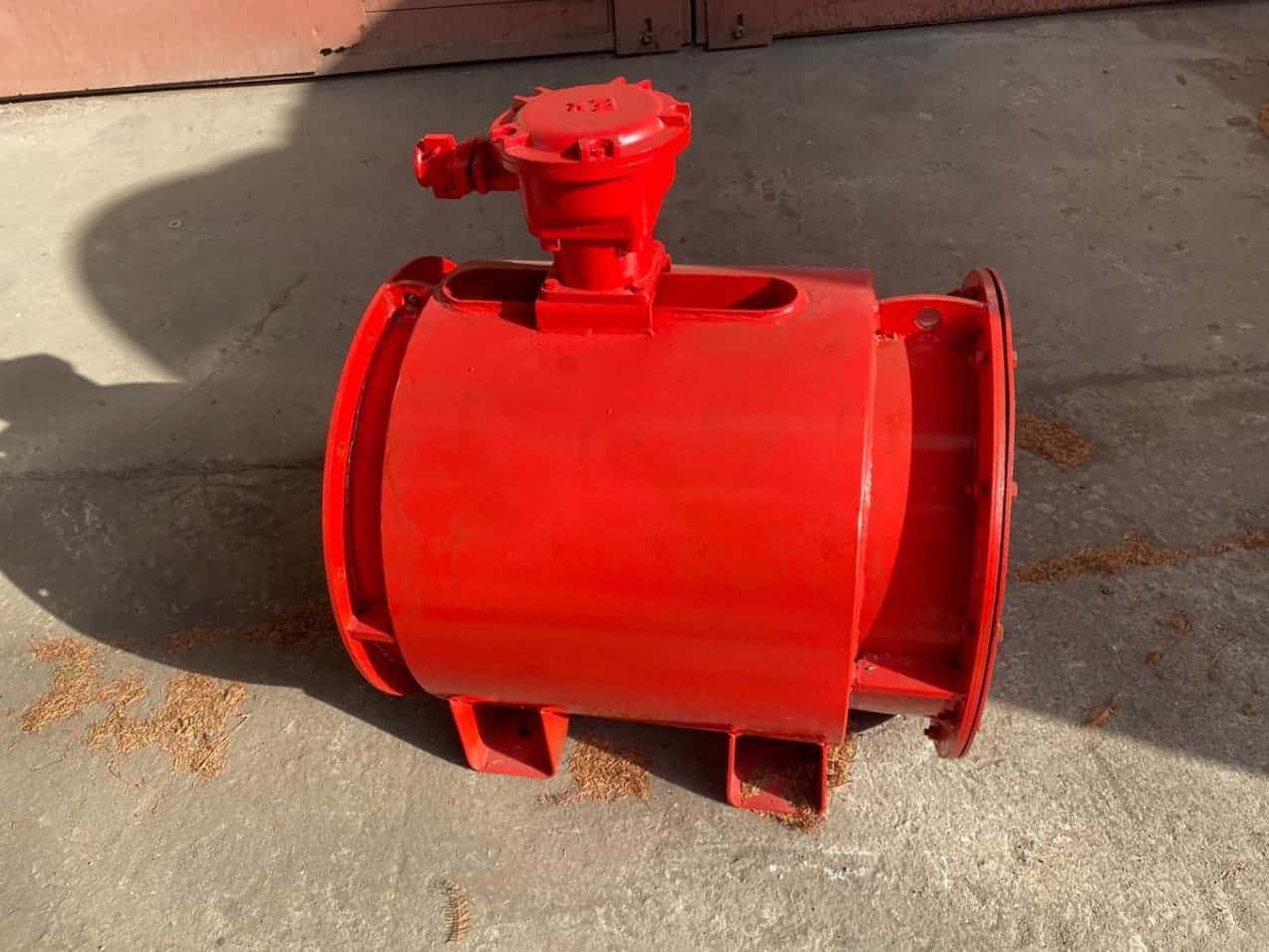
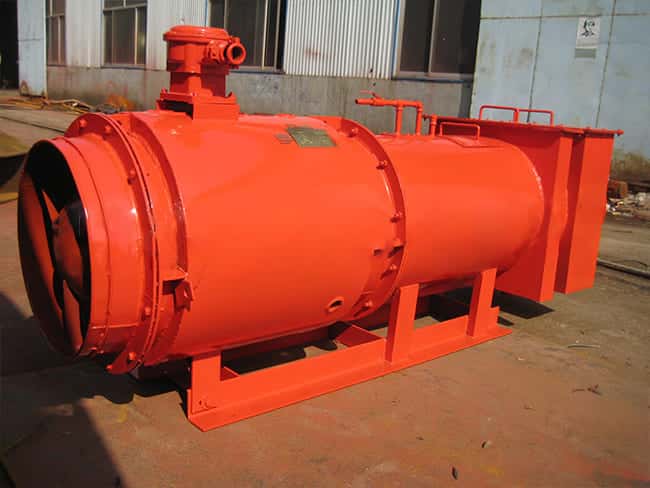
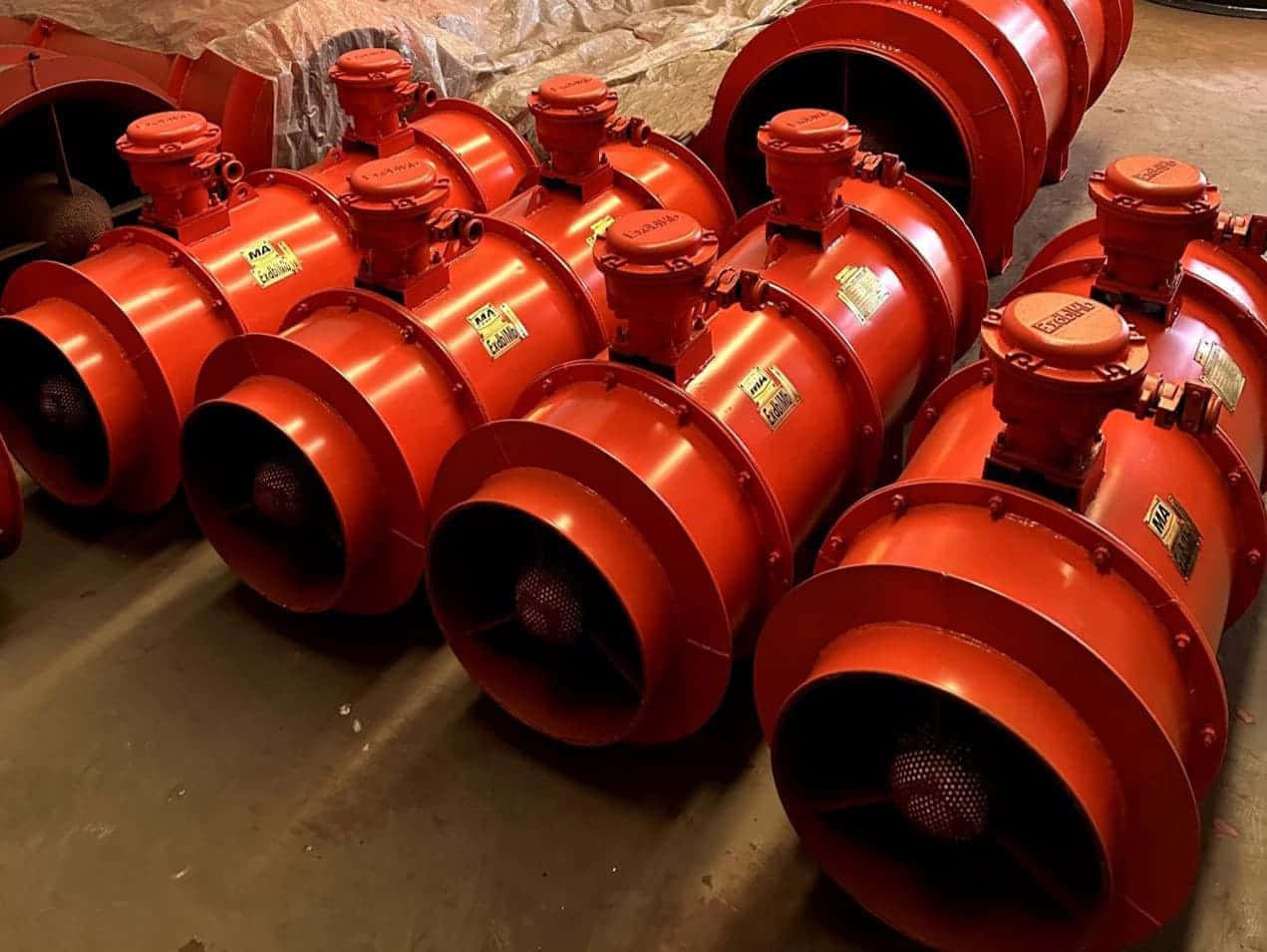
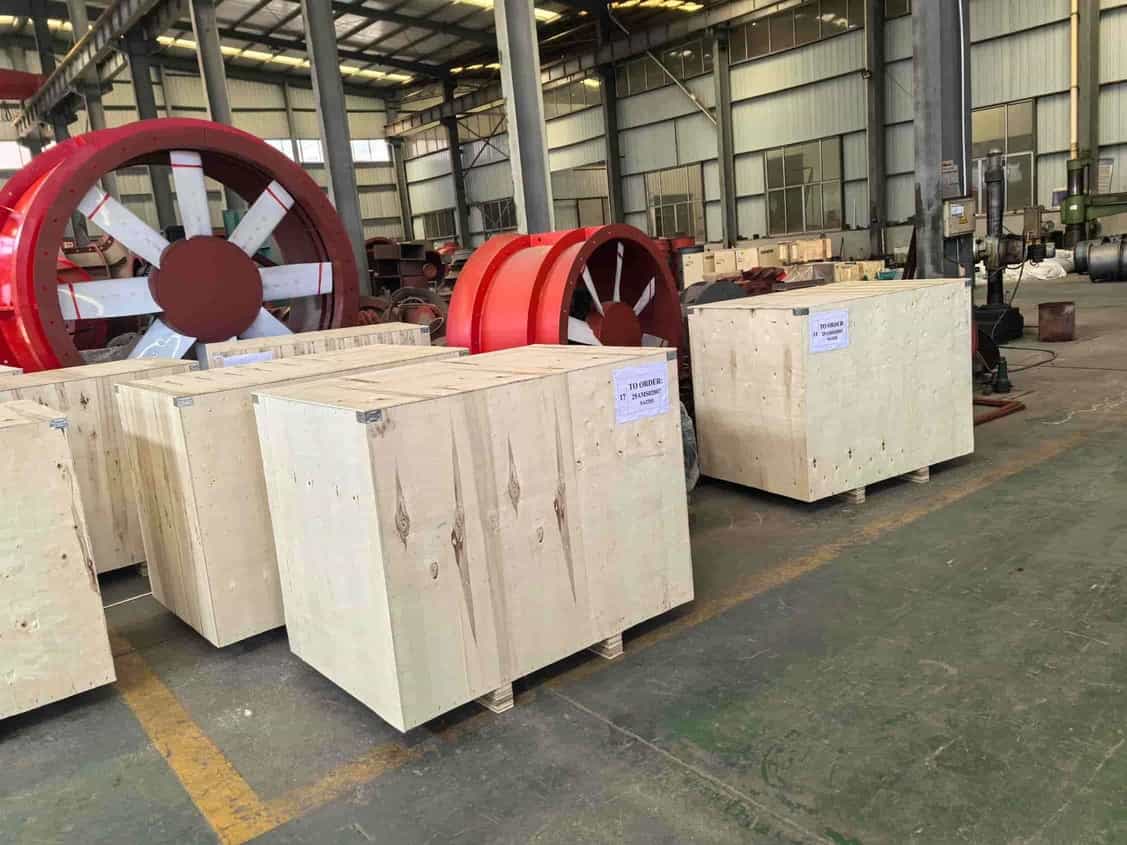
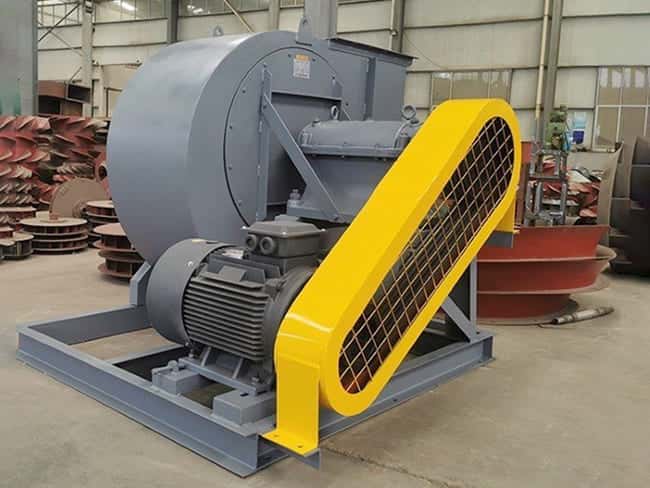
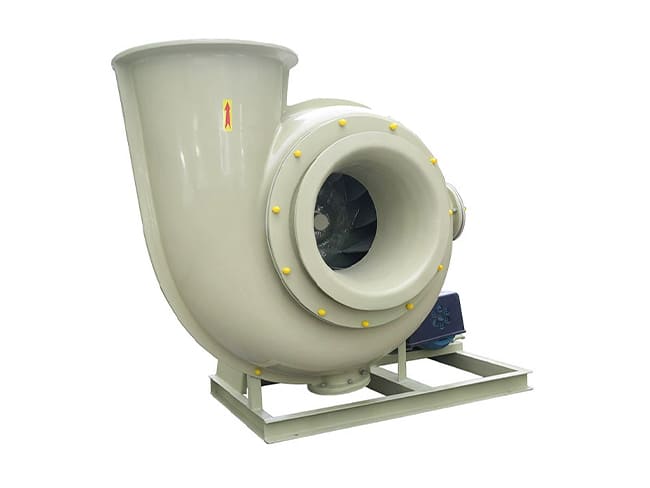
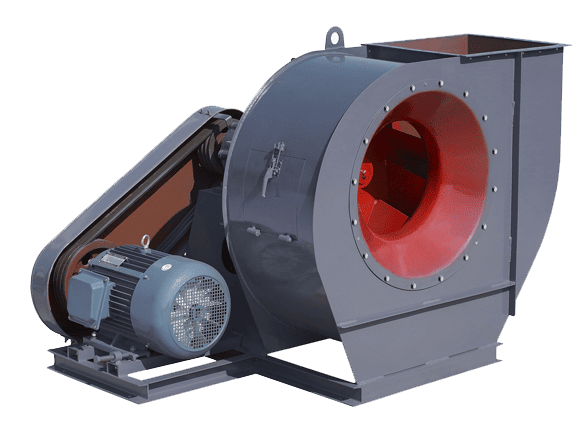
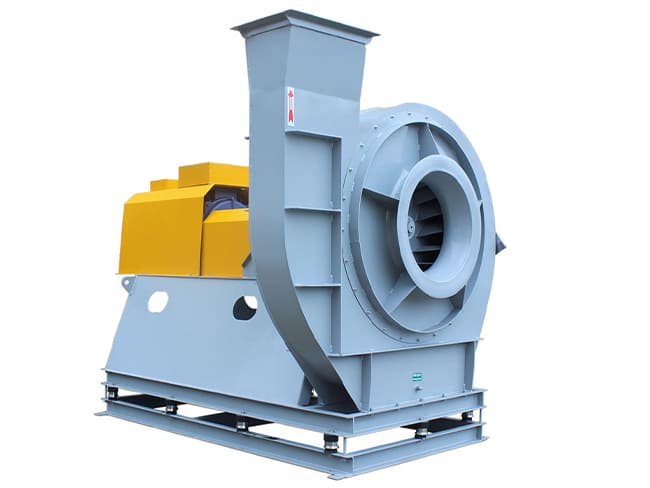
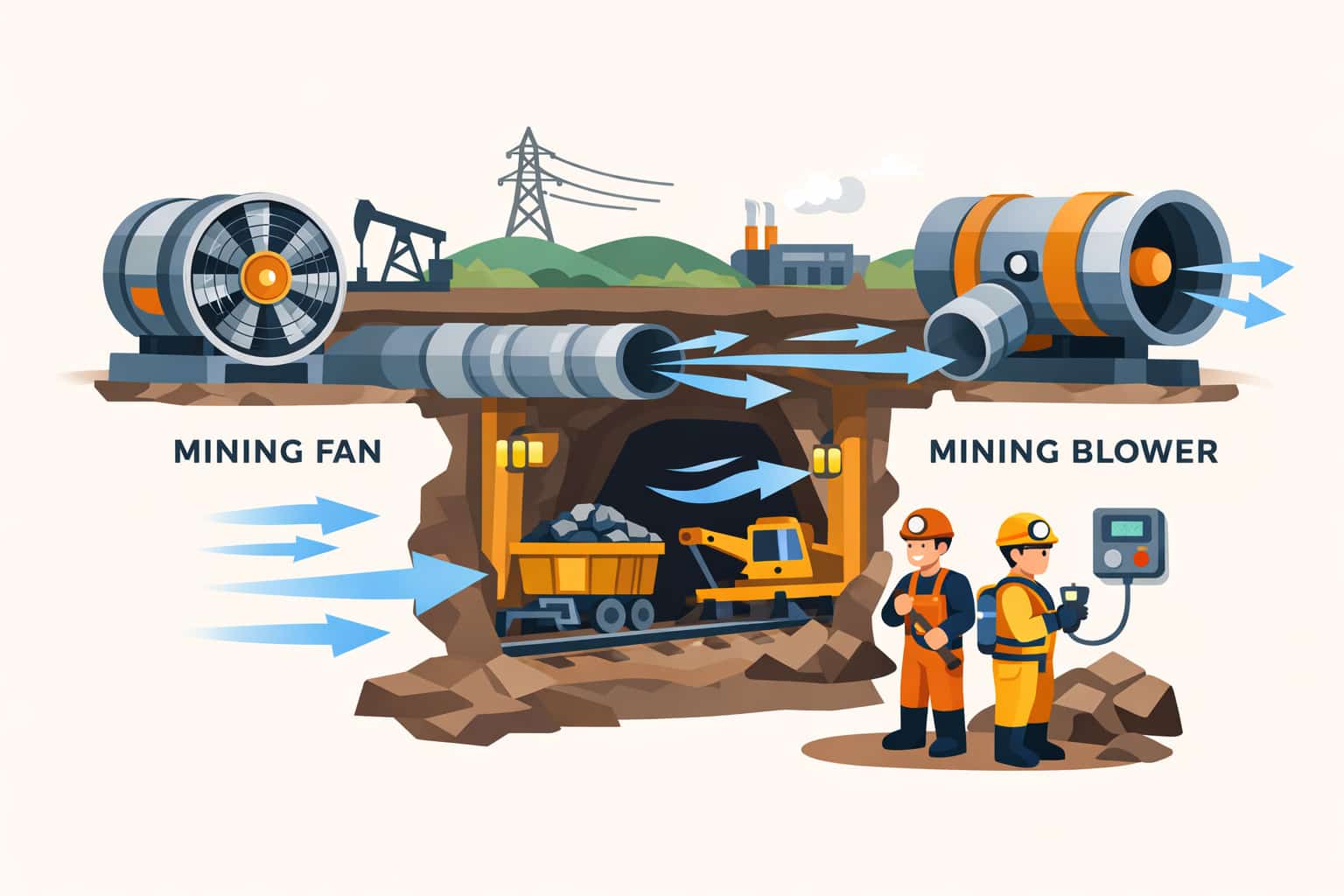
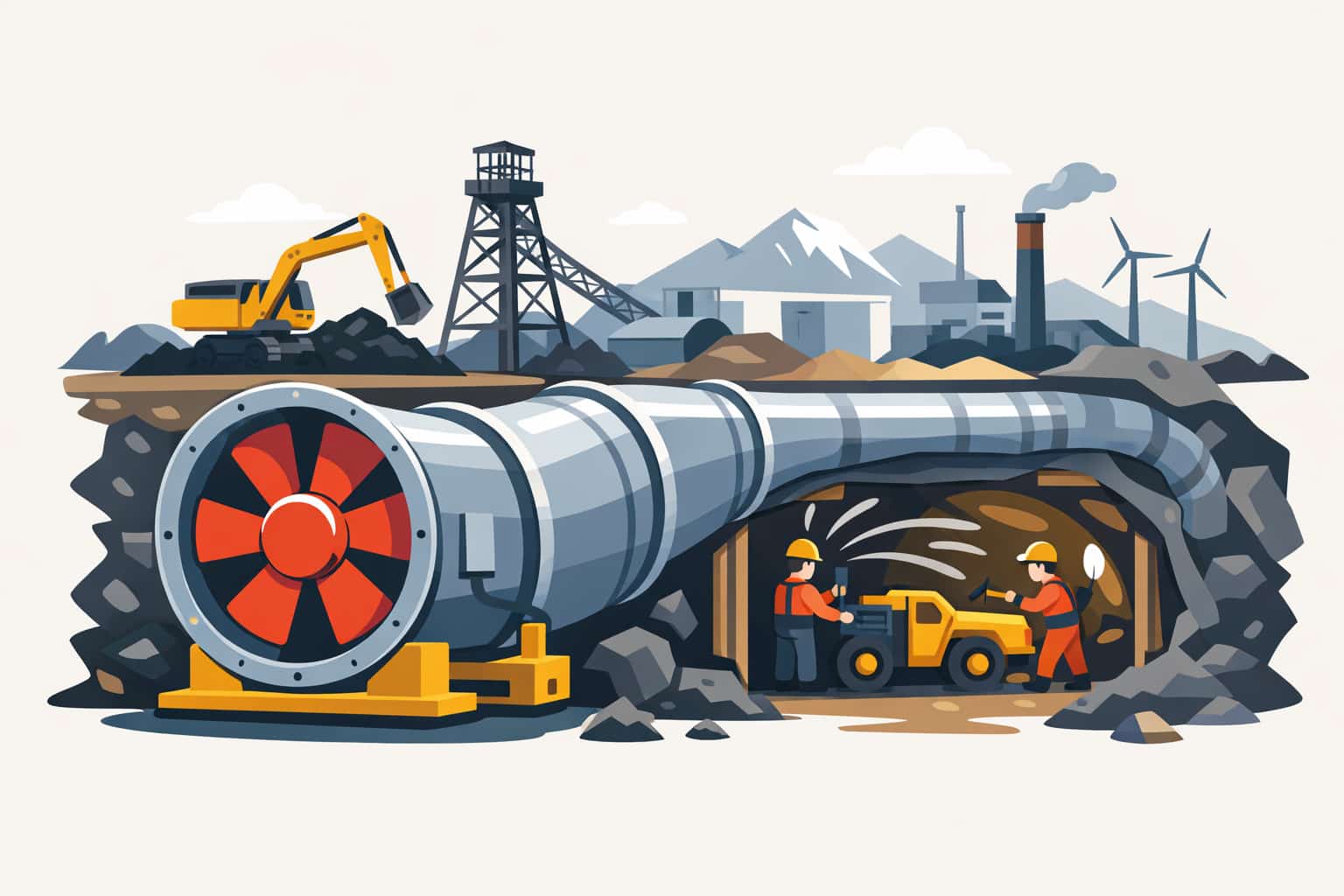

Tunnels have exhaust fans because enclosed underground spaces cannot rely on natural airflow alone to keep air safe and clear. Exhaust fans are a key part of tunnel ventilation systems. They remove polluted air, control temperature and humidity, and provide critical smoke management during fires. Without exhaust fans, long road, rail, metro or mining tunnels would quickly accumulate exhaust gases, dust and heat that exceed safety limits.
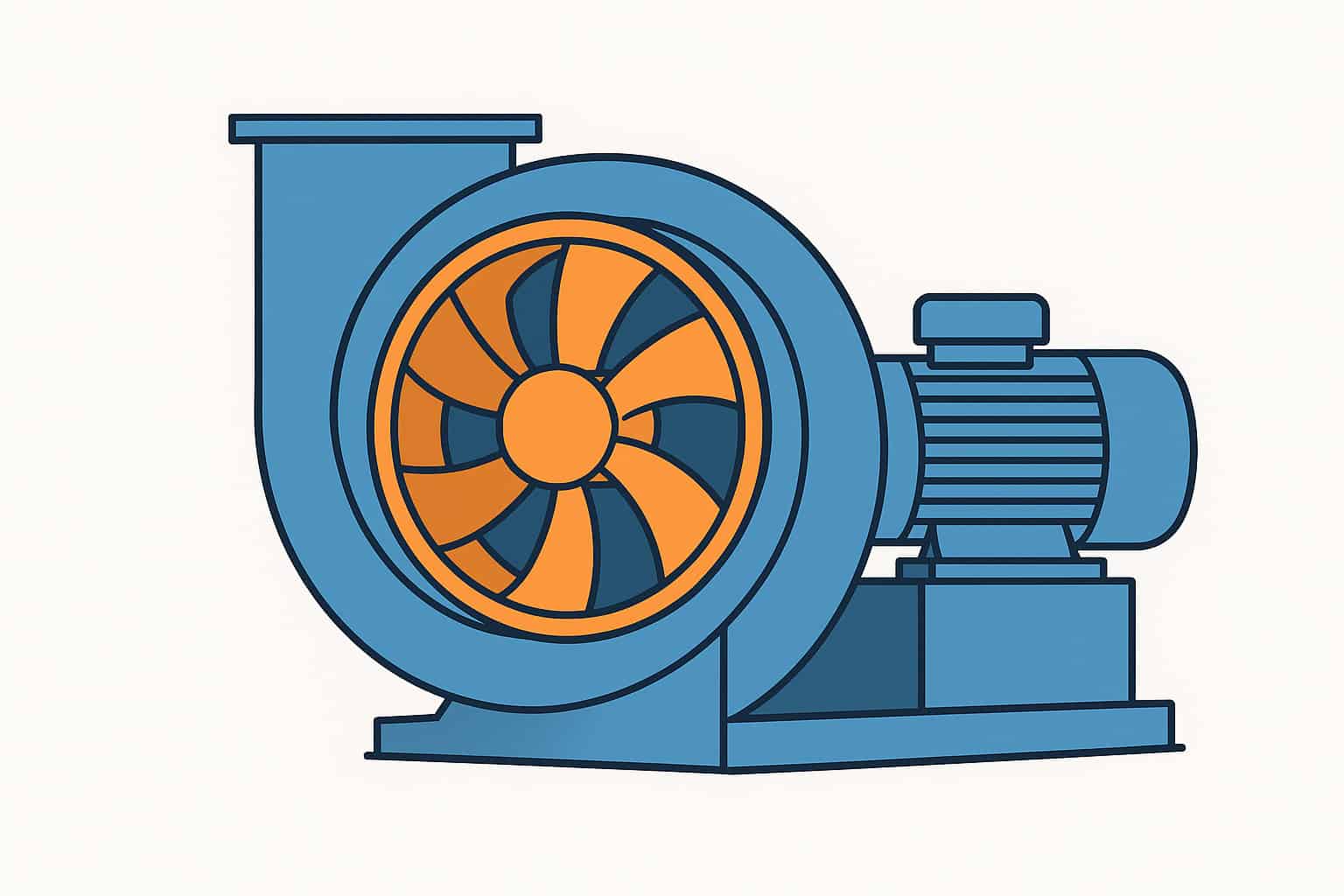
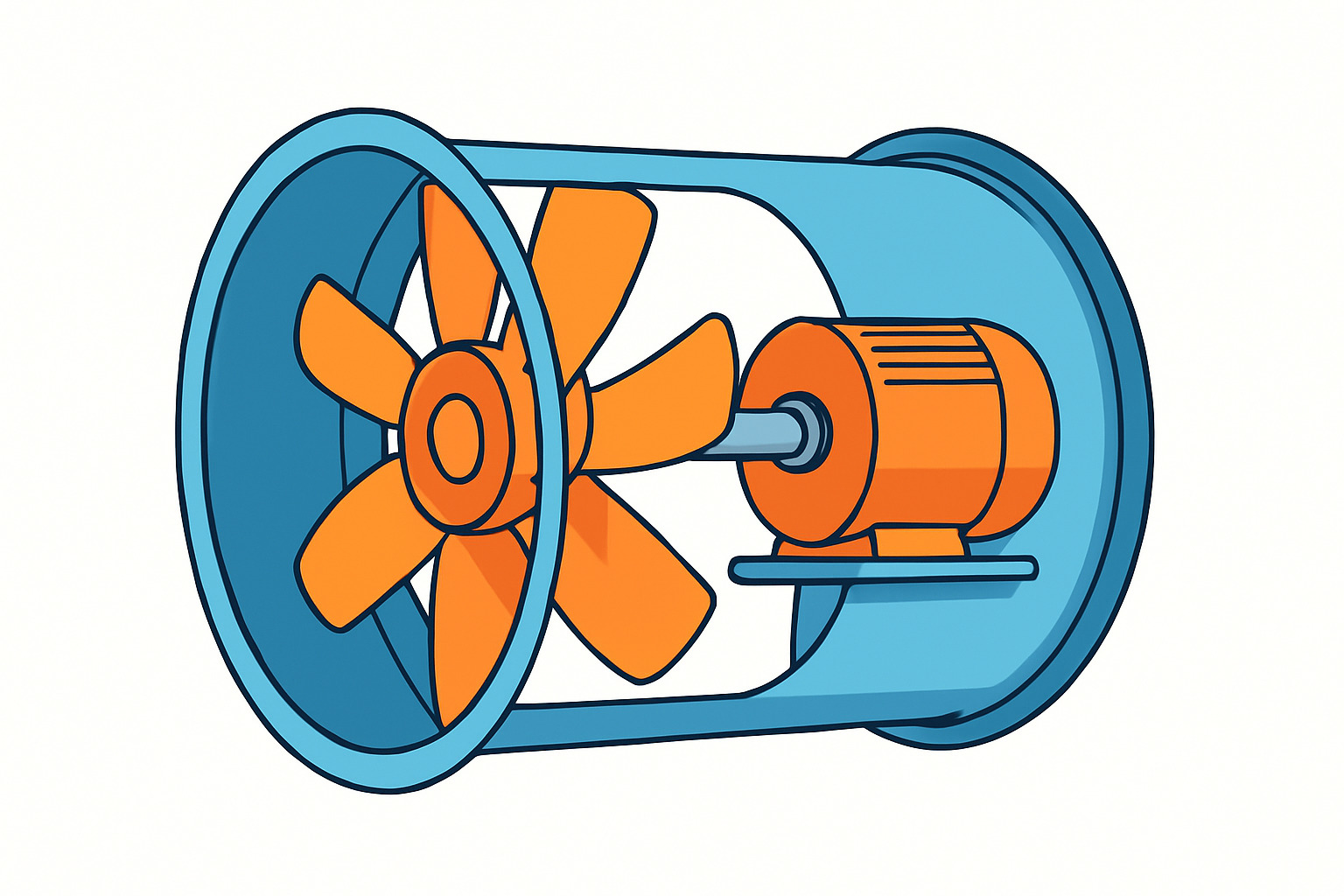
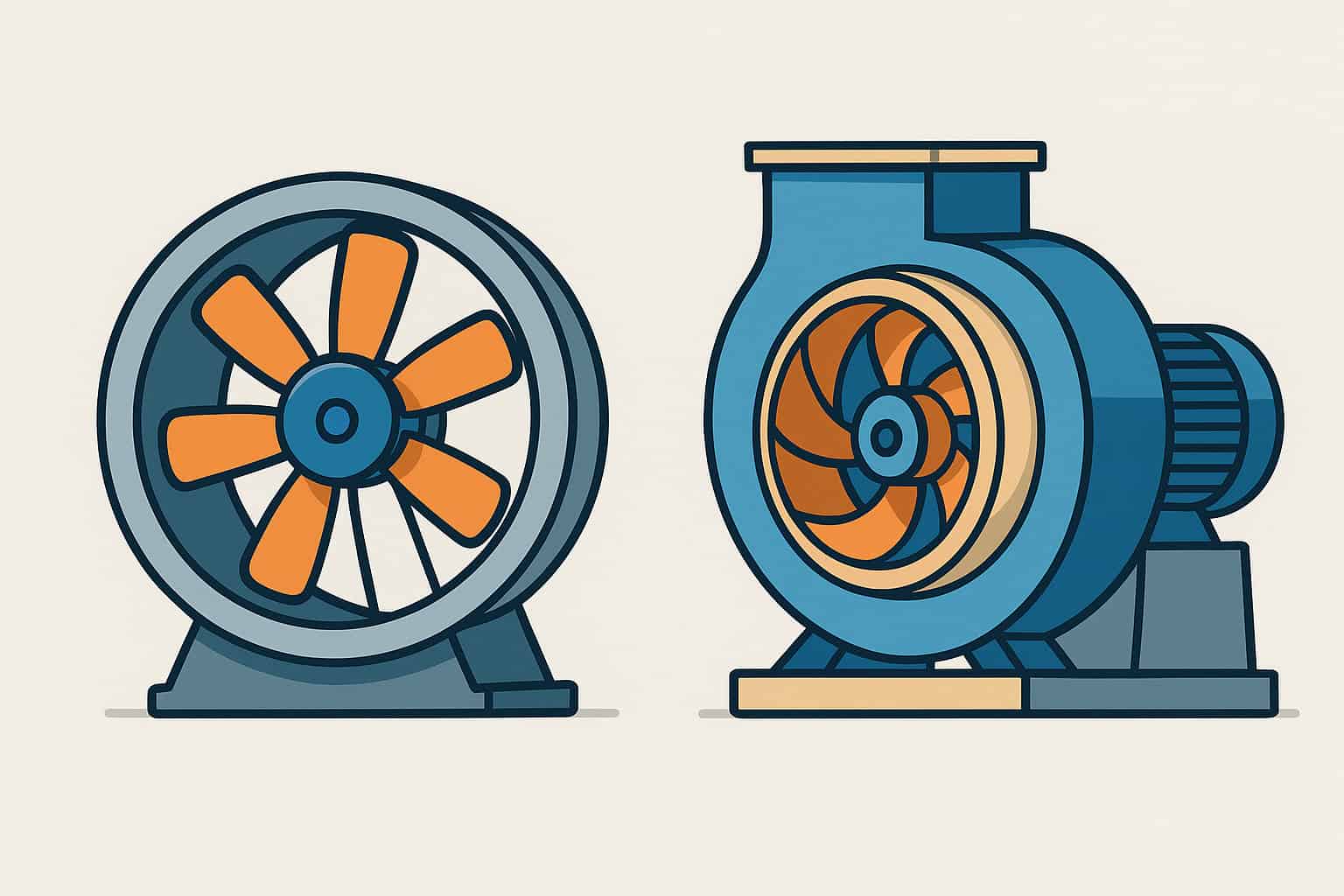
The first reason for installing exhaust fans is pollutant removal. Vehicles, locomotives and mining equipment emit carbon monoxide, nitrogen oxides and particulates. In a closed tunnel, these pollutants build up unless air is continuously renewed. Exhaust fans, usually high-capacity axial or centrifugal units, draw contaminated air out of the tunnel through shafts or portals. Fresh air flows in from other openings, either naturally or with the help of supply fans, diluting pollutants and keeping concentrations below regulatory thresholds.
Exhaust fans are also important for temperature and humidity control. Heat from engines, braking systems, electrical equipment and surrounding rock can cause tunnel air temperatures to rise well above ambient conditions. By moving air and removing hot air zones, exhaust fans help manage heat buildup. In some systems, exhaust fans are combined with cooling and dehumidification equipment to maintain comfortable and safe thermal conditions for people and equipment.
Another crucial function of tunnel exhaust fans is smoke control during fires. In an emergency, smoke and toxic gases are often more dangerous than flames. Tunnel ventilation designs typically include special fire modes in which exhaust fans operate at high temperature ratings and specific speed and direction settings. They are used to extract smoke through shafts or portals, create smoke layers that move away from escape routes, and maintain tenable conditions near emergency exits and cross passages. This controlled smoke movement significantly improves the chances of safe evacuation and effective firefighting.
From an engineering perspective, exhaust fans help manage airflow patterns and pressure inside tunnels. By controlling which fans operate and at what speed, operators can create longitudinal flows, transverse flows or hybrid patterns that suit different traffic conditions and emergency scenarios. Exhaust fans connected to ventilation shafts or ducts enable air to be removed at intermediate points along long tunnels, rather than depending only on portal openings.
Exhaust fans are selected and installed to meet demanding performance and durability requirements. They must deliver high airflow against significant system resistance, operate reliably in dusty and humid environments, and often be certified for high-temperature operation in fire scenarios. Noise control measures such as silencers and acoustic linings are usually included to minimize environmental impact near portals and shafts.
In summary, tunnels have exhaust fans because they are essential for removing exhaust gases, dust, heat and smoke from confined underground spaces. Together with supply fans, shafts and dampers, exhaust fans form the core of tunnel ventilation systems that keep air quality safe in daily use and provide critical smoke control during emergencies.