
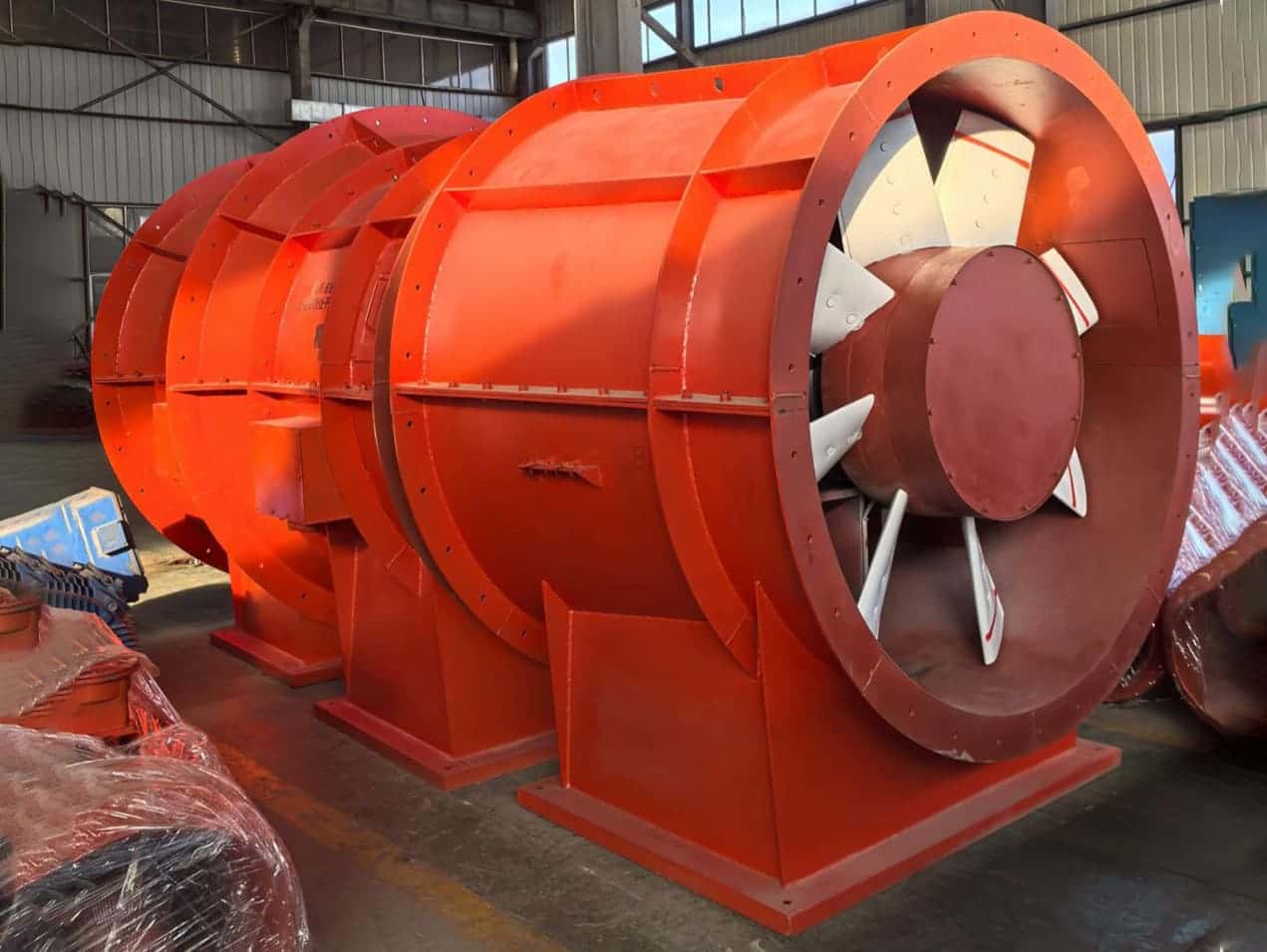
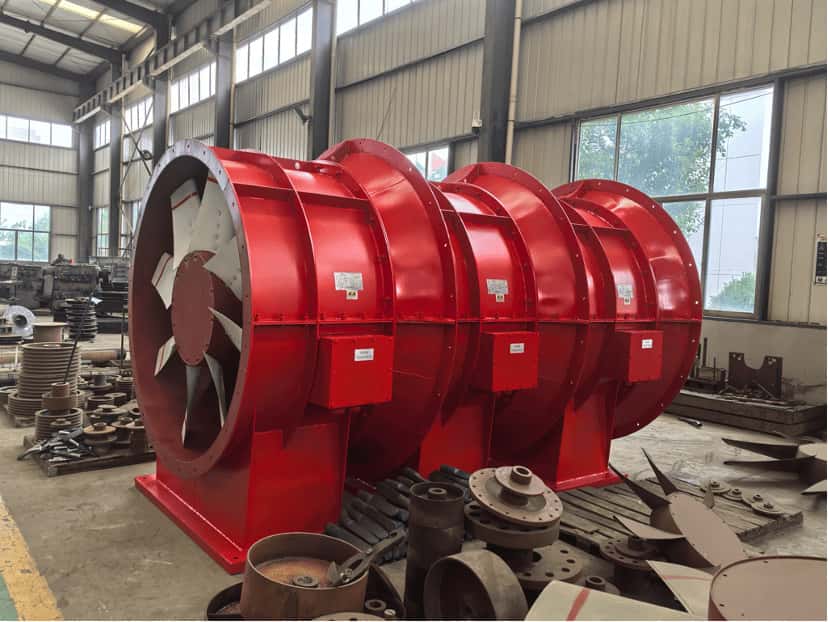
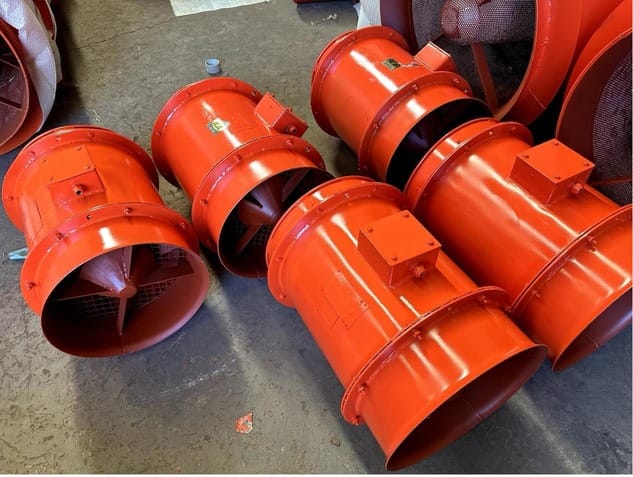
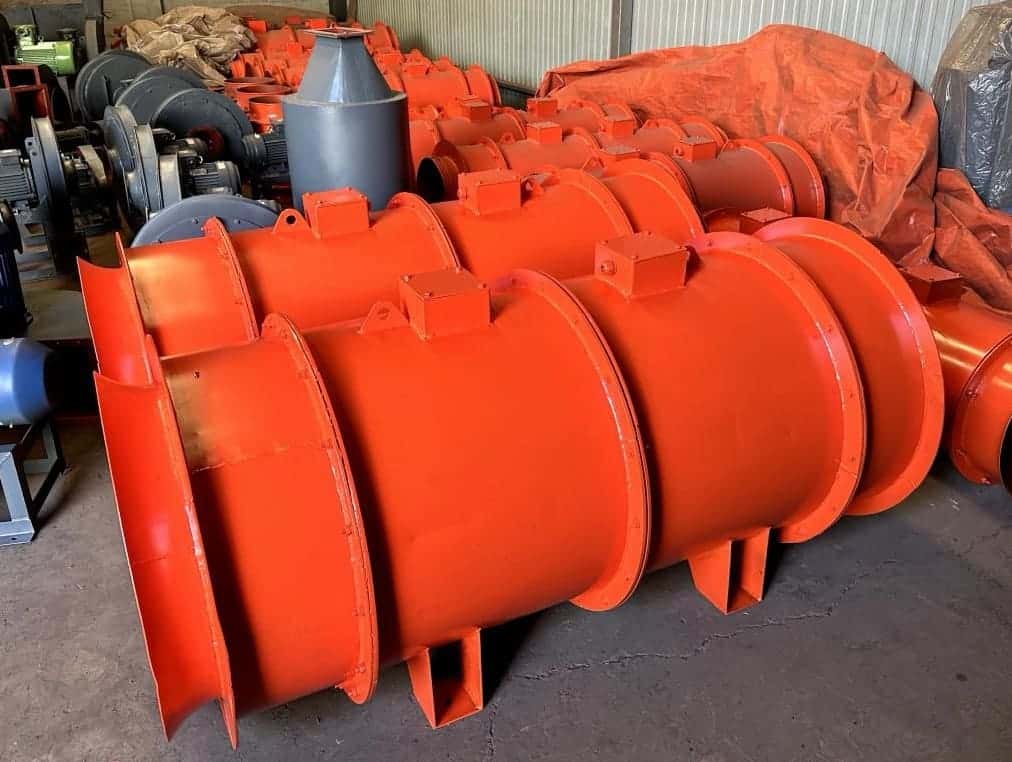
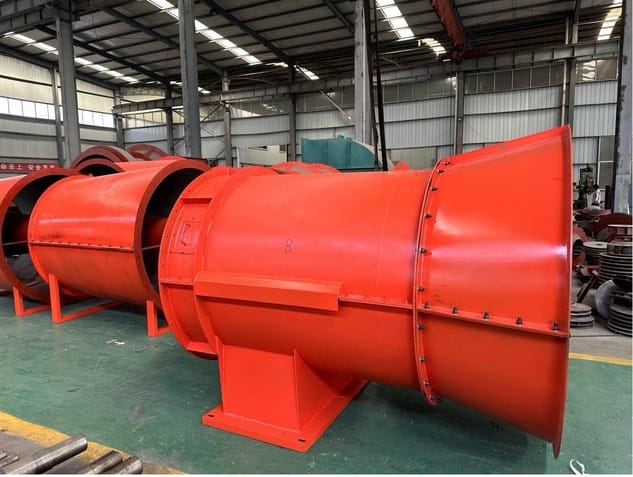
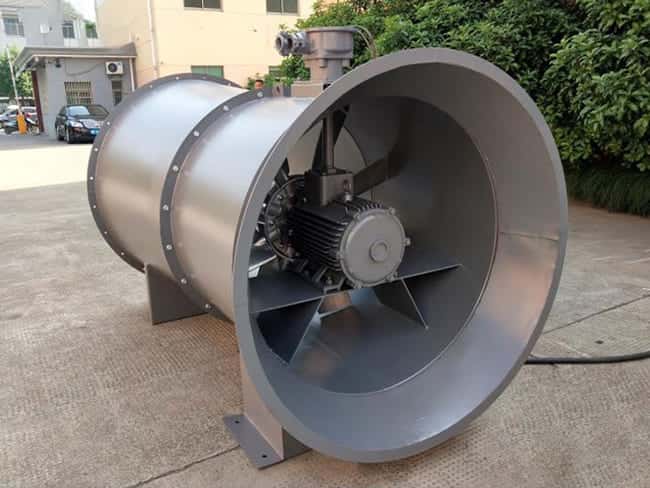
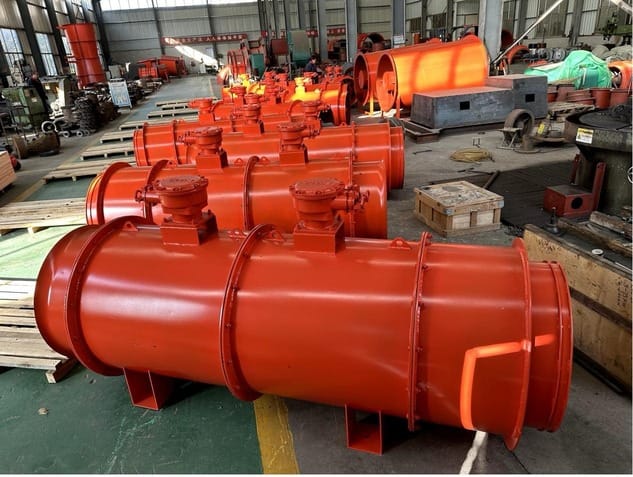
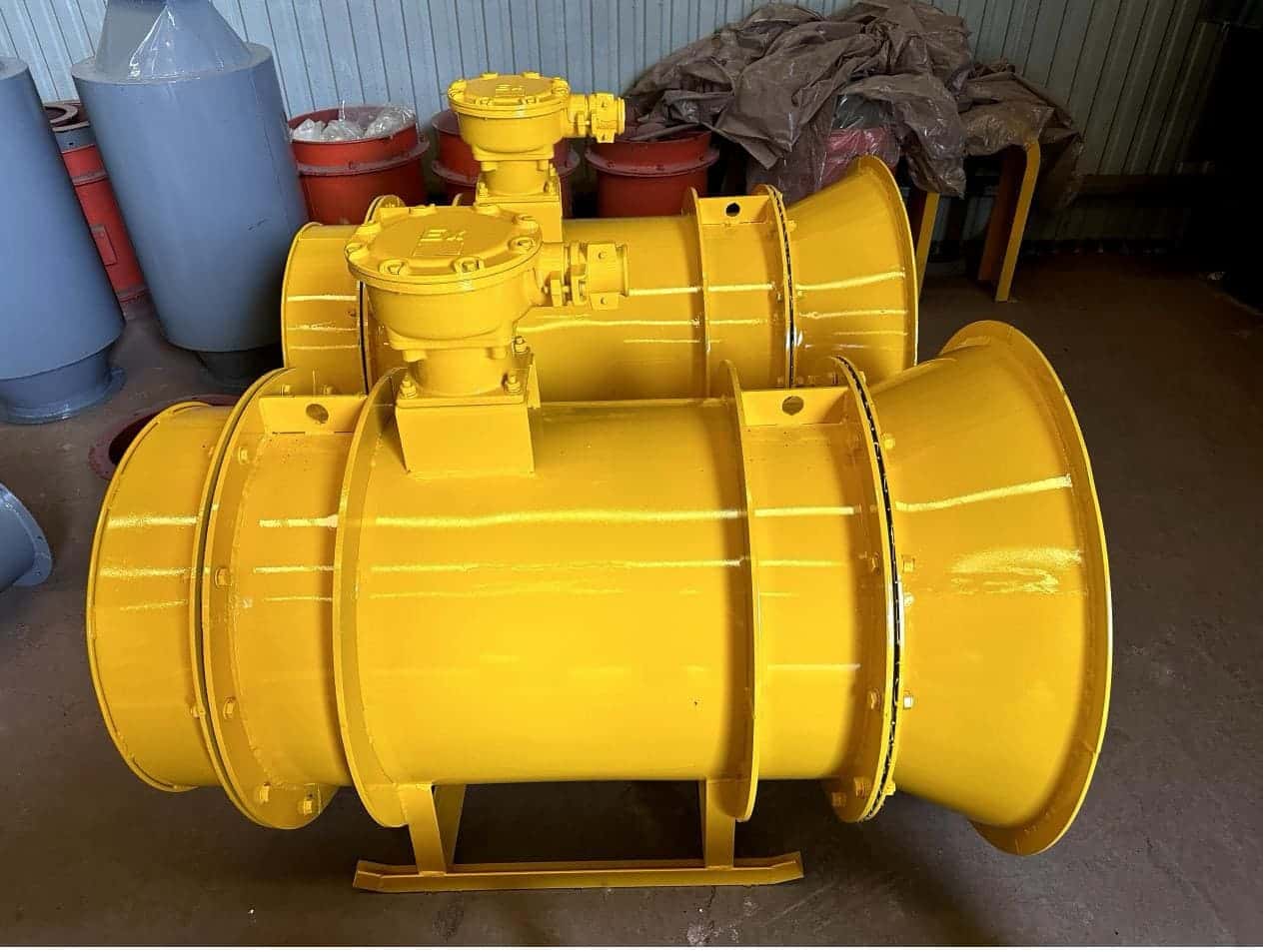
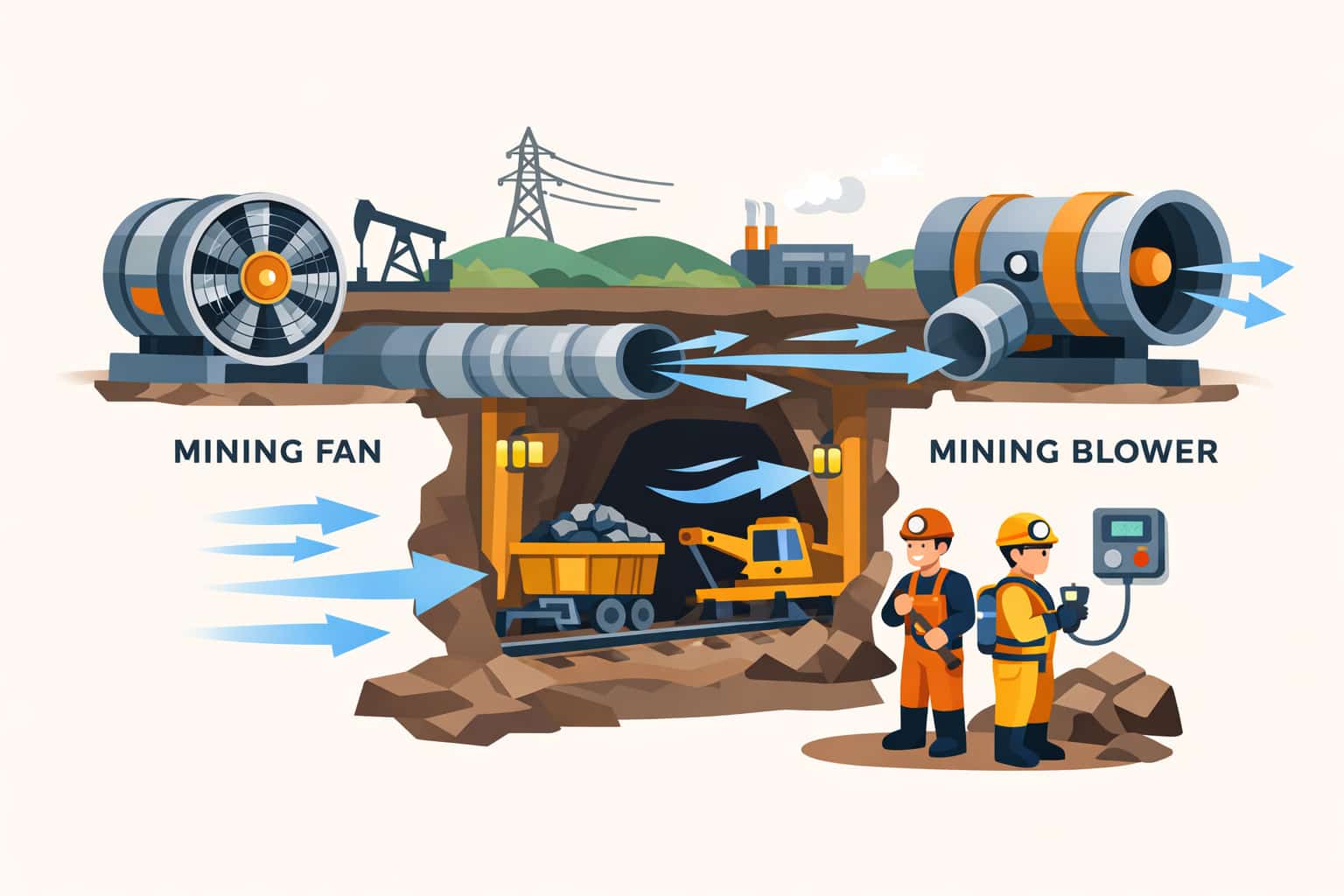
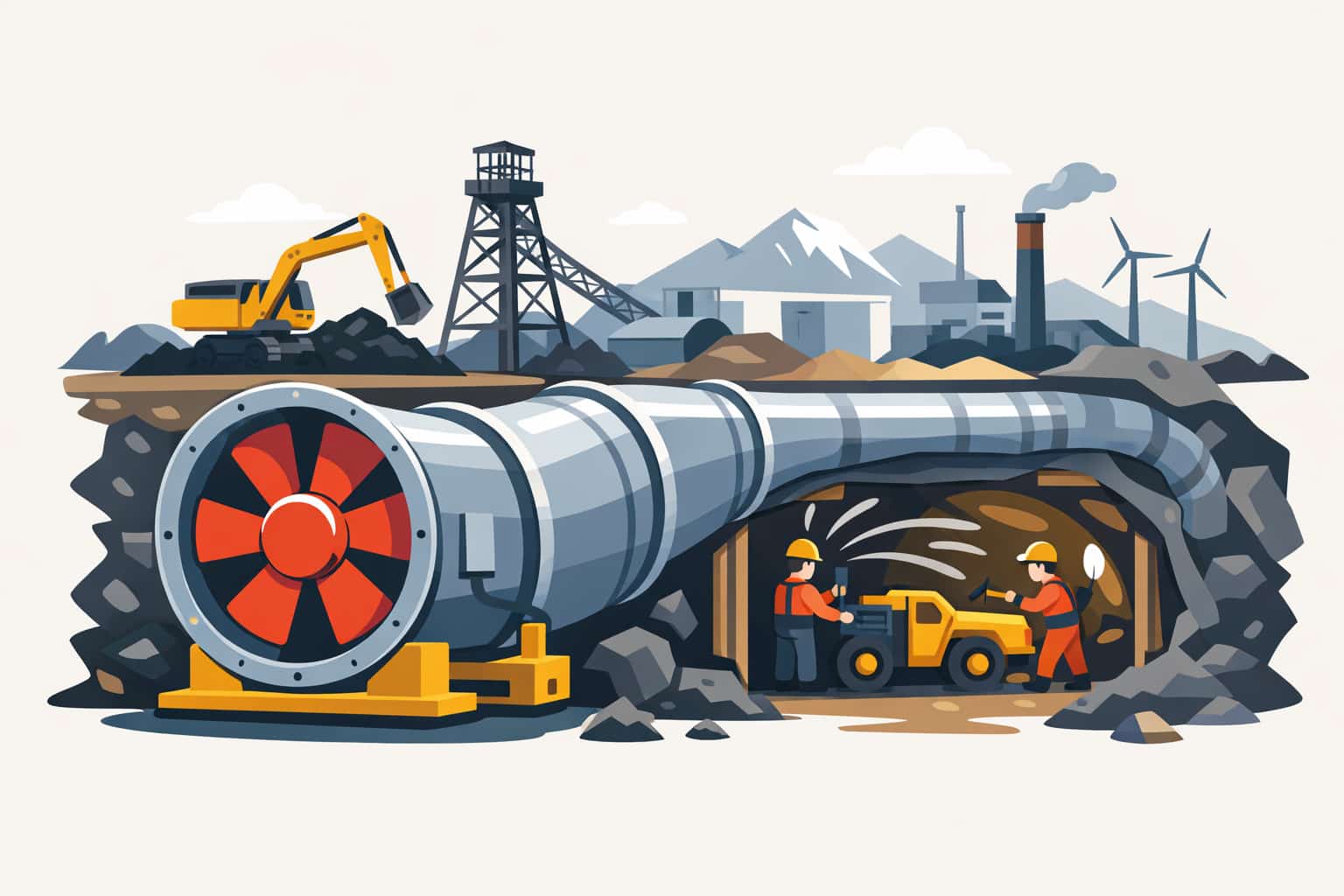

Tunnels need ventilation because they are long, enclosed spaces where air does not circulate freely. Whether a tunnel carries road traffic, trains, conveyors, or mining vehicles, engines and equipment inside the confined space emit exhaust gases, heat, and dust. Without a well-designed tunnel ventilation system and correctly sized ventilation fans, these contaminants would accumulate to unsafe levels and make the tunnel unusable.
Under normal operating conditions, the main reason for tunnel ventilation is to control exhaust gases and particulates. Vehicles produce carbon monoxide, nitrogen oxides, and fine particulates that must be diluted and removed. Fans at portals or ventilation shafts, together with in-tunnel jet fans, create a controlled airflow that carries contaminated air toward exhaust points while drawing fresher air in from entrances or supply shafts. This keeps average concentrations below legal limits and maintains acceptable conditions for tunnel users.
Tunnels also need ventilation to manage temperature and comfort. In long tunnels with heavy traffic or in deep mining and industrial tunnels, heat from engines, braking, lighting, and electrical equipment can build up. Ventilation fans help remove this heat and replace it with cooler outside air, protecting electrical systems and improving comfort for drivers and workers.
The most critical reason for tunnel ventilation becomes obvious in a fire or emergency situation. In a fire, smoke and hot gases can spread rapidly along the tunnel, drastically reducing visibility and making breathing extremely difficult. A properly designed tunnel ventilation system uses exhaust fans and jet fans to control smoke movement so that it is directed away from evacuation routes and towards exhaust shafts. This smoke control function is central to tunnel safety design and strongly influences the specification of fan capacity, temperature rating, and control logic.
Ventilation also supports maintenance and operational reliability. Regular airflow helps reduce condensation and corrosion on structural and mechanical components, supports good visibility for inspection crews, and keeps electrical rooms or equipment alcoves within acceptable environmental limits. Monitoring systems linked to ventilation fans allow operators to adjust airflow based on traffic levels, pollution sensors, or special events.
In summary, tunnels need ventilation to maintain safe air quality, manage heat, and provide controlled smoke movement during emergencies. Tunnel ventilation fans and control systems are not optional accessories; they are essential safety infrastructure that allows modern road, rail, and mining tunnels to operate safely and efficiently.