
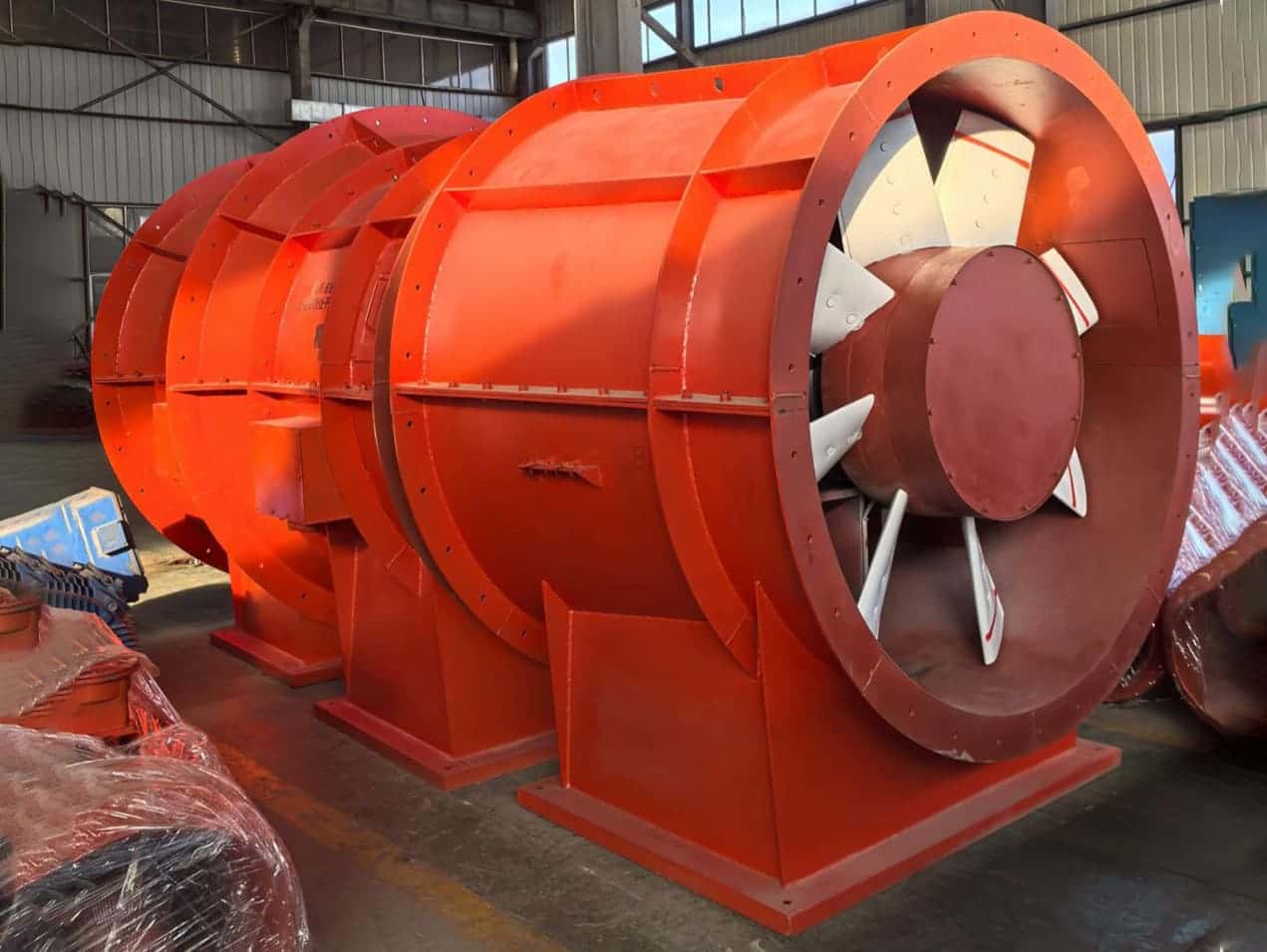
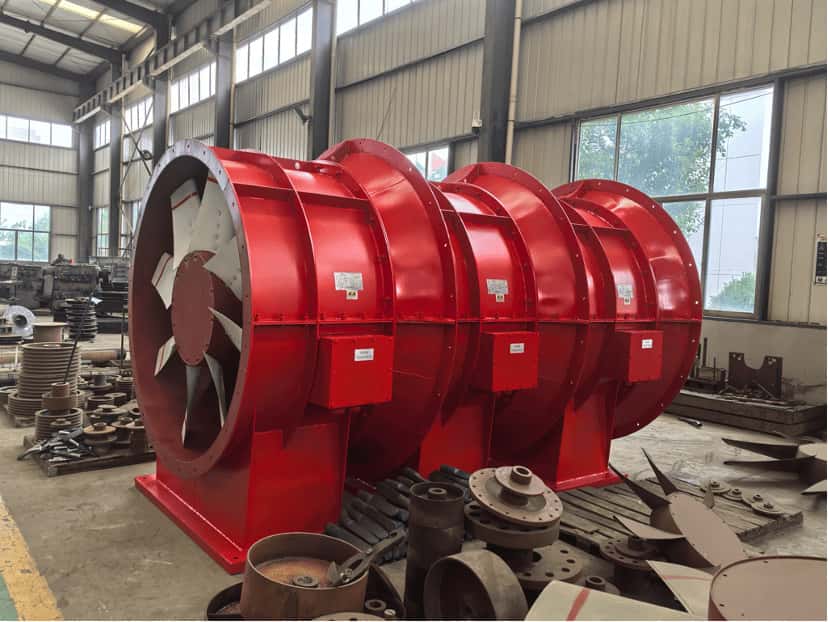
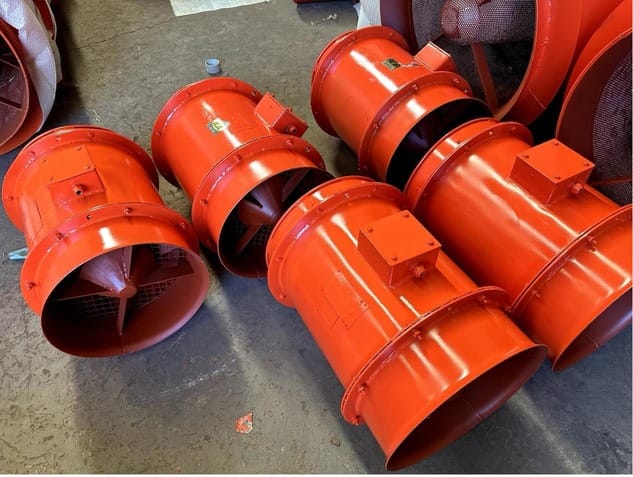
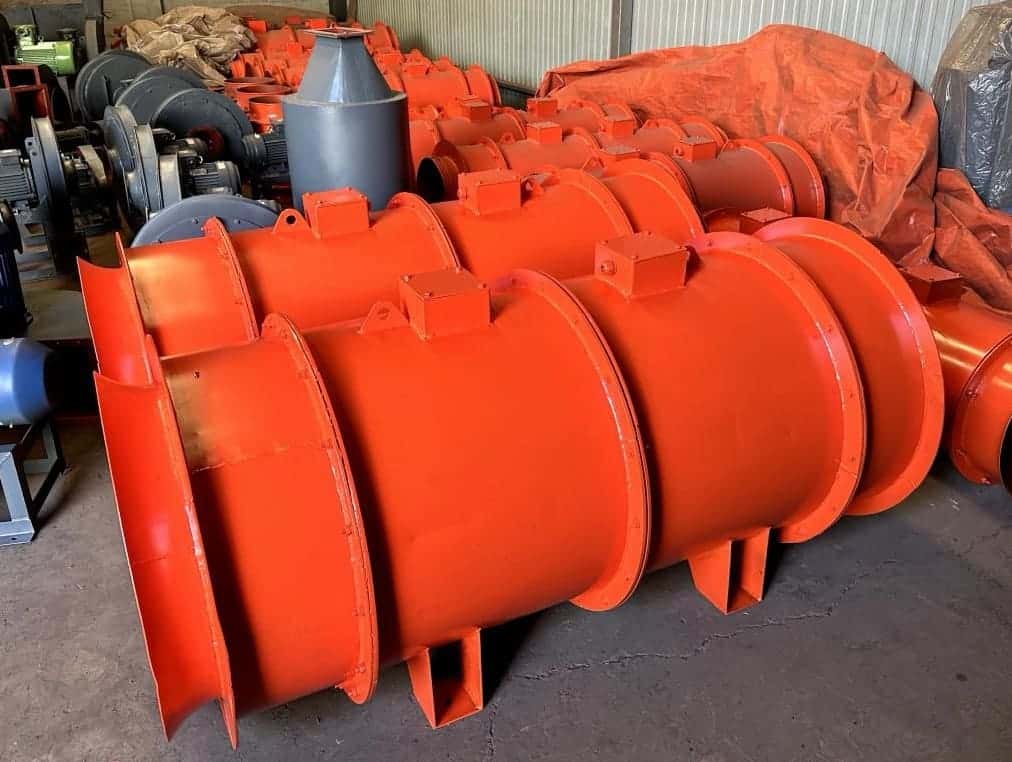
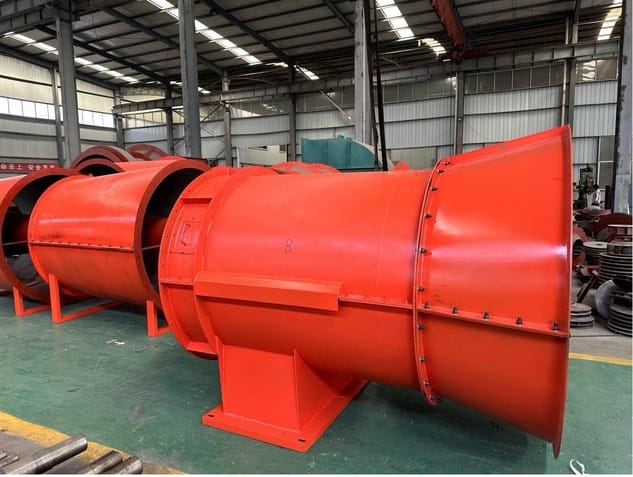
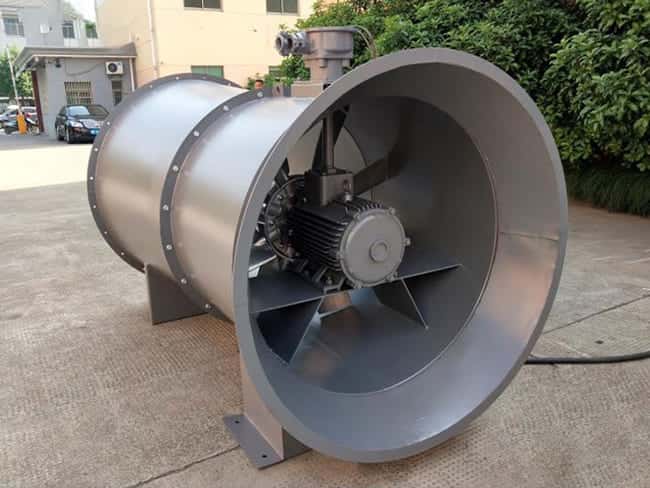
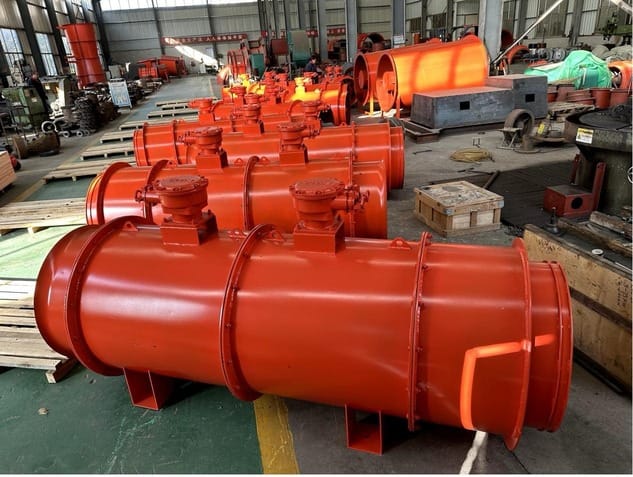
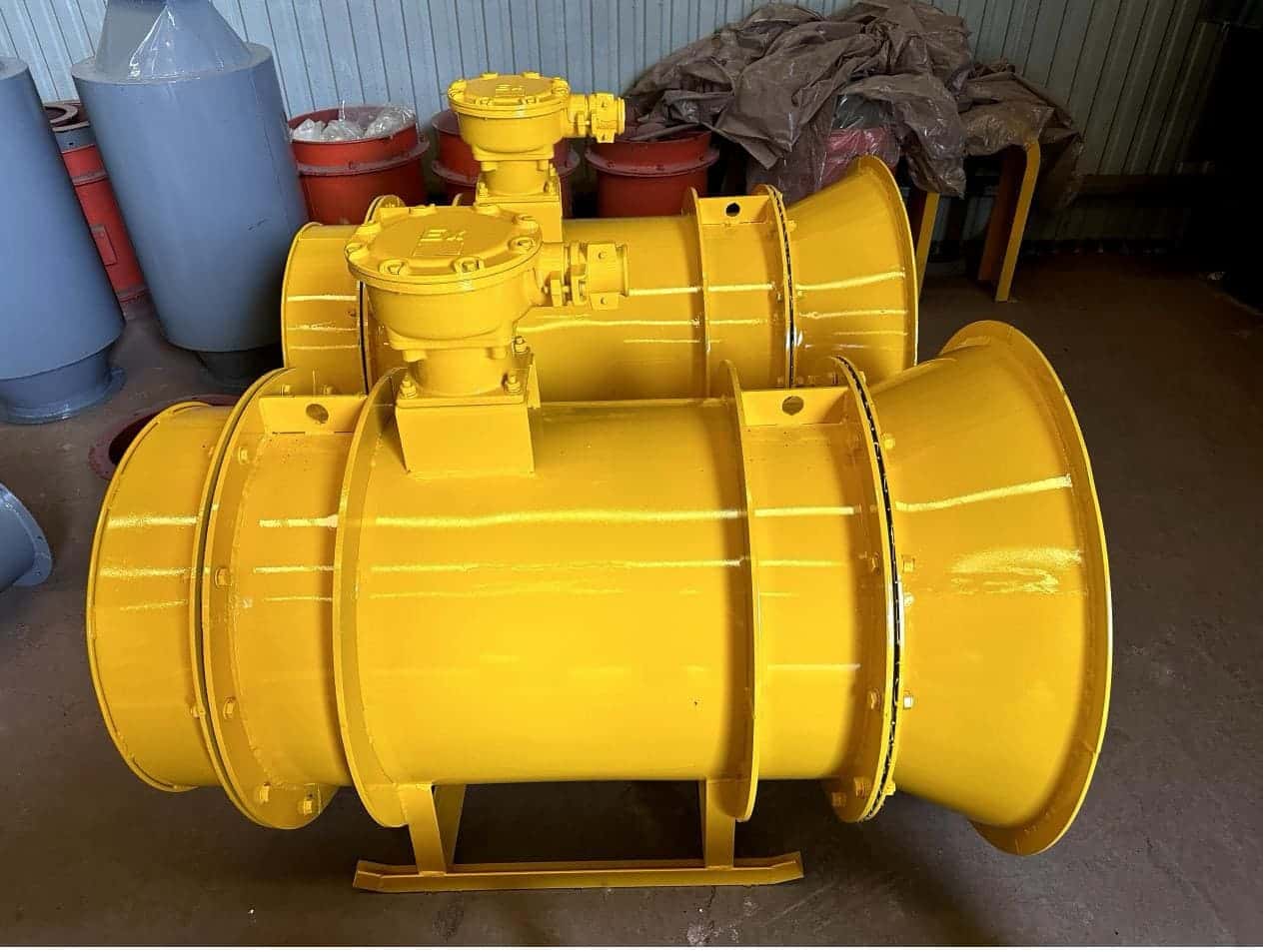
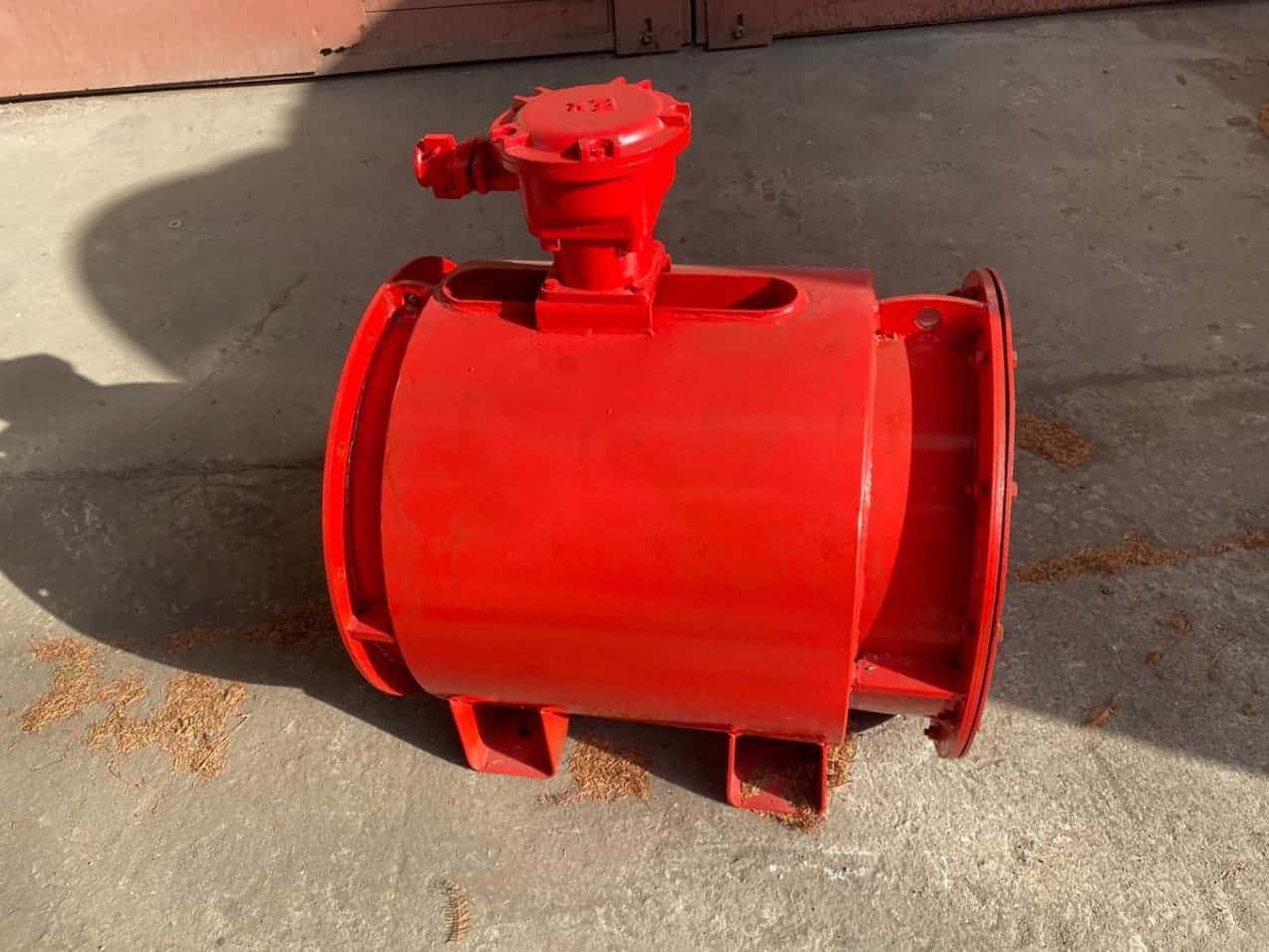
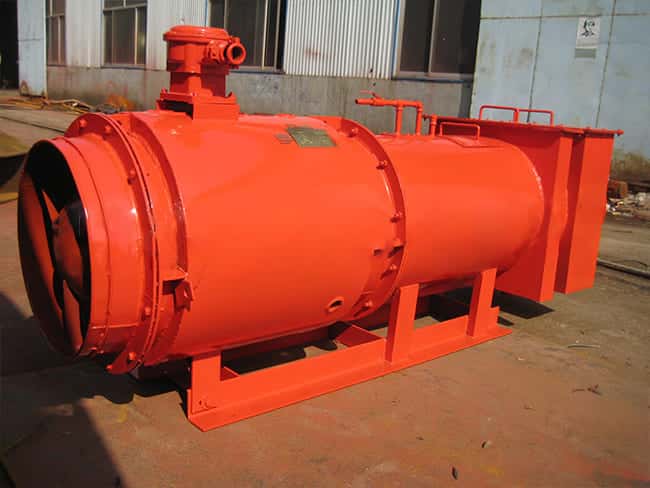
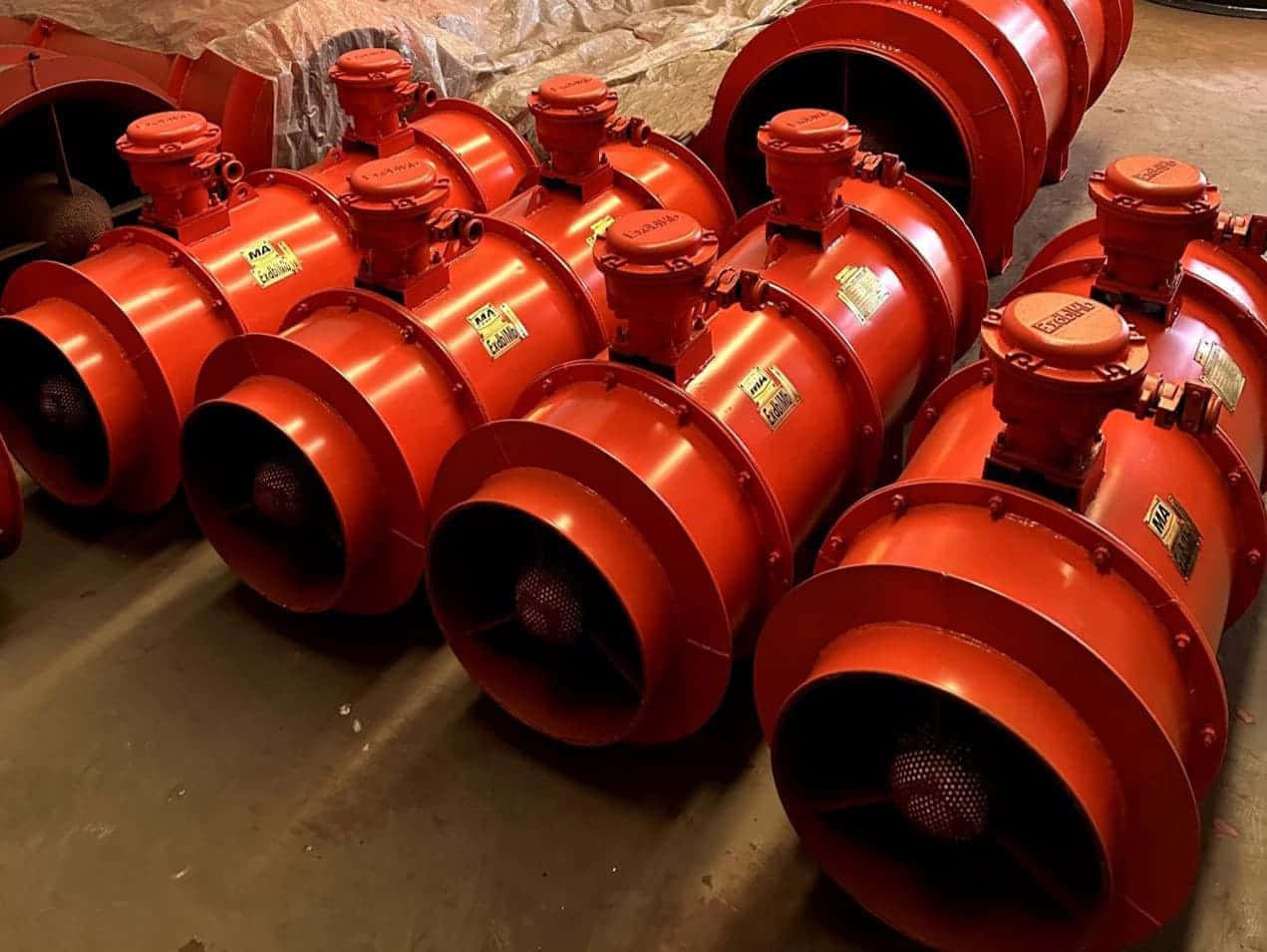
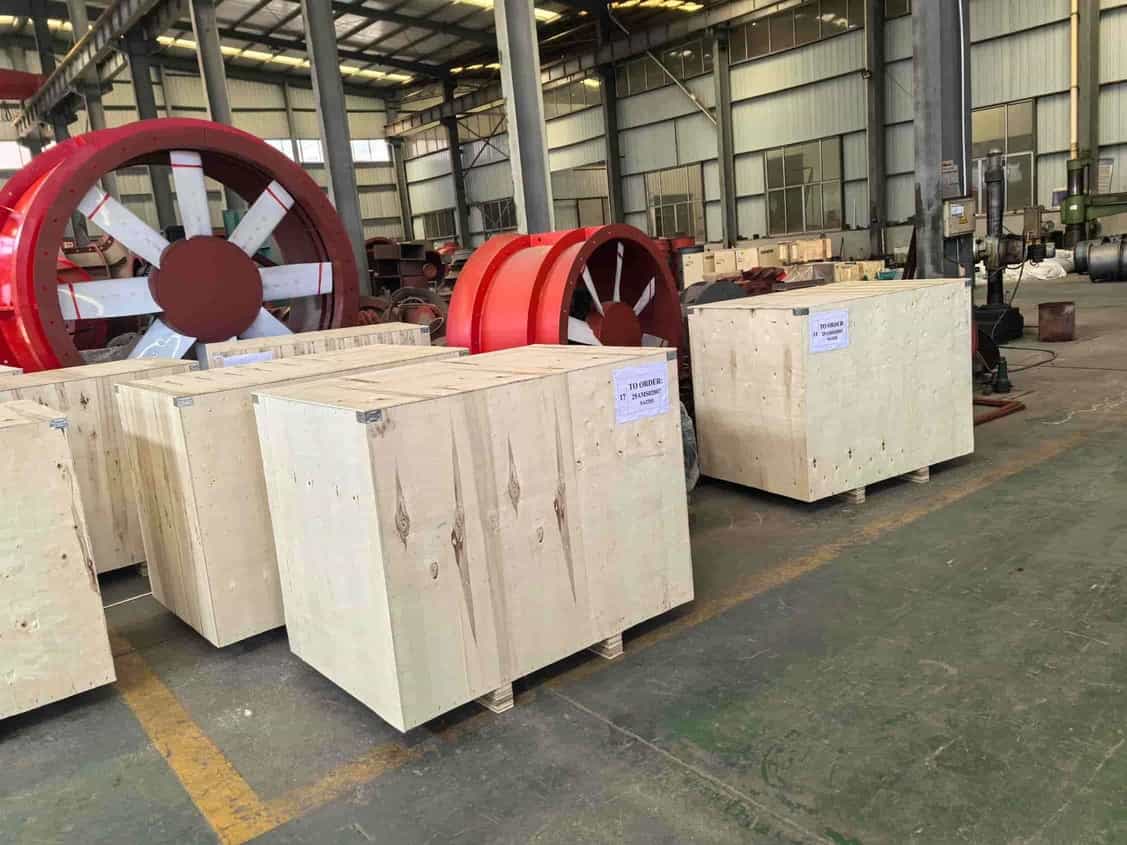
We ventilate underground because natural air movement is not enough to keep deep mines and tunnels safe, cool, and breathable. Once you move away from the portal or shaft, air can easily become stagnant. Without properly designed ventilation and correctly selected mine ventilation fans, contaminants and heat will build up quickly in headings, haulage drifts, and production areas.
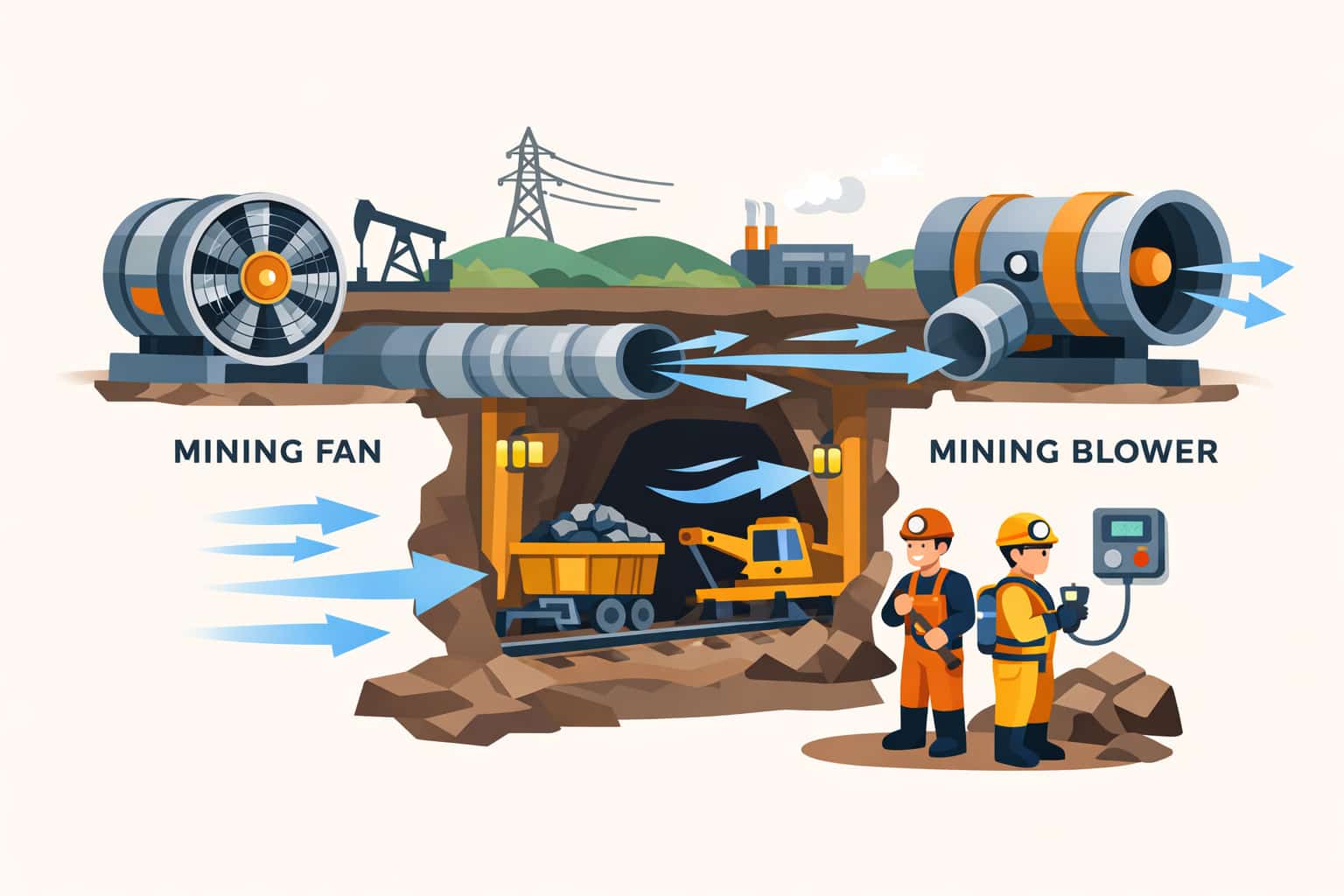
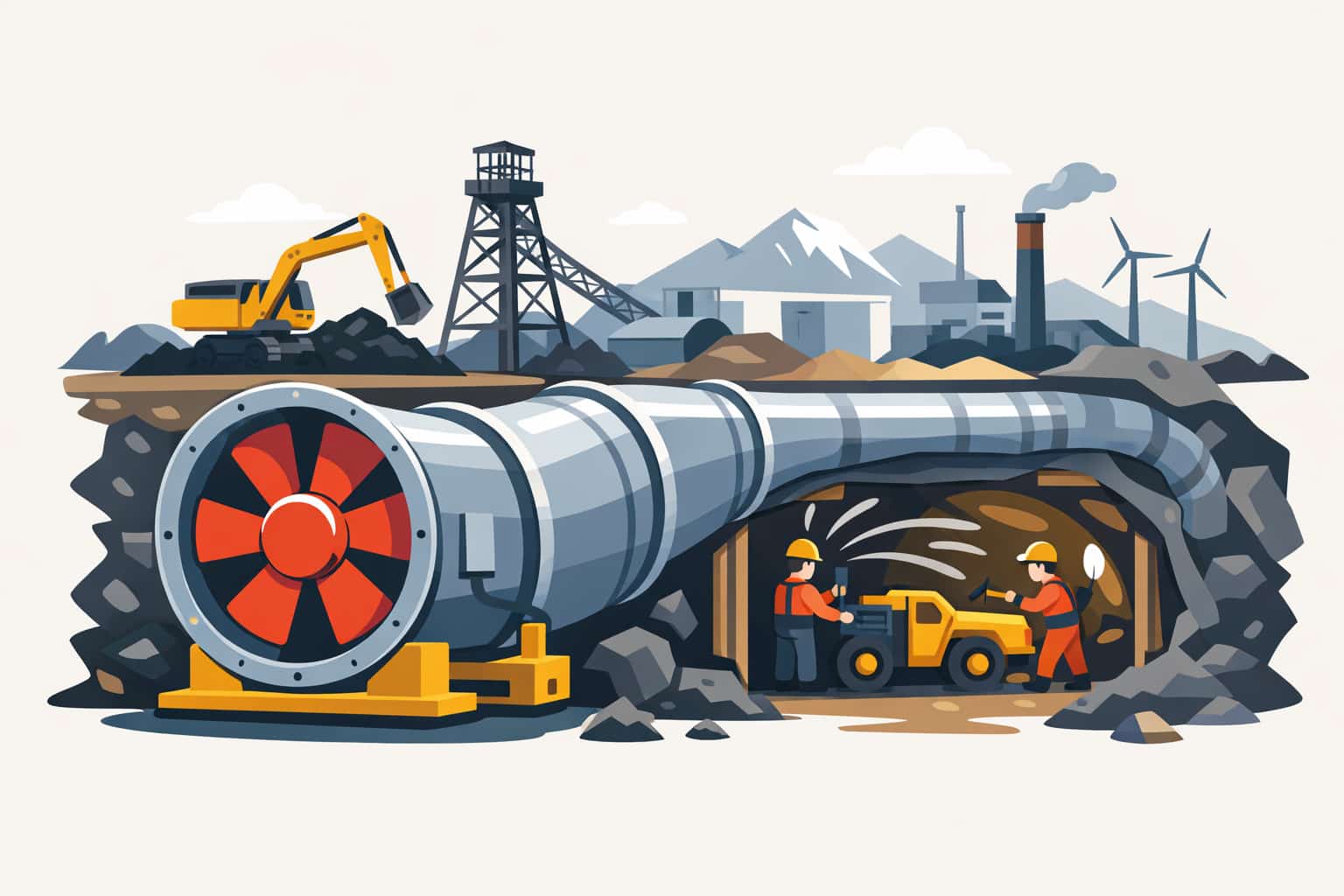
The most fundamental reason for underground ventilation is air quality. Mining and tunnelling activities generate dust, diesel exhaust, blasting fumes, and—in some deposits—gases released from the rock. If these are not diluted and removed by airflow, concentrations can exceed legal limits and create serious health and safety risks. A good ventilation system, driven by main fans and supported by auxiliary fans and ducting, continuously supplies fresh air and removes contaminated air through return routes.
Ventilation is also essential for heat and humidity control. As workings go deeper, rock temperature increases and more powerful equipment is installed. Diesel engines, electric motors, pumps, and conveyors all add heat to the underground environment. Without enough airflow, temperatures and humidity can rise to uncomfortable or even dangerous levels, increasing the risk of heat stress. Proper ventilation carries heat away from working faces and distributes cooled air where mechanical refrigeration is used.
Another reason we ventilate underground is to maintain visibility and comfort. Airflow helps remove dust and haze, improving line of sight for operators and reducing accidents around mobile equipment. Workers feel less fatigued when air is fresh and temperatures are controlled, which supports higher productivity and safer behaviour throughout the shift.
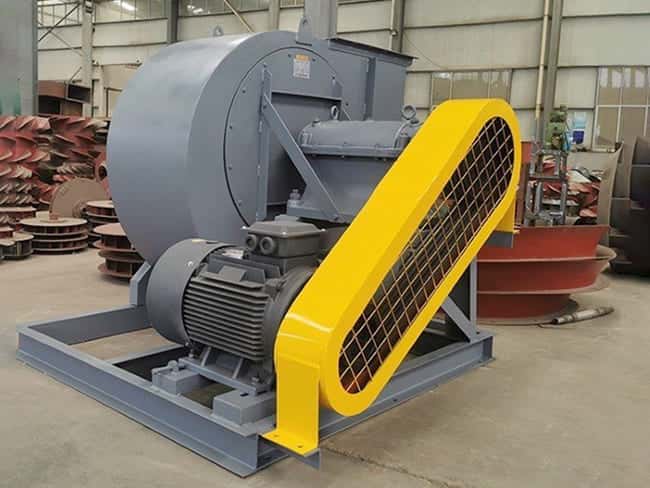
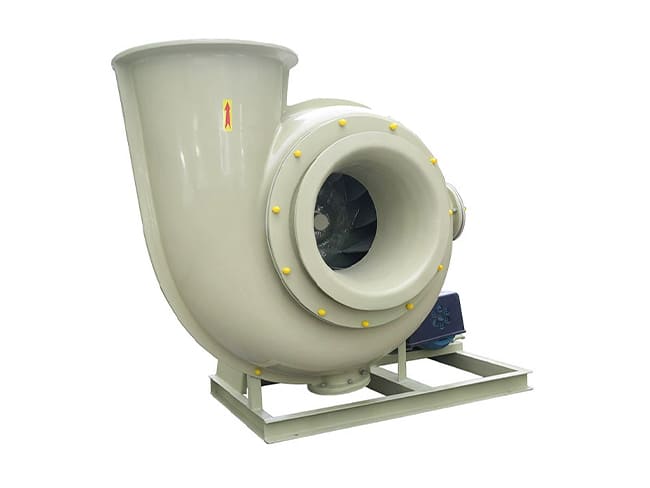
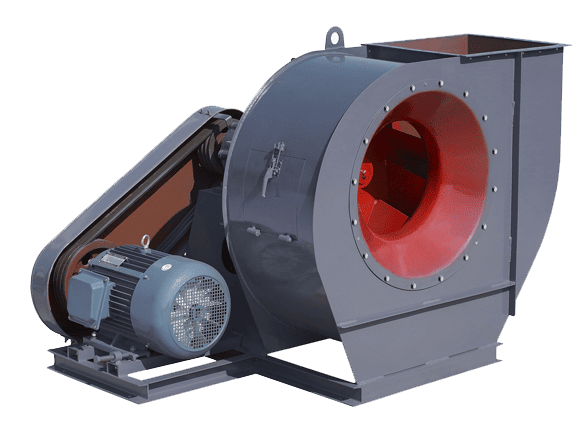
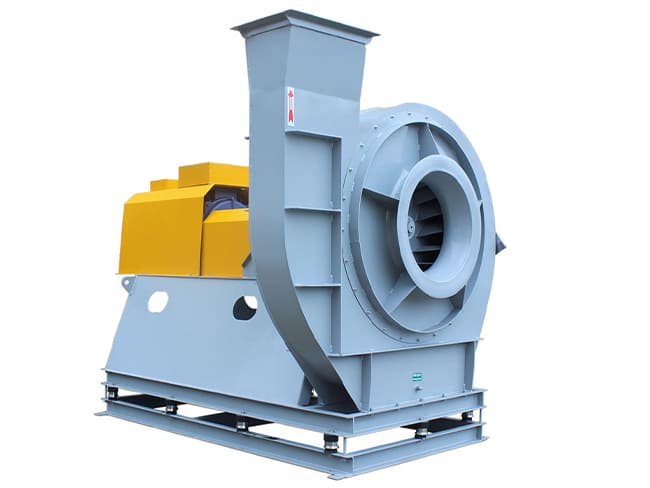
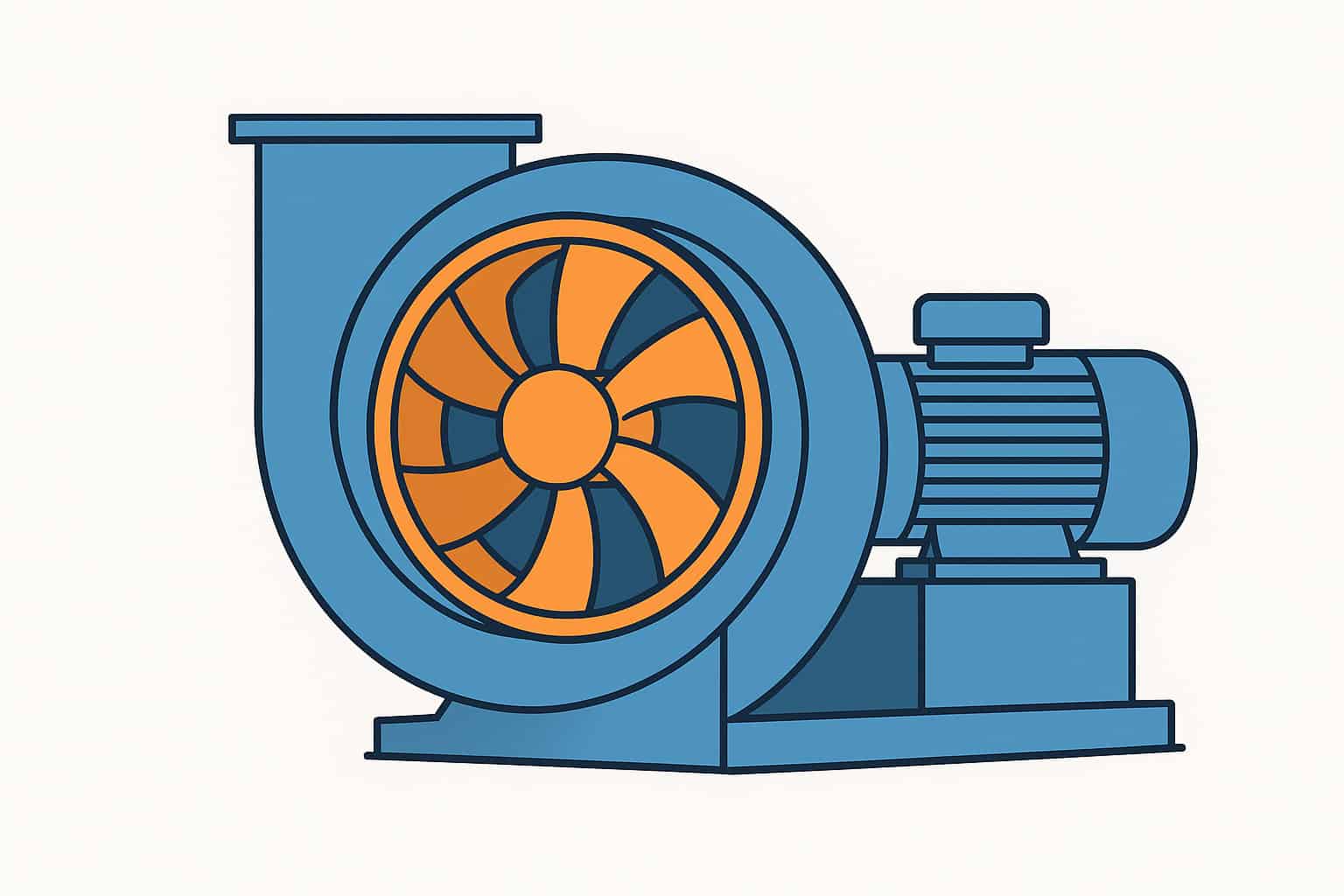
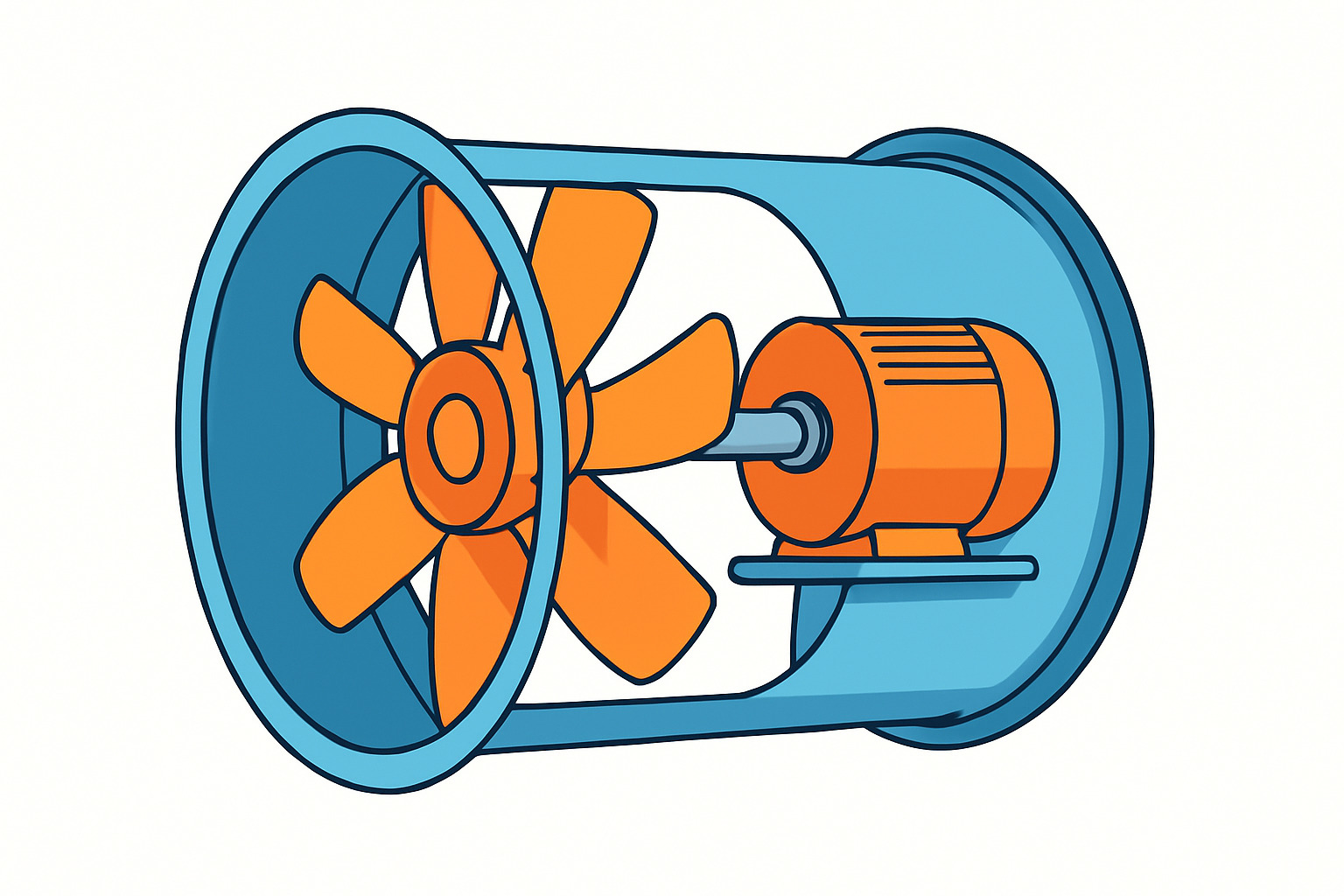
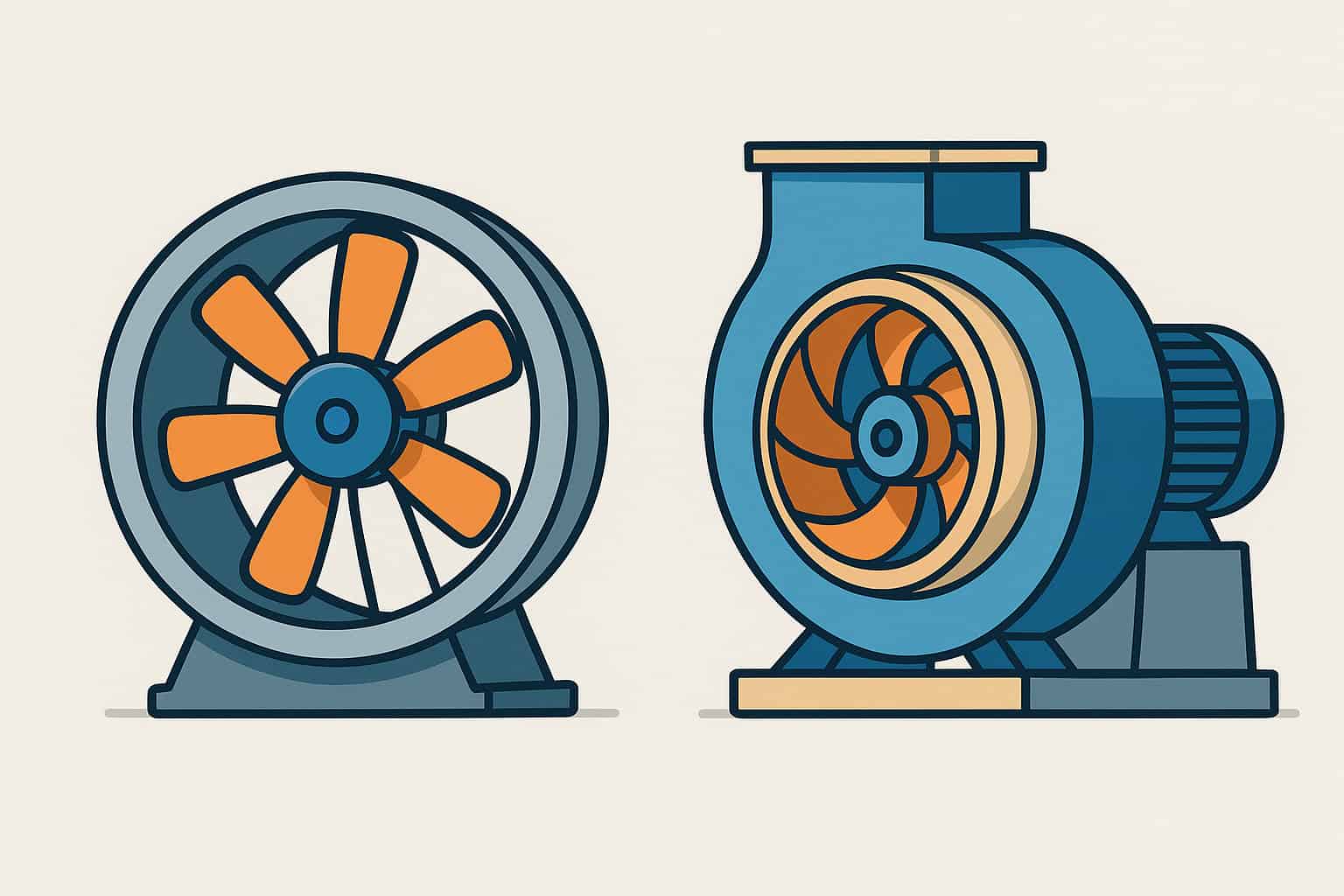
From a system point of view, underground ventilation keeps airflow direction and pressure relationships stable. Main axial or centrifugal fans, together with doors, regulators, and stoppings, create a predictable network of intake and return airways. This stability is crucial during normal production and even more important in emergencies, when the behaviour of smoke and fumes determines which escape routes remain usable.
In summary, we ventilate underground to manage air quality, heat, humidity, visibility, and airflow direction. Properly engineered mine ventilation fans and control devices turn a closed underground space into a controlled environment where people and equipment can work safely and efficiently.