
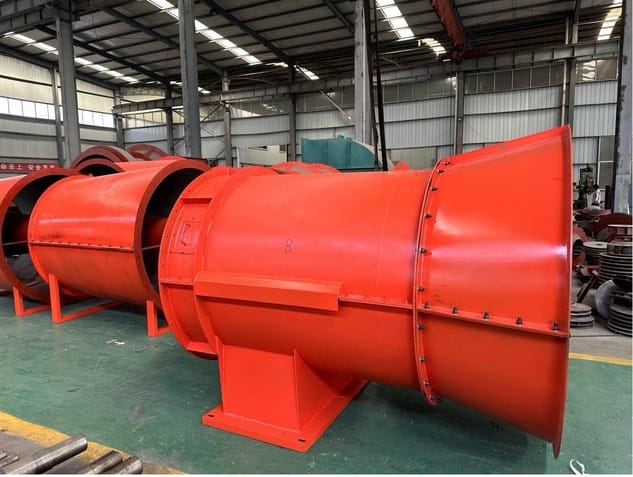
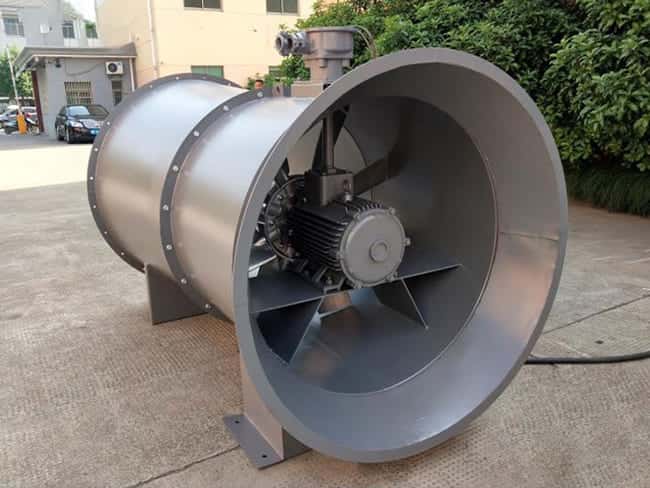
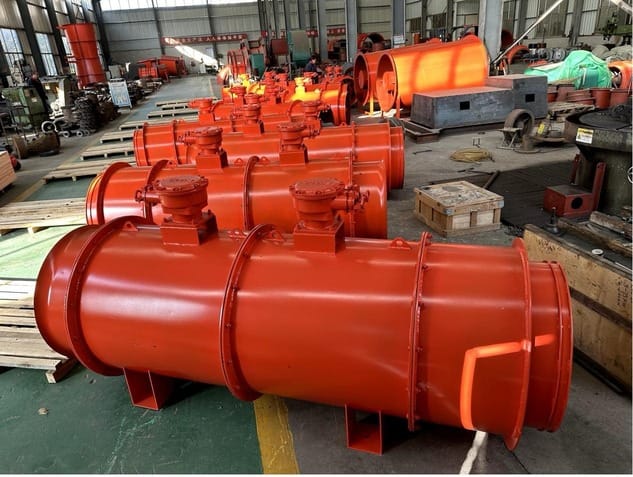
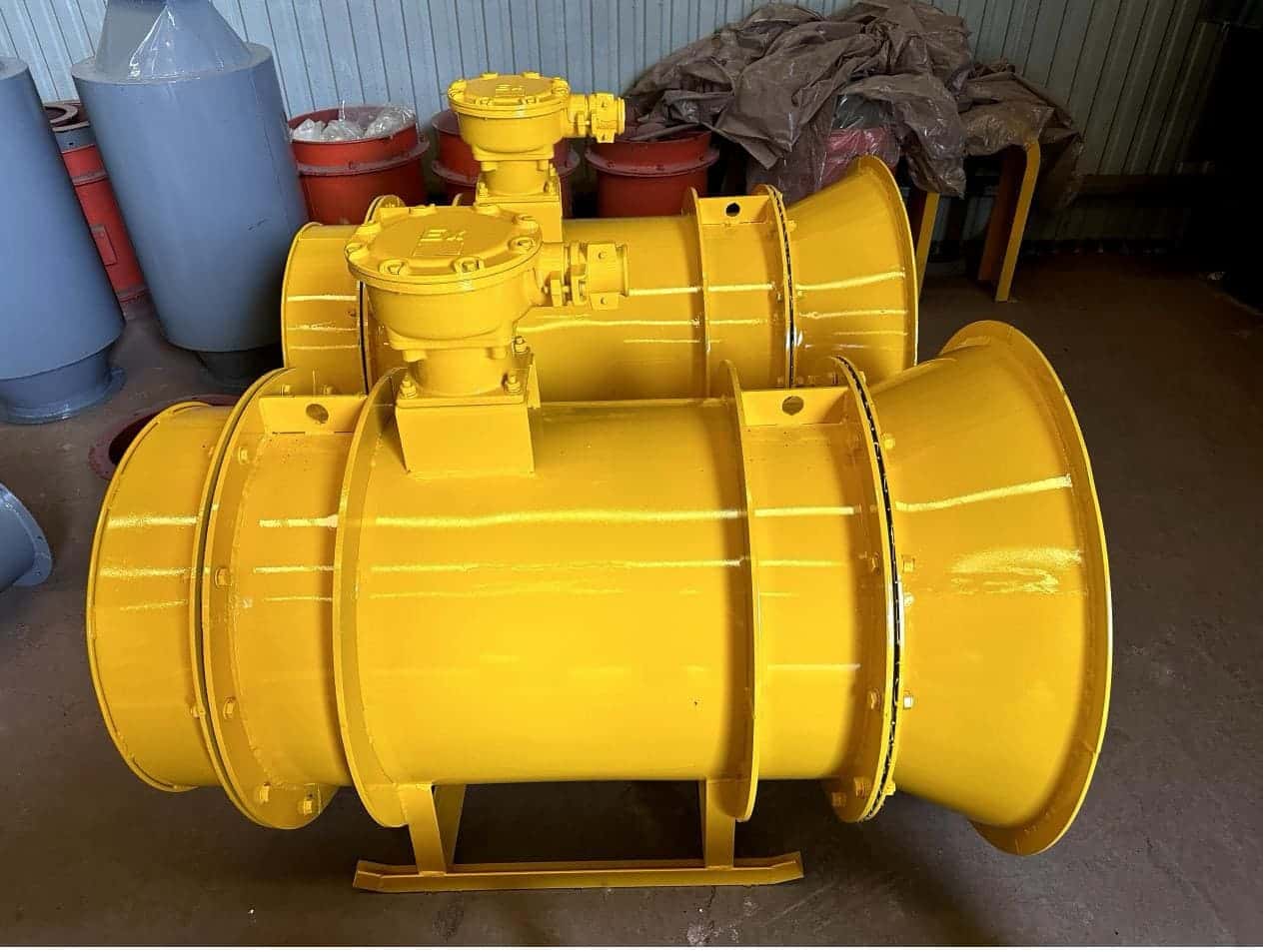
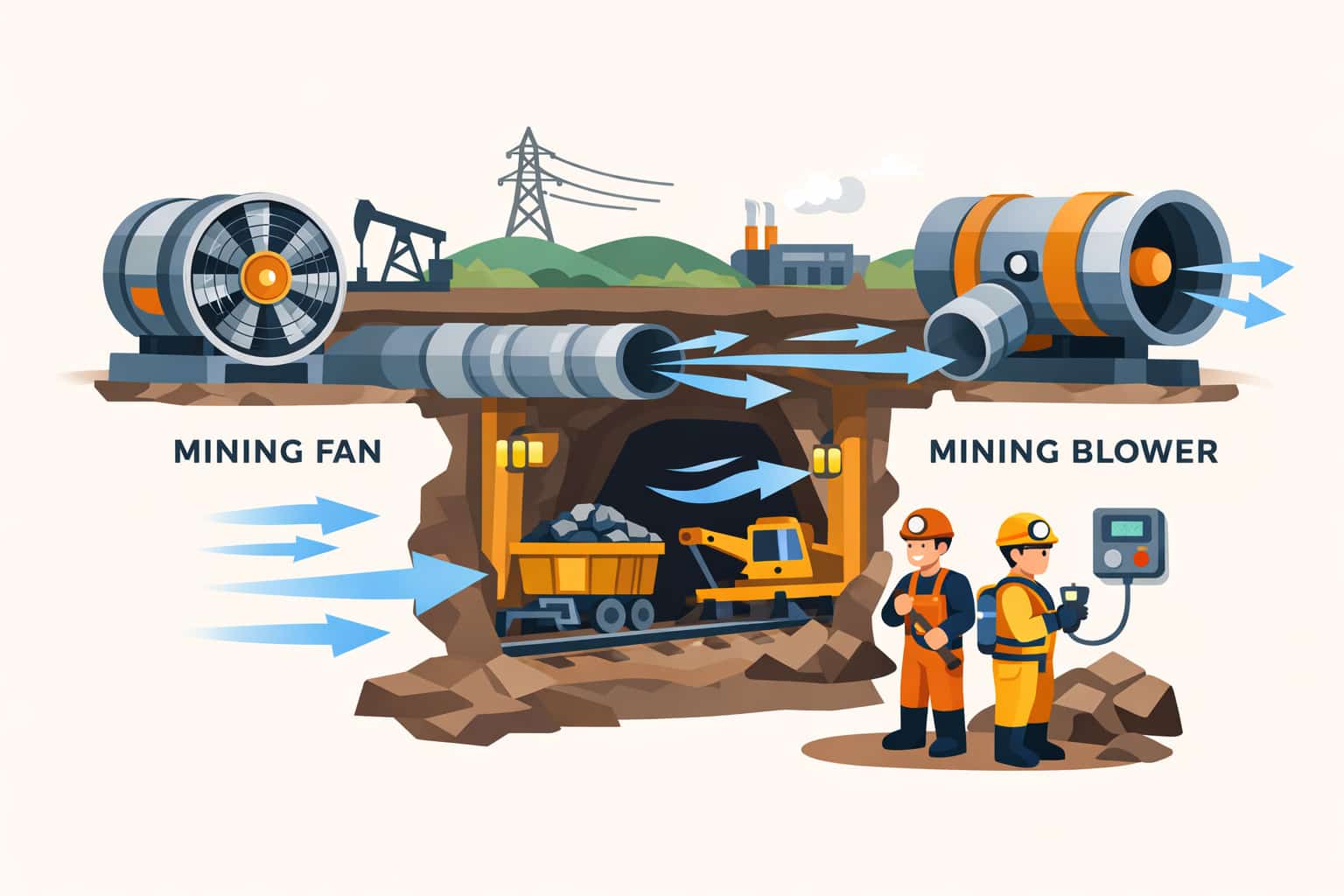
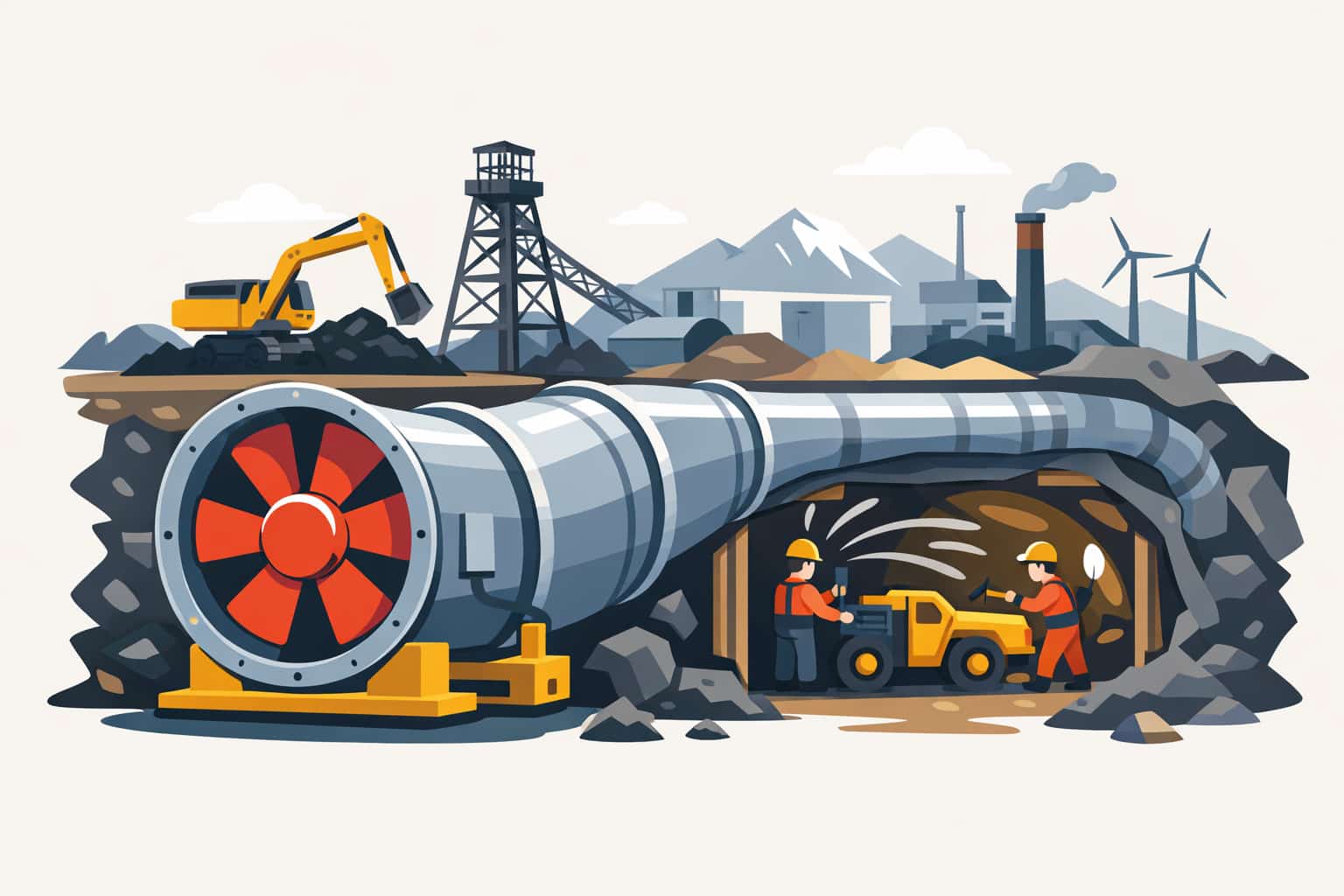
Proper ventilation is critical in underground mining operations because it is the primary system that makes the environment safe and workable. Unlike surface workplaces, underground mines do not have natural airflow capable of diluting contaminants or removing heat at the scale required for modern, mechanized mining. A well-designed ventilation system allows miners to work in deeper, hotter, and more complex ore bodies while controlling health and safety risks.
The first reason ventilation is essential is air quality. Mining activities generate dust, diesel exhaust, and blasting fumes, along with potential gases from the orebody or surrounding rock. Without ventilation, these contaminants would accumulate to levels that threaten health and safety. Proper ventilation supplies enough fresh air and provides clear flow paths to dilute and carry contaminants into return airways and out of the mine.
Ventilation is equally important for heat and humidity control. As mines go deeper, rock temperatures and heat from equipment both increase. Diesel engines, electrical motors, and mechanical processes all add heat to the air. Without adequate airflow, temperatures and humidity in headings can reach levels that cause heat stress and fatigue, reduce productivity, and increase safety risks. In some operations, mechanical cooling is combined with strong ventilation to keep conditions within acceptable limits.
Proper ventilation also supports visibility and operational reliability. By reducing dust and haze, it improves visibility for operators and reduces the risk of accidents around mobile equipment. Clean, well-ventilated electrical rooms, workshops, and control areas help protect critical infrastructure and reduce downtime.
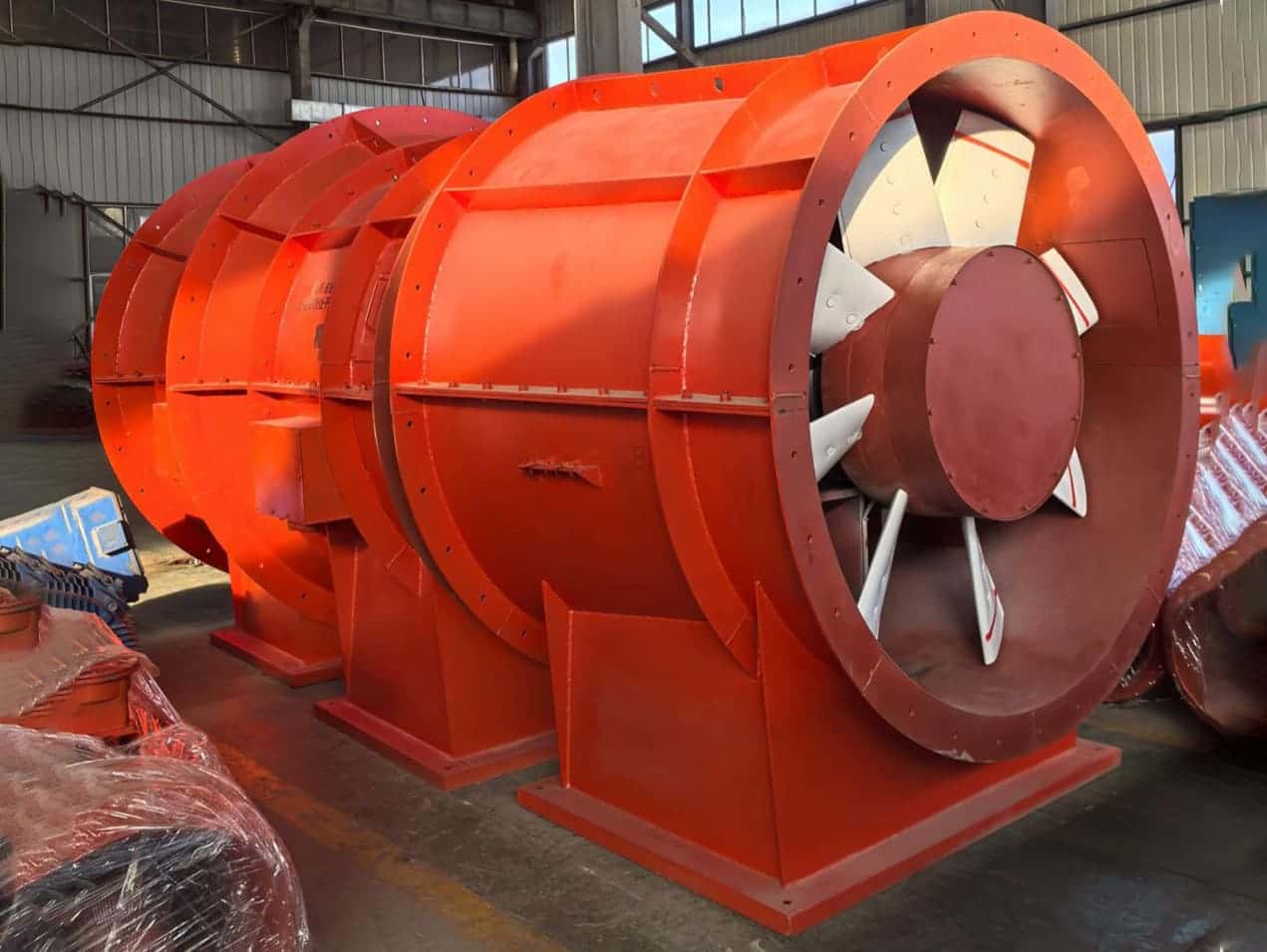
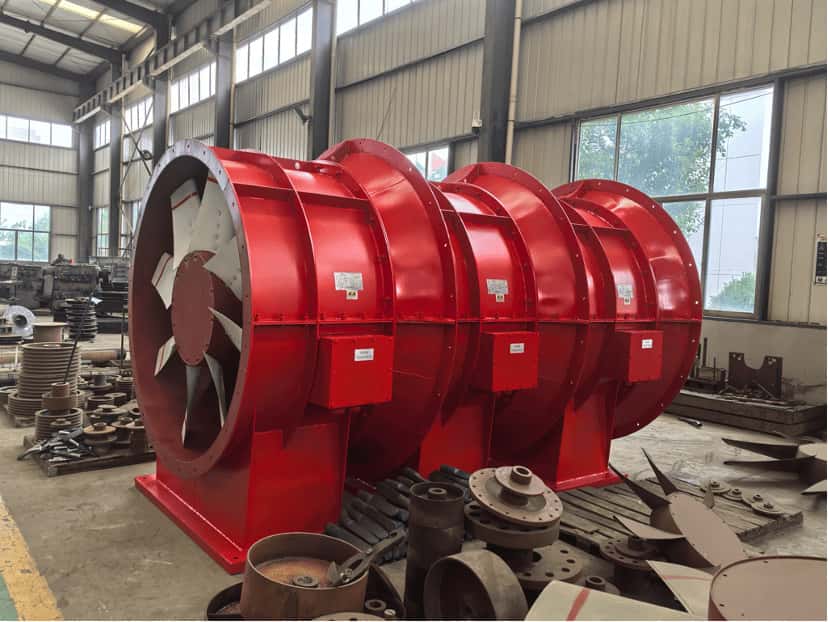
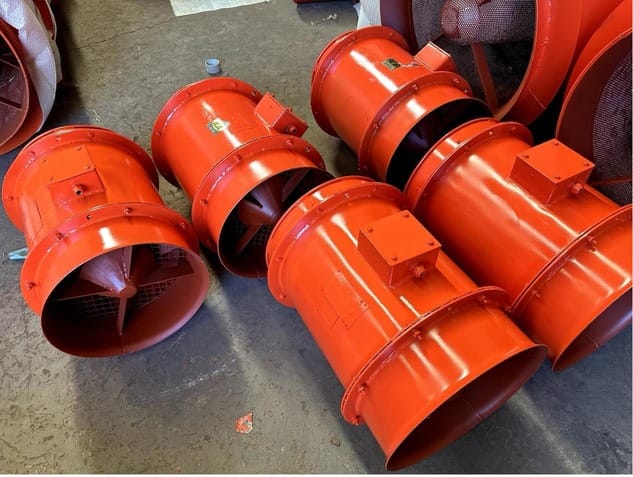
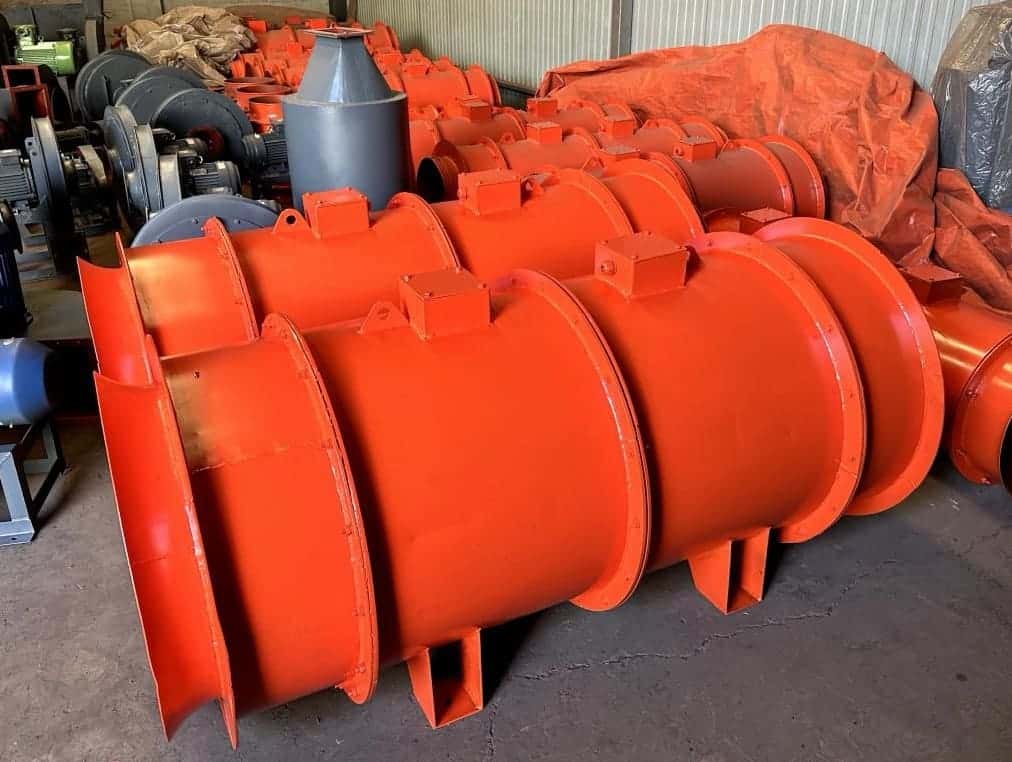
From a system perspective, proper ventilation maintains stable airflow distribution and pressure control throughout the mine. A controlled network of intake and return airways, main fans, auxiliary fans, and control devices ensures that each active district receives the required airflow. If doors are left open or regulators are misadjusted, airflow can shift unexpectedly, causing under-ventilation in some areas and wasted energy in others. Proper design and management keep the system predictable and resilient to changes in layout.
Finally, ventilation is a core part of emergency preparedness. In the event of a fire, gas release, or power interruption, the behavior of airflow and fans strongly affects smoke movement, evacuation routes, and refuge strategies. Mines with robust, well-managed ventilation systems and clear procedures are better prepared to respond and recover safely.
In summary, proper ventilation in underground mining is critical because it underpins safe breathing conditions, contaminant control, thermal comfort, visibility, equipment reliability, and emergency response. It is not just another utility but a central safety and production system that must be engineered, monitored, and maintained with high priority.